
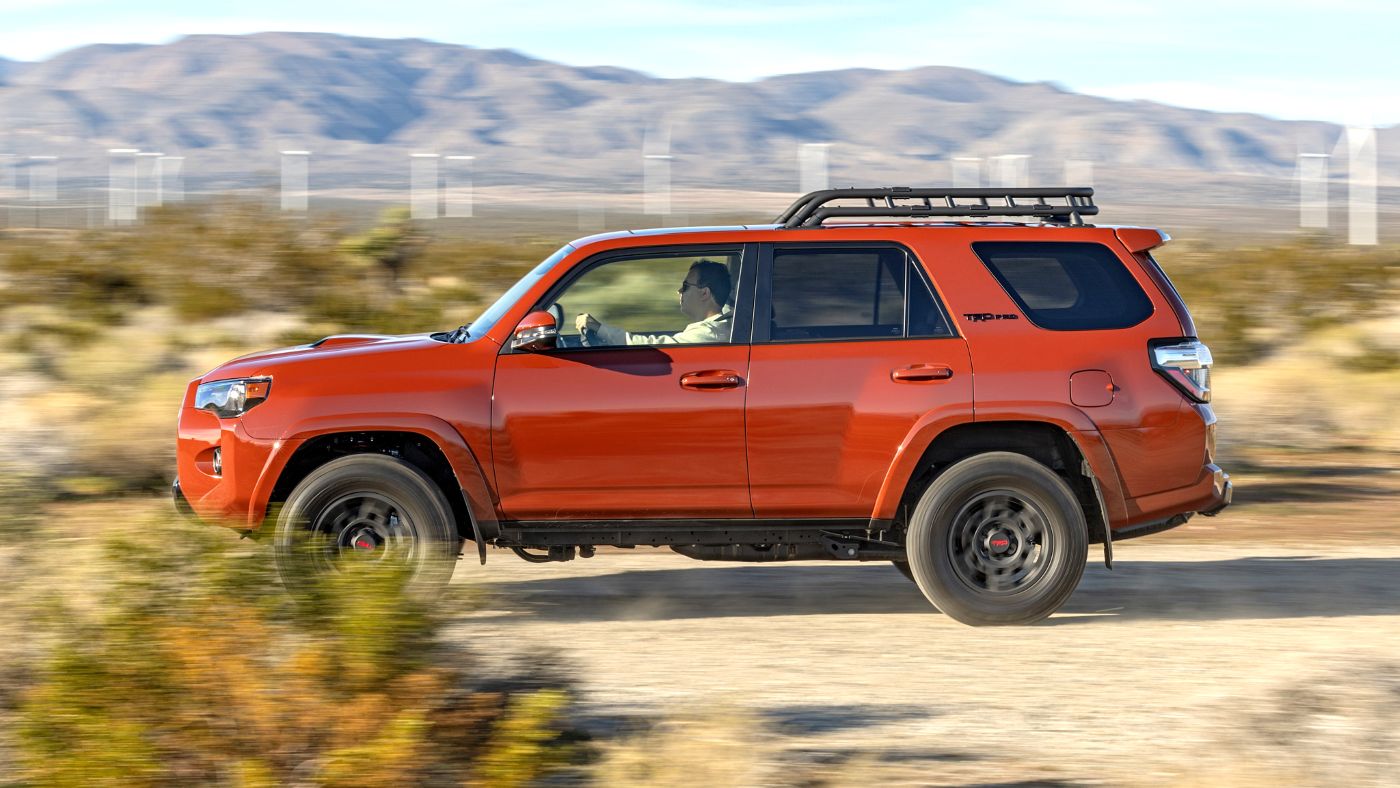
When it comes to SUVs, some are born to tackle dirt, rocks, and mud with the confidence of a professional off-roader, while others struggle to maintain traction and composure on anything beyond smooth pavement.
Whether you’re a weekend adventurer, a frequent camper, or someone who enjoys venturing into the backcountry, knowing which SUVs can handle trails like pros, and which ones tend to spin and slide, can make the difference between an enjoyable excursion and a stressful ordeal.
In this guide, we’ll examine five SUVs that excel in off-road situations and five that fall short, providing practical context for drivers across the United States who want to blend versatility with capability.
SUVs That Handle Off-Road Trails Like Pros
When the pavement ends and the trail begins, not all SUVs are created equal. Some are perfectly happy sticking to city streets and highways, while others thrive when faced with rugged terrain, steep inclines, and unpredictable surfaces. For adventurers, off-road capability isn’t just a bonus, it’s a necessity.
From carefully engineered suspension systems to advanced all-wheel-drive technologies, today’s top off-road SUVs combine durability, traction, and driver confidence to tackle trails that would challenge lesser vehicles.
In this guide, we highlight SUVs that handle off-road trails like pros, offering both the performance and reliability you need for your next adventure, as well as a few that struggle to keep up when the going gets tough.
1. Jeep Wrangler Rubicon
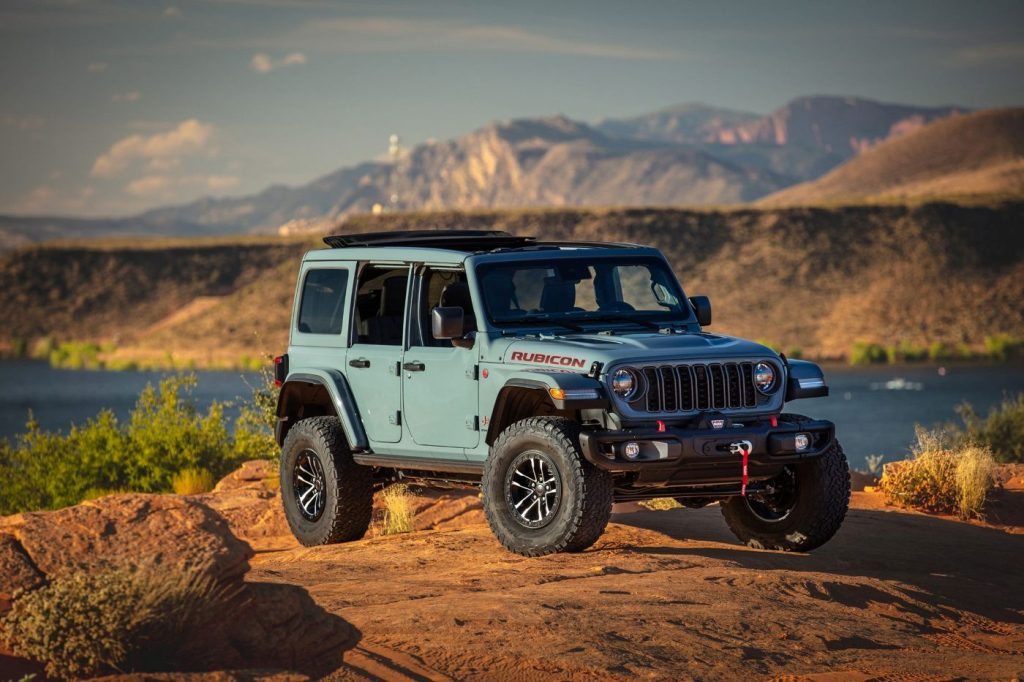
The Jeep Wrangler Rubicon has become the benchmark for off-road SUVs. With its solid axles, disconnecting sway bars, locking differentials, and high ground clearance, the Rubicon can conquer rocks, deep ruts, and steep climbs with minimal effort.
Its 4×4 system is engineered for extreme conditions, and the optional 33-inch all-terrain tires provide additional bite on loose surfaces. Even novice drivers quickly gain confidence behind the wheel, as the Wrangler’s predictable controls and rugged construction allow it to navigate trails that would intimidate many other SUVs.
The Jeep Wrangler remains a formidable off-road machine, particularly in the Rubicon trim, which boasts 33-inch tires and lockable differentials. Its off-road capability is truly impressive, yet these same features mean that everyday steering and handling can feel compromised.
The Wrangler’s traditional body-on-frame construction, solid-axle suspension, and old-school steering contribute to a driving experience that is less refined on pavement. Even the brake pedal travel, which offers excellent modulation off-road, may feel long and awkward during daily driving.
Under the hood, the 3.6-liter V6 delivers robust power. In our testing, the four-door Sahara version accelerated from 0 to 60 mph in a respectable 7.6 seconds. The eight-speed automatic transmission complements the engine well, shifting smoothly and consistently finding the appropriate gear for the situation.
Inside, the Wrangler is surprisingly modern, particularly regarding infotainment and smartphone integration. The optional 8.4-inch Uconnect system features sharp graphics, responsive controls, and is widely regarded as one of the best infotainment interfaces in the industry.
The cabin also includes multiple charging ports, both USB and USB-C, and Apple CarPlay and Android Auto come standard with both the 7- and 8.4-inch touchscreen systems.
However, the Wrangler does lag behind many competitors when it comes to advanced driver-assistance features. While some safety tech like blind-spot monitoring is available, higher-tech aids such as automatic emergency braking or lane-keeping assist are absent, leaving the Wrangler focused primarily on its off-road strengths rather than on-road driver assistance.
2. Toyota 4Runner TRD Pro
The Toyota 4Runner TRD Pro blends legendary reliability with modern off-road technology. Features like crawl control, multi-terrain select, and a locking rear differential allow drivers to approach challenging terrain with confidence.
The 4Runner’s body-on-frame construction contributes to its durability, and its suspension keeps the cabin relatively composed even on rough trails. It’s particularly well-suited for longer expeditions where dependability is just as important as rock-climbing prowess.
The outgoing Toyota 4Runner had grown very, very dated. The fifth-generation 4Runner first hit the market in 2010 and endured for 15 years with only minor updates.
For 2025, Toyota introduced the sixth-generation 4Runner, promising a range of improvements designed to make the SUV both more refined on the road and more capable off it. The question now is whether Toyota has delivered on that promise, and we’ll be testing that over the next year.
Over the course of thousands of miles, we’ll be putting Toyota’s premier off-roader through its paces. In fact, it has already squared off against its more luxurious cousin, the Lexus GX, in an off-road comparison test.
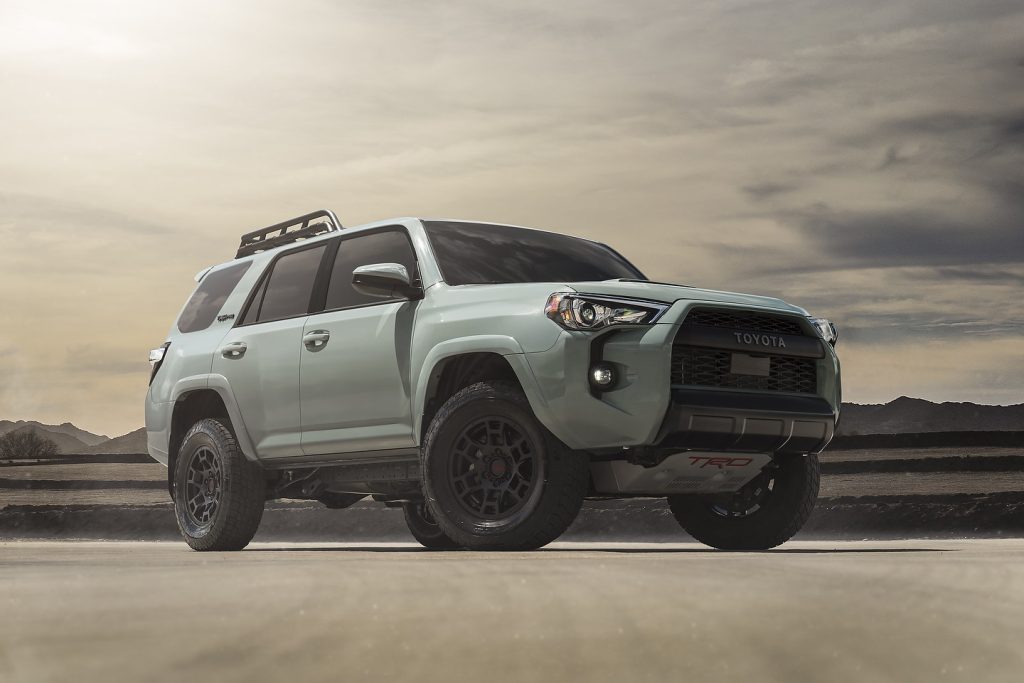
For our test, we selected the TRD Pro, one of the 4Runner’s two top-tier off-road trims, alongside the Trailhunter. While the Trailhunter is geared more toward overlanding adventures, the TRD Pro has a desert-runner focus, making the sand-colored Mud Bath paint on our truck particularly fitting.
Pricing for the 4Runner TRD Pro has edged up slightly since our purchase, with the base model now starting about $500 higher than our $68,350 acquisition.
As expected, the TRD Pro comes loaded with off-road hardware, including a part-time two-speed four-wheel-drive system, an electronically controlled locking rear differential, Fox QS3 adjustable shock absorbers, chunky all-terrain tires, and more.
Powering this capable package is a turbocharged 2.4-liter four-cylinder hybrid, which delivers 326 horsepower and 465 lb-ft of torque. Combined with its extensive off-road equipment, the 2025 4Runner TRD Pro is clearly built to handle serious off-road challenges.
Also Read: Top 10 Cars With Rear Seats That Fold From the Trunk
3. Land Rover Defender
Land Rover’s Defender has evolved into a sophisticated off-road vehicle that doesn’t compromise on comfort. Its Terrain Response system allows drivers to select settings for mud, sand, rocks, or snow, automatically adjusting throttle response, transmission behavior, and traction control.
Ground clearance is adjustable via air suspension, and features like hill descent control and wade sensing make tricky conditions manageable. This SUV excels both on rugged trails and in remote locations where other vehicles might falter.
The Land Rover Defender stands out for its design, both inside and out. Its exterior sheetmetal offers a modern interpretation of the classic Defender’s boxy, utilitarian style, while the interior pays homage to its heritage through exposed bolts and body-colored door panel accents
At the same time, a large infotainment display ensures the cabin doesn’t feel dated. That said, we did notice more squeaks and rattles than we would like, and the optional third-row seating is remarkably tight.
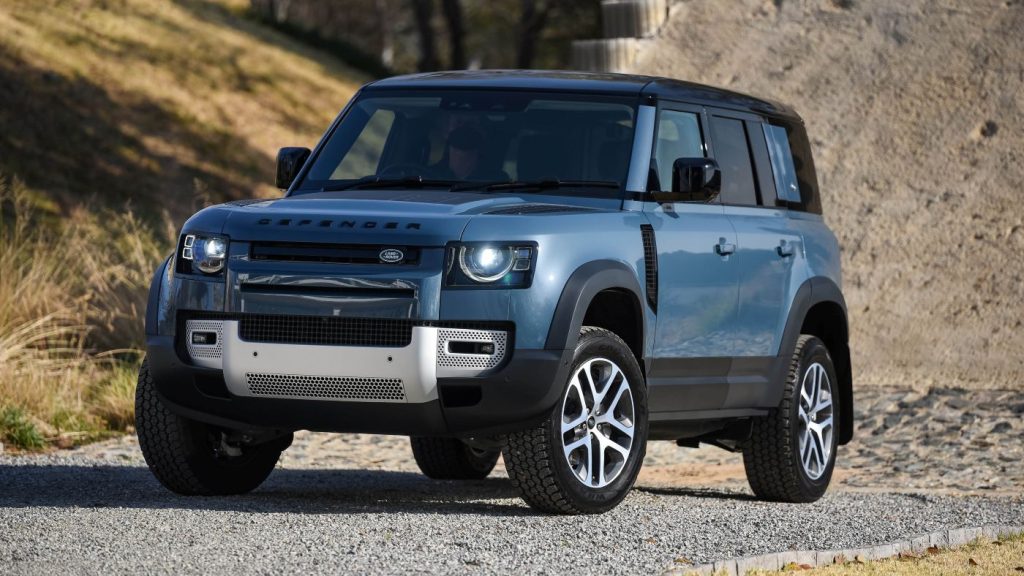
Despite these minor shortcomings, the Defender remains Land Rover’s most off-road-capable SUV and a highly compelling package overall. A roomier Defender 130 model, as well as more powerful V-8 options, only add to its appeal and versatility.
Land Rover’s lineup for the Defender is expected to continue featuring four- and six-cylinder engines paired with eight-speed automatic transmissions and standard four-wheel drive.
The base engine is likely the familiar 2.0-liter turbocharged four-cylinder, producing 296 horsepower and 295 lb-ft of torque. While we haven’t yet tested a four-cylinder model ourselves, Land Rover claims that the Defender 110 2.0 will accelerate from 0 to 60 mph in 7.7 seconds.
For those seeking more performance, a 3.0-liter turbocharged and electrically supercharged inline-six delivers a robust 395 hp and 406 lb-ft of torque. In our First Test, a Defender 110 P400 with the I-6 engine reached 60 mph in 6.5 seconds, with fuel economy remaining close to that of the four-cylinder model at 17/22 mpg.
Adding further excitement for 2022, Land Rover now offers a V-8 under the hood. The corporate Jaguar/Land Rover 5.0-liter supercharged V-8 produces 518 horsepower and 461 lb-ft of torque in this application.
Performance claims for the Defender 90 V-8 are impressive, with a 0-60 mph sprint in 4.9 seconds and a top speed of 149 mph, making it one of the most powerful and thrilling options in the Defender lineup.
4. Ford Bronco Wildtrak
The modern Ford Bronco Wildtrak is designed with trail enthusiasts in mind. It comes with a robust 4×4 system, electronic-locking front and rear differentials, and an optional Sasquatch package that includes 35-inch tires, higher suspension, and enhanced rock-crawl capability.
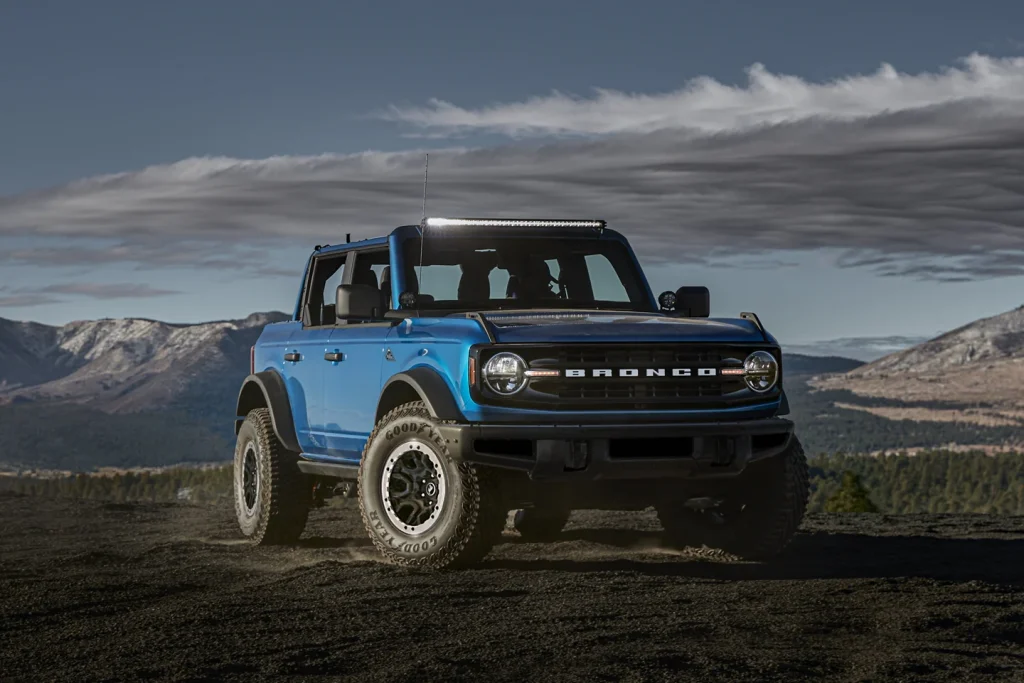
The Bronco’s tight approach and departure angles, combined with its selectable drive modes, make it a confident companion in rocky or sandy terrain. Even drivers who are relatively new to off-roading find the Bronco approachable yet thrilling.
5. Subaru Outback Wilderness
While the Subaru Outback is primarily known as a car-like crossover, the Wilderness edition punches above its weight for off-road capability. It offers increased ground clearance, all-terrain tires, upgraded suspension, and X-Mode for optimized traction on slippery surfaces.
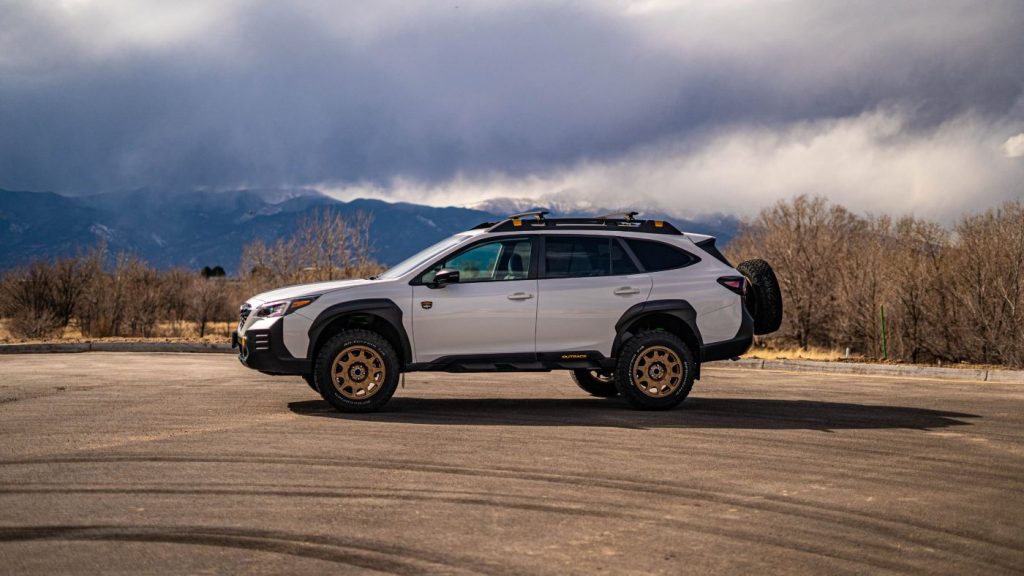
Unlike some larger, heavier SUVs, the Outback Wilderness feels nimble and easy to maneuver through tighter trails while still offering the reliability and comfort needed for longer backcountry trips.
Also Read: Top 10 Cars With Rear Seats That Fold From the Trunk
SUVs That Spin and Slide
Not every SUV is built for adventure. While some models thrive off the beaten path, others struggle when faced with loose gravel, mud, steep inclines, or snowy conditions. For drivers who enjoy exploring trails, or simply need confidence in adverse weather, choosing the wrong SUV can lead to frustrating spins, slides, and a general lack of control.
These vehicles may look rugged on the outside, but under pressure, their suspension, traction systems, and overall handling reveal their limitations. In this guide, we focus on SUVs that spin and slide, highlighting those that fall short when the terrain gets tough, so you know which ones to approach with caution, or avoid altogether.
1. Honda CR-V
While the CR-V is excellent for commuting and family errands, its traction and ground clearance are limited in off-road scenarios. Front-wheel-drive models can struggle in mud or deep snow, and even all-wheel-drive variants lack the torque distribution and locking differentials necessary for serious trail work.
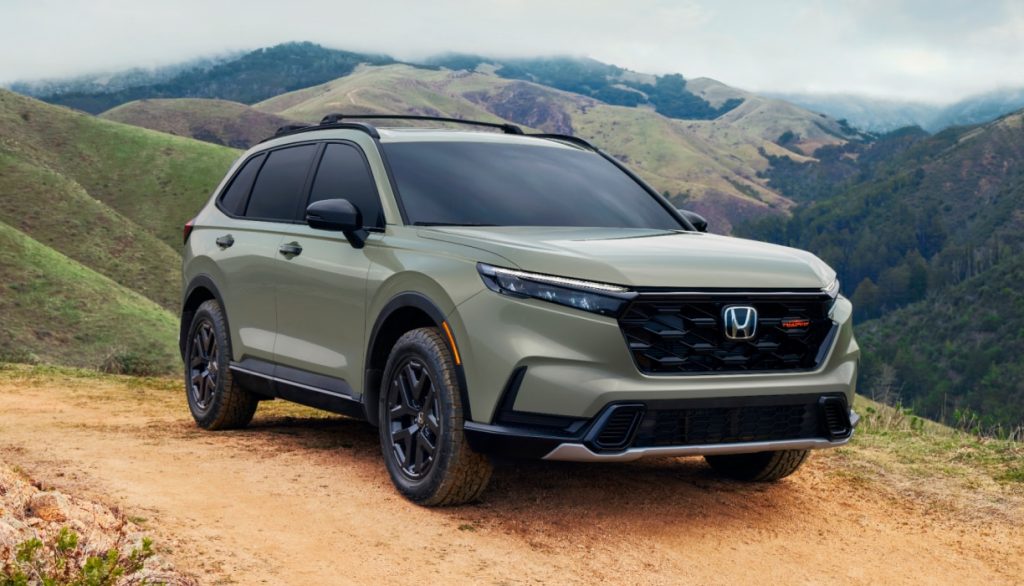
Drivers may find themselves spinning tires or getting stuck in moderate conditions that more rugged SUVs would handle effortlessly.
2. Toyota RAV4 (Non-Adventure Trims)
The RAV4 Adventure and TRD Off-Road trims offer respectable capability, but the base and XLE models are more suited for city streets than trails. These versions tend to understeer on slippery surfaces, and the lack of low-range gearing and limited ground clearance make it difficult to navigate rough or uneven terrain without risking underbody damage.
The Toyota RAV4 falls short in off-road finesse despite its rugged styling and adventurous trim names. Around town, the engine performs adequately, making passing and merging stress-free, but don’t expect thrilling acceleration.
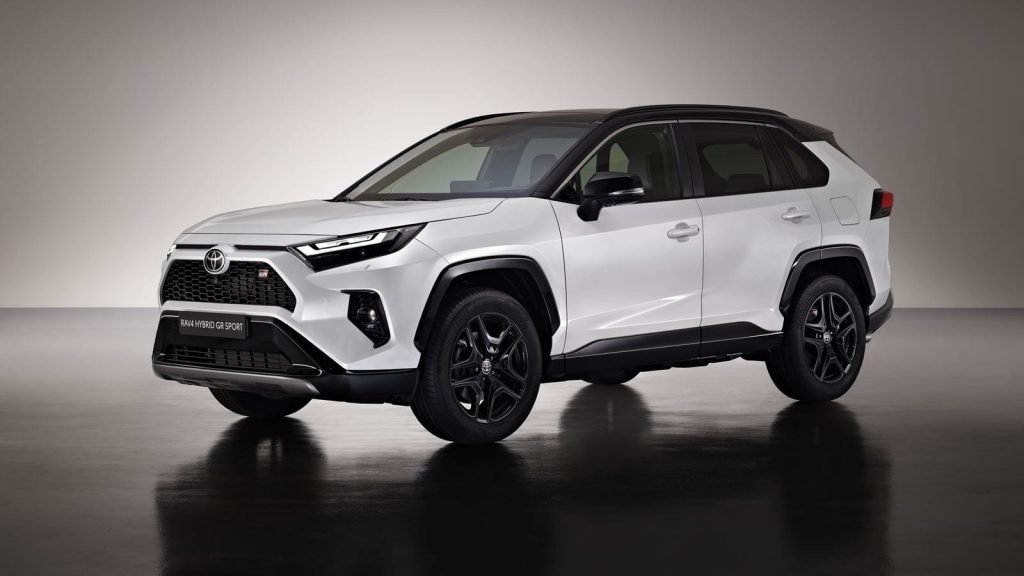
Steering is another weak spot, feeling vague around center and lacking the necessary heft to inspire confidence in tricky conditions. Drivers may find it difficult to gauge how much input is needed, which can be unnerving off-road.
That said, the RAV4 Adventure redeems itself with its optional upgraded all-wheel-drive system, which features rear-axle torque vectoring, advanced traction control, selectable terrain modes, and hill descent control.
Coupled with its respectable ground clearance, these technologies give the RAV4 Adventure better-than-average off-road capability for a small SUV, even if it’s not quite a trail master.
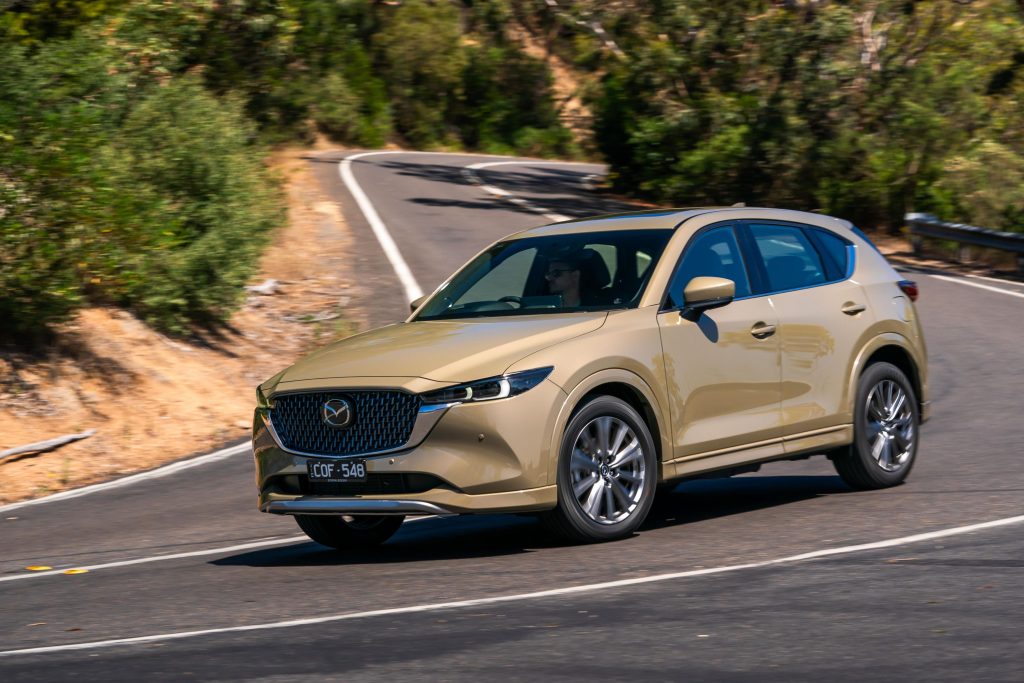
3. Mazda CX-5
The CX-5 is a refined and engaging SUV for paved roads, but its all-wheel-drive system isn’t engineered for off-road performance. It lacks the ground clearance and mechanical traction aids that help SUVs traverse loose gravel, mud, or rocky surfaces. On trails, drivers may experience spinning wheels or a general sense of instability, especially when the terrain gets steep or uneven.
The Mazda CX-5 has been a mainstay in the compact-crossover segment since its introduction in 2017, and despite the arrival of newer competitors, it remains a standout choice for shoppers who value both style and driving enjoyment. Even with the launch of the slightly larger and more expensive CX-50 in 2023, Mazda has maintained the CX-5 lineup without scaling it back.
Today, the CX-5 offers eight trims, a choice between two four-cylinder engines, including a lively turbocharged option, available all-wheel drive, a well-crafted interior, and a driving experience that is still among the best in its class.
While rivals like the Honda CR-V and Toyota RAV4 may surpass it in sheer practicality, the CX-5 provides ample passenger and cargo space for most buyers, making it an appealing all-around compact crossover, particularly for those who love to drive.
Under the hood, the CX-5’s standard 187-hp four-cylinder engine delivers strong throttle response, making city driving and stoplight acceleration feel peppy despite modest overall output.
Higher-speed maneuvers, such as freeway merges and passing, reveal the engine’s limitations, but the 256-hp turbocharged variant we tested offers significantly quicker acceleration. Both powerplants are mated to a responsive six-speed automatic transmission and paired with all-wheel drive, providing smooth, confident propulsion.
Mazda’s mastery of driving dynamics is evident whether you’re navigating city streets or winding country roads. The CX-5’s steering is precise and communicative, making cornering both engaging and reassuring.
The suspension strikes an ideal balance, firm enough to feel composed yet supple enough to absorb road imperfections, while road noise is minimal, rivaling crossovers that cost substantially more.
The Signature trim we sampled delivered a brake pedal feel that was both responsive and measured, allowing confident stopping without sudden grabs or vagueness. The CX-5 blends comfort, refinement, and sportiness in a way few compact crossovers can match, offering a thoroughly satisfying experience for drivers and passengers alike.
4. Hyundai Tucson
The Tucson is another SUV built for comfort and fuel efficiency rather than off-road mastery. While it offers all-wheel-drive, the system is reactive rather than proactive, meaning it sends power to the wheels only after slip occurs, rather than preventing it.
Combined with limited suspension travel and approach angles, the Tucson struggles on moderate trails where an aggressive SUV would thrive.
The Hyundai Tucson Hybrid and its plug-in PHEV sibling occupy a sweet spot between traditional gasoline power and full electrification. They’re not fully electric, yet they don’t rely solely on gas either, making them practical options for drivers seeking efficiency without compromise.
Both models feature all-wheel drive, drawing power from a combination of a front electric motor and a 1.6-liter turbocharged gasoline engine. Output reaches 226 horsepower for the standard Hybrid and 261 hp for the PHEV, comfortably outpacing the 187-hp conventional gas Tucson.
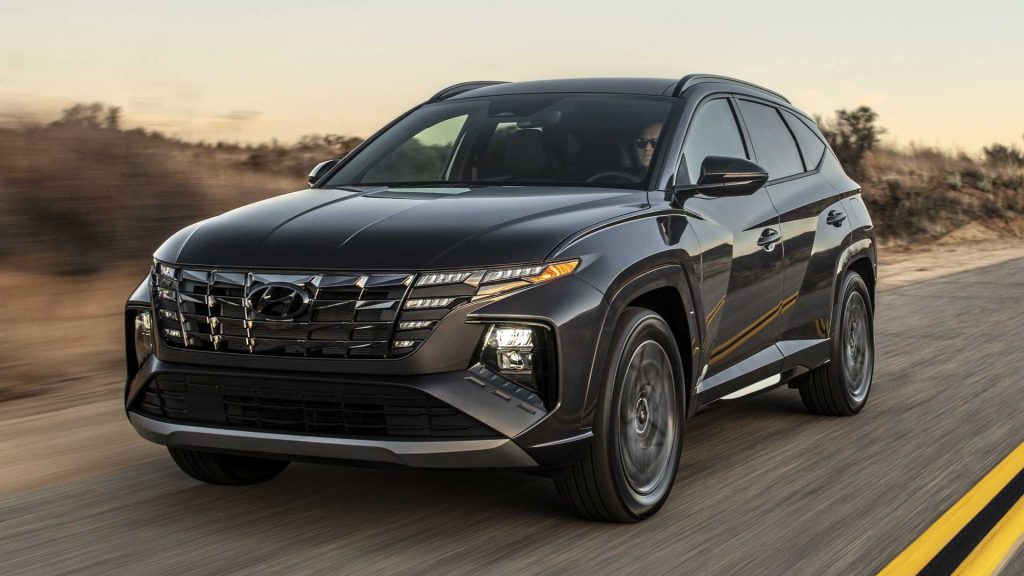
Beyond performance, the Tucson Hybrid comes well-equipped with standard features and maintains an impressively quiet cabin, especially at highway speeds. Its six-speed automatic transmission avoids the groan-inducing feel of CVTs found in some competitors, and when properly equipped, it can tow up to 2,000 pounds.
The Tucson Hybrid is also easy on the eyes, with part of its daytime running lights integrated into the grille, giving it a sleek and modern presence, while remaining one of the most affordable plug-in hybrids on the market.
Performance gains over the standard gas model are noticeable and welcome. The turbocharged 1.6-liter inline-four, paired with the front motor, delivers the combined output figures of 226 hp for the Hybrid and 261 hp for the PHEV. All-wheel drive comes standard on both electrified versions, and both use a smooth six-speed automatic transmission.
While neither model matches the blistering 302-hp acceleration of a Toyota RAV4 Prime, the Tucson still offers respectable performance. In our testing, a fully loaded Limited Hybrid reached 60 mph in 7.1 seconds.
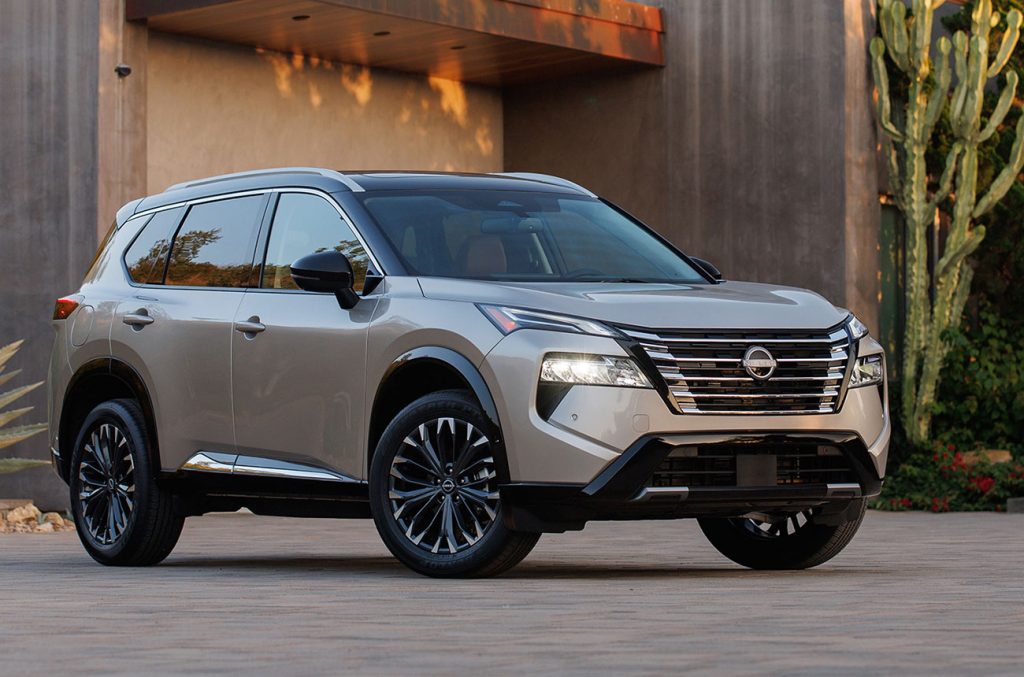
5. Nissan Rogue
The Nissan Rogue has become a popular compact SUV in the U.S., thanks to its smooth ride and user-friendly features, but its off-road capabilities are modest at best. Ground clearance is low compared to true trail SUVs, and the AWD system lacks locking differentials or low-range gears. Expect a fair amount of wheel spin and caution on anything more than light dirt roads.
For U.S. drivers who frequently explore national forests, desert landscapes, or snow-covered trails, choosing an SUV that can handle off-road conditions confidently is essential.
Despite what its name might suggest, the 2022 Nissan Rogue isn’t a wild or sporty compact crossover—it’s a practical, no-nonsense SUV. The Rogue is attractively styled, but it doesn’t offer the engaging driving experience of competitors like the Mazda CX-5 or Volkswagen Tiguan.
Instead, it excels in areas that matter most to everyday SUV buyers: practicality, value, and comfort. Its cabin is spacious, cargo space is generous, and both standard and optional features cater to modern needs, including a range of infotainment and driver-assistance technologies.
For those who like the Rogue but need a third row, the mechanically similar Mitsubishi Outlander provides a similar experience with seating for two additional passengers.
Under the hood, all 2023 Rogue models are equipped with a turbocharged 1.5-liter three-cylinder engine producing 201 horsepower. This inline-three is paired with a continuously variable automatic transmission (CVT) and comes standard with front-wheel drive, while all-wheel drive is optional.
When the redesigned Rogue debuted in 2021, it still relied on the nonturbo 2.5-liter four-cylinder from the previous generation, which led to sluggish acceleration. The new turbocharged three-cylinder improves on that, giving the Rogue a bit more pep. On our test track, the Rogue reached 60 mph in 7.8 seconds, an improvement of 0.4 seconds over the 2021 2.5-liter model.
On the road, the Rogue offers a comfortable and compliant ride, well-suited for daily commutes and road trips alike, though its uninspiring cornering and lack of spirited handling won’t thrill driving enthusiasts.
The five SUVs highlighted for off-road prowess, Wrangler Rubicon, 4Runner TRD Pro, Defender, Bronco Wildtrak, and Outback Wilderness, offer a combination of mechanical capability, driver aids, and trail-ready features that make outdoor adventures enjoyable rather than frustrating.
On the other hand, models like the CR-V, non-Adventure RAV4 trims, CX-5, Tucson, and Rogue prioritize urban and suburban driving, sacrificing mechanical traction, approach angles, and suspension tuning that off-road enthusiasts rely on. While these SUVs excel in comfort, fuel efficiency, and technology, they simply aren’t built for serious trail work.
Understanding the distinctions between these two groups is important. Even capable all-wheel-drive systems can’t fully compensate for low clearance, weak torque, or a lack of mechanical locking differentials. Budget, intended use, and driving confidence should guide buyers in selecting the SUV that fits their lifestyle.
Whether you’re navigating boulder-strewn mountain paths or muddy forest roads, knowing which SUVs can handle off-road trails like a pro versus those that may spin and slide is crucial.
For adventure-focused drivers, the Jeep Wrangler Rubicon, Toyota 4Runner TRD Pro, Land Rover Defender, Ford Bronco Wildtrak, and Subaru Outback Wilderness offer dependable, trail-ready performance.
For those primarily using their SUV for commuting, errands, and occasional light dirt roads, models like the Honda CR-V, Mazda CX-5, Nissan Rogue, and Hyundai Tucson provide comfort and convenience without off-road capability.
Selecting the right vehicle ensures every journey is safe, fun, and frustration-free, whether you’re heading into the wilderness or simply making your weekend getaway a little more adventurous.
