
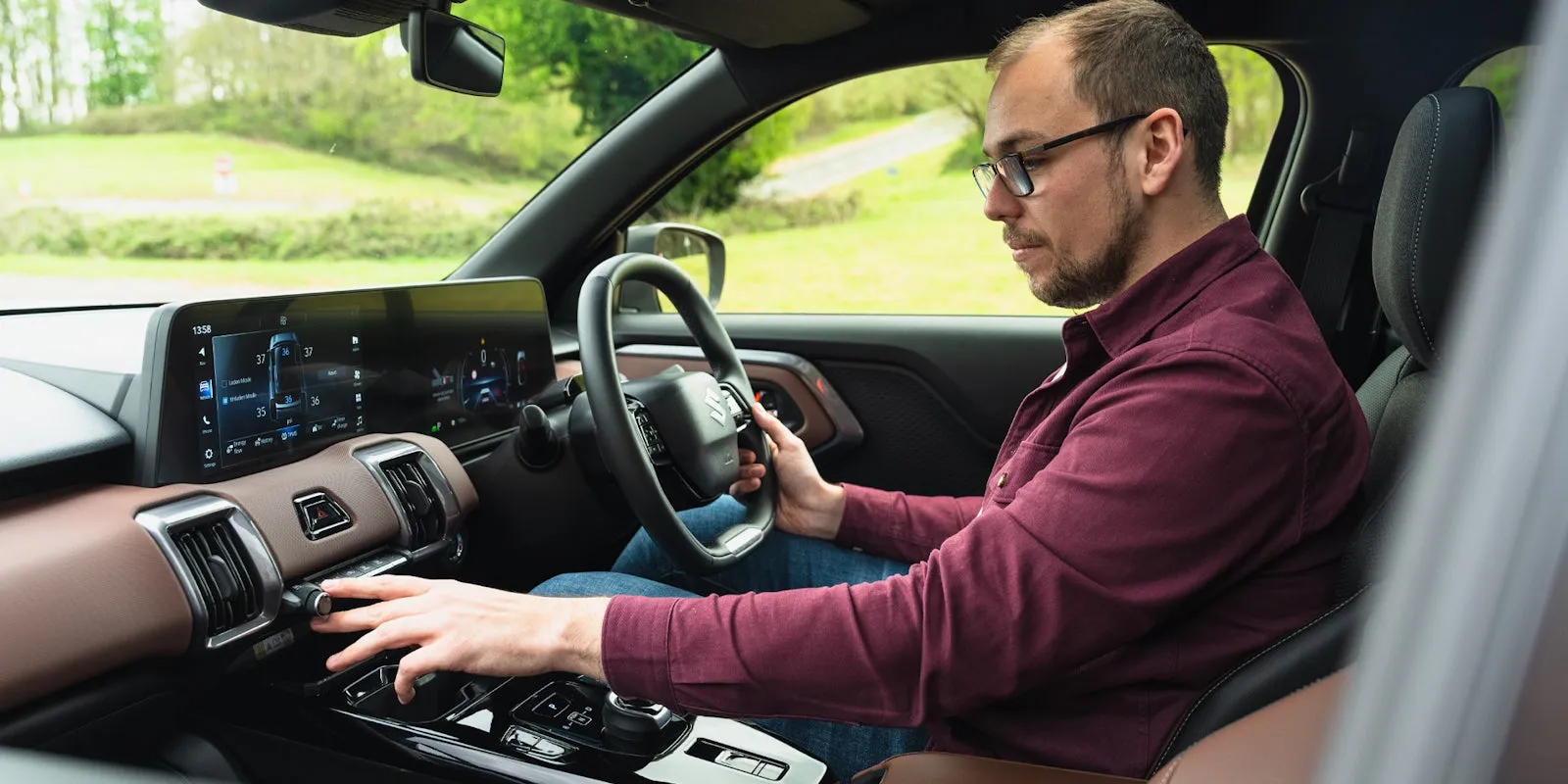
Many drivers today enjoy modern car technology, but there is still a strong affection for simple controls that do not distract their eyes from the road. Some vehicles now rely almost completely on touchscreens for temperature control, yet many people miss the comfort of a solid knob that responds instantly with one quick turn.
Simple climate knobs give you a feeling of certainty because you can operate them without looking down, especially when you are rushing somewhere or dealing with heavy traffic. They are familiar, they react quickly, and they do not depend on software updates before they work properly.
When you hold a knob or a firm button, there is no need to search through menus or scroll through screens before adjusting the cabin temperature. That ease creates peace for drivers of all ages. Sometimes car designers try too hard to make everything digital, forgetting that many drivers just want their comfort controls to remain straightforward.
A climate system with simple knobs helps you keep your attention steady on the road since your hands find the controls naturally. This also reduces stress when you share the car with different people who do not want complicated systems.
Touchscreen climate setups often behave differently depending on the weather or how quickly the screen responds, which can frustrate drivers who just want basic control.
Cars with simple climate knobs bring a sense of balance between old and new technology, making temperature control easy for all users. This page shares five models with simple climate knobs and five that rely on screen-only systems.
5 Cars With Simple Climate Knobs
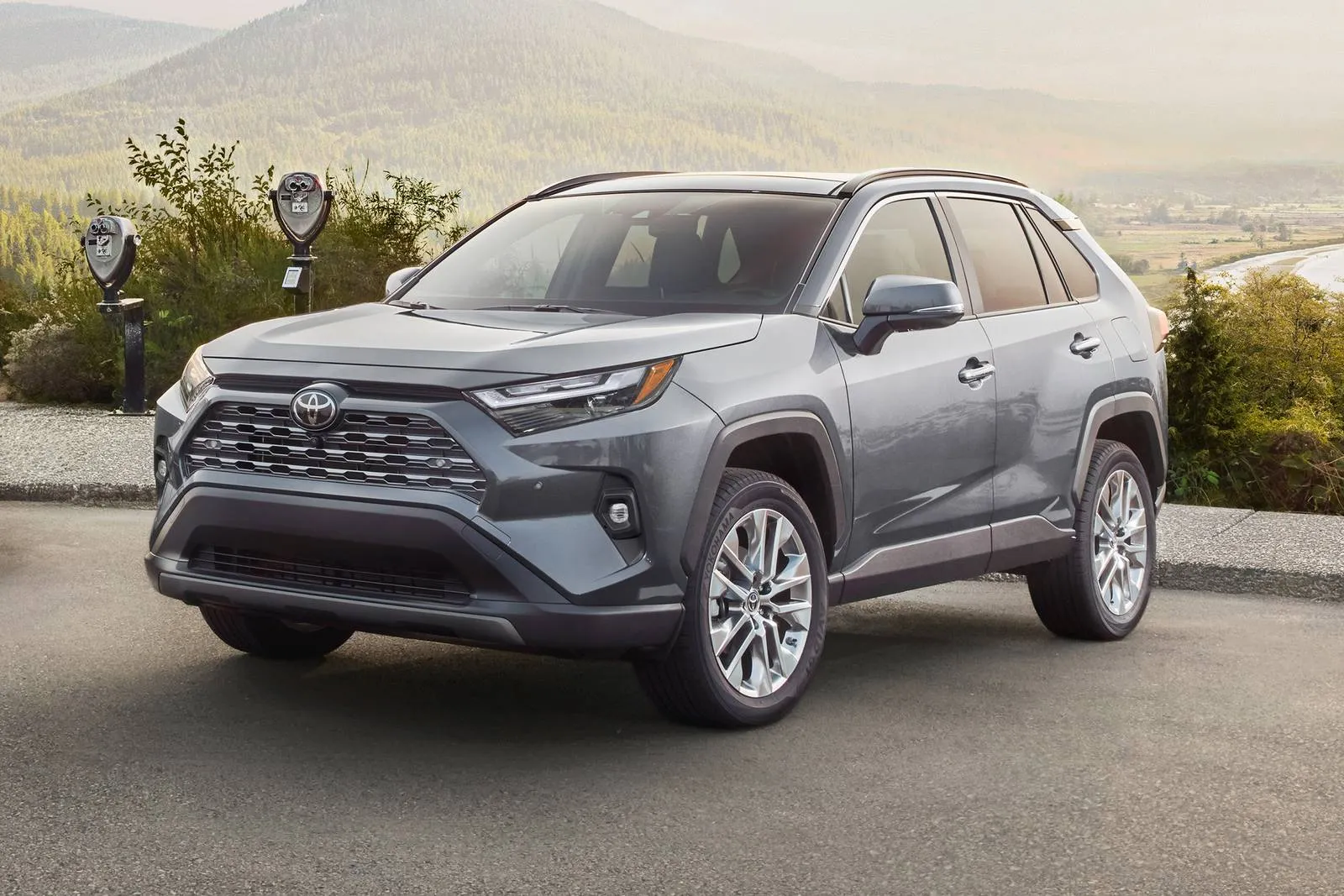
1. Toyota RAV4 LE
Toyota RAV4 LE offers drivers a very approachable cabin design, especially when it comes to heat and air control. This trim level stays faithful to traditional knobs and buttons, which many people still prefer. When you sit inside this model, you immediately notice the large, easy-to-grip climate knobs placed within comfortable reach.
These knobs respond with a steady feel that gives you immediate feedback, allowing you to adjust cabin temperature without losing focus while driving. Drivers often praise how quickly they can switch from warm to cool air, even when wearing gloves during cold seasons.
Some cars hide climate settings inside touchscreens, but the RAV4 LE takes a different path. It keeps the most used functions in physical form, making it ideal for people who enjoy simple cabin controls. The layout is clear and uncluttered, and each knob has a firm turning motion that does not require much effort.
Because the system does not depend on software menus or deep settings, it never confuses new users or older passengers who prefer basic equipment. That dependable structure also helps when different family members use the same car and do not want to learn a new system each time.
Another advantage is the speed of response. The moment you adjust the temperature or fan speed, the cabin responds quickly without delay. You never need to wait for a touchscreen to wake up or reload menus. This reliability encourages confidence during busy driving periods, especially in traffic or on tight roads where split-second attention matters.
People who use their cars daily appreciate this direct method of adjusting airflow. For drivers who value simplicity, the Toyota RAV4 LE stands out as a model that respects user comfort.
As car technology keeps changing, Toyota still provides trims that maintain familiar controls, and that decision makes the RAV4 LE one of the easiest cars to live with when it comes to cabin temperature management.
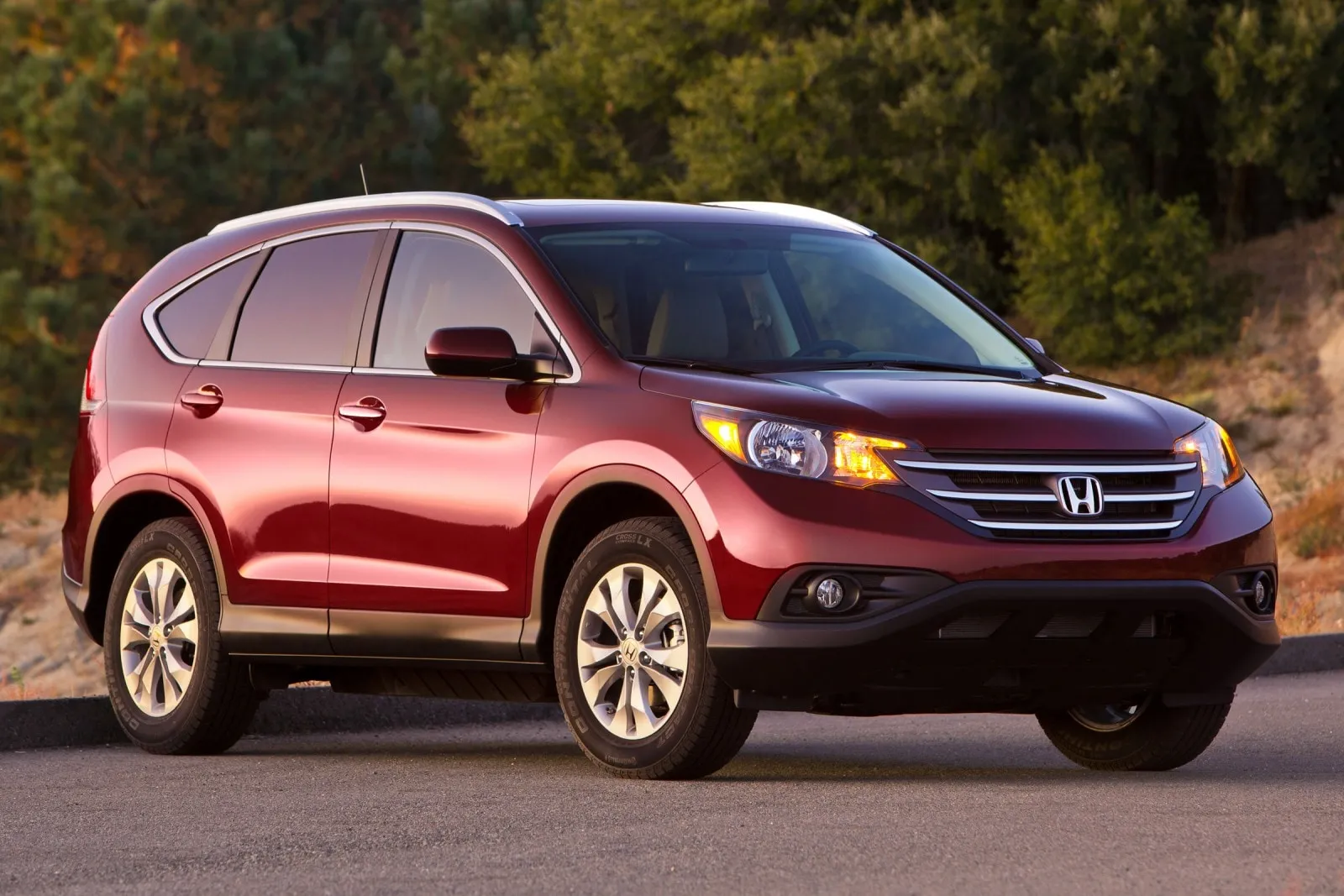
2. Honda CR-V LX
Honda CR-V LX greets its users with a balanced blend of comfort and straightforward controls, especially regarding the climate system. When you enter the cabin, you quickly recognise that Honda placed special attention on physical usability. Large knobs sit in the centre of the dashboard, and each one offers a firm, precise movement that allows you to adjust settings by feel alone.
This style suits drivers who frequently multitask or travel long distances, because physical knobs remain dependable regardless of weather or screen responsiveness. Drivers often mention how satisfying it feels to turn the fan knob or change the airflow direction without searching for digital menus.
A simple climate system also makes the CR-V LX friendly for families. Children, older passengers, and guests who are unfamiliar with digital dashboards can adjust the temperature without difficulty. Some car models require multiple steps through a touch interface, but this Honda trim avoids such obstacles entirely.
Each button is labelled clearly, reducing confusion during shared car use. People who enjoy direct control will find the LX trim more comfortable than many competing models that have shifted to fully digital layouts.
Another important point is durability. Physical knobs tend to last longer because they are not affected by touchscreen sensitivity issues, surface smudges, or software glitches. Honda designed the CR-V LX with long-term reliability in mind, and frequent drivers appreciate how these controls remain consistent year after year.
Even when the cabin becomes very warm after sitting in the sunlight, the knobs still respond immediately once turned. When compared to vehicles that hide essential functions inside digital systems, this trim retains a strong sense of practicality.
Many buyers choose the LX specifically because they prefer traditional controls, and this version of the CR-V meets that preference perfectly. If you want a modern compact SUV with climate controls you can adjust while keeping your eyes forward, the CR-V LX stands as an excellent option.
Also Read: 12 Cars With Easy Front-Seat Entry for Seniors
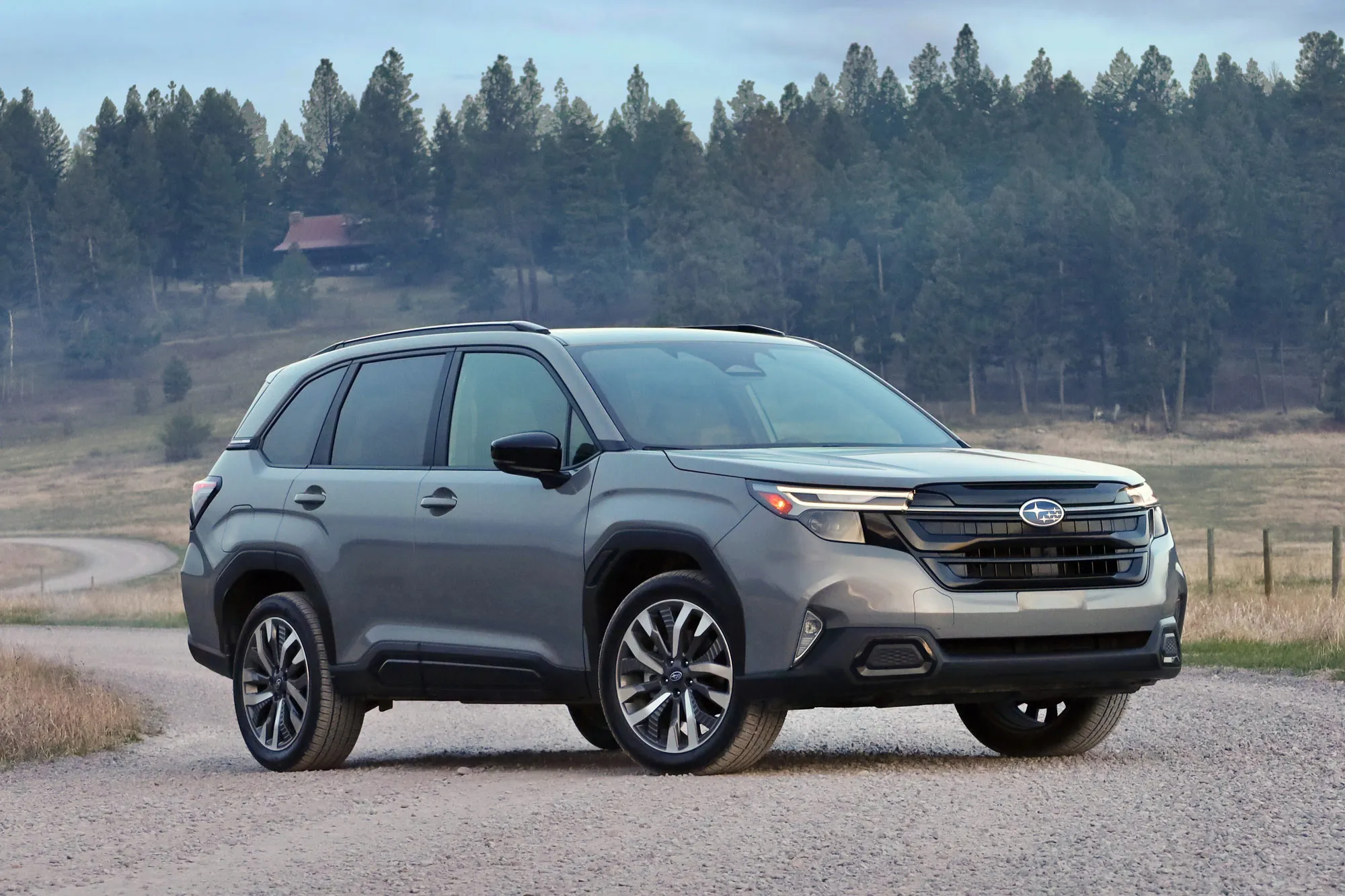
3. Subaru Forester Base
Subaru Forester Base introduces a refreshing simplicity that appeals to drivers who enjoy direct access to essential functions. Its climate system relies heavily on physical knobs that allow you to control the cabin environment with confidence.
Subaru positions these controls in a highly visible and reachable area, making it very easy for both driver and passenger to make quick adjustments. You never need to search through a touchscreen or wait for software loading before changing fan speed. This provides comfort during long journeys, especially in rural areas or during temperature swings.
Drivers who enjoy intuitive cabins appreciate the Forester Base because it avoids excessive digital complication. Many newer cars include climate settings inside large screens, but Subaru relies on knobs that offer tactile feedback, which proves very helpful when road conditions require both hands and eyes to stay alert.
The control layout makes the vehicle feel user-friendly from the very first moment you sit inside. People who switch between different vehicles regularly say the Forester Base is among the easiest models to operate immediately without learning a new system.
Durability remains another strong point. Physical knobs rarely suffer from issues caused by dust, fingerprints, sunlight glare, or lag. Subaru’s design keeps the buttons sturdy, giving the climate system a sense of long-term dependability. When tough seasons arrive, whether it is cold mornings or hot afternoons, the knobs still respond instantly.
This quick response helps reduce discomfort when you need to adjust the temperature fast. Practicality is clearly central to the Forester Base, and families who prioritise efficiency often enjoy knowing that anyone can operate the climate system without instructions.
Subaru’s choice to maintain tactile controls in this trim also suits drivers who prioritise safety. Adjusting temperature without looking away from the road adds a layer of comfort during challenging drives. For people who want a compact SUV that preserves familiar controls and avoids the distractions of full digital setups, the Forester Base is an excellent fit.
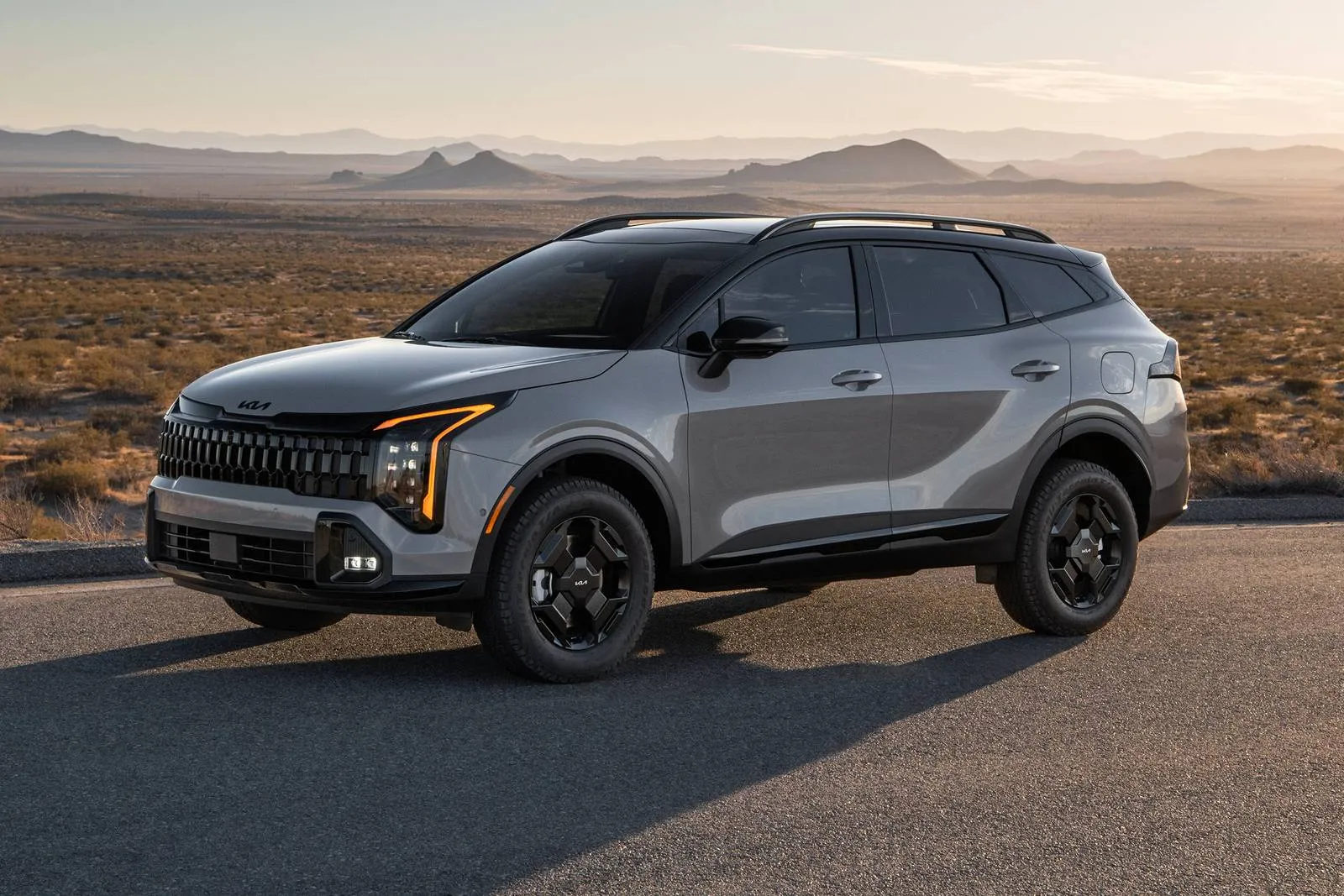
4. Kia Sportage LX
Kia Sportage LX takes a very helpful approach when it comes to everyday usability, especially with its climate knobs designed for quick and direct adjustments. Once you step into the cabin, you immediately see large rotary dials for temperature and fan speed.
These knobs feel sturdy to hold, and their size makes them easy to turn quickly without needing to stare at them. Drivers who prefer simple controls appreciate how predictable the Sportage LX feels when changing cabin temperature in a hurry. The design suits hectic routines, where every small distraction can affect driving comfort.
Another aspect that stands out is how clearly the climate functions are arranged. Kia uses a clean dashboard layout with widely spaced controls. Each knob has a textured grip that helps even when your hands are moist, which can be common during hot weather.
This user-friendly style appeals to people who share their car with others because new passengers can adjust the temperature easily without searching for hidden menus. Families often appreciate this straightforward arrangement because younger occupants can learn the controls quickly.
Reliability also plays a role in the positive reception of this model. Traditional knobs do not depend on screen calibration or software responsiveness, which prevents many of the issues faced by vehicles that rely heavily on touch input. If the cabin becomes too warm or too cool suddenly, you can adjust the temperature instantly without waiting for system delays.
Kia Sportage LX also offers strong airflow, so small adjustments can quickly change cabin comfort. When compared to more digital-focused trims from other manufacturers, Sportage LX provides a refreshing return to simplicity.
Drivers who want an affordable vehicle with dependable physical controls often gravitate toward this model. It retains essential comforts without pushing users through complicated digital interfaces. That balance helps create a more relaxed driving experience. Sportage LX shines as a choice for people who want easy climate control without digital fuss.
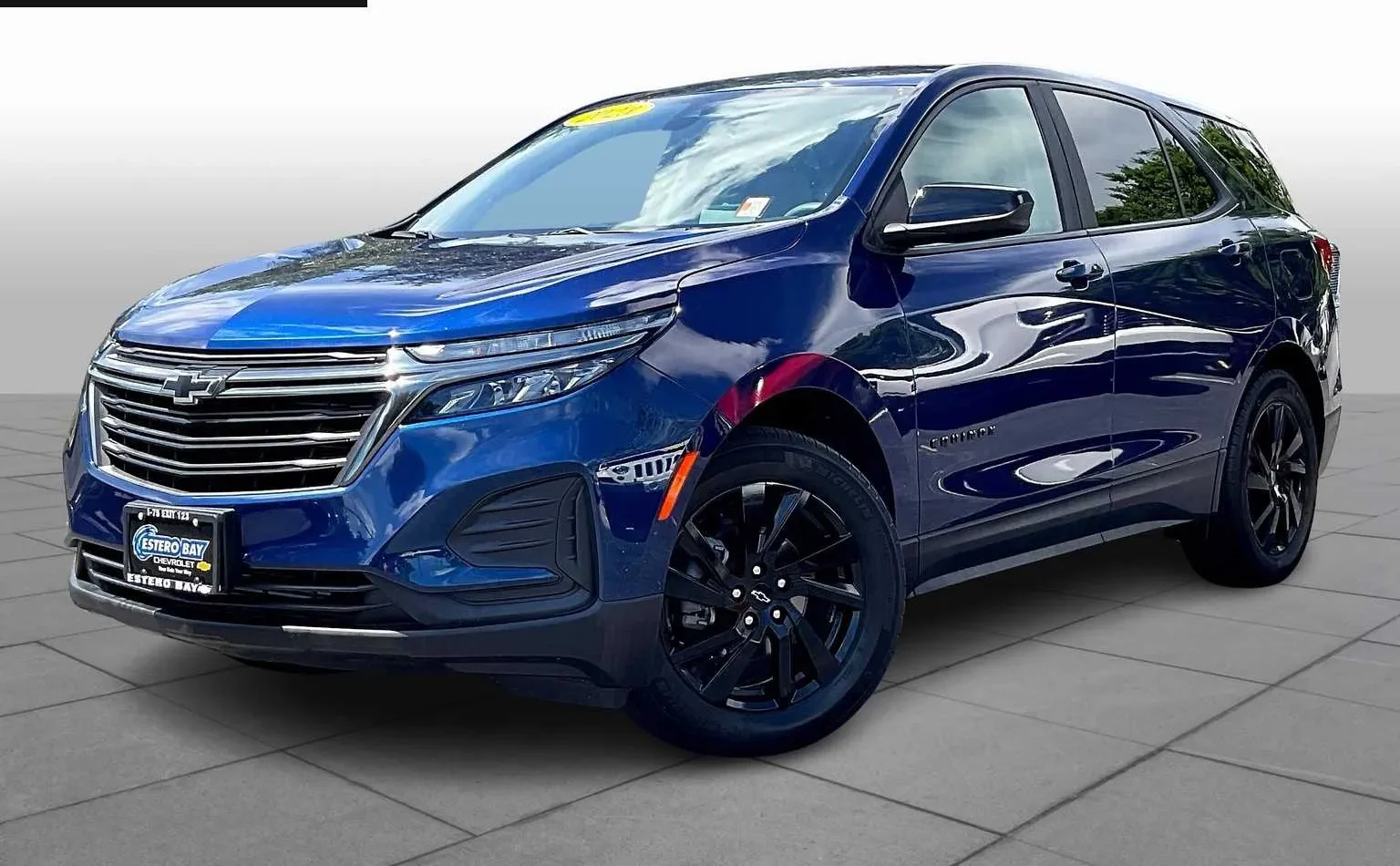
5. Chevrolet Equinox LS
Chevrolet Equinox LS presents one of the easiest climate control setups among compact SUVs. It uses large knobs that sit in a position that even new drivers can find quickly. Chevy’s approach keeps the dashboard clean, with physical controls that respond instantly.
When you turn a knob on the Equinox LS, you feel a satisfying movement that helps you adjust airflow confidently without shifting your attention away from the road. Drivers often praise how simple it is to manage temperature even while wearing thick gloves or holding items in one hand.
Simplicity extends beyond the knobs themselves. Chevrolet arranges the climate layout so each function feels natural to reach. Buttons for defrost, recirculation, and AC sit close to the knobs, making it easy to combine actions without scrolling through digital menus. This encourages a more relaxed driving style because you never need to pause and think about where the controls are located.
Another strength is consistency. Touchscreens can sometimes behave differently depending on lighting, temperature, or software responsiveness, but knobs remain steady at all times. Drivers who travel long distances or commute daily appreciate that the Equinox LS remains reliable even during sudden temperature changes inside the cabin.
It handles rapid adjustments better than many fully digital setups. For people who enjoy traditional cabin controls but still want a modern SUV with solid comfort features, the Chevrolet Equinox LS offers a dependable, easy-to-use system that suits a wide range of driving situations.
5 Cars With Screen-Only Climate Setups
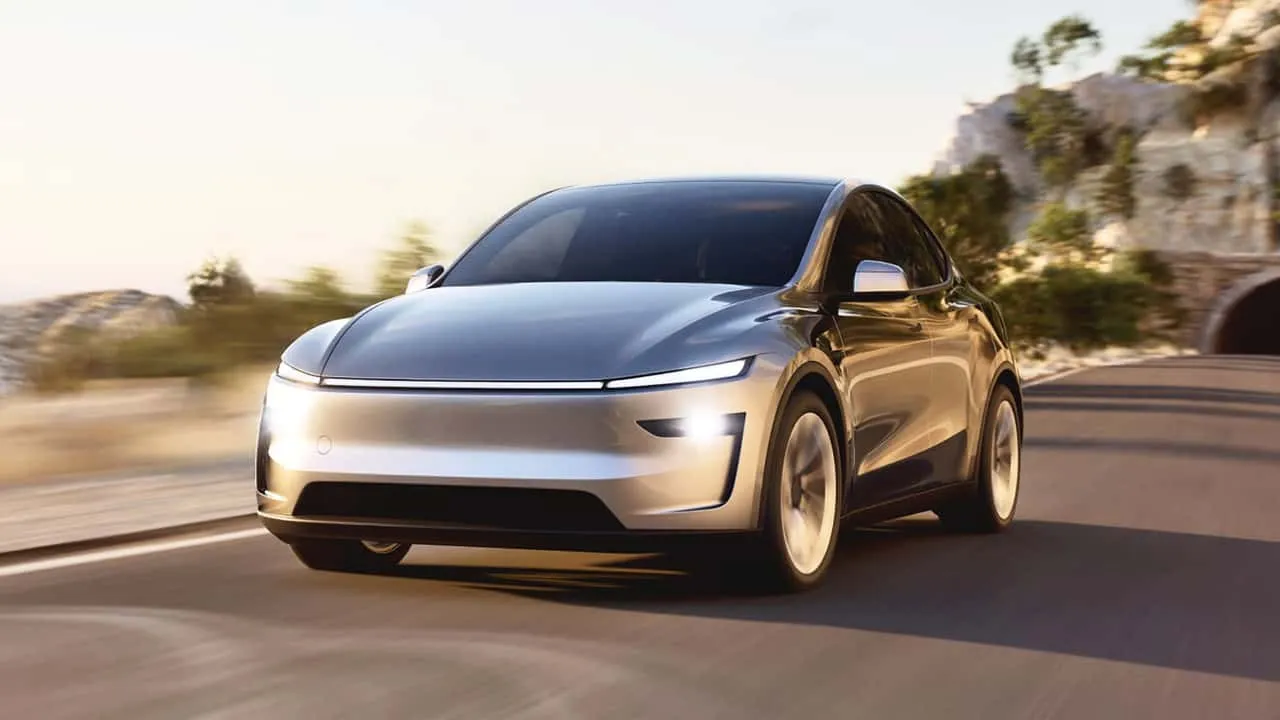
1. Tesla Model Y
Plenty of motorists already know the Tesla Model Y for its punchy electric performance, but anyone using it for the first time quickly discovers that every basic climate setting sits inside the massive touchscreen. This structure has created different reactions from drivers because it feels modern and neat at first, yet it demands attention in a way that can unsettle those who prefer physical knobs.
People who enjoy futuristic cabins usually grow attached to the clean dashboard since almost nothing interrupts the straight lines across the interior. Still, controlling your air temperature while driving calls for more touches than some would like, and that experience can weaken comfort on long trips.
Touching through the on-screen sliders requires steady fingers, especially when the road is rough. Some drivers say the swipe motions feel smooth when the car is parked, but once movement begins, the entire exercise no longer feels natural.
Climate vents are controlled through digital arrows, so a person must focus on the screen just to direct airflow toward their face or feet. When sunlight hits the display, some drivers even find themselves shading the screen before tapping again.
Owners who are already used to Tesla software rarely complain because they trust the layout and enjoy how updates occasionally improve functionality. Those who are new to the system can struggle for weeks before gaining full comfort.
Despite that situation, the Model Y continues to attract many buyers because of its battery strength, efficient design, and cabin quietness. People who care more about physical climate knobs may feel disappointed, but anyone who values technological features above everything else will probably treasure the experience.
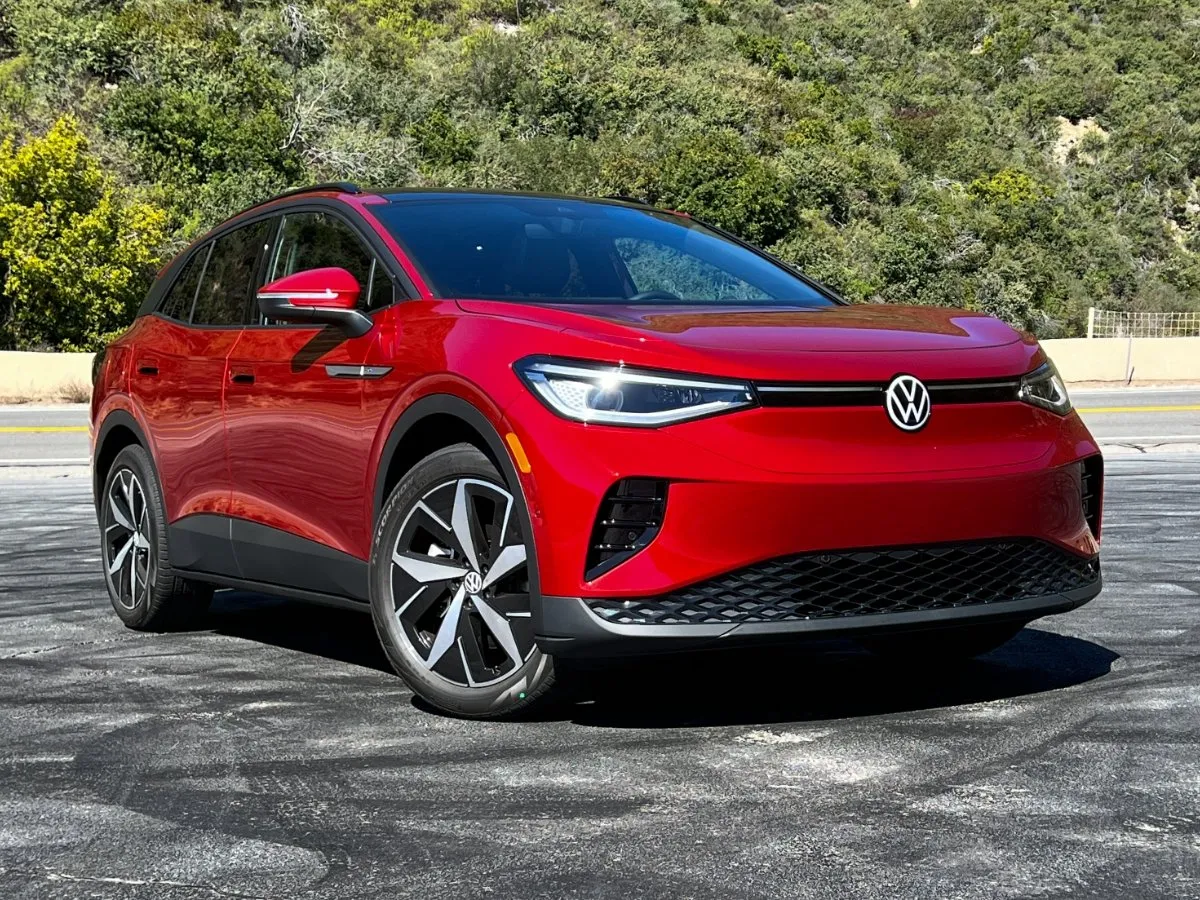
2. Volkswagen ID.4 Pro S
Volkswagen ID.4 Pro S owners step into a cabin that presents smooth surfaces with very few physical controls. That design direction pushes nearly all climate adjustments to the touchscreen and its haptic controls.
For some drivers, this approach appears fashionable and organised, yet several owners remain unsure about the touch-based sliders because they sometimes miss inputs or react more slowly than expected. When a person only wants to raise the temperature slightly, it can turn into a few extra taps, especially if the response takes time.
Another thing that catches many drivers off guard is the way the panel’s light-sensitive controls can be tricky at night. Some users complain that the touch zones do not always react when fingers approach lightly, which forces them to apply extra pressure. Such behaviour takes attention away from the road and interrupts a clean driving rhythm.
During cold weather, glove-wearing drivers experience even more difficulty because the touch surfaces demand direct skin contact for consistent response. This can frustrate people who spend a lot of time in areas with harsh winters.
That said, many people appreciate the minimalistic dashboard because it offers a refreshing alternative to busy button-filled cabins. The touchscreen’s layout is bright and friendly once you understand its menu order.
Climate timers can be programmed, which helps during early morning departures. The software also brings eco adjustments that help stretch EV range by reducing energy consumption from the heater and air conditioner. These bonuses impress drivers who like tweaking everything digitally.
Still, those looking for instant climate manipulation without any delay will find themselves wishing for simple rotary knobs. While the ID.4 Pro S gives a stylish digital environment, its climate controls demand patience.
Drivers who already enjoy modern touch-first systems may appreciate it, while those who miss traditional controls will likely see it as an unwanted challenge.
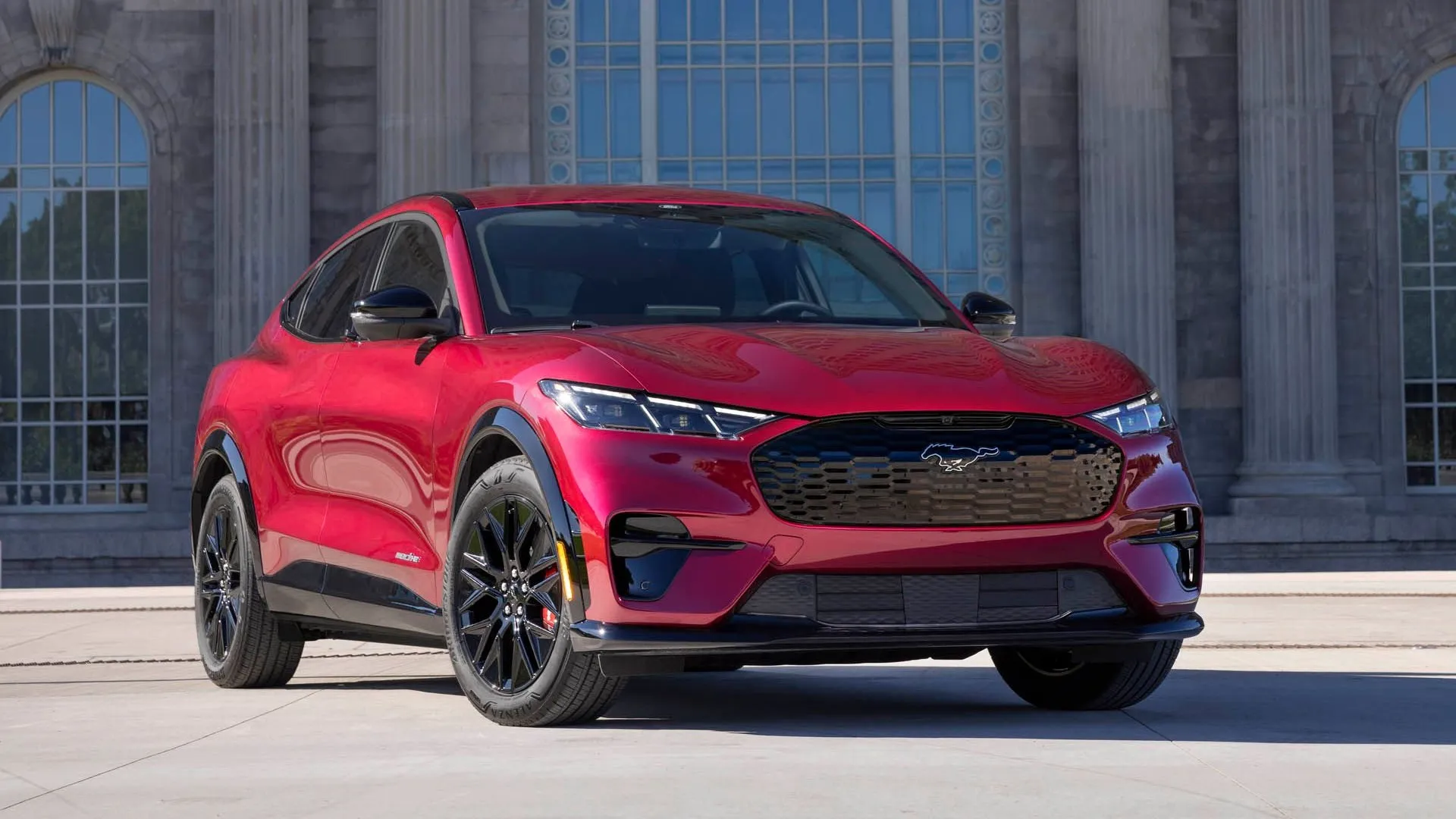
3. Ford Mustang Mach-E Premium
Ford Mustang Mach-E Premium blends sporty energy with an electric-friendly layout, yet its climate adjustments rely heavily on the large vertical touchscreen. For many users, the sleek appearance feels fresh, but needing to tap through multiple menus only to heat the cabin can increase frustration.
Ford included a digital strip at the bottom of the screen for quick adjustments, but some people still feel that these touch buttons do not replace the firmness of physical knobs. There is a learning period that first-time drivers must go through. Anybody stepping from a traditional cabin into the Mach-E Premium discovers that they must memorize the on-screen positions quickly.
Touch icons sit close to other functions, and this can lead to accidental taps when the road becomes rough. Drivers report that their fingers sometimes slide slightly off the intended widget, causing the wrong adjustment to activate. The system looks tidy, yet its precision demands extra care.
The situation becomes more challenging when sunlight hits the glossy display, because glare can hide climate icons and force the driver to squint or lean forward to view the screen clearly. For night driving, the brightness control helps, but even then, the lower screen section shines enough to catch the eye. As a result, some drivers spend more time checking the screen than they would prefer, which can disturb focus.
While the system brings advanced features like remote pre-conditioning through the mobile app, which many people admire, the daily climate interactions still require screen-first engagement. People who appreciate digital setups will enjoy the futuristic feel of the Mach-E Premium’s cabin.
Drivers who value quick climate actions, especially while driving in traffic or on uneven pavement, may feel the absence of knobs more strongly. Though stylish and powerful, the Mach-E Premium’s climate arrangement leans toward tech lovers rather than those seeking fast and simple controls.
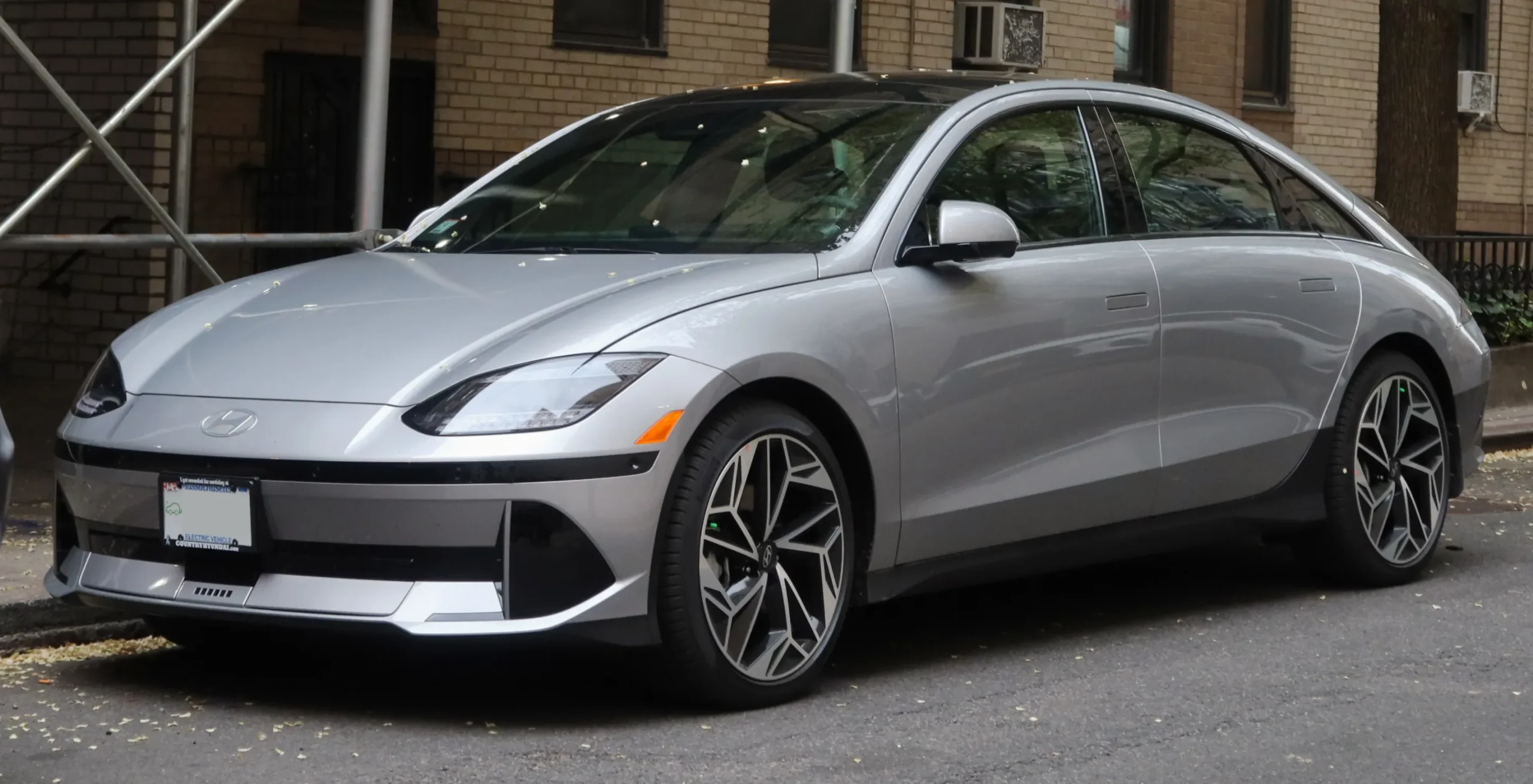
4. Hyundai Ioniq 6 SEL
Hyundai Ioniq 6 SEL carries a flowing interior structure that matches its streamlined exterior, but its climate system depends on screen commands. Buttons are reduced to maintain the cabin’s futuristic identity, which creates a fresh look for some and a challenge for others.
The screen layout divides climate settings into labelled tiles, yet these tiles require touches that must be precise on the first attempt. Anyone with bigger fingers or rough road conditions may feel irritated when multiple taps are needed.
Voice control exists as an alternative, but it does not always register commands when spoken softly or with background noise. As a result, drivers end up returning to the screen for quick adjustments.
During rainy moments, when windows fog up quickly, people can feel stressed because clearing humidity involves scanning through menus rather than twisting a knob immediately. That waiting period can reduce comfort and create unnecessary tension for some passengers.
Hyundai’s interior lighting and display clarity make the interface easy to read, yet long-term users still mention that they miss the confidence of physical climate buttons. The screen stays busy when CarPlay or navigation is active, and this sometimes forces drivers to switch between pages. Such movement can disrupt peace, especially when hands are already occupied with steering in traffic.
Despite these concerns, the Ioniq 6 SEL has many strengths that continue to attract drivers. The ride quality feels smooth, the sound insulation is impressive, and the cabin gives a calm mood. People who enjoy quiet, tech-rich spaces often celebrate this model.
Even so, its climate system introduces a digital-heavy approach that may drain patience from drivers who want quick adjustments without menu exploration. Anyone prioritising appearance and high-tech appeal will enjoy it. Those who prefer traditional controls may feel differently.
Also Read: Top 12 Utility Cars That Make Chores Simple and Fast
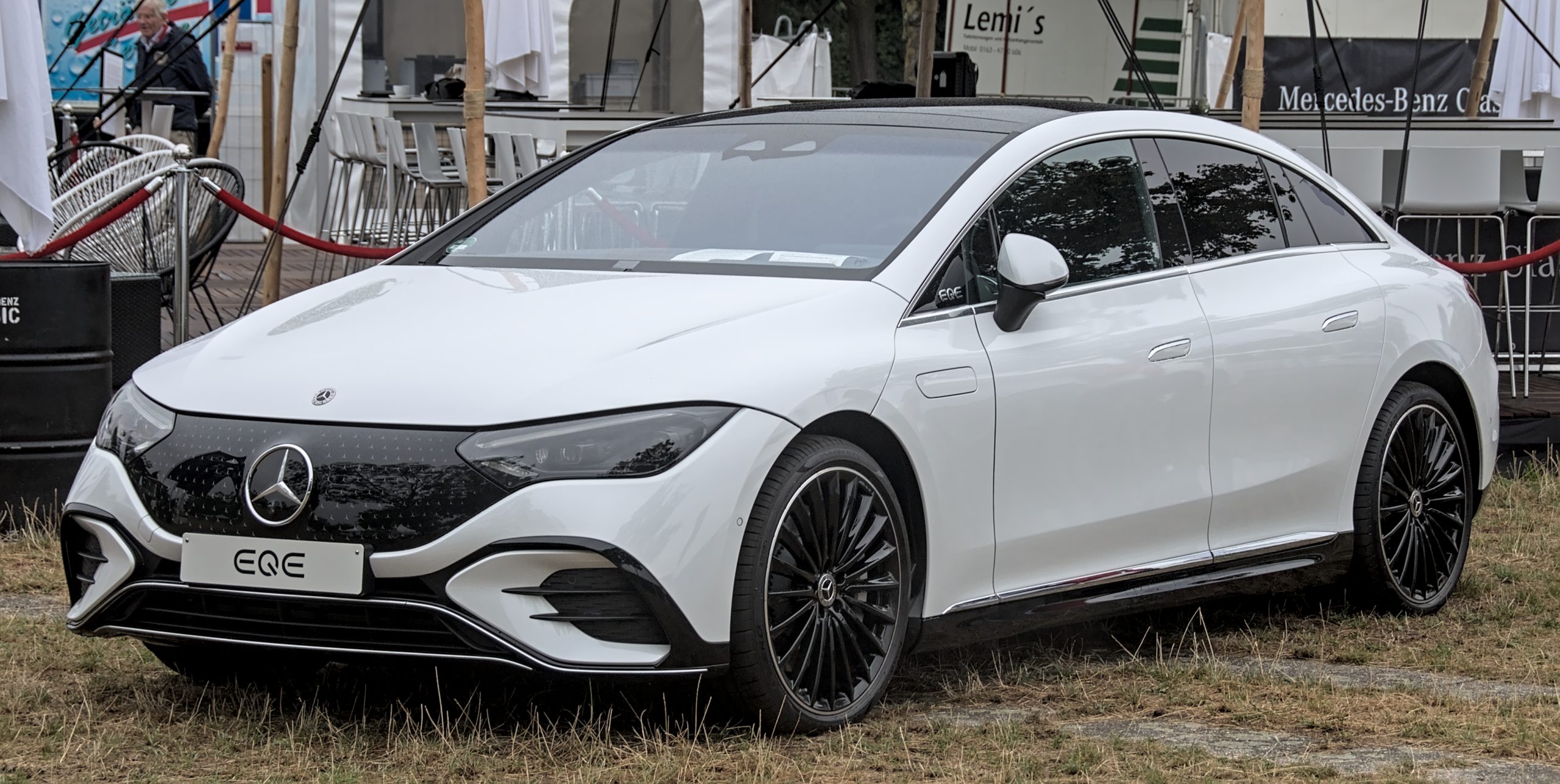
5. Mercedes-Benz EQE 350
Mercedes-Benz EQE 350 presents a luxury cabin with refined surfaces, advanced lighting, and large digital screens that dominate the dashboard. Within this setting, climate management lives inside the multimedia interface.
It gives the vehicle a unified, elegant appearance, yet those trying to adjust airflow rapidly may find themselves making several taps before reaching the correct page. This creates a barrier for drivers who value speed and physical feedback.
Mercedes designed the interface to look sophisticated, although that sophistication comes with layers. People unfamiliar with the structure can spend several days learning which climate feature sits in which corner.
The screen layout reacts smoothly, but it demands accurate touch input. Anyone travelling on a bumpy road instantly feels the difficulty because fingers bounce slightly before landing on a button. When this happens, the driver must look again to make sure the intended command went through.
Luxury vehicles often favour digital controls to keep the cabin tidy, yet this approach sometimes burdens simple daily tasks. When drivers are cold and want to boost heat quickly, they must interact with the screen instead of reaching for a dial.
In heavy traffic, this can increase stress because the effort requires visual attention. Some users admire the technology, while others wish Mercedes retained a small row of climate buttons to support faster access.
Still, the EQE 350 gives a serene, comfortable ride that appeals to many people. The seats feel plush, the cabin is quiet, and the electric range suits daily movement in urban areas. Anyone who enjoys premium design blended with digital control will appreciate the EQE 350.
Yet drivers who want physical climate knobs for immediate adjustment may see the screen-only system as an unnecessary hurdle. This model shines for tech lovers who value elegance and advanced digital setups.
