For parents in the US, a vehicle’s cargo area can be almost as important as its safety ratings or fuel economy. Families juggling daycare drop-offs, Target runs, trips to the pediatrician, and weekend outings learn quickly that a stroller becomes a constant passenger.
If the trunk is shaped well, loading and unloading becomes second nature. But if the space is oddly angled, shallow, or narrow, even a lightweight stroller can feel like a test of spatial problem-solving.
This comparison highlights six models that genuinely make stroller loading painless and six whose trunks demand patience, technique, and a bit of real-life Tetris.
Models That Load Strollers Easily
When you’re juggling a baby, a diaper bag, and the endless to-do list that comes with parenthood, the last thing you want is a vehicle that makes loading a stroller feel like a workout.
For many American families, the ability to quickly lift, fold, and slide a stroller into the cargo area isn’t just a convenience, it’s a daily necessity. Whether it’s a quick run to the grocery store or a full-day family outing, a vehicle’s cargo height, liftgate design, and overall usability can dramatically affect how smoothly life goes with little ones in tow.
That’s why some models stand out for their family-friendly engineering, offering low liftover heights, wide hatch openings, and cleverly shaped cargo spaces that make stroller loading almost effortless. Others, despite having generous cargo volume on paper, are surprisingly awkward in real-world use, where bulky wheels and folded frames don’t always cooperate.
In this list, we focus on the vehicles that get it right, models that make loading strollers easy, safe, and frustration-free for busy parents. Whether you’re shopping for your first family car or upgrading to something more practical, these options are designed to keep up with the demands of modern parenting.
1. Volkswagen Atlas
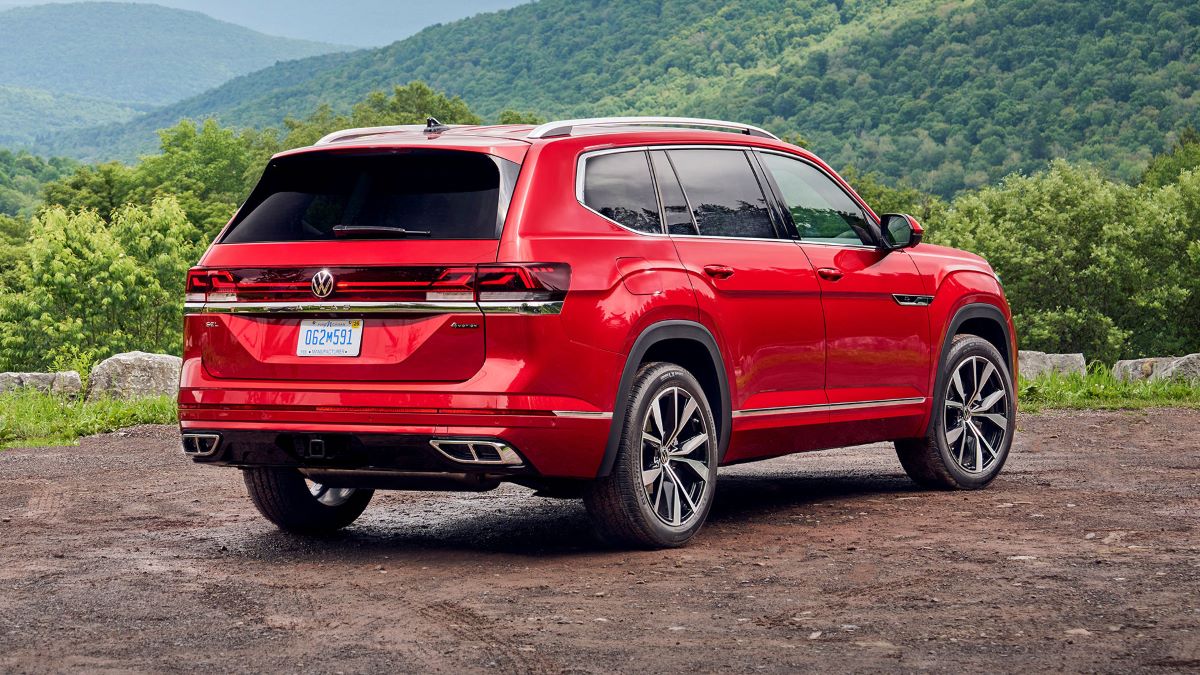
The Volkswagen Atlas is one of the most practical three-row SUVs for families because its rear cargo opening is tall, wide, and almost perfectly squared off.
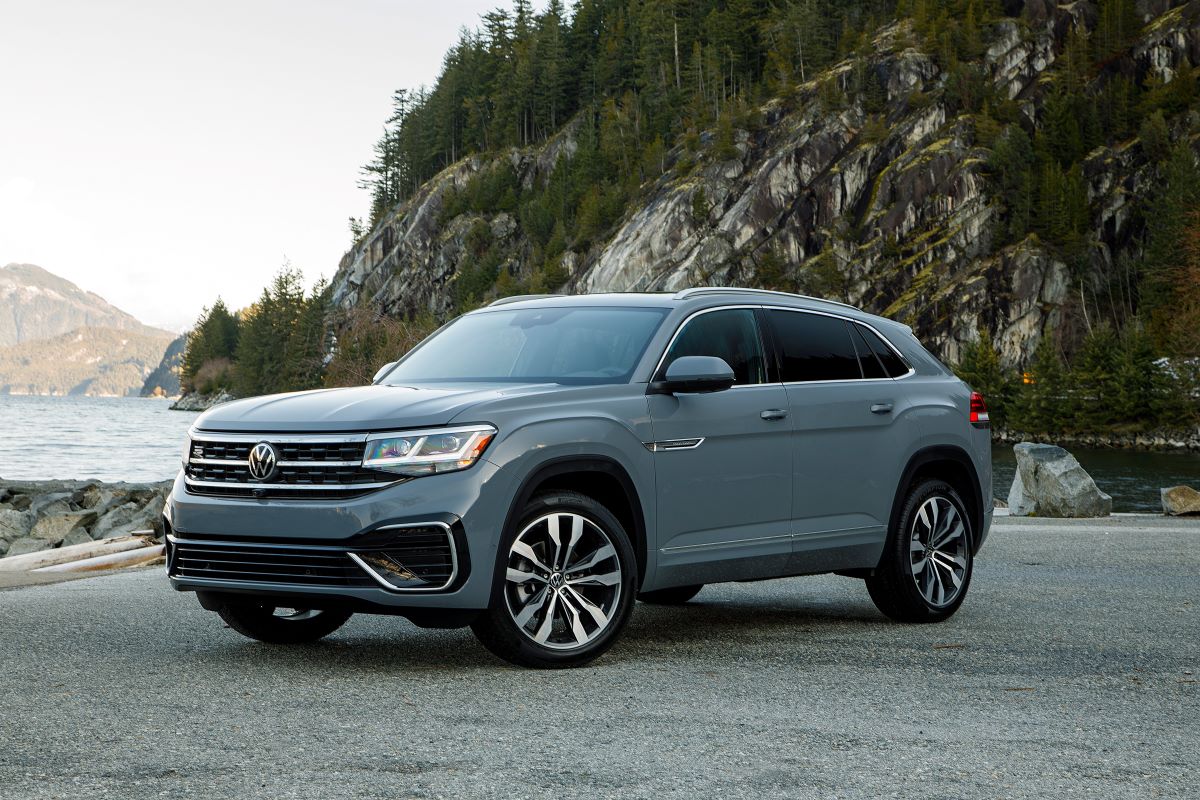
Even with the third row up, there’s enough depth for a compact stroller. Fold that row down and the Atlas becomes a stroller-friendly loading zone where you can place a jogging stroller flat with no angling needed.
US parents often praise how easy it is to slide items straight in without worrying about roof slope or a tall liftover.
2. Nissan Rogue
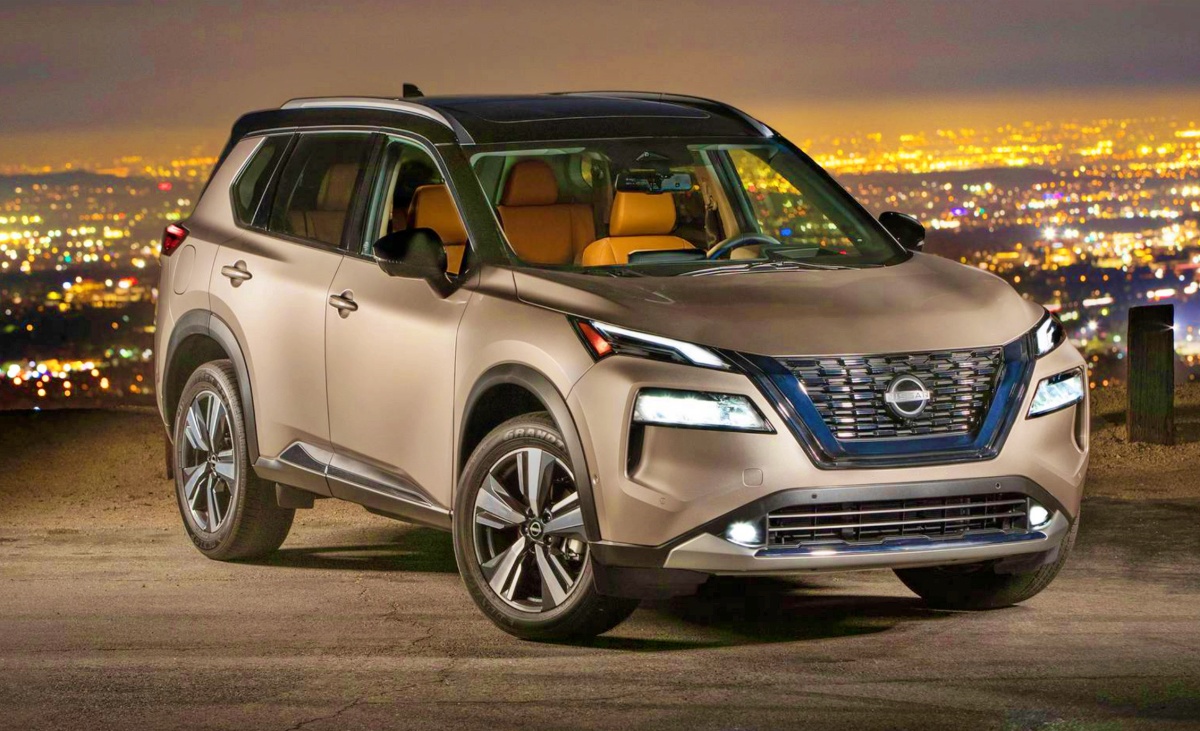
The latest Rogue delivers a surprisingly generous cargo area for a compact crossover, making it an ideal stroller hauler. Its wide hatch and low liftover allow you to lift a stroller with minimal strain important for parents carrying diaper bags, bottles, toys, or toddlers at the same time.
The big advantage is the Rogue’s nearly flat floor; even bulkier travel-system strollers fit without requiring the wheels to be removed. Nissan’s Divide-N-Hide floor panels can also be lowered for extra depth when needed.
The Rogue continues to stand out as one of the most spacious compact crossovers available. Passengers in both rows will have ample room to relax, along with numerous smartly designed storage compartments.
Even though this generation is 1.5 inches shorter than the previous one, it still provides an impressively large cargo area. Beyond the generous interior space, we were also struck by the upscale materials found in the high-end Rogue Platinum we evaluated.
However, the Rogue still falls short of competitors like the Honda CR-V when it comes to driving enjoyment. The new three-cylinder engine offers strong low-end torque that makes everyday driving easy, but it doesn’t deliver particularly quick acceleration.
On the bright side, the Rogue demonstrates solid body control on twisty roads and manages short stopping distances from 60 to 0 mph. During a 270-mile journey, the seats remained comfortable, even for an editor with a sensitive back, and while its fuel economy and driving range are typical for the class, they aren’t standout figures.
Every 2022 Rogue comes equipped with a new 1.5-liter turbocharged inline three-cylinder engine featuring Nissan’s variable compression ratio technology and an updated CVT. This engine produces 201 hp and 225 lb-ft of torque, representing a boost of 20 hp and 44 lb-ft compared to the previous 2.5-liter naturally aspirated engine.
According to EPA estimates, fuel economy ranges from 28–30/34–37 mpg city/highway depending on the trim level. With AWD, the Rogue completes the 0–60 mph run in 8.5 seconds.
Also Read: 5 Cars That Don’t Scrape Speed Bumps vs. 5 Cars That Do
3. Chevrolet Equinox
The Equinox is a staple in many American households because it’s predictable, comfortable, and practical. Its trunk design is especially stroller-friendly thanks to a tall vertical opening and generous width between the wheel wells.
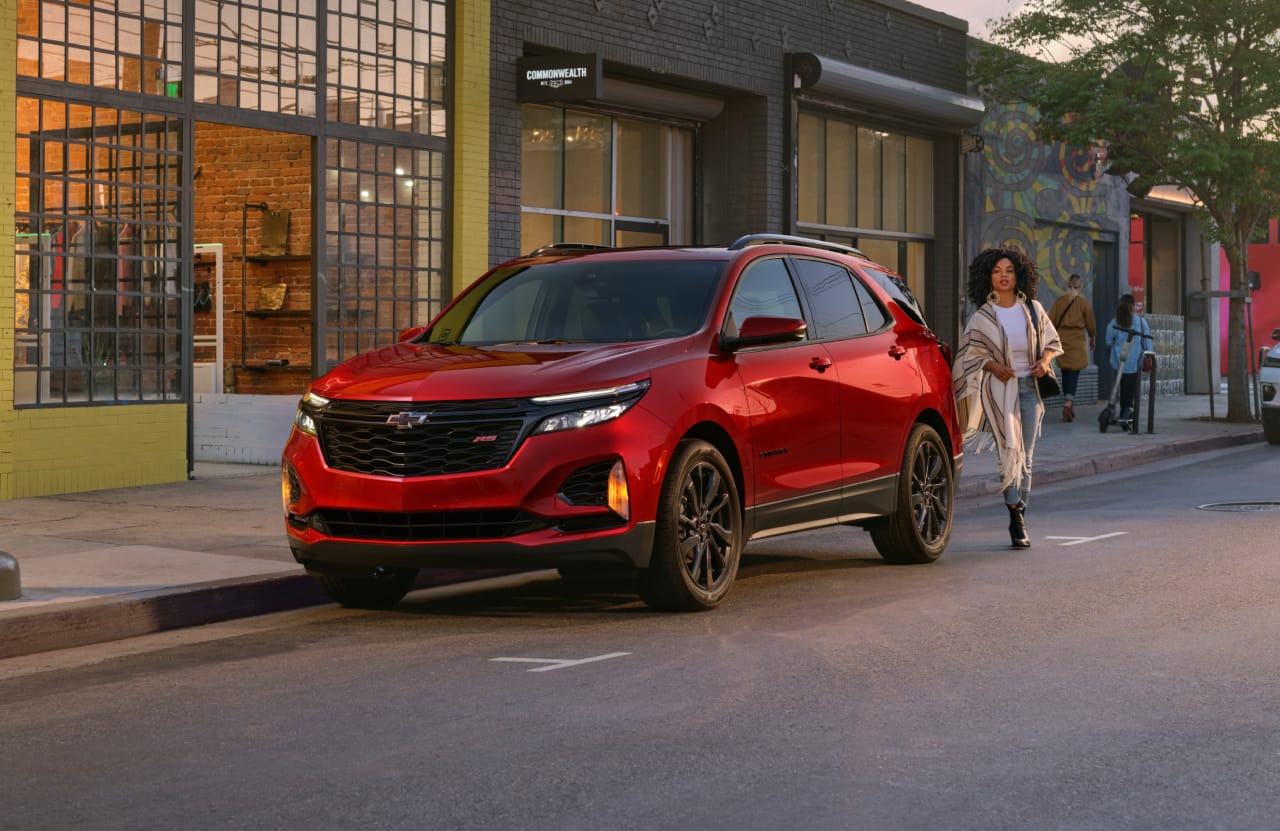
Parents who often fold down the second row appreciate the smooth transition from the hatch to the cabin no awkward dip or bump that complicates sliding a stroller in. It’s one of those vehicles that just works for everyday family life.
4. Chrysler Pacifica
Minivans are built for families, and the Pacifica is a prime example. Its trunk area features enormous vertical clearance, an impressively low load floor, and multiple available configurations thanks to Chrysler’s Stow ’n Go seating.
A stroller can roll or slide in effortlessly, and there’s still plenty of room for groceries, sports equipment, or luggage. US families love that even double strollers or wagon-style strollers fit without any creative repositioning.
When it comes to transporting families and their gear, minivans still outperform SUVs, a truth we wish more shoppers would acknowledge, and the 2021 Chrysler Pacifica stands as our top pick. The Pacifica is a cleverly engineered, comfortable family hauler, and its surprisingly responsive driving manners serve as the finishing touch.
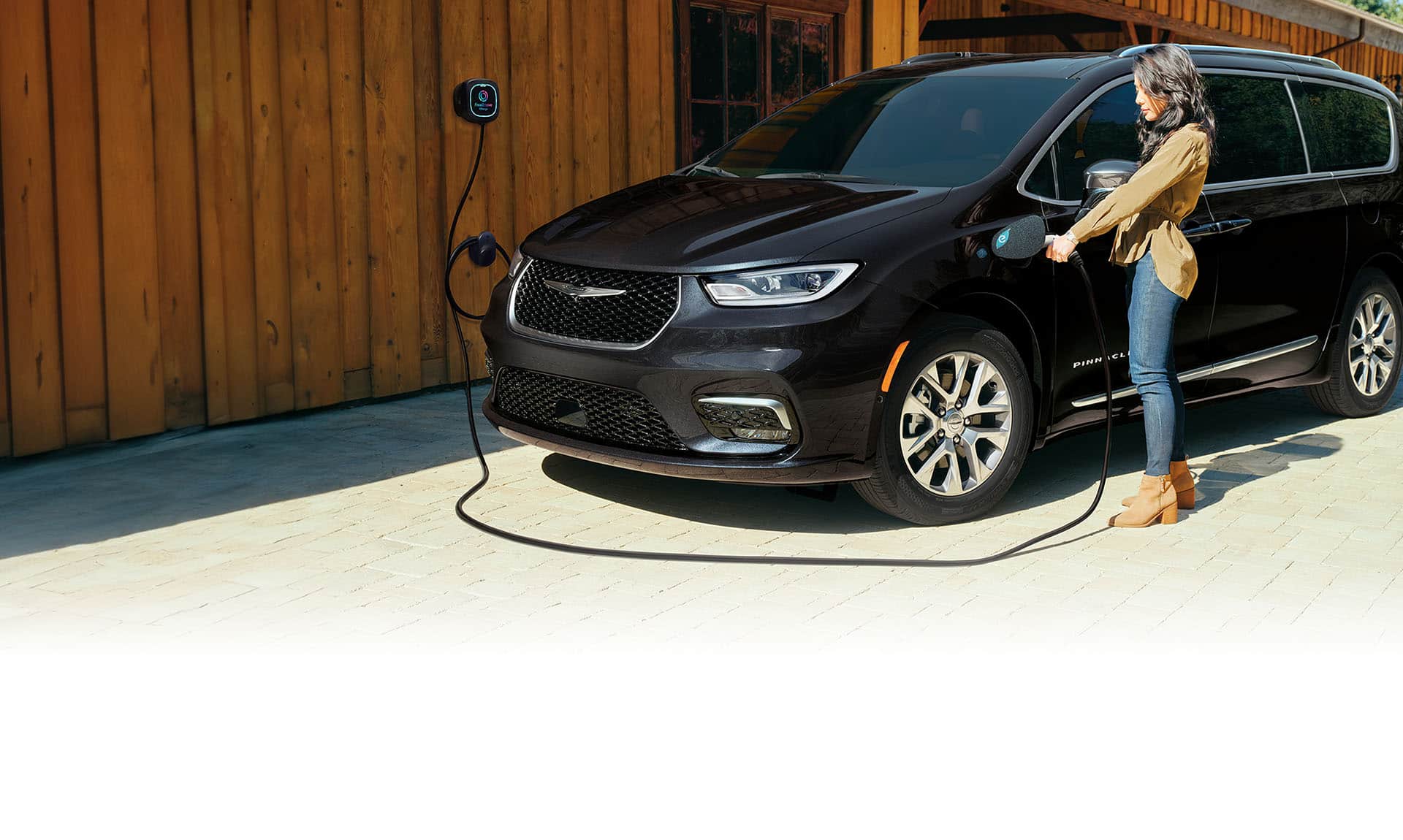
Buyers can choose between a traditional V-6 engine or a plug-in hybrid setup, and in our evaluations, both delivered respectable fuel efficiency. With second- and third-row seats that fold completely flat, the Pacifica can easily convert into a roomy cargo hauler, making it ideal for moving large or awkward items.
Although it isn’t the fastest minivan we’ve put through its paces, the front-wheel-drive Pacifica is far from slow. It hits 60 mph in 7.3 seconds, placing it squarely in the middle of the class, and it feels energetic enough during everyday driving.
The standard version features a 287-hp 3.6-liter V-6 paired with a nine-speed automatic transmission. The hybrid variant generates less overall power, “only 260 ponies”, thanks to its combination of a 3.6-liter V-6, two electric motors, and a 16-kWh lithium-ion battery. In our testing, its zero-to-60-mph run was 0.5 second slower than the gasoline-only model.
5. Volvo XC90
The XC90 is a luxury SUV, but its practicality is just as appealing as its upscale design. With a wide hatch opening and a flat load floor, it handles strollers of all sizes with ease.
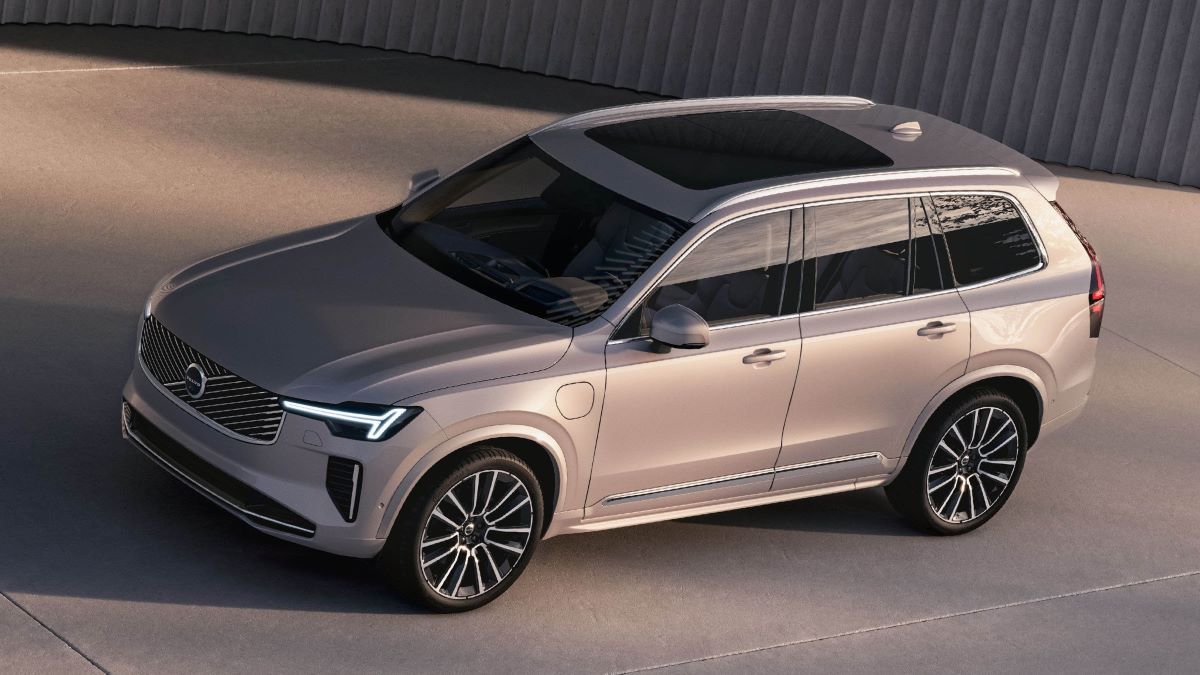
Even with the third row in use, the XC90 offers enough depth for smaller strollers. Fold that row down, and the space becomes long and unobstructed ideal for parents loading both a stroller and additional weekend-trip supplies.
Volvo also maintains a low liftover compared to many premium rivals, making it more user-friendly.
6. Buick Encore GX
The Encore GX may be compact, but it’s surprisingly good at fitting strollers. The hatch opens wider than most competitors in its class, and the floor isn’t as high as one would expect for a smaller crossover.
This makes it appealing for US buyers who want something city-friendly without sacrificing stroller practicality. When the rear seats fold, even larger jogging or travel-system strollers can lie flat.
The Encore GX, Buick’s smallest crossover, aims to compete in the subcompact SUV segment alongside upscale contenders from Audi, BMW, and Volvo. Although it’s priced well below those luxury models and offers higher-quality interior materials plus an array of features in its top-level Avenir trim, the GX ultimately comes up a bit short in overall allure.
Still, Buick’s pint-sized crossover remains a likable little SUV with plenty to offer. Its strengths include a responsive infotainment system, solid fuel economy ratings, and a surprising amount of cargo room.
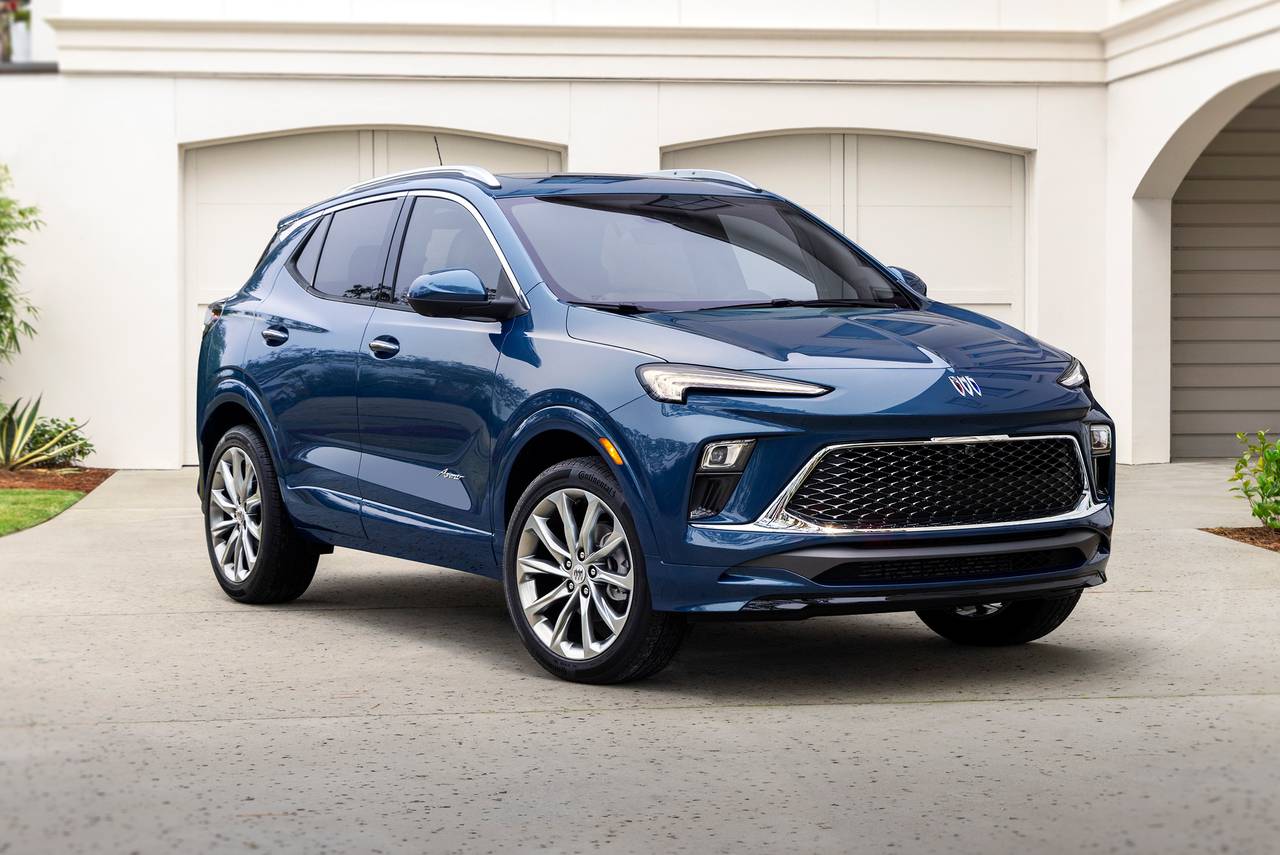
Over the years, the brand has built its reputation on crafting quiet, calming cabins focused on comfort first; however, engaging driving dynamics take a back seat here and feel rather uninspiring. While the GX doesn’t deliver the premium experience needed to genuinely rival luxury-branded subcompact SUVs, its refined interior design easily outclasses that of many mainstream alternatives.
Power for the Encore GX comes from two turbocharged three-cylinder engines. The standard 1.2-liter unit generates 137 horsepower, while the available 1.3-liter version increases output to 155 horsepower.
Front-wheel-drive models use a continuously variable automatic transmission (CVT), whereas those with all-wheel drive receive a nine-speed automatic. The Buick provides a pleasantly smooth and composed ride, but drivers won’t find much excitement in its handling.
Also Read: 5 Cars With Great Handling and 5 That Shake Apart
“Tetris Trunks” (Models That Require Strategy to Load a Stroller)
For many American families, this becomes a daily routine: standing at the hatchback, minivan, or compact SUV, mentally rotating the stroller like a Tetris block and hoping it drops into place.
It’s not that these models lack cargo volume, some of them look spacious at first glance. Instead, the issue often comes down to design quirks, cargo geometry, or real-world dimensions that spec sheets don’t fully capture.
In this list, we highlight the “Tetris Trunk” vehicles, models that can haul a stroller, but only if you use strategy, finesse, and a little patience. If you’ve ever wrestled with a stroller that almost fits, you’ll recognize these contenders immediately.
1. Ford EcoSport
The EcoSport’s side-hinged rear door is the first challenge it opens like a regular car door rather than lifting upward, which limits how close you can park when loading cargo. The trunk itself is narrow and shallow, making stroller loading a chore.
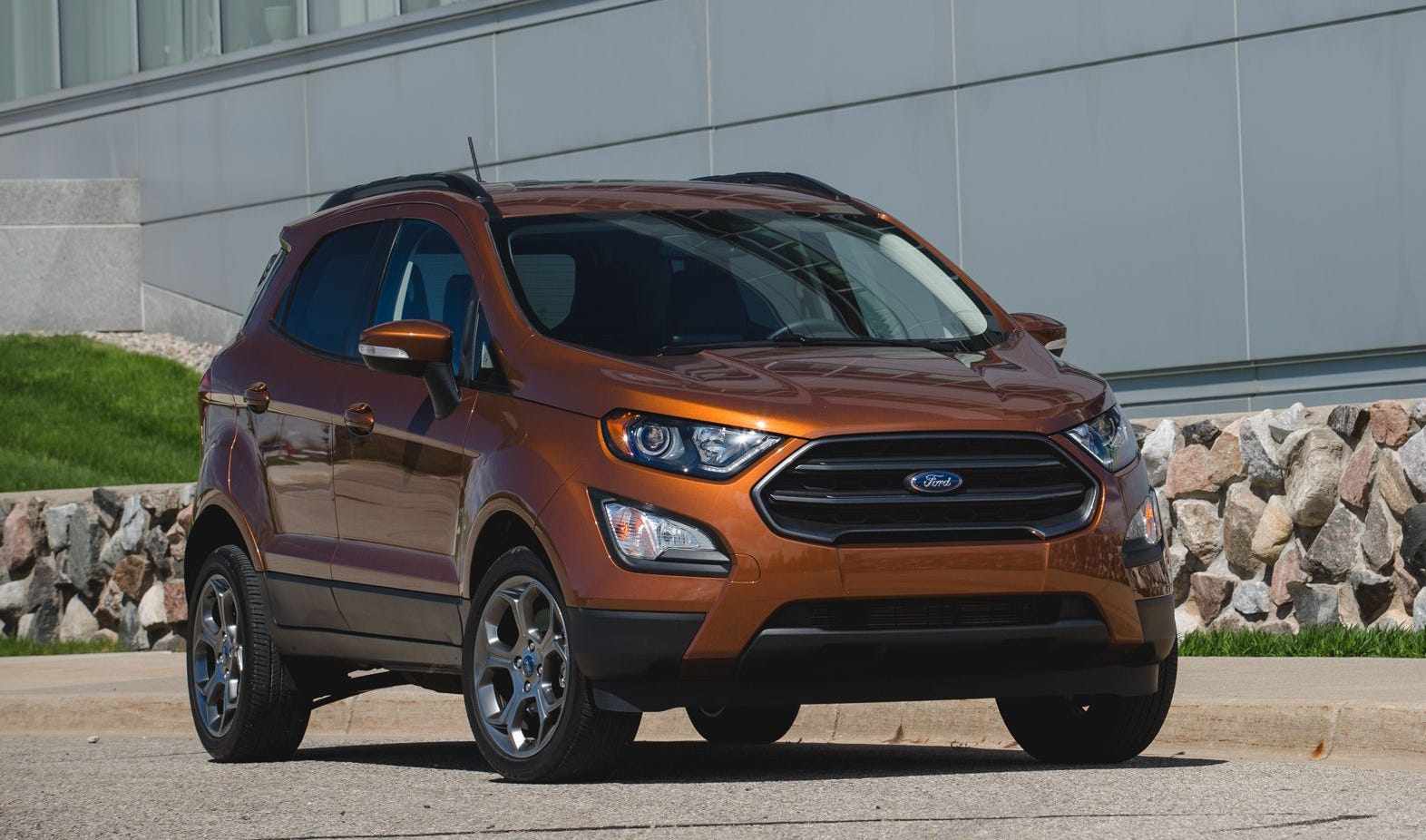
Many US owners report needing to turn a stroller diagonally, then angle it up under the roof while pushing it inward. It’s one of the more notoriously tricky small-SUV cargo spaces.
2. Toyota Corolla Hatchback
Though sporty and efficient, the Corolla Hatchback isn’t stroller-friendly. The trunk is shallow due to the battery placement in some trims, and the hatch narrows toward the top.
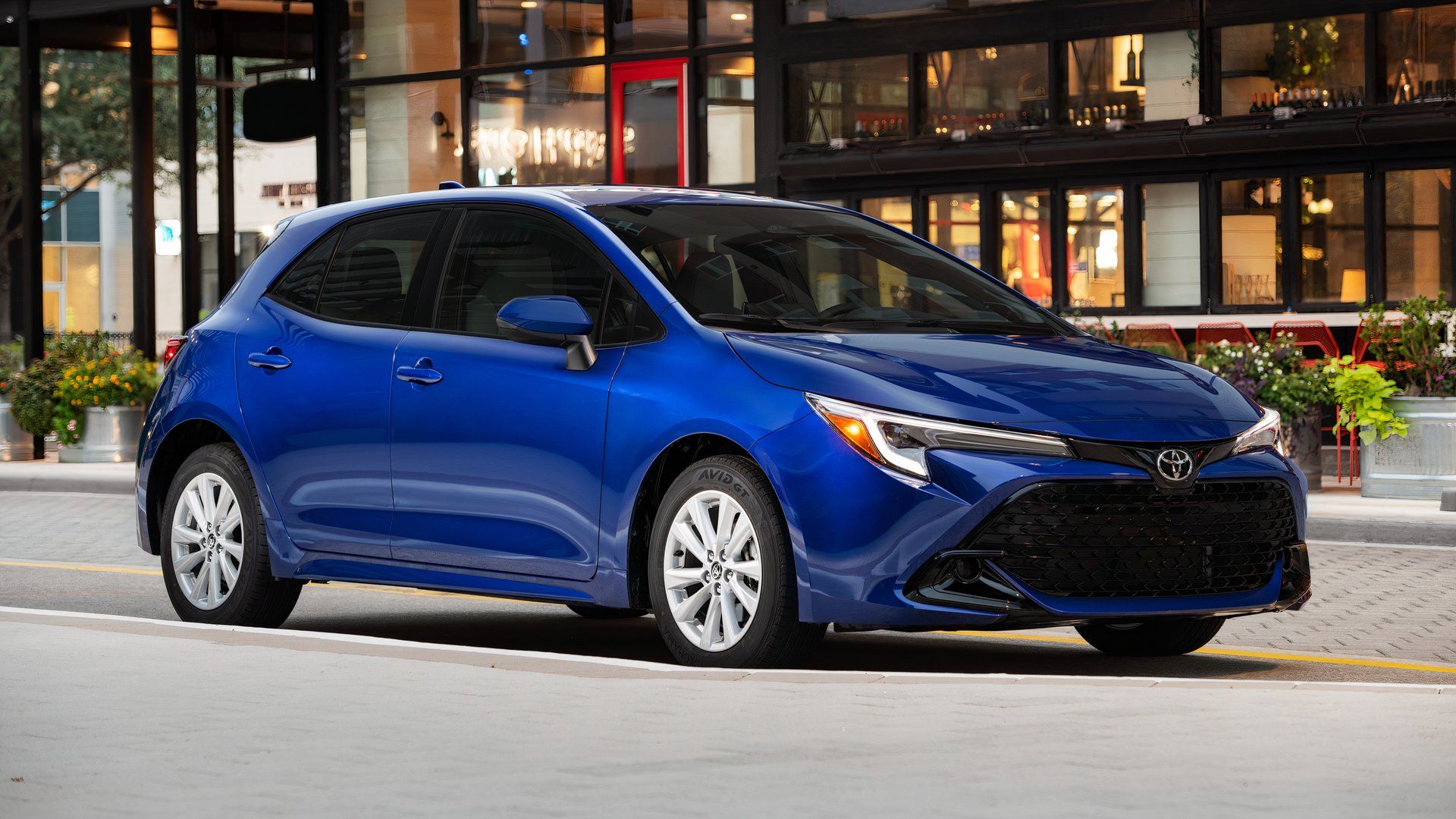
A standard stroller often must be folded with precision and rotated into place. Taller or double strollers typically require lowering the rear seats, which limits seating flexibility if you’re carrying both kids and cargo.
3. Mercedes-Benz GLA
The GLA is stylish and high-end, but its trunk is compact and shaped in a way that demands planning. The sloping roofline sharply reduces vertical space near the hatch, and the load floor is higher than average.
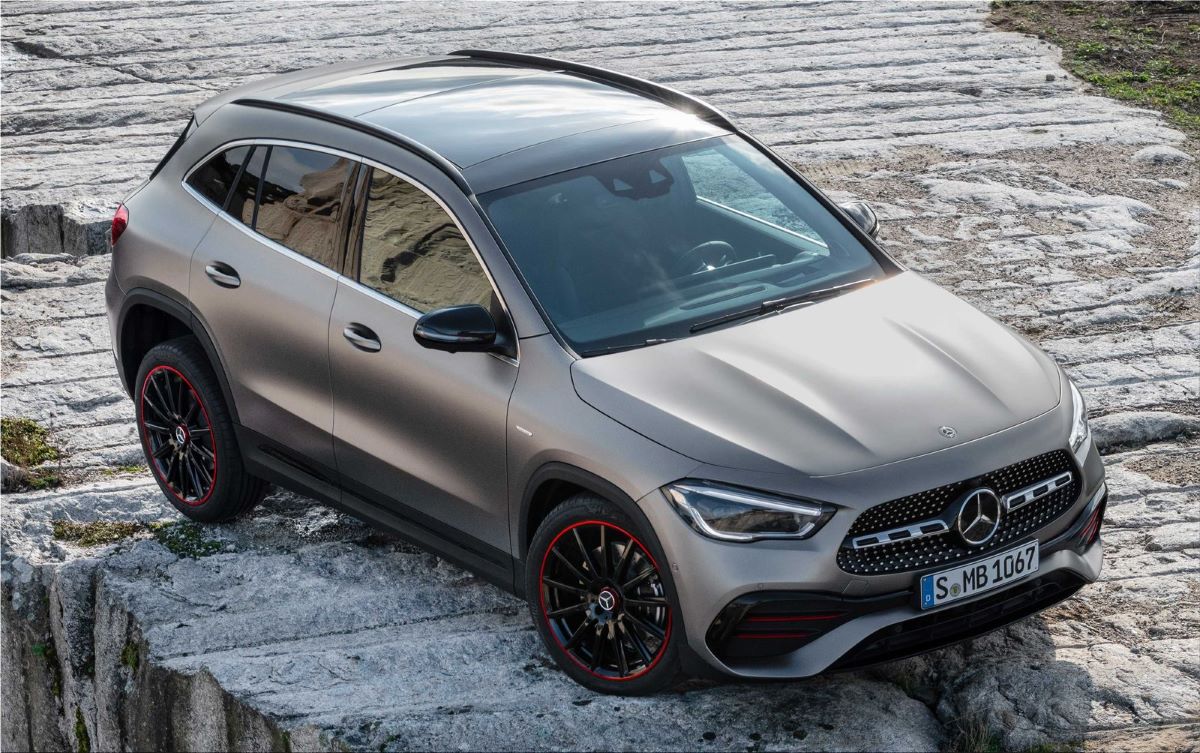
This combination means bulky strollers don’t simply slide in you have to insert them at a shallow angle, rotate, and push. It’s not impossible, but it’s definitely not convenient for parents juggling daily errands.
The GLA 250 should easily meet the needs of most drivers. Its power output suits the vehicle’s size well, allowing it to accelerate confidently and without strain. In our testing, the front-wheel-drive model reached 60 mph in 6.8 seconds, a perfectly average result for an extra-small luxury SUV.
Overall, the engine and transmission operate smoothly, though the automatic stop-start system introduces a bit of vibration when the engine restarts. The transmission can also hesitate slightly when you press hard on the accelerator for a quick surge of speed.
In cornering situations, the GLA feels composed and reassuring. Its braking performance, however, was less impressive. During our emergency braking test, the GLA 250 required a lengthy 138 feet to come to a stop from 60 mph, a distance longer than what we’ve recorded from some full-size pickup trucks.
We believe this is more a reflection of the economy-focused tires than the braking hardware itself. On the positive side, the brakes felt very smooth and easy to modulate in everyday driving.
4. Hyundai Venue
The Venue is one of the smallest crossovers on the US market, and its trunk reflects that. Depth is minimal, height is limited, and the liftover is surprisingly tall.
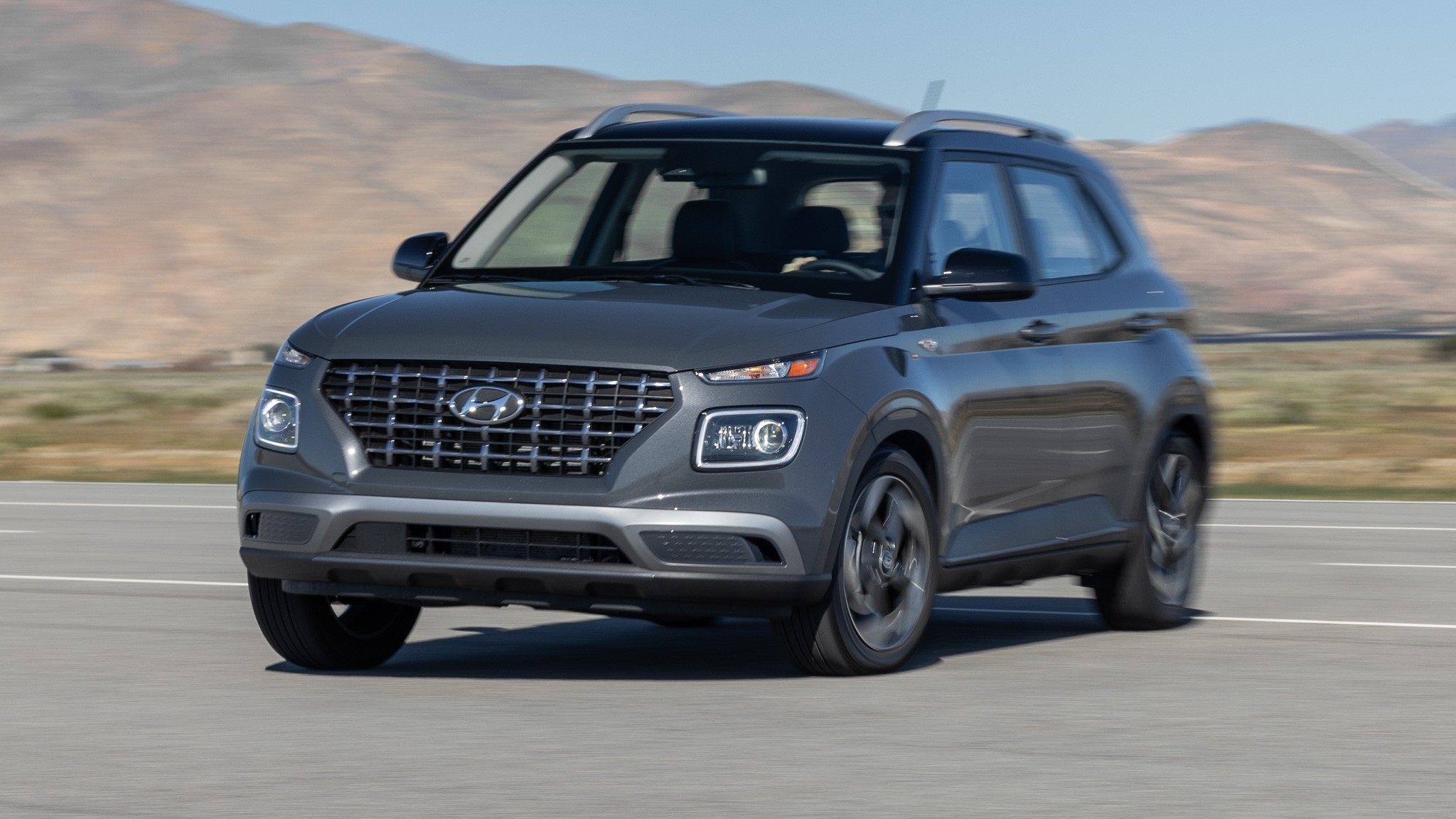
Even an umbrella-style stroller has to be placed carefully, often upright and diagonally across the space. Full-size strollers usually require placing the rear seats down or removing one wheel. For shoppers prioritizing easy stroller loading, this one doesn’t make the list.
From the driver’s seat, the Venue delivers a performance that’s perfectly adequate in nearly every respect. Whether you’re commuting, tackling daily errands, or heading out for a relaxed drive to the beach or lake, it handles the basics without issue.
Acceleration is typical for this segment, which means it’s not particularly quick. In our testing, the Venue required 9.4 seconds to reach 60 mph.
Still, it performs well where a small city-focused vehicle needs to. It responds promptly from a stop, and its CVT automatic combined with predictable braking helps create a generally smooth driving experience. While it’s far from a sporty SUV, its compact footprint keeps it agile and even a bit enjoyable when darting through tight corners.
Inside, the Venue offers just the right level of technology, and everything is simple and intuitive to operate. The optional six-speaker audio system delivers unexpectedly solid sound quality, with clarity and a satisfying level of punch.
The standard 8-inch touchscreen infotainment/navigation setup includes Apple CarPlay and Android Auto, and its design closely mimics the feel of modern smartphones. Real-time traffic updates are also a helpful feature.
The suite of advanced safety and driver assistance systems functions as intended, though some of the alerts can feel overly sensitive. One important note: adaptive cruise control isn’t available on the Venue, so keep that in mind if it’s a must-have feature for you.
5. Mazda3 Hatchback
The Mazda3 is a standout for driving enjoyment, but its swoopy rear styling cuts dramatically into trunk practicality. The hatch opening is narrow, and the interior cargo area is shallow.
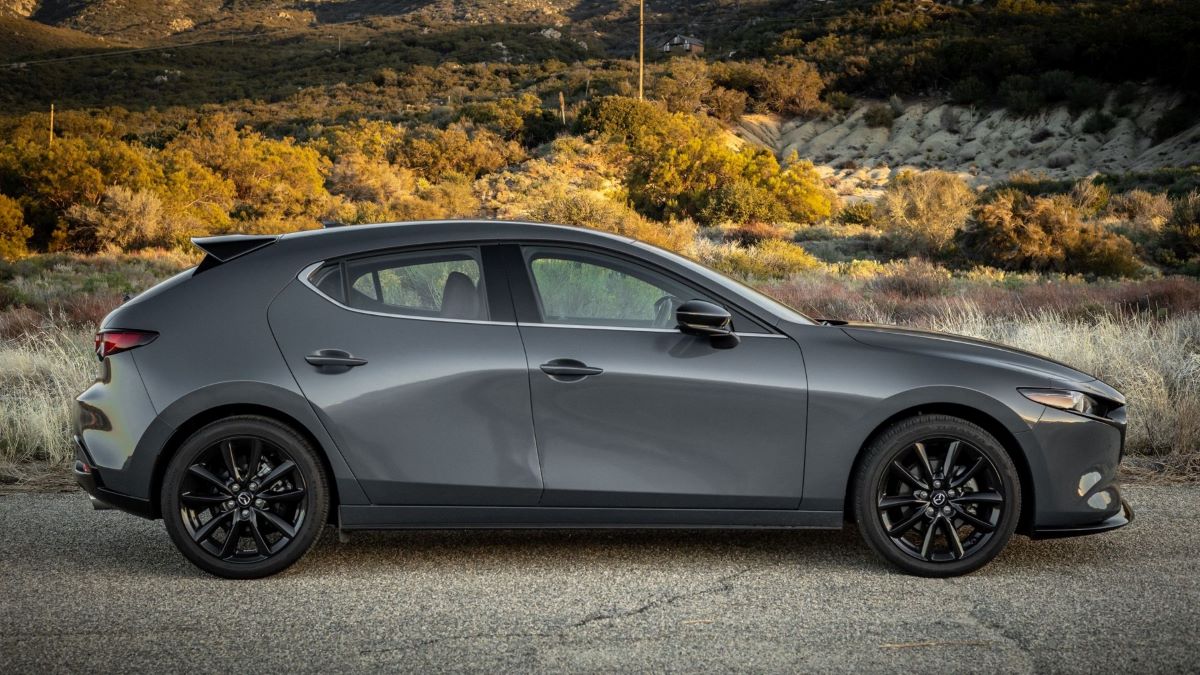
Parents often report having to wrestle strollers into the vehicle, rotating and folding them more tightly than usual. If you use a jogging stroller or a travel-system stroller, it often means laying the second row flat something that’s impractical on daily school runs.
For shoppers with champagne tastes but a sparkling-cider budget, the 2022 Mazda 3 delivers a near-luxury experience at a price firmly within compact-car territory. Available as both a sedan and a hatchback, it can be outfitted with optional all-wheel drive, a spirited turbocharged engine, and enough premium touches to hold its own against small Audis, BMWs, and Benzes.
While the base trims aren’t as richly appointed, the Mazda 3’s sharp styling and lively driving character make it appealing to enthusiasts, even when equipped with front-wheel drive and the standard engine.
Mazda provides three four-cylinder engine choices for the 3, starting with a 2.0-liter unit in the base sedan that produces 155 horsepower and pairs exclusively with front-wheel drive. Stepping up to the 186-hp 2.5-liter four-cylinder opens the door to the optional all-wheel-drive system, but the real excitement lies with the 250-hp turbocharged 2.5-liter engine.
A six-speed manual transmission is available, though only with front-wheel-drive models, while selecting all-wheel drive requires a six-speed automatic. Every version of the Mazda 3 reacts promptly to throttle inputs, but the turbo engine is the only one that delivers genuinely quick acceleration. In our testing, the turbocharged model hit 60 mph in a swift 5.6 seconds.
Both the sedan and hatchback remain composed on straightaways and twisty roads alike, offering a polished ride quality. We’ve commended the latest Mazda 3 for preserving the fun-to-drive spirit of its predecessor, with its precise body control, naturally weighted steering, and firm yet forgiving suspension tuning.
6. Lexus UX
The Lexus UX is a premium subcompact crossover, but its cargo area is one of the smallest in the segment. The high load floor and limited depth make loading strollers difficult, particularly for US families who rely on larger stroller models.
Even lightweight strollers sometimes need to be wedged in diagonally. The hatch’s narrow top section adds yet another obstacle, often forcing parents to try multiple angles before finding one that works.
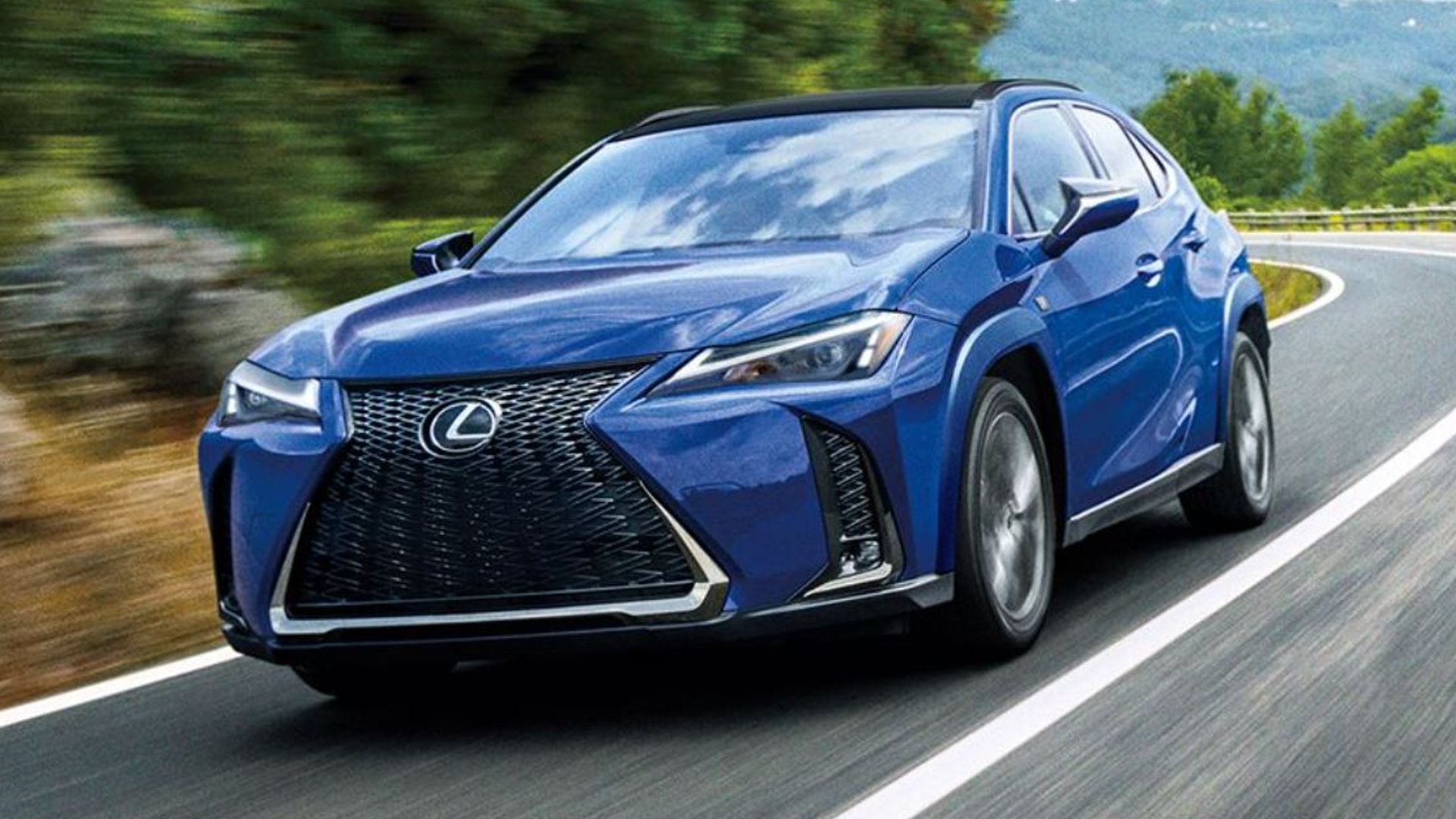
For American families, the real-world practicality of a trunk can determine how smoothly day-to-day life runs.
Outright acceleration is unquestionably slow, 0–60 mph takes 8.9 seconds, but the UX 200 still feels fairly lively and playful as a city-focused commuter.
The brake pedal offers a reassuring feel, which contributes to the UX’s easygoing nature. However, its emergency braking performance falls short. We recorded a 129-foot stop from 60 mph, a longer-than-average distance for a small SUV.
The steering provides a solid on-center feel, and resistance builds quickly, giving the UX a slightly weightier, more substantial character than its size would suggest.
While road feedback is limited, the steering is accurate and predictable. The UX inspires confidence on smooth, sweeping corners such as highway on-ramps, though it becomes less composed when navigating bumps or tighter turns.
The smallest Lexus crossover doesn’t excel in overall comfort. The front seats offer nicely supportive cushions, but the sharply contoured seatbacks won’t appeal to everyone. The ride quality is also firmer than expected. Although the suspension does a good job softening sharper impacts, it still allows too much road texture to filter into the cabin.
Climate control performance is strong. The heated and ventilated seats aren’t the most powerful on the market, yet they function effectively. The UX also struggles to fully shield occupants from outside noise; depending on the pavement, noticeable road and tire noise make their way into the cabin.
Vehicles like the Atlas, Pacifica, Rogue, and XC90 win because they offer wide openings, low floors, and plenty of square, usable space that accommodates strollers without drama.
On the other hand, models like the Corolla Hatchback, EcoSport, and GLA require careful positioning and patience fine for occasional cargo use, but frustrating for parents loading strollers multiple times a day.
Choosing a family vehicle means prioritizing more than horsepower or tech features. Sometimes the biggest quality-of-life difference comes from how easily your stroller slides into the trunk.
With more Americans balancing busy schedules, understanding cargo usability helps families pick a vehicle that fits their routines with less stress and fewer Tetris moves.