Pop the hood on almost any modern car in the U.S., and you’ll discover one of two very different experiences waiting for you.
On one side are vehicles with hydraulic hood struts smooth, self-lifting supports that make checking fluids, inspecting belts, or jump-starting your battery feel effortless.
On the other side are models still using the old-school stick prop rod, which forces you to fumble with a metal rod, balance the hood’s weight, and hope you don’t misplace it in the rain or snow.
While neither system changes the way a vehicle drives, the difference in daily usability can be surprisingly huge, especially for families, DIY maintenance fans, or anyone who spends time under the hood.
For the American market, hood struts are increasingly becoming a “premium-class” feature, often appearing in higher trims even when the same model uses a prop rod at lower levels.
Shoppers who appreciate convenience or who simply want a safer, hands-free hood lifting experience often end up valuing struts more than they expected.
Below, we highlight six vehicles known for their helpful, reliable hood struts, followed by six models that are still stuck with the stick-prop hassle.
Cars With Helpful Hood Struts
Opening the hood of a car is usually a straightforward task, but anyone who’s wrestled with a heavy, floppy engine cover knows it can quickly turn into a frustrating chore. Enter hood struts: simple yet incredibly handy mechanisms that hold the hood open securely without requiring a prop rod or awkward balancing act.
For daily maintenance, quick fluid top-offs, or even just inspecting the engine, a car equipped with reliable hood struts can save time, effort, and even a few bruised fingers.
In this roundup, we focus on vehicles that make engine access easier thanks to thoughtfully engineered hood struts. Whether you’re a weekend DIYer, a daily commuter, or just someone who appreciates convenience under the hood, these models stand out for combining practicality, safety, and ease of use.
1. Toyota Highlander
The Toyota Highlander has earned a reputation for being one of the most family-friendly midsize SUVs in the U.S., and its hood design reflects that practicality.
Hood struts come standard on most trims, taking away the need to juggle a prop rod while checking coolant or windshield fluid.
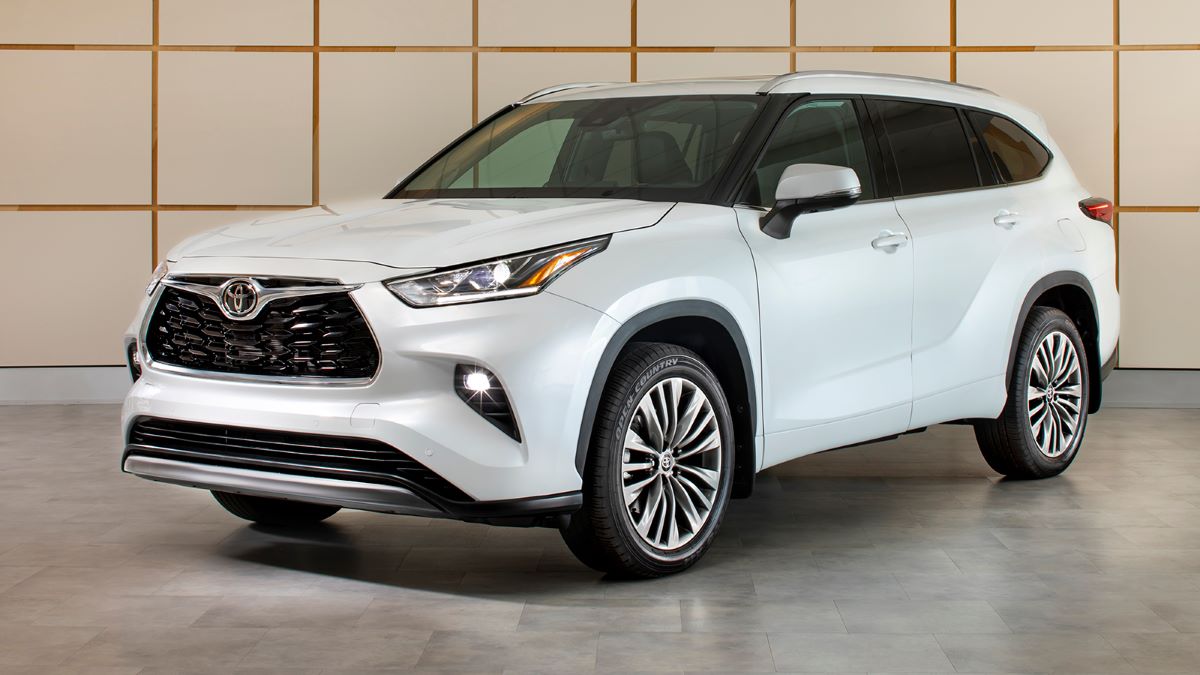
Owners appreciate how confidently the struts lift the hood, even in cold weather when cheaper struts on other models might weaken. For busy parents or anyone who handles maintenance on their driveway, it’s a small but noticeable convenience.
2. Ford F-150 (Higher Trims)
America’s best-selling truck doesn’t use hood struts across the entire lineup, but trims like the Lariat, King Ranch, Platinum, and Limited typically include them.
Anyone who owns a pickup knows how heavy a truck hood can be. Hydraulic struts make lifting the F-150’s massive hood nearly effortless, helping weekend mechanics, construction workers, and long-haul drivers alike.
The feature also pairs well with the F-150’s reputation for accessible DIY maintenance.
The 2022 F-150 offers a wide range of engine options to suit nearly every type of buyer: a 290-hp 3.3-liter V-6, a 400-hp 5.0-liter V-8, a 325-hp twin-turbo 2.7-liter V-6, a 400-hp twin-turbo 3.5-liter V-6, and a 250-hp 3.0-liter diesel V-6. Every engine is paired with a 10-speed automatic transmission, and for the first time, the F-150 is available with a hybrid powertrain.
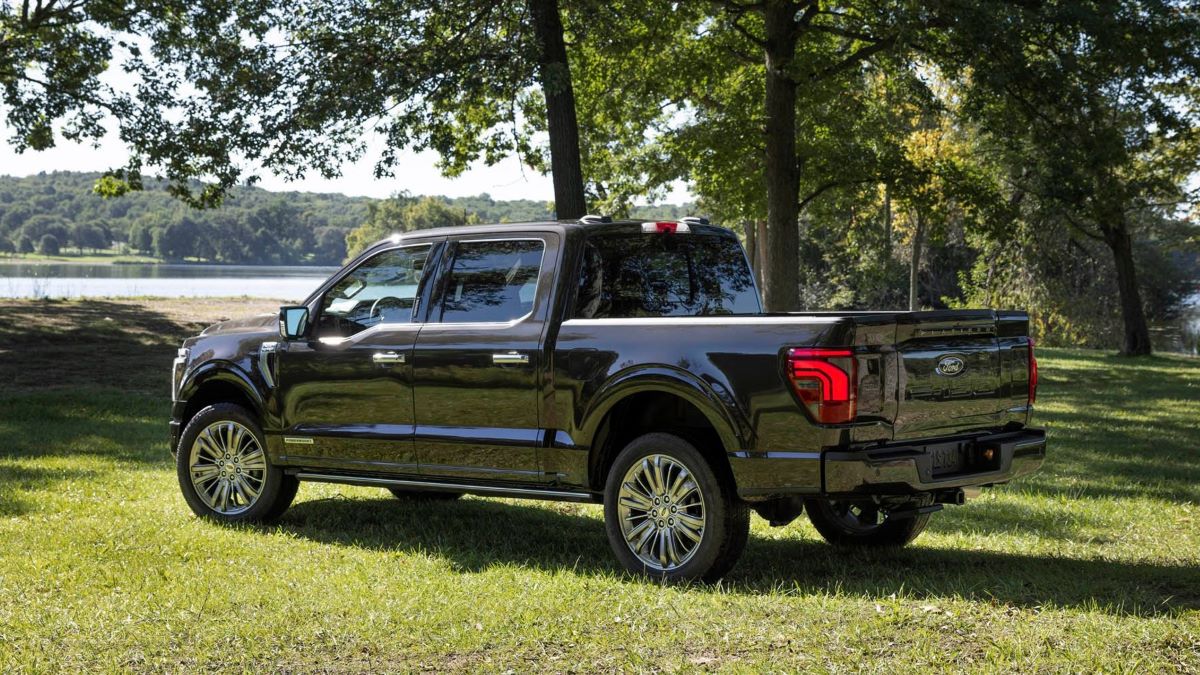
Ford states that the new 400-hp hybrid, comprising a 3.5-liter twin-turbo V-6, a 35 kW electric motor, and a 10-speed automatic,can deliver up to 700 miles of driving range per tank and even power an onboard generator for work sites or emergency situations. Buyers can choose either rear- or four-wheel drive with any of the available powertrains.
On our test track, a four-wheel-drive Lariat equipped with the hybrid system accelerated to 60 mph in a brisk 5.4 seconds. During our on-road testing, we found the ride compliant and the handling agreeable, with higher-trim models like the King Ranch featuring a variable-assist steering system that sharpens low-speed responses for a more nimble feel.
For off-road enthusiasts, the Tremor model offers maximum capability, with 33-inch all-terrain tires, an upgraded suspension, a locking rear differential, and a four-wheel-drive transfer case borrowed from the formidable F-150 Raptor. On the test track, the Tremor reached 60 mph in just 5.3 seconds, trailing the more powerful Raptor by a mere 0.1 second.
Also Read: 10 Crossovers That Are Actually Off-Road Capable
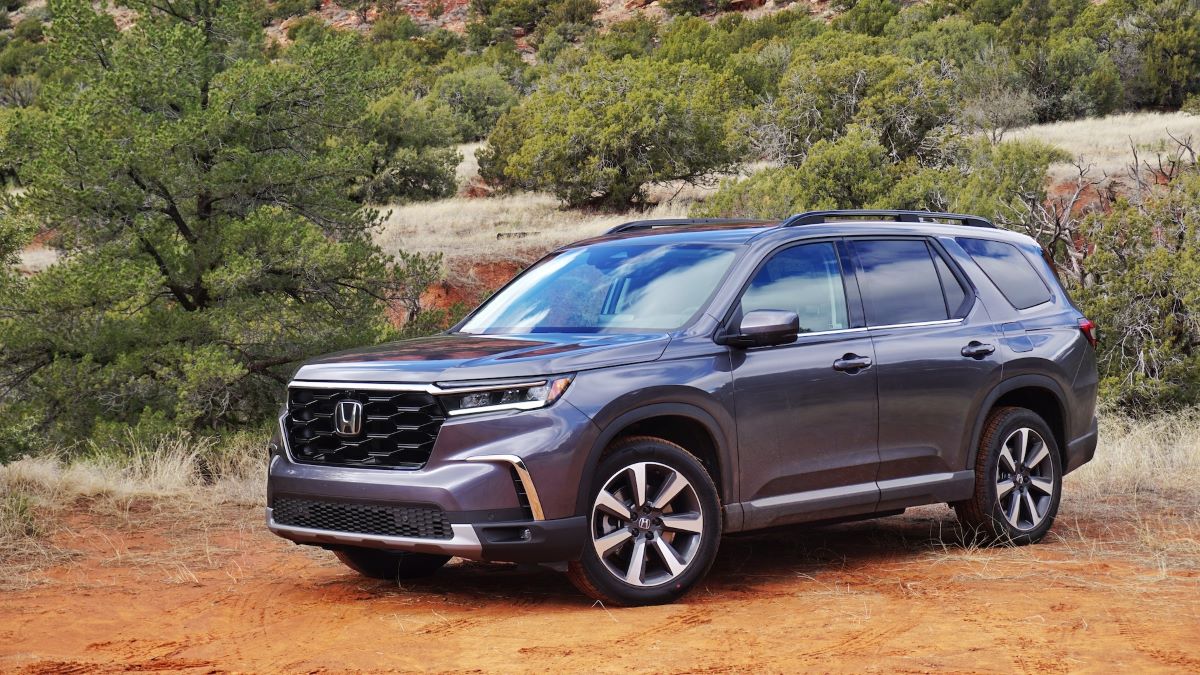
3. Honda Pilot
Honda designed the latest Pilot with a strong emphasis on user comfort and thoughtful engineering touches. Hood struts are one of those small but meaningful additions.
The Pilot’s hood is wide and angled, so having struts is particularly helpful for accessing the battery, fuse box, and fluid reservoirs.
For families who routinely take long road trips or drivers who prefer keeping up on basic maintenance themselves, these struts reduce hassle and improve safety.
Driving the Pilot is a bit of a mixed experience. The V6 engine delivers a snarly growl when you press the accelerator, but actual acceleration is merely average.
Our Pilot TrailSport managed 0–60 mph in 7.8 seconds. The transmission tends to shift frequently, especially in city driving, which can make throttle inputs feel overly sensitive when accelerating from a stop.
The brake pedal, however, provides a predictable and smooth feel, making everyday stops easy to manage. Emergency braking distances, though, were longer than what we recorded from rival three-row SUVs. On the bright side, the Pilot compensates with a comfortable ride, smoothing out bumps and rough pavement for a more pleasant cabin experience.
Visibility is generally good thanks to large windows, but we were less impressed with the optional surround-view camera system. Its small screen and lower-resolution cameras make it difficult to get a clear picture of your surroundings.
Other driver-assistance features perform better: the adaptive cruise control and lane-centering system work together effectively to reduce fatigue during highway driving.
Inside, the Pilot offers both utility and comfort, with a robust interior constructed from durable, solid plastics. While some competitors include more soft-touch materials, particularly on higher trims, the Pilot’s interior is built to endure the wear and tear of family life, and it’s easy to clean with standard wipes.
In terms of value, though, the Pilot falls slightly short. Many competitors provide more features for the money. Achieving a fully loaded trim often costs more than rival SUVs, and even then, it may still include fewer amenities than models like the Kia Telluride.
Additionally, Kia and Hyundai offer significantly longer warranties compared to the Pilot’s three-year/36,000-mile basic coverage and five-year/60,000-mile powertrain warranty.
4. Subaru Outback
Adventure-oriented drivers often pop the hood in rugged conditions whether checking oil while camping or jump-starting a vehicle after a night of freezing temperatures.
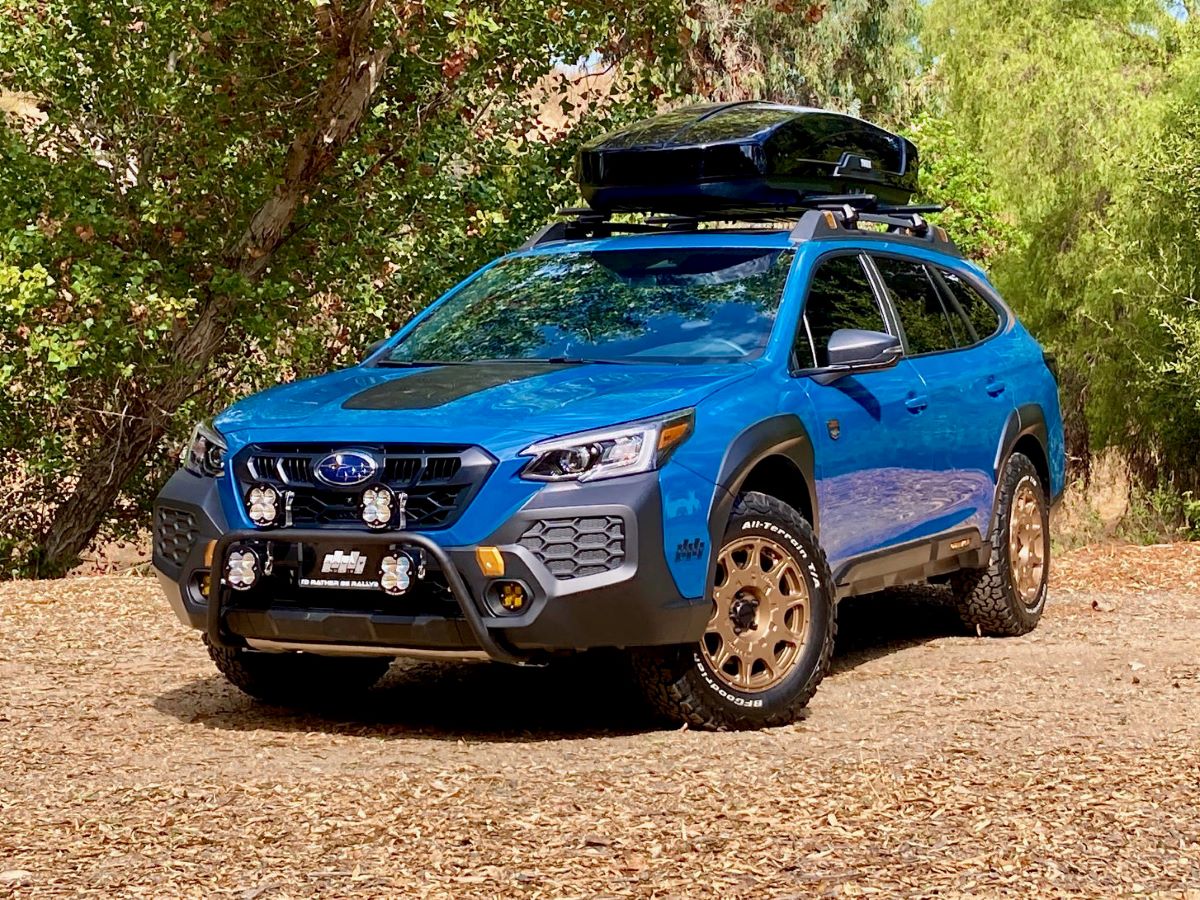
Subaru addressed this reality by equipping the Outback with reliable, all-weather hood struts. They lift quickly, stay stable on uneven ground, and don’t weaken easily in winter climates.
As a result, Outback owners appreciate the hands-free access, especially when loading gear or dealing with trail dust.
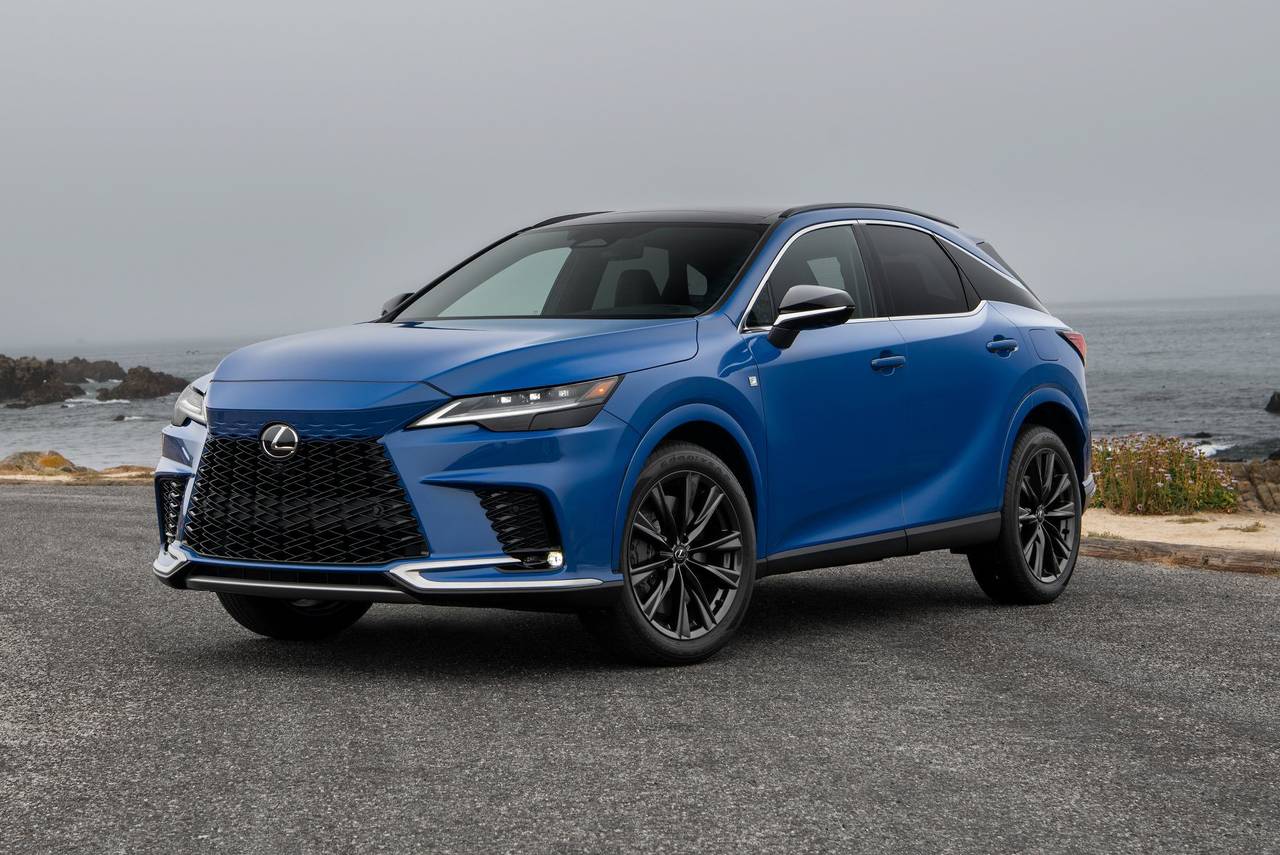
5. Lexus RX
Luxury models almost always adopt hood struts as standard equipment, and the Lexus RX bone of the top-selling luxury SUVs in the U.S. is no exception.
The struts pair with a lighter aluminum hood that lifts effortlessly with a controlled, premium feel.
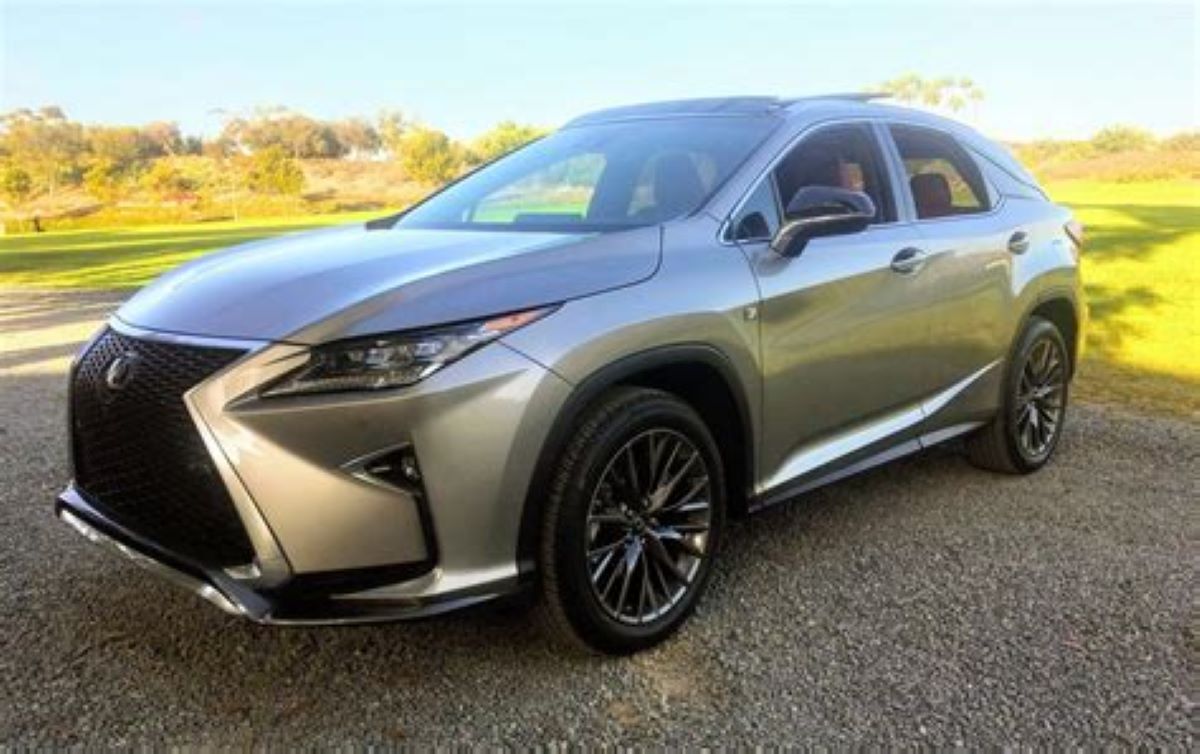
Everything about the RX is designed for refinement, and even its hood experience reflects that philosophy. Anyone looking for luxury without unnecessary frustration will appreciate this detail.
Also Read: 10 Trucks That Keep Towing Capacity Perfect After Years
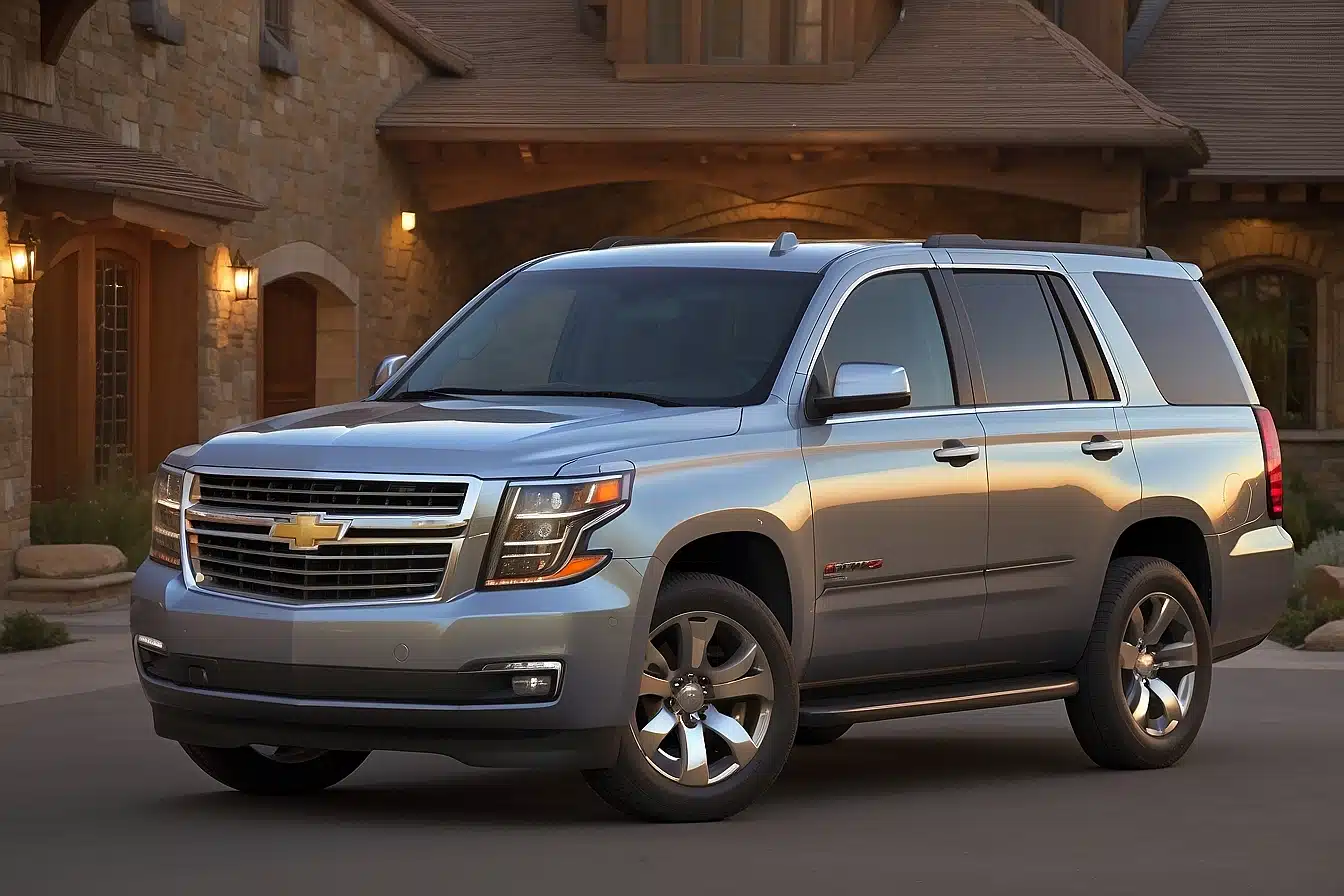
6. Chevrolet Tahoe
Large SUVs often come with heavy, wide hoods that can feel unwieldy with a manual prop rod. The Chevrolet Tahoe avoids this issue entirely by using hydraulic hood struts.
For a vehicle commonly used for family travel, towing, and long-distance hauling, easy engine-bay access matters more than people realize.
Tahoe owners who do most of their own maintenance benefit from the stability and lift support, especially when reaching deeper components like the air filter housing or fuse block.
The 2025 Chevrolet Tahoe is a full-size SUV powerhouse, offering abundant space for passengers and cargo along with impressive towing capability. Built on a rugged, truck-based frame and powered by a choice of two V-8 engines or a diesel inline-six, the Tahoe is well-suited for heavy-duty hauling.
For off-road enthusiasts, the Z71 trim comes equipped to handle trails with confidence. Inside, the three rows accommodate up to nine passengers, and the interior can be configured from relatively basic to nearly luxurious.
While none of the Tahoe’s trims reach the opulence of its mechanical siblings, the GMC Yukon Denali or the upscale Cadillac Escalade, the cabin still impresses with a large infotainment display angled toward the driver, complete with standard Apple CarPlay and Android Auto.
Competitors like the Ford Expedition, Jeep Wagoneer, and Nissan Armada offer comparable features, but the Tahoe stands out with superior on-road refinement, a quality that both we and most drivers are likely to appreciate. And for those needing even more space, the long-wheelbase Suburban is ready to carry additional passengers or cargo.
For 2025, the Tahoe receives a subtle styling update and a refreshed dashboard featuring a newly standard 17.7-inch infotainment touchscreen alongside an 11.0-inch digital instrument cluster. The V-8 engines remain unchanged from last year, but the optional diesel inline-six has been boosted to 305 horsepower and 495 pound-feet of torque, gains of 28 hp and 35 lb-ft.
Several new towing aids have been added to assist drivers, including a system that monitors trailer tire health. Chevrolet also revised the suspension to enhance comfort, and air springs are now available on the RST trim in addition to the Z71 and High Country models. Across the lineup, new wheel options have been introduced, including some 24-inch designs, the largest ever offered on a Tahoe.
Cars With Stick-Prop Hassles
or many drivers, opening the hood of a car is a simple, one-handed task, but not all vehicles make it easy. Some cars rely on awkwardly positioned prop rods that can be flimsy, fussy, or downright frustrating to use.
Struggling to wedge a stick into place, or dealing with a hood that refuses to stay open securely, turns a routine maintenance check or fluid top-off into an unnecessarily irritating chore.
In this roundup, we highlight cars where the hood prop system creates more hassle than help. From awkward angles to poorly designed attachments, these models serve as a reminder that small design choices can make a big difference in daily usability.
If you’ve ever wrestled with a hood that just won’t cooperate, this list will feel all too familiar, and help you know what to expect before you pop the latch.
1. Toyota Corolla
Reliable, fuel-efficient, and inexpensive to maintain, the Toyota Corolla is one of America’s most popular compact sedans but it still relies on an old-fashioned prop rod.
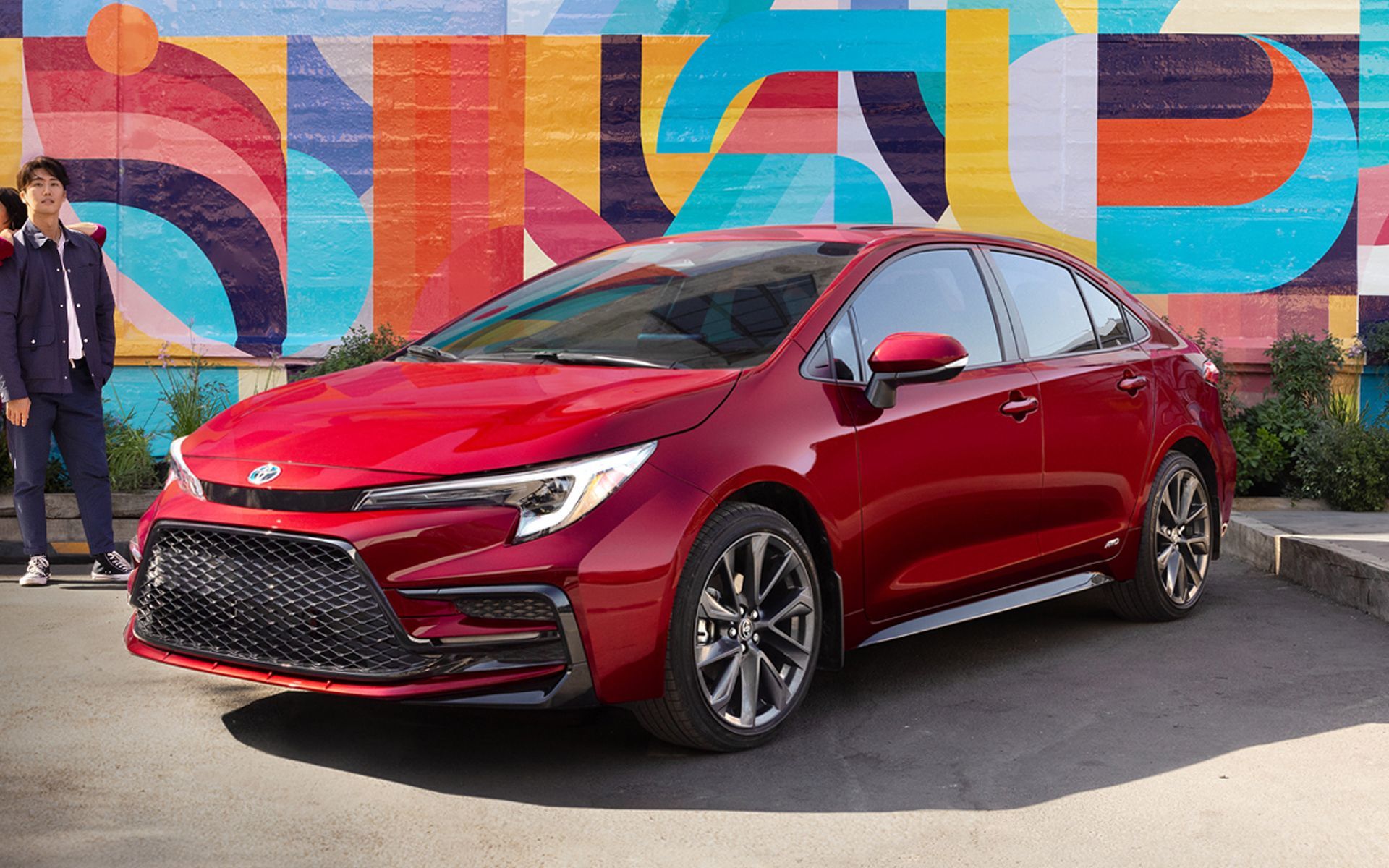
While this doesn’t affect reliability or long-term ownership costs, it does make simple under-hood tasks slightly more annoying. For a car bought by students, commuters, and first-time buyers, upgrading to struts would’ve made a daily difference.
2. Jeep Wrangler
The Wrangler is an off-road icon, but its hood system remains surprisingly bare-bones. With a traditional prop rod and external hood latches, opening the hood requires multiple steps.
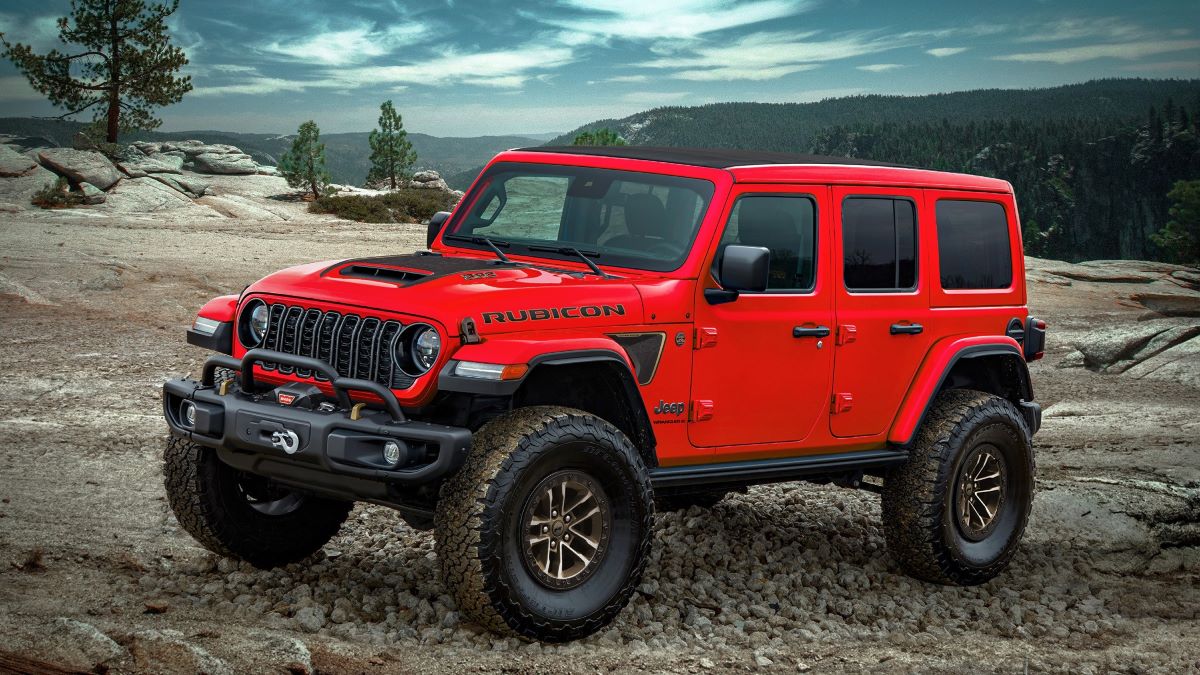
In mud, rain, or snow, the process becomes even more of a hassle especially when you’re trying to check fluids after trail riding. Wrangler owners still love the ruggedness, but many wish Jeep would modernize the hood system without sacrificing its signature style.
There’s no question that the Wrangler excels when it comes to off-road capability. This is particularly true for the Rubicon trim, which comes equipped with 33-inch tires and lockable differentials.
However, everyday steering and handling take a hit due to the traditional body-on-frame construction, solid-axle suspension, and old-school steering setup. The brake pedal has a long travel, which is excellent for precise modulation off-road but less ideal for routine daily driving.
The 3.6-liter V6 engine delivers strong performance, producing plenty of power, our four-door Sahara test Wrangler reached 60 mph in a solid 7.6 seconds. The eight-speed automatic transmission shifts smoothly and always seems to select the appropriate gear.
Inside, the Wrangler demonstrates that Jeep put genuine effort into the cabin. Much of the switchgear is distinct and satisfying to use, while the dashboard and seat materials are both attractive and pleasing to the touch.
While the Wrangler’s price is somewhat high, the upgraded materials and thoughtful design make it feel worth the cost. Jeep’s warranty coverage, however, is standard and unremarkable.
3. Hyundai Elantra
The Elantra has come a long way in design, tech, and interior quality, but a small detail that still lags behind is its hood prop rod. While compact sedans often cut hardware costs, the Elantra’s relatively tall hood feels like it would have benefited greatly from struts.
Anyone topping up washer fluid or cleaning the battery terminals in a tight garage might notice the inconvenience.
The 2022 Hyundai Elantra catches the eye in traffic thanks to its distinctive styling, yet beneath the sharply creased exterior lies a roomy and practical compact car. Its interior follows a similarly futuristic design language, and several upscale features, particularly on higher trims, add a noticeable wow factor.
The base engine is a somewhat modest 147-hp four-cylinder paired with a continuously variable automatic transmission (CVT), though buyers can opt for a hybrid powertrain or a 201-hp turbocharged four-cylinder.
Competing against stalwarts like the Honda Civic, Nissan Sentra, and Toyota Corolla, the Elantra’s combination of style and value-oriented packaging makes it a strong contender in the compact segment.
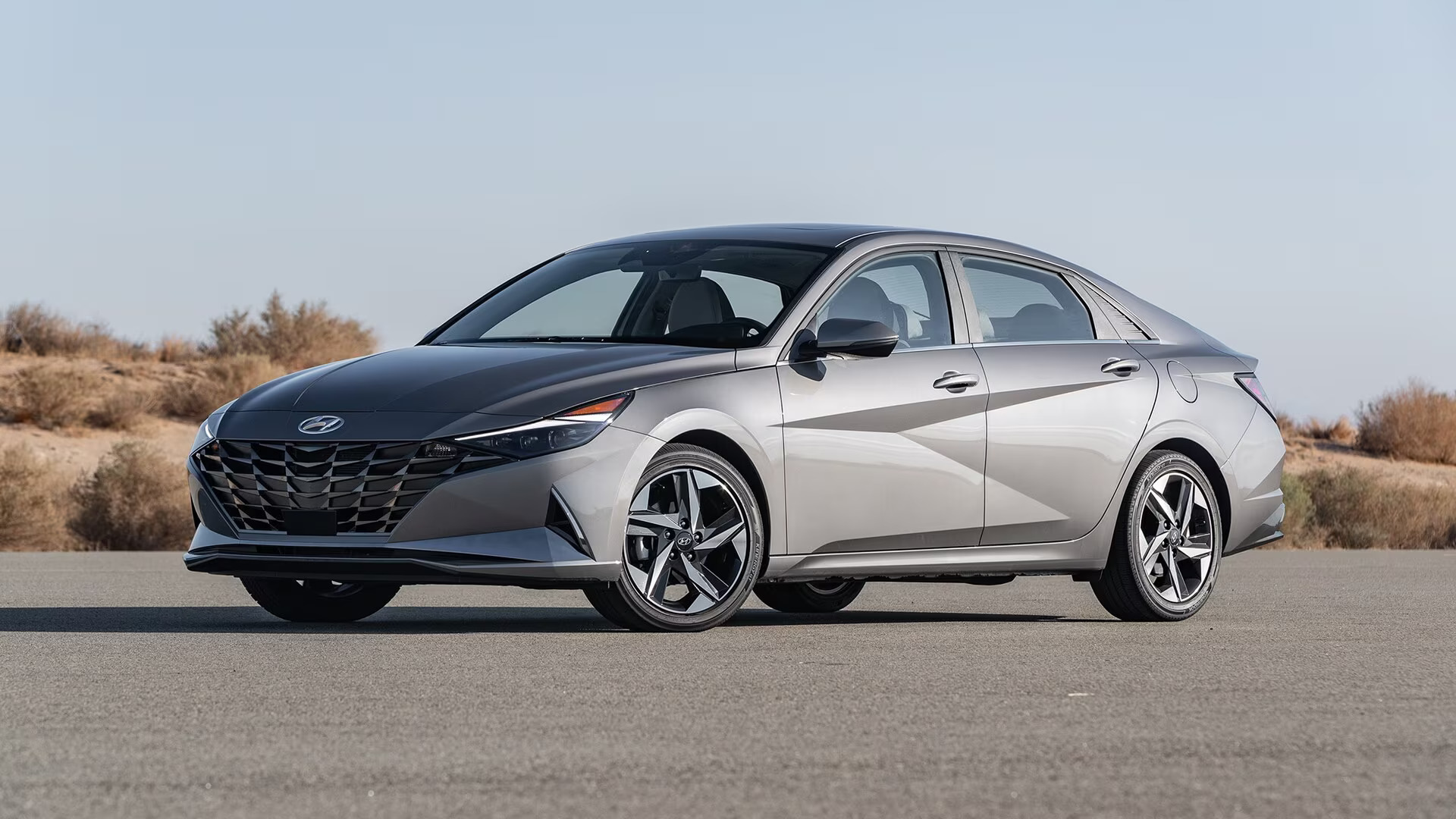
The standard nonhybrid setup pairs the 147-hp four-cylinder with front-wheel drive and a CVT, while the hybrid version combines a 1.6-liter four-cylinder with an electric motor to produce 139 horsepower, with shifts managed by a six-speed automatic.
Neither configuration delivers thrilling acceleration, but during our test of a nonhybrid model, we found the ride quality smooth and the power adequate for everyday city and highway driving.
For those seeking a more spirited experience, the performance-focused Elantra N, offers an exhilarating option, while the more approachable N Line delivers enhanced fun without the high price.
The N Line features a turbocharged 1.6-liter four-cylinder, paired with either a six-speed manual or a seven-speed dual-clutch automatic. After a brief test drive, we were impressed by the N Line’s livelier acceleration and nimble handling, which adds a sporty edge without compromising ride comfort.
4. Nissan Rogue (Base Trims)
The Rogue is a strong performer in the U.S. crossover market, though its lower trims still use a simple prop rod. Considering that compact SUVs appeal to families, the lack of struts feels like a missed opportunity.
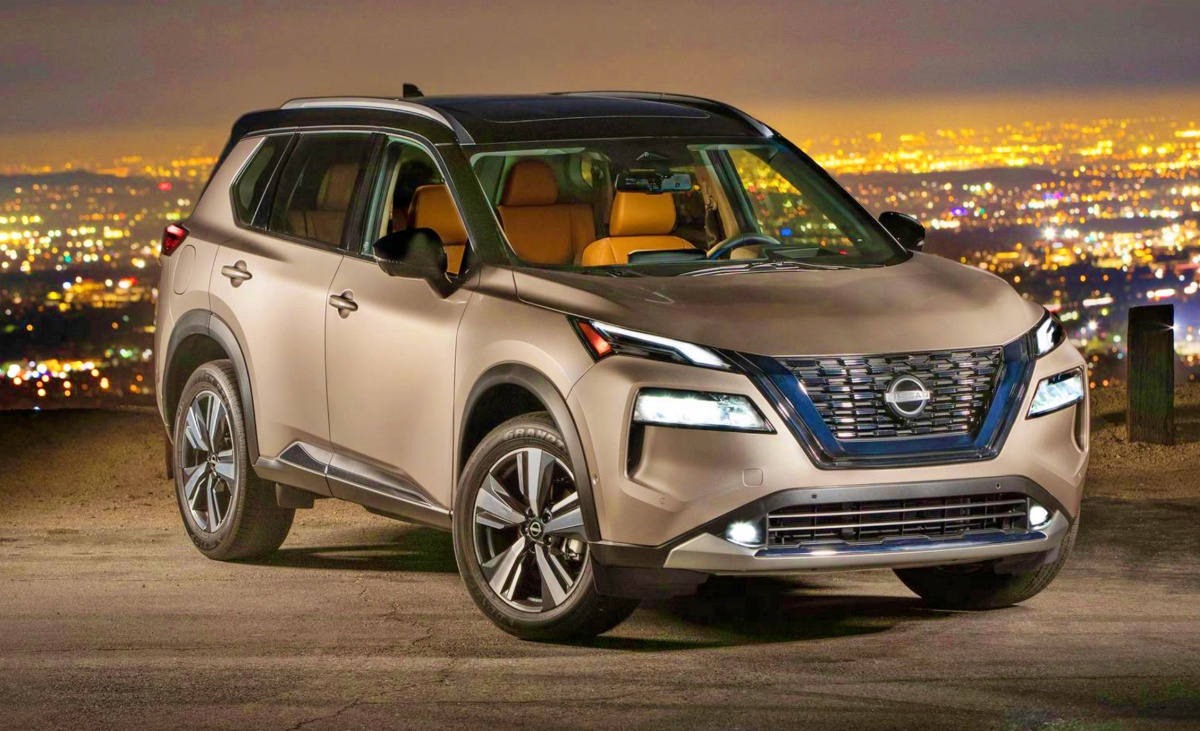
Drivers with kids, grocery bags, or just limited time often appreciate being able to lift and secure the hood with one hand. Upper trims occasionally add struts, but most buyers won’t see them unless they upgrade.
Nissan gives the 2025 Rogue a touch of rugged appeal with its Rock Creek treatment. The Rock Creek Edition adds functional upgrades such as all-terrain tires, a tubular roof rack, a hill descent control driving program, a new camera system with off-road views, heated front seats, and a 12-volt outlet in the cargo area.
Nissan’s ProPilot 2.1 system is now available on top trims, enhancing driver-assistance capabilities by adding speed, braking, and lane control to its adaptive cruise control.
A 360-degree camera system has also been added to select trims. Additionally, the 2025 Rogue introduces the new Nissan Maintenance Care program, covering the first three oil changes for up to two years or 24,000 miles.
All Rogues are powered by a turbocharged 1.5-liter three-cylinder engine producing 201 horsepower. This inline-three is paired with a continuously variable automatic transmission (CVT) and comes standard with front-wheel drive, with all-wheel drive offered as an option.
On the road, the Rogue delivers a compliant ride that’s well-suited for commuting and long drives, though its uninspiring cornering remains a sticking point for some drivers. That impression holds with the Rock Creek trim.
During our off-road test of the 2025 Rogue Rock Creek, we found that this more rugged-looking version offers only modest additional off-road capability compared with the standard model.
Ground clearance remains unchanged, and skid plates for underbody protection are absent, but the inclusion of hill-descent control and all-terrain tires does provide slightly better performance on dirt and uneven surfaces.
5. Ford Escape
Despite being one of Ford’s more modern-looking SUVs, the Escape retains its traditional prop rod system. The hood can feel slightly heavier than expected, making it awkward to position the rod during cold winters or windy days.
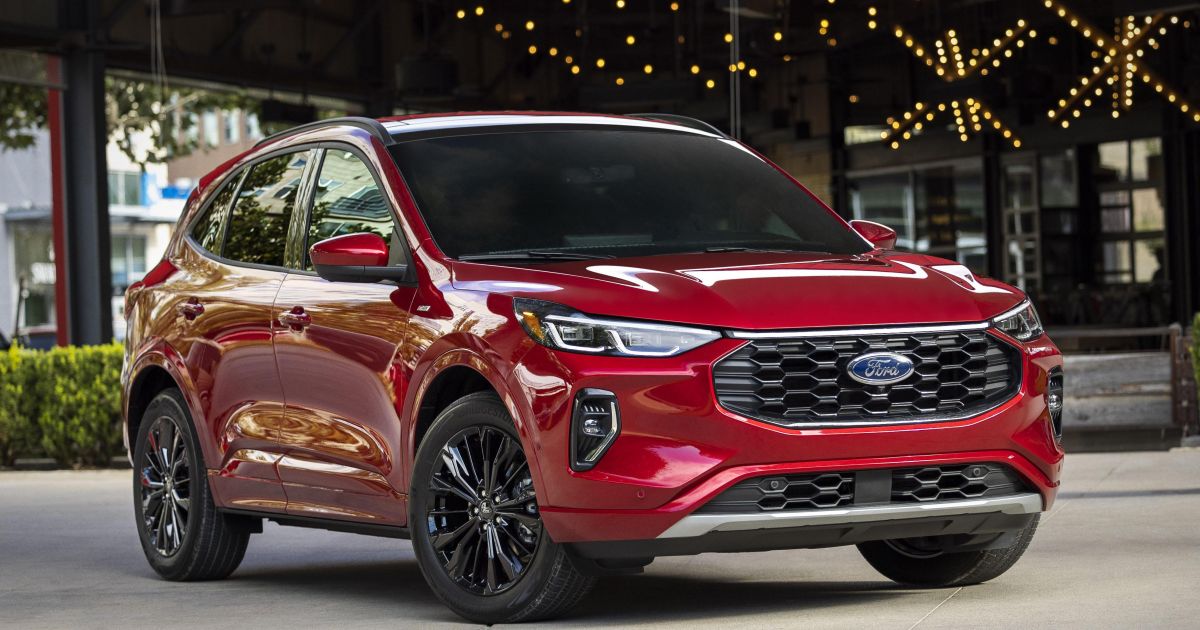
For a crossover that markets itself as smart and tech-forward, the under-hood experience feels a bit behind the times.
We tested the Escape SEL equipped with the turbocharged 2.0-liter engine. This powerplant delivers ample performance, allowing the Escape to effortlessly navigate traffic and accelerate up to highway speeds.
However, the eight-speed automatic transmission is a letdown, shifting slowly and often feeling jerky during upshifts. Downshifts are similarly uneven, producing multiple small jolts as you decelerate.
The engine stop-start system can also be intrusive, causing noticeable vibration when restarting the engine as you lift your foot from the brake. Altogether, the drivetrain feels unrefined, something we would expect Ford to have addressed before the Escape reached showrooms.
Handling is another weak point. The Escape exhibits considerable body roll and feels cumbersome through corners, with tires offering only modest grip. Steering is light and effortless in the default drive mode, but switching to Sport mode adds weight and provides a clearer sense of where the front wheels are pointed, improving control and driver confidence.
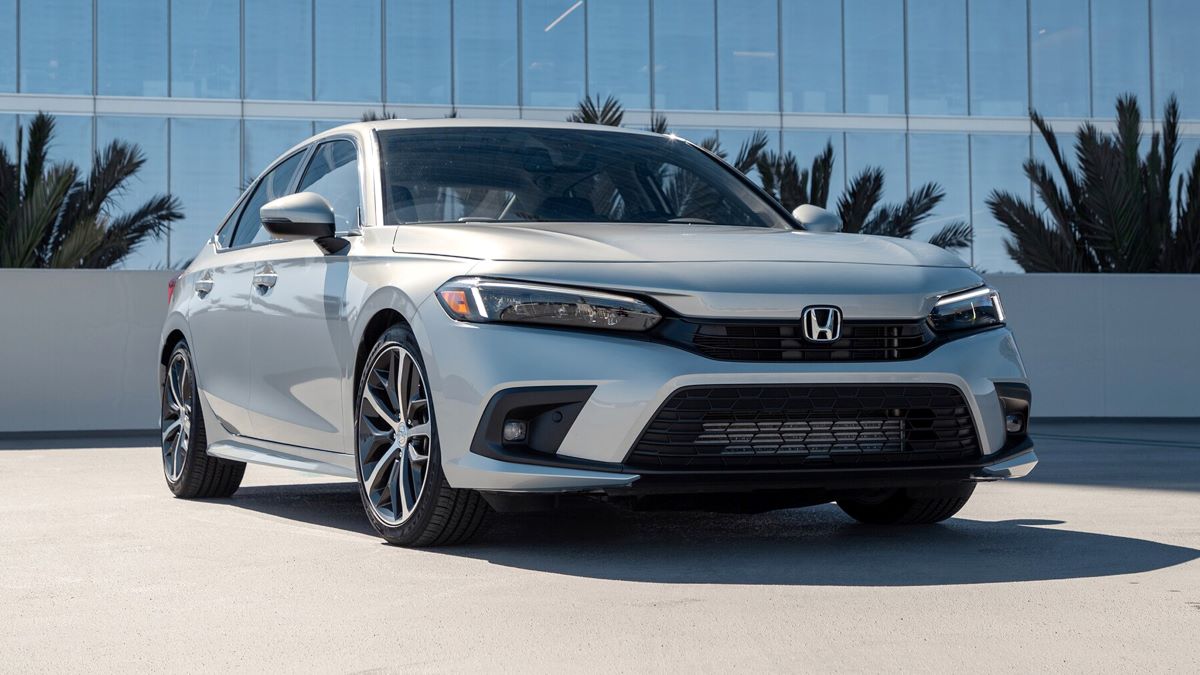
6. Honda Civic
The Civic is one of the best-selling cars in America, known for dependability and efficiency. Yet the hood prop rod remains a small but consistent complaint among owners who do their own maintenance.
The Civic’s hood isn’t particularly heavy, but the process still requires one hand to hold the hood and the other to position the rod. While not a deal-breaker, the Civic’s popularity makes this a feature many wish Honda would update.
Hood struts may seem like a minor convenience, but anyone who performs routine checks, adds their own fluids, or works under the hood regularly will tell you they can dramatically improve the ownership experience.
Vehicles like the Toyota Highlander, Honda Pilot, and Chevrolet Tahoe demonstrate how much smoother basic maintenance becomes when the hood lifts and holds itself effortlessly.
Meanwhile, stick-prop vehicles like the Corolla, Wrangler, and Civic remind us how much of a juggling act that old design can be especially in tight spaces, bad weather, or when both hands are needed for tools.
As more automakers update their design priorities, hood struts are increasingly recognized as a small but meaningful quality-of-life feature.
For buyers who value ease of maintenance or simply want a more modern ownership experience, choosing a model with struts can save time, frustration, and even prevent mishaps under the hood.