Headlights are more than a convenience. They play a crucial role in safety, visibility, and driving confidence. 10 Sedans With Headlights Aimed Just Right highlights ten vehicles that combine effective lighting technology with comfort, performance, and design.
From budget-friendly options like the Volkswagen Jetta to luxury sedans such as the Volvo S60, each model demonstrates how well-designed headlights can improve nighttime driving and reduce fatigue. Adaptive and advanced lighting systems in these sedans enhance the driver’s ability to see curves, intersections, and obstacles clearly.
Whether it is a nimble sports car like the Mazda MX-5 Miata or a versatile crossover like the Subaru Outback, these vehicles show that careful attention to illumination can make a significant difference in driving safety and enjoyment.
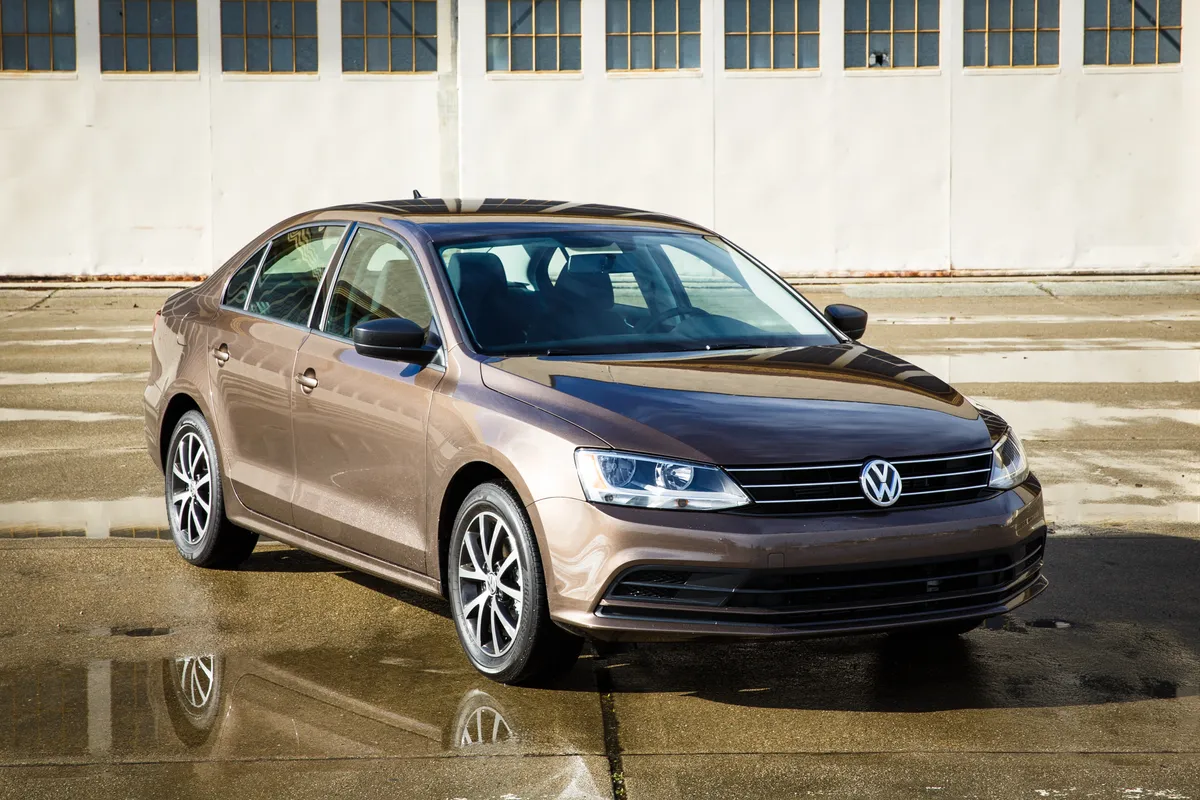
1. 2016 Volkswagen Jetta: Affordable Sedan with Adaptive Headlights
The 2016 Volkswagen Jetta is the most budget-friendly sedan among cars equipped with adaptive headlights. Its forward illumination received an “Acceptable” rating from the IIHS, and select trims earned the Top Safety Pick+ designation.
Adaptive lighting is available on the Jetta Sport with bi-xenon headlights and LED daytime running lamps, but Top Safety Pick+ recognition requires the Driver Assistance package on SEL and SEL Premium trims. Prices for equipped models start at $24,645, including the additional package cost.
All Jettas are front-wheel drive and offer a range of engines. The base 1.4T turbocharged four-cylinder produces 150 hp and 184 lb-ft of torque, paired with a five-speed manual or six-speed automatic. Fuel economy is rated 32–33 mpg combined. The 1.8T delivers 170 hp and 184 lb-ft, with a 0–60 mph time of 7.4 seconds for the automatic and combined fuel economy of 29–30 mpg.
The sportier GLI model features a 2.0-liter turbocharged engine with 210 hp, achieving mid-to-upper 6-second 0–60 times. The Jetta Hybrid combines a 1.4-liter turbo with an electric motor for 170 hp, running 0–60 mph in 7.8 seconds and delivering 44 mpg combined.
Standard safety includes traction and stability control, antilock brakes, front side airbags, side curtain airbags, and active head restraints. Higher trims with the Driver Assistance package gain forward-collision warning, automatic emergency braking, blind-spot monitoring, and rear cross-traffic alert.
The Jetta received five-star safety ratings from NHTSA and earned “Good” scores in all IIHS crash tests except for the small-overlap frontal test. In brake testing, it came to a stop from 60 mph in 118 feet.
The Jetta’s turbocharged engines offer smooth, responsive performance with relatively efficient fuel use. The 1.8T is particularly refined, although steering, handling, and braking are less sporty than competitors like the Ford Focus ST or VW GTI. The Jetta Hybrid impresses by combining fuel efficiency with lively, conventional-feeling acceleration, giving it an agile, smaller-car feel.
The cabin is conservative, with hard plastics in lower trims and modest soft-touch materials in upper trims. Jetta interiors are spacious, with ample rear legroom and a large 15.7-cubic-foot trunk. Technology includes VW Car-Net, Apple CarPlay, Android Auto, and available touchscreen interfaces, improving usability without compromising practicality.
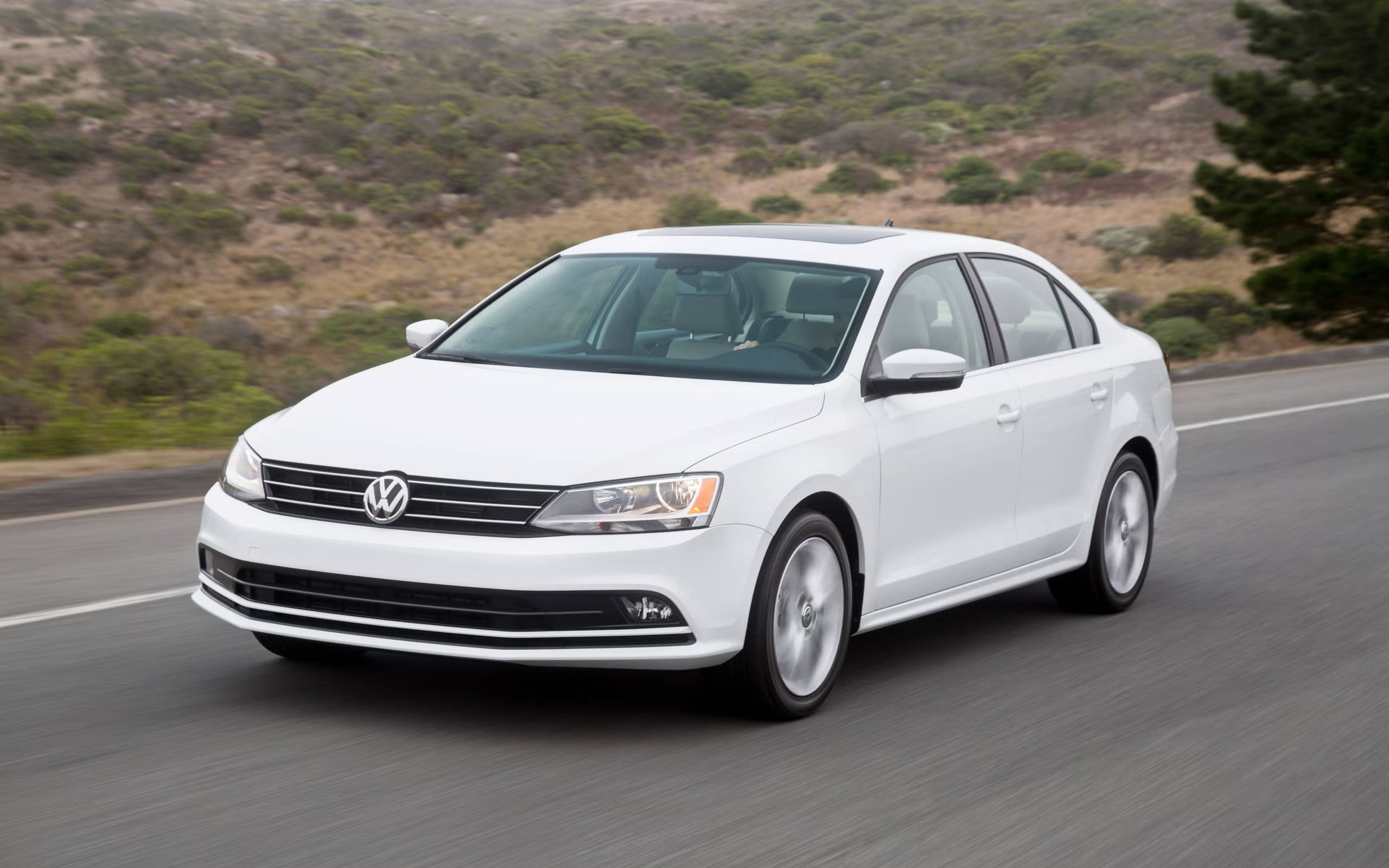
2. MINI Hardtop 2 Door: Sporty Charm with Some Compromises
The MINI Hardtop 2 Door is a compact, stylish hatchback that brings features usually reserved for more expensive cars to a lower price point. Starting at $20,700, it offers LED headlights with cornering lights for $1,000, with white turn signals included at no extra cost. This adaptive lighting option is also available on other MINI models, including the Hardtop 4 Door, Convertible, and Countryman crossover.
The Hardtop 2 Door delivers an engaging driving experience despite its small size. Our test MINI Cooper S with an automatic transmission accelerated from 0 to 60 mph in 6.4 seconds, which is slightly slower than the Volkswagen Golf GTI but faster than the Honda Civic Si.
Steering is lively and precise, giving the car a handling character that recalls classic MINIs. Braking performance is less impressive, taking 120 feet to stop from 60 mph with a soft, uncommunicative pedal. Drivers who value fun and responsive handling will find the Hardtop appealing, even if it is less powerful than many competitors.
The ride is firm, transmitting road imperfections into the cabin, and road and wind noise are noticeable. Front seats are comfortable and can accommodate a wide range of body sizes. Headroom is sufficient for taller drivers.
The interior layout is user-friendly with large doors that make getting in and out easy. The driving position is low and connected, and visibility is good with thin roof pillars and minimal blind spots. The cabin feels surprisingly spacious for such a small car.
Infotainment is based on an older BMW interface with a rotary controller, touchscreen, and shortcut buttons. It supports wired and wireless Apple CarPlay but lacks Android Auto. Storage is limited, with 8.7 cubic feet of cargo space and small compartments that restrict small-item storage. Folding the rear seats creates more room, but not a flat loading area, and installing a car seat can be challenging.
The Cooper S has an EPA-estimated 31 mpg combined, although real-world fuel economy may be lower. The MINI Hardtop combines solid build quality, an upscale cabin, and a warranty that includes three years or 36,000 miles of free maintenance, making it a strong choice for buyers who prioritize style, driving enjoyment, and premium features over practicality.
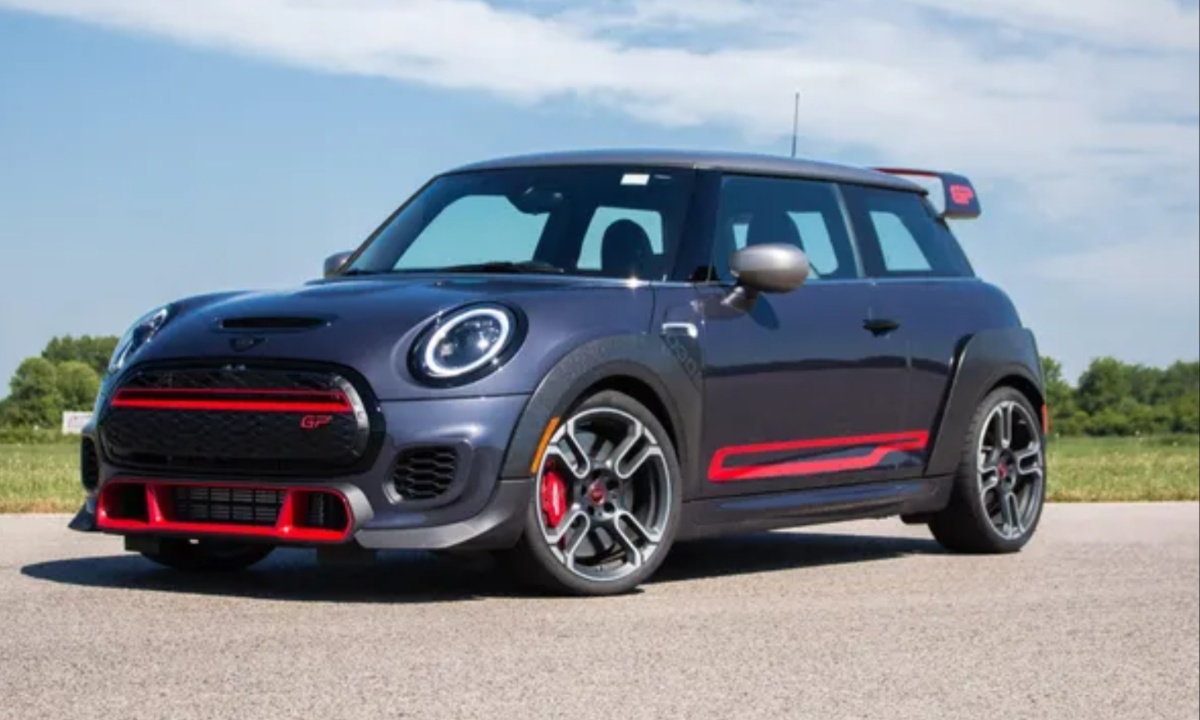
3. Mazda3: Stylish, Safe, and Fun to Drive
The Mazda3 is a compact car offered in both sedan and hatchback body styles, providing adaptive headlights and a strong reputation for safety at a starting price around $25,000. The sedan in s Grand Touring trim with a 184-horsepower engine and adaptive lighting costs $24,745, while the hatchback version is $25,445.
The Mazda3 has been recognized as a Top Safety Pick+ for previous model years and includes advanced front crash-prevention technology.
The Mazda3 comes with two engine options. The standard 2.5-liter four-cylinder produces 186 horsepower and is available with front- or all-wheel drive. A six-speed manual is offered for front-wheel-drive hatchbacks, while all-wheel-drive models come with a six-speed automatic.
A turbocharged 2.5-liter engine producing 250 horsepower is reserved for Turbo trims with all-wheel drive and an automatic transmission. The non-turbo sedan reaches 60 mph in 7.0 seconds, the hatchback manual in 7.3 seconds, and the all-wheel-drive turbo model achieves a brisk 5.6-second run. Both body styles offer composed handling, taut body control, and refined steering.
The most fuel-efficient model is the front-wheel-drive sedan with the base engine, rated at 27 mpg city and 37 mpg highway. Turbocharged all-wheel-drive models are less efficient, with EPA ratings of 23 mpg city and 31 mpg highway. Real-world testing showed the non-turbo all-wheel-drive sedan achieved 36 mpg on the highway, while a similarly equipped hatchback returned 34 mpg.
The cabin uses premium materials and offers supportive seating for front and rear passengers. Higher trims include a head-up display, leather upholstery, and heated seats. Rear visibility is limited on the hatchback due to its curvy design. Cargo space favors the sedan, holding six carry-on bags compared with five in the hatchback, though both expand to 16 bags with rear seats folded.
An 8.8-inch infotainment display with Apple CarPlay and Android Auto is standard, while Turbo models have a 10.3-inch touchscreen with wireless connectivity. Embedded Alexa is available on all but the base model. Standard safety features include automated emergency braking, lane-keeping assist, adaptive cruise control, and automatic high beams.
Mazda provides a three-year/36,000-mile limited warranty and a five-year/60,000-mile powertrain warranty but does not include complimentary scheduled maintenance, unlike some competitors.
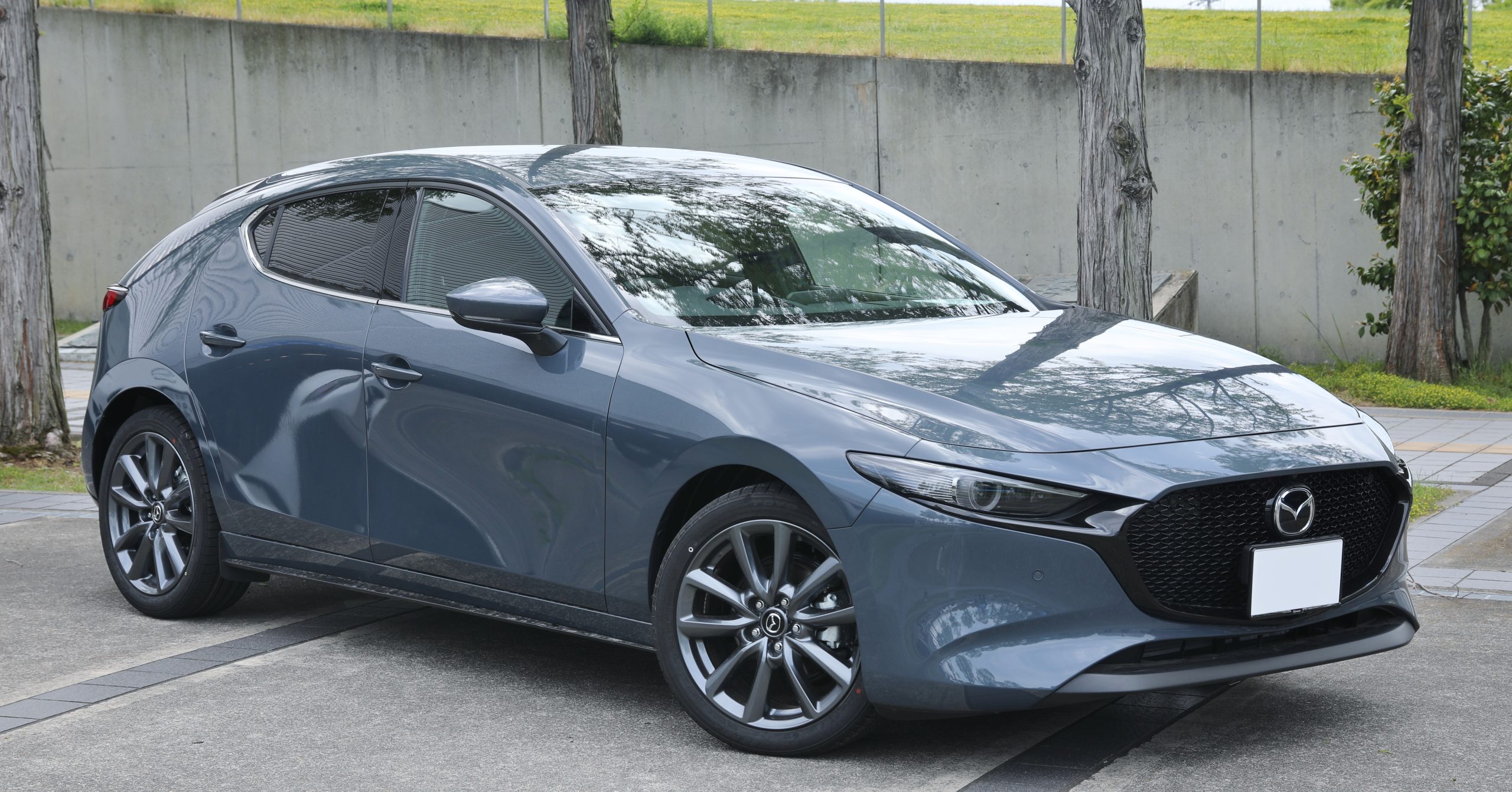
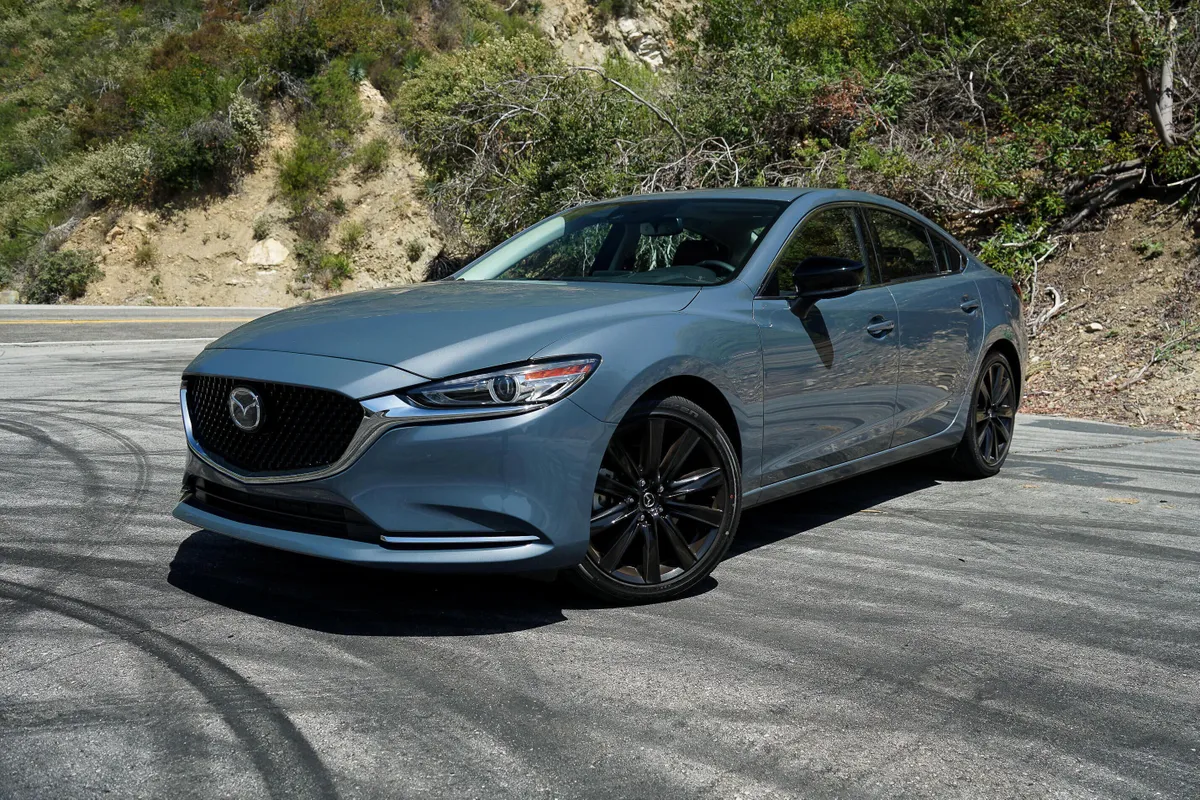
4. Mazda6: Stylish, Fun, and Safe Midsize Sedan
The Mazda6 is a midsize sedan that offers adaptive headlights and a strong focus on safety. The feature is available on Touring models with automatic transmission as part of a double-package deal that includes Smart City Brake Support, rain-sensing wipers, heated front seats, an 11-speaker Bose audio system, and a power moonroof.
Adaptive lighting comes standard on the Grand Touring model, priced at $30,195, which adds navigation, leather-trimmed seats, and all Touring features. The Mazda6 earned an “Acceptable” grade from IIHS for its lighting performance.
Mazda offers two responsive 2.5-liter four-cylinder engines. The base engine produces 187 horsepower, while the turbocharged version delivers up to 250 horsepower and 320 pound-feet of torque with premium fuel. Both engines are paired with a six-speed automatic transmission that shifts smoothly and adjusts well for cruising or sporty driving.
The Mazda6 is widely regarded as one of the most enjoyable-to-drive midsize sedans, offering refined handling, fluid controls, and a quiet cabin. Braking distances in recent tests were slightly longer than previous models due to noise-reducing tires, but driving satisfaction remains high.
EPA estimates for the base engine are 26 mpg city and 35 mpg highway, while the turbocharged model is rated at 23 mpg city and 31 mpg highway. Real-world testing showed the turbo version achieved 36 mpg on the highway, and the base engine delivered 37 mpg, slightly exceeding government estimates.
The cabin impresses with upscale materials, mature design, and a refined layout. Front and rear seats are supportive, and the sedan provides competitive cargo space, holding six carry-on bags in the trunk and 17 with rear seats folded. The rear seats must be released from the trunk, which is a minor inconvenience.
Mazda’s infotainment system is controlled via a rotary knob with a dashtop display that doubles as a touchscreen when parked. Apple CarPlay and Android Auto are standard, with wireless CarPlay included on Grand Touring models.
Standard driver-assistance features include forward-collision warning, automated emergency braking, blind-spot monitoring, and rear-cross-traffic alert. Lane-departure warning and lane-keeping assist are available. The Mazda6 earned a five-star NHTSA crash rating and is a Top Safety Pick+ from IIHS.
The sedan comes with a three-year/36,000-mile limited warranty and a five-year/60,000-mile powertrain warranty, but it does not include complimentary scheduled maintenance.
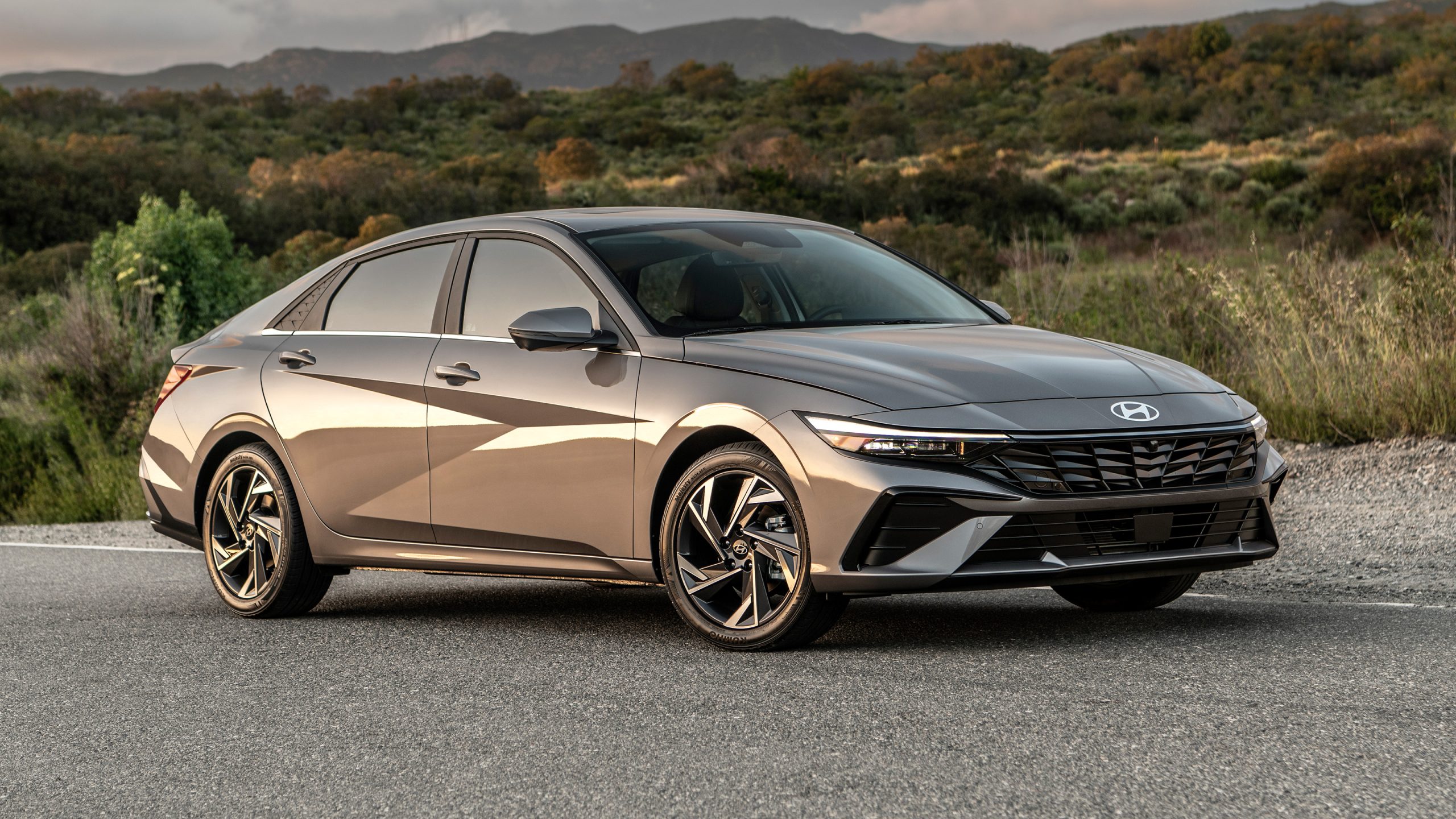
5. Hyundai Elantra: Affordable Tech and Adaptive Headlights
The Hyundai Elantra is an all-new compact sedan offering adaptive headlights through the Dynamic Bending Lights system for $26,750. This price includes the Limited trim with Hyundai’s Tech and Ultimate packages, which bundle navigation, an 8-inch touchscreen, eight-speaker Infinity audio, heated front and rear seats, and the full suite of Hyundai’s advanced safety technology.
Base models start at $17,150, highlighting how the Elantra provides advanced lighting and tech at a relatively low entry cost.
The Elantra offers multiple powertrains. The standard 2.0-liter four-cylinder engine produces 147 horsepower and 132 pound-feet of torque and is paired with a CVT. The sportier 1.6-liter turbocharged engine in the N Line generates 201 horsepower and 195 pound-feet of torque with a seven-speed dual-clutch transmission.
Hybrid variants combine a 1.6-liter engine with an electric motor for 139 horsepower and 195 pound-feet of torque, paired with a six-speed dual-clutch transmission. In testing, the base Elantra reached 60 mph in 8.1 seconds, while the hybrid version took 8.4 seconds. The N Line offers perkier acceleration and confident handling without compromising ride comfort.
EPA estimates for the base 2.0-liter model are 32 mpg city and 41 mpg highway. Turbo N Line models are rated at 28 mpg city and 35 mpg highway. The Blue hybrid achieves the highest efficiency with 51 mpg city and 58 mpg highway, though real-world highway testing produced 48 mpg. The nonhybrid Limited with the base engine returned 38 mpg on a highway route, slightly exceeding estimates.
The Elantra’s futuristic cabin wraps the dashboard and center console around the driver while maintaining minimalist styling on the passenger side. Rear seating is spacious, and the trunk fits six carry-on suitcases. Although the interior features some hard plastics, the design feels modern and generous for a compact sedan.
Infotainment ranges from an 8-inch touchscreen with analog gauges to dual 10.3-inch digital displays on higher trims, supporting Apple CarPlay, Android Auto, and Wi-Fi. Voice recognition can control climate and heated seats. Standard safety features include automated emergency braking, pedestrian detection, lane-departure warning, and lane-keeping assist. Adaptive cruise control with lane centering is available.
Hyundai provides a five-year/60,000-mile limited warranty, a 10-year/100,000-mile powertrain warranty, and three years of complimentary scheduled maintenance, giving the Elantra one of the strongest ownership coverage packages in its class.
Also Read: 10 Cars With Simple Controls for Winter Gloves
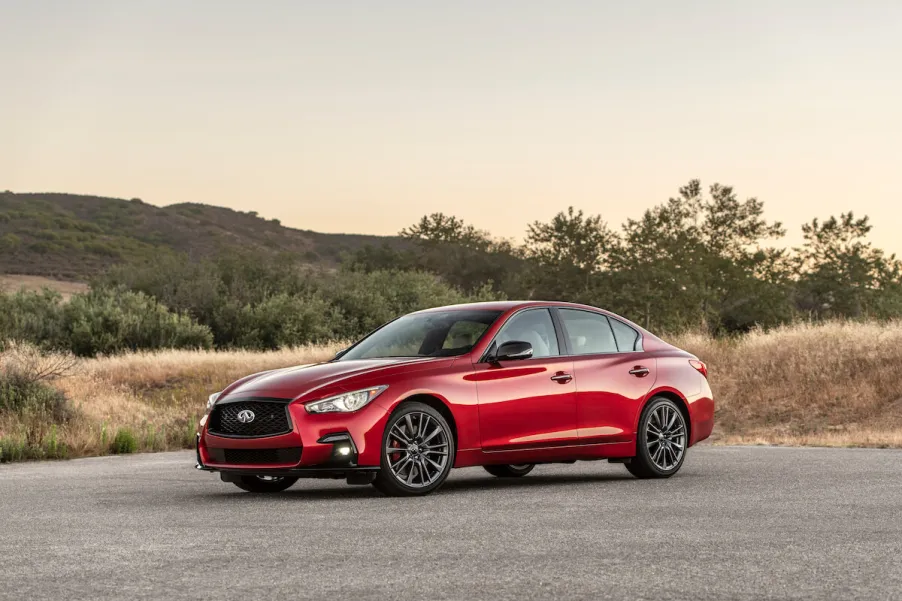
6. Infiniti Q50: Performance-Focused Luxury with Adaptive Headlights
The Infiniti Q50 is a luxury sport sedan designed with performance in mind, highlighted by a twin-turbo V6 in the Red Sport edition producing 400 horsepower.
Adaptive front headlights with auto-leveling are available but require multiple optional packages, adding $9,150 to the base price and bringing the total to $49,050. The Q50’s adaptive lighting earned an “Acceptable” rating from IIHS, outperforming similar offerings from some European rivals.
All Q50 models are powered by a twin-turbo 3.0-liter V6. The Luxe and Sensory trims produce 300 horsepower, while the Red Sport delivers 400 horsepower. Power is sent through a seven-speed automatic transmission to rear- or all-wheel drive.
Shifts are smooth, though steering lacks feedback, and the optional Direct Adaptive Steering does not improve cornering feel. On 19-inch wheels, the ride can feel jittery, while standard 18-inch wheels offer a calmer experience. The all-wheel-drive Q50 achieved 0–60 mph in 5.0 seconds, with the Red Sport cutting that time to 4.5 seconds.
The Q50 is not fuel-efficient. Rear-wheel-drive models with the base engine are rated at 20 mpg city and 29 mpg highway, while AWD and Red Sport versions reduce fuel economy by 1–3 mpg. Real-world testing of an AWD Red Sport returned 27 mpg on the highway, slightly above EPA estimates, but competitors like the BMW M340i and Genesis G70 are more efficient.
The cabin feels dated compared to rivals, with an analogue instrument cluster, quilted leather, and split infotainment screens. Front legroom is above average, but rear seating is cramped, and cargo space is below average at 13 cubic feet. Useful interior storage is limited, making the Q50 less practical for family trips despite being a comfortable highway cruiser.
The dual-screen infotainment system allows apps to display on either screen, supports wireless Apple CarPlay and Android Auto, and connects seven devices via Wi-Fi. Driver-assistance features include automated emergency braking, forward-collision warning, blind-spot monitoring, rear cross-traffic alert, adaptive cruise control, and lane-keeping assist.
Infiniti offers a four-year/60,000-mile limited warranty, a six-year/70,000-mile powertrain warranty, and three years of complimentary maintenance, providing generous ownership coverage relative to competitors.
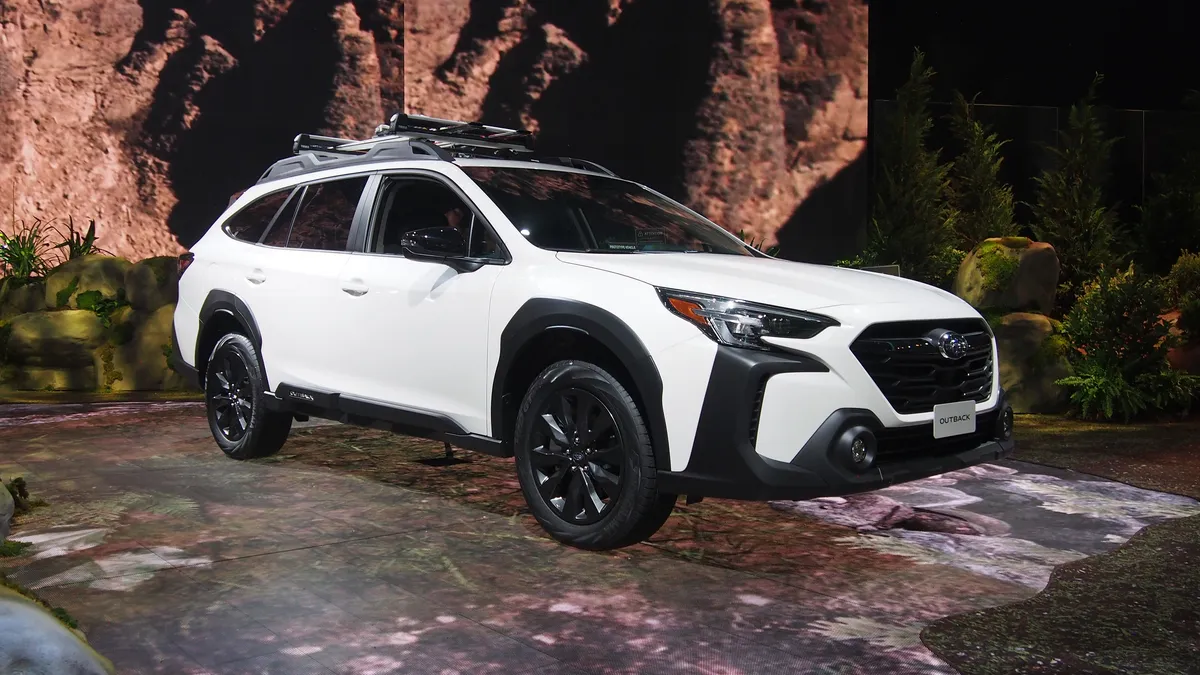
7. Subaru Outback: Rugged Versatility with Steering-Responsive Lighting
The Subaru Outback stands out in the midsize crossover segment for its safety-focused lighting, earning an “Acceptable” IIHS headlight rating through its steering-responsive fog lights. While not technically adaptive headlights, these fog lights pivot with steering input to illuminate curves and improve visibility at night. This system is included in packages that also contribute to the Outback’s Top Safety Pick+ status.
The Outback offers two four-cylinder engines. The base 2.5-liter produces 180 horsepower, while the optional 2.4-liter turbocharged engine delivers 260 horsepower, standard on XT trims and the off-road-focused Wilderness model. Both use a continuously variable automatic transmission (CVT) and standard all-wheel drive.
Off-road capability is enhanced by 8.7 inches of ground clearance and selectable terrain drive modes. The base engine accelerates to 60 mph in an estimated 8.8 seconds, and the turbo model in approximately 6.6 seconds. The turbo improves responsiveness, but both engines are paired with a CVT that can feel jerky. Steering is numb, and handling is loose compared to carlike crossovers, although highway comfort is strong.
The Outback’s cabin has been redesigned for a more contemporary feel. A dual-panel digital instrument cluster and infotainment screen sit atop a premium-feeling dashboard, with physical climate controls below.
The raised roofline adds two inches of headroom for rear passengers, and cargo space is increased by two cubic feet compared to the previous model. Towing capacity ranges from 2,700 pounds with the base engine to 3,500 pounds with the turbo engine.
A 12.1-inch touchscreen runs on a new processor for faster operation and better customization. Apple CarPlay and Android Auto are standard, and a cloud-based voice recognition system allows hands-free control of multiple functions.
All Outbacks come with Subaru’s EyeSight driver-assistance suite, including automated emergency braking, forward-collision warning, adaptive cruise control with lane-keeping, and optional blind-spot monitoring and rear cross-traffic alert.
Driver-supported hands-free highway driving is available up to 85 mph. Subaru offers a three-year/36,000-mile limited warranty and a five-year/60,000-mile powertrain warranty, but no complimentary scheduled maintenance.
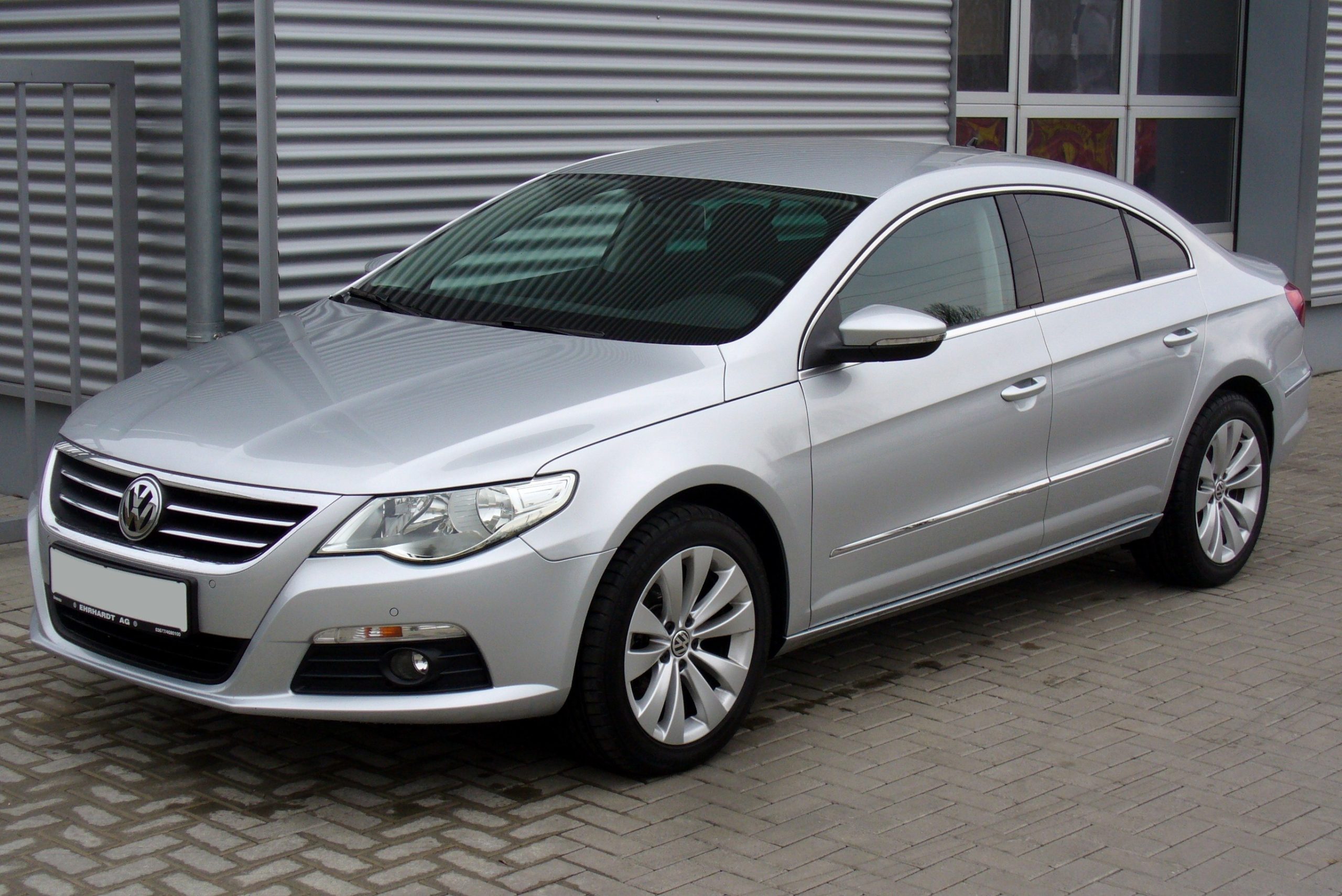
8. Volkswagen CC: Stylish Midsize Sedan with Adaptive Headlights
The Volkswagen CC is a four-door coupe-styled midsize sedan offering a standard adaptive front-lighting system on the 2.0T Sport trim, which contributed to an “Acceptable” IIHS headlight rating.
Based on the previous-generation Passat, the CC combines Passat-level luxury with a more dramatic exterior design, though its older platform prevented a full Top Safety Pick rating. The 2.0T Sport starts at $34,475 and features turbocharged four-cylinder power, while the 4Motion Executive adds all-wheel drive with a 3.6-liter V6.
Most trims come with a turbocharged 2.0-liter four-cylinder producing 200 horsepower and 207 pound-feet of torque. A six-speed manual is standard on the Trend trim, while a six-speed dual-clutch (DSG) is optional on others.
The 4Motion Executive adds a 3.6-liter V6 with 280 horsepower and 265 pound-feet, paired with a conventional six-speed automatic. Testing showed the four-cylinder DSG accelerated to 60 mph in 7.0 seconds, and the V6 in 6.8 seconds, offering only modest performance gains.
The CC delivers a firm but comfortable ride, engaging handling for a family sedan, and balanced cornering, though it lacks the sharp precision of dedicated sports sedans.
EPA estimates for the four-cylinder models are 25 mpg combined (22 city/31 highway), whether manual or DSG. The 4Motion Executive V6 drops to 20 mpg combined (17 city/25 highway).
The cabin uses high-quality materials and leatherette upholstery, with firm, supportive front seats and generous rear legroom despite limited headroom from the coupe-style roofline. Infotainment is handled by the MIB II system, offering Apple CarPlay and Android Auto integration. Trunk capacity is 13.2 cubic feet, expandable via folding rear seats and a pass-through for long items like skis.
Standard safety includes stability and traction control, antilock brakes, front side and curtain airbags, and a rearview camera. The top 4Motion Executive adds collision mitigation, adaptive cruise control, lane-keeping assist, and parking sensors. Brake testing showed good stopping performance, and IIHS crash ratings were strong in most areas, though “Marginal” for small-overlap frontal impacts.
The Volkswagen CC blends stylish design, adaptive lighting, and German-engineered handling. Its performance is adequate rather than exceptional, interiors are upscale, and safety features are robust, making it a competent midsize luxury sedan with moderate practicality.
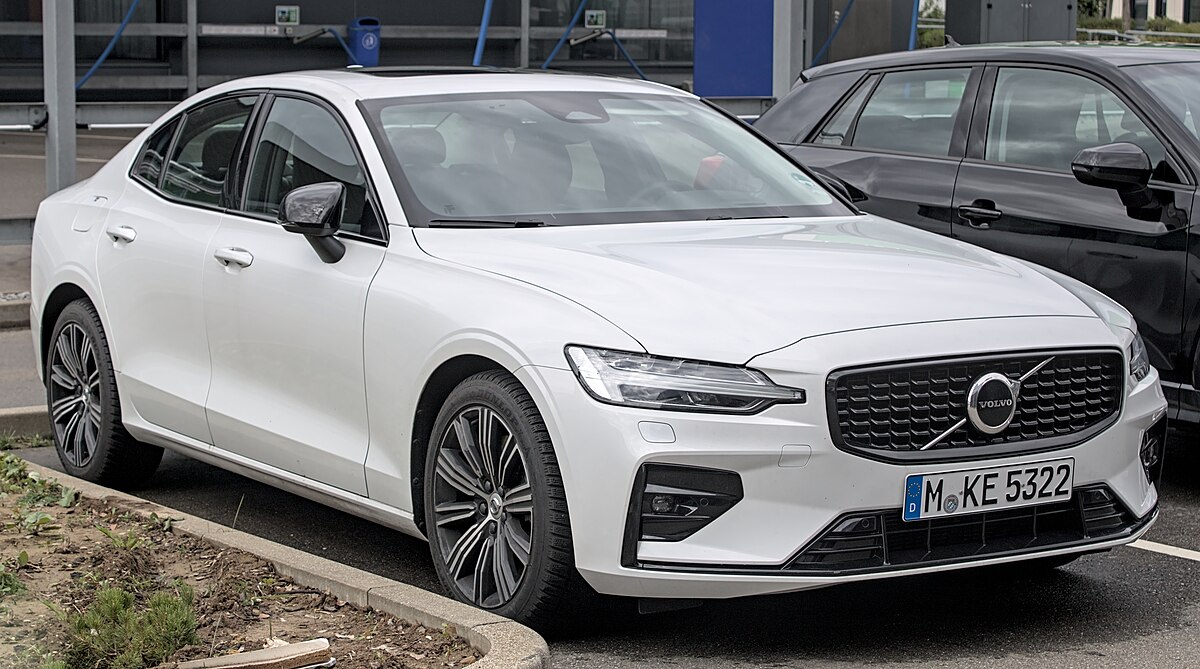
9. Volvo S60: Premium Sedan with Advanced Adaptive Headlights
The Volvo S60 earns an “Acceptable” rating from IIHS for its dual xenon headlights with active bending lights, which enhance visibility around bends at night by up to 90 percent. These adaptive headlights are available from the entry-level T5 Drive-E model, priced at $34,150, and are part of Volvo’s broader suite of safety-focused technologies.
The S60 T8 plug-in hybrid tested by Edmunds accelerates from 0 to 60 mph in 4.5 seconds. The electric motor provides quick, smooth power in EV mode, allowing effortless freeway merges. Gas-powered driving is also refined, with seamless transitions between electric and gasoline power and a mostly unobtrusive start-stop system.
The eight-speed automatic transmission occasionally searches for the optimal gear in gas-only mode. Braking is predictable, and the regenerative system transitions smoothly to physical brakes. Handling is surprisingly capable for a sedan with tires and styling more oriented toward comfort than sports performance.
Volvo’s signature seats are highly comfortable, adjustable, and supportive, while the suspension effectively smooths road imperfections. Front visibility is excellent, though rear headroom can feel tight for taller passengers. Cabin materials are premium, but the climate controls rely on a somewhat complex touchscreen interface that may require repeated adjustments.
The S60 features an Android-based infotainment system heavily integrated with Google services, including Google Maps and a dedicated app store. Apple CarPlay is available via USB, while Android Auto is no longer supported. The optional Bowers & Wilkins stereo system provides high-end audio performance. Adaptive cruise control works well, though some drivers may find lane-keeping interventions overly active.
Storage is limited, with shallow center console space and small cubbies. The trunk offers 11.6 cubic feet, and folding rear seats accommodate longer items. The spacious back row and adjustable front seats make installing child seats feasible, though the car’s low stance requires some crouching.
The S60 T8 plug-in hybrid delivers an EPA-estimated 40 miles of electric range, with 31 mpg in hybrid mode. Testing showed 46.7 miles on electric power and 36.7 mpg on combined driving, exceeding EPA expectations.
The S60 T8 offers a luxurious, quiet cabin and advanced powertrain for a fair price. Volvo provides four years/50,000 miles basic and powertrain warranty coverage, four years/unlimited miles roadside assistance, and three years/36,000 miles of complimentary maintenance.
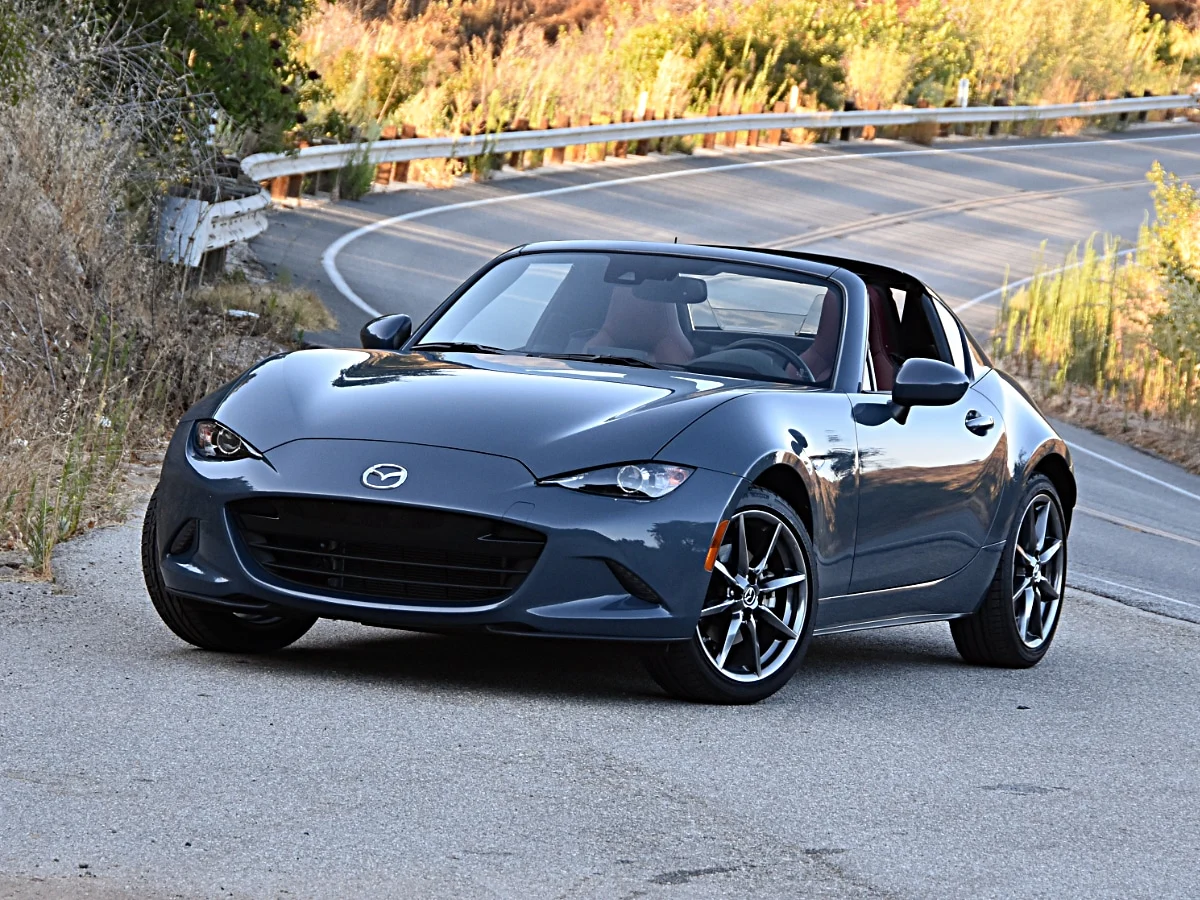
10. Mazda MX-5 Miata: Iconic Convertible with Adaptive Headlights
The Mazda MX-5 Miata is a celebrated two-seat convertible known for its driving excitement and lightweight, nimble design. Adaptive front lighting comes standard on Grand Touring models, priced at $30,065, and is bundled with navigation, blind-spot monitoring, and lane-departure warning.
While the Miata’s headlights have not yet been IIHS-tested, its adaptive system enhances visibility in corners, complementing its sporty driving character.
The Miata is light, precise, and responsive, making it one of the most engaging convertibles on the market. Our manual-equipped test car accelerated from 0 to 60 mph in 6.4 seconds, slightly slower than rivals such as the Subaru BRZ or VW Golf GTI.
Braking is strong, with a measured stop from 60 mph in 113 feet. Around corners, the Miata offers excellent feedback and predictability, although body lean is noticeable under aggressive cornering. Its handling makes it both approachable for daily drives and capable for spirited runs.
While small convertibles rarely prioritize comfort, the Miata provides supportive, heated front seats and a surprisingly usable cabin. Wind noise is significant with the top up, making highways notably loud, but lowering the top alleviates this issue. Taller drivers may find headroom and legroom limited, and passenger space is constrained by the compact design.
The Miata balances driving purity with modern tech. Apple CarPlay and Android Auto are standard, and a nine-speaker Bose audio system performs well against ambient noise. Available navigation and driver-assist features, including blind-spot warning, enhance convenience and safety.
Cargo space is minimal at 4.6 cubic feet, suitable for one carry-on per passenger or small groceries. The cabin includes a small bin between the seats for essentials, but there are no rear seats or top-tether points for larger child seats.
The manual Miata achieves an EPA-estimated 29 mpg combined, with real-world driving matching expectations. Build quality feels solid, and the interior has upscale materials despite compact dimensions. The Miata offers strong value for a fun, well-equipped convertible, with a three-year/36,000-mile limited warranty, five-year/60,000-mile powertrain coverage, and three years of roadside assistance.
The ten sedans featured here demonstrate that headlight technology is essential for safe and confident driving. Cars like the MINI Hardtop and Hyundai Elantra offer advanced lighting at accessible prices, while luxury models such as the Infiniti Q50 and Volvo S60 combine performance, comfort, and precise illumination.
From sporty two-seaters to family-friendly midsize sedans, adaptive headlights help drivers see curves, turns, and obstacles more clearly. Well-aimed headlights complement safety systems and improve the driving experience at night.
These sedans show that thoughtful engineering in lighting can increase both safety and satisfaction behind the wheel, proving that effective illumination is a key feature for modern vehicles.
Also Read: 5 Cars With Simple Climate Knobs vs 5 Screen-only Setups