Rear visibility is crucial for safe driving, yet many vehicles compromise sight lines with bulky headrests and sloping rear windows. For drivers who want a clear view while backing up, changing lanes, or handling tight spaces, cars with rear headrests that do not obstruct mirrors are a major advantage.
Automakers are increasingly designing cabins and seating layouts to enhance rear visibility. Features such as adjustable or low-profile headrests, upright rear windows, and rear quarter glass provide drivers with a better line of sight. A higher seating position further improves the ability to see approaching vehicles, pedestrians, or obstacles.
Many of these vehicles also include cameras and parking sensors that support safe maneuvers. This list highlights ten cars that successfully combine practical design, comfort, and strong rear visibility, making them smart choices for drivers who prioritize safety and confidence behind the wheel.
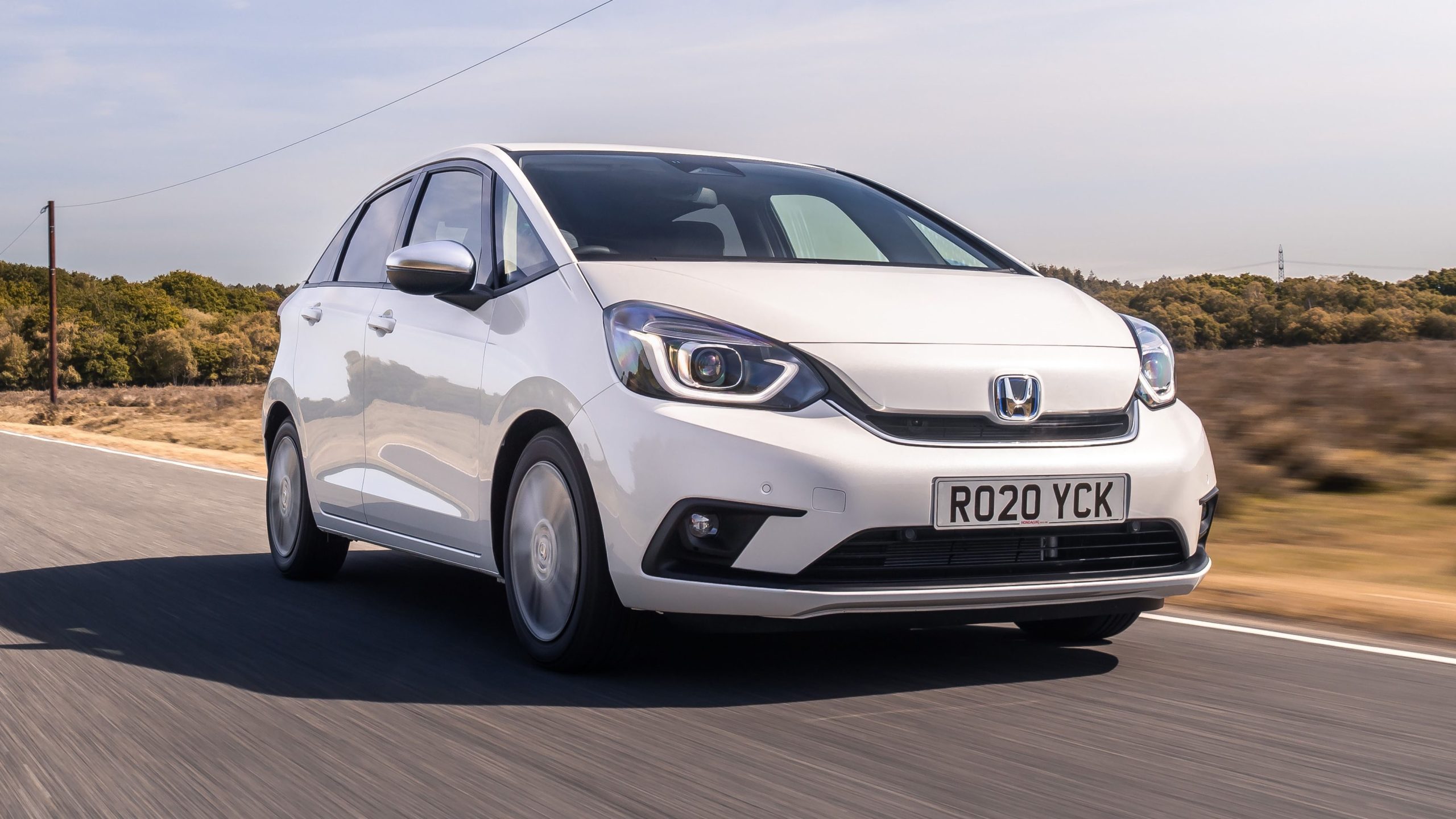
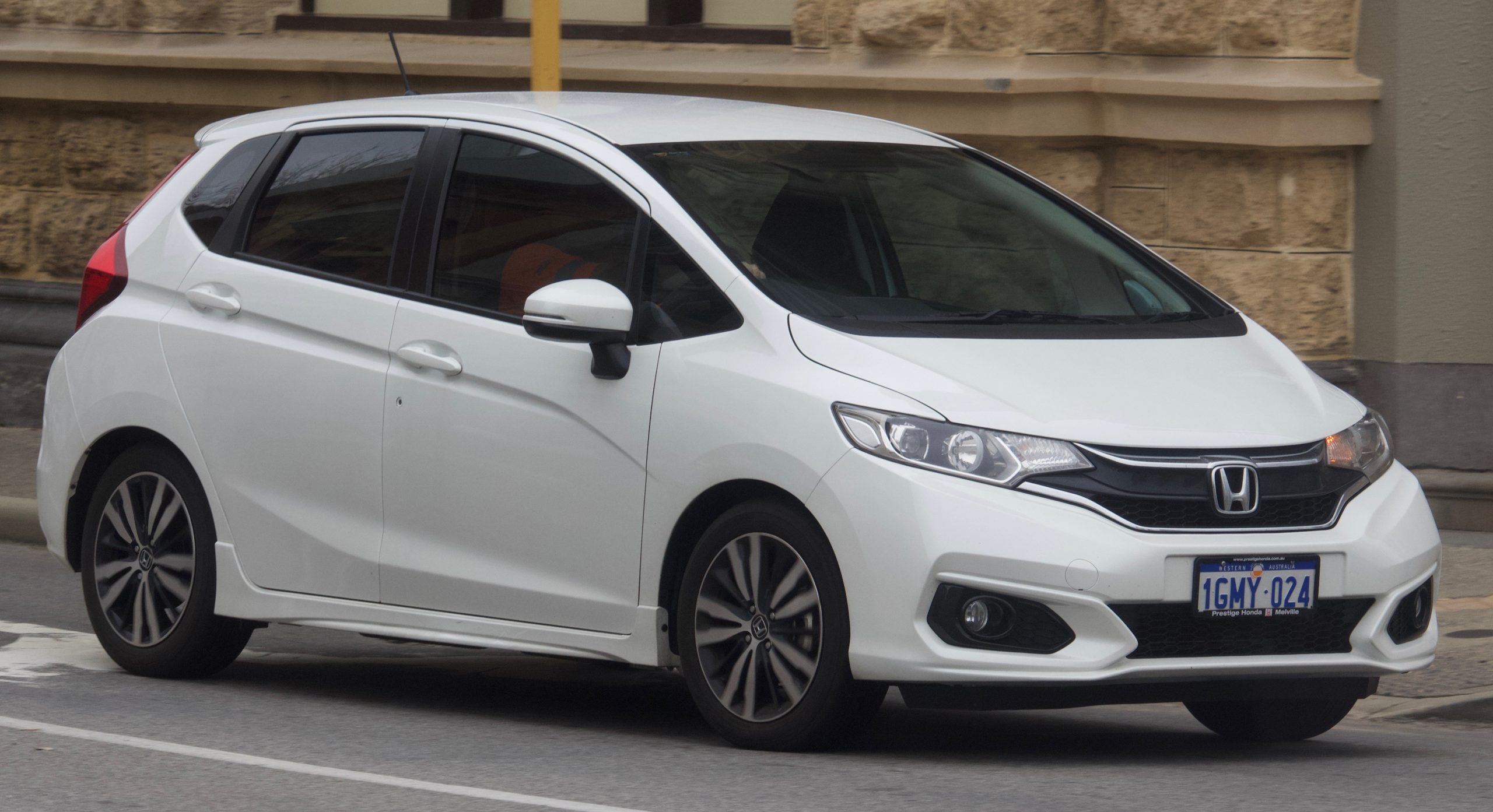
1. Honda Fit (Jazz): A Compact Hatchback Built for Visibility, Comfort, and Everyday Use
The Honda Fit, sold as the Jazz in some markets, stands out in the small hatchback segment because of its excellent rear visibility and smart design. Its nearly vertical rear window provides a broad, clear view that remains effective even with light cargo in the trunk.
Unlike many cars that rely on heavily sloped glass, the Fit uses a tall, upright rear opening that helps drivers when parking or maneuvering in tight areas. Slim rear headrests that can be lowered or removed, low seatbacks, and narrow rear pillars help create an open line of sight.
Higher trims also include small rear quarter windows that add an extra angle of visibility when reversing or merging. A slightly elevated driving position and lower rear seat cushions help keep passengers from blocking the driver’s mirror view, which reduces surprises when backing out of driveways or busy lots. Honda supports this natural visibility with standard rear cameras and available parking sensors or cross-traffic alerts.
Driving the Fit is pleasant thanks to its light, responsive controls. Its four-cylinder engine offers adequate power in town, and the CVT helps deliver a 0 to 60 mph time of 8.8 seconds in testing.
Steering is direct with natural effort, and the car feels stable at highway speeds. Braking is smooth and predictable, and parking is especially easy because of the car’s short overhangs. While not intended to be a high-performance hatchback, the Fit remains enjoyable and easy to drive in daily use.
Ride and seat comfort are strengths of the Fit despite its compact footprint. The suspension keeps the ride from feeling too busy, and the seats are supportive for longer drives. Cabin noise is moderate at highway speeds, and the climate system is controlled through simple, clearly marked knobs that make quick adjustments easy.
Interior packaging is one of the Fit’s most impressive attributes. Its Magic Seat system allows for several cargo configurations, giving the car an unusually flexible load area for its size. Passengers enjoy generous legroom, and the tall cabin creates an airy feel, though headroom in the rear can be limited for taller occupants.
Controls are intuitive, and most trims include Apple CarPlay and Android Auto. Helpful driver aids such as automatic emergency braking, lane keeping assist, and Honda’s LaneWatch camera add even more appeal, making the Honda Fit a practical and visibility-focused choice for small-car shoppers.
2. Subaru Forester: Exceptional Visibility, Practical Space, and Comfort-Focused Performance
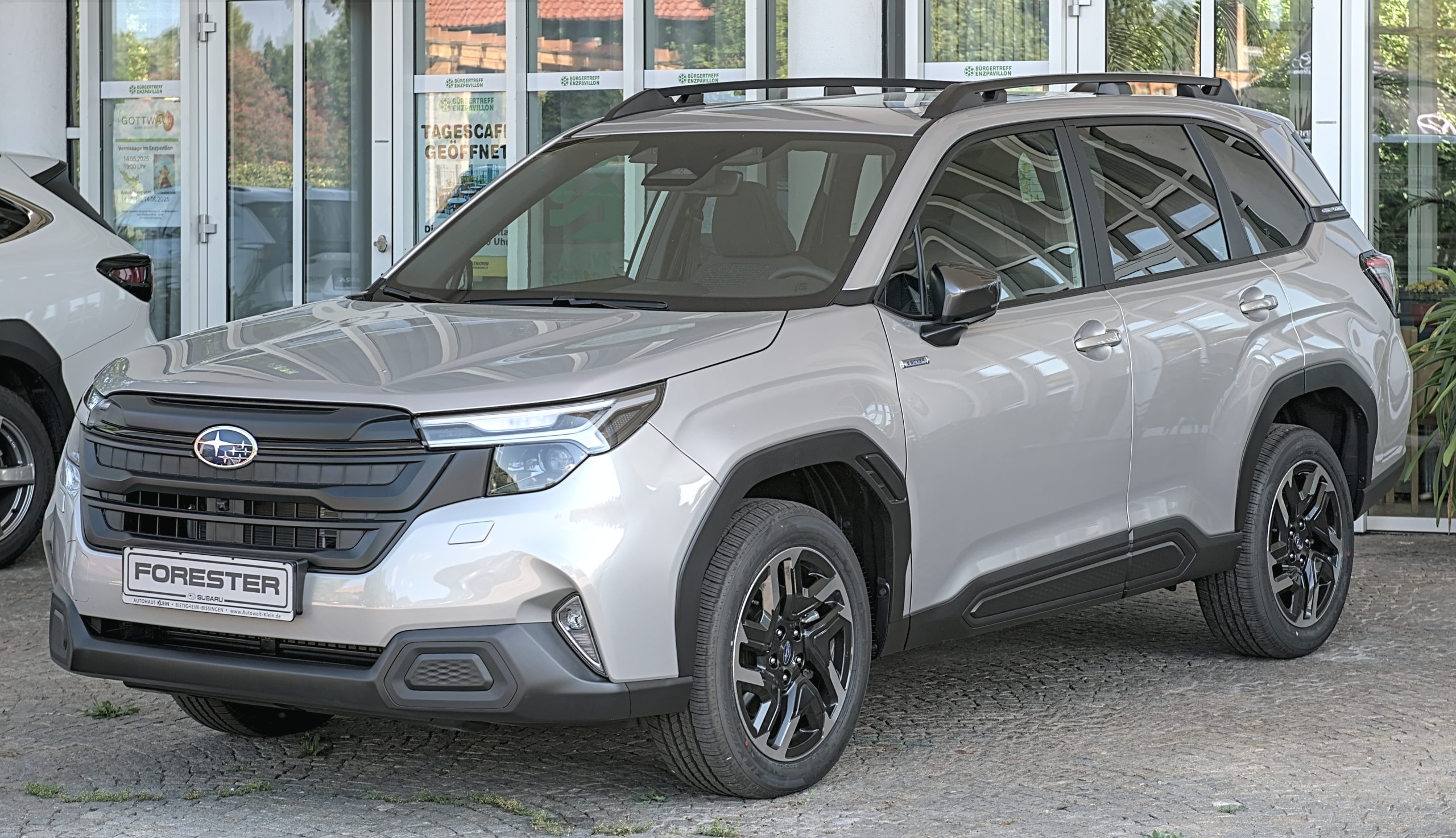
The Subaru Forester is well regarded for its excellent visibility, which sets it apart from many modern SUVs. Rather than adopting coupe-like styling, it maintains a boxy and upright design that prioritizes function. The nearly vertical rear window spans much of the liftgate, giving drivers a wide and tall view behind the vehicle.
Slim rear roof pillars reduce blind spots, and triangular rear quarter windows near the cargo area offer additional viewing angles. A high seating position further enhances awareness of surrounding traffic, pedestrians, and obstacles.
Inside, Subaru designs the cabin with visibility in mind by providing rear headrests that fold easily and rear cushions that sit low enough to avoid blocking the driver’s line of sight.
Large glass areas contribute to a bright and open feel while aiding outward visibility. Standard features such as a rear-view camera, as well as available technologies like reverse automatic braking, blind-spot detection, and rear cross-traffic alert, complement this natural visibility advantage.
The Forester uses a 2.5-liter flat-four engine paired with a continuously variable transmission and all-wheel drive. Its 180-horsepower output is modest, and acceleration is measured at 8.3 seconds to 60 mph in testing. Steering feedback is limited, and the suspension is tuned for comfort rather than sporty handling.
Drivers seeking a smooth and relaxed ride will appreciate its character, especially during everyday commuting. EPA estimates place fuel economy at 26 mpg city and 33 mpg highway for most trims, with real-world highway testing showing 31 mpg for the Sport model.
Interior comfort is another strength. Mid-level trims and above offer quality materials such as a leather-wrapped shifter and heated or ventilated front seats. The second row provides ample head, hip, and leg room for adults. Cargo capacity is generous, with 75 cubic feet available when the rear seats are folded.
Sound insulation improvements help create a quieter cabin, and roof rails come standard. An available hands-free power tailgate adds convenience. Most trims include an 11.6-inch touchscreen with wireless Apple CarPlay, Android Auto, and wireless charging.
Subaru’s EyeSight suite brings automated emergency braking, lane keeping assist, and adaptive cruise control as standard equipment. Warranty coverage is adequate, though some competitors offer longer powertrain protection or complimentary maintenance.
3. Jeep Wrangler: Rugged Capability with Strong Rear Visibility and Modern Powertrain Options
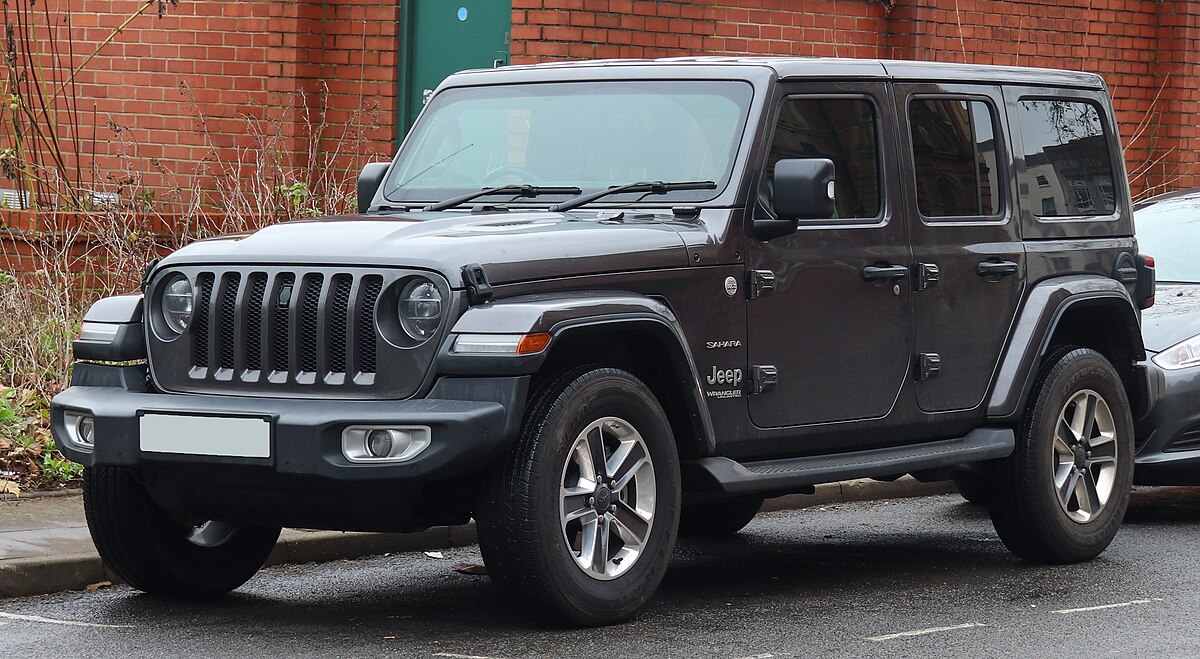
The Jeep Wrangler is famous for its off-road abilities, yet it also ranks among the most visibility-friendly SUVs. Its tall, flat rear window sits on a nearly vertical swing gate, giving drivers a clear and direct view behind the vehicle. This boxy shape avoids the sloping rooflines common in newer SUVs and helps preserve straightforward sight lines.
The rear-mounted spare tire can partially obstruct the view, but Jeep integrates the rear-view camera into or above the tire to maintain a usable reversing image. Slim, folding rear headrests help reduce obstruction when the seats are not in use, and the cabin’s narrow width places the rear window close to the driver for better depth perception.
The upright glass and high driving position make it easier to judge distances, especially when maneuvering in tight areas. Many trims also offer parking sensors and trail cameras that support visibility on the road and on rugged terrain.
Under the hood, the Wrangler offers a wide range of engines. The standard 285-horsepower 3.6-liter V6 can be paired with a six-speed manual or an eight-speed automatic. Other choices include a 270-horsepower turbocharged four-cylinder, a 375-horsepower plug-in-hybrid 4xe system, and a powerful 470-horsepower V8 available in the Rubicon 392.
Acceleration varies by configuration, with times ranging from 6.1 seconds to 60 mph for a V6 two-door to 4.0 seconds for the Rubicon 392. Handling remains more traditional and trucklike than modern SUVs, but ride quality in the four-door model is smoother over rough terrain.
Fuel economy depends heavily on powertrain choice, with the turbocharged four-cylinder achieving 26 mpg on highway testing, while the V8 earns significantly less.
Inside, the Wrangler blends classic Jeep styling with modern features such as a 12.3-inch touchscreen, wireless Apple CarPlay, wireless Android Auto, onboard navigation with mapped trails, and active noise cancellation.
Visibility can be limited by thick pillars and roll bars, though removing the doors and roof restores a wide-open view. Cargo capacity varies greatly between the two-door and four-door models, with the latter offering far more practical space.
Safety features include available blind-spot monitoring, rear-cross-traffic alert, and parking sensors. Warranty coverage is typical for the segment, and Jeep includes two complimentary maintenance visits.
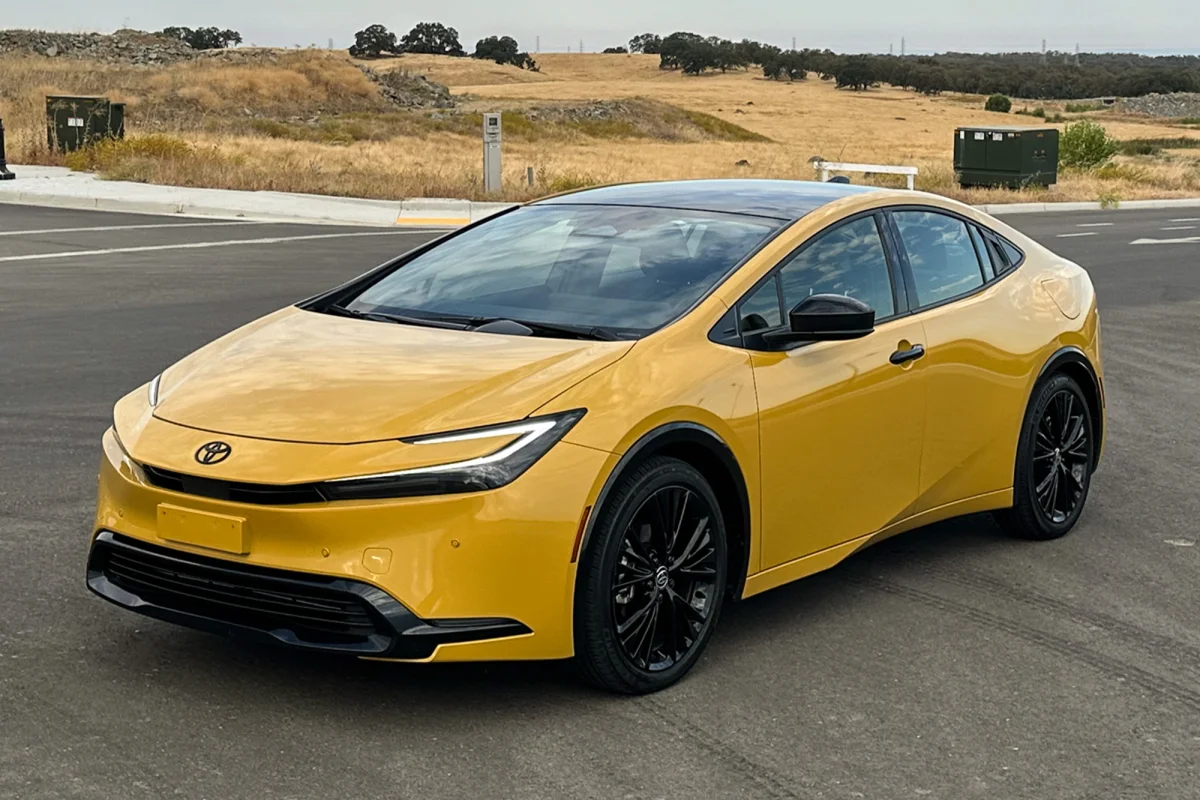
4. Toyota Prius: Balanced Design, Strong Visibility, and Efficient Hybrid Performance
The Toyota Prius is widely recognized for exceptional fuel economy, yet it also demonstrates thoughtful engineering in rear visibility. While many hybrids lean into sharply sculpted designs for aerodynamic gains, the Prius adopts a shape that balances efficiency with clear sight lines.
Its gently sloping rear window spans a wide and tall area, giving the driver a dependable view of vehicles, cyclists, or obstacles behind the car. A distinctive split rear window is built into the hatch, adding a second lower pane that reveals objects close to the bumper. This feature can take some acclimation, but it greatly expands the view in parking situations and city driving.
Inside the cabin, visibility remains a priority. The rear headrests are adjustable and can fold or be removed to improve the view when not carrying passengers. The rear seatbacks avoid bulky contours near the top, and the rear pillars are slimmer than those in many compact cars.
These choices reduce blind spots and preserve a wide outward view. Toyota supplements these natural advantages with helpful technology: most trims include a wide-angle rear-view camera, and higher trims offer parking sensors, blind-spot monitoring, and cross-traffic alert. These systems work together with the generous glass area to support confidence in close-quarter maneuvering.
The latest Prius uses a 2.0-liter inline-four paired with electric motors and a continuously variable transmission. Front-wheel-drive models produce 194 horsepower, while all-wheel-drive versions increase output to 196 horsepower with an added motor on the rear axle.
This generation accelerates significantly quicker than past models, reaching 60 mph in 7.1 seconds. Larger brakes improve stopping performance, and the hybrid system feels livelier at everyday speeds. Fuel economy remains a highlight, with EPA estimates reaching up to 57 mpg city and 56 mpg highway on the most efficient trims.
The interior design is more traditional than the dramatic exterior, with a new gauge cluster positioned ahead of the steering wheel. Rear headroom is reduced due to the lower roofline, but the cabin retains solid comfort and usable storage.
Infotainment features include an 8.0-inch screen on most trims and a 12.3-inch touchscreen on the Limited, paired with wireless Apple CarPlay, Android Auto, and available Wi-Fi.
Standard safety tech includes automated emergency braking, lane-keeping assist, lane-departure warning, and automatic high-beams. Warranty coverage is competitive, with strong hybrid-component protection and two years of complimentary maintenance.
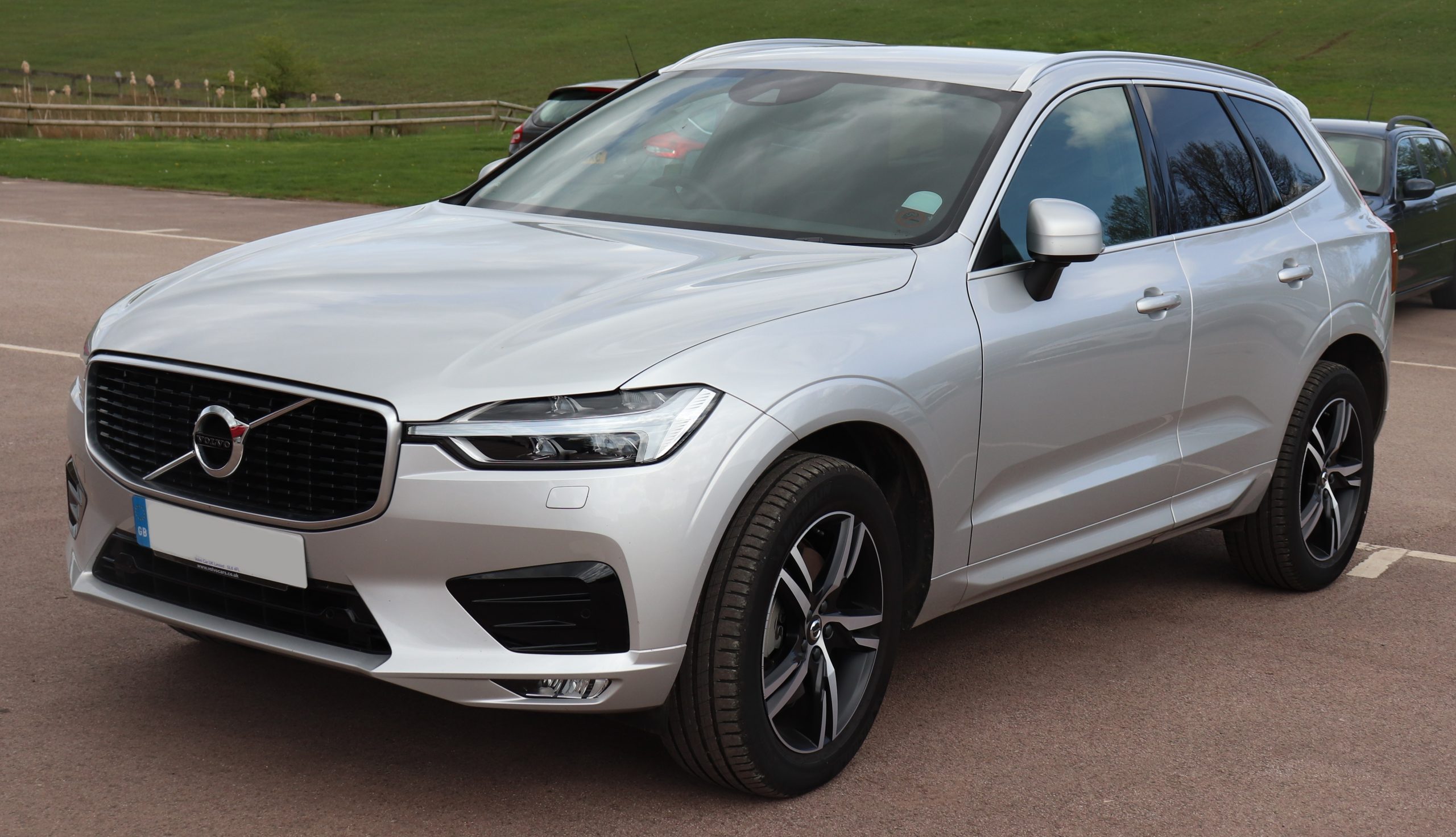
5. Volvo XC60: Clear Rear Visibility, Scandinavian Comfort, and Confident Performance
The Volvo XC60 is a premium compact SUV designed with strong attention to visibility and driver awareness. Volvo emphasizes safety through thoughtful engineering, and the XC60 demonstrates this with a rear design that prioritizes what the driver can see behind the vehicle. Its relatively flat, upright rear window sits lower than those on many luxury competitors, giving a wider and clearer view.
The narrow C-pillars reduce blind spots, and the added rear-door quarter windows improve side-rear sight lines when checking mirrors or preparing to change lanes. Compact, foldable rear headrests help keep the cabin’s rearward view open, and rear passengers sit slightly lower so the upper half of the rear glass stays visible even when the seats are occupied.
The seating position contributes to the XC60’s strong visibility. Volvo places the driver at a height that keeps the rear window within a natural viewing angle. Paired with large glass areas and an airy cabin layout, the XC60 gives the driver a sense of openness and better awareness in tight spaces, traffic, and parking lots.
Volvo enhances this with helpful technology, including a high-resolution rear camera standard on all trims. Many versions also include a 360-degree camera system, rear sensors, and cross-traffic alerts, which work together with the SUV’s design to support confident reversing and parking.
Two powertrains are offered. The B5 uses a turbocharged 2.0-liter four-cylinder engine assisted by a 48-volt hybrid system, producing 247 horsepower through an eight-speed automatic transmission.
The XC60 corners accurately and feels well-planted, though sharp bumps can be noticeable in the cabin. Volvo estimates a 0–60 mph time of 6.5 seconds, close to past testing of similar engines. EPA ratings come in at 22 mpg city and 28 mpg highway. A more powerful plug-in-hybrid T8 model is also available.
Inside, the XC60 delivers a calm and upscale environment. Materials are high quality, both rows offer adult-friendly space, and cargo capacity is competitive with room for up to 20 carry-on suitcases when the seats fold. A 9-inch touchscreen with Google-based software, Apple CarPlay, Android Auto, Wi-Fi, and voice control comes standard.
Safety features include automated emergency braking, lane-keeping assist, and available adaptive cruise control. Volvo’s warranty is competitive, and three years of complimentary maintenance adds convenience.
Also Read: 10 Cars With Simple Controls for Winter Gloves
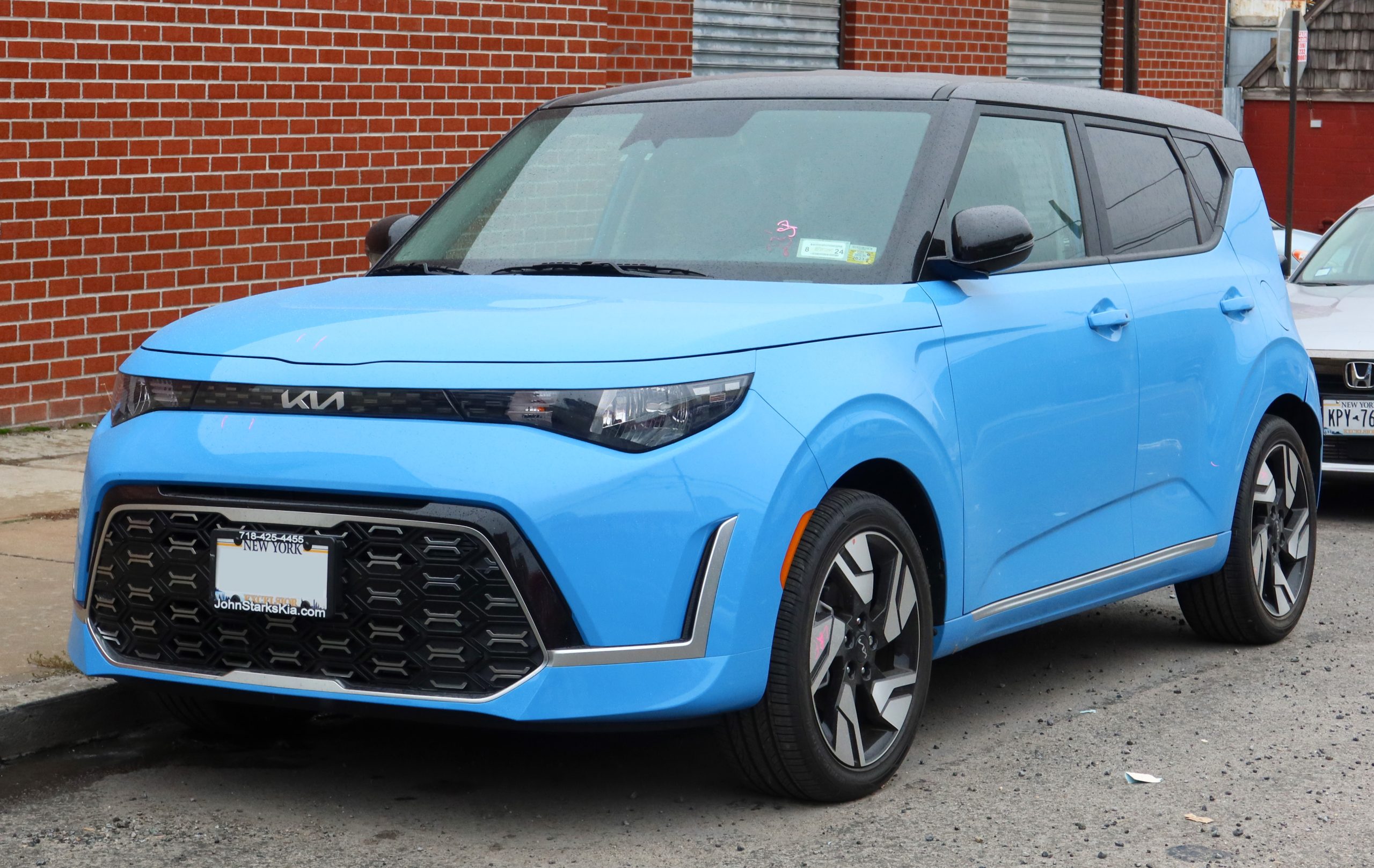
6. Kia Soul: Boxy Design, Strong Visibility, and Everyday Practicality
The Kia Soul stands out in the compact crossover segment thanks to its boxy profile, which directly benefits rear visibility. Unlike crossovers with sloping rooflines that limit the driver’s view, the Soul features tall, upright rear windows and a large, flat hatch glass that expands the field of vision. This design reduces blind spots and makes it easier to handle tight spaces such as parking garages and city streets.
The C-pillars are thicker than those in sedans but are shaped and positioned to limit obstruction, while the large rear quarter windows further assist with seeing into the vehicle’s rear corners. A naturally high seating position gives the driver an elevated outlook, improving awareness of pedestrians, cyclists, and small objects that might be harder to detect from a lower vehicle.
Inside, Kia ensures that interior elements do not compromise visibility. Slim, adjustable rear headrests help keep the rear window clear, and folding rear seats increase both cargo flexibility and sight lines when lowered. The Soul pairs these design decisions with technology meant to support confidence behind the wheel.
Most trims feature a standard rear-view camera, and higher trims add rear parking sensors and rear cross-traffic alerts that warn of approaching vehicles or obstacles when reversing. These systems complement the Soul’s large windows to create an easy, awareness-friendly driving experience.
Performance centers on a 147-hp 2.0-liter four-cylinder engine matched with a continuously variable automatic transmission and front-wheel drive. While not aimed at sporty handling, the Soul provides a comfortable ride and enough responsiveness to stay lively in daily driving.
It reaches 60 mph in 8.0 seconds and earns EPA fuel economy ratings up to 35 mpg on the highway and 27 mpg in the city. Real-world testing shows a 30 mpg result at highway speeds.
The Soul’s upright body creates a roomy cabin with playful design touches, available ambient lighting, multiple color schemes, and optional comfort features such as heated seats and push-button start. Cargo capacity is strong for its class, fitting seven carry-on bags behind the rear seats and 20 with the seats folded.
Infotainment features include standard Apple CarPlay, Android Auto, and either an 8.0-inch or available 10.3-inch touchscreen with navigation and optional Harman/Kardon audio. Safety equipment includes standard automated emergency braking, lane-keeping assist, and available blind-spot monitoring. Warranty coverage includes a 5-year/60,000-mile limited warranty and a 10-year/100,000-mile powertrain warranty.
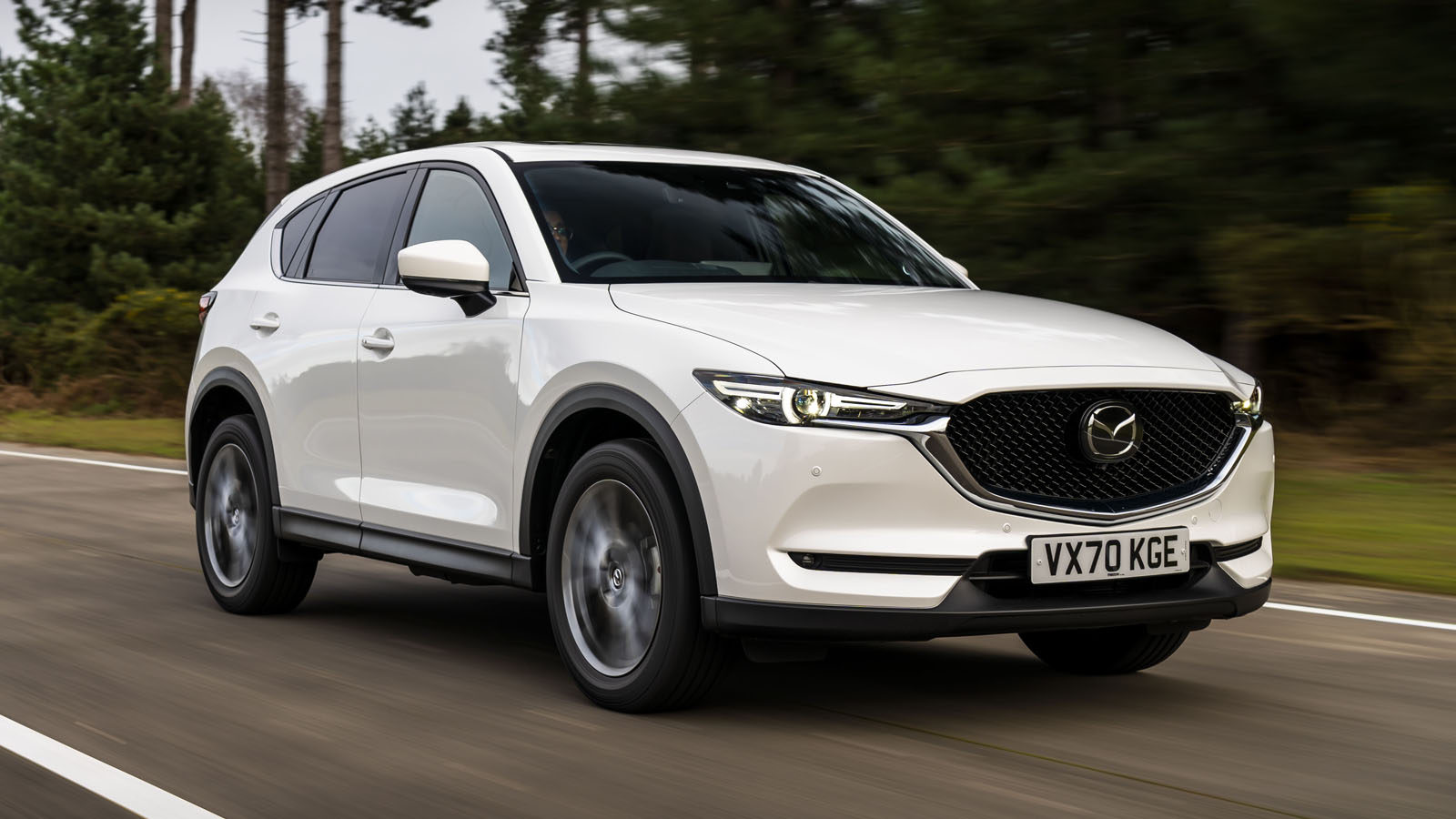
7. Mazda CX-5: Blending Style, Visibility, and Driver-Focused Engineering
The Mazda CX-5 is known for its refined driving experience and premium feel, but it also offers strong rear visibility for a compact SUV. Mazda’s design emphasizes both style and practicality, beginning with a large and upright rear window that provides a wide and clear view.
Many rivals use a sloped rear design that limits sight lines, but the CX-5 keeps a more vertical profile that helps drivers judge distance and traffic conditions when reversing or merging.
Rear visibility is further improved by slim C-pillars that taper cleanly toward the back of the vehicle. These pillars, combined with functional rear quarter windows, cut down on blind spots and help the driver see approaching vehicles or pedestrians. The CX-5 also benefits from a high glass to body ratio, which increases window area and contributes to a cabin that feels open while supporting better outward visibility.
Inside, Mazda places the driver in a position that is carefully designed to maximize sight lines. The seating height and cushion angle make it easy to see through the rear window and side mirrors without obstruction.
Rear headrests are kept low and compact, and the rear seats can fold down to expand cargo room or open the view even more when needed. These choices create a driving environment that supports clarity and awareness in crowded areas or during close maneuvers.
Mazda pairs its natural visibility strengths with helpful technology. A rear-view camera is standard on all trims, and higher trims add blind spot monitoring, rear cross traffic alerts, and parking sensors. These systems work with the vehicle’s design to enhance safety and ease when parking or backing out of driveways.
Performance is another highlight. The standard 187-horsepower four-cylinder engine offers responsive acceleration in daily driving, while the available 256-horsepower turbocharged engine provides significantly quicker performance. Both engines use a smooth six-speed automatic transmission and come with All Wheel Drive. Fuel economy reaches up to 31 miles per gallon on the highway with the base engine.
Inside the cabin, the CX-5 delivers premium materials, thoughtful ergonomics, and a 10.3 inch infotainment display with standard Apple CarPlay, Android Auto, and connected services. Safety features include automated emergency braking, lane keeping assist, and adaptive cruise control. Mazda offers a three-year or 36,000-mile limited warranty and a five-year or 60,000-mile powertrain warranty.
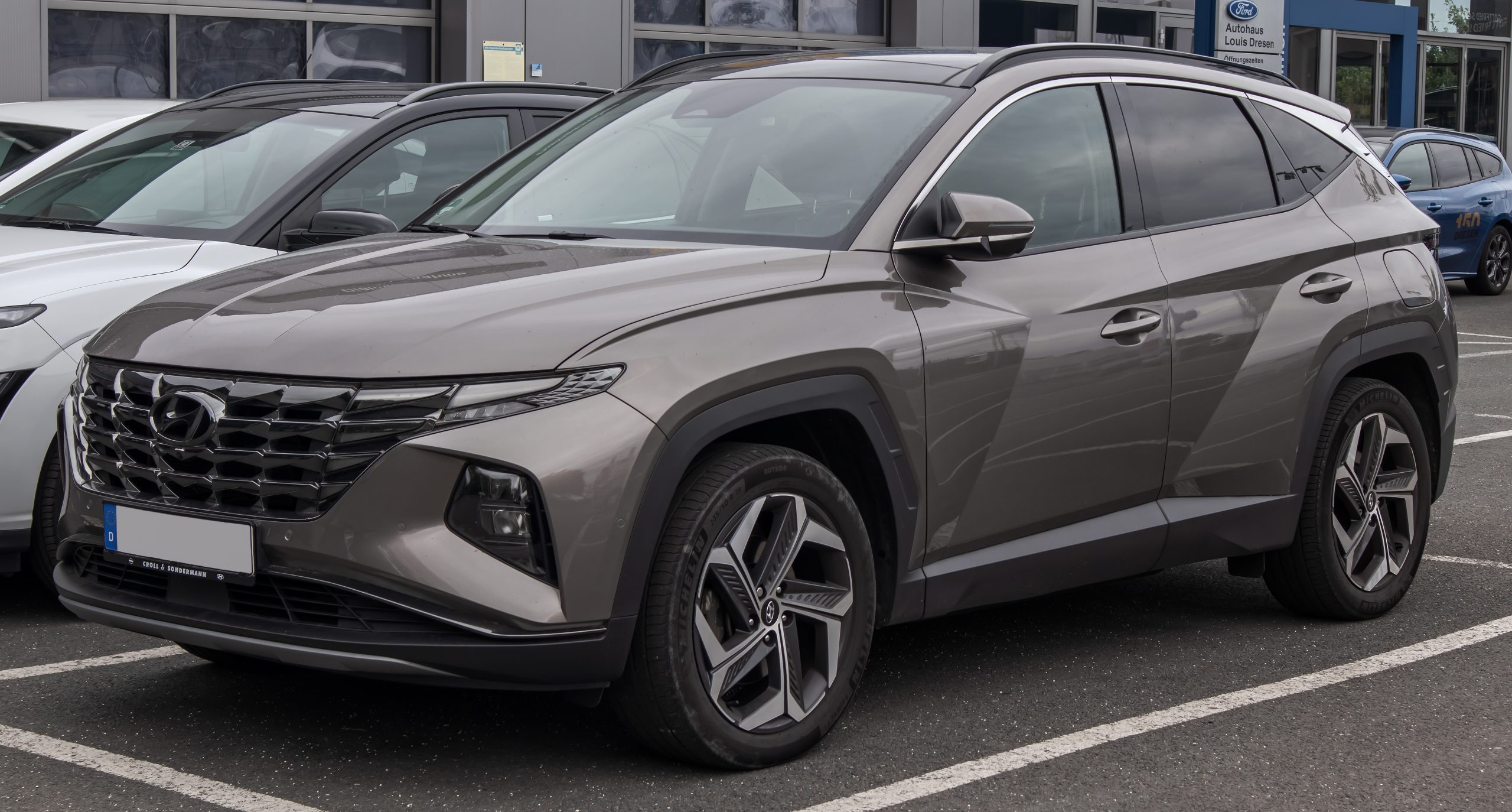
8. Hyundai Tucson: Compact SUV with Excellent Rear Visibility and Practical Design
The Hyundai Tucson stands out in the compact SUV segment for its rear visibility, achieved through a combination of design and technology. Unlike many competitors that feature aggressive rooflines or thick rear pillars, the Tucson emphasizes large, nearly vertical rear windows and extended side glass.
This design minimizes blind spots and gives the driver a clear view of the road and obstacles behind. The rear quarter glass further opens up the corners, enhancing awareness of surrounding vehicles, pedestrians, or cyclists.
The C-pillars are thoughtfully shaped to provide structural support without excessively obstructing sight lines, while the higher seating position allows the driver to see over most vehicles, improving confidence in urban traffic or heavy congestion.
Inside, the Tucson continues this driver-friendly approach. Rear headrests are low-profile and adjustable to avoid blocking the rear window. The rear seats are positioned to maintain an unobstructed line of sight and can fold flat to increase cargo space or improve visibility when needed.
These design elements, combined with a broad rear window and generous glass surfaces, make the Tucson easy to maneuver in tight spaces and convenient for parking.
Hyundai supplements these design advantages with technology. Standard rear-view cameras display a clear image with dynamic guidelines, and many trims include parking sensors, blind-spot detection, and rear cross-traffic alerts. These systems enhance safety when reversing or performing tight maneuvers, giving drivers extra confidence.
The Tucson comes standard with a 187-horsepower 2.5-liter four-cylinder engine paired with an eight-speed automatic transmission and front- or all-wheel drive.
Acceleration is adequate for city and highway driving, although more spirited drivers may want extra power. The Tucson’s handling is confident, with crisp steering and a smooth, quiet ride. Fuel economy reaches 32 miles per gallon on the highway with front-wheel drive.
Inside, the Tucson offers a modern cabin with quality materials, comfortable seating, and ample cargo capacity. Rear space accommodates passengers comfortably, and cargo volume reaches 22 carry-on suitcases with the rear seats folded.
The infotainment system includes Apple CarPlay and Android Auto, wireless connectivity, and optional premium audio. Safety features include automated emergency braking, lane-keeping assist, and available adaptive cruise control. Hyundai supports the Tucson with a five-year, 60,000-mile limited warranty, a 10-year, 100,000-mile powertrain warranty, and three years of complimentary maintenance.
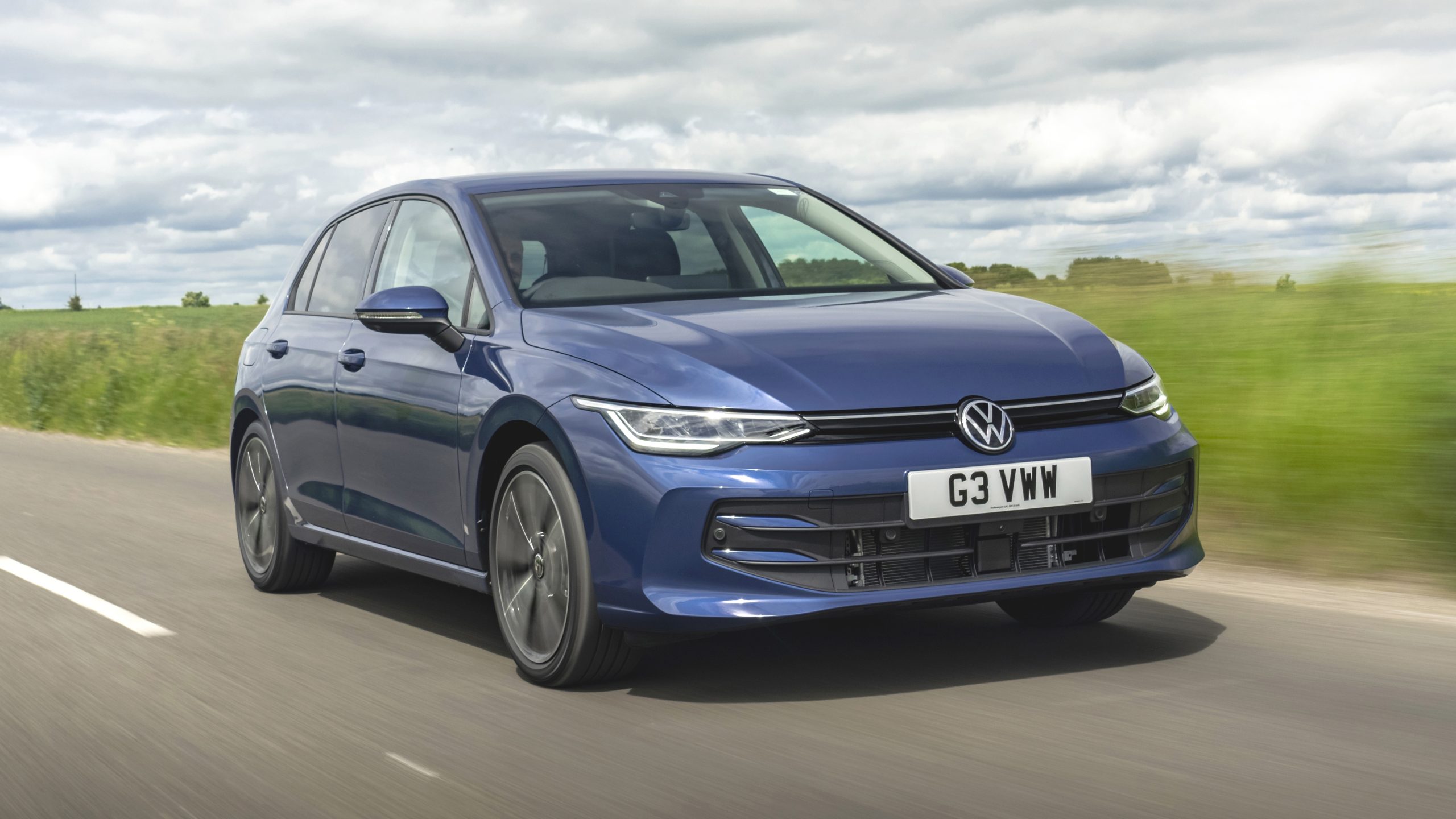
9. Volkswagen Golf: Compact Hatchback with Exceptional Rear Visibility
The Volkswagen Golf has long set the standard for compact hatchbacks, and its rear visibility is a key strength. The Golf features a nearly vertical rear window on its hatch, providing drivers with a broad, unobstructed view of the road behind.
This upright design contrasts with many sloped or coupé-style competitors, where the angle of the rear glass reduces rearward sight lines. The Golf’s tall rear window helps drivers judge distances when parking or merging, a notable advantage in urban environments.
Volkswagen has minimized blind spots by using slender rear pillars and large rear quarter windows. These windows wrap around the rear corners, improving the field of vision to include what’s beside and behind the vehicle.
Combined with the Golf’s compact dimensions, this design makes tight spaces easier to manage and lane changes safer. Inside, the seating position balances height and comfort to maximize sight lines.
Rear headrests are shaped to avoid obstructing the view, and rear seats fold flat to further enhance visibility when unoccupied. The cabin’s glass design keeps the interior open and bright, boosting driver awareness and confidence.
The Golf also incorporates technology to support safe driving. A rear-view camera with dynamic guidelines is standard on most trims, while higher models add parking sensors and blind-spot monitoring. These features make reversing and parking easier while reducing the risk of collisions.
Under the hood, the Golf’s turbocharged inline-four engine provides adequate power for city driving and highway travel. The hatchback is refined and reliable, with a compliant ride that balances comfort and control.
The steering is precise, and the Golf handles corners confidently, offering an unexpectedly engaging driving experience for a utilitarian compact car. Fuel economy is estimated at 29 miles per gallon city and 33 to 39 on the highway, depending on the transmission, with real-world tests returning up to 43 mpg.
The interior is functional and comfortable, with clean lines and a practical layout. Rear seating accommodates adults comfortably, and cargo capacity is versatile, holding 15 carry-on suitcases with the rear seat folded. The infotainment system includes Apple CarPlay, Android Auto, and USB connectivity, with a 6.5-inch touchscreen and physical controls for ease of use.
Safety features include forward-collision warning, automated emergency braking, blind-spot monitoring, and rear cross-traffic alert. Volkswagen supports the Golf with a four-year, 50,000-mile limited warranty and two years of complimentary maintenance, offering peace of mind for buyers.
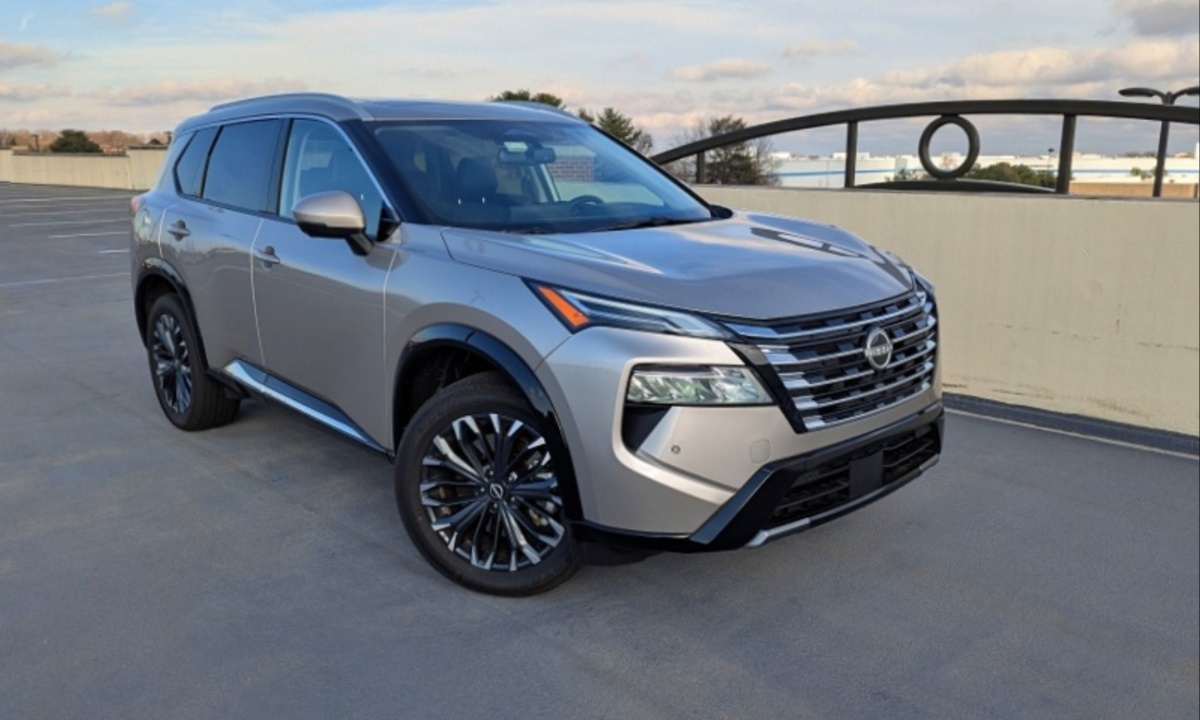
10. Nissan Rogue: Compact SUV with Strong Rear Visibility and Family-Friendly Features
The Nissan Rogue is a compact SUV that combines thoughtful design with technology to offer good rear visibility. Its relatively upright rear window provides a wide, clear view behind the vehicle, helping drivers judge distances when backing out of parking spaces or driveways. Unlike many competitors with sloping rear designs, the Rogue balances aerodynamics and function to maintain a practical line of sight.
Rear pillars are slim yet strong, minimizing blind spots, while rear quarter windows extend toward the back, improving side-rear visibility. The higher seating position typical of the Rogue further enhances the driver’s vantage point, allowing better awareness of nearby obstacles and vehicles.
Inside, the Rogue’s rear seat headrests are adjustable and can be lowered or removed to reduce obstruction. The rear seats fold flat, creating a clearer view through the rear window when necessary. The cabin design prioritizes openness, giving the driver a sense of space and improving visibility through both rear and side windows.
Nissan also equips the Rogue with a standard rear-view camera, while higher trims add parking sensors, blind-spot warning, and rear cross-traffic alert, supporting safer reversing and maneuvering in tight spaces.
Under the hood, all Rogues are powered by a turbocharged 1.5-liter three-cylinder engine producing 201 horsepower, paired with a CVT and front-wheel drive, with all-wheel drive optional. The ride is compliant and comfortable for daily commuting and road trips, though cornering is unremarkable.
Acceleration from zero to 60 mph takes around 8 seconds, making it adequate but not sporty. Fuel economy reaches up to 30 mpg city and 37 mpg highway, with all-wheel-drive models slightly lower.
The interior blends styling cues from Nissan sedans with practical features, including bi-level dashboards, well-placed storage, and multiple trim options from cloth to semi-aniline leather.
Infotainment includes an 8-inch touchscreen on base models, with a 12.3-inch Google-based system standard on higher trims. Apple CarPlay and Android Auto are standard, along with optional navigation, Bose audio, head-up display, and wireless charging.
Safety is a focus, with standard automated emergency braking, blind-spot monitoring, and rear cross-traffic alert. Higher trims offer adaptive cruise control and semi-autonomous ProPilot 2.1.
Warranty coverage includes a three-year, 36,000-mile limited warranty, a five-year, 60,000-mile powertrain warranty, and three complimentary oil changes within the first two years or 24,000 miles, making the Rogue a practical and visibility-friendly option for families and urban drivers.
Selecting a vehicle with rear headrests that do not block mirrors improves both safety and convenience. Models like the Honda Fit, Subaru Forester, Jeep Wrangler, Toyota Prius, Volvo XC60, Kia Soul, Mazda CX-5, Hyundai Tucson, Volkswagen Golf, and Nissan Rogue demonstrate that thoughtful design can coexist with comfort, style, and functionality.
Slim or adjustable headrests, upright rear windows, and extended glass areas reduce blind spots, while optional cameras and sensors provide additional reassurance.
Whether reversing from driveways, changing lanes on busy roads, or fitting into tight parking spaces, these vehicles make it easier for drivers to maintain a clear view. For anyone seeking a practical and safe choice, these ten cars prove that strong rear visibility can be achieved without sacrificing comfort or utility.
Also Read: 5 Cars With Simple Climate Knobs vs 5 Screen-only Setups