

Plenty of people who buy crossovers today often want something that remains quiet even after years of driving. Many shoppers have heard stories about squeaks, dashboard creaks, plastic rattles, and tiny noises that start appearing as a vehicle ages.
Some drivers act surprised when they hear those sounds, while others simply accept them as part of owning a crossover.
A smooth and peaceful cabin can make every trip more relaxing. A noisy one can make even short drives feel tiring. Choosing the right model can make a huge difference.
Every crossover carries its own character. Some models keep their frames sturdy, their panels tight, and their cabin materials firm, allowing them to resist noise development for long periods.
Other crossovers feel comfortable at first, then begin to produce little sounds as the kilometres pile up. Different manufacturers use different materials, different assembly processes, and different interior designs, so durability varies widely.
People buy crossovers for different reasons. Some want space for family. Some need a comfortable daily commuter. Some just want a vehicle that feels modern, stylish, and reliable.
No matter the reason, few buyers enjoy extra cabin noises. Those sounds might not be dangerous, yet they reduce driving enjoyment. A peaceful interior gives a sense of quality.
This page has been created to help readers understand which crossovers stay quiet and which ones develop those tiny sounds as they age. Let us begin with the crossovers that stay silent.
5 Crossovers That Don’t Squeak Over Time
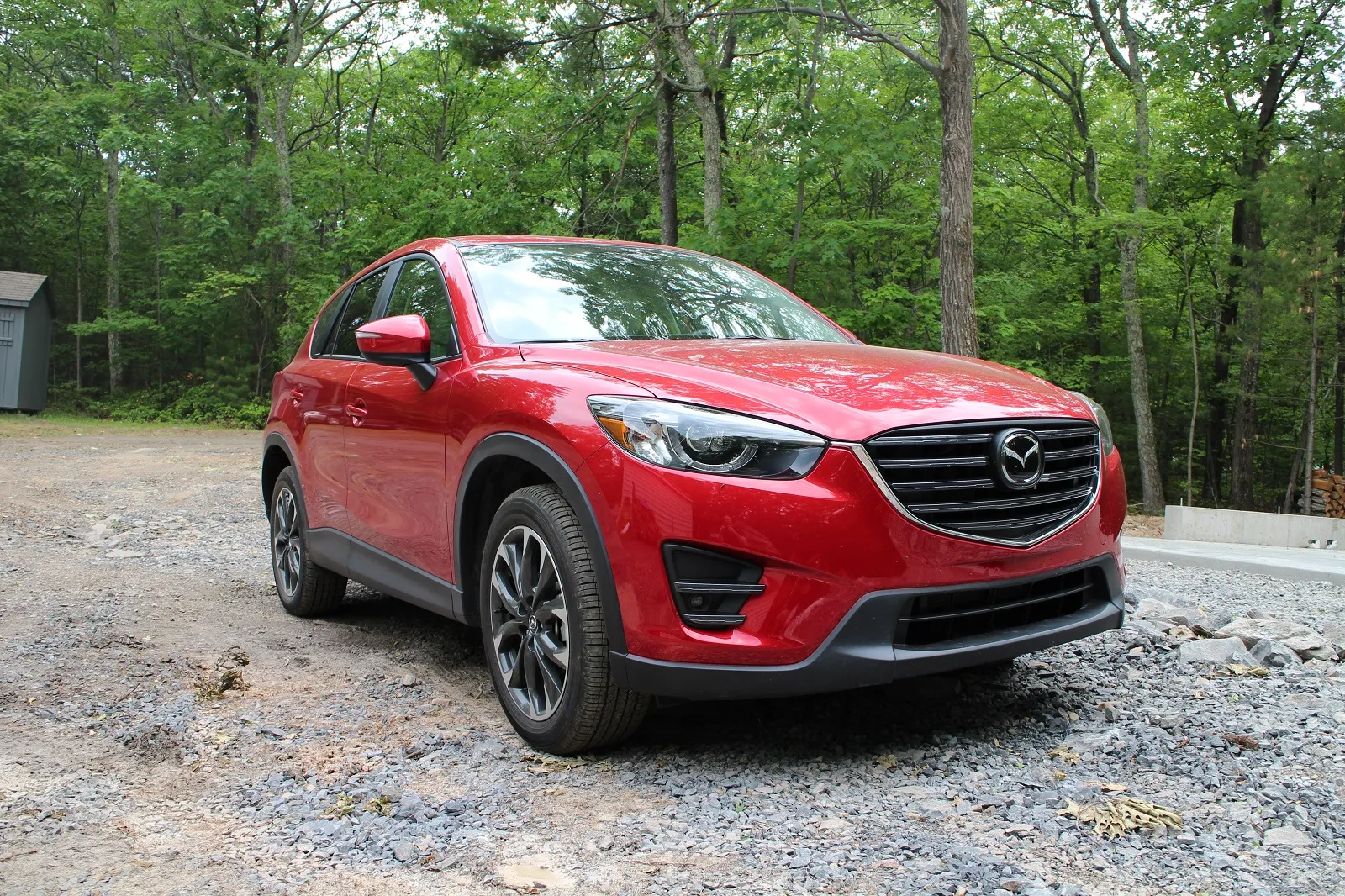
1. Mazda CX-5 Grand Touring
Plenty of people speak highly of the Mazda CX-5 Grand Touring for its ability to stay quiet even after many years. A major reason behind this calm behaviour lies in the thoughtful engineering that Mazda applies to its interiors.
Every button, panel, and piece of trim fits securely, giving the vehicle a tight structure that refuses to loosen easily. This helps reduce rattles because fewer parts move around while driving. Drivers who enjoy peaceful rides usually appreciate this type of build quality.
Another important detail is the sound insulation used in the CX-5 Grand Touring. Mazda invested in materials that block out road noise and cushion vibrations from rough surfaces.
That level of insulation keeps the cabin calm, which reduces the chances of small noises becoming noticeable.
When a crossover starts with a quiet interior, minor sounds become easier to detect, but the CX-5 manages to suppress them effectively. People who take long trips often appreciate how the quiet cabin helps them arrive feeling more relaxed.
Passengers frequently notice how the seats, panels, and dashboard remain firm even after thousands of kilometres. That firmness plays a huge role in preventing squeaks.
Some crossovers use plastics that fade or become brittle with age, but Mazda uses materials that hold their strength for long periods. By keeping those parts strong, the CX-5 stays free of the irritating noises that frustrate owners of other models.
Drivers who choose the CX-5 Grand Touring often report that even after several years, the vehicle maintains a strong sense of refinement.
Anyone searching for a crossover that keeps noise to a minimum usually finds this model satisfying because of its consistent calmness, its durable cabin materials, and its steady performance.
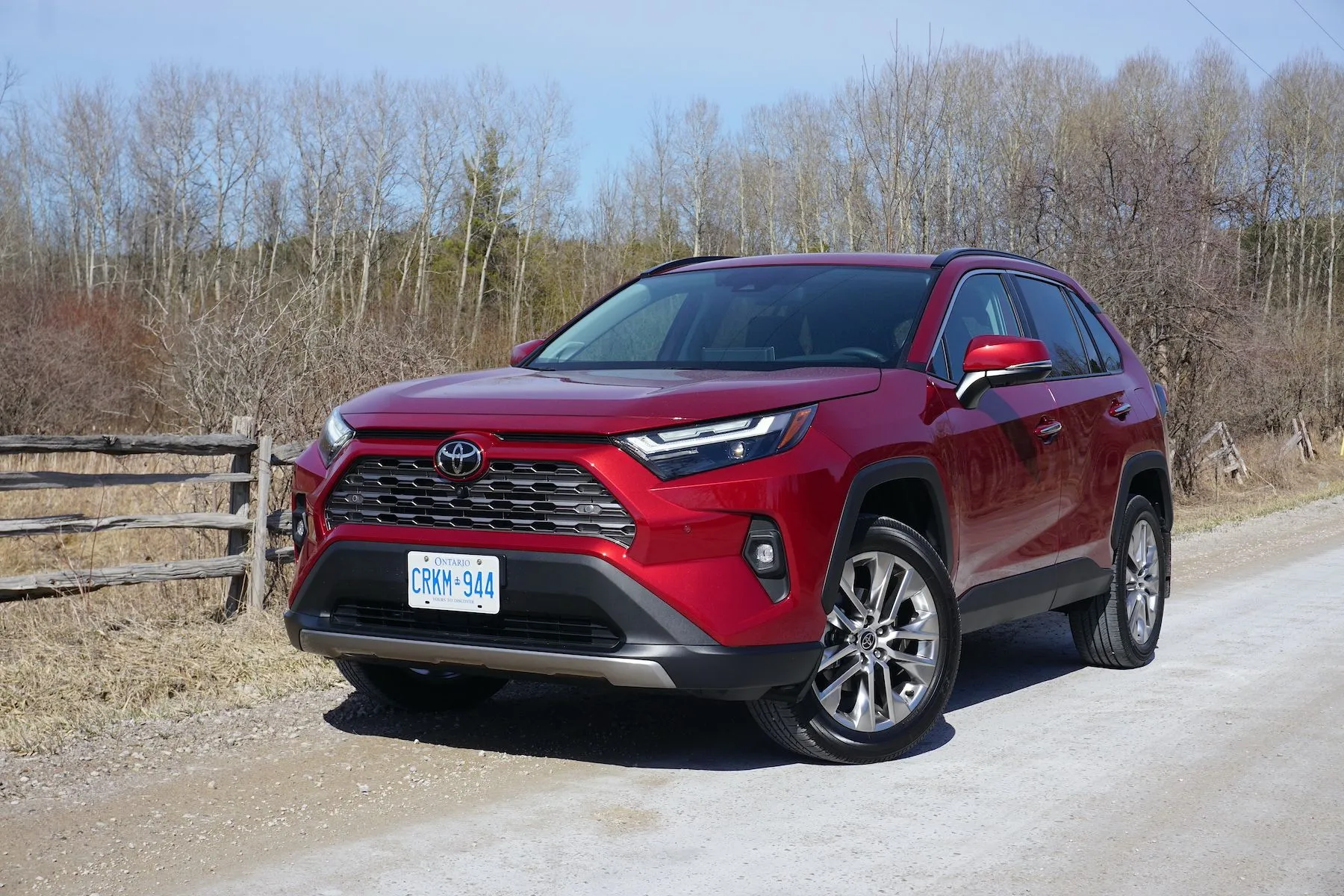
2. Toyota RAV4 Limited
Plenty of buyers value the Toyota RAV4 Limited because of its record for long-term durability and cabin integrity. This model carries a strong interior structure that holds everything together firmly, reducing the chances of squeaks forming.
Many drivers praise Toyota for designing cabins that remain solid even after years of daily driving. When a vehicle has this type of reliable build, the interior stays peaceful for longer.
A major contributing factor is the tight assembly. Toyota ensures that panels fit properly, that bolts stay firm, and that interior plastics hold their shape even after exposure to heat and vibration.
When parts fit together without gaps, they are less likely to rub against each other. This reduces small noises that often frustrate drivers during city driving or long journeys. The RAV4 Limited benefits greatly from this attention to detail.
Another reason for its quiet nature comes from the quality of its seats and dashboard materials. Many owners have reported that the surfaces remain smooth and firm, avoiding cracks or warping.
When interior materials remain in strong condition, the entire cabin stays free from unnecessary sounds. People who carry passengers frequently appreciate this stability because it keeps the ride comfortable.
Drivers also enjoy the RAV4 Limited’s suspension tuning, which reduces vibrations that can trigger noises. The smoother the suspension, the less stress the cabin experiences.
Over many years, this small detail has contributed heavily to noise prevention. Long-term owners often describe the RAV4 Limited as a dependable crossover that maintains its quiet behaviour impressively well.
Also Read: 10 Small Cars That Stay Comfortable on Long Drives

3. Honda CR-V EX-L
Plenty of crossover shoppers admire the Honda CR-V EX-L for its persistent quietness. This model consistently performs well in keeping rattles and squeaks away, thanks to the thoughtful engineering approach Honda uses.
Once a driver sits inside, the cabin feels tightly assembled, with panels meeting neatly and cushions resting firmly. That firmness helps reduce friction between parts, which directly lowers the chances of noisy vibrations developing.
Attention must be paid to the interior materials. Honda uses plastics and fabrics that remain stable for long periods, resisting wear that could produce small noises.
When temperature changes or long-distance driving place strain on the cabin, these materials still hold their form. Drivers often mention how the doors close softly without producing tinny sounds, which hints at a stable structure underneath.
Another reason the CR-V EX-L avoids squeaks is the way Honda designs its seats and console. Everything fits properly, giving the cabin a clean and solid layout. Even when the vehicle carries heavy loads, the panels show minimal movement.
That type of stability becomes more important as the crossover ages. Owners with many years of use often notice how the interior remains calm and free from the small annoyances other crossovers develop.
People who want a dependable family crossover usually find comfort in the CR-V EX-L’s quiet reputation. A calm interior makes daily driving more pleasant. Long drives become easier.
Conversations inside the cabin require less effort. Honda’s commitment to stable construction shines clearly in the CR-V, making it one of the more peaceful crossovers available today.

4. Subaru Forester Touring
Plenty of drivers hold the Subaru Forester Touring in high regard for its long-lasting, quiet interior. This model excels at keeping noises under control because Subaru places focus on cabin integrity and material durability.
Once inside, the structure feels firm, with a layout designed to handle rough roads without producing unnecessary sounds. That strength becomes clear during long-term use.
Subaru builds the Forester Touring with high-quality sound damping, which reduces vibrations that could trigger squeaks.
When the road becomes rough, the cabin stays calm. Drivers appreciate this because fewer vibrations mean fewer chances for panels to rub or move around. Over the years, this contributes strongly to noise prevention.
Another factor that supports its quiet nature is the deliberate choice of interior materials. Subaru selects plastics and fabrics that stay flexible enough to avoid cracking yet firm enough to hold shape.
When materials stay stable, they resist making tiny noises. Even as temperatures change across seasons, the parts remain quiet because they retain their strength. People who drive through different climates particularly appreciate this type of consistency.
Passengers often praise how steady the Forester feels during daily driving. Even on long trips, the interior avoids sudden rattles that can make journeys frustrating.
Many long-term owners believe that this model maintains its calmness because Subaru focuses on structural reliability. Anyone searching for a crossover that keeps a peaceful atmosphere usually sees the Forester Touring as a wise option.
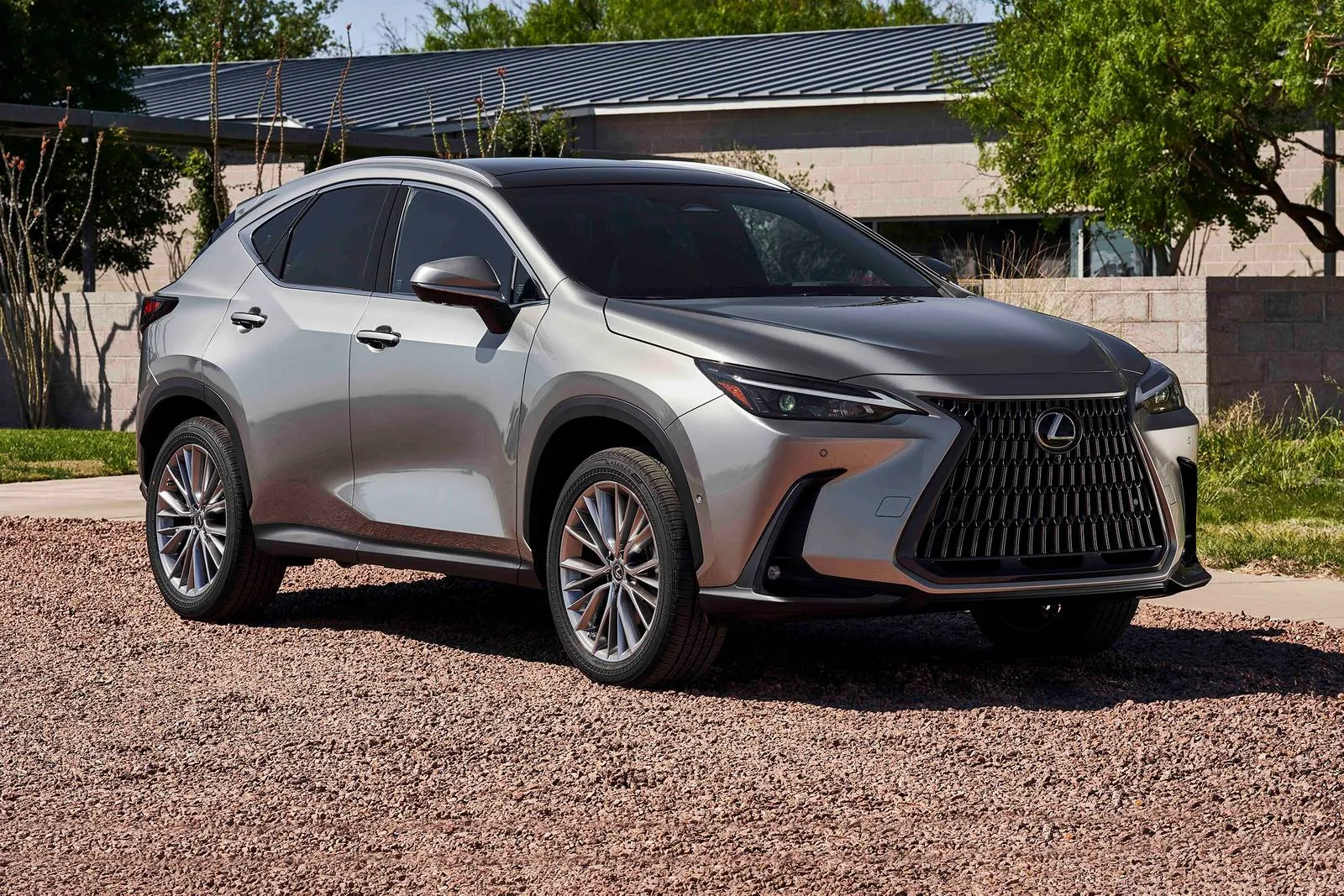
5. Lexus NX 350h Luxury
Plenty of luxury crossover shoppers admire the Lexus NX 350h Luxury because it maintains a quiet interior with impressive consistency. Lexus designs its vehicles with extra attention to build quality, creating cabins that resist squeaks even after many years.
Once someone steps into the NX 350h, the experience feels refined, with materials that retain strength and a structure that holds together securely.
A major reason for its quiet behaviour lies in the premium-grade insulation. Lexus places sound-damping materials in strategic areas so vibrations remain minimal.
When road noise stays low, the cabin feels more peaceful, and parts experience less shaking. This reduces the chances of friction between panels, which helps prevent squeaks from forming later.
Another important detail rests in the hybrid powertrain. The electric motor operates quietly, reducing engine vibrations and keeping the cabin calmer.
With fewer vibrations reaching the interior, the panels remain still, preserving their quiet behaviour for long periods. Many owners love this because it makes driving feel smooth and steady.
People who value interior luxury often appreciate how the NX 350h Luxury avoids the annoying small sounds that appear in many other crossovers.
Long-term owners frequently mention that the cabin stays silent even after high mileage. Lexus’s commitment to strong construction and premium materials shows clearly in the way this model avoids noise issues.
5 Crossovers That Tend To Pick Up Noises

1. Jeep Compass Sport
Drivers who spend long periods with the Jeep Compass Sport often describe the cabin as comfortable at first, but as the vehicle gathers age and distance, small interior sounds begin to appear. These sounds usually come from everyday wear instead of any mechanical problems.
People who use the Compass Sport in warm or changing climates notice that interior plastics expand and contract, creating tiny movements that sometimes turn into light tapping or rattling.
When the vehicle goes through uneven roads or rougher patches, the soft suspension allows a bit more body motion, and this movement can make the dashboard trim move slightly. The result is a gentle noise that many drivers hear when driving at low speeds or over small bumps.
Another area that sometimes contributes is the door panels. They may produce soft vibrations when items are stored in the pockets or when the clips holding them loosen gradually.
Fortunately, the Compass Sport is easy to adjust, so owners often manage these issues by tightening screws or adding small padding behind trim pieces. Regular checks help keep the interior peaceful enough for most daily commutes.
Many owners also mention that the rear area of the vehicle, especially the cargo section, sometimes develops mild movement in the panels. Since that part of the car carries luggage, tools, or groceries, the shifting weight can encourage small sounds.
This does not affect performance, but it can make the cabin feel less silent. Because the Compass Sport has a simple interior layout, these small noises are usually fixed quickly.
With light maintenance, owners keep the car feeling stable and calm. These small steps also make the vehicle more enjoyable for long trips and city driving.
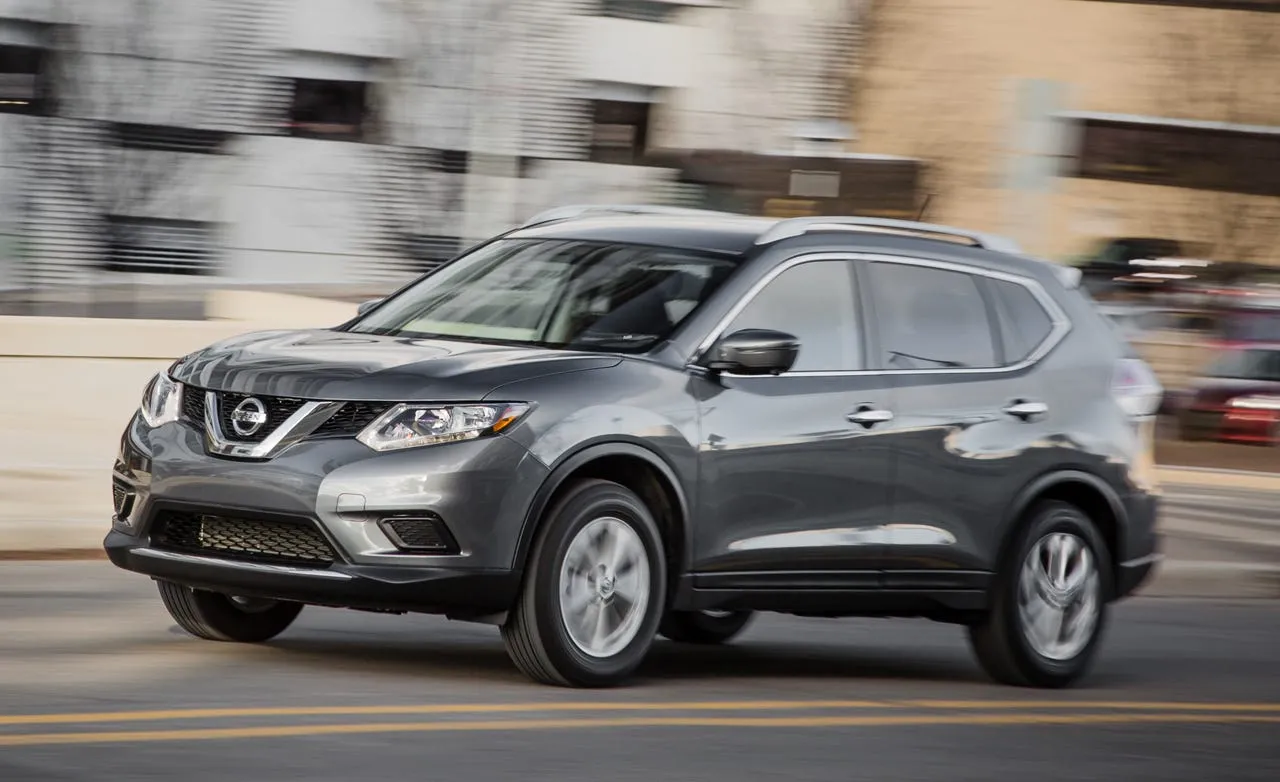
2. Nissan Rogue SV
The Nissan Rogue SV has always been known for its calm driving experience, but even with its comfortable build, the vehicle can gather faint interior sounds as the years pass.
Owners who live where temperatures rise and fall sharply often notice that the door panels expand and contract at different rates, leading to soft vibrations that come and go depending on the weather.
The rear hatch area is another spot where drivers occasionally hear a slight buzzing or tremble, especially when the clips that hold the trim loosen a bit. These sounds usually happen on uneven roads or surfaces with a lot of small bumps.
Most drivers say these noises are mild enough that they do not disturb regular driving, but people with sensitive hearing sometimes find them noticeable during quiet moments. Thankfully, the Rogue SV responds well to small adjustments.
Many owners add thin insulation material behind the hatch trim, which reduces movement and keeps the area quieter.
Others simply clean the latch and tighten the screws that secure the interior panels. These easy steps often bring the cabin back to a more peaceful condition.
Another reason for the soft noises is the lightweight materials used inside the Rogue SV. While these materials help fuel efficiency and comfort, they sometimes move slightly as the vehicle flexes on the road.
Even so, the mechanical parts remain solid, meaning the sounds are usually cosmetic instead of structural. Drivers who keep items stored in door pockets or cup holders may also hear objects tapping during movement, which adds to the perception of noise.
For people who enjoy quiet drives, periodic checks keep the Rogue SV pleasant. Cleaning the hatch seals, adjusting the clips, and ensuring trims stay tight often make a big difference. Many owners find that these simple habits keep the vehicle calm through many years of use.

3. Ford Escape Titanium
Owners of the Ford Escape Titanium often praise its comfort and pleasant handling, but some of them notice light interior sounds as the vehicle grows older. These usually come from the dashboard or center console, where several lightweight materials meet.
As the interior experiences heat from the sun and cool night temperatures, small changes in size can happen.
This leads to slight moves in the panel edges, producing a gentle tapping or a soft clicking sound. The noise tends to appear on uneven roads or when the car goes over small potholes.
People who use their Escape Titanium for long commutes sometimes hear tiny movements from the glove box area. This usually happens when the latch becomes slightly loose from repeated opening and closing.
It is not harmful or unusual, but drivers who prefer a quiet cabin may become aware of it during silent moments. Tightening a few screws or adding soft padding between plastics usually improves the situation.
The side doors can also develop light sounds when their rubber seals collect dust or begin to soften with age. Cleaning the seals and applying simple conditioners keeps them firm and reduces vibration.
Cargo items placed behind the rear seat may contribute to noise as well. When objects move during driving, they sometimes create impressions of rattles that seem like they come from the car itself.
Despite these mild cabin sounds, the Escape Titanium keeps a strong mechanical reputation. The engine, transmission, and major parts remain dependable, meaning the noises are usually small cosmetic issues instead of serious concerns.
Many owners find that short weekend adjustments restore calmness inside the vehicle. Because the Escape Titanium responds well to these small efforts, it suits drivers who like maintaining their car in a neat and quiet condition.
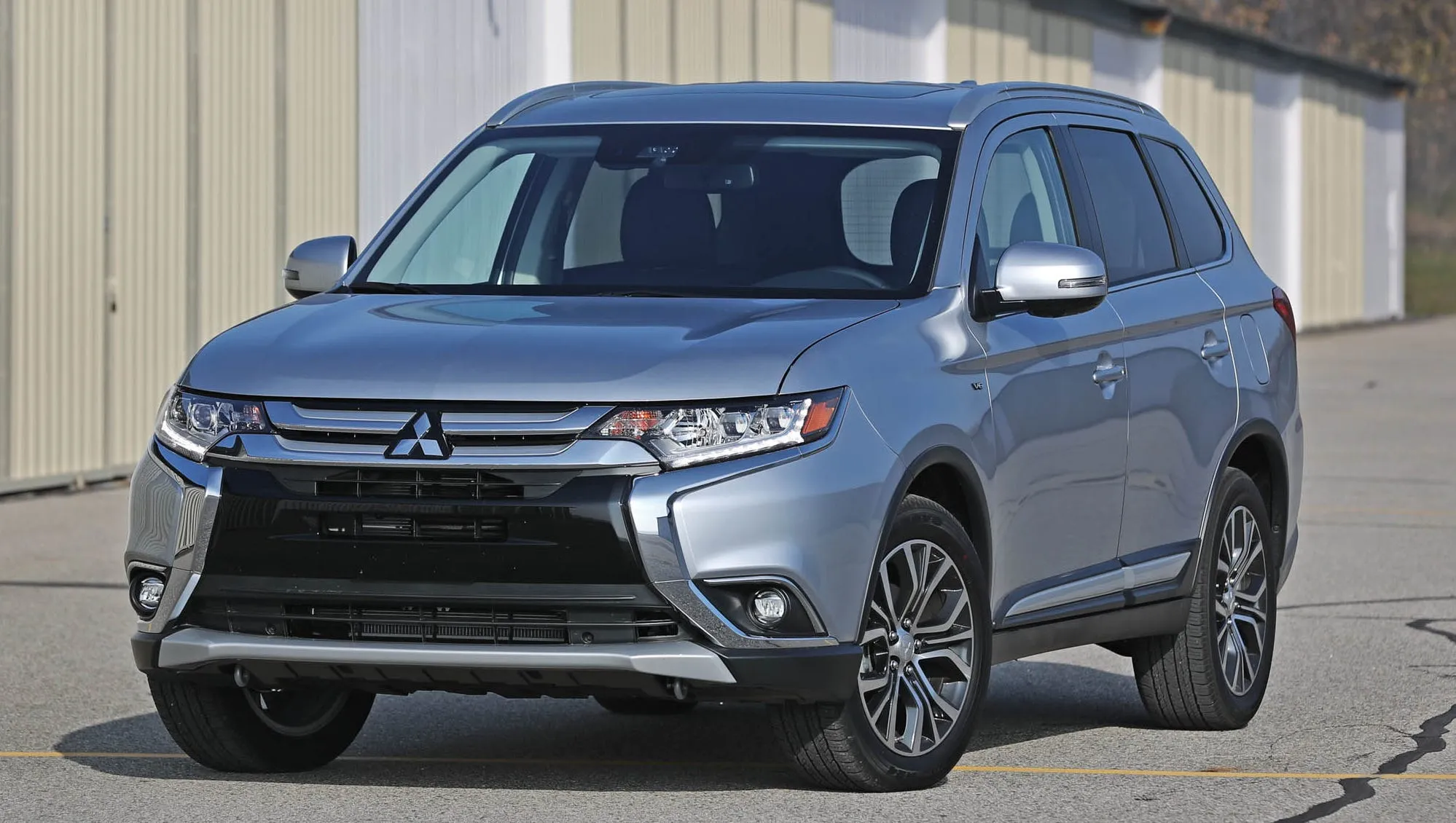
4. Mitsubishi Outlander ES
The Mitsubishi Outlander ES is valued for practicality, but as time passes, some owners observe light interior sounds. One area that draws attention is the roof liner. After years of driving, especially on tougher roads, the material can loosen slightly, producing soft fluttering sounds.
These noises usually remain quiet and do not indicate damage. They appear mostly when the vehicle moves over uneven ground or when the air pressure inside the cabin changes during fast acceleration.
Another common spot is the cargo area. Because the Outlander ES is often used for children’s gear, luggage or shopping bags, its rear panels may change gradually under frequent load. Once the clips holding those panels weaken a little, they begin to make faint vibrations.
Many drivers fix this by adding tiny foam spacers behind the trim, which limits movement. Others tighten the plastic pins that secure the inner panels. These small actions usually bring quick improvement.
The rear seats may also create soft squeaks if the hinges dry out. A quick lubrication resolves this in most cases. People who fold the seats often tend to notice this earlier. The sound is mild and intermittent, usually present when the car drives over softly rough surfaces.
Temperature plays a role, too. In hot climates, plastic trims soften slightly, and when night falls, they cool and stiffen again. This regular expansion and contraction sometimes leads to gentle tapping or shifting. Washing the interior and keeping trims clean helps.
Although these sounds can appear, they rarely interfere with daily driving. Most owners view them as normal aging signs, the kind of thing that happens when a vehicle handles family duties or long-distance travel. With occasional checks and simple adjustments, the Outlander ES maintains a pleasant cabin that remains comfortable for many years.
Also Read: 10 Best Cars With Door Pockets That Actually Fit Tablets
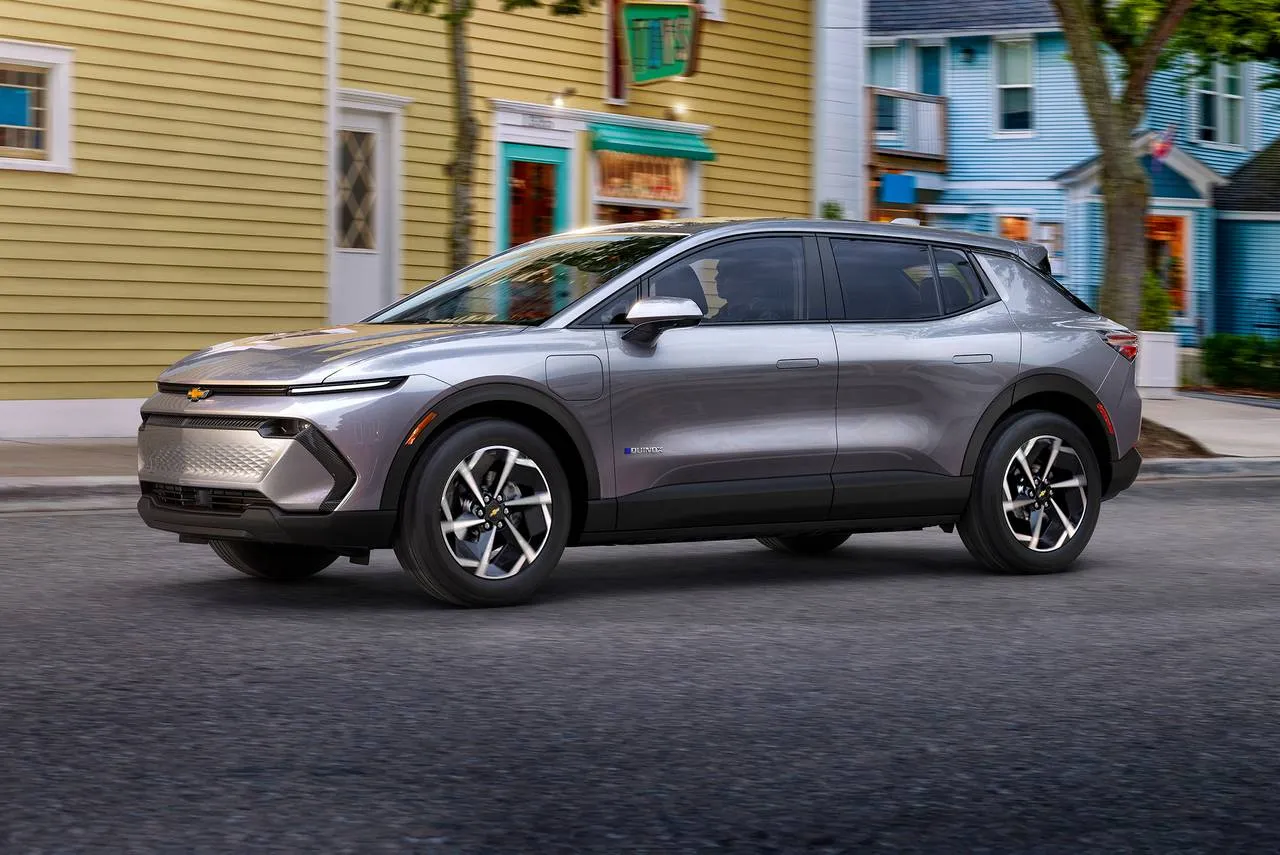
5. Chevrolet Equinox LT
Many Chevrolet Equinox LT owners enjoy the smooth ride and calm steering, but the interior may produce soft sounds after extended use. The center console is one area that can develop gentle creaks, especially when the vehicle reaches older age.
These sounds tend to show up when the car travels across uneven surfaces or when the driver leans on the console while turning. The reason is usually small movements in the plastic components, which loosen slowly through heat cycles and regular wear.
Drivers in warmer regions may notice the sounds earlier because the heat softens some materials. When the car cools later in the evening, those materials contract slightly, which can produce light movements.
Although the noise is harmless, it becomes noticeable during quieter drives. Some people reduce the sound by tightening the inner screws or installing thin foam strips between the plastic layers.
The dashboard sometimes produces tiny tapping sounds, especially around the touchscreen frame. This generally happens when the mounting clips lose tension.
Cleaning the area, adjusting the frame position, or replacing a worn clip usually solves the issue. People who use their Equinox LT for family trips often store small items in the center pockets.
These objects can bounce softly and add to the impression of rattling. The rear of the vehicle may also contribute.
When the cargo floor panels move slightly, they create a muffled knocking sound. This is fixed easily by realigning the panel or adding small pads underneath.
Most owners still find the Equinox LT comfortable despite these mild noises. Since the issues are rarely mechanical, they prefer to handle them during routine cleaning or weekend maintenance.
Once the trims are tightened and the panels secured, the vehicle becomes quiet again, ready for long drives without distraction.
