Hybrid vehicles have come a long way from their early reputation as slow, efficiency-focused cars. Today, many hybrids offer the confidence and responsiveness of traditional gasoline vehicles while still delivering excellent fuel economy.
The models featured in this list provide smooth acceleration, stable handling, and highway cruising that feels natural and effortless. From compact sedans to three-row SUVs and luxury crossovers, these hybrids balance comfort, practicality, and long-distance capability.
Drivers no longer have to choose between efficiency and drivability. These cars offer enough power to merge onto highways safely, maintain speed comfortably, and handle curves with assurance.
With modern interiors, smart technology, and impressive driving ranges, they are ideal for daily commuting, family trips, or long road journeys. Each of these ten hybrids shows that it is possible to enjoy the benefits of electrified driving without compromising performance or comfort on the open road.
1. 2025 Hyundai Elantra Hybrid
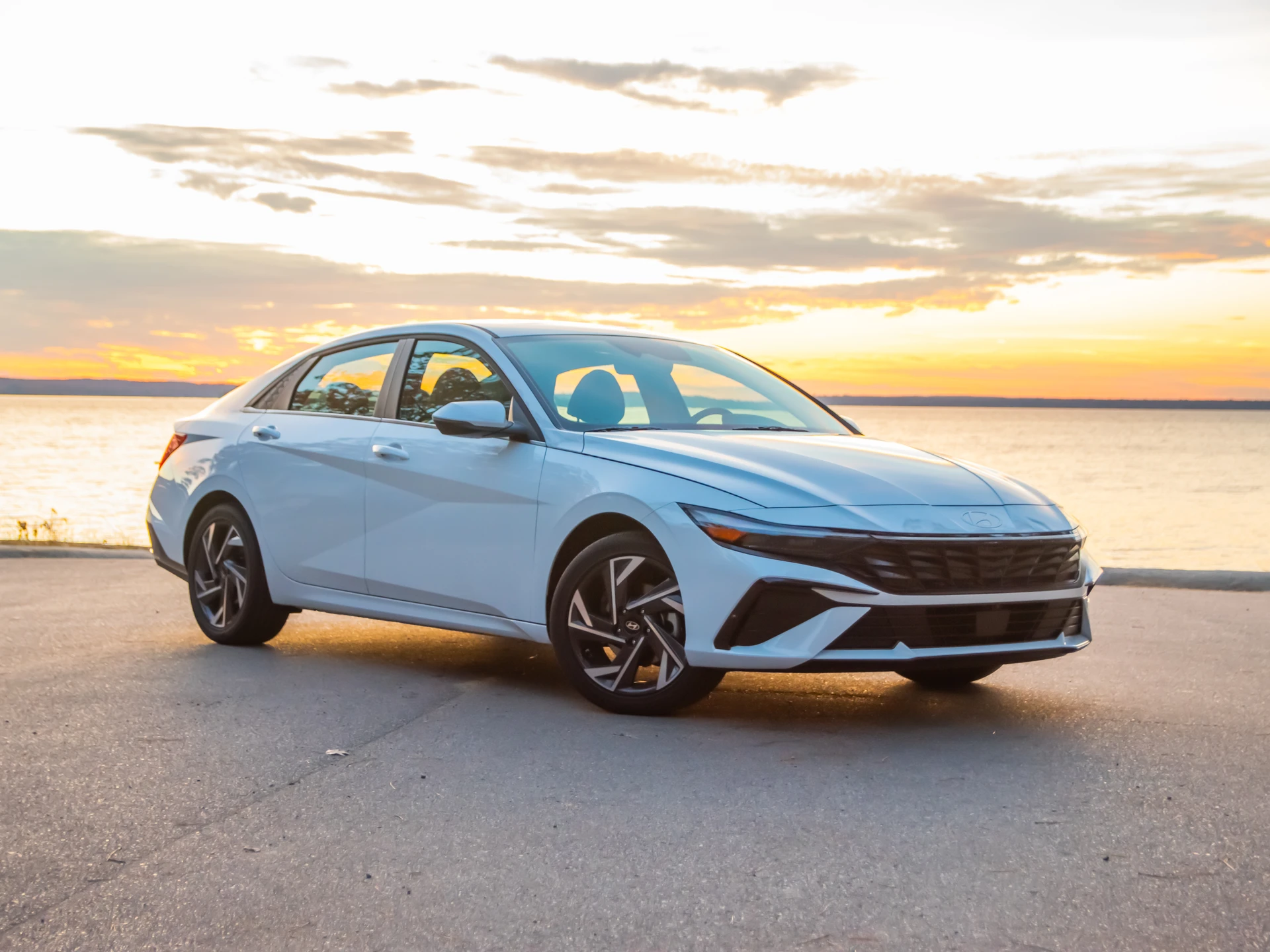
The 2025 Hyundai Elantra Hybrid offers an efficient and practical option in the compact hybrid segment, competing with models like the Toyota Prius, Honda Civic Hybrid, and Toyota Corolla Hybrid.
With a combined driving range of 594 miles, it excels in fuel economy for long highway trips while maintaining a stylish, modern design reminiscent of its larger sibling, the Sonata Hybrid. Its interior is roomy for a small hybrid, featuring a simple yet functional infotainment system.
The Elantra Hybrid is powered by a 1.6-liter four-cylinder hybrid engine paired with a six-speed automatic transmission, producing 139 horsepower and 195 lb-ft of torque. It achieves 0-60 mph in 8.7 seconds and reaches a top speed of 106 mph.
EPA estimates indicate 51 mpg in the city and 58 mpg on the highway, aided by its 11.0-gallon fuel tank. While the powertrain is adequate for daily driving, it lacks the excitement of some competitors, though it offers smooth shifts and comfortable handling on most roads.
The cabin is comfortable, particularly for front passengers, with supportive and adjustable seats. Rear seating is a bit cramped for taller passengers, and while car seat installation is possible, space limitations may make it awkward. Physical buttons and knobs for climate and other controls enhance usability, although road and wind noise can be intrusive due to minimal sound insulation.
The Elantra Hybrid features twin display screens for gauges and infotainment, with intuitive menus and quick navigation. Wireless Apple CarPlay and Android Auto are included with the standard 8-inch screen, while the larger 10.25-inch screen requires a wired connection. Optional features include a Bose audio system, multiple USB ports, and a digital key for smartphone access.
Trunk space measures 14.2 cubic feet, with rear seats that fold flat using remote-release latches. Front storage cubbies and cupholders are functional, though unremarkable.
Priced from $26,250, the Elantra Hybrid offers strong value, backed by Hyundai’s 5-year/60,000-mile limited warranty and 10-year/100,000-mile powertrain coverage. Its combination of fuel efficiency, tech features, comfort, and usability makes it an excellent choice for those seeking a practical, reliable, and economical hybrid, though it prioritizes efficiency over driving excitement.
2. 2024 Toyota Crown
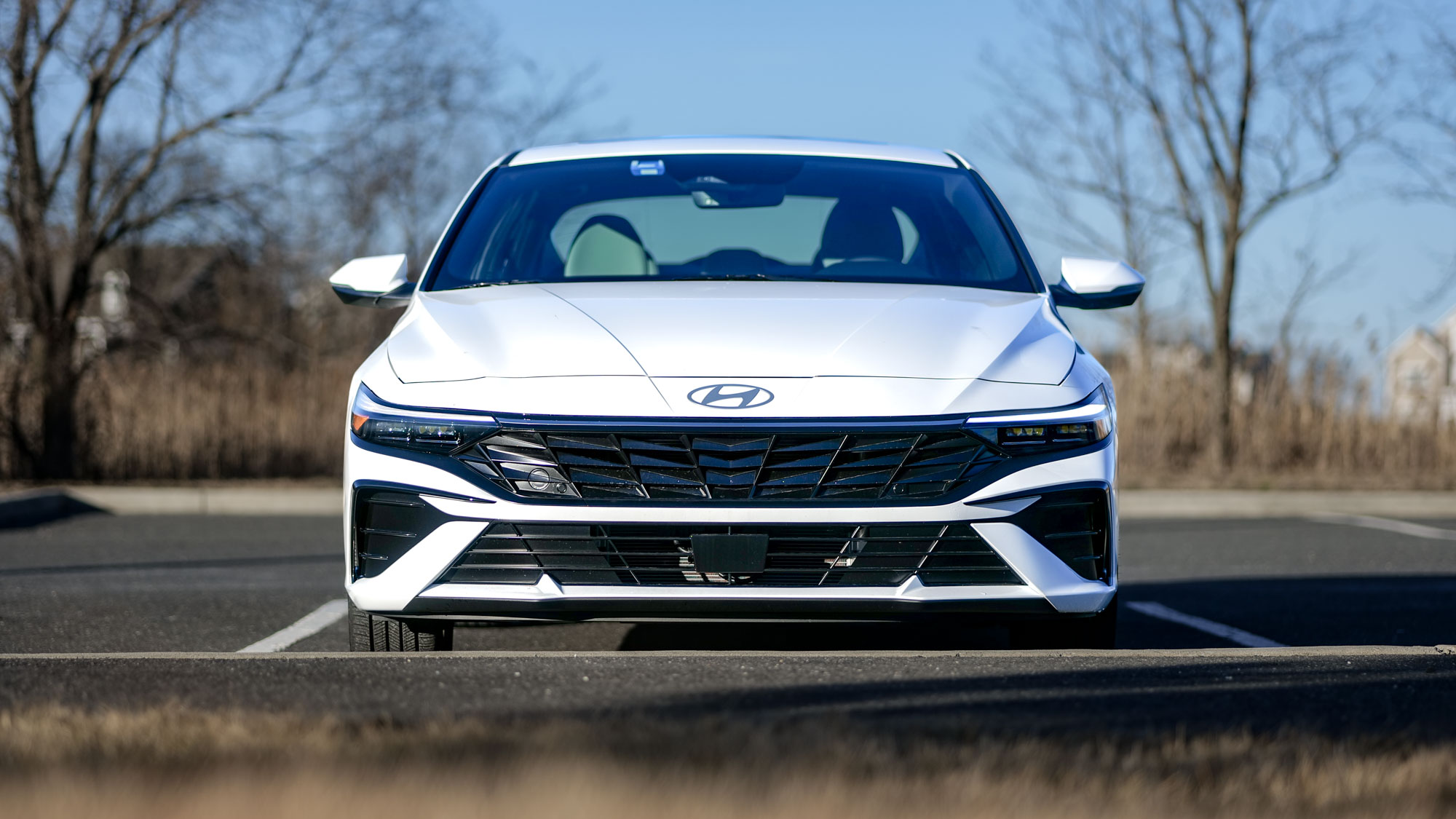
The 2024 Toyota Crown marks the U.S. return of the full-size sedan, now offered exclusively as a hybrid. Combining refined styling, a premium interior, and strong fuel efficiency, the Crown appeals to drivers seeking comfort and practicality for long highway drives.
Its 14.5-gallon fuel tank and hybrid powertrain deliver an impressive driving range of around 600 miles, making it one of the most capable full-size hybrids available.
The Crown comes standard with a 2.5-liter four-cylinder hybrid engine paired with a six-speed automatic transmission and all-wheel drive. It produces 236 horsepower and 163 lb-ft of torque. Acceleration varies by trim: the top-tier Platinum with the Hybrid Max powertrain reaches 0-60 mph in six seconds, while base trims are slower.
The car handles highways smoothly and is surprisingly confident on curves, though all-season tires limit aggressive cornering. Top speed reaches 116 mph, and EPA estimates show 42 mpg city and 41 mpg highway for the base hybrid, with lower fuel efficiency for the more powerful Hybrid Max.
The Crown delivers excellent comfort, especially with adaptive suspension in higher trims. The cabin is well-insulated and quiet, and the seating position is higher than a typical sedan, making entry and exit easier.
Front seats are supportive, though driver seat adjustments could offer more flexibility. Rear passengers enjoy generous legroom, but the seatback angle may require some adjustment for long trips. Visibility is strong, aided by a wide rear window and optional surround-view camera system.
The Crown includes a 12.3-inch touchscreen with responsive controls and Toyota’s modern software interface. Voice recognition is highly capable, functioning almost like a smart assistant. Safety features are robust, with Toyota Safety Sense 3.0 standard, including adaptive cruise control, lane keeping, and Proactive Driving Assist.
Trunk capacity is 15.2 cubic feet, with fold-flat rear seats to expand cargo space. Front storage is limited to a modest center console, glovebox, and cupholders, but child seat installation is straightforward thanks to accessible Isofix anchors.
Starting at $40,350, the Crown offers advanced hybrid technology and comfort but falls short on perceived interior luxury relative to its price. Warranty coverage is typical for the class, with 3 years/36,000 miles bumper-to-bumper and 5 years/60,000 miles powertrain coverage, including two years of free maintenance.
3. 2024 Lexus RX 350h
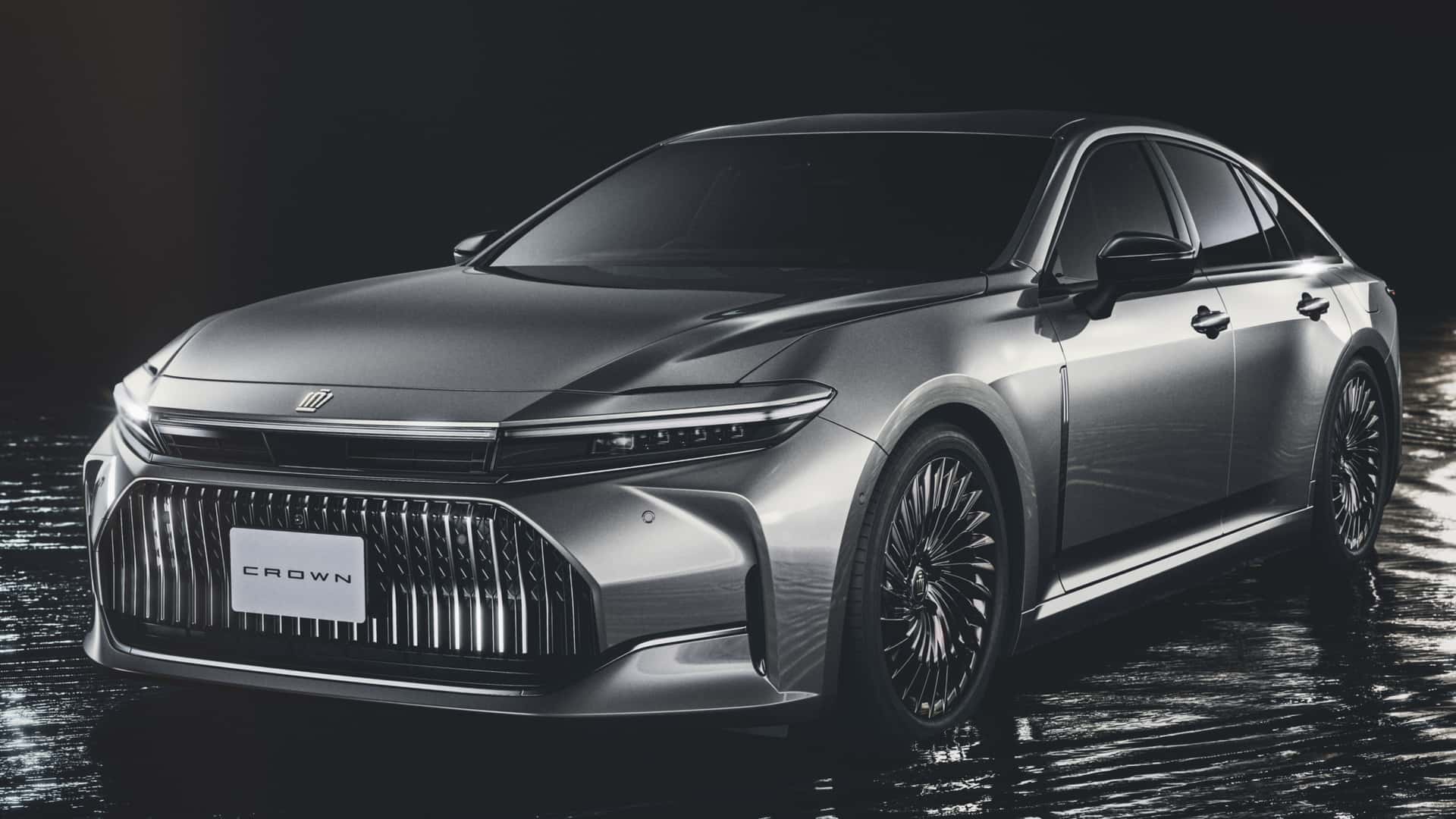
The 2024 Lexus RX 350h is the luxury hybrid counterpart to the Toyota Highlander, offering a refined and reliable midsize SUV experience. With a 17.2-gallon fuel tank and impressive efficiency, it achieves a driving range of approximately 619 miles. Its combination of smooth ride quality, advanced features, and strong fuel economy makes it a standout choice for highway driving and long trips in the luxury segment.
Powered by a 2.5-liter four-cylinder hybrid engine and a one-speed continuously variable transmission, the RX 350h produces 246 horsepower and 233 lb-ft of torque. All-wheel drive comes standard, allowing the F Sport Handling trim to reach 0-60 mph in 7.8 seconds.
While acceleration is adequate, it trails competitors such as the Genesis GV80 and Mercedes GLE 450. Braking performance is solid, with a firm, controllable pedal, but the RX is not particularly athletic on twisty roads, and its F Sport suspension offers limited handling advantage. The SUV tops out at 124 mph, and EPA ratings show 37 mpg city and 34 mpg highway.
The RX 350h cabin balances comfort and refinement. The F Sport trim includes adaptive suspension and supportive, bolstered seats that remain comfortable over long drives.
Climate control is intuitive, and interior noise is low, though some tire hum is noticeable. Rear seating provides reasonable space, though headroom is slightly limited for taller passengers. Entry and exit are straightforward thanks to its SUV-like seating position.
The RX features a sharp 14-inch touchscreen with crisp graphics and responsive controls. Optional upgrades include a 21-speaker Mark Levinson audio system. Wireless smartphone connectivity is standard, but navigation requires a subscription after a trial period. Lexus Safety System+ 3.0 comes standard, offering adaptive cruise control, lane keeping, and advanced driver aids with conservative but reliable performance.
Cargo space is 29.6 cubic feet behind the second row, with a simple, uncluttered layout. Front and rear storage is adequate, though some small items may rattle without lining. Second-row seats accommodate child seats easily, and the SUV can tow up to 3,500 pounds.
Starting just above $52,000, the RX 350h provides strong luxury value with impressive build quality, high fuel efficiency, and a well-equipped cabin. Warranty coverage includes four years/50,000 miles bumper-to-bumper and six years/70,000 miles for the powertrain, with one year of free maintenance.
4. 2024 Toyota Grand Highlander Hybrid
The 2024 Toyota Grand Highlander Hybrid expands the capabilities of the well-known Highlander by offering families a larger and more versatile three-row SUV with impressive efficiency.
Equipped with a 17.2-gallon fuel tank and strong hybrid performance, it can travel up to 619 miles on a single refill. Its spacious interior, generous cargo room, and family-friendly layout make it one of the most practical midsize hybrid SUVs available for long trips and everyday use.
The Grand Highlander Hybrid uses a 2.5-liter four-cylinder engine paired with a six-speed automatic transmission. It produces 245 horsepower and 177 pound-feet of torque in the standard setup and reaches 60 miles per hour in 7.8 seconds.
Fuel economy is excellent for a three-row SUV with ratings of 37 miles per gallon in the city and 34 on the highway. A second powertrain called Hybrid Max is available. It increases output to 362 horsepower and cuts the 0 to 60 mile per hour time to 6.1 seconds.
This version is noticeably more responsive and offers quicker acceleration than many V6 competitors. Handling is confident, and the optional torque-vectoring all-wheel drive system adds stability and improves traction on slippery roads.
Ride quality is plush. The suspension absorbs bumps and rough surfaces without creating an overly soft or floaty feel. The first and second rows are supportive and comfortable for longer drives. When equipped with second-row captain’s chairs, comfort improves even further.
The third row is a major upgrade compared to the regular Highlander, offering enough height and legroom for adults. Cabin noise levels are acceptable, although the base hybrid powertrain can sound strained under hard acceleration.
Visibility is strong due to slim roof pillars. Optional features such as a digital rearview mirror and a rotating surround-view camera system enhance maneuverability in tight spaces. Seating in all three rows is spacious, and drivers can easily find a preferred position.
A standard 12.3-inch touchscreen provides sharp graphics and quick reactions. Some screen reflections and menu complexity can be distracting. Toyota equips every Grand Highlander with its latest safety suite. Adaptive cruise control, lane keeping assistance, and voice recognition perform reliably and reduce driving stress.
Cargo capacity is one of the Grand Highlander Hybrid’s strengths. It provides 20.6 cubic feet behind the third row, 57.9 cubic feet behind the second row, and a maximum of 97.5 cubic feet with all rows folded.
This volume rivals or exceeds many competitors. Small-item storage is also well executed with deeper bins, generous cupholders, and convenient compartments in all three rows. Large rear-facing child seats fit easily in the second row, and the anchor points are simple to access.
Starting at 45,020 dollars, the Grand Highlander Hybrid delivers strong practicality, improved cabin materials, and excellent space for families. Soft-touch surfaces, better storage solutions, and enhanced trim choices give it an appealing feel without pushing it into full luxury territory.
Warranty coverage includes three years or 36,000 miles of bumper-to-bumper protection and five years or 60,000 miles for the powertrain. Two years of scheduled maintenance are also included.
5. 2024 Hyundai Sonata Hybrid
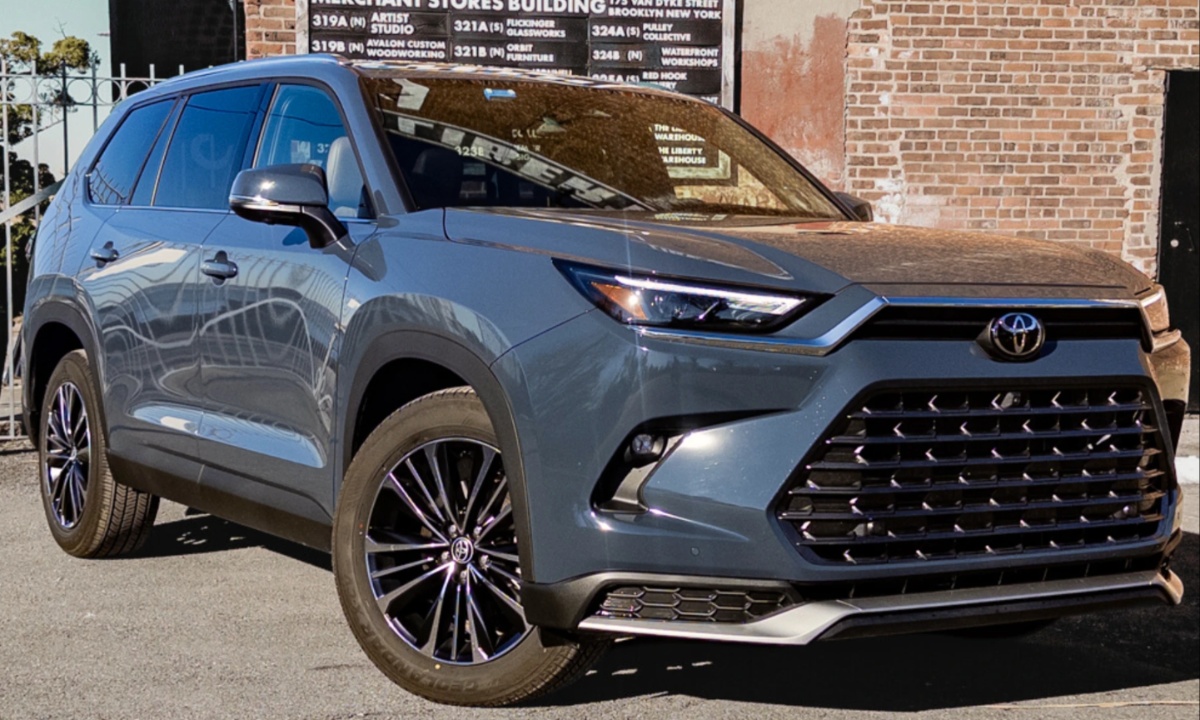
The 2024 Hyundai Sonata Hybrid combines sleek styling with exceptional fuel economy, creating a practical midsize sedan that appeals to commuters and families. With a 13.2-gallon fuel tank and excellent mileage ratings, it can travel up to 620 miles on one fill. Its futuristic exterior design, long-distance capability, and generous features make it a strong contender among hybrid sedans.
Performance focuses on efficiency rather than excitement. The Sonata Hybrid pairs a 2.0-liter four-cylinder engine with a six-speed automatic transmission for a total of 192 horsepower and 151 pound-feet of torque. It reaches 60 miles per hour in around 8.3 to 8.6 seconds, which is slightly slower than hybrid rivals such as the Honda Accord and Toyota Camry.
Around town the car feels lively, but acceleration becomes more modest at highway speeds. Braking is smooth, and the suspension provides a balanced blend of comfort and control. Steering feel and grip are less engaging, which makes the model better suited for relaxed driving.
Comfort is generally good, although the front seats can feel a bit firm on longer trips. Rear seating offers solid legroom, but the middle position is noticeably stiffer. Ride quality shines thanks to a suspension that absorbs bumps without feeling overly soft.
Road and wind noise are higher than average, and the engine becomes noticeable during highway cruising. Climate control performance is strong with effective cooling and clear temperature regulation.
The interior offers generous room for both front and rear passengers. Controls are easy to reach, and the standard 12.3-inch touchscreen delivers sharp graphics and quick responses. Visibility from the front and sides is good, though the sloping roofline and thick rear pillars reduce rear sightlines.
The infotainment system stands out with wireless Apple CarPlay and Android Auto plus an available surround-view camera system. Driver assistance features are comprehensive and well tuned, and the car provides helpful sideview cameras during lane changes.
Trunk space measures 16.0 cubic feet, competitive within the class. The wide opening and practical layout make loading simple, and the battery placement minimizes intrusion. Small-item storage is plentiful throughout the cabin. Child-seat installation is straightforward, though the upper anchors are slightly tight.
Hyundai’s value remains a major draw. The Sonata Hybrid includes many standard features along with an industry-leading warranty that covers five years or 60,000 miles bumper-to-bumper and 10 years or 100,000 miles for the powertrain. While some interior materials feel less refined than competitors, the car’s efficiency, technology, and long-distance range strengthen its appeal.
Also Read: 10 Cars With Simple Controls for Winter Gloves
6. 2024 Lexus LC 500h
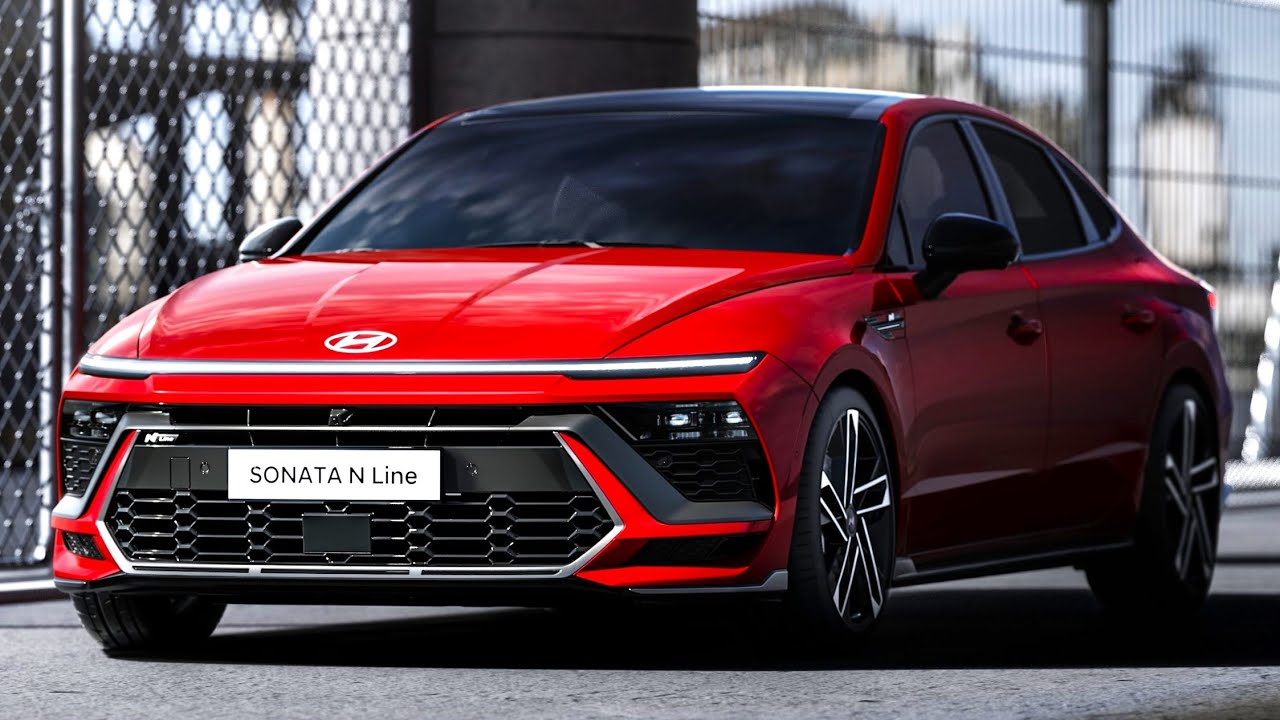
The 2024 Lexus LC 500h stands out as a luxury hybrid coupe that blends long-distance capability with premium craftsmanship. Known for its dramatic styling and refined driving character, the LC 500h delivers a remarkable estimated driving range of 644 miles thanks to its 22.2-gallon tank and efficient hybrid powertrain.
With city mileage of 26 miles per gallon and highway mileage of 33, it offers an uncommon mix of performance and fuel economy for a vehicle in the high-end sports luxury segment.
Power comes from a 3.5-liter V6 hybrid system paired with a smooth 10-speed automatic transmission. The LC 500h produces 471 horsepower and 398 pound-feet of torque, enabling a 0 to 60 mile per hour sprint of 4.7 seconds and a top speed of 168 miles per hour.
While the hybrid model emphasizes refinement, the LC lineup is known for rewarding acceleration, linear power delivery, and a balanced driving feel. Steering is direct, and the suspension prioritizes comfort while maintaining confident response.
Braking performance is well controlled and provides smooth stopping in daily use. The transmission occasionally hesitates at low speeds but remains composed during most driving situations.
Ride comfort is a major highlight. The LC absorbs bumps gracefully and maintains poise on uneven pavement. Seating is excellent, offering supportive shaping, effective ventilation, and additional neck-level heating for top-down driving in cooler weather. Cabin noise is minimal, allowing for easy conversation regardless of roof position.
Inside, the LC benefits from a significant usability update. A new 12.3-inch touchscreen replaces the previous touchpad interface, improving clarity and simplifying control of most functions.
The driving position is well arranged, visibility is reasonable for a low coupe, and entry is easier than expected due to accessible seat height and wide door openings. Space can feel tight for some passengers, but the cabin layout creates a comfortable and focused environment.
Technology features include Apple CarPlay, Android Auto, clear native navigation, and effective voice commands. Standard driver aids such as adaptive cruise control and lane keeping assistance function reliably, though the absence of a surround-view camera is noticeable in a vehicle at this price point.
Storage is one of the LC 500h’s weakest areas. Trunk space is shallow and limited, suitable only for small bags. Cabin storage is minimal, with tight door pockets and limited console room. Even so, the LC 500h impresses with its blend of efficiency, luxury, and long-range touring capability.
7. 2024 Toyota Prius
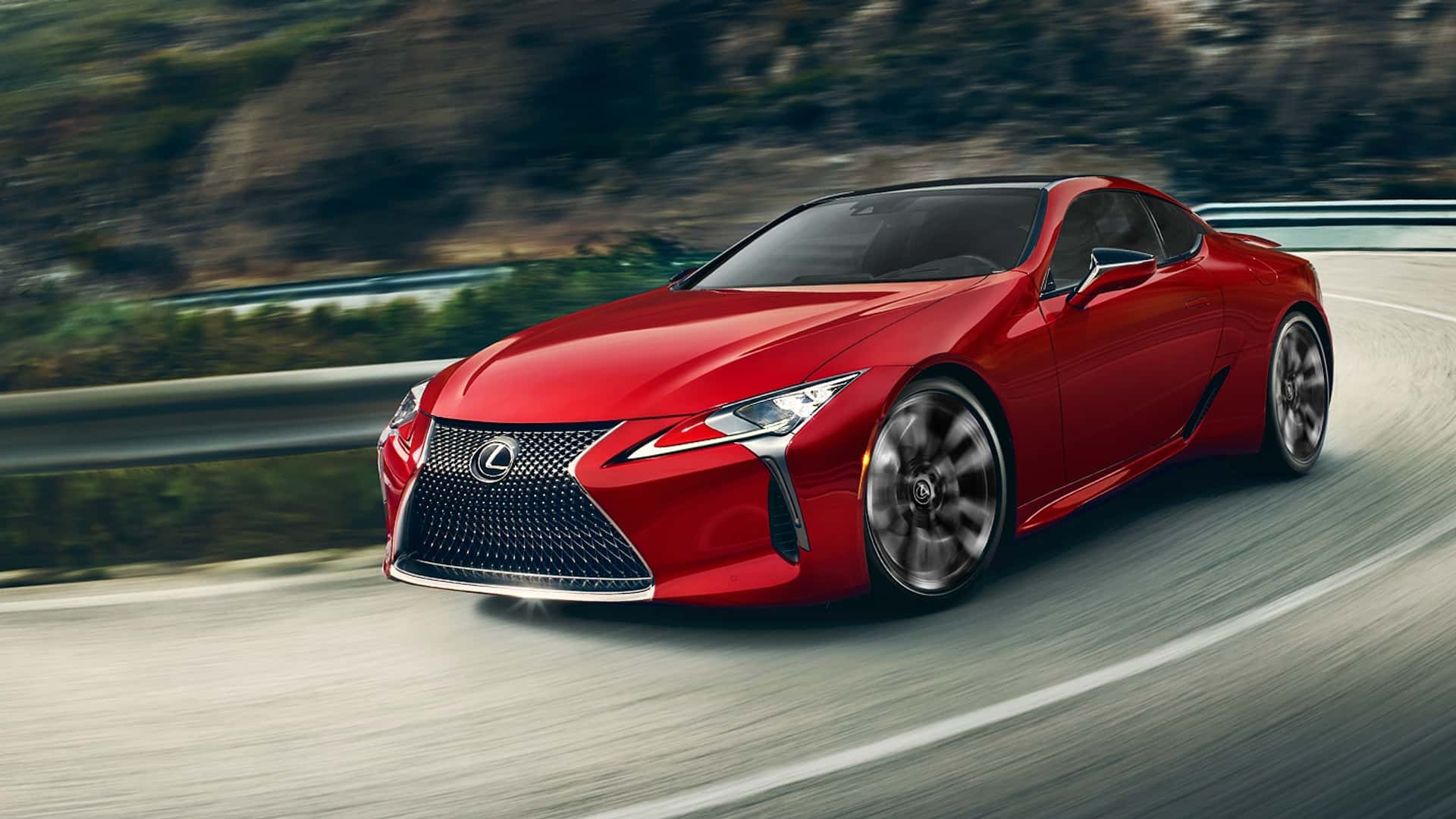
The 2024 Toyota Prius receives a major redesign that boosts power, sharpens styling, and preserves the exceptional efficiency that has defined the model for decades. Sleek lines, a stronger hybrid system, and a far more engaging driving character help modernize a nameplate once known primarily for practicality.
With an 11.3-gallon tank and outstanding fuel economy, the Prius can travel up to 644 miles on a single fill, making it one of the strongest choices for long-distance drivers and daily commuters.
A 2.0-liter four-cylinder hybrid engine paired with a two-speed electronically controlled CVT produces 196 horsepower and 139 pound-feet of torque. In testing, it reaches 60 miles per hour in 7.2 to 7.7 seconds, which is quicker than many competitors in the hybrid compact segment.
Acceleration from a stop is smooth, and transitions between electric and gasoline power are nearly seamless. The Prius feels stable in corners, though the efficiency-focused tires limit grip. With better tires, it could even deliver some genuine fun on twisty roads. In everyday driving, the Prius remains easy and predictable.
Ride comfort is commendable. The front seats provide enough support for extended trips, while the suspension effectively soaks up bumps and broken pavement.
The rear seats are comfortable but do not recline, and noticeable tire, wind, and engine noise under strong acceleration reduces cabin refinement. Single-zone climate control is standard, but most trims include heated front seats, and the Limited trim adds ventilation.
Inside, the Prius features a conventional dashboard layout with well-placed controls and an available 12.3-inch touchscreen that offers a clean interface, quick responses, wireless Apple CarPlay and Android Auto, and Google-based navigation.
The digital instrument cluster, however, can appear cluttered and is partially blocked for some drivers due to its unusual placement. Getting into the rear seats requires ducking because of the low roofline, and taller passengers may find headroom limited. Rear visibility is also restricted by the angled window and thick pillars.
Cargo space measures 20.3 cubic feet behind the rear seats, with a useful hatch opening but no underfloor storage. Small-item storage is thoughtful, including a deep center console and a rubberized shelf.
Fuel economy remains the Prius’ greatest strength, with EPA estimates up to 57 mpg combined and real-world tests closely matching those numbers.
Toyota’s hybrid warranty coverage is extensive, and two years of free maintenance add value. Pricing on higher trims reaches into territory where larger hybrid sedans and SUVs compete, but efficiency-minded drivers will still find the Prius compelling due to its modern design, strong mileage, and improved drivability.
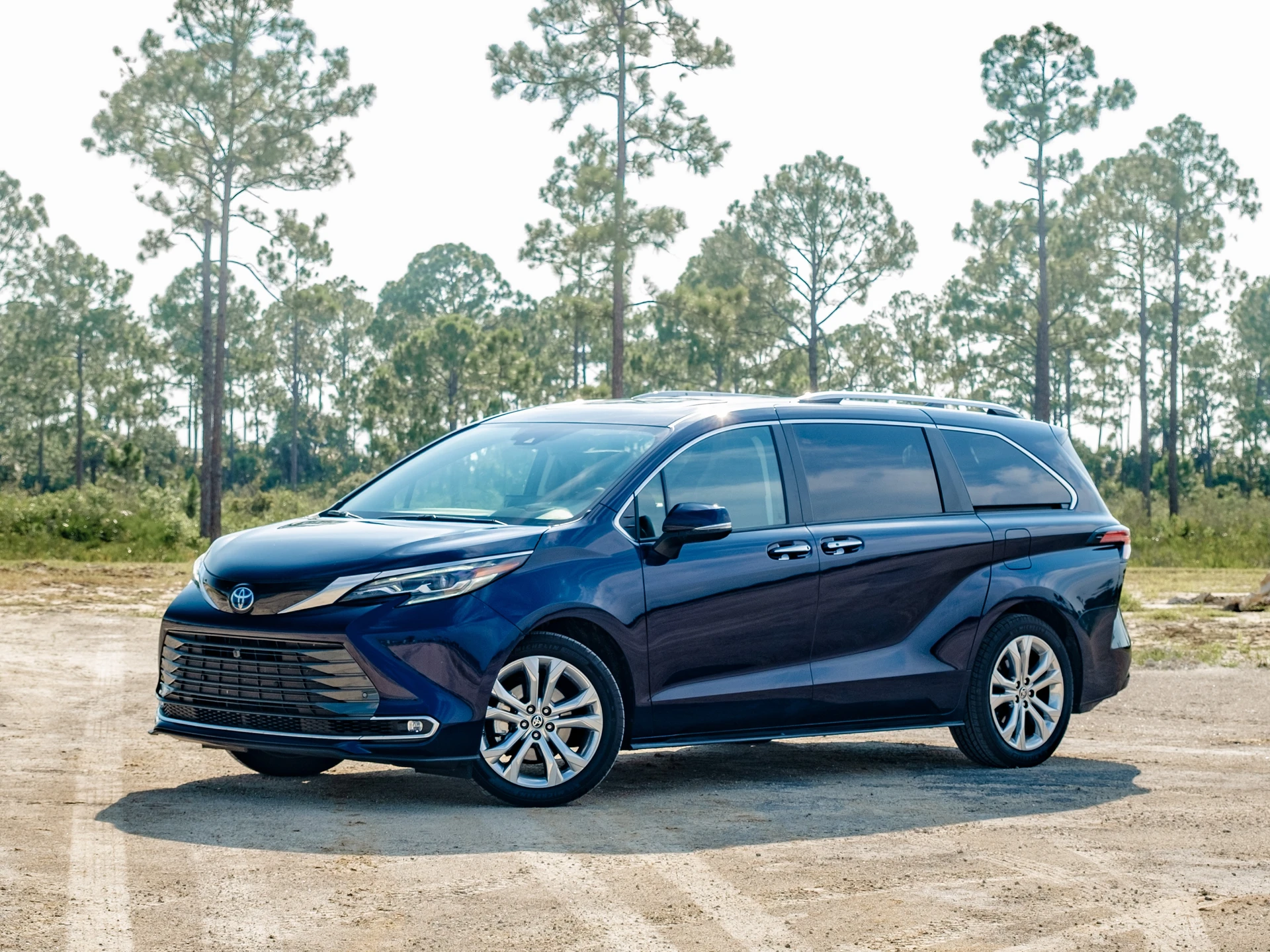
8. 2024 Toyota Sienna
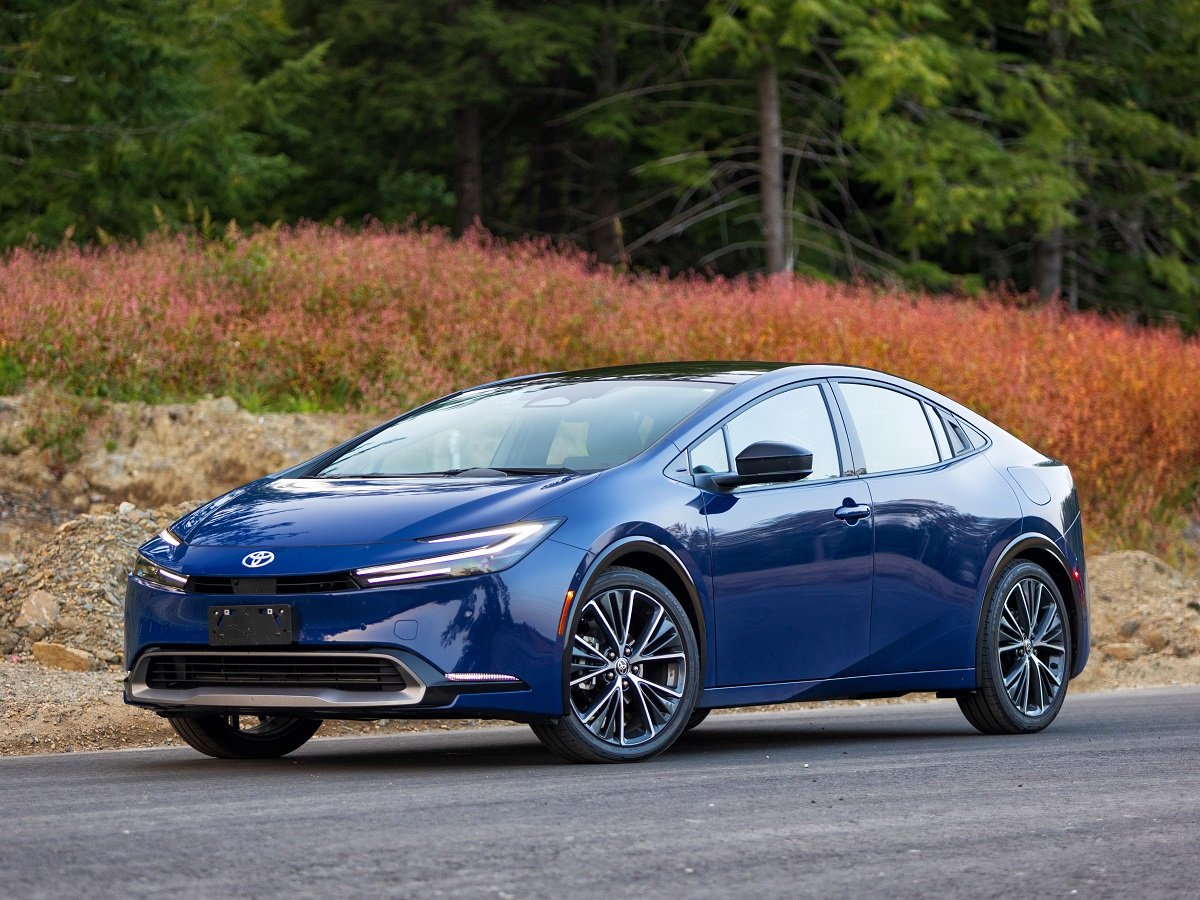
The 2024 Toyota Sienna stands out as one of the most fuel-efficient and family-friendly minivans available. As one of the few hybrid models in the segment, it combines practicality with exceptional gas mileage.
With its 2.5-liter four-cylinder hybrid engine and electronically controlled CVT, output totals 245 horsepower and 176 pound-feet of torque. The Sienna takes 7.9 seconds to reach 60 miles per hour and returns 36 miles per gallon in both city and highway driving. An 18-gallon tank enables a travel distance of up to 648 miles, making it an excellent companion for road trips.
Comfort is a strong attribute. The driver’s seat offers extensive adjustability, and available ottoman-style footrests in the second row create a premium, lounge-like experience. A four-zone climate system is available and does a superb job regulating cabin temperature. The cabin remains quiet under light loads, though the engine becomes noticeably loud when pushed, a common trait of hybrid CVT setups.
Inside, the Sienna excels in layout and usability. The seating position is accommodating, entry and exit are easy, and the digital rearview mirror and optional surround-view camera system boost visibility. The central touchscreen is large and responsive, though glare can be an issue and some controls are positioned a bit far from the driver. The hands-free sliding doors and rear hatch add everyday convenience.
Technology is intuitive and well integrated. Physical buttons complement the touchscreen, and the built-in navigation system is clear and accurate. Voice commands work reliably, and wireless smartphone integration comes standard. USB ports are abundant across all three rows, and the driver-assistance suite performs smoothly with well-tuned adaptive cruise control.
Storage capability is impressive. A deep cargo well behind the third row and easily foldable seats allow for flexible loading options. The second row does not fully remove, which limits maximum cargo volume compared to some competitors, but everyday usability remains excellent.
Interior storage solutions include 16 cupholders, multi-level door pockets, and a large open shelf between the front seats. Child seat installation is straightforward thanks to accessible anchors and well-placed buckles.
Fuel economy is a major highlight. Testing shows the Sienna can exceed EPA estimates significantly, delivering remarkable efficiency for such a large vehicle. Build quality feels solid and materials are pleasant to the touch. Toyota’s hybrid warranty coverage and two years of free maintenance enhance long-term value, making the Sienna a highly appealing choice for families prioritizing space, efficiency, and comfort.
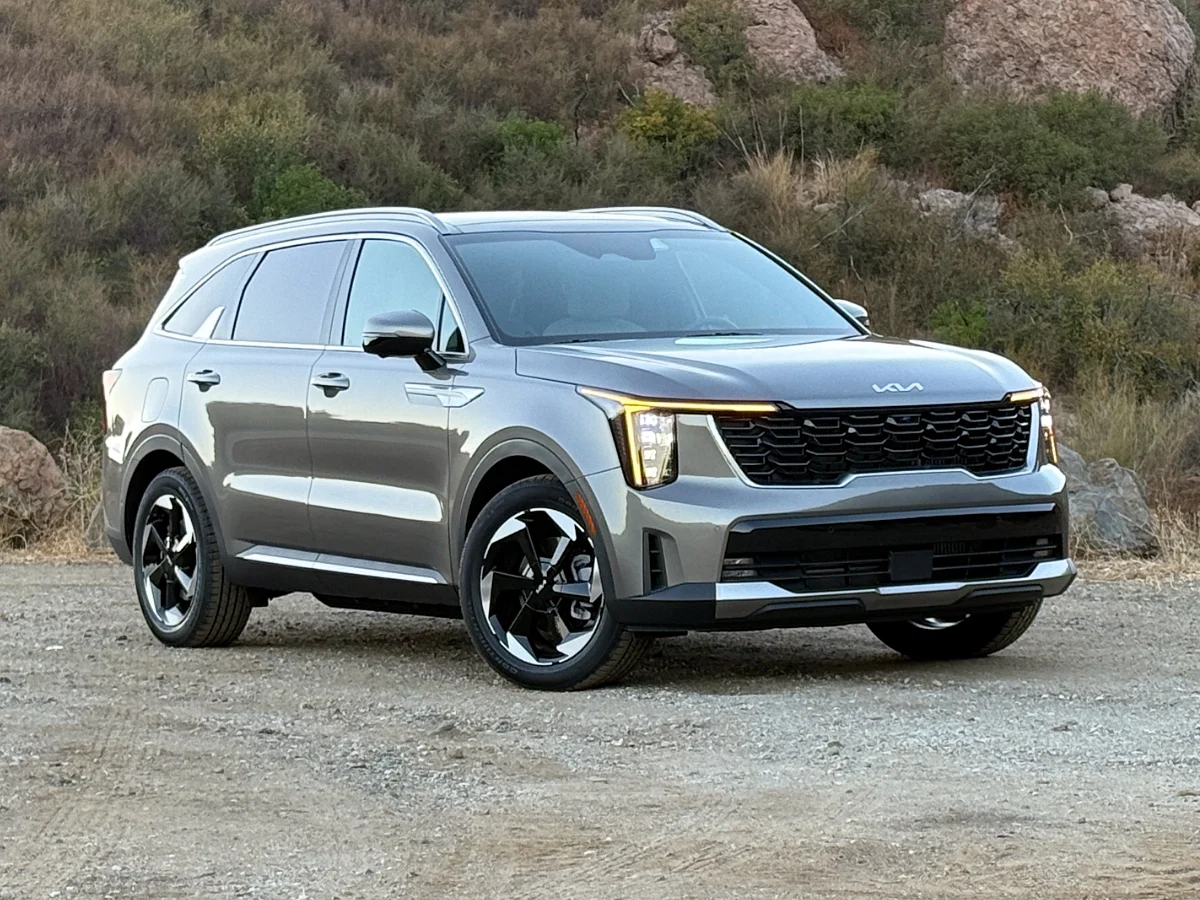
9. 2025 Kia Sorento Hybrid
The 2025 Kia Sorento Hybrid brings efficiency, value, and practicality to the midsize SUV segment. It pairs a 1.6-liter turbocharged four-cylinder hybrid engine with a six-speed automatic transmission, producing 227 horsepower and 258 pound-feet of torque.
With an estimated 36 miles per gallon in both city and highway driving and a 17.7-gallon fuel tank, the Sorento Hybrid can travel up to 655 miles on a full tank. This long driving range makes it especially appealing for families and frequent travelers. New exterior colors, including Cityscape Green and Interstellar Grey, give the latest model a more striking visual presence.
On the road, the Sorento Hybrid delivers quick and smooth acceleration. A test run reached 60 miles per hour in 7.6 seconds, which is competitive for a three-row hybrid SUV. The automatic transmission shifts cleanly, the brake pedal feels natural, and stopping distances are short.
Ride quality remains composed on the highway, and visibility is strong thanks to large windows and an available surround-view camera system. Driver assistance features perform consistently well, though rear cross-traffic alerts can be overly cautious.
Comfort is a highlight. The front seats offer heating, ventilation, and generous adjustment. The second-row captain’s chairs are supportive, and the third row, while smaller, can accommodate adults for shorter trips.
Cabin insulation is impressive, resulting in a quiet interior even at higher speeds. Access to the first two rows is simple, though reaching the third row requires more effort. Passenger space is better than expected for a vehicle of this size, especially in the second row.
Technology is modern and easy to use. A 12.3-inch touchscreen and digital instrument panel show sharp graphics, and navigation is intuitive. Wireless Apple CarPlay and Android Auto are standard. The Bose audio system is serviceable but not exceptional, and the voice command system lacks the flexibility found in some rivals. Multiple USB ports and wireless charging support device-heavy households.
Cargo capacity is modest with the third row in place at 12.6 cubic feet, but it expands significantly when the rear seats are folded. Interior storage spaces are plentiful and well thought out.
Kia’s strong warranties add peace of mind, and build quality feels solid. The Sorento Hybrid may not be the flashiest option, but its mix of range, comfort, and practicality makes it a smart choice for families seeking efficiency without sacrificing capability.
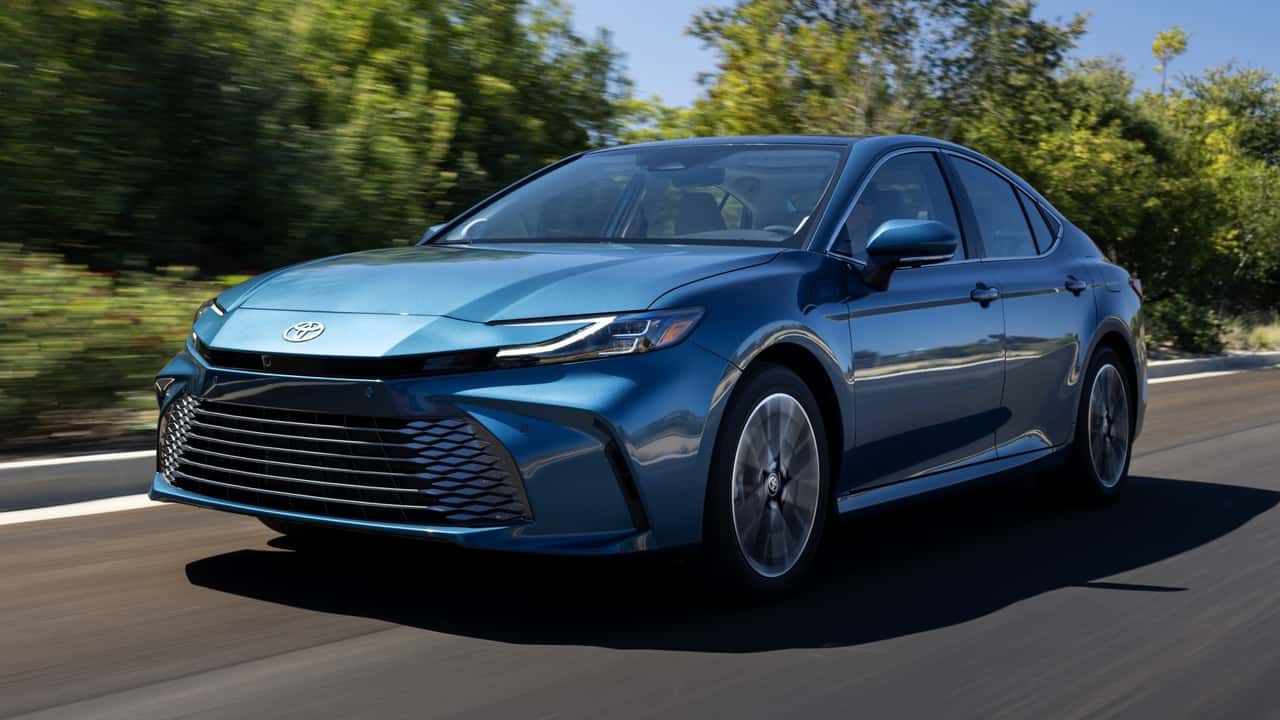
10. 2025 Toyota Camry Hybrid
The 2025 Toyota Camry Hybrid continues Toyota’s strong record in hybrid engineering, offering excellent fuel economy, solid performance, and broad appeal for families and commuters.
With a 2.5-liter four-cylinder hybrid engine paired with a continuously variable automatic transmission, it produces 225 horsepower and 163 pound-feet of torque. The Camry Hybrid accelerates to 60 miles per hour in about 7 seconds, placing it ahead of several rival midsize hybrid sedans. Efficiency remains a standout trait.
With 53 miles per gallon in the city, 50 miles per gallon on the highway, and a 13-gallon tank, the Camry Hybrid can travel up to 663 miles, making it one of the longest-range non plug-in hybrid sedans on the market.
On the road, the Camry Hybrid feels composed and responsive. Steering is precise, braking is smooth, and the suspension delivers a balance between comfort and control.
The XSE trim shows slightly more agility due to its sport-tuned setup, but all versions feel stable during everyday driving. Toyota’s most advanced safety technology comes standard or available, including features that adjust speed in traffic and assist with low-speed hands-free capability under specific conditions.
Interior comfort is strong, though the front seats may feel firm initially. Support is excellent on long drives, and headroom is generous thanks to the flat roofline. Entry and exit are easy due to wide door openings and upright seating.
Rear passengers benefit from ample space, and car seat installation is uncomplicated due to accessible anchors. Cabin noise is low at cruising speeds, although the engine becomes coarse when pushed.
Technology integration is a high point. Most trims include a 12.3-inch touchscreen with wireless Apple CarPlay and Android Auto. Device connectivity is reliable, and the wireless charger functions consistently. The available JBL audio system is improved from past models, though some competitors offer richer sound quality.
Cargo space measures 15.1 cubic feet, suitable for luggage or weekly errands. Small-item storage is particularly well designed, with thoughtful bins and large door pockets. Toyota’s hybrid-only approach for the 2025 model provides a wide range of trims at varied price points, offering strong value supported by two years of complimentary maintenance and roadside assistance.
The latest Camry Hybrid adds sharper styling and improved dynamics, giving the popular sedan renewed character while maintaining its reputation for dependability and efficiency.
Choosing a hybrid does not mean giving up confidence or comfort at highway speeds. The vehicles in 10 Hybrids That Feel Normal at Highway Speeds prove that hybrid technology can be efficient, practical, and enjoyable to drive.
Each model delivers smooth acceleration, composed handling, and strong braking performance that make long trips less stressful. Whether you prefer a sedan, SUV, or minivan, these hybrids provide spacious interiors, modern technology, and long driving ranges that minimize fuel stops.
They also offer features such as advanced driver-assistance systems, connected infotainment, and comfortable seating for all passengers. These cars demonstrate that hybrids can meet the demands of daily driving and extended journeys while remaining environmentally friendly and cost-effective.
With careful design and engineering, today’s hybrids combine the best of fuel efficiency and driveability. These ten vehicles show that hybrid driving no longer requires compromise and can feel completely normal on the highway.
Also Read: 5 Cars That Stay Cool Parked in Sun vs 5 Oven-hot Cabins