
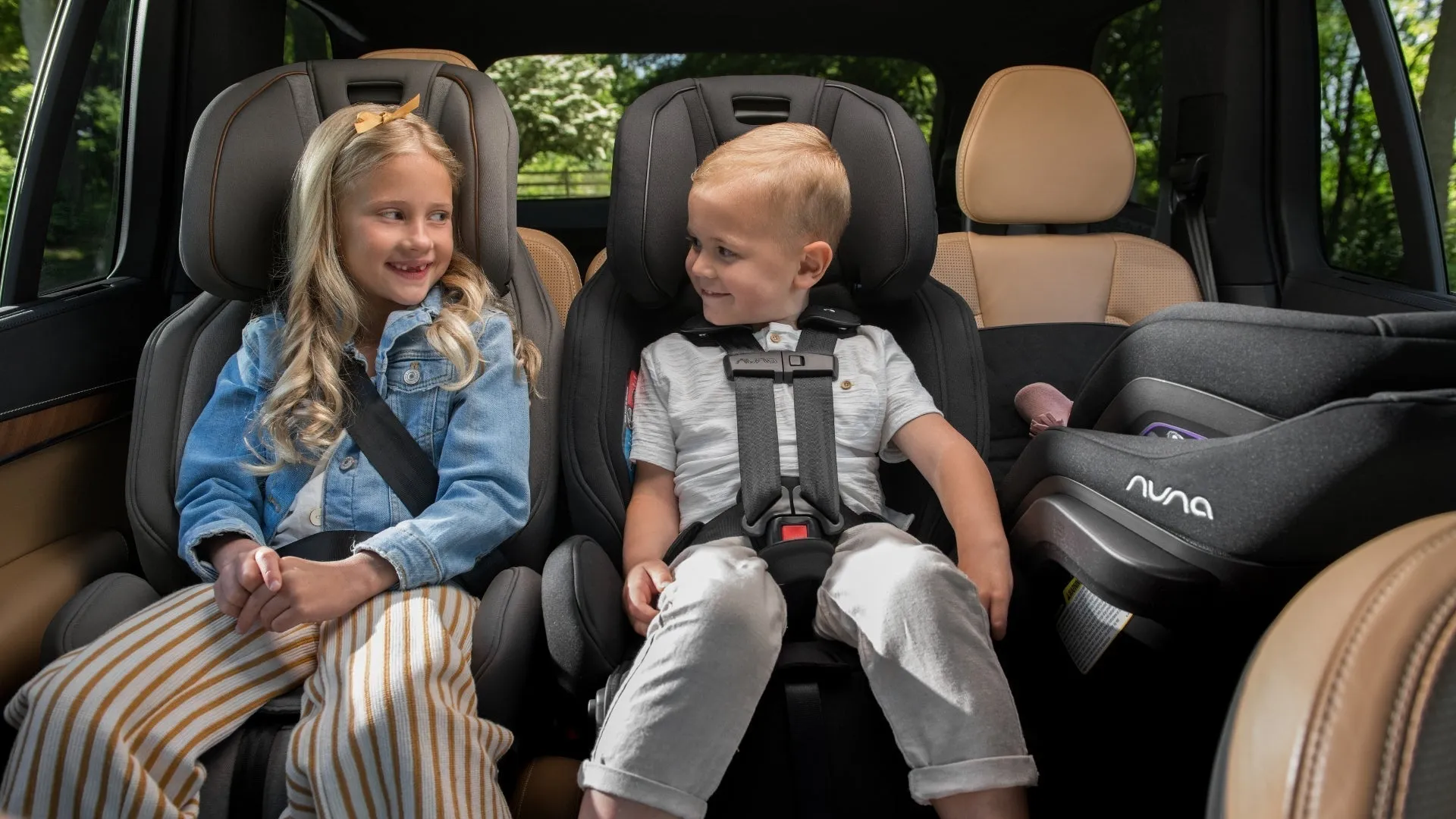
Many parents understand how draining it can feel when you have to stretch, curve, or bend your body every single school morning just to help your child buckle a seatbelt. It is one thing to ensure safety, but it is another thing entirely when the back seat is designed in a way that makes simple tasks harder than they should be.
Some cars make life a lot easier because the belt position is clear, the latch stays up, the buckle is firm, and the seating layout is open enough for young hands to manage without strain.
There are also cars where children keep fumbling around, asking for assistance because the buckles sit too low, sink into the seat,s or get covered by soft cushioning.
Parents who deal with daily school runs know how small design choices shape daily routines. Even a quick grocery trip is smoother when a child can complete their seatbelt without calling an adult from the driver’s seat or the house door.
A good layout makes independent buckling possible, allowing young passengers to develop simple confidence with basic tasks. A poor layout can slow everything down, cause frustration, and keep everyone waiting.
This guide brings together ten cars to give a clearer picture of which ones create easier moments and which ones demand extra hands. Five models fall in the group where children usually manage seatbelts without delay, while the other five tend to require adult help due to their seating design.
You will get detailed explanations, letting you understand how each car behaves in daily use and how its back seat affects your child’s independence. Now, let us begin the first set.
5 Cars With Back Seats Kids Can Buckle Alone
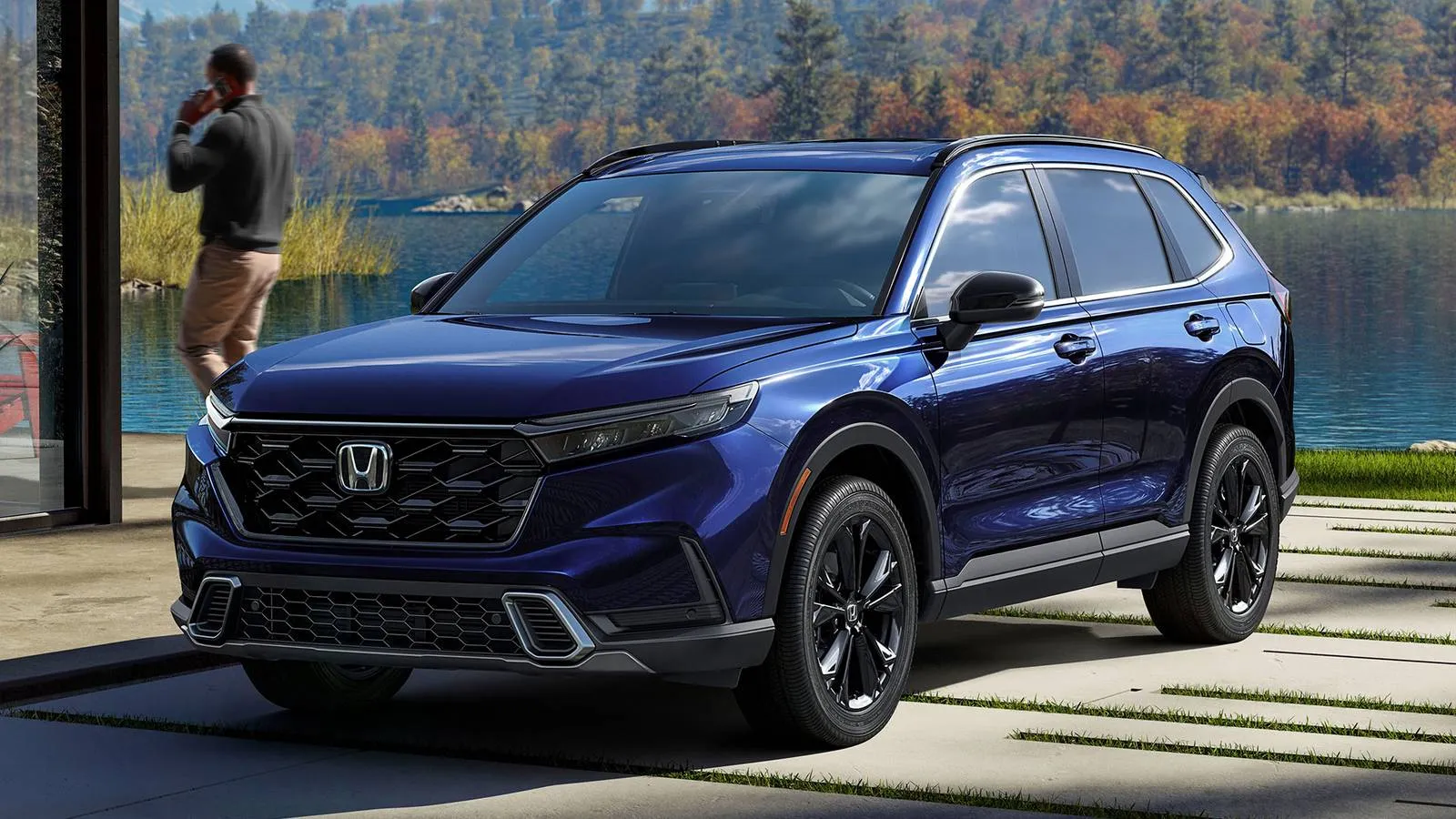
1. Honda CR-V EX
A child-friendly back seat makes a major difference, and the Honda CR-V EX proves it through simple design rather than fancy ideas. When a young passenger climbs into the rear bench, the belt receivers stay upright instead of falling sideways. This alone gives children confidence because they know exactly where their hands should go.
They do not need to dig under the seat cushion or push soft padding out of the way. Many parents talk about how little effort is required to guide a new user. Once the child places the buckle near the slot, it lines up cleanly without flopping around.
Another detail that helps is the roominess. Children can move their elbows freely instead of squeezing their arms between the door trim and the seat base.
Because the CR-V EX uses a wider bench than many crossovers in its category, younger passengers stay comfortable enough to focus on fastening their belts instead of adjusting their sitting posture again and again.
The angle of the belt also suits smaller hands. It does not curve easily, and the material feels firm enough to grip without slipping. Parents who carry booster seats also notice the convenience. Some cars hide their buckles when boosters sit on them, but the CR-V EX leaves enough clearance to keep the buckle visible.
During school pickups, this matters. Children want quick actions. They want to enter, sit, and click the belt without delays. The CR-V EX supports that mindset, creating smoother routines for families that travel with active kids.
Even when you place three passengers in the back, many still find space to buckle without calling an adult. That simple independence makes daily movement calmer and faster for everyone involved.
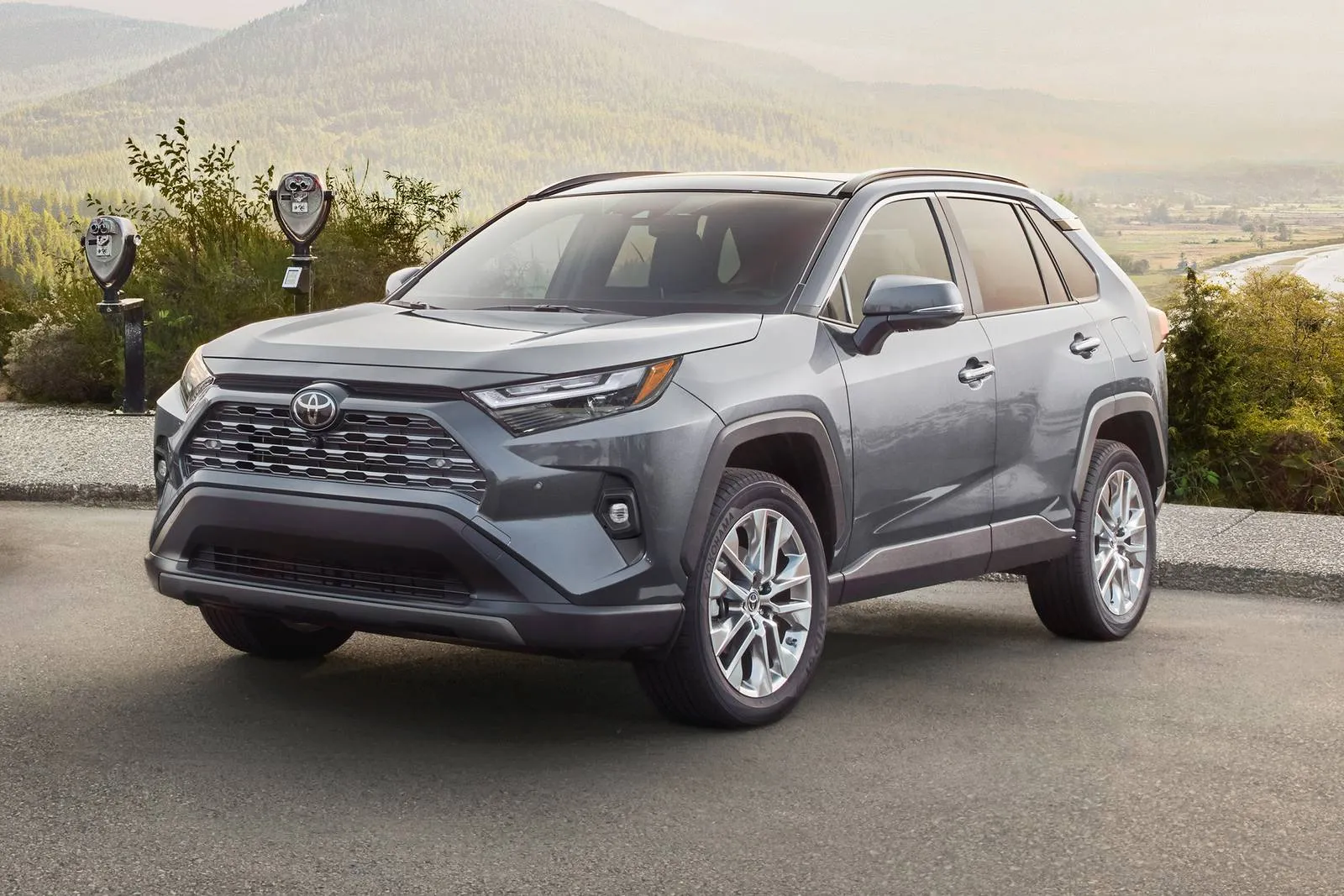
2. Toyota RAV4 XLE
Families searching for a car that children enjoy using often end up appreciating how the Toyota RAV4 XLE sets up its rear seat. Once a child enters, the belt receiver sits tall and steady. The slot also faces slightly outward instead of leaning inward toward the seat cushion.
This position reduces fumbling, especially for small hands that cannot lift heavy padding or dig through tight gaps. Even younger passengers who recently learned how to buckle themselves feel encouraged because they can see exactly where to insert the latch.
Another strength of the RAV4 XLE is its seat shape. The cushions do not swallow the buckle, and the contours stay firm even when the vehicle carries several passengers.
Some vehicles use soft plush padding that swallows the latch once someone sits on it, but the RAV4 XLE keeps its trims stable. This helps children complete their belt with minimal shifting around.
Parents also enjoy how booster seats work inside this model. Since the bench sits slightly higher, children feel closer to the belt path. They do not need you to reach across them or hold the buckle upright while they attempt to click it in. The entire process becomes smooth because everything stays accessible.
Even during busy mornings when everyone is rushing and bags are sliding around, the RAV4 XLE back seat keeps the belt within reach. Children who are eager to prove they can handle simple duties enjoy the freedom this vehicle provides.
They sit down, pull the belt, place the latch, and click it with little delay. That independence helps parents save energy for bigger tasks during the day.
Also Read: 5 Road-Trip Cars That Keep Kids Happy vs. 5 Meltdown Machines
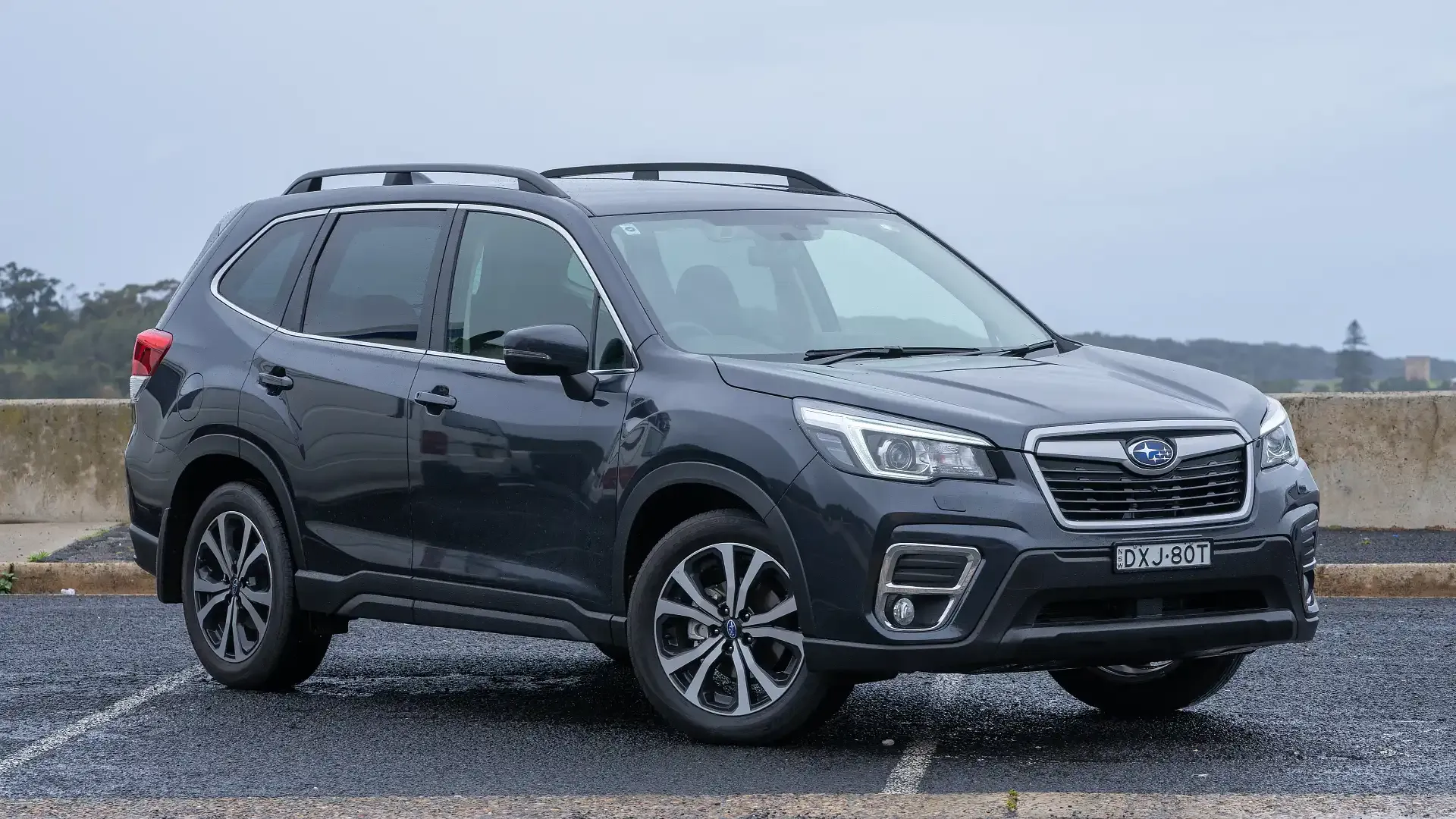
3. Subaru Forester Premium
Families who want a car that supports young passengers will likely enjoy how the Subaru Forester Premium designs its rear bench. Children often find the belt receiver easy to reach since it rises above the seat cushion instead of sinking when pressure is applied.
Young hands can grip it without tilting their bodies or sliding awkwardly across the seat. This kind of stability helps children stay calm and focused, especially those who get frustrated easily when seats feel too soft or buckles hide themselves under padding.
The Forester Premium also uses strong seat shapes that keep the buckle area open. Some vehicles pack their seats with deep cushioning, making it hard for new buckle users to align the latch. In this Subaru, the belt receiver holds a steady position.
Kids do not need adult supervision once they master the motion. Many parents enjoy seeing how quickly their child picks up confidence because the seat layout encourages independence.
Another highlight is the legroom. Extra space gives children the freedom to adjust their bodies before fastening their belts.
When the cabin feels spacious, kids do not feel rushed or trapped, which reduces the chance of them asking for assistance. Even longer rides remain peaceful because nothing pushes the belt into odd positions.
Booster seats fit comfortably inside the Forester Premium as well. The seat material stays supportive, allowing the buckle to remain visible even when a booster applies pressure.
Families with siblings or school groups appreciate this because no adult needs to reach across multiple passengers just to help one child click their belt. The process becomes simple, predictable, and stress-free.
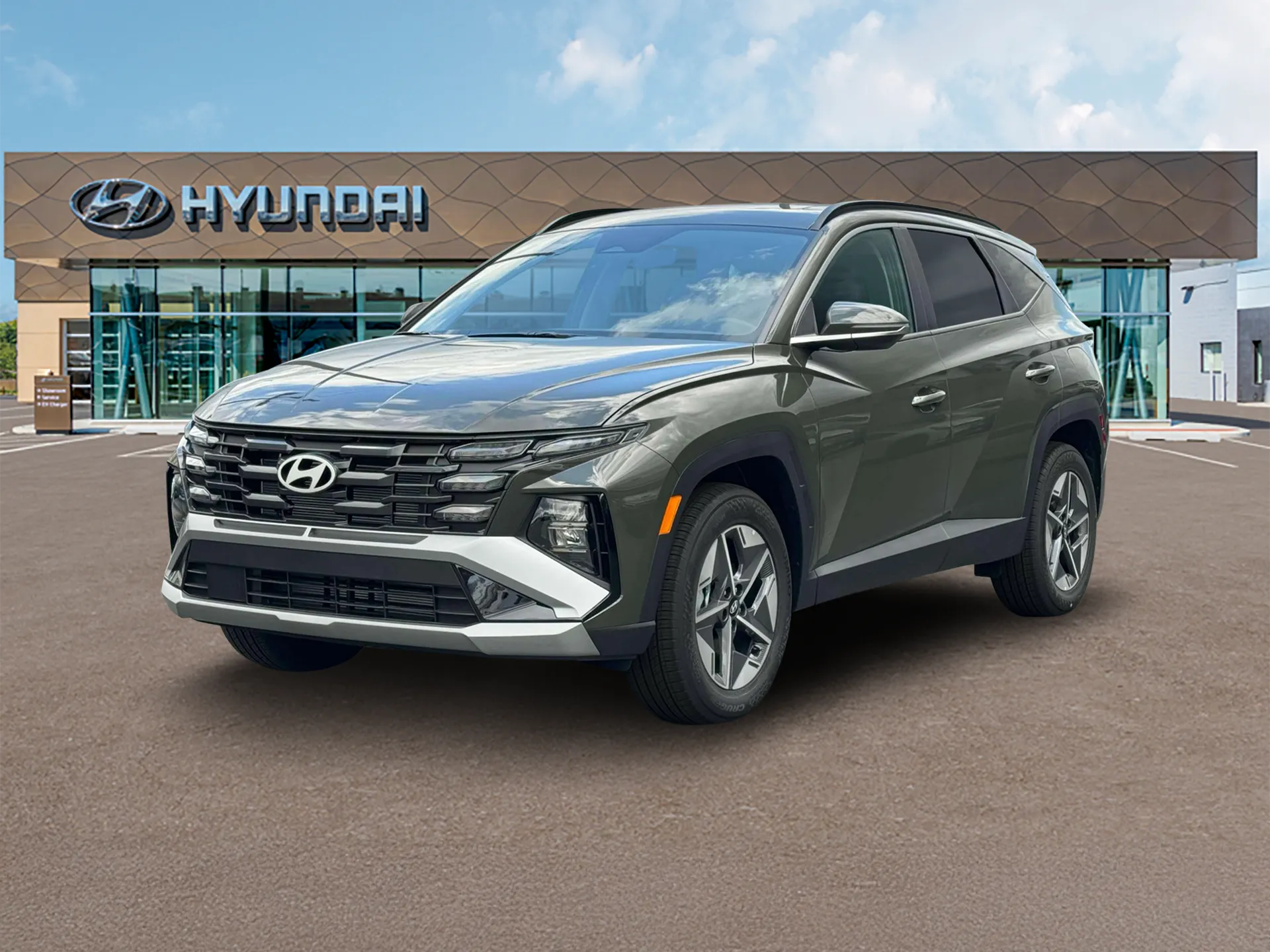
4. Hyundai Tucson SEL
Back seat accessibility is one of the strongest features in the Hyundai Tucson SEL. Children who sit at the back often praise how easy it feels to buckle their belts, even when carrying backpacks or jackets.
The belt receiver sits upright with a strong base that keeps it from sinking into the cushion. Young fingers can slide the latch in without shaking or bending the buckle to get the right angle.
The Tucson SEL also gives children a comfortable seating height. When a child sits too low in certain vehicles, the belt angle becomes awkward. In this model, the seat height stays balanced so the belt passes across the body correctly while remaining simple to click. Many young passengers enjoy being able to reach everything without stretching.
The width of the bench also plays an important role. Children sitting with siblings do not feel squeezed, which helps reduce distractions.
When children sit comfortably, they focus on fastening their belt instead of struggling for elbow space. The Tucson SEL offers enough room for bags, lunch boxes, and jackets without causing the buckles to disappear under the weight.
Booster seats also perform nicely here. The belt receiver stays accessible even with large boosters on the sides. When a child climbs into a booster, they can still see and reach the buckle clearly. That reduces the amount of adult intervention during daily trips, making the school run faster and calmer.
Parents who want a stress-free routine often enjoy how cooperative the Tucson SEL feels. Its back seat design works with children rather than against them. This small advantage makes a big difference on busy days when every saved second helps.
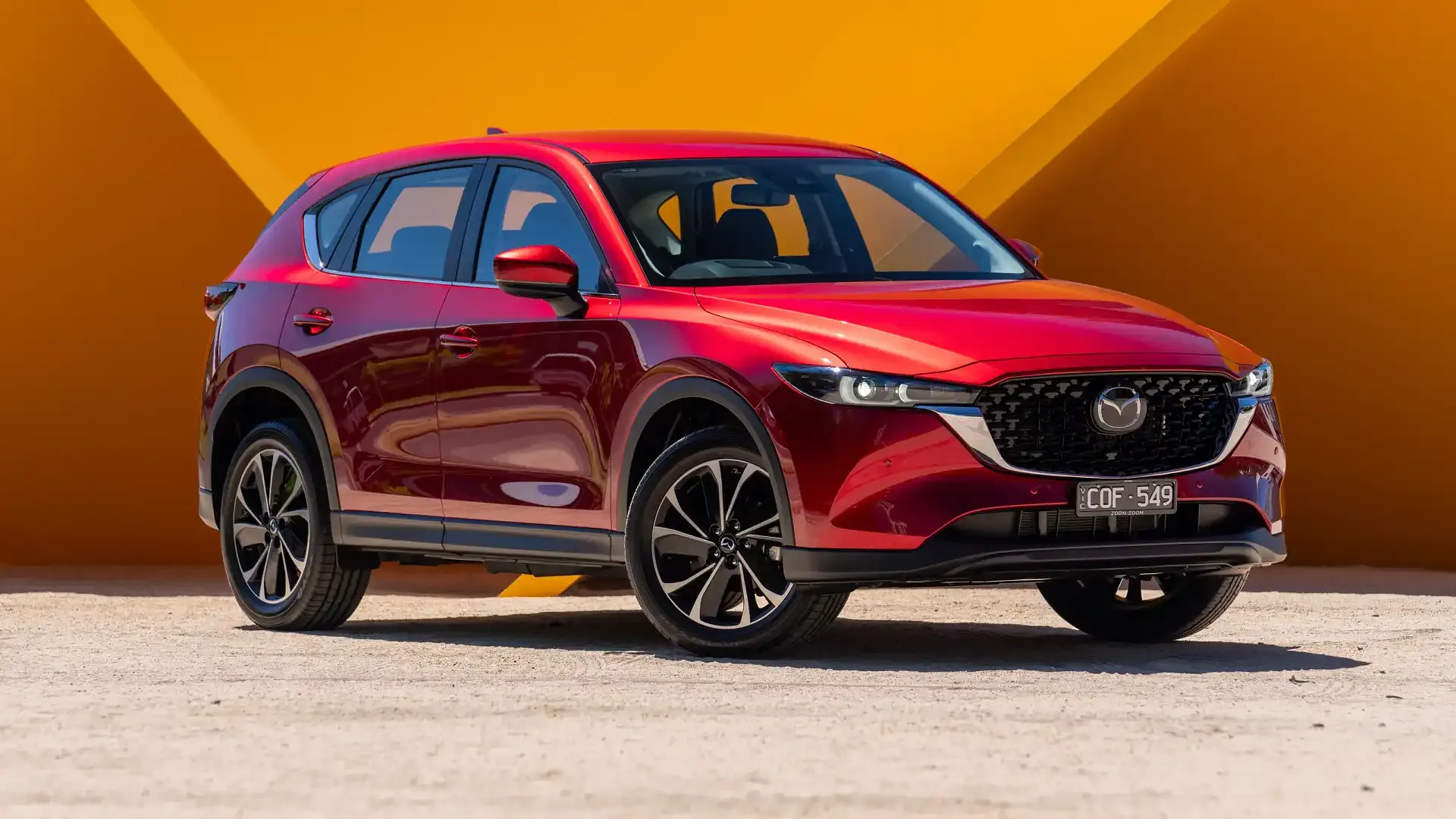
5. Mazda CX-5 Touring
Families who ride in the Mazda CX-5 Touring often speak about how calm their routines become once children learn how easy its rear belts are to manage. When a child sits down, the belt receiver stays visible because the seat cushion does not swallow it.
Instead, the buckle sits high enough for small hands to guide the latch straight into the slot. The firmness of the cushion also keeps everything stable, so children do not need to struggle with shifting the padding.
One thing parents appreciate is the way the seat materials stay supportive even after years of use. Soft seats in some models slowly sink, but the CX-5 Touring maintains a balance that keeps the belt receiver where children expect it to be.
When a belt stays predictable, young passengers learn to buckle themselves faster than in vehicles where the latch disappears into a deep gap.
Elbow room is another big advantage. Children do not feel squashed together, giving them enough space to move their hands freely.
When the cabin encourages movement instead of restricting it, the process of fastening a belt becomes more natural. Young passengers develop the habit quickly because nothing gets in their way.
Booster seats also blend nicely with the CX-5 Touring bench. Since the base stays firm, boosters do not tilt in ways that hide the buckle. This setup is especially helpful for families with several children who buckle themselves at different speeds.
Parents do not need to stretch across the back seat to help one child fix a hidden latch. Kids remain in control of their own belts, making morning routines easier.
Mazda’s attention to seating comfort helps families build a smooth rhythm. Children feel confident, adults save time, and daily travel becomes easier to manage.
5 Cars That Need Adult Help to Buckle
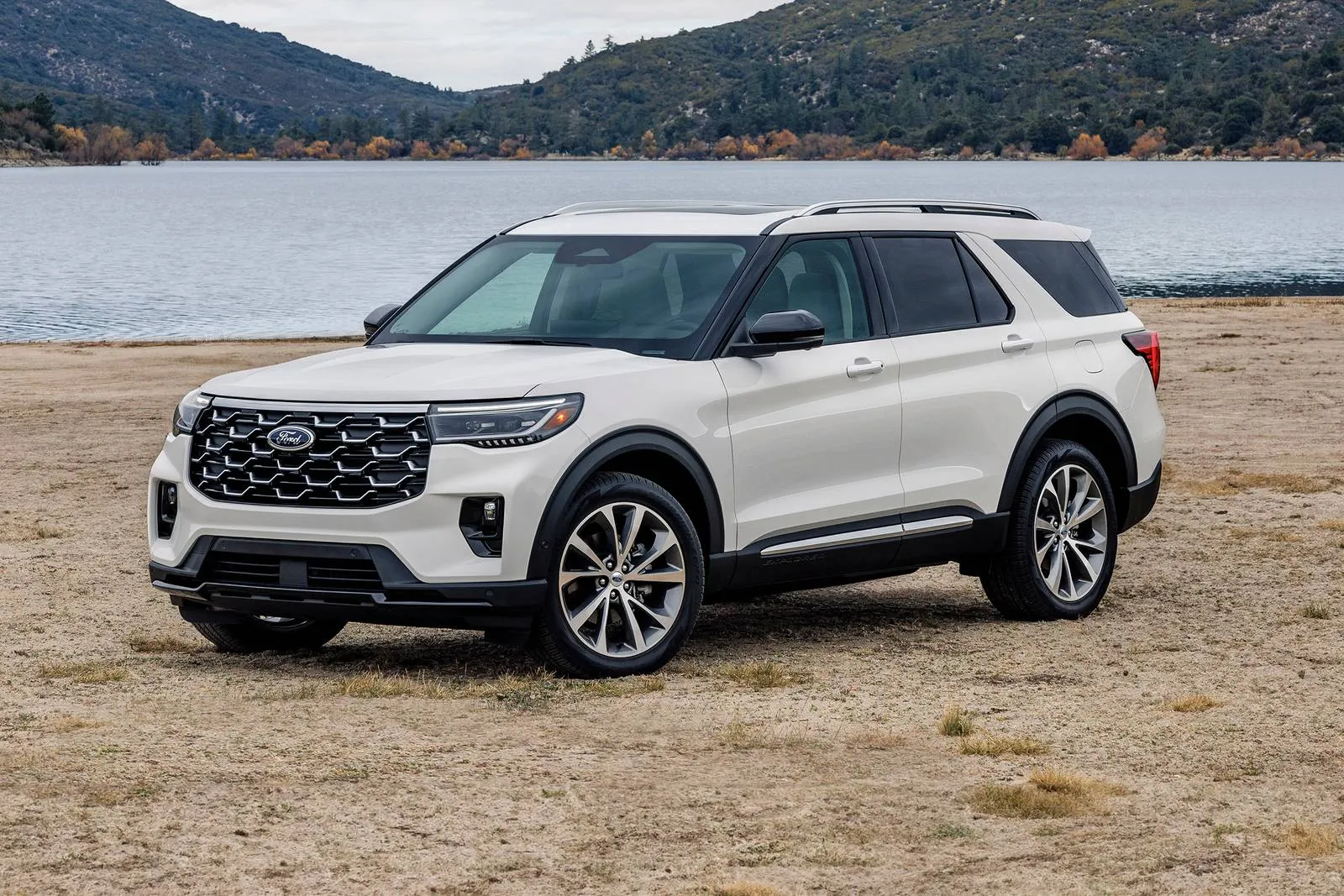
1. Ford Explorer XLT
The Ford Explorer XLT offers families plenty of interior space and a strong sense of reliability, but its backseat design can make independent buckling a challenge for young passengers.
The seatbelt receivers sit slightly lower than in other SUVs, and deep seat cushions tend to swallow the latch. Children often struggle to reach the buckle, and many need an adult to lift or guide the belt into place.
While this arrangement ensures the belt sits securely, it does not encourage independent fastening, particularly for younger children. Parents quickly notice that even after repeated trips, children may require supervision to ensure proper connection.
Another consideration is the wide bench. Three passengers can sit comfortably, yet children must stretch their arms farther than usual to align the belt correctly. This is even more pronounced when booster seats are used.
While boosters raise a child, the belt receiver still often remains partially covered by the cushion, making solo buckling challenging. In addition, the headrests, adjustable for taller passengers, can sometimes block the line of sight to the buckle for shorter children. This adds another layer of difficulty that parents must anticipate.
The seatbelt angle is slightly steep, which can cause the latch to slip out of a child’s grip. Kids may fumble while trying to click it in, especially during the first attempts or when excited or distracted.
On longer journeys, adults usually need to monitor passengers to ensure the belt is secured properly. Some families find that this requires extra attention when traveling with multiple children, particularly during school runs.
Despite these small inconveniences, the Explorer XLT remains a popular choice for families because of its storage options, interior comfort, and spacious cabin. Parents simply need to accept that independent backseat use for younger passengers is limited, and occasional assistance is necessary.
While it prioritizes safety, families who frequently travel with smaller children may need to plan extra time for seatbelt fastening in this vehicle.
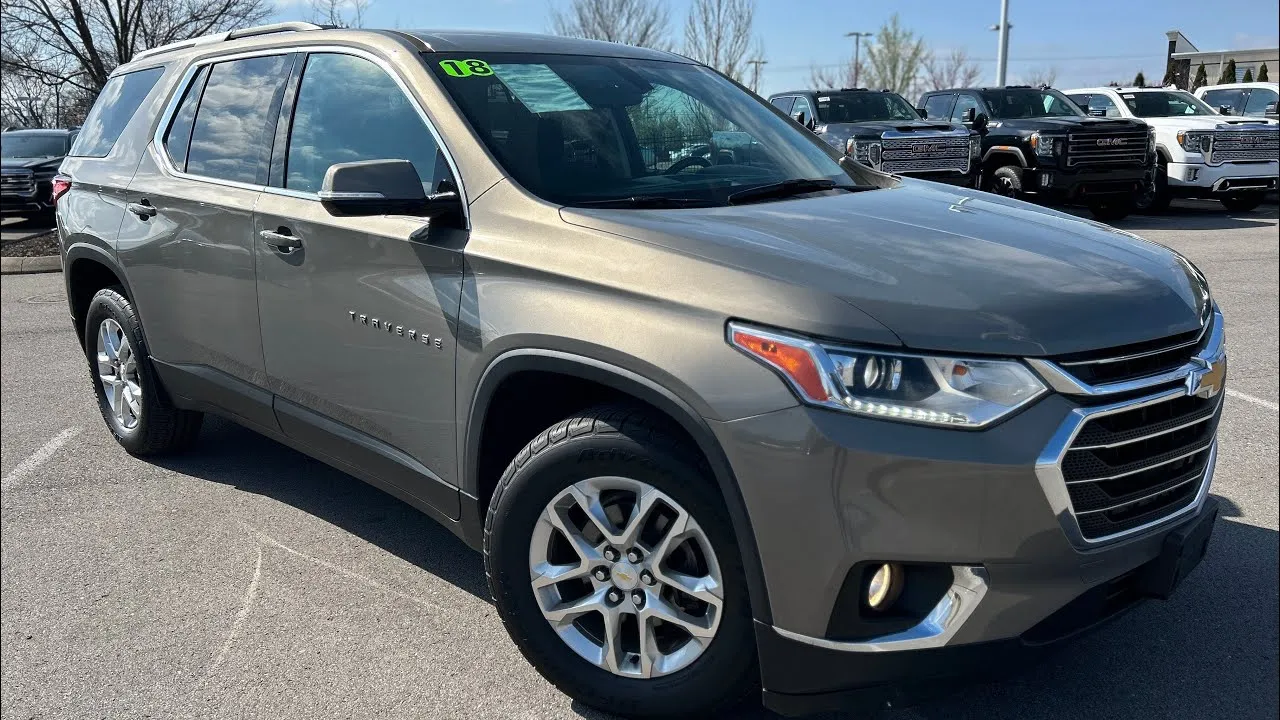
2. Chevrolet Traverse LT
The Chevrolet Traverse LT is a favourite for families who value space, comfort, and cargo flexibility, yet the rear seating arrangement can make independent buckling difficult for younger passengers. The belt receivers sit close to the seat crease, requiring children to press their hands deep into the cushion to grasp the latch.
Smaller kids often cannot reach far enough or lack the strength to click the buckle in securely without help. Parents often find themselves assisting at every trip, especially during rushed school mornings or errands.
Seat cushions in the Traverse LT are thick and plush, which improves comfort for long rides but partially conceals the belt receiver. When multiple passengers occupy the second row, the latch can become even harder to locate or use independently.
Children may attempt to fumble around for the belt, creating delays and mild frustration. Parents often notice that even older children need reminders or guidance to ensure the belt clicks fully.
Booster seats, while comfortable, do not completely solve the problem. The belt receiver remains at a fixed depth within the cushion, slightly away from the child’s natural reach.
This means that despite being elevated by a booster, children may still require help from an adult to connect the belt properly. Parents quickly learn that patience and guidance are necessary to prevent misclicks or incomplete fastening.
In addition, the Traverse LT’s wide second-row bench can contribute to difficulty. Children may need to reach awkwardly across the cushion when seated alongside siblings or friends.
While this SUV delivers strong performance, interior comfort, and storage options, families must accept that backseat independence is limited.
Adult supervision and occasional hands-on help are essential to ensure young passengers are safely and securely buckled for every journey.
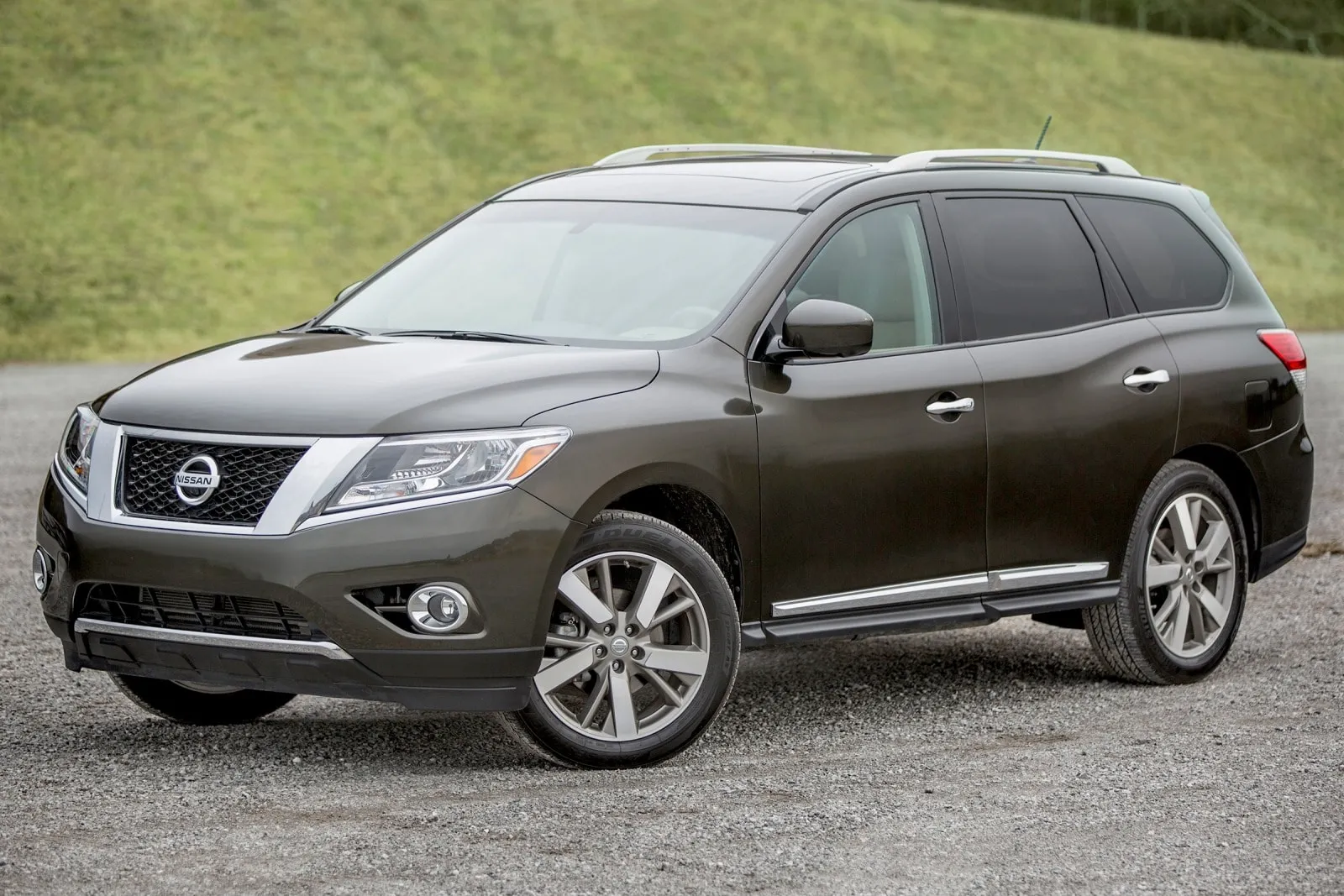
3. Nissan Pathfinder SL
The Nissan Pathfinder SL offers a roomy cabin and versatile seating, but its rear seat layout can make it challenging for children to buckle themselves. Belt receivers are tucked slightly behind the seat cushion, requiring children to lean forward or stretch awkwardly to connect the belt.
Many parents report that children under seven almost always need help to secure themselves properly. This design prioritises safety by ensuring the belt sits in the correct position, but does not encourage independent use for smaller passengers.
Another factor is the placement of the seatbelt anchor point. Positioned further back on the seat frame compared to smaller SUVs, this means the belt does not naturally fall within a child’s reach.
Attempting to buckle themselves, children often fumble, increasing the likelihood of an incomplete connection. Parents frequently have to guide the belt and verify that it is secured before setting off, particularly on busy mornings when timing is critical.
The Pathfinder SL’s deep bench adds another layer of difficulty. Cushions sink slightly under weight, partially hiding the latch from view.
Even older children may struggle to locate the buckle without supervision, particularly when multiple passengers occupy the rear row. Booster seats help with seating height but do not significantly alter the belt’s recessed positioning.
While the Pathfinder SL excels in cabin space, cargo capacity, and comfort, families must accept that backseat independence is limited. Adult supervision is necessary during each journey to ensure belts are secured properly.
For families frequently travelling with young children, this can mean additional time spent assisting with seatbelts before departure. Still, the Pathfinder SL remains a practical and comfortable family SUV, with only minor compromises in seatbelt accessibility.
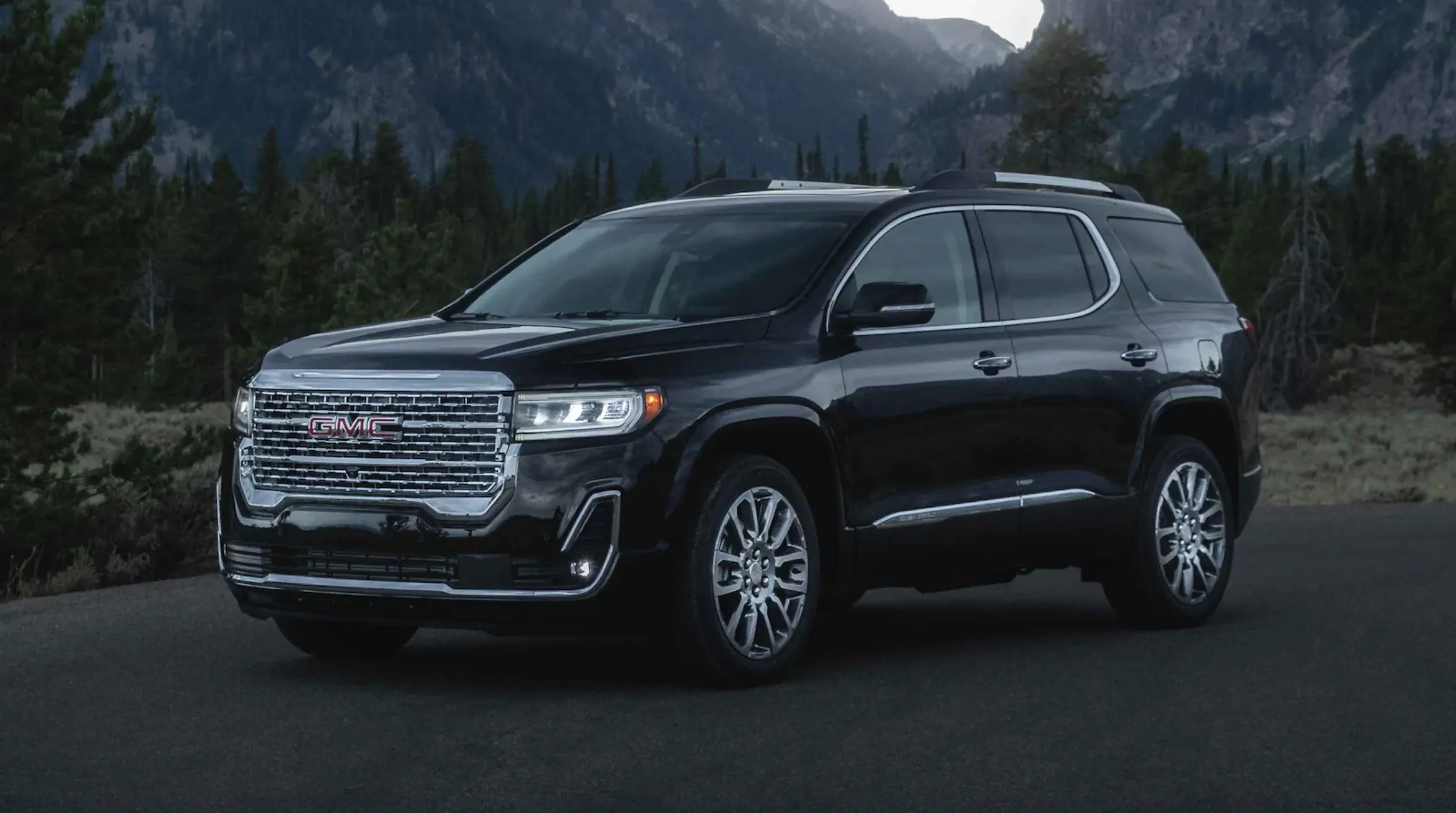
4. GMC Acadia SLE
The GMC Acadia SLE is appreciated for its interior flexibility, modern style, and passenger comfort, yet the rear seat layout can make independent buckling difficult for small children. The belt receivers lean slightly inward toward the seat, requiring precise alignment to click in.
Children often cannot manage this on their own, particularly if booster seats or other accessories are installed. Parents quickly notice that even children with prior experience in other cars may need assistance in the Acadia SLE.
Seat cushion depth adds another layer of challenge. While providing comfort for longer journeys, the cushions partially conceal the latch, forcing children to reach deeper or lift the cushion slightly to access the belt.
Adults frequently find themselves assisting kids across the bench during school runs or errands when speed is essential. Even older children sometimes struggle the first few times they sit in the Acadia SLE’s back row.
The middle seatbelt is also slightly recessed into the bench, requiring supervision to ensure it sits correctly across the shoulder and lap.
Adult guidance may be needed to check that the belt is fully fastened and positioned correctly. Parents often report that during longer trips with multiple children, several trips of readjustment or monitoring sessions are necessary to maintain safety.
Despite these minor inconveniences, the GMC Acadia SLE remains popular because of generous legroom, interior comfort, and practical storage. Families just need to acknowledge that independent buckling is limited, and adults must assist children during each ride.
The vehicle’s safety systems, combined with its roomy interior, provide peace of mind even if kids cannot buckle themselves fully. This makes it an ideal choice for families willing to provide hands-on assistance for younger passengers.
Also Read: 5 Cars With Complicated Seat Folding Levers Vs 5 With Simple Mechanisms
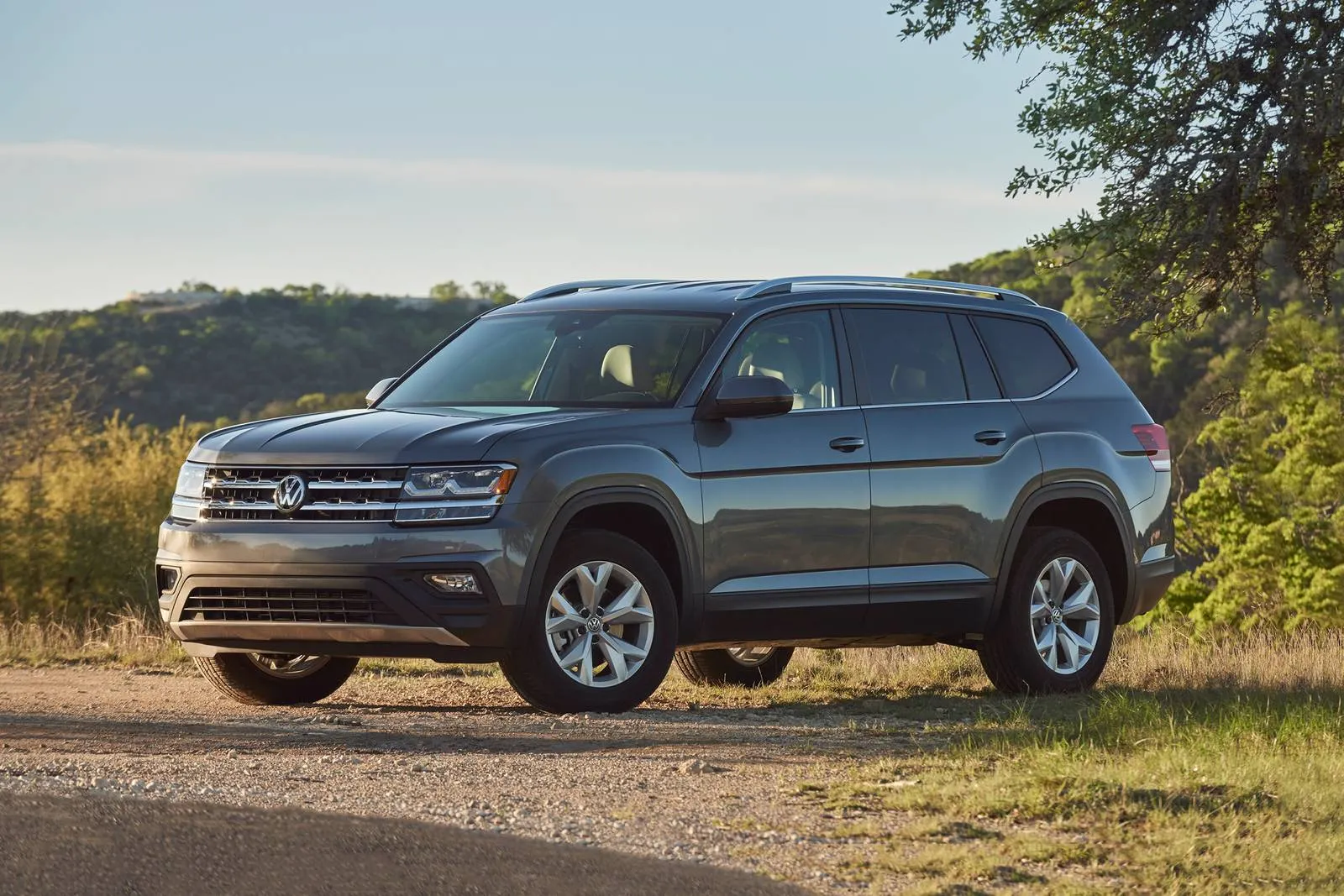
5. Volkswagen Atlas SE
The Volkswagen Atlas SE is known for its spacious three-row cabin and strong family appeal, but its backseat layout can make independent buckling difficult for children. Belt receivers are positioned near the seat joint, slightly recessed into the cushion, making them hard for small hands to access.
Even older children often need reminders or help to connect the belt correctly. Parents find themselves supervising every trip, particularly during busy mornings or errands. Seat design adds to the challenge. Cushions are firm yet deep, which enhances comfort but partially hides the latch.
Kids attempting to buckle themselves may fumble or misalign the latch, increasing the risk of an incomplete click. Adult supervision ensures the belt is fully engaged and positioned correctly across the shoulder and lap, maintaining safety without compromising comfort.
Booster seats improve seating height but do not bring the belt receiver closer. Children often still need guidance or assistance to align the latch correctly.
Parents may need to lift or adjust the belt, especially when multiple children share the backseat. This adds an extra step to routine trips, requiring patience and oversight.
Despite these challenges, the Atlas SE remains a strong choice for families because of cargo space, driving comfort, and modern features.
It’s seating prioritises general comfort and safety rather than solo usability for young passengers. Families can enjoy long trips with peace of mind, knowing adult supervision ensures children are properly secured while travelling.
