Americans rely heavily on their vehicles not just for commuting, but for hauling groceries, sports equipment, tools, pet crates, and road-trip supplies.
While cargo space gets plenty of attention, the ability to keep items from sliding, tipping, or rolling is just as important especially in everyday errands when you don’t want a box of sparkling water exploding across the trunk or bags of produce tossed around.
Modern automakers have started putting more thought into cargo-management features, giving drivers load floors that stay flat, cubbies that actually work, tie-downs that aren’t hidden, and dividers that reduce the chaos.
These features often go overlooked in spec sheets, yet they make a vehicle feel purpose-built for real life.
This list highlights 12 cars, crossovers, and SUVs that excel at securing everyday items.
Each model stands out for smart engineering that minimizes movement, whether through clever storage pockets, adjustable load floors, sliding rails, or built-in rails and nets that keep your cargo right where you left it.
1. Subaru Outback
The Subaru Outback consistently ranks as one of the most practical adventure vehicles in the United States, and its cargo solutions show why.
The load floor is low and flat, the sidewalls include dedicated grocery-bag hooks, and the floor-mounted tie-downs are right at the corners where they’re actually useful.
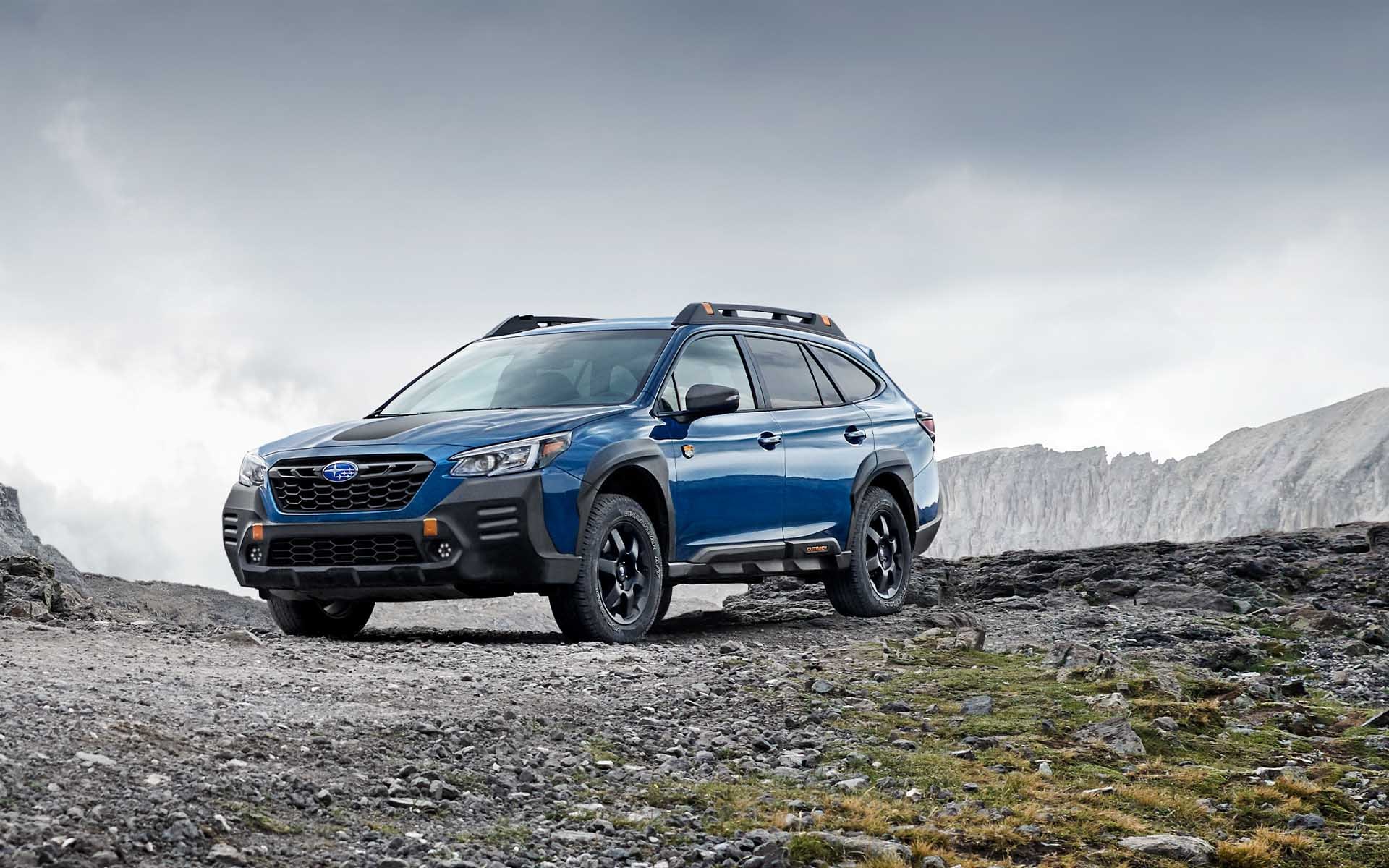
Many trims include a retractable cargo cover plus an optional cargo net system that Velcros into the floor, holding small bags or sports gear in place.
Because the Outback’s cargo area is long rather than tall, items naturally stay planted during turns, making it a standout for drivers who hate repacking groceries after a quick drive home.
Also Read: 10 Honda Engines That Keep Valve-Train Noise In Check Long Term
2. Honda CR-V
Honda has always excelled at interior practicality, and the CR-V continues the tradition. Its cargo floor has a “low-mode” setting that creates a deeper well, keeping items contained instead of sliding across a flat deck.
The CR-V also includes wide side pockets that securely hold milk jugs, cleaning supplies, or ball pumps without allowing them to roll.
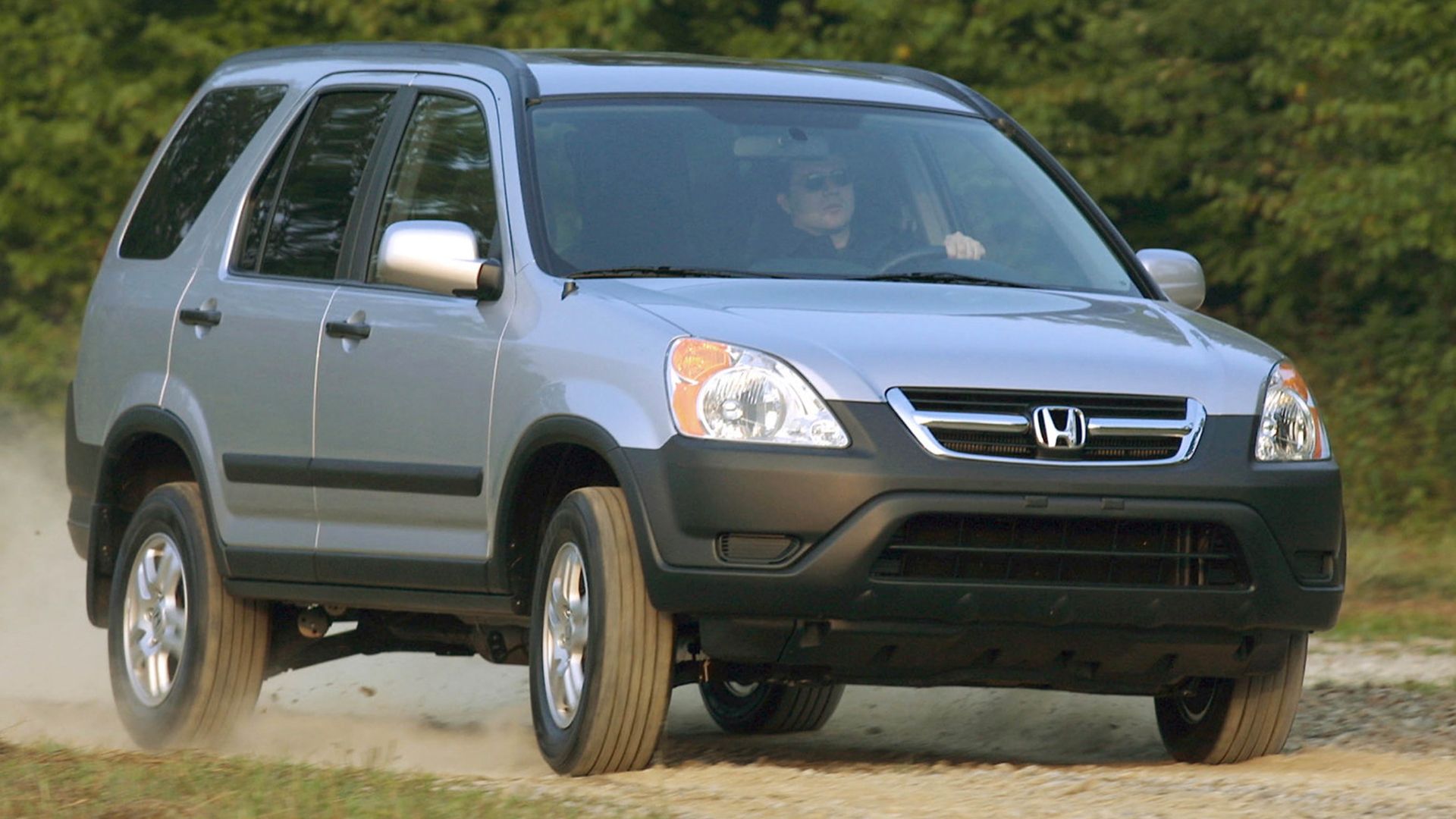
Tie-downs are positioned up high as well as floor-level for better versatility, and hybrid versions retain most of the same cargo stability.
For suburban families who deal with backpacks and shopping bags, the CR-V’s thoughtful layout keeps things controlled even when the trunk isn’t packed tight.
Compact crossovers like the 2025 Honda CR-V remain extremely popular thanks to their comfortable seating, respectable fuel economy, and easy-to-manage size. Honda’s upbeat contender in this crowded SUV category tops our list because it combines everyday usefulness with surprisingly agile handling.
Although the Mazda CX-50 brings more luxury and the Ford Bronco Sport performs better off the pavement, the CR-V stands out as the more well-rounded option due to its agreeable driving manners, sturdy construction, and ideal blend of physical controls and modern screens.
Sitting behind the CR-V’s upright grille is a 190-hp turbocharged 1.5-liter four-cylinder engine. It’s paired with a CVT and can be matched with either front- or all-wheel drive.
This powertrain comes standard on the LX, EX, and EX-L trims. Each CR-V includes hill-descent control, which regulates speed on steep or slick terrain when driving slowly.
Most versions ride on 18-inch wheels. While it doesn’t deliver the engaging handling found in the Mazda CX-50 or the Volkswagen Tiguan, the latest CR-V supplies a comfortable ride and enough capability to keep it from feeling dull.
3. Toyota RAV4
The Toyota RAV4 keeps cargo stable using a mix of raised side bolsters, an optional cargo net, and dual-level load floor settings that let owners choose between a flush floor or a deeper well for loose items.
Adventure and TRD Off-Road trims also include rubberized mats and taller cargo sidewalls that provide friction and containment on bumpy terrain.
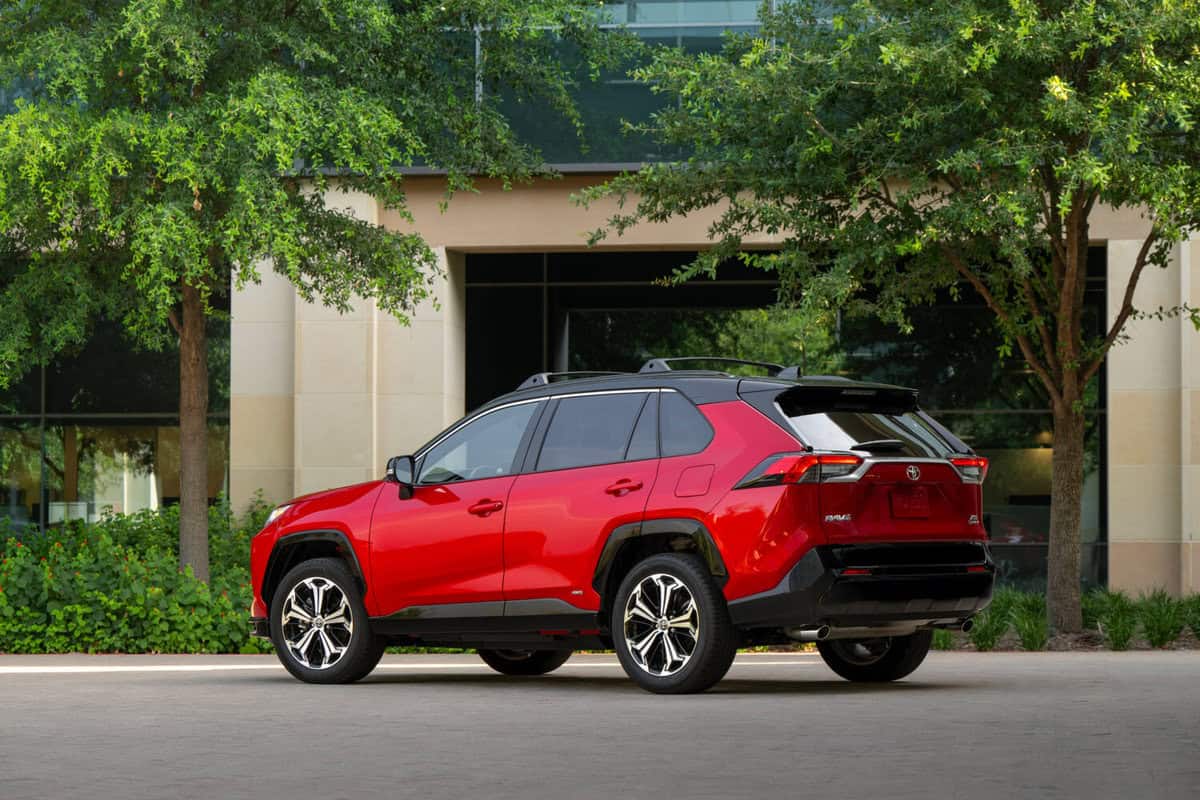
Toyota even molded in pocket cubbies behind the wheel arches, perfect for bottles, dog leashes, or car-wash supplies. It is one of the easiest compact SUVs to load without worrying that items will roll across the back under hard braking.
The Toyota RAV4’s rugged styling helps it stand out in the crowded compact SUV segment, though much of that toughness is skin-deep, especially now that the Adventure and TRD Off-Road trims, along with their torque-vectoring all-wheel-drive system, are no longer available.
Still, the RAV4 remains a pleasant and capable compact SUV that suits most drivers’ daily lives, which mostly unfold on paved roads rather than off the beaten path. It offers ample room for passengers and cargo, along with a long list of driver-assistance features and user-friendly technology.
The driving experience favors comfort over engagement, a notion reinforced by the 203-hp 2.5-liter four-cylinder engine, which is reasonably efficient but never thrilling. In terms of power, acceleration, and fuel economy, the RAV4 is surpassed by two of its siblings: the RAV4 hybrid and the plug-in hybrid versions.
4. Kia Sportage
The Kia Sportage’s standout feature is its multi-level cargo shelf, which sits upright to divide the trunk into two sections ideal for keeping grocery bags from tumbling.
With the shelf flat, the load floor sits high and makes a flush transition to the folded seats; with the shelf lowered, it becomes a natural containment pit for small items.
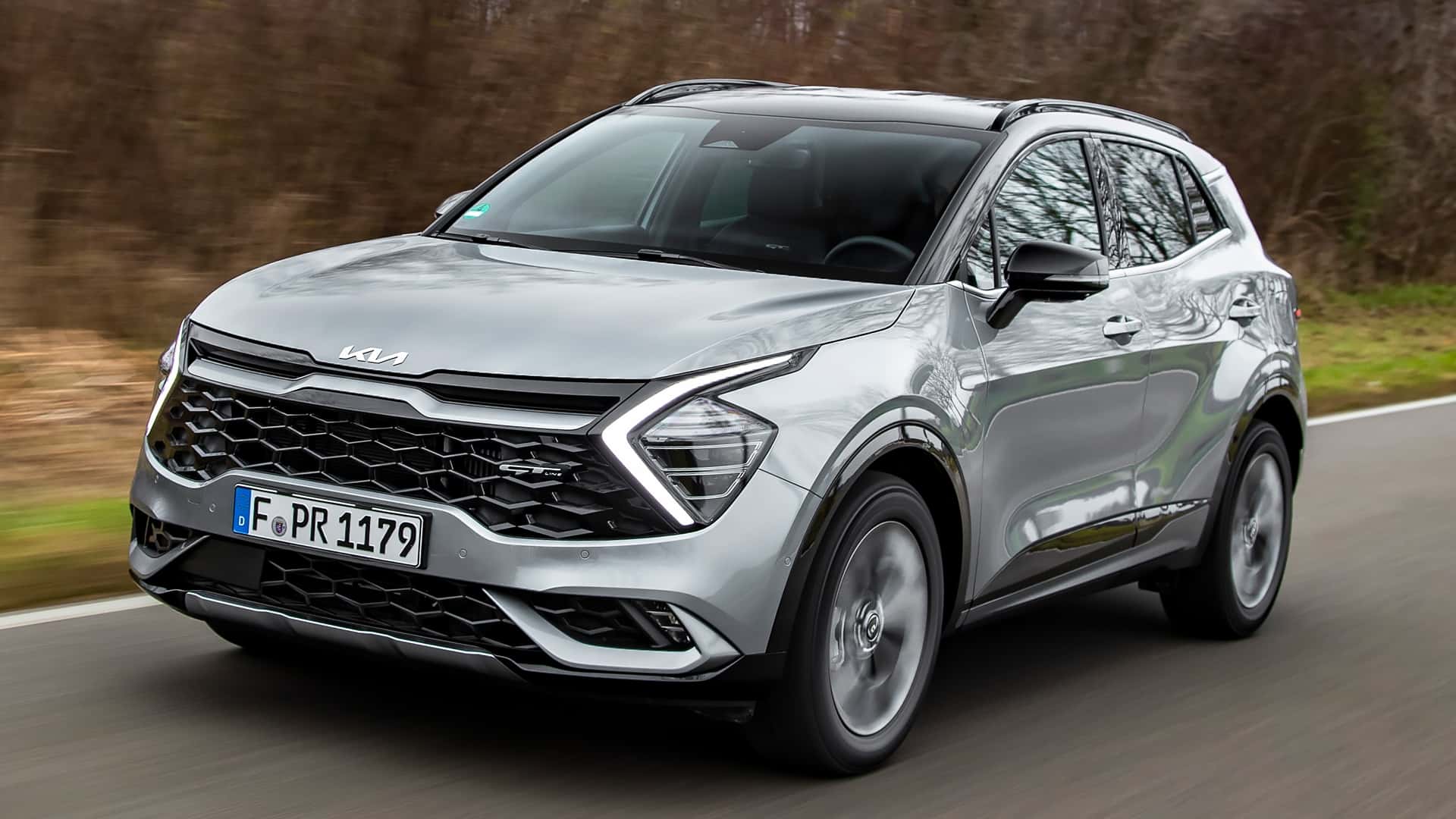
Kia also offers cargo nets and side mesh pockets that actually stretch tight enough to hold basketballs, bottles, and even power tools. In everyday driving, the Sportage makes it easy to keep cargo planted without relying on aftermarket organizers.
After its 2023 redesign, the Kia Sportage has relied on bold styling to stand out among the many versatile compact SUVs on the market. The 2026 Sportage brings a few subtle changes that tone down its front-end design.
With this refresh emphasizing both technology and aesthetics, the Sportage continues to leverage its roomy interior, extensive list of standard features, and strong value proposition to remain a competitive option.
While the SUV delivers a quiet ride and precise steering, its overall road manners are uninspiring, a contradiction to the spirited impression its name suggests. The nonhybrid model is powered by a 187-hp four-cylinder engine, which doesn’t match the liveliness of the powertrains found in the Sportage Hybrid.
Front-wheel drive is standard, while all-wheel drive is optional on all trims except the SX, and it comes standard on higher-end models. Inside, the Sportage’s updated cabin is clean and straightforward, replacing the previous model’s quirky vertical air vents with a new panoramic display.
Also Read: 5 Crossovers That Don’t Squeak Over Time vs 5 That Pick Up Noises
5. Volvo XC60
Volvo prioritizes function in subtle but effective ways. In the XC60, the cargo area includes pop-up grocery bag holders that create a vertical divider, keeping bags upright even through aggressive cornering.
There are sturdy metal tie-downs, rubber tread on the load floor, and hooks mounted high enough to prevent soft bags from toppling.
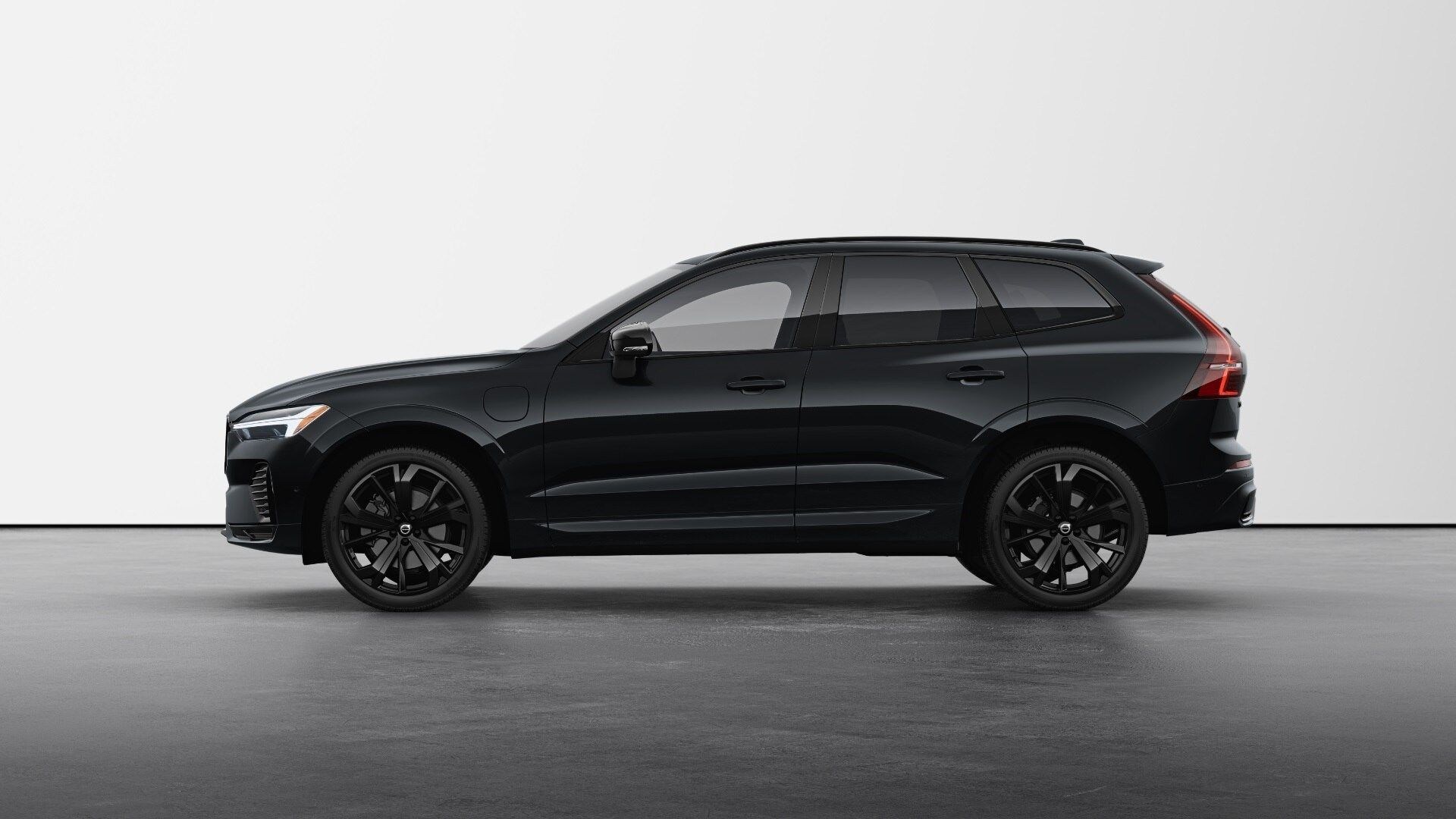
The optional cargo “organizer floor” flips up to create a secondary wall, preventing anything from rolling into the tailgate. It’s a premium solution that feels specially designed for people who don’t want to chase runaway items across the trunk.
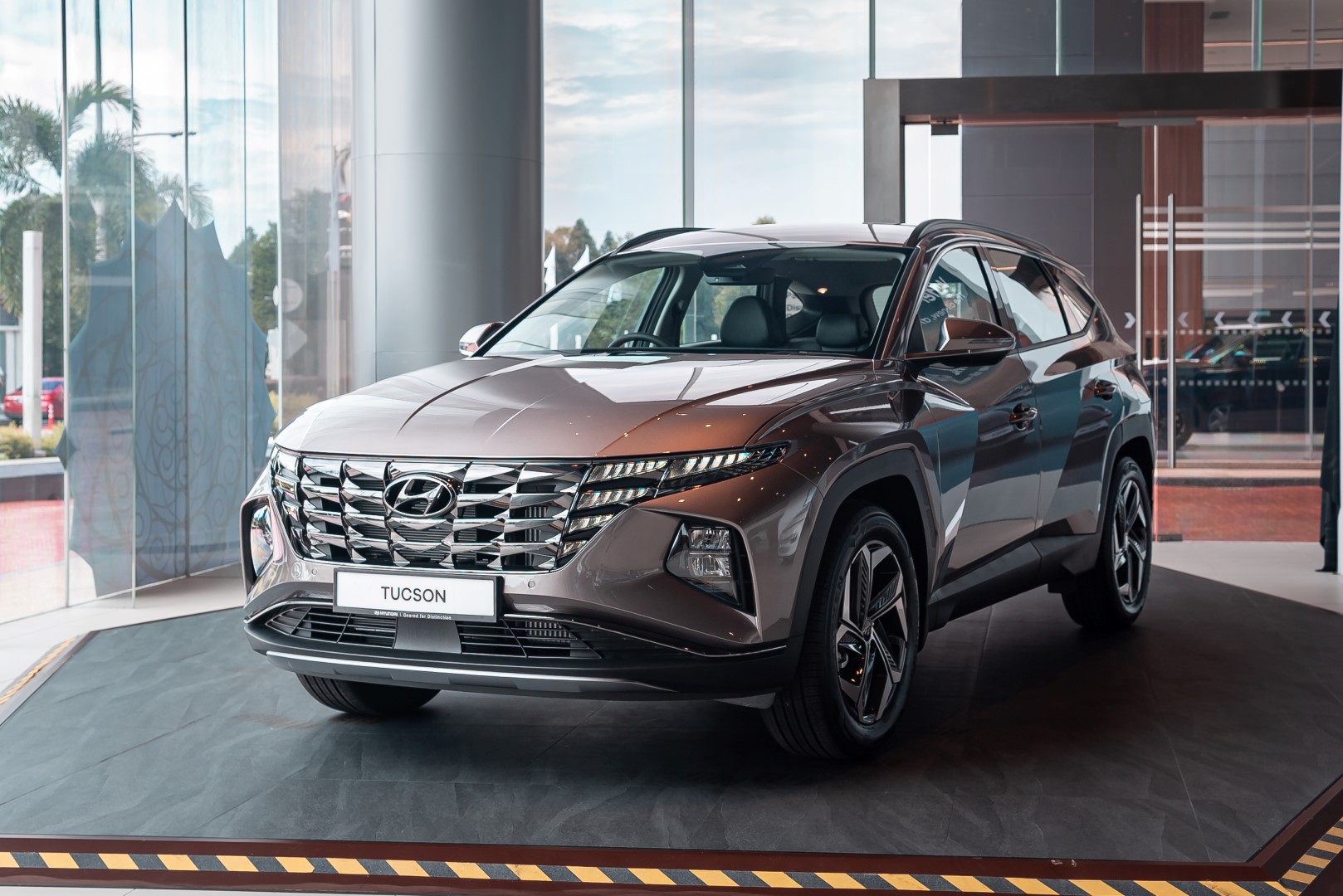
6. Hyundai Tucson
The Tucson offers one of the most practical cargo areas in its segment thanks to extra-deep side bins and a two-position load floor.
The side cubbies are large enough to secure detergents, coolant bottles, or produce bags that tend to roll. Higher trims offer a durable cargo mat with texture molded to increase friction, reducing sliding even without nets.
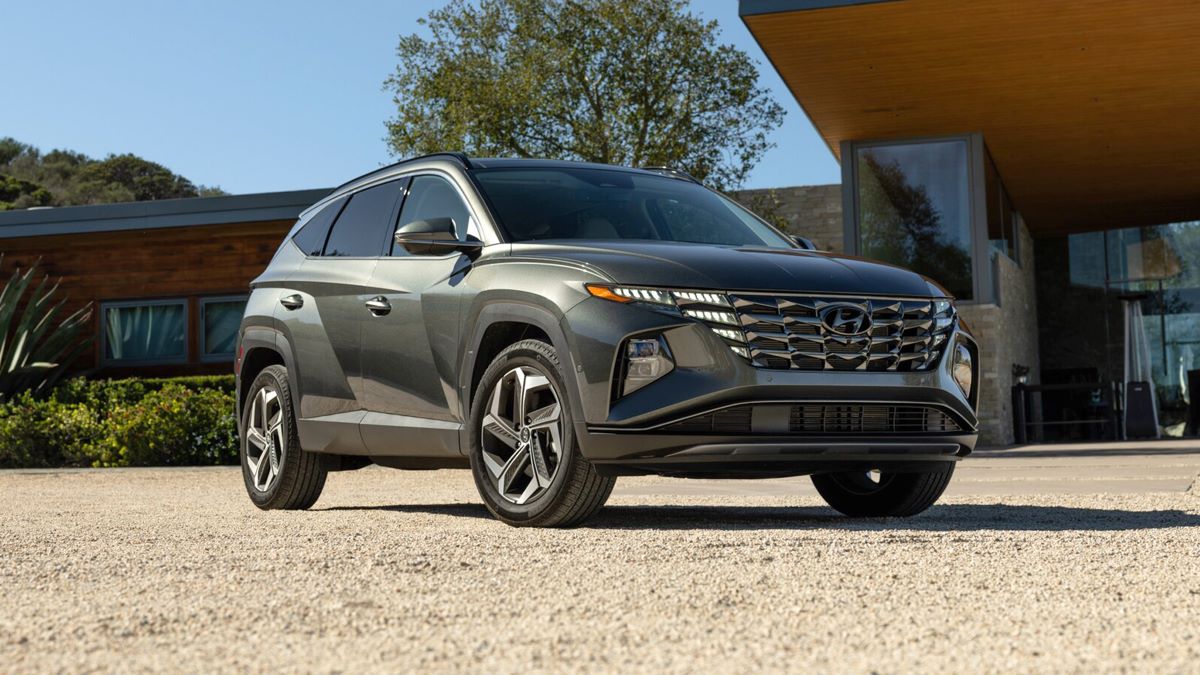
Hyundai also includes anchor points that are easy to reach without kneeling inside the vehicle a small detail that matters when strapping down heavier items.
The Tucson’s boxy shape limits lateral motion, making it excellent for keeping cargo stable over imperfect pavement.
If the Tucson had a bit more horsepower, it would be hard to find much fault with its performance. Braking and handling are more than capable, providing a sense of control that surpasses what many other SUVs offer. The steering is well-balanced, light for low-speed maneuvering yet substantial enough to inspire confidence on the highway.
Even with a well-tuned transmission, the engine’s modest power is noticeable. While small SUVs aren’t typically known for blistering acceleration, the Tucson still feels a bit sluggish, especially with the standard 2.0-liter engine, which offers even less punch.
Hyundai has always excelled in providing strong value, and the Tucson is no exception. Although it trails behind some competitors in fuel economy and horsepower, its high build quality, extensive warranty coverage, and rich feature set keep it competitive.
Like its sister brand Kia, Hyundai offers a five-year/60,000-mile bumper-to-bumper warranty and a 10-year/100,000-mile powertrain warranty. Roadside assistance is included for five years with unlimited mileage, making it another standout in terms of ownership perks.
7. Subaru Forester
Like the Outback, the Subaru Forester is designed with adventure gear in mind. The cargo area has well-spaced tie-down rings, tall cargo sidewalls, and optional dual nets that create separate compartments.
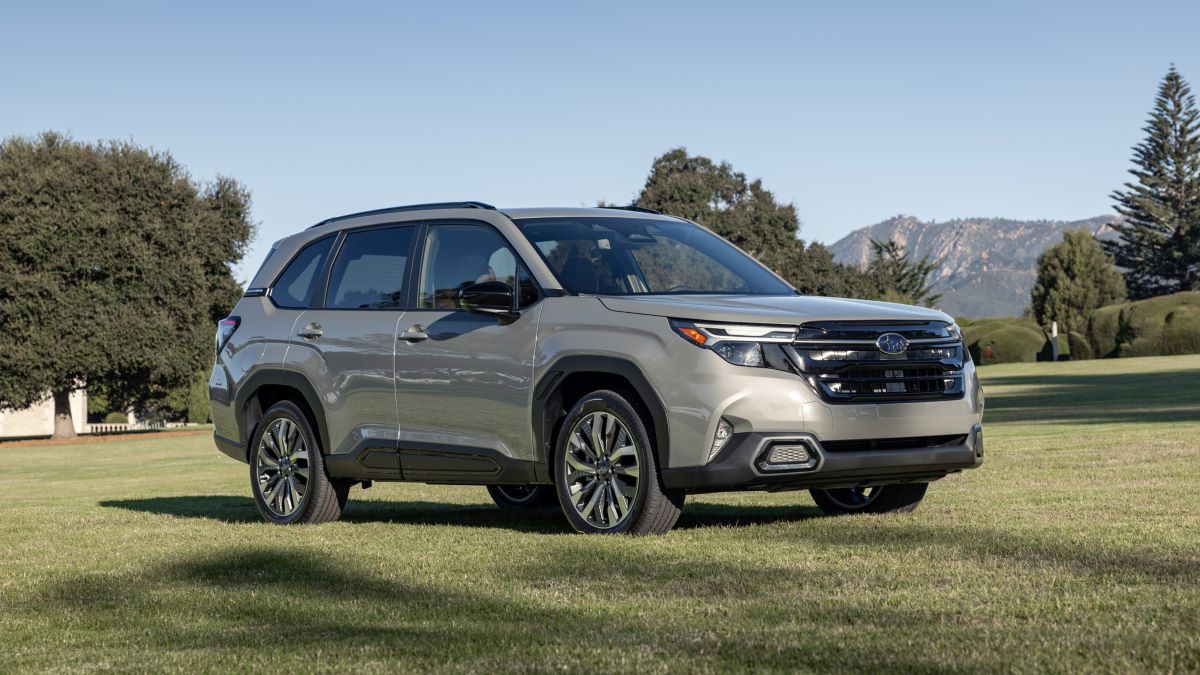
The textured rubber load floor in many trims is especially helpful because it grips items rather than letting them skate across the surface.
Forester owners often praise its ability to keep camping gear, fishing tackle, and grocery bags from shifting, making it one of the most practical small SUVs for active US households.
8. Ford Bronco Sport
Ford engineered the Bronco Sport for outdoor use, and its cargo management features reflect that. The cargo floor is rubberized with a high-friction texture, and the sidewalls include cubbies and tie-down points designed to anchor coolers, recovery gear, or luggage.
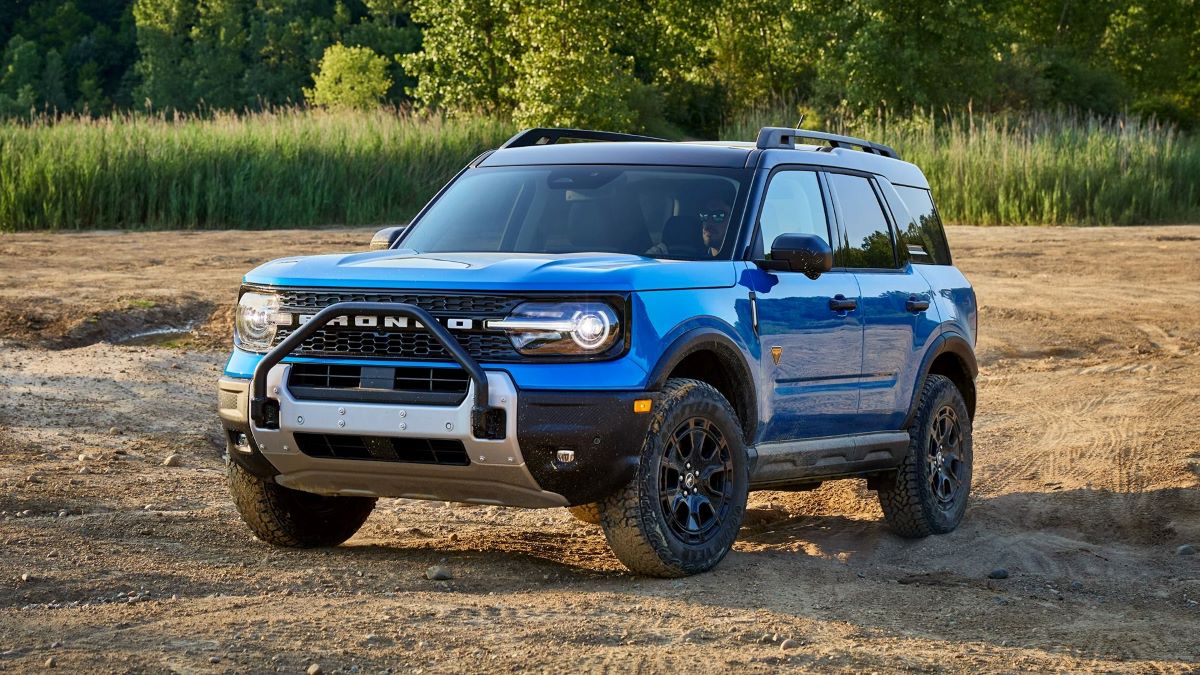
Certain trims offer a slide-out work surface that doubles as a stabilizing shelf for smaller items. Vertical side compartments behind the wheel arches easily secure bottles or aerosol cans that would normally tip in other SUVs.
For weekend travelers who don’t want rolling cargo rattling around on dirt roads, the Bronco Sport is one of the best small utilities available.
The 2022 Ford Bronco Sport is one of the stronger compact crossovers for blending city life with weekend outdoor adventures. Styled as a miniature version of the full-size Ford Bronco, a retro nod to classic Broncos, the Sport draws attention on the road.
Its truck-inspired design benefits the interior, offering generous headroom and cargo capacity. While the cabin does feature some less attractive materials and a modest back seat, clever additions like hidden storage compartments and a slide-out workbench make it stand out.
All-wheel drive comes standard, but the more potent turbo-four engine is reserved for the top-tier Badlands trim, which can genuinely compete with the Jeep Cherokee Trailhawk off-road.
The base three-cylinder engine is slower but delivers significantly better fuel efficiency. While the larger Bronco boasts greater off-road prowess, the 2022 Bronco Sport proves it is more than just a scaled-down version.
The Bronco Sport shares its platform with the compact Ford Escape, and every model includes all-wheel drive. A 181-hp turbocharged 1.5-liter three-cylinder engine serves as the base, with an optional 245-hp turbo 2.0-liter four-cylinder available.
Both engines are paired with an eight-speed automatic transmission, though the more powerful option adds steering-wheel-mounted paddle shifters and upgraded cooling components. The Bronco Sport can tow between 2,000 and 2,200 pounds.
At the top end, the Badlands trim features unique equipment such as a twin-clutch rear-drive unit with a differential lock. It also comes with all-terrain tires on 17-inch wheels, a 1.0-inch suspension lift for extra ground clearance, and beefier shock absorbers.
In our experience driving a Bronco Sport Badlands, the steering felt hefty and the ride firm, giving it a truck-like presence but lacking smoothness on the highway. Its off-road performance exceeded expectations, though it’s important to remember it still has limits before attempting trails like the Rubicon.
9. Toyota Highlander
Families appreciate the Highlander’s cargo space, but the vehicle’s embedded side pockets and sturdy hooks deserve equal credit.
These small recesses are deeper than those found in most midsize SUVs, meaning juice bottles, sunscreen, and sports drinks stay upright.
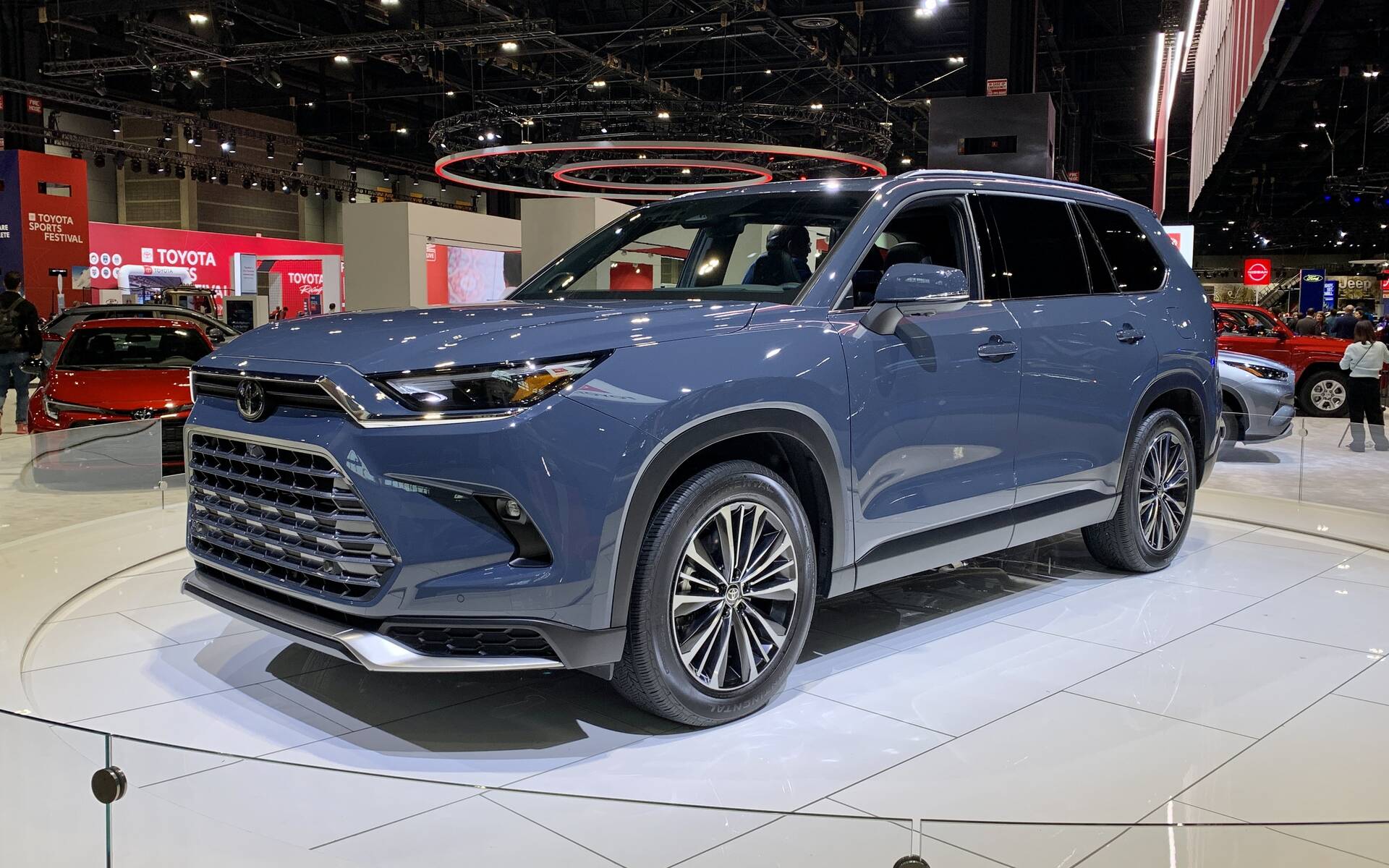
Toyota also includes a two-piece cargo net system that forms a hammock for loose items. When the third row is folded, the load floor remains mostly flat, but the front edge retains a subtle lip that prevents small balls or bottles from sliding forward.
The Highlander balances volume with containment better than most three-row models.
10. Honda Pilot
The redesigned Honda Pilot includes one of the most useful hidden cargo wells in the class. The bin sits below the load floor and is deep enough to hold tool bags, groceries, or even muddy sports cleats without letting them roll around the main trunk.
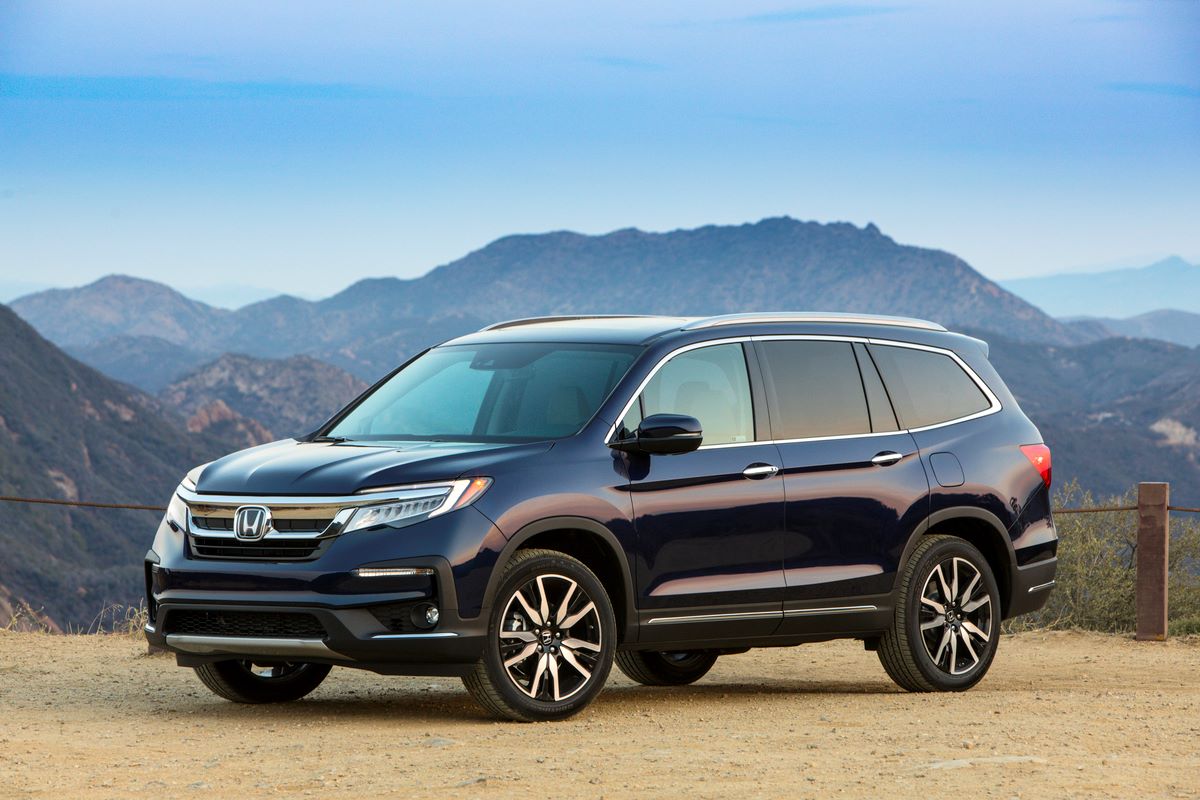
Because the well’s walls are tall and straight, it acts as a natural containment area even during sharp turns. Higher trims also provide hooks, side pockets, and anchor points that stay usable regardless of seat position. It’s a great solution for families constantly throwing loose items in the back.
The 2021 Honda Pilot offers a stylish alternative to a minivan, though its third row isn’t especially spacious and its design isn’t dramatically more fashionable. Still, the SUV delivers an available all-wheel-drive system, elevated seating, and decent ground clearance, qualities many crossover buyers look for.
The Pilot is also equipped with a quick and fuel-efficient V-6 powertrain that performs reliably. However, drivers seeking a truly engaging experience might want to explore other options. Inside, the Pilot provides a roomy cabin with ample cargo space and cleverly designed small-item storage.
Its suite of standard driver-assistance features and popular infotainment options keeps it competitive with rivals like the Volkswagen Atlas and Toyota Highlander. While the 2021 Pilot may not be the flashiest mid-size crossover, its versatility and generally agreeable nature make it appealing to a wide audience.
The Pilot’s V-6 produces a sporty tone and plenty of power, and the nine-speed automatic transmission operates smoothly without drawing attention. Though not the heaviest three-row SUV to drive, the Pilot’s size can make it feel cumbersome in corners.
Upper trims with 20-inch wheels sacrifice a bit of ride comfort, but they improve the SUV’s otherwise awkward appearance. When loaded with passengers and cargo, the Pilot rides relatively smoothly.
Its limited body control can create a sense of detachment from the road at times, and while the light steering makes maneuvering easy in tight spaces, it also adds to the disconnected feeling at highway speeds.
11. Lexus RX
The Lexus RX has long emphasized quiet, controlled driving, and its cargo area mirrors that philosophy. It features thick carpeting with high friction, large tie-downs, and optional Lexus cargo nets that form snug compartments.
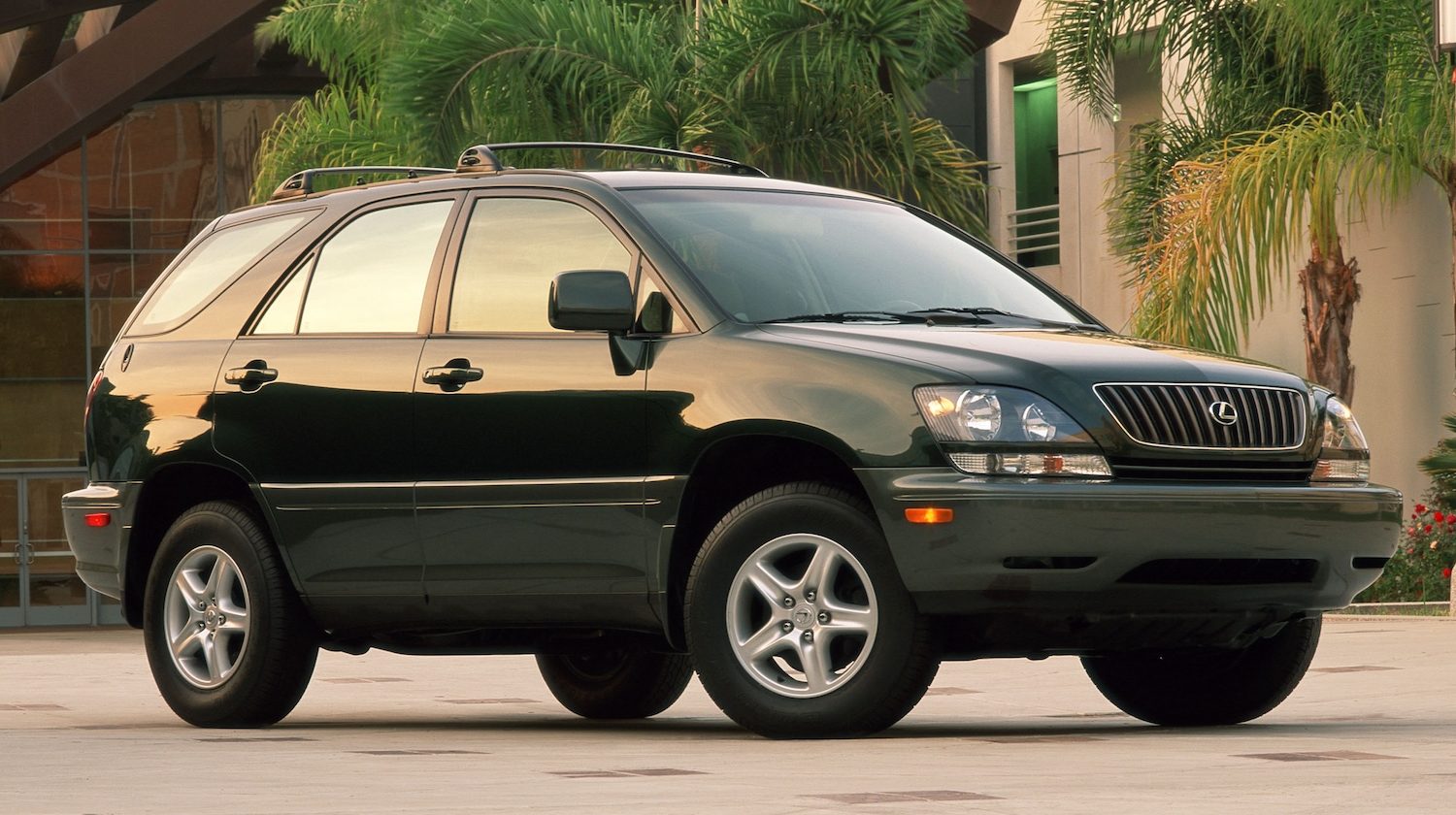
Side pockets are big enough to secure bottles or small gear, and the rear seats fold with a flat, flush transition that prevents items from sliding into gaps.
The RX’s stability also helps the smoother ride reduces unwanted movement even before the cargo features do their work. For shoppers wanting both luxury and practicality, the RX keeps items stable without needing bulky organizers.
The 2020 Lexus RX 350 is a strong contender in the midsize SUV segment, offering a spacious and comfortable cabin along with typically excellent build quality.
However, this generation has sometimes disappointed with a rather uninspiring driving experience and a poorly designed infotainment system controller. Lexus aims to address these issues with the improvements made to this year’s RX.
Lexus says it has retuned the suspension and stiffened the body structure to give the RX a slightly sportier feel around corners while still prioritizing ride comfort. The F Sport’s sport suspension, which previously resulted in a harsher ride for minimal performance gains, has also been modified.
Inside, Lexus replaced the old mouse-like controller with a new trackpad. While it’s an improvement, it can still be distracting to use while driving. The display screen is now a touchscreen, allowing users to interact directly with menus instead of relying on the trackpad.
Lexus also moved the screen nearly 6 inches closer to the driver, so reaching it is much easier. Apple CarPlay and Android Auto come standard this year, further enhancing the RX 350’s tech appeal.
These upgrades make the 2020 Lexus RX 350 more competitive, addressing previous shortcomings and elevating it from an also-ran to a strong option in the midsize luxury crossover segment.
The 2020 RX 350 is offered in base and F Sport versions. Both use a 3.5-liter V6 engine producing 295 horsepower and 267 lb-ft of torque, paired with an eight-speed automatic transmission. Front-wheel drive is standard, while all-wheel drive is optional.
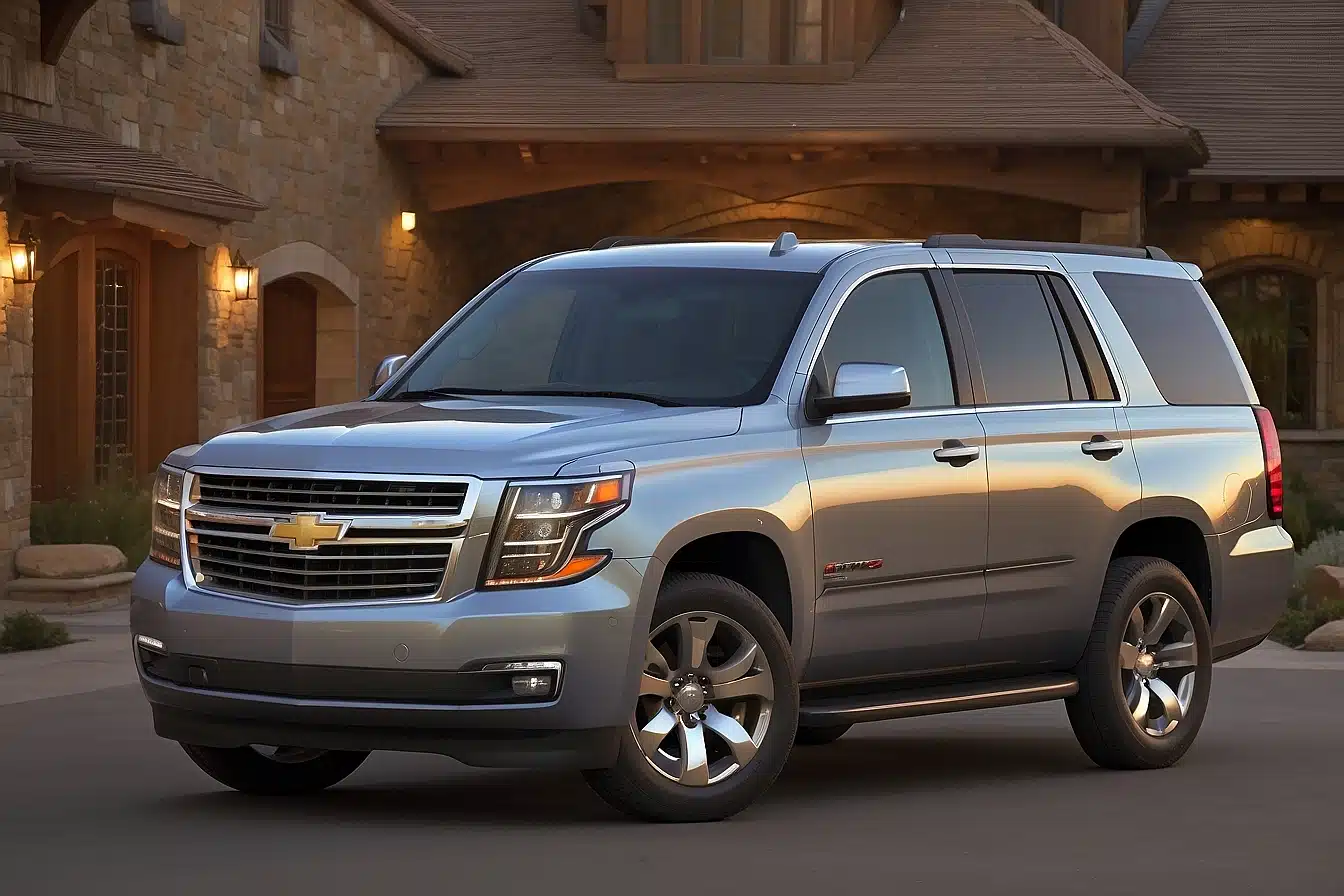
12. Chevrolet Tahoe
The Chevy Tahoe’s giant cargo area seems like it would let items slide freely, but Chevrolet built smart containment features into the layout.
The load floor includes a subtle perimeter lip, and the Tahoe offers one of the largest under-floor storage bins in any SUV. This bin is perfect for grocery bags, tools, emergency gear, and anything else that tends to roll.
Given its size, the Tahoe performs reasonably well in terms of acceleration and braking. We tested a 4WD Tahoe with the 5.3-liter V8 and recorded a 0-60 mph time of 7.7 seconds, which is about average for a full-size SUV.
However, higher-speed passing requires plenty of throttle and some patience, as the smaller V8 tends to lose steam once speeds exceed roughly 65 mph. Our only minor gripe with the otherwise smooth and capable braking system is the slightly soft brake pedal.
Maneuvering through city streets is straightforward thanks to the Tahoe’s tight turning radius and light steering. The 10-speed automatic transmission shifts quickly and without drawing attention.
At higher speeds, though, the light steering feels vague, and the Tahoe clearly reminds you that you’re driving a large SUV, encouraging a cautious approach around corners.
With the optional Z71 package, the Tahoe gains height-adjustable air suspension along with favorable approach and departure angles, making it reasonably capable in moderate off-road situations.
When the third row is folded, the resulting floor is long, flat, and textured to reduce sliding. The Tahoe’s size could have made cargo management difficult, but GM’s well-designed compartments keep everyday items secure across hundreds of highway miles.
Cargo management doesn’t get highlighted in advertisements, yet it’s one of the features drivers appreciate most once they experience good design.
The 12 vehicles above use hooks, shelves, pockets, textured floors, nets, and dividers to keep cargo from rolling around making daily life smoother and less messy.
Whether it’s the clever pop-up holders in the Volvo XC60 or the deep hidden well in the Honda Pilot, each model shows that the small conveniences often make the biggest difference.
These cars and SUVs transform the trunk from a loose cavern into a stable, predictable space that serves American drivers well every day.