Rainy-day driving across the United States can turn ordinary commutes into soggy ordeals, especially when water drips directly into the cabin the moment you open the door.
Cities like Seattle and Portland see year-round drizzle, the Gulf Coast deals with tropical downpours, and Northeastern states face weeks of steady rainfall throughout the year.
Unfortunately, not all vehicles are engineered with weather-friendly entry and exit in mind. Some have narrow roof channels, angled rooflines that send water sliding onto the seats, or shallow door seals that let droplets sneak in unnoticed.
But then there are the cars that truly shine in wet weather vehicles with deep roof gutters, smartly contoured door frames, and sealing systems designed to keep the interior dry even during a torrential downpour.
This list focuses on 12 such vehicles that actively keep rainwater from splashing into the cabin, making life easier for families, commuters, and anyone tired of wet pant legs and damp upholstery.
Below are 12 cars that deliver outstanding rain protection, thanks to intelligent exterior design and cabin geometry.
1. Volkswagen Atlas
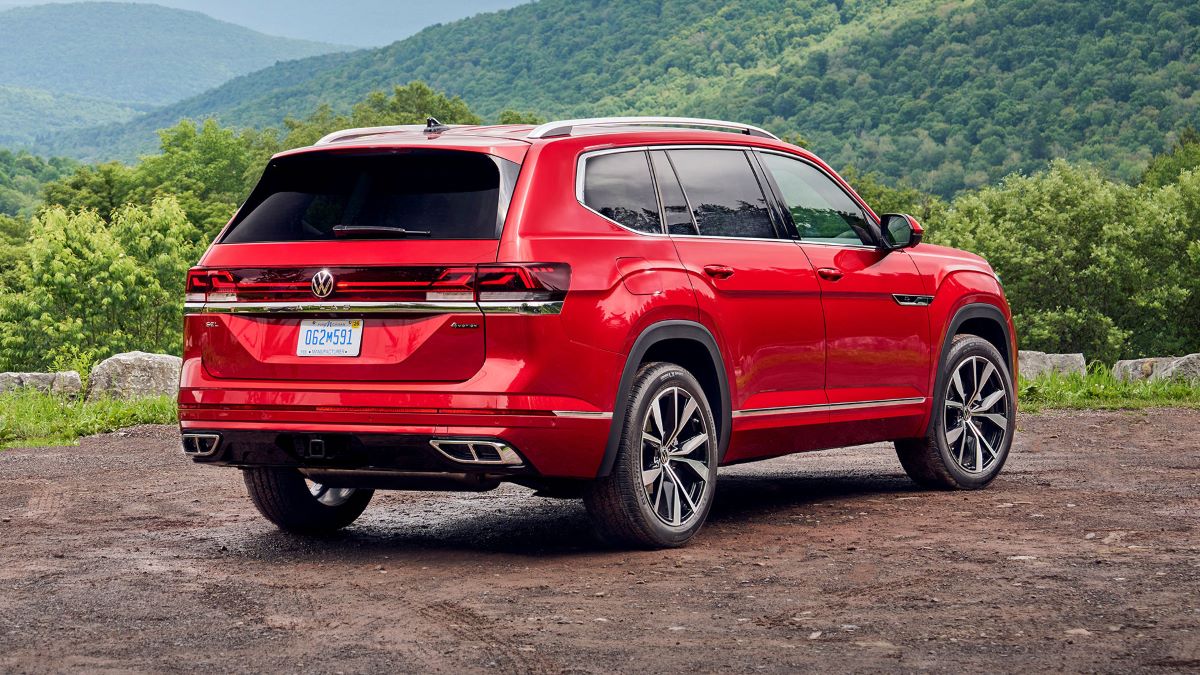
The Volkswagen Atlas has one of the most rain-friendly rooflines in the mid-size SUV class. Its broad, squared-off roof projects slightly over the side openings, functioning like a miniature awning.
VW also incorporates wide rain channels that route water toward the back rather than letting it cascade straight down.
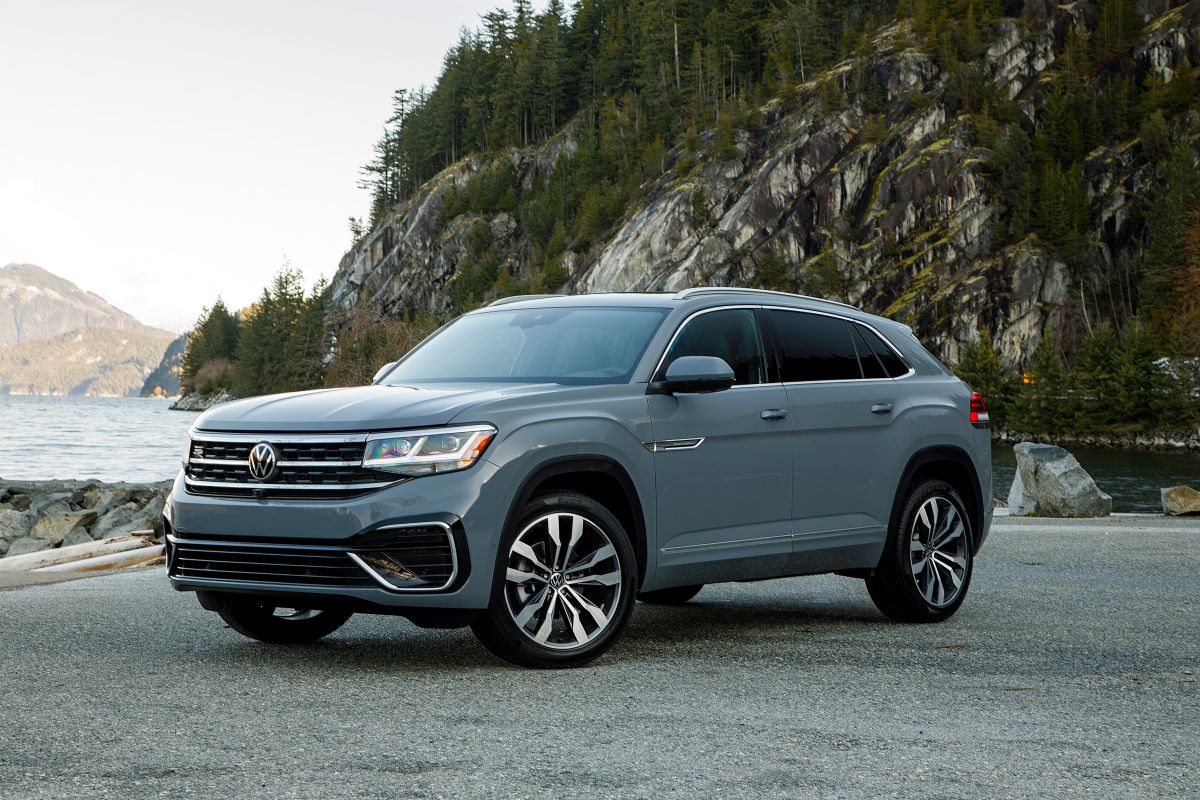
When the doors swing open especially the rear ones the interior doesn’t immediately get splashed. Owners in wetter regions often comment on how surprisingly dry the cabin stays even after heavy rain.
Also Read: 5 Small Cars With Big Trunks vs 5 Tiny Openings
2. Hyundai Palisade
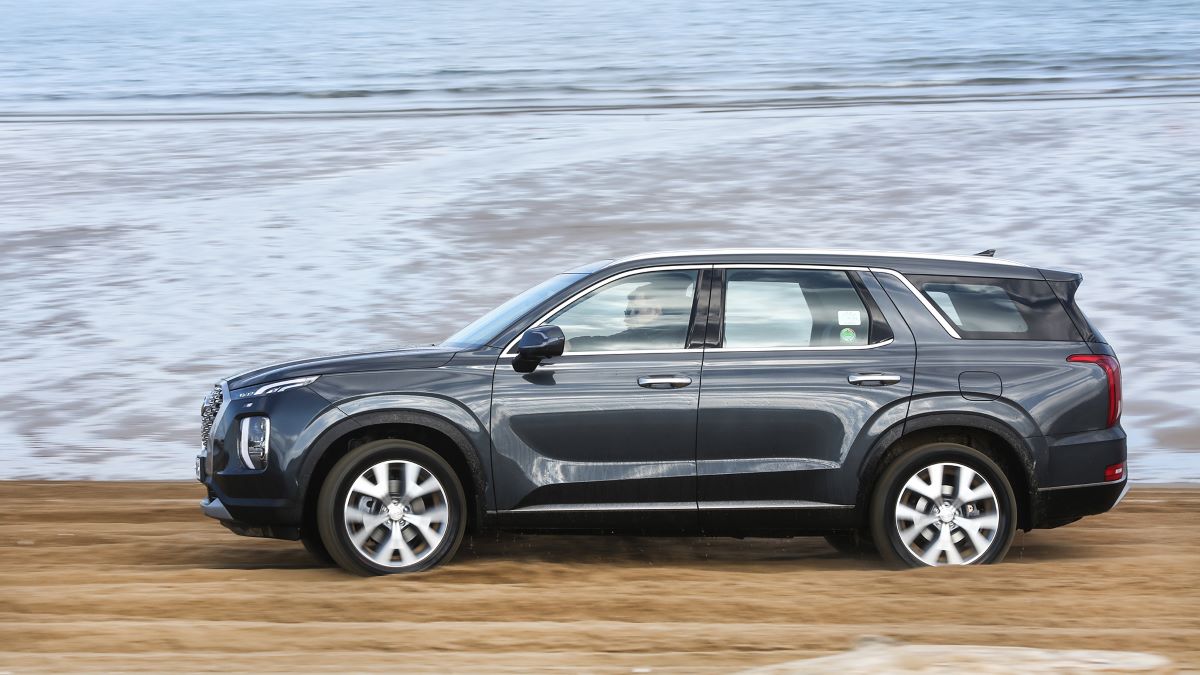
Hyundai designed the Palisade with deep door seals and an extended roof profile that helps deflect droplets away from occupants.
The Palisade’s higher seating position works in its favor too; because the seats sit above the wet sill area, passengers are less likely to brush against moisture.
The vehicle’s door geometry uses a “step-in” seal rather than a flat contour, which reduces the chances of water rolling inward during downpours.
What the Palisade lacks in outright performance, it makes up for with a well-rounded and competent skill set. Acceleration from 0 to 60 mph takes 7.6 seconds, which is typical for a three-row SUV. High-speed passing is confident and controlled.
In our emergency braking tests, the Palisade showed strong, predictable stopping power, while in everyday driving, the brake pedal remains easy to modulate for smooth stops.
Handling and steering aren’t standout qualities, but the sizable Hyundai rarely feels sloppy or unwieldy through corners. Assisted by a smooth-shifting eight-speed automatic, the Palisade proves to be a relaxed and stress-free companion for both city streets and highways.
Cargo space is generous, offering 18 cubic feet behind the third row and up to 87 cubes with both rear rows folded. The hatch opening is wide and accommodating, and there’s a handy underfloor storage compartment as well. When properly equipped, the Palisade can tow up to 5,000 pounds, which is about average for this class.
Small-item storage is abundant, almost to a fault. There’s a large center bin with a retractable cover, a second bin on the floor between the front passenger seats, and a conventional center console.
Cupholders are retractable but may allow smaller bottles to rattle. Even the bulkiest car seats fit easily, and the seat anchors are straightforward to access.
Also Read: 12 Best Alternatives to Ford Vehicles That Work Well
3. Ford Bronco Sport
Unlike the rugged full-size Bronco, the Bronco Sport has a more refined cabin entry that controls water well. The upright profile gives it a tall, rain-sheltering roof edge, and Ford’s built-in roof channels guide water toward the rear corners.
Even after a wash or thunderstorms, the Bronco Sport’s cabin typically stays dry when the doors open. This makes it a strong choice for wet-weather states like West Virginia or Tennessee, where sudden showers are common.
If you’re in the market for a small SUV with genuine off-road capability, the 2025 Ford Bronco Sport stands out as the top choice. It draws its name, and adventurous character, from the larger mid-size Bronco, but it’s more than just a styling exercise.
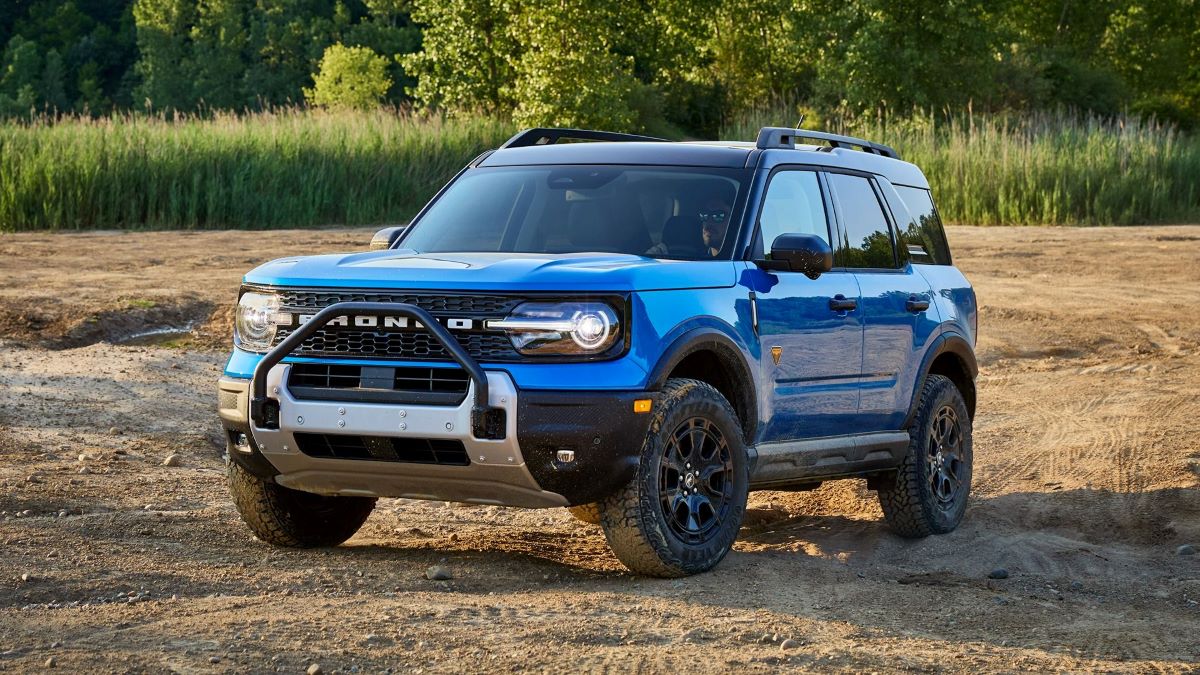
The base Bronco Sport is powered by an 180-hp turbocharged three-cylinder engine shared with the Ford Escape. Unlike its pavement-focused sibling, the compact Bronco comes standard with all-wheel drive and higher ground clearance, making trail adventures more manageable.
While all models can handle some off-roading, the Outer Banks and Badlands trims equipped with the Sasquatch package are significantly more capable. Off the trail, the Bronco Sport is easy to live with day to day. Its interior is practical, though competitors like the Honda CR-V and Volkswagen Tiguan provide more rear-seat space.
4. Acura MDX
Acura’s MDX provides excellent luxury-level weather isolation. The roof slopes gently but still creates a subtle overhang above the doors, which prevents water from dripping directly into the cabin.
The double-layered door seals are among the best in the segment, compressing tightly against the body to keep moisture out even during extended rain exposure. The MDX also reduces window splashback thanks to wide mirror housings that redirect sheet-flow away from the glass.
Previous generations of the MDX delivered excellent value for the money, something that isn’t always true of competitors like the Audi Q7 or Mercedes-Benz GLE. That focus on value continues with the 2022 Acura MDX, which comes well-equipped even on its most affordable trim.
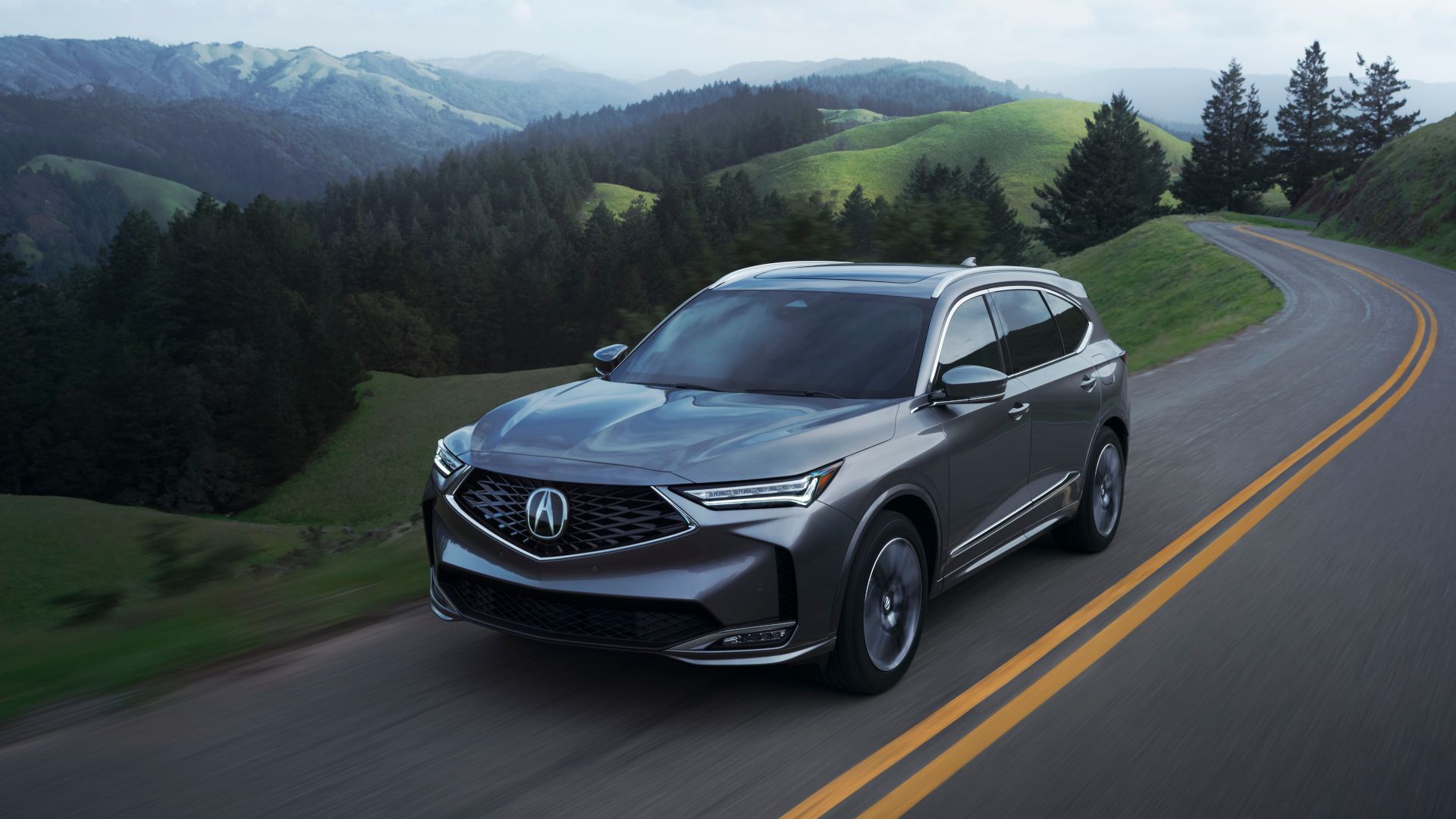
The MDX also retains its sophisticated all-wheel-drive system, which not only improves traction in snowy or icy conditions but also helps the SUV feel more composed and agile on dry roads.
New for 2022 is the MDX Type S, a sportier trim that features a turbocharged 355-hp 3.0-liter V6. This engine provides satisfying acceleration and serves as a compelling alternative for those who find the 290-hp base engine underwhelming for a vehicle of this size.
The Type S also includes exclusive upgrades, such as a sport-tuned suspension capable of adjusting ride height and more robust brakes.
Not every change is an improvement, however. The previous MDX’s two-screen infotainment system was frustrating, and although there’s now a single screen, the touchpad interface can still be aggravating to use. Even so, these issues are minor in a vehicle with many strengths.
With enhanced ride quality, improved interior space, refreshed styling, and the high-performance Type S model, the 2022 Acura MDX remains one of the more compelling options in the luxury SUV segment.
5. Jeep Grand Cherokee
The Jeep Grand Cherokee, despite its off-road positioning, excels at managing rainwater thanks to its boxy roofline and carefully engineered roof channels. The upper door frames sit high beneath the roof rails, giving them significant shelter from overhead runoff.
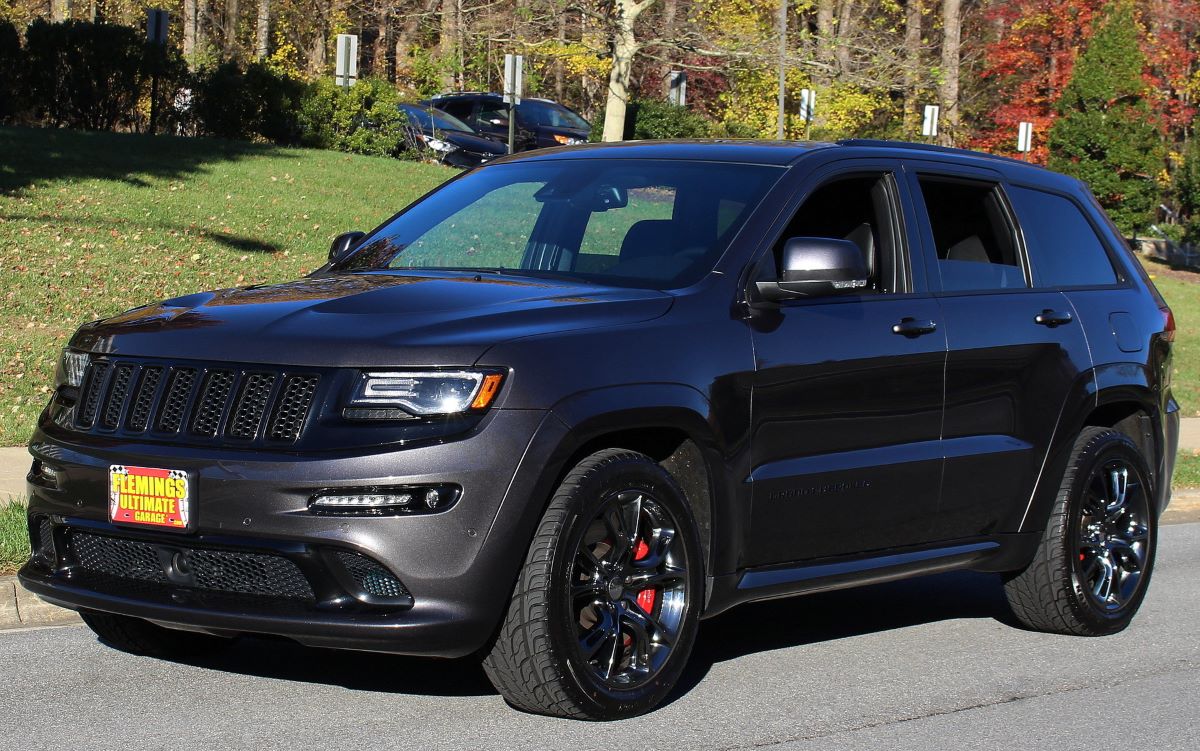
Jeep also uses deep J-shaped seals that prevent water from sneaking in when the door is opened halfway. This makes the Grand Cherokee surprisingly civil in poor weather compared to some rivals with more sloped, water-prone profiles.
The standard V6 delivers strong performance around town, but with many equally capable competitors, its overall output is only average. In our testing, the 0-60 mph sprint took roughly 8 seconds, comparable to other five-passenger midsize SUVs like the Toyota 4Runner and Honda Passport.
The available 4xe plug-in hybrid powertrain, by contrast, is noticeably quicker. Braking is confident and easy to modulate, and the steering impresses with its light yet precise feel.
The Grand Cherokee isn’t especially sporty. It’s not an awkward SUV, but its limits in grip and driver engagement fall below average. On the bright side, it remains more capable off-road than most midsize crossover SUVs.
Inside, the Grand Cherokee offers numerous comfort features and adjustable seating, but it falls short of the near-luxury promise.
The seats are firm, and even with the optional air suspension, the highway ride can feel a touch stiff. Rear-seat space is limited compared with rivals, though heated and ventilated rear seats are available, a rare convenience at this price point.
The cabin is generally quiet, but certain bumps and road cracks produce loud impacts that interrupt the otherwise well-insulated environment.
The climate control system performs effectively, circulating ample cold or hot air. While we appreciate the physical climate buttons, their low placement on the dash and the small, tightly packed design can demand extra attention when adjusting settings.
Also Read: 10 Cars That Deliver the Most Comfort for the Least Money
6. Nissan Rogue
One of the Rogue’s underrated strengths is its ability to keep the interior dry in wet conditions. Nissan carved large rain gutters into the roof edges, and these work with the wraparound doors to block splashes from entering.
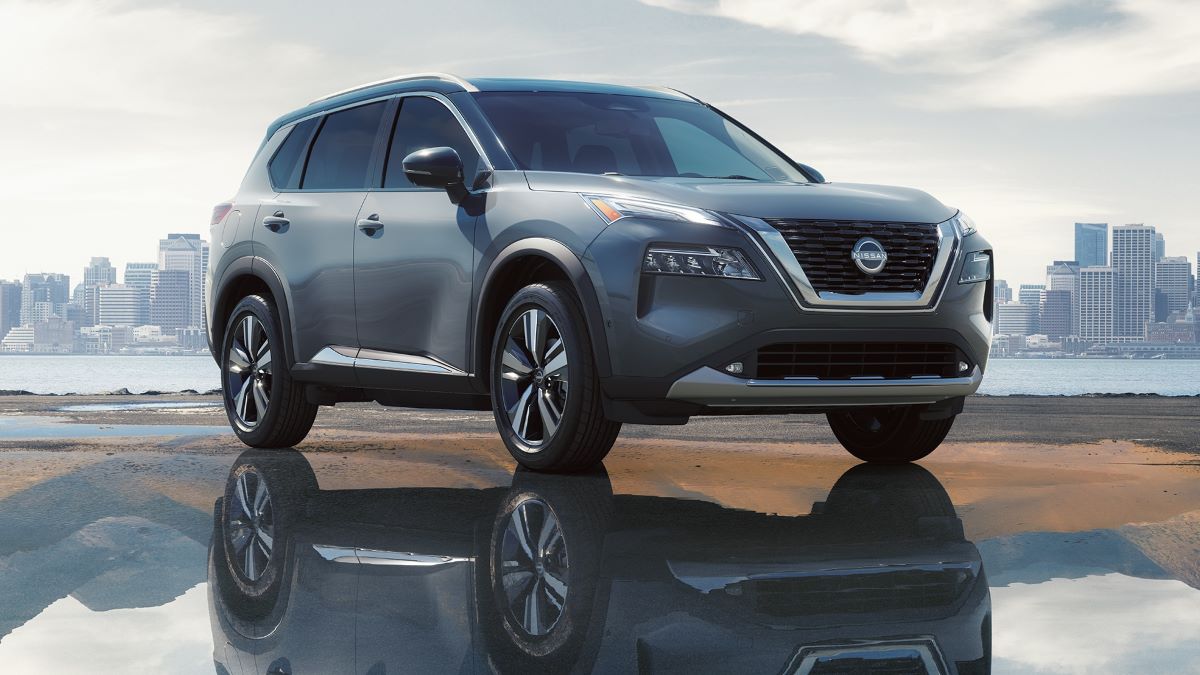
The Rogue’s slightly elevated ride height also lifts the sill area, so water tends to fall outward rather than into the seats. For parents loading kids or groceries, the difference is noticeable especially during storm season.
7. Chevrolet Traverse
The Chevrolet Traverse’s wide roof, boxy stance, and high door openings make it a natural shield against rainfall. GM’s weather stripping is thick, layered, and runs deep into the door frame, creating a tight seal that holds back drips even when the roof is soaked.
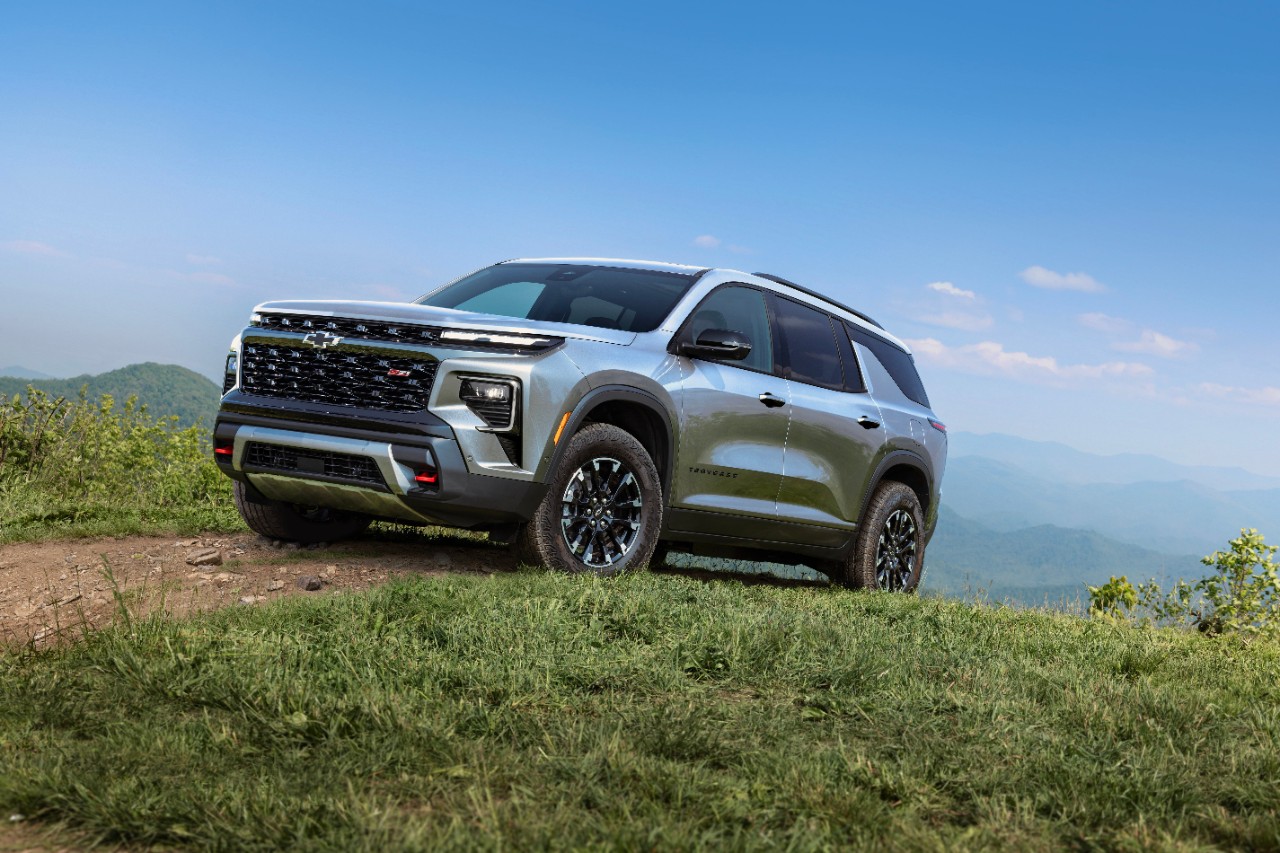
The Traverse’s roof rails add another layer of protection by functioning like water diverters that push runoff outward instead of down the sides of the vehicle.
The 2025 Traverse is Chevrolet’s second-largest SUV, positioned below the truck-based Tahoe and Suburban. As a three-row midsize crossover, it appeals to growing families, and its rearmost seats are roomy enough to accommodate adults, a feature not all vehicles in this class can claim.
Cargo space behind the third row is also comparable to the Tahoe’s. On the road, however, the Traverse could be sharper. The turbocharged four-cylinder engine sounds strained during acceleration, and while the SUV handles competently, it lacks the crispness that makes driving particularly engaging.
8. BMW X5
The BMW X5 is engineered with precise roof-channeling that routes water down the rear pillars instead of letting it fall along the door frames.
The doors extend slightly upward into the roof structure, creating excellent overlap that blocks water from entering.
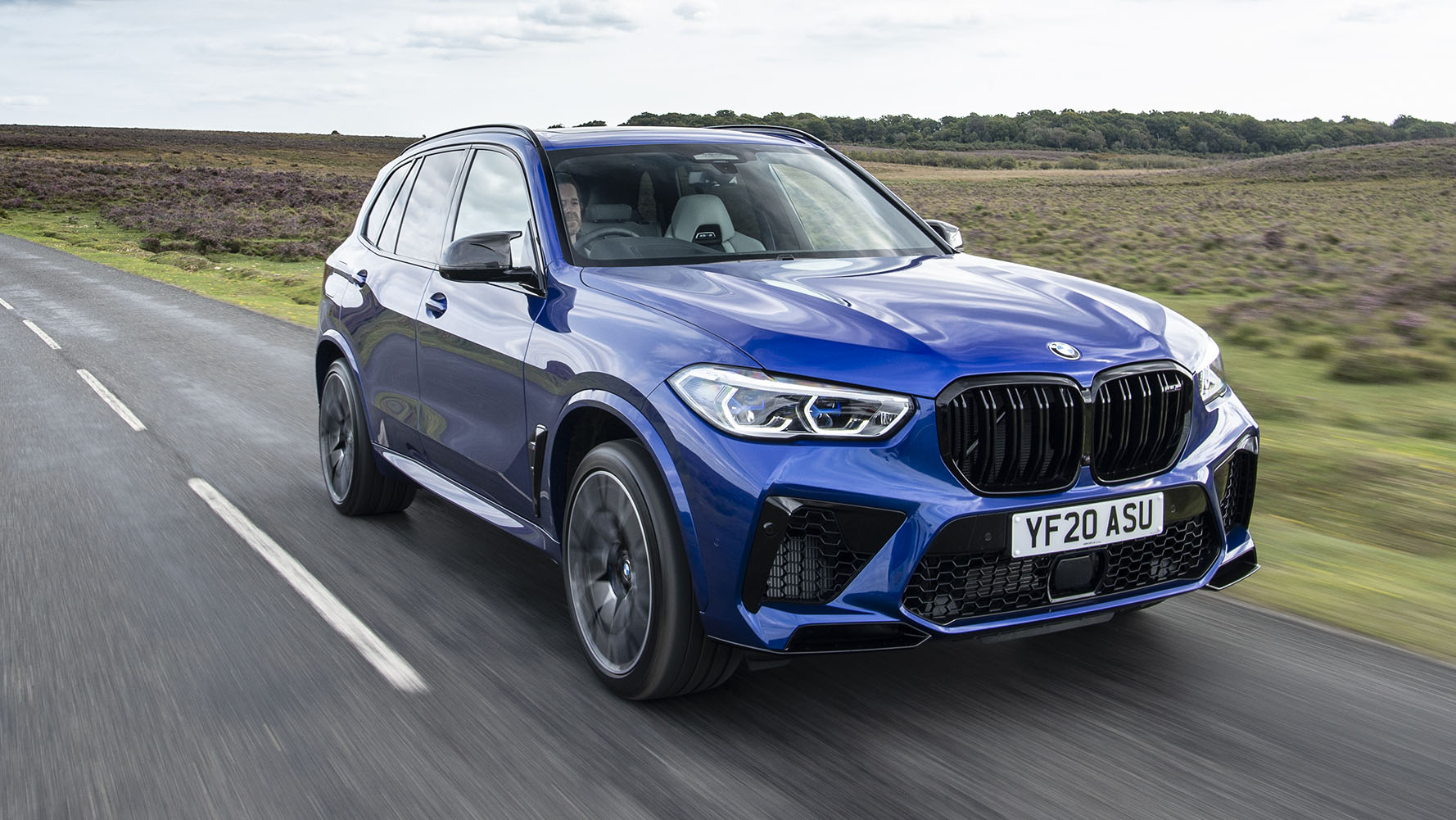
Its sophisticated sealing system includes multi-stage weather gaskets that maintain pressure and insulation even after years of ownership, helping the interior stay dry whether you’re driving through New England storms or Seattle drizzles.
The six-cylinder engine provides ample power and responsiveness for everyday driving. Whether you choose this engine or the available V8, the X5 ranks among the quickest non-performance SUVs on the market. BMW also offers an optional off-road package that improves the X5’s ability to tackle dirt roads and light trails.
Handling and steering, however, are less remarkable. The steering lacks road feel, and the X5 can feel soft and floaty through corners unless Sport mode is engaged. For everyday driving, though, the X5 is easy to manage, and its eight-speed automatic transmission shifts smoothly and quickly.
Entry into the cabin requires a bit of maneuvering, as the seats are set back from the doors. Taller drivers may want to skip the optional running boards for easier access.
Once inside, the front seats offer ample space, and rear passengers enjoy good headroom, knee room, and shoulder room. The interior is technologically advanced, but the abundance of buttons on the center console and the fiddly climate controls can be challenging to master.
Visibility can be an issue. The X5’s surround-view camera system is excellent for parking, and forward and side views are strong. Rearward visibility is adequate if the seat is positioned correctly.
However, the side mirrors and door frames can obscure pedestrians and other road users. Opting for the surround-view camera system is highly recommended to assist with parking and maneuvering.
9. Volvo XC90
Volvo’s XC90 excels in wet climates thanks to Scandinavian attention to all-weather usability. It features tall roof overhangs and deep rain channels that funnel water backward.
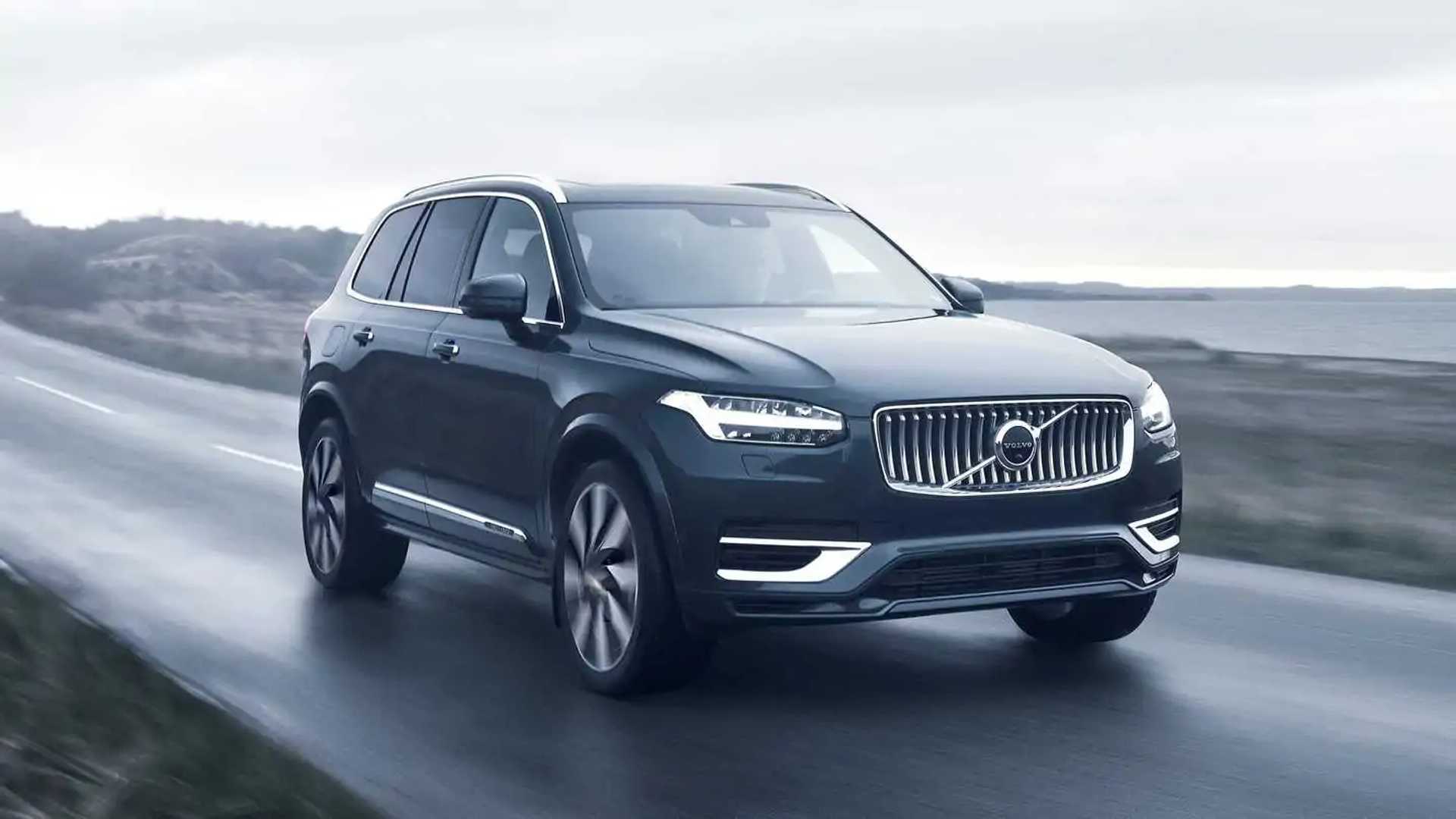
The doors are also recessed into the frame, which prevents droplets from gaining enough momentum to cross into the cabin.
The XC90’s flat, upright design also means that water sheet-flow doesn’t accelerate down the roof unlike on more sloped SUVs making the interior especially resistant to rain intrusion.
Supremely elegant and packed with technology, the 2021 Volvo XC90 is among the most desirable midsize luxury crossovers. Volvo emphasizes safety, and the brand delivers by equipping its only three-row SUV with an extensive array of standard driver-assistance features.
Alongside high-tech elements such as a fully digital gauge cluster and a tablet-style infotainment touchscreen, the XC90 offers a semi-autonomous drive mode.
While it isn’t particularly engaging to drive compared with sportier rivals like the Audi Q7 and Porsche Cayenne, the XC90 boasts one of the most beautiful interiors in its class. A trio of four-cylinder engines is available, highlighted by a potent and quick 400-hp plug-in hybrid.
The nonhybrid XC90 comes with two 2.0-liter turbocharged four-cylinder engine options. The 250-hp turbo (T5) is the only engine available with front-wheel drive, though all-wheel drive is an option and is standard on every other model.
The more powerful T6 adds supercharging to the turbo setup, producing 316 horsepower, and comes standard on the gas-powered Momentum and Inscription trims. All engine variants are paired with an eight-speed automatic transmission.
Like many vehicles in its segment, the XC90 leans noticeably through corners, but its steering remains accurate, and the wheel has a satisfying weight that balances between light and heavy.
Our test vehicle was equipped with the optional air suspension, which delivered a smooth, insulated ride and handled most road conditions well. Minor clattering over sharp bumps revealed a few imperfections, one of the only drawbacks in an otherwise graceful and refined XC90.
10. Toyota Sienna
While minivans often do well in rain because of their sliding doors, the Toyota Sienna stands out more than most. Its sliding-door tracks are tucked beneath a protected gutter system that prevents roof runoff from splashing inside, even when the door is partially open.
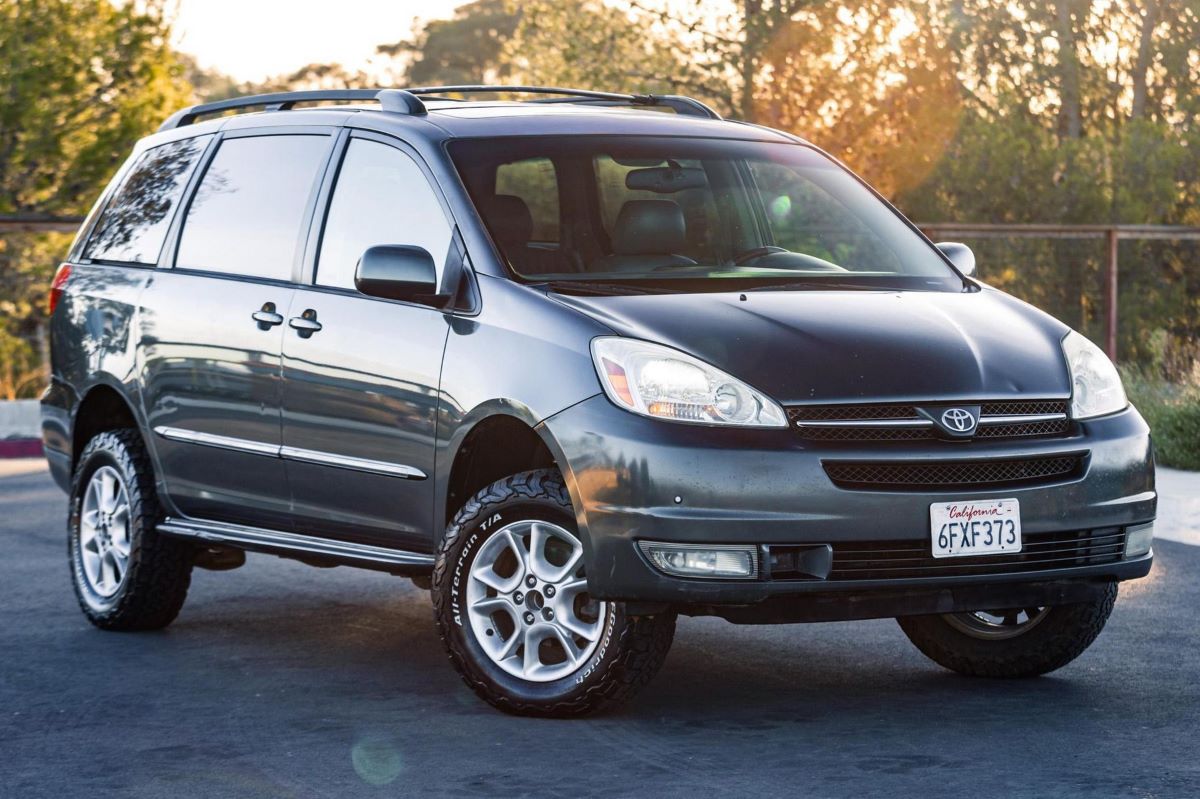
Because the roofline extends far over the cabin an inherent advantage of minivan design the Sienna acts like a mobile awning when you’re loading kids or cargo in a storm. Even after heavy rain, the seats stay remarkably dry.
The Sienna’s hybrid-only powertrain makes acceleration exceptionally smooth, though it’s slower than most competitors, taking about an extra second to reach 60 mph compared with other minivans, including the outgoing Sienna with a V6.
This slower pace isn’t noticeable when cruising around town, but it becomes evident when merging onto highways or tackling inclines.
While not the most agile minivan in its class, the Sienna handles competently, driving more like a car than an SUV. The steering is well-weighted for long highway drives, yet light and easy to maneuver at lower speeds.
Emergency braking is adequate, though the brake pedal sometimes has a grabby feel, which can make it difficult to achieve consistently smooth stops.
Our test Sienna wasn’t a final production model, but it felt solidly built, with no squeaks or rattles. Frequently touched surfaces, like the steering wheel and armrests, are soft and well padded, contributing to an overall upscale interior impression.
Although a base Sienna starts slightly higher than other base minivans, it is competitively priced once you equip rivals with comparable features.
The top trim costs a bit more but adds value through features like all-wheel drive, which some competitors lack. It also offers a strong warranty on hybrid components and roadside assistance, and uniquely provides two years of complimentary scheduled maintenance.
11. Range Rover Velar
The Range Rover Velar blends style with weather resilience. Its flush door handles don’t compromise sealing strength, and the roof channels are cleverly integrated into the body rather than visibly extruding.
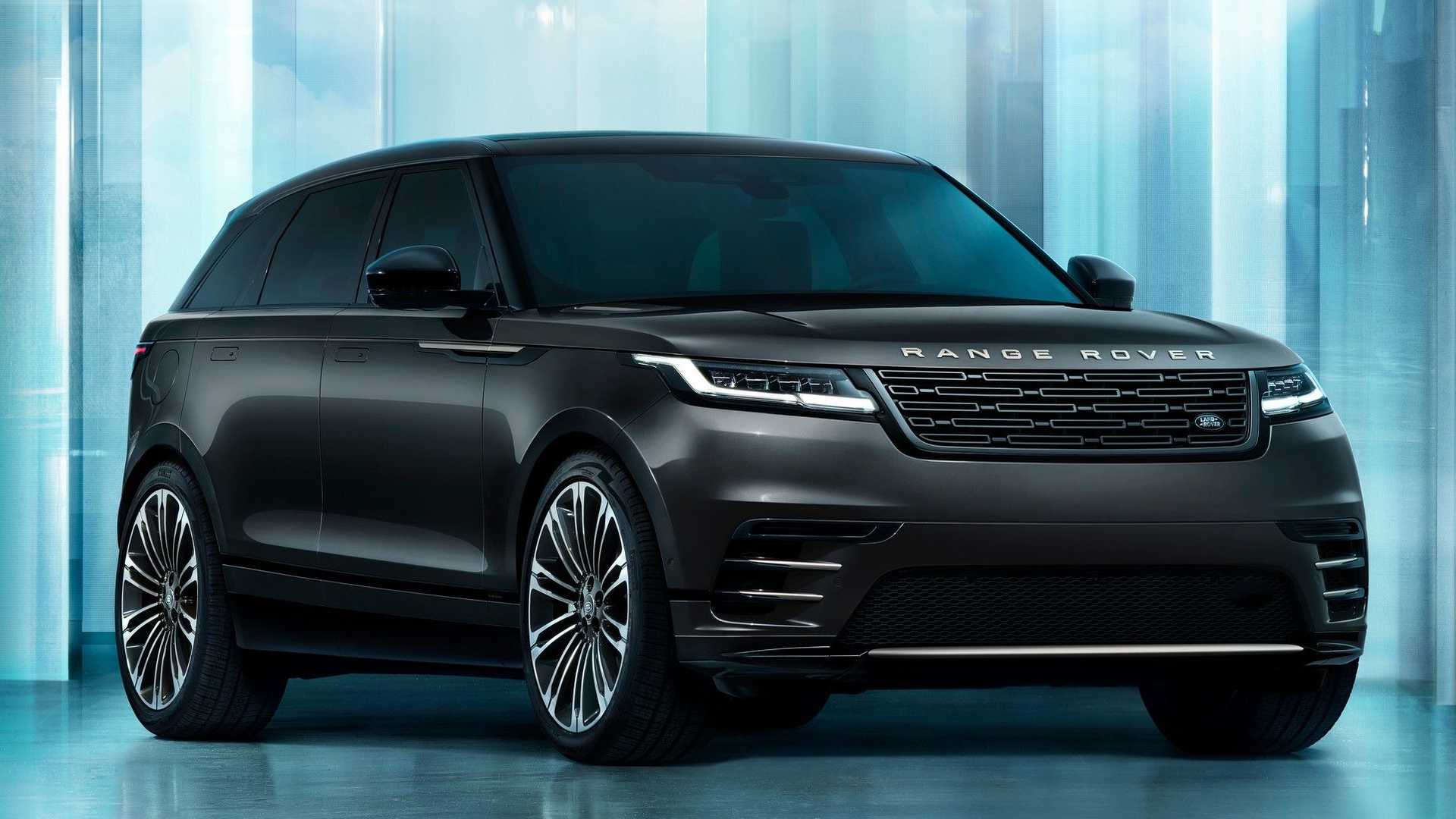
Range Rover engineers designed the Velar’s door openings with inward-wrapped edges that form a shielded cavity, keeping water out during entry. The tall ride height improves the effect further by redirecting water outward rather than toward the cabin floor.
12. Mazda CX-90
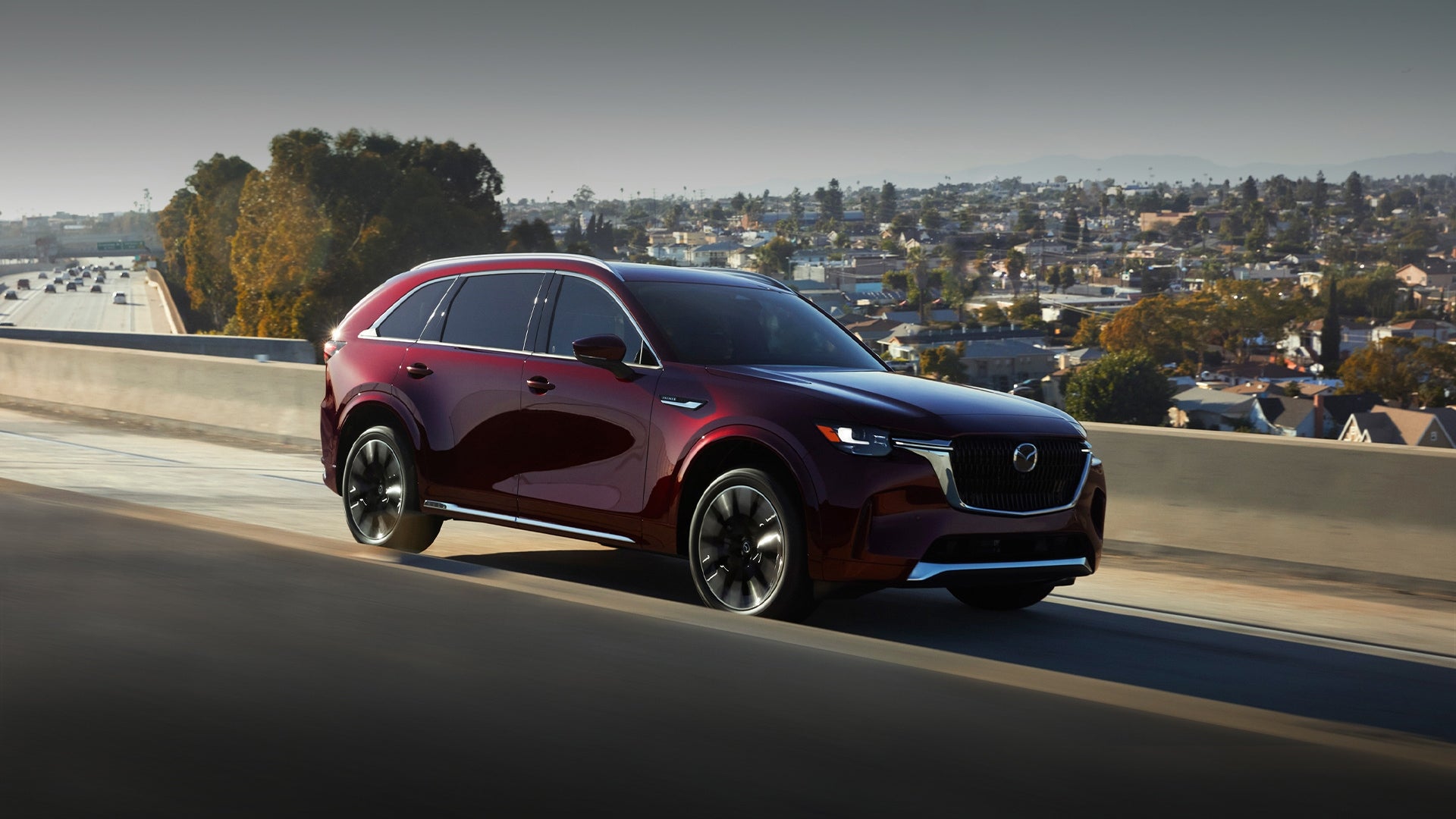
The Mazda CX-90 may be sleek, but its rain management is excellent. The doors have large, cushioned double seals and are shaped to wrap into the roofline, giving them a naturally protected upper lip.
The roof itself has deep, well-concealed drains that pull water toward the back of the vehicle. This prevents drips from falling directly onto the seats when opening the door after a rainy drive or a car wash.
The CX-90 feels almost wagon-like in how well it shields occupants, which is a rare trait in its segment. The CX-90 is faster, handles better, and is more enjoyable to drive than nearly everything else in its class.
Equipped with the top-line 340-horsepower engine, it sprinted from 0 to 60 mph in a solid 6.5 seconds, making merging onto highways and zipping through traffic effortless.
The eight-speed automatic transmission shifts smoothly and without drawing attention, though the engine’s stop-start system is more noticeable than we’d prefer.
Steering feels a touch heavy, but it matches the substantial, confident character of the CX-90. The brake pedal is responsive and reminiscent of a sports car, though it can be a bit sensitive, making smooth stops around town slightly challenging.
Our test vehicle’s 21-inch wheel and tire package felt stiff over rough pavement, but overall, the CX-90 absorbs bumps well and maintains excellent composure at highway speeds.
Visibility is generally good once you get used to the longer-than-average hood. Advanced driver-assistance features are plentiful; every CX-90 comes with adaptive cruise control, lane-keeping assist, and blind-spot monitoring. We found the adaptive cruise system to be more responsive and consistent than several competitors’ offerings.
The CX-90 sports one of the most stylish interiors among midsize three-row SUVs, almost feeling too upscale for everyday family use. Nearly every surface looks and feels high-end, drawing comparisons to luxury brands like Acura, Infiniti, and Lincoln.
Warranty coverage is standard but doesn’t match what Hyundai and Kia offer. Roadside assistance is provided for three years/36,000 miles, though complimentary maintenance is not included.
A vehicle’s ability to keep rain from splashing into the cabin may not be advertised loudly, but it’s a major factor in everyday comfort especially in rainy US regions like the Pacific Northwest, the Gulf Coast, and the Northeast.
Subtle features such as roof overhangs, seal placement, door design, and roof-channel engineering can make all the difference when it comes to staying dry.
The 12 vehicles listed above go beyond basic weatherproofing, offering thoughtful design that protects passengers from unexpected splashes.
From the rugged Bronco Sport to the luxury Range Rover Velar and the family-friendly Sienna, they all share the same core strength: they’re built to handle real weather, not just ideal conditions.
If you’re tired of water dripping on your seats or soaking your clothes the moment you open the door, any of these models will make rainy-day driving far more pleasant.