Modern SUVs have evolved far beyond their original purpose of offering rugged off-road capability. Today, families, adventurers, and daily commuters all turn to SUVs for their versatility, comfort, and cargo flexibility. One of the most critical aspects of this versatility is the design of rear seats and the mechanisms by which they fold.
This feature often defines how practical a vehicle is for transporting larger items, accommodating passengers, and adapting to changing needs on the fly. For many buyers, ease of use is paramount. Some vehicles prioritize simplicity and intuitive operation, allowing seats to fold with a single touch or press of a button.
Others retain traditional mechanisms, relying on levers that must be pulled and positioned in a certain way to achieve the desired configuration. Each approach comes with its own set of advantages and trade-offs, influencing daily usability, long-term durability, and even the perceived quality of the vehicle.
SUVs with easy seat folding systems are increasingly common, particularly in models aimed at families or those who anticipate frequent use of the cargo area. These systems reduce the effort needed to adjust seating arrangements and often include features such as automatic folding, one-hand operation, or even remote control.
The convenience can be transformative, turning what was once a labor-intensive task into a matter of seconds. On the other hand, hunt-and-pull lever systems retain a more mechanical feel and are sometimes preferred by buyers who appreciate the simplicity and direct tactile feedback of a manual operation.
They can be more reliable in the long term, less prone to failure due to electronics, and often cost less to repair or maintain. Understanding the differences between these two approaches is important for buyers who want to make an informed choice, as the seat folding mechanism can affect daily convenience, resale value, and satisfaction with the vehicle.
This article will examine five SUVs that feature easy seat folding mechanisms and five that rely on hunt-and-pull levers. Each vehicle will be analyzed based on usability, comfort, cargo flexibility, and suitability for different lifestyles. By highlighting these characteristics, readers can gain a clearer understanding of how design decisions influence the ownership experience.
Factors such as speed of operation, ergonomics, and adaptability in various scenarios will be discussed in detail, allowing prospective buyers to match their expectations with the vehicle that best suits their needs. The comparison will also consider secondary effects such as interior space management, seat durability, and integration with other SUV features, offering a holistic view of how seat folding systems contribute to everyday functionality.
By focusing on these practical aspects, this discussion avoids marketing hype and instead presents a realistic perspective on what each SUV can deliver.
Understanding the distinction between intuitive, easy-folding seats and traditional lever-based systems is particularly relevant in the current automotive industry, where SUVs are no longer niche vehicles but central to urban, suburban, and even light off-road lifestyles.
The analysis that follows aims to guide readers in making an informed choice, offering insights that go beyond simple specifications and delve into real-world usability. Whether a buyer values speed, simplicity, mechanical reliability, or adaptability, the right seat folding system can significantly enhance the daily experience of SUV ownership.
SUVs with Easy Seat Folding Systems
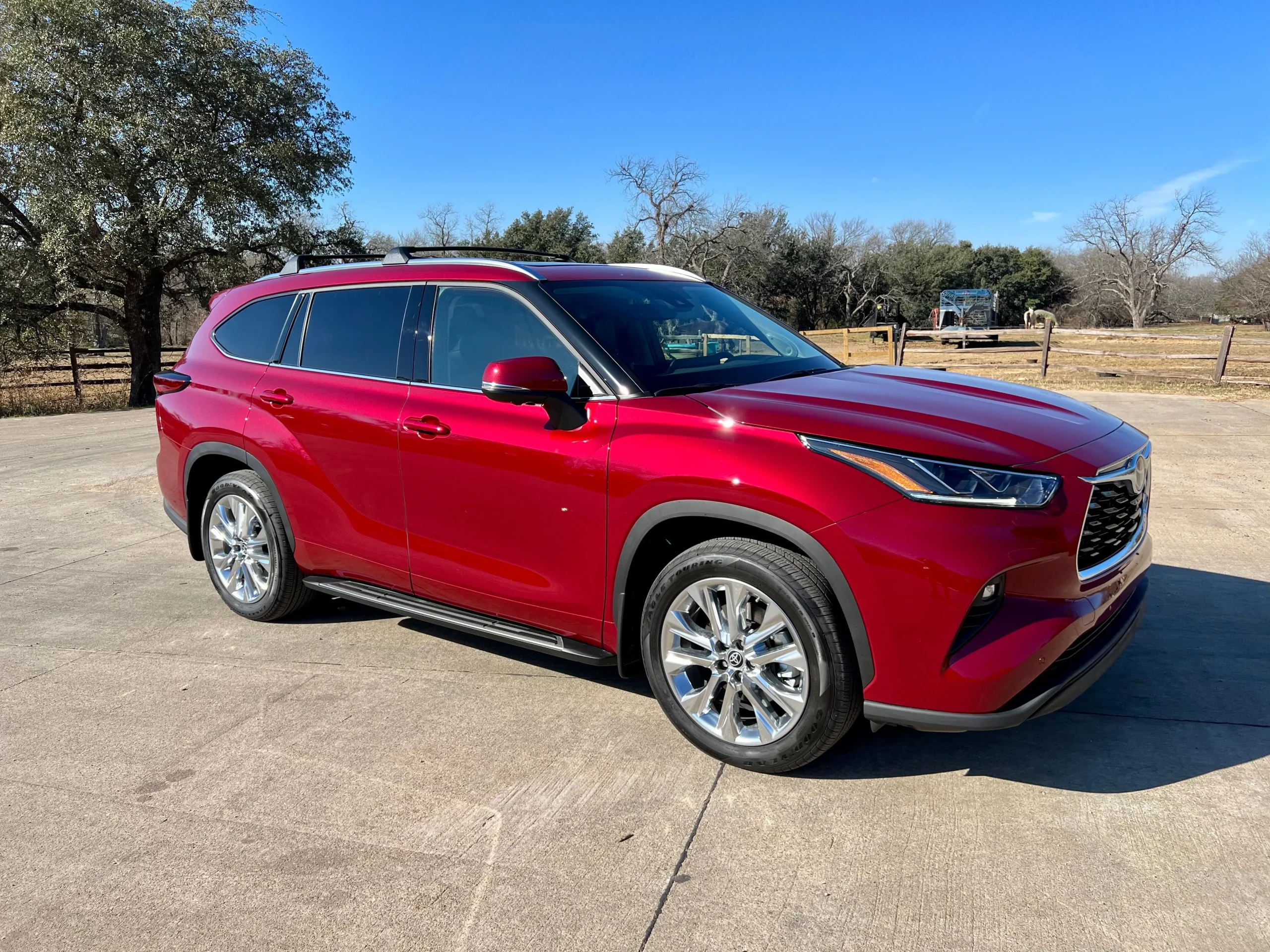
1. Toyota Highlander
The Toyota Highlander is widely regarded as one of the most family-friendly mid-size SUVs on the market, and its easy seat folding system is one of the features that sets it apart. The second-row seats are designed to fold with a single pull of a lever or, in higher trims, with the touch of a button.
This simple mechanism reduces the effort required to adjust the seats and allows for rapid transformation of the interior space, making it possible to accommodate bulky items such as bicycles, sports equipment, or large boxes without needing to remove or reposition seats manually.
Families with small children or older adults will particularly appreciate this convenience, as the seats can be folded with minimal physical strain, eliminating the need to push or lift heavy cushions into position. The accessibility of the system makes it usable by nearly anyone, ensuring that the interior of the Highlander can be reorganized quickly to suit different scenarios, from road trips to grocery runs.
Beyond convenience, the Highlander’s seat folding system has been engineered for long-term durability. Toyota has a reputation for producing mechanisms that can withstand repeated use without becoming loose, sticky, or misaligned, and the Highlander’s design reflects this standard.
The seats include secure locking points, both in the upright and folded positions, which ensure stability during travel, even when driving on uneven terrain or over bumps. This reliability is critical for families or users who frequently reconfigure their seating, as it guarantees that the mechanism will continue to function smoothly for years without requiring adjustments or repairs.
The combination of ease-of-use and durability makes the Highlander stand out in its class, providing peace of mind to buyers who depend on their SUV for both everyday tasks and occasional adventures.
The interior space created when the Highlander’s seats are folded is another advantage. When the second-row seats lie flat, the cargo area becomes a wide, uninterrupted surface capable of accommodating large items without obstruction.
The seats are designed so that headrests and armrests integrate neatly into the folded configuration, preventing gaps or uneven surfaces that could cause items to shift during transport. This thoughtful attention to detail ensures that the interior is not only more versatile but also safer for cargo, as items remain stable during transit.
The flat surface is especially useful for families transporting strollers, sports equipment, or camping gear, as it allows for optimal use of space and makes loading and unloading simpler and faster.
In addition to mechanical convenience, the Highlander incorporates technological features to enhance usability. In higher trims, certain seat folding operations can be activated remotely from the rear hatch or even the driver’s seat, allowing users to prepare the cargo area without having to enter the vehicle.
This is particularly helpful when hands are full or when loading bulky items, as it eliminates the need for awkward maneuvering. Combined with the smooth operation of the manual or assisted lever, this system highlights Toyota’s commitment to functional design that improves day-to-day usability.
The Highlander demonstrates that an easy seat folding system can significantly enhance both practicality and comfort, making it an appealing choice for buyers who value versatility and efficiency in their SUV.
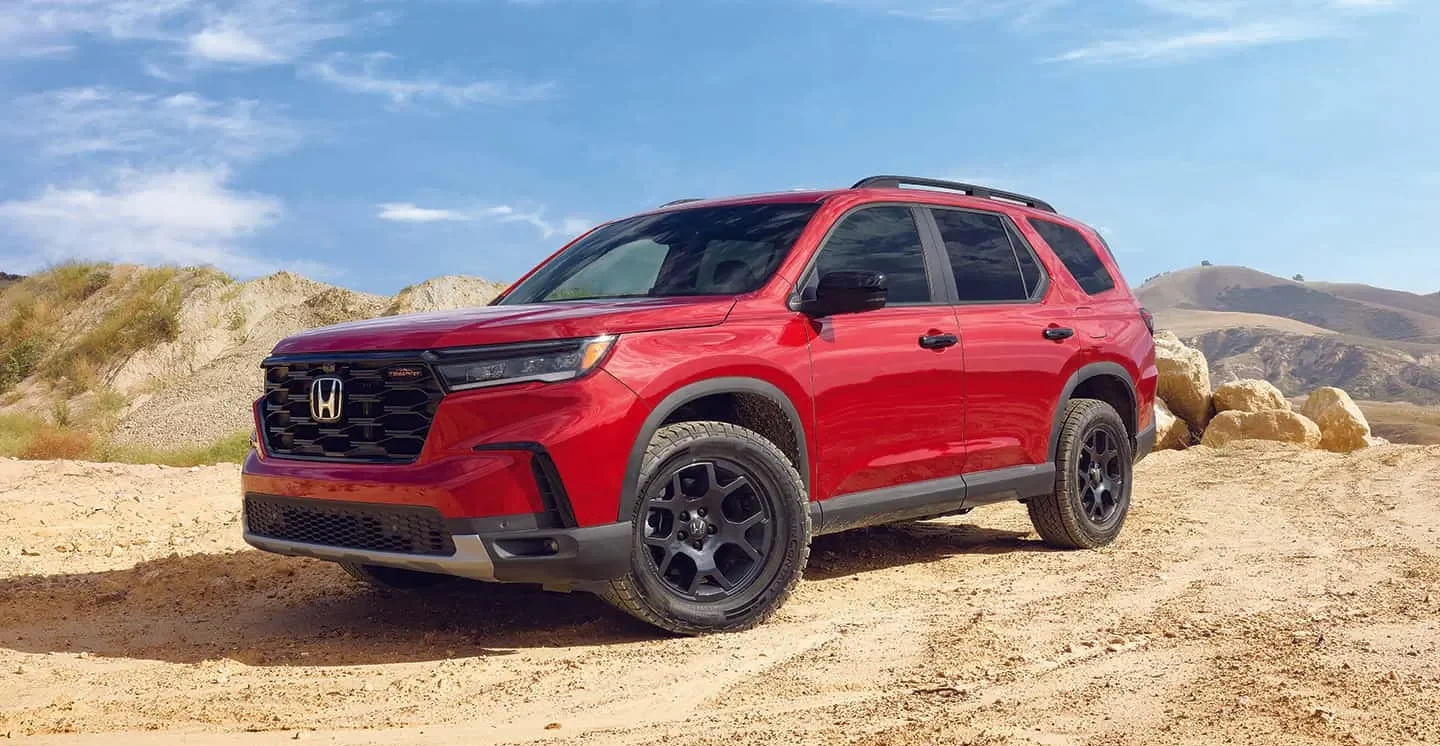
2. Honda Pilot
The Honda Pilot emphasizes passenger comfort and interior adaptability, with its easy seat folding system being a cornerstone of its design. The second-row seats slide forward or fold flat with minimal effort, creating a clear path to the third row. This feature is particularly valuable for families with children, as it allows for quick adjustments without the physical strain associated with older-style seats.
The operation is designed to be intuitive, requiring little thought or instruction, so that drivers and passengers can make changes on the go. Whether loading groceries, sports equipment, or luggage for a long trip, the Pilot’s folding system streamlines the process, ensuring that interior space can be configured efficiently for both passengers and cargo.
Durability is another key strength of the Pilot’s design. Honda engineers have ensured that repeated folding and unfolding of the seats does not compromise the system’s reliability. The levers and buttons operate smoothly, without sticking or creating uneven folds, and the locking mechanisms remain secure even after extended use.
This attention to engineering detail ensures that families can depend on the Pilot to function reliably day after day. The system is also designed to minimize wear on the seat cushions and frame, which is essential for maintaining interior quality over time. By balancing convenience with mechanical robustness, Honda ensures that the Pilot’s easy seat folding system continues to deliver a satisfying experience for years.
The flat cargo surface created by folding the second-row seats is highly practical. Large items can be loaded without concern for awkward gaps or protruding edges, making the SUV capable of handling oversized luggage, furniture, or recreational gear with ease.
Interior contours and storage compartments are designed to work seamlessly with the folding seats, preventing interference and making loading and unloading a smoother process. The ability to create a nearly uninterrupted cargo area significantly improves the utility of the Pilot, making it suitable for a wide range of scenarios, from weekend camping trips to moving household items.
Additionally, the Pilot offers flexible configurations that allow partial folding of seats. Split folding options enable users to fold one portion of a seat while leaving the other upright, accommodating a combination of passengers and cargo simultaneously.
This versatility is ideal for families who often carry a mix of children and gear, as it allows for easy adjustments without compromising passenger comfort. By combining intuitive operation, durable construction, and configurable interior space, the Pilot’s easy seat folding system exemplifies the practical benefits of a well-designed, user-focused SUV interior.
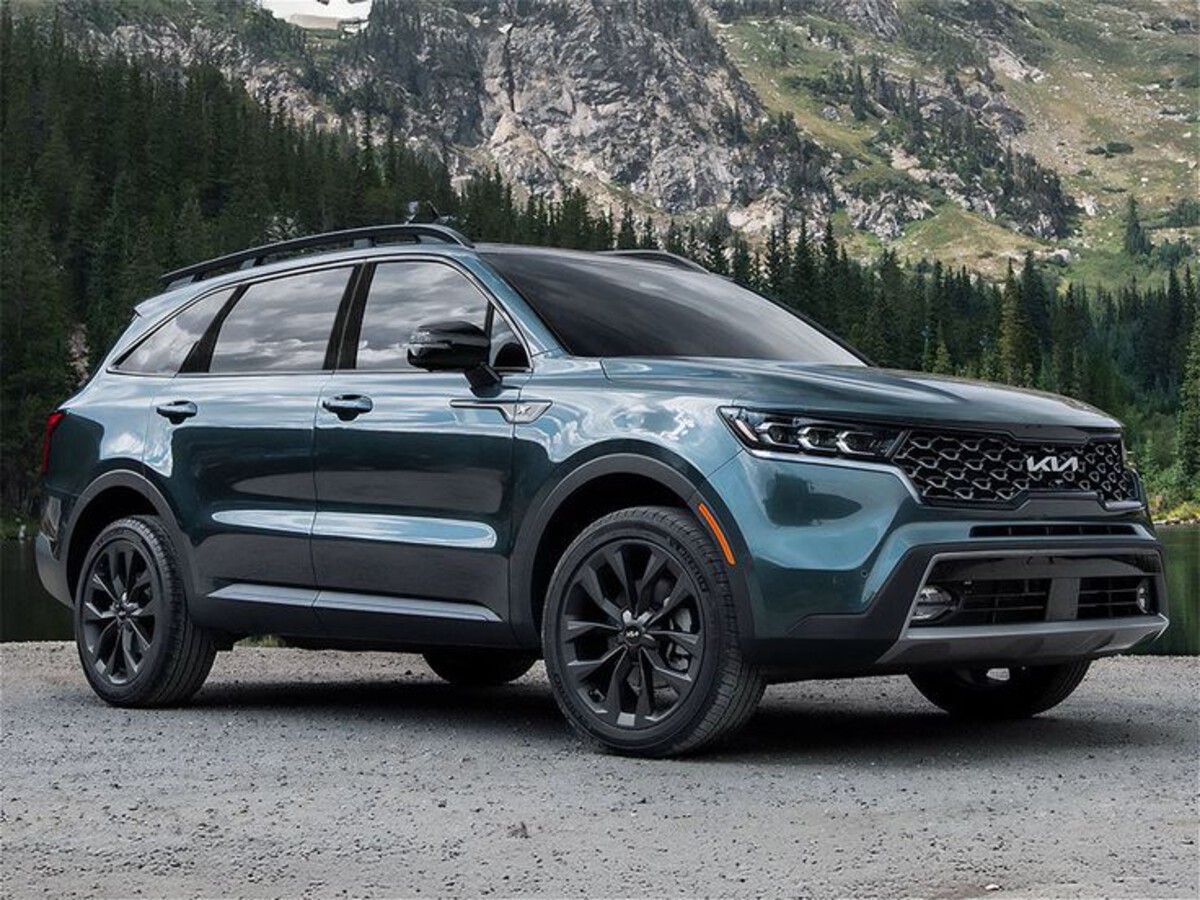
3. Kia Sorento
The Kia Sorento is designed with accessibility and convenience in mind, offering a seat folding system that allows for one-handed operation in many trims. The second-row seats fold forward with a simple pull of a lever, assisted in some versions by a spring mechanism that reduces the physical effort required.
This makes the system particularly suitable for users who frequently rearrange interior space for passengers and cargo. Whether handling sports equipment, luggage, or other bulky items, the Sorento simplifies the task, making it possible to adjust the interior in a matter of seconds.
The intuitive design ensures that even occasional users can operate the system without frustration, reducing the learning curve often associated with more complex folding mechanisms.
The Sorento’s interior layout also complements its easy seat folding system. Storage compartments, cup holders, and armrests are positioned in a way that does not interfere with the folding process, allowing users to access cargo without difficulty.
Even in cases where seats are folded or partially folded, the interior maintains functionality and comfort for passengers and cargo alike. This careful integration highlights the importance of designing seat folding systems as part of the vehicle interior rather than as isolated components.
Finally, higher-trim Sorento models offer optional powered folding. With this feature, seats can be folded electronically from the rear cargo area or the driver’s controls, further increasing convenience when hands are full or when managing multiple passengers.
This combination of mechanical simplicity, thoughtful layout, and electronic assistance creates a flexible and user-friendly SUV interior. The Sorento demonstrates how a well-designed easy folding seat system can transform the way owners interact with their vehicle, emphasizing both efficiency and comfort.
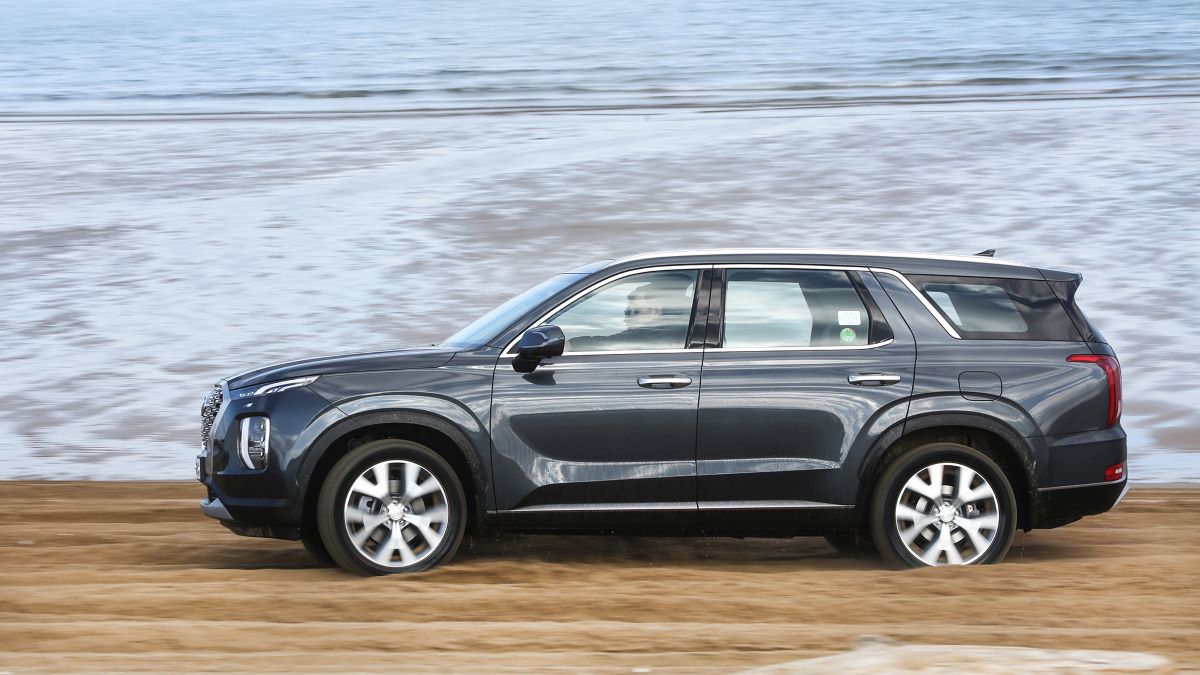
4. Hyundai Palisade
The Hyundai Palisade prioritizes interior versatility and passenger comfort, with easy folding seats as a core feature. The second-row seats fold flat with minimal effort, and the third-row seats also feature a simple release mechanism, allowing for rapid interior reconfiguration.
This dual-level folding system is particularly advantageous for families or groups who require flexible seating arrangements. Even users unfamiliar with the vehicle’s layout can quickly operate the seats, minimizing time spent adjusting the interior while maximizing usability.
The smooth operation ensures that the seats fold evenly and lock securely in place, preventing accidental shifts that could compromise safety or comfort.
Durability is central to the Palisade’s design. The folding mechanisms are engineered to withstand repeated use over the life of the vehicle without degradation. Locking points are robust and reliable, providing stability whether seats are upright or folded.
For families, this reliability is essential, as children often engage with seats multiple times during a trip, and repeated operation should not reduce the system’s effectiveness. Hyundai’s focus on longevity ensures that the Palisade’s seats maintain consistent performance even under frequent and heavy use.
Convenience features further enhance the Palisade’s easy seat folding system. In higher trims, one-touch or remote folding allows users to prepare the interior without entering the vehicle or using excessive effort. This makes the SUV practical in situations where hands are occupied or when rapid configuration is needed.
The combination of intuitive operation, mechanical reliability, and flexible interior design positions the Hyundai Palisade as an SUV that seamlessly adapts to a variety of practical needs while maintaining comfort and safety for passengers.
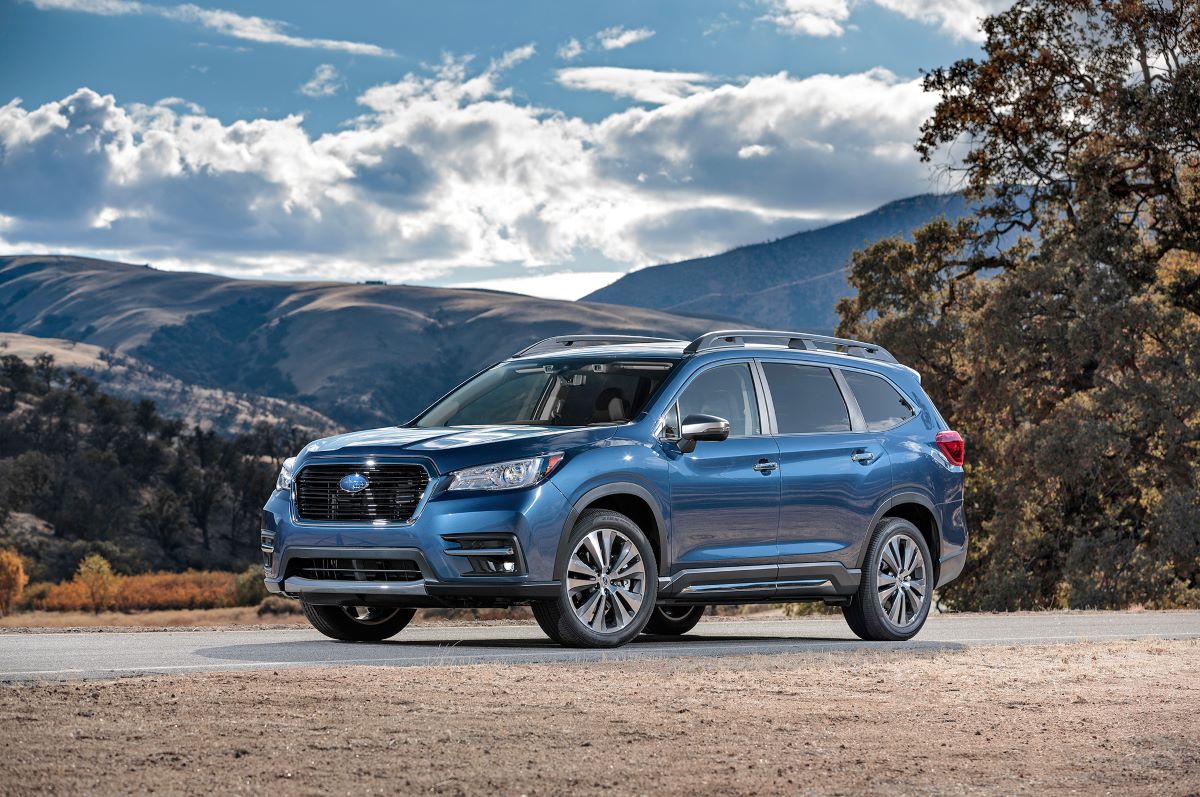
5. Subaru Ascent
The Subaru Ascent integrates its easy seat folding system into an SUV designed for all-weather capability and family-friendly use. The second-row seats fold forward using a simple lever, while the third-row seats also feature a straightforward release, allowing users to adjust the interior quickly and efficiently.
This system is particularly valuable for families who need to transform seating arrangements frequently, as it reduces physical effort and streamlines the process of preparing the SUV for passengers or cargo. Subaru’s design emphasizes functionality, ensuring that the seats operate smoothly and predictably even with repeated use.
The flat cargo surface created when the Ascent’s seats are folded enhances the SUV’s versatility. Long items such as furniture, sports equipment, or camping gear fit easily, and the continuous surface reduces the risk of items tipping or sliding during transport.
Recessed latches and integrated storage compartments ensure that folding operations do not interfere with cargo placement, making the process smoother and more practical. This design demonstrates Subaru’s attention to the integration of folding seats within the interior layout, rather than treating them as isolated features.
Partial folding options add layer of practicality to the Ascent. Split-folding seats allow users to leave one section upright while folding the other, accommodating a mix of passengers and cargo without compromise.
This is particularly useful for daily life scenarios, such as transporting a child seat alongside luggage or groceries. By combining intuitive operation, long-term reliability, and flexible interior configurations, the Subaru Ascent provides a highly functional SUV interior that meets the demands of both families and adventure-oriented buyers.
SUVs with Hunt-and-Pull Lever Systems
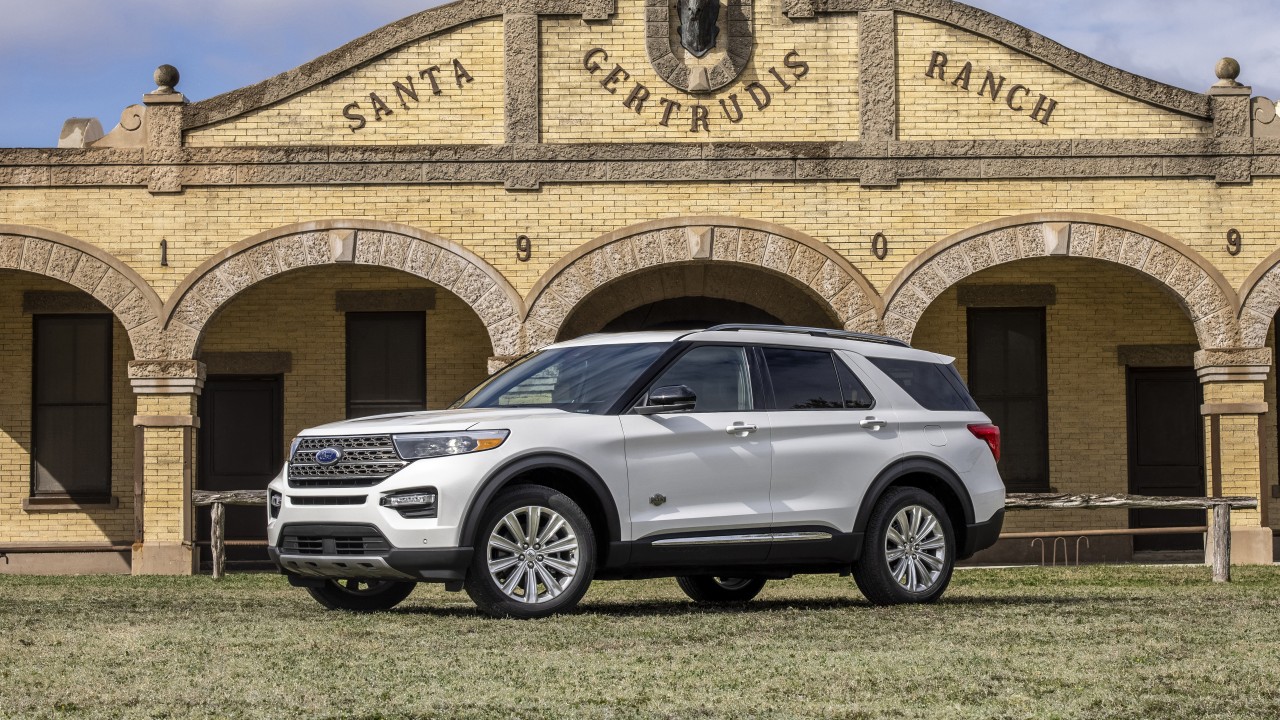
1. Ford Explorer
The Ford Explorer has long been recognized as a capable mid-size SUV, and part of its appeal lies in its traditional hunt-and-pull lever system for folding seats. This mechanical approach relies on the user locating the lever, pulling it, and then manually moving the seat into position.
While this requires more physical effort than automatic or assisted folding systems, it provides a tactile, predictable experience that many buyers appreciate. The design is robust, as there are fewer electronic components to fail over time. Families and individuals who prioritize long-term durability often find this system reliable, especially for heavy-duty use involving frequent adjustments of the interior.
The interior space offered by the Explorer’s lever system is extensive and flexible. When the second- and third-row seats are folded, the cargo area opens up to accommodate long or bulky items. Though folding is not instantaneous, the process ensures that seats are securely positioned once locked, reducing the likelihood of accidental movement while driving.
The flat surface that emerges after folding allows for effective loading and unloading, although users may need to remove headrests or adjust armrests manually to achieve a completely level surface. This trade-off is often seen as acceptable by buyers who value mechanical simplicity over speed.
Finally, the Explorer’s design allows for versatility in cargo and passenger configurations. The lever system enables split-folding, meaning portions of the second or third row can remain upright while others fold down. This provides flexibility for users who need to transport both passengers and cargo simultaneously.
Though the system requires more engagement from the user, it emphasizes durability, control, and straightforward operation. For many buyers, the hunt-and-pull system represents a classic approach that balances practicality with long-term reliability.
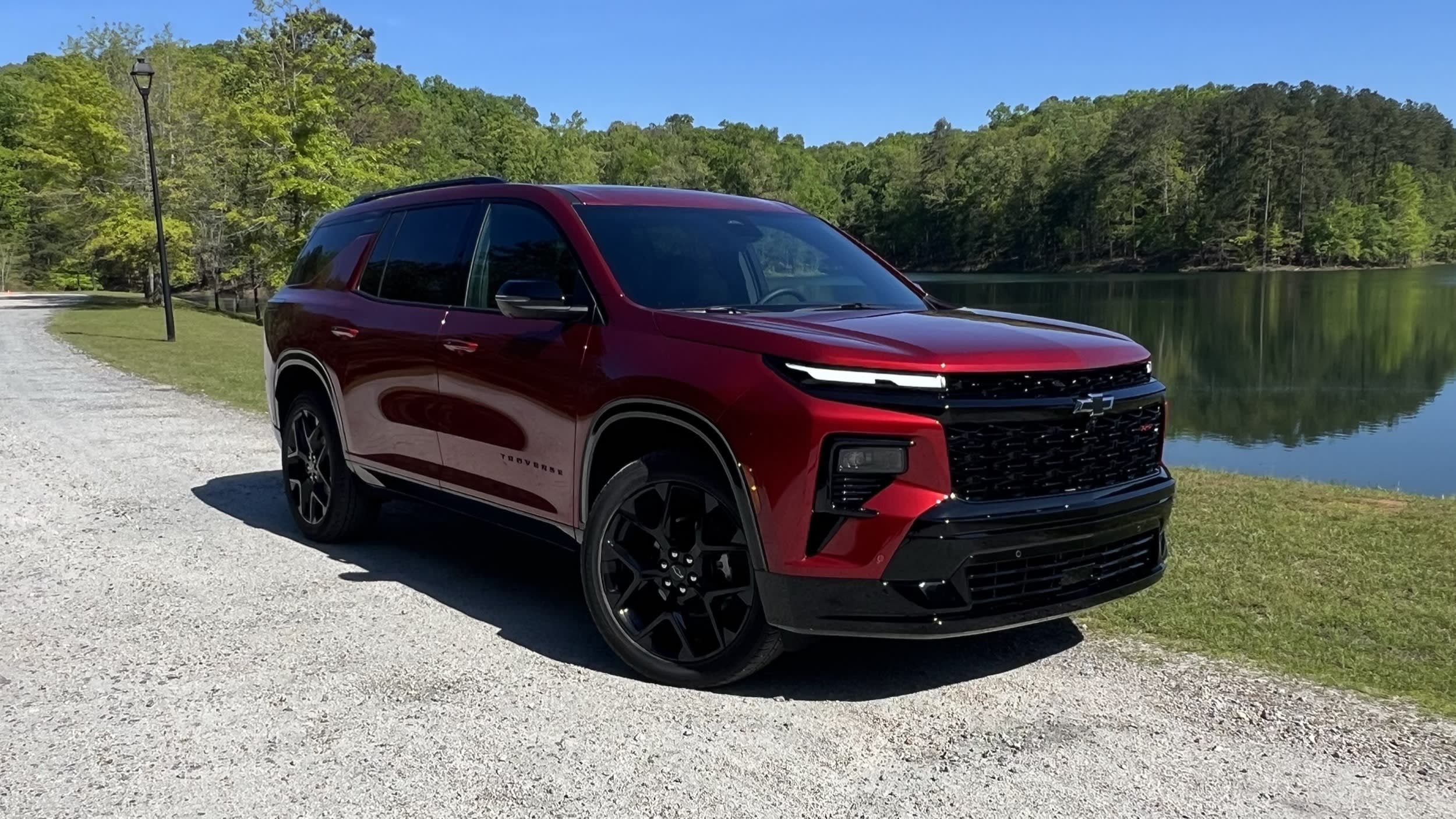
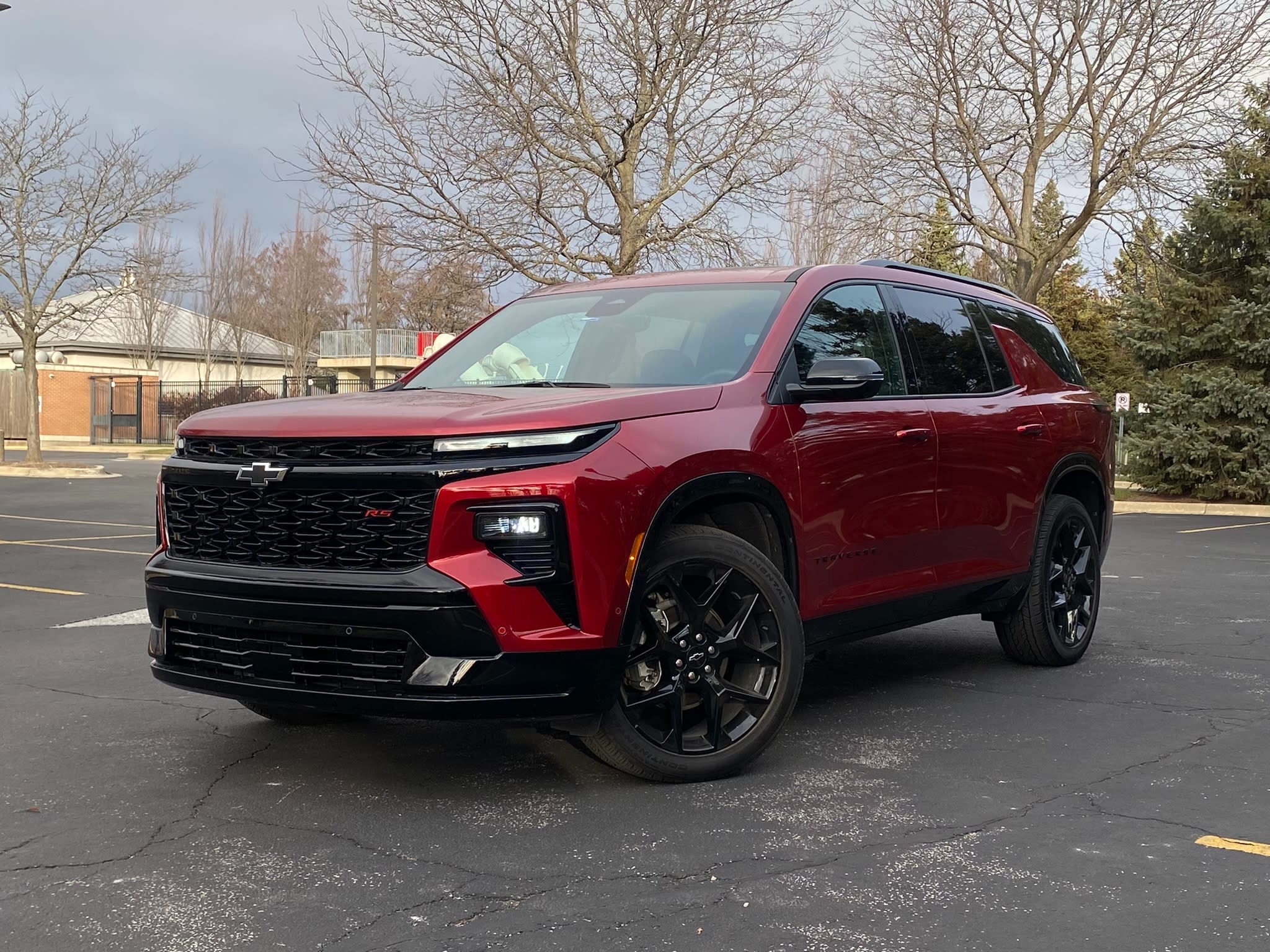
2. Chevrolet Traverse
The Chevrolet Traverse also utilizes a traditional hunt-and-pull lever system for folding its second- and third-row seats. The levers are designed to be easy to locate and use, but the operation requires physical effort and a deliberate sequence of actions.
While some may view this as less convenient than modern electronic or spring-assisted systems, it provides a reliable method for adjusting the interior that is unlikely to fail over time. Families and professionals who often carry heavy or bulky items will appreciate the dependability of the Traverse’s mechanical system, as there are no electronic components that could malfunction under repeated use.
Durability is a core strength of the Traverse’s lever-based system. The mechanisms are built to withstand repeated folding and unfolding without becoming loose or misaligned. The levers themselves are reinforced, ensuring that the act of folding does not wear out the components prematurely.
This mechanical reliability is especially valuable for users who frequently reconfigure the interior for cargo or passengers, as the system consistently performs as expected. Furthermore, the robust nature of the mechanism allows users to fold seats even while standing, using leverage and strength, which can be advantageous in tight parking spaces or when loading items in awkward positions.
In addition, the Traverse offers partial folding options that allow users to leave sections upright while folding others. This feature is particularly useful when transporting a combination of passengers and cargo, providing practical flexibility.
While hunt-and-pull levers require more physical effort, they give users a sense of engagement and control over the interior layout. The Chevrolet Traverse demonstrates that, when properly designed, a mechanical folding system can deliver dependable performance, durability, and adaptable space, meeting the needs of families and active users alike.
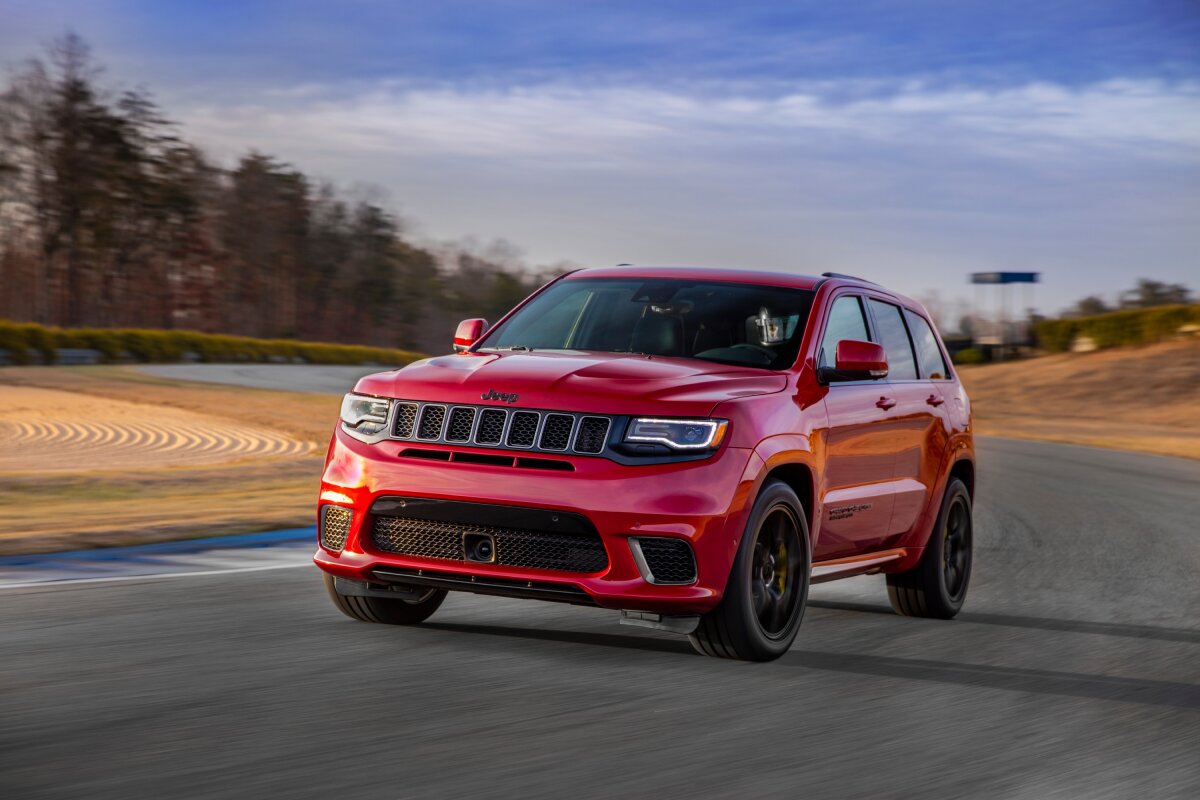
3. Jeep Grand Cherokee
The Jeep Grand Cherokee is a popular SUV among buyers who value ruggedness, and its hunt-and-pull lever seat system complements that ethos. The levers are easy to access and operate, though they require a deliberate sequence to fold or recline the seats properly.
This system offers a tactile experience that provides immediate feedback to the user, ensuring that the seat is fully released and ready to move. While this requires more effort than assisted or electronic systems, it reinforces the vehicle’s focus on durability and reliability in a variety of conditions. The mechanical design also appeals to buyers who prefer a simple, intuitive system without the risk of electronics failing in extreme environments.
The interior space of the Grand Cherokee is highly adaptable thanks to the lever-based folding mechanism. Folding the seats creates a large and usable cargo area capable of accommodating oversized items. While achieving a perfectly flat cargo surface may require some adjustment, the seats lock securely in place once folded, providing stability during transit.
This secure positioning is essential for transporting items safely, particularly when driving on rough or uneven terrain. Although the system demands more manual effort, the trade-off is a highly dependable and long-lasting seating solution.
The Grand Cherokee also allows for split-folding, enabling partial seat adjustments for passengers and cargo. This flexibility ensures that users can transport both people and items efficiently, even when carrying larger loads.
While the hunt-and-pull system may not be as fast as modern assisted folding technologies, it emphasizes mechanical reliability, predictability, and adaptability. The Jeep Grand Cherokee demonstrates that a traditional lever system can meet the needs of buyers seeking a combination of rugged performance, practical interior space, and long-term durability.
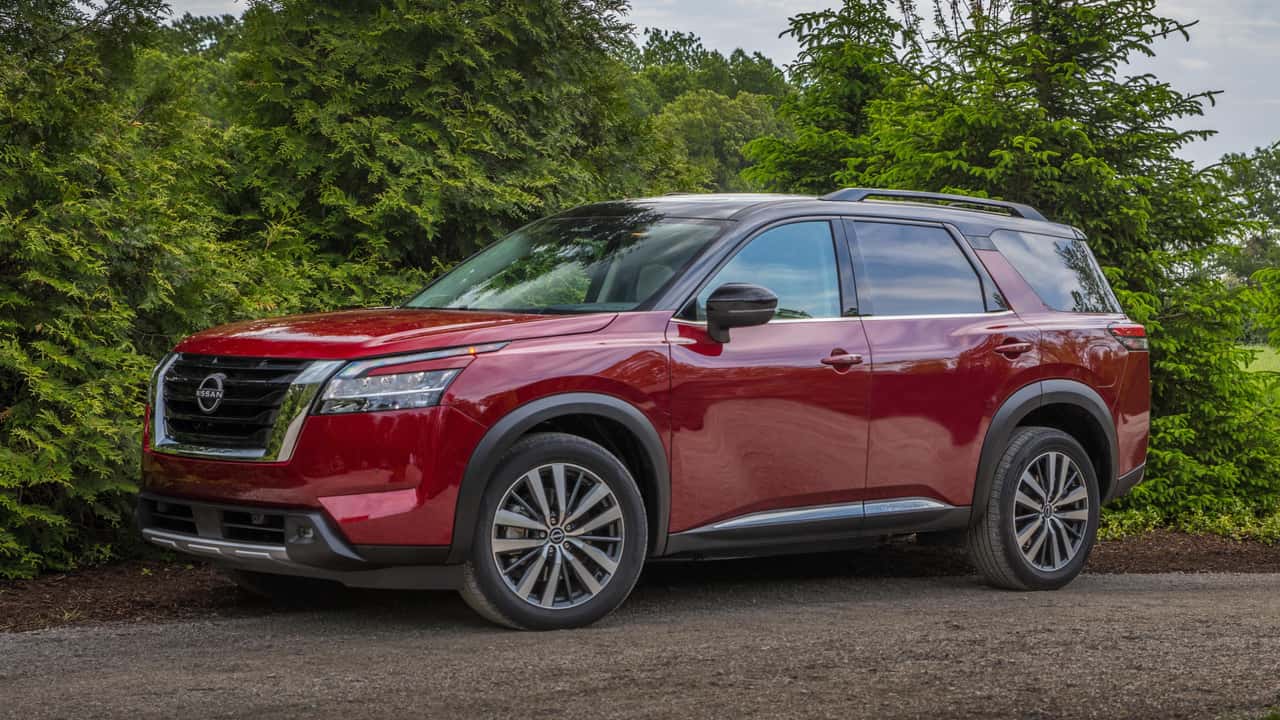
4. Nissan Pathfinder
The Nissan Pathfinder continues to utilize a hunt-and-pull lever system for its second- and third-row seats. The operation involves locating the lever, pulling it, and manually folding the seat into place. This system demands physical effort and attention to sequence, but it is highly reliable and designed to withstand repeated use over many years.
Buyers who appreciate simplicity and mechanical reliability often favor the Pathfinder for this reason. The lack of electronic components ensures that the seats can be folded under a wide range of conditions without concern for motor failures, sensor malfunctions, or battery depletion.
Cargo flexibility in the Pathfinder is extensive. Folding the second- and third-row seats creates a spacious interior capable of handling a wide variety of items. While the process requires more time and effort than electronic systems, it ensures that the seats lock securely and maintain a consistent flat surface for cargo.
Users may need to adjust headrests or reposition armrests to achieve a fully level area, but the reliability and durability of the mechanism compensate for these minor inconveniences. The result is a flexible and practical interior that balances functionality with robustness.
The Pathfinder also provides split-folding options, allowing users to leave sections upright while folding others. This feature increases versatility for families, allowing them to transport a combination of passengers and cargo efficiently.
Though the hunt-and-pull system is more labor-intensive than modern assisted systems, it delivers long-term dependability, mechanical control, and adaptability in real-world scenarios. The Nissan Pathfinder demonstrates that traditional lever-based mechanisms can offer practical, flexible, and highly reliable seating solutions for buyers who value longevity and mechanical simplicity.
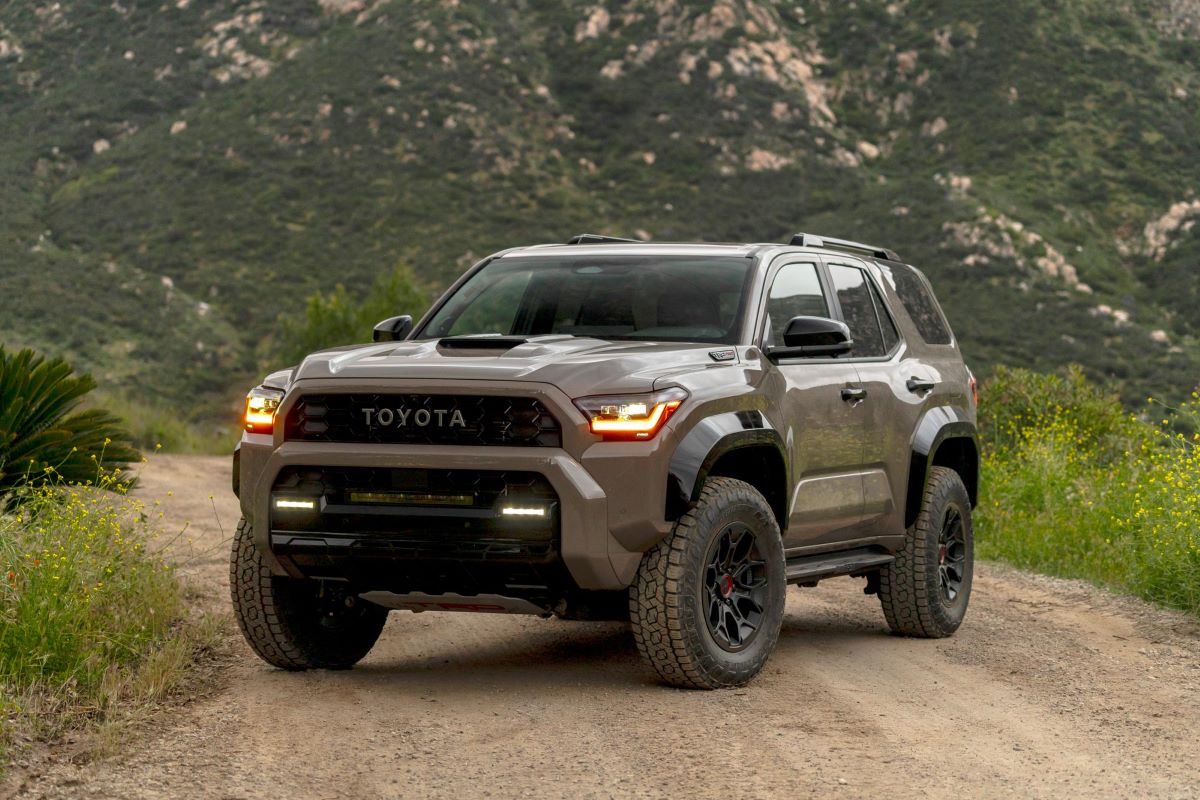
5. Toyota 4Runner
The Toyota 4Runner is a rugged SUV with off-road capability, and its hunt-and-pull lever system reflects the vehicle’s utilitarian philosophy. The second- and third-row seats are adjusted by manually locating the levers, pulling them, and repositioning the seat.
While this requires more effort than one-touch or electronic folding systems, it provides a dependable and long-lasting solution for users who expect their SUV to perform under demanding conditions. The mechanical simplicity ensures that the system functions consistently regardless of temperature, humidity, or heavy use, which is especially important for adventure-oriented buyers.
Interior space is enhanced when the 4Runner’s seats are folded, allowing the cargo area to accommodate large and bulky items. While achieving a perfectly flat surface may require some adjustment, the mechanism ensures that seats remain firmly in place during transport.
This stability is critical for carrying gear, luggage, or outdoor equipment safely, particularly when driving on uneven or rough terrain. Though more effort is required to operate the system, the payoff is a highly durable, mechanically sound solution that stands up to years of frequent use.
The 4Runner also allows for split-folding, providing flexibility to carry both passengers and cargo simultaneously. While this system is more physically demanding than easy-folding or powered seats, it offers consistent performance, reliability, and practical adaptability.
The Toyota 4Runner exemplifies how hunt-and-pull lever systems remain relevant for buyers who prioritize mechanical durability, ruggedness, and straightforward functionality over instantaneous convenience.