When it comes to sedans, comfort is often one of the most overlooked factors, yet it can dramatically affect the driving experience. Many car buyers focus on horsepower, fuel efficiency, or infotainment systems, forgetting that a simple feature like an armrest can significantly influence daily comfort.
For drivers who spend hours behind the wheel or passengers on long trips, the placement, width, and cushioning of armrests matter more than some may realize. A poorly designed armrest can lead to awkward postures, sore elbows, and even minor strains, turning a pleasant journey into a frustrating ordeal.
On the other hand, vehicles that prioritize ergonomic seating and thoughtfully designed armrests offer a level of ease that transforms the cabin into a sanctuary, where both driver and passenger can relax fully and maintain proper posture.
Armrests and elbow room are subtle elements that define the overall comfort of a car. In sedans, these features vary widely depending on brand priorities, interior space allocation, and the market segment being targeted.
While luxury sedans often excel in offering wide, cushioned, and adjustable armrests, mid-range and economy models sometimes compromise these features to save space or cost. The result is a spectrum where some sedans allow passengers to rest their arms naturally and effortlessly, while others leave elbows dangling, forcing occupants to adopt uncomfortable positions for prolonged periods.
Beyond just comfort, the design of armrests also affects accessibility to other controls, such as window switches, infotainment interfaces, and storage compartments, making it an integral part of the driving environment.
In this article, we will examine two contrasting groups of sedans: those that provide generous, comfortable armrests and abundant elbow room, and those that are more prone to causing sore elbows and discomfort. By analyzing five examples from each category, we aim to illustrate how thoughtful design can enhance or undermine the overall driving and riding experience.
The comparison will include considerations such as the width and height of armrests, cushioning quality, positioning relative to seats, and the impact on both driver and passenger ergonomics. Through this examination, readers will gain a clearer understanding of how a seemingly minor feature can influence daily comfort and satisfaction in a sedan.
Understanding these differences is particularly important for individuals who spend significant amounts of time commuting or traveling in their vehicles. Comfort is not merely a luxury; it affects alertness, fatigue, and even safety. Sedans with well-designed armrests allow drivers to maintain a relaxed posture, reducing strain on shoulders and arms.
Similarly, passengers benefit from the ability to rest naturally during trips, making long-distance travel less exhausting. Conversely, sedans with poorly conceived armrests can result in minor but persistent discomfort, contributing to overall fatigue and detracting from the enjoyment of driving.
This article will provide a practical guide to recognizing and evaluating these differences, helping prospective buyers make informed choices based on comfort and usability rather than just specifications and styling.
5 Sedans with Comfy Armrests and Generous Elbow Room

1. Toyota Camry
The Toyota Camry has long been recognized for its balance between practical design and comfort-focused features, and its armrest arrangement is a prime example of this philosophy. The front center armrest is wide, cushioned with high-density padding, and positioned at a height that accommodates a natural resting posture for the driver.
Unlike some sedans where drivers must stretch or bend their elbows awkwardly to rest comfortably, the Camry allows arms to remain relaxed, minimizing shoulder tension over long commutes. The design is intuitive, letting the driver reach the gear shift, infotainment controls, or cupholders without having to lift or contort their arm. This careful placement reflects Toyota’s attention to everyday usability and human factors.
In addition to the center armrest, the door armrests are thoughtfully crafted with soft-touch materials and slight contours that conform to the natural shape of an elbow. This design ensures that both driver and front passenger can maintain comfortable positions without constantly shifting.
Even smaller details, such as the subtle angle and width of the armrests, contribute to a sense of spaciousness, giving the impression of an interior that is broader than its measurements might suggest. For passengers who often engage in long drives, these small adjustments reduce fatigue and contribute to a more relaxed and enjoyable ride.
Rear-seat comfort is another area where the Camry shines. The backseat armrest folds down seamlessly from the center, providing a soft, wide surface for elbows, with integrated cupholders and storage compartments that add convenience for passengers.
Unlike vehicles where rear occupants must rest their arms on the narrow edge of the seat or door panel, the Camry’s design accommodates a natural arm position, supporting multiple body types comfortably. This generous spacing allows two passengers to share the center armrest without crowding, making family trips or long commutes more relaxing.
Finally, the materials and finishes used in the Camry’s armrests contribute to the perception of quality and comfort. High-density foam and soft-touch surfaces provide durability while remaining comfortable for extended use.
The combination of thoughtful placement, ergonomics, and tactile quality demonstrates Toyota’s understanding that small details like armrests significantly impact the overall driving experience. Even for budget-conscious buyers, these comfort features elevate the interior experience, making the Camry not just a practical sedan, but one designed for enjoyable, fatigue-free journeys.
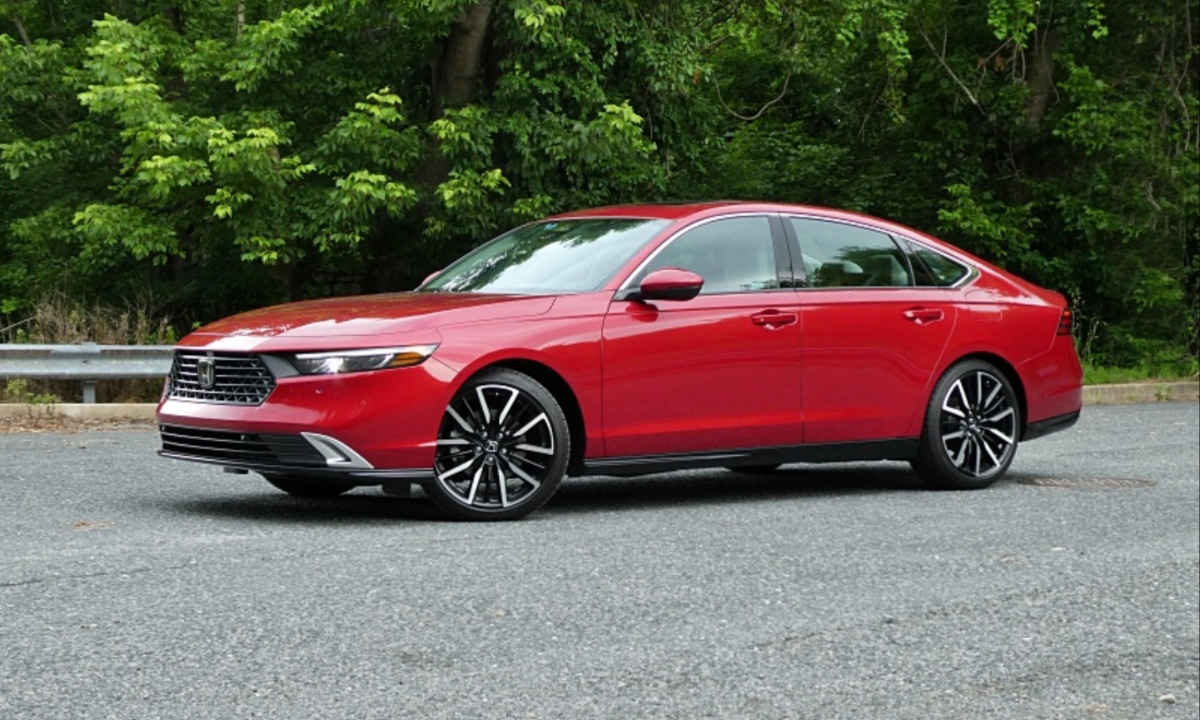
2. Honda Accord
The Honda Accord exemplifies how a mid-sized sedan can prioritize passenger and driver comfort through well-designed armrests and ample elbow room. Its front center armrest is wide and heavily padded, positioned to complement a natural driving posture while maintaining accessibility to the gear shifter and control interfaces.
The design ensures that drivers can rest their elbows comfortably without having to raise or lower their shoulders unnaturally, which helps reduce muscle strain during long drives. This thoughtful arrangement extends to front passengers, who also benefit from a supportive surface that encourages a relaxed posture.
Door armrests in the Accord are slightly raised and soft to the touch, allowing occupants to rest their elbows without pressure points. The gentle contour of the padding helps distribute weight evenly across the forearm, avoiding localized discomfort.
This feature is particularly valuable during extended city commutes or highway drives, where prolonged contact with a hard surface could otherwise lead to soreness. For drivers who value ergonomics, this design demonstrates Honda’s attention to how small touches influence both comfort and alertness.
The rear seating arrangement further emphasizes passenger comfort. The center armrest folds down easily, offering generous width, ample padding, and practical cupholders. This design allows rear passengers to maintain a relaxed position without interference from other occupants or cabin constraints.
Additionally, the spacing between the front and rear seats ensures that even taller passengers can rest their arms naturally on door armrests or the center console, enhancing the overall perception of space in the cabin. Honda’s focus on ergonomics is evident in these subtle design choices.
Material quality in the Accord complements the structural design, enhancing comfort without appearing overly luxurious. Soft-touch plastics and foam padding create an inviting surface for prolonged use, while maintaining durability.
The combination of carefully considered placement, adjustable seating, and quality materials ensures that the Accord provides an environment where both driver and passengers can remain comfortable and supported on long drives, making it a strong choice for families and commuters alike.
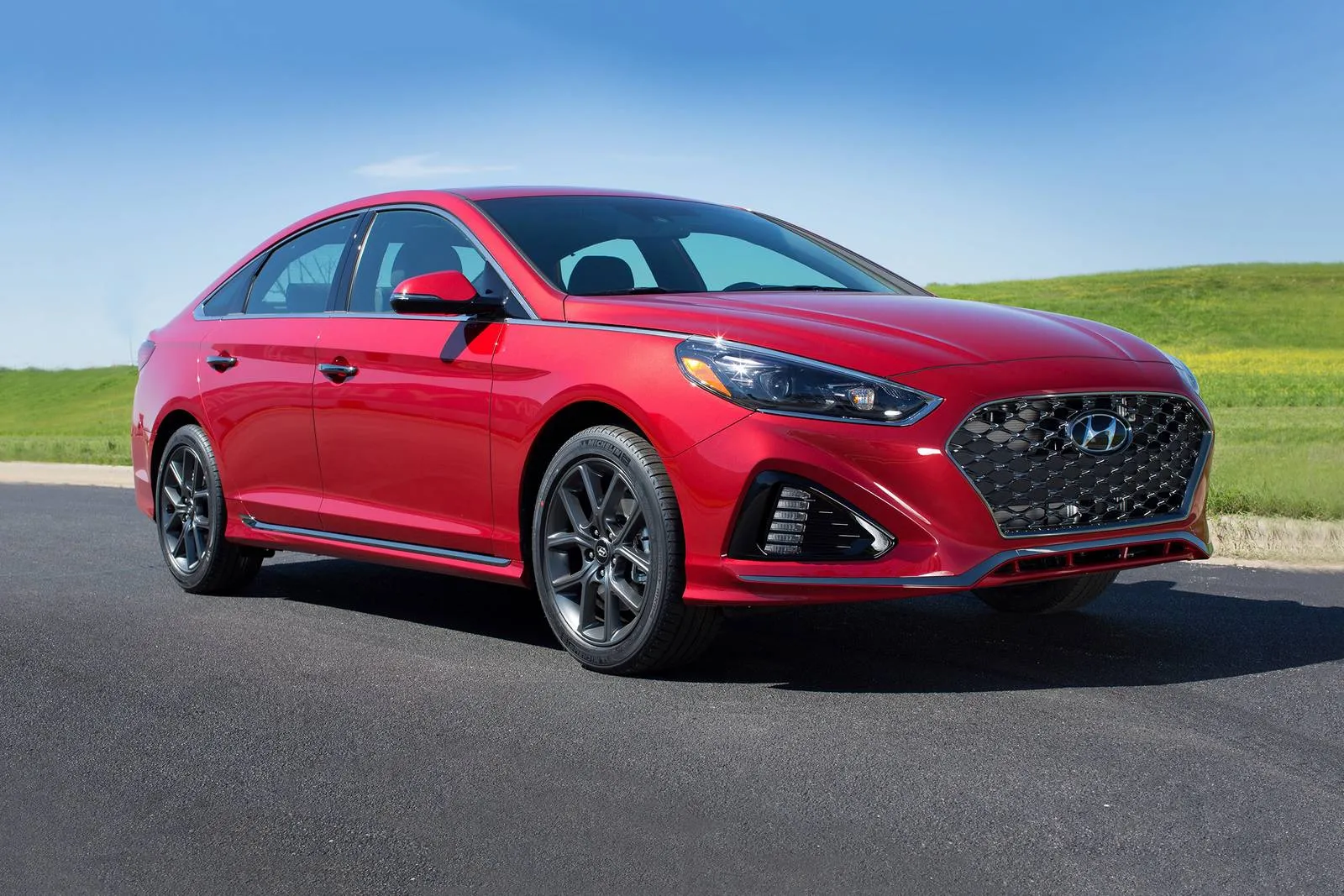
3. Hyundai Sonata
The Hyundai Sonata is another sedan that offers an interior focused on ergonomics, particularly when it comes to armrests and elbow room. The front center armrest is wide, supportive, and cushioned with firm yet forgiving padding, allowing drivers to maintain a natural resting position without slumping or raising their elbows.
Its position is optimized for a standard seating height, making it easy to reach controls or grab a beverage while keeping forearms relaxed. This combination of spacing and padding helps minimize fatigue during long trips and adds a sense of understated luxury to the cabin.
Door armrests in the Sonata further enhance the experience, with soft surfaces and carefully designed angles that prevent elbows from coming into contact with hard edges.
The height and contouring of the armrests allow passengers to maintain a relaxed position while still enabling easy access to window controls and door handles. Such thoughtful attention to ergonomics is crucial for drivers who spend hours on the road, as it reduces tension and encourages a natural posture, contributing to an overall sense of ease.
Rear passenger comfort in the Sonata is for its spaciousness. The distance between the front and rear seats allows elbows to rest naturally on the rear door armrests or fold-down center console. The center armrest is wide, cushioned, and equipped with cupholders, enhancing convenience without compromising comfort.
Two passengers can share the armrest comfortably, avoiding the cramped positioning often seen in smaller sedans. The cabin layout makes it clear that Hyundai considered the long-term comfort of passengers, not just the aesthetics of the interior.
Material choice in the Sonata further reinforces the emphasis on comfort. Soft-touch padding with high-quality finishes creates a tactile experience that is pleasing to the touch while remaining durable over time.
These features, combined with thoughtful placement and generous space, make the Sonata a sedan that feels accommodating and relaxing, whether for daily commuting or extended road trips. The overall design demonstrates that armrest and elbow support can be both functional and enjoyable.

4. Kia K5
The Kia K5 offers an interior where comfort and functionality intersect, particularly in the placement and design of armrests. The front center console is wide, padded, and positioned to allow the driver to rest their elbows naturally without creating tension in the shoulders or forearms.
Its height and orientation accommodate a natural reach to controls, enhancing the overall ergonomics of the driving position. For passengers, the front armrest provides similar support, contributing to a sense of spaciousness and comfort in the cabin.overall ergonomics of the driving position. For passengers, the front armrest provides similar support, contributin
Door armrests in the K5 are also thoughtfully designed, with padding that softens contact points and contours that follow the natural shape of an elbow. These features prevent discomfort during long trips, ensuring that both driver and passenger can maintain relaxed postures.
The alignment of the armrests with seat height encourages proper posture, which can reduce fatigue during extended drives. This attention to ergonomic detail is a hallmark of Kia’s design philosophy, blending functionality with comfort.
Rear seating comfort in the K5 is enhanced by the generous cabin width, which allows passengers to rest their elbows on the door armrest or center console without feeling cramped.
The center armrest is wide, cushioned, and includes storage compartments and cupholders, making it both practical and comfortable. Even with three passengers in the rear, the design minimizes conflict over shared space, reflecting thoughtful interior planning.
Material quality in the K5 complements the structural design, using soft-touch surfaces and firm cushioning that feel pleasant to the touch.
Combined with generous dimensions and ergonomic alignment, these features make the K5 a sedan that prioritizes comfort for both driver and passengers. Its interior demonstrates how careful consideration of small details like armrests can significantly improve the overall driving experience.
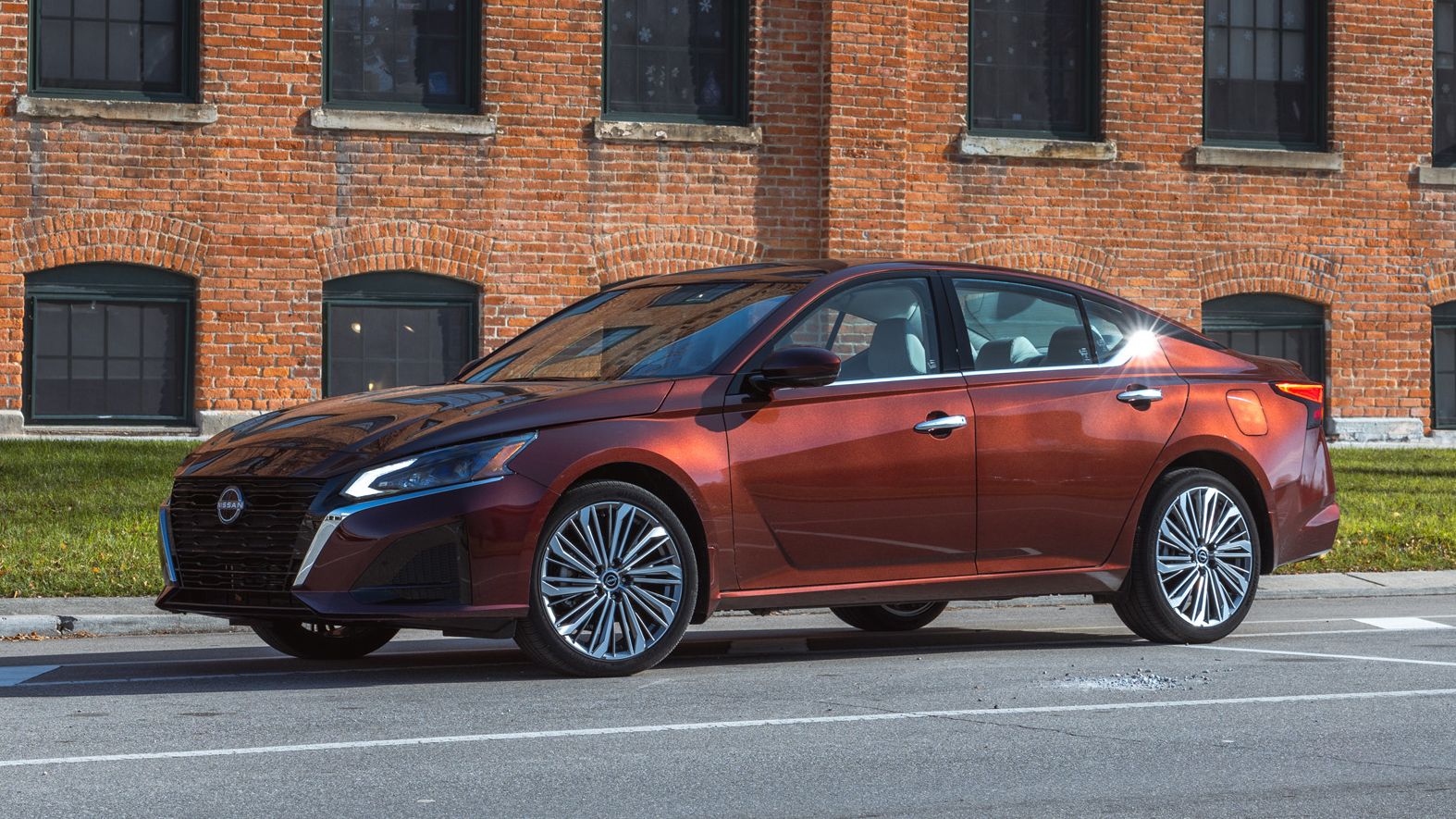
5. Nissan Altima
The Nissan Altima balances a driver-focused layout with rear passenger comfort, particularly in the design of armrests and elbow room. The front center console is broad, cushioned, and positioned to allow drivers to rest their elbows naturally without straining. This setup promotes a relaxed posture and reduces tension in the shoulders and arms, even on long trips.
The center armrest also allows easy access to storage compartments, cupholders, and controls, maintaining a balance between comfort and practicality.
Door armrests in the Altima are padded and placed at an optimal height for both front and rear occupants. The gentle contouring ensures that elbows remain comfortable without requiring passengers to adjust their posture repeatedly.
Drivers and passengers benefit from a consistent level of support, making long-distance journeys less tiring and more pleasant. Such attention to ergonomics reflects Nissan’s focus on human-centered interior design.
Rear passengers enjoy ample space for elbow placement due to generous seat spacing and a wide fold-down center armrest. This armrest is cushioned, providing a comfortable surface for two occupants simultaneously.
The cabin layout ensures that both front and rear passengers can maintain a natural position, avoiding awkward angles or cramped postures. These features are especially valuable for families or anyone frequently traveling with multiple passengers.
Material quality in the Altima reinforces comfort through soft-touch surfaces, thick cushioning, and durable finishes.
The combination of thoughtful placement, ergonomic design, and tactile quality ensures that the Altima delivers a comfortable experience for everyone in the cabin. By emphasizing elbow support and spaciousness, Nissan creates a vehicle that accommodates long drives with ease and reduces fatigue for all occupants.
5 Sedans Prone to Sore Elbows
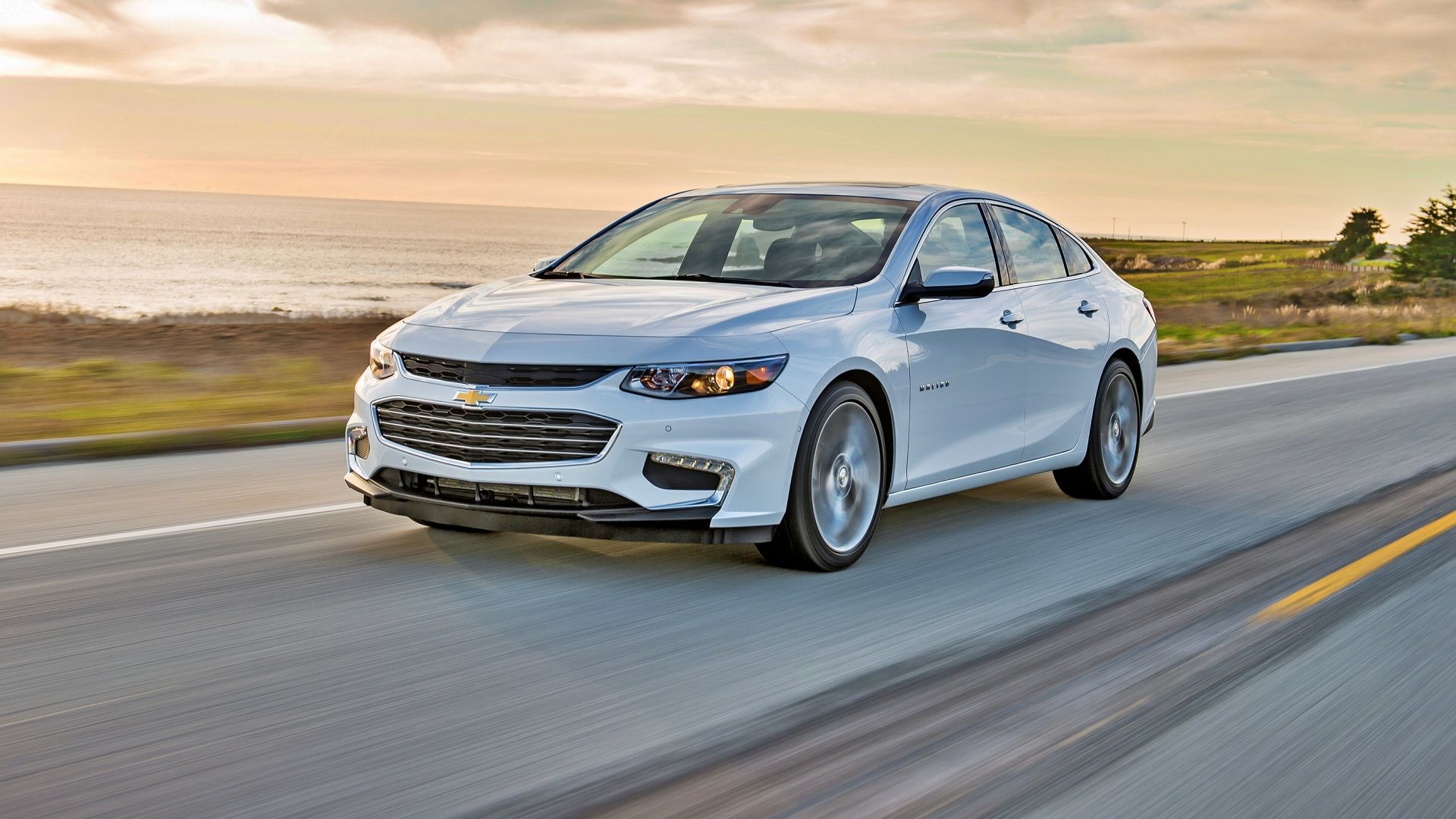
1. Chevrolet Malibu
The Chevrolet Malibu often receives criticism for its interior comfort, particularly in terms of armrest design and overall elbow support. The front center console is narrow and sits lower than the ideal ergonomic position for most drivers, which forces elbows into awkward angles. This misalignment can lead to tension in the forearms, shoulders, and even the upper back during longer drives.
While the Malibu performs well in other areas such as handling and infotainment, the lack of proper arm support undermines its appeal for those who prioritize comfort. Drivers may find themselves constantly shifting position to relieve pressure, which can disrupt concentration and reduce overall driving ease.
The door armrests in the Malibu offer minimal cushioning, leaving passengers with little to rest their elbows on comfortably. The narrow width and firm surface force constant adjustment, especially on extended trips, resulting in discomfort and minor fatigue.
Even in everyday city driving, these design compromises can become noticeable, as the arms lack a soft, natural resting point. Passengers often report having to hold arms in mid-air or lean awkwardly to avoid pressing against the hard surface, which diminishes the overall perception of space and luxury in the cabin.
Rear passengers in the Malibu face similar challenges. The center armrest, when available, is narrow, thinly padded, and awkwardly positioned, providing minimal support for elbows. Two passengers attempting to share it often find it uncomfortable or impractical, forcing them to rest arms against the door or shoulder each other.
The cramped spacing contributes to an overall feeling of confinement in the rear cabin, making long journeys less enjoyable. Families or groups who rely on the rear seats for comfort may find this especially frustrating.
Material quality further highlights the shortcomings. Hard plastics dominate the armrest surfaces, providing little relief from pressure points and offering a tactile experience that feels cheap and uninviting.
The combination of low height, narrow width, and minimal padding demonstrates a lack of ergonomic consideration. While the Malibu may excel in styling and drivability, the armrest design makes it a less ideal choice for those who value comfort, particularly for longer commutes or road trips where elbow support becomes critical.
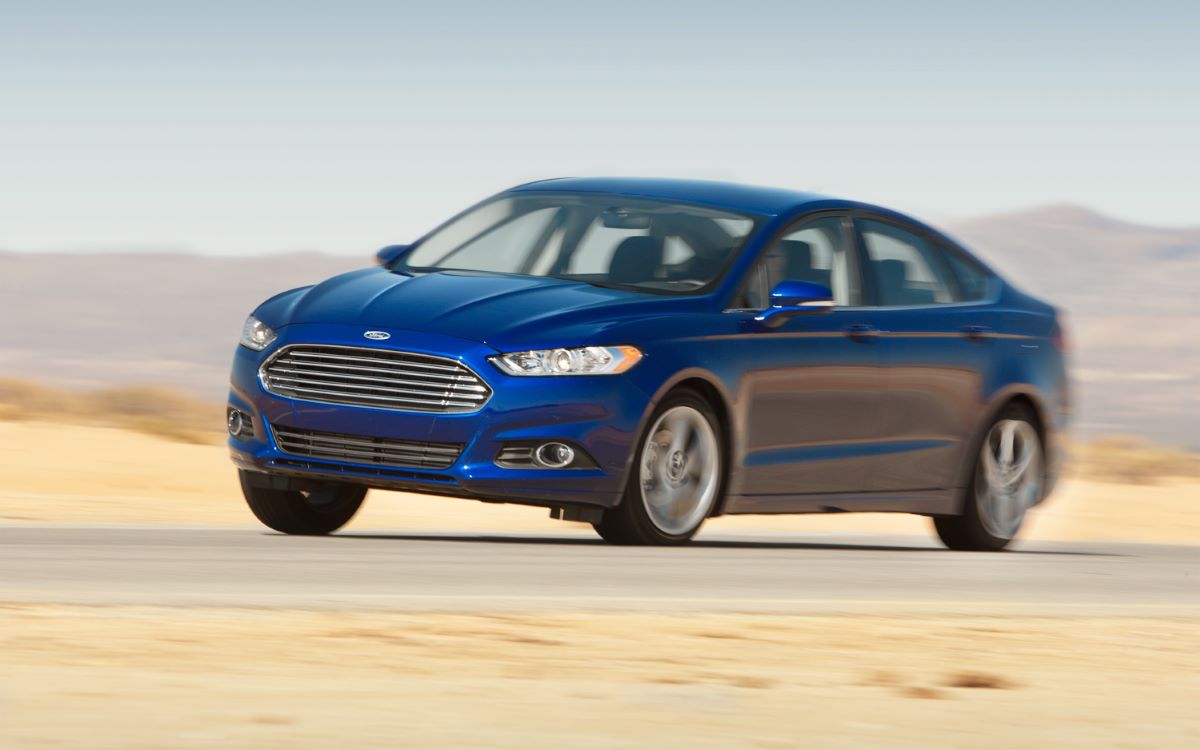
2. Ford Fusion
The Ford Fusion’s interior demonstrates how even a popular mid-sized sedan can fail to prioritize armrest ergonomics. The front center console is positioned too low for most drivers, forcing elbows into unnatural angles and causing shoulder strain during extended driving.
Drivers often have to elevate or slant their arms to find a tolerable resting position, which can lead to minor discomfort or fatigue on long trips. The Fusion’s focus on sleek styling and infotainment features seems to have come at the expense of practical comfort in this regard.
Door armrests in the Fusion are narrow and firm, offering limited support for occupants. The lack of cushioning results in constant adjustment as drivers or passengers try to relieve pressure on their elbows.
This can affect posture, particularly for drivers who rely on a natural resting position to maintain control during extended periods behind the wheel. The issue becomes more pronounced for taller or larger occupants, who may find the misaligned armrest height especially uncomfortable.
Rear seat comfort is also compromised in the Fusion. The fold-down center armrest is thin and narrow, providing minimal support for two passengers. Those seated on either side may need to rest their elbows against the door panel, which is similarly hard and poorly padded.
On longer journeys, the discomfort can become cumulative, leading to restlessness and minor irritation among passengers. The cabin’s layout does not allow for flexible or natural arm positioning, highlighting a lack of consideration for occupant ergonomics.
Material quality in the Fusion’s armrests is utilitarian, with hard plastics and minimal padding dominating the surfaces. This combination of poor design, narrow width, and firm texture contributes to a perception of cramped, uncomfortable space, making the Fusion less appealing to drivers and passengers who value long-term comfort. While it may perform well mechanically, the interior comfort limitations are a drawback, particularly for frequent commuters or families.

3. Volkswagen Jetta
The Volkswagen Jetta struggles with interior ergonomics, particularly in the area of armrests and elbow support. The front center console is narrow, and the padding is insufficient to provide meaningful relief during long drives. Drivers often find themselves adjusting their posture to reduce discomfort, leading to subtle but persistent strain on forearms and shoulders. While the Jetta offers precise steering and refined handling, the cabin design does little to support relaxed positioning for extended journeys.
Door armrests in the Jetta are similarly firm and slim, providing little cushioning or contouring to accommodate elbows comfortably. The height of the armrests does not always align with the natural seated position, which forces occupants to either lift or drop their arms awkwardly.
Over time, this can lead to fatigue and soreness, particularly on longer road trips or during frequent stop-and-go traffic commutes. For front passengers, the lack of ergonomic thought in armrest placement detracts from what might otherwise be an enjoyable interior experience.
The narrow fold-down center armrest and modest cabin width limit Rear passenger comfort. Sharing the armrest is often uncomfortable, and elbow room is constrained, forcing passengers to lean against hard surfaces or maintain awkward postures.
The combination of limited spacing and minimal padding can make the rear cabin feel cramped, reducing the sense of comfort that is typically expected from a mid-sized sedan.
Material quality compounds the issue. Thin padding and hard plastics dominate the armrest surfaces, creating pressure points that are noticeable even during short trips. The Jetta’s focus on efficient design and mechanical precision appears to have overlooked the importance of tactile comfort, particularly for passengers who rely on armrests for ergonomic support during extended travel.

4. Nissan Sentra
The Nissan Sentra, with its compact interior layout, often leaves occupants dealing with uncomfortable armrest placement and limited elbow space. The front center console is narrow and sits low relative to the driver’s seated position, forcing elbows to bend awkwardly for support.
On longer drives, this can result in forearm or shoulder fatigue, detracting from the overall driving experience. While the Sentra’s engine performance and fuel efficiency are commendable, interior comfort, particularly for elbows, is a weakness.
Door armrests provide minimal cushioning, leaving passengers with little to rest on comfortably. The narrow width and firm materials force occupants to constantly adjust positions, which can create tension in the upper body. This is particularly noticeable in stop-and-go city driving or during extended highway journeys, where the lack of soft, supportive surfaces becomes increasingly noticeable.
Rear seating in the Sentra is similarly limited in comfort. The center armrest is small, thinly padded, and awkwardly positioned, offering minimal support for passengers’ elbows. Two people attempting to share the armrest may struggle to maintain a natural position, leading to discomfort over time. Limited elbow room combined with compact cabin dimensions further exacerbates the issue, making the rear cabin feel cramped and less inviting.
Material quality does little to mitigate these design challenges. Hard plastics dominate the surfaces, offering no relief for pressure points or discomfort.
The combination of low, narrow armrests, limited rear spacing, and firm materials creates an interior environment that can be taxing on both drivers and passengers during longer trips. For individuals who prioritize comfort and ergonomic support, the Sentra may feel restrictive.

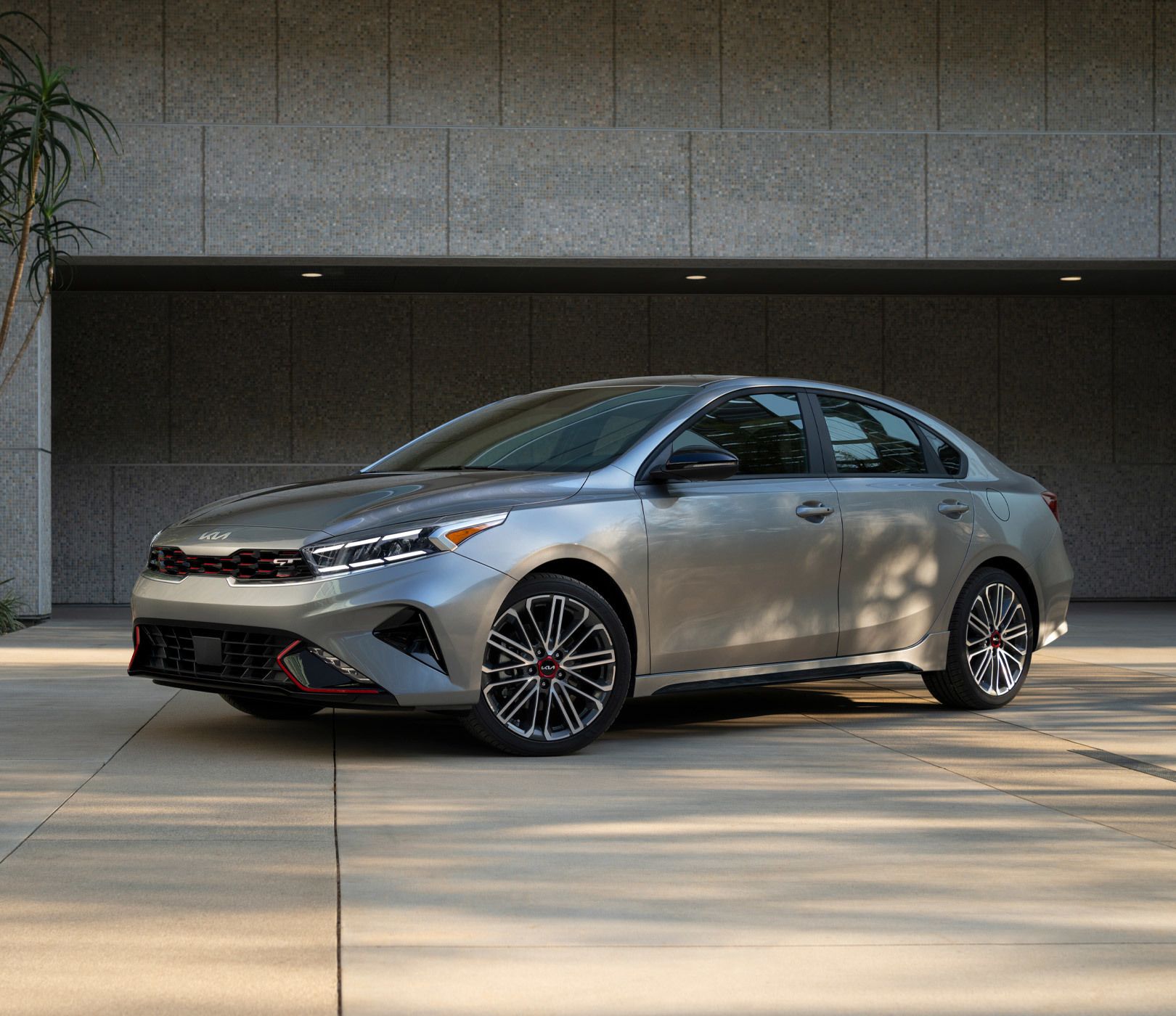
5. Kia Forte
The Kia Forte is another sedan where armrest and elbow support leave much to be desired. The front center console is narrow and positioned at an awkward height, requiring drivers to bend or lift their elbows uncomfortably.
This misalignment can lead to fatigue in the forearms, shoulders, and upper back, particularly during longer commutes. While the Forte offers competitive features and styling, the interior ergonomics for armrests appear secondary in its design priorities.
Door armrests are similarly narrow and firm, offering minimal cushioning for occupants. Passengers often find themselves adjusting frequently to avoid discomfort, which interrupts the natural posture needed for relaxed seating.
The lack of alignment with the average seated position exacerbates tension in the upper body, making extended trips less enjoyable. For drivers, these minor inconveniences can accumulate, creating subtle but persistent fatigue.
Rear passenger comfort is constrained by the small fold-down center armrest and limited overall cabin width. The narrow armrest cannot accommodate two occupants comfortably, forcing them to rest their elbows against hard surfaces or each other.
The cabin feels tight, especially during longer trips, making it less suitable for passengers who require generous elbow space or prefer relaxed seating.
Material selection compounds the ergonomic challenges. Hard plastics dominate the surfaces of the Forte’s armrests, providing minimal cushioning and no relief from pressure points.
This results in an interior that, while functional, does not offer the comfort or tactile support found in competitors with better ergonomic design. For frequent drivers or those prioritizing passenger comfort, the Forte’s armrest limitations are a significant drawback.