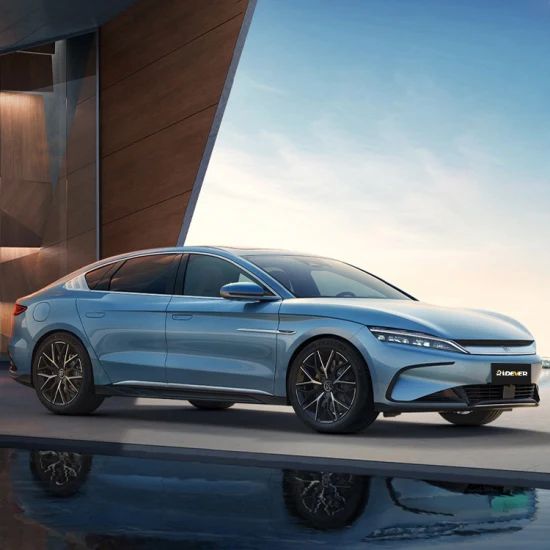
Electric cars are quiet. That’s part of the appeal smooth, silent acceleration, no gear clunks, no idle hum. But not everyone loves that silence. Some drivers miss the growl, the rumble, the auditory feedback that comes from a combustion engine.
So automakers got creative: they give EVs artificial engine sounds. Not just beeps for pedestrians, but full-bodied audio textures that play through speakers to mimic the character of a gasoline engine while you drive.
This article looks at seven electric SUVs that go a step further than the usual generic whirr. These models use sound design to add drama and presence. Sometimes it’s subtle a hint of intake noise or a tasteful turbo whistle. Other times it’s bold deep rumbles under heavy throttle that make you feel like you’re piloting a V6.
The tech behind this varies. In some cars, the sound is purely synthetic and comes from an onboard sound module. In others, the engineers blend real mechanical noises with digital processing. Speakers are tuned for cabin acoustics. The result is surprising: some EVs now feel more “connected” to the driver’s senses because of sound.
I’m not here to sell the idea. I question it. Is simulating engine noise just nostalgia wrapped in marketing, or does it actually make driving safer or more fun? You’ll see some sensible implementations and a few that get theatrical. Either way, these seven SUVs show how sound can change the personality of an EV.
Below I break down each vehicle’s approach, what it sounds like in daily driving, and whether the effect genuinely improves the experience. If you like real-world details, I’ll call out how the sound behaves at low speeds, under hard acceleration, and during cruising. Let’s get into it.
What “sounding like a gas engine” actually means
When people say an EV “sounds like a gas engine,” they usually mean one of three things. First, the car produces tonal noise that resembles intake, exhaust, or turbo noises.
Second, it creates dynamic changes louder under throttle, quieter while coasting, so the sound feels alive. Third, it uses frequency content that matches what we expect from internal combustion: lower frequencies for torque, higher-frequency rasp for revs.
Manufacturers achieve this in a few ways. They can synthesize sound from scratch. Modern digital signal processing can make convincing textures that respond to throttle position and torque demand.
Some brands record actual mechanical noises for instance, an engine firing or a turbo spooling and then process those recordings to fit an EV’s behavior. Speaker placement matters: speakers in the dash, in the footwell, and even in the headliner help shape the perceived sound. Cabin insulation, glass, and seat materials change how the noise reads to the driver.
There’s also a user-control angle. Some vehicles let drivers pick between sound profiles subtle, sporty, or theater-level. That’s smart because a one-size-fits-all policy can annoy drivers and passengers.
Finally, there’s utility: added sound can improve audible feedback for drivers, especially at low speeds where EVs are so quiet pedestrians might not notice them. So beyond nostalgia, these sound systems can aid safety. Now, on to the seven SUVs that do this well each takes a different approach, and I’ll describe what you actually hear behind the wheel.
ALSO READ: 5 Sedans That Feel Premium Inside vs 5 That Feel Bare
1. Porsche Taycan
Porsche Taycan is built around subtlety. Its sound system doesn’t try to trick you into thinking there’s a real engine under the hood; instead, it adds a convincing layer of low-frequency pulse that makes acceleration feel weighty. Think of it as a tasteful voiceover: present enough to give feedback, but never overwhelming.
In town, Porsche Taycan keeps things quiet at low throttle. The sound system introduces a soft intake-like swell when you push the pedal gently. It cues you into throttle position without sounding fake or overly theatrical.
Ramp the throttle and the sound fills in the mid-bass, adding a short, controlled rumble. On highways, the system adapts: it reduces presence to let wind and road noise dominate, which keeps the cabin calm on long runs.

The engineers tuned the sound with a specific goal: to give drivers a feel for torque delivery. Instead of simulating gear shifts, Model A increases harmonic content as the car pulls harder, mimicking the way a heavier engine voice rises under load. There’s also an audible “throttle snap” when you floor it a crisp, short burst that adds drama but fades quickly to avoid fatigue.
Speakers are placed strategically: a front dash speaker for high-end detail, and a subwoofer-like unit under the dash for the low-end body. The combination creates a physical sensation you can almost feel in your chest during hard acceleration. Importantly, passengers report it’s not annoying, because volume is carefully gated and tied to speed and pedal input.
I like Porsche Taycan’s restraint. It gives the driver what they want a sense of power without asking them to suspend disbelief. It’s a good pick if you want some engine-like feedback, but you don’t want your EV to pretend to be something it’s not.
2. Dodge Charger Daytona EV
Dodge Charger Daytona EV goes big. This SUV treats sound as part of the personality package. Its engineers clearly wanted presence: deep, thunderous tones under heavy throttle, a pseudo-exhaust pop on downshifts, and an aggressive turbo-like whine that climbs with speed. If you want drama, Model B delivers.
In city driving, the system is noticeable even at moderate throttle. The low end adds heft to launches, which helps the car feel muscular despite being electric.
When you accelerate hard, the cabin fills with layered audio you get a rumble, a midrange rasp, and a high-frequency whine that tracks motor speed. The system simulates transient noises too: an intake whoosh when you floor it and a subtle “backfire” effect when lifting off at speed. It’s theatrical by design.
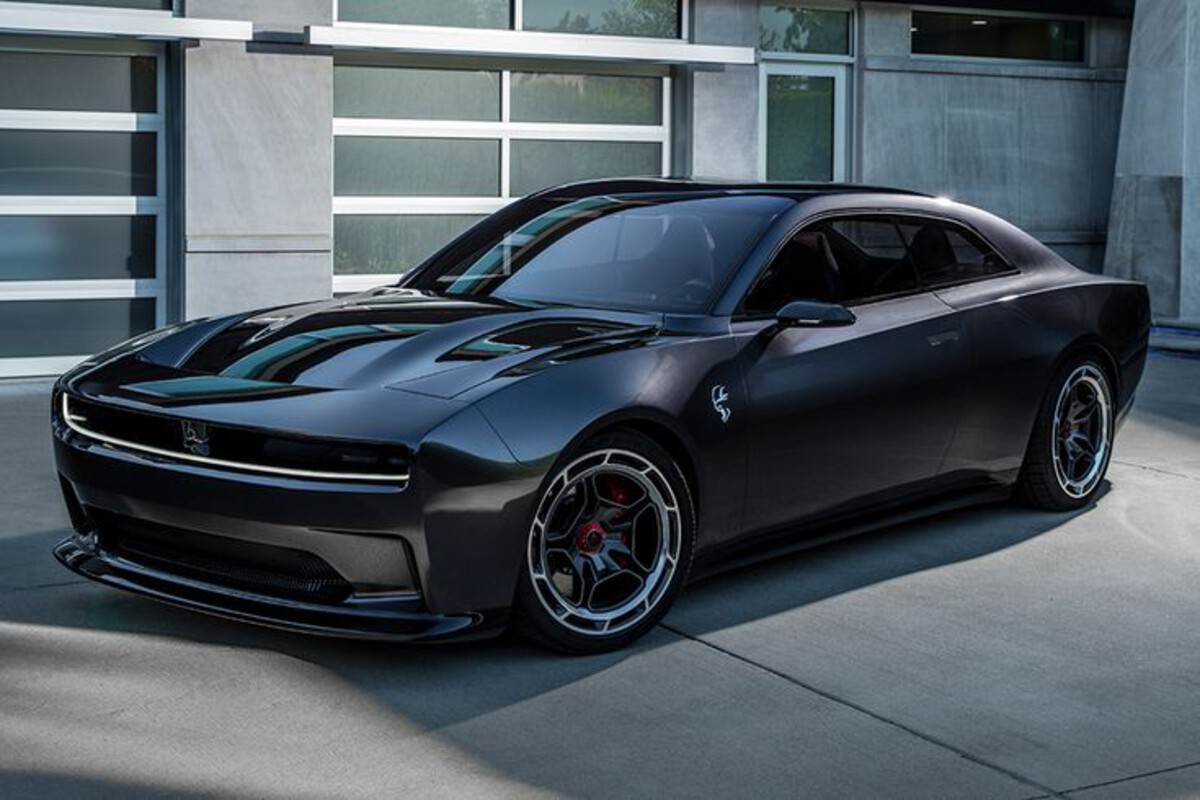
The downside is that Dodge Charger Daytona EV can be polarizing. Passengers who prefer quiet may find the profile tiring on long drives.
The digital nature of the sound is obvious if you listen closely; the texture lacks some of the chaotic irregularities of a real engine. But for drivers who want an emotional connection, Model B nails it. The system ties sound intensity to torque, so the louder it gets, the more the car actually pushes, which reinforces the illusion.
Dodge Charger Daytona EV’s speaker layout is louder and more spread out than most. You’ll hear different layers from the dash, doors, and even the rear parcel shelf.
This makes the sound immersive, almost cinematic. There’s a sport mode that cranks things up, plus an eco mode that tucks it away. If you want to make people look when you launch from a light, Model B is your pick. Just be ready for mixed reactions from passengers.
3. BMW i4 / BMW iX
BMW i4 / BMW iX takes a hybrid approach. Rather than full-on synthetic theater, it blends recorded mechanical noises with synthesized tones. The result is a surprisingly believable sound that changes with load and speed. Engineers recorded a range of combustion and intake samples, then processed them so they track the EV’s torque curve.
At low speeds, BMW i4 / BMW iX gives you a gentle, natural-sounding rumble. It’s less pristine than pure digital sound; you hear micro-variations that keep it from sounding too polished.
When accelerating, subtle pops and chirps add character without sounding artificial. The system also simulates a mild transmission drone under steady throttle, which fools your senses into thinking the car is carrying mechanical mass.
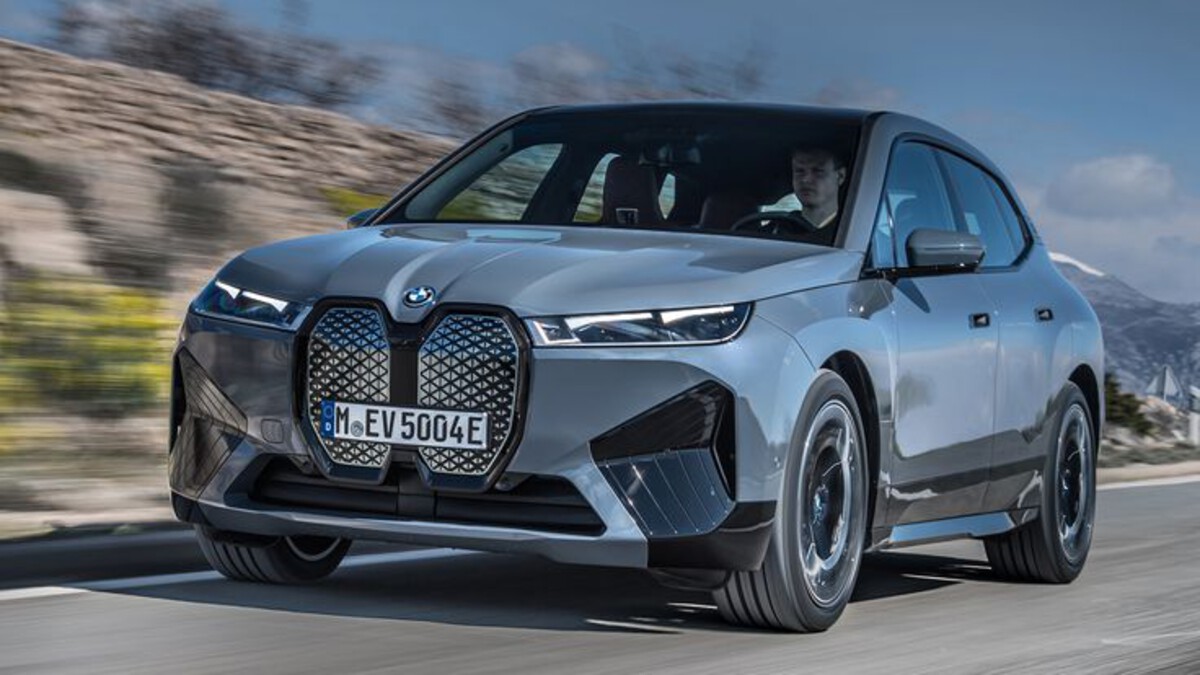
One practical benefit here is texture. Because the system uses real recordings as a base, the sound has grain. That grain gives the impression of machinery working, which registers psychologically as authenticity
The sound designers then mapped these recordings against motor RPM and power demand, so the audio changes logically with what the car is doing.
BMW i4 / BMW iX is thoughtful about context. In urban crawling, it stays low and informational. On open roads, it leans slightly more expressive. The sound doesn’t try to mask road or wind noise; instead it complements them. For drivers who want believable engine cues without theatrical excess, BMW i4 / BMW iX strikes a good balance.
There’s also an adjustable setting that lets you dial up or down the mechanical content. Turn it up and the recorded elements become more prominent; turn it down and the system favors cleaner synthesized textures. That flexibility makes BMW i4 / BMW iX versatile for different moods and passengers.
ALSO READ: 5 Pickup Trucks With Reliable Gas Mileage vs 5 Trucks That Miss The Mark
4. Ford Mustang Mach-E GT
Ford Mustang Mach-E GT’s designers clearly love classic engines. This SUV aims to replicate the feel of a mid-century V8: low, throbbing bass, a steady midrange, and a slow, dignified rise in tone with throttle. It’s not about speed; it’s about presence and an old-school kind of authority.
At low throttle, Ford Mustang Mach-E GT offers a constant low hum that gives the car a planted character. When you accelerate, the hum deepens and a harmonic growl emerges.
The sound intentionally lacks sharpness; it favors round, warm frequencies that you expect from pushrod engines. On light throttle transitions, the sound responds with smooth swells rather than abrupt spikes, which reinforces the retro vibe.
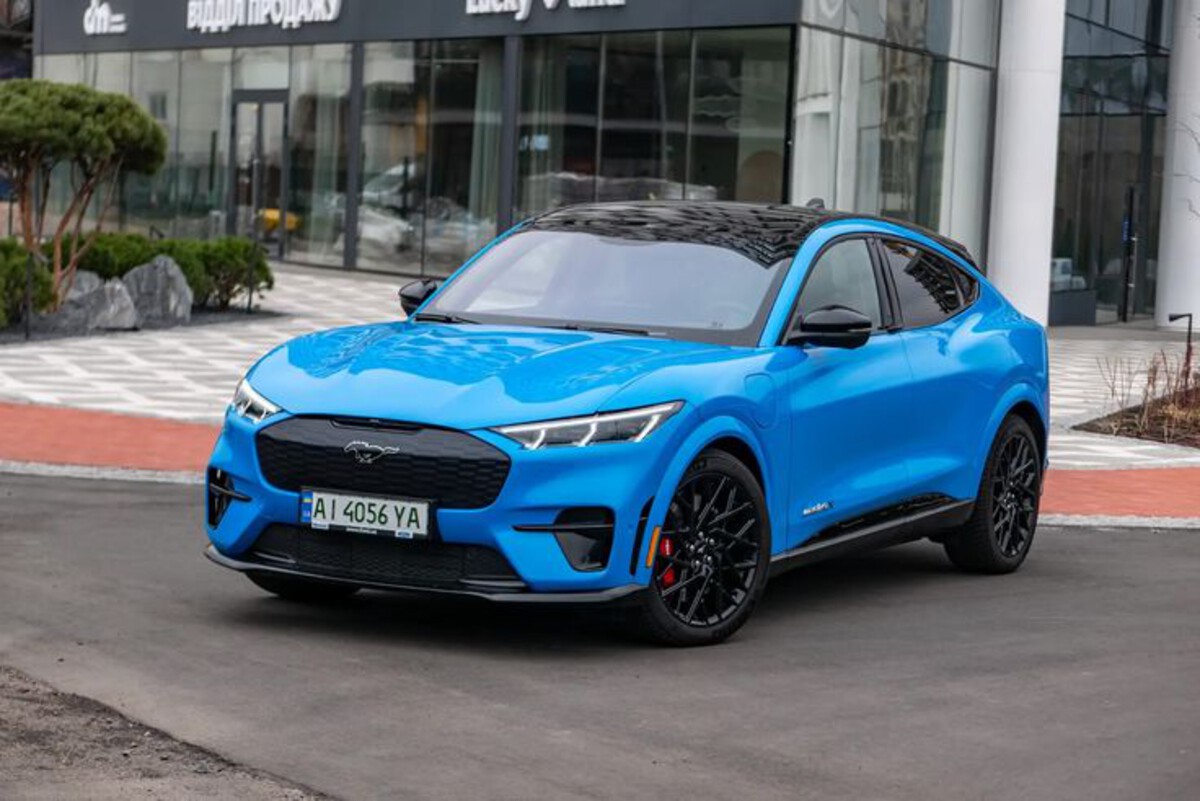
The system also produces faux-exhaust burbles when you lift off, and a low, rolling thump when you stomp the accelerator. It’s stylized, not literal you won’t be fooled into thinking there’s an actual V8, but you’ll feel the psychological weight associated with those engines. That’s the point. Ford Mustang Mach-E GT gives an EV a classic car persona.
Because Ford Mustang Mach-E GT leans into lower frequencies, the physical sensation is significant. You can feel it through the seat and pedals during heavy acceleration. That tactile element helps sell the sound. The engineers wisely moderate volume at speed to avoid overwhelming conversations inside the car.
Ford Mustang Mach-E GT is a great option if you want character and nostalgia. It’s less about precise authenticity and more about evoking a certain mood. If you grew up around older vehicles and miss that bassy presence, Ford Mustang Mach-E GT does a nice job of offering that feeling in an electric package.
5. Hyundai Ioniq 5 N
Hyundai Ioniq 5 N treats sound design like software engineering. It uses a complex DSP model that generates audio based on motor telemetry, vehicle speed, and throttle mapping in real time. The result is a responsive system that feels connected to the car’s behavior and changes smoothly across conditions.
In practice, Hyundai Ioniq 5 N gives accurate feedback. At very low speeds, the system produces soft mechanical hints so pedestrians can hear you. As you build speed, the audio evolves, a simulated intake increases, followed by a rising harmonic that mimics revving.
The sound’s responsiveness is where Model E shines: slight changes in pedal position produce immediate and proportional audio changes. That continuity makes it feel logical and reliable.
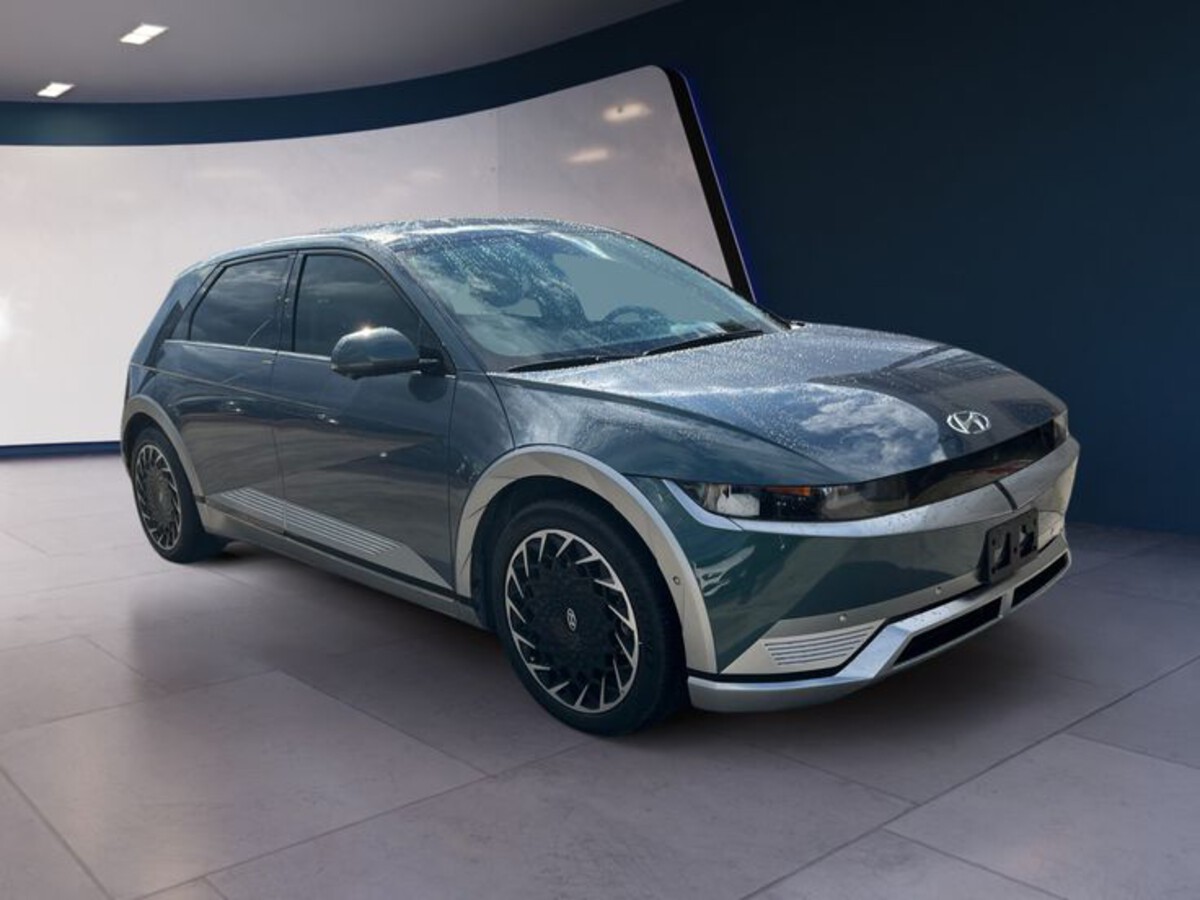
Unlike heavier theatrical profiles, Hyundai Ioniq 5 N emphasizes clarity over drama. The sound sits neatly in the mix, not trying to dominate. During spirited driving, you still get satisfying tonal shifts, but they’re more technical than emotional. This is the kind of system that appeals to drivers who appreciate engineering detail rather than showmanship.
Hyundai Ioniq 5 N also integrates with the car’s drive modes cleverly. In track or sport selections, it tightens up the response and accentuates certain frequencies to heighten perceived revs.
In comfort or eco, it prioritizes subtlety. The speakers provide precise imaging, so the sound seems to come from where you expect it: front for intake, rear for exhaust-like effects.
If you want a modern, purposeful implementation where sound supports driving input without stealing attention, Hyundai Ioniq 5 N is solid. It doesn’t try to imitate a specific engine family; instead it crafts a believable, dynamic signature that makes the car feel responsive and alive.
6. Kia EV6 GT
Kia EV6 GT focuses on emotion. The sound profile is designed to elicit a visceral reaction: excitement, grin-inducing launches, and the sense that the car wants to be driven. It’s a mix of low-end punch and high-frequency bite, balanced to make acceleration feel satisfying.
At slow speed, Kia EV6 GT remains calm. When you press the throttle, you immediately sense a layered response: a bass thunk for momentum and a bright, edgy element that conveys urgency. That contrast weight plus bite is what makes it feel emotional. On fast runs, it builds to a roar that sits in the cabin without being obnoxious.
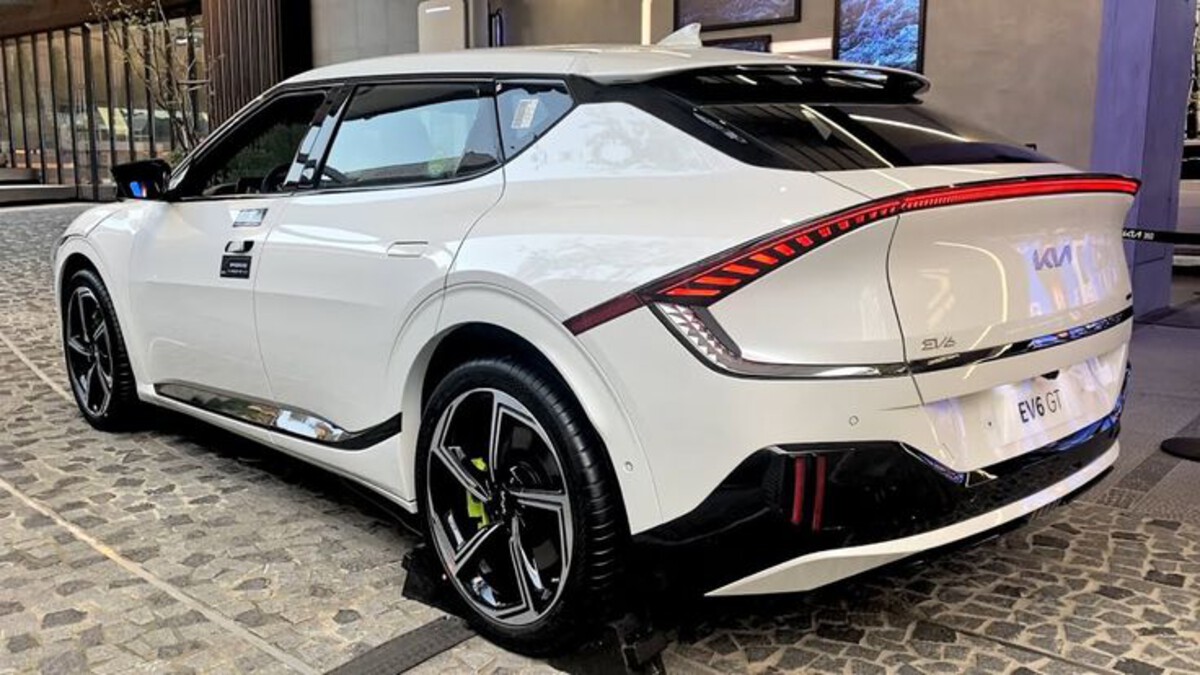
What sets Kia EV6 GT apart is how it handles transitions. The system uses transient shaping so the initial throttle input has a crisp, attention-grabbing attack, followed by a sustained harmonic that evolves with power demand. That helps the car feel alive in an almost biological way. It’s not trying to be a radio drama; it’s trying to make every launch feel intentional.
Passengers often notice Kia EV6 GT’s sound because it’s expressive. It’s not subtle, but it’s not garish either. The designers dialed in human-friendly frequencies so the sound feels natural even at higher levels. There’s also a mode that syncs sound cues to regenerative braking, providing satisfying feedback when the car slows without the gas engine’s noise.
Kia EV6 GT is for drivers who want feeling more than fidelity. If sound is a big part of how you enjoy driving, this SUV gives it back in spades. It amplifies emotion, making everyday moments like overtakes and lane changes feel more significant.
7. Tesla Model Y
Tesla Model Y takes a minimalist route. Instead of layering complex textures, it focuses on a few key cues: intake whoosh, low-frequency thrum, and a clean high-end that tracks motor speed. The philosophy is simple provide useful feedback so drivers know what the car is doing without turning the cabin into a concert hall.
At city speeds, Tesla Model Y remains almost whisper-quiet. Nod the throttle and you hear a soft intake swell. Press harder and a steady, deep tone emerges to signal power delivery. During steady cruising, the system mostly stays out of the way, letting ambient noise take over.
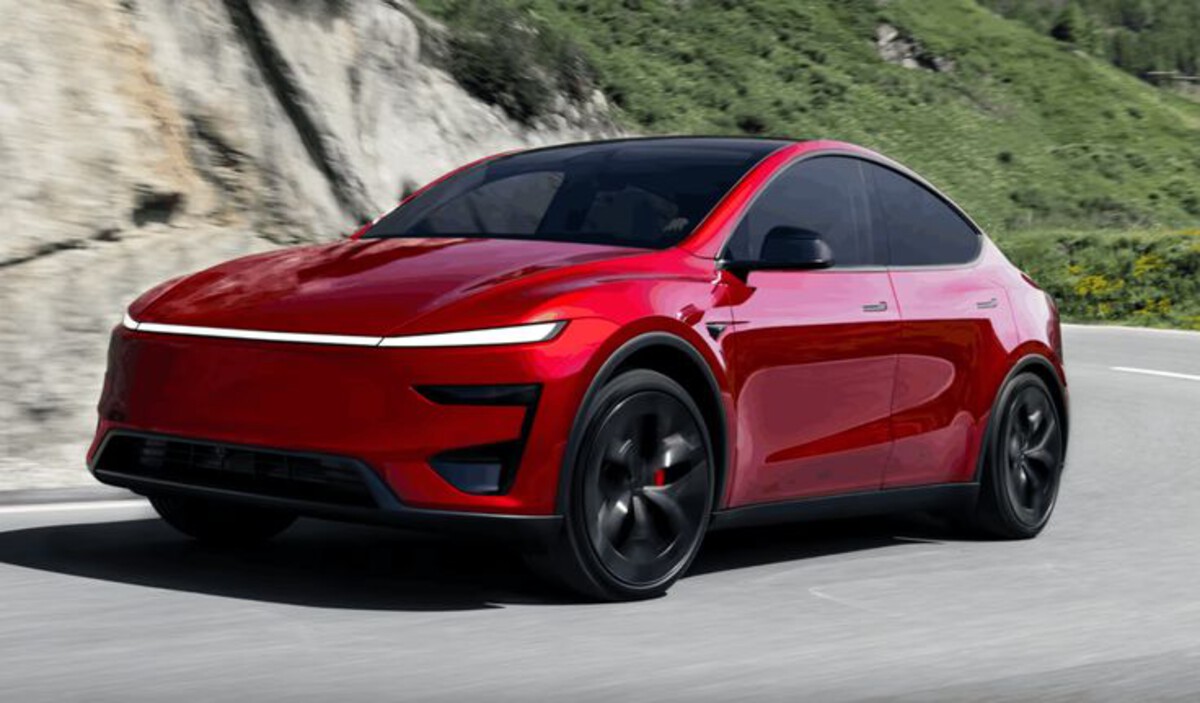
The minimalist approach has clear advantages. It’s less likely to annoy passengers. It conserves energy by keeping speaker output modest. And it ages better; trends change, but a simple, functional sound is unlikely to feel gimmicky years from now. Drivers report that Tesla Model Y’s sound is informative: you quickly learn how much input is needed for specific maneuvers.
Tesla Model Y’s sound also integrates with safety systems. For example, the low-speed audio cues are audible outside the car in pedestrian zones, but they fade at higher speeds where they aren’t necessary. The system is calibrated so you get instant, proportional feedback without dramatic crescendos.
If you want subtle reassurance rather than performance theater, Model G is the safe pick. It doesn’t try to fake a classic engine or engineer a soundtrack. It gives what you need to drive confidently and leaves the rest to the car’s dynamics.
There’s no one right way to give an EV an engine-like personality. Some drivers want the weight and character of a classic V8. Others prefer subtle cues that simply make the car feel more natural underfoot.
The seven SUVs above demonstrate different philosophies: theatrical, retro, minimalist, and technical. Each approach has merit depending on what you want from the driving experience.
Sound design in EVs is more than nostalgia. It can provide useful feedback, improve perceived responsiveness, and even add safety at low speeds. But it can also be overdone.
If audio becomes louder than the car’s actual behavior, it breaks trust. The best systems match sound to real-world physics and give drivers control over intensity. That keeps the experience honest.
So, if you’re shopping for an EV and engine sound matters, take a test drive with volume on and off. Listen for how the sound changes with throttle, how it behaves at steady speed, and whether it enhances or distracts.
Pick the profile that fits your personality measured, theatrical, clever, or minimalist and enjoy the fact that EVs can now speak the language of emotion, not just efficiency.