Once a car crosses that four-year mark, reality starts to show. All that shiny-new charm fades a bit, and the parts that were once working smoothly begin needing more attention than you expected.
Many people think a car stays “low-maintenance” for the first five or six years, but that isn’t always true. Some models start acting up much earlier, even if they were marketed as tough, reliable, or premium.
Four years is a turning point for most owners because this is when factory warranties either expire or get very close to ending. And once that cushion disappears, every little noise suddenly feels expensive.
If you’re unlucky, you start seeing a pattern: oil leaks, worn suspensions, failing electronics, weak batteries, and sensors throwing tantrums every other week. Not every car gets this dramatic, but some models definitely age faster than others.
The funny part is that many of these high-maintenance cars look great on the outside. They drive well when new, feel modern, and pack features that make the buying experience exciting. But once they hit that 48-month line, the real cost of ownership kicks in. The maintenance bills pile up, labor charges get annoying, and the number of visits to the mechanic slowly becomes part of your schedule.
So if you’re trying to avoid cars that turn into repair magnets after four years, it helps to know which ones tend to act up the most. Below, we’re diving into 10 cars that usually demand more maintenance once they cross year four.
Some of them are luxury models with pricey parts, while others are popular daily drivers that just wear out faster than expected. Either way, knowing this list can save you money, stress, and countless “why now?” moments.
10 Cars With the Most Maintenance After 4 Years
When a car hits the four-year point, patterns begin to show. Some brands hold up surprisingly well, while others reveal their weak spots. The following 10 models are known for needing more maintenance right after that four-year mark.
These issues don’t mean the cars are terrible, just that ownership becomes more demanding, especially if you skip routine service or push the vehicle a bit harder than average.
Some models have similar issues because of shared parts or platforms, while others are unique headaches on their own. What matters is that after year four, these cars typically start needing not just routine service but also additional parts, more diagnostics, and attention to components that the average owner rarely thinks about.
Now let’s break down each of the 10 vehicles one by one. Each section explains what usually goes wrong, why it happens, and what owners face after the warranty period. If you’re planning to buy any of these used, this breakdown will help you make a smarter choice or at least be ready for the maintenance needs that come with the deal.
ALSO READ: 10 Cars Mechanics Secretly Love Owning Over Decades
1. BMW 3 Series
The BMW 3 Series is fun, quick, and full of personality, but once it crosses the four-year mark, it starts demanding more attention than many owners expect. This is one of those cars that gives you a great driving experience upfront, then quietly asks for a higher budget once the warranty period is over.
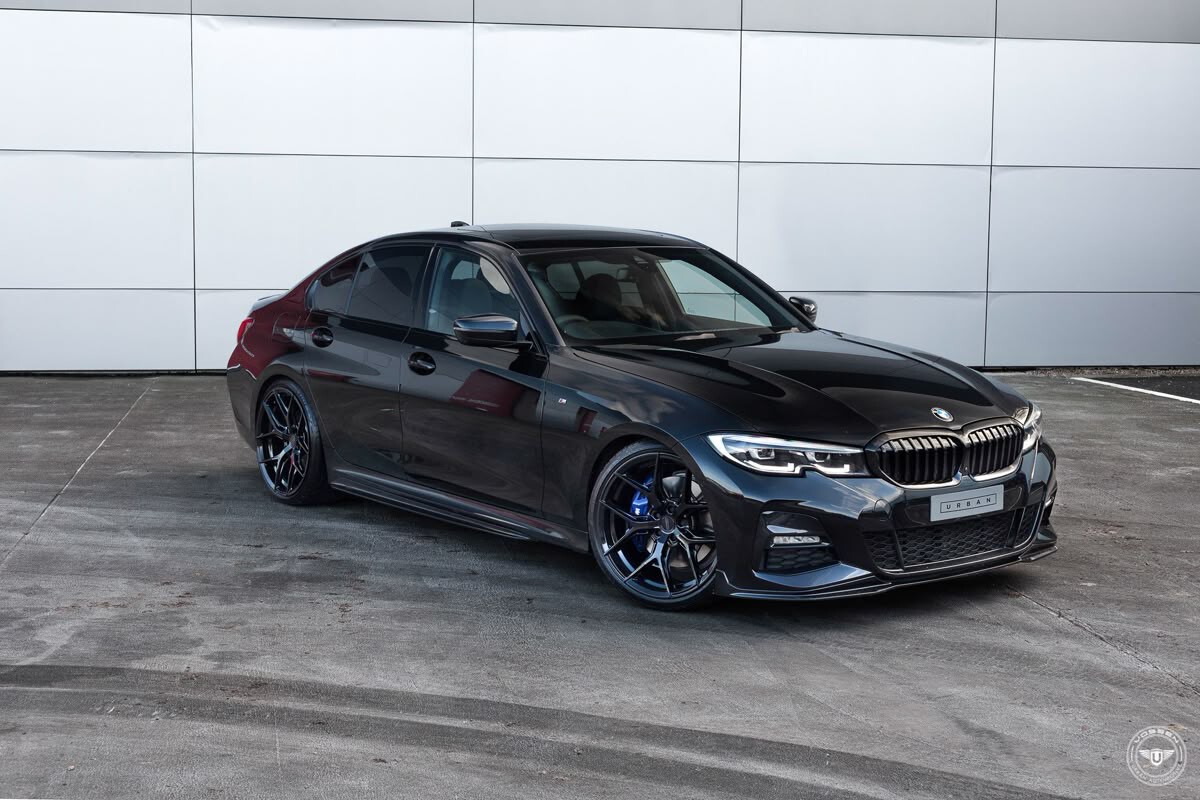
The first trouble spot you notice is usually the engine area. BMW’s turbocharged engines are exciting to drive, but turbos put more stress on seals, hoses, and heat-related components.
After four years, tiny oil leaks tend to appear around the valve cover, oil filter housing, and even the turbo oil lines. They start small, but ignoring them is a big mistake because these parts sit in tight spots, so labor costs stack up fast.
You also start noticing cooling system drama. BMW cooling components aren’t known for lasting forever. The water pump, thermostat, and plastic connectors begin to age, and the car might run warmer than usual or flash a temperature warning. It’s not a full breakdown, but it’s the kind of thing that sends you to the workshop more than you’d like.
Then there’s the electronics. The 3 Series loves throwing warning lights for the smallest things. Parking sensors, iDrive issues, glitchy screens, and random beeping from driver-assist features crop up around year four. Fixing electronics is usually more annoying than dangerous, but it adds up.
Suspension wear shows up too, especially on models with sport packages. Bushings, control arms, and mounts start to soften or make tapping sounds over bumps. BMW uses a firm setup for that sharp handling, and firm setups simply wear faster.
Brake jobs also come sooner than expected. The 3 Series tends to eat rotors quickly, and premium rotors aren’t cheap.
The car still drives beautifully even as it ages, but it becomes a “high-maintenance relationship.” If you love the BMW experience, you probably won’t mind. But if you prefer a set-it-and-forget-it type of car, the 3 Series will definitely test your patience after year four.
2. Mercedes-Benz C-Class
The Mercedes C-Class looks refined and polished on the outside, but once it crosses that four-year threshold, you start noticing how many small things it relies on to stay smooth. And when those tiny things act up, the maintenance bills can climb quicker than you’d like.
The most noticeable trouble starts with electronics. Mercedes loves loading its cars with tech sensors in the seats, sensors in the bumpers, sensors in the mirrors, electronics in the lights, and software tying everything together. After four years, the system doesn’t stay as cooperative as before.
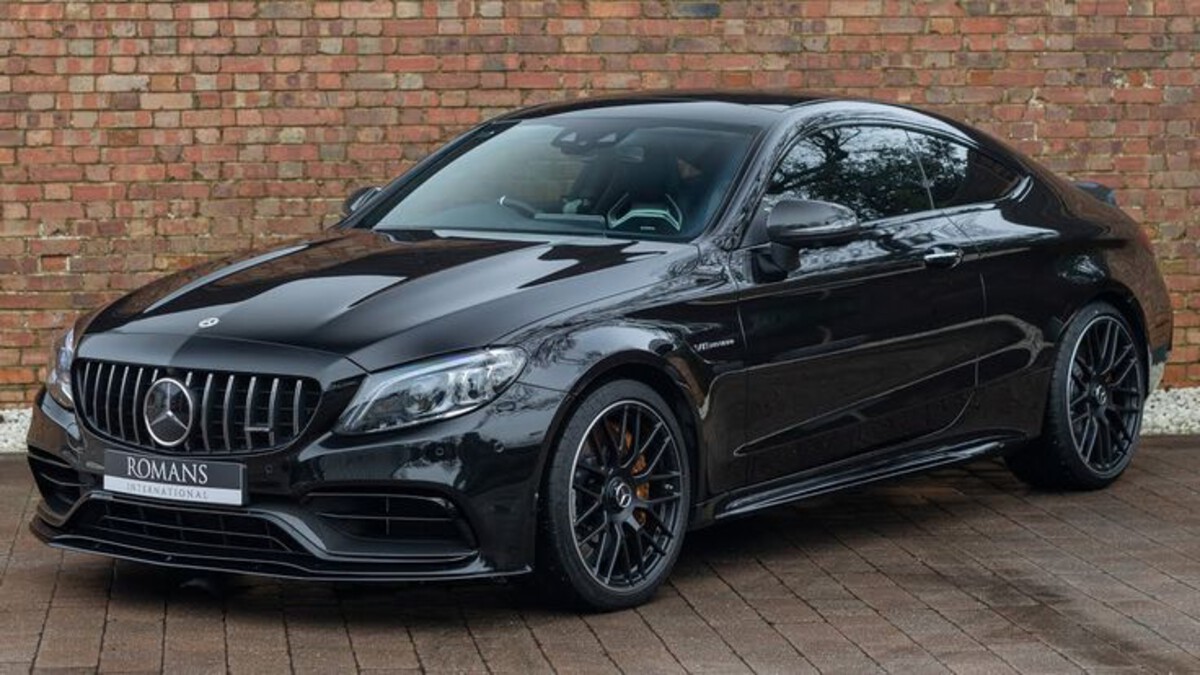
Owners commonly report flickering interior lights, camera glitches, random warnings on the instrument cluster, or the infotainment screen freezing. Even if the fix is small, diagnosing an electrical issue in a Mercedes is almost always pricey.
The engine follows next. Turbocharged C-Class models perform well, but long heat cycles start wearing out the seals. Small oil leaks begin showing around the timing cover or valve cover. Nothing catastrophic, but it gradually becomes a recurring expense.
Suspension wear also hits a bit earlier than some expect. Mercedes tunes their cars for comfort, but comfort comes from soft components and soft components wear out.
After four years, the ride loses that plush feel because control arm bushings, ball joints, and strut mounts begin giving up. On rough roads, little clunks or rattles become normal until you replace the worn parts.
Brakes and batteries also don’t last as long as you’d hope. Mercedes uses heavier braking systems, so rotors tend to wear quicker. And the start-stop feature drains the battery sooner than expected.
So the C-Class remains a classy ride, but it needs consistent attention after year four. The car doesn’t fall apart it just gets needy. If you’re ready for that, you’ll still enjoy it. If you want low-stress ownership, this one can keep you busier than you planned.
3. Audi A4
The Audi A4 feels clean, modern, and smooth, but the car gets a bit more demanding once it crosses the four-year milestone. The first major issue you’ll run into is the cooling system.
Audi’s turbo engines run hot, and over time the water pump and thermostat housing start weakening. They’re known for failing earlier than you’d expect, and once the heat cycles pile up, leaks start showing.
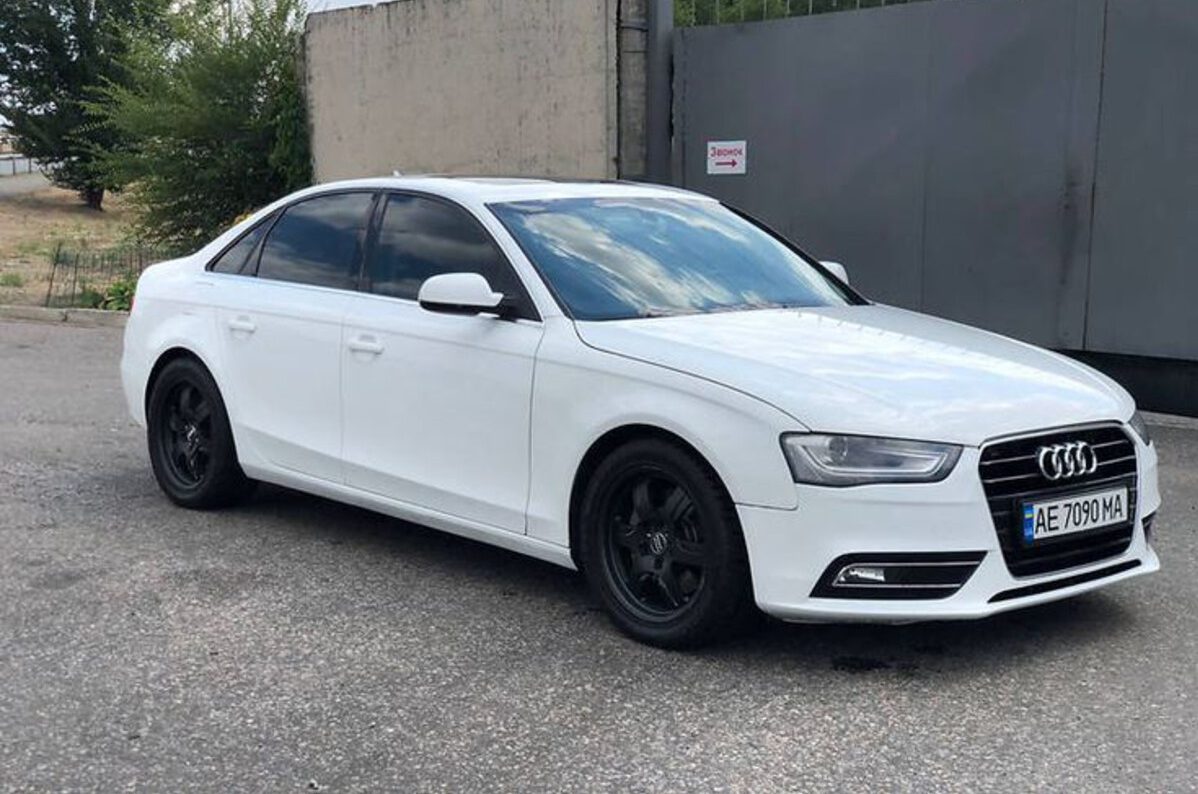
Then comes the carbon buildup problem. Direct-injection engines create more carbon on the intake valves, and by year four, you’ll likely start noticing symptoms like uneven idle, weaker acceleration, or sluggish response. It’s fixable with a carbon cleaning service, but that service isn’t cheap.
The A4’s suspension also starts aging around this time. Audi uses a multi-link setup that feels great when new, but multi-link designs wear faster because they rely on many small bushings. After four years, you may hear clicking, squeaking, or tapping sounds when driving over bumps. The car slowly loses that tight, controlled feel you get from a new A4.
Electronics are another pain point. The virtual cockpit, MMI infotainment system, sensors, and modules can get glitchy as the years pass. Things like Bluetooth issues, glitchy screens, and random driver-assist warnings start showing up.
Even small components like window regulators, trunk motors, and door sensors can begin wearing out. And because everything in an Audi is tightly integrated, nothing is ever a “simple” repair.
The A4 still drives beautifully, even at this age, but it becomes more maintenance-intensive. If you enjoy a premium driving feel and don’t mind regular service visits, the A4 is worth it. If you’d rather not deal with fragile electronics and early cooling failures, you’ll find it a bit exhausting after the four-year point.
4. Jeep Grand Cherokee
The Jeep Grand Cherokee is one of those SUVs that looks tough at first and even feels solid when new, but once it crosses four years, the car starts revealing its weak spots. The first issue most owners notice is the electrical system acting up. The SUV is loaded with sensors and electronics, but the quality control on those parts isn’t always consistent. Touchscreen glitches, backup camera blackouts, random warning lights, and failing door modules are common at this age.
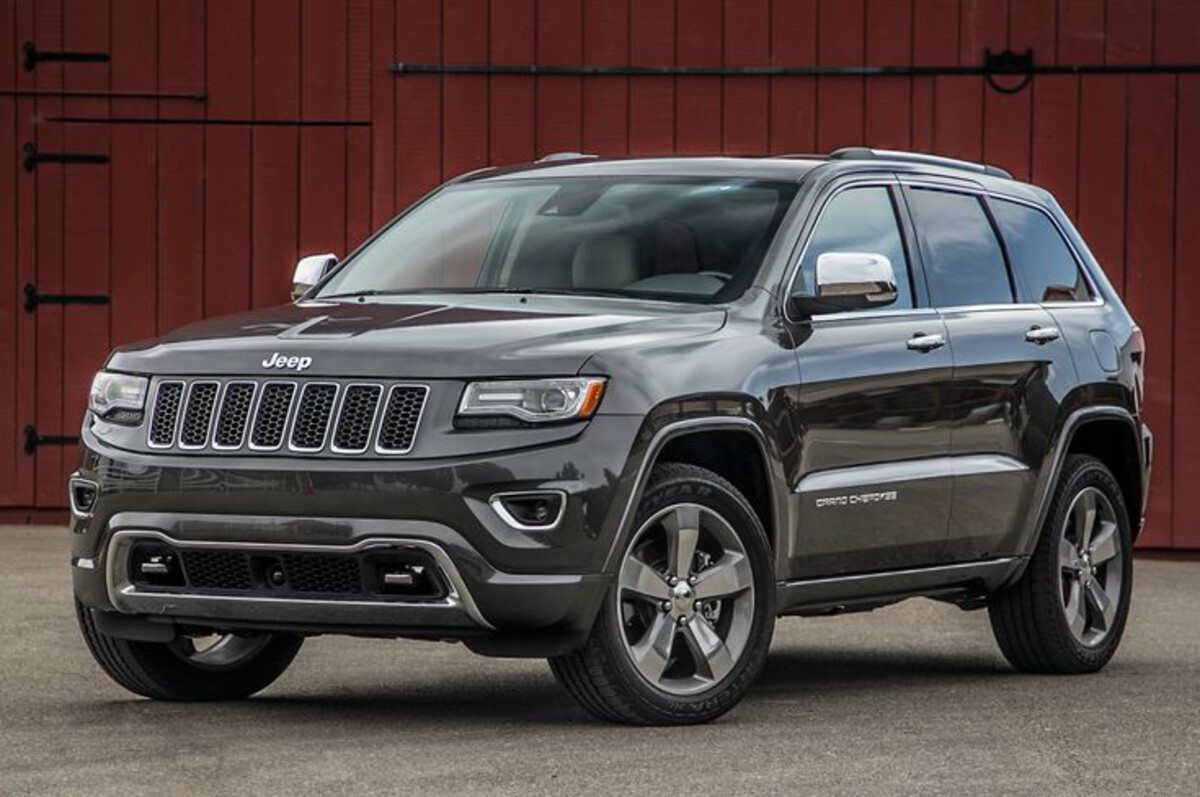
The transmission also becomes a hot topic. The 8-speed gearbox used in the Grand Cherokee is smooth when new, but after years of towing, city driving, or rough roads, shifts become harsher. Owners report hesitation, banging into gear, or slow response when accelerating. Sometimes it’s software; sometimes it’s aging components.
Suspension wear shows up next. The Grand Cherokee is a heavy SUV, and heavy SUVs stress suspension parts much faster. Around four years, you start hearing thuds over bumps or feeling more body movement because the bushings and links are wearing out. If the car has air suspension, expect even higher repair bills.
Cooling problems also show up. Water pump and thermostat failures are common, especially in warmer climates.
Engine mounts, control arms, and exhaust sensors also tend to fail a bit earlier than average. The Jeep doesn’t usually collapse suddenly, but it slowly becomes a constant maintenance project.
If you love the rugged design and comfortable ride, you can keep it running fine it just requires regular attention and a bit of patience after four years.
5. Land Rover Discovery Sport
The Land Rover Discovery Sport is stylish, capable, and premium, but everyone knows the brand carries a reputation for being high-maintenance, and the Discovery Sport definitely leans into that reputation once it hits year four. The electronics are usually the first things to give owners trouble.
Land Rover loves packing features into the interior, and while it all feels nice when new, screens freezing, parking sensors failing, and random error messages become pretty common as the SUV ages.

The turbo engine is also sensitive. Oil leaks are a recurring theme with this model. After years of heat and pressure, seals and gaskets begin wearing out. The leaks aren’t always huge, but they show up at the worst times and fixing anything on a Land Rover engine isn’t light on labor costs.
The suspension also needs attention. The Discovery Sport offers a comfortable ride, but comfort comes from parts that aren’t the most durable. After four years, many owners report clunky sounds over bumps and a rougher ride because the bushings and struts are wearing down.
Then there’s the cooling system. The water pump and related components are known to fail earlier than you’d expect for a premium SUV. Overheating warnings aren’t rare if the parts aren’t replaced on time.
Overall, the Discovery Sport stays a good-looking SUV with a strong presence, but once the factory warranty expires, the maintenance list gets longer. The car isn’t unreliable it’s just demanding. Owners who stay ahead of service schedules manage fine. Owners who expect low-maintenance living get frustrated pretty fast.
ALSO READ: 10-cars-with-the-best-lane-keep-tuning-under-30000
6. Ford Explorer
The Ford Explorer is a family favorite, but once it crosses the four-year point, it doesn’t stay as low-maintenance as people expect. The most common trouble comes from the transmission. Many Explorer models develop issues like harsh shifts, delayed gear engagement, or slow acceleration as they age. Sometimes a software update helps, but often the wear is mechanical.
Suspension issues also show up around this time. The Explorer is large and heavy, and constant family use wears down the shocks, ball joints, and bushings faster than expected. When the suspension starts aging, you feel more bounce, more noise, and more uneven movement during turns.

Electrical problems also creep in. Sensors related to the backup camera, door modules, or infotainment system begin showing faults. The touchscreen may freeze, Bluetooth may disconnect, or warning lights may appear randomly. Nothing catastrophic, but annoying enough to require regular visits to the service center.
Cooling system issues join the list too. Thermostat failures and radiator problems become common after enough heat cycles. If you live in a hot region or tow with the Explorer, these problems show up even sooner.
The engine itself can run long, but accessories like the alternator, AC compressor, and water pump require attention earlier than in many competing SUVs.
The Explorer remains a good SUV overall, but year four is where you realize it requires more maintenance than expected. Keeping it in great shape is doable it just means budgeting for those extra repairs.
7. Chevrolet Traverse
The Chevrolet Traverse comes across as a practical, roomy SUV, but once it crosses the four-year mark, the hidden maintenance issues start showing themselves.
The first thing many owners report is trouble with the air conditioning system. The AC components. Especially the compressor and condenser tend to wear out earlier than you’d think. When they fail, cooling performance drops or disappears altogether. And AC repair on the Traverse isn’t cheap because of labor time.
The engine also becomes a concern around the same time. The Traverse is known to struggle with timing chain wear if oil changes weren’t done perfectly on schedule.
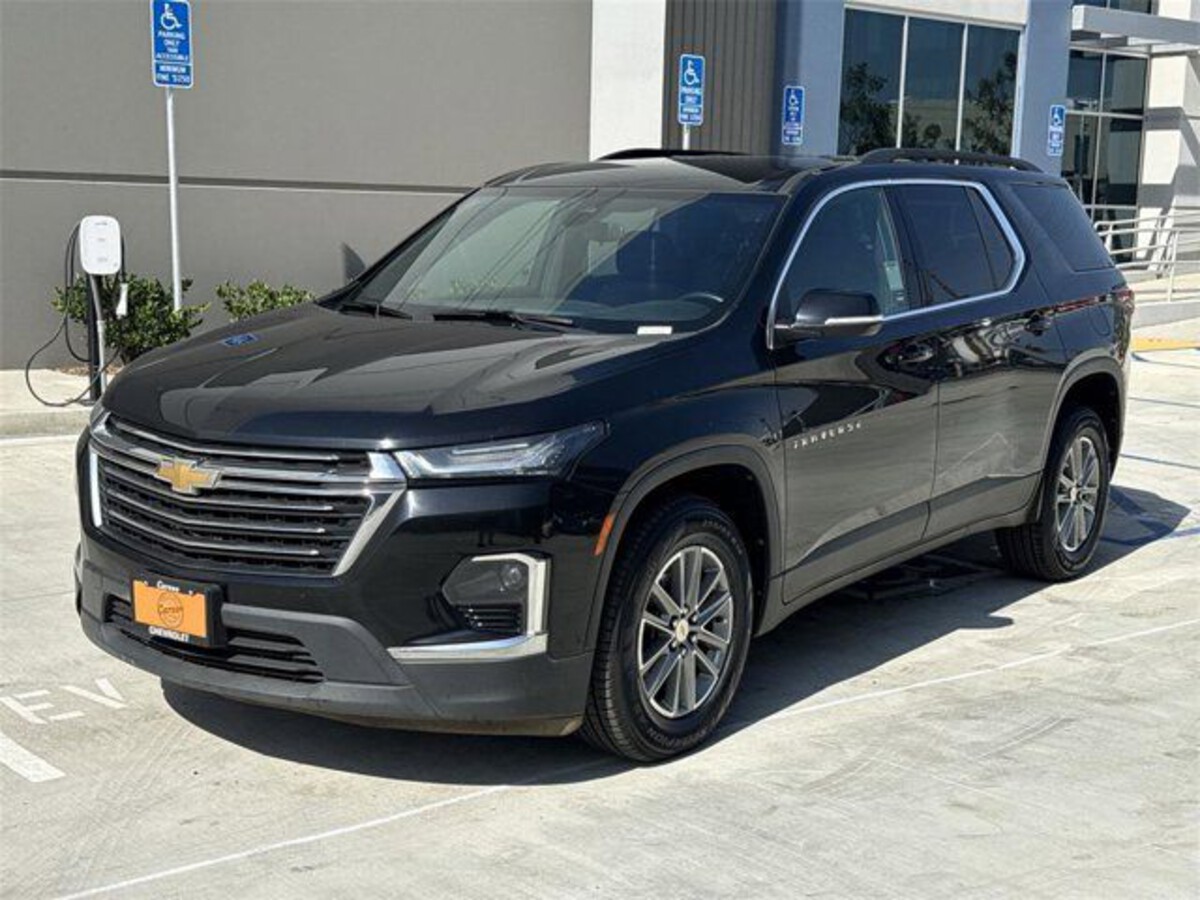
Timing chain problems show up as rattling, rough idling, or loss of power. Four years is often the age where those symptoms become noticeable. If ignored, timing issues get expensive very fast.
Suspension wear is another recurring theme. This is a heavy SUV, and heavy SUVs chew through bushings, struts, sway bar links, and mounts faster. Around year four, the ride starts feeling rougher, and drivers notice more noise going over bumps.
Electrical issues are common too. Door lock actuators, backup cameras, and sensor modules tend to misbehave with age. They aren’t major failures, but each small fix adds to the maintenance bill.
Even the fuel system occasionally acts up, things like clogged injectors or weak pumps show up after enough mileage.
The Traverse can still last a long time with proper care, but year four is where the maintenance curve jumps. Owners need to stay on top of engine, AC, and suspension issues to keep it running smoothly.
8. Honda Odyssey
The Honda Odyssey is a go-to family van, but once it crosses year four, it starts showing the side effects of constant, heavy use. The most noticeable issue comes from the sliding doors.
These doors run on motorized tracks, and after years of being opened and closed dozens of times a day, the mechanism starts wearing out. Doors get stuck, move slowly, or refuse to close fully. This becomes a recurring maintenance task for many owners.
The transmission is another area that acts up once the Odyssey ages. Honda transmissions have a mixed reputation, and by year four, some vans begin showing hesitation, jerky shifts, or delayed acceleration. Regular fluid changes help, but they don’t eliminate the issue completely.

Suspension wear shows up because the van is almost always loaded kids, luggage, groceries, road trips and that weight puts stress on every component. Shocks, bushings, and mounts wear out quicker, leading to more road noise and less stability.
Electronics can also get glitchy. The rear entertainment system, interior sensors, power tailgate, and various modules sometimes start failing around this time. Because families use the Odyssey heavily, even tiny faults become noticeable fast.
The engine itself holds up well, but things like motor mounts and cooling components begin breaking down around year four. The AC system also becomes a point of concern in older Odysseys.
The van still works great overall, but by year four, owners realize it needs more attention than expected. It’s not unreliable it just gets worn out faster because it’s used so heavily.
9. Nissan Pathfinder
The Nissan Pathfinder seems sturdy, but the maintenance story starts getting complicated once it hits the four-year mark. The biggest and most famous issue is the CVT transmission. Nissan’s CVTs are known for whining noises, jerky acceleration, slipping, or hesitant response as they age. Around year four, these symptoms often start appearing.
Suspension wear is another area of concern. The Pathfinder is a large vehicle, and constant weight combined with rough roads wears out bushings, control arms, and shocks. A clunky ride or uneven handling becomes noticeable around this time.
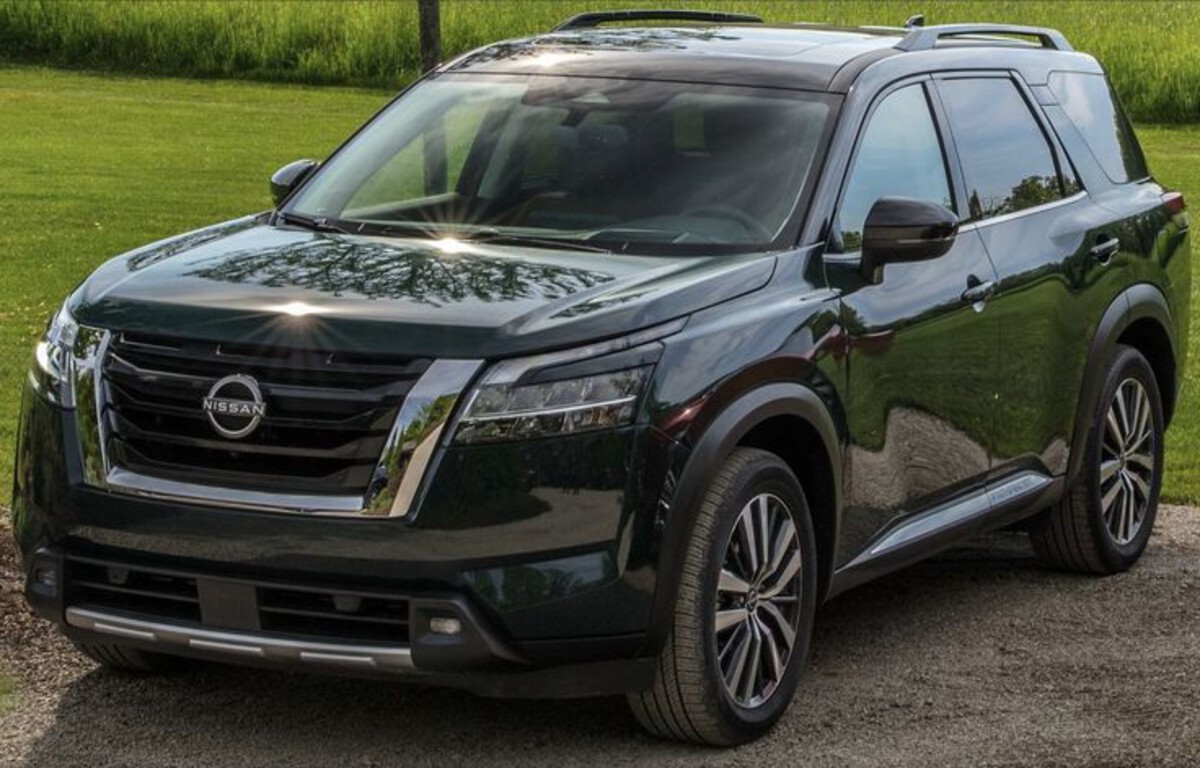
Electrical issues also show up frequently after the fourth year. Backup cameras fail, seat sensors glitch, infotainment systems lag, and random warning lights appear. These aren’t catastrophic failures, but they add up and require frequent service visits.
Cooling system components also begin aging. Radiator leaks, thermostat failures, and coolant hose problems start appearing, especially on vehicles driven in hot climates.
The engine mounts, door actuators, and power tailgate components also tend to fail with age.
The Pathfinder still provides good comfort, space, and driving ease, but keeping it running smooth after the four-year mark takes consistent care and quick response to early warning signs. Owners who ignore minor symptoms usually end up paying much more later.
10. Volkswagen Tiguan
The Volkswagen Tiguan looks modern and drives nicely, but once it crosses year four, maintenance needs tend to spike. The first trouble spot is the turbo engine.
VW’s small turbos perform well, but after years of pressure and heat, they start showing oil leaks around the valve cover or PCV system. Carbon buildup also becomes noticeable, causing rough idle or sluggish acceleration.
The cooling system begins acting up too. Water pump failures are incredibly common on the Tiguan, and they usually appear around years three to five. When the water pump starts failing, coolant leaks or overheating warnings pop up.
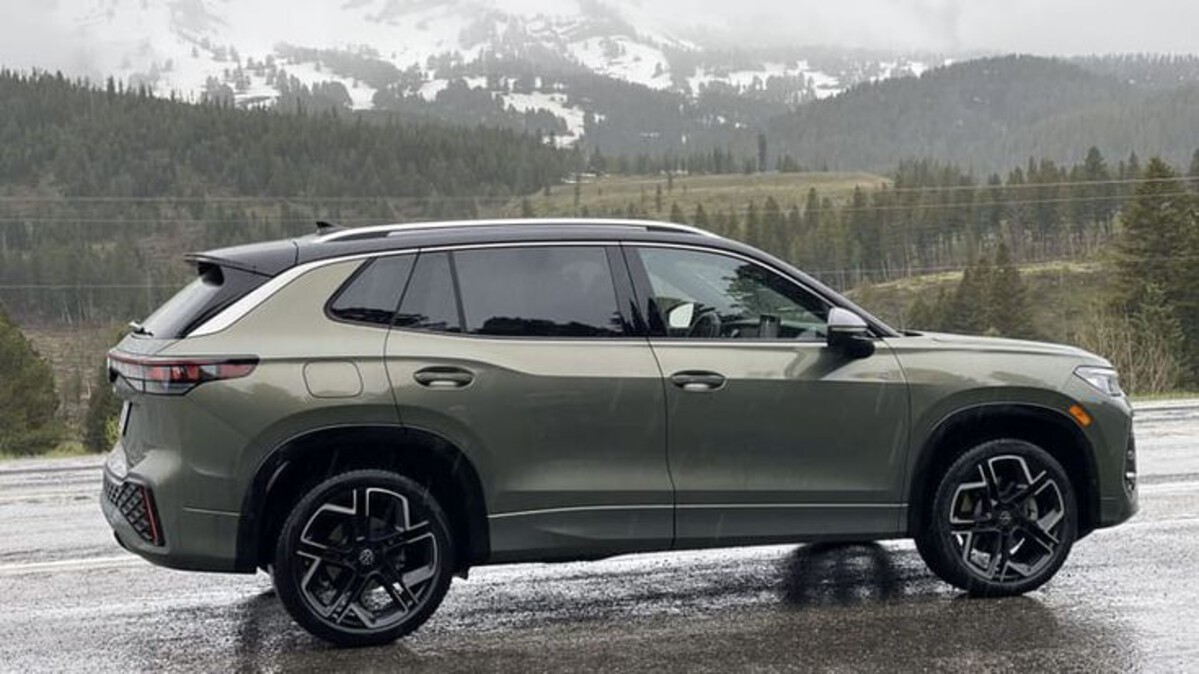
Suspension wear is another frequent issue. The Tiguan’s soft, comfortable setup relies on components that wear out earlier. Owners report squeaks, clunks, or loose steering feel around year four.
Electrical glitches join the list as well. Sensors for lane assist, the backup camera, and even the infotainment system can freeze or malfunction. These issues aren’t always dangerous, but they’re annoying and can get costly.
Smaller parts like door actuators, window regulators, and trunk motors also show early aging signs.
The Tiguan stays fun to drive, but owners need to be ready for more frequent repairs once it passes the four-year threshold. Regular maintenance helps, but it doesn’t eliminate the Tiguan’s tendency to become a bit needy as it ages.
Reaching the four-year point is when most cars reveal their true maintenance personality. Some stay strong and steady, while others start demanding more attention than you expected. The vehicles on this list aren’t bad many of them are stylish, comfortable, and enjoyable to drive but they do come with higher upkeep once they age.
The biggest takeaway is that luxury and tech-heavy models tend to need more repairs after warranties expire. Turbocharged engines, complex electronics, and advanced suspensions look great on paper but often require more care in real life. Even mainstream SUVs on this list start showing wear sooner than owners anticipate.
If you’re thinking of buying any of these used, budgeting extra for maintenance is a smart move. And if you already own one, staying ahead of repairs can keep the costs more manageable.
At the end of the day, choosing a car isn’t just about how it feels when it’s new it’s about how it behaves after a few years. Knowing the models that demand more attention after year four helps you prepare better and avoid surprises.