
Remember when you could just get into a car and drive without consulting a 45-minute tutorial video? Those days felt simpler, didn’t they? You turned a key, adjusted the mirrors, and off you went.
Fast forward to today, and many modern vehicles require you to watch multiple YouTube videos just to figure out how to change the radio station or adjust the climate control. Touch screens have replaced physical buttons, menus hide behind submenus, and simple tasks now demand a computer science degree.
Some automakers have gone overboard with technology, creating infotainment systems so complicated that even tech-savvy people give up and just use their phones instead. Voice commands misunderstand what you’re saying. Gesture controls work only when the moon aligns with Jupiter.
Touch-sensitive surfaces respond to accidental brushes but ignore deliberate presses. It’s frustrating when you just want to turn up the heat or skip to the next song without taking your eyes off the road for dangerous lengths of time.
But not all crossovers have fallen into this trap. Some manufacturers still believe in an intuitive design that makes sense the first time you use it. They include physical buttons and knobs for essential functions. Their infotainment systems respond logically to inputs.
Menus stay shallow rather than nested five levels deep. Controls fall where your hands naturally reach them. This article celebrates twelve crossovers that respect your intelligence and time. You won’t need to bookmark tutorial videos or download instruction manual PDFs to your phone.
These vehicles work the way you expect them to from day one, combining modern features with user-friendly interfaces that don’t require a learning curve. Let’s look at crossovers that got the balance right between technology and usability.
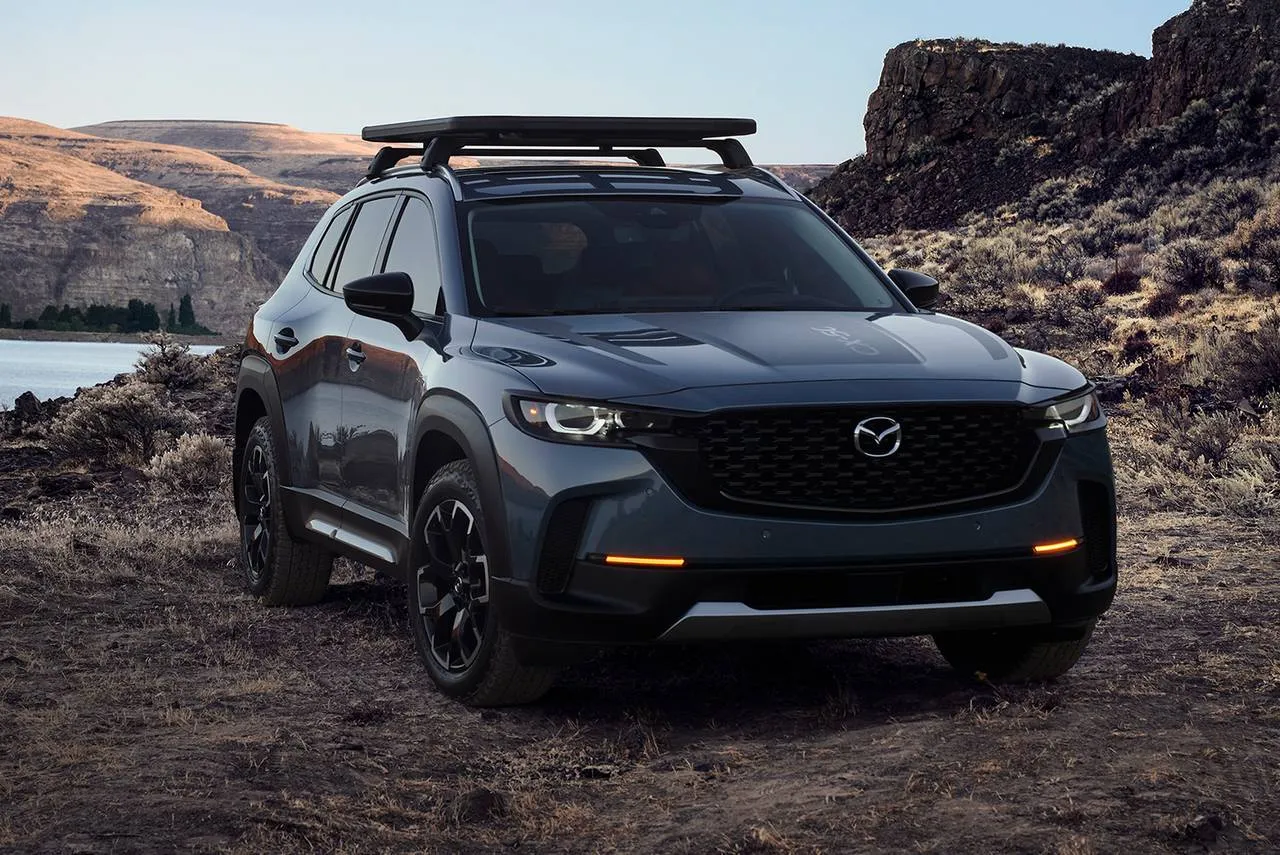
1. 2024 Mazda CX-50 Turbo Premium Plus
Mazda refuses to follow trends just because everyone else does, and their approach to technology proves this perfectly. Slide into the 2024 CX-50 Turbo Premium Plus, and you’ll find physical buttons and knobs for climate control sitting right where they belong.
Infotainment control happens through a rotary dial on the center console rather than forcing you to reach forward and stab at a screen. This dial sits naturally where your hand rests, making it easy to scroll through menus, select songs, or enter navigation destinations without stretching or taking your eyes off the road for long periods.
You can still touch the screen if you prefer, but having both options means you choose what works best for any situation. Climate controls use three large dials that adjust temperature, fan speed, and airflow direction.
Even wearing gloves in winter, you can operate these controls easily because they’re substantial physical objects rather than capacitive touch surfaces that ignore gloved fingers.
Auto climate works well when you want it, but manual control stays simple when you prefer to adjust things yourself. Seat heaters get their own dedicated buttons rather than hiding in a submenu somewhere.
Audio system controls make sense immediately. The volume knob turns to adjust volume, just like it has for decades. Station presets appear as physical buttons you can program and access without thinking.
The source selection button cycles through radio, USB, Bluetooth, and other inputs logically. Even someone who hasn’t driven a Mazda before can figure out basic operations within seconds. All-wheel drive comes standard and includes off-road traction modes for dirt roads or snowy conditions.
But you won’t need a video tutorial to understand how drive modes work because they’re clearly labeled and easy to access through physical buttons. Premium Plus trim includes leather seats, Bose audio with 12 speakers, power liftgate, adaptive headlights, and comprehensive safety features. Everything works intuitively without requiring you to consult owner’s manuals or online forums.
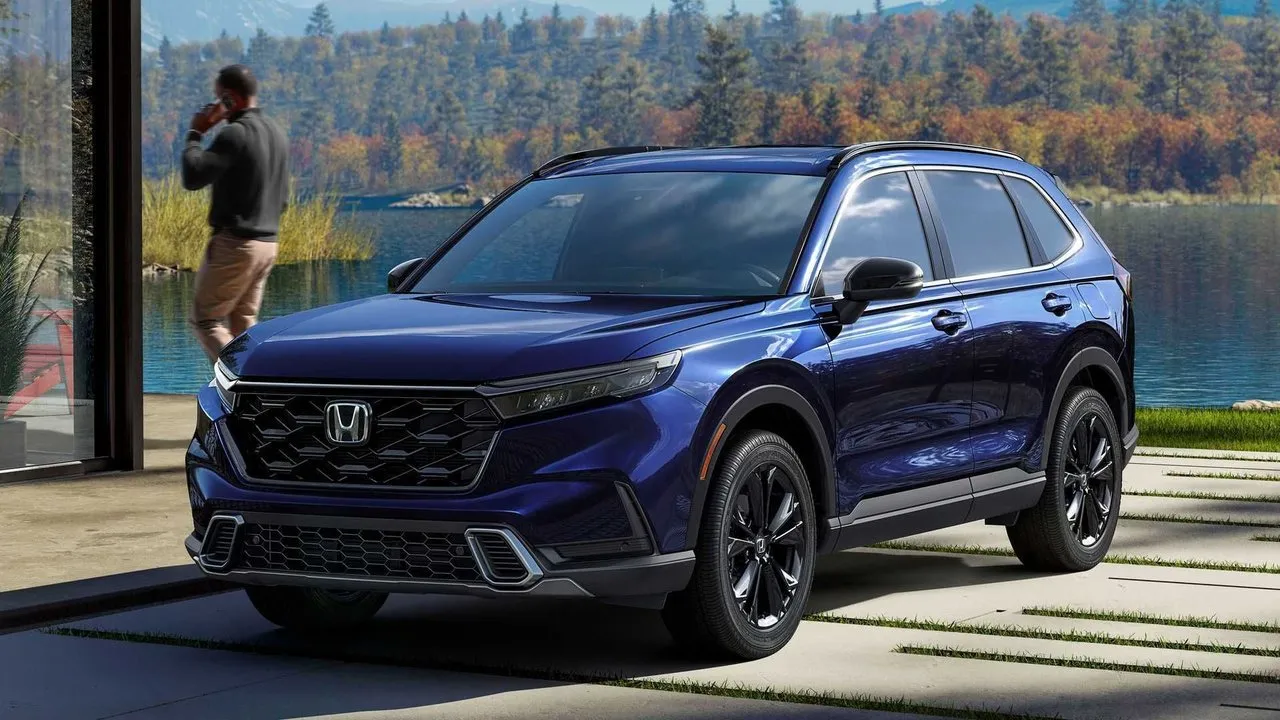
2. 2024 Honda CR-V EX
Honda built its reputation on creating vehicles that make sense to regular people, and the 2024 CR-V EX continues this tradition beautifully. Climb inside, and you’ll see a clean, logical layout where important controls sit in obvious places.
Climate control uses a combination of physical buttons and a touch screen, but Honda kept the most-used functions as buttons so you’re not digging through menus constantly. No capacitive touch surfaces that require precise finger placement or multiple taps to register your input.
The tuning knob sits right next to the volume knob, making it simple to scan through radio stations manually when you’re between programmed presets. The gear selector uses a traditional design rather than those confusing electronic buttons or toggle switches that some manufacturers have adopted.
You move it to Park, Reverse, Neutral, or Drive just like you’ve done in countless other vehicles. No learning curve, no accidentally putting the car in the wrong gear because the interface tries to be clever.
Honda’s infotainment system won’t win awards for graphics or animations, but it works reliably and responds quickly to inputs. Menu structure stays shallow so you’re never more than two or three taps away from any function.
Apple CarPlay and Android Auto connect easily, letting your phone handle navigation and music if you prefer familiar interfaces. Physical home button returns you to the main screen instantly, rather than making you back out through multiple menu levels.
Safety features include adaptive cruise control, lane keeping assist, automatic emergency braking, and road departure mitigation. Honda designed these systems to work unobtrusively in the background rather than constantly beeping or flashing warnings about every little thing.
You can adjust sensitivity levels through clear, simple menus when you want different behavior. EX trim includes a 1.5-liter turbocharged engine making 190 horsepower, a continuously variable transmission, cloth or leather seats, a moonroof, and upgraded audio. Everything operates logically from the moment you start driving.
Also Read: 5 Cars That Hold Shine for Years vs 5 That Fade Early
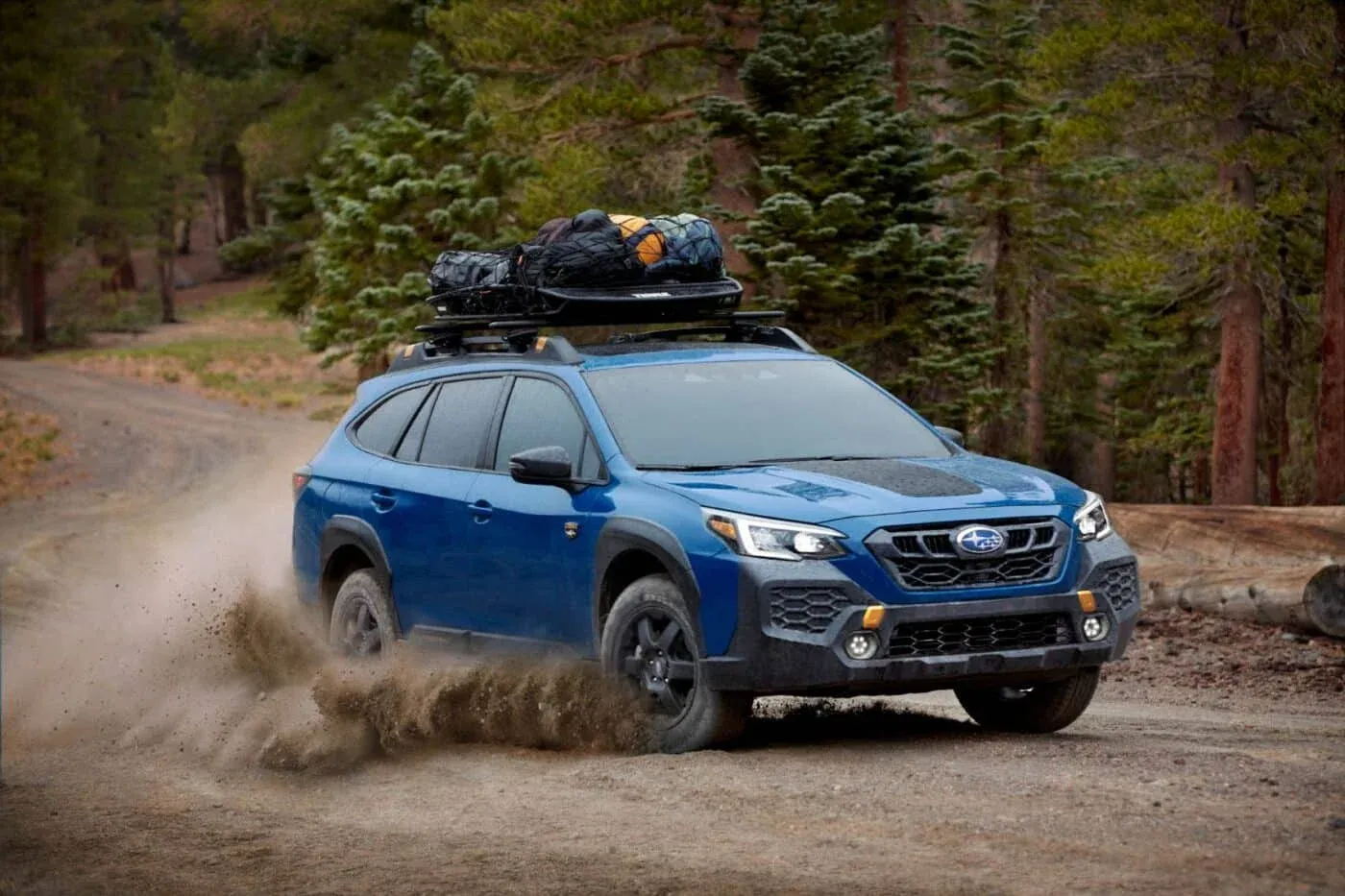
3. 2024 Subaru Outback Wilderness
Subaru knows many people who enjoy leaving paved roads prefer controls they can operate without stress, and the 2024 Outback Wilderness follows that idea with confidence.
The cabin leans heavily on sturdy physical inputs that anyone can understand quickly. Buttons and dials handle climate settings, audio basics, and essential driving functions without relying on tricky digital gestures.
The climate setup uses large, easy-to-press controls that remain usable even when your hands are dusty after outdoor activities. Temperature changes rely on simple plus and minus buttons that respond instantly.
Fan speed uses a physical dial with a firm feel, giving you clear feedback while adjusting airflow. Auto climate helps during long highway journeys, yet manual control remains available whenever the weather changes during the day.
Audio functions include a volume knob, tuning knob, and separate buttons for switching sources and handling regular tasks. Steering wheel buttons repeat these features, allowing you to make adjustments while keeping your hands steady on the wheel.
Subaru’s Starlink system appears on an 11.6-inch vertical touchscreen that presents information clearly while keeping essential tools near the main display. You can reach climate, audio, or map functions without digging through layers of options.
Driving settings rely on clearly marked buttons that swap between Normal, X-Mode, and Hill Descent Control. You do not need technical knowledge because each label describes real conditions. Hill Descent Control manages speed on steep, loose paths, while X-Mode helps when the surface becomes slippery.
Power comes from a 2.4-liter turbo boxer engine tuned for strong response. Standard all-wheel drive provides dependable grip during outdoor travel. Subaru’s EyeSight system adds helpful assistance features that stay calm and supportive.
The Outback Wilderness focuses on simple use rather than fancy showroom tricks, giving drivers confidence on rough paths and smooth roads alike.
4. 2024 Toyota Highlander XLE
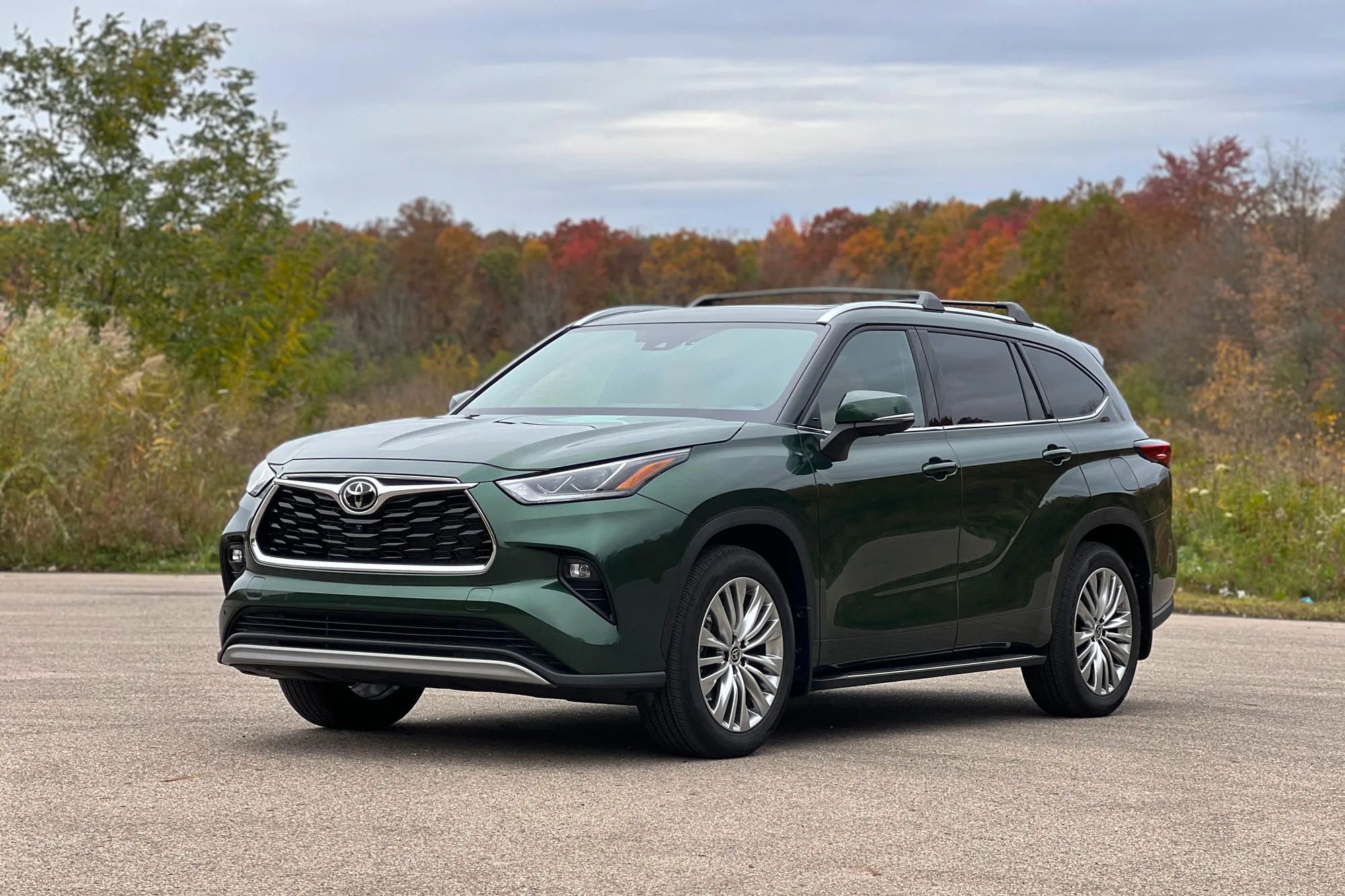
Toyota excels at creating vehicles that work for families, and the 2024 Highlander XLE demonstrates its understanding of what busy parents need. Simple, intuitive controls dominate the dashboard so drivers can focus on getting kids to school rather than figuring out how to operate climate control.
Physical buttons and knobs handle all essential functions, with touch screen technology supporting rather than replacing traditional controls. The climate control system uses three rotary knobs for temperature, fan speed, and airflow direction.
Big, chunky knobs work easily whether you’re wearing gloves, have wet hands, or are trying to adjust settings while watching traffic. Dual-zone climate lets driver and passenger set different temperatures without negotiation, and controls for both zones sit right next to each other rather than hiding passenger controls somewhere odd.
Rear climate controls mount in the back of the center console, where second-row passengers can reach them easily. Audio system keeps things straightforward with a volume knob that feels solid and damped.
Station preset buttons sit in a row across the bottom of the center stack, easily accessible and clearly labeled. Source button cycles through AM, FM, satellite radio, USB, Bluetooth, and other inputs in a logical order. Everything responds immediately without lag or confusion about whether your input registered.
Eight-inch touchscreen handles navigation, smartphone integration, and vehicle settings through a clear menu structure that makes sense. You’re never digging through four layers of menus just to change a simple setting.
Apple CarPlay and Android Auto work wirelessly in this trim, connecting your phone automatically when you get in. Voice recognition actually understands commands without making you repeat yourself multiple times or use specific phrasing.
All-wheel drive is available for better traction in various conditions. XLE trim seats seven or eight passengers, depending on whether you choose second-row captain’s chairs or a bench seat. Soft-touch materials cover most interior surfaces.
Toyota Safety Sense 2.5 includes adaptive cruise control, lane departure alert with steering assist, automatic high beams, and pre-collision system with pedestrian detection. Every feature works as expected without requiring technical knowledge or tutorial videos.
5. 2024 Jeep Grand Cherokee Laredo X
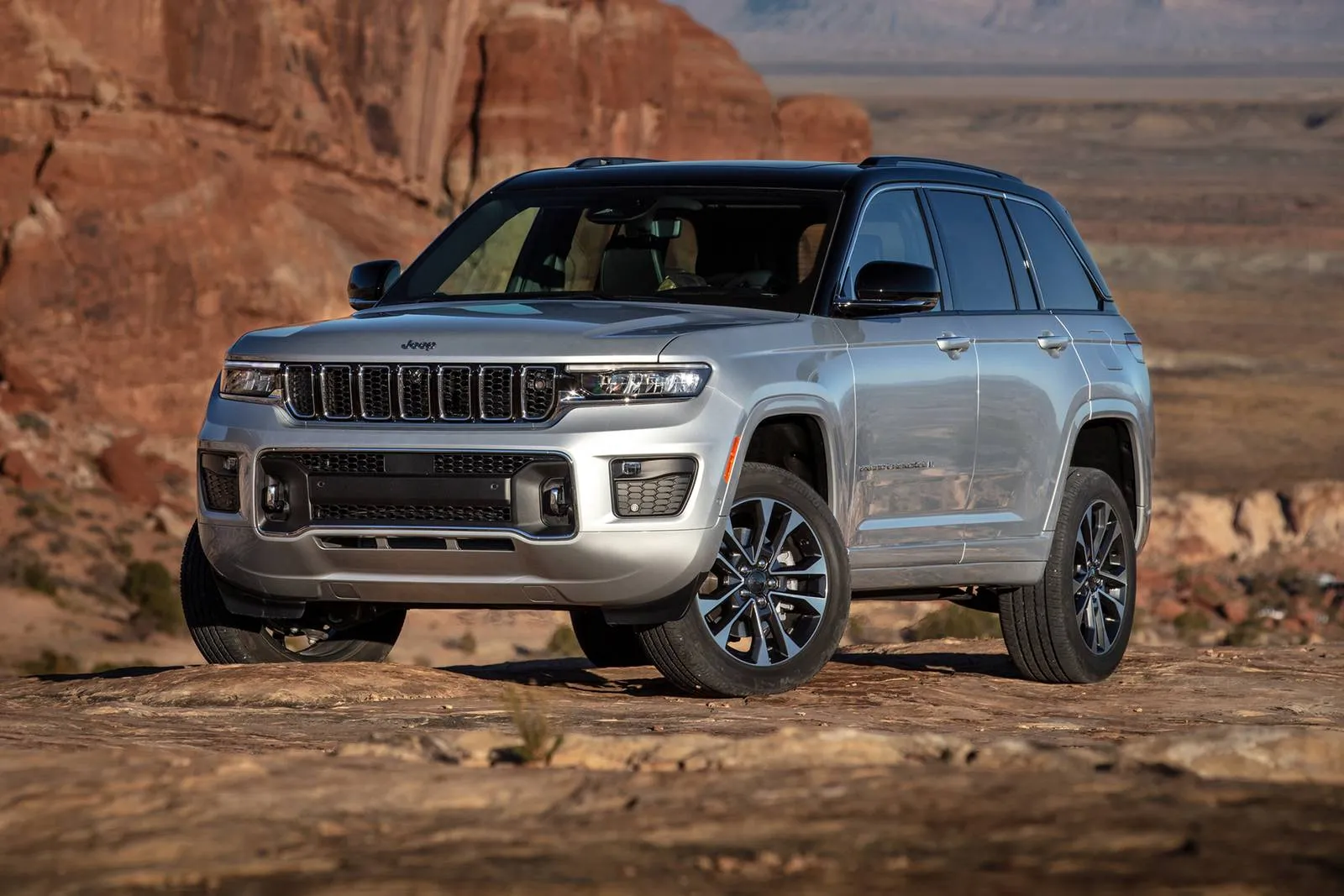
Jeep knows its customers value capability and straightforward operation, and the 2024 Grand Cherokee Laredo X delivers both without unnecessary complications. Get behind the wheel, and you’ll find a refreshingly traditional layout where buttons and switches do exactly what their labels promise.
No hidden gestures, no secret menu combinations, just honest controls that work the first time you use them. The climate control panel features physical buttons for most functions, with clear labels showing exactly what each button does. Temperature adjustment uses tactile buttons that click satisfyingly when pressed.
Fan speed control provides multiple levels through simple up and down buttons. Mode selection lets you choose where air flows with clearly marked buttons for defrost, floor, panel, and combination settings. Everything responds instantly without waiting for a computer to process your request.
Audio controls stay accessible through a combination of physical buttons and touchscreen options. The volume knob sits prominently on the center console, large enough to find by feel without looking.
Steering wheel controls duplicate basic audio functions so you can change stations or adjust volume without removing your hands from the wheel. Uconnect infotainment system has won praise for years because it actually makes sense to users rather than confusing them with overly clever interfaces.
Eight-speed automatic transmission uses a traditional electronic shifter that moves through Park, Reverse, Neutral, and Drive positions clearly. You always know what gear you’re in because there’s no ambiguity in the shifter position. Drive mode selector sits nearby, offering Auto, Sport, Snow, Sand/Mud, and Tow modes through a clearly labeled dial.
6. 2024 Ford Explorer XLT
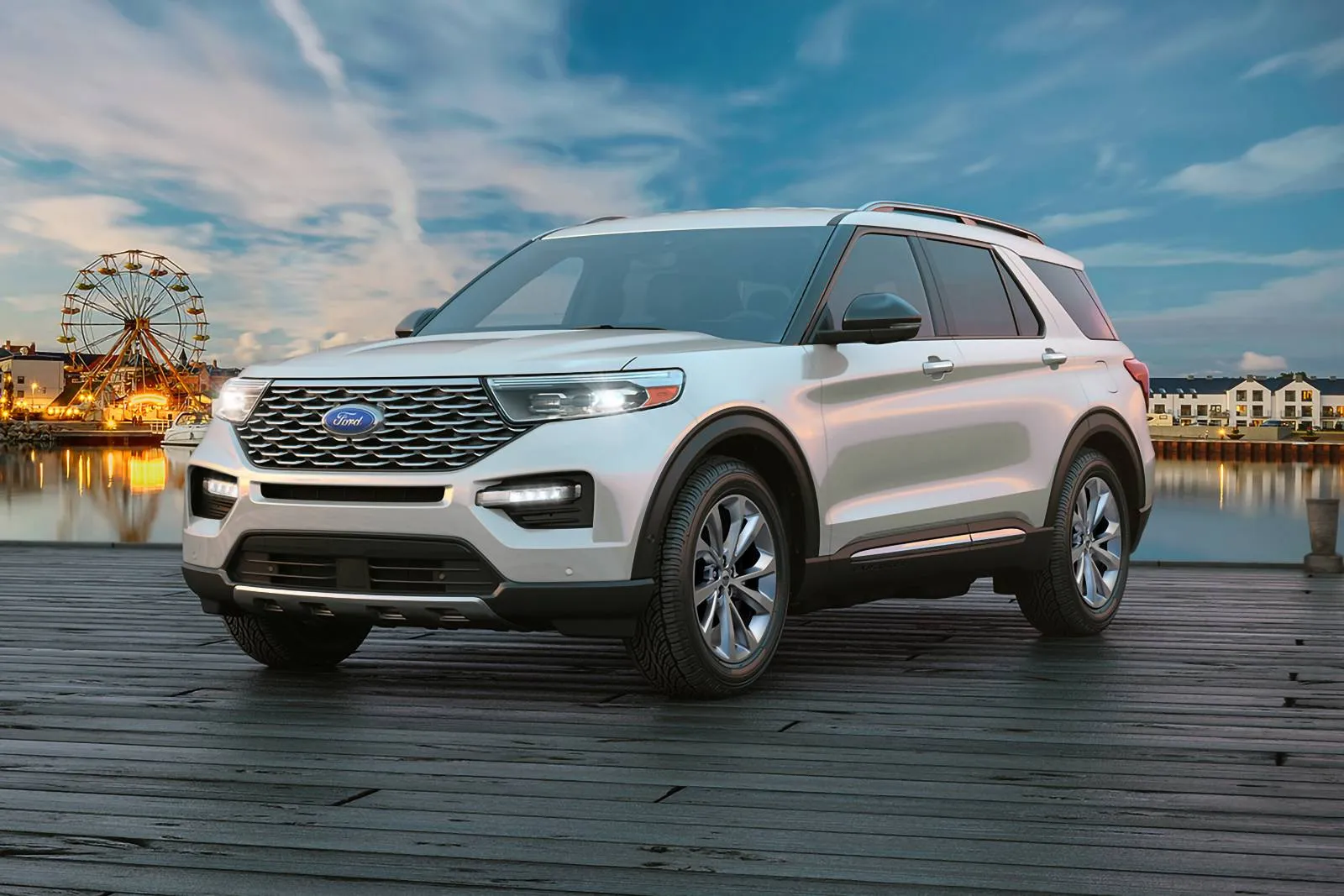
Ford designed the 2024 Explorer XLT for American families who want space and capability without unnecessary technological complications.
Sit in the driver’s seat, and you’ll appreciate how Ford kept physical controls for important functions rather than forcing everything through touch screens. Volume knob, tuning knob, and climate control buttons all exist as physical objects you can operate by feel.
Climate control uses a straightforward button-and-dial system that anyone can understand immediately. Temperature adjustment buttons sit clearly marked with red and blue colors indicating heat and cooling.
The auto climate button activates automatic mode when you want the system to maintain the temperature without intervention. Dual-zone controls let the driver and passenger choose different settings without affecting each other. Rear climate controls mount within reach of second-row passengers.
Audio controls stay simple with a large volume knob that dominates the center stack. Physical buttons handle station presets, source selection, and common functions. Sync 4 infotainment system runs on a 10.1-inch touchscreen that responds quickly and organizes menus logically.
Wireless Apple CarPlay and Android Auto integration work smoothly, connecting automatically when you start the vehicle. You can also use physical buttons to control music playback if you prefer tactile feedback.
The rotary gear selector dial feels substantial and clicks firmly into each position. You know exactly what gear you’ve selected because of clear detents and obvious tactile feedback. Drive modes are adjusted through a separate dial that includes Normal, Eco, Sport, Slippery, and Deep Snow/Sand settings.
Each mode changes vehicle behavior appropriately without requiring technical knowledge about what systems are actually changing behind the scenes.
7. 2024 Nissan Pathfinder SV
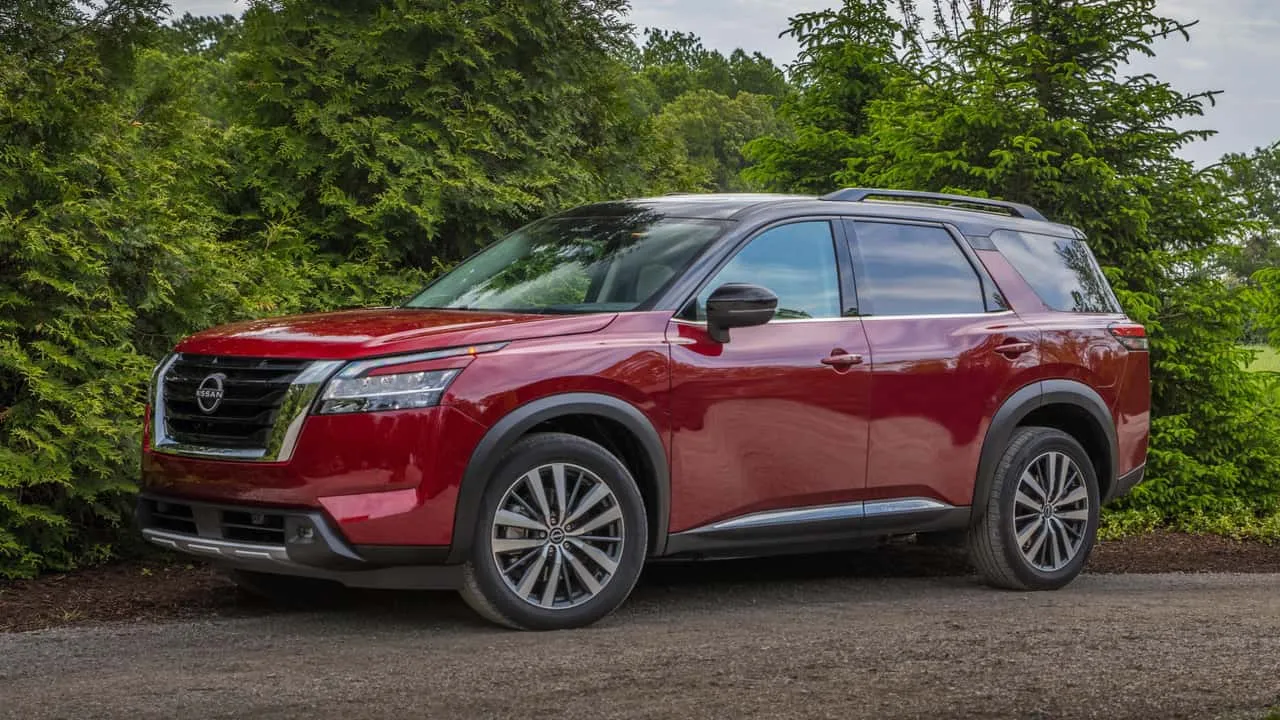
Nissan keeps things simple for people who want a crossover that works without confusion, and the 2024 Pathfinder SV follows this straightforward idea. Every control sits exactly where long-time drivers expect it, using familiar buttons, dials, and switches instead of hidden panels or inconsistent gesture features. Each input reacts the way you anticipate, which removes frustration during daily driving.
The dashboard focuses on clear use rather than flashy styling tricks. Three large climate dials sit in the center area, handling temperature, fan strength, and air direction with smooth rotation and firm steps between settings.
Even young passengers can adjust the system easily because nothing feels complicated. Heated seat buttons appear right below, marked with simple pictures that show their purpose instantly.
A nine-inch touchscreen manages entertainment and phone connection through a clean interface that groups tasks sensibly. The home display gives fast access to major functions, and wireless phone integration works steadily once paired. Shortcut buttons beneath the screen let you jump straight to audio, map, or phone features without pressing back repeatedly.
The gear lever uses a familiar mechanical pattern, giving clear movement between each position. A separate button cycles through Standard, Eco, Sport, Snow, Sand, and Mud/Rut modes, with an on-screen prompt showing the active choice.
Front-wheel drive comes standard, with all-wheel drive offered for those who need added grip. The SV trim seats seven, offers cloth seating, tri-zone climate control, roof rails, remote start, helpful driver aids, and an around view monitor. Everything functions with simple, everyday ease.
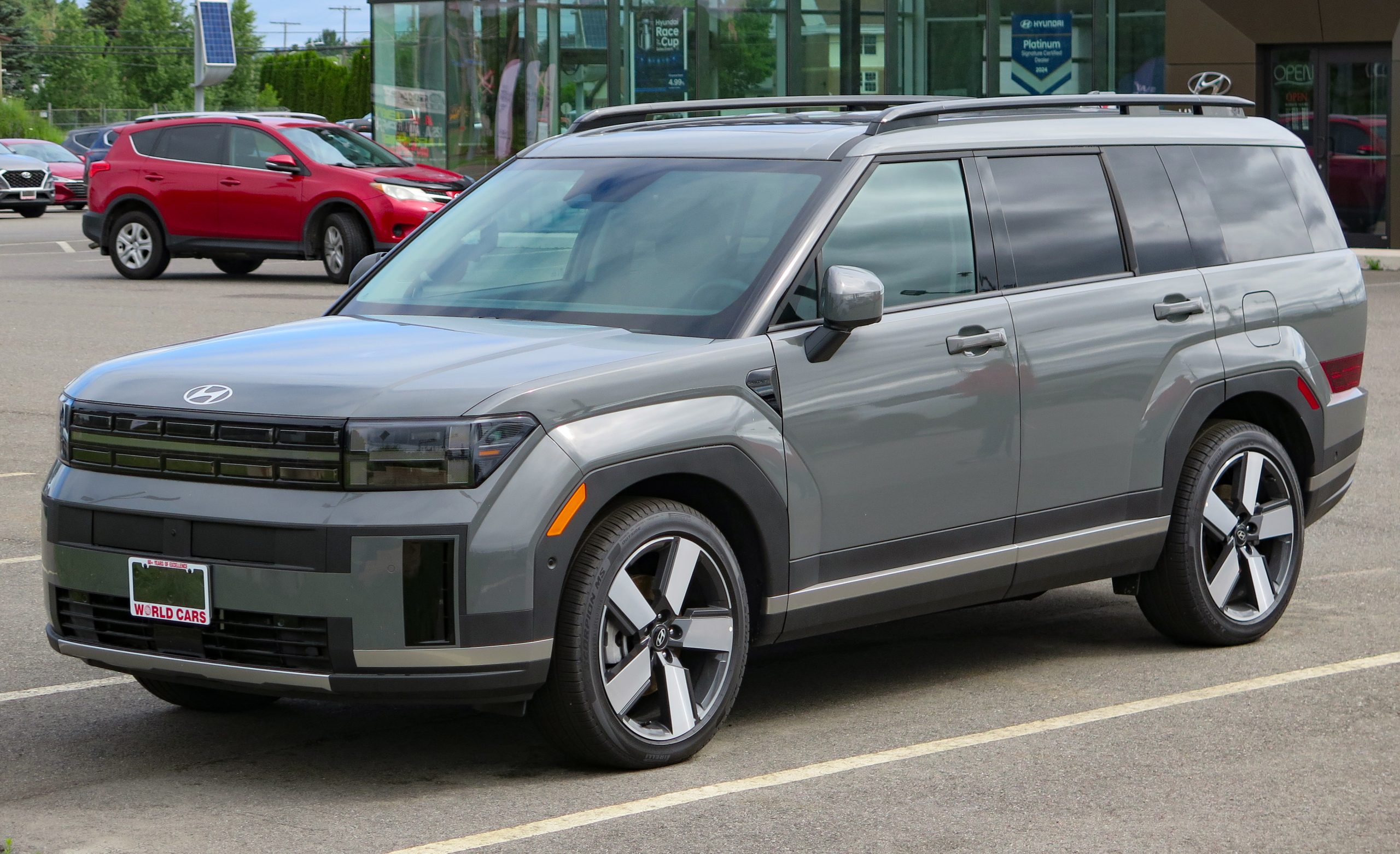
8. 2024 Hyundai Santa Fe SEL
Hyundai has gradually shaped its vehicles to reflect how people truly use their cars, and the 2024 Santa Fe SEL shows this clearly. The cabin focuses on simple use and clean layout instead of flashy screens that distract more than they help. Common controls remain physical, placed in areas you can reach naturally without stretching or guessing.
The climate panel uses a familiar approach with buttons and dials arranged in a way that feels natural from the first moment. Temperature changes follow clear step adjustments, and the fan system offers several speeds through direct button presses.
Air direction options use small icons that show exactly where the air will blow, giving immediate clarity. An Auto button takes over climate tasks when you prefer the car to manage everything. Dual-zone function also gives both front occupants the chance to set temperatures that match their comfort.
The eight-inch touchscreen runs smoothly with tidy graphics and quick reactions. Menus remain shallow, making it easy to access features without digging deep. A volume knob and tuning knob sit beside the screen for those who prefer tactile control, while steering wheel buttons mirror common functions. A wireless charging pad removes cable mess and keeps your phone powered on the move.
A turbocharged 2.5-liter engine supplies strong power, while the SEL trim brings cloth seating, sliding second-row seats, a third row, roof rails, LED headlights, hands-free liftgate, and helpful safety features. Everything feels ready for use without studying guides or tutorials.
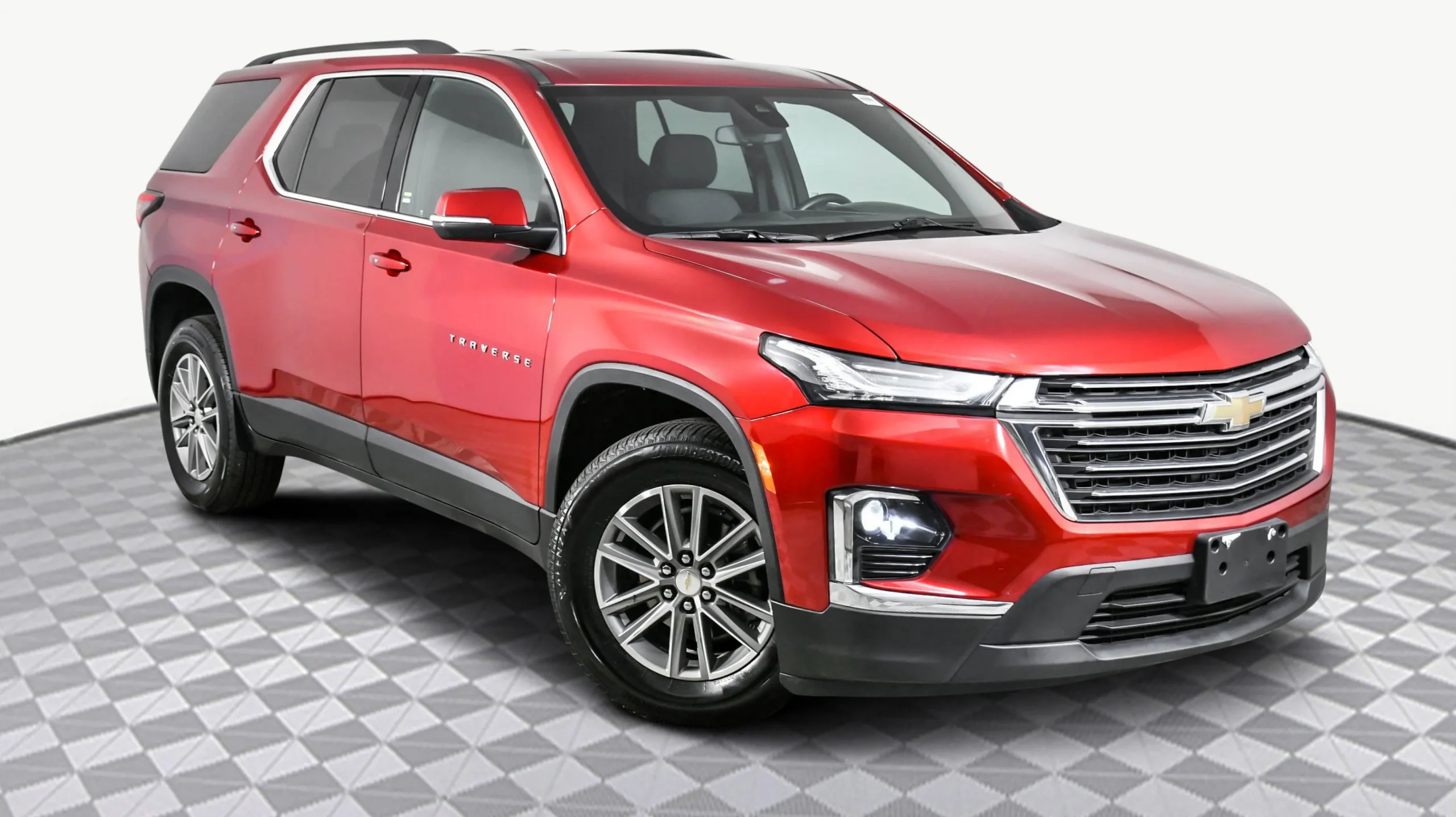
9. 2024 Chevrolet Traverse LT Cloth
Chevrolet designed the 2024 Traverse LT Cloth for families who need space and simplicity rather than complicated technology that breaks or confuses. Large crossover proportions provide three rows of actual usable seating, while straightforward controls make daily operation stress-free.
Physical buttons handle most functions, with touch screen technology supporting rather than replacing traditional interfaces. Climate control uses a button-and-dial combination that works instantly. Temperature adjustment happens through clearly marked buttons showing red for warmer and blue for cooler.
Fan speed control provides obvious feedback as you press the up or down buttons. Mode selection buttons show pictures indicating defrost, panel, floor, or combination airflow. Dual-zone climate gives the driver and passenger independent control over their side of the cabin. Rear climate controls mount where second-row passengers can reach them easily.
The infotainment system runs through an 8-inch touchscreen with Chevrolet’s interface that organizes functions sensibly. Wireless Apple CarPlay and Android Auto connect your smartphone seamlessly for navigation and music.
Six-speaker audio system delivers adequate sound quality for most listeners. Physical buttons below the screen provide shortcuts to frequently used functions, eliminating the need to hunt through menus while driving.
The drive mode selector isn’t present because this Traverse focuses on comfortable, predictable operation rather than offering multiple driving personalities. What you get is smooth, consistent behavior that doesn’t require constant adjustment or decision-making about which mode suits current conditions.
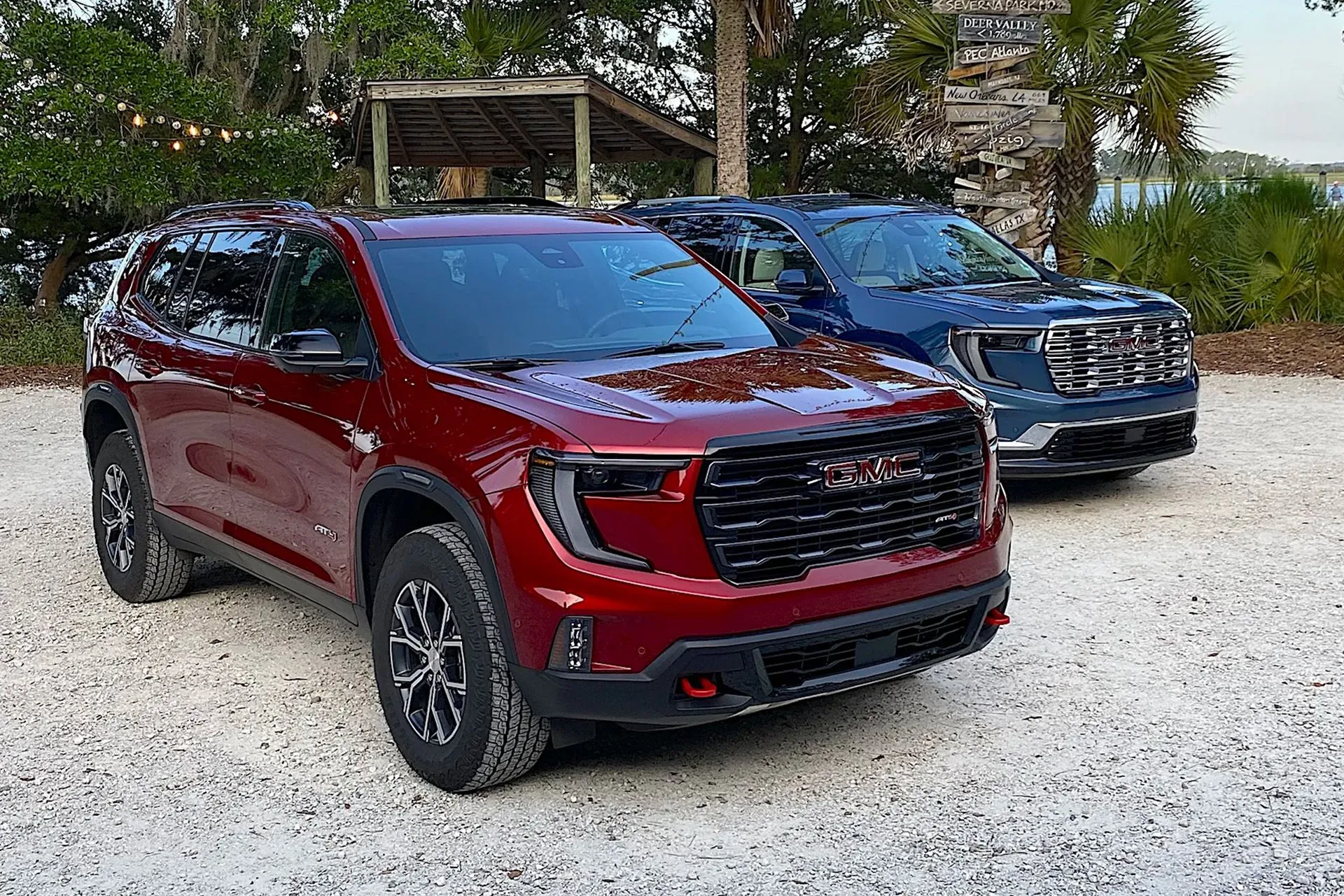
10. 2024 GMC Acadia AT4
GMC positions itself as professional grade, and the 2024 Acadia AT4 backs up that claim with straightforward controls that prioritize function over form.
Rugged appearance suggests capability, while user-friendly interfaces ensure you can actually access that capability without consulting instruction manuals. Physical switches and buttons handle important functions, designed to work even with gloves during outdoor adventures.
The climate control panel features substantial buttons and dials that respond positively to inputs. Temperature adjusts through clearly marked controls. Fan speed changes via a rotating dial with tactile detents.
Mode selection uses buttons labeled with obvious icons. Heated and ventilated seat controls sit nearby as separate buttons rather than buried in touch screen menus. Everything responds immediately without lag or confusion.
Eight-inch touchscreen diagonal display runs GMC’s infotainment system with logical menu organization. Wireless Apple CarPlay and Android Auto integration work smoothly. Premium seven-speaker audio system delivers good sound quality.
The physical volume knob and tuning knob provide tactile control options. Steering wheel controls duplicate basic functions conveniently. Voice recognition understands natural speech patterns reasonably well.
AT4 trim includes specific tuning for off-road capability without making on-road driving uncomfortable. Each mode clearly indicates its purpose, so you know when to use it based on conditions rather than needing to understand technical systems.
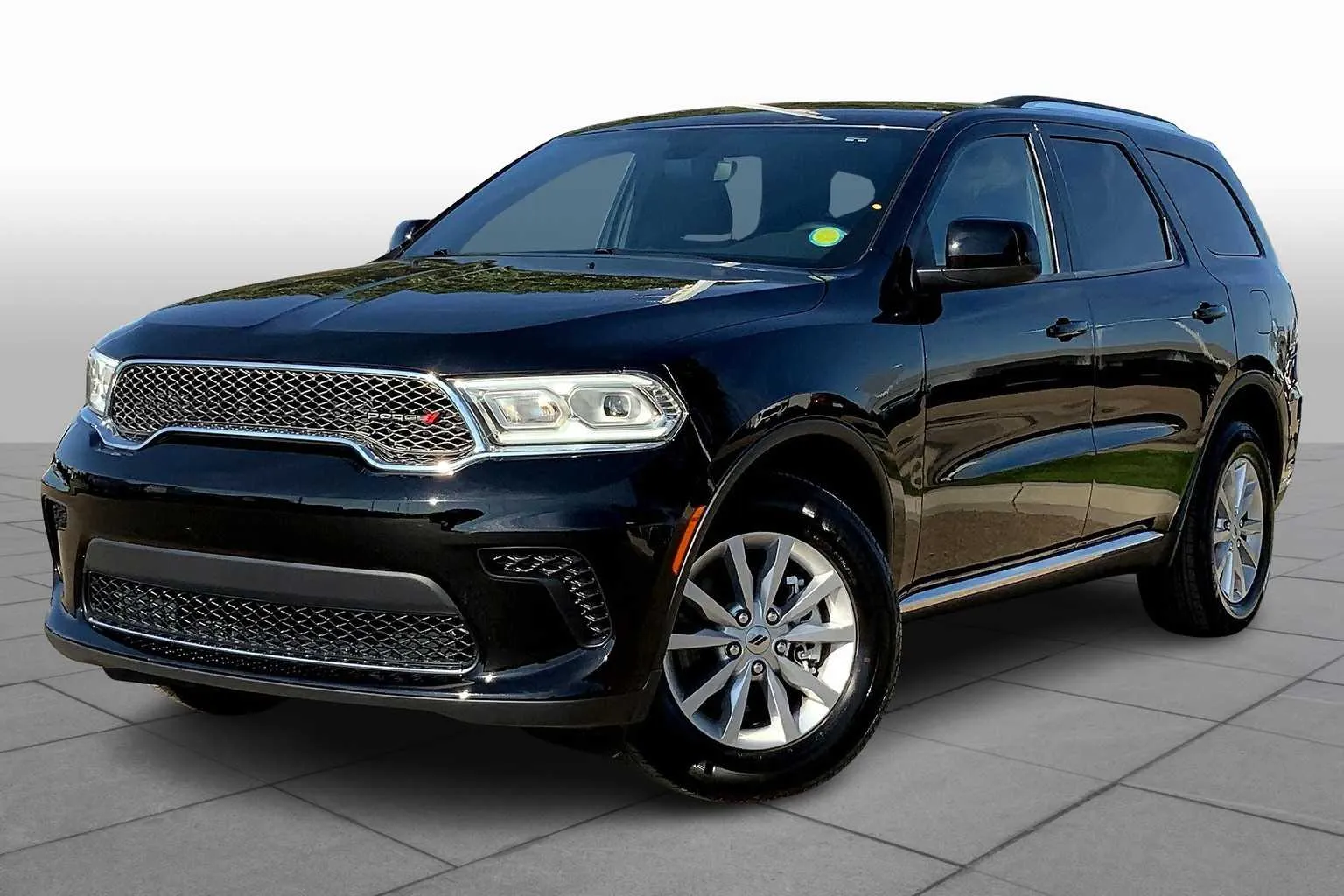
11. 2024 Dodge Durango SXT Plus
Dodge approaches vehicle design with American directness, and the 2024 Durango SXT Plus demonstrates this philosophy through controls that make immediate sense. No ambiguity, no hidden functions, no gestures that work only when atmospheric conditions align perfectly. Just switches, buttons, and dials that do exactly what they promise.
The climate control panel uses physical buttons and dials exclusively. Temperature adjustment happens through marked buttons that increase or decrease settings in clear increments. The fan control dial turns to adjust the blower speed with obvious feedback.
Mode buttons select airflow direction through buttons showing where air goes. Heated seat and heated steering wheel buttons sit clearly labeled within easy reach. Dual-zone climate lets driver and passenger choose different temperatures.
Uconnect infotainment system runs on an 8.4-inch touchscreen that has earned praise for years due to its logical operation and quick response times. The menu structure makes sense immediately without requiring exploration or experimentation.
Wireless Apple CarPlay and Android Auto work reliably. Six-speaker audio provides adequate sound. The physical volume knob gives tactile control. Steering wheel buttons handle common functions without removing hands from the wheel.
The electronic rotary shifter feels substantial and clicks firmly into each position. You always know what gear you’ve selected through clear tactile and visual feedback.
Sport mode button sharpens throttle response and holds gears longer. The drive mode selector isn’t present, keeping things simple and predictable. What you get is a consistent, reliable operation that doesn’t require constant adjustment.
Also Read: 5 Cars That Pass the ‘Door Slam’ Test vs 5 That Sound Flimsy
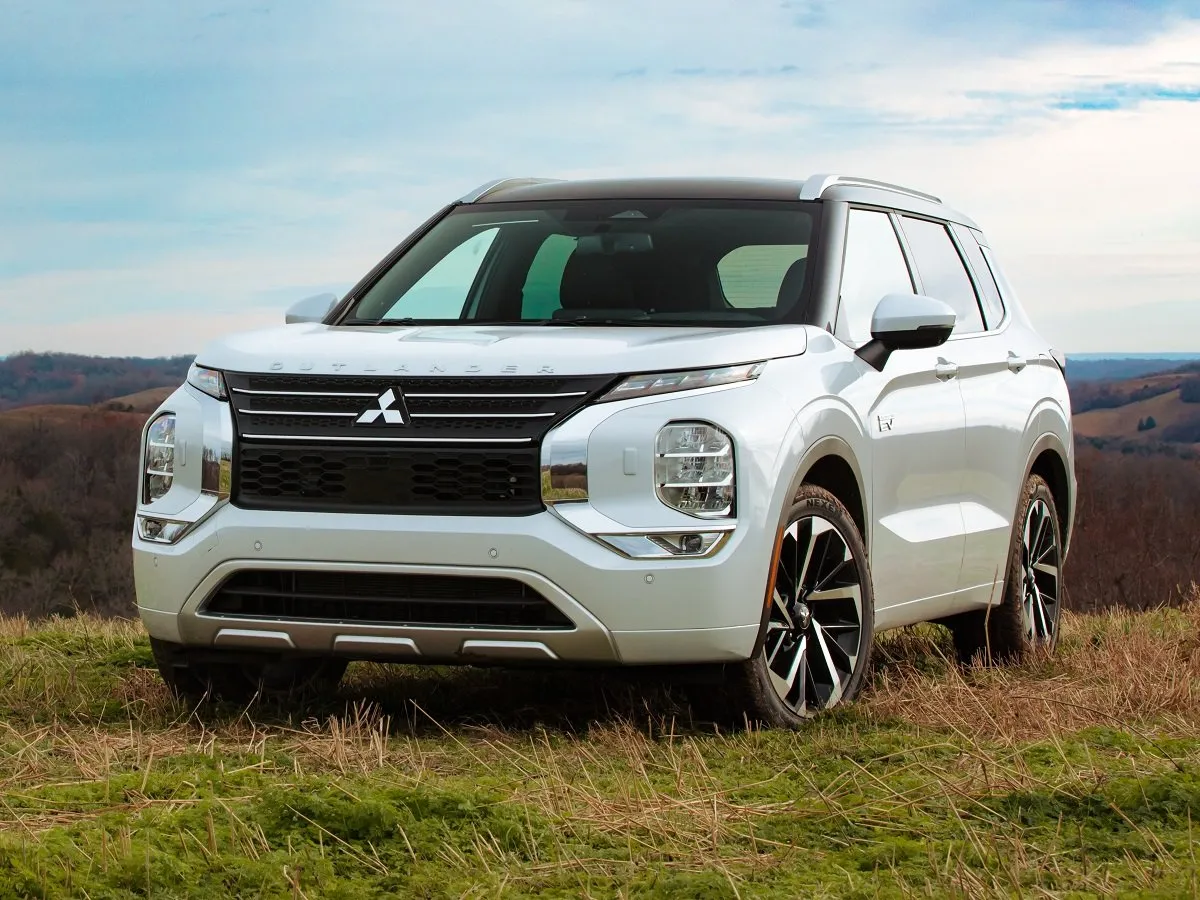
12. 2024 Mitsubishi Outlander SEL
Mitsubishi might not grab headlines like bigger manufacturers, but the 2024 Outlander SEL shows they understand what buyers actually need. Practical design focuses on making daily operations simple and stress-free.
Climate control uses three rotary dials for temperature, fan speed, and airflow mode. Large dials turn smoothly with clear resistance. You can adjust settings by feel without looking because the dials are substantial and easy to find. Heated seat buttons sit below the climate controls as physical switches.
The auto climate button activates automatic temperature maintenance when you prefer hands-off operation. Dual-zone capability gives driver and passenger independent control.
Nine-inch touchscreen displays Mitsubishi’s infotainment system with straightforward menu organization. Wireless Apple CarPlay and Android Auto connect smartphones without cables.
Eight-speaker Yamaha premium audio system delivers surprisingly good sound quality for the price point. Physical buttons below the screen provide shortcuts to home, audio, and other common functions. Volume knob and tuning knob give tactile alternatives to touch screen control.
Traditional gear selector moves through positions with mechanical precision. The Sport mode button changes throttle response and transmission behavior appropriately. Drive mode selector offers Normal, Tarmac, Gravel, Snow, and Mud settings through a clearly labeled dial.
Each mode adjusts traction control, all-wheel drive behavior, and stability systems to suit different surfaces without requiring you to understand what’s actually changing under the vehicle.
