
When it comes to compact luxury and performance-oriented SUVs, the segment has evolved beyond soft, body-roll-prone vehicles. Today’s small SUVs are engineered to offer a more connected, composed driving experience, giving drivers confidence through corners without sacrificing comfort, practicality, or style.
From sporty crossovers to performance-tuned luxury models, there are several options that combine agility with refined handling. Vehicles like the BMW X3 and Mazda CX-5 prioritize sharp steering and predictable turn-in, while models such as the Porsche Cayenne and Infiniti FX inject sports-car DNA into a mid-size SUV form.
Even traditional luxury names like Audi, Mercedes-Benz, and Land Rover have tuned their compact offerings to feel planted and responsive, making them capable companions for twisty roads and daily commutes alike. The following list highlights eight small SUVs that don’t lean hard in turns, showcasing a spectrum of options that balance driver engagement with comfort, technology, and versatility.
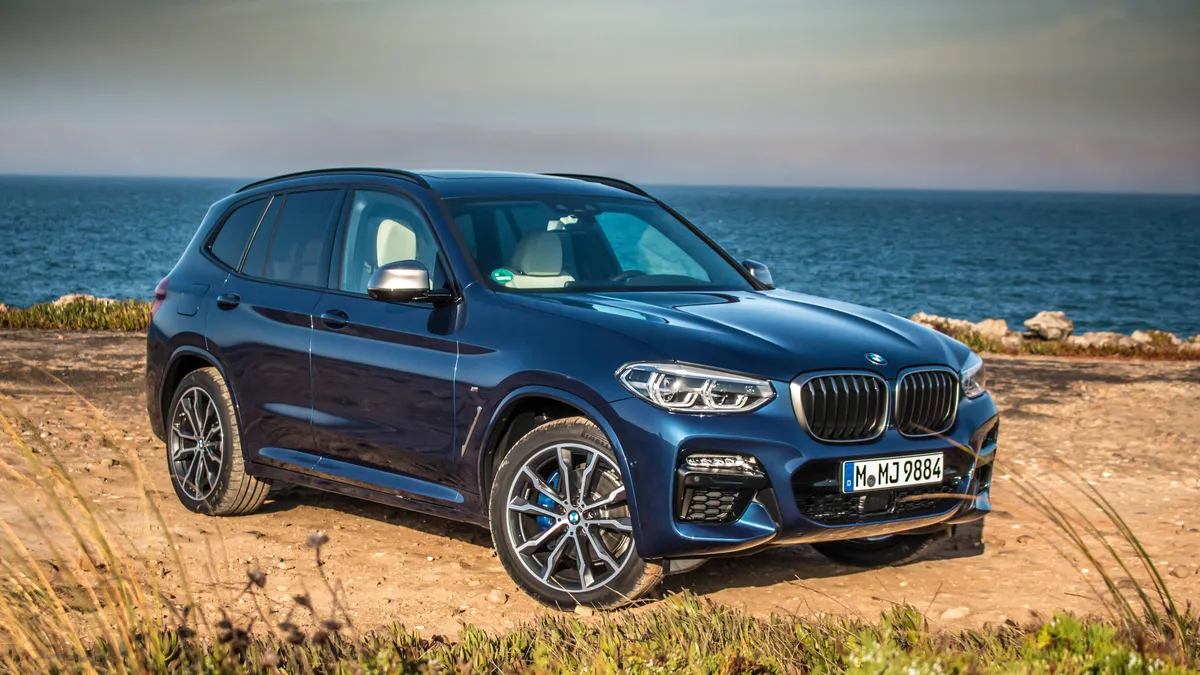
1. BMW X3: Performance, Comfort, and Everyday Practicality
The BMW X3 stands out in the compact luxury SUV segment with a balance of strong performance, comfort, and advanced technology. Its most capable variant, the xDrive35i, features a turbocharged 3.0-liter inline-six that produces 300 horsepower and 300 lb-ft of torque.
Paired with an eight-speed automatic transmission and all-wheel drive, it accelerates from 0 to 60 mph in just 5.6 seconds and completes the quarter-mile in 14.1 seconds. Strong braking performance (116 feet from highway speeds) and excellent handling provide confidence through curves and slalom tests.
In everyday driving, the standard 30 xDrive offers smooth acceleration and predictable cornering, reaching 60 mph in 6.1 seconds. Ride quality is comfortable without feeling too soft or floaty, and visibility is excellent.
However, the mild hybrid system’s auto stop-start feature can feel intrusive and may briefly interrupt the air conditioning when coasting to a stop. Some advanced driver aids such as adaptive cruise control remain optional and are less sophisticated than those in certain competitors.
Inside, the X3 provides a practical and comfortable cabin. The front seats deliver firm support and extensive adjustments including lumbar, bolster, and thigh-extension functions. Rear passengers enjoy good headroom and decent legroom, although the second row does not offer the reclining feature found in some rivals.
Wide door openings make entry and exit easy, but the flush door handles can be difficult to grip, particularly for children. Climate controls are integrated into the touchscreen, which adds extra steps for adjustments, and the unique air vent design can be less intuitive to use. Cabin noise is moderate, with engine and road sound becoming more noticeable under hard acceleration.
The X3 also excels in technology. Its dual-screen setup is responsive and becomes intuitive with regular use. Wireless Apple CarPlay and Android Auto are standard, and the SUV includes multiple USB-C ports, a vertical wireless charging pad, and an available digital key.
Cargo capacity is another strong point. The X3 provides 31.5 cubic feet of space, which is larger than several competitors. The rear seats fold almost flat, and towing capacity reaches up to 4,850 pounds on the M50 trim.
With a starting price of about 52,000 dollars, the X3 is more expensive than some rivals but still offers solid value thanks to its performance, build quality, and well-rounded nature.
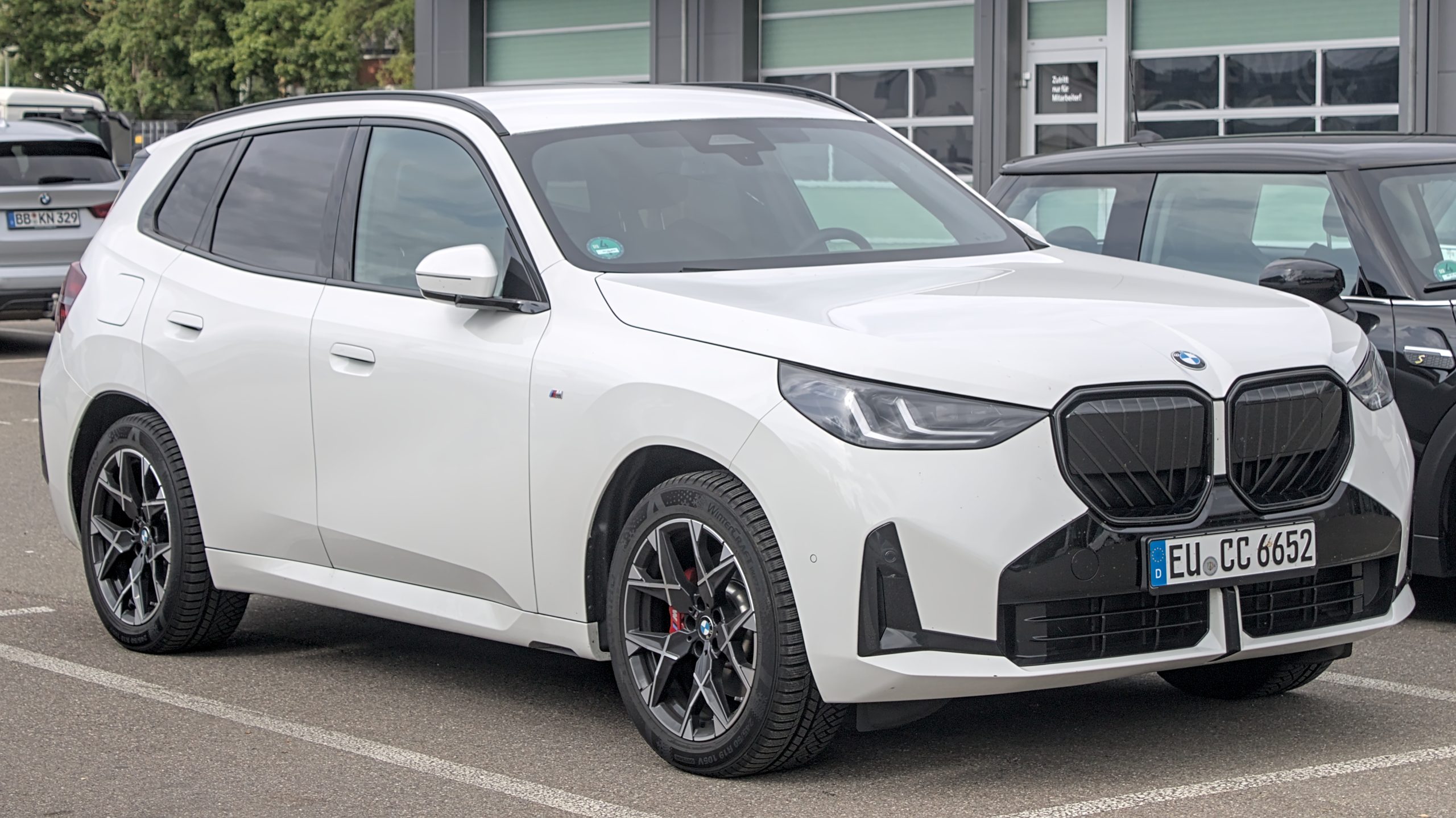
2. Mazda CX-5: A Sporty, Driver-Focused Alternative in the Compact SUV Class
The Mazda CX-5 delivers a refreshing blend of agility, style, and premium character, positioning itself as the fun-to-drive option among compact SUVs. Originally introduced as a lively successor to the larger CX-7, the CX-5 debuted Mazda’s SkyActiv technology, including an efficient 2.0-liter four-cylinder engine with 155 horsepower and 150 lb-ft of torque.
While this early configuration cannot match the acceleration of performance-oriented rivals, the CX-5 distinguishes itself with an engaging chassis and the availability of a six-speed manual transmission, making it appealing to drivers seeking excitement at a more accessible price.
Modern CX-5 models come standard with all-wheel drive and offer two engines. The base 187-horsepower four-cylinder is adequate for commuting but feels strained during highway passing.
The available 256-horsepower turbocharged engine significantly enhances performance, launching the SUV from 0 to 60 mph in 6.6 seconds and placing it among the quicker vehicles in its class. Regardless of engine choice, the CX-5 stands out for its sharp steering, confident cornering, and firm suspension tuning that favors sporty handling.
Visibility is excellent due to large windows, and upper trims offer a surround-view camera system. Mazda includes a comprehensive set of driver aids on all trims, though some features respond more slowly than those found in competitors.
Comfort in the CX-5 is generally good. The front seats are well-shaped and supportive, though taller drivers may want more thigh cushioning. Controls are easy to use, thanks to Mazda’s preference for physical buttons instead of touch-sensitive surfaces.
The rear seating area feels smaller than the specifications suggest, with flatter cushions and limited room for rear-facing child seats. The climate system performs well and includes rear vents, and cabin noise remains reasonable except when the engine is pushed hard.
Technology is a mixed experience. The 10.25-inch screen is bright and sharp, and the rotary control knob feels premium. Standard Apple CarPlay and Android Auto enhance usability, although the lack of touchscreen functionality while the vehicle is in motion makes smartphone integration less intuitive.
Wireless phone connectivity and charging appear only on midlevel trims and higher, and the charging pad placement allows phones to slide out of position.
Cargo capacity measures 29.1 cubic feet, which trails several rivals but remains workable for daily needs. Interior storage is respectable, with large door pockets and a few smaller compartments.
In terms of value, the CX-5 impresses with its refined materials, standard all-wheel drive, and engaging driving dynamics. However, higher trims with the turbo engine can become expensive, and the warranty is average. Fuel economy is strong with the base engine at an EPA-estimated 28 mpg combined, while the turbo model proves noticeably less efficient.
Despite certain trade-offs in space and tech, the Mazda CX-5 stands out by prioritizing driving enjoyment, making it an appealing choice for buyers seeking a more spirited compact SUV.
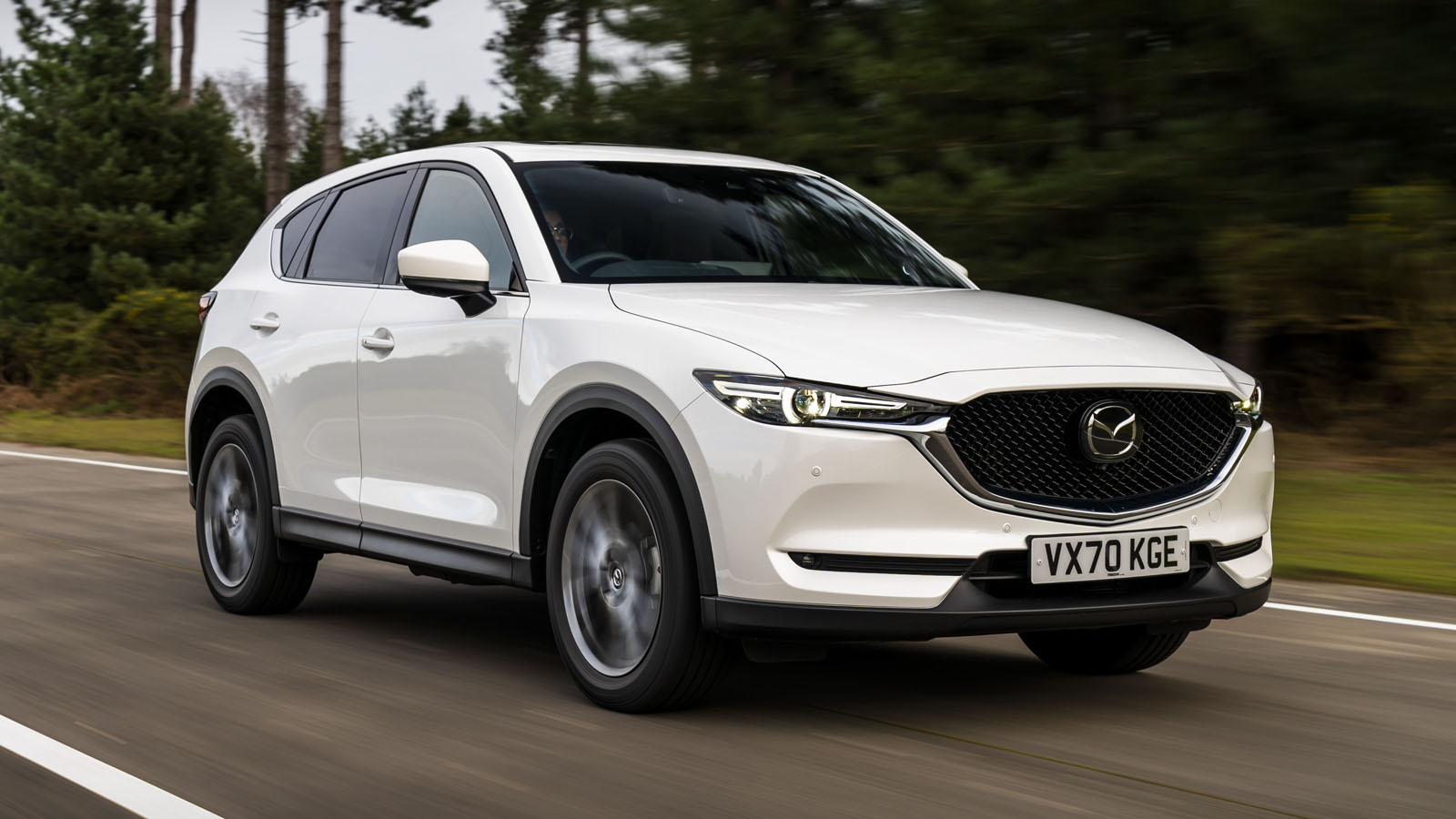
3. Audi Q5: A Balanced Blend of Luxury, Performance, and Everyday Usability
The Audi Q5 sits on the same well-regarded platform as the A4 sedan, giving it sedan-like composure and agility that set it apart from many rivals. Earlier versions like the Q5 3.2 featured a 3.2-liter V6 producing 270 horsepower and 243 lb-ft of torque, enabling a 0 to 60 mph sprint in 7 seconds and a quarter-mile in just under 15 seconds.
An eight-speed automatic transmission and quattro all-wheel drive help the Q5 remain stable, responsive, and confident through slalom maneuvers, matching competitors such as the BMW X3 in braking distance and control.
Modern Q5 models continue this tradition of balanced performance. On the Edmunds test track, the Q5 reached 60 mph in 6.3 seconds, only slightly behind the BMW X3. Its turbocharged engine offers smooth, quiet, and capable power delivery.
An optional air suspension enhances ride quality, though many drivers may find it unnecessary for day-to-day use. Handling is competent and predictable, but those seeking sharper dynamics will prefer the performance-oriented SQ5.
One minor drawback is the contrast between a sensitive brake pedal and a relaxed gas pedal, which can take time to adapt to. Visibility is excellent, and the available surround-view camera system provides a clear, wide display. Driver aids work well, although the cruise control stalk feels outdated compared with steering wheel-mounted controls offered by many competitors.
Comfort in the Q5 is commendable. The front seats are supportive and feature generous adjustments, while the rear seats offer ample headroom and legroom along with a reclining function, which some rivals lack.
Wide door openings help with easy entry and exit, although the driver’s door handle placement can feel awkward. The climate system is strong, and ventilated front seats are an appreciated upgrade, but integrating the controls into the touchscreen adds extra steps. Car seat installation is simple thanks to accessible LATCH anchors.
Inside, the Q5 impresses with modern technology. The 14.5-inch touchscreen is sharp and responsive, and wireless Apple CarPlay displays beautifully. An optional passenger display adds entertainment functions, though it is not essential. Multiple USB-C ports and a fast wireless charger support modern devices, though buyers should note that some connected services require subscriptions after three years.
Cargo capacity measures 25.6 cubic feet, offering better space than the Mercedes GLC but falling short of the BMW X3. The optional air suspension can lower the vehicle for easier loading, though the process is slow. Storage for small items is limited due to a compact center console and small door pockets.
Value is respectable but not class-leading. The Q5 starts at a higher price than key rivals and grows more expensive when fully equipped. Build quality is solid, though competitors offer more luxurious interiors. Fuel economy is competitive at an EPA-estimated 26 mpg combined.
The Audi Q5 is a polished and capable luxury SUV that delivers comfort, technology, and dependable performance, but it lacks the standout personality that might entice buyers away from alternatives in this competitive segment.
Also Read: 5 Cars With Back Seats Kids Can Buckle Alone vs 5 That Need Help
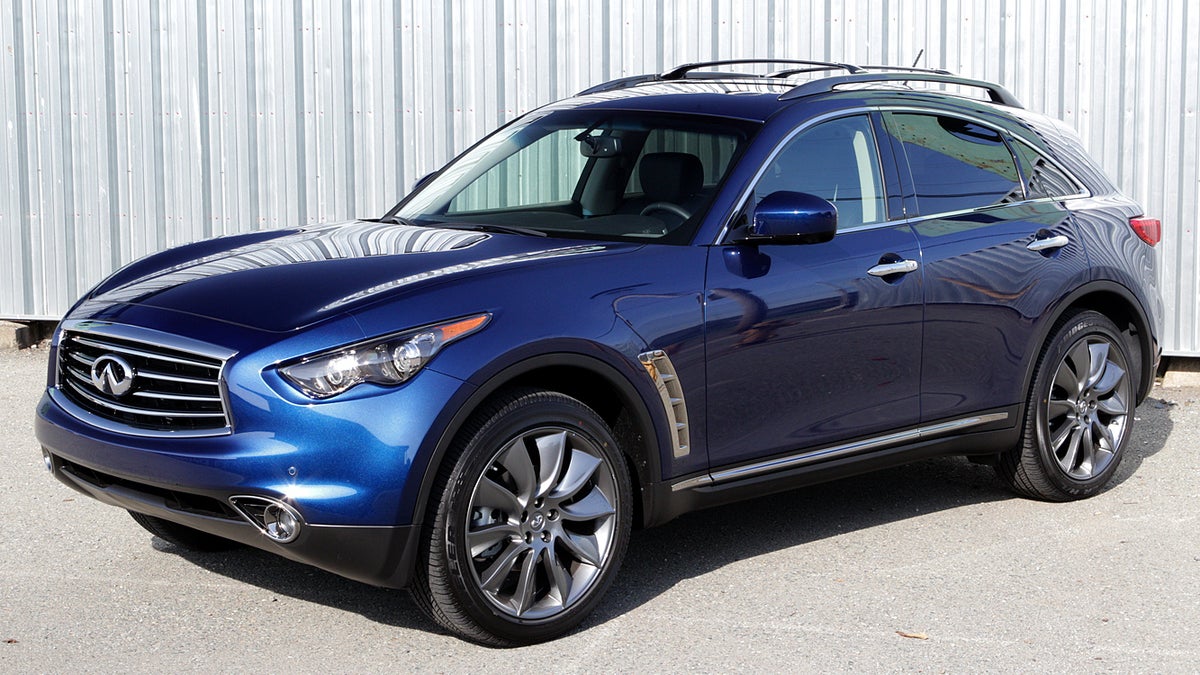
4. Infiniti FX: A High-Performance Crossover with Sports-Car DNA
The Infiniti FX distinguishes itself in the luxury midsize crossover segment with bold styling and athletic capability. Often described as “cheetah-like,” the FX’s aggressive, muscular stance reflects the performance potential engineered into its platform. By sharing key components with the Nissan 370Z sports car, the FX benefits from sharper reflexes and more agile handling than many traditional SUVs.
Two engines define the FX lineup. The FX35 features a 3.5-liter V6 producing 303 horsepower and 262 lb-ft of torque, while the FX50 steps up to a potent 5.0-liter V8 generating 390 horsepower and 369 lb-ft of torque. Both pair with a seven-speed automatic transmission that offers manual shift control.
The FX35 comes standard with rear-wheel drive and offers all-wheel drive as an option, while the FX50 includes AWD exclusively. Performance numbers are strong. The FX35 accelerates from 0 to 60 mph in 6.6 seconds, and the FX50 performs the same sprint in only 5.5 seconds.
The FX50 also runs the quarter-mile in 13.7 seconds and handles slalom tests at 63 mph. Despite its size, it stops from 60 mph in 117 feet, matching braking distances of smaller luxury crossovers.
Fuel economy varies by model. The AWD FX35 returns 18 mpg combined, while the FX50 delivers 16 mpg combined due to its larger engine.
Safety equipment includes stability control, full-length airbags, antilock brakes, and optional systems such as lane departure warning, adaptive cruise control, and intelligent brake assist. The FX earned top “Good” ratings in frontal-offset crash testing from the Insurance Institute for Highway Safety.
On the road, both FX models offer a rewarding driving experience. Their steering is tight and communicative, and the suspension provides impressive grip during spirited cornering. This focus on performance comes with a firmer ride, especially with larger wheels. The V6 in the FX35 is smooth and responsive, while the V8 in the FX50 delivers a surge of power that remains refined until pushed near redline.
Inside, the FX presents an upscale cabin with soft leather, wood trim, and refined materials. The infotainment and navigation controls require a brief learning period but function well once familiar.
A 360-degree camera adds valuable visibility in tight spaces. The front seats are spacious and supportive, though the rear seats offer less room than some competitors. Cargo capacity measures 25 cubic feet with the seats up and expands to 62 cubic feet when folded, which remains modest for the class.
The Infiniti FX blends luxury, performance, and distinctive style, making it an appealing choice for drivers who want a crossover with true sports-car character.
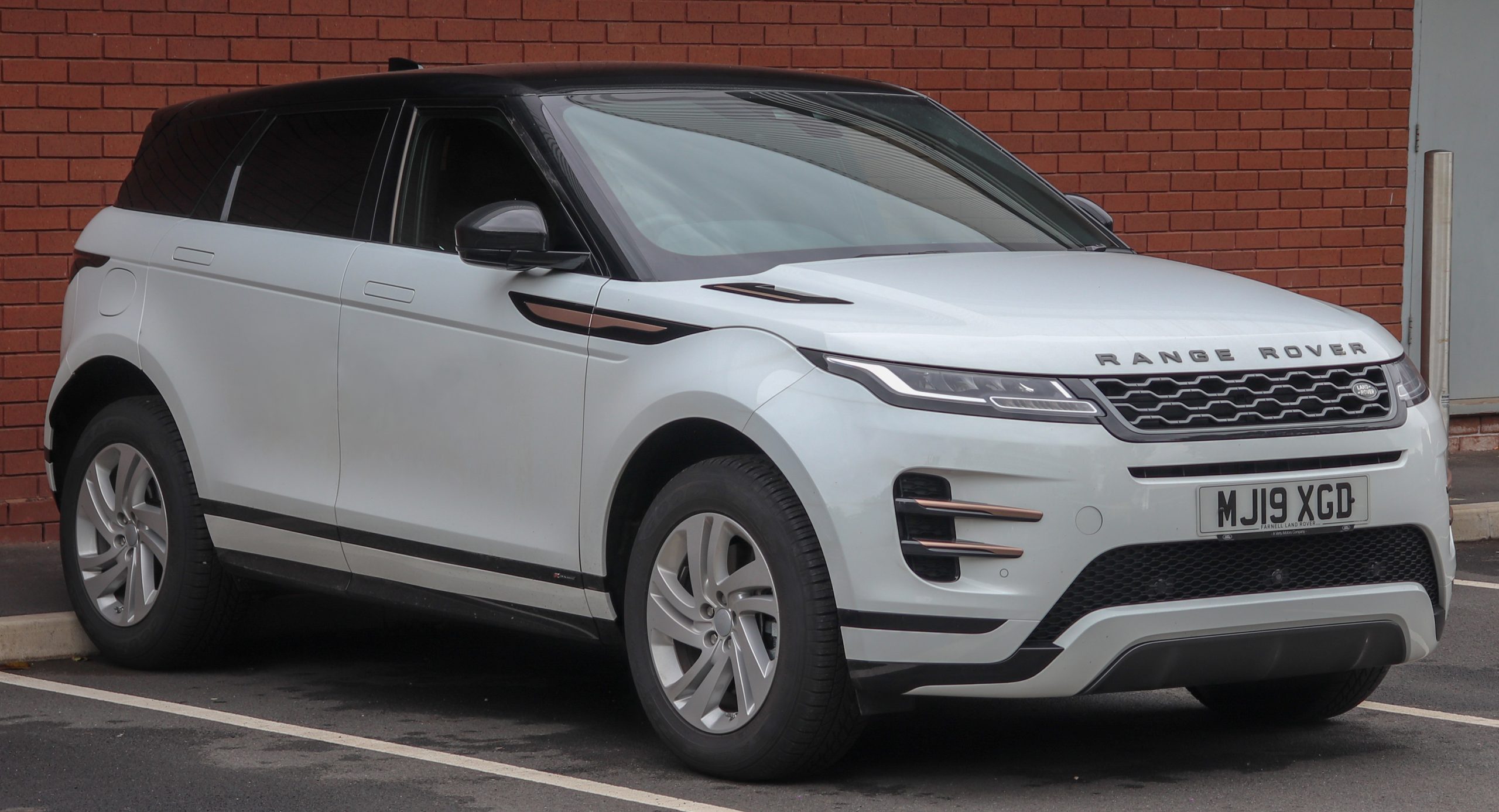
5. Range Rover Evoque: Style-Driven Luxury with Compact Agility
The Land Rover Range Rover Evoque is the smallest SUV in the brand’s lineup, created for drivers who want premium styling and a sporty feel in a compact package. Its distinctive design, offered in two-door and four-door forms, helps it stand out among luxury competitors. Power comes from a 2.0-liter turbocharged four-cylinder engine that produces 237 horsepower and 251 lb-ft of torque.
This allows the Evoque to reach 60 mph in 7.1 seconds and complete the quarter-mile in 15.5 seconds at 90 mph. Through the slalom, it maintains an impressive 63 mph pace, and it stops from highway speeds in 118 feet. A six-speed automatic transmission is the only available gearbox.
The Evoque prioritizes comfort and refinement more than performance. Its suspension is compliant, even with optional 20-inch wheels, and the cabin remains quiet thanks to excellent insulation. The standard leather seats are supportive and well padded, providing comfort on both long and short drives. Rear seating is tight for adults due to limited headroom and legroom, though the seat contouring is pleasant.
The interior’s minimalist design is modern, but its heavy reliance on touchscreen-based climate controls can be distracting. Basic adjustments are simple, yet more specific settings require multiple taps. Rear visibility is limited by the small back window and high beltline, so the optional surround-view camera is highly recommended.
Technology is visually appealing but not class-leading. The central touchscreen has crisp graphics and responds quickly, though its menu structure can be cumbersome. The navigation system can lag at times, and the voice controls lack precision. Wireless Apple CarPlay and Android Auto are standard and performed flawlessly in testing.
Wireless charging is included, along with USB-C ports for added device support. Advanced driver aids such as adaptive cruise control are standard, but lane keeping assistance struggled to keep the Evoque centered even on straight roads, falling short of the systems offered in many competing models.
Cargo capacity is modest due to the Evoque’s sloping roofline. With the rear seats raised, it provides 21.6 cubic feet of space, comparable to the Mercedes-Benz GLA and BMW X1. The rear seats can fold to expand storage, though not completely flat. Small-item storage is limited, and large child seats may require moving the front seats forward.
Fuel economy is reasonable at an EPA-estimated 22 mpg combined, and real-world testing produced 22.9 mpg. However, many rivals return better mileage. Pricing is another challenge.
While the Evoque looks upscale inside and out, it often costs more than similarly equipped rivals like the Audi Q3, Mercedes-Benz GLB, and Volvo XC40 without delivering meaningful advantages. Warranty coverage is standard for the class but does not include complimentary maintenance.
The Range Rover Evoque appeals most to buyers who value design, comfort, and brand presence, offering a stylish luxury SUV experience with a compact, city-friendly footprint.
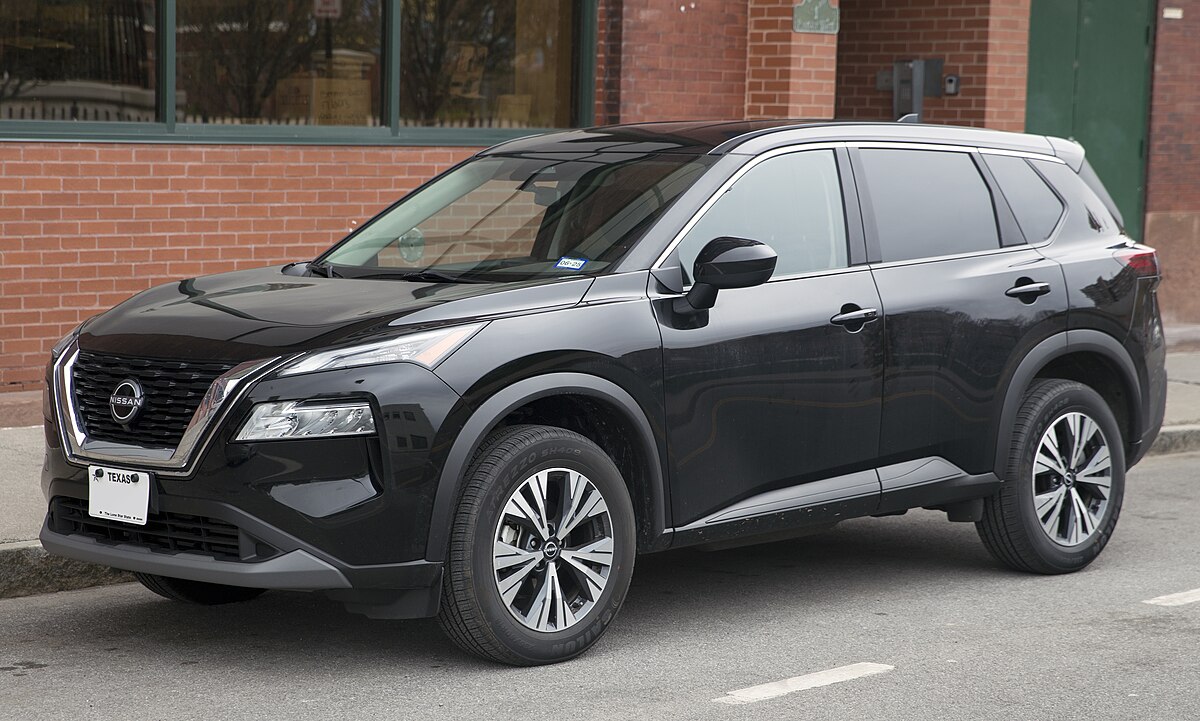
6. Nissan Rogue: Practical Capability with Everyday Comfort
The Nissan Rogue delivers reliable performance and appealing value, though it falls short of sportier crossovers in its class. Its 2.5-liter four-cylinder engine produces 170 horsepower and 175 lb-ft of torque, paired with a continuously variable automatic transmission. Acceleration is modest, with a 0-to-60-mph time above 8.5 seconds.
While not quick off the line, the engine feels livelier during typical commuting. The Rogue handles predictably, and its chassis feels stable in corners, reflecting Nissan’s experience with sport-focused vehicles.
However, on rough pavement the ride becomes unsettled, showing more body motion than expected. Steering has too much play around center, and in Sport mode it feels artificially heavy. The brakes perform well in daily driving, though emergency stops reveal a noisy antilock system.
The Rogue includes a generous suite of driver assistance features, from adaptive cruise control to lane-centering. In practice, these systems work best on open highways. In heavy traffic, the cruise system can become jerky, and the steering assist occasionally disengages, making it less consistent than the best systems in the segment.
Comfort is one of the Rogue’s strengths. The seats are soft and supportive, shaping well to the body during long trips. Tall drivers may find the headrests angled too far forward, but most will appreciate the relaxed seating position. Rear passengers get well-shaped seats and a good recline angle, though legroom is slightly limited compared with rivals.
Entry and exit are effortless thanks to wide door openings and a favorable seat height. Cabin noise is the main drawback, with noticeable road and traffic sound at higher speeds. The interior uses physical climate controls, which keeps operation simple and avoids excessive touchscreen dependence. Child-seat installation is easy, supported by accessible anchors and removable rear headrests.
Technology is solid, especially in higher trims that add a large touchscreen, digital gauge cluster, head-up display, and wireless Apple CarPlay. Graphics impress, but the interface feels dated and menu operation can require too many steps. Android Auto is standard but not wireless.
Cargo space is one of the Rogue’s standout features. Storage behind the second row is near class-leading, and higher trims include reconfigurable panels that allow drivers to tailor the load floor. Cabin storage is excellent, with multiple trays and compartments for small items. Towing capacity sits at 1,500 pounds, typical for the class.
Fuel economy is strong. Front-wheel-drive models achieve an EPA-estimated 33 mpg combined, with all-wheel-drive variants rated at 31 mpg. Real-world testing produced 28.5 mpg, still solid for a non-hybrid SUV.
Lower trims of the Rogue offer good value with plentiful features and modern design. Higher trims, however, struggle to match the refinement and premium feel of competing models, creating a gap between first impression and daily experience.
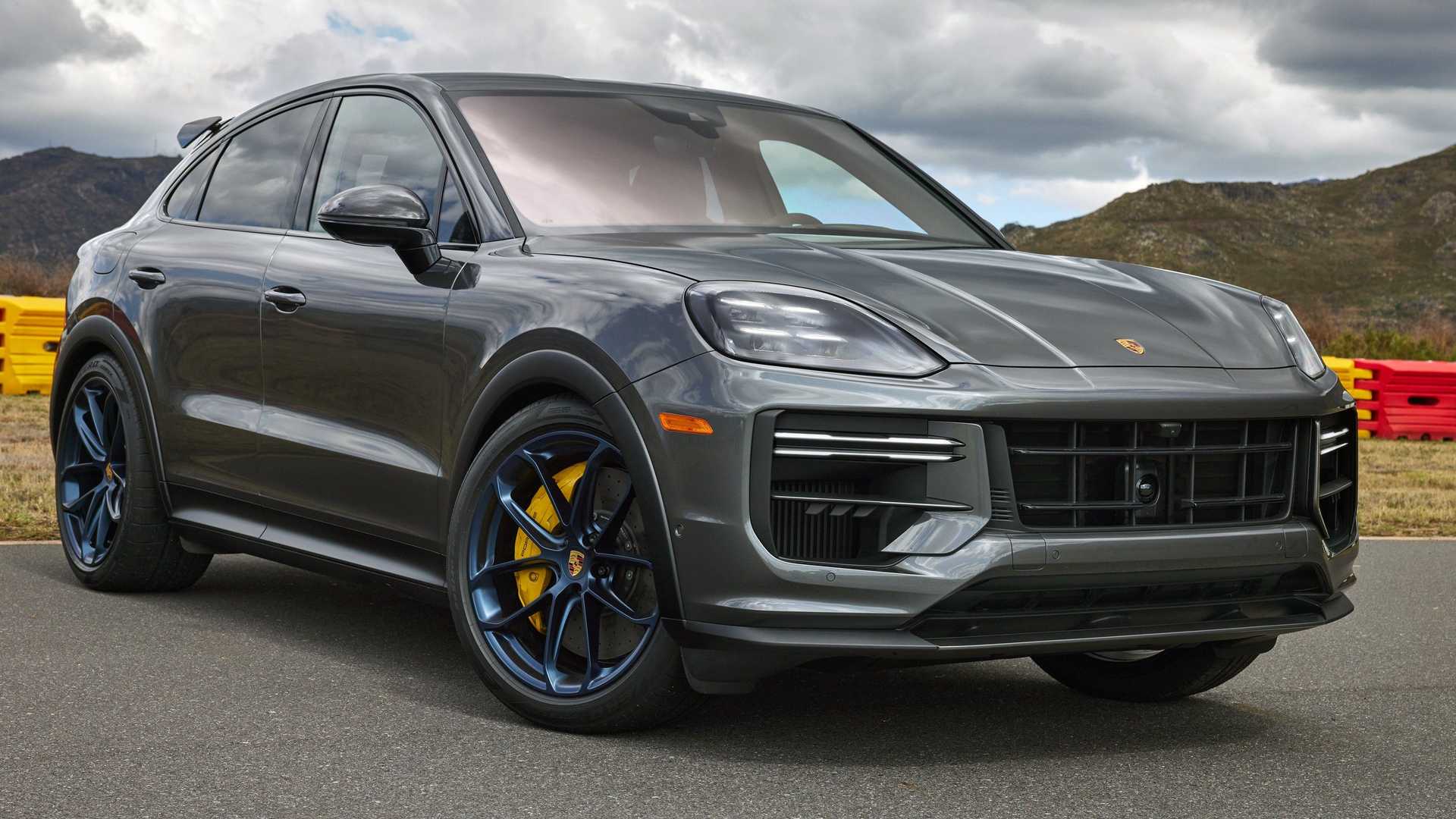
7. Porsche Cayenne: Performance-Driven Luxury SUV
The Porsche Cayenne, especially in Turbo and GTS trims, sets a high bar for performance-oriented luxury SUVs. The Turbo’s 4.8-liter V8 produces 500 horsepower and 516 lb-ft of torque, while the GTS delivers an exhilarating driving experience with aggressive acceleration and precise handling.
Both models use all-wheel drive and an eight-speed automatic transmission. The Turbo reaches 60 mph in 4.6 seconds and completes the quarter mile in 12.8 seconds at 109 mph.
On the test track, it sustains 67 mph through a slalom, and braking from high speed requires just 108 feet. The GTS trim accelerates from 0 to 60 mph in 4.1 seconds, making merging and passing effortless, while firm, confident brakes provide excellent stopping power.
The Cayenne GTS is tuned for sportiness, with a suspension setup that keeps the SUV planted under aggressive driving. Steering is heavily weighted but highly engaging, offering strong road feedback.
This precision comes at the expense of a slightly firmer ride, and the GTS-specific suspension does not smooth out large bumps as well as other luxury SUVs. Seats are supportive with available heating, ventilation, and massaging functions, while the rear bench is flat but adequate for adults. The climate control system is user-friendly with dedicated physical controls.
The interior reflects Porsche’s driver-focused philosophy. Controls are mostly easy to reach and clearly labeled, though the console angle and shifter position can block touch-sensitive panels. Adjustable seating allows for low, hatchback-like positioning or a traditional SUV view. Visibility is good out of the front, but side and rear views are restricted by narrow windows and thick pillars.
Technology includes Apple CarPlay and Android Auto with wireless connectivity, a responsive infotainment screen, optional premium audio, and optional driver aids like blind-spot monitoring, surround-view cameras, and adaptive cruise control. Standard safety features are limited compared with rivals, requiring optional packages for full functionality.
Cargo space is adequate, with 27.3 cubic feet behind the rear seats and 60.3 cubic feet when folded. Front cabin storage is decent, with door pockets and a shallow center console, and child seat installation is straightforward with wide-opening doors and accessible Isofix anchors.
Fuel economy is modest, reflecting the performance focus: 18–19 mpg combined for V8 models, with the Cayenne E-Hybrid offering better efficiency at the cost of performance.
Pricing ranges from mid-$80,000 to over $200,000 with options. While more expensive than some competitors, the Cayenne delivers unmatched driving engagement, top-tier build quality, and thrilling performance, making it a compelling choice for luxury SUV buyers seeking a connection with the road.
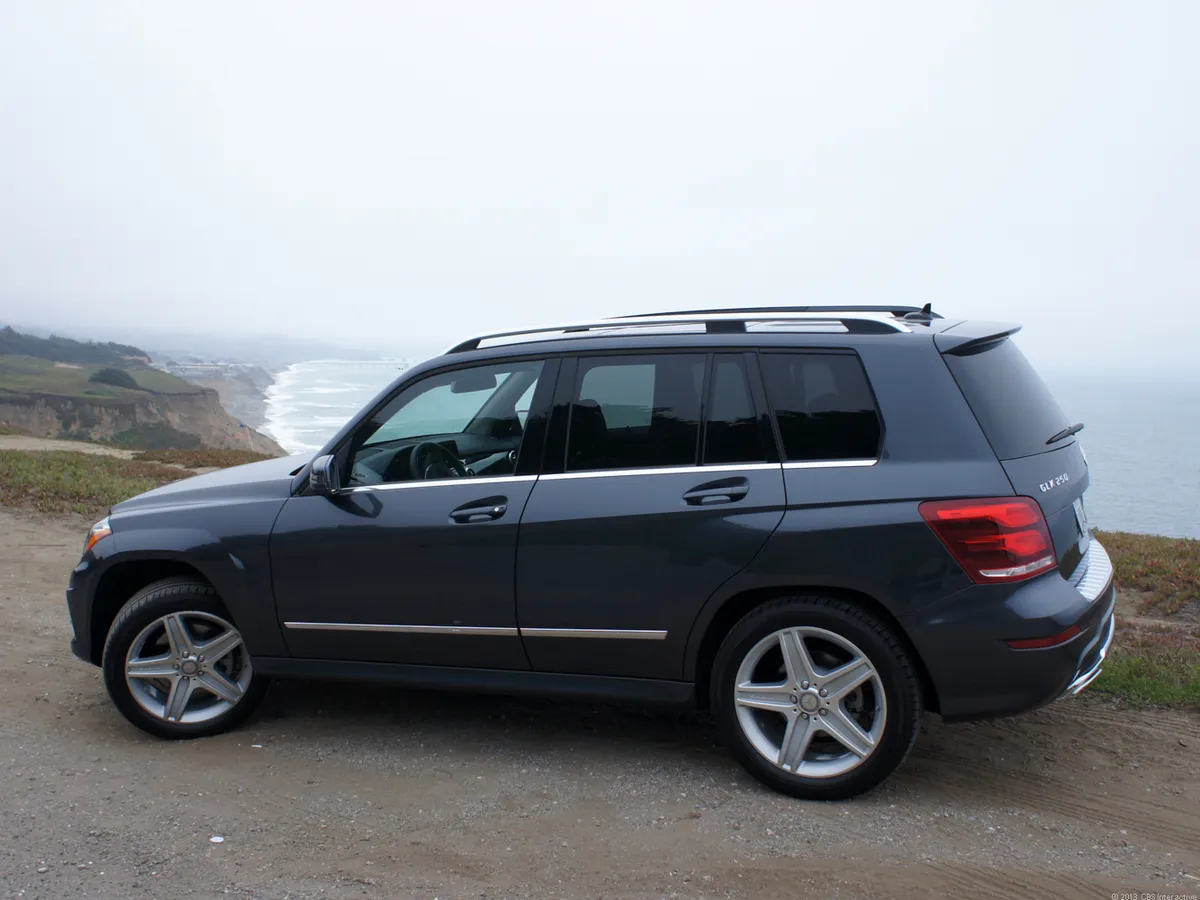
8. Mercedes-Benz GLK-Class: Solid Luxury with Compact Confidence
The Mercedes-Benz GLK-Class is a compact luxury SUV that leverages its C-Class sedan roots to offer a balanced driving experience. Its 3.5-liter V6 produces 268 horsepower and 258 lb-ft of torque, paired with a seven-speed automatic transmission.
Rear-wheel drive comes standard, providing a purer driving feel, while the 4MATIC all-wheel-drive system enhances traction in all weather conditions. Acceleration is competent, reaching 60 mph in 7.1 seconds, and the GLK stops from highway speed in 119 feet during emergency braking. Steering feedback is precise for a premium SUV, adding to the driver’s sense of control.
Performance is steady rather than aggressive. Edmunds testing of the GLK350 4MATIC showed a 0-to-60 mph time of 7.2 seconds, reflecting average segment performance. Fuel economy for the all-wheel-drive model is estimated at 16 mpg city, 21 mpg highway, and 18 mpg combined, while rear-wheel-drive versions improve highway mileage to 23 mpg.
Stability control, antilock brakes with brake assist, front and side airbags, and side curtain airbags are standard, with optional front knee and pelvic airbags, parking sensors, and Mercedes’ mbrace emergency telematics adding safety enhancements.
The GLK’s driving dynamics echo the C-Class sedan, delivering a compliant ride and nimble handling for urban streets. While it cannot match the sportiness of rivals like the BMW X3 or Audi Q5, the GLK’s solid structure, precise steering, and quiet cabin make it appealing for buyers seeking a composed SUV.
The V6 engine provides a smooth, subtle growl during spirited driving, and the seven-speed automatic shifts seamlessly, although downshifts can feel slightly delayed in Sport mode.
Inside, the GLK emphasizes clean, geometric design with high-quality materials. Vinyl surfaces mimic leather convincingly, and craftsmanship is excellent throughout. Headroom is generous, but rear legroom is tight, and rear-door openings limit ease of access.
Controls are generally user-friendly, with a combination of physical buttons, steering-wheel switches, and the optional COMAND knob simplifying operations. Climate controls sit a bit low, but the system remains straightforward to use.
Cargo capacity reaches 54.7 cubic feet with the rear seats folded, slightly below many competitors, yet the rear seats fold easily to expand storage. The Mercedes-Benz GLK-Class offers a solid blend of luxury, safety, and compact maneuverability, appealing to buyers who value refinement and control in a smaller luxury SUV.
The modern compact SUV segment offers more than just elevated seating and cargo space; it delivers vehicles that feel confident, responsive, and planted when the road curves.
From the sporty Mazda CX-5 and Nissan Rogue to luxury performance options like the Porsche Cayenne and Audi Q5, drivers can find models that blend agility with everyday usability.
Each SUV on this list demonstrates how careful chassis tuning, advanced suspension systems, and thoughtful engineering reduce body roll without compromising ride quality or comfort.
Whether you prioritize spirited driving, sophisticated interiors, or a mix of both, these eight SUVs prove that small luxury crossovers can remain composed, controlled, and engaging, offering a driving experience that rivals larger performance vehicles while maintaining practicality for daily life.
Also Read: 10 Cars With Best Factory Sound Systems Under $25,000
