
Hybrid vehicles have become a cornerstone of modern driving, offering a balance between efficiency, environmental consciousness, and practical performance.
Yet, while their fuel economy often impresses, one of the most noticeable factors affecting the driving experience is sound or more specifically, the presence or absence of unwanted noise during idle or low-speed operation.
Some hybrids achieve near-silent idling, creating a serene cabin environment, while others exhibit peculiar droning that can detract from comfort.
This subtle but significant difference can influence daily commuting, city traffic experiences, and even long trips, where extended periods of low-speed driving magnify the effect of engine noise or electric motor hum.
Quiet-idle hybrids stand out for their smooth integration of gasoline engines and electric motors, often prioritizing sound insulation, precise hybrid system calibration, and thoughtful aerodynamics to reduce cabin intrusion.
Drivers in urban settings, school zones, or busy neighborhoods may find these vehicles particularly appealing because they minimize auditory distraction and stress.
Conversely, certain hybrids, despite being mechanically capable, produce persistent droning under specific conditions such as light acceleration, idling at stoplights, or driving in electric-only mode.
This can make the car feel less refined and sometimes even tiring over time. Recognizing which models excel and which can be distracting is crucial for making an informed purchase decision.
This article examines two distinct categories: hybrids with quiet idle and hybrids prone to droning. Each vehicle is analyzed for why it performs the way it does, how it manages engine or motor noise, and the specific driving conditions that highlight these characteristics.
By comparing these models side by side, prospective buyers can better match a hybrid’s acoustic behavior to their personal preferences, whether prioritizing peace and calm or understanding potential noise compromises in exchange for style, performance, or price.
Also Read: 5 Cars for San Antonio Commutes vs 5 That Cost More to Maintain
5 Quiet-Idle Hybrids
For drivers who value a serene cabin experience, the ability of a hybrid to remain nearly silent at idle can be a defining feature.
Quiet-idle hybrids achieve this by optimizing the interaction between the gasoline engine and the electric motor, ensuring that transitions between power sources are imperceptible and that vibrations or mechanical hums do not disturb occupants.
These vehicles are particularly appealing for city driving, stop-and-go traffic, and residential areas where noise levels can easily become intrusive.
A hybrid with a smooth, quiet idle enhances comfort, reduces driver fatigue, and creates a sense of refinement often associated with luxury models yet many mainstream hybrids now achieve this as well, thanks to advances in engineering.
Manufacturers achieve quiet idling through a combination of factors: precise hybrid system calibration, sound-deadening materials, low-friction components, and careful engine tuning.
The result is a car that can start, stop, and coast with minimal audible feedback, allowing the driver to enjoy both the efficiency and the comfort of hybrid technology.
Unlike hybrids that produce constant droning or harsh mechanical notes, quiet-idle models feel composed, balanced, and effortless, making them ideal for daily commuting or long urban drives.
I am writing about these vehicles because hybrid technology is often judged solely on fuel economy, but auditory comfort is equally important in real-world driving.
For anyone spending extended time in traffic or frequently navigating congested areas, the difference between a calm, whisper-quiet cabin and a humming, droning interior can greatly affect overall satisfaction.
The five models selected here represent a range of options that combine efficiency with refinement, showcasing how modern hybrids can deliver a peaceful driving experience without compromising performance, practicality, or style.
1. Toyota Prius Prime
The Toyota Prius Prime is one of the quietest hybrids available, offering a serene cabin that highlights the strengths of modern hybrid engineering. At idle, the combination of the electric motor and gasoline engine is exceptionally smooth, producing barely any perceptible sound.
The transition from electric-only driving to hybrid mode is subtle, preventing the typical start-stop noises that can disturb other vehicles or pedestrians.
Engineers focused on sound insulation and low-friction components, ensuring that the Prius Prime remains calm even in stop-and-go city traffic or on residential streets.
The interior is well-insulated, reducing engine and road noise, while the hybrid system’s calibration ensures that vibrations are minimal.
Even when the gasoline engine kicks in at low speeds or during regenerative braking, the cabin environment feels controlled and refined. For drivers who spend a lot of time in urban areas or commuting during peak traffic, this quietness reduces fatigue and enhances focus.
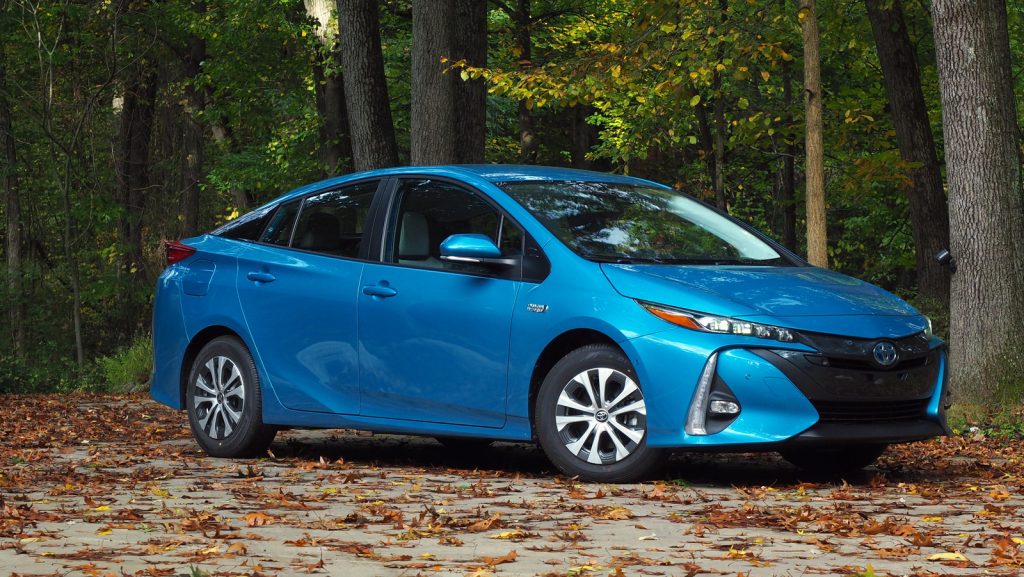
I included the Prius Prime because it demonstrates how hybrid technology can prioritize comfort without compromising efficiency or performance. It’s not just about fuel economy; it’s about creating a stress-free driving experience.
The Prius Prime’s ability to remain unobtrusive makes it ideal for those who value a peaceful ride during long commutes, running errands, or navigating crowded neighborhoods.
It sets a benchmark for quiet-idle performance in hybrid vehicles, proving that a hybrid can be both highly efficient and extremely pleasant to operate on a daily basis.
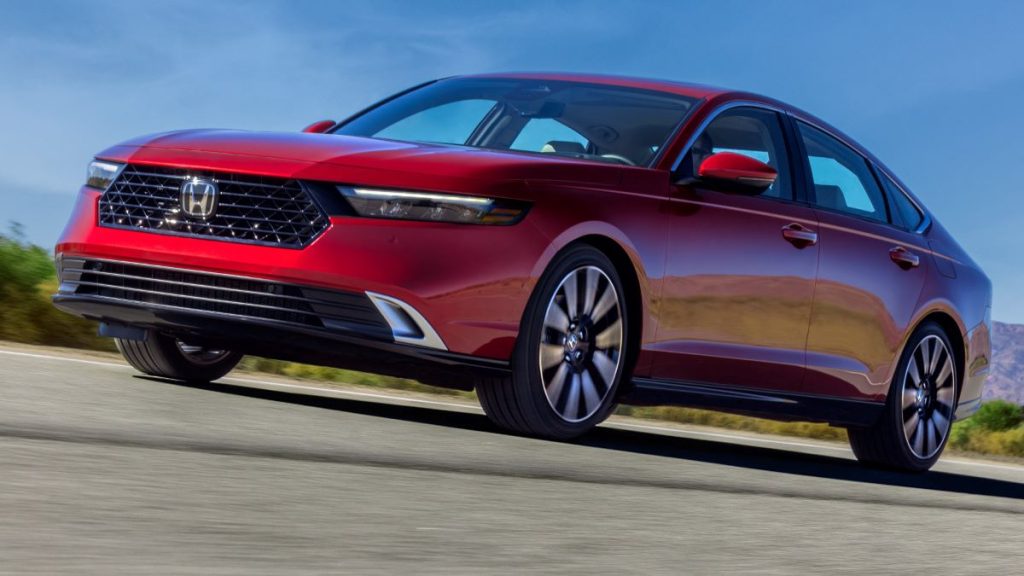
2. Honda Accord Hybrid
The Honda Accord Hybrid is a midsize sedan that balances efficiency and interior refinement, particularly excelling in quiet idle operation. Its hybrid system smoothly integrates the gasoline engine and electric motor, ensuring transitions are seamless and unobtrusive.
At idle, the engine hum is barely noticeable, while the electric motor operates silently, allowing for a calm cabin environment. This makes the Accord Hybrid ideal for city driving, stop-and-go traffic, or residential streets, where frequent stops can otherwise amplify engine noise.
Honda’s engineers focused on minimizing NVH (noise, vibration, harshness), using sound insulation materials and a well-tuned CVT to create a consistent, low-noise experience.
Even under load or during regenerative braking, the cabin remains serene, which contributes to reduced driver fatigue over long commutes. The integration of electric-only driving at low speeds further enhances quiet operation, particularly in heavy traffic or school zones.
I am including the Accord Hybrid because it proves that quiet-idle performance is achievable in mainstream sedans without resorting to luxury-grade components.
It is a car that offers both practicality and refinement, delivering a peaceful driving experience while maintaining the fuel efficiency that hybrids are known for.
For drivers prioritizing comfort and tranquility, the Honda Accord Hybrid remains an excellent choice, blending everyday usability with the subtle benefits of modern hybrid technology.
3. Lexus ES 300h
The Lexus ES 300h is a luxury hybrid sedan designed with quiet operation as a priority. Its hybrid system uses a combination of electric motor and gasoline engine to deliver smooth transitions with minimal noise, making idle periods virtually silent.
Sound insulation, carefully engineered suspension, and low-vibration engine mounts further contribute to a calm cabin, allowing passengers to enjoy a serene environment whether stopped at traffic lights or cruising slowly in urban areas.
The ES 300h excels in reducing mechanical hums, which is particularly noticeable in luxury hybrids. The electric motor can handle low-speed driving entirely on battery power, eliminating combustion noise during short trips or in congested traffic.
Even when the gasoline engine activates, its operation is refined, with minimal resonance or intrusive sound penetrating the cabin. The result is a driving experience that feels effortless and polished.
We included the Lexus ES 300h because it demonstrates how hybrid technology can achieve premium refinement, creating a vehicle that’s not just fuel-efficient but also extremely comfortable.
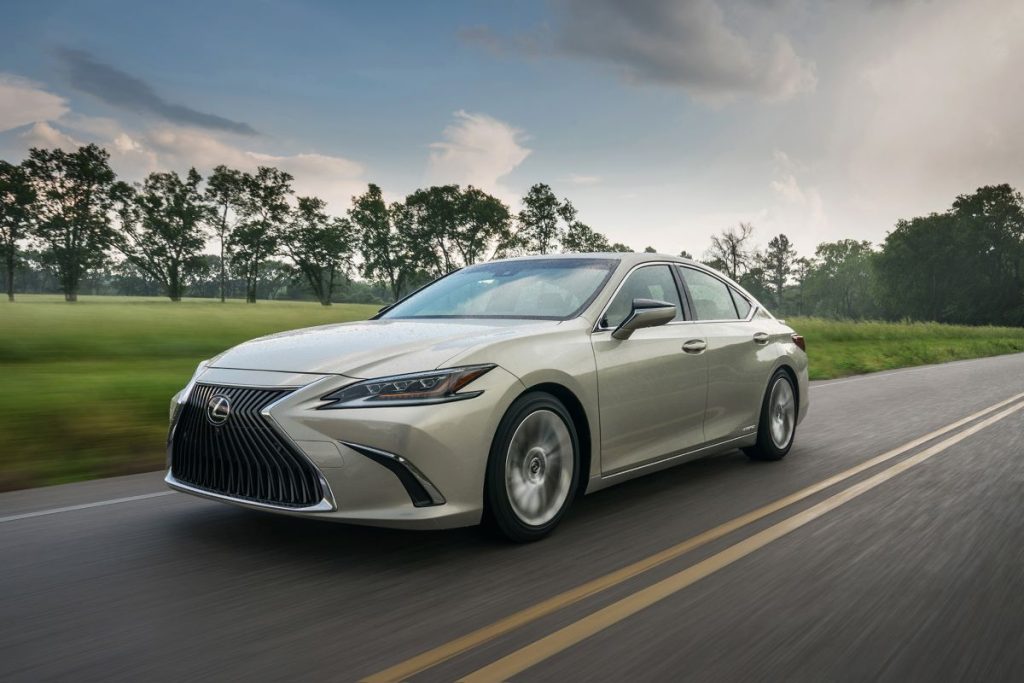
For buyers seeking a combination of quiet idle, smooth operation, and sophisticated interior comfort, the ES 300h provides a benchmark example. Its engineering ensures that urban commuting or daily errands are far less fatiguing, highlighting the advantage of hybrids designed with noise reduction as a core principle.
4. Hyundai Sonata Hybrid
The Hyundai Sonata Hybrid offers one of the most composed and quiet driving experiences in its class. Its hybrid system intelligently blends electric and gasoline power, ensuring that the engine starts smoothly and idles quietly, with minimal mechanical noise intruding into the cabin.
Low-speed driving can often be handled almost entirely in electric mode, further reducing noise and creating a calm environment for driver and passengers.
Sound insulation materials and carefully tuned suspension contribute to the quiet cabin, suppressing vibrations and road noise that can often distract or fatigue occupants.
The Sonata Hybrid’s CVT is also calibrated to operate without abrupt shifts or droning, maintaining a steady, pleasant sound profile even during slow acceleration or stop-and-go traffic.
I am including it because the Sonata Hybrid shows that excellent quiet-idle performance isn’t limited to luxury vehicles. Its design emphasizes real-world usability for daily commuting and errands, offering comfort and serenity along with strong fuel efficiency.
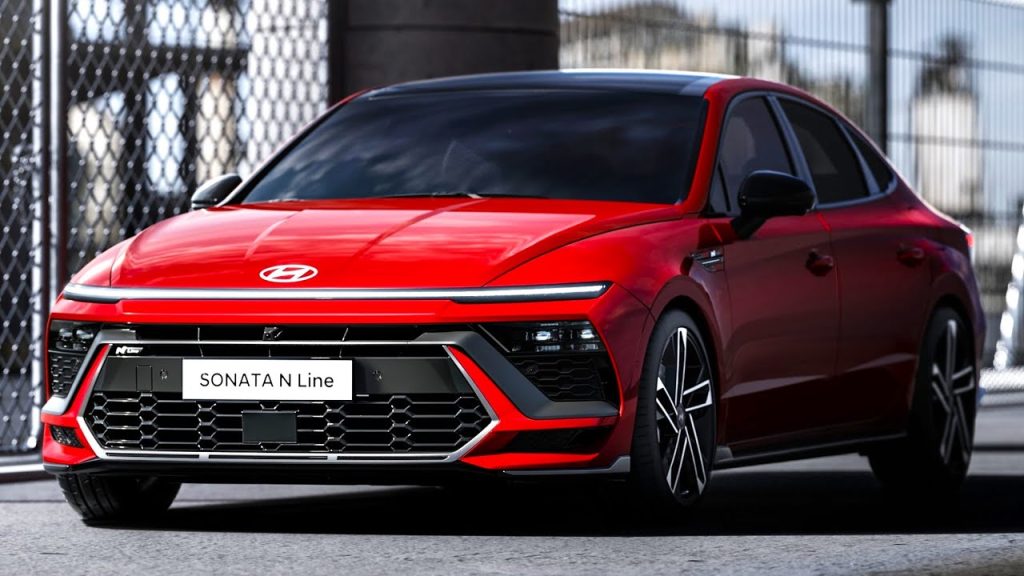
For drivers navigating urban streets or residential neighborhoods, the Sonata Hybrid’s refined idle and calm cabin make every drive feel less stressful. Whether entering traffic, waiting at intersections, or coasting in electric-only mode, the vehicle maintains composure.
This combination of quiet operation, smooth hybrid transitions, and everyday practicality makes the Hyundai Sonata Hybrid a standout option for those seeking an unintrusive, efficient, and highly comfortable driving experience.
5. Kia Niro Hybrid
The Kia Niro Hybrid is a compact crossover that delivers exceptional quiet-idle performance, blending efficiency with a serene driving experience. Its hybrid system is designed to minimize noise during idle, with smooth transitions between the gasoline engine and electric motor that are virtually unnoticeable.
At low speeds, the vehicle can operate primarily on electric power, keeping the cabin calm even in congested traffic or residential zones.
Engineers focused on sound reduction, using effective insulation and low-vibration components to ensure a quiet environment. Road and wind noise are well managed, so the hybrid system is the primary audible source, and even that is subtle.
The CVT is tuned to provide smooth operation, avoiding the droning or harsh engine sounds sometimes associated with hybrids. This attention to acoustic comfort makes the Niro Hybrid particularly appealing for urban drivers or families who prioritize a peaceful cabin.
I chose the Kia Niro Hybrid because it demonstrates how a compact, affordable hybrid can deliver refinement typically associated with larger sedans or luxury vehicles.
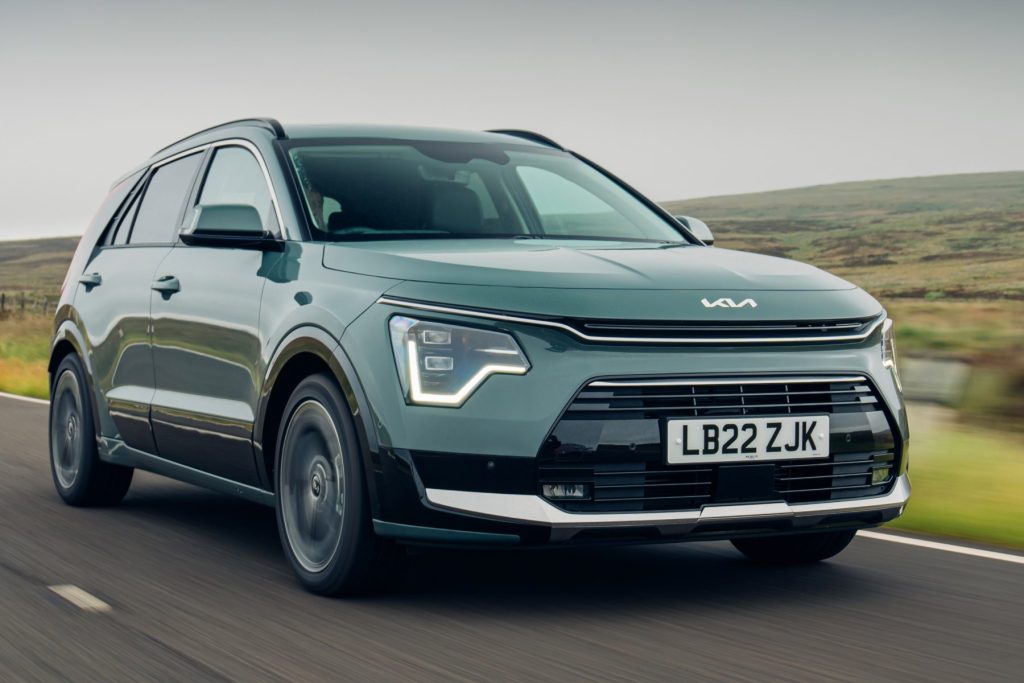
Its quiet idle and smooth powertrain transitions make driving more comfortable and less fatiguing during daily errands, long commutes, or slow city traffic.
The Niro proves that hybrid efficiency and cabin serenity can coexist, providing a practical yet highly enjoyable vehicle that stands out for its composure, low noise, and thoughtful engineering.
5 That Drone Weirdly
While many hybrids impress with quiet, seamless operation, not all achieve the same level of refinement. Some models, despite delivering excellent fuel economy and smooth acceleration, exhibit noticeable droning or humming noises, particularly at idle or low speeds.
This can be a result of CVT tuning, electric motor resonance, or the interaction between the gasoline engine and electric system.
For drivers who spend significant time in city traffic, residential areas, or stop-and-go conditions, these noises can become a persistent distraction, affecting comfort and perceived quality.
Droning in a hybrid is not necessarily indicative of mechanical issues; it is often a design choice that prioritizes efficiency or sporty performance over acoustic comfort.
Some hybrids allow the engine to operate at slightly higher RPMs for smoother power delivery or regenerative braking, which can produce an audible hum or vibration. While this may not bother some drivers, others find it fatiguing over long commutes or during quiet, relaxed driving.
Understanding which hybrids tend to produce this droning is valuable for prospective buyers. It allows drivers to make informed decisions based not only on fuel efficiency or performance but also on the sensory experience of daily driving.
Cabin acoustic comfort is just as important as MPG figures for many people, especially in urban settings or neighborhoods where quiet operation is appreciated.
This section highlights five hybrids known for producing unusual droning under certain conditions.
Each vehicle is analyzed for why it exhibits these sounds, how the cabin and hybrid system manage noise, and the real-world situations in which droning is most noticeable.
By comparing these models, drivers gain insight into the potential trade-offs between efficiency, performance, and interior calm, helping them select a hybrid that aligns with their priorities and expectations.
1. Ford Fusion Hybrid
The Ford Fusion Hybrid is a mid-size sedan that delivers solid fuel efficiency and reliable performance but is known to produce a noticeable droning noise during certain driving conditions.
This droning typically occurs at idle, low-speed cruising, or when the vehicle operates primarily in electric-assisted mode.
Unlike quieter hybrids, the Fusion’s CVT and hybrid system calibration can create a constant mechanical hum that penetrates the cabin, which some drivers find intrusive during extended city driving.
The source of the noise comes from the combination of engine RPM, transmission behavior, and electric motor interaction. While the system prioritizes smooth power delivery and efficiency, it does so at the cost of cabin quietness.
Road and wind noise are generally well-managed, but the droning from the hybrid system itself remains noticeable, especially in enclosed spaces or residential streets. Drivers often report needing to increase the audio volume or adjust airflow to mask the sound during stop-and-go commutes.
I included the Fusion Hybrid because it demonstrates a key trade-off in hybrid design: efficiency versus acoustic comfort. While the vehicle excels at providing excellent mileage and a comfortable driving experience overall, its cabin noise can detract from perceived refinement.
Buyers considering this model should be aware of the droning tendency, particularly if quiet operation at idle is a priority.
The Fusion Hybrid remains practical, stylish, and efficient, but it highlights how hybrid engineering sometimes favors energy management over absolute interior calm, making it a useful example of the compromise between efficiency and auditory comfort.
2. Chevrolet Malibu Hybrid
The Chevrolet Malibu Hybrid is a midsize sedan that prioritizes fuel efficiency and smooth acceleration, but it is prone to producing noticeable droning under certain conditions.
The sound is most apparent at idle, during low-speed electric-assisted driving, or when transitioning between electric and gasoline power.
While the cabin remains comfortable overall, the persistent hum from the powertrain can intrude into the interior, especially for passengers sensitive to mechanical noise.
This droning originates from the combination of CVT tuning, engine RPM patterns, and electric motor resonance.
The hybrid system is calibrated for efficiency rather than quietness, so energy management occasionally results in higher-frequency noise that can feel intrusive during long commutes or city driving. The car’s insulation helps reduce road and wind noise, but the hybrid-specific hum is difficult to eliminate entirely.
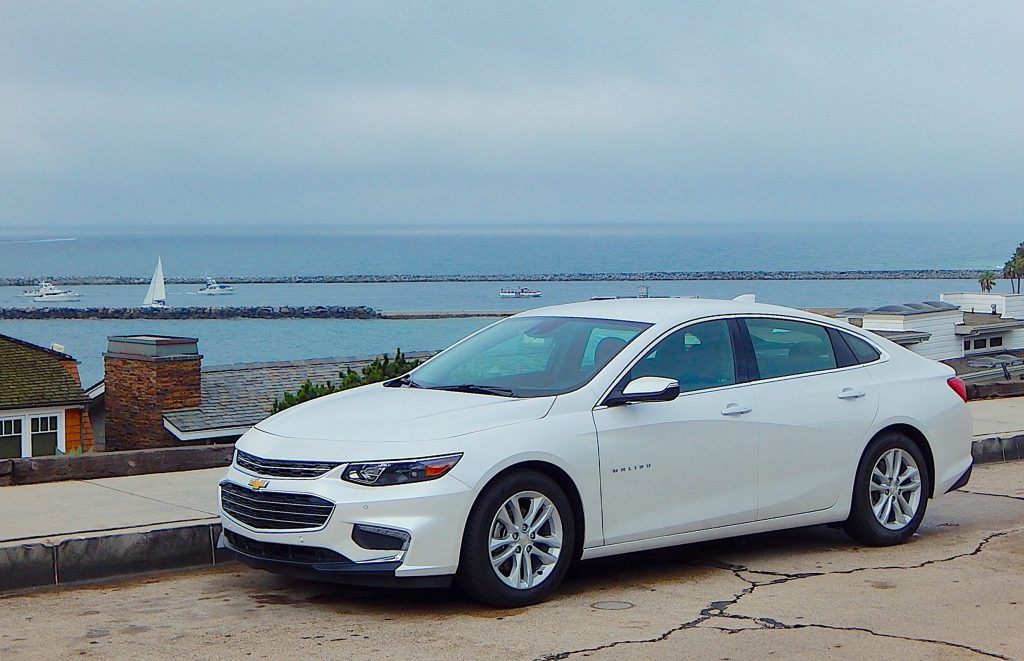
I included the Malibu Hybrid because it illustrates the trade-offs inherent in some hybrid designs. While it achieves strong mileage and offers a pleasant driving experience, it sacrifices a fully serene cabin.
Prospective buyers should consider this aspect if quiet operation is a high priority. Understanding this compromise allows drivers to weigh efficiency against comfort, making the Malibu Hybrid an instructive example of how hybrid tuning can impact the everyday driving experience.
3. Nissan Altima Hybrid
The Nissan Altima Hybrid combines midsize sedan practicality with respectable fuel efficiency but is known for producing a persistent droning sound at idle and low speeds.
This sound can become noticeable when navigating city streets, waiting at traffic lights, or driving slowly in residential neighborhoods. Unlike quieter hybrids, the Altima Hybrid’s powertrain calibration prioritizes smooth transitions and energy efficiency over total cabin calm.
The droning stems from CVT behavior and the way the gasoline engine interacts with the electric motor at low speeds. The hybrid system allows the engine to maintain higher RPMs for consistent performance, which produces a constant hum audible in the cabin.
While the interior is well-insulated against road and wind noise, the hybrid-specific sound is clearly perceivable, particularly in quiet urban environments.
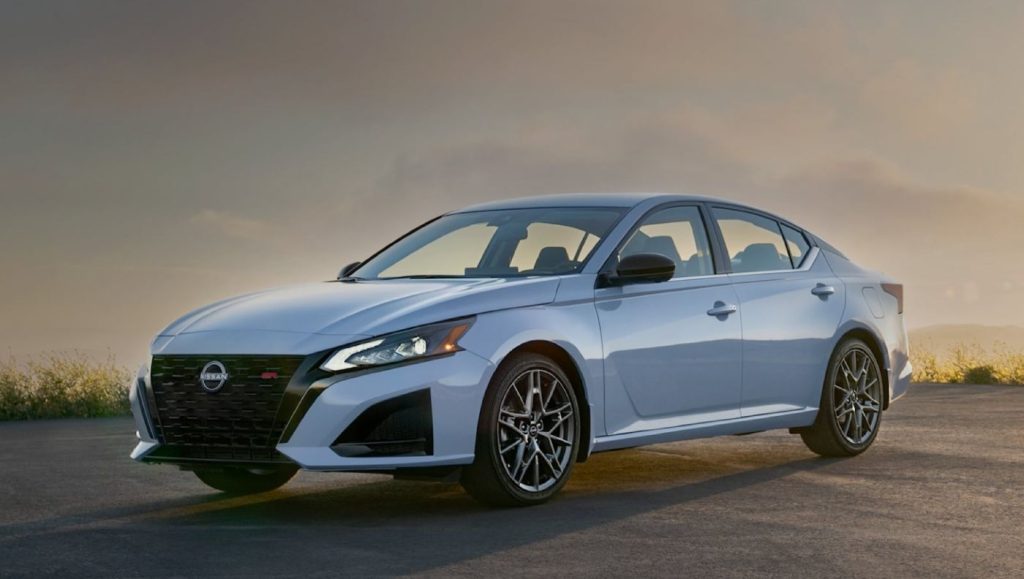
I included the Altima Hybrid to demonstrate that even mainstream vehicles can exhibit trade-offs between fuel economy and acoustic refinement. While it performs well in terms of efficiency and comfort, the droning highlights how hybrid tuning choices affect the driving experience.
Buyers who prioritize cabin quietness may find this aspect significant, especially during longer commutes or slow traffic situations. The Altima Hybrid remains a practical and efficient choice, but it serves as a reminder that not all hybrids deliver an equally refined auditory experience.
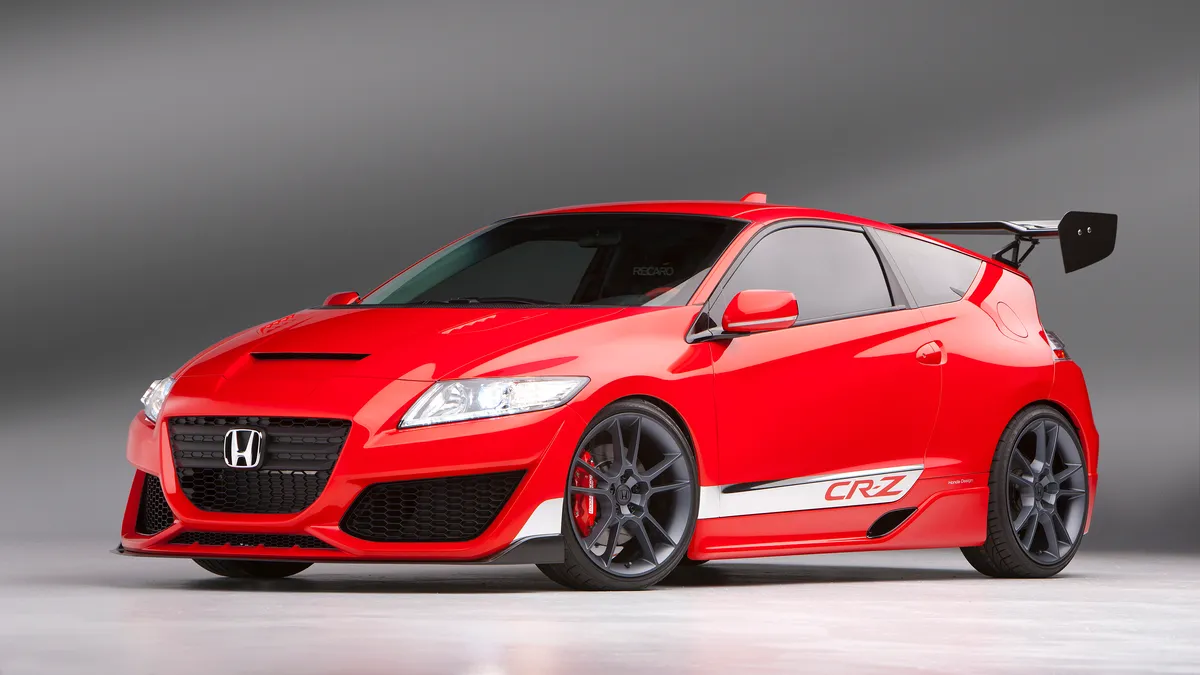
4. Honda CR-Z (Hybrid Variant)
The Honda CR-Z, though compact and sporty, is a hybrid that can produce a distinct droning noise under specific conditions.
Unlike traditional hybrids, the CR-Z blends performance-oriented tuning with electric assistance, which occasionally results in audible vibrations and a humming sound during idle or light acceleration.
The effect is particularly noticeable in the cabin when driving slowly in urban environments or using the electric motor in isolation.
The source of the droning lies in the CR-Z’s aggressive engine calibration combined with hybrid assistance. The CVT and small gasoline engine operate at a slightly higher frequency to support sporty performance, producing a hum that may become intrusive over longer drives.
While the car excels in handling and fun-to-drive characteristics, this auditory compromise can be fatiguing for occupants seeking a calm environment.
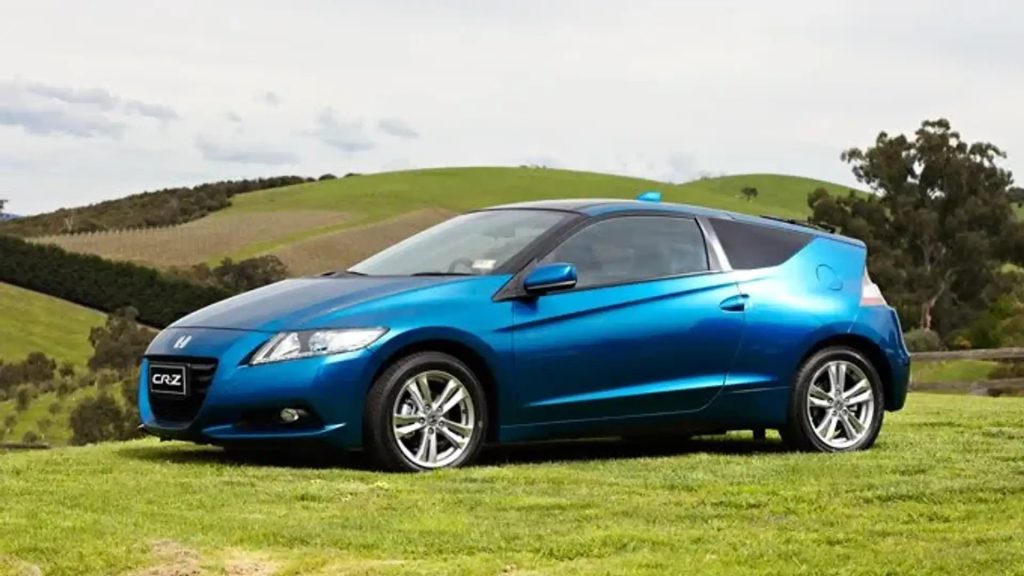
I included the Honda CR-Z to show how sporty hybrids can prioritize driving dynamics over quietness. For enthusiasts, this trade-off may be acceptable, but it emphasizes that hybrid efficiency alone does not guarantee a serene cabin experience.
Recognizing this helps prospective buyers match their priorities with the vehicle’s characteristics. The CR-Z is efficient, fun, and compact, but its distinctive droning highlights the acoustic challenges of blending hybrid technology with sporty performance.
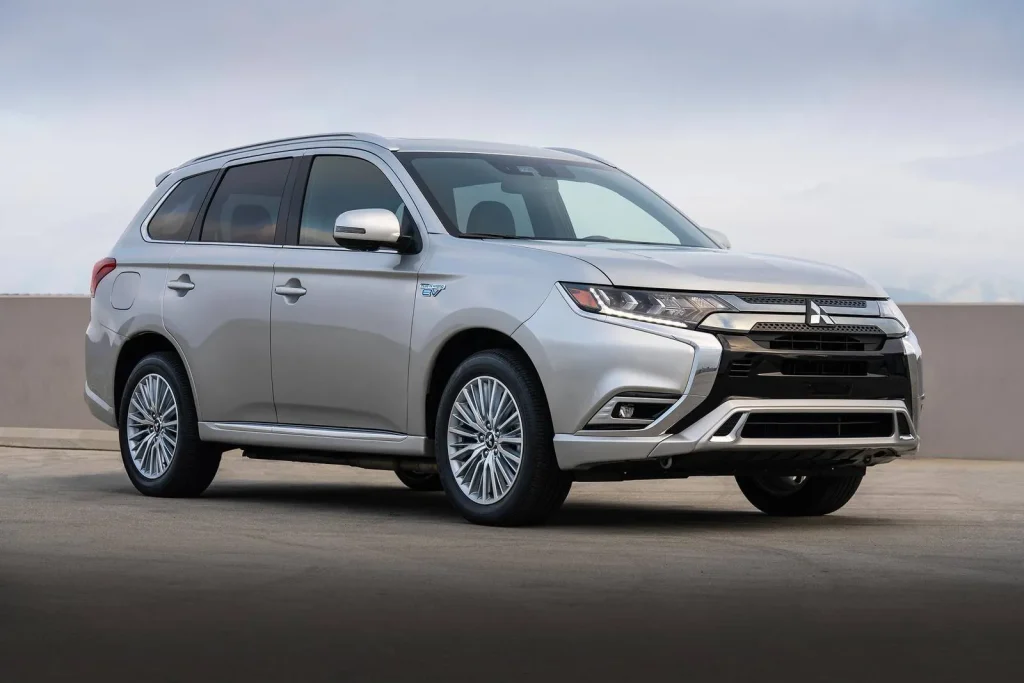
5. Mitsubishi Outlander PHEV
The Mitsubishi Outlander PHEV is a plug-in hybrid SUV designed for utility and versatility, but it occasionally produces noticeable droning during electric-only operation or transitions to gasoline power.
The hum is most apparent at low speeds, particularly when coasting or idling, and is amplified in quiet settings such as residential streets. While the vehicle offers impressive fuel economy and all-wheel-drive capability, the droning is a compromise that affects cabin serenity.
The source of the noise comes from electric motor whine combined with CVT behavior and engine engagement. The system prioritizes smooth energy management and performance consistency, but in doing so, it introduces an audible hum that is difficult to mask completely.
Despite effective insulation against road and wind noise, the hybrid-specific drone remains perceivable to attentive passengers.
I included the Outlander PHEV because it highlights how larger hybrid SUVs can also experience acoustic trade-offs. While its versatility, efficiency, and utility are strong points, the droning demonstrates that even modern PHEVs are not immune to interior noise challenges.
For families or drivers who prioritize a quiet cabin during urban commuting or long trips, this aspect is worth considering. The Outlander PHEV remains practical, capable, and efficient, but it serves as a cautionary example of the compromises in hybrid acoustic design.
Hybrid vehicles have transformed the driving experience by combining fuel efficiency with environmentally conscious engineering. However, not all hybrids deliver the same sensory comfort, particularly in terms of cabin noise at idle or low speeds.
This article examined two distinct categories: hybrids that maintain a quiet idle and hybrids that produce noticeable droning.
Understanding the differences between these groups is critical for drivers who spend substantial time in city traffic, residential areas, or stop-and-go commuting, where auditory comfort directly affects satisfaction and fatigue.
The quiet-idle hybrids Toyota Prius Prime, Honda Accord Hybrid, Lexus ES 300h, Hyundai Sonata Hybrid, and Kia Niro Hybrid showcase how modern hybrid engineering can prioritize serenity without sacrificing efficiency.
These vehicles achieve minimal noise at idle due to well-calibrated hybrid systems, smooth transitions between electric and gasoline power, and effective sound insulation.
For instance, the Prius Prime demonstrates a near-silent operation that allows drivers to navigate congested urban streets without intrusive engine hums, while the Lexus ES 300h leverages luxury-grade materials and advanced hybrid integration to maintain tranquility even during extended low-speed driving.
Mainstream options like the Honda Accord Hybrid and Hyundai Sonata Hybrid prove that quiet, refined operation is achievable without requiring a luxury badge, and the Kia Niro Hybrid illustrates that even compact crossovers can offer peaceful cabins alongside hybrid efficiency.
Collectively, these models emphasize that quiet-idle performance enhances the overall driving experience, reduces stress, and increases comfort during daily commutes and long urban trips.
In contrast, hybrids that drone Ford Fusion Hybrid, Chevrolet Malibu Hybrid, Nissan Altima Hybrid, Honda CR-Z Hybrid, and Mitsubishi Outlander PHEV highlight the trade-offs between efficiency, performance, and interior comfort.
These vehicles produce mechanical or motor-related hums that are noticeable at idle or during low-speed driving. Factors contributing to droning include CVT tuning, engine RPM behavior, electric motor resonance, and powertrain transitions.
While each of these hybrids maintains strong fuel economy and reliable performance, the persistent cabin noise can become fatiguing over time. For example, the Fusion Hybrid produces a constant hum during electric-assisted driving, while the CR-Z Hybrid’s sporty calibration amplifies droning at low speeds.
The Outlander PHEV demonstrates that even larger, utility-focused hybrids are not immune to such acoustic compromises. These examples highlight that efficiency alone does not guarantee a refined auditory experience, and buyers seeking a quiet cabin must consider hybrid system calibration alongside other features.
The comparison underscores that cabin acoustic comfort is a crucial, often overlooked aspect of hybrid vehicle design. Quiet-idle hybrids prioritize composure and driver serenity, making them ideal for urban commuting, daily errands, and long trips.
Hybrids that drone, while mechanically capable and efficient, require drivers to tolerate a perceptible hum that may impact overall satisfaction.
For prospective buyers, understanding these differences enables informed decisions that balance efficiency, performance, and comfort, ensuring the hybrid selected aligns with lifestyle needs and personal preferences.
Also Read: 8 Seriously Quick Manual Sports Cars You Can Get for Under $25K
