
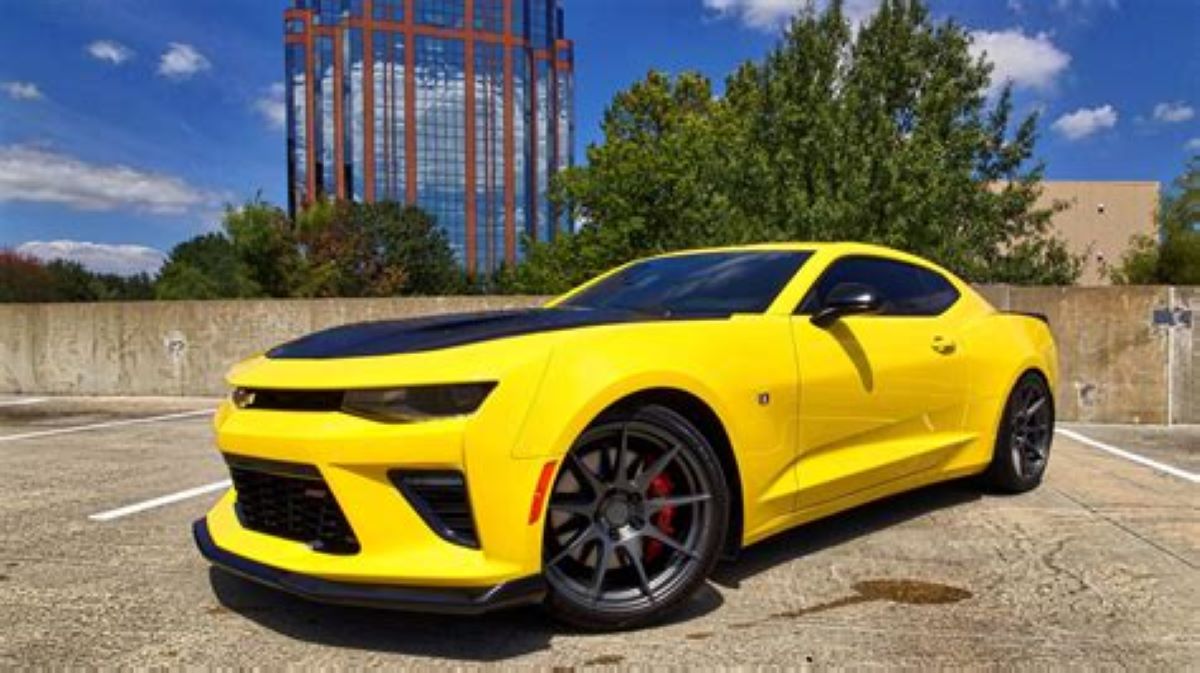
Driveway scraping is one of those annoyances every car owner encounters sooner or later an infuriating moment when a low nose, long overhang, or stiff front suspension bites against a steep slope.
Yet, just as certain models are infamous for grinding their underside on ordinary suburban driveways, others are engineered precisely to avoid that unpleasant crunch.
This comparison between cars that don’t scrape driveways and cars that do highlights the practical realities of ride height, approach angle, and real-world usability factors rarely discussed in flashy advertisements but extremely meaningful for daily living.
Today’s driveways, especially in modern housing developments, can be surprisingly steep, uneven, or sharply angled at the entry point, creating a genuine challenge for many vehicles, especially sporty or luxury ones.
By exploring both sides of the spectrum, this article aims to help buyers understand which cars offer worry-free clearance and which ones demand extra caution. Some people live in areas with hilly streets, aggressive ramps, or tall speed breakers and need a car that simply glides in and out without drama.
Others are drawn to low, stylish models and accept the compromises, but deserve to know what they’re signing up for. Across these two lists, each car is discussed in detail, focusing on why it’s included, how its design influences scraping likelihood, and what kind of owner benefits from that engineering.
The goal is to guide real-world decision-making so that buyers avoid regret and choose a vehicle that fits their daily environment not just their aesthetic taste.
Also Read: 5 Cars for San Antonio Commutes vs 5 That Cost More to Maintain
5 Cars That Don’t Scrape Driveways
Cars that avoid scraping driveways usually share a few smart engineering choices: thoughtful suspension tuning, generous approach angles, shorter front overhangs, and enough real ground clearance to handle steep transitions without sounding like a shovel hitting concrete. But there’s more to it than just height.
Some vehicles use clever suspension geometry, adaptive dampers, or even lift systems to help manage awkward inclines. These aren’t always rugged SUVs many crossovers, wagons, and practical sedans can perform impressively well in this regard.
What matters most is how the car handles the moment when the front wheels transition from level ground to an incline while the bumper or undertray hangs forward. If that geometry is well designed, the car simply glides over.
This list focuses on models known for stress-free driveway entries even in demanding neighbourhoods. Each vehicle is selected to highlight a different type of engineering approach: some rely on inherent ride height, others on suspension compliance, and some on smart packaging.
I am writing about these models because many buyers underestimate how disruptive scraping can be, especially if their area has aggressive driveway angles. Scrapes aren’t merely cosmetic they can affect underbody panels, bumper clips, air dams, and even resale value.
By analyzing five cars that excel in real-world clearance, this list serves as a valuable guide for anyone who wants peace of mind. Whether you’re moving into a new home or dealing with daily steep entries, these models can save both frustration and repair bills.
1. Subaru Outback
The Subaru Outback is a classic example of a family vehicle that effortlessly avoids driveway scraping thanks to its thoughtfully balanced design. It offers generous ground clearance far beyond what most crossovers in its price bracket provide paired with an impressively short front overhang.
That combination gives the Outback a naturally strong approach angle, meaning the nose doesn’t dip or touch even when navigating abrupt slope changes. I chose this car because it demonstrates how a lifted wagon can deliver SUV-level practicality without feeling bulky or truck-like.
People who live in hilly neighborhoods, uneven rural areas, or modern suburbs with steep garage entrances regularly find that the Outback glides in smoothly where many sedans and sporty cars hesitate.
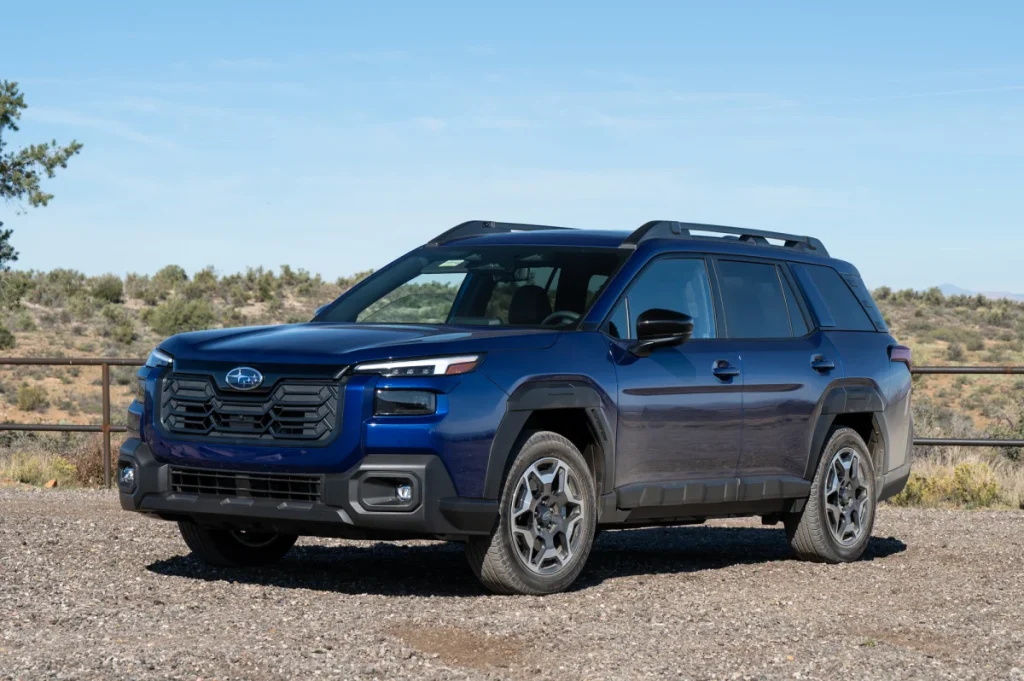
Another strength is its suspension tuning. Subaru calibrates the Outback with enough compliance to let the front end rise slightly as weight transfers rearward during incline approach.
This reduces the chance of the bumper dragging. Unlike performance cars that prioritize stiffness, the Outback’s suspension absorbs transitions gracefully. Even when fully loaded with passengers or cargo, scraping remains rare.
Its underbody protection is also noteworthy. Subaru designed it with rugged touring in mind, meaning that even if contact did occur, the components underneath are sturdy and positioned out of harm’s way.
But in everyday use, the Outback hardly ever comes close to needing that protection. That’s exactly why it belongs on this list: it delivers worry-free clearance, suburban friendliness, and consistent practicality without forcing buyers to step into a full SUV. For real-world driveway geometry, few models handle angles as smoothly as the Outback.
2. Honda CR-V
The Honda CR-V is consistently praised for blending comfort, practicality, and reliability, but one of its underrated strengths is how gracefully it manages driveway entries.
With a moderate but effective ground clearance and a thoughtfully engineered front bumper design, the CR-V avoids the scraping issues that plague many sedans and compact luxury models.
I include it because many everyday buyers want a dependable vehicle that requires zero special attention to angles or approach speeds, and the CR-V fits that requirement perfectly.
Its suspension tuning is a major reason for its success. Honda’s engineers strike a balance between firmness for handling and softness for compliance.
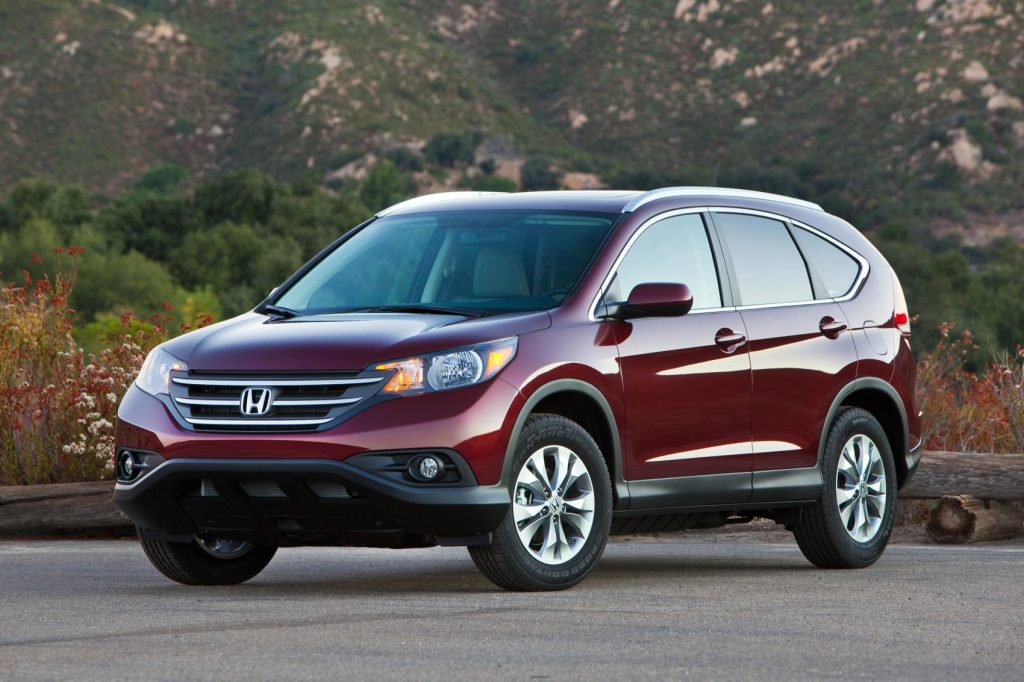
As a result, when the CR-V approaches a steep driveway, the front end has enough give to prevent bottoming out without feeling excessively floaty. This characteristic makes it ideal for families who frequently enter underground parking lots, raised driveways, or suburban streets with uneven pavement.
The CR-V’s aerodynamics also help. Rather than using a protruding chin spoiler or sharply extended front fascia, the bumper design is compact and slightly angled upward, reducing the likelihood of direct contact during slope transitions. Even with a full load of passengers and luggage, the vehicle rarely dips far enough to touch the ground.
I chose this model because it showcases how mainstream crossovers can deliver excellent everyday usability without resorting to extreme lift or rugged aesthetics. For buyers who want smooth entries, predictable clearance, and zero driveway anxiety, the Honda CR-V remains one of the most accessible and dependable choices.
3. Toyota RAV4
The Toyota RAV4 earns its place in this list because it represents a modern compact SUV engineered with a surprisingly generous approach angle and a confident sense of clearance. Toyota deliberately designs the RAV4 with an elevated stance even in its non-off-road trims which helps it avoid the scraping problems that plague many competitors.
I’m writing about it here because countless buyers underestimate just how driveway-friendly this model is until they own it. For people who regularly enter malls, office complexes, or homes with steep inclines, the RAV4 offers a stress-free experience.
The vehicle’s suspension is tuned for daily practicality, meaning it absorbs abrupt transitions smoothly. Even more importantly, the RAV4’s bumper overhang is kept short and shaped in a way that naturally avoids catching on elevated pavement edges.
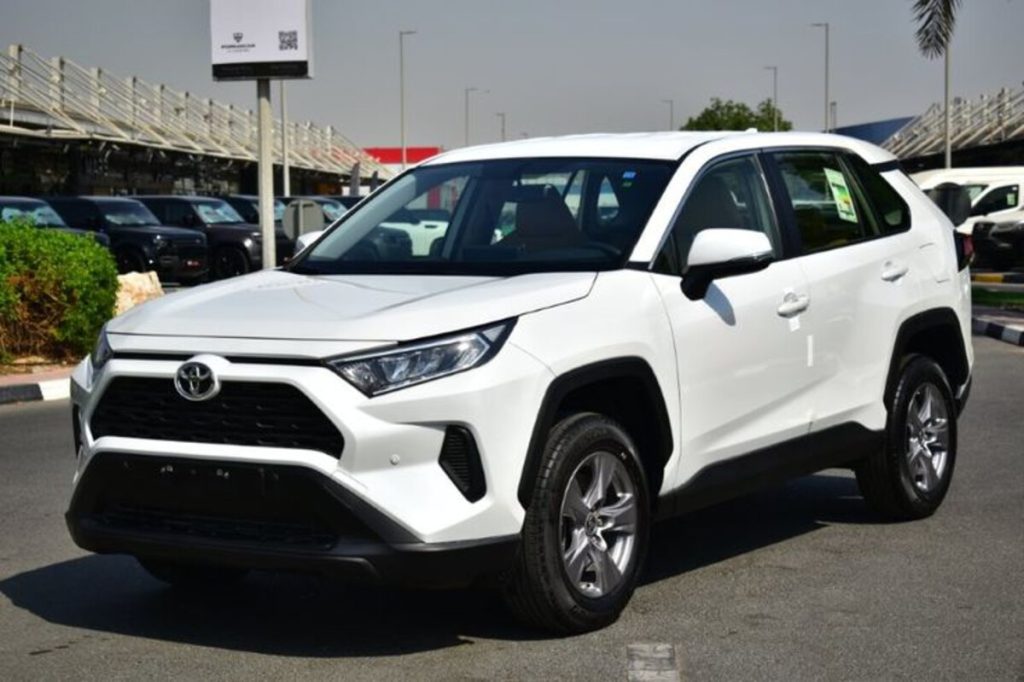
Unlike sportier crossovers that adopt aggressive chin designs, the RAV4 maintains a conservative profile that’s ideal for clearance. This makes it a reliable option for suburban environments where driveway geometry varies drastically.
Its hybrid trims, despite added battery weight, maintain the same front-end clearance characteristics. The ride height doesn’t drop noticeably under load, which ensures consistent performance even on family trips or cargo-heavy days.
I included the RAV4 because it exemplifies how practicality-first design can pay off in the real world. Owners don’t have to angle the car awkwardly, creep forward cautiously, or worry about hearing that dreaded scrape.
Everything about the RAV4’s proportions, suspension, and structural layout makes it a smoothly transitioning vehicle, perfectly suited for driveway-friendly driving.
4. Volvo XC60
The Volvo XC60 stands out as a premium SUV that avoids driveway scraping thanks to its combination of smart engineering and refined ride design. I chose it because luxury models often suffer from low, extended front bumpers, but the XC60 manages to maintain elegance without sacrificing approach clearance.
Volvo ensures the SUV sits at a height that keeps the underbody safely above steep driveway edges while still feeling planted and stable on the road. This balance caters to buyers who want style and sophistication without the daily inconvenience of scraping.
One of its standout advantages is its suspension configuration. The XC60 offers standard suspension tune that is compliant enough to lift the front slightly during incline transitions.
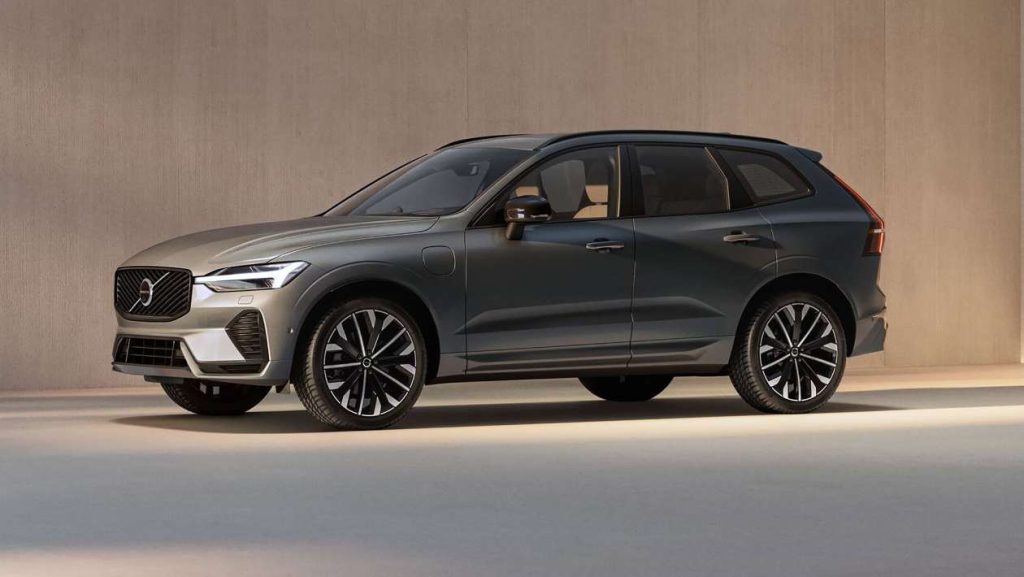
Higher trims using air suspension do even better, automatically adjusting ride height to prevent bumper contact. That’s particularly useful for owners in gated communities, tall-curb driveways, or homes with sloped garage entrances.
The front bumper design also plays a key role. Volvo avoids overly protruding splitters or dramatic aerodynamic extensions. Instead, the nose is sculpted upward enough to reduce risk, making the XC60 more practical than many rival luxury crossovers. Even when loaded with passengers and cargo, the vehicle maintains excellent clearance behavior.
I’m writing about it here because it proves that driveway-friendly engineering isn’t limited to rugged vehicles it can coexist with premium design. For luxury buyers tired of creeping up every ramp or worrying about scratching costly parts, the XC60 offers a surprisingly trouble-free everyday experience.
5. Kia Sportage
The Kia Sportage earns a place on this list because its modern design cleverly integrates good clearance with stylish aesthetics. Many compact SUVs attempt bold designs but end up extending their front bumpers too far forward.
The Sportage, however, maintains a relatively short overhang while offering just enough height to avoid scraping in typical suburban scenarios. I selected it for this list because it is a great example of an accessible, value-driven crossover that doesn’t compromise on usability.
Its suspension tuning is one of its strengths. Despite sporty handling characteristics, the front end has sufficient travel to absorb transitions smoothly when entering angled or elevated driveways.
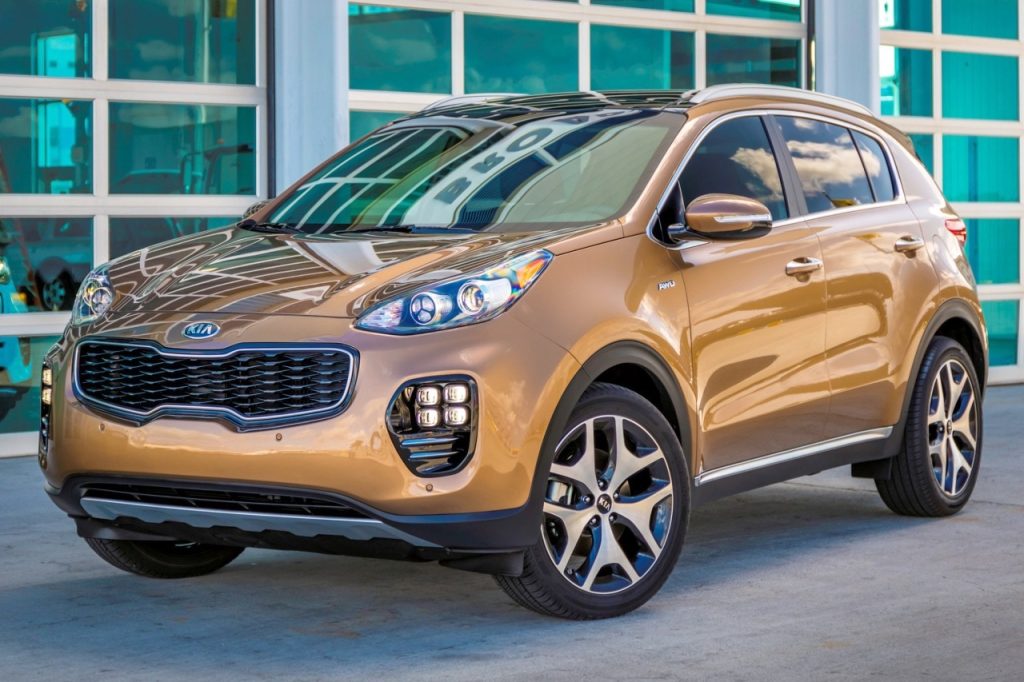
This means the Sportage doesn’t dip abruptly or drag its underbody components. Even when carrying luggage or rear passengers, its balanced suspension prevents excessive front drop.
Another noteworthy point is its aerodynamic styling. Kia manages to maintain a modern, forward-leaning visual identity without pushing the bumper lower than practical.
The resulting approach angle is better than many vehicles in its class, making it friendly for owners who frequently navigate speed bumps, inclined ramps, or uneven residential entries.
I am writing about the Sportage because it represents the new generation of thoughtfully engineered compact SUVs that combine sleek looks with functional geometry. It’s a reminder that driveway-safe vehicles don’t have to look rugged or old-fashioned.
Owners appreciate how confidently the Sportage enters and exits steep areas without demanding special maneuvering or caution. It offers a blend of design and functionality that’s genuinely useful in everyday suburban driving.
5 That Sit Too Low
Some cars, regardless of performance excellence or luxury appeal, are simply not built for steep driveways. Low ground clearance, long front overhangs, stiff suspensions, and aerodynamic add-ons frequently contribute to scraping issues, especially in modern residential areas where driveway slopes can be surprisingly aggressive.
This section focuses on cars known to struggle with typical suburban geometry not because they’re flawed, but because their priorities lie elsewhere, such as styling, handling precision, or aerodynamic efficiency.
I’m writing this list to help buyers understand that beautiful design or sporty appeal often comes with practical trade-offs, and driveway clearance is one of the most overlooked ones.
Drivers who choose these models often find themselves approaching ramps at extreme angles, creeping slowly to avoid contact, or wincing at unexpected grinding sounds.
While scraping may not always cause serious mechanical damage, it leads to cosmetic wear, broken clips, or damaged lower air dams and over time, these repairs can become frustrating and costly.
By highlighting these vehicles, the goal is not to discourage anyone from buying them but to make the trade-offs clear. If someone lives in a steep neighborhood or frequently navigates tight multi-level parking facilities, awareness is essential.
Each car here is known for its low stance, design-driven proportions, or performance-focused tuning, making them more susceptible to scraping. Understanding why these vehicles struggle allows buyers to make informed decisions and evaluate whether the compromises align with their lifestyle.
1. Toyota Camry TRD
The Toyota Camry TRD is a performance-oriented twist on a mainstream sedan, but its sporty enhancements come with the drawback of reduced driveway friendliness. I’m including it here because the TRD package adds aggressive aero components and stiffer suspension, both of which dramatically increase scraping potential.
The front lip is noticeably lower than that of the standard Camry, designed to enhance stability and visual drama. While it succeeds aesthetically and dynamically, it also means even modest inclines can cause the front edge to contact the ground.
The stiffer suspension is another major contributor. Unlike the standard Camry’s compliant ride, the TRD variant reduces vertical travel, making the front end less forgiving during incline transitions.
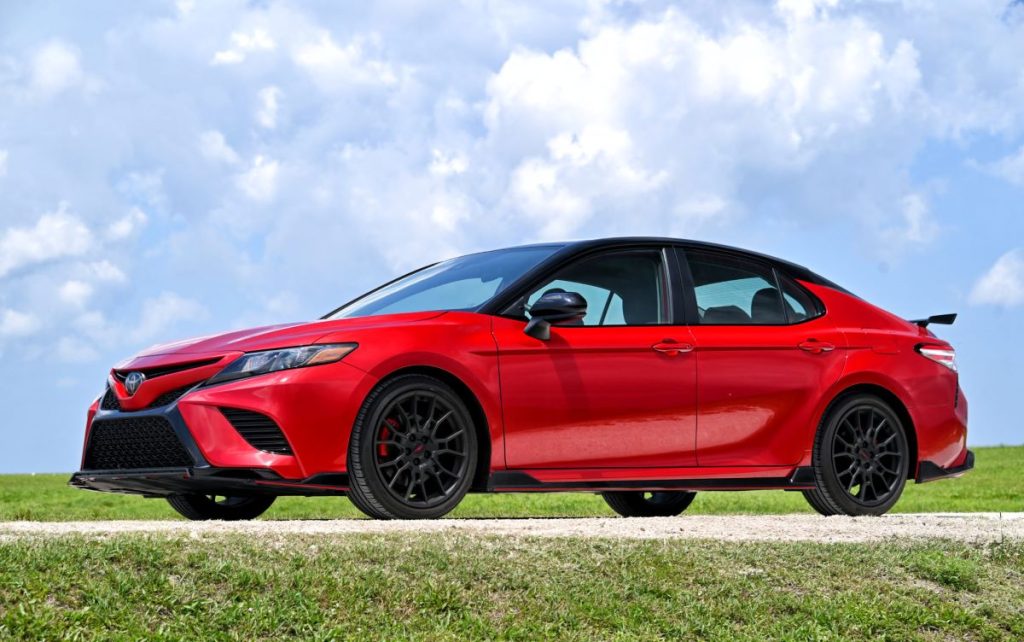
When approaching a steep driveway, the nose doesn’t rise enough, causing the splitter to scrape unless the driver angles the car carefully. Owners often report needing to slow down or take exaggerated approach angles, which is inconvenient in daily commuting.
I’m writing about it because it illustrates how performance-focused modifications can change a once-practical sedan into one that requires extra caution.
The Camry TRD is great for enthusiastic drivers, but not ideal for hilly suburbs, office parking ramps, or high driveway curbs.
If buyers aren’t aware of this trade-off, they may be surprised at how often scraping occurs. The car remains mechanically reliable and engaging, but its low stance makes it decidedly driveway-unfriendly.
2. BMW 3 Series M Sport
The BMW 3 Series with the M Sport package is well-loved for its athletic feel and sleek styling, but it’s also a prime example of a car that tends to scrape on steep driveways.
The M Sport trim includes a lowered suspension setup that enhances handling precision but reduces clearance to a level that becomes problematic in suburban environments.
I’m including it because many owners choose the M Sport package for styling without realizing the real-world consequences of reduced ride height.
One of the biggest culprits is the extended front bumper design. BMW prioritizes aerodynamics and performance in this trim, resulting in a sharp chin that sits low and far forward.
When approaching an incline, especially one with a sharp angle at the transition, the bumper often becomes the first point of contact. Even cautious drivers find themselves hearing unwanted scraping sounds.
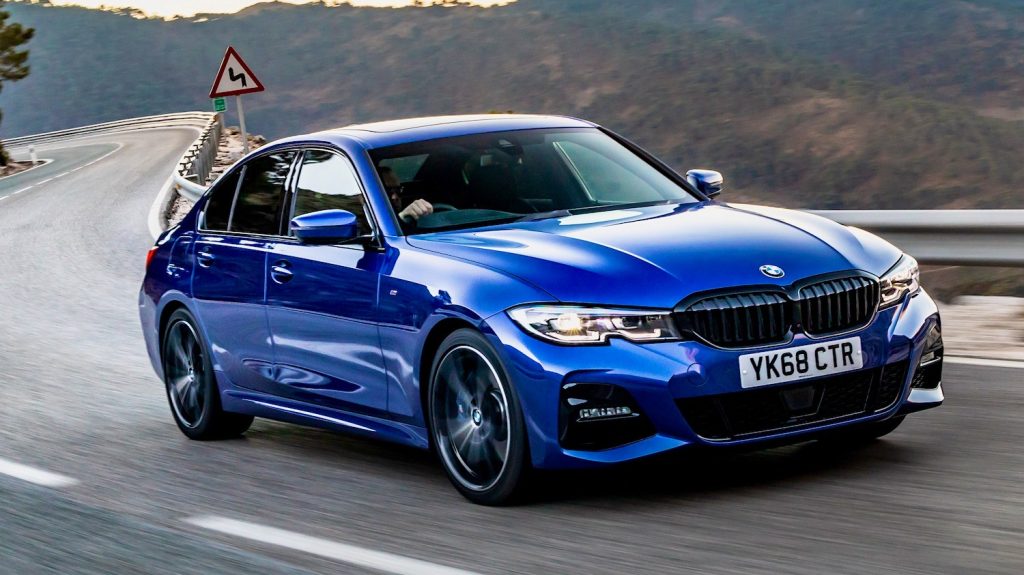
The suspension stiffness adds another challenge. While it helps the car feel composed in corners, it leaves little room for the nose to rebound upward when climbing steep ramps.
As a result, the car must be driven at careful angles or very slow speeds to minimize damage. Many owners living in apartments, malls, or office complexes with multi-level parking structures report frequent driveway-related scraping.
I selected the 3 Series M Sport because it represents a common scenario: a premium sedan that excels in performance but suffers in everyday practicality. Buyers who prioritize sporty looks must be prepared for the trade-off, especially in environments with aggressive driveway designs.
3. Audi A6 S line
The Audi A6 S line trim is a luxurious sedan designed with a sporty edge, but its aggressive front bumper and lowered stance make it particularly prone to scraping.
I chose this model for this list because it showcases how premium styling and aerodynamics can sometimes compromise real-world usability.
The S line package adds a lower, more angular front fascia compared to the standard A6, bringing it closer to the ground and extending it outward, which increases the risk of contact on steep or uneven driveways.
The suspension tuning in S line versions is firmer and slightly lower, aimed at delivering sharper handling and a more athletic driving feel. While that benefits high-speed stability, it hinders the car during steep driveway transitions.
The front end simply doesn’t lift enough when the wheels start climbing an incline, causing the bumper or lower air dam to strike the pavement.
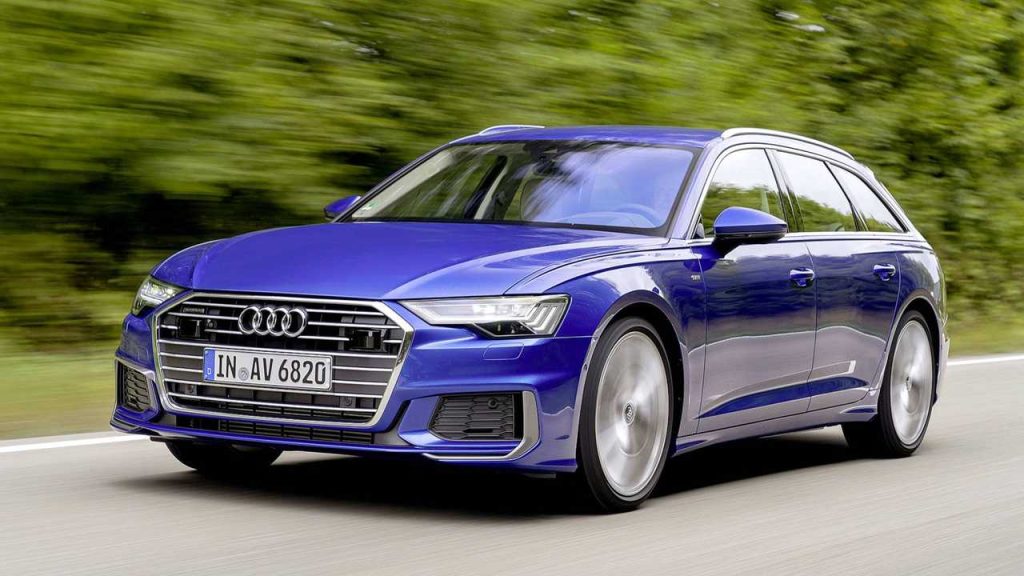
I’m writing about the A6 S line because it demonstrates how high-end sedans can struggle more in suburban environments than one might expect.
Owners often assume a luxury car will be easy to live with, but the A6 S line requires slow, angled approaches to ramps and driveways. Even slight dips or uneven road surfaces can produce scraping noises.
Despite its impressive interior, smooth powertrain, and refined handling, the A6 S line isn’t ideal for people living in areas with frequent incline transitions. Its scraping tendency is simply a reflection of its design priorities: sporty aesthetics and dynamic presence over driveway clearance.
4. Chevrolet Camaro SS
The Chevrolet Camaro SS is an iconic muscle car built with performance and aggressive styling as top priorities, which naturally makes it susceptible to scraping on driveways. I’m including it because the Camaro’s long, low nose and front splitter design almost guarantee contact when approaching steep inclines.
The SS trim, especially with performance packages, features an even lower stance and more pronounced aerodynamic elements, amplifying the issue.
Muscle cars traditionally favor low centers of gravity to improve handling and stability at high speeds. The Camaro SS adheres to this philosophy with a sleek, hunkered-down look that emphasizes width and aggression.
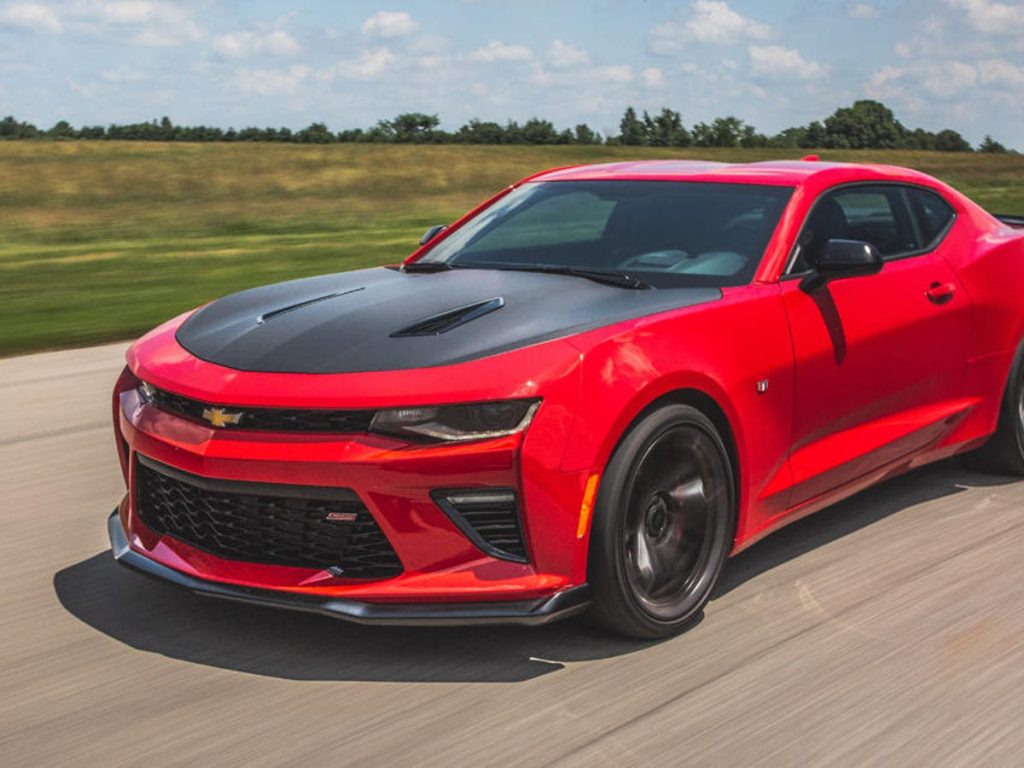
Unfortunately, this design makes everyday driving more challenging, particularly in suburban neighborhoods where driveway geometry varies widely.
Another factor contributing to scraping is the suspension stiffness. While the Camaro SS delivers excellent cornering rigidity, its limited suspension travel means the front end doesn’t absorb steep transitions as easily as a softer setup would. Drivers often report scraping incidents even when approaching driveways slowly and at an angle.
I chose the Camaro SS to highlight how performance cars, especially muscle cars, demand lifestyle compromises. It’s thrilling on open roads and exhilarating in straight-line acceleration, but far less cooperative when entering underground parking lots or steep home driveways.
Buyers drawn to its power and styling must be prepared for the frequent scraping that comes with the territory. For households with challenging driveway angles, the SS can become a constant source of worry or repair costs.
5. Mercedes-Benz CLA 250 AMG Line
The Mercedes-Benz CLA 250 in AMG Line trim is a stylish compact luxury sedan with a coupe-like silhouette and sporty exterior upgrades. However, these enhancements make it notably vulnerable to scraping on driveways.
I’m including it because the CLA’s design emphasizes aesthetics over clearance. Its aggressively angled front bumper and low profile create a natural disadvantage when facing steep slopes.
The AMG Line package adds a sportier body kit, which includes lower aprons and sharper edges around the bumper.
While visually striking, these components sit close to the ground and extend forward enough to contact pavement on angled driveways or garage entrances. Even moderate slope transitions are often enough to cause scraping unless approached very slowly.
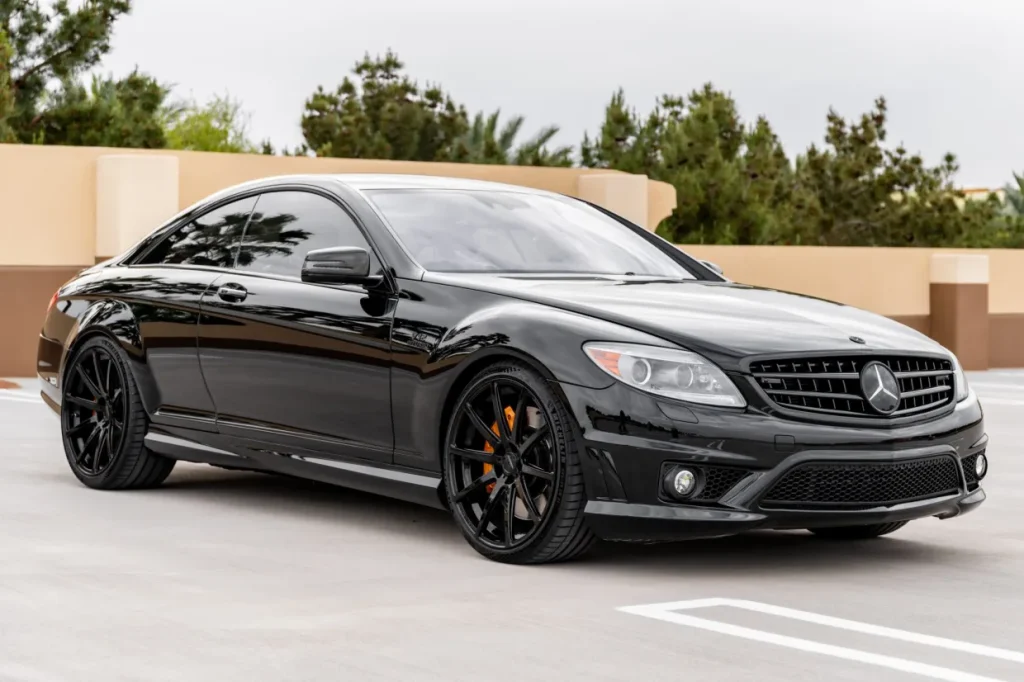
Another contributing factor is its stiffened suspension. Designed to improve handling responsiveness, the setup limits vertical travel, preventing the front end from absorbing sudden incline changes. This stiffness becomes especially noticeable when the vehicle is loaded with passengers or cargo, further reducing clearance.
I’m writing about the CLA 250 AMG Line because it illustrates how modern luxury styling often prioritizes visual flair over daily practicality. Many buyers choose the car for its sleek shape, iconic grille, and dynamic stance without realizing how frequently it may scrape in everyday scenarios.
The CLA performs beautifully on smooth, level roads but demands caution in suburban environments with uneven geometry. For those living in areas with steep driveways, the AMG Line trim may require constant vigilance to avoid damage.
Driveway scraping may seem like a small inconvenience, but in daily life it becomes one of the most important practical factors that separates stress-free cars from high-maintenance ones.
Across the two lists in this article, a clear difference emerges between vehicles engineered with functional geometry and those designed primarily for sportiness or stylistic appeal.
The cars that don’t scrape driveways such as the Subaru Outback, Honda CR-V, Toyota RAV4, Volvo XC60, and Kia Sportage, share common traits: thoughtful front overhang design, generous or well-managed ground clearance, and suspension tuning that allows the nose to rise as the car transitions onto an incline.
These models prove that everyday usability can blend seamlessly with comfort, practicality, and even premium features.
They offer a reassuring sense of predictability, letting drivers glide over steep ramps, uneven residential entries, and mall parking structures without wincing at the sound of the underbody dragging.
In contrast, the cars that do scrape Toyota Camry TRD, BMW 3 Series M Sport, Audi A6 S line, Chevrolet Camaro SS, and Mercedes-Benz CLA 250 AMG Line highlight how low stance, aggressive aero elements, and stiff suspensions negatively impact clearance.
These vehicles are designed for performance, visual impact, or aerodynamic efficiency, and while they excel in those areas, they often struggle with the steep or sharply angled driveways found in many neighborhoods. Drivers must approach ramps slowly, angle the car carefully, or endure occasional scraping as a trade-off for the sporty aesthetic.
Ultimately, this comparison reveals a straightforward truth: cars that prioritise real-world geometry deliver far more convenience in everyday environments, while those emphasising style or performance often introduce clearance compromises.
Understanding these differences helps buyers choose vehicles that align with their lifestyle, neighbourhood terrain, and tolerance for low-car inconveniences.
Also Read: 5 Cars for Miami Heat & Salt Air vs 5 That Corrode and Fail
