

Winter driving is challenging enough with cold cabins, frosty windshields, and slippery roads. Still, for EV owners, there is another major factor that transforms the experience entirely: battery behavior in freezing conditions.
Unlike combustion engines, which actually thrive in denser, colder air, EV batteries lose efficiency, range, and charging speed as temperatures drop.
Because of this, the difference between an EV engineered for harsh climates and one that struggles is not subtle it affects daily usability, trip planning, charging reliability, and peace of mind.
That is why comparing models that excel in winter battery management versus those that do not is more relevant than ever.
This article studies both sides of the spectrum. On one side, we explore five EVs known for strong thermal management systems, predictable cold-weather range retention, reliable pre-conditioning, efficient heat pumps, and software tuning specifically built for cold environments.
These are the EVs that behave consistently in the winter, avoiding unpleasant surprises and giving owners confidence even when temperatures plunge.
On the other side, we look at five EVs that have historically struggled in cold climates, where battery heaters underperform, range drops sharply, charging becomes slow or inconsistent, and winter efficiency feels unpredictable. These issues don’t make the cars bad overall but they do matter for anyone who regularly drives in cold regions.
The goal of this comparison is not just to point out strengths and weaknesses, but to help readers understand why EV performance differs so dramatically in winter. Battery chemistry, cooling design, heating strategy, energy efficiency, and software mapping all play a role.
By the end of this detailed guide, you will not only know which EVs handle winter best and which falter you’ll understand the engineering decisions behind those outcomes. That way, you can choose the right EV for your climate and expectations.
Also Read: 5 Models With Friendly Touchscreens VS 5 Tap-Miss Nightmares
5 Models That Keep Their Batteries Happy In Winter
Winter can be a quiet battery killer for electric vehicles, but the models in this first category stand out for one consistent trait: engineering that anticipates cold-weather challenges instead of reacting to them.
These EVs don’t just rely on basic heating elements; they integrate layered strategies that directly counteract the chemical sluggishness of lithium-ion batteries in low temperatures.
A cold battery cannot accept fast charging, cannot deliver high output, and cannot maintain efficiency and that’s where strong thermal management separates great winter EVs from average ones.
Each of the five vehicles in this section offers a unique combination of tools: powerful heat pumps that warm the cabin without draining the battery, dedicated battery warmers that activate intelligently, software-based pre-conditioning tied to navigation, and thermal buffers that keep the battery in its sweet spot even when parked in subzero temperatures.
Engineers behind these EVs know that winter performance is as much about predictability as it is about raw capability. Range might drop slightly in cold conditions that is normal but what matters is that the range drop is stable, consistent, and manageable.
We also cover why each vehicle is included here. Some excel because they are repeatedly tested in cold regions like Canada, Norway, and Sweden.
Others succeed because their charging logic is so well-designed that fast-charging remains smooth even when the battery starts cold.
A few simply have industry-leading heat pump efficiency, minimizing energy waste. By breaking down these elements, this section becomes more than a list; it becomes a blueprint for what winter-ready EV engineering looks like.
The purpose is simple: any reader living in colder regions deserves to know which EVs won’t let them down when temperatures dip. These five models do winter right and here’s why.
1. Tesla Model Y
The Tesla Model Y consistently ranks among the best EVs for winter performance, and it earns its place on this list due to a combination of excellent thermal management, predictive software, and efficient energy usage.
Tesla has refined its winter strategy over a decade of real-world data collection from owners across Canada, Norway, and northern U.S. states areas where winter temperatures regularly stay below freezing.
As a result, the Model Y is unusually resilient to the typical winter losses in range and charging performance that plague many EVs.
One of the most significant strengths of the Model Y is its advanced heat pump, introduced with Tesla’s Octovalve system.
This system isn’t just a heater; it’s a multi-channel thermal routing device that intelligently reallocates heat across the cabin, battery, and motors.
Because EVs need to keep their batteries warm to maintain efficiency, this system allows the Model Y to preserve more range than many competitors while still keeping occupants comfortable.
Unlike resistive heating systems, which drain the battery quickly, the Octovalve recycles thermal energy already generated by driving components.
Another winter advantage is automatic battery pre-conditioning linked to navigation. When you route to a Supercharger, the vehicle warms the battery to the optimal temperature before you arrive, ensuring high charging speeds even in freezing weather.
This proactive method prevents the frustrating slow charging sessions common in less sophisticated EVs. The system also pre-conditions the cabin and battery when the driver schedules departure times, making cold starts painless.
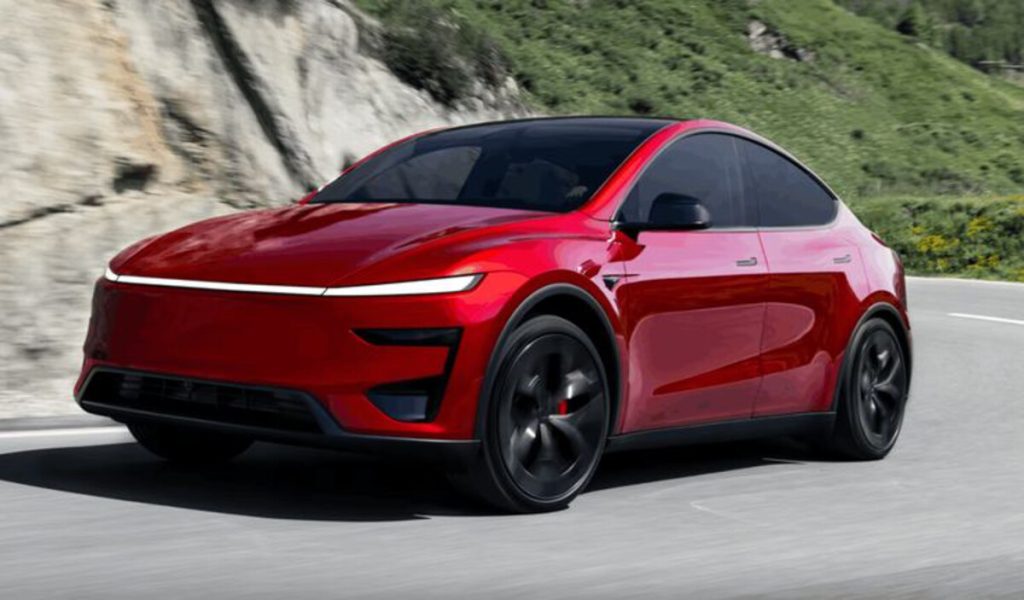
The Model Y’s drivetrain is engineered for cold climates as well. Its dual-motor setup balances traction effectively, and the traction control software is calibrated to prevent wheel spin on icy surfaces improving safety and stability.
We include the Model Y because it demonstrates what happens when thermal management, software, and real-world data come together: an EV that remains predictable, efficient, and reliable even during harsh winters.
2. Hyundai Ioniq 5
The Hyundai Ioniq 5 has quickly earned a reputation as one of the most winter-capable EVs thanks to Hyundai’s robust E-GMP platform and strong attention to cold-weather efficiency.
Unlike many EVs that suffer significant range and charging degradation in winter, the Ioniq 5 offers stable performance backed by an effective battery pre-conditioning system, an efficient heat pump, and battery heating technology that activates intelligently.
One of the biggest winter strengths of the Ioniq 5 is its heat pump system, which is one of the best-designed in the industry. Hyundai developed it for northern markets and optimized it using research from Norway and South Korea’s colder regions.
The heat pump captures waste heat from the power electronics, reducing reliance on resistive heating.
This dramatically improves real-world winter range retention and makes cabin heating more energy-efficient. Owners often report less severe winter range drops compared to other EVs with similar battery capacities.
The Ioniq 5 also features battery pre-conditioning tied to DC fast charging. When navigating to a fast-charger, the vehicle warms the battery to prepare for high charging speeds.
This prevents slow-charge situations that often frustrate drivers of EVs without pre-conditioning logic. The system is tuned especially well for extremely cold climates where even a few degrees of battery warmth can mean the difference between 25 kW and 200 kW charging.
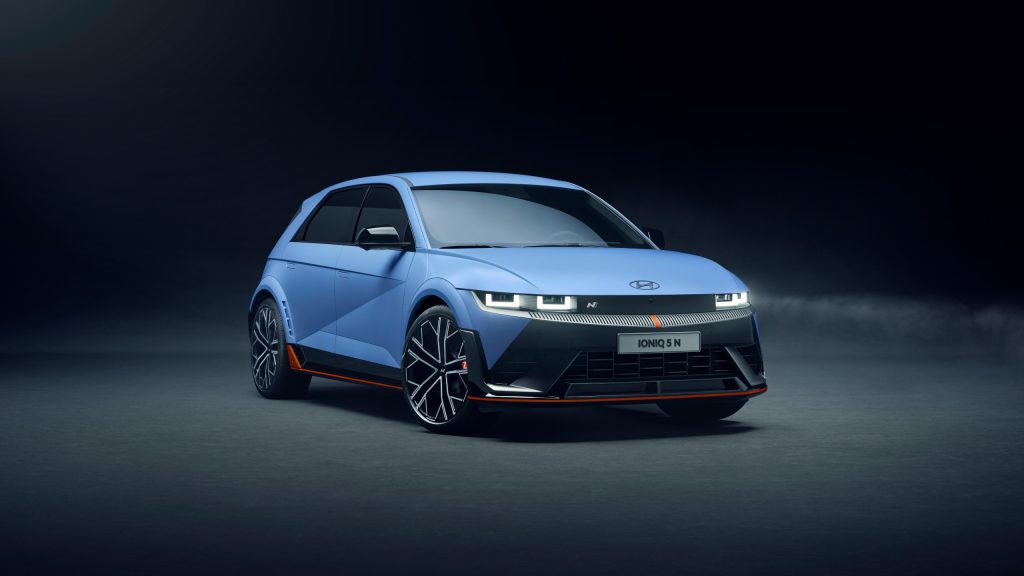
Hyundai’s E-GMP platform contributes further winter stability. The battery sits between the axles with excellent thermal insulation, reducing heat loss when parked. The all-wheel-drive version adds strong traction control, essential for icy roads.
We include the Ioniq 5 because it delivers winter performance that feels premium even at a mainstream price point.
It showcases how thoughtful engineering heat pumps, thermal efficiency, and smart software can make an EV feel comfortable and predictable even at subzero temperatures, proving that winter capability does not require luxury pricing.
3. Volvo XC40 Recharge
The Volvo XC40 Recharge earns its place on this list because it represents one of the most cold-climate-tested EVs on the market. Volvo designs and tests its vehicles in Sweden, where winter temperatures routinely plunge far below freezing.
This heritage translates into EVs that are prepared for harsh environments. The XC40 Recharge, in particular, features a strong thermal management system, a powerful heat pump, and software that prioritizes stable performance in cold weather rather than chasing peak summer efficiency numbers.
One of the standout winter features of the XC40 Recharge is its robust battery heating system. The battery heater activates proactively when temperatures drop, ensuring the pack stays within an optimal range for driving and charging.
This system reduces cold-soak issues when the battery becomes too cold to provide adequate power and makes the XC40 much more predictable in winter driving.
Unlike some EVs that delay heating until the vehicle is in motion, the XC40 Recharge warms the battery and cabin aggressively during preconditioning. Paired with a scheduled departure system, owners can start their day with a warm cabin and a battery already stabilized for efficient operation.
The heat pump is one of the strongest in this class and is specifically designed for Nordic climates, where electric heaters alone would consume too much power.
The XC40 Recharge also offers excellent traction thanks to its dual-motor AWD system, which is tuned for slippery conditions. Volvo’s traction and stability control systems are among the industry’s most conservative, preventing wheel slip with precise torque control.
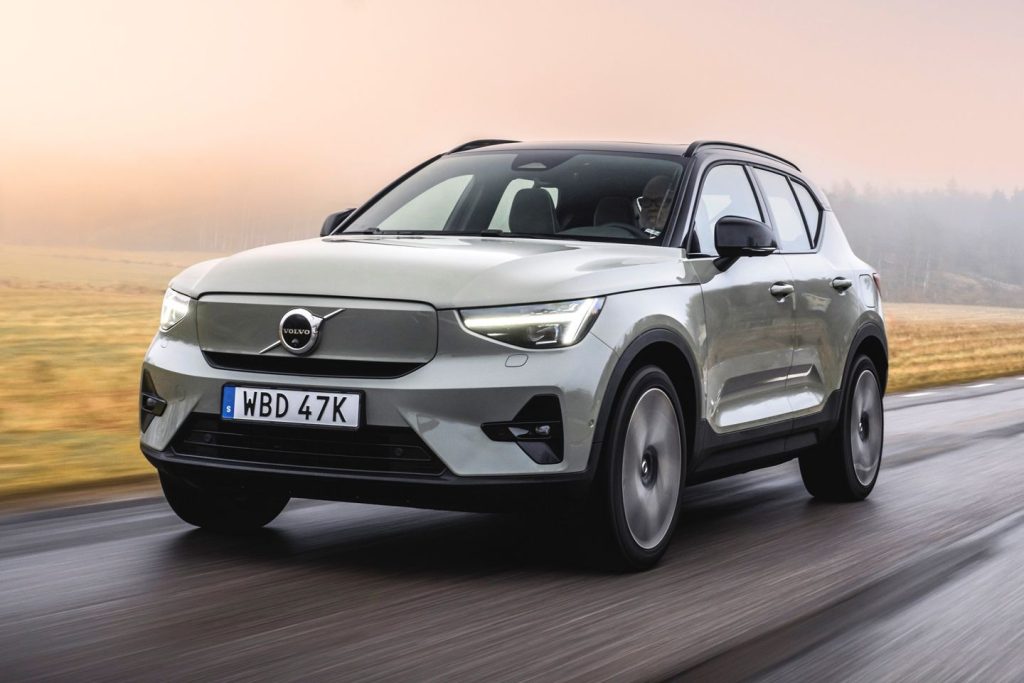
We include the XC40 Recharge because it is one of the rare EVs engineered from the ground up with cold-climate performance as a core requirement rather than an afterthought. For drivers who routinely face winter extremes, the XC40 Recharge provides confidence, consistency, and excellent battery stability.
4. Ford Mustang Mach-E
The Ford Mustang Mach-E stands out as a winter-capable EV due to its strong battery thermal management system, effective heat pump, and software that actively counters cold-weather inefficiencies.
Ford invested heavily in winter testing across Michigan, Alaska, and Canada, resulting in an EV that holds onto range and maintains reliable charging performance even in freezing conditions.
One of the Mach-E’s greatest winter advantages is its dedicated liquid-thermal battery conditioning system. Unlike some EVs that rely on minimal heating elements, the Mach-E circulates warmed coolant throughout the battery pack when temperatures drop.
This ensures that the battery does not become too cold to deliver consistent power or accept fast charging. The result is smoother winter driving and far more predictable range.
Ford also equips the Mach-E with a high-efficiency heat pump on most trims, reducing energy usage for cabin heating. This heat pump is designed to handle very cold temperatures, unlike earlier systems from other brands that struggled below freezing. The cabin remains warm with minimal energy draw, helping preserve range during winter trips.
Charging is another area where the Mach-E performs well in cold climates. Battery preconditioning activates when navigating to a fast charger, warming the pack to permit higher charging speeds. This minimizes delays and prevents the common cold-battery charging bottleneck experienced by EVs lacking such features.
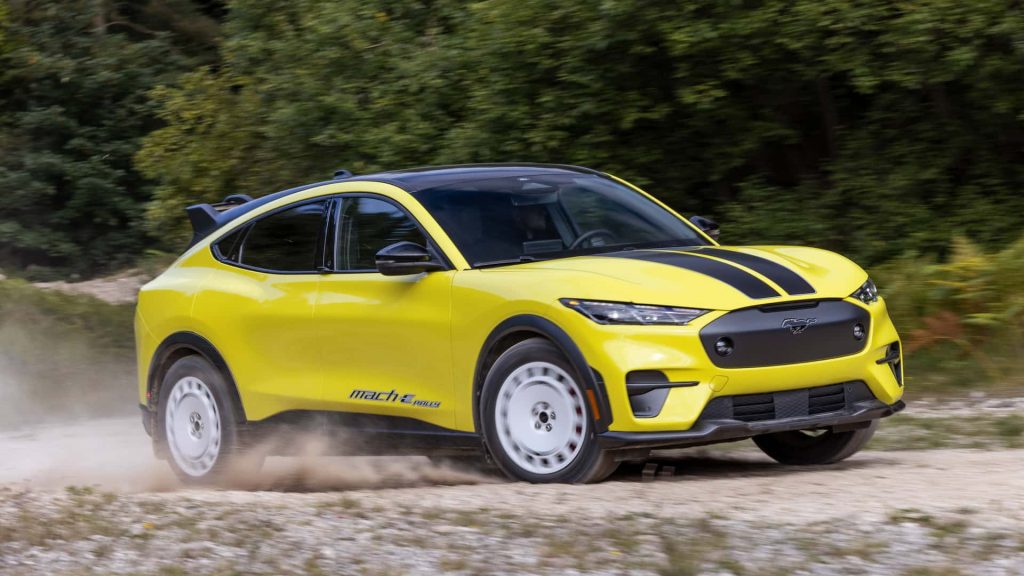
We include the Mach-E because it blends strong winter engineering with mainstream appeal. Its winter features are not hidden behind optional upgrades they are integrated into the vehicle’s core design philosophy.
For drivers who encounter snow, ice, and freezing temperatures, the Mach-E delivers consistent range, reliable charging, and robust thermal stability that make winter EV ownership surprisingly stress-free.
5. BMW iX
The BMW iX is one of the most technologically advanced EVs on the market, and its winter performance demonstrates BMW’s focus on precise thermal engineering.
As a luxury SUV, it benefits from a sophisticated set of thermal controls, a top-tier heat pump, and an extremely efficient thermal buffer that preserves battery warmth. These engineering decisions make the iX one of the most winter-ready EVs available today.
One of the key advantages of the iX is its multi-stage battery conditioning system, which is more advanced than most competitors.
The system uses liquid heating and cooling channels that maintain battery temperature even when the vehicle is not driven for long periods in cold weather. This significantly reduces cold-soak effects, which often lead to sluggish performance and slow charging.
The iX also includes one of the most powerful and efficient heat pumps in the EV industry. BMW engineered it with multiple refrigerant loops, allowing the system to extract heat even in extremely cold temperatures.
This allows the cabin and battery to warm up quickly without consuming excessive energy, meaning winter range loss is far lower than what many EV owners expect.
Charging performance is another area where the iX excels in winter. The vehicle preconditions the battery automatically when routing to a fast charger, ensuring high charging speeds despite the cold. BMW’s software is particularly refined, adjusting thermal levels based on real-time driving conditions, ambient temperature, and upcoming routes.
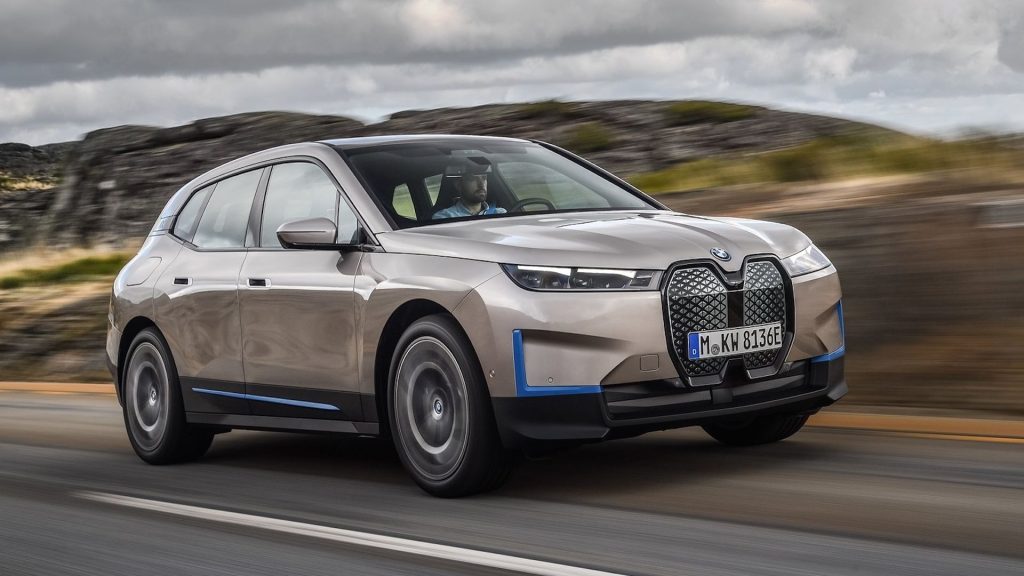
We include the BMW iX because it demonstrates how luxury engineering can elevate winter EV performance to near-perfect levels. Its cabin warms quickly, the battery stays stable, and efficiency remains high even in harsh winter environments.
For buyers seeking premium comfort with uncompromising winter capability, the iX is one of the best choices available.
5 Models That Don’t Keep Their Batteries Happy In Winter
Just as some EVs excel in winter conditions, others struggle significantly when temperatures drop. This is not necessarily because the vehicles are poorly engineered it often comes down to design priorities, cost limitations, earlier-generation technology, or limited cold-weather testing during development.
In this section, we examine five EVs that consistently underperform in winter when compared to their competitors. These models tend to lose range rapidly, heat their batteries slowly, perform sluggishly during cold starts, or charge at very low speeds when temperatures fall.
The purpose of discussing these models is not to criticize them broadly but to highlight the specific challenges they face in cold climates. Understanding these weaknesses helps buyers make informed decisions depending on where they live.
A driver in California or southern India will experience none of these problems, but someone in Minnesota, Norway, or Northern Canada will quickly notice the winter limitations.
What all five models have in common is inconsistent thermal management. Either their heat pumps are absent or inefficient, their battery heaters are weak, or their software does not precondition the battery effectively before charging.
This leads to cold-soaked batteries, slow charging, and steep efficiency losses. Some of these EVs are also built on older platforms that relied heavily on resistive heating, which drains energy rapidly and cuts winter ranges dramatically.
We include these five vehicles to give readers a clear picture of what to expect. Each explanation explores why the EV struggles, how these issues affect daily winter driving, and what engineering limitations contribute to the problem.
This section empowers readers with honest insights, especially those living in climates where winter performance is a deciding factor.
1. Nissan Leaf
The Nissan Leaf is one of the world’s most popular EVs, but it struggles significantly in winter because it uses a passive air-cooled battery design something extremely rare in modern EVs. Without liquid thermal management, the Leaf cannot regulate battery temperature effectively.
In hot weather, the battery overheats and limits power; in cold weather, the battery becomes sluggish and loses efficiency rapidly. This lack of thermal control is the main reason the Leaf’s winter performance is among the weakest in the EV segment.
One of the biggest winter challenges is the severe drop in range. Leaf owners in cold-climate regions often report losing 30–40% of their expected range in freezing conditions.
This happens because the battery becomes too cold to deliver consistent power, and because the vehicle relies heavily on resistive heaters that draw enormous amounts of energy to warm the cabin. Without a heat pump on many trims, this energy drain becomes unavoidable.
Charging is another issue. Because the battery is not actively heated, the Leaf struggles to accept fast charging at normal speeds in cold environments.
Charging rates can drop to extremely low levels, turning a short charging session into a long wait. Worse, there is no effective battery preconditioning system to help it cope.
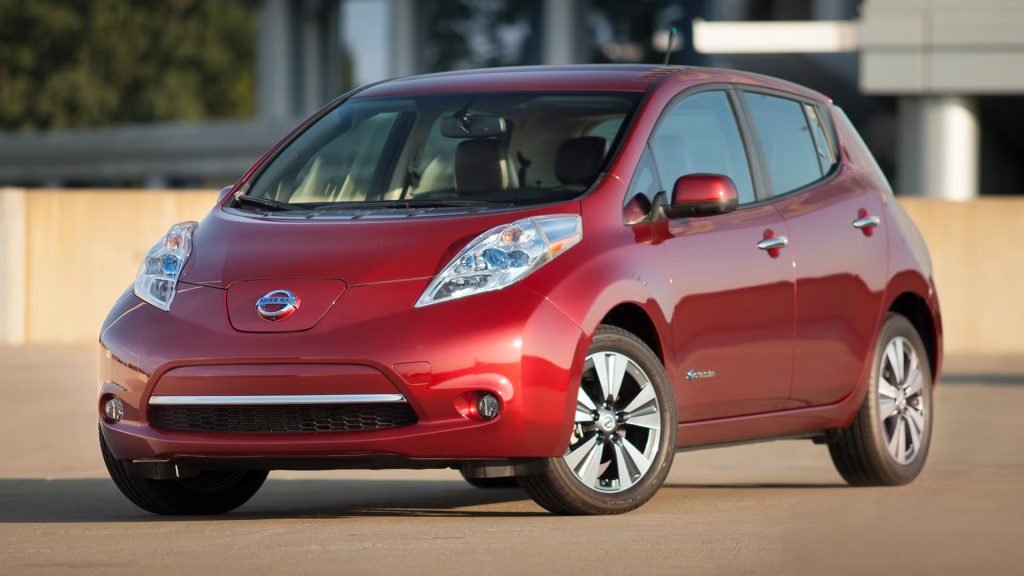
Driving performance also suffers in winter. The Leaf’s traction control system is functional but not optimized for icy roads, and the front-wheel-drive layout can feel unstable during acceleration on slippery surfaces.
We include the Leaf not to diminish its historical importance or its affordability but because it clearly demonstrates the limitations of passive cooling systems in modern winter conditions. Owners in mild climates may love the car, but in harsh winter environments, the Leaf’s lack of thermal sophistication becomes a major drawback.
2. Mazda MX-30
The Mazda MX-30 is a stylish, well-designed crossover with premium interior aesthetics, but unfortunately, it struggles with winter performance due to a combination of a small battery, limited thermal management, and an inefficient heating system.
While Mazda’s engineering focuses on driving feel and compact design, the battery system is not optimized for harsh cold-weather environments.
The most significant winter weakness of the MX-30 is its very small 35.5 kWh battery, which loses capacity rapidly in cold temperatures.
All batteries suffer in the cold, but smaller packs are affected more severely because they have less energy to spare for heating the cabin and warming the cells. As a result, the MX-30’s already limited range becomes even shorter during winter months, making longer trips impractical.
Another issue is that the MX-30’s thermal management system is relatively basic. Mazda does include some heating elements for the battery, but the system is not as comprehensive as those found in EVs from brands like Tesla, Hyundai, or Volvo.
This means the battery may not reach optimal temperature quickly, resulting in sluggish performance and slow charging on cold starts.
The heating system also leans heavily on resistive heating, which consumes energy rapidly and further reduces range. Unlike newer EVs with advanced heat pumps, the MX-30 struggles to maintain cabin warmth without sacrificing a significant portion of driving range.
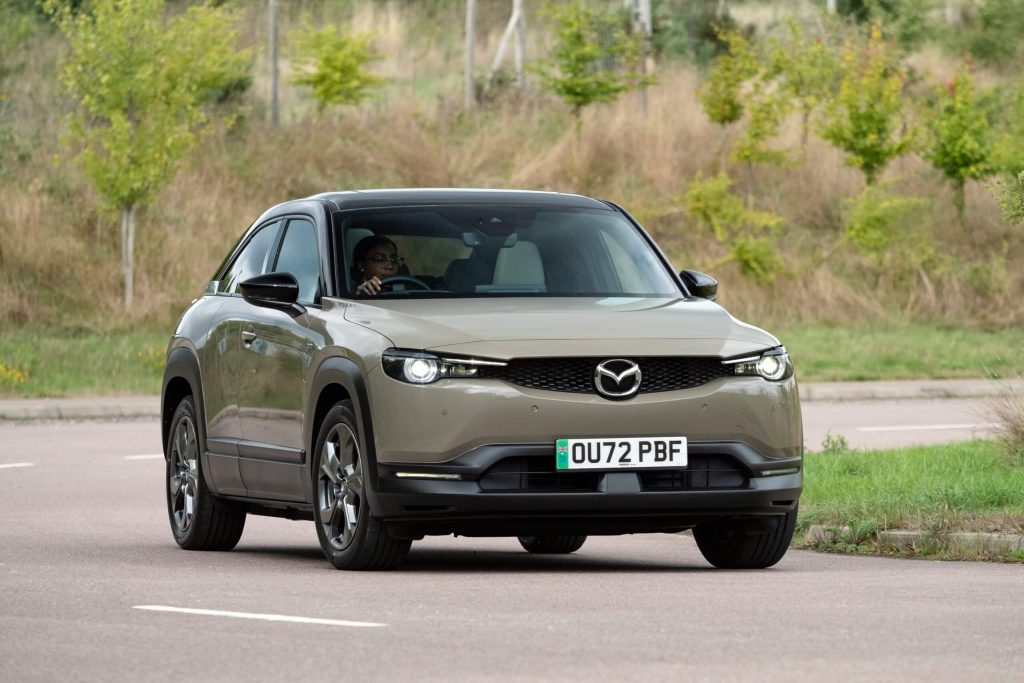
Charging is another area where winter exposes the MX-30’s limitations. Without effective battery preconditioning, fast-charging in cold weather becomes slow and inconsistent. This can frustrate drivers who rely on public infrastructure during winter travel.
We include the MX-30 because it demonstrates the challenges of building an EV with limited battery capacity and minimal thermal management. While it may work well in mild climates or as an urban commuter, the MX-30 simply isn’t designed for drivers who face cold winters regularly.
3. Chevrolet Bolt EV
The Chevrolet Bolt EV is known for its affordability and long range for the price, but winter exposes several engineering limitations that impact its cold-weather performance.
Although the Bolt includes basic battery thermal management, the system is not as robust as those found in more modern EV platforms.
As a result, the Bolt often suffers from significant range loss, cold battery sluggishness, and slow charging during freezing temperatures.
One of the biggest winter challenges for the Bolt is its heavy reliance on resistive cabin heating. Because the earlier Bolt versions do not come with an efficient heat pump, heating the cabin consumes a large portion of battery energy.
This leads to 25–40% range reductions in cold climates, making winter road trips more difficult. Later models added a heat pump, but its efficiency still lags behind those of brands like Hyundai, Tesla, and BMW.
Another issue is the Bolt’s slow cold-weather fast-charging performance. While the Bolt does support fast charging, it’s limited compared to modern competitors even in warm conditions.
In winter, charging speeds drop even further because the battery heater is not strong enough to quickly bring the pack to optimal temperature. Drivers may find themselves stuck at low charging speeds for extended periods.
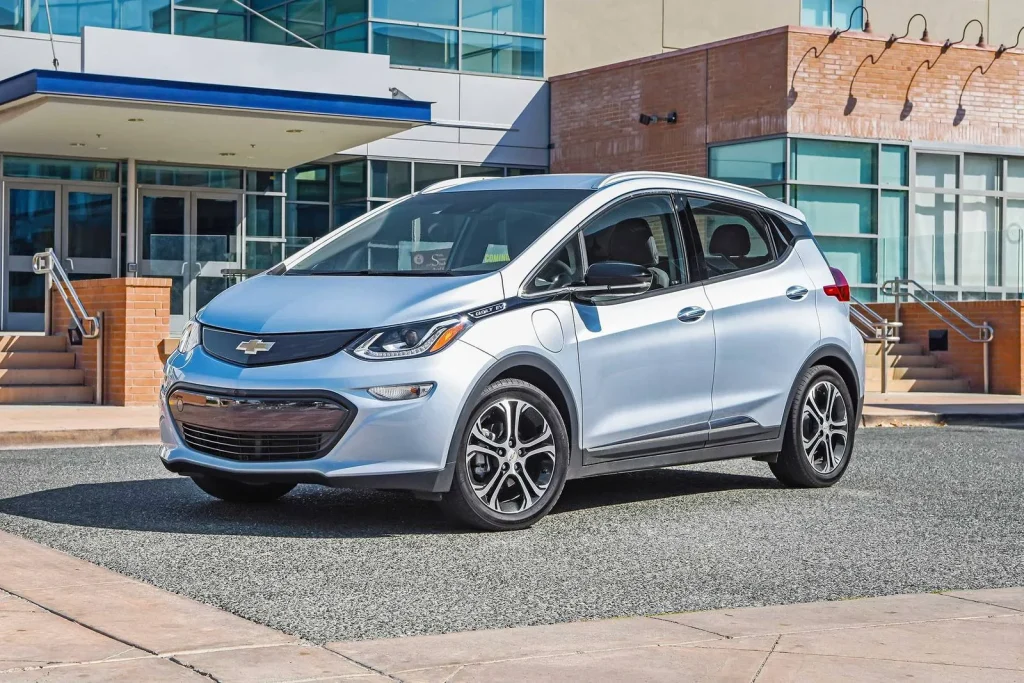
Cold starts can also affect driving performance. The Bolt’s battery tends to lose responsiveness when cold-soaked, resulting in reduced acceleration and sluggish regenerative braking until the battery warms up.
We include the Bolt EV because it represents a transitional generation of EV technology. It is a solid vehicle overall, but its winter performance simply does not match the more advanced systems found in newer EVs.
Drivers in warm climates may never notice these issues, but those facing harsh winters will quickly feel the Bolt’s limitations.
4. Mini Cooper SE
The Mini Cooper SE is one of the most fun-to-drive electric cars on the market, thanks to its compact size, instant torque, and iconic styling.
However, its winter performance is limited for several reasons most notably its small battery capacity, reliance on resistive cabin heating, and average thermal management system. While charming and capable in warmer conditions, the SE struggles to maintain efficiency and range in cold climates.
The Mini Cooper SE uses a 32.6 kWh battery, which leaves very little margin when temperatures drop.
Cold weather can easily cut range by 20–40%, shrinking its usable winter range to levels that make long-distance travel unrealistic. Because the battery is small, energy spent heating the cabin significantly reduces available driving range.
The SE’s thermal management system is serviceable but not exceptional. While the battery is liquid-cooled, the heating capabilities are not aggressive enough to overcome deep-winter cold quickly.
This leads to slow charging at public DC fast-chargers, especially when starting with a cold-soaked battery. Drivers may find themselves waiting much longer than expected before charging speeds increase.
Cabin heating relies heavily on resistive elements, which draw more power than a heat pump. Because the Mini has limited battery capacity to begin with, this creates a cycle: cold weather reduces range, and heating the cabin reduces it further.
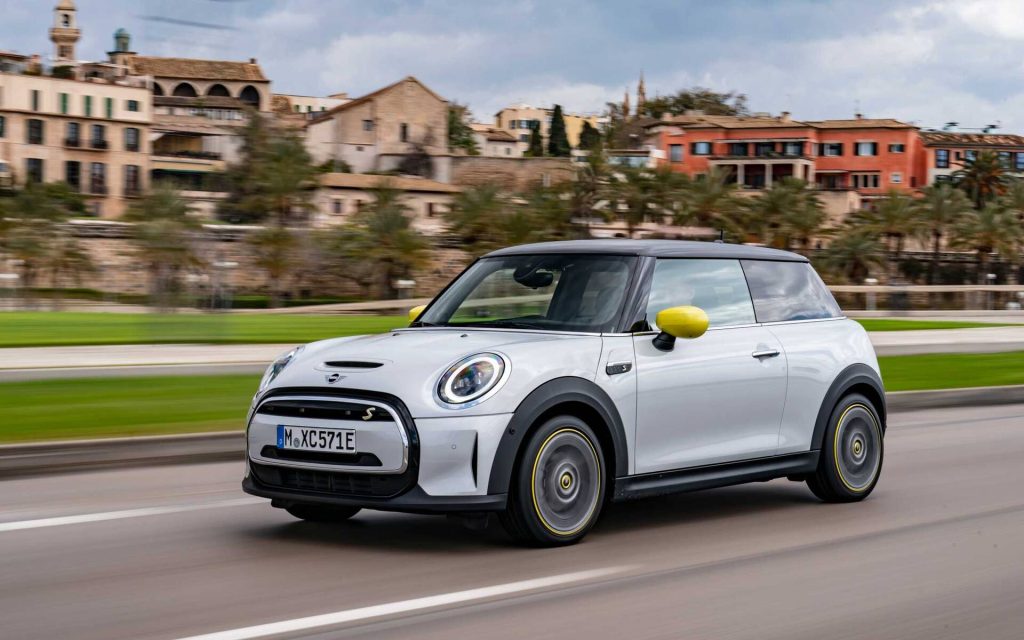
Traction can also be a challenge. The front-wheel-drive layout combined with the Mini’s short wheelbase sometimes makes the SE feel unstable on icy roads. While traction control helps, the car is ultimately designed for city driving, not winter endurance.
We include the Mini Cooper SE because it showcases the challenges of designing a small-battery EV for all-season performance. It excels in urban environments, but in harsh winter climates, its limitations in range, heating efficiency, and charging speed become difficult to overlook.
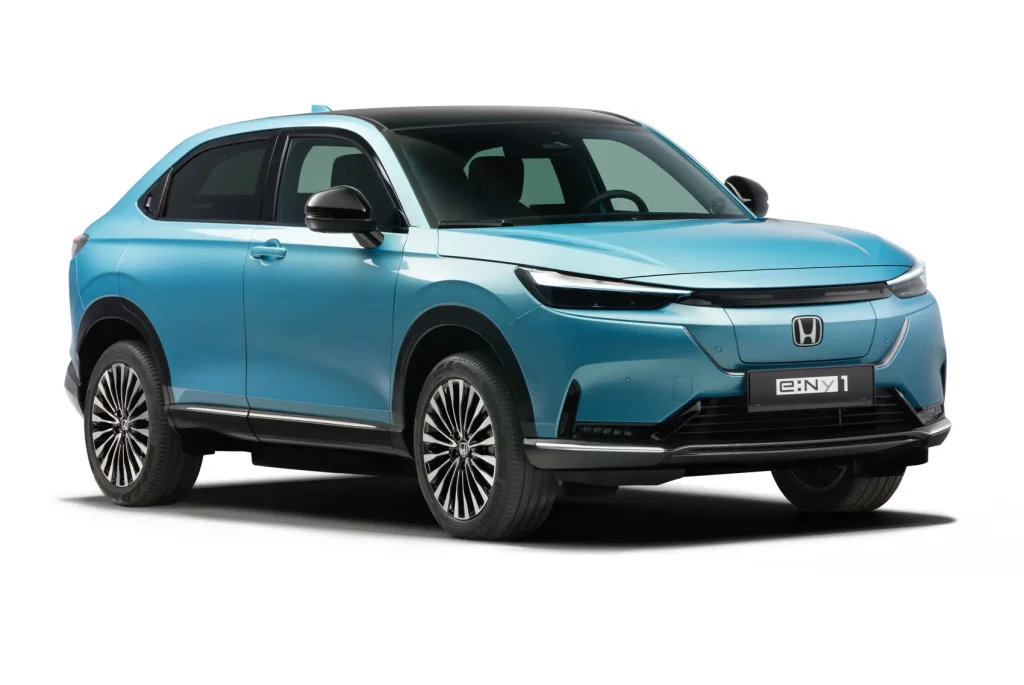
5. Honda e
The Honda e is admired for its futuristic design, premium interior, and delightful driving dynamics, but winter reveals several significant weaknesses in its EV architecture. Honda designed the e primarily for urban environments and mild climates, which means its winter performance suffers notably in colder regions.
The first major issue is the small 35.5 kWh battery, similar in size to the Mazda MX-30’s pack. This small capacity leaves little buffer for the energy demands of cabin heating and battery warming. As temperatures drop, the battery becomes less efficient, range decreases sharply, and drivers may struggle with even moderate winter trips.
The Honda e’s thermal management system is limited compared to more advanced EVs. Although it does include basic liquid cooling and heating, the system is not engineered for extreme cold.
Battery preconditioning is less sophisticated than that of Tesla, Hyundai, or Volvo, so the car often begins trips with a cold pack. This affects both acceleration and regenerative braking, making the vehicle feel sluggish until the battery warms.
Charging is another area where the Honda e struggles in winter. Cold-soaked batteries charge slowly, and because the e lacks aggressive thermal preconditioning, charging sessions can become longer than expected. This limits practicality for winter road trips or public charging in freezing weather.
The heating system also relies heavily on resistive cabin heat. Without a highly efficient heat pump, energy usage increases significantly, compounding the winter range loss issue. For a small-battery EV, this penalty is especially noticeable.
We include the Honda e because it is a great demonstration of a city-focused EV that does not translate well to cold climates.
Its small battery, modest thermal management, and limited charging performance make it ideal for urban environments but poorly suited for regions with long, harsh winters.
Also Read: 5 Cars for Milwaukee Snow & Salt vs 5 That Rust Quickly
