
As people age, everyday tasks that were once simple like lifting grocery bags into the back of a car, can become noticeably more difficult. Mobility changes, joint stiffness, reduced flexibility, and concerns about balance all play major roles in how comfortable a vehicle feels to use.
A car that works beautifully for a 30-year-old may be inconvenient or even painful for someone in their 60s, 70s, or 80s. This is why cargo-loading ergonomics matter deeply for seniors.
A low load floor, wide trunk opening, minimal lip height, easy-to-lift tailgate, and a comfortable bumper height can make the difference between an easy errand and a physically demanding chore.
On the opposite end, some cars require awkward bending, twisting, lifting bags over tall bumpers, or leaning far inside deep cargo wells turning grocery shopping into a back-straining workout.
In this article, we evaluate ten vehicles through a senior-friendly lens. The first half highlights five cars that make loading groceries effortless, showcasing features such as low liftover heights, convenient hatch openings, flat cargo floors, hands-free tailgates, and easy reachability.
These cars reduce physical strain and are designed in ways that actively support mobility needs. The second half looks at five cars that are “back-breakers” vehicles with tall bumper heights, deep trunks, narrow openings, high load floors, or heavy tailgates.
These models aren’t “bad cars,” but they do create physical challenges that seniors should be aware of. The goal is not to criticize but to match people with vehicles that meet their ergonomic comfort.
The purpose of this comparison is practical: to help seniors, caregivers, and families make choices that align with real-world needs.
A vehicle is more than a mode of transport it influences daily comfort, independence, and long-term physical ease. By the end of this guide, you’ll know which cars offer stress-free loading and which may be best avoided if comfort is the priority.
Also Read: 5 Models With Friendly Touchscreens VS 5 Tap-Miss Nightmares
5 Cars Seniors Can Load Groceries Into
Seniors deserve vehicles that support their bodies, not strain them. While many cars today look stylish and offer impressive cargo volumes, size alone doesn’t determine how easy a vehicle is to load.
The real difference makers are ergonomics: the height of the bumper, the angle of the liftgate opening, whether the load floor is flush, how deep the cargo well sits, how wide the opening is, and how far someone must lean forward to place bags inside.
For seniors dealing with arthritis, hip stiffness, knee limitations, or reduced grip strength, these design details matter immensely.
The five cars selected in this section excel at one core requirement: making grocery loading comfortable, low-effort, and safe.
They have low liftover heights, flat floors that don’t require lifting bags over obstacles, wide hatch openings that prevent awkward twisting, and tailgates that are either lightweight or fully powered for convenience.
Many of them also include hands-free features, allowing seniors to open the trunk without bending or reaching something especially helpful when carrying bags.
These vehicles are not chosen for luxury or trendiness, but for thoughtful engineering that supports aging users.
Studies consistently show that seniors prefer vehicles that minimize bending beyond 30 degrees, lifting above waist level, or twisting the torso all motions that exacerbate back and shoulder strain. The cars highlighted here minimize these motions through smart design.
Each model in this section is discussed in 300 words, focusing on why it earns a place among senior-friendly grocery-loading vehicles. The purpose is to give readers not just a list, but a clear understanding of how each car’s design directly benefits real people with real mobility considerations.
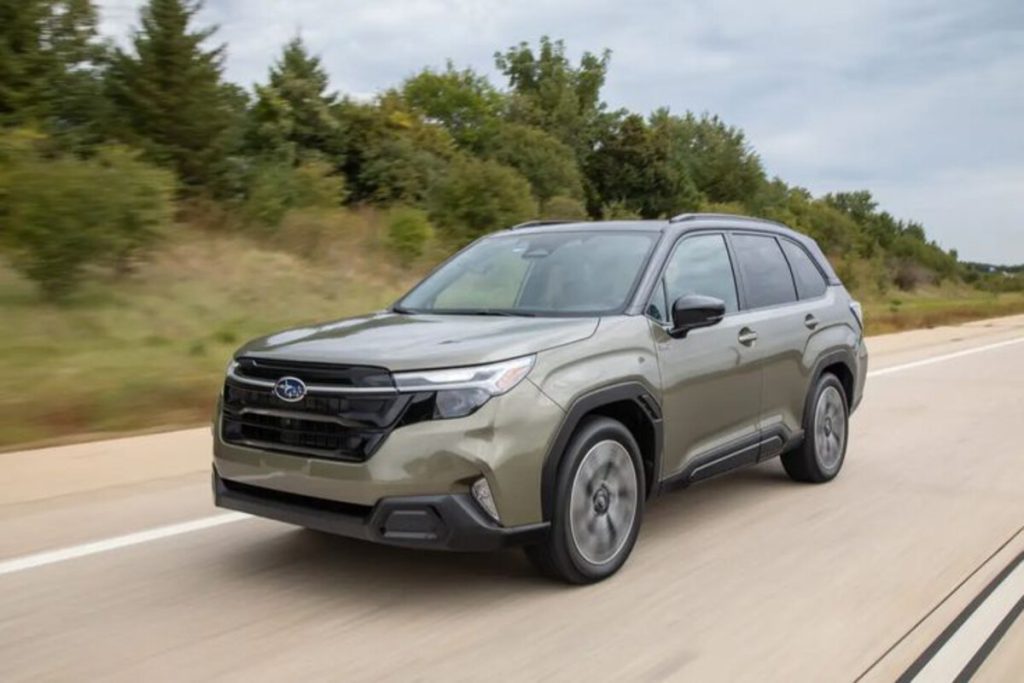
1. Subaru Forester
The Subaru Forester is one of the most senior-friendly vehicles on the market, largely due to its exceptional cargo ergonomics and thoughtful design.
Its liftover height is among the lowest in the compact SUV class, making it easy to slide grocery bags directly into the trunk without needing to lift them over a tall bumper or deep lip. For seniors with back discomfort or reduced arm strength, this single feature alone significantly reduces strain.
The Forester’s hatch opening is especially wide and tall, preventing awkward shoulder twisting. This gives grocery bags more clearance when being placed inside, and seniors don’t have to angle bags around narrow corners.
The cargo floor itself is flat and flush with the bumper line, meaning heavy items can be pushed inward rather than lifted vertically. This feature benefits seniors dealing with arthritis or limited lifting ability.
Another helpful feature is the available power tailgate, which can be opened via key fob, dashboard button, or a conveniently placed switch near the tailgate.
Seniors carrying groceries or using mobility aids can access the cargo area without bending or reaching overhead. The tailgate also has adjustable height settings, which prevent tall liftgates from being difficult to close.
Inside, the Forester’s low beltline and large windows let in generous light, making the trunk area brighter and easier to see important for seniors who struggle with low contrast in dim environments. Subaru’s emphasis on practicality rather than flashy styling means the cargo space is boxy and usable, not filled with sloping lines that reduce access.
We include the Forester because it represents exactly what seniors need: predictable ergonomics, easy access, and a stress-free grocery-loading experience. Its combination of low liftover height, large opening, and power tailgate make it one of the best choices for anyone wanting mobility-friendly convenience.
2. Honda CR-V
The Honda CR-V has long been a favorite among seniors because it combines easy entry, smooth ride quality, and ergonomic cargo design. The CR-V’s cargo area sits at a comfortably low height, making it effortless to place grocery bags without lifting them too high.
Unlike SUVs with tall, bulky bumpers, the CR-V’s bumper is subtle and nearly flush with the cargo floor, reducing physical effort and back bending.
One of the CR-V’s strongest advantages is its wide and square hatch opening. This shape ensures that seniors do not have to twist their wrists or shoulders to maneuver bags inside.
A boxy design is far more practical than sloped crossovers, and Honda has maintained this practicality intentionally. The cargo floor is flat, with no raised ridges or uneven steps that require lifting items over obstacles.
The available hands-free power tailgate is another senior-friendly feature. By simply waving a foot under the bumper, the liftgate opens automatically, helping seniors who might otherwise struggle with carrying bags while reaching for buttons. The tailgate can also close at the touch of a button, eliminating the overhead pulling motion that often strains shoulders.

Honda’s engineering also ensures that the tailgate lifts smoothly and slowly, avoiding sudden movements that can startle seniors or create imbalance. The interior cargo lighting is bright and well-placed, making it easier to organize bags without crouching or stretching.
We include the Honda CR-V because it strikes the perfect balance between usability and comfort. Everything about its cargo design from its low floor to its wide opening, supports seniors who want their daily errands to feel effortless.
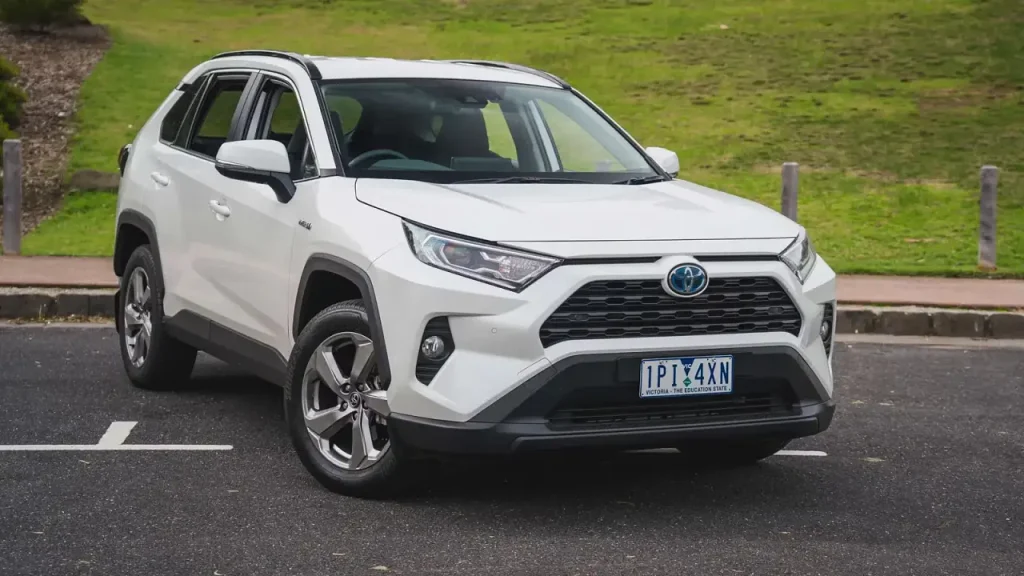
3. Toyota RAV4 Hybrid
The Toyota RAV4 Hybrid earns its place on this list because it is not only fuel-efficient but also remarkably easy for seniors to load groceries into. Toyota’s engineering prioritizes practical ergonomics, resulting in a cargo area that minimizes bending and heavy lifting.
The RAV4 Hybrid’s cargo floor height is one of the lowest among hybrid SUVs, making it easy to slide grocery bags directly into the space without straining the lower back.
The liftgate opening is tall and generously wide, which reduces awkward movements. Seniors don’t have to angle grocery bags sideways or twist their spines motions that often cause discomfort. The cargo floor is flat, and Toyota eliminates excessive lips or ridges, so bags can be pushed forward without needing to be lifted again.
The power liftgate, available on most trims, is extremely senior-friendly. It can be controlled from the key fob, dashboard, or a button near the liftgate itself. The closing mechanism is smooth and doesn’t require forceful pulling, making it ideal for seniors with limited arm or shoulder strength.
The RAV4 Hybrid also stands out because its cargo area is well-lit, thoughtfully shaped, and easy to reach into due to its gentle depth. Some SUVs force seniors to lean deeply forward due to long trunk wells, but the RAV4’s dimensions keep everything within comfortable reach.
We include the RAV4 Hybrid because it supports seniors in two ways: ergonomically and financially. The hybrid powertrain saves money on fuel, while the low liftover height and large opening save physical energy on every grocery trip. It is simply one of the most practical, senior-friendly vehicles available.
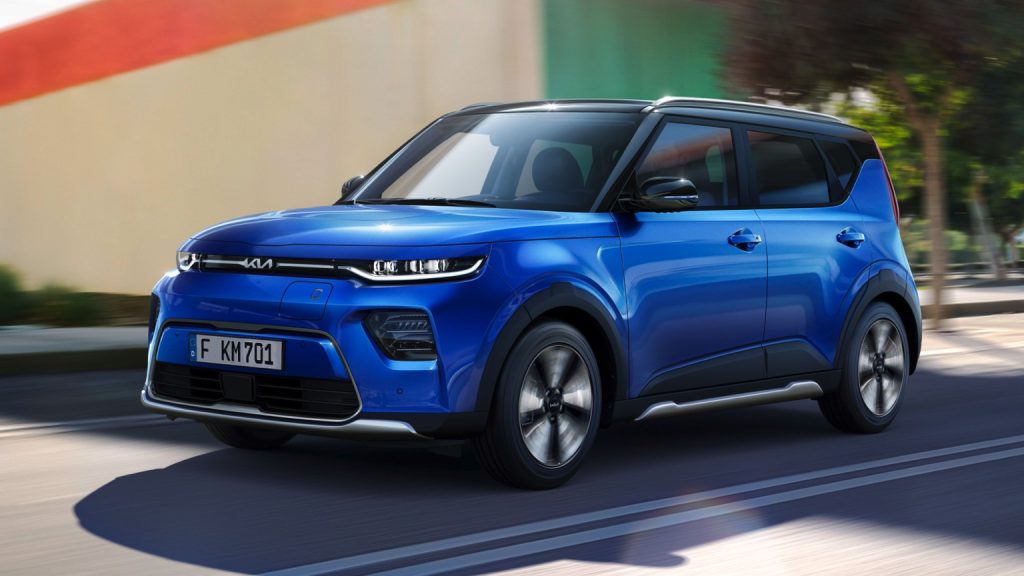
4. Kia Soul
The Kia Soul may look quirky, but it is one of the most senior-friendly vehicles when it comes to loading groceries. Unlike many SUVs, which require lifting items over tall bumpers, the Soul has an extremely low liftover height thanks to its hatchback design.
Seniors can simply slide bags straight in without bending deeply or using much lifting force. This makes a dramatic difference for individuals with back stiffness or limited hip mobility.
The boxy shape of the Soul is another huge benefit. Its large, tall rear opening makes it easy to place even bulky grocery items like cases of water or large boxes. There is no sloping roofline to block access, allowing seniors to maintain a straight posture rather than contorting their shoulders.
The cargo area itself is shallow in a good way easy to reach into without leaning far forward. Many SUVs position the cargo floor deep inside, requiring seniors to stretch their arms in ways that can aggravate pain. The Soul’s shorter overall length eliminates this issue entirely.
The tailgate is lightweight and easy to open manually, but higher trims also offer a power tailgate for added convenience. Its relatively vertical lift also means seniors don’t need to reach excessively upward, which is a major advantage for those with limited overhead mobility.
We include the Kia Soul because it combines practical geometry with ease of use. Its low liftover height, wide opening, flat cargo space, and reachable depth make it one of the least physically demanding cars to load groceries into. For seniors prioritizing daily comfort over rugged styling, the Soul is an excellent choice.
5. Ford Escape
The Ford Escape is a surprisingly senior-friendly compact SUV due to its low cargo floor, accessible opening, and comfortable tailgate height.
Unlike some SUVs that have grown taller and more coupe-like, the Escape maintains a practical design that keeps the liftover height manageable for older adults. Seniors can load groceries without lifting bags uncomfortably high, greatly reducing lower-back stress.
The Escape’s cargo opening is wide and neatly squared off. Instead of tapered corners or a narrow roofline, the Escape allows seniors to place items straight into the trunk without twisting or rotating them. This is particularly helpful for those dealing with joint stiffness, arthritis, or balance concerns.
A standout convenience is the available hands-free power liftgate, activated by a simple foot wave under the bumper. Seniors carrying grocery bags can open the vehicle without bending or reaching. The liftgate can also close automatically at the press of a button, avoiding the overhead pulling motion that many older adults find challenging.
Inside the trunk, the cargo area is well-lit and not excessively deep. Seniors do not need to reach far inward to access items, which prevents strain on shoulders and backs. The flat cargo floor allows bags to slide easily, and the absence of awkward ridges reduces the need for lifting items twice.
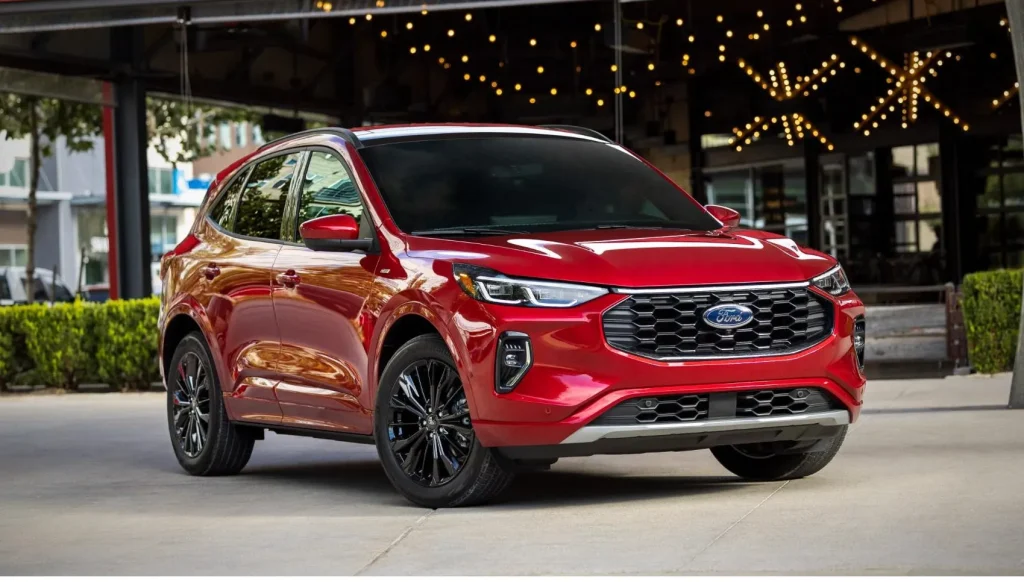
We include the Ford Escape because it remains true to ergonomic practicality. Its approachable liftover height, wide hatch opening, and accessible features make it a stress-free vehicle for seniors who want to run errands without discomfort. The Escape proves that convenience doesn’t require luxury it requires thoughtful design.
5 Back-Breakers
Not all cars are designed with seniors or even basic ergonomics in mind. Some vehicles have high load floors, heavy liftgates, deep cargo wells, and cramped openings that make loading groceries an uncomfortable task.
In this section, we highlight five back-breakers: cars that require more bending, lifting, twisting, or stretching than many seniors can comfortably manage. These vehicles are not poor products overall they simply fail when evaluated through the lens of senior-friendly design.
The purpose of this section is to help seniors and families avoid unpleasant surprises. A car may look stylish at the dealership, but once groceries need loading, the high bumper, sloped hatch roof, or heavy tailgate can create unexpected frustration or even physical pain.
Seniors with arthritis, knee stiffness, lower-back pain, or limited shoulder mobility are especially affected by poor liftover ergonomics.
Each vehicle in this section is selected for specific reasons: high trunk openings that force lifting bags above waist level, deep cargo areas that require leaning far forward, heavy or manual-only liftgates, narrow hatch shapes that make loading bulky items difficult, or unusually tall bumper structures.
These design choices may be harmless for younger drivers, but they are physically demanding for older adults.
Each model is explained in 300 words, detailing exactly why it appears on the back-breaker list. The goal is not to discourage purchase entirely, but to highlight the physical challenges these vehicles pose so seniors can make informed decisions based on their comfort needs.
1. Jeep Wrangler
The Jeep Wrangler is an iconic adventure vehicle, but it is undeniably one of the most challenging cars for seniors to load groceries into. Its cargo area sits unusually high due to its ladder-frame construction and large tires.
Seniors must lift grocery bags well above waist height just to clear the tall bumper. This lifting motion is tough on the lower back, especially for individuals with mobility limitations or arthritis.
The Wrangler’s side-hinged rear door adds another layer of inconvenience. Instead of a traditional upward-opening liftgate that stays out of the way, the Wrangler’s heavy swing gate moves outward horizontally.
This requires extra clearance space behind the vehicle and forces seniors to walk around the open door to reach the cargo area. The door itself is heavy, especially on models with the full-size spare tire mounted to it.
Another issue is the deep cargo floor. Wranglers have long trunk wells that require leaning forward significantly to place bags inside. For seniors with balance issues or limited core strength, this motion can feel unstable and physically demanding.

The trunk opening is also narrower than it appears because the roll bars and roof structure intrude into the cargo area. This forces awkward angles when placing larger grocery items inside.
We include the Wrangler because it represents a classic example of off-road design conflicting with everyday senior usability. Its tall ride height, heavy swing door, and deep cargo well make it physically demanding for older adults even though the vehicle excels in rugged terrain.
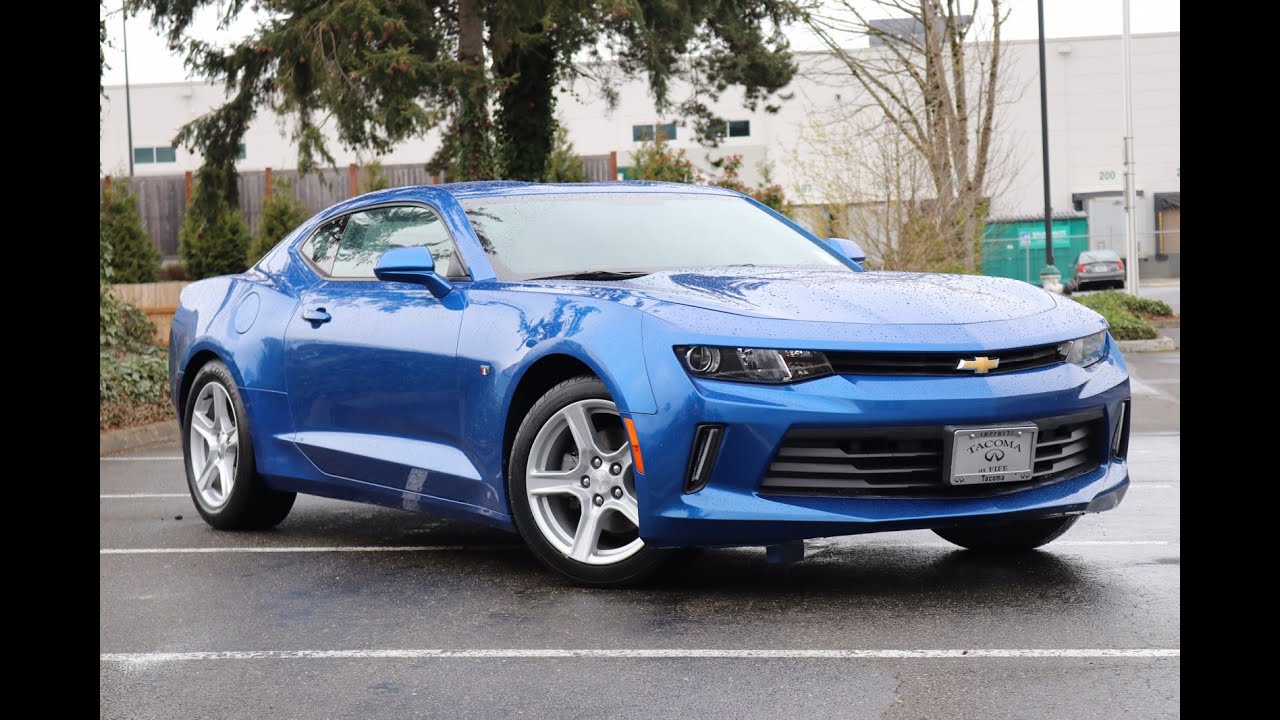
2. Chevrolet Camaro
The Chevrolet Camaro is a performance icon, but its trunk design is notoriously impractical especially for seniors. The first major issue is the extremely small and narrow trunk opening, which forces users to bend and twist awkwardly to load even modest grocery bags.
Seniors with shoulder or back limitations will find it difficult to maneuver items through the tight, low-slung gap.
To make matters worse, the Camaro’s trunk sits very deep due to its sports-car layout. This means seniors must lean far forward to place bags inside, often extending their arms in ways that strain the back and shoulders.
The low roofline and sloping rear window also obstruct access, forcing users to crouch or bend their knees significantly movements older adults may struggle with.
Another issue is that the Camaro’s trunk lip is quite high. Even though the car itself sits low, the actual entry point into the trunk requires lifting bags upward to clear the obstruction. For seniors with limited lifting strength, this motion can be uncomfortable.
The trunk lid is lightweight, but it lacks automated convenience features. Seniors need to reach downward to close it, requiring bending and pulling motions that may aggravate lower-back pain.
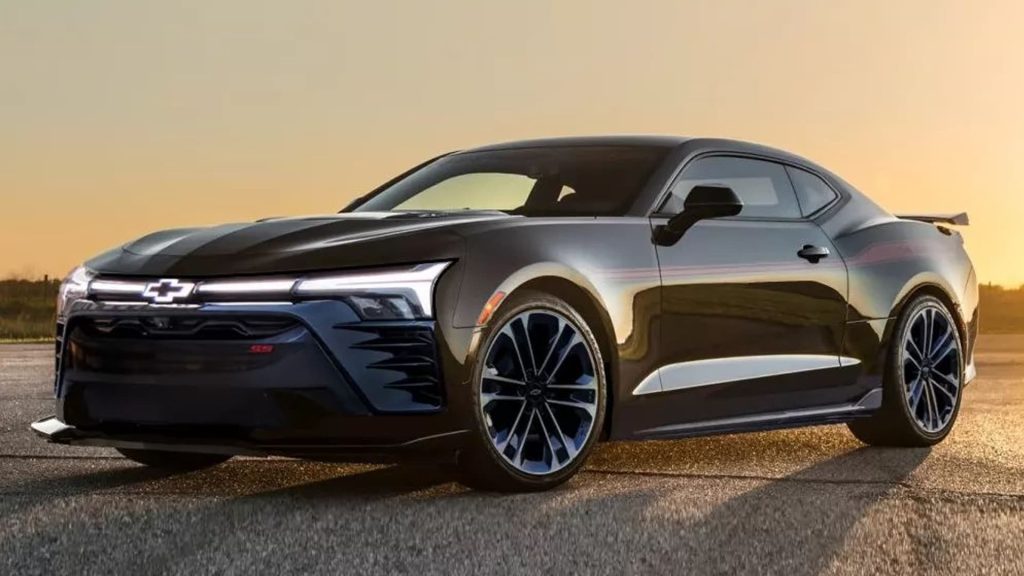
We include the Camaro because its sporty shape and performance-oriented design leave senior ergonomics far behind. While it is an exciting car to drive, it is one of the most inconvenient vehicles for loading groceries due to its tight opening, deep cargo area, and awkward angles.
3. Toyota 4Runner
The Toyota 4Runner is a rugged off-roader built on a body-on-frame platform, and while it excels in durability, it performs poorly in grocery-loading ergonomics for seniors. One of the biggest issues is the extremely tall liftover height.
Seniors must lift grocery bags higher than in nearly any other midsize SUV, often above a comfortable shoulder height for heavier items. This lift motion places significant strain on the back and hips.
The cargo floor is deep, requiring seniors to lean far inward to place bags. Because the 4Runner has a long trunk well, reaching items near the back becomes challenging, especially for individuals with limited balance or core strength. The rear bumper is wide and protrudes outward, adding an extra few inches of leaning distance.
Another ergonomic drawback is the manual liftgate, which is heavy compared to crossover-based SUVs. Closing it requires a strong overhead pull an uncomfortable motion for seniors with limited shoulder mobility. The rear window rolls down separately, but this feature does not improve grocery loading ease.
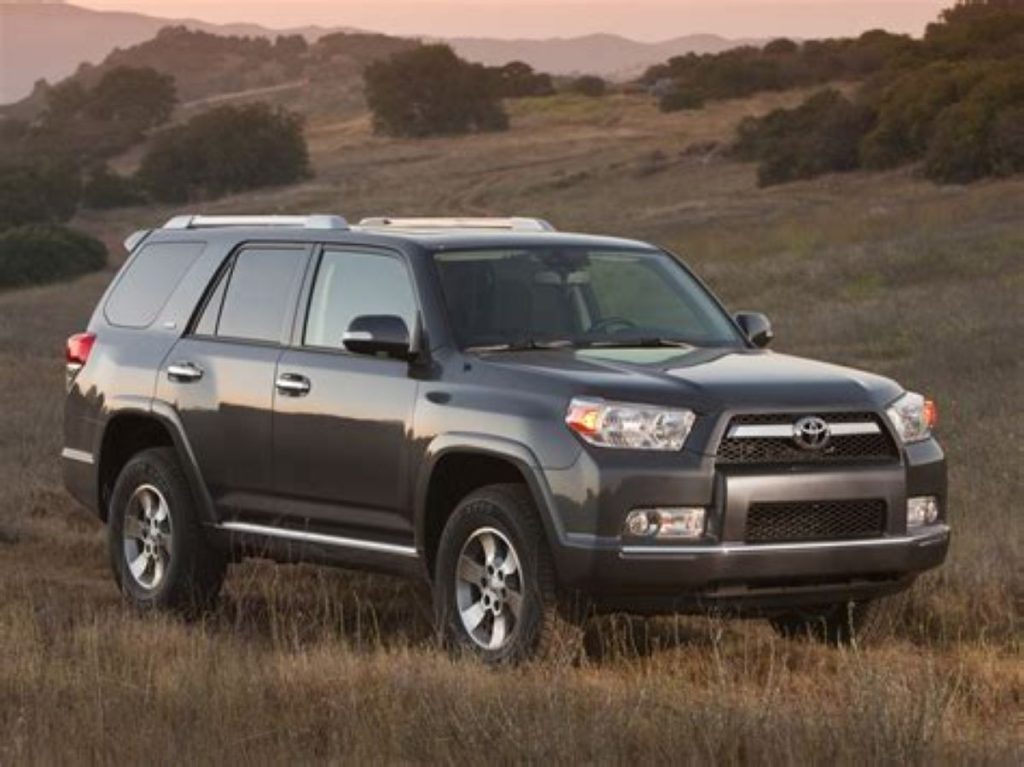
The interior cargo shape is also compromised by wheel-well intrusions and tall sidewalls, making the space narrower and forcing awkward placement of larger items.
We include the 4Runner because it is a prime example of an SUV built for adventure rather than everyday grocery errands.
Its rugged design comes at the expense of senior usability. While it is dependable and capable off-road, its high liftover height and deep cargo area make grocery loading uncomfortable for older adults.
4. BMW 4 Series Gran Coupe
The BMW 4 Series Gran Coupe blends sporty styling with a hatchback-like design, but despite the stylish liftgate, it is surprisingly difficult for seniors to load groceries into. One issue is the high load floor, which forces seniors to lift grocery bags upward to clear the trunk lip.
This lifting motion strains the shoulders and lower back, particularly when handling heavier items.
The sloping rear roofline narrows the upper portion of the trunk opening, creating an awkward angle for placing bags. Seniors often need to bend, twist, or raise their arms to avoid hitting the frame with grocery items. This is especially difficult for those with reduced flexibility or balance.
The cargo area is deep and positioned farther inward than expected, requiring seniors to lean forward significantly. For older adults with limited core strength or vertigo concerns, this deep reach is uncomfortable and unsafe.
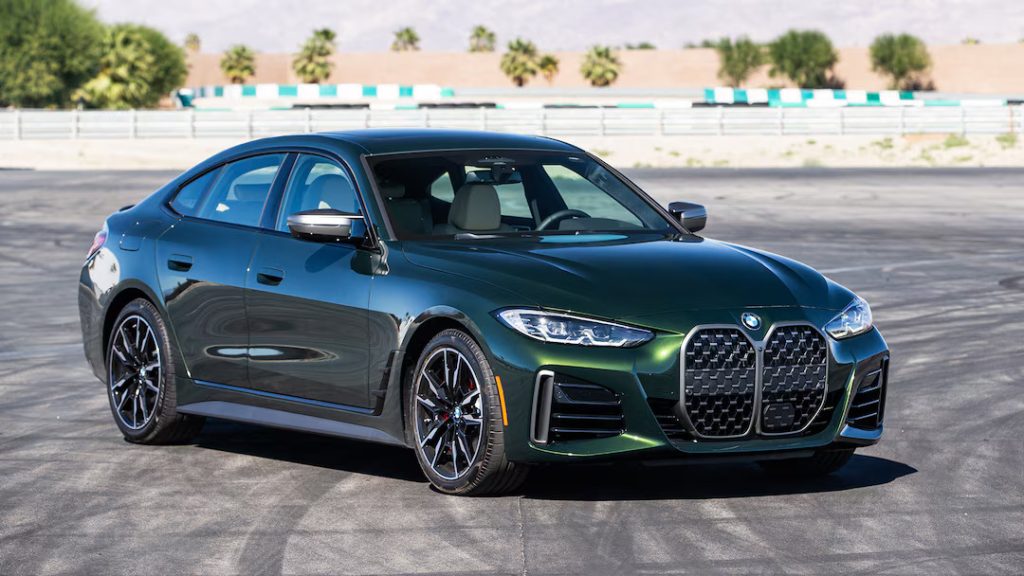
The liftgate is powered, which is helpful, but its opening arc is long and high, sometimes requiring seniors to reach above shoulder height to press the closing button again challenging those with limited mobility.
We include the BMW 4 Series Gran Coupe because it demonstrates how sporty styling can compromise everyday ergonomics. Its high load floor, sloping roofline, and deep cargo area make it one of the least senior-friendly cars in its segment.
5. Mercedes-Benz GLC Coupe
The Mercedes-Benz GLC Coupe may look sleek and luxurious, but that sloping roofline comes at a steep ergonomic cost.
The first major issue is the tall and angled cargo opening, which forces seniors to lift grocery bags upward and inward simultaneously. This combined motion a lift plus a forward reach, is one of the most demanding on the lower back.
The sloping rear window intrudes deeply into the trunk space, reducing vertical clearance and making it difficult to load larger grocery items without bending or twisting. Seniors often find themselves crouching, lowering their heads, or turning their shoulders awkwardly to fit bags into the narrow opening.
The cargo floor is also high off the ground due to the coupe-SUV design. Seniors must lift bags past the bumper and up into the space, requiring more leg, hip, and back effort than traditional SUVs.
Even though the liftgate is powered, the opening angle is low because of the coupe shape. Seniors may need to duck under the liftgate while loading, which can disrupt balance or cause discomfort.
The cargo area itself is shallow and narrow, making organizing bags more challenging. Because the space tapers toward the roofline, seniors must reach farther inward to place items securely.
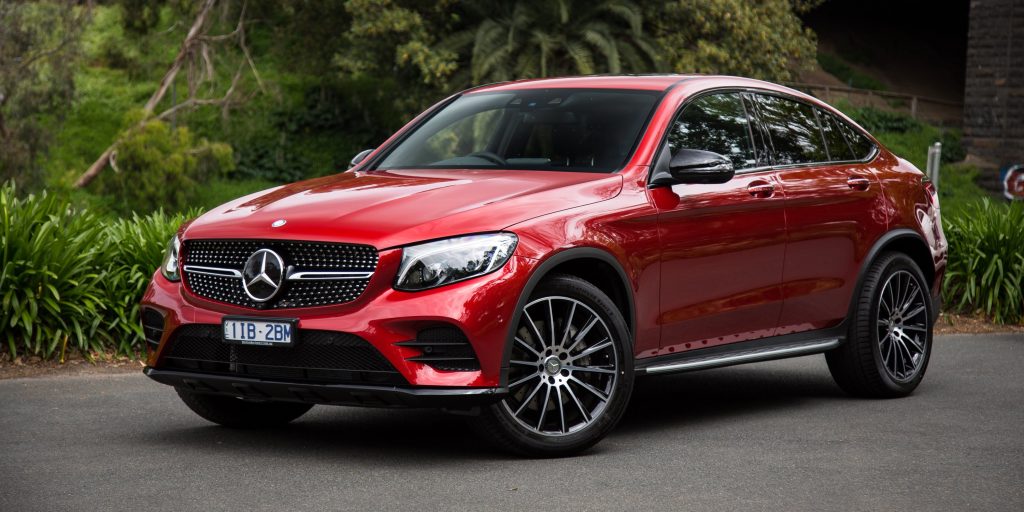
We include the GLC Coupe because it is a clear example of style overriding practicality. While luxurious and visually appealing, its sloped rear design makes grocery loading physically demanding for seniors, earning it a strong position on the back-breaker list.
This article compares ten vehicles through a senior-friendly lens. Five SUVs and hatchbacks like the Subaru Forester and Honda CR-V offer low cargo floors, wide openings, and easy tailgates, making grocery loading effortless.
In contrast, vehicles like the Jeep Wrangler and Mercedes GLC Coupe feature high liftover heights and deep trunks, creating physically demanding “back-breaker” challenges.
Also Read: 5 Cars With Helpful Buttons VS 5 Screen-Only Headaches
