
Comfort inside a vehicle often depends on how well the cabin supports different body shapes, and legroom plays one of the biggest roles in shaping that comfort. Some cars give tall passengers the space they need to stretch, relax, and stay at ease during long drives.
Others feel tight, forcing knees toward the dashboard or restricting movement in ways that can turn even a short ride into an uncomfortable experience.
This article brings both sides together by comparing rides that treat long legs well with cabins that feel cramped. The goal is to give readers a clear idea of how interior space affects comfort and why certain models suit taller passengers better than others.
Drivers and passengers with longer legs usually rely on generous front-row room, smart seating angles, and floor depth that prevents awkward positioning.
Cars that excel in these areas often become favorites for people who value long-trip comfort or simply want daily driving to feel relaxed. On the opposite side are vehicles that look appealing but restrict leg movement once seated.
Tight footwells, limited seat travel, or intrusive center consoles can quickly reduce comfort and make the cabin feel smaller than expected.
This comparison highlights both benefits and drawbacks in a balanced way. The purpose is not to praise or criticize a car entirely but to show how interior space influences real comfort. The first section focuses on rides that give long legs enough room to rest naturally.
The second section looks at cabins that may feel tight for taller occupants and explains why they create that sensation. By laying out these points clearly, anyone searching for a vehicle can make informed choices based on personal comfort needs rather than assumptions about size or style.
Also Read: 5 Cars for Detroit Drivers Who Work Long Hours vs 5 That Fail Early
5 Rides Great For Long Legs
People with long legs often find that choosing a vehicle is more than just comparing looks or engine power.
True comfort comes from the ability to stretch out without feeling constrained. This section focuses on rides that provide excellent legroom, thoughtful seat design, and cabin layouts that allow tall passengers to maintain a relaxed posture during any journey.
The intent behind writing this section is to guide tall drivers and passengers toward vehicles that naturally support their body proportions without forcing them to compromise comfort.
Long-legged occupants often deal with challenges such as cramped footwells, short seat cushions, and dashboards that feel too close. Cars that avoid these issues deliver a more pleasant experience on both long trips and everyday drives.
The models chosen here stand out because their design teams clearly considered how the human body fits inside the cabin. Legroom is not just a number but part of a complete comfort equation that includes steering wheel reach, seat height, and pedal placement. When all of these elements work together, the cabin feels natural instead of forcing adjustments.
Each of the five vehicles discussed here offers a combination of generous space and supportive ergonomics. Whether the car is a sedan, SUV, or crossover, the key factor is how well it accommodates taller individuals without forcing awkward angles.
This makes the vehicles not only practical but also enjoyable for people who prefer comfort without sacrificing usability. The aim of each entry is to show how these cars succeed in giving long legs the room they need and why those traits matter in daily life.
Below are the five rides that truly respect long-legged comfort. Each is presented in 300 words to give a complete understanding of how it performs in real seating situations.
1. Honda Accord
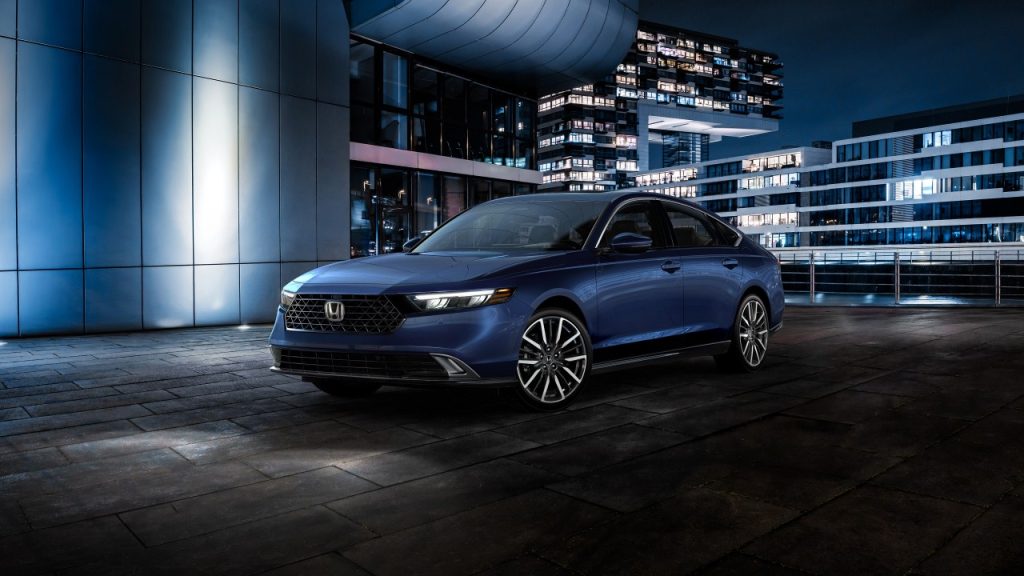
The Honda Accord earns its place in this section because it offers remarkable space for long-legged drivers and passengers. The purpose of highlighting it is to show how a midsize sedan can deliver comfort that rivals much larger vehicles.
Tall occupants often struggle to find a natural seating position, but the Accord’s spacious cabin helps them relax without dealing with tight angles or limited movement.
One major advantage is the generous front-row legroom. The seat travel extends far enough back to accommodate longer legs without forcing the driver to sit too close to the steering wheel. The seat cushion also has good length, supporting the thighs comfortably. This helps prevent discomfort on long drives, where short cushions can lead to pressure and fatigue.
The footwell design is wide and unobstructed, allowing tall passengers to rest their feet naturally instead of having to angle them inward.
The steering wheel offers a wide range of reach and height adjustments, making it easy to find a balanced position. For many tall drivers, this flexibility is essential because it avoids the common problem of sitting too low or too high.
The cabin layout also contributes to overall comfort. The dashboard is placed at a reasonable distance from the knees, and the center console does not intrude into leg space.
This gives the front row an open and relaxed feel. Even in the rear seats, taller passengers find more room than expected, thanks to the long wheelbase and thoughtful design.
The Accord stands out because it is not only spacious but also consistent in its comfort. Every adjustment works smoothly, and the sturdiness of the seating helps maintain posture during long trips.
For those with long legs, the Accord delivers a balanced mix of space, support, and practicality, making it an excellent option for daily use as well as extended journeys.
2. Toyota Camry
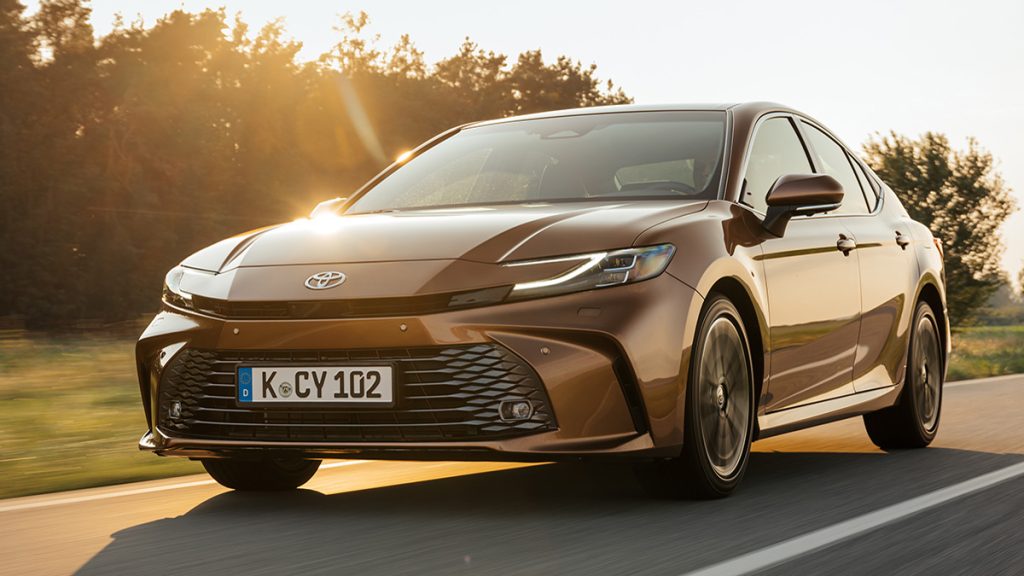
The Toyota Camry appears in this section for its well-designed interior that supports taller individuals with ease. The reason for writing about it is the way it balances spaciousness and comfort without compromising drivability.
Long-legged occupants often seek a vehicle that does not force them to adjust constantly to avoid discomfort, and the Camry fulfills that need with its generous cabin proportions and ergonomic flexibility.
The front seats offer notable legroom, allowing drivers to stretch their legs comfortably even when the seat is moved far back. The seat cushion length is supportive, which helps taller passengers maintain a natural posture.
The footwell is deep and free from awkward bumps or protrusions, allowing free movement and comfortable placement of the feet. These elements make a noticeable difference during long journeys or repeated daily drives.
Seat adjustments also give tall drivers the range they need. The steering wheel offers both tilt and telescopic movement, contributing to a relaxed driving position.
When all adjustments are combined, it becomes easy to maintain proper distance from the pedals without feeling cramped. The Camry also positions the dashboard thoughtfully so that knee space remains unhindered.
Rear passengers benefit from more room than expected for a sedan of this size. Taller individuals can sit comfortably without pressing their knees into the front seats, making the Camry suitable for families with tall members or for shared travel with coworkers or friends.
The Camry’s quieter cabin and stable ride further enhance comfort. For tall occupants, a stable and calm ride reduces the fatigue that can come from constantly adjusting posture.
Overall, the Camry earns its place because its interior design consistently supports long-legged comfort, making it a reassuring choice for people who prioritize spaciousness in a practical and dependable sedan.
3. Subaru Outback
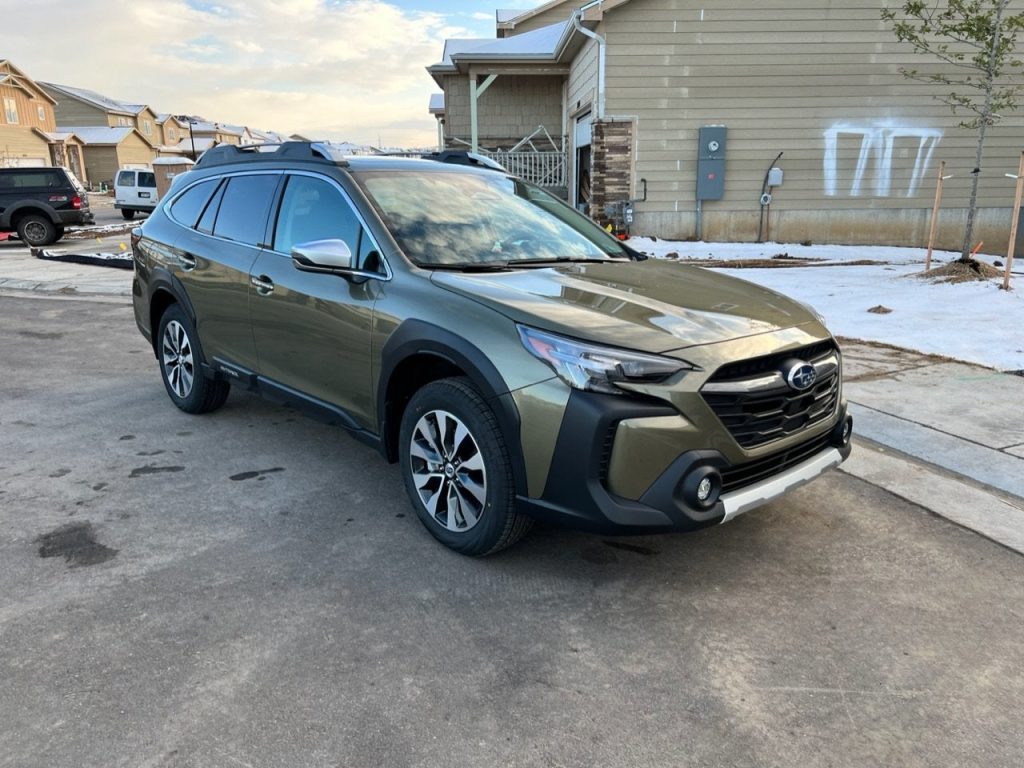
The Subaru Outback is included here because it gives tall occupants the kind of space and comfort that make long drives feel natural. The intent behind writing about it is to show how a practical crossover wagon can deliver exceptional ergonomics for people with long legs.
Many tall passengers struggle with low seating positions or restricted movement, but the Outback avoids those issues with its thoughtful cabin layout.
One of the Outback’s strongest qualities is its generous front-row legroom. The seat travels far enough to suit even very tall drivers, and the cushion length supports the thighs comfortably.
This helps prevent fatigue during long trips or daily commutes. The upright seating position also creates more natural leg alignment, reducing the strain that can come from being positioned too low.
The footwell is wide, which allows freedom of movement for the feet. This reduces the sense of confinement that many tall passengers experience in smaller vehicles. The adjustable steering wheel provides enough reach and height to allow drivers to fine-tune their posture without compromising control.
Rear passengers also receive impressive legroom. Even when the front seats are positioned for tall drivers, the rear row still has enough space to prevent knees from touching the seatbacks. This makes the Outback ideal for families with tall members or for carpooling.
Ride comfort adds to the experience. The suspension keeps the cabin steady without harshness, which helps tall passengers maintain a relaxed posture. Combined with a spacious interior and practical design, the Outback consistently supports comfort.
This model earns recognition because it blends usability with generous interior space. For people with long legs, the Outback’s layout reduces strain and maintains comfort across various journey types, making it one of the best options in its class.
4. Volkswagen Passat
The Volkswagen Passat earns its place in this section because of its impressive ability to accommodate long legs without forcing awkward positions.
The purpose of writing about it is to highlight how a sedan can provide exceptional interior space while maintaining a refined and calm cabin experience. Tall occupants often struggle in midsize sedans, but the Passat consistently avoids that problem.
The front-row legroom is among the best in its class. The seat can slide far back, giving even very tall drivers the space they need to stretch comfortably.
The seat cushion is long and flat, helping support the thighs during extended trips. The footwell is spacious and free from obstructions, so the driver and passenger can reposition their legs naturally without feeling squeezed.
The steering wheel adjustment range is wide, allowing a comfortable reach without forcing the driver to sit too close. This flexibility helps maintain proper alignment between seat, pedals, and steering wheel, which is essential for tall drivers who want to avoid strain.
Rear passengers also benefit from excellent legroom. The Passat’s long wheelbase translates into a roomy rear row that comfortably fits tall occupants. Knees and feet have space to rest naturally, which makes the cabin suitable for long group trips or daily commuting with passengers of varying heights.
Ride comfort supports overall relaxation. The suspension absorbs small road imperfections smoothly, helping tall passengers maintain a steady posture. The cabin is also spacious across shoulders and hips, which reduces the tight feeling that sometimes affects taller individuals.
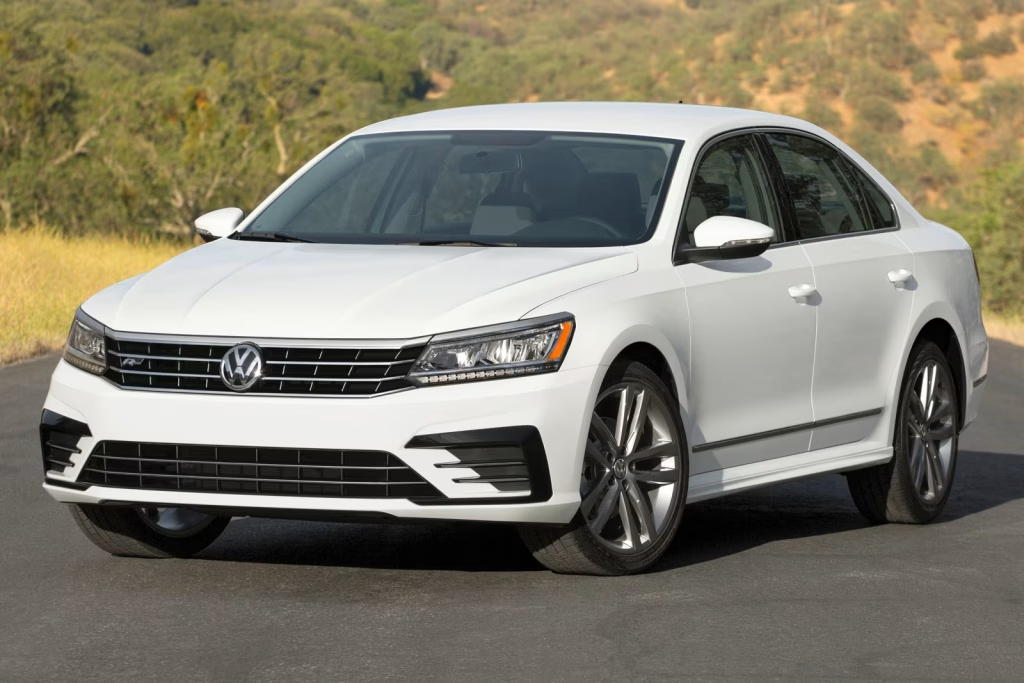
The Passat stands out because it offers a balanced combination of comfort, space, and usability. Tall drivers and passengers appreciate the thoughtful placement of controls and the open feel of the cabin. Its generous proportions make it an excellent option for anyone who values legroom in a sedan.
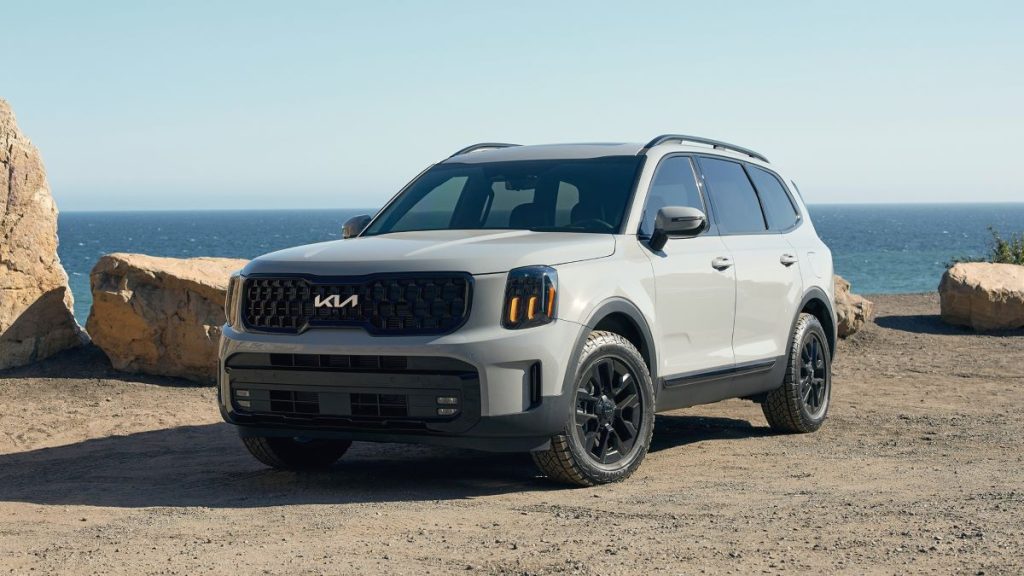
5. Kia Telluride
The Kia Telluride is featured in this section because it delivers exceptional space that tall drivers and passengers can appreciate immediately.
The intent behind highlighting it is to show how a three-row SUV can provide comfort without sacrificing practicality. People with long legs often avoid three-row models due to cramped space in certain areas, but the Telluride is designed to prevent that.
The front seats offer abundant legroom, with enough travel to accommodate tall occupants easily. The seat cushions are long and supportive, helping maintain comfort during extended journeys. The footwell is deep and allows natural foot placement, avoiding the angled or tucked positions that often cause discomfort for taller individuals.
The second row provides generous space as well. Unlike many SUVs where the second row feels compressed, the Telluride gives passengers ample room to stretch. This makes it suitable for families with tall members or for long trips where everyone needs consistent comfort.
Even the third row is more accommodating than expected. While not as spacious as the first two rows, it still offers enough leg movement for tall passengers on shorter trips, which is uncommon for vehicles in this category.
Controls and seating adjustments add to the experience. Tall drivers can fine-tune their posture through a wide range of seat and steering wheel settings. The dashboard design is placed at a comfortable distance from the knees, reducing the feeling of confinement.
Ride comfort complements the generous space. The suspension smooths out rough patches well, helping tall passengers maintain a relaxed posture.
The Telluride earns recognition because it respects the needs of long-legged occupants throughout the cabin. It combines thoughtful design, spacious seating, and smooth comfort, making it one of the best options for tall individuals seeking a roomy SUV.
5 Cramped Cabins
This section focuses on vehicles that tend to feel restricted for tall occupants, especially those with long legs. The purpose of writing about them is to help buyers understand which cabins may not provide the comfort they expect.
Some cars look stylish or offer exciting features, but once seated, tall passengers may discover tight footwells, limited seat travel, or dashboards positioned too close for comfort. While these cars may perform well in other areas, their seating space can be challenging for people who need extra room.
Cabin comfort depends on several factors including legroom, seat height, cushion length, pedal placement, and overall interior structure.
When these elements are not balanced, the cabin begins to feel cramped. Tall drivers often find themselves adjusting frequently, trying to create more space where none exists. This leads to discomfort during daily commutes or longer journeys.
Some vehicles prioritize sporty styling or compact proportions, leading to smaller interiors. Others focus on exterior design that affects visibility and reduces usable leg space inside.
In some models, the center console intrudes into the leg area, limiting movement for taller occupants. These aspects can turn what appears to be a good car into a less comfortable experience for specific passengers.
The five vehicles chosen for this section represent different body types, from compact cars to SUVs. Each one has qualities that may appeal to some buyers, but taller individuals often report discomfort when using them. The explanations below focus specifically on why these models feel cramped rather than judging their overall performance.
Each entry is written in 300 words to clearly explain the cabin characteristics that affect leg comfort. This helps readers understand which vehicles may not suit taller occupants and why these limitations matter during real-world use.
1. Mazda CX 30
The Mazda CX 30 appears in this section because its cabin design, while stylish and high in quality, can feel restrictive for tall occupants. The reason for writing about it is to show
that compact crossovers sometimes sacrifice interior space in pursuit of exterior proportions and design themes. For long-legged passengers, this becomes noticeable as soon as they settle into the cabin.
One challenge is the limited front-row legroom compared to other crossovers in its class. The seat travel does not extend far enough back for some tall drivers to find a relaxed position. The seat cushion is also shorter than ideal, offering less thigh support. During longer drives, this results in discomfort as taller occupants must shift repeatedly to maintain comfort.
The footwell is narrow, and the center console sits close to the leg area, which restricts movement on the right side. This makes the cabin feel tighter than expected. Pedal placement also contributes to the sense of limited room, especially for drivers with longer legs who need extra space to stretch naturally.
Rear passengers with long legs find the space even more restrictive. Knee room becomes tight quickly, particularly when the front seats are positioned for tall drivers. This limits the CX 30’s flexibility as a family or shared vehicle when taller individuals are involved.
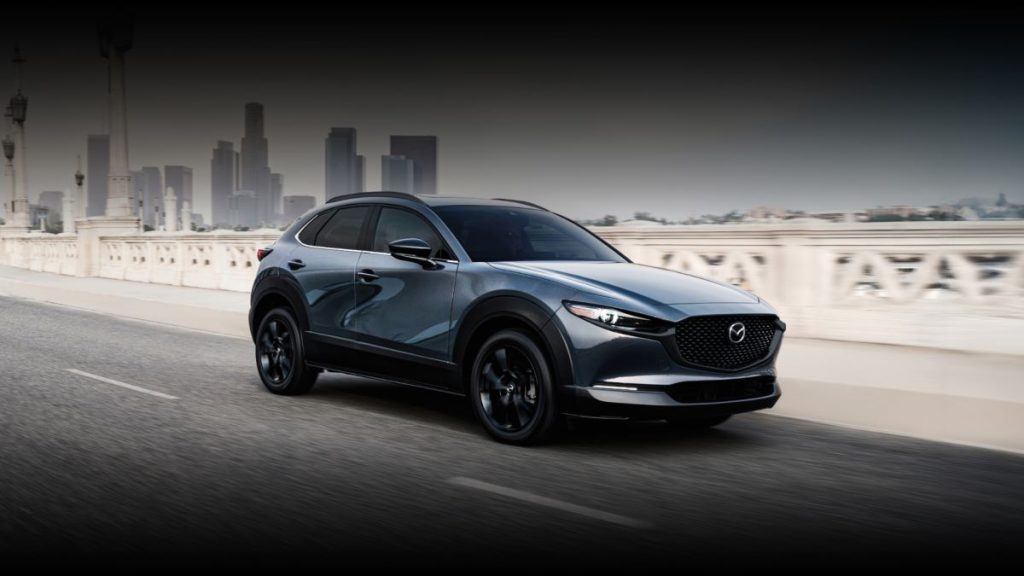
Visibility factors also add to the experience. The dashboard sits slightly higher, and the roofline slopes downward toward the rear, giving the cabin a cozier appearance but reducing the sense of openness. For tall passengers, this combination can add to the perception of limited space.
Although the CX 30 excels in handling, quality, and style, its cabin design makes it less ideal for tall occupants. The restricted legroom and tight footwell place it in this section as a model that may feel cramped for those who require more interior space.
2. Mini Cooper 3 Door
The Mini Cooper 3 Door is well known for its playful personality and iconic styling, but its cabin can feel restrictive for tall occupants. It is included in this section to highlight how compact dimensions, which contribute to its fun driving character, also reduce space for long legs.
The car is charming on the outside and energetic on the road, but it becomes a challenge when taller passengers try to find a comfortable position.
The front seats offer limited travel, which means tall drivers may struggle to position themselves far enough from the pedals.
The seat sits relatively low, and the cushion length is shorter than many competitors, which reduces thigh support during longer trips. These elements combine to make the front row feel narrower than expected.
The dashboard is positioned close to the driver, and the large round center display takes up cabin space visually. While the design is distinctive, it may feel intrusive for people who need extra legroom. The footwell is narrow as well, restricting comfortable foot placement. For tall drivers, this leads to an angled leg posture that becomes tiring during extended driving.
The rear seats are even smaller. Knee and foot space are minimal, making the rear row unsuitable for tall occupants except for very short trips. The sloping roofline also reduces headroom, adding to the feeling of confinement.
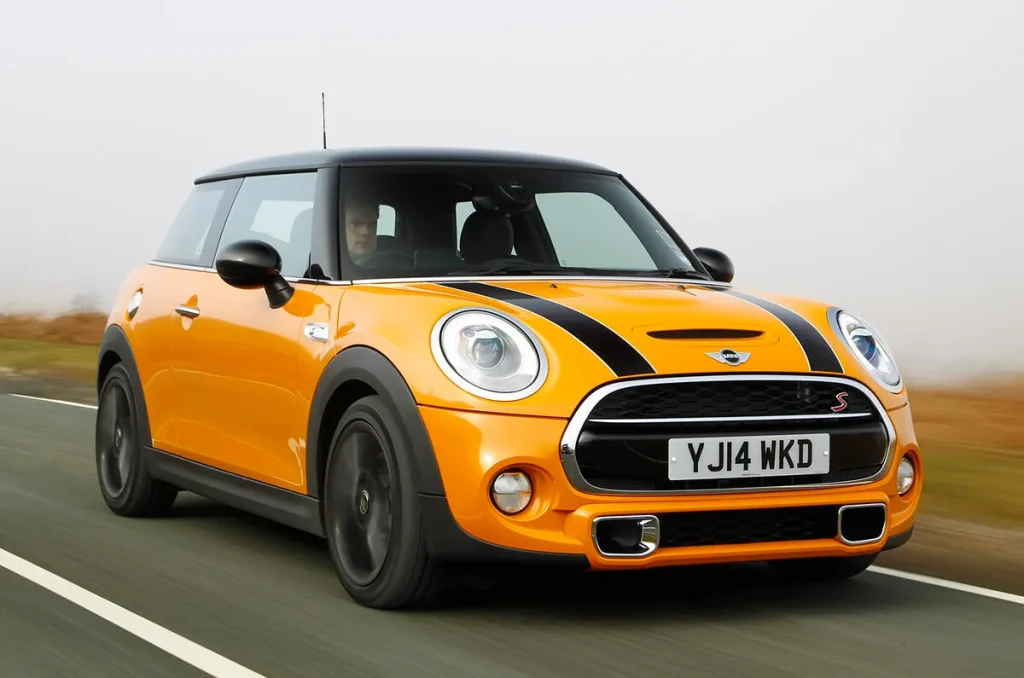
The compact doors and low roof make entry and exit more difficult for tall individuals. This becomes noticeable during errands that involve multiple stops. While the Mini Cooper 3 Door excels in style and agility, its interior dimensions do not support taller passengers well.
The purpose of including this model is to give readers a clear understanding that its charm does not translate into comfort for long legs. The tight cabin makes it one of the most cramped options for tall occupants.
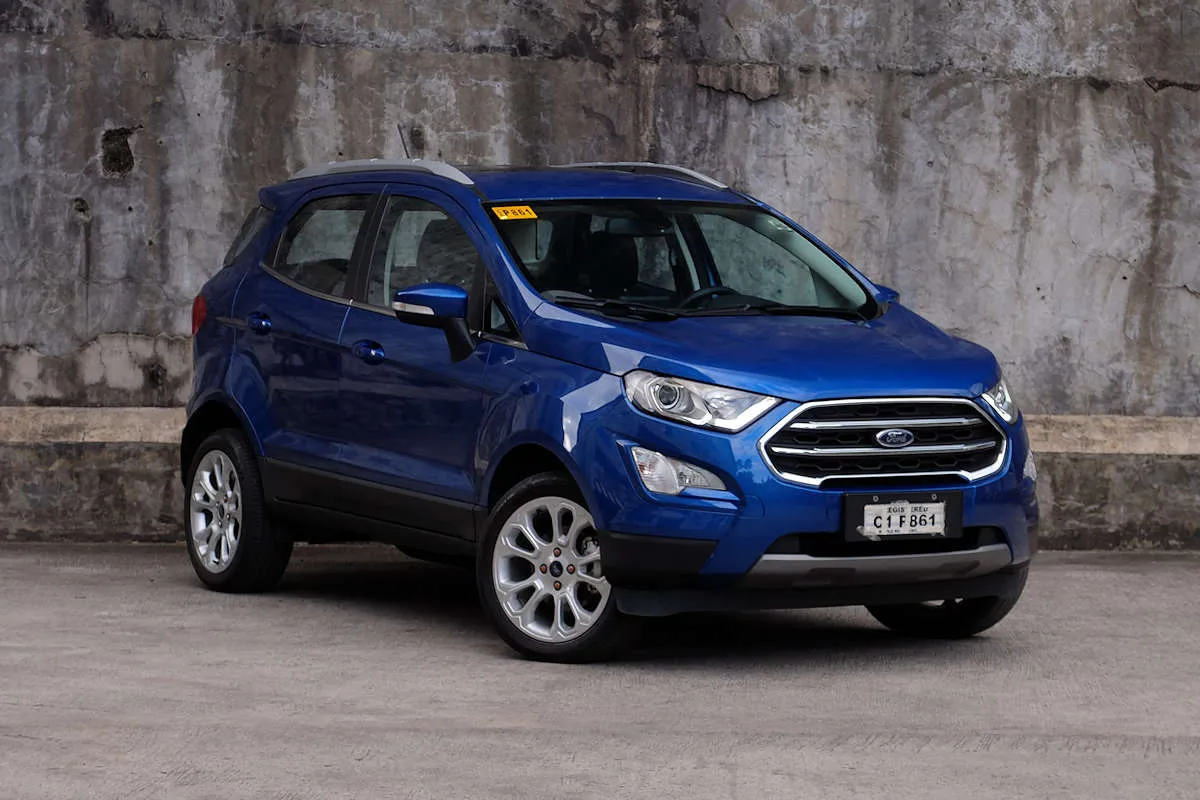
3. Ford EcoSport
The Ford EcoSport is featured in this section because its cabin feels tight for tall occupants, especially those who need generous legroom.
It is written about here to show how compact SUVs sometimes combine upright design with limited interior space, creating an unexpectedly cramped seating environment. Even though the EcoSport is practical in many ways, tall passengers often find the cabin restrictive.
The front-row legroom is limited compared to competitors. The seat travel does not extend far enough back for taller drivers to achieve a relaxed position.
This forces them to sit closer to the pedals and steering wheel than they prefer. The seat cushion is also shorter than ideal, reducing thigh support. During long drives, this can lead to discomfort and frequent posture adjustments.
The footwell is narrow, and the center console intrudes into the side of the leg area. This prevents natural leg placement and leads to a sense of confinement. Taller drivers often report having to angle their legs awkwardly, which affects comfort and driving posture.
The rear seats feel tight as well. Legroom diminishes quickly when the front seats are pushed back. Tall passengers rarely find enough space in the rear row, and foot space under the front seats is limited. This makes the EcoSport less suitable for shared travel involving tall occupants.
Entry and exit can also feel cramped due to the vehicle’s compact height and short door openings. Tall individuals may need to bend significantly to enter comfortably.
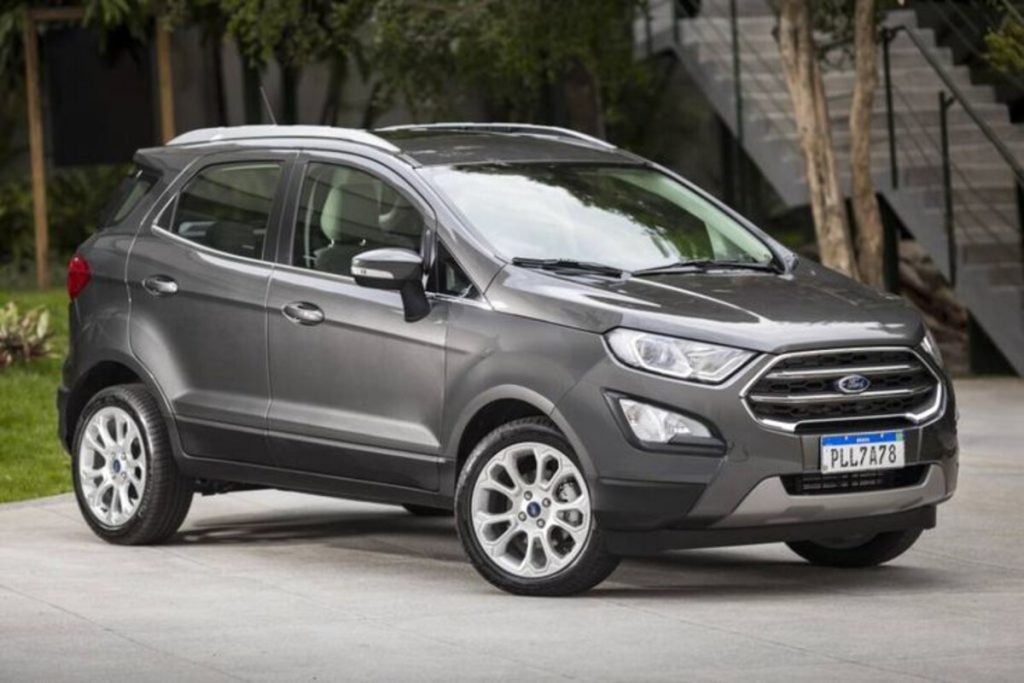
While the EcoSport offers good drivability, its cabin does not provide the space needed for long-legged comfort. The restricted legroom, narrow footwell, and limited rear seating confirm its place in this section as a model that may feel confining for taller passengers.
4. Toyota C HR
The Toyota C HR appears in this section because it combines sporty styling with a compact cabin that may feel confining for tall occupants. The reason for writing about it is to show how design choices can affect comfort, especially for passengers with long legs.
While the C HR attracts attention for its looks, it does not offer the spacious interior that tall passengers need.
The front-row legroom is less generous than many rivals. The seat travel is limited, which means tall drivers cannot position themselves as far back as they might prefer. The seat cushion length is moderate, providing only partial thigh support. This becomes noticeable during long drives when the legs need continuous comfort.
The footwell is narrow, and the sloping dashboard design reduces knee room. This combination forces tall drivers into a compressed seating posture. The center console also sits close, limiting the space available for natural leg placement. These factors contribute to a cabin that feels tighter than expected.
The rear seats face even greater limitations. Legroom is quite restricted, especially when the front seats are set for tall occupants. The rising window line and sloping roof reduce openness, making the cabin feel confined. Tall rear passengers may struggle to find comfort even on short trips.
Entry and exit can also feel awkward due to the roofline and door shape. Taller individuals need to bend more to get in comfortably.
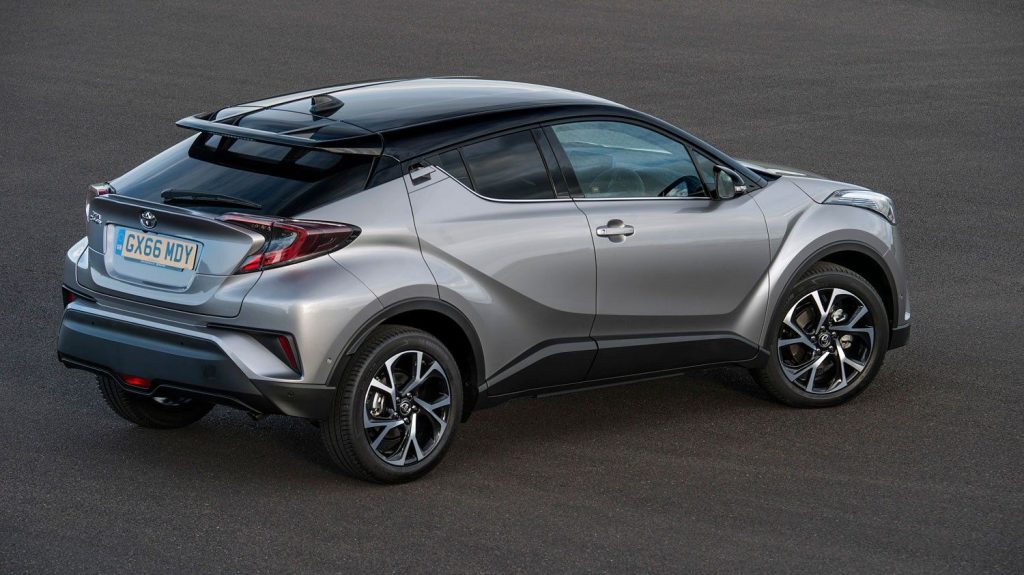
While the C HR stands out for its distinctive design and handling, its cabin does not favor long-legged passengers. The limited legroom, compressed footwell, and tight rear section make it less suitable for taller individuals.
The purpose of including it in this section is to help buyers understand that its stylish appearance does not translate into spacious interior comfort.
5. Hyundai Kona
The Hyundai Kona is included in this section because its compact dimensions lead to a cabin that feels restrictive for tall occupants.
It is written about here to explain how space limitations can affect comfort even in a well-equipped small SUV. Despite its strengths in technology and efficiency, the Kona presents challenges for people with long legs.
The front seats offer limited legroom, and the seat travel does not extend far enough back for some tall drivers. This forces them into a closer driving position than they prefer. The seat cushion is also short, offering minimal thigh support. Over time, this leads to discomfort and a need to shift positions frequently.
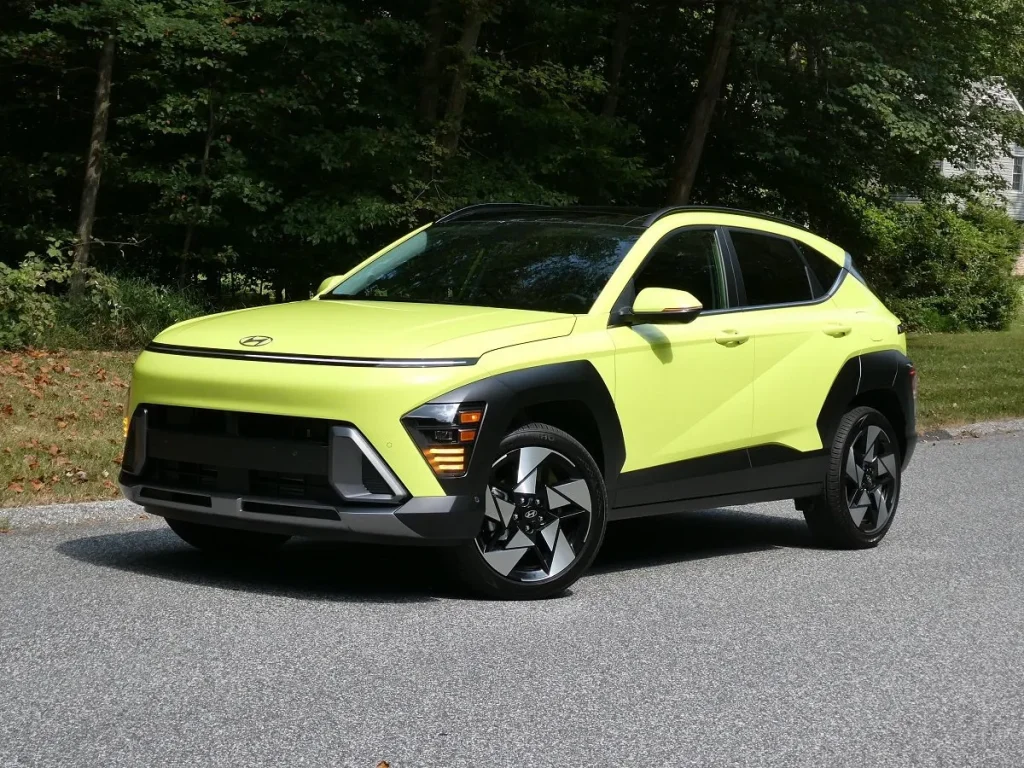
The footwell is narrow and occupants may find themselves placing their feet at an angle. The center console sits close to the leg area, restricting movement further. These factors combine to create a feeling of limited space that becomes more noticeable during long trips.
Rear passengers experience even tighter conditions. Legroom decreases significantly when the front seats are adjusted for tall drivers. The sloping roofline reduces headroom, adding to the sense of confinement. For tall individuals, the rear row is suitable only for short journeys.
Visibility and entry are also affected by the compact design. The door openings are smaller than those of larger SUVs, requiring tall passengers to bend and adjust more during entry and exit.
Although the Kona provides agility, good features, and smart technology, its cabin space does not support long-legged comfort.
The narrow footwell, limited legroom, and tight rear section place it firmly in this group of cramped cabins. The purpose of including it here is to give tall buyers a clear understanding of the space limitations they may face.
Also Read: 8 Seriously Quick Manual Sports Cars You Can Get for Under $25K
