
Carpool lanes are designed to ease the pressure of rush-hour congestion, yet not every car is equally suited for this unique part of the commute.
Some vehicles make multi-passenger travel smooth, relaxed, and coordinated, helping riders settle in comfortably while maintaining efficient movement through heavy traffic.
These cars tend to offer wide cabins, supportive seating, well-placed controls, and enough space for several people to enter, exit, and sit without awkward angles or cramped posture.
On the other end of the spectrum are cars that shine when only one person is behind the wheel. These tend to feel personal, pointed, and focused, which works wonderfully for solo drivers but may create discomfort if more passengers are added.
This article draws attention to both types of vehicles so readers can understand how car design plays a direct role in shared travel versus personal-use travel.
Commuters often choose a car without thinking deeply about how often they carry extra people or how their seat layout fits the routine of their daily driving. Cars that are excellent for carpools often emphasize comfort, access, and space distribution over performance aggression or sharp styling compromises.
Cars that excel for solo driving tend to place the driver in a central, focused position, shaping the experience around one occupant rather than many.
By comparing both categories side by side, it becomes easier to appreciate the purpose behind each design approach. A carpool-friendly vehicle is usually calm, roomy, and predictable.
A solo-driver-centric model often feels more intimate, agile, or expressive. These differences shape how people experience their drive and how well a vehicle matches daily needs.
Understanding these contrasts helps a buyer choose a car that supports their commuting style instead of working against it.
Also Read: 5 Cars for San Antonio Commutes vs 5 That Cost More to Maintain
5 Cars Perfect For Carpool Lanes
Carpooling demands qualities that go beyond simple seating capacity. A truly carpool-friendly vehicle uses its space intelligently, giving each passenger a comfortable position without squeezing anyone into a rigid seating angle.
It should also offer easy entry and exit, allowing riders to get in and out fluidly, especially during morning or evening commutes. Climate control needs to reach all rows evenly, and road noise should be moderate so conversation remains clear.
When a vehicle meets these requirements, the carpool experience feels coordinated and pleasant rather than cramped or chaotic.
The models featured in this section are chosen because they excel in the specific environment where carpool travel happens most: slow-moving traffic with steady start-stop patterns, long commute stretches, and the need to keep multiple riders comfortable at once.
These cars prioritize smooth ride quality, efficient cabin layout, and the ability to carry people without sacrificing comfort. They also have wide rear doors, well-designed seating, and thoughtful storage areas where riders can keep bags, water bottles, and daily essentials within reach.
Another important factor is legroom distribution, ensuring not just the driver but everyone inside has enough space to move naturally during long periods of sitting.
Additionally, carpool-ready vehicles tend to offer reliable fuel or energy use, making daily multi-person driving more sustainable economically. Interior noise, suspension balance, airflow management, and seat cushioning all play a part in making these models shine in shared-travel scenarios.
The following five vehicles each bring something distinct to the table. They prove that carpooling does not have to feel like a compromise or a chore. Instead, with the right model, regular multi-passenger commuting can feel smooth, quiet, and coordinated, allowing everyone inside to arrive more relaxed and settled.
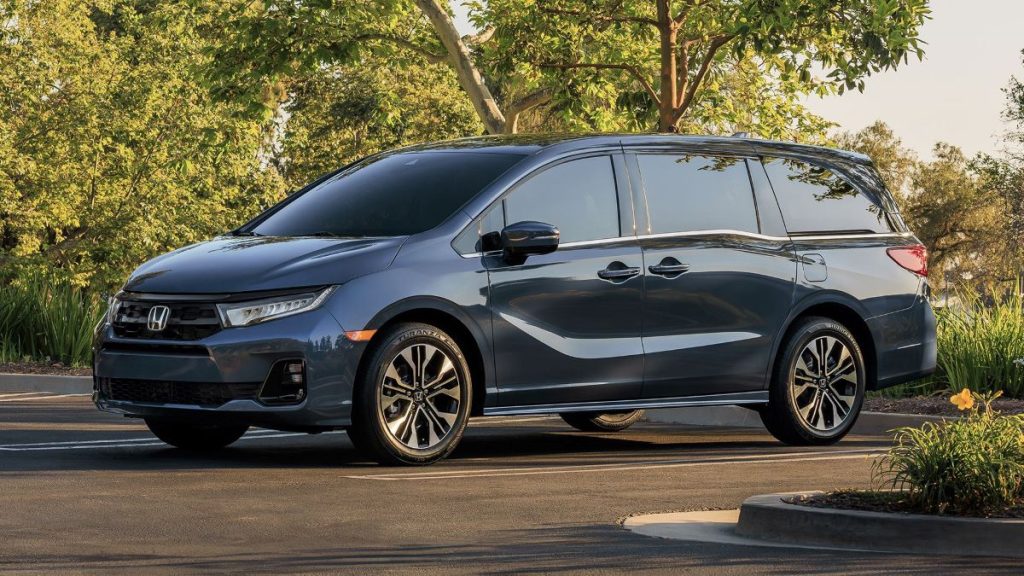
1. Honda Odyssey
The Honda Odyssey stands out as one of the most carpool-friendly vehicles available, largely because it was engineered from the ground up to handle groups of people with comfort and flexibility. Its key advantage is its extremely usable interior space.
Every row offers generous legroom, and the seats are arranged in a way that feels natural instead of forcing passengers into awkward positions. This layout makes the Odyssey ideal for carrying coworkers, friends, or family members during daily commutes.
One of the strongest features is the sliding-seat functionality that Honda calls Magic Slide. The second-row seats can move sideways and forward, making it simple for riders to access the third row without climbing or bending uncomfortably. For carpooling, this feature reduces delays and keeps entry and exit quick, especially in tight parking areas.
Ride comfort is excellent. The suspension smooths out broken pavement and absorbs bumps without sending jolts through the cabin. This matters for daily commutes because extra passengers should not feel the road harshness often found in more rigid vehicles. Interior noise levels remain restrained, allowing quiet conversations or peaceful rides.
The Odyssey also excels in climate distribution. Air vents are positioned so both front and rear passengers receive balanced airflow.
This reduces complaints or discomfort during long drives. Storage space is another advantage. Passengers can place bags, laptops, commuting gear, or snacks in several compartments without clutter.
Fuel efficiency is respectable for a vehicle of its size. This helps keep running costs manageable even when carrying multiple people. Safety is also top-tier, offering features like adaptive cruise control, lane assist, and collision mitigation, which contribute to a steady, predictable drive.
For these reasons, the Odyssey fits carpool lane usage perfectly. It respects passenger comfort and keeps multi-person travel calm and organized.
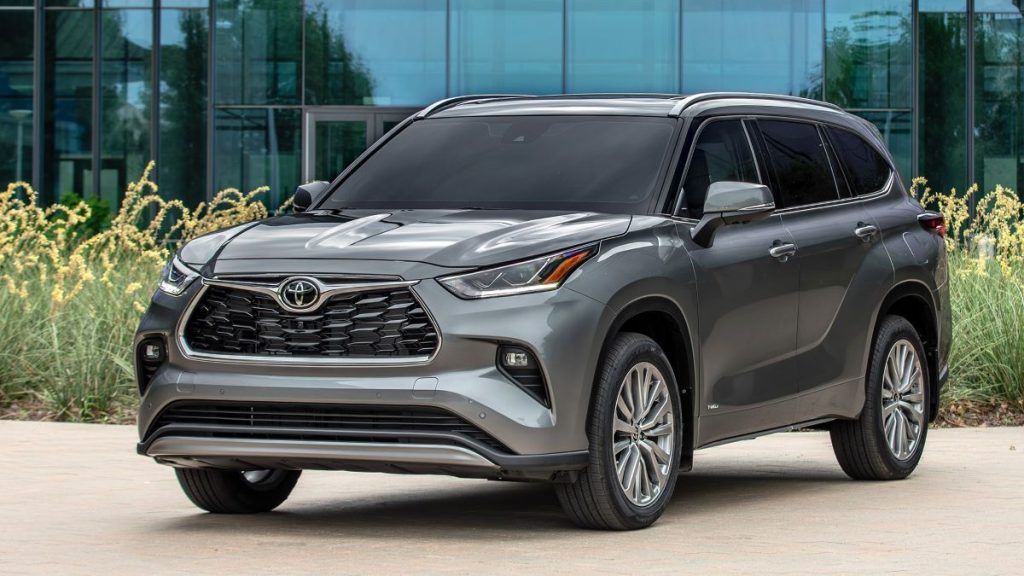
2. Toyota Highlander Hybrid
The Toyota Highlander Hybrid combines strong fuel efficiency with a quiet, supportive cabin that works exceptionally well for carpool routines.
It earns its place here because it balances practicality and comfort across all rows while maintaining smooth, quiet movement through heavy traffic. For commuters who carry multiple passengers regularly, this model provides a refined and peaceful experience.
The hybrid powertrain is one of its most valuable aspects. During slow, stop-and-go commuting, the electric assist keeps the ride quiet and reduces fuel consumption.
This not only lowers long-term costs but also creates a calmer cabin environment because the engine noise is minimal. Passengers appreciate this during long morning rides.
The seating position in the first two rows offers good cushioning and natural legroom, allowing adults to settle without their knees being forced into tight angles. The third row is best for shorter rides but remains more accommodating than many competitors. The rear doors open wide, easing entry for all passengers.
Ride quality leans toward the soft side. Road imperfections are absorbed with ease, preventing unnecessary shaking or discomfort. Because carpool lanes often run alongside congested traffic, the ability to maintain a steady, composed ride becomes important.
Inside the cabin, Toyota’s layout focuses on simplicity and harmony. Riders can place devices, water bottles, and small items in the numerous storage areas distributed across the interior. Air vents reach all rows, maintaining even temperature control.
Another advantage is reliability. A carpool vehicle must withstand heavy use, and the Highlander Hybrid is known for consistent performance over many years of daily driving. Its safety features enhance predictability on crowded highways.
The Highlander Hybrid suits carpooling because it blends comfort, efficiency, and stability, making shared travel smoother for every person on board.
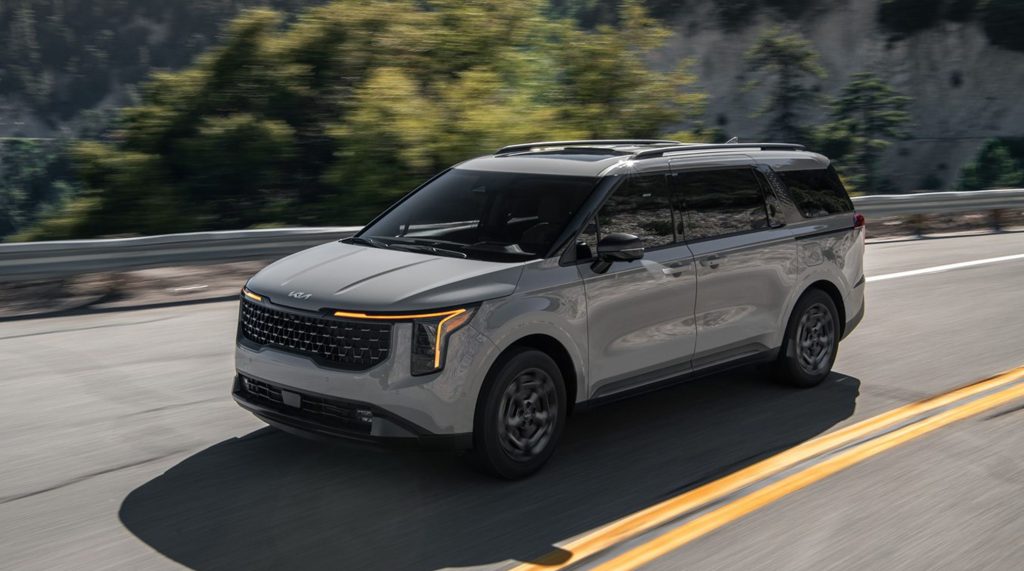
3. Kia Carnival
The Kia Carnival positions itself as a premium multi-passenger vehicle, offering a cabin that feels open, relaxed, and well-designed for group travel.
It earns a spot in this list because its interior space, comfort, and thoughtful touches make it ideal for commuters who carry several people each day. Instead of feeling like a basic people mover, the Carnival presents an experience similar to a lounge on wheels.
The most notable strength is its seating quality. The second-row seats offer exceptional leg support and cushioning. In higher trims, the lounge-style seats feature leg extensions and wide backrests that make long rides extremely comfortable.
Even in standard configurations, passengers enjoy generous space without feeling squeezed. This is important during carpool rides where adults spend substantial time seated.
The cabin design emphasizes a sense of openness. Large windows allow natural light inside, reducing fatigue. Riders appreciate this during early morning commutes when a dark or cramped cabin might feel draining. Airflow reaches all parts of the cabin easily, thanks to well-placed vents and a strong climate system.
The ride is steady and confident. Kia tuned the suspension to control body movement without feeling overly firm. Passengers experience minimal sway during lane changes or highway merging, which contributes to a calmer ride. Interior noise stays low because acoustic insulation is effective at blocking wind and road sounds.
Storage areas are abundant, letting each rider store backpacks, food containers, or work supplies neatly. Sliding doors improve access in tight parking areas, reducing the chance of hitting adjacent vehicles.
The Carnival also features advanced safety systems that help the driver maintain smooth control. This is essential in carpool lanes, where speed differences between vehicles can shift quickly.
Overall, the Carnival excels in multi-passenger comfort, making it a standout for daily carpool use.
4. Ford Explorer
The Ford Explorer joins this category because it offers strong three-row comfort, confident highway performance, and enough space for daily carpool operations. It works well for commuters who want a larger vehicle that still drives with stability and delivers a comfortable experience for all passengers.
The Explorer’s seating arrangement ensures that the first two rows have generous legroom and shoulder space. Adults can ride comfortably without adjusting seats awkwardly.
The third row, while tighter, remains usable for medium-length trips. Wide rear door openings make climbing in and out easier, which is an important factor during daily pickups and drop-offs.
Ride quality is balanced. The suspension absorbs rough patches with enough softness to keep passengers relaxed but remains firm enough to avoid excessive body movement. When the vehicle travels in carpool lanes on the highway, this stability contributes to a quiet and controlled ride.
The cabin is designed with convenience in mind. Rear passengers have easy access to charging ports, cupholders, and storage pockets. Airflow distribution is strong, ensuring consistent comfort across the entire cabin. These small details matter during longer commutes when multiple occupants share the same space.
The Explorer’s engine options provide smooth acceleration, useful for merging or adjusting speed in carpool lanes. Noise insulation is effective, helping maintain a peaceful environment even when traveling at highway speeds.
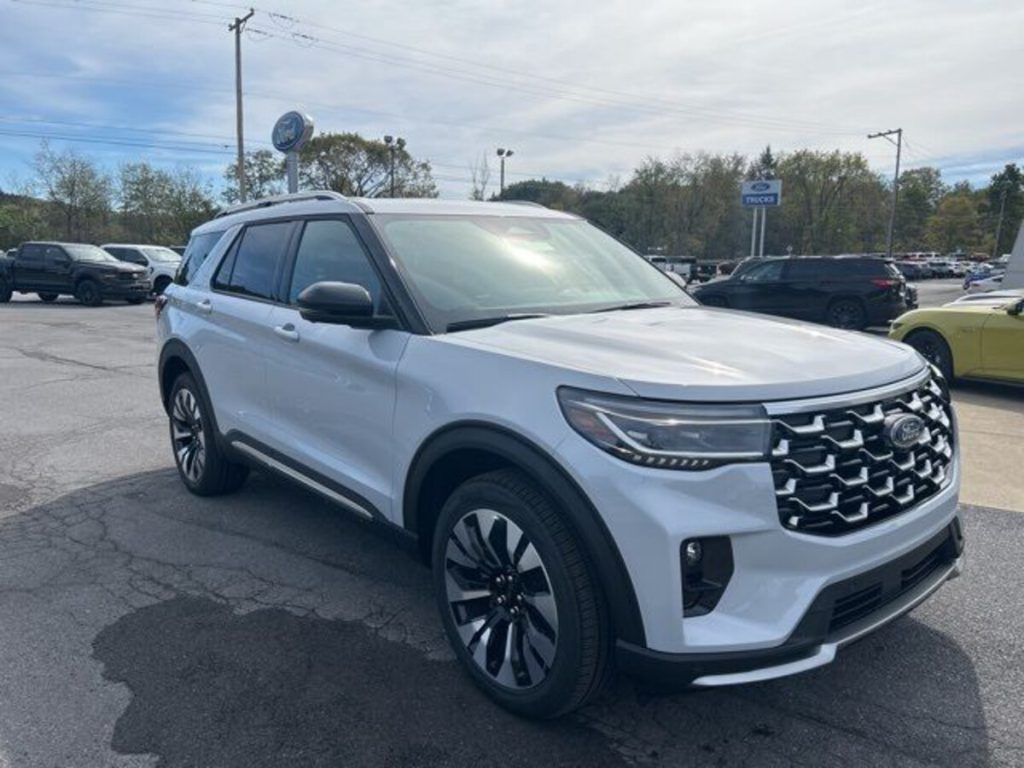
Another advantage is Ford’s safety technology. Features such as blind-spot monitoring, lane assist, and adaptive cruise control support a predictable driving experience, which is vital when carrying multiple passengers.
The Explorer fits the carpool environment well because it blends space, comfort, and stability without feeling sluggish or overly bulky. Passengers enjoy a pleasant ride, while the driver benefits from a vehicle that responds predictably during daily commuting tasks.
5. Subaru Ascent
The Subaru Ascent excels in carpool settings thanks to its roomy layout, smooth ride, and excellent visibility. It appears in this list because it handles multi-passenger transportation with ease while maintaining strong driving confidence in busy commute conditions.
Inside the Ascent, all three rows offer practical space. The second row can be configured with either a bench or captain’s chairs, giving flexibility depending on the carpool setup.
Legroom is ample, and the seats provide steady support that reduces fatigue during long drives. Even the third row is usable for adults on medium-length commutes, which many competitors struggle to match.
Subaru’s focus on a smooth and predictable ride becomes noticeable during shared travel. The suspension handles uneven road surfaces without sending sharp impacts through the cabin. This is valuable when multiple riders depend on a calm environment to prepare for the day.
Visibility is one of the Ascent’s standout qualities. Large windows reduce blind spots and allow the driver to maintain awareness of traffic flow and merging gaps, which is crucial in carpool lanes where speeds shift frequently. Passengers also appreciate the open feel created by the large glass area.
Climate control is well distributed. Rear passengers benefit from strong airflow and dedicated controls, allowing each part of the cabin to remain comfortable. Storage options are widespread, so everyone can keep personal items organized.

Subaru’s safety suite improves driver confidence. Adaptive cruise control, lane centering, and pre-collision braking assist in maintaining steady movement, reducing stress during heavily congested commutes.
Because of its comfortable seats, spacious rows, smooth ride, and excellent visibility, the Ascent is a strong choice for carpoolers who want a dependable, quiet, and balanced vehicle for shared daily use.
5 Solo-Driver Feels
Solo driving creates an entirely different set of priorities compared to carpool travel. When only one person occupies the vehicle, the cabin layout, seating position, performance behavior, and overall feel shift toward a more personal experience.
A good solo-driver-focused car makes the driver feel connected, secure, and engaged. It should allow precise control, easy maneuvering, and a sense of private comfort that enhances the daily commute.
The vehicles in this section were chosen because they shine when driven alone. They are cars that allow the driver to settle into a comfortable rhythm without worrying about accommodating multiple passengers.
Many offer focused seating positions, supportive seats, and strong visibility that makes the driver feel completely in command. Some emphasize performance and responsiveness, while others prioritize a quiet, immersive cabin where the driver can relax.
Solo-driver-oriented cars often have firmer suspensions, tighter handling, or more compact cabins. These qualities can be less ideal for carpools but create a lively or intimate environment when used by a single occupant.
Storage may also be arranged in a driver-centric pattern, placing essential controls and compartments where they are easiest to reach.
Noise levels, steering feel, interior shape, and pedal response all play a part in shaping a solo driving environment. These cars succeed not by offering more space, but by making the existing space feel tailor-made for one person.
Below are five vehicles that excel in this setting. Each creates a distinct solo-friendly atmosphere, whether it leans toward spirited handling, quiet comfort, or calm predictability.
Their strengths appear most clearly when the driver takes the wheel alone and experiences the full benefit of a cabin designed around a single occupant.
1. Mazda MX-5 Miata
The Mazda MX-5 Miata is one of the most iconic solo-driver cars because it focuses entirely on the one person behind the wheel. Its compact size, responsive behavior, and intimate cabin make it ideal for drivers who value a personal, connected commute.
The Miata earns a place in this section because its characteristics are best appreciated alone, where the cabin shape and driving feel come together seamlessly.
The low seating position places the driver close to the road, creating a sense of involvement that larger vehicles cannot replicate. The small cabin wraps gently around the driver, making all controls easy to reach without stretching.
The lightweight structure adds agility, allowing the car to respond quickly to inputs. While this responsiveness can feel too sharp for a multi-passenger commute, it becomes enjoyable and relaxing in solo use.
Visibility is better than many sports cars due to the simple shape and upright seating posture relative to the hood length. Steering is light yet precise, making city maneuvering easy. The Miata fits effortlessly into tight parking spots, which is beneficial for daily driving.
Ride quality leans firm but controlled. Because only one person occupies the car, the suspension feel remains predictable without disrupting anyone else. The manual transmission version creates additional engagement for drivers who enjoy a more connected experience.
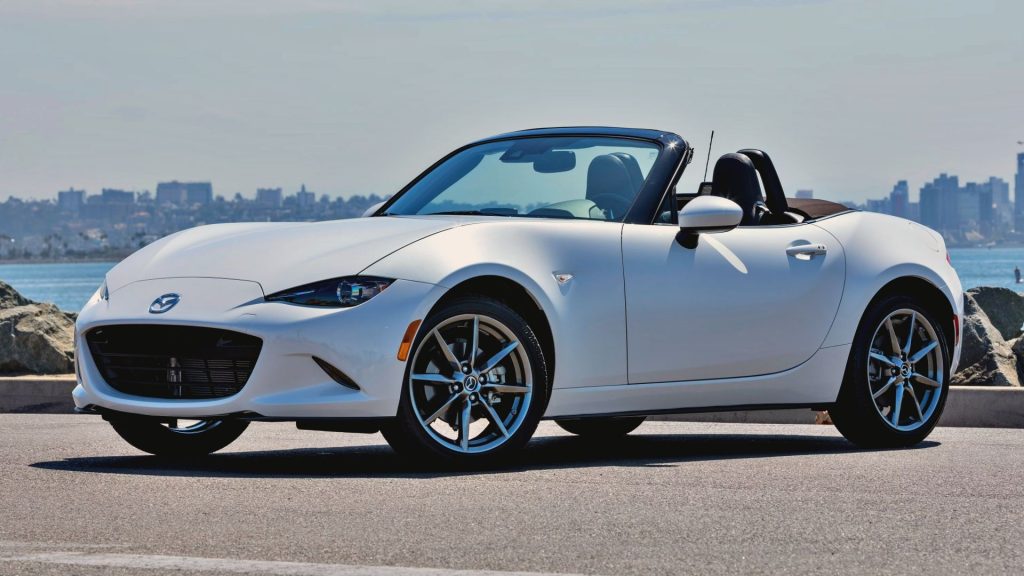
The Miata’s trunk is small, but for solo drivers, it is usually enough for daily essentials. Cabin noise levels increase at higher speeds, yet this adds character rather than discomfort for many drivers.
The Miata thrives when one person takes the wheel. Its proportions, personality, and control make it a perfect example of a car built to deliver a focused and satisfying solo commute.
2. BMW 2 Series Coupe
The BMW 2 Series Coupe suits solo drivers who want a blend of comfort, precision, and sporty feel without requiring a large or heavy vehicle. It belongs in this category because its cabin design emphasizes the driver as the central figure, shaping the entire experience around control and refinement.
The seating position is supportive and adjustable, allowing the driver to fine-tune posture for long daily commutes. The cockpit layout angles controls toward the driver, creating a tailored environment. This arrangement feels natural when driving alone because there is no need to balance comfort across multiple seats.
Steering in the 2 Series is direct and predictable, giving the driver confidence in tight urban areas and on open stretches. The car’s size makes it easy to position precisely, whether maneuvering through traffic or navigating narrow spaces. Its suspension is tuned for balance rather than softness, which provides a controlled ride that solo drivers often appreciate.
Cabin noise remains moderate, creating an environment where the driver can relax or focus without distraction. The interior materials feel premium, contributing to a sense of personal comfort that enhances daily routines.
The engine choices provide smooth and responsive power. Quick acceleration helps during merging or overtaking, while refined braking ensures a composed feel. These traits create a strong sense of control, which is important for solo-focused driving.
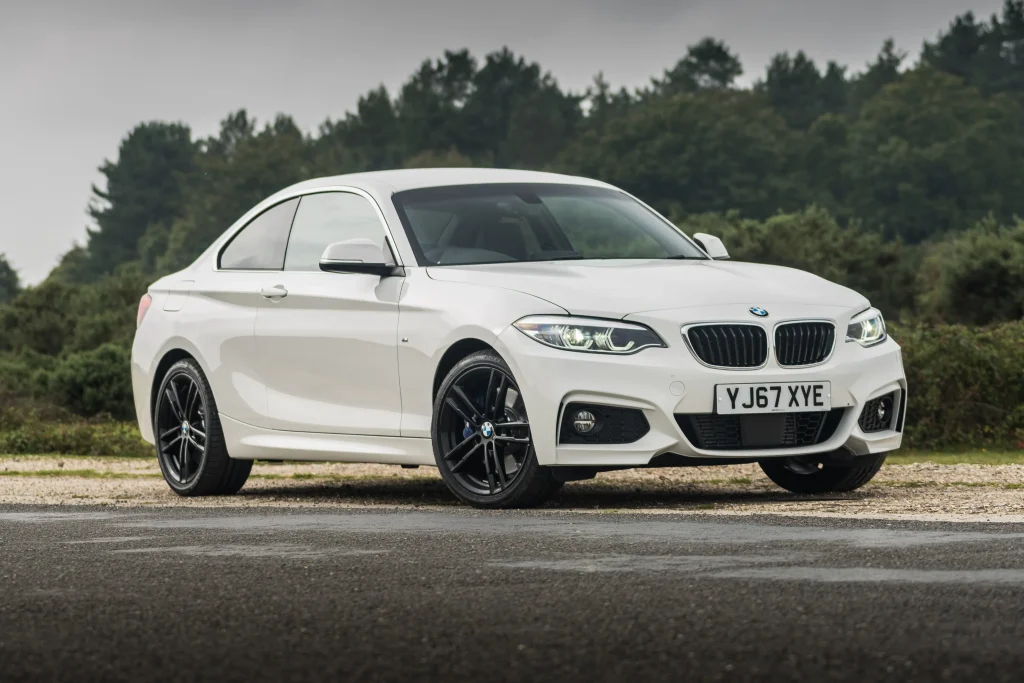
Rear seats exist, but their size and shape make them secondary. This works well for drivers who rarely carry passengers, as the cabin feels more like a personal space than a shared environment. Storage areas are sufficient for bags, laptops, and everyday essentials.
The BMW 2 Series Coupe succeeds because it creates a personal, confident, and polished driving experience tailored to one person.
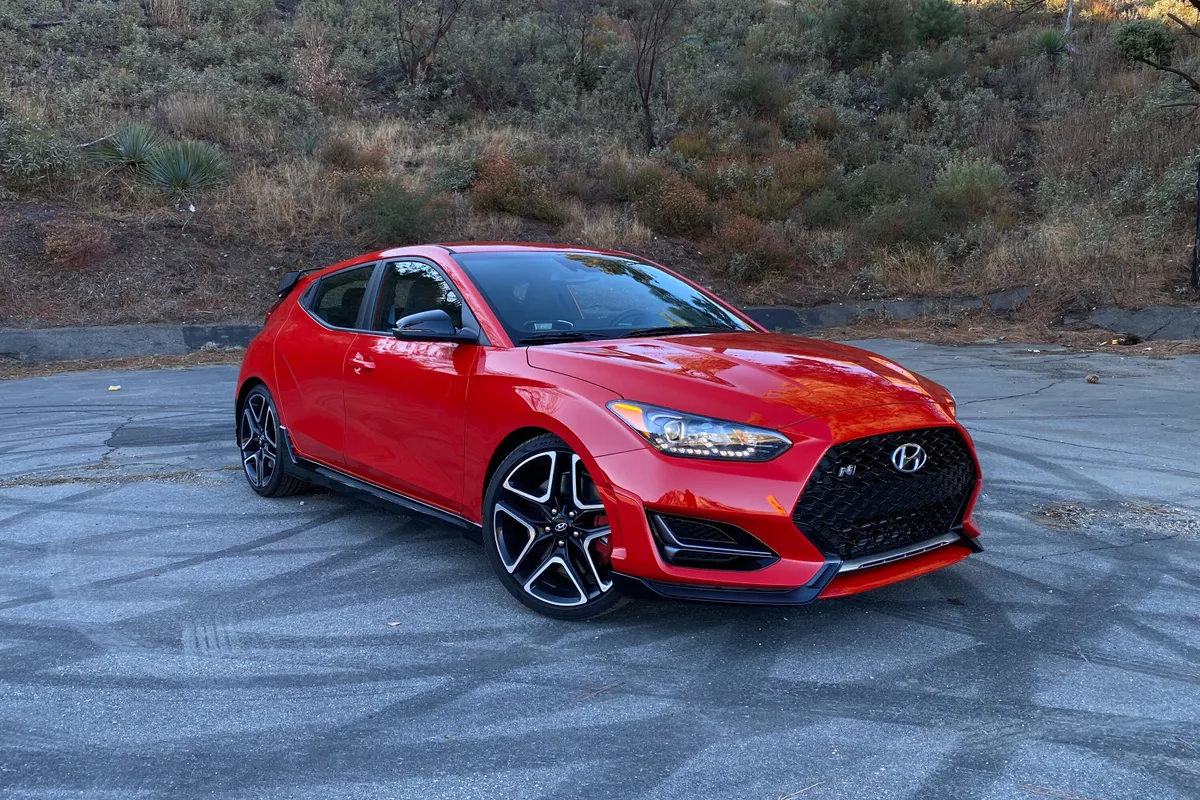
3. Hyundai Veloster N
The Hyundai Veloster N appeals to drivers who prefer a spirited, energetic commute. It earns a place in this section because its character is most enjoyable when one person is behind the wheel.
The Veloster N delivers a lively driving experience, with sharp responses and a chassis tuned for engagement rather than comfort for multiple riders.
The unique three-door layout already hints that the car is not built for frequent passenger use. The driver’s side has a large door and a cockpit-like layout designed to keep controls within easy reach. The steering wheel, seat bolstering, and pedal position emphasize driver involvement.
The suspension is intentionally firm to support the car’s performance behavior. This firmness can feel too intense for passengers, but solo drivers often appreciate the sense of control it delivers. The car stays stable during quick direction changes and holds confidently through curves, making daily driving feel lively rather than routine.
Power delivery is strong and immediate. The engine produces quick acceleration that helps in merging, overtaking, or simply adding excitement to the commute. Exhaust sound levels rise under acceleration, contributing to the car’s personality. For group travel this may feel excessive, but for solo drivers it creates a fun and engaging atmosphere.
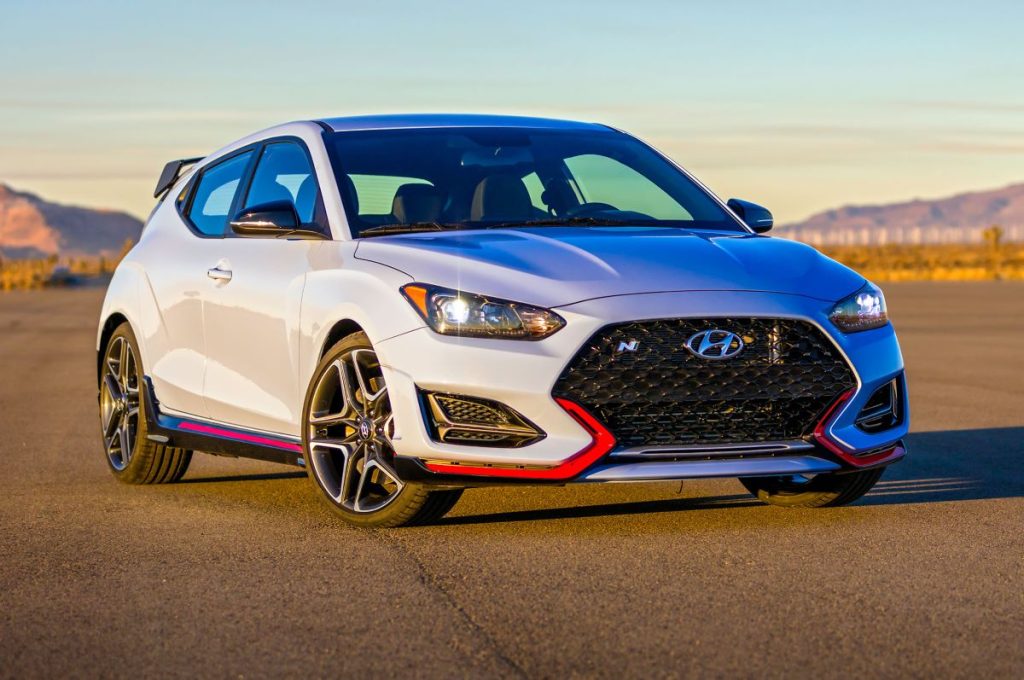
The seating position provides excellent support during longer drives. Visibility is relatively good for a sporty model, helping the driver stay aware of surrounding traffic. Interior storage is adequate for one person’s belongings, and the rear seats can fold to create more space when needed.
The Veloster N thrives when driven alone because it encourages an active connection between the car and its driver. Its design, tuning, and character come together to create a personalized, energetic daily-drive experience.
4. Volkswagen Golf GTI
The Volkswagen Golf GTI is a well-balanced hatchback that provides a satisfying experience for solo drivers who want both comfort and spirited handling. It appears in this section because its refined cabin, compact dimensions, and responsive performance create an ideal environment for someone who drives alone most of the time.
The GTI’s driving position feels natural and grounded, with supportive seats and intuitive controls. The cockpit centers around the driver, offering easy access to climate settings, infotainment, and driving modes. This arrangement enhances focus and minimizes unnecessary movement during the commute.
Steering is accurate and linear, giving the driver a clear sense of control in city traffic or on open roads. The car’s size simplifies parking and maneuvering through tight areas, which many solo drivers appreciate.
The suspension strikes a good balance between comfort and agility. While firmer than a typical compact car, it avoids harshness, creating a stable and enjoyable ride.
Power delivery is smooth and confident. Acceleration feels quick enough to make merging feel effortless, and the transmission options respond promptly to driver input. These qualities make everyday driving feel more engaging without requiring aggressive driving habits.
Interior materials feel high-quality, creating a pleasant atmosphere for the driver. Noise levels remain controlled, promoting a calm environment during long commutes.
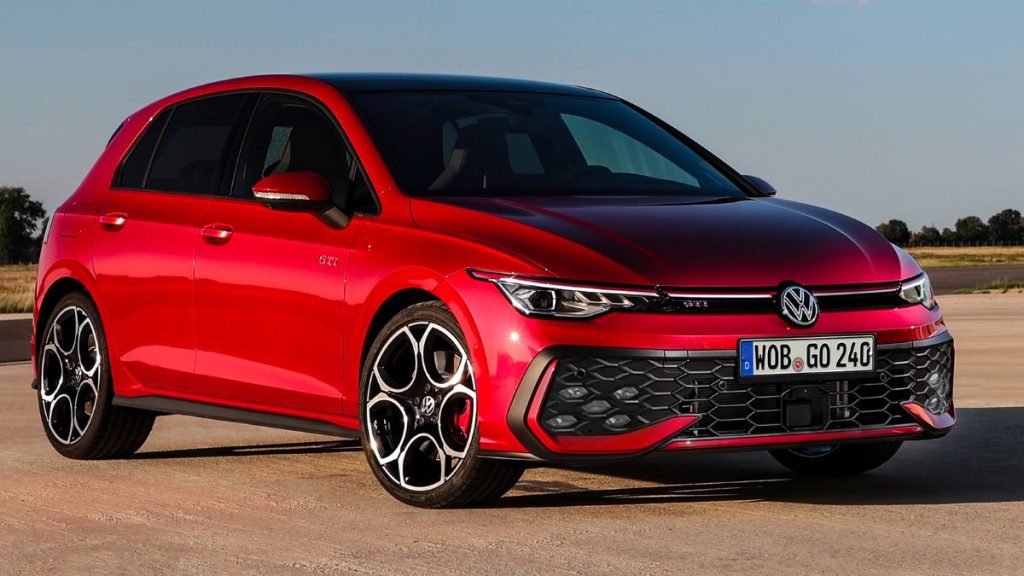
While the GTI can seat passengers comfortably, its strengths shine most when the driver is alone. The hatch design provides flexible cargo space, making it easy to carry work equipment, gym bags, or groceries without rearranging seats.
Overall, the Golf GTI gives solo drivers a refined, sporty, and comfortable environment that enhances the day-to-day commute.
5. Lexus IS 350
The Lexus IS 350 suits solo drivers who value smoothness, refinement, and a calming driving environment. It belongs in this list because its cabin, performance character, and seating layout favor a personal, driver-centered experience rather than multi-passenger travel.
The driver’s seat is exceptionally supportive, offering adjustable lumbar support and a sculpted shape that holds the driver comfortably during long periods of sitting. The cabin design places controls close to the steering wheel, creating a cockpit-style layout that suits individuals who want easy reach and clear focus.
Ride quality is one of its strongest attributes. The suspension filters out rough surfaces with confidence, creating a serene environment inside the cabin.
Solo drivers appreciate this because the car removes much of the fatigue associated with daily commuting. The sound insulation is excellent, reducing wind and road noise to levels that allow quiet relaxation or focused thinking.
The IS 350 offers strong acceleration that comes smoothly rather than harshly. This helps the driver merge or overtake with confidence. Steering feels precise without being overly heavy, giving the car a controlled and stable feel.
Rear seats exist but are not the focus. Their limited legroom signals that the car was designed for individuals who primarily travel alone. This allows the front area to be more luxurious and detailed.
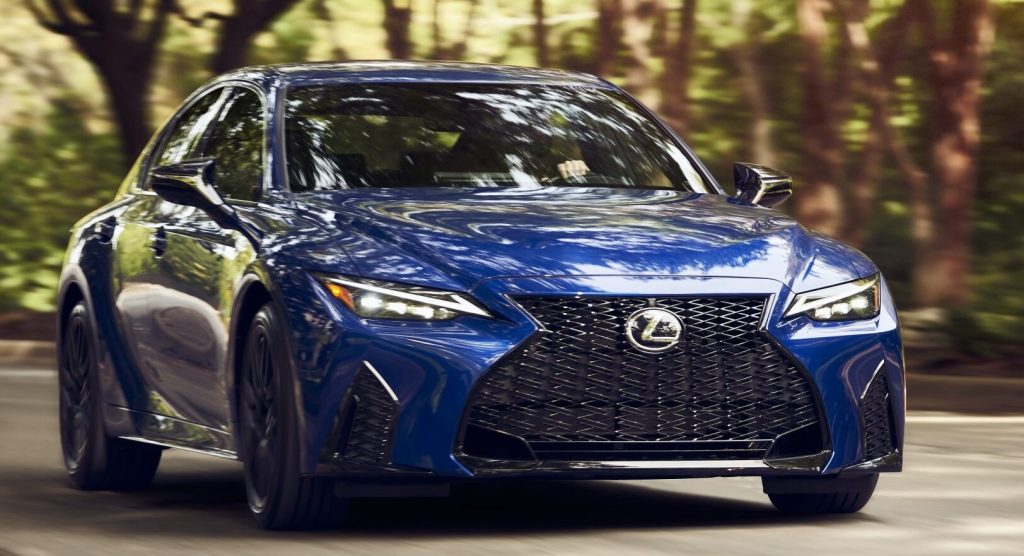
Storage compartments support daily routines with enough space for personal items, documents, bags, and devices. Climate control is responsive and tailored to maintain steady comfort for the driver.
The Lexus IS 350 creates an environment where one person can enjoy a quiet, composed, and refined commute, making it an ideal choice for solo driving enthusiasts.
Also Read: 5 Used Trucks That Don’t Feel Clumsy In Town Vs 5 Parking Pains
