

Spare tires are rarely the first thing people think about when shopping for a car, yet the moment a puncture happens, access to that spare becomes one of the most important practical details of the entire vehicle.
Some models make the process simple, placing the spare in a location that is easy to reach and paired with thoughtful tools that make the replacement quick. These vehicles treat the spare tire not as an afterthought but as a functional part of everyday usability.
When a car keeps the spare accessible, it reduces stress during unexpected situations and helps the driver get back on the road faster and with greater confidence.
On the opposite side are cars that make the spare tire hard to reach or hide it beneath layers of trim, panels, steps, or complicated release systems.
During a flat-tire situation, these obstacles can turn a manageable problem into a much bigger struggle, especially in bad weather or on the side of a busy road.
Some models even place the spare in locations that require crawling on the ground or using awkward levers, adding frustration when the driver is already under pressure. This article presents both sides clearly. First, it highlights five models known for making spare tire access simple.
These vehicles show how clever placement, sensible design, and easy tool access can make a real difference during emergencies. Each entry is explained in 300 words to show how it helps in practical use and why it deserves recognition.
Next, the focus shifts to five models where spare tire access becomes a hassle. These examples are not chosen to criticize the vehicles entirely but to point out how certain design decisions can create complications at the worst moments.
Each is also explained in 300 words to show why it fits this category and how these difficulties affect real drivers.
Also Read: 5 Cars for San Antonio Commutes vs 5 That Cost More to Maintain
5 Models With Easy Spare Tire Access
Good engineering is often measured by how a car behaves in everyday or emergencies, and spare tire access is one of the clearest examples of this. When a tire bursts unexpectedly, most drivers do not want to search through compartments or decode tricky mechanisms.
They prefer a simple layout that lets them quickly locate the spare, the jack, and the tools. This introduction sets the stage for five models that handle this aspect with remarkable ease. These vehicles are selected because they understand the importance of straightforward practicality, especially during stressful roadside moments.
These cars offer well-organized spaces for emergency equipment, often placing the spare under the cargo floor or on a swing-out mount where it is instantly reachable.
Some also include clever touches such as labeled steps, wide access panels, or tools that are arranged neatly instead of hidden underneath random storage pockets.
When a person needs the spare, they should not be forced to unload half the trunk or deal with folded seats. That is what makes these models stand out.
Writing about these cars is important because spare tire access is one of those overlooked features that reveal how user-focused a vehicle truly is. While flashy features tend to attract attention at showrooms, the real test appears when dealing with practical problems.
These five vehicles show thoughtful decisions that place convenience first. Their engineers anticipated real-world usage and ensured that a driver stuck in rain, heat, or late-night conditions could solve the issue quickly.
Each of the following entries is written in 300 words. The explanations describe why each model excels in providing easy spare-tire access and why such design decisions matter. These cars are chosen not just for their mechanical quality but for the comfort and reassurance they offer when something goes wrong.
1. Toyota Highlander
The Toyota Highlander earns recognition for its user-friendly approach to spare tire access, a detail that may seem small until the moment it is needed most. The reason for including this model is its thoughtful layout that places real convenience at the center of its design.
When a flat tire happens, the Highlander makes the replacement process straightforward, helping the driver handle the situation safely and quickly.
The spare tire is mounted underneath the vehicle, but the mechanism used to lower it is located inside the cargo area, making it easier to operate compared to older underbody systems that require kneeling on the ground.
The crank access point is cleanly built into the rear floor storage, and the accompanying tools are stored neatly without being scattered or buried under multiple layers. This internal release design keeps the driver away from dirty surfaces and reduces the chance of misplacing or damaging the lowering cable.
Another element that makes the Highlander stand out is how organized the tool kit is. The jack, wrench, and crank extension have dedicated slots, which means the driver will not waste time searching for pieces.
Because the Highlander is a family-focused SUV, Toyota ensured that even inexperienced users can follow the simple steps printed on the inside of the cargo panel. This design removes confusion during urgent situations.

Additionally, the cargo floor is shaped in a way that allows quick access without removing heavy items. Even if the trunk is full, only a small portion needs to be lifted to reach the crank port, which saves time and effort.
The Highlander’s combination of interior access, logical tool placement, and user-friendly instructions makes it an ideal example of how an SUV can support its driver during roadside emergencies.
2. Honda CR-V
The Honda CR-V is included in this list because it handles spare tire access with a level of simplicity that suits everyday users.
Honda designed this SUV with practicality in mind, and its spare tire layout reflects attention to detail that becomes valuable during stressful moments. When a flat occurs, drivers benefit from a setup that avoids unnecessary steps and minimizes physical strain.
The spare is located directly beneath the cargo floor. The panel lifts smoothly without requiring excessive force, giving immediate access to both the tire and the tool kit.
Honda ensured that the panel is lightweight and easy to lift with one hand, an advantage when the other hand is occupied holding personal items or a flashlight.
The tire sits in a molded well that prevents shifting, and the tools are arranged in a compact foam organizer that keeps everything in place.
One of the strongest advantages is that the CR-V allows full access to the spare without needing to remove cargo. The cargo area is designed so that even if the trunk is loaded with bags or groceries, the spare can be reached by lifting only the front part of the panel. This thoughtful layout helps drivers save time during emergencies.
The jack included in the CR-V is also known for its stability, and the instructions are printed clearly on the side of the well. Honda keeps the process intuitive so that even drivers unfamiliar with roadside repairs can follow along without confusion.
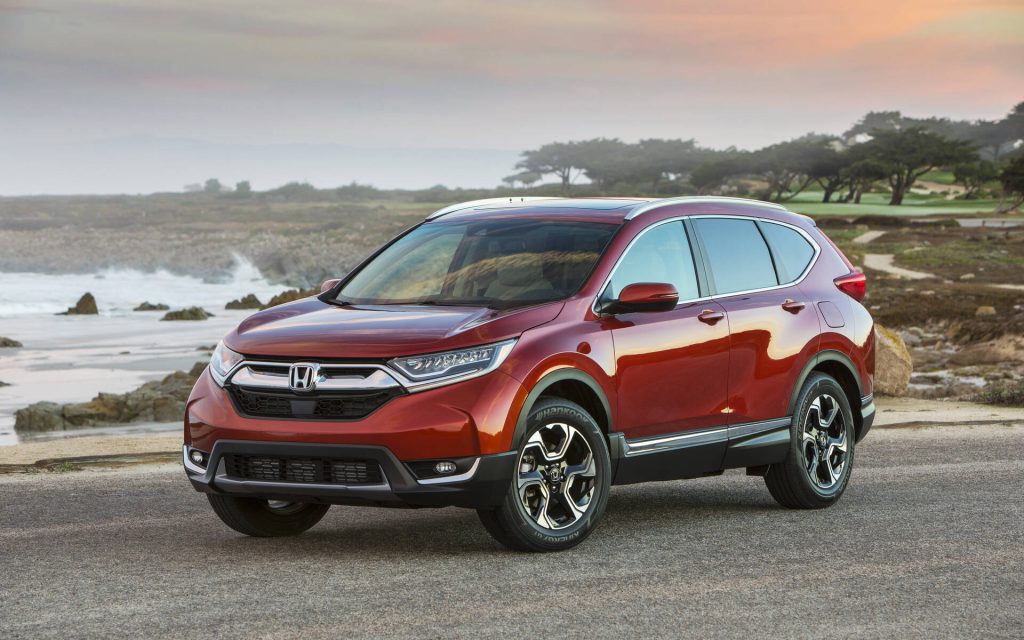
By placing convenience at the forefront and avoiding complicated mechanisms, the Honda CR-V stands out as one of the most practical choices for those who want peace of mind.
The straightforward access, combined with organized tools and a comfortable working space, makes the CR-V an excellent example of smart design for real-world use.
3. Ford Explorer
The Ford Explorer earns a place on this list because it balances spaciousness with practicality, and its spare tire system is one of the most user-friendly features for drivers who prioritize convenience.
The reason for writing about this model is its accessible design that helps users avoid messy or complicated tire-change situations. Ford’s approach demonstrates how a large SUV can still deliver simple solutions.
The Explorer typically stores its spare tire in a compartment located under the rear cargo floor, which opens with an easy lift of the panel.
The space is wide and uncluttered, giving drivers room to access the tire and tools without squeezing their hands between tight gaps. Ford designed the compartment with structured walls that keep the spare secured and silent during travel.
The tool kit is arranged neatly inside a molded tray, which keeps the jack, wrench, handle, and other components from rolling around.
Clear labeling and printed instructions reduce confusion and ensure that drivers can work confidently, whether experienced with tire changes or handling one for the first time.
Because the Explorer is often used for family travel, this emphasis on simplicity helps drivers manage emergencies even when children or luggage are present.
Another strong point is the height of the cargo floor. It is positioned at a comfortable level, making it easier to lift the spare out without bending excessively.

This matters for older drivers or anyone with limited flexibility. The large tailgate also offers shade during hot or rainy conditions, making the process more bearable.
Ford’s decision to keep the spare tire accessible from inside the cabin instead of underneath the vehicle eliminates the need to crawl on the ground or work with exterior crank systems. This reduces effort and increases safety, especially on uneven roadside surfaces.
4. Hyundai Santa Fe
The Hyundai Santa Fe earns recognition for its tidy and intuitive spare tire setup, which is designed to minimize hassle during challenging roadside moments.
Including this model in the list is important because it demonstrates how a modern mid-size SUV can support drivers with thoughtful engineering that anticipates real needs rather than relying on flashy features alone.
The Santa Fe places its spare tire under the cargo floor, accessible by lifting a lightweight panel. The lift motion is smooth and does not require significant force, which is helpful when the driver needs to respond quickly.
The spare is housed in a molded compartment, and the tools sit in a dedicated tray that prevents rattling and makes everything easy to identify. This layout keeps the process organized and reduces the frustration of searching through scattered components.
A standout feature is the clarity of the instructions. Hyundai includes simple diagrams near the tool storage area, giving step-by-step guidance that even inexperienced drivers can follow. This level of clarity becomes especially important during night-time or poor weather conditions, when drivers need to act quickly.
The cargo floor design also helps the Santa Fe stand out. Even when the trunk is filled with luggage, the driver can lift only the front half of the floor panel to reach the tools. This split access design saves valuable time and avoids unloading heavy items.

Hyundai also paid attention to ergonomics. The height of the cargo area makes it easier to lift the spare out, reducing strain on the back. This is helpful for families, older drivers, or anyone who prefers a more manageable lifting motion.
Overall, the Santa Fe provides an efficient, logical, and comfortable spare tire access experience. Its combination of smart storage, accessible tools, and easy instructions makes it one of the best choices for drivers who value preparedness and convenience.
5. Subaru Outback
The Subaru Outback is included in this category because it offers a spare tire system that balances practicality with rugged dependability.
Subaru has always focused on real-world usefulness, and the Outback demonstrates this approach clearly in how it handles roadside readiness. When a flat tire occurs, the Outback’s well-designed access points allow drivers to respond without unnecessary stress.
The spare tire sits directly beneath the cargo floor, and lifting the panel reveals a spacious compartment.
The panel itself is lightweight and easy to raise with one hand, making it convenient even if the driver is holding tools or standing on uneven ground. The spare is secured firmly in a molded area, preventing movement and noise during travel.
The placement of the tool kit is another advantage. Subaru organizes the tools in a cleanly arranged tray that fits securely into its slot. This prevents pieces from shifting and helps the driver quickly locate everything needed.
Clear labels and simple diagrams ensure that even a person unfamiliar with car repairs can understand the process step by step.
Another reason for highlighting the Outback is its ground clearance. In the unlikely situation where the car must be lifted on a rough surface, its sturdy jacking points and stable stance give drivers extra confidence. Subaru designed this vehicle for outdoor use, and the spare tire system reflects that same dependable mindset.

The cargo floor height also makes lifting the spare easier. Instead of crouching deeply, the driver can maintain a comfortable posture while retrieving the tire. This is especially useful for older drivers or those who prefer minimal physical strain.
The Outback proves that a vehicle built for adventure can also excel in everyday practicality. Its accessible spare tire layout ensures that drivers remain prepared for unexpected situations without added hassle.
5 Hidden Hassles
While some cars make accessing the spare tire a stress-free experience, others create obstacles that turn a simple repair into an exhausting challenge. This introduction sets the stage for five models where the spare tire arrangement feels less helpful for the driver.
These vehicles may be strong in many areas, but the moment a flat occurs, their complicated or inconvenient setups become noticeable. Writing about these models highlights the importance of considering everyday emergencies when judging a car’s practicality.
Some vehicles place their spare tires underneath the body in awkward positions that require crawling on the ground, sometimes even in mud or rain. Others hide the release mechanisms behind panels that are difficult to identify or require unusual tools.
In certain models, the spare is placed in a location that forces the driver to unload the entire trunk before reaching it, which increases stress in situations where time and safety matter. These design choices may seem acceptable during showroom inspections but become frustrating during real roadside situations.
Another common issue is poorly organized tool placement. Some models scatter the jack, wrench, and crank in separate compartments, making them hard to locate.
Others offer minimal instructions or diagrams that do little to help someone dealing with a flat tire at night. The lack of clarity can turn a manageable task into a long and uncomfortable ordeal.
This section does not aim to dismiss these vehicles entirely. Instead, it calls attention to how certain decisions affect owners in practical scenarios. Each model is explained in 300 words, showing exactly why its spare tire access feels like a hassle and how these problems make an already stressful moment even more difficult.
These cars serve as reminders that convenience is just as important as power, style, or technology when it comes to real-world use.
1. Jeep Compass
The Jeep Compass is a capable compact SUV with strong appeal for drivers who enjoy rugged styling and off-road confidence. However, its spare tire access presents challenges that become noticeable during emergencies.
The reason this model is included in the Hidden Hassles category is that Jeep’s approach to storing the spare prioritizes cargo space optimization over ease of access, which can create difficulty during urgent moments.
The spare tire is stored beneath the cargo floor, but reaching it requires removing the floor panel completely. Unlike models that use lightweight panels, the Compass has a heavier, more rigid cover that demands both hands to lift and often requires unloading the trunk.
When the cargo area is packed with luggage or groceries, drivers must remove several items before reaching the spare, which can be frustrating in harsh weather or on the side of a busy road.
Once the floor is lifted, the spare is positioned deep inside a well, making it somewhat awkward to retrieve. The tool kit is also divided into several pockets instead of being placed in one organized tray. This scattered arrangement forces drivers to search through compartments, adding unnecessary steps when time is already limited.
The instructions provided by Jeep are minimal and printed in small diagrams that may not be easy to interpret for beginners. During nighttime or low-visibility situations, this becomes an additional problem.
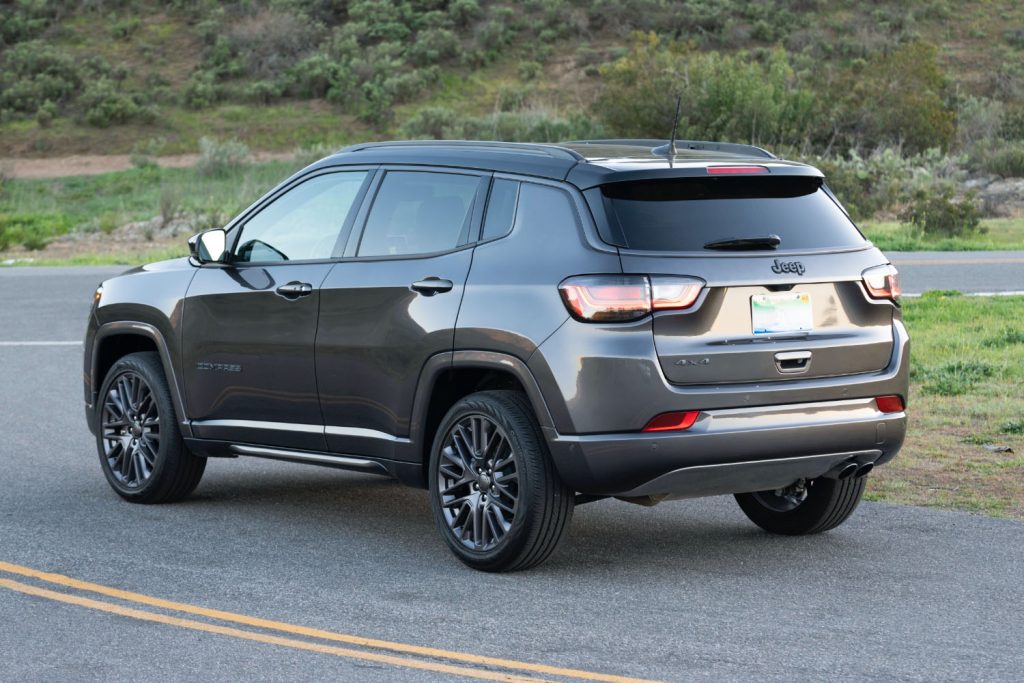
The combination of a heavy cargo floor, scattered tools, and deep placement of the spare tire creates a process that feels physically demanding and inconvenient.
While the Compass excels in appearance and road presence, its spare tire design can leave drivers feeling unprepared during roadside emergencies. This is why it belongs in the Hidden Hassles category.
2. Volkswagen Jetta
The Volkswagen Jetta is known for its refined driving experience and quiet cabin, but its spare tire access can be frustrating during real emergencies. This model is included in this section because its layout creates unnecessary complexity that may surprise drivers who expect the same practicality found in its competitors.
The spare tire is located under the trunk floor, but the panel covering it is not supported by hinges or struts. This means the driver must hold the floor up manually while retrieving the tire or balancing it awkwardly against the trunk liner. This becomes especially difficult if the driver is alone or dealing with rain, darkness, or tight spaces.
Another issue is that the spare sits tightly in a deep compartment. Removing it often requires reaching down at an uncomfortable angle and lifting the tire vertically, which can feel strenuous. The placement may also cause dirt to accumulate in the well, adding to the inconvenience when handling the tire.
The tool kit is separated into multiple fabric pouches rather than being organized in a molded tray. This layout forces the user to search for the jack, wrench, or lift handle individually. When working under pressure, this scattered arrangement can make the process more stressful.
The Jetta’s trunk design also creates problems when the trunk is full. The spare can only be accessed by lifting the entire panel, meaning the entire trunk must be emptied first. During long trips or grocery runs, this leads to a messy and time-consuming situation.

Although the Jetta excels in many driving qualities, its spare tire setup lacks the thoughtfulness expected from a car aimed at everyday convenience. The combination of awkward lifting angles, lack of support for the trunk floor, and unorganized tools justifies its placement among models with hidden hassles.
3. Chevrolet Trax
The Chevrolet Trax is a compact SUV that offers good maneuverability and city friendliness, but its spare tire access system introduces complications that many drivers find inconvenient. The reason for including the Trax in this category is that its design creates unnecessary barriers during roadside emergencies, especially for those who expect a simple process.
The spare tire is positioned under the cargo floor, but the layout requires the driver to fully remove the cargo mat and then lift a rigid panel that does not stay open on its own.
Since this cover must be held up manually, drivers often struggle to balance the panel while retrieving the tire. This becomes even more difficult in windy conditions or when working alone.
Another drawback is the location of the tool kit. The jack and wrench are stored in separate pockets on the sides of the cargo area instead of being grouped with the spare.
This means drivers must locate and retrieve the tools from different places before starting the process, adding more steps and increasing the confusion during stressful moments.
Additionally, the spare sits deep in the well, making it awkward to lift out, especially for those with limited strength. The narrow opening increases the difficulty further, requiring a twisting motion to free the tire from the well.
The Trax’s cargo area design also causes problems when the trunk is fully loaded. The spare is impossible to access unless everything is removed, which is a major inconvenience during bad weather or in unsafe roadside conditions.

While the Trax offers a comfortable driving experience and urban usability, its spare tire access system is far from user-friendly.
The combination of multiple tool locations, a rigid floor panel without support, and restricted access to the spare makes it clear why this model belongs among vehicles with hidden hassles.
4. Nissan Rogue Sport
The Nissan Rogue Sport is a versatile compact crossover with good comfort and a smooth ride, but its spare tire layout creates complications that drivers may not expect. The reason it appears in this category is that the design focuses more on maximizing cargo configurations than providing easy emergency access.
The spare is located beneath a multi-layer cargo floor system. These layers are part of Nissan’s adjustable cargo arrangement, but when a flat tire happens, they become an obstacle.
Drivers must remove the upper panel, the adjustable shelf, and the lower cover before finally reaching the spare. This multi-step process is time-consuming and inconvenient, especially during urgent situations or when the trunk is full.
The tool kit is stored separately in a side compartment instead of being positioned near the spare. This means drivers must locate the tools in one area and the tire in another, which complicates the process. The tool compartment is also tucked behind trim panels that may feel stiff to remove.
The well holding the spare is deeper than usual, making it difficult to lift the tire out without bending awkwardly. Drivers with limited mobility may find this design particularly challenging. Dust and debris can also accumulate in the deep well over time, creating an unpleasant experience when handling the tire.

Additionally, the lack of clear instructions makes the process harder. Nissan includes diagrams, but they are small and printed on the underside of one of the cargo panels, meaning the driver must remove parts before even seeing the instructions.
While the Rogue Sport performs well in daily driving and offers good practicality overall, its spare tire access requires too many steps and too much effort for emergencies. These issues firmly place it in the Hidden Hassles category.
5. Kia Seltos
The Kia Seltos is widely praised for its design, technology, and value, but its spare tire access system presents notable difficulties. It is included in this category because its setup prioritizes aesthetics and cargo flexibility over emergency practicality, making flat-tire situations more stressful than they should be.
The spare tire is stored under a two-stage cargo floor. To reach it, drivers must first lift the upper floor panel, which is designed to sit in two different height positions. This flexibility is useful for cargo arrangements but adds confusion during emergencies.
Once the first panel is lifted, a second rigid floor cover still blocks access to the spare. Both layers must be removed or held open, which can be frustrating when standing on uneven ground.
The tool kit is stored in a small compartment beside the wheel well rather than in a tray on top of the spare. This forces the driver to locate the tools separately, increasing the number of steps in the process. The compartment door is also stiff and tends to snap shut unless held open firmly.
The spare sits deep in the well, requiring a strong lift to remove. Drivers often struggle with the narrow well edges, which make gripping the tire more difficult. During night-time emergencies or rain, this creates even more inconvenience.

Another challenge is that the floor panels do not stay open on their own. The driver must hold them while retrieving the spare or lean them against the back seats, which is awkward and unstable. This design becomes especially troublesome in windy conditions.
These combined issues make the Seltos less convenient during tire-related emergencies. Although the vehicle offers excellent daily usability, its spare tire access system is a clear example of a hidden hassle that only becomes evident when something goes wrong.
Also Read: 5 Cars Best for Austin’s Stop-and-Start Traffic vs 5 That Drain Your Wallet
