
Wind noise inside a vehicle has become a stronger measure of comfort than ever before. As engines get quieter and electric motors replace fuel powered roar, rushing air around mirrors, windows and roof edges suddenly becomes the loudest sound passengers hear.
When air leaks through door seals or hits a poorly shaped panel, it creates a distracting whoosh that grows more annoying as speed rises. Long highway drives feel tiring because the brain remains alert against that continuous sound.
People notice the difference within minutes, especially those who use their cars for daily commuting or frequent interstate travel. A quiet cabin makes conversations easier and lets music sound cleaner, helping every trip feel calmer and more premium.
Some brands have worked hard with aerodynamic shapes, improved glass, and tighter sealing so that wind remains outside where it belongs. These vehicles offer a peaceful ride and give owners a sense of being protected from the outside rush.
For many families and drivers who travel for work, that silence becomes the feature they appreciate the most. It is not fancy technology that shows off but a comfort that matters every mile.
On the other side, some cars constantly remind passengers that the air is pushing against them. Shapes that prioritize looks over airflow, cheaper door seals, or exposed roof rails cause noise that never really settles.
Even at moderate speeds, the whoosh becomes a companion nobody asked for. Owners often complain because they expected more refinement than what they hear during trips.
This comparison presents two sets of five vehicles. One group deserves praise for keeping wind noise controlled.
The other group leaves drivers wishing the cabin felt more peaceful. By understanding both sides, shoppers can avoid disappointment and choose a ride that matches expectations for quiet comfort.
Also Read: 5 Sedans With Calm Steering On The Interstate Vs 5 Twitchy Hands
5 Rides That Keep Wind Noise Down
Comfort often begins in silence. A vehicle built with wind noise control in mind creates a more relaxing atmosphere every time someone gets behind the wheel. Engineers put a lot of attention toward door sealing, mirror shape, roof structure, and underbody airflow.
These little elements work together to keep turbulence away from the cabin. When done correctly, the driver can cruise at high speeds while hearing only a gentle hush rather than a loud rushing sound. This makes a big difference during long trips where fatigue comes from constant noise levels.
Advanced acoustic laminated glass, aerodynamic side mirror designs, and carefully shaped panels improve the experience without the driver ever noticing how much effort went into development.
Cars that succeed in this area offer a natural sense of refinement that feels more luxurious than their price tag sometimes suggests. Families with kids, commuters spending hours on expressways, and professional drivers all benefit from this reduced stress.
Silence is not just comfort oriented. It improves entertainment quality. Music sounds clearer. Voice calls come through more sharply. Passengers can talk normally without raising volume. Even electric vehicles that usually score high for quiet powertrains still need careful work against wind noise because at steady speeds air becomes the loudest source.
The following five models have earned strong appreciation for controlling the whoosh from outside.
They maintain a steady peaceful atmosphere through proper design and attention to detail. Each one is included here because owners praise how calm their cabins feel while driving fast or facing crosswinds.
These choices offer smart engineering rather than only marketing promises. With these picks, it is easier to enjoy travel without feeling worn out by the constant sound of passing air.
1. Lexus ES
The Lexus ES has built a reputation as a sedan that focuses on peaceful travel more than showing aggressive attitude. It uses smooth body contours that allow air to flow cleanly around the car, reducing the chance of turbulence forming near the side mirrors or rear pillars.
Acoustic laminated glass in both the windshield and front windows helps minimize the transfer of wind vibration into the cabin. Lexus also uses triple door seals to prevent small gaps that could let air sneak through at higher speeds.
Owners frequently praise this model for how quiet it stays during highway driving. Even at speeds above 100 kilometers per hour, conversations remain calm and easy. The brand targets serenity as a priority rather than a minor benefit.
Engineers worked on the underbody as well, smoothing out edges under the doors and around the exhaust routes so that wind does not catch and create fluttering noise below the vehicle.
Luxury does not always mean powerful styling or bright chrome everywhere. Sometimes true luxury appears in the moments when a person forgets the outside world entirely. Inside the ES, sounds from passing trucks or strong crosswinds rarely become noticeable.
Drivers often describe the feeling as sitting in an isolated bubble with the ability to enjoy premium music without needing high volume.
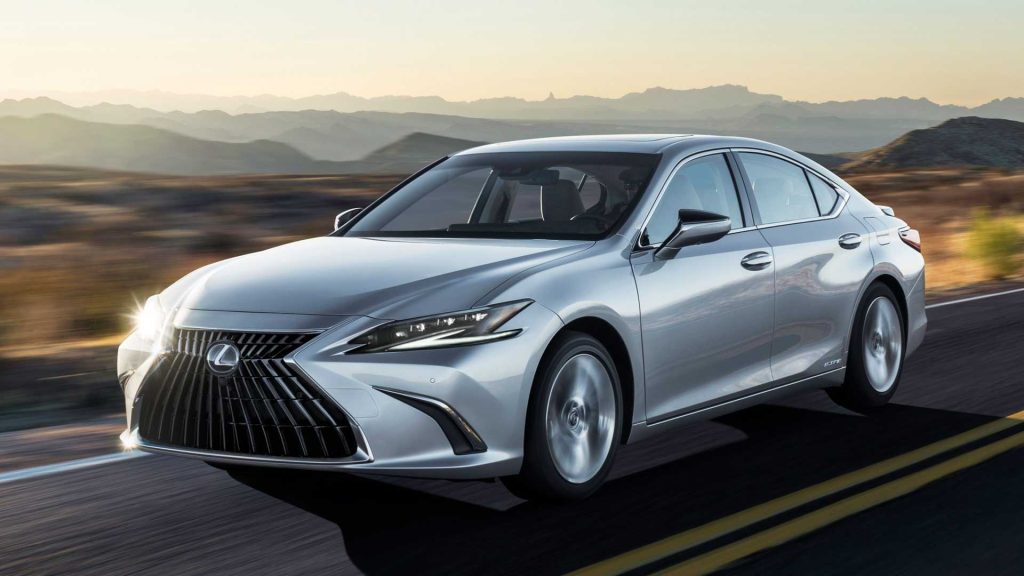
This sedan is included because it stands as a strong example of how design decisions can successfully protect passengers from noise fatigue. People who want a more refined experience on long routes appreciate how much effort the ES puts into keeping wind noise to a minimum.
The result is a vehicle that feels more expensive than competitors even when traveling at steady high speeds for hours. It proves that comfort comes from silence as much as from cushioning and ride quality.
2. Tesla Model Y
The Tesla Model Y benefits from an electric powertrain that removes engine noise, so wind control becomes a priority. Tesla improved the construction of the side windows with thicker glass in newer versions, helping to reduce the sound of air hitting the surface during speed changes.
The vehicle shape slopes gently toward the rear, allowing air to move smoothly over the roof without swirling at the hatch area. Hidden door handles also prevent extra disruption of airflow.
Many drivers immediately notice how calm the interior feels when cruising on expressways. Without a traditional engine masking outside sounds, passengers hear mainly a light whoosh rather than a constant roar.
The roof construction in dual glass form adds stiffness and helps limit vibration that sometimes causes wind resonance. Tesla also pays attention to sealing around the charging flap and rear hatch, as small openings here could easily lead to whistling.
The quiet cabin improves the enjoyment of streaming audio, podcasts, and hands free conversations. A large part of the Model Y experience revolves around relaxation during long drives, and reduced turbulence noise supports that purpose. People who travel often appreciate how much less tiring their highway journeys feel.
The Model Y is included here because it demonstrates how a modern electric crossover can meet high expectations for cabin silence. Since buyers often prioritize refinement when choosing an EV, Tesla’s effort to reduce wind intrusion gives it a strong advantage.
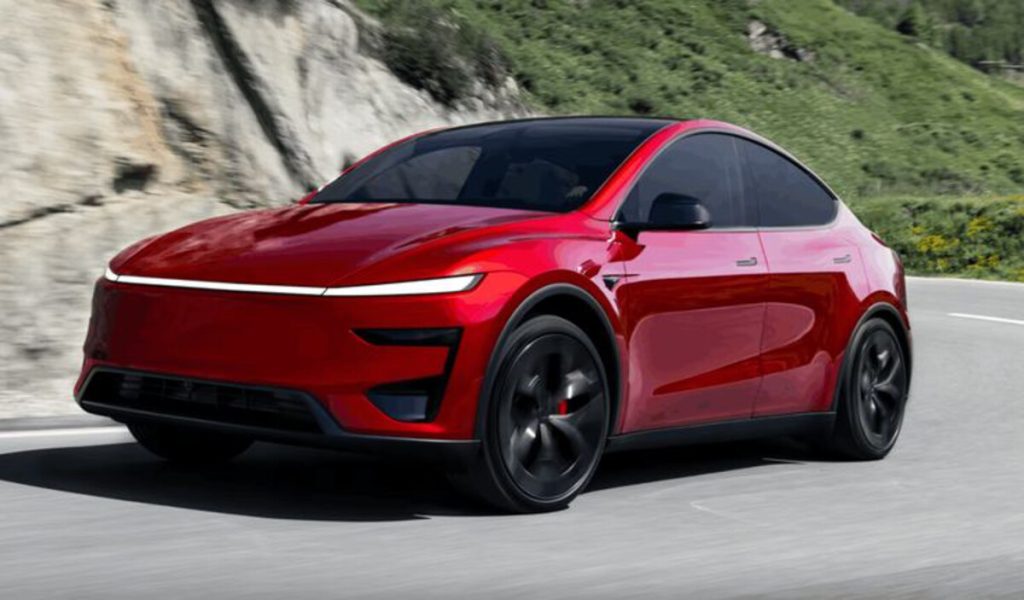
Its aerodynamic focus is not only about range efficiency but also about a better driving atmosphere.
For those who want advanced technology along with calm travel, the Model Y delivers wind control that many owners respect, especially on open roads where air pressure usually builds up around the mirrors and roofline.
3. BMW X5
The BMW X5 combines premium engineering with thoughtful attention to comfort at high speed. As a large SUV, it faces more surface area for wind to hit, yet it maintains an impressively quiet ride.
BMW shapes the mirrors to guide air around the glass rather than allowing turbulence to form along door edges. Sound proofing materials inside the pillars and door skins help block any remaining exterior noise from entering.
The expanded use of acoustic glass throughout key windows creates a peaceful environment for passengers. This attention ensures that conversations between rows remain stress free during long journeys.
The roof structure also avoids exposed rails that often generate whistling, especially when crosswinds strike the side of the vehicle. Even with its strong stance, the X5 avoids becoming a sail in rough air conditions.
Drivers enjoy a sense of isolation without losing the feel of control. The smooth airflow reduces the sensation of buffeting that some SUVs experience when passing large trucks or traveling in open areas. Music and spoken commands to the digital assistant come through clearly at normal volume.
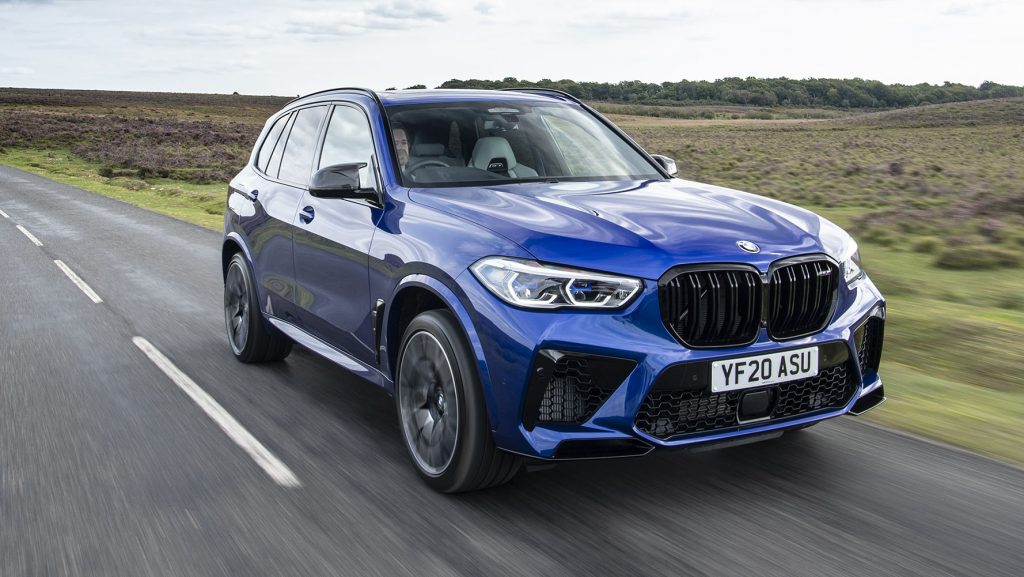
This vehicle is included because owners consistently mention its quietness at cruise speed as a standout benefit. It shows how luxury does not depend only on leather or technology but on protecting passengers from environmental stress.
When the cabin stays calm, the ride feels far more refined and less tiring on long road trips. The BMW X5 gives families and commuters a peaceful space that remains stable even during fast expressway use. It proves that strong aerodynamics and thoughtful sealing can make a large SUV feel as serene as a high end sedan.
4. Toyota Camry
The Toyota Camry earns its reputation for quiet comfort through steady improvements over many generations. Many buyers choose it because of its reliable nature, but once inside they discover strong attention to wind noise control.
The sloping windshield and carefully angled A pillars guide air smoothly toward the roofline. Toyota engineers use dense insulation inside the doors and around the firewall to prevent sound transfer.
Triple layer door seals help maintain tight shut lines, blocking small leaks that often become noticeable above city speeds. The mirrors are positioned to reduce turbulence where the glass meets the door surface.
Even the wheels and fender shapes are tuned to limit how air moves around the lower body. This helps the entire vehicle remain calm against outside airflow rather than producing a noisy rush.
Owners enjoy how quiet the Camry remains during long distance drives or daily commutes. Phone calls remain clear and music from the speakers does not require volume increases to defeat wind pressure sounds.
Riders often describe the cabin experience as smooth and relaxing even when road conditions outside are windy.
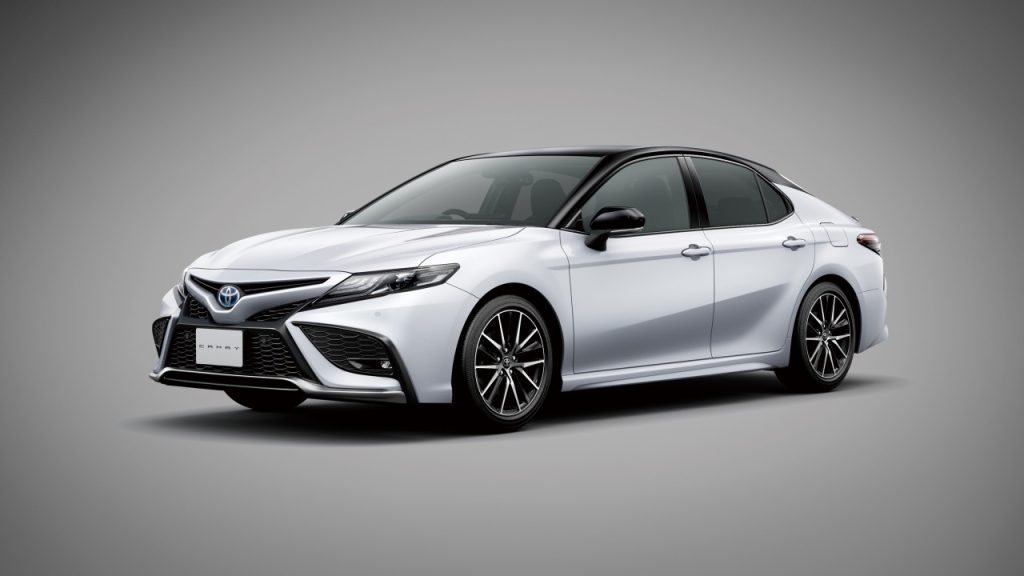
The Camry is included because it delivers refined comfort without demanding luxury pricing. Quietness should not only belong to premium class vehicles. Toyota recognizes that most drivers spend a significant amount of time at highway speeds where air noise has the greatest effect on comfort.
The Camry offers a stress free environment for everyone inside, enabling peaceful commutes and restful weekend travel.
Its reputation is built not just on long term dependability but also on the gentle ride that comes from properly managed airflow and strong sealing quality. It remains a smart choice for people who value serene travel at an accessible price point.
5. Volvo XC90
The Volvo XC90 places passenger comfort and safety at the center of its design philosophy, and reducing wind noise plays a major role in that approach.
The body shape directs air efficiently around the mirrors and roofline to avoid swirling turbulence that creates a constant roaring sound. Volvo uses laminated acoustic glass in multiple windows to limit vibration transfer from the exterior surface into the cabin.
The XC90 also benefits from strong craftsmanship in how panels join together. Tight body tolerances reduce small gaps that might otherwise allow whistling under pressure.
Roof rails sit flush and streamlined, which prevents the wind disruption often heard in taller vehicles. This is especially helpful because SUVs are more likely to experience wind buffeting due to their height.
Passengers quickly notice the serenity when cruising at speed. Spoken conversation between all three rows remains comfortable and natural.
People often comment that the XC90 feels more like a private relaxation space than a vehicle fighting against outside air flow. Even when driving near large trucks that usually cause turbulence, the cabin remains impressively calm.
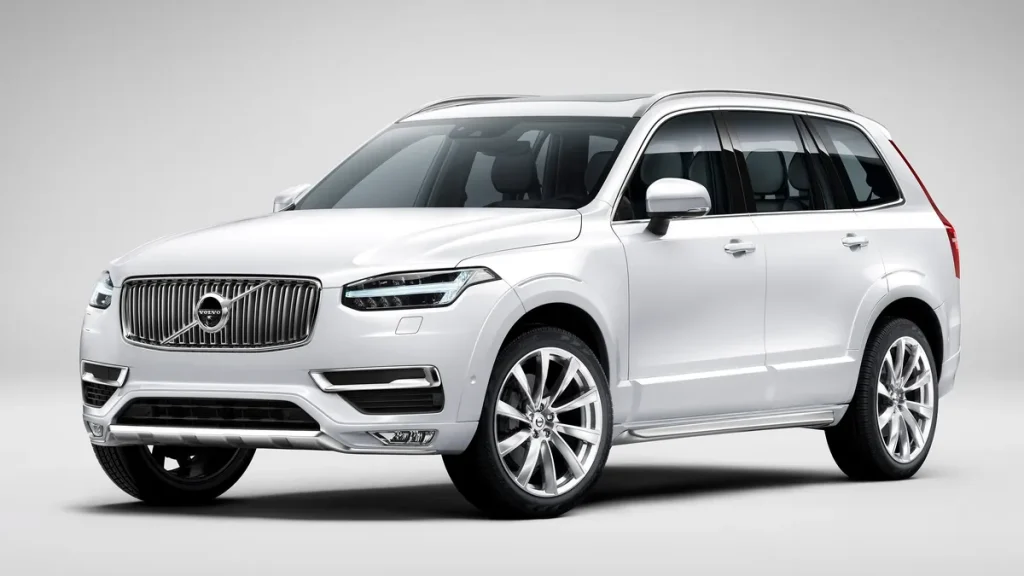
This model is included because it sets a strong standard for noise reduction in family sized luxury transport. The focus goes beyond materials, showing careful aerodynamic design that supports a peaceful atmosphere.
Families who travel frequently find that lower noise levels reduce fatigue and improve comfort for children on longer trips. The XC90 highlights that thoughtful engineering in airflow control creates a premium experience the moment travel begins.
It offers quiet confidence on open highways and gives every passenger a serene ride without constant reminders of the wind outside.
5 Constant Whoosh
While many cars deliver peaceful travel through smart aerodynamic design, others struggle with wind noise that becomes noticeable far too quickly. The sound of rushing air can ruin the sense of calm drivers expect during long journeys.
Some vehicles focus on bold styling or lower cost construction, but the result sometimes leaves gaps around the doors, aggressive mirror shapes, or roof rails that become noisy under pressure. Instead of a smooth hush, passengers hear constant whoosh from the moment highway speed is reached.
This issue does not always appear right away during short test drives or city travel. It shows up during realistic ownership when drivers spend time on expressways or drive through windy open stretches.
What seemed like a strong purchase at first may later feel tiring because noise levels stay high enough to demand increased audio volume and louder conversations. For families, commuters, and anyone traveling frequently, wind intrusion becomes a daily annoyance.
These five selections earn attention not to shame them but to help buyers manage expectations.
They are popular vehicles for reasons such as practicality, affordability, or stylish looks. However, their design choices sometimes sacrifice aerodynamic calmness. People who prioritize quietness should simply be aware before committing to ownership.
Automakers constantly refine their strategies and newer versions may improve sealing or change panel shapes in future. For now, these models stand out because owners often report persistent wind sounds at moderate to high speeds.
Acknowledging the issue helps buyers better match their needs. Wind control affects comfort far more than many anticipate. The following vehicles serve as reminders that silence is not guaranteed even in models that succeed in many other areas. Awareness can guide smarter decisions and reduce regret later.
1. Jeep Wrangler
The Jeep Wrangler is admired for rugged off road strength and iconic styling, yet aerodynamic refinement is not part of its purpose. The near vertical windshield hits air directly, causing turbulence that quickly becomes loud as speed climbs.
Its removable doors and roof panels require flexible sealing that can never match the airtight precision of a fixed body design. Exposed hinges and flat body sides give the wind plenty of surfaces to grab and shake around.
Owners often note that highway travel requires louder stereo volume or raised voices because the air pressure sounds take over inside the cabin. Crosswinds especially create buffeting around the hardtop seams and window frames.
Even the side mirrors contribute to noise since they sit outward rather than molded closely against the body. Tire and exhaust sounds may join in, but the rushing air remains the most noticeable distraction.
The Wrangler is included here not as a failure but as a clear example of results driven by priorities. This model is built to take harsh terrain, mud, and rocks with open air fun. Those features limit opportunities to focus on cabin silence.

People buy it for spirit and adventure, not peaceful cruising. However, shoppers expecting a refined highway ride with low wind noise frequently feel disappointed.
Drivers who treat the Wrangler as a travel companion for camping trails rather than everyday expressway commuting usually appreciate it more.
It is important to understand that while the Jeep excels off the road, the constant whoosh reminds the driver of the outside forces pushing against its boxy stance.
Anyone looking at purchase should first decide whether their lifestyle requires quiet air travel or embraces the raw connection with nature that this SUV proudly maintains.
2. Ford Bronco
The Ford Bronco revives a beloved name with strong off road ability and a playful character. However, like its closest rival, the Wrangler, aerodynamic calmness is not part of the priorities behind its shape.
Its upright front pillars, frameless doors, and removable roof panels invite wind to find paths into the cabin. Large roof gutters and visible edges create surfaces where air catches and creates turbulence.
During highway driving, especially above 90 kilometers per hour, owners frequently report that wind sounds become loud enough to compete with the audio system.
When crosswinds pick up, the hardtop can experience slight flex that leads to fluctuating noise levels. Side mirrors are shaped more for visibility than smooth airflow, contributing additional swooshing as speed rises.
Despite these concerns, the Bronco remains popular because it excels at outdoor adventures. People enjoy the open cabin feel and the ability to remove top panels for fresh air experience. Yet when everything is closed and drivers expect near luxury quietness, the reality can be different. The design simply works against silence.
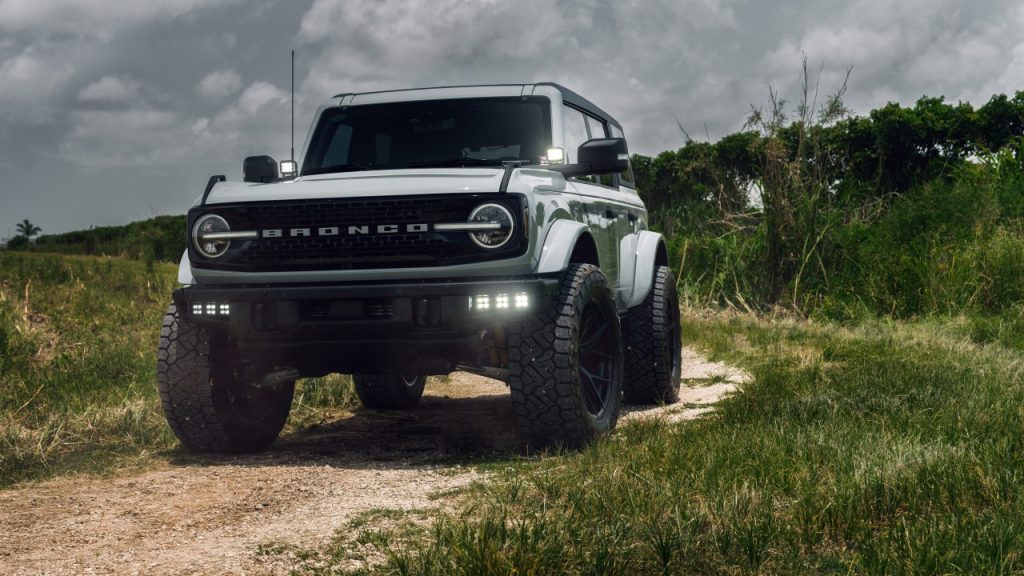
The Bronco earns a place here because many shoppers compare it to crossovers expecting similar refinement levels. They later learn that this model follows a different mission. It delivers fun and toughness, not calmness.
People who prioritize quiet travel on long stretches of road might feel disappointed if they expect a peaceful highway cruiser. On the other hand, those who embrace its nature will accept the constant whoosh as part of the personality.
3. Subaru Crosstrek
The Subaru Crosstrek serves adventurous drivers with good ground clearance and standard all wheel control, yet owners often point out that wind noise becomes noticeable early during highway speed.
The door sealing and mirror placement allow air vibration to transfer into the cabin more than expected for a compact crossover. Roof rails sit high and exposed, which creates turbulence as air moves around the top surface.
Drivers frequently find themselves raising the media volume to stay ahead of wind intrusion sound near the upper window area. On blustery days, the noise grows stronger and more consistent, especially when passing large trucks or driving across bridges.
The overall shape is closer to a raised hatchback than a sleek aerodynamic form, so the air does not always flow cleanly once the vehicle accelerates.
Despite that, the Crosstrek is chosen for its practicality and outdoor suitability. People like the reliability, cargo flexibility, and sense of capability it provides.
However, buyers who expect a quiet ride may feel that this is an area needing improvement. Subaru promotes rugged versatility rather than refined silence, and this model reflects that character.
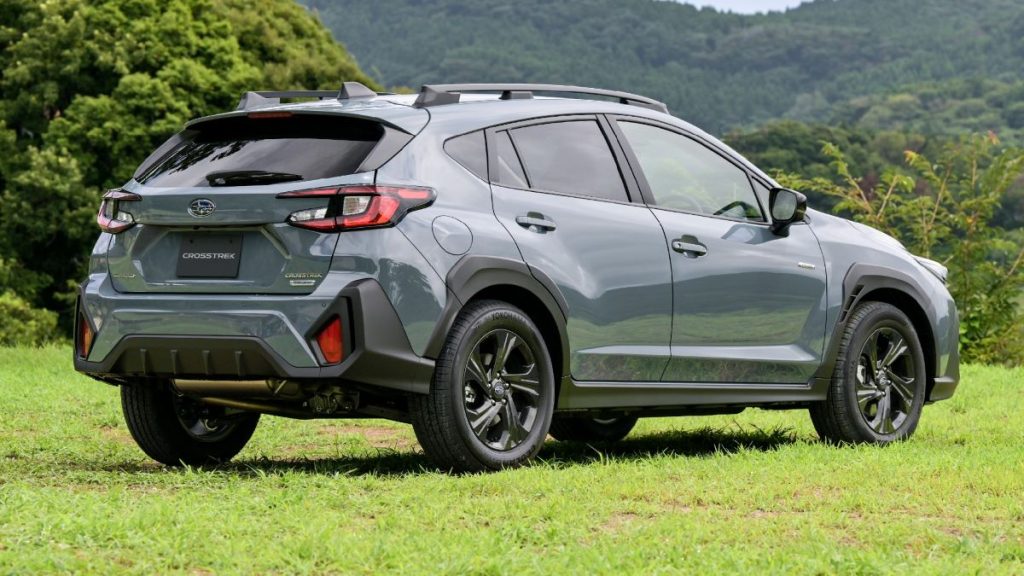
The Crosstrek appears here because many owners discuss wind noise as a downside in reviews. The vehicle wins hearts with stability and comfort in rough weather but loses some favor when noise fatigue sets in during long journeys.
Those planning frequent expressway trips may want to test it in windy conditions before committing. It remains a great compact SUV but requires the right expectations regarding cabin quietness.
4. Toyota RAV4
The Toyota RAV4 ranks among the highest selling SUVs due to its reliability and strong value, yet wind noise remains a common complaint from owners.
Its more angular design prioritizes a bold presence on the road, but the shape introduces airflow disruptions near the front pillars and mirror mounts. This creates noticeable whoosh above moderate speeds.
Roof rails often remain exposed rather than flush, which further increases turbulence. Some trims include larger wheel designs that change the aerodynamics around the wheel arches, adding more uneven airflow.
Despite good insulation against road and engine sound, the wind controls often fall behind expectations for a vehicle so widely used as a daily commuter.
During longer highway journeys, passengers may find that background noise builds up gradually until conversations require extra effort. Drivers sensitive to sound fatigue notice this sooner than others. While upgrades in newer generations improved several refinement areas, wind intrusion still stands out when compared against quieter competitors.
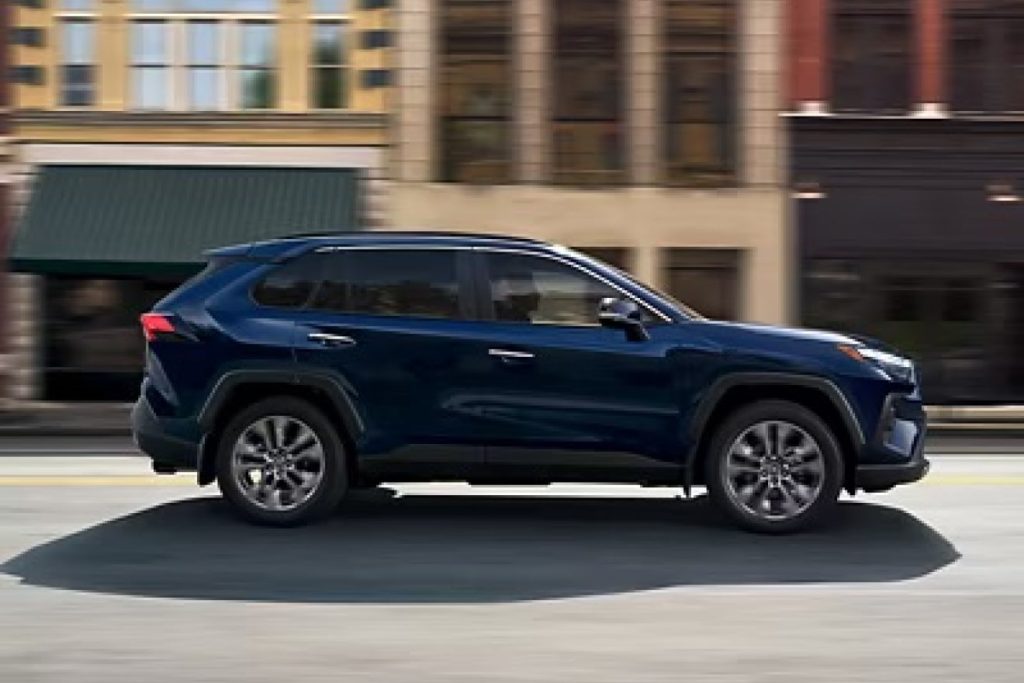
The RAV4 is included to help shoppers recognize that popularity does not always mean complete comfort. It remains a trusted, durable, and versatile SUV, but wind noise remains a weak point.
People who mostly drive in city conditions might ignore this issue entirely. Those who expect peaceful long distance travel may want to experience it at full highway speed before buying.
Consumers value the RAV4 for many strengths. Understanding its wind behavior helps owners maintain realistic expectations and avoid frustration later. It remains a good vehicle but not the calmest once open road speeds rise.
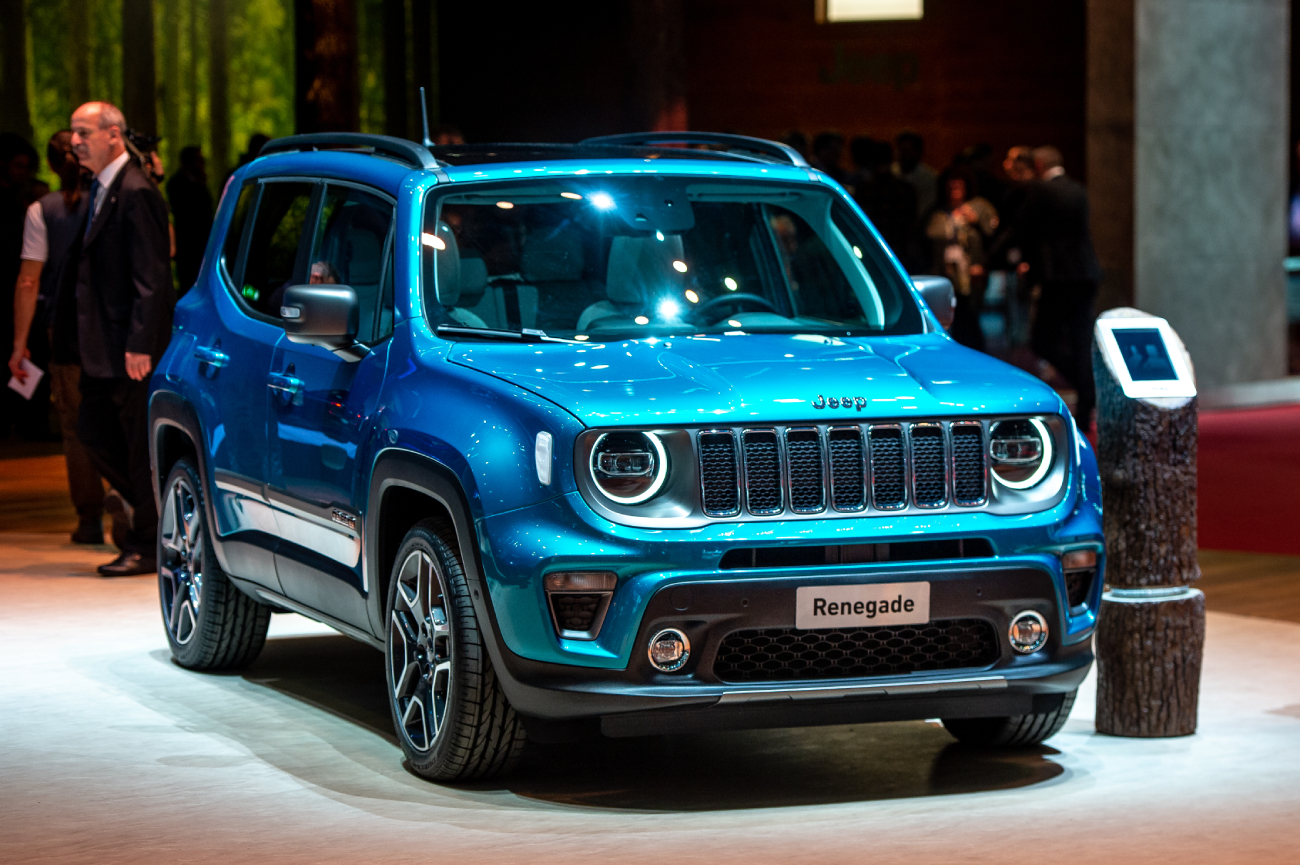
5. Jeep Renegade
The Jeep Renegade provides a charming boxy look with fun driving personality, but this shape creates challenges when controlling wind noise.
The upright windshield and squared edges along the roof and side windows give air many places to hit directly. As a result, turbulence forms easily once speed increases beyond typical city travel.
Reports from drivers mention a persistent whoosh near the upper doors and mirror areas on highways. The short wheelbase also allows more overall cabin vibration, which can amplify wind resonance when outside conditions become strong. Roof rails contribute to the issue since they sit exposed and generate a noticeable whistle during crosswind situations.
Owners still appreciate the Renegade for its styling, maneuverability, and available all terrain features. It fits easily into parking areas and brings youthful energy to daily travel.
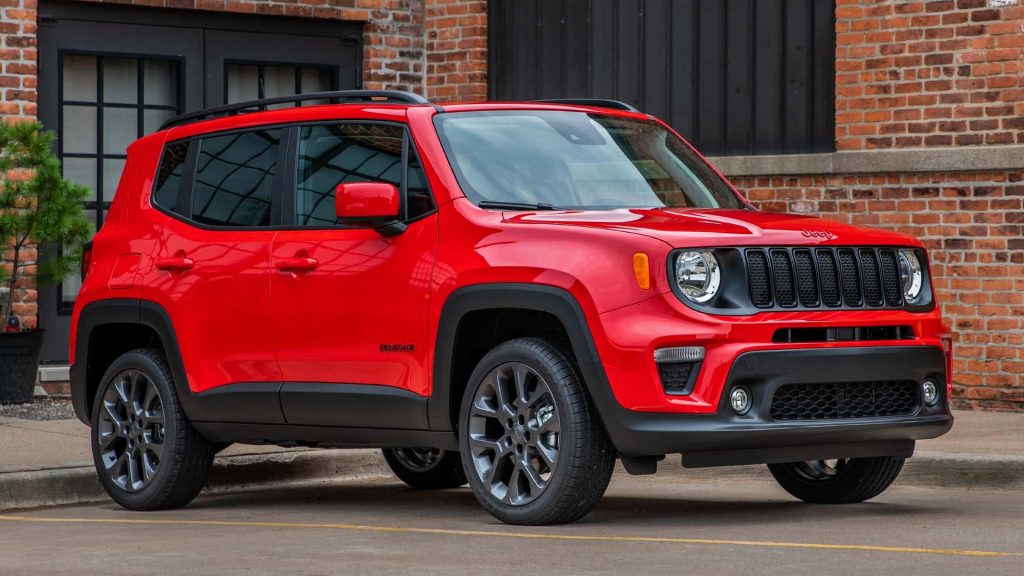
However, those expecting quietness on longer routes may find that the sound level becomes tiring faster than anticipated. The boxy exterior simply does not support smooth airflow, and sealing limitations allow air to create ongoing pressure noise.
The Renegade earns a spot here because many drivers comment that they expected better refinement in such a competitive small SUV segment. Style wins many votes, but wind behavior reveals compromises in cabin calmness.
It remains a good urban companion yet struggles to offer peaceful expressway comfort. Buyers who value silence should take a long test drive at steady highway speed before deciding.
Also Read: 5 Sedans With Knee Banger Back Seat Vs 5 Alternatives
