
Front-seat access is something most drivers think about only after struggling with a vehicle that makes entering and exiting difficult. Everyday life involves several short trips. Each time a person climbs inside, they bend, twist, and shift weight.
So the design of the doorway, the height of the seat from the ground, and the amount of space for knees and legs actually matters a lot.
When it feels comfortable to step in without crouching too low or stretching too high, the entire ownership experience becomes more pleasant.
The aim of recognizing vehicles with easy front-seat entry is to highlight features that support mobility for people of different ages, body shapes, and health conditions. A car can feel friendly before anyone even sits down, simply because entering feels natural.
On the other hand, some models may impress with styling, low rooflines, or sporty seating positions but create a struggle every single morning.
When the door opening is tight or the seat is positioned too low, people must slide downward and then push up using knees or hands to get out.
Over time this situation becomes annoying, especially in traffic where frequent stops require repeated movement.
For older drivers, tall drivers, anyone with knee strain, or simply someone wearing formal clothes, difficult entry can be a real drawback. Cars are tools for daily life, so convenience should never be ignored.
This comparison focuses on both sides of the experience. Five models are highlighted because they make entering the front seats simple and supportive. Five are pointed out because they require noticeable effort and might cause discomfort in regular use.
This balanced approach helps buyers think not only about power and features, but also about everyday comfort that influences how enjoyable living with a vehicle can be.
Also Read: 5 Cars With Friendly Cupholders And Storage Vs 5 Spill Makers
5 Models With Easy Front-Seat Entry
Some vehicles feel ready to welcome you the moment you open the door. The floor height, shape of the seat cushion, and size of the door opening all influence how smooth or difficult it is to settle into the front row.
When a model is designed with comfort at the forefront, the entry process requires little bending or climbing. People simply turn, sit down, and bring their legs inside without any awkward movement.
This kind of design is extremely valuable for a wide range of users including parents managing children or bags, commuters entering and leaving the vehicle multiple times a day, and individuals with limited strength in knees or hips.
Easy entry can come from a slightly raised seat that aligns closely with a natural standing height.
When the seat is not too low or too high, there is no strain placed on the lower body. Another helpful feature is a wide doorway that gives the legs plenty of room during movement.
The shape and angle of the A-pillar also matters, because if it intrudes too far into the opening, drivers must twist their bodies uncomfortably. Well-placed grab handles add confidence for those who appreciate a small aid during seating.
Highlighting five models with thoughtful design shows how manufacturers can improve daily comfort. A vehicle may be stylish and advanced, yet still frustrating if stepping inside feels like a chore.
The five choices in this section succeed by making the first action every driver performs simple and pleasant. They support graceful movement for users young and old.
These models deserve recognition because they focus on human comfort, not just technology or styling lines. A positive first step inside truly sets the tone for a relaxed and confident drive.
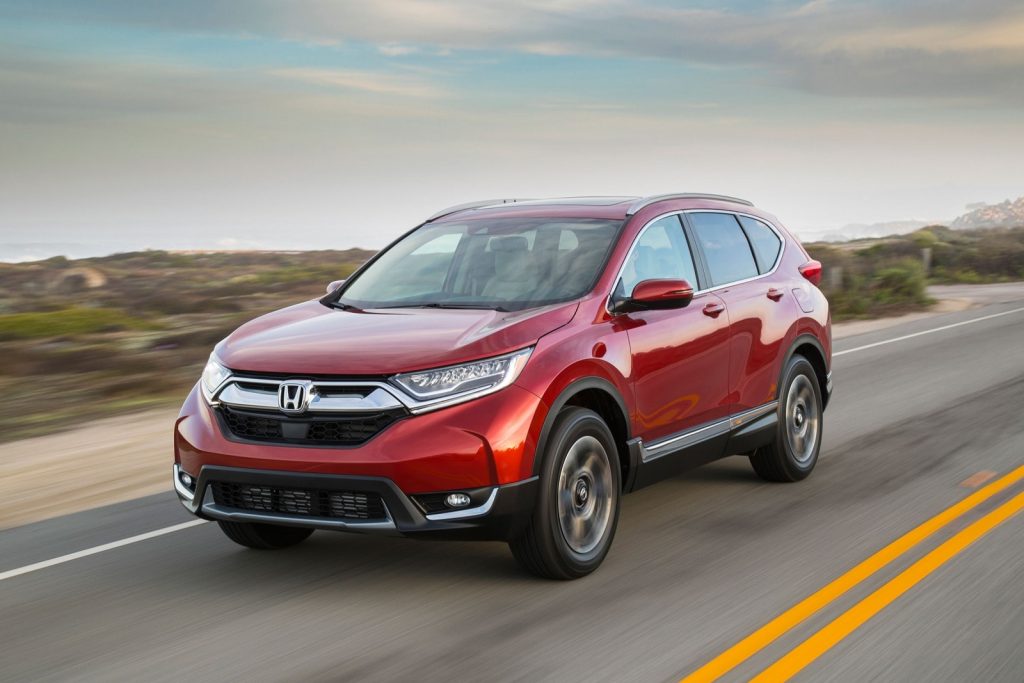
1. Honda CR-V
The Honda CR-V earns recognition for its welcoming cabin that feels friendly right from the doorway.
The seat height is carefully tuned, placing the cushion at a natural level that reduces the effort required to sit down. Instead of lowering yourself into a position close to the floor, the motion feels more like settling into a sturdy chair.
This is especially beneficial for anyone who does not want to strain their knees during everyday trips. The CR-V’s front doors also open wide, which gives room for larger body frames or people carrying backpacks, laptops, or shopping bags.
The interior layout helps as well. There is no bulky center console blocking the movement of legs during entry.
The front pillars are shaped to avoid pushing the head or shoulders inward. Because the ceiling is tall near the front, the driver can easily lean forward and duck slightly without hitting anything.
Even taller drivers feel comfortable sitting down without fighting for space. The grab handles above each front door offer support for those who appreciate a stable surface to hold while easing into the seat.
Many compact SUVs emphasize sportiness, and that often means lower seating and tighter openings. Honda takes a different direction by keeping practicality at the top of the priority list.
For people who have active families or who pick up passengers frequently, this model saves time and reduces stress. After a long day of work, stepping into this SUV does not feel tiring.
It supports mobility for drivers of many ages, making it a strong match for users who want long-term comfort. This attention to physical convenience shows that a vehicle can be both feature-rich and kind to the body right from the first moment of entry.
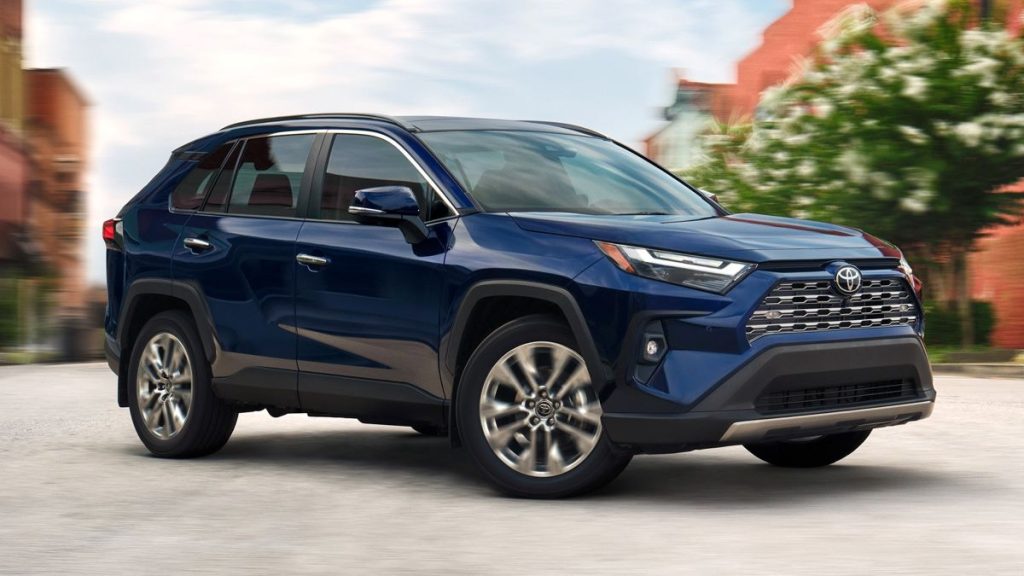
2. Toyota RAV4
The Toyota RAV4 is well regarded for ease of movement when entering the front seats. Its seating height places the cushion right around hip level for most adults.
That means drivers can slide into position in one smooth motion without lowering themselves too much or lifting themselves upward.
The door openings are broad, giving enough room to pivot and settle comfortably without scraping knees or bumping elbows. People who often manage luggage, laptops, or grocery bags while entering a vehicle will appreciate how simple this motion feels.
The floor design near the front row of the RAV4 helps keep entry natural. There is no sudden step up and no awkward lip that forces users to lift their feet high.
The front pillars do not intrude into the path of the head and shoulders, which prevents knock hazards during quick seating.
The roofline remains high enough in the forward section so that tall drivers do not have to crouch deeply or bend their necks sharply. The seat bolstering is supportive yet not too tall on the sides. This feature prevents the legs from catching on the edges while settling in.
Highlighting the RAV4 here reflects Toyota’s focus on making everyday living easier. The vehicle is designed for busy people making frequent stops or managing multiple passengers throughout the week.
Comfort should not begin only once someone is fully seated. It starts from the moment the door opens. For users with mild mobility challenges, the thoughtful seat height and open space help keep stress away from joints.
It is a model that demonstrates how smart ergonomics improve satisfaction during short trips, long drives, and everything between. The RAV4 proves that convenience can be included without compromising a capable and practical design.
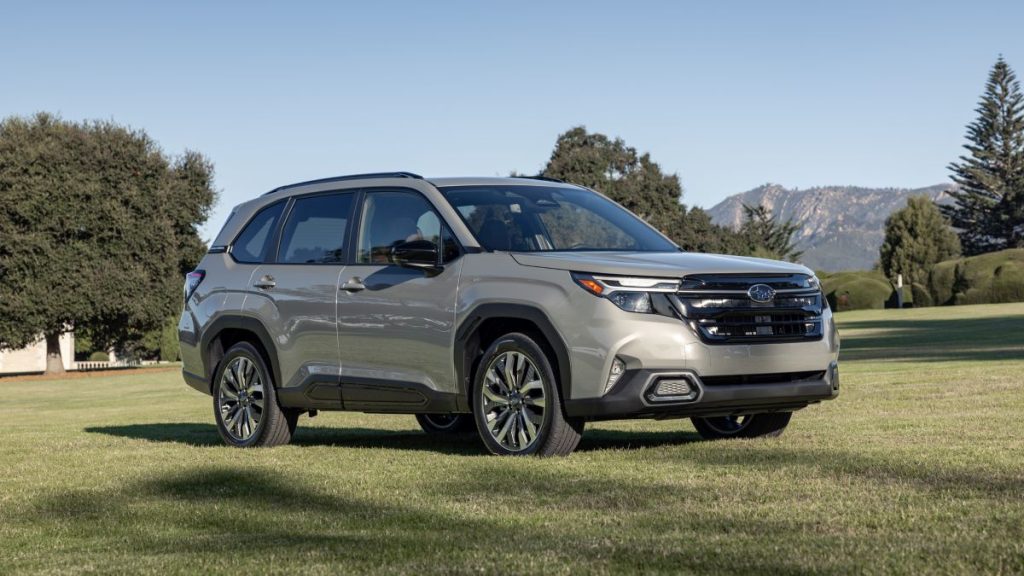
3. Subaru Forester
Subaru Forester earns a place on this list because of one clear strength: generous vertical space. When a vehicle has a tall roof and upright doors, the act of sitting becomes easier. The Forester’s design helps drivers step in without crouching too low or twisting their body in tight angles.
The seat height is placed so most adults can move from standing to sitting with minimal knee bending. For anyone who feels discomfort during deep squats, this height is a welcome feature.
Wide doors and a large glass area make the entry point visible and confidence boosting. People who value clear sightlines feel more secure during movement in and out of the cabin. The A-pillars are positioned in a way that avoids pushing the head inward during entry.
There is also solid grip assistance from the upper handles. These handles give a sense of stability, especially when the ground outside is uneven or slippery.
The lower door sills do not stick out far, which prevents pant legs or shoes from catching when stepping inside. The seat cushions are shaped to support the thighs without forcing a narrow slide inward.
This makes the entry motion smoother for tall individuals or those with broader hip structure. Subaru’s focus on practicality suits users who spend a lot of time getting in and out of the vehicle during active weekends or daily errands.
It supports mobility for seniors, people with recovering injuries, and anyone who values physical comfort. The Forester’s thoughtful engineering ensures that climbing inside at the start of a trip or stepping out at the end does not feel like a chore. Instead, it feels natural and convenient.
4. Kia Sportage
Kia Sportage is included because it balances modern styling with accessibility. Some vehicles with dramatic exterior lines sacrifice door size or seat placement. Sportage manages to look stylish while still offering a seating position that is friendly to the body.
The floor height and cushion height create an ideal step and sit movement for a broad range of users. Drivers do not need to climb up as much as a full-size SUV, and they avoid the low crouch required in many compact cars.
Door openings in the Sportage are pleasantly wide. This ensures that the first leg entering the cabin does not have to angle sharply, reducing strain on the hips. Taller users feel comfortable because there is enough head clearance as they begin to sit.
The front doors swing out at a generous angle which simplifies movement for people carrying children or bulky items. The threshold inside the door is slim so shoes glide over it without snagging.
Inside, Kia places the seats with care. They are not overly bolstered on the sides, so people are not forced to climb over tall cushion ridges. The dashboard design avoids projecting too far out, leaving more freedom for knees and feet while settling into the seat.

Sportage is highlighted here because it supports a comfortable daily experience without demanding physical effort.
Whether it is a busy commute or a quick step inside during shopping trips, every entry feels straightforward.
For drivers or passengers with mild knee stiffness or general fatigue, the Sportage can make the difference between a tiring day and a comfortable one. Kia’s attention to everyday usability helps make this model a smart choice for those who value effortless movement.
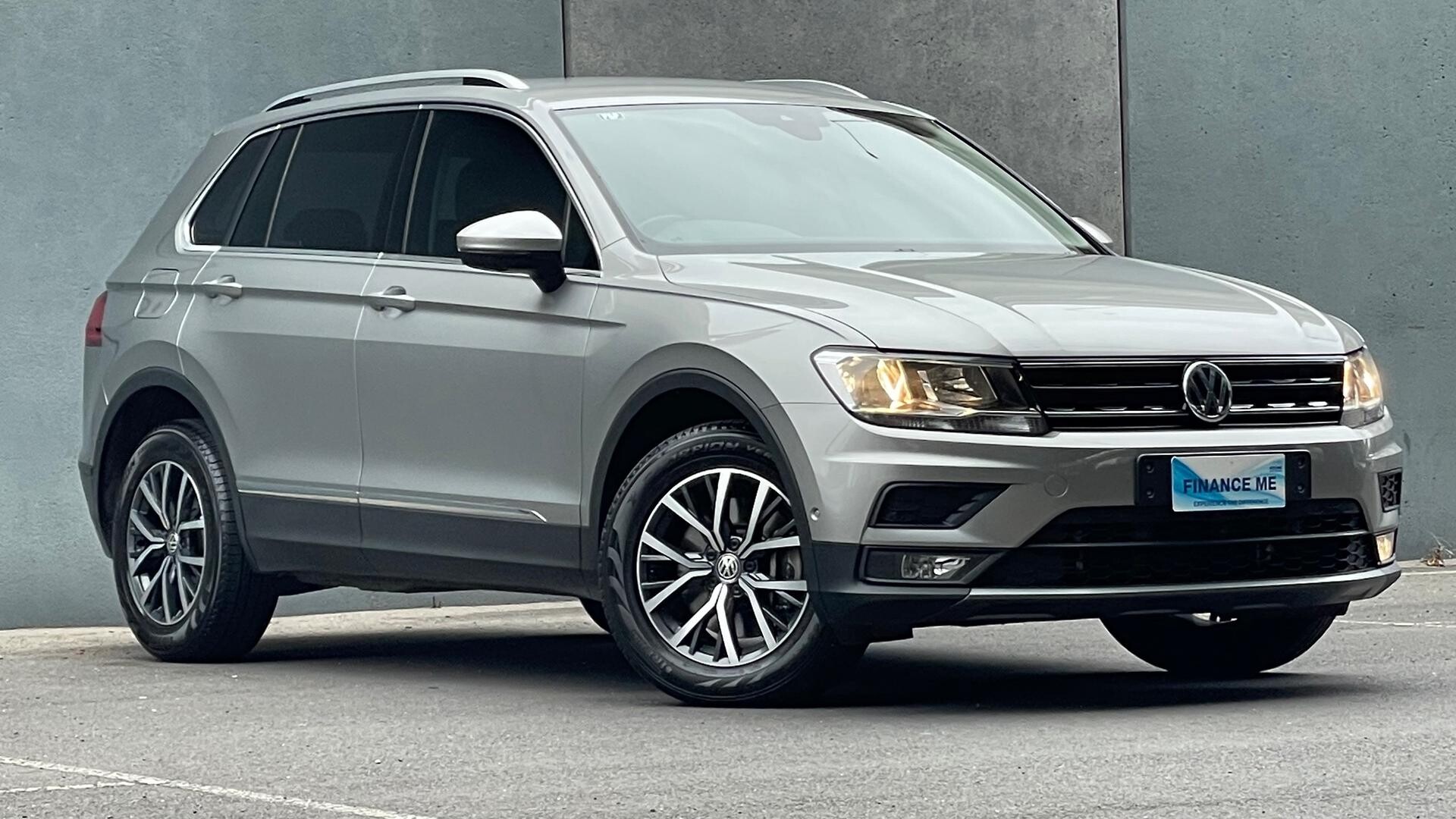
5. Volkswagen Tiguan
The Volkswagen Tiguan offers front-seat access that feels smooth and refined. The seating height rests at a level where users can slide their body into place without dramatically dropping down or lifting upward.
That sweet spot supports people who prefer a neutral posture during movement. The door openings are broad enough for drivers to angle themselves comfortably. Even users with a taller build do not feel squeezed while beginning to sit.
Head clearance is generous, which lessens the chances of bumping the roof edge. The Tiguan’s front pillars are shaped to avoid interference with shoulder rotation. Once standing near the doorway, the body has a clear path toward the seat.
The step inside is free of excessive raised structures, allowing feet to glide easily. This thoughtful engineering helps during rainy weather too, since footwear is less likely to catch on a high lip.
Inside, the cabin layout avoids obstacles during seating. The center console is placed to leave enough passing space for knees. The seat surfaces themselves support the thighs while letting occupants slide in without effort.
Grab handles are available for those needing additional steadiness. These elements come together to encourage comfort from the very first second inside.
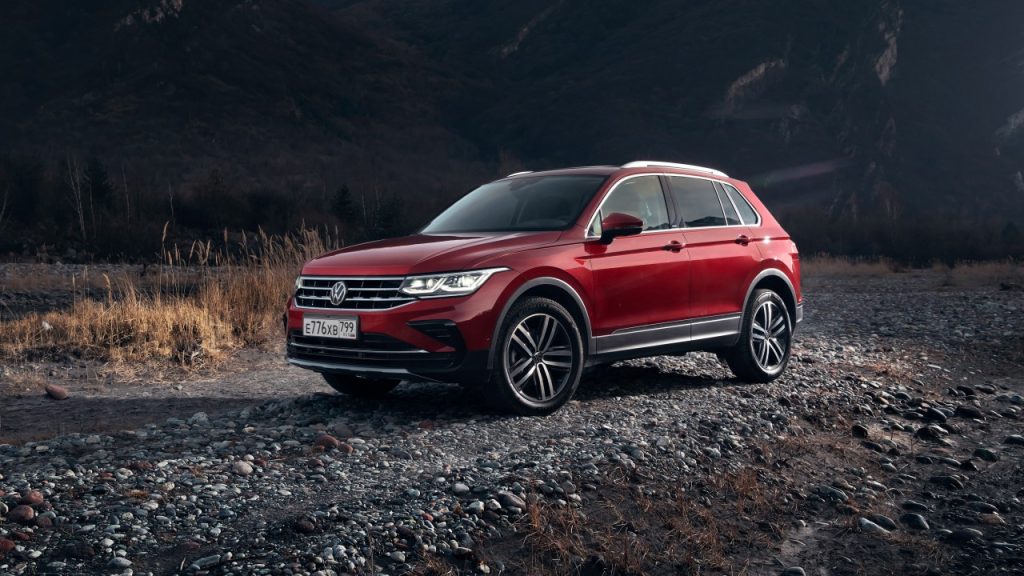
Volkswagen understands that presentation matters, but so does physical ease. The Tiguan supports commuters who make frequent stops throughout the day. Elderly passengers and working adults with leg stiffness benefit from the balanced seating height.
Families loading children into the front passenger seat will also observe how quick and comfortable the movement feels.
This model stands out for combining a premium feel with a friendly entry experience. It proves that stepping into a modern SUV can feel just as satisfying as driving it.
5 Knee-Twisters
Some vehicles ask too much from the body before the ignition is even switched on. The first step of any trip is getting seated, and that should feel natural. Yet certain cars require deep bending, awkward twisting, or a careful slide to reach the front seats.
Instead of a smooth and confident motion, people find themselves lowering their body as if stepping into a hole, or pushing upward with noticeable strain each time they exit.
These challenges might seem small at first, but during daily routines filled with errands, work stops, and parking lots, the discomfort becomes clear.
Design priorities make a difference. Sporty styling usually brings a lower stance and narrow door openings.
Thin roof height in the front forces taller drivers to crouch sharply. Raised door sills push legs into tight angles, demanding knee strength that not everyone has.
Even young and healthy drivers notice the discomfort on days when the body already feels tired. Some models attract attention because they look exciting from the outside, but style should not burden the joints.
This section highlights five vehicles that deliver enjoyable driving at the cost of comfortable access. These choices show how certain popular designs focus on performance appearance or aerodynamic shape over smooth seating movement.
People who love track-style posture may tolerate the effort, but many everyday users deserve a friendlier entry.
Recognizing knee-twisters helps buyers avoid frustration long after the excitement of purchase fades. Driving pleasure should begin the moment the door opens, not only once the wheels start turning.
1. Mazda MX-5 Miata
The Mazda MX-5 Miata offers thrilling control on the road, but entering its front seats feels like a mini workout. The car sits extremely low, almost at knee height for many adults, forcing a large bend in the legs and hips.
Drivers often put one foot in first and then slide downward while keeping their head low to avoid the door frame. This movement becomes tricky for taller people who must tuck their knees tightly before reaching the cushion.
The doors do not open very wide, limiting the angle needed for a smooth pivot into the cabin. With the roof raised, the low front section demands a careful crouch when sitting down.
Once inside, the body settles far below natural standing height, which means leaving the car requires pushing upward with strong leg support or bracing on the door. After several stops in a day, the routine feels tiring.
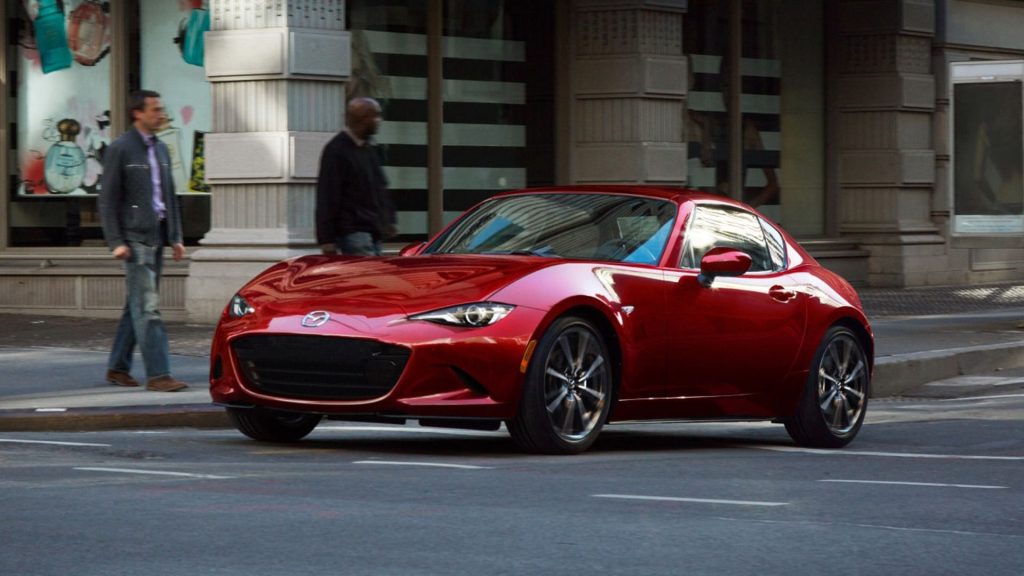
The MX-5 earns a spot here because it shows how a sporty design can sacrifice physical comfort. The car is still beloved by enthusiasts due to its road handling and open-air experience.
However, users with even mild knee sensitivity quickly notice the strain. Anyone juggling shopping bags or wearing formal clothing will feel restricted and may bump surfaces while entering or exiting. This model proves that excitement can overshadow basic seating convenience.
2. Toyota GR86
Toyota GR86 draws attention with sharp styling and a driver-focused cabin. However, the low stance means that reaching the front seat involves a deep drop from standing height. Most people place a hand on the roof or door to guide themselves downward.
Knees bend sharply and have little space to move freely during entry. Once inside, the driving position is excellent for track days but feels trapped for those needing quick in-and-out movement.
The front opening is not tall, so head clearance becomes a concern. Taller drivers must tilt their neck and shoulders significantly to avoid bumping the roof edge.
Side bolsters on the seats are supportive during spirited driving but become obstacles when sliding onto the cushion. The raised center tunnel and compact footwell leave little room for adjusting legs during the motion of sitting down.
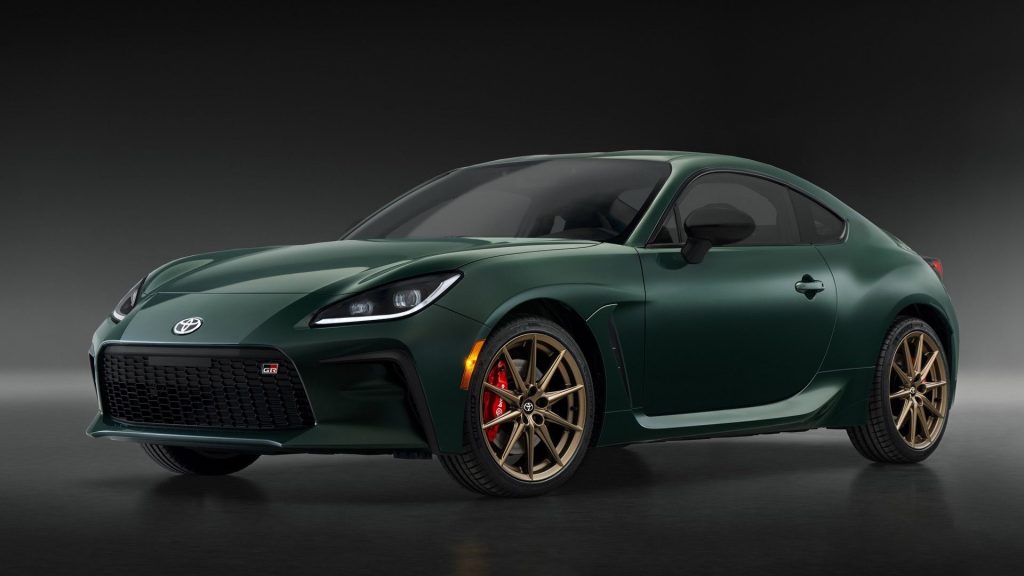
The GR86 earns mention because frequent use exposes its everyday challenges. After a tiring work shift or when picking someone up for a quick errand, the entry experience tests patience.
The exit requires pushing upward while twisting to avoid scraping knees or bumping the steering wheel.
The car is exciting on open roads yet demanding at slow parking-lot pace. Drivers seeking fun weekend trips may enjoy it, but regular city users will feel the discomfort quickly.
3. BMW 2 Series Coupe
The BMW 2 Series Coupe balances luxury and performance inside a compact structure. Yet its sleek shape creates a low doorway that challenges people during entry. The seat sits far below hip height for most adults.
To reach it, knees must bend sharply and the upper body must tilt inward before sliding into position. The sloping roofline restricts head movement. This makes the motion slower and less comfortable than expected from a premium model.
The doors are long, which helps with sideways clearance, but they are heavy and require space to open fully. In tight parking spots, drivers cannot achieve the angle needed for a smooth step inside.
Side bolsters on the seats are tall, making the body climb over them before settling. The rear-driven layout raises the center tunnel, limiting foot placement when moving into position.
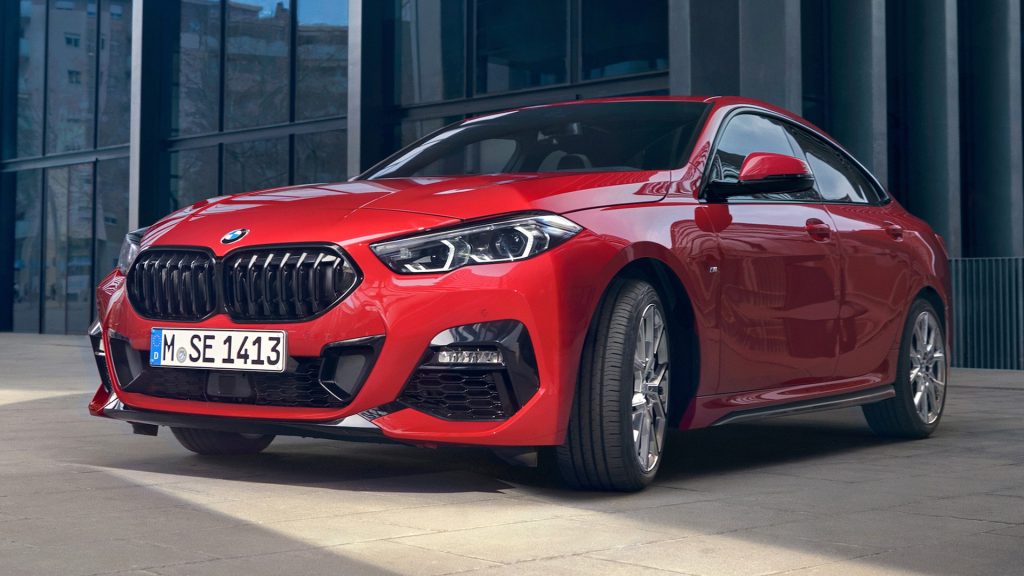
This model is included because the discomfort surprises many buyers. It looks practical from the outside due to its two-door shape, yet sitting down daily reveals the effort required. People wearing winter clothing or carrying small items often bump into surfaces.
Exiting also demands a lift from the knees that grows tiring over repeated stops. The 2 Series delivers excellent driving enjoyment once seated, but reaching that point takes patience.
4. Ford Mustang Coupe
The Ford Mustang brings strong presence and power, but easy access is not its focus. The roof slopes low toward the front, so people must duck their head early in the sitting motion. The seat height is positioned deep below natural standing level.
This requires significant bending, especially for those who prefer to keep knees comfortable. The doorway is not as tall as many expect, causing tight head clearance when settling in.
Inside, the seats feature firm bolsters along the sides. They hold the body firmly during spirited driving but block smooth sliding while entering. Drivers often adjust their knees and hips multiple times before fully seated.
Exiting can feel even tougher because the legs must push upward from a low position. If the ground outside is uneven, this motion becomes risky or uncomfortable.
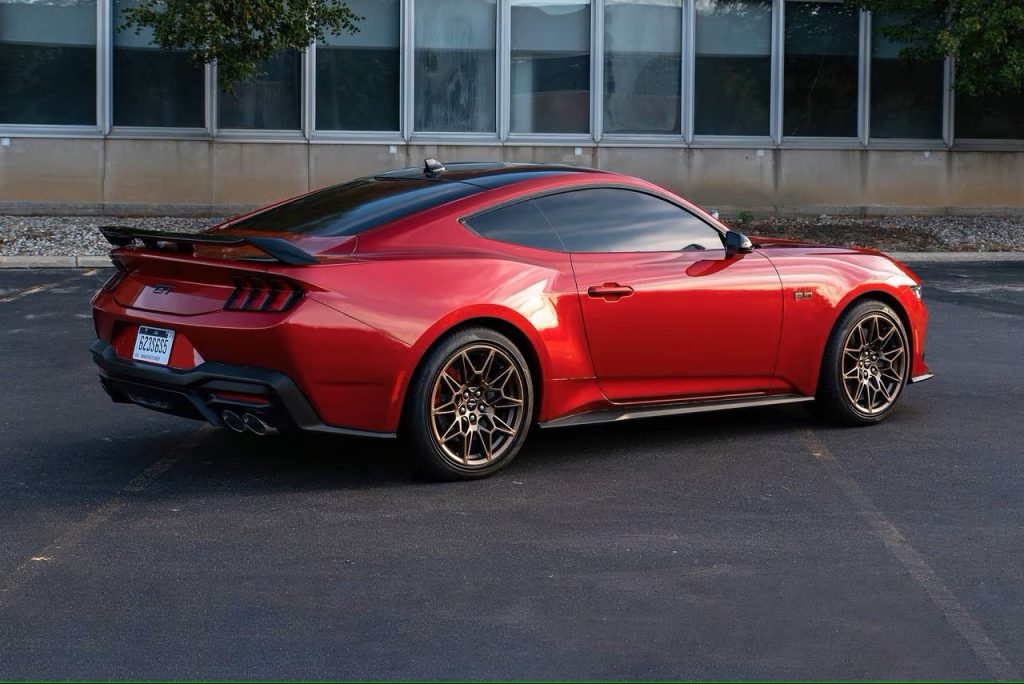
The Mustang is showcased here because its popularity often draws people who value style and presence. Yet everyday use exposes how much physical effort it demands. Carrying a backpack or wearing work attire makes the movement more complicated.
Long ownership brings more days when joints feel sensitive, making the seating position less desirable. Fans of the car enjoy its engine and road character but must accept the uncomfortable process that comes first and last on every drive.
5. Porsche Cayman
The Porsche Cayman is admired for agility and precision. However, its mid-engine structure results in a very low driving posture. Entering the front seats means lowering the body significantly.
The knees bend deeply and the hips rotate to maintain balance while sliding inward. The door height is limited by the curved roof, so head clearance requires careful positioning. Many drivers must lower their chin toward their chest before reaching the seat.
The seat bolsters are tall and firm for cornering support. While great on a racetrack, they make entry slow and controlled rather than natural. The steering wheel sits close to the driver, which can interfere with legs during the process of sitting down.
Leaving the car demands strong upward force from the legs or a push from the door frame, especially after long drives when the body feels stiff.

The Cayman appears here because the fun of driving hides the daily physical challenge. The excitement of precise handling and design appeal cannot erase the discomfort of strained knees.
Enthusiasts may not mind kneeling down slightly before every drive, but regular commuters notice the effort quickly. The car excels when moving fast but demands too much from the joints before that enjoyment begins.
Front-seat entry plays a larger role in daily comfort than many people realize. A vehicle that supports the body during sitting and standing makes short city stops and long travel days easier.
Models like Honda CR-V, Toyota RAV4, Subaru Forester, Kia Sportage, and Volkswagen Tiguan provide smooth motion while entering, thanks to well-placed seating height, supportive door shapes, and uncluttered interior space. These vehicles help drivers and passengers feel at ease from the first moment they open the door.
Others place style or performance first, creating challenges for the knees and hips. Mazda MX-5 Miata, Toyota GR86, BMW 2 Series Coupe, Ford Mustang Coupe, and Porsche Cayman require deep bending, tight twisting, and careful movement to reach the seat.
Frequent use makes these difficulties stand out. Considering entry comfort allows buyers to choose vehicles that support physical well-being and reduce strain during everyday life.
Also Read: 5 SUVs That Feel New at 100K vs. 5 That Feel Tired Early
