
Cupholders may seem like a small detail inside a vehicle, but they influence comfort more often than most features. People drink water, tea, coffee, and soft drinks throughout the day, especially during commutes or long family trips.
A thoughtful layout lets the driver keep a drink secure within natural reach, without twisting the wrist or blocking important controls.
Passengers also benefit from dedicated spots that prevent spills and clutter. When cupholders are easy to access, stable, and sensibly placed, they support a relaxed drive while preserving a tidy cabin.
Poor placement leads to minor frustrations that repeat every single time someone takes a sip. Some vehicles limit access to cupholders when the gear lever is in a certain position. Others force drinks into tight spaces that bump into arms during steering.
Shared armrests can become zones of conflict if two people try to store drinks close together. These small battles can create unnecessary irritation throughout a trip.
This article compares vehicles with truly supportive cupholder solutions to those that create inconvenience. Five chosen models respect passenger comfort with smart access, space awareness, and stability.
They give both front occupants equal and practical placement without forcing any awkward posture. Storage for bottles and cups should help keep hands focused on driving, while minimizing movement of elbows and shoulders.
The second category highlights vehicles that struggle in this area. These models create tension because their cupholders intrude into elbow space or compete with the shifter. A simple action should not feel like a fight for territory.
Recognizing these differences matters because daily routines shape long-term satisfaction. A well-designed interior supports calm moments on the road, while a poor layout constantly interrupts comfort.
Also Read: 5 City-Parking Champs Vs 5 That Are Headache Makers
5 Cars With Friendly Cupholder Layout
Cupholders should work naturally with the way people move inside a car. The best layout avoids forcing anyone to reach too far forward or twist their arm across their body. When positioned correctly, the cupholders support a casual drop-in motion with the wrist, allowing eyes to quickly return to the road.
Matching the sizes of different beverages matters too. Large insulated bottles, travel mugs with handles, slim soda cans, and small takeaway cups should all fit securely without rattling. Vehicles chosen for this section excel in these important areas.
Another major benefit of smart cupholder design is the ability to keep cabin organization simple. Drinks remain stable even when the road gets uneven or when the vehicle turns sharply.
The learnable routine of grabbing a drink without looking keeps driving smooth. Families especially appreciate layouts that keep every seat supplied with a secure place to hold a beverage, since spills from children or back-seat passengers can quickly cause sticky cleanup.
These five vehicles provide comfort through smart alignment and intuitively placed storage. They avoid blocking phone cubbies, armrests, climate buttons, or gear selectors. Equal access for the passenger avoids arguments about which drink gets the good spot.
Some vehicles include additional bottle holders in the doors that do not clash with elbow space. Little conveniences like these make long drives easier and bring peace during daily life.
By pointing out strong examples, this section highlights how attention to small ergonomic choices improves overall satisfaction. A comfortable driver stays more focused, and a happy passenger keeps the cabin atmosphere pleasant.
Cupholders may seem ordinary, but a thoughtful layout proves that ordinary features can have a big impact on everyday travel comfort.
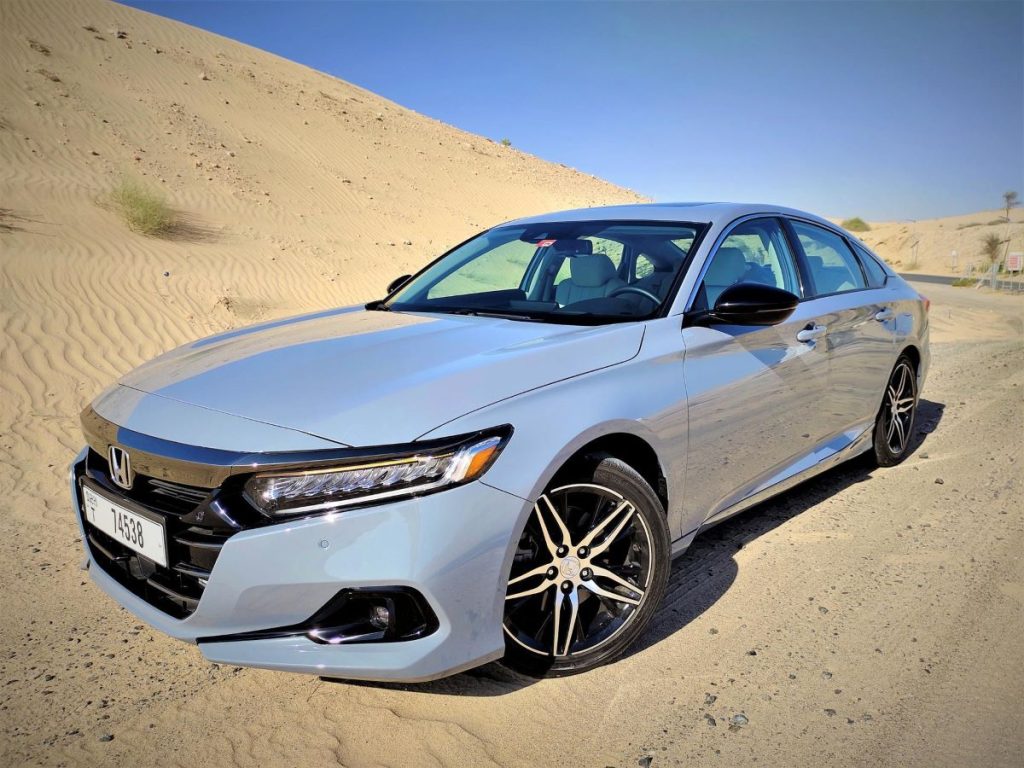
1. Honda Accord
Honda Accord has earned recognition for its smart interior organization, and its cupholders are a key part of its comfort success. They are positioned slightly rearward of the gear selector, which keeps the driver’s shifting hand completely free.
The placement allows a simple downward wrist motion to set a cup securely without leaning forward. The spacing between the two central cupholders prevents collisions between beverages of different sizes, so a tall bottle will not knock into a shorter cup beside it.
The cupholders are shaped with stabilizing walls and rubber grips that keep drinks steady during turns or when passing over potholes. This thoughtful grip helps reduce spills, especially with paper cups that have flexible sides.
Passengers benefit from equal access, as the cup space is centered rather than angled toward the driver or passenger. Door pockets also include bottle storage that does not intrude into elbow room, allowing both occupants to keep extra beverages accessible without congestion in the center.
Honda earns inclusion in this topic because the Accord proves that comfort involves more than seats and suspension. The friendly layout keeps snacks and refreshments close without interrupting climate control buttons or wireless charging areas.
Even with larger insulated bottles common among commuters, the cupholders offer reliable fitment. Drivers who frequently take drinks on the go, like morning coffee or water during long days, appreciate the stress-free motion.
Small frustrations accumulate over time, but in this vehicle, the interior supports calm habits. The Accord makes it easier to take a sip at a stoplight, carry refreshments for passengers, and maintain a clean, organized cabin. This quiet element of convenience contributes to why many owners remain loyal to the model year after year.
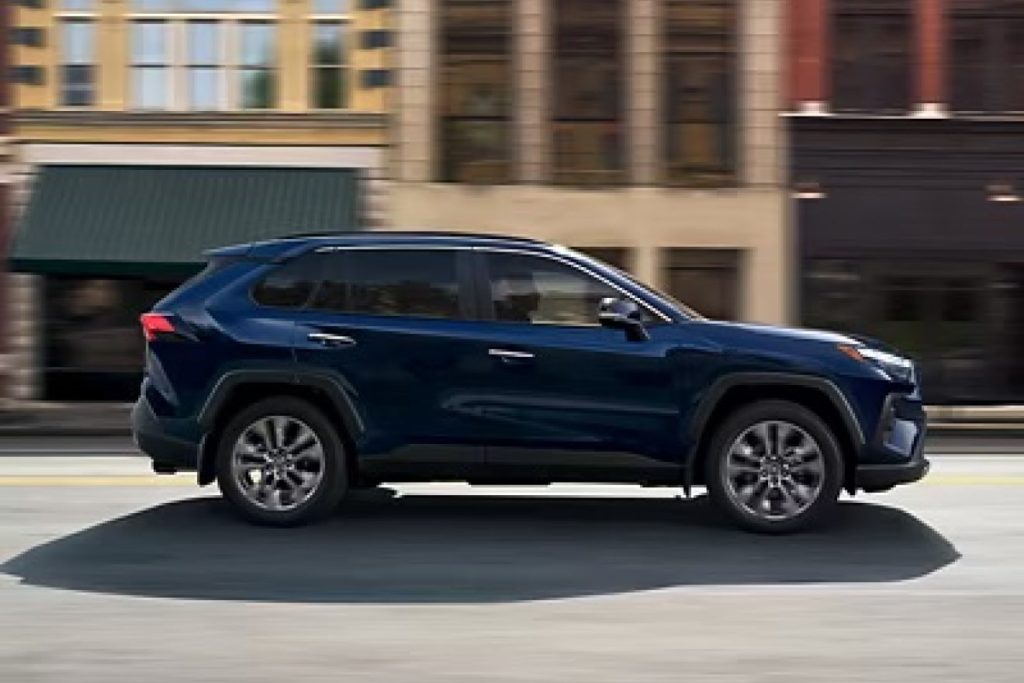
2. Toyota RAV4
People like the Toyota RAV4 because it balances purpose and comfort, which includes smart places for drinks and daily items. The front cupholders are wide and trimmed with a rubber edge that grips cups firmly, so iced coffee or a soft drink stays steady when the car rolls over uneven surfaces.
Their open shape allows cups with handles to sit comfortably, and the height takes away wrist twisting when picking something up during driving. A helpful detail is the slight offset between the two holders, so two people will not bump hands at the same point while taking a drink.
Toyota also adds a bottle slot in each front door that can handle large water bottles used on long commutes or hiking trips.
This keeps the centre area less crowded and lets each person choose a space that feels best. The centre console still has extra storage space right ahead of the gear lever where a small juice box or sanitiser fits without sliding everywhere.
Rear passengers gain equal respect. The fold-down armrest includes two holders placed at a natural reach level, making it easier for kids and adults to stay comfortable and avoid spills. Their depth helps hold sports bottles without rattling against each other.
Everything feels designed for real life: early-morning coffee, weekend drives, and small objects that travel with the family every day. It shows that practical convenience can be simple yet meaningful when arranged with care, and the RAV4 gets that right.
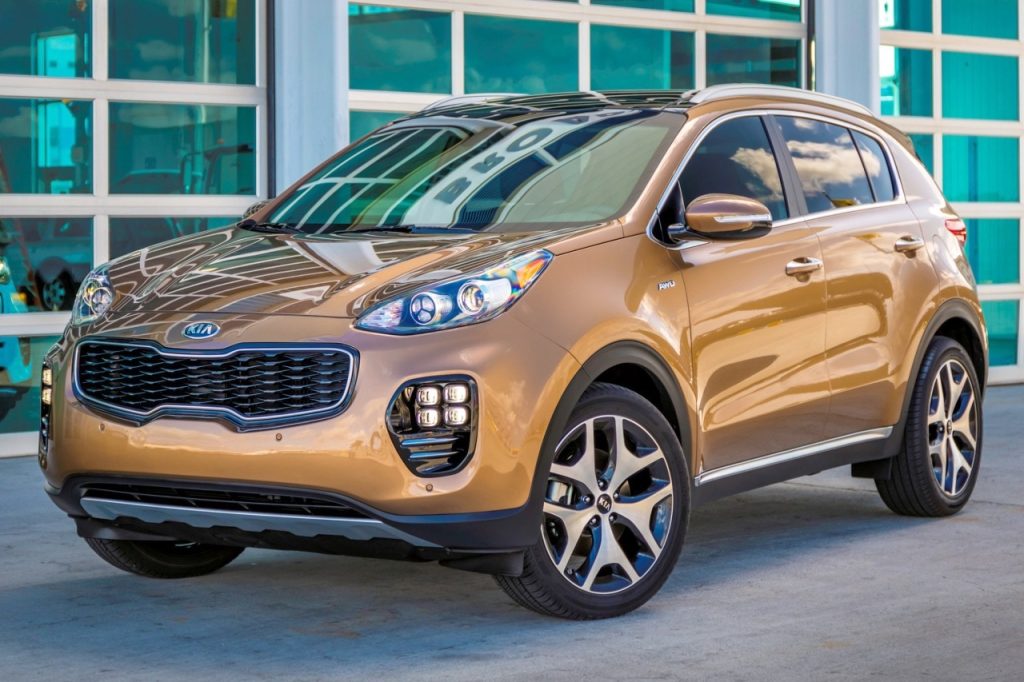
3. Kia Sportage
The Kia Sportage aims to make daily life easier, and its cupholder placement shows how thoughtfulness can remove small frustrations. The front holders take a practical approach with a circular opening that adjusts slightly to cups of varying sizes.
This means a slim energy drink can or a wide insulated tumbler can both sit securely without wobbling. The holders are not too close to the gear lever, so a driver’s hand will not hit a cup while shifting or reaching for controls.
Right beside them, a small storage pocket helps separate snacks or keys from drinks to reduce clutter. The center armrest offers extra space where sealed bottles can lie flat if needed.
The door pockets front and rear are shaped to store tall bottles upright, supporting anyone who needs hydration always within reach.
Rear passengers have cupholders in the armrest at a sensible height, avoiding the awkward leaning forward that some backseat layouts force. They are deep enough to hold sports bottles kids use after school without tipping during sharp turns.
Nothing feels forced or crowded. People can move their elbows freely without touching or nudging containers, which becomes noticeable during long traffic delays or shared rides.
The Sportage proves that comfort does not always depend on luxurious materials.
Sometimes it comes from reducing small stresses that keep recurring every week. With steady, reachable holders for everyone inside, this car acknowledges how daily habits shape the driving experience.
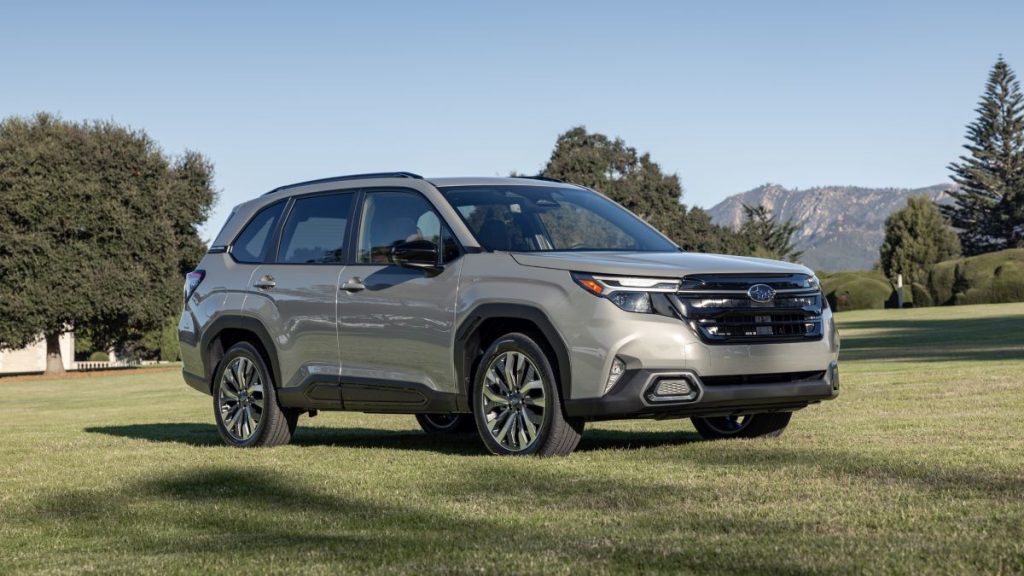
4. Subaru Forester
The Subaru Forester focuses on comfort for active families and those who carry multiple beverages or water bottles on outdoor trips. The front cupholders have a strong grip design with side supports that hold narrow cans and bulky insulated mugs with equal stability.
Their placement slightly away from the climate controls prevents accidental spills while adjusting temperature during motion. Drivers do not need to rotate their wrist awkwardly, which makes every stop for a drink simple and smooth.
Subaru also gives attention to the center tray ahead of the gear selector. It fits a phone or small packaged drink without rolling around, and its angle keeps things visible at a glance.
Door pockets in both the front and rear are deep, allowing hikers and gym users to keep large bottles upright instead of squeezing them sideways. It shows an understanding of real habits, where hydration is part of every routine.
In the rear seats, passengers get two holders in the folding armrest that are easy to reach without leaning forward.
Their depth helps secure heavy stainless steel bottles used by kids or adults on longer drives. Passengers also feel less elbow clash thanks to good spacing from the armrest edges.
People who choose the Forester often enjoy road trips or rides with pets and gear. Secure drink spots reduce spills that might soak clothes or backpacks before a hike.
Subaru does not treat cupholders as simple cutouts. They are part of the cabin’s daily convenience, supporting passengers who value practicality over fancy gimmicks.
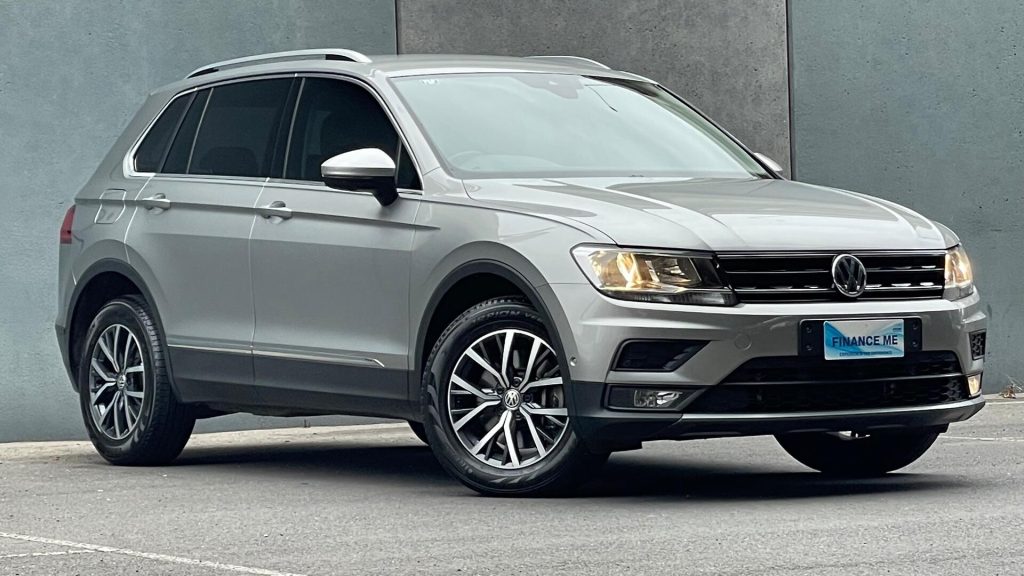
5. Volkswagen Tiguan
The Volkswagen Tiguan blends clean styling with thoughtful function, and its cupholder layout shows that a quick reach for a drink should never bring discomfort.
The front holders sit slightly lower than the armrest level, helping cups stay steady during turns or sudden stops. Soft inserts cushion drink containers, preventing the rattling noise many people dislike during a quiet morning commute.
A clever sliding cover allows the space to hide when not in use, creating a neat and tidy look for those who enjoy organized surroundings.
Right beside the holders sits a small rectangular slot that stores loose items like parking cards without touching drinks. This keeps sticky residue or moisture away from important objects.
Door pockets each accept sizable water bottles without forcing them to tilt, which keeps liquid from splashing against a loose cap.
People sitting in the back have cupholders placed inside the fold-down armrest, giving a safe place for juice cartons and soda bottles on long journeys. The height is natural for children and adults, making every sip relaxed.
What matters most is freedom of movement. Arms have clear space when shifting, steering, or interacting with the infotainment screen.
No need to dodge a tall cup that blocks access to buttons. For families who carry drinks often, a cabin like this reduces stress and provides quiet satisfaction in every drive. The Tiguan proves that small choices can shape a calm and pleasant ride.
5 Elbow Battles
Not every cabin helps people enjoy a relaxed place for their drinks. Some designs focus more on style, tight packaging, or flashy consoles that take away room for everyday movement.
When cupholders sit too close to the gear lever or elbow rests, even a short trip can include awkward arm bumps, tilted cups, and small spills that soak sleeves.
What looks exciting in photos can feel inconvenient during real traffic when one driver reaches for the bottle and the other person is using the armrest at the same time.
This part of the article looks at cars where the cupholder layout creates a small fight for space. Some models give only one usable drink spot in the center, forcing the passenger to lean sideways.
Others place the holders too far back or too low, leading people to stretch uncomfortably while driving.
The shape of the console can also trap arms, especially during shifting or turning the wheel. When two people share the front row, elbows meet often, and that turns daily driving into a careful balancing act.
The focus here is not on criticizing whole vehicles. Many of these cars attract owners for excitement, athletic style, or compact agility. Fans love them for reasons that go far beyond cup storage.
Still, small details matter. If someone drinks water often to stay hydrated or takes long road trips with a friend, these tight spaces start to matter more each day. This part highlights five models that ask owners to compromise on beverage comfort.
The reason for writing about them is simple. People deserve to know every part of the experience before choosing a car that will serve them for years, including where their morning coffee or sports drink will sit during the ride.
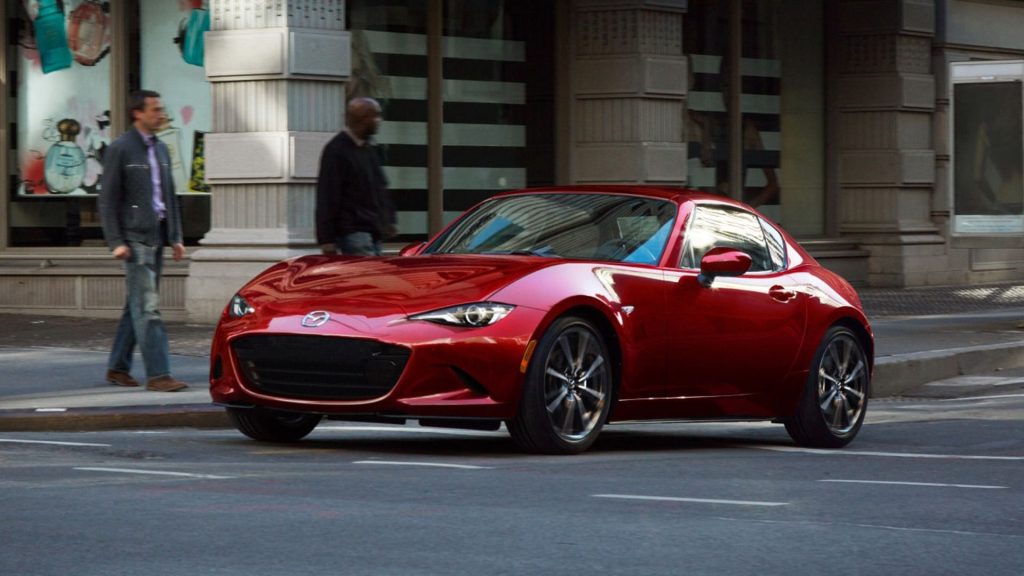
1. Mazda MX-5 Miata
The Mazda MX-5 Miata is famous for freedom, roof-down enjoyment, and quick response on winding roads. Its charm has earned loyal fans for decades. Still, a tiny roadster means tiny space for drinks.
The cupholders sit low and behind the elbow, which forces awkward movement every time someone wants to grab a cup.
Instead of a natural forward reach, the driver must twist the wrist backward. During motion this becomes distracting and uncomfortable. If a tall bottle is placed there, shifting arms will constantly brush against it.
Mazda also includes a removable holder that can attach beside the passenger knee. The intention is flexibility, but the result is another pinch point. The passenger must guard their elbow during corners because a cup can collide with their arm.
Even placing a medium-sized drink creates a cramped feeling that breaks the idea of relaxed cruising. For taller people, every small movement becomes a careful adjustment.
Long rides show this even more clearly. Staying hydrated becomes inconvenient when the cup feels out of reach.
Many owners end up storing drinks in the door pockets instead, but those pockets are small and can tilt bottles sideways. That creates the risk of spillage when caps are not perfectly tight.
This roadster brings joy with its steering and lightweight feel. Fans choose it for driving pleasure rather than endless cabin storage. Even so, someone who carries beverages daily should know that the MX-5 makes them part of the elbow space.
The center arm movement area becomes shared territory between the human and the drink, and the drink usually wins the battle for attention. These tiny compromises are part of life with a car shaped strictly for fun. It rewards with excitement but asks the driver to give up simple drink comfort.
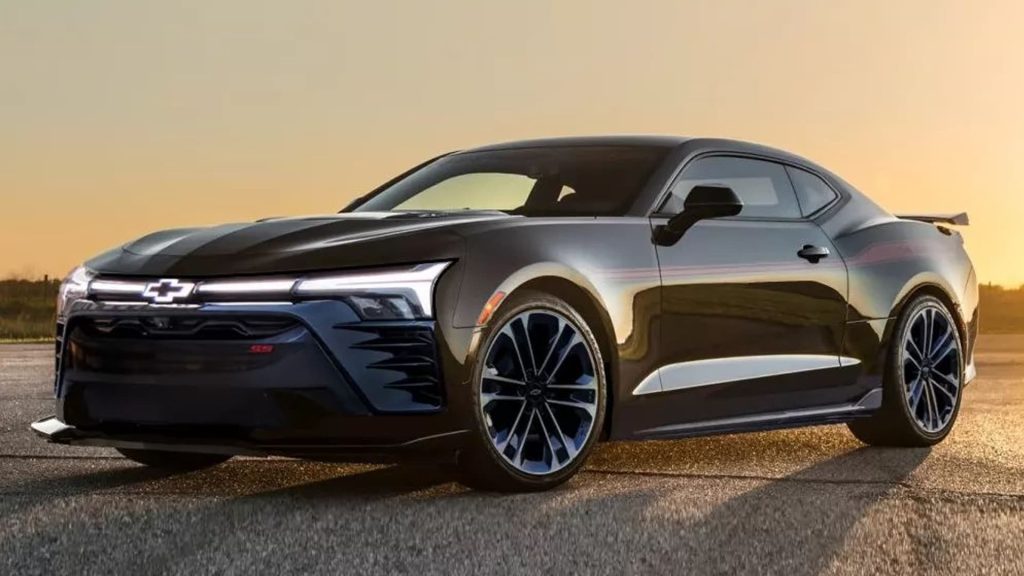
2. Chevrolet Camaro
The Chevrolet Camaro presents a bold statement with strong styling and a cockpit that wraps around the driver. While this creates an exciting sports car feeling, it also squeezes space where drinks go.
The cupholders sit close to the shift lever, so each shift can bump into cup edges. A tall drink interferes with hand movement when accelerating or downshifting, requiring very careful placement.
Some drivers even hold the bottle between their legs temporarily because it becomes easier than using the built-in holders.
The console narrows sharply toward the front. This reduces shoulder and elbow freedom and creates a pinch zone where two people fight for the same space.
If both driver and passenger want arm support while keeping drinks handy, elbows meet constantly. During city traffic that becomes tiring because every small movement creates contact.
The angled interior design looks stylish but affects reach. If the driver tries to pick up a cup mid-turn, their elbow must rise high to clear the side of the console.
Drinks can wobble or tip because the holders do not provide strong grip for wider cups. When the car moves fast or hits uneven pavement, passengers sometimes hold their drinks in hand to protect clothes.
Rear seats do not help much either, since the focus remains on the front row. Families or friends may enjoy the Camaro’s energy, but practical tasks compete with style choices. This is why the Camaro appears in this list.
Its passion for performance shapes the cabin so tightly that beverages never feel secure. Drivers who take daily coffee or water breaks will notice these compromises every time they reach forward.
3. Jeep Wrangler 2-Door
The Jeep Wrangler 2-door has a legendary focus on adventure and off-road ability. It survives rough trails and river crossings where many vehicles hesitate. However, comfort inside takes a different route.
Cupholders are squeezed near the center brake handle and gear lever, leaving limited space for arms.
When someone shifts in difficult terrain, their elbow often clashes with a drink. The motion required for four-wheel-drive controls adds even more bumping into cups.
Since the cabin is narrow and upright, both driver and passenger sit close together. When each person wants a beverage, their arms share one small area.
The holders are shallow for larger bottles, so even a short jolt can send liquid shaking. During daily commutes this becomes a repeated annoyance, especially with hot drinks that people want to handle carefully.
The doors on the 2-door Wrangler are lightweight and removable for outdoor fun. That reduces storage in the lower portions of the doors, giving fewer places to keep bottles upright.
Passengers end up placing drinks on the seat or floor. During bumpy rides, those items slide around and create frustration.
Wrangler owners value durability and open-air freedom. The vehicle gives them a chance to enjoy mud, rocks, and forest paths that other cars cannot handle.
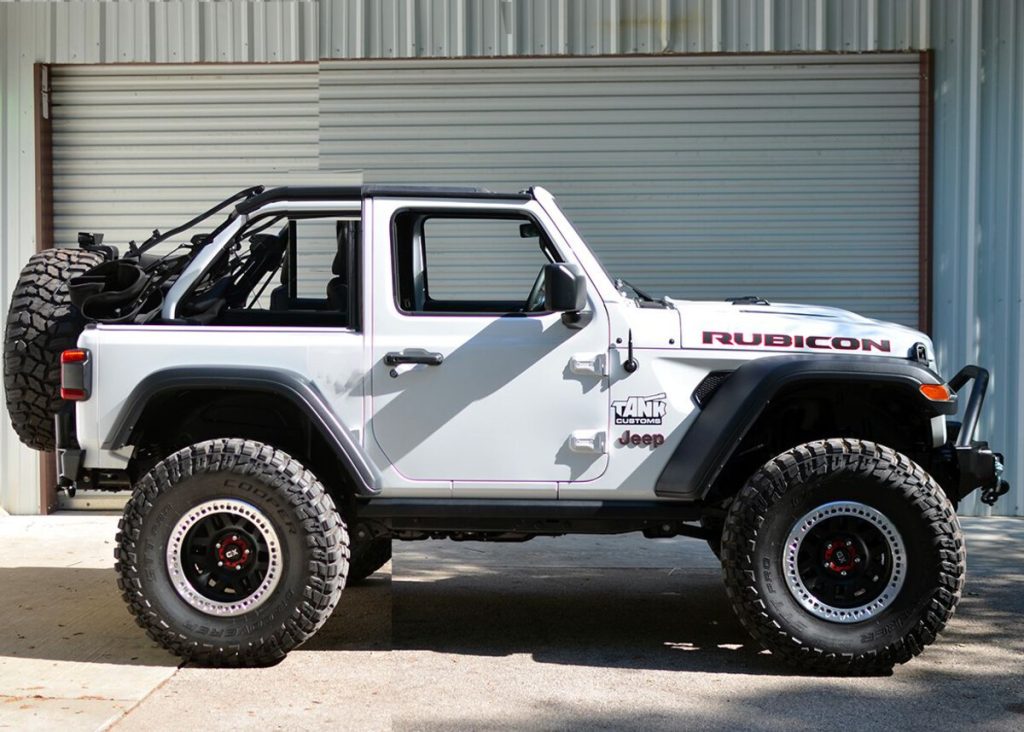
Still, drivers also live in city areas where red lights and long trips ask for easy refreshment. The cupholder layout forces compromise, and anyone who likes cold drinks or hot coffee every day must adapt with aftermarket holders or travel mugs that fit better.
This model is present in this category because comfort for the elbow loses the fight against rugged priorities. People who choose the Wrangler love adventure so much that they overlook beverage hassles, but the hassles are always waiting during normal use.
4. Mini Cooper 3-Door
The Mini Cooper 3-door brings charm and cheerful handling. Its compact body fits perfectly into tight parking spaces and narrow roads. Yet the very size that makes it fun creates limitations for cup space.
The cupholders sit forward near the climate controls with little elbow room. When two drinks are placed side by side, one person’s elbow touches the cups with nearly every movement. The console is slim and curved, and arm positioning becomes a puzzle when holding a bottle.
Tall drinks block quick access to buttons, and lowering a cup back into place requires precision because the openings are not very wide.
During a gear change, the driver’s elbow may brush the passenger’s drink, causing shakes or splashes. Some owners notice that the heater and fan knobs rise close to the holders, which multiplies the chances of bumping something by mistake.
Rear seating already feels tight, and cup solutions there are even more limited. Passengers may need to hold drinks in their hands for much of the ride because the dedicated spots are not always suitable for different bottle sizes. When cornering spiritedly, drinks tilt and rattle, which affects comfort in an otherwise joyful cabin.
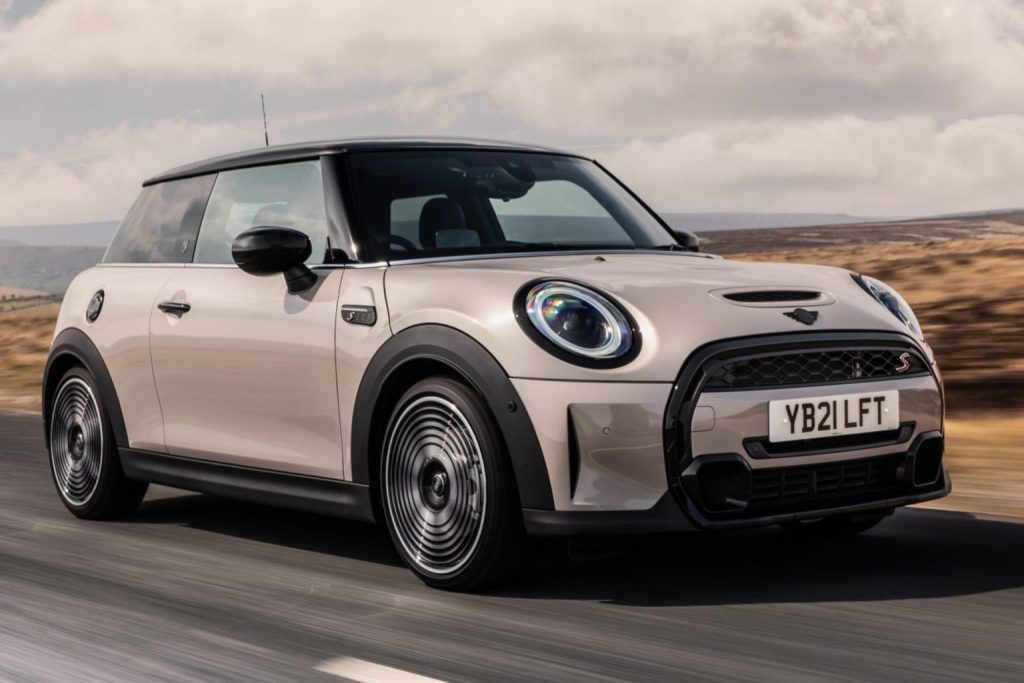
People choose this car for its personality and agile feel. It turns daily driving into a small celebration, but someone who keeps beverages around often will notice the constant negotiation of where to put elbows.
The Mini Cooper places design and fun ahead of cup priority, and that makes sense for its identity. Still, it belongs on this list because shared front-seat space becomes a subtle contest between arms and bottles.
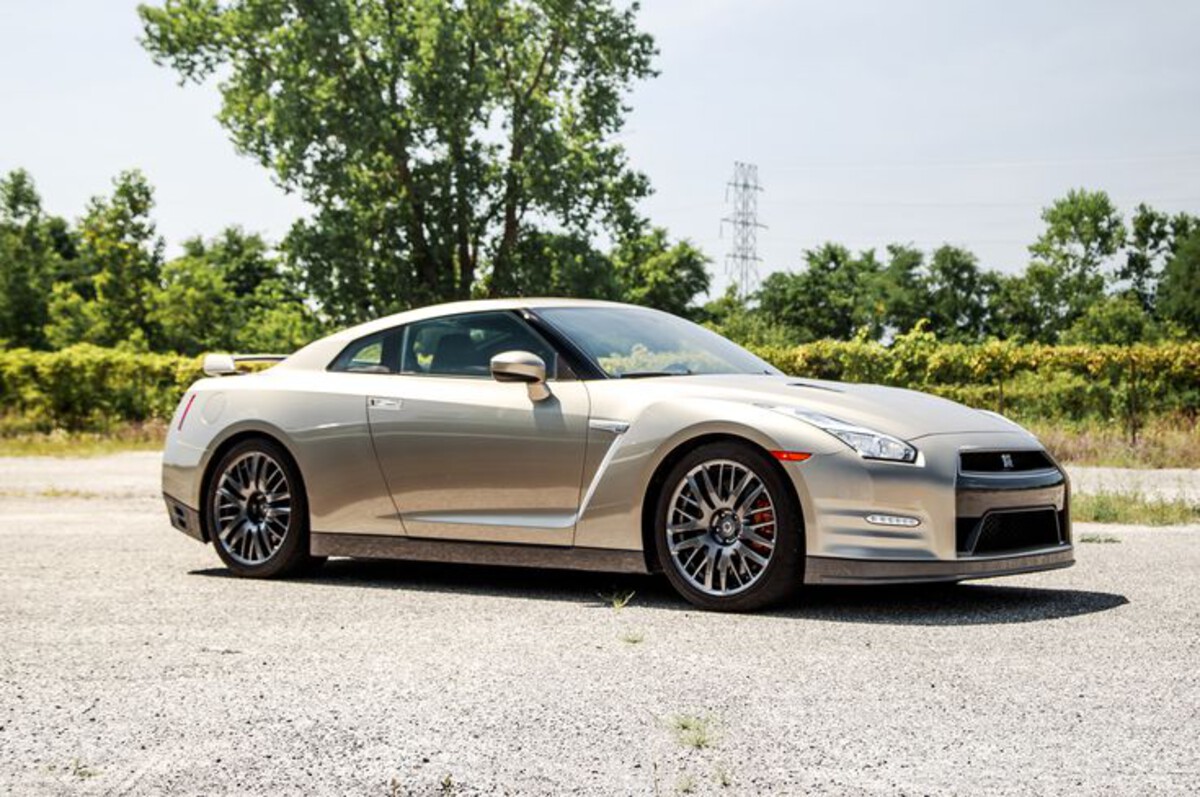
5. Nissan GT-R
The Nissan GT-R is known for thrilling speed and engineering focus. Everything inside the cabin supports control and performance. That includes a wide center tunnel filled with important systems and strong reinforcement.
Cupholder comfort receives less attention as a result. The two holders sit low and back, so reaching them requires the driver to lean away from a natural driving posture. In spirited driving the driver will avoid using them entirely because grabbing a drink interrupts focus and movement.
The narrow tunnel also limits elbow space. A passenger who tries to rest their arm while keeping a tall cup stable will feel squeezed instantly. The holder slots grip small to medium cups well but struggle with larger insulated bottles that many fitness-focused owners carry.
Turning tightly at speed causes drinks to scrape against the walls of the holders, producing rattling that breaks the calm inside the GT-R.
Doors include pockets, yet their shape does not support tall drinks securely. Bottles lean sideways and may roll if placed without attention.
During daily errands this becomes bothersome faster than someone might expect. A car with such power invites long highway experiences, but those long journeys usually require convenient hydration.

GT-R buyers choose excitement and enjoy the precision of a serious sports car. Cup space ranks far below acceleration and grip on their priority list. Still, the purpose of this article is to point out how small comfort areas can change the driving routine.
Even an extraordinary powerhouse shows weak spots in daily convenience. The GT-R joins this group because its cabin practically challenges people to think twice before placing any drink near their elbows.
Also Read: 5 Winter-Ready Cars For Snow States Vs 5 That Struggle In Slush
