
A sunroof is one of those features people enjoy because it brings extra light, fresh air, and a pleasant feeling inside the cabin. It turns a normal drive into something a little more refreshing.
Yet, this simple feature can change the whole experience depending on how well it is designed and how reliably it operates.
When a sunroof moves quietly, seals tightly, and withstands heat or rough roads, drivers appreciate the peace it brings. It becomes a silent partner during scenic routes, late-night drives, or morning commutes where comfort matters.
However, not every sunroof behaves as expected. Some create squeaks or rattles while driving. Others let wind whistle around the edges or make grinding noises during opening and closing.
Over time, these small issues can spoil the sense of relaxation the feature is meant to provide. A person may begin avoiding it altogether, even on perfect weather days.
Little frustrations appear during conversations inside the vehicle or while listening to music. Instead of adding joy, the sunroof becomes a reminder of something that does not feel right.
This article focuses equally on both experiences. The first group highlights vehicles known for solid sunroof performance, smooth operation, and well-sealed systems that keep noise away.
They deserve praise because drivers can rely on them whether the roads are smooth or uneven.
The second group includes vehicles where users report more sound and motion issues from the sunroof area. The reason for pointing them out is to help shoppers who care about quiet driving.
People spend years with a car, and a frequently used feature must feel dependable. Knowing how a sunroof performs can help someone choose a vehicle that brings comfort without unwanted surprises.
Also Read: 5 Cars With Simple Screens Anyone Can Use Vs 5 Menu Mazes
5 Cars With Sunroofs That Behave
A dependable sunroof is more than a piece of glass. It is a part of the cabin that must move, seal, and stay strong against temperature changes, bumps in the road, and everyday use. When it works smoothly, people barely notice it, which is a sign of success.
There is no shake when closing, no noise during highway speed, and no drip during rain.
Drivers feel free to use it often, whether for a soft breeze or a brighter interior. A good design blends motors, rails, seals, and body structure into one quiet system.
Many people underestimate how much engineering goes into this feature. The frame must keep its shape when the car twists over uneven ground. The seal must push tightly against the glass without causing friction that creates noise.
The drainage path must channel water away even in strong storms. And the motor and sliding hardware must remain steady over years of vibration.
When all of this works properly, the driver gains a peaceful view of the sky without stress.
This category showcases five vehicles where owners frequently enjoy trouble-free sunroof use. They offer confidence during road trips, dusty summer days, or cold mornings when the glass shrinks slightly from temperature.
These vehicles show that a pleasant driving experience often comes from quiet reliability, not just flashy features.
The goal here is to recognize models that keep people smiling rather than second-guessing whether they should press the sunroof button.
Someone choosing a car deserves to know which designs keep the ride peaceful and which allow wind and rattles to sneak in. The cars in this group provide reassurance and show that simple enjoyment can last for years.
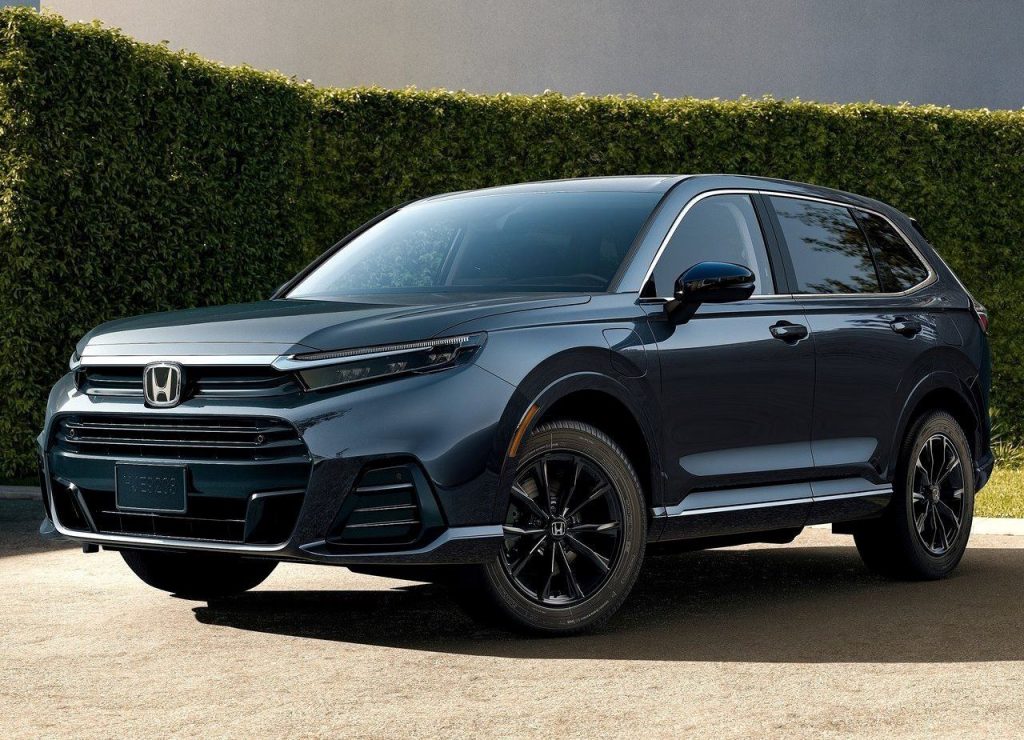
1. Honda CR-V
The Honda CR-V earns strong trust for everyday comfort, and its sunroof design supports that reputation well. The frame is built into the body with tight structural support, which prevents flexing on rough roads.
Because the confidence of the seal depends on how solidly the roof holds everything in place, the CR-V avoids the movement that causes many rattles in older or lighter structures.
People who travel over broken pavement or uneven rural roads often appreciate that the glass stays steady without unwanted shaking or tapping sounds.
The motor and rail design help the glass glide without jerking. Even years after purchase, many owners report that the sunroof continues to open and close smoothly. The controls also stop the motion gently instead of slamming the glass into its limit.
There is a snug seal along the perimeter that keeps wind from sneaking in at highway speeds. That reduces whistling sounds that can interrupt conversations or music.
Water management matters too. Honda uses channels and drains that push moisture away from the interior.
During heavy rain, this protection becomes important. Many drivers who park outdoors feel comfortable using ventilation tilt positions without worrying about drops entering the cabin.
There is a practical advantage for warm climates. The shade moves easily and blocks heat when needed, so sunlight does not overwhelm passengers on long summer drives.
The tinted glass also takes away glare and protects eyes while allowing a clear view. Families who enjoy peaceful travels appreciate that they do not need to adjust anything constantly to avoid discomfort.
Honda pays attention to the silent details. A sunroof should feel invisible until the moment it opens for relaxation.
The CR-V offers that confidence, letting the feature serve the driver instead of creating daily distractions. This is why it earns a place among the dependable group.
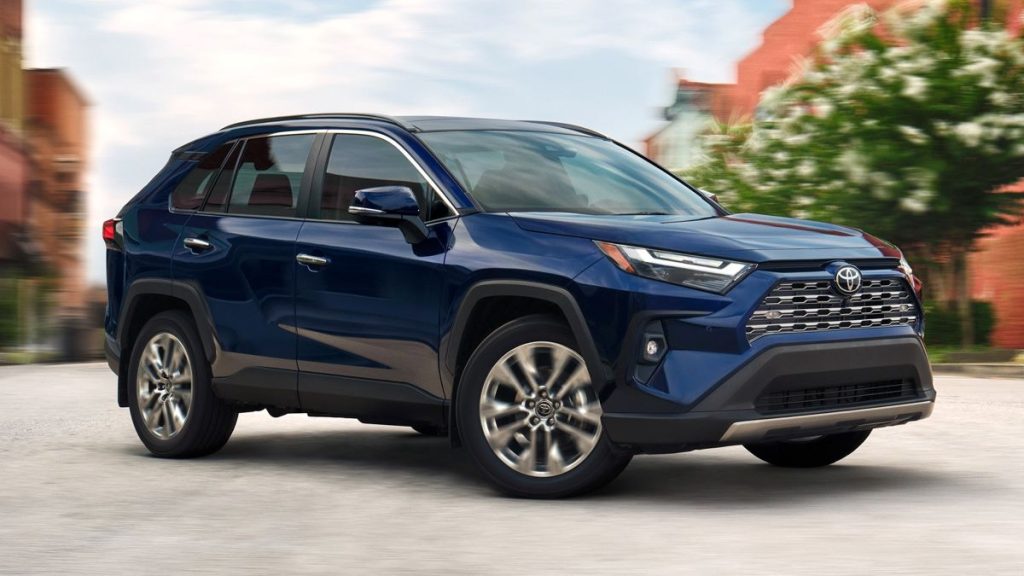
2. Toyota RAV4
The Toyota RAV4 focuses on strong durability, and its sunroof reflects that same approach. Users typically find the operation quiet and strong, even when the vehicle is used on rough terrain or gravel paths.
The rigid mountings and well-supported roof structure prevent the kind of flex that leads to squeaks. This gives the driver reassurance each time the glass moves to tilt or fully slide open.
Toyota engineers the seal to withstand weather shifts. Air does not slip through the edges during long highway drives, so wind noise stays away from conversations.
The drain paths are positioned to handle sudden storms, which helps people who frequently park outside. Drivers appreciate that a feature meant to bring enjoyment never becomes a source of worry when the weather changes quickly.
Inside the cabin, the shade material blocks heat effectively. Passengers who prefer shade can relax during long summer trips without feeling direct sunlight on their heads.
When they want brightness, the sunroof brings natural light without making the space too hot. This balanced comfort helps make the car feel fresh.
The motor speed remains controlled and consistent. There is no grinding, no sudden snap at the end of travel.
Over years of ownership, this reliability supports the idea that the RAV4 is a dependable companion. Even after thousands of openings and closings, the system stays confident rather than sloppy.
Families often value practicality over flashy technology, and the RAV4 proves that a simple feature can enhance everyday life if built correctly. Nothing about the sunroof calls attention to itself, and that is exactly why it deserves recognition in this group.
It works, it lasts, and it supports comfort whether someone is commuting through traffic or enjoying scenic weather on a weekend outing.
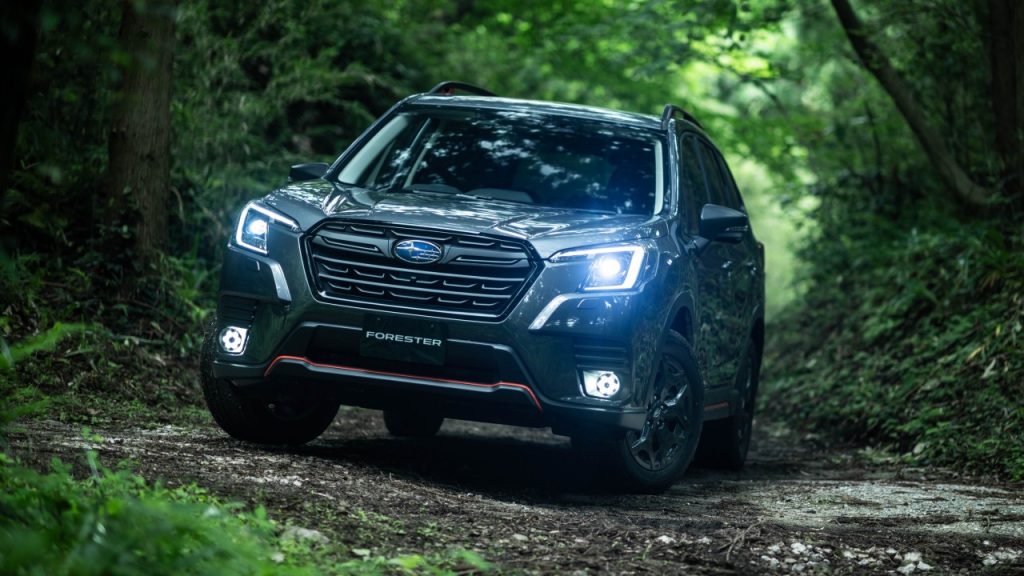
3. Subaru Forester
Subaru has long focused on practicality and durability, and the Forester’s sunroof reflects this philosophy.
Unlike some models where the sunroof can become a source of frustration due to leaks or mechanical failures, the Forester delivers consistent performance.
Its sliding panel operates with minimal effort, and the tilting feature provides ventilation without requiring full opening, ideal for varying weather conditions.
The design of the Forester’s sunroof includes reinforced seals and precision engineering, which help prevent common problems like water ingress and wind buffeting.
The sunroof mechanism is robust, capable of enduring frequent use without needing repairs or adjustment.
For drivers in regions with heavy rainfall or snow, the Forester’s sunroof demonstrates reliability, keeping the cabin dry and quiet.
Comfort and visibility are also enhanced. The extra light creates a more inviting atmosphere, while the smooth operation ensures that the sunroof is an enjoyable feature rather than a source of annoyance.
For families, outdoor enthusiasts, or anyone who spends significant time in their vehicle, the Forester’s sunroof proves that practical engineering and thoughtful design can result in a feature that consistently performs as expected.
4. Hyundai Tucson
The Hyundai Tucson stands out in the compact SUV category for combining style, comfort, and reliability, and its sunroof is no exception. Owners frequently praise the Tucson’s panoramic sunroof for smooth operation, minimal noise, and long-term durability.
Unlike some vehicles where sunroof components can bind or fail, the Tucson’s design ensures that the glass panel slides and tilts effortlessly, even after years of regular use.
Hyundai engineers have placed emphasis on structural integrity and precise tolerances around the sunroof frame. This reduces the chance of rattles or vibration, common issues in vehicles with larger glass surfaces.
The drainage system is also highly effective, handling heavy rainfall without leaks or water seepage into the cabin. For drivers who live in wet climates, this reliability is an important factor when selecting a vehicle.
From a practical perspective, the sunroof enhances the overall interior environment. It provides additional natural light, making the cabin feel more spacious and open.
The anti-pinch mechanism ensures safe operation for passengers of all ages, while the tilt feature allows for controlled ventilation without fully opening the glass panel. Owners report that even on highways at higher speeds, the sunroof remains stable, without creating wind noise or buffeting.
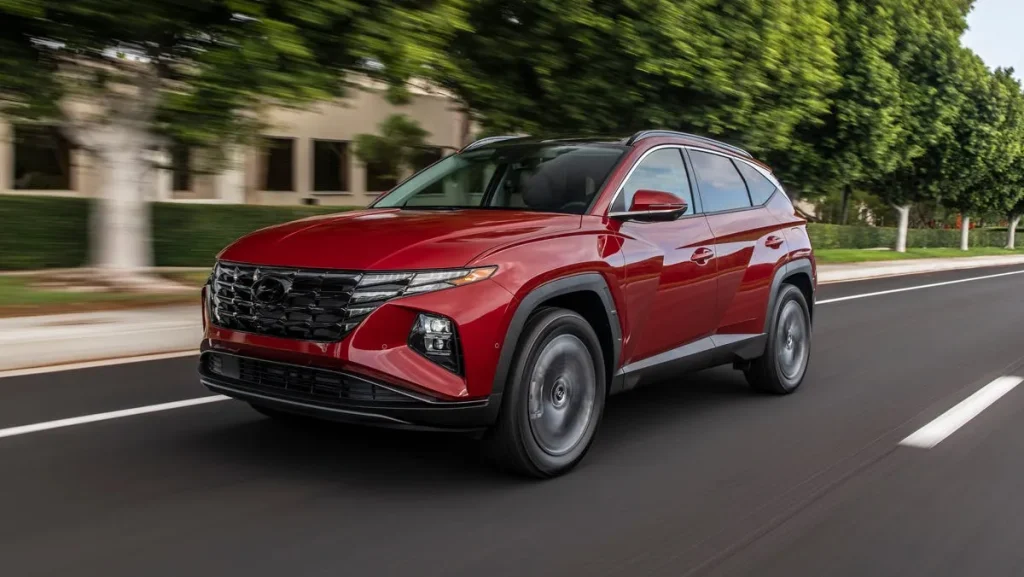
The Tucson’s sunroof is more than just a luxury feature it is a reliable, functional component that complements the vehicle’s reputation for dependability.
For daily commuting or weekend adventures, it provides a consistently enjoyable experience, adding value without introducing the common frustrations seen in less well-engineered models.
5. Volkswagen Tiguan
The Volkswagen Tiguan rounds out this group with a sunroof that is widely regarded as one of the most dependable in the compact SUV segment. Volkswagen prioritizes precision engineering, and the Tiguan’s panoramic sunroof reflects this commitment.
It opens and closes smoothly, with minimal noise, and maintains its function over time without requiring frequent adjustments or repairs.
The Tiguan features a robust frame and high-quality seals, which prevent leaks and reduce the likelihood of wind-induced vibrations.
Unlike some vehicles where larger glass surfaces can rattle or shift over time, the Tiguan’s sunroof retains its stability even in varying temperatures and road conditions.
Its anti-pinch safety features and intuitive controls contribute to a user-friendly experience, ensuring that passengers of all ages can operate the sunroof safely.
Beyond functionality, the sunroof enhances the driving and passenger experience. It brightens the interior, offers an expansive view, and improves the feeling of openness, particularly in the rear seats.
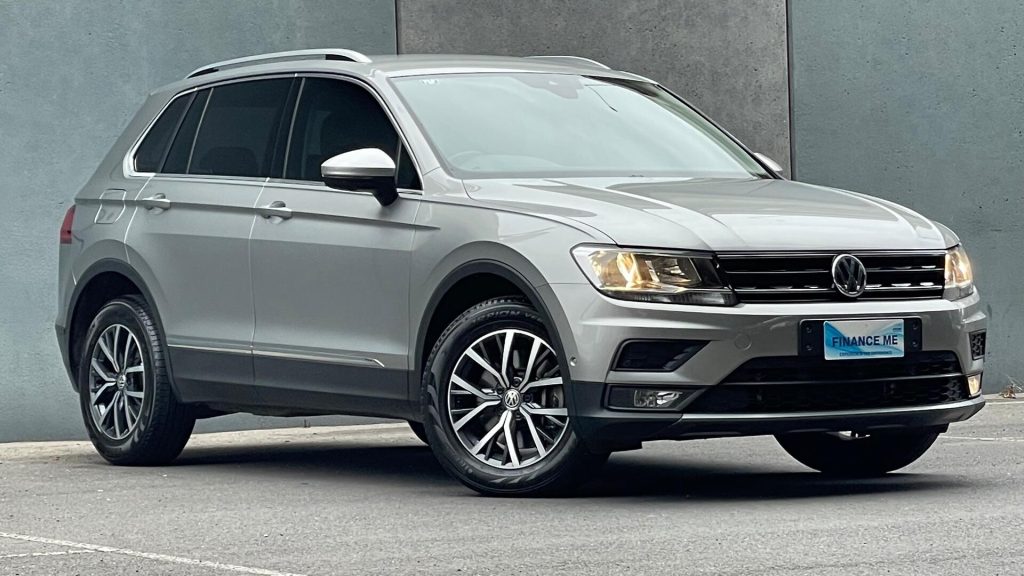
For those who value refinement and quiet operation, the Tiguan delivers consistently, avoiding the headaches that can come with malfunctioning or noisy sunroofs.
Overall, the Volkswagen Tiguan demonstrates that thoughtful design and quality materials result in a sunroof that behaves as intended for years.
For drivers seeking a combination of reliability, comfort, and a touch of luxury, the Tiguan’s sunroof proves that a simple feature can significantly enhance satisfaction without introducing typical frustrations.
5 Cars That Squeak and Rattle
While smooth driving and quiet interiors are hallmarks of a refined vehicle, many cars struggle with squeaks and rattles that can quickly erode the enjoyment of ownership.
These noises often originate from loose trim, hard plastic components, or imperfections in assembly, and they can range from minor annoyances to persistent distractions.
For drivers who value comfort, a cabin that creaks or rattles over everyday roads can make even short trips frustrating.
Squeaks and rattles are not necessarily indicators of poor performance or mechanical failure. Many vehicles that excel in handling, power, and technology can still suffer from interior noise issues.
Factors such as road quality, climate, and long-term wear contribute to the prevalence of these sounds. Over time, vibrations from the engine, suspension, or even wind can interact with panels and trim, producing audible feedback that can diminish the sense of quality.
Understanding which vehicles are prone to these issues is useful for potential buyers and current owners alike. It helps set realistic expectations, informs inspection routines, and guides maintenance or adjustment strategies to minimize disruption.
Highlighting models known for squeaks and rattles also emphasizes the contrast between vehicles that prioritize refinement and those where cabin noise can become a recurring concern.
This section focuses on five cars that have earned reputations for interior noises, particularly squeaks and rattles. By examining these examples, readers gain insight into the common causes, affected areas, and what to expect if they choose or already own one of these models.
Awareness of these tendencies can prevent surprises and encourage more informed decisions, helping drivers weigh trade-offs between performance, features, and cabin quietness.
1. Jeep Cherokee
The Jeep Cherokee is well-known for its off-road capability and rugged design, but its cabin has been criticized for squeaks and rattles.
Owners frequently report noises emanating from door panels, dashboard components, and the rear cargo area.
These sounds often appear on rough roads, sharp turns, or uneven pavement and can be distracting during long drives.
The root causes typically involve loosely fitted trim, hard plastics, and variances in assembly tolerances.
While Jeep emphasizes performance and durability for challenging terrain, interior refinement sometimes takes a back seat.
The result is that even a well-maintained Cherokee can develop audible rattles over time, particularly in vehicles with higher mileage.
Despite these issues, the Cherokee remains a popular choice due to its off-road capabilities, towing capacity, and versatile design.
However, the squeaks serve as a reminder that a vehicle can excel mechanically while presenting challenges in cabin comfort.
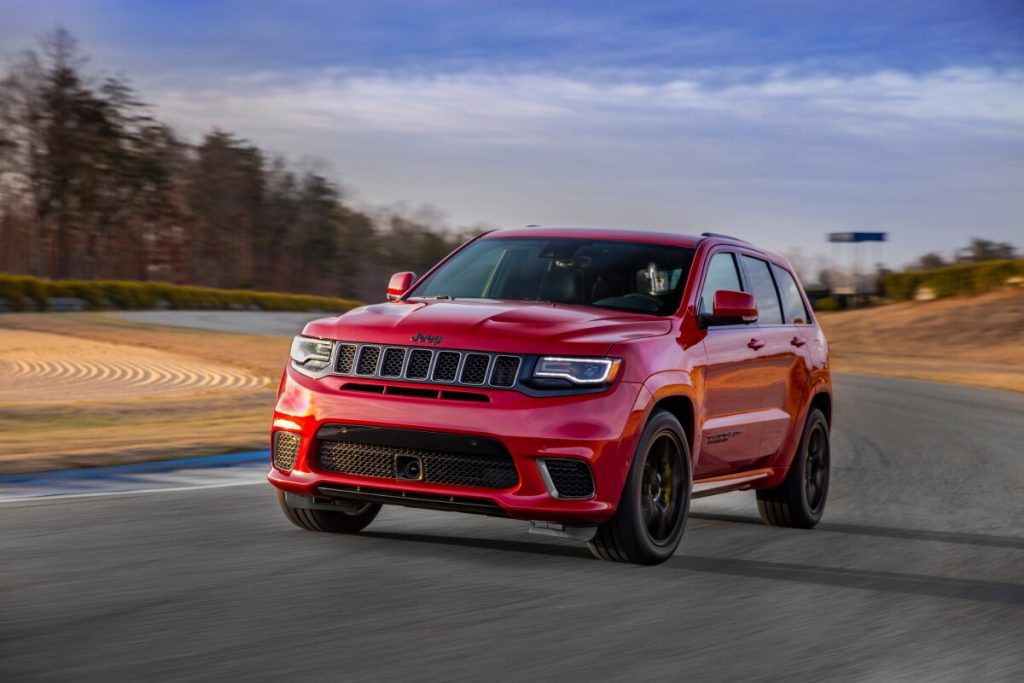
Drivers sensitive to interior noise may find these issues frustrating, especially on extended trips or during city driving where minor sounds become more noticeable.
Some owners attempt fixes such as tightening screws, adding adhesive padding, or adjusting loose components, but these solutions are generally temporary.
Being aware of potential interior noise problems allows buyers to weigh priorities between rugged functionality and cabin quietness.
For those seeking an adventurous SUV experience, the Cherokee offers strong performance, but it comes with the trade-off of occasional rattles that affect perceived quality and refinement.
2. Ford Escape
The Ford Escape, particularly models from the mid-2010s, has a reputation for interior rattles and squeaks. Drivers commonly report noises coming from the dashboard, center console, and rear hatch area.
Even minor vibrations from road irregularities can create noticeable sounds, which may distract from music, conversation, or overall driving enjoyment.
These issues are often linked to assembly tolerances and material choices. Hard plastic panels, lighter trim components, and storage compartments that loosen over time contribute to the persistence of these noises.
Some Escape owners experience rattles only after a few years of use, suggesting that wear and repeated use exacerbate the problem.
While the Escape performs well in terms of engine efficiency, technology, and handling, the interior noise can reduce the perception of quality.
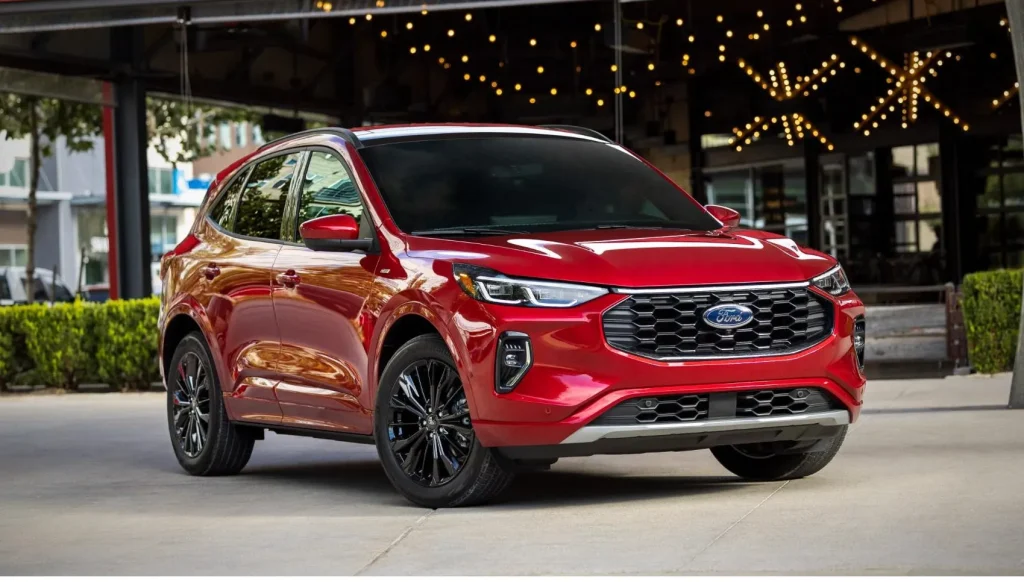
Cabin rattles are particularly noticeable during highway driving or on rough urban streets, making the vehicle feel less solid than competitors. For buyers who prioritize a quiet, comfortable interior, these noises are an important consideration.
Temporary fixes such as adding foam padding or tightening screws can reduce the severity of rattles, but the underlying causes are tied to the vehicle’s build and trim choices.
Understanding these tendencies allows owners and potential buyers to anticipate and manage minor annoyances, ensuring they make informed decisions when selecting a compact SUV like the Escape.
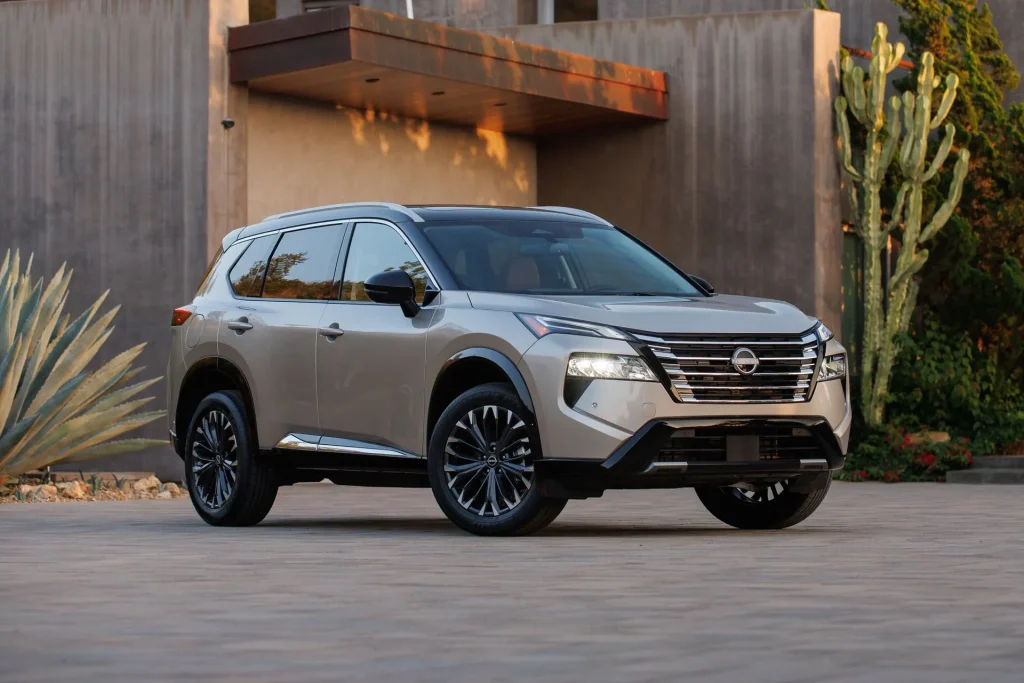
3. Nissan Rogue
The Nissan Rogue has often been highlighted for squeaks and rattles within the cabin, despite offering a generally comfortable ride.
Common sources include door panels, dashboard components, and the rear cargo area, with noises typically occurring over rough or uneven roads. Even minor vibrations can make these sounds noticeable, affecting the perceived quality of the vehicle.
These interior noises are often related to assembly methods and material selection. Hard plastics and flexible trim pieces may shift slightly under stress or vibration, producing audible feedback.
Over time, wear on screws, clips, and fasteners can worsen the problem, making the cabin feel less solid than intended.
While the Rogue is appreciated for its fuel efficiency, technology features, and smooth ride, rattles and squeaks can detract from the overall ownership experience.
Many owners resort to minor adjustments, such as tightening screws or applying padding, to reduce the noise. However, these fixes rarely provide a permanent solution.
Highlighting the Rogue emphasizes the importance of evaluating interior quality in addition to performance specifications.
Even vehicles that excel mechanically can present challenges in cabin refinement, and understanding potential noise sources helps buyers make more informed choices.
For drivers seeking a quieter experience, these squeaks serve as a cautionary point when considering the Rogue for daily use or long-distance driving.
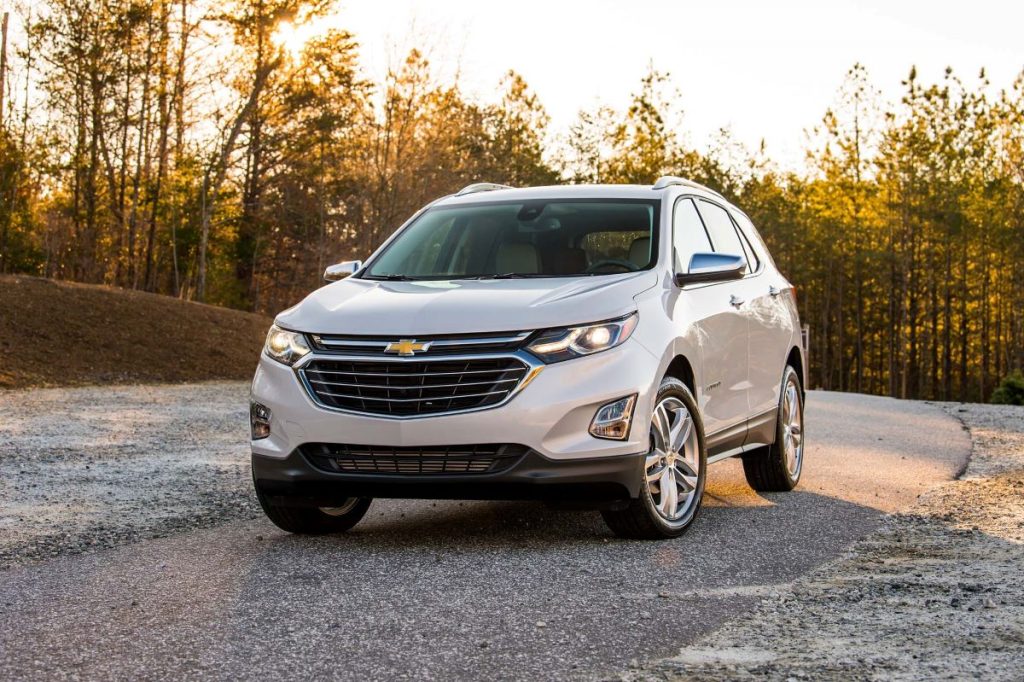
4. Chevrolet Equinox
The Chevrolet Equinox is another model often cited for squeaks and rattles inside the cabin. Drivers report noises originating from the dashboard, center console, and door panels, particularly on rough or uneven surfaces.
These sounds can range from minor irritations to persistent annoyances, affecting the overall comfort of daily commuting.
The primary contributors to these noises include assembly tolerances, hard plastics, and trim pieces that may loosen over time.
Repeated use of features such as cup holders, glove compartments, and storage areas can worsen rattles. Even vehicles with careful maintenance can develop interior noises as components wear or shift slightly.
Although the Equinox provides a comfortable ride, solid performance, and useful safety features, the squeaks can reduce the perception of quality inside the cabin.
Road and wind vibrations can amplify these issues, making them more noticeable during highway driving or over city bumps.
Awareness of these tendencies helps potential buyers anticipate minor inconveniences and decide if they are willing to accept occasional rattles in exchange for other benefits.
Many Equinox owners attempt simple fixes like tightening screws or adding cushioning, but these adjustments are temporary.
Including the Equinox on this list highlights how interior noise can affect satisfaction even in vehicles that perform reliably in other areas, reinforcing the importance of evaluating both driving and cabin experiences.
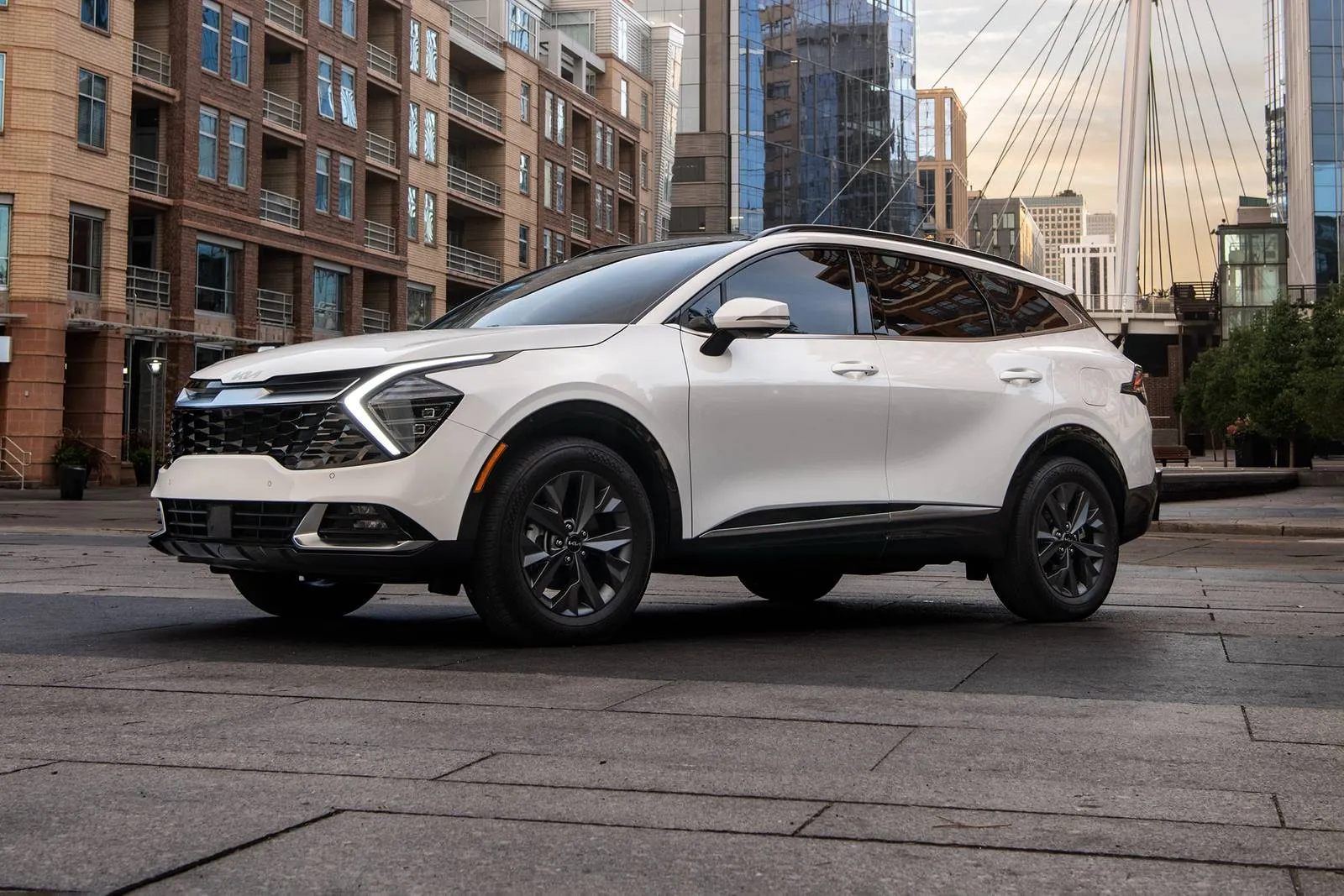
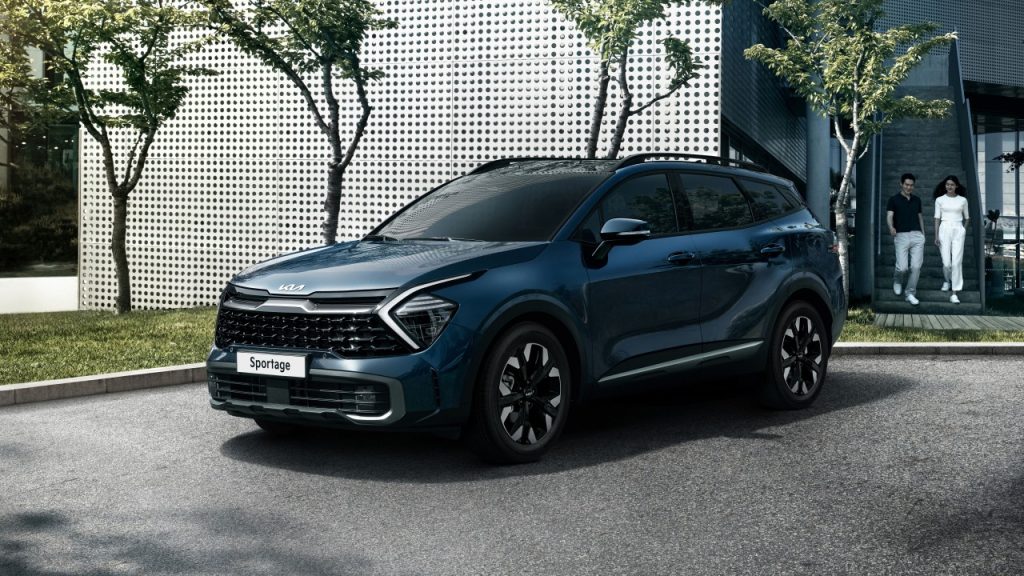
5. Kia Sportage
The Kia Sportage, especially earlier generations, has been reported to develop squeaks and rattles in the cabin over time.
Typical problem areas include the dashboard, door panels, and rear seat areas. These noises often appear on uneven roads, causing frustration for drivers and passengers who expect a quiet interior.
The sources of rattles are generally linked to the use of lighter interior materials and trim panels that may loosen with repeated use.
While the Sportage offers a smooth ride, modern features, and fuel efficiency, interior noises can detract from the overall sense of quality.
Temporary fixes, such as tightening screws or adding foam padding, provide short-term relief but do not address the underlying design and assembly factors.
Despite these challenges, the Sportage continues to be valued for its style, practicality, and affordability. However, cabin noises remain a known trade-off for buyers seeking value-oriented SUVs.
Being aware of potential squeaks and rattles allows owners and prospective buyers to anticipate minor inconveniences, manage expectations, and make informed decisions about the balance between features, performance, and interior comfort.
Including the Sportage in this discussion highlights how even well-regarded vehicles can have persistent interior noise issues that impact the driving experience, reinforcing the need to inspect vehicles carefully for cabin quality.
Selecting a vehicle involves more than evaluating performance, styling, or technology; interior quality and feature reliability play a critical role in the overall ownership experience.
This article examined two contrasting aspects: vehicles with sunroofs that function smoothly and those prone to squeaks and rattles. Understanding these differences helps buyers make informed decisions, ensuring long-term satisfaction.
Cars with dependable sunroofs, such as the Honda CR-V, Toyota RAV4, Subaru Forester, Hyundai Tucson, and Volkswagen Tiguan, demonstrate that thoughtful engineering and precise assembly can create features that operate consistently over time.
These vehicles provide quiet, smooth sunroof operation, effective water drainage, and long-lasting durability. For owners, this translates into an enhanced driving experience: natural light, ventilation, and a sense of openness without mechanical frustrations.
Reliability in such features reflects the manufacturer’s commitment to quality and attention to detail, which can positively affect the perception of the entire vehicle.
Conversely, cars like the Jeep Cherokee, Ford Escape, Nissan Rogue, Chevrolet Equinox, and Kia Sportage highlight how squeaks and rattles can undermine comfort.
These noises often originate from loose trim, hard plastics, or assembly tolerances, and while they rarely indicate major mechanical issues, they can significantly affect daily enjoyment.
Owners may attempt minor fixes, but persistent cabin noises serve as a reminder that even well-performing vehicles can present challenges in refinement.
Awareness of these tendencies allows prospective buyers to anticipate potential annoyances, weigh trade-offs, and decide if interior quietness is a priority.
Ultimately, the contrast between reliable sunroofs and noisy interiors emphasizes the importance of evaluating both functional features and cabin quality.
Buyers who consider these factors can select vehicles that minimize frustrations while enhancing comfort, contributing to a more satisfying ownership experience.
Whether seeking dependable features or a quieter cabin, understanding these distinctions ensures that the vehicle chosen aligns with personal preferences and long-term expectations.
Also Read: 12 Cars With Real Spare Tires in 2025 Staying Reliable
