

Families deserve peace of mind when they place children in the back seat. A simple feature like a child lock on a rear door can make the difference between a relaxed journey and a worrisome one.
Some cars provide a clear, straightforward method that any parent can use instantly. Others hide controls behind complicated menus, awkward mechanisms, or placements that feel like a puzzle.
The purpose of this full guide is to give practical clarity about which modern vehicles help parents feel confident and which ones create unnecessary frustration.
Parents already manage car seats, snacks, school bags, and restless kids. The last thing anyone wants is to waste time searching near the hinges or guessing whether a button needs to be pressed, toggled, or configured inside a digital system.
With safety in mind, manufacturers have developed numerous approaches. Some continue to rely on the classic manual switch near the latch.
Others push everything into the infotainment interface, which can be confusing if not designed with family-friendly priorities.
This complete write-up focuses on ten different models. The first five are praised because their rear-door child-lock functions are easy, quick, and built in a way that leaves zero doubt about activation.
These are the cars that reduce anxiety and assist busy parents without requiring a user manual.
The next five are examples of how things can go wrong. Their systems work, but not as cleanly.
You may need to open the handbook or ask a technician. The effort takes attention away from the children, which is the opposite of what safety features should achieve.
Every car in this analysis represents global availability, ensuring relevance to a wide range of buyers today. The aim is to help families make confident decisions backed by real usability in everyday life.
Also Read: 5 Cars That Fit Philadelphia Parking vs 5 That Don’t
5 Models With Easy Child-Lock Controls
The cars selected in this group offer features that recognize how hectic real parenting can be.
When arriving at school or the grocery store, guardians should feel certain that young passengers remain safely inside until the door is opened from outside.
A rear-door child-lock should never require an instruction video or guesswork. This section highlights five vehicles that show excellent attention to convenience and family-oriented design.
The easiest systems make themselves known immediately. A clearly labelled mechanical switch near the latch means even a friend or grandparent can understand it fast.
Some manufacturers enhance this with visible colour indicators to confirm whether the lock is activated.
These straightforward mechanisms serve drivers in a rush, whether they are managing toddlers or helping older children who might fidget with handles during travel.
Another positive element in many vehicles here is consistency across trims and markets. When a brand designs its family vehicles thoughtfully, the same simple approach is applied everywhere.
This avoids any confusion during rental use, shared ownership, or travelling in regions with slightly different configurations.
I am writing about these five models because they show how small ergonomic choices influence real-world safety. A child lock is not a luxury feature. It is essential for protection, and the cars in this section support that without complicating anyone’s day.
Instead of burying controls deep within a touchscreen, these designs respect instinctive human behavior. You see a switch, you flip it, and instantly the job is done.
Parents value confidence. They need a system that works every time, even if an older driver who is not tech-comfortable is the one dropping kids at school.
These vehicles offer precisely that experience, making them stand out in a crowded market where technology sometimes goes too far.
1. Toyota RAV4
Toyota earned its strong reputation among families by creating vehicles that deliver reliability and smart functionality.
The Toyota RAV4 continues this tradition with a simple and clear child-lock system that feels thoughtfully placed for quick use.
When opening either rear door, a small, solid switch sits right beside the latch area. It is labeled plainly so that the driver, a grandparent, or a babysitter will not second-guess what it does.
The small key-tool slot next to the control prevents an accidental change, yet the switch remains easy for any adult to manage.
Toyota also provides visual reassurance. When the lock is engaged, handle movement from the inside offers no release, confirming safety at once. This avoids moments of doubt that sometimes occur with digital systems that require navigating menus without a physical indicator.
RAV4 owners appreciate that the design remains consistent through various versions. From the hybrid to the standard gasoline trims, drivers find the same dependable setup.
That matters because families rent these cars frequently during travel, and familiarity helps everyone feel secure. Whether it is a school run, a long-distance holiday drive, or a quick ride to a nearby park, parents never need to waste energy figuring out how to activate a fundamental feature.
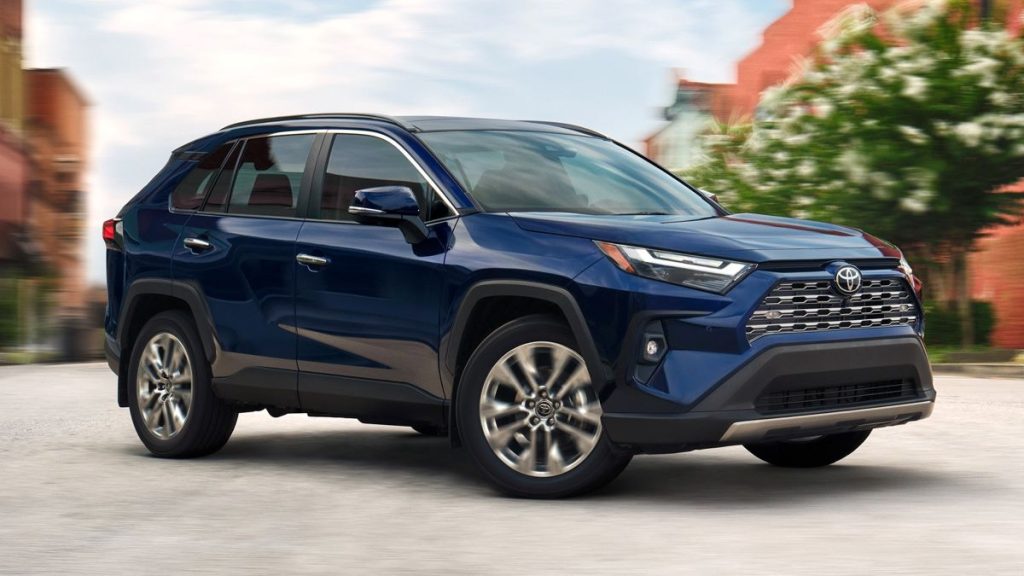
I chose to include the RAV4 here because it demonstrates exactly what a family SUV should deliver. The child-lock does not depend on technology that may freeze or glitch. It does not require scrolling through settings while children wait impatiently.
The simplicity gives caregivers confidence. When combined with Toyota’s reputation for strong build quality and a cabin layout focused on practicality, this SUV sets a useful example for others to follow.
It balances modern comfort with important safety basics, proving that the smartest solutions are not always the most complicated ones.
2. Honda CR-V
The Honda CR-V is widely trusted by families because it keeps important safety functions clear and accessible. Honda places its child-lock switch directly on the edge of each rear door, positioned where adults naturally look when ensuring everything is secure.
The small lever is shaped for a confident grip and requires a deliberate movement, which prevents accidental deactivation while still remaining easy to operate. This thoughtful balance keeps children protected without adding frustration.
Parents also appreciate that no prior knowledge of the car is required. Even if someone is using the CR-V for the first time, such as a relative or a ride-share driver involved in a school pickup, the mechanism is obvious the moment the rear door opens. There is no need to search through cabin buttons or touchscreen menus.
Honda has built its reputation on practicality, and this model’s physical control reflects that approach. The system works immediately and never depends on electronics.
That reliability matters during busy family moments when time and attention are limited. With the CR-V, a driver can secure the rear doors in seconds before starting a trip, whether running errands or heading out on vacation.
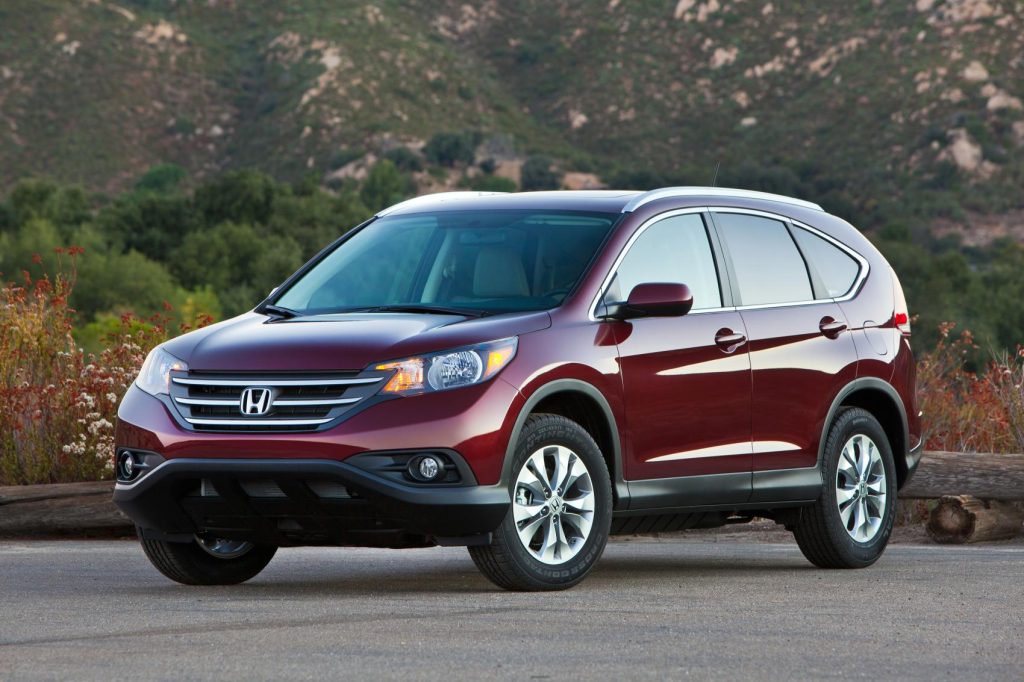
Honda’s ongoing updates to the CR-V have introduced modern comfort and better technology, but this essential safety control remains rooted in hands-on usability. It supports the common-sense needs of parents and ensures peace of mind.
This is why the CR-V earns a place among vehicles that make family life smoother and safer without adding needless complication.
3. Hyundai Tucson
The Hyundai Tucson offers a smart approach to daily usability, especially for households that juggle multiple activities throughout the week. The child-lock switches are positioned right beside the latches on both rear doors.
Drivers do not need to look for tiny symbols or check an in-screen notification. The control is firm and easy to flick, giving reassurance that the lock is properly set for travel.
This setup proves especially useful during situations when children enter and exit frequently, like school drop-offs or sports practice.
Time matters. With the Tucson, parents do not waste even a moment confirming whether everything is safe. The feedback from the physical latch instantly tells them the status of the lock.
Hyundai gives attention to clear labeling as well. The indicators show exactly which direction activates the lock, preventing trial and error. Even someone unfamiliar with the car will recognize the labeling and function quickly. Rental use, babysitter driving, and shared vehicle households all benefit from this reliable consistency.
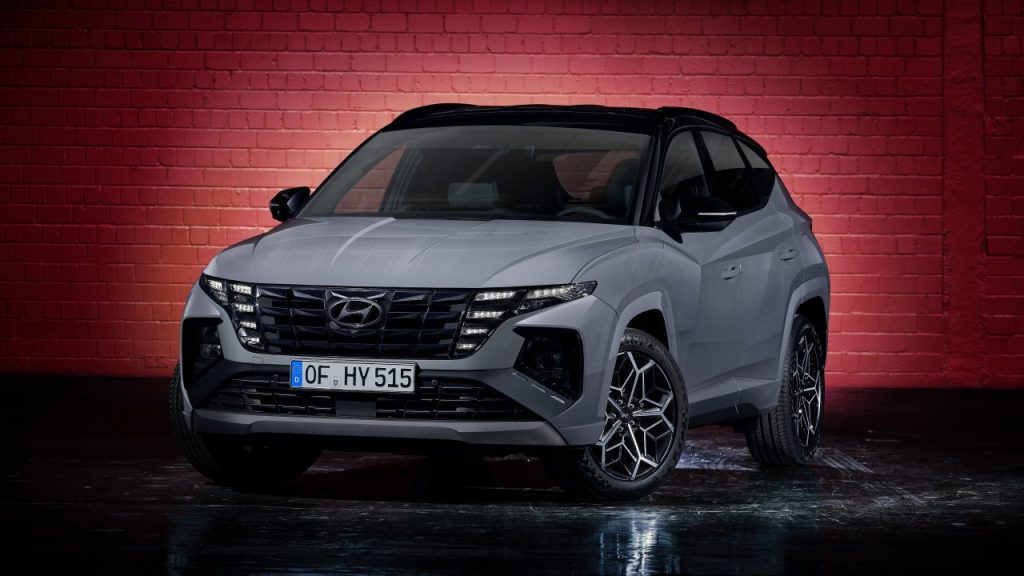
I am writing about the Tucson because it represents thoughtful design in a category often filled with over-complicated electronics. Families want confidence, not confusion.
The Tucson supports that with durability and a direct method that does not depend on battery status, software, or touchscreen navigation. It reminds everyone that certain safety features remain most effective when they stay simple.
This quality contributes to the Tucson’s strong reputation as a dependable vehicle for parents wanting control over every detail of their children’s security on the road.
4. Mazda CX-5
Mazda has gained recognition for its focus on driver-centered design, and the CX-5 continues that philosophy with a child-lock system that feels intuitive. The switch is found at the rear door’s edge, shaped in a way that gives a steady feel when adjusted.
It sends an instant message of clarity: when the switch is set, the door handle inside will not open. That sense of certainty is important for every caregiver.
The CX-5 also stands out for the solid materials used in this mechanism. Mazda avoids lightweight plastic pieces that might loosen over time. Instead, the action of the switch feels reassuring. Even after years of use, parents can trust it to remain dependable.
Rental customers and new owners benefit from straightforward visibility. The CX-5 does not rely on menus or screen warnings. The switch is the control, and that avoids confusion during quick transitions like handing children between drivers or switching seating arrangements.
The reason the CX-5 deserves recognition here is simple. Mazda builds this SUV to support real families. From highway trips to short neighborhood drives, parents know they can set the lock quickly with no uncertainty. It respects the need for safety without overthinking the process.
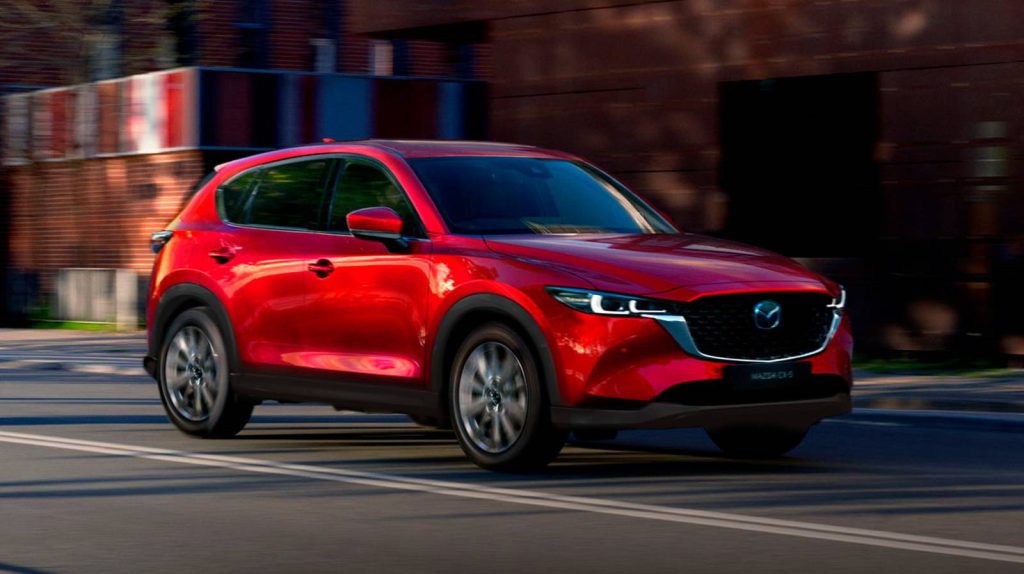
While the CX-5 offers refined styling, premium interior touches, and enjoyable driving character, none of that would matter if everyday tasks felt complicated.
The clear child-lock switch reinforces the brand’s value of staying human-focused, always placing usefulness first in situations where safety is key.
5. Subaru Forester
Subaru has built a strong reputation among active families who value safety above all else. The Forester supports this expectation by placing its child-lock switches directly beside the rear latches, with labeling that removes any doubt about how to activate them.
Even someone who has never driven a Subaru before will immediately recognize how the system works.
Many Forester owners take their vehicles on adventures, including road trips through areas without cell signal or dealership support. In those environments, a physical child-lock is far more reassuring than a control hidden inside an infotainment system.
It always works, no matter the weather, terrain, or power situation. Parents never worry about a software update altering a crucial safety function.
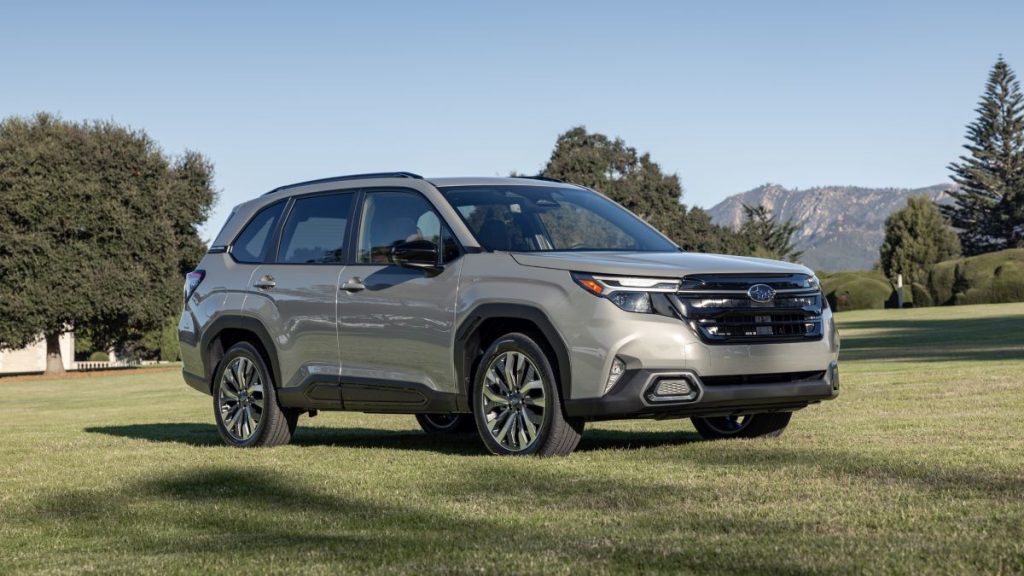
Subaru’s focus on families includes design choices that help in busy situations. If children hop in and out throughout the day, the switch gives a quick method to keep them secure. It takes only a moment to adjust. The sound and feel of the lever’s movement confirm that the setting is correct.
I chose the Forester for this list because it embodies the dependable approach that parents value most. It shows that high levels of safety do not require complicated technology. Instead, Subaru honors a basic expectation: protection should always be quick and clear.
The Forester demonstrates that perfectly, supporting peace of mind whether the trip is to school or a weekend destination far from city streets.
5 Confusing Ones
Some vehicles place child safety systems behind layers of technology or complicated controls that feel far from intuitive. Families purchase cars expecting dependable protection, yet a confusing child-lock can interrupt that confidence.
The purpose of this section is to highlight vehicles that achieve excellent performance in many areas but fall short in making this basic safety feature simple. The systems work, but the path to activate them requires effort that should not exist during busy family moments.
In many modern vehicles, designers have attempted to reduce visible buttons or rely on digital interfaces. While that can help interiors look cleaner, it creates a new problem.
Parents are sometimes forced to interact with touchscreen menus or search through unfamiliar settings just to secure a door.
Children might already be seated and becoming restless while the adults scroll or press physical buttons without clear feedback. That delay creates unnecessary stress.
Another issue arises from placement. Some brands hide their mechanical switches deep near the latch or under edge covers, without clear markings.
This leads to uncertainty, especially when another driver like a friend or relative takes charge. Safety features must support every user, not just the primary owner.
I am writing about these five models because they demonstrate how even respected vehicles can overlook the everyday realities of parenting. This is not criticism of their safety performance. Instead, it is a spotlight on usability and clarity.
A child-lock should always be an effortless function. Parents deserve to know that once the door closes, children remain protected inside, without any doubt.
By identifying where the confusion begins, prospective buyers gain the ability to prepare and decide whether they are comfortable with a system that needs a bit more learning. Understanding these issues helps families make smarter choices.
1. Tesla Model 3
Tesla aims to present a clean, button-free interior with most vehicle functions controlled through the main touchscreen. While this design supports a futuristic style, it creates challenges for a basic feature such as the child-lock.
Instead of a visible switch on the rear doors, parents must access the on-screen settings. This means the car must be powered on and the touchscreen functioning correctly before securing rear passenger safety. When children are already seated and impatient, navigating menu layers can feel inconvenient.
Another concern is learning curve. Drivers who are new to Tesla’s interface often need a moment to locate the setting. It is not instinctive like a physical lever beside the latch.
There is no quick option for a grandparent or family friend who drives occasionally and may not be familiar with the infotainment layout. A touchscreen approach also raises the possibility of an unintentional tap reversing the lock without anyone noticing immediately.
Families who travel in ride-share vehicles encounter this issue often. Even if the driver knows where the feature is located, it consumes time to activate while children wait. A small delay can feel longer when safety is the priority.
Software-based controls also depend on regular updates, and changes in menu structure can force drivers to relearn the process.
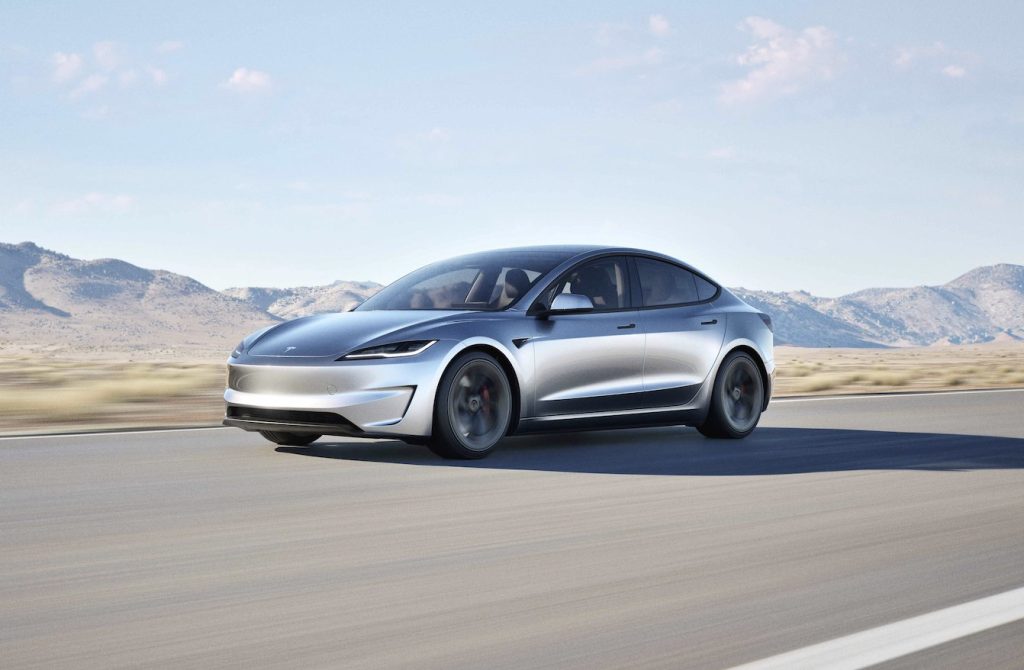
The Model 3 earns its place on this list not because the system fails, but because it is less intuitive than traditional designs. Tesla focuses heavily on technology, yet this essential function would benefit from a more direct method.
A hidden safety control becomes a distraction when adults must interact with screens instead of focusing on children. With the Model 3’s increasing popularity among families, a more convenient approach would make a big difference during everyday travel.
2. BMW X5
The BMW X5 is a premium SUV known for luxury and advanced technology. However, its approach to the child-lock system introduces extra steps that families may find inconvenient.
Instead of a mechanical switch on the rear doors, the X5 uses a button-based system located near the driver. While this keeps door edges clean and maintains a high-end appearance, it creates a dependency on the driver’s attention and understanding of BMW’s layout.
Parents must remember to activate the lock before the trip begins. If a child is already seated and someone opens the rear door to adjust their seat belt or booster, the lock must be managed again.
Because the control is separated from the point where it functions, a driver may mistakenly believe the doors are secure when they are not. There is no visible mechanical confirmation at the rear doors, which introduces a bit of uncertainty during hectic family transitions.
Another challenge is that different versions of the X5 handle this system differently. Some rely entirely on the driver-side control cluster, while others include menu-based configuration inside iDrive.
This inconsistency adds confusion for buyers who may switch trims or drive different production years. Guests, grandparents, or temporary drivers often require explanation before safely transporting children.
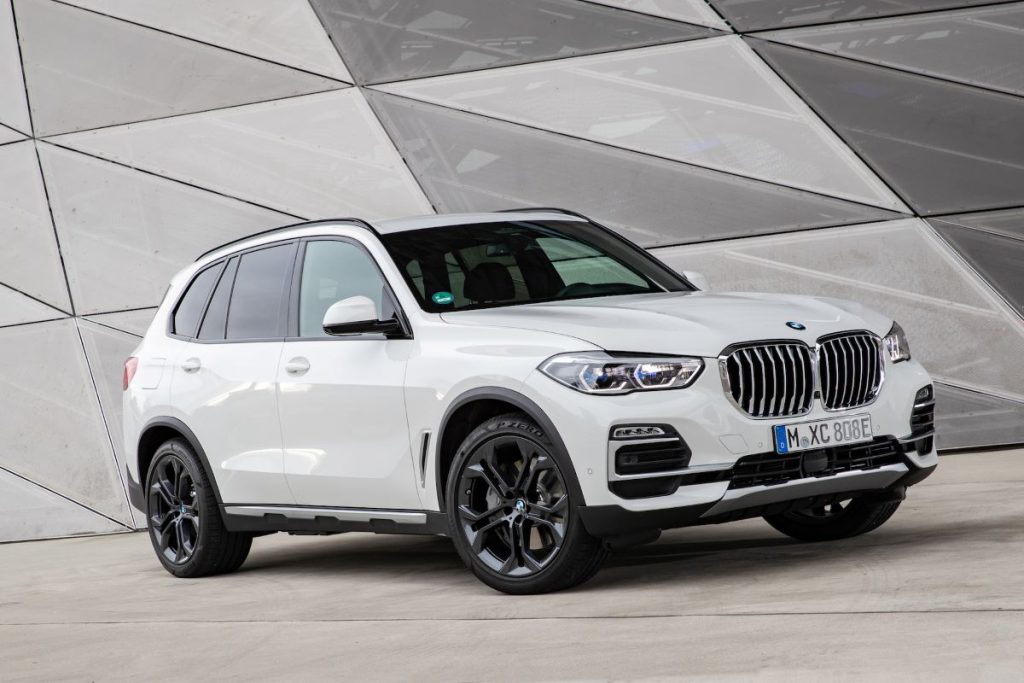
BMW’s engineering quality is outstanding, and parents appreciate how protective the vehicle is during any journey. However, requiring button presses or digging into the infotainment system to secure young passengers feels unnecessarily complex.
A child-lock should not depend on remembering steps or navigating tech. The X5 remains popular for comfort and performance, yet this specific detail shows that simplicity remains more practical when safety is involved every day.
3. Volkswagen Golf
The Volkswagen Golf continues to be a worldwide favorite because of its compact size and efficient performance. Still, its child-lock system creates difficulty for people who expect fast access.
The mechanical switch exists, but its placement near the door’s edge can be challenging to find, especially for new users. It sits in a small recess with small labels that may become harder to see in low light or while holding items like bags or snacks.
Volkswagen could make the marking larger or add contrasting colors for faster identification. Instead, many owners only learn about the position after flipping through the manual or asking a service advisor.
This delays activation during moments when children are eager to move and adults are trying to stay focused.
Another inconvenience is that the switch requires a tool-like object such as a car key or flat item to adjust properly.
This design prevents accidental movement, but it also means parents who have both hands full must pause and search for something to assist with the switch. An ideal system should support quick operation even during busy routines.
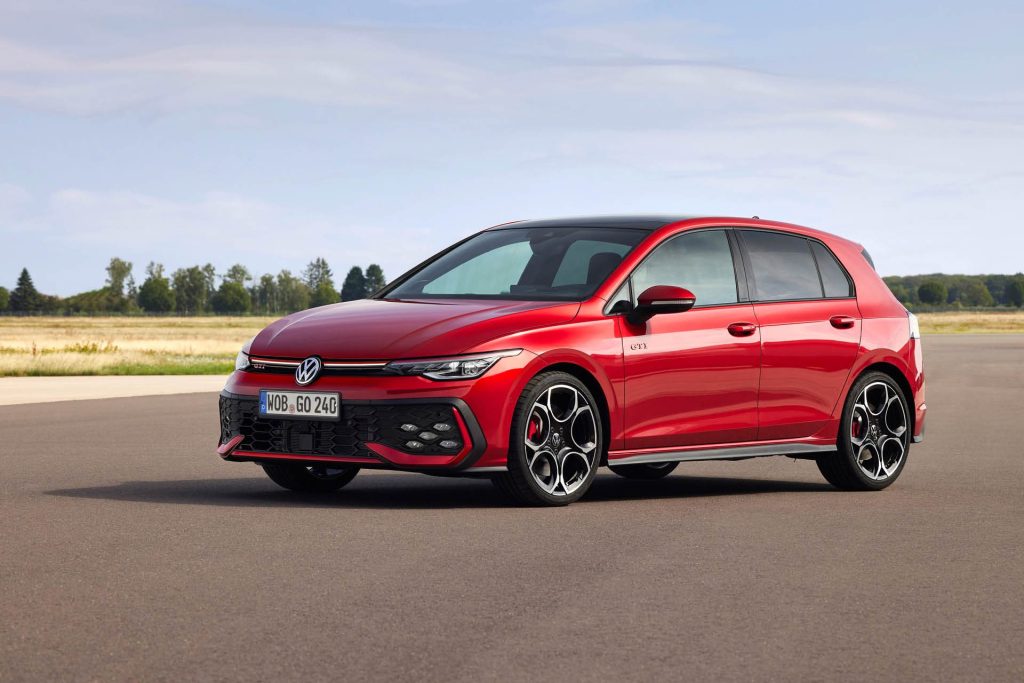
I am including the Golf on this list because the difficulty arises exactly when parents need clarity. Families trust compact hatchbacks like the Golf for daily commuting with children, but locating the child-lock control without guidance is not effortless.
Even though the safety feature works correctly once set, the struggle before activation does not align with the expectations of a user-friendly family car. Volkswagen excels in driving enjoyment and solid build quality, yet simplifying this element would improve confidence during family use.
4. Ford Escape
The Ford Escape takes a different approach that may lead to confusion depending on model year. Some versions offer a traditional mechanical switch near the latch, but others integrate child-lock controls into electronic menus or use a button cluster near the front door area.
This inconsistency across trims and generations makes it difficult for families to rely on familiar habits.
Parents who drive a rental Escape or buy a used model may assume the lock is positioned in one place only to discover it hidden or changed.
Even when the switch is physical, its labeling is sometimes minimal, requiring extra effort to confirm the correct direction of activation. During busy mornings or evening errands, these extra seconds feel frustrating.
Another issue involves explanations between drivers. If a babysitter or grandparent takes over, they might hesitate, worried that they are handling the wrong switch.
When the goal is fast security, hesitation is unwelcome. Ford has worked hard to provide advanced safety across its lineup, yet simplicity should always remain part of that mission.
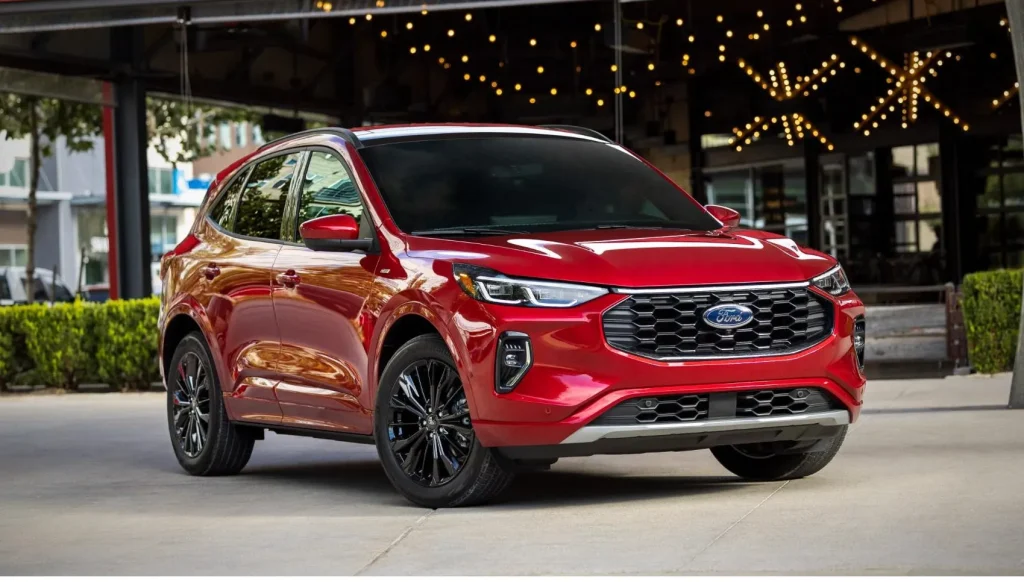
The Escape appears in this section not because the system fails, but because it does not provide the same straightforward experience every time.
Families need reliability in both performance and usability. If a driver questions whether the doors are safely locked from the inside, confidence drops even if the feature works in the end.
Consistent design and clearer markings would remove the uncertainty that now affects some versions of the Escape. Parents value a setup that feels predictable, no matter the trim or model year.
5. Mercedes-Benz GLC
The Mercedes-Benz GLC continues to attract family buyers who want a comfortable and refined cabin. Yet the approach to child-lock control does not fully match the practical needs of daily parenting.
The system depends on electronic activation through the front control panel. While the placement keeps rear-door edges elegant, it also forces the driver to handle additional steps before securing children.
If a relative or caregiver drives the GLC without prior knowledge, they may struggle to identify the correct button. The symbols are small and can blend in with other safety icons.
This creates uncertainty, especially when passengers include children who are still learning to sit calmly during travel. Any delay in activating the lock raises anxiety at exactly the wrong moment.
Another consideration is timing. The lock must be activated when power is available, meaning the car must be on. In a parking lot or driveway, that creates an extra task before even starting the journey. A mechanical switch avoids this dependency entirely.
The GLC deserves recognition for strong engineering and comfort standards, but this particular feature lacks the quick convenience expected in a family vehicle. Parents want instant confirmation when safety matters most.
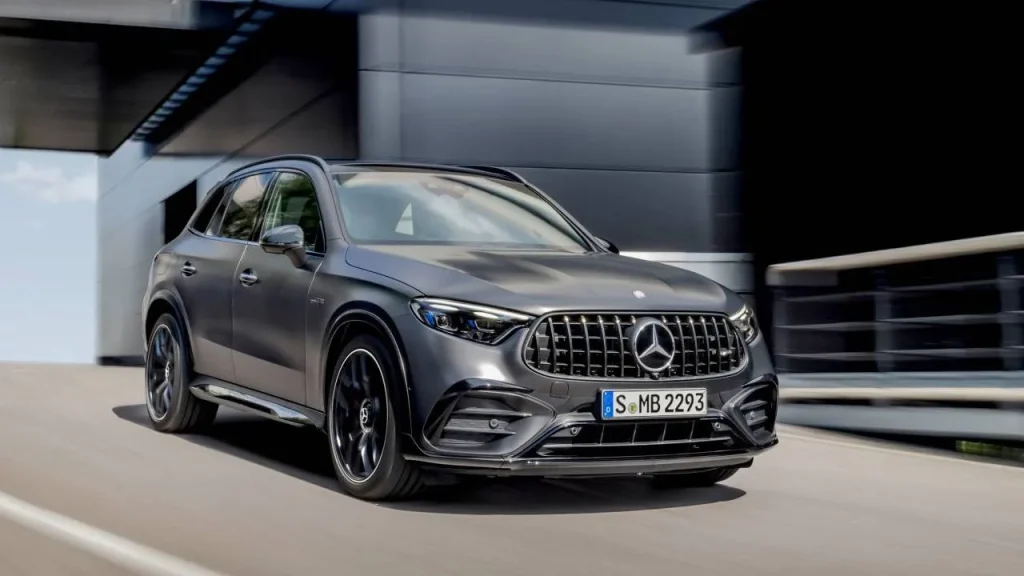
The indirect method forces them to trust a button that does not provide feedback at the rear doors. It separates action from result, which is never ideal in child safety systems.
Mercedes-Benz focuses heavily on sleek design and modern electronics, but here simplicity would offer better assurance. A visible and tactile approach would allow every adult, regardless of experience with luxury technology, to protect young passengers without hesitation.
Also Read: 5 Cars for Fresno Budget Buyers vs 5 That Hide Problems
