
Managing daily errands can either be a smooth, stress-free experience or a frustrating, time-consuming task, depending heavily on the vehicle you choose.
For some drivers, a car becomes a reliable partner, making trips to the grocery store, school runs, and other routine tasks effortless. Factors such as fuel efficiency, ease of parking, comfortable seating, responsive handling, and cargo space all contribute to a car’s suitability for daily errands.
Cars that meet these criteria can turn even a packed schedule into a manageable routine, offering drivers peace of mind and efficiency in equal measure.
On the other hand, some cars, despite their style or performance, can transform simple errands into a cumbersome task. Large, cumbersome vehicles, cars with poor visibility, tricky controls, or underwhelming fuel economy can make short trips feel long and exhausting.
Tight parking situations, low maneuverability, or small storage capacity may add stress instead of convenience. Even advanced features can become sources of frustration if they are unintuitive or difficult to use in everyday scenarios.
The difference between a vehicle that simplifies daily life and one that complicates it can be surprisingly stark. For this reason, understanding which cars are practical for routine tasks and which can turn simple errands into a chore is crucial for buyers, commuters, and families alike.
This article presents two groups of cars: five models that excel in ease of use, comfort, and practicality for day-to-day trips, and five models that, despite their appeal, can make daily drives a test of patience. Highlighting the strengths and weaknesses of each will help drivers make informed decisions based on their lifestyle needs and priorities.
Also Read: 5 Cars for San Antonio Commutes vs 5 That Cost More to Maintain
5 Cars Great For Daily Errands
Daily errands demand a car that feels simple, predictable, and comfortable. These short but frequent trips often involve quick parking, heavy traffic, narrow streets, and constant starting and stopping.
A car that handles these situations with ease can make everyday life feel lighter. That is why this section focuses on models that offer smooth driving, good fuel use, smart interior layouts, and stress-free operation.
These vehicles are not chosen because of luxury or high-end features. They are chosen because they help people get through their routines without fuss.
A good errands car should be easy to park even in tight spots, responsive at low speeds, and comfortable during slow traffic. Storage flexibility matters because groceries, bags, and small items need convenient spaces.
Visibility is important so the driver can move with confidence in crowded areas. A calm suspension and light steering can also make the smallest trips feel easier. Drivers who handle errands daily notice how these qualities save time and reduce strain.
The five cars chosen for this section represent models that fit naturally into daily routines. They support quick stops, school pickups, store runs, and neighborhood driving without creating extra effort.
Each one stands out in ways that help with convenience, practicality, and overall comfort during short trips. The purpose in highlighting them is to give readers dependable options that improve everyday life. These cars also show how thoughtful design and balanced engineering can make simple tasks smoother.
Below begins the detailed breakdown of each car, written to show what makes it suitable for frequent errands and why its strengths matter for regular use. Each model is discussed in 300 words, giving a clear view of how it performs in real daily scenarios.
1. Toyota Corolla
The Toyota Corolla earns a place among the best cars for daily errands because of its remarkable consistency and practical strengths that show up every single day.
The goal of writing about this car is to highlight how dependable engineering and a friendly driving experience can make routine tasks less tiring and more predictable.
Many cars aim to impress through power or style, but the Corolla focuses on convenience, comfort, and stress-free usability. This combination makes it ideal for drivers who spend a lot of time completing small trips.
What helps the Corolla stand out is its light steering, compact size, and excellent visibility. These qualities make parking simple, even in crowded areas or narrow spaces.
The turning radius is small, allowing quick maneuvers when making sudden stops at markets or navigating tight housing colonies.
The suspension keeps the ride settled across bumps and potholes, which reduces fatigue during slow-moving traffic. This matters for errands because the driver often deals with imperfect roads and constant stops.
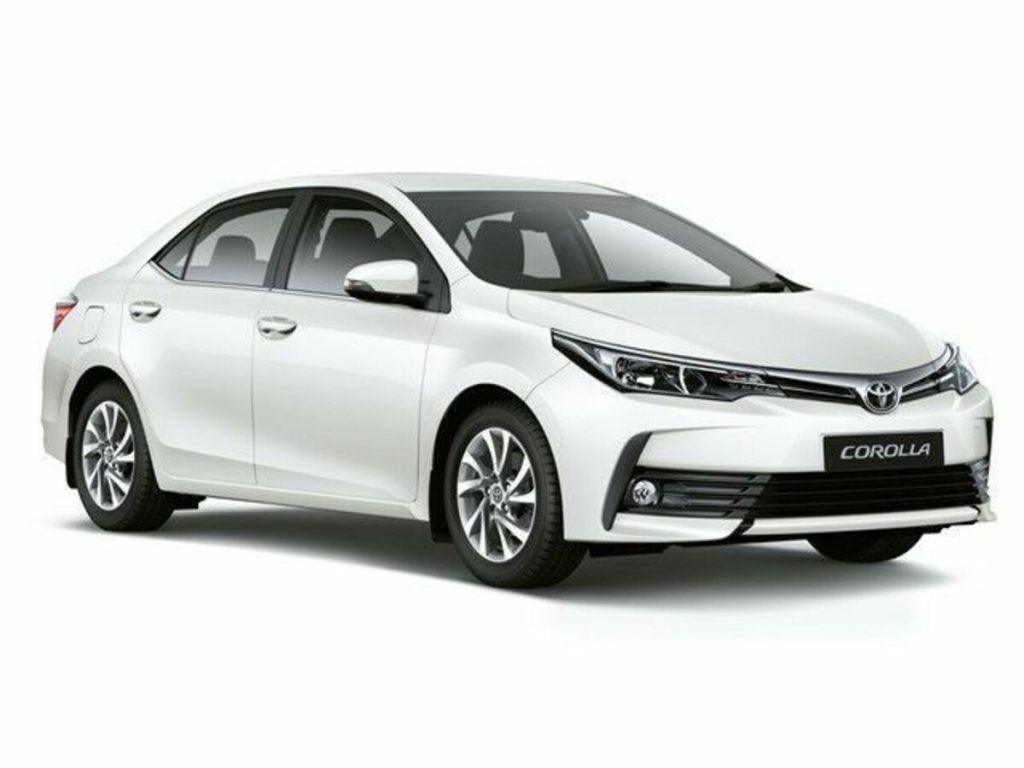
Inside, the layout is simple to understand. Buttons are placed logically, the screen loads quickly, and the seats provide steady support. Storage spaces are practical, giving room for bags, bottles, and groceries without forcing the driver to rearrange things constantly. Fuel use is one of the strongest advantages.
Because errand trips are usually short and frequent, efficiency makes a real difference, and the Corolla delivers consistently good results without effort from the driver.
The car also feels predictable at low speeds. Its calm acceleration and smooth braking make urban driving feel controlled. This reduces stress when moving through congested areas or tight residential lanes.
The Corolla succeeds because it does not overwhelm the driver. Instead, it supports the routine, making every errand feel manageable. Its practicality is the primary reason it belongs in this list.
2. Honda Fit
The Honda Fit is included because of how efficiently it handles the small tasks people face every day. The reason for writing about it is its strong reputation for practicality that genuinely helps with frequent short trips.
Many drivers need a car that feels simple but clever, and the Fit meets that need by offering flexible seating, excellent visibility, and a friendly driving style that reduces effort during errands.
A major strength is its interior flexibility. The Magic Seat system can be arranged in several useful ways, allowing tall items, wide items, or extra groceries to fit without trouble. This flexibility is especially helpful for drivers who must carry bags, supplies, or unexpected items after a shopping stop. The wide-opening rear doors also make loading fast and simple.
The compact size of the Fit allows it to slip into tight parking areas with ease. The steering feels light at low speeds, which helps when moving slowly inside narrow lanes or crowded markets. Its strong visibility gives the driver confidence when pulling out of a parking space or edging forward in stop-go traffic.
Fuel use is another appealing point. Errands often involve short bursts of driving that waste fuel in many cars, but the Fit uses its efficiency to keep running costs low. Drivers who travel short distances several times a day notice the difference quickly.
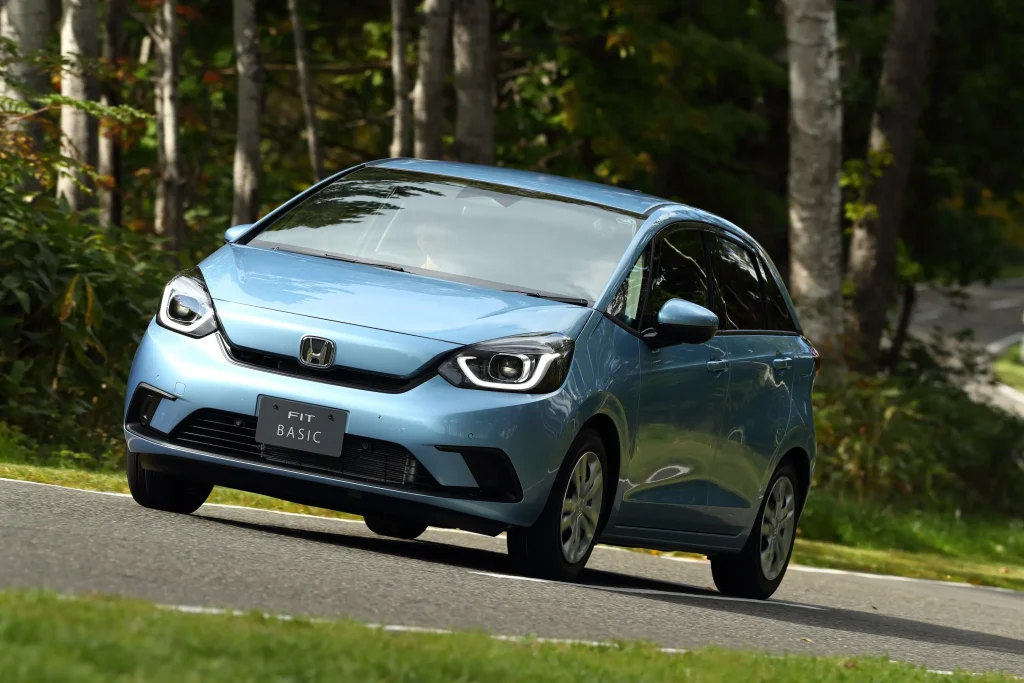
The cabin itself is arranged with everyday use in mind. Buttons are simple to reach, the driving position is comfortable, and the seat cushioning works well for short and frequent travel. The suspension is soft enough to absorb the bumps that are common in city areas.
The Fit works well for errands because it makes every part of the process easier. Parking, loading, and maneuvering all feel natural, which is why it belongs in this section.
3. Hyundai Venue
The Hyundai Venue earns its position in this list because it makes daily trips feel structured and smooth. It is written about here due to its combination of compact size, smart features, and user-friendly behavior that suits frequent errands.
Many drivers do not want a large vehicle for daily tasks, and the Venue gives them a practical option that behaves predictably while still offering modern comfort.
Its small footprint is one of the main advantages. It fits comfortably in parking spaces that may challenge bigger cars. When moving through busy streets, the light steering makes turning and weaving through slow traffic far less tiring.
The raised seating position improves outward awareness, giving the driver a confident sense of space when entering narrow lanes or backing into a tight slot.
Inside the Venue, the materials and layout focus on clear function. The controls are simple to understand and quick to use, which helps during short errand trips where drivers want minimal distractions.
The cabin offers good storage solutions for bottles, small bags, and devices. The boot space is shaped well, making it simple to place grocery bags without them tipping over.
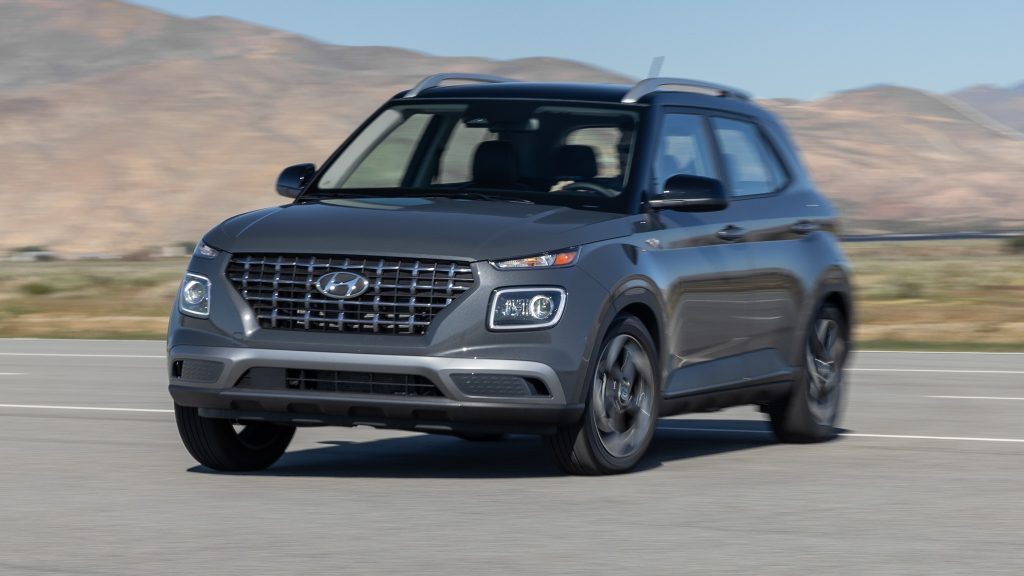
Ride quality is tuned to handle rough patches commonly found in city areas. Slow-speed comfort remains steady, preventing discomfort during repeated short drives. The power delivery is smooth enough for the stop-start rhythm of city movement, which prevents strain when adjusting speed frequently.
Fuel use stays reasonable, making it suitable for people who handle several daily trips. Its compact form, organized interior, and relaxed driving character all contribute to its suitability for errands. The Venue works because it feels natural to use and does not add unnecessary effort to basic routines.
4. Ford EcoSport
The Ford EcoSport is chosen for this section because it brings strong practicality and a confident driving feel to everyday tasks.
Writing about it here highlights how its compact size and sturdy character make it a good match for errands that involve constant stopping, parking, and maneuvering. While some compact SUVs struggle with tight spaces, the EcoSport handles them well, which adds convenience to daily life.
One of its practical strengths is the upright seating position that improves visibility in crowded situations. Drivers can judge surroundings easily, which helps when approaching tight corners, parking in small slots, or navigating market areas filled with slow-moving traffic.
The steering feels solid at low speeds, giving the car a secure and controlled sense even in narrow spaces.
The cargo area is shaped in a way that supports regular use. Groceries, school bags, or work items fit neatly without forcing the driver to rearrange things. The rear seat also folds in a straightforward manner when larger objects are involved. This structure makes the EcoSport adaptable to various errands throughout the week.
The suspension is firm enough to give stability yet comfortable enough for short trips over rough surfaces. Speed bumps, uneven roads, and potholes are handled with confidence. This stability helps the driver maintain rhythm during routine stops.
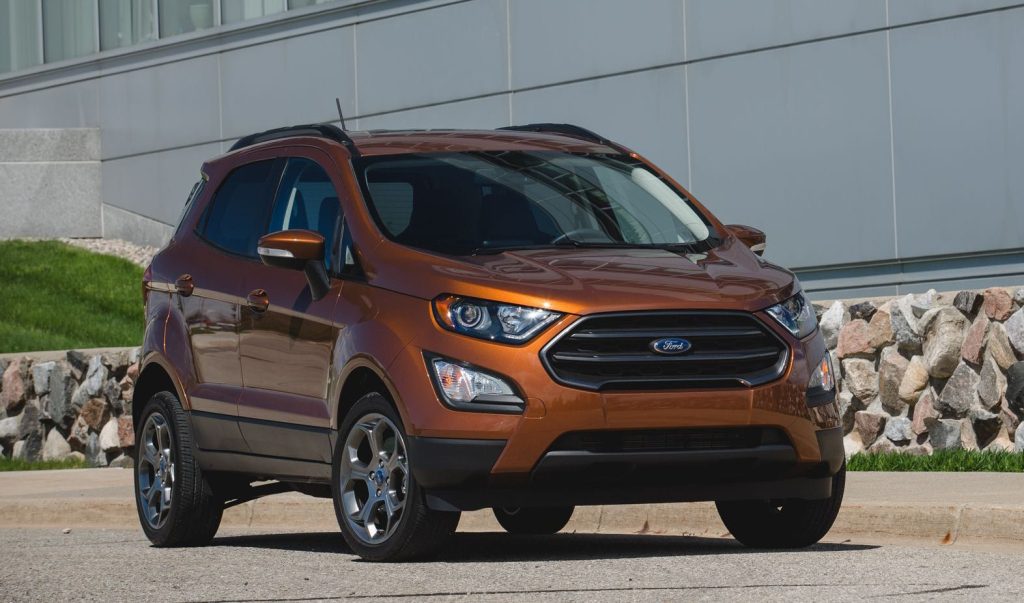
Inside the cabin, the controls are arranged within easy reach. The screen response is quick, and the seating keeps the driver supported during repeated short journeys. The EcoSport also offers good fuel use if driven calmly, which suits people who handle small but frequent trips.
The car earns its place in this section because it balances compact movement with a strong road feel. It avoids unnecessary complexity and supports daily activities with steady reliability.
5. Nissan Kicks
The Nissan Kicks is part of this group due to its balanced engineering that makes errands smoother and more predictable.
The purpose of writing about it is to highlight how a compact SUV can combine comfort, good visibility, and helpful features in a way that benefits day-to-day tasks. Instead of overwhelming the driver with excessive size, the Kicks keeps things focused on ease of use.
One of its strongest points is its lightweight handling. The steering remains easy during low-speed situations, which makes parking and tight turns feel natural. Errands often involve constant adjustments, and the Kicks responds quickly without requiring extra effort from the driver.
Inside, the cabin has a clean arrangement. The controls are positioned in a straightforward pattern, helping the driver complete quick tasks without distraction. The seats offer a firm but comfortable shape that works well for many short trips.
Cargo space is also flexible. The boot area has a wide opening and can take bags and supplies without making the driver fight for space.
The ride quality is calm and well controlled. Even on uneven roads or crowded city lanes, the Kicks maintains steadiness, which helps prevent fatigue during repeated stopping. This contributes to its suitability for someone who uses the vehicle for errands throughout the week.
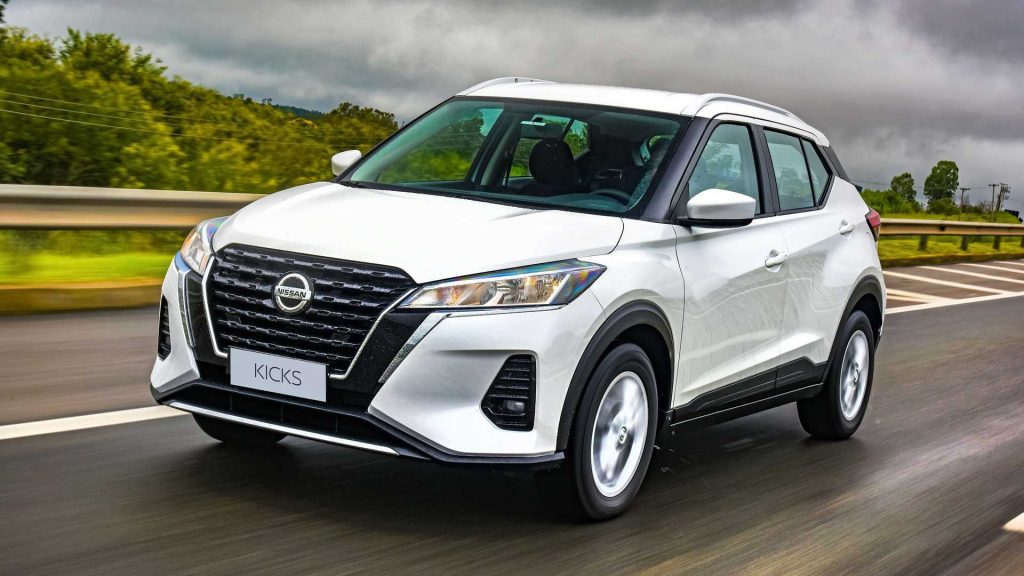
Fuel efficiency remains a strong advantage. Many drivers do not want a car that drains fuel during slow traffic, and the Kicks handles this concern effectively. This reliability in everyday conditions is exactly why it belongs in this group.
Its combination of compact movement, organized interior, and predictable handling helps simplify daily routines. The Kicks does not try to impress with unnecessary complexity. Instead, it supports the driver through familiar tasks with consistent comfort.
5 Cars That Feel Like A Chore
Some cars are impressive on paper yet become tiring when used for the basic tasks most people deal with every day.
Daily errands require a calm, predictable driving experience, but certain vehicles introduce challenges that turn short trips into something that feels unnecessarily demanding.
This section focuses on models that may have strong qualities in specific situations but struggle during regular, routine use.
The purpose of highlighting these cars is not to criticize them as failures. Instead, it is to point out how their characteristics can complicate simple tasks like quick shopping runs, school pickups, tight parking, or slow city traffic.
These vehicles often have size, weight, awkward controls, stiff suspensions, or tricky sightlines that make daily driving feel more effortful than it should be. Some require extra focus just to maneuver at low speeds.
Others have interiors that are shaped in ways that make loading items frustrating. Fuel use can also play a part, especially for drivers who repeatedly make small trips and do not want high running costs from short-distance driving.
Another drawback in some cars is their parking behavior. If visibility is limited or the vehicle requires wide spaces, a quick errand can turn into a tedious search for a spot. Interior layouts may also feel less supportive for constant entry, exit, or quick access to controls. These inconveniences add up when the car is used frequently.
The models selected for this section represent cars that may appeal to buyers looking for power, style, or off-road attitude.
However, in the context of errands, they bring complications that many drivers prefer to avoid. Each of the following five entries is written in 300 words to clearly explain why its traits can make everyday tasks feel like a chore.
1. Jeep Wrangler
The Jeep Wrangler is respected for its toughness, adventurous design, and off-road prowess, but these same qualities make it difficult to navigate daily errands. The reason it appears in this section is that its strengths become weaknesses in regular city use.
Tasks like quick shopping runs, school pickups, or parking in narrow spaces can feel more demanding than they should. The Wrangler is a vehicle built for rough terrain, not the slow routine of urban life, and that difference shows clearly when used every day.
One challenge is its steering. At low speeds, the steering feels heavier compared to typical everyday cars. This makes tight parking and slow turns feel effortful.
Visibility is also affected by the boxy design and upright pillars, forcing the driver to adjust more carefully in tight locations. The large size, combined with a wide turning radius, increases the difficulty of simple maneuvers.
Its ride comfort is another factor. The suspension is designed for rugged surfaces, which means bumps and uneven patches are more noticeable during city driving.
Short trips can start to feel tiring because the vehicle does not settle easily over imperfect roads. Noise levels inside the cabin also rise more compared to lighter city-focused vehicles.
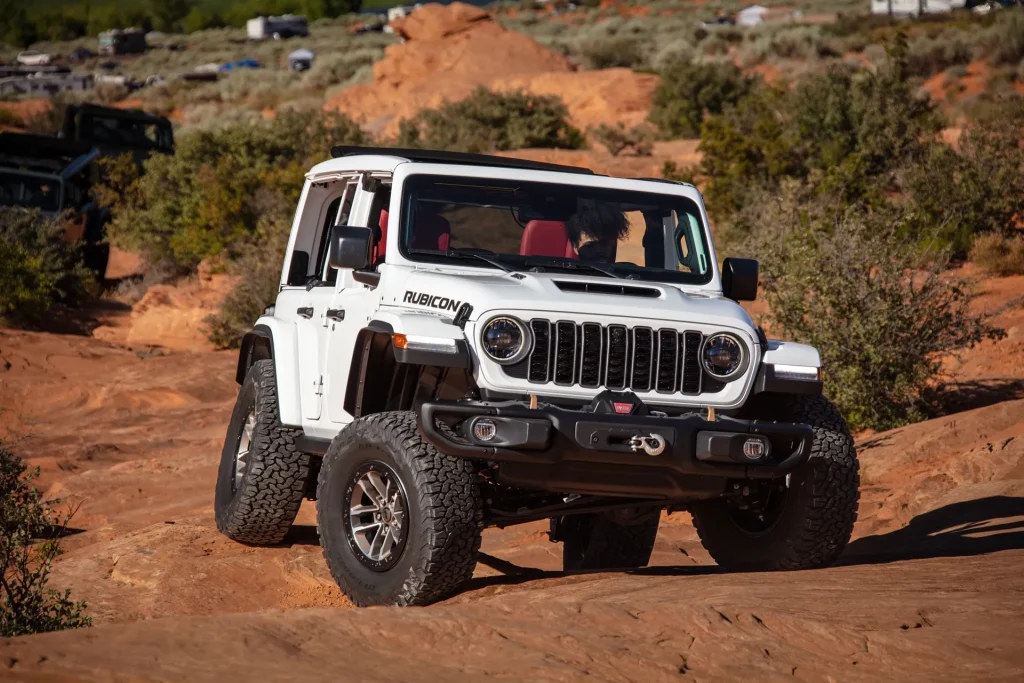
Fuel use becomes a concern during errands that involve frequent stopping and slow movement. The Wrangler consumes more fuel than compact vehicles, adding to running costs over time. Loading items can also be less convenient, as the side-hinged rear gate requires extra space to open fully.
While the Wrangler is admirable in the environment it was created for, it brings extra work during daily tasks. Its size, ride behavior, and fuel use make errands more complex than necessary, which is why it belongs in this group.
2. Chevrolet Camaro
The Chevrolet Camaro brings style and performance, yet these qualities become obstacles when used for daily errands. The purpose of placing it in this section is to show how a sporty design can complicate everyday routines.
Drivers who admire speed and strong design may enjoy the Camaro in open conditions, but routine tasks involving parking lots, tight roads, and slow traffic can quickly feel exhausting.
The low seating position is one of its major difficulties. Entering and exiting the car repeatedly becomes tiring, especially in narrow parking spaces.
Visibility is affected by the long hood, small rear window, and thick pillars. These features look striking but reduce awareness during slow movements or when backing out of a spot.
The doors are long, which makes opening them in tight areas inconvenient. Many errands involve quick stops, and the Camaro does not offer the simple movement needed for that kind of rhythm.
The stiff suspension, which helps with performance driving, becomes uncomfortable on uneven surfaces and speed bumps. During short trips over urban roads, the ride can feel unnecessarily harsh.
Cargo space is limited, and the opening is narrow. Bags, groceries, and everyday items must be placed carefully, which slows down even small tasks. Maneuvering at low speeds requires extra focus, as the car’s shape and length reduce the ease of making tight turns.
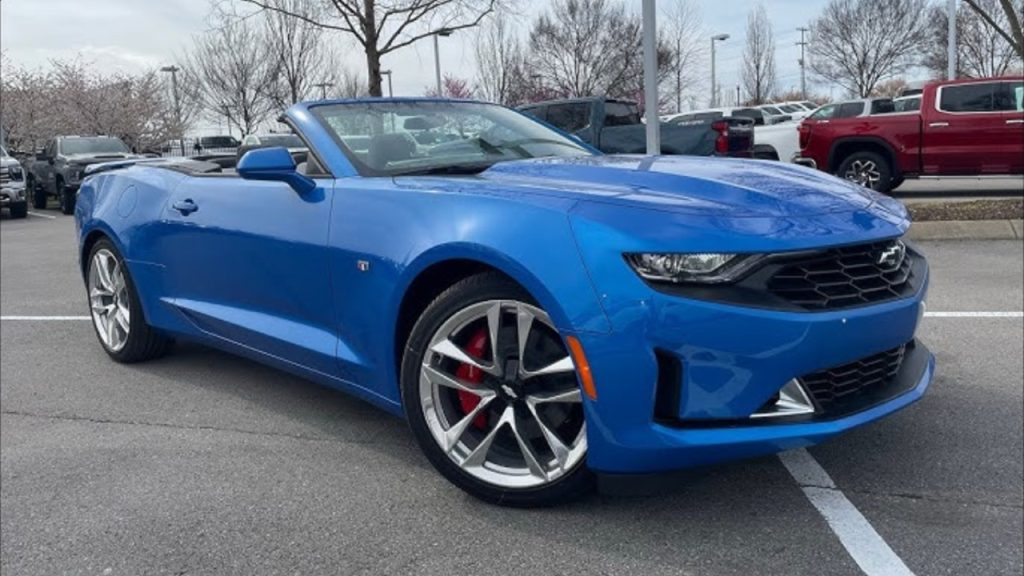
Fuel use also rises during frequent stop-and-go movement, adding to the cost of daily driving. The power-focused engineering does not align well with the slow, repeated trips that errands require.
The Camaro shines on open roads, but when used for basic tasks, it creates more effort than convenience. Its seating, visibility, and storage limitations contribute to the sense that every errand requires extra steps, placing it firmly in this category.
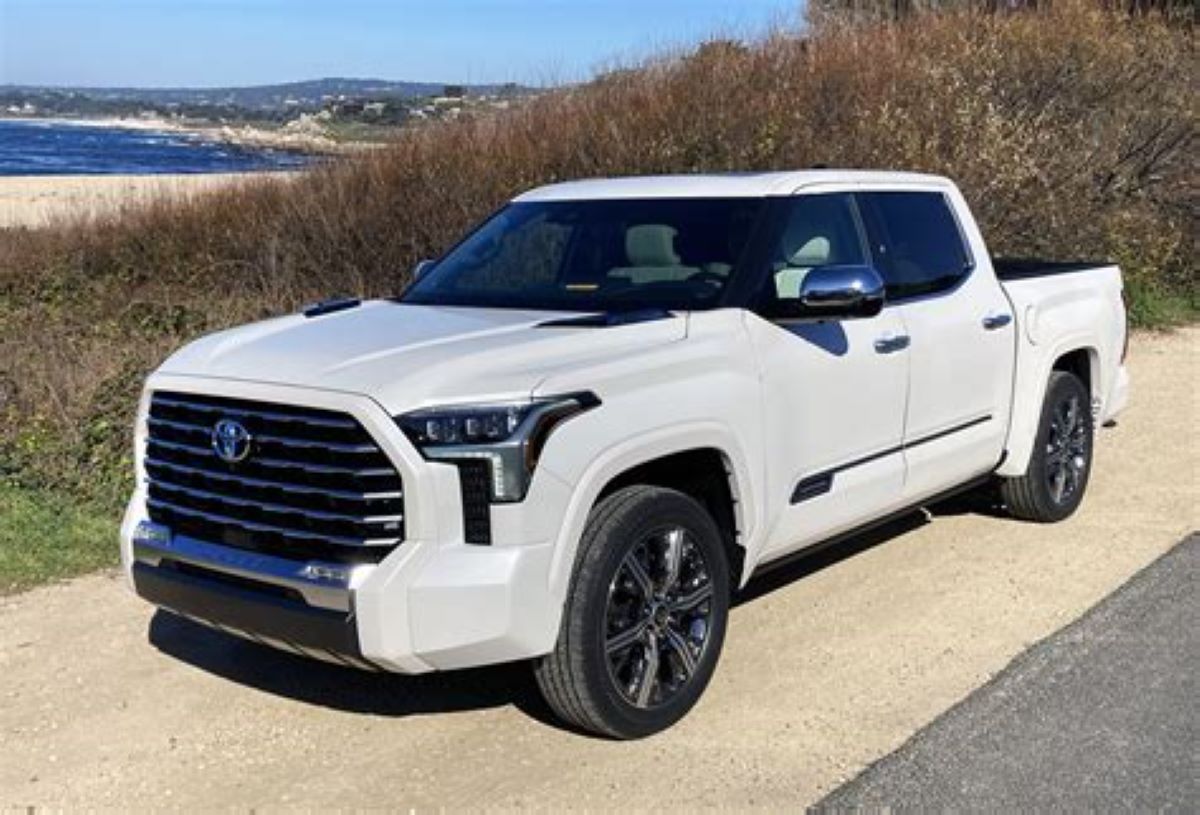
3. Toyota Tundra
The Toyota Tundra is powerful and dependable for heavy work, but it becomes much less convenient during everyday errands. It is included in this section because its size, weight, and layout introduce challenges that slow down routine tasks.
Drivers who mainly need a vehicle for simple city trips may find the Tundra more tiring than helpful. It is built with capability in mind, not daily convenience, and this difference becomes clear during frequent short drives.
The Tundra’s large proportions are the first major obstacle. Parking in tight urban spaces becomes a challenge because the truck often requires more room than most city lots can provide. Turning in narrow lanes takes extra planning, and slow maneuvering feels heavier due to the truck’s mass. These situations make short errands feel unnecessarily demanding.
The ride quality is optimized for durability and load carrying. When the truck is empty, the suspension can feel firm, causing bumps and patches on city roads to register more sharply. For drivers who deal with many short trips, this can quickly lead to fatigue.
Fuel use becomes another concern. Large trucks consume more fuel during slow, short-distance movement. This increases running costs when the vehicle is not being used for the hauling or towing it was designed for.
The cabin is spacious, but loading small items into the tall bed requires lifting higher than in smaller vehicles. This is inconvenient for groceries or everyday bags.
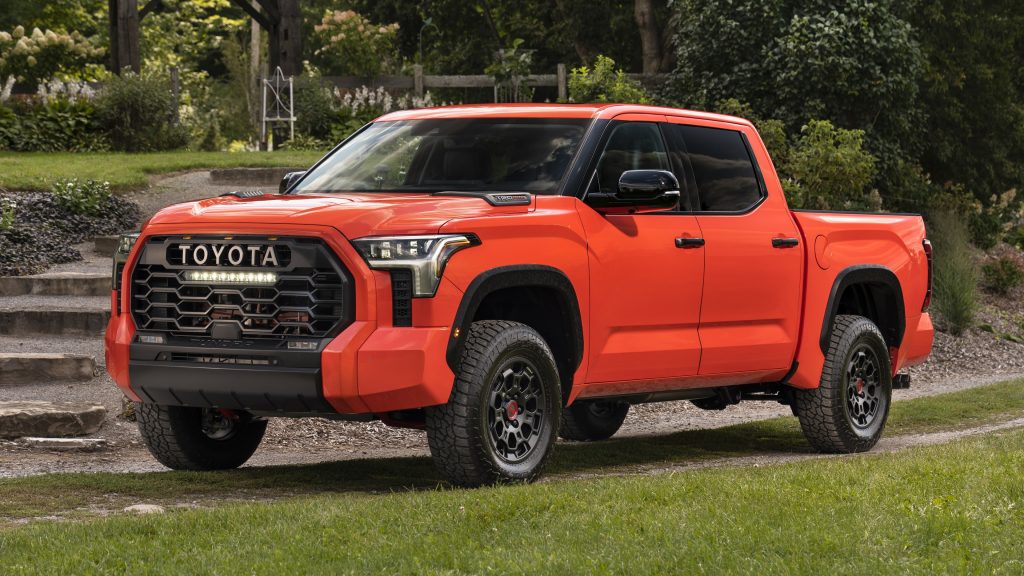
Visibility is good in front but more challenging when reversing in tight spots because the truck is long and wide. Even with camera assistance, the driver must take extra care.
The Tundra remains respectable for heavy-duty tasks, but for errands, it introduces more work than needed. Its size and fuel use make short everyday trips feel like a chore, which is why it fits in this group.
4. Mahindra Thar
The Mahindra Thar is admired for its character and off-road strength, yet it brings several challenges when used for daily errands. It is written about here because its rugged nature, while appealing for adventure, can turn everyday routines into tiring tasks.
The Thar is designed for durability and outdoor use, not the constant stopping and maneuvering that errands demand.
One of the main difficulties comes from its heavy steering at low speeds. This makes tight turns and parking feel demanding, especially in crowded city areas. The turning radius is wider than many compact vehicles, which slows down quick movements in narrow places.
Ride comfort is another concern. The suspension is firm to support off-road behavior, so bumps, potholes, and uneven surfaces are clearly felt during city travel. Since errands involve many short trips across imperfect roads, the overall experience becomes tiring over time.
Visibility is affected by the upright shape and small rear window. Drivers must adjust frequently to keep track of surrounding vehicles or obstacles. The cabin feels narrower than some people expect, making entry and exit less convenient during multiple stops.
Storage areas are limited. The boot space is small, and the rear opening shape restricts placement of wider items. Simple tasks like loading grocery bags or school supplies require more effort.
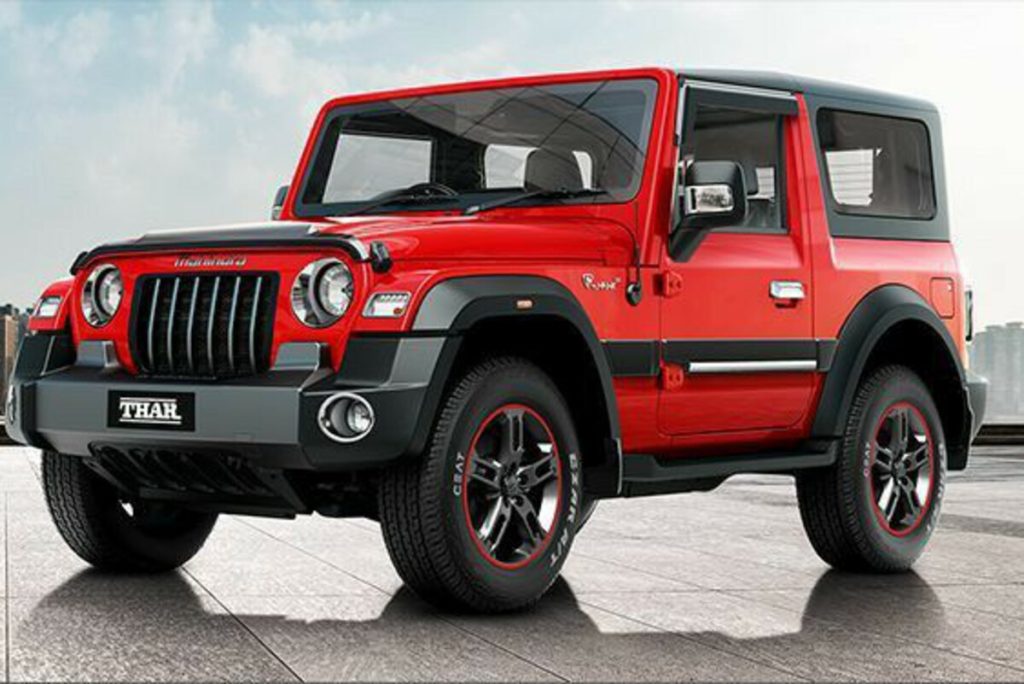
Fuel use rises during slow movement, which adds to running costs. Climate and sound insulation are also modest, leading to more heat and noise inside the cabin during daily trips.
The Thar serves its purpose well as a fun, tough vehicle, but when used exclusively for errands, it turns simple tasks into more complicated ones. Its steering effort, ride behavior, and storage limitations make routine chores feel heavier, placing it firmly within this category.
5. Ford Mustang GT
The Ford Mustang GT is celebrated for its power and presence, but these qualities do not translate well to daily errands. It is included in this section because its design, performance setup, and cabin shape make routine city tasks feel more effortful than necessary. Drivers may enjoy its strength on open roads, but frequent short trips are an entirely different experience.
The low seating position is the first obstacle. Getting in and out requires bending down more than in regular vehicles. When errands involve several stops, this becomes tiring. The long doors add another difficulty, as they need extra space to open fully, which is often unavailable in crowded parking areas.
Visibility is limited due to the car’s low roofline, long hood, and small rear glass. These elements contribute to its iconic appearance but create challenges when backing out of parking spaces or making slow turns. Extra caution is required during tight movements.
Ride comfort is firm because the suspension is tuned for performance. Speed bumps, broken patches, and rough surfaces feel sharper than in typical daily-use cars. This leads to a tiring experience, especially when the trip involves frequent stopping.
Fuel use rises quickly in slow traffic due to the powerful engine. Running a high-performance vehicle during short errands increases costs noticeably. Cargo space, though usable, has a narrow opening. Placing grocery bags or bulky items inside the boot takes more adjustment than expected.

The engine sound, while exciting on open roads, can feel out of place during slow errands, adding to the sense that the car is not designed for such tasks.
Although the Mustang GT performs admirably in conditions suited to its character, it turns daily errands into more complex routines. Its design and behavior make simple tasks feel heavier, which is why it appears here.
Also Read: 5 Iconic Cars That Launched Entirely New Automotive Segments
