
When it comes to dependable family cars, the early 2000s produced more than a few hidden gems that are often overlooked today. While flashy sports cars and luxury SUVs tend to dominate conversations, many sedans from this era offered a rare combination of reliability, comfort, and long-term durability. These models were built to last, with solid engines, practical interiors, and thoughtful features that made daily driving a breeze.
In this article, we take a closer look at 10 underrated sedans from the 2000s that may have slipped under the radar but have proven their staying power over the years.
From spacious family rides to understated luxury vehicles, these cars deliver comfort, longevity, and a level of reliability that keeps owners coming back, often well past the 200,000-mile mark. If you’re a fan of practical, trustworthy sedans that stand the test of time, this list is for you.
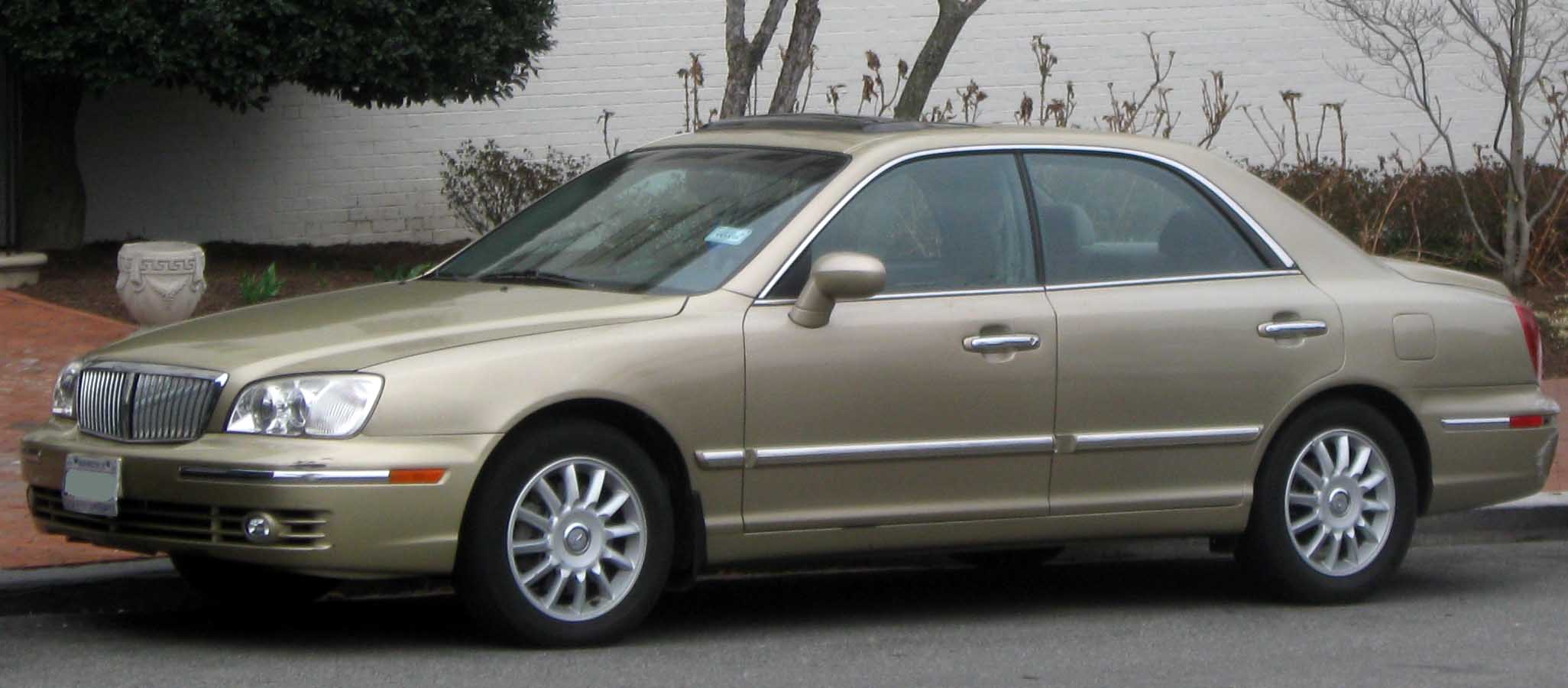
10. 2005 Hyundai XG350
If you’re looking for a mainstream sedan that delivers an upscale experience, the 2005 Hyundai XG350 fits the bill. It offers a refined interior, a generous list of standard equipment, and a budget-friendly price tag.
Power comes from a 3.5-liter V6 paired with a five-speed automatic transmission, producing 194 horsepower and 216 lb-ft of torque sent to the front wheels. Fuel economy is rated at 16/24 MPG, which is reasonable for a midsize car of this period.
A long-term owner of a 2002 XG350 reported reaching 225,000 miles over 21 years of daily use. While the car required some minor fixes, such as a starter motor, shocks, suspension bushings, and wheel bearings, it remained dependable. This highlights that the XG350 can serve as a reliable sedan when given proper care.
The XG represented one of Hyundai’s early ventures into the luxury space, but premium models from mainstream brands have rarely gained widespread traction. Combined with its unremarkable styling and lack of standout features, the XG350 struggled to make a lasting impression, leaving it mostly overlooked today.
Following this year’s debut of its unexpectedly sharp and well-designed sport-ute, the Santa Fe, Hyundai has introduced the XG300, an all-new six-cylinder sedan designed to compete with the V6 versions of the Nissan Maxima, Honda Accord, and Toyota Camry.
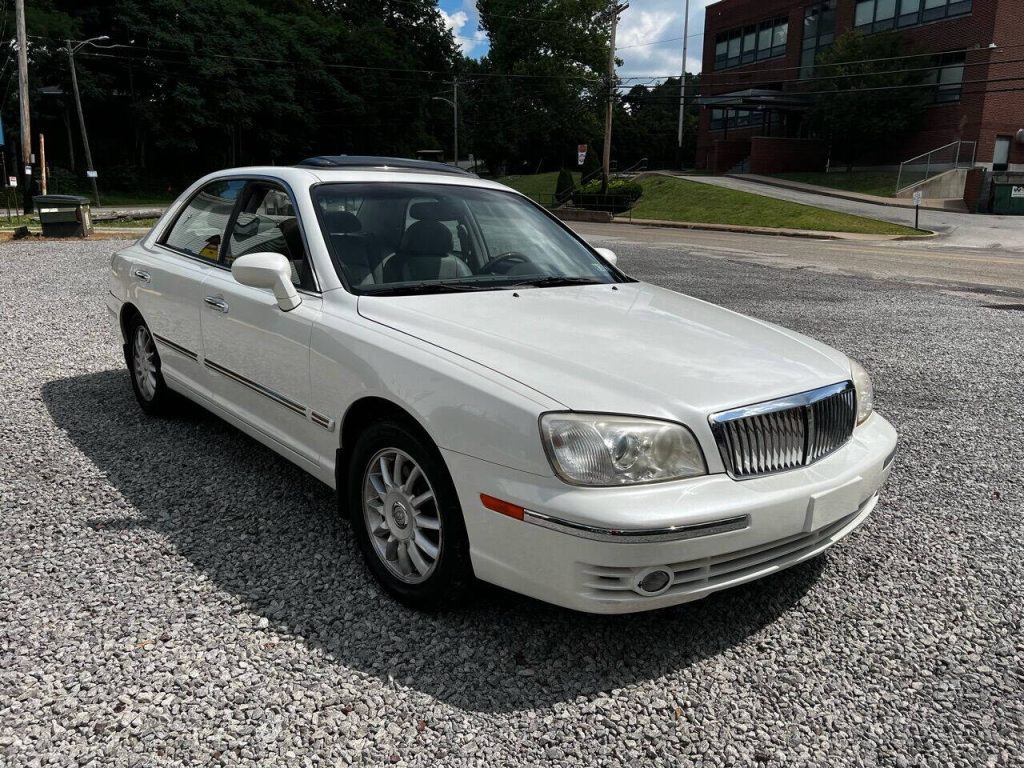
The XG300 was conceived as Hyundai’s flagship, intended to lead the automaker’s lineup confidently into the new millennium.
Under the hood, a 3.0-liter six-cylinder engine delivers a smooth 192 horsepower at 6,000 rpm, providing relaxed highway cruising and confident merging and passing.
Standard is a five-speed automatic transmission with a manual shifting feature called H-matic. Hyundai plans to introduce a 3.5-liter V6 powerplant within the next year, which should give the flagship an edge over its competitors in raw power.
For a sedan priced in the mid-$20,000 range, the XG300 delivers a generous amount of content, making it a strong contender among its peers. Hyundai’s 10-year/100,000-mile warranty, coupled with a comprehensive roadside assistance program, adds extra value to the package.
Also Read: 5 Sedans That Feel Premium Inside vs 5 That Feel Bare
9. 2004 Acura TL
The Acura TL received a full redesign for 2004, elevating its luxury appeal with a richer cabin, a strong V6, and a smooth overall ride. Buyers could opt for a precise six-speed manual, which added to the car’s enthusiast appeal.
Standard models came with a 3.2-liter V6 paired with a five-speed automatic transmission, producing 270 horsepower and 238 lb-ft of torque, all delivered to the front wheels.
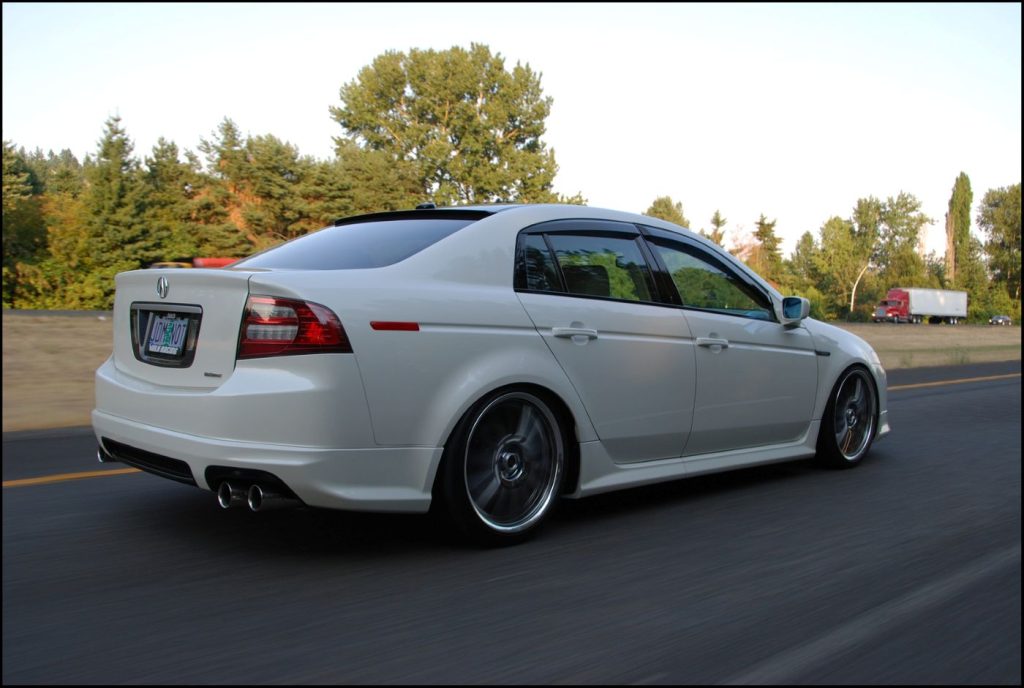
Many owners have pushed their 2000s-era TLs past 300,000 miles. One driver even took the car around the block just to watch the odometer roll past that milestone, still using the original engine and transmission, and anticipates another 100,000 miles or more.
Although the 2004–2008 TL was a sporty, reliable luxury sedan with an optional manual transmission, it gradually slipped from mainstream memory. Its understated exterior, aging technology, and Acura’s shift toward SUVs and newer sedan offerings caused it to fade into the background, remembered mainly by enthusiasts.
8. 2006 Ford Five Hundred
For shoppers wanting a roomy, practical sedan, the 2006 Ford Five Hundred was a compelling choice. It appealed to budget-minded families and offered all-weather capability when equipped with AWD. With its spacious rear seats, large trunk, and composed ride and handling, the Five Hundred delivered comfort and utility in a full-size package.
Many reviewers on Cars.com praise the Five Hundred for its comfortable drive and smooth road manners. Some mention minor repairs over the years, such as replacing an alternator or A/C compressor, but note that the car continues to serve them reliably in daily driving.
The Five Hundred nameplate never resonated with buyers, and the model was eventually absorbed into the Taurus lineup. Having two full-size sedans in the same showroom may have caused confusion, diminishing the Five Hundred’s presence and contributing to its decline in visibility.
With the thoroughly uninspiring Taurus no longer in the spotlight, Ford has launched a two-pronged strategy to challenge the import-brand leaders: For buyers who value athleticism, there’s the midsize Fusion.
For those prioritizing maximum comfort, space, and value, there’s the full-size Ford Five Hundred. Built on a platform shared with Volvo’s S80, the Five Hundred incorporates extensive Volvo safety features and all-wheel-drive technology.
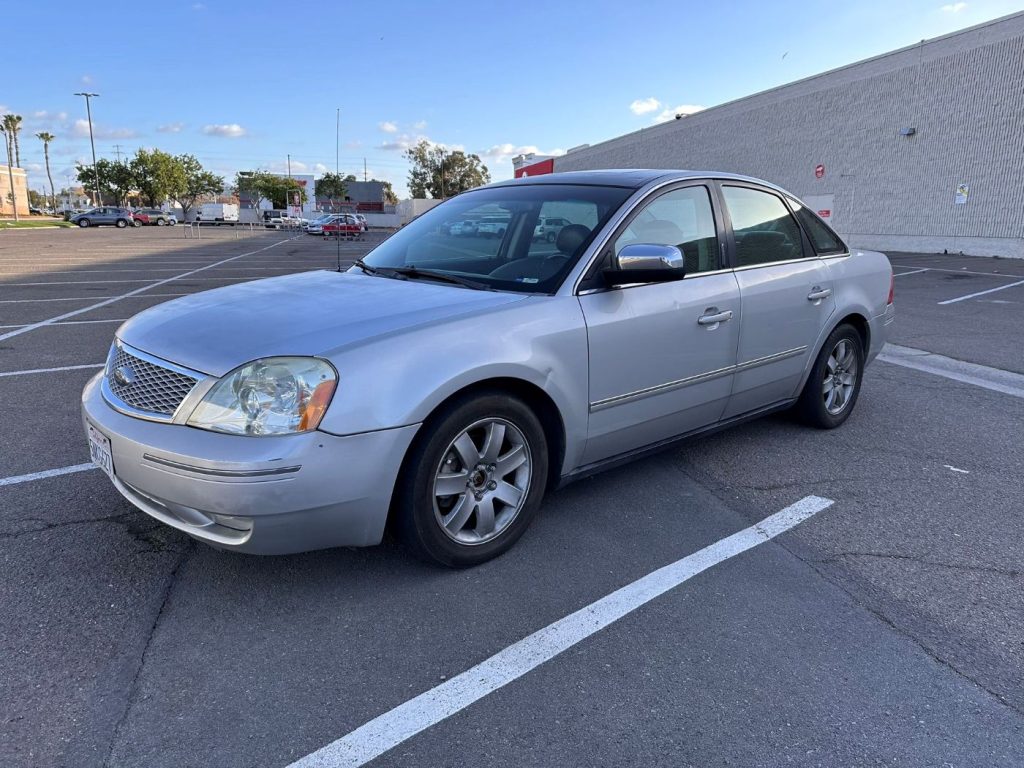
This spacious Ford delivers an airy cabin with eight cupholders, a full suite of airbags, and one of the largest trunks in the world at 21 cubic feet. Its tall seating position encourages traditional SUV enthusiasts to make the transition, while also providing excellent visibility and easy entry for passengers.
Powering every Five Hundred is a 3.0-liter V6. With 203 horsepower, the car lags behind the stronger V6 engines offered by many competitors. Buyers can choose between a continuously variable transmission (CVT) and a six-speed automatic, along with front-wheel or all-wheel drive.
Ride and handling are among the Five Hundred’s strengths, as its Volvo DNA delivers a well-balanced mix of comfort and agility. That said, the brakes could benefit from more stopping power for a 3,600-pound sedan.
Although modest acceleration diminishes the 2006 Ford Five Hundred’s sporty appeal, its spacious and practical cabin makes it a solid choice for families. Combined with a sophisticated all-wheel-drive system, it stands as a credible SUV alternative.
All Ford Five Hundreds are equipped with a 3.0-liter V6 rated at 203 horsepower and 207 pound-feet of torque. Buyers have two transmission options. The first is a continuously variable transmission (CVT), which offers an infinite number of ratios and selects the most suitable one for a given situation.
The second option is a six-speed automatic. Buyers can opt for either front-wheel or all-wheel drive. Front-drive SE models and all AWD versions come with the CVT, while front-drive SELs and Limited models are paired with the six-speed automatic.
7. 2004 Pontiac Grand Prix
The 2004 Pontiac Grand Prix certainly sounds like a performance car, and with its robust supercharged V6, it absolutely has the potential to be one. This sedan offers nimble handling, appealing exterior design, sporty instrument displays, and a spacious cabin.
The supercharged GT2 variant features a 3.8-liter V6 that generates 260 horsepower and 280 lb-ft of torque (in GT2 trims), delivering power to the front wheels via a four-speed automatic transmission.
Feedback on the 2004 Grand Prix is mixed. One reviewer mentions buying the vehicle at 55,000 miles and driving it all the way to 346,000 miles without any major mechanical failures.
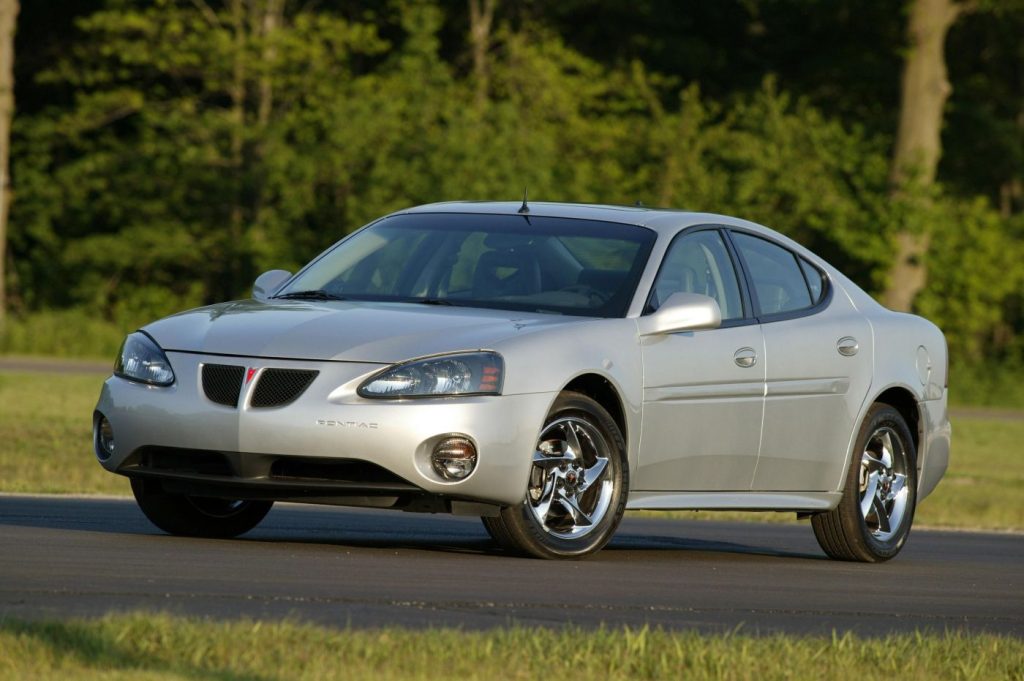
Conversely, another owner criticizes the model for what they describe as poor design, citing significant blind spots, radio display malfunctions, and issues with the gas filler pipe.
The Grand Prix is easy to overlook unless one appears unexpectedly in traffic. Pontiac’s shutdown in 2009 left a notable gap in the automotive landscape.
Its understated styling, front-wheel-drive configuration, and the erosion of Pontiac’s brand reputation all played a role in pushing the Grand Prix out of public memory, even though the car came with a strong and capable supercharged V6.
6. 2004 Mitsubishi Galant
The 2004 Mitsubishi Galant delivers an appealing combination of smooth ride quality and confident handling. Its straightforward engine lineup and no-frills engineering contribute heavily to its long-term durability.
For buyers seeking a bit more power, the GTS trim offers a 3.8L V6 with 230 horsepower, providing a significant performance jump over the four-cylinder versions. The Galant also stands out for its comfortable cabin, stylish design, and impressive build quality, including a roomy back seat.
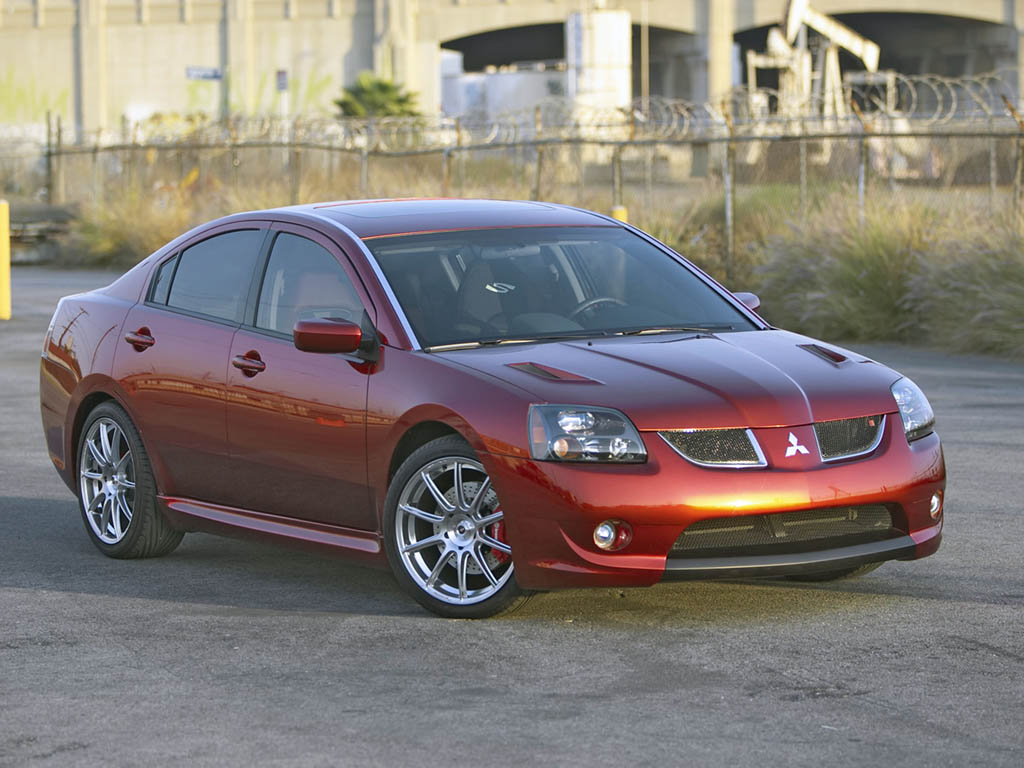
Owners consistently praise the Galant, with many even calling for Mitsubishi to bring it back. The only issue they’ve encountered is a faulty O2 sensor, while another boasts over 282,000 miles on the original engine and transmission, an impressive feat for a model that largely relies on a small four-cylinder powertrain.
Mitsubishi has drastically reduced its lineup over time and now focuses mostly on a narrower SUV-centered market. Because of this pullback, the Galant hasn’t disappeared entirely from memory, but it’s rarely the first model people mention in automotive discussions.
Also Read: 10 Used Cars With Legendary Mileage Logs: Endurance Machines
5. 2004 Mercury Sable
The Mercury Sable delivered strong value, offering better-than-average safety features and generous cabin space, making it a dependable family vehicle throughout the 2000s.
Buyers could choose between a sedan or wagon body style, allowing the Sable to cater to different needs. Every model used the same setup: a 3.0-liter V6 paired with a four-speed automatic transmission, producing 155 horsepower and 185 lb-ft of torque, all sent to the front wheels.
Many drivers appreciate the Sable’s advanced-for-the-time electronics and its smooth, comfortable ride. One user reports owning a Sable with more than 212,000 miles, requiring only periodic minor repairs, such as replacing the water pump, starter, spark plugs, and wires, without any significant concerns.
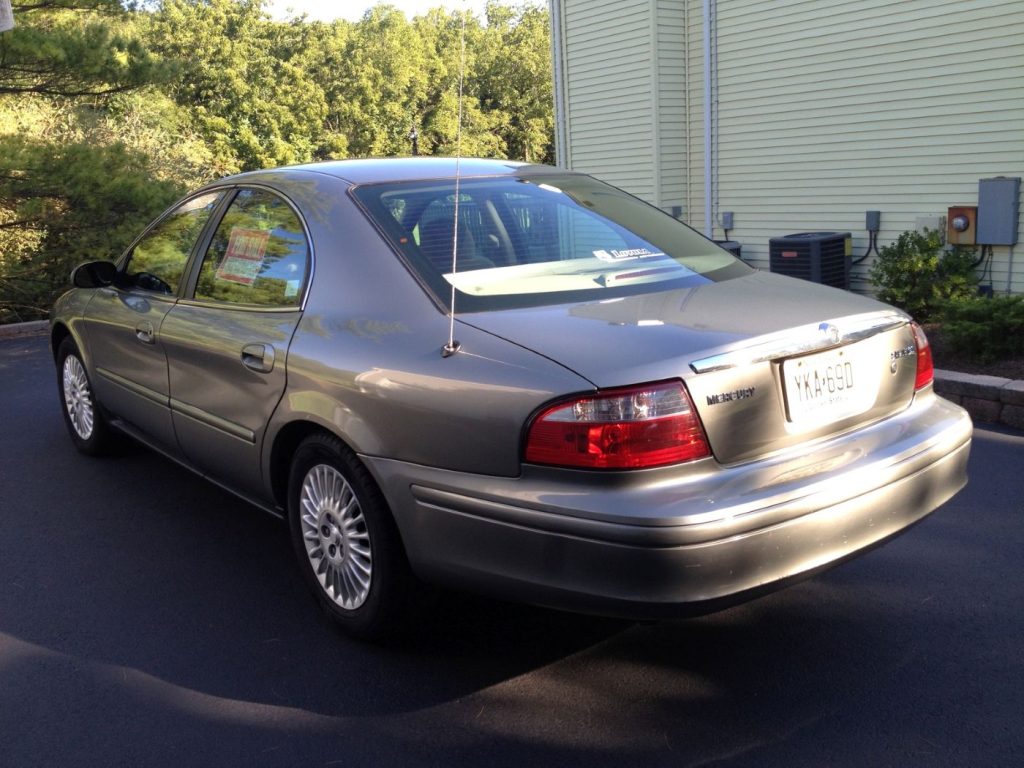
Much like Pontiac, Mercury didn’t survive the Great Recession of the late 2000s. Ford ultimately phased out the brand, and as a result, many Mercury models gradually slipped from public awareness. The dependable and budget-friendly Sable was one of those vehicles that faded away after the brand’s discontinuation.
Some buyers now look for a combination of luxury ambiance and sporty handling in a segment that was once dismissed as bland and uninspired.
With the thoroughly mediocre Sable out of the picture, Mercury has launched a two-pronged approach to challenge the import-brand leaders: For those seeking athletic performance, there’s the midsize Milan. For buyers prioritizing maximum comfort, space, and value, there’s the full-size Montego.
Built on a platform shared with Volvo’s S80, the Mercury Montego (along with its Ford counterpart, the Five Hundred) incorporates extensive Volvo safety features and all-wheel-drive technology.
Slightly longer than the Chrysler 300, the Montego provides a roomy cabin with eight cupholders, a full array of airbags, and one of the world’s largest trunks at 21 cubic feet. Its tall seating position helps encourage SUV enthusiasts to consider a sedan while offering excellent visibility and easy entry for passengers.
Under the hood, the Montego is powered by a 3.0-liter V6. With 203 horsepower, it falls short compared to the stronger V6 engines offered by competitors. Buyers can choose between a continuously variable transmission (CVT) and a six-speed automatic, and opt for front-wheel or all-wheel drive.
Ride and handling remain strengths of the Montego, thanks to its Volvo heritage, delivering a refined balance of comfort and agility. That said, the brakes could use additional stopping power for this 3,600-pound sedan.
While its modest acceleration limits its appeal to performance-focused drivers, the 2006 Mercury Montego’s spacious and functional cabin makes it a strong choice for families. Combined with a sophisticated all-wheel-drive system, it serves as a credible SUV alternative.
The first is a continuously variable transmission (CVT), which offers an infinite number of ratios and automatically chooses the most appropriate one for a given driving situation. The second option is a six-speed automatic.
4. 2002 Oldsmobile Intrigue
The 2002 Oldsmobile Intrigue demonstrates that style doesn’t have to come at a high price. With clean, attractive lines both inside and out, it offers impressive design for a non-luxury sedan.
A sophisticated 3.5-liter V6 engine delivers ample power, while advanced safety features, including LATCH child-seat anchors, are included in the equipment package for this model.
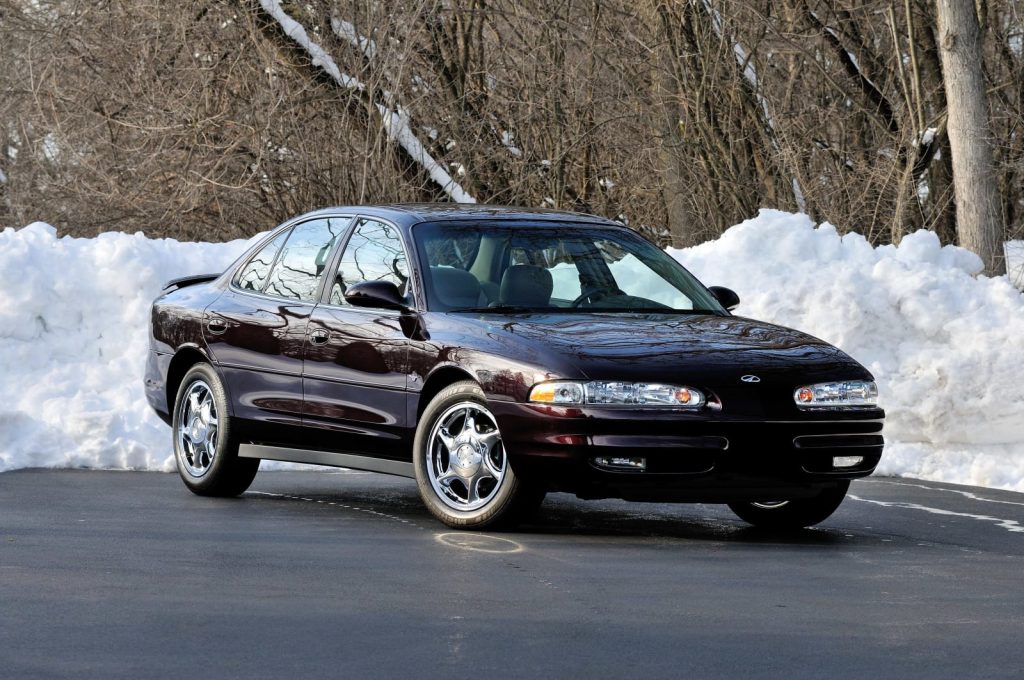
The Oldsmobile brand was especially popular with older buyers, meaning many of these cars weren’t driven excessively. Although high-mileage examples are rare, numerous owner reviews note that people have purchased low-mileage Intrigues years after their initial release, and the vehicles continue to perform reliably.
Oldsmobile was among the first GM brands retired in the 2000s. With GM offering multiple vehicles with overlapping designs under different badges, one brand had to go, and Oldsmobile was the choice, leaving the Intrigue largely out of public memory.
3. 2001 Buick LeSabre
The 2001 Buick LeSabre is nearly a modern land yacht, offering roomy accommodations for six passengers, an enormous trunk, and a strong V6 for propulsion.
As the best-selling full-size American car for eight consecutive years, it earned a reputation as a reliable, trusted vehicle. The 2001 model even came standard with OnStar in-vehicle safety services and an extended 10,000-mile oil change interval, making it a practical choice for many drivers.
Many owners praise the 3800 V6 engine in the 2001 LeSabre. One Quora user reports driving over 300,000 miles, having replaced the transmission twice, yet the engine continues to perform flawlessly.
The LeSabre developed a reputation as an “old-person” car, which negatively affected Buick’s brand image for several years, ultimately leading to the LeSabre becoming a largely forgotten model.
Although this large, front-drive sedan is about an inch narrower than its predecessor, much of its overall shape and many of its dimensions remain largely unchanged from the previous generation.
Buick’s signature “waterfall” chrome grille is still present, while the clean front and rear fascias highlight the clear-lens headlamps and sizable tail lamps. Flush, body-colored door handles contribute to a polished look, and even the bodyside moldings are designed for an integrated, seamless appearance.
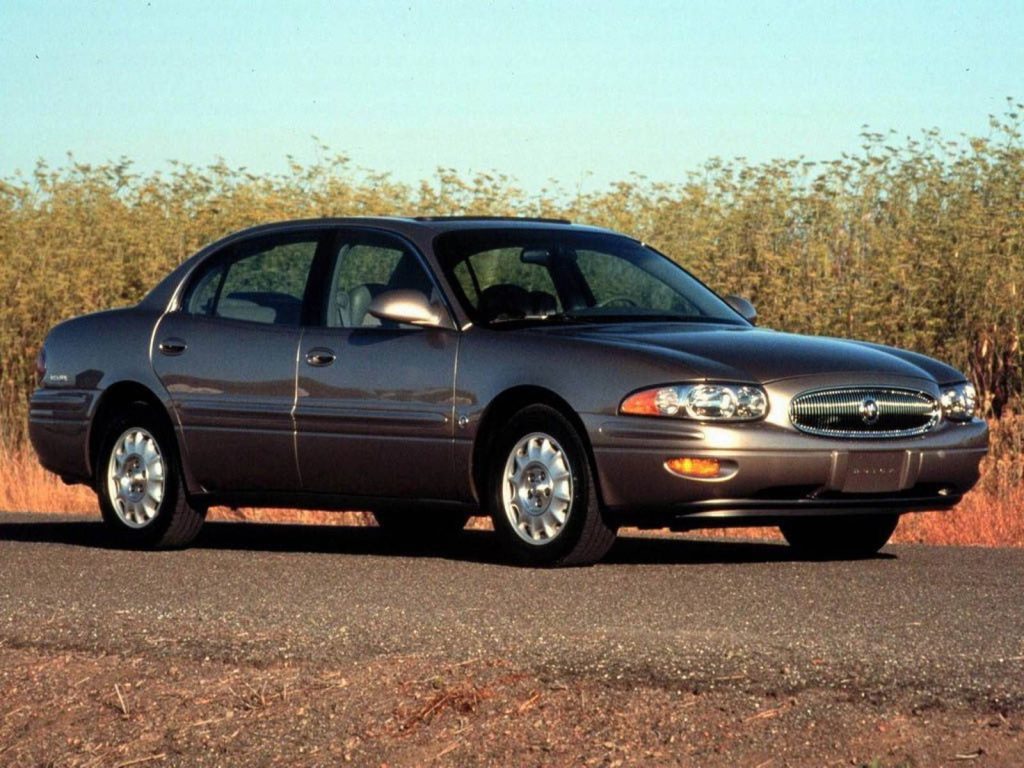
Buick has long prioritized interior storage and safety, and the 2001 LeSabre continues that tradition. In addition to side airbags, the front seats are comfortable and supportive, featuring built-in “self-aligning” head restraints that help reduce whiplash risk.
Front seatbelts are now integrated into the seat frames, and all five seating positions are equipped with both shoulder and lap belts. The LeSabre’s interior meets the government’s updated head-impact requirements ahead of the federal deadline. The most notable update for 2001 is the inclusion of standard dual-stage front airbags.
Rear headroom rivals that of the Ford Crown Victoria and Mercury Grand Marquis, and while rear legroom isn’t class-leading, it remains comfortable.
Large rear-door glass lowers nearly fully into the doors, improving ventilation for passengers. Trunk space measures a respectable 18 cubic feet, slightly more than the 17 cubic feet offered by the Chrysler Concorde.
The LeSabre’s platform provides a stiffer, quieter body than the previous generation. The front suspension uses MacPherson struts with coil springs, while the rear’s semi-trailing arm and coil-spring setup ensures a more controlled ride.
For the best overall experience, we’d choose the LeSabre Limited with the Gran Touring Package, even though the top-of-the-line P255/60R-16 touring radials are not the sharpest handlers. Antilock brakes come standard, and rear drums have been upgraded to discs for improved stopping power.
Both the Custom and Limited models continue to use the reliable 3.8-liter Series II V6, paired with a smooth four-speed automatic transmission.
This engine produces a healthy 205 horsepower at 5,200 rpm, along with 230 foot-pounds of torque at a usable 4,000 rpm. In addition, GM’s V6 meets the federal 2001 low-emission vehicle (LEV) standards.
LeSabres have historically scored better than average in owner trouble complaints, and the 2001 model is expected to improve on that record.
While the median age of LeSabre buyers has long been in the 60s, an increasing number of family-oriented buyers are finding their way into Buick showrooms. This shift not only helps the brand shed some of its stodgy image but also ensures the LeSabre remains among Buick’s best sellers
2. 2004 Volvo S80
Calling the S80 forgotten may be somewhat overstated, but they are rarely seen on the road, and this is not due to poor reliability. Volvo has long been a brand associated with advanced safety features.
The S80 was innovative for its time, offering modern safety tech and lively performance, particularly in the T6 trim. It is an excellent family vehicle with a spacious back seat and a comfortable ride, aided by the Four-C adjustable suspension that smooths out road imperfections.
Although Volvo has made significant progress in recent years to shed its traditionally staid image, the 2010 Volvo S80 reminds us of what we used to expect from the Swedish automaker: safe, comfortable, yet a bit uninspiring to look at and drive.
As Volvo’s flagship sedan, the S80 offers the full suite of luxury and technology features the company provides, but it doesn’t match the sophistication or premium feel of other midsize luxury sedans. More often than not, it feels like “a really nice Volvo” rather than a vehicle that aspires to be a truly premium experience.
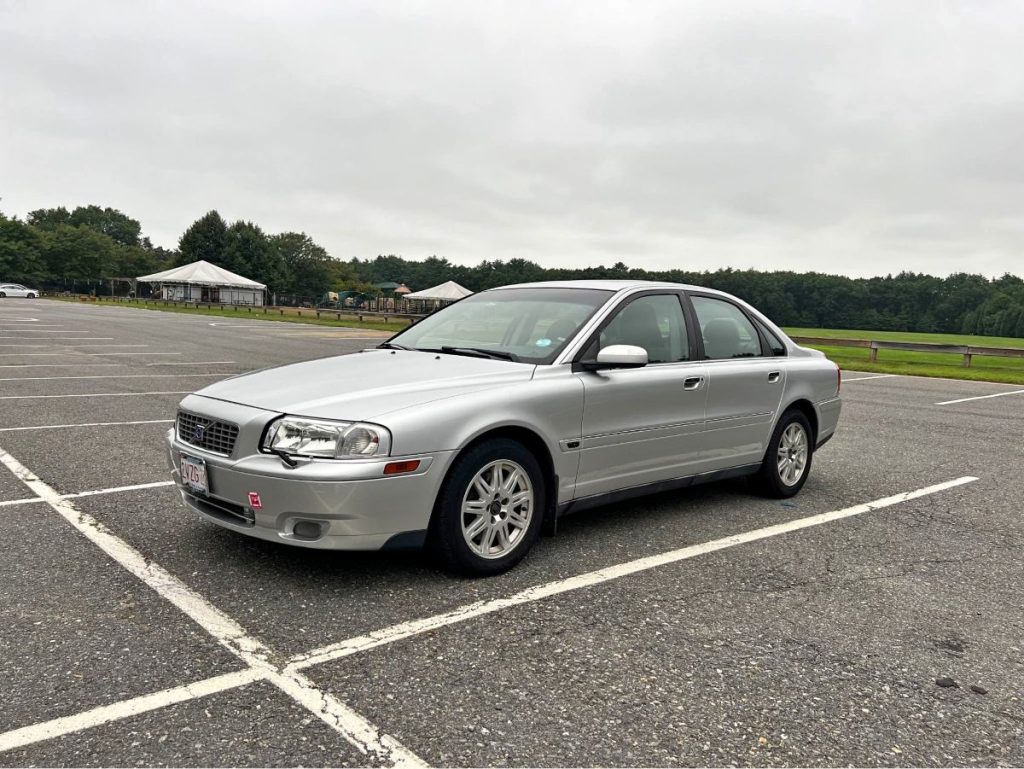
That said, being a really nice Volvo isn’t necessarily a drawback. Packed with a dizzying array of advanced safety technologies, the S80’s primary mission is to make its passengers feel protected from the uncertainties of the road.
The sedan seems tailored for the obsessively safety-conscious buyer. If there were a “Peace of Mind” award in the midsize luxury segment, this Volvo would take it without question.
For luxury sedan shoppers, the choice largely depends on priorities. Traditional competitors like the Audi A6, BMW 5 Series, and Lexus GS 430 offer higher-quality cabins, sharper handling, more power, and greater prestige, but they come at a considerably higher price.
The Acura RL and Hyundai Genesis are the S80’s closest rivals in terms of value and features. All are worth evaluating. However, if your top priorities are passenger safety and a comfortably styled, inviting cabin, the 2010 Volvo S80 is likely an excellent fit.
The front-wheel-drive 2010 Volvo S80 3.2 is powered by a 3.2-liter inline-6, producing 235 horsepower and 236 pound-feet of torque.
The all-wheel-drive S80 T6 features a turbocharged 3.0-liter inline-6 with 281 hp and 295 lb-ft of torque. Meanwhile, the all-wheel-drive S80 V8 comes with a 4.4-liter V8 that delivers 311 hp and 325 lb-ft of torque. All S80 models are paired with a six-speed automatic transmission as standard.
Owners consistently praise the reliability of this sedan, including other model years. One owner describes it as “One of the most reliable European Cars in the market,” highlighting its dependability for long daily drives. Another notes, “This car is incredible from front to back. Comfortable and reliable plus somewhat sophisticated.”
Over recent years, Volvo shifted its focus from sedans to crossover SUVs. With fewer showroom locations and reduced customer familiarity, the S80 has drifted into the forgotten category.
1. 2003 Infiniti I35
The 2003 Infiniti I35 earns a perfect reliability score. It offers a strong V6 engine, a smooth and enjoyable highway ride, and a spacious cabin suitable for families. While not as luxurious as some competitors, the I35 is well-equipped and powerful, making it a solid option in the luxury sedan segment.
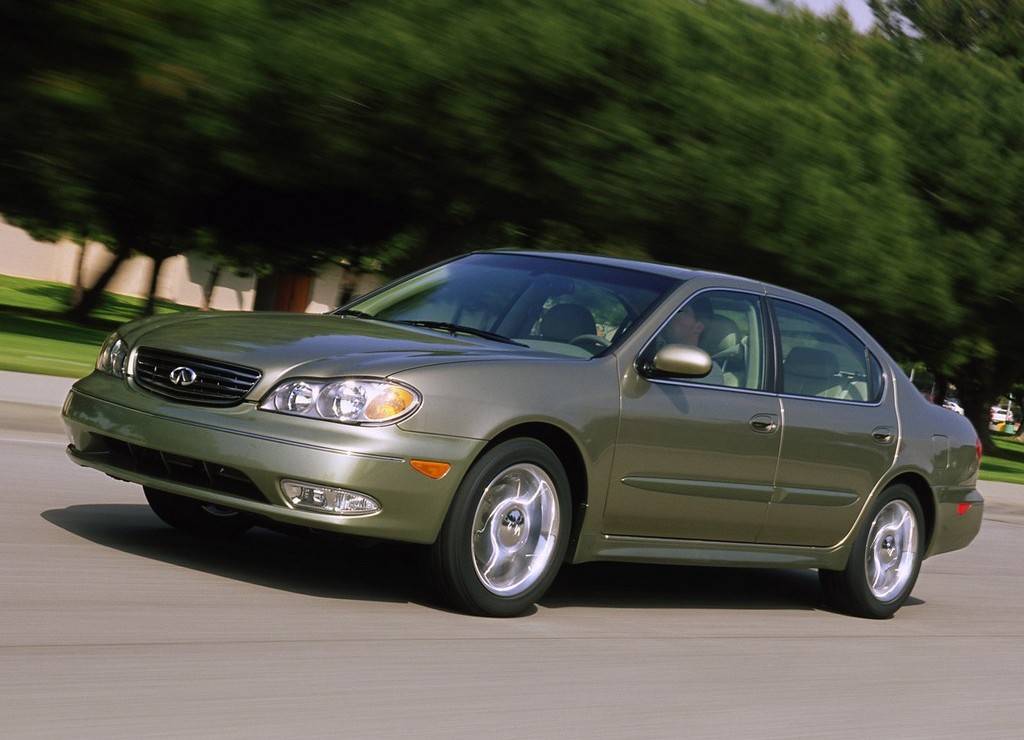
A user reports driving their I35 for more than 130,000 miles without encountering any issues, while another Maxima Forums user has logged over 277,000 miles on their vehicle. These examples demonstrate the reliability and longevity of the Infiniti I35.
The I35 was essentially a rebadged Nissan Maxima, offering a higher price for the same powertrain and features. Many buyers opted for the Maxima instead, ultimately leading to the discontinuation of the I35.
