
Every major movement in automotive culture begins with a spark of rebellion. The muscle car explosion wasn’t orchestrated by corporate strategists, it was fueled by the creativity of engineers, the daring of racers, and even a few resolute dealers who refused to follow the rules.
Across the 1960s, 1970s, and into the 1980s, Detroit’s regulations were often restrictive: engine size limits, horsepower ceilings, and the creeping influence of emissions standards threatened performance. Yet through it all, a handful of machines slipped past these constraints and forever redefined what muscle power could be.
These cars weren’t built to meet quotas or satisfy marketing plans, they existed to make a statement: ingenuity and passion could outmaneuver bureaucracy.
Some defied their own manufacturers, others reimagined the meaning of “street-legal,” and a few carved out entirely new performance categories. They were loud, unapologetic, and fearless in challenging the status quo. The moment each hit the streets, it became a legend.
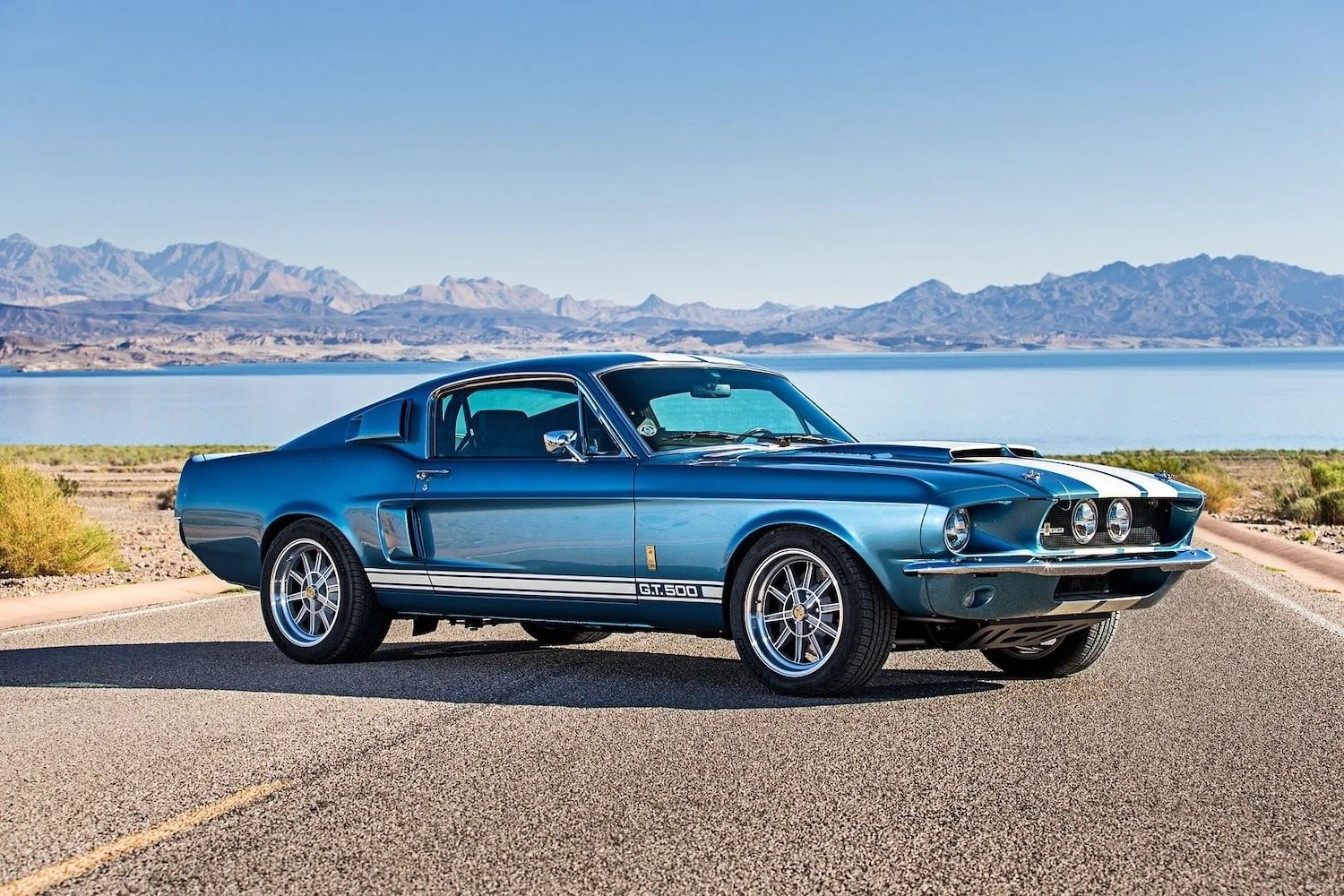
1967 Shelby GT500
The 1967 Shelby GT500 represented Carroll Shelby’s boldest Mustang creation to date. Replacing the smaller GT350 engine with a 428-cubic-inch Police Interceptor V8, paired with twin four-barrel carburetors, heavy-duty suspension, and race-spec brakes, Shelby produced a car that balanced raw torque with surprising refinement.
Ford’s risk paid off immediately. The GT500 smashed the perception of the Mustang as merely a light, playful coupe and showed it could compete with the era’s most serious muscle machines. It laid the groundwork for every performance Mustang that followed, setting the standard for factory-built power for decades.
Few names in the automotive world stir emotion quite like Shelby, and few vehicles embody that legacy more completely than the 1967 Shelby GT500.
This model marked a bold evolution of the Mustang platform, infused with racing heritage and Carroll Shelby’s uncompromising vision, and it stands today as a defining moment in American performance history.
Now, it represents far more than a collector’s prize, it’s a cultural icon that connects generations through its blend of raw performance, purposeful design, and the pioneering mindset of one of motorsport’s most influential figures.
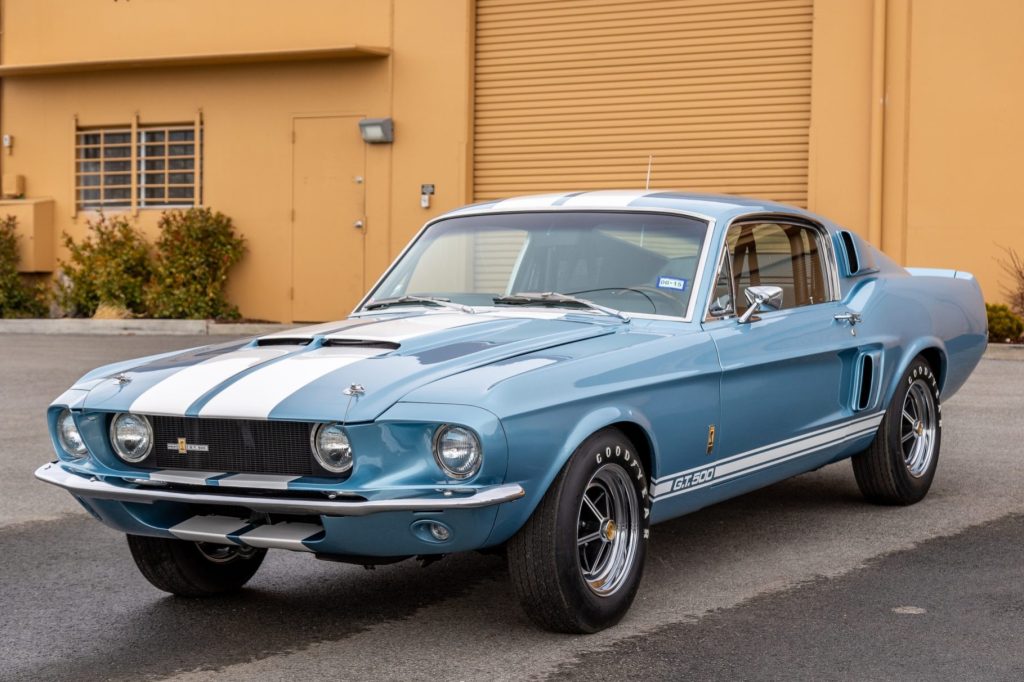
At Revology Cars, the GT500’s story isn’t simply preserved, it’s reimagined. The team captures the car’s historic character while elevating it with modern engineering, enhanced reliability, and refined craftsmanship.
This approach reflects the heart of Revology’s mission: to honor legendary American muscle machines like the 1967 Shelby GT500 by creating restomod versions that remain just as exhilarating today as they were more than fifty years ago.
By 1967, the Ford Mustang had already proven itself a groundbreaking vehicle, delivering a mix of affordability, style, and performance.
But Carroll Shelby envisioned something more, something that pushed boundaries and infused street cars with true race-bred engineering. Building on the GT350’s earlier success, Shelby launched the GT500 in 1967 to create a machine that was even more formidable.
What set the GT500 apart wasn’t merely its increased power, but its intentional evolution into a more refined, higher-performing grand touring muscle car. While the lightweight GT350 was designed as a street-ready racer, the GT500 broadened its appeal without abandoning Shelby’s core performance philosophy.
The GT500 arrived equipped with Ford’s 428 cubic-inch Police Interceptor V8, a big-block engine officially rated at 355 horsepower and 420 lb-ft of torque. In practice, those figures were closer to 400 hp, thanks to dual Holley four-barrel carburetors and high-flow intake hardware.
Visually, the 1967 Shelby GT500 projected both power and intent. Carroll Shelby and the team at Shelby American reshaped the car extensively, balancing form and function with substantial aesthetic and aerodynamic upgrades.
The GT500 received a distinctive fiberglass front end with an elongated, more aerodynamic nose and an aggressive grille housing integrated high-beam lights.
Twin racing stripes, a hallmark of Shelby design, stretched from nose to tail, emphasizing its performance character. A functional hood scoop dominated the extended hood, channeling cool air directly to the big-block engine below.
Along the sides, the brake-cooling scoops just ahead of the rear wheels weren’t decorative; they helped dissipate heat during high-speed driving and heavy braking. At the rear, the GT500 adopted custom taillights sourced from the 1965 Thunderbird, complemented by a fiberglass decklid and spoiler that further distinguished its identity.
Every crease, curve, and design choice served a purpose rooted in performance and presence. The GT500 wasn’t merely a more powerful Mustang, it was a purpose-built thoroughbred, and its appearance made that unmistakably clear.
Also Read: Top 10 Classic Pontiacs That Can Still Run Today
1964 Pontiac GTO
The Pontiac GTO ignited Detroit’s horsepower wars. Pontiac engineers quietly took the modest LeMans platform, installed a 389-cubic-inch V8, and crafted a car that changed everything. At a time when large engines were reserved for luxury models, the GTO made performance accessible to the masses.
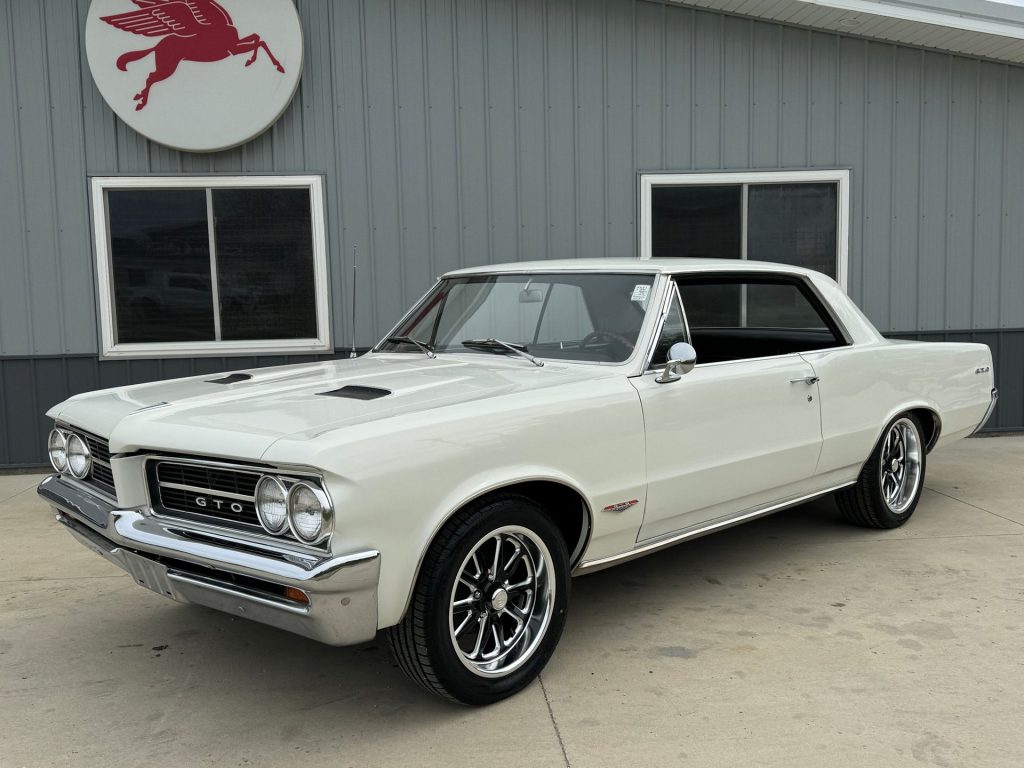
Fast, stylish, and affordable, it perfectly captured the spirit of a new generation of drivers. Its success forced other manufacturers to respond, effectively sparking the golden era of high-octane American muscle. Without the GTO’s defiant approach, the muscle car boom may never have materialized.
1969 COPO Camaro 427
GM’s internal rules prohibited engines larger than 400 cubic inches in compact cars. Yet Chevrolet engineers circumvented this with the Central Office Production Order (COPO) system, a loophole designed for fleet vehicles. This clever workaround allowed them to fit the 427-cubic-inch L72 engine into the lightweight Camaro.
The COPO 427 was brutally fast, officially rated at 425 horsepower, and capable of 13-second quarter-mile times straight from the showroom. It exemplified factory-approved rebellion: a corporate rule broken in plain sight to create one of the most fearsome Camaros ever built.
The golden age of the muscle car wasn’t defined solely by what Detroit permitted on paper, but by what savvy dealers were able to pry from the tightly guarded corners of corporate policy.
These were cars created through loopholes and backchannel negotiations, where massive engines hid behind obscure order codes and the pursuit of performance routinely outmaneuvered bureaucracy. No one perfected this internal rebellion quite like Pennsylvania dealer Don Yenko, and the machine that cemented his legacy was the 1969 Camaro.
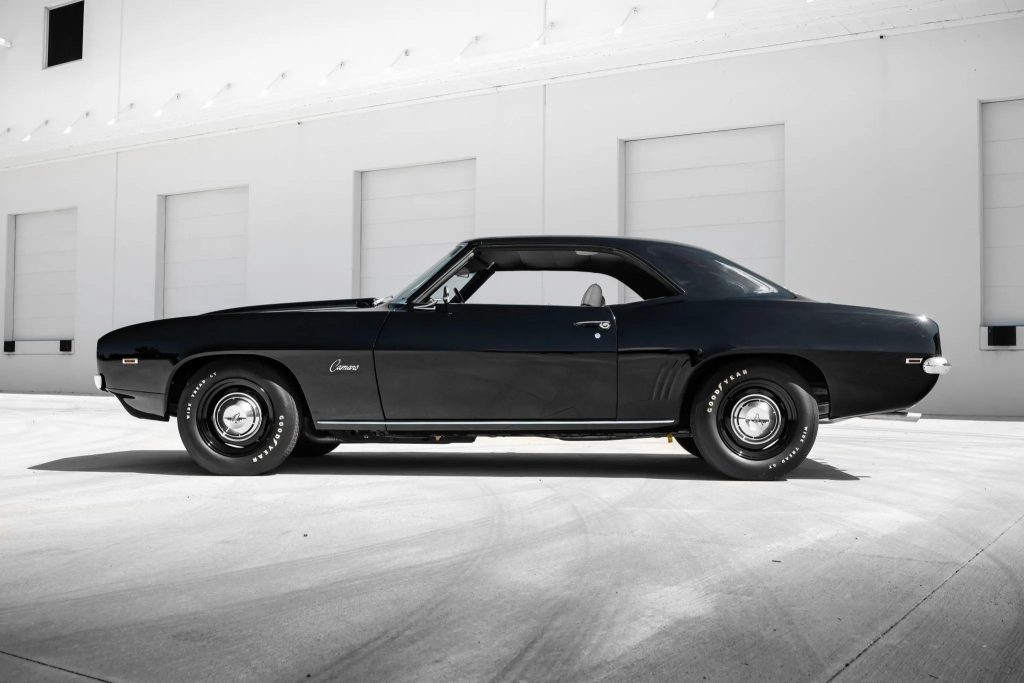
The car now in the spotlight is perhaps the single most historically significant example of that rare lineage: the very first 1969 Chevrolet Yenko Camaro Prototype.
Dressed in understated Olympic Gold, a shade more commonly associated with laid-back cruising, this coupe served as the pilot test vehicle that defined the exact specifications for every Yenko Super Car (sYc) built that year.
It was engineered to be pure, unrestricted muscle. Unlike the previous two years, in which Yenko mechanics performed labor-intensive engine swaps on SS 396 Camaros in the dealership shop, this car was ordered straight from the factory with the forbidden hardware already installed. Its source of authority was the cast-iron L72 427 cubic-inch (7.0-liter) V8.
The prototype rolled out of the Norwood assembly plant under the critical Central Office Production Order, COPO 9561.
This special-order code allowed the 427, officially rated at 425 horsepower (431 PS) and 460 lb-ft (624 Nm) of torque, to circumvent General Motors’ corporate rule limiting mid-size and pony cars to a maximum of 400 cubic inches.
The roots of this golden monster trace back not to the Camaro itself, but to the man behind the movement. Don Yenko, who operated Yenko Chevrolet in Canonsburg, Pennsylvania, was both a skilled road racer and an accomplished drag competitor.
He understood better than most the connection between Saturday-night victories and Monday-morning showroom traffic. His first major custom project, the 1965 “Stinger” Corvair, was born from the need for an air-cooled machine competitive in SCCA classes.
When the Camaro debuted in 1967, Yenko wasted no time ordering SS 396 examples, extracting their L78 engines, and replacing them with the Corvette-sourced L72 427 V8. This process was expensive and consumed tremendous amounts of time, yielding only 54 cars in 1967 and 64 in 1968.
Yenko’s turning point arrived in 1969, when he successfully convinced Chevrolet performance guru Vince Piggins to activate the rarely used COPO ordering system for factory installation of the big-block.
Piggins recognized the opportunity to slip these ready-to-run performance cars past upper management’s displacement limits, giving Yenko, and a select handful of dealers, the power to order 427-equipped Camaros straight from the production line.
1966 Dodge Coronet
The 1966 Dodge Coronet 500 earned its legendary status by bringing the 426-cubic-inch Hemi engine to the street. Originally a race engine, its hemispherical combustion chambers and towering compression made it one of the era’s most formidable powerplants. Dropping it into a midsize sedan was a bold statement.
Outwardly ordinary, the Coronet performed like a drag racer. Its staggering torque and top-end power elevated Dodge’s lineup and demonstrated that racing technology could thrive in a road-legal car, paving the way for icons like the Charger and Super Bee.
The 1966 Dodge Coronet 500 was a mid-tier muscle car that combined performance and style without relying on the flash of its more attention-grabbing siblings.
While the Charger and later R/T models dominated headlines, the Coronet 500 delivered strong engine options and clean design in a well-rounded package. It’s a classic that deserves far more recognition from enthusiasts.
The 1966 Coronet 500 came equipped with a 273-cubic-inch V8 (180 hp) as standard for hardtops and convertibles, while sedans received the 225 Slant Six (145 hp).
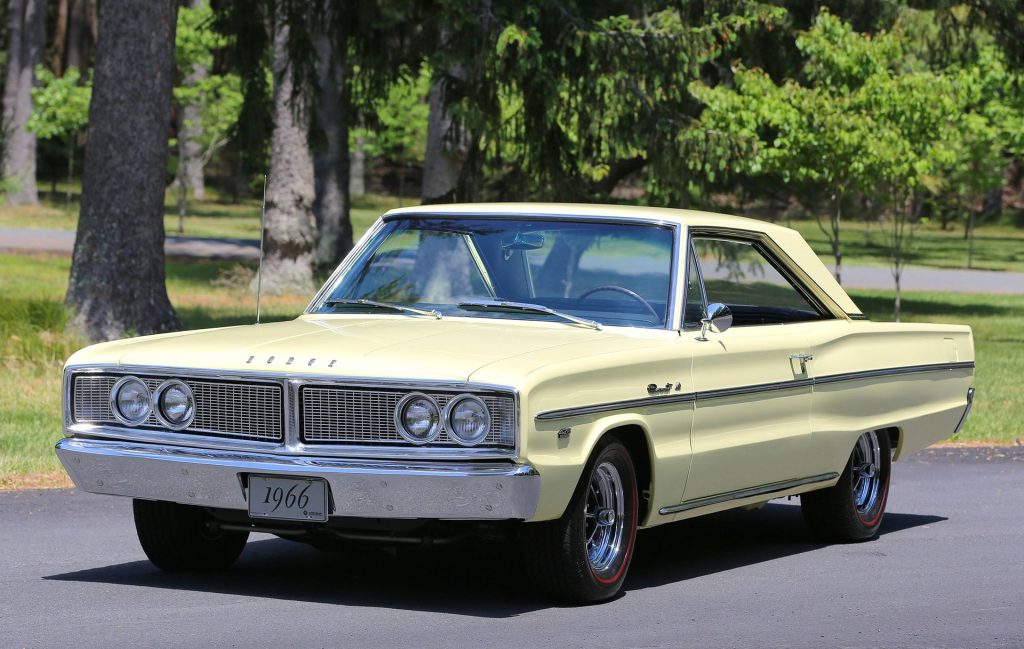
Buyers could upgrade to a 318 V8 (230 hp), 361 V8 (265 hp), 383 V8 (325 hp, 425 lb-ft), or the legendary 426 Hemi (425 hp). The 383 pushed the car from 0–60 mph in about 7 seconds, giving it plenty of muscle for a mid-size model.
The Hemi, offered in just 136 Coronet 500s, transformed the car into a true powerhouse, though most customers opted for the 383 thanks to its ideal blend of strength and value. Production costs for the 383 hovered around $300, while the car itself sold for $2,700–$2,830. Today, restored Hemi examples can command $100,000–$150,000.
As the highest Coronet trim level, the 500 featured bucket seats, a center console, a padded dashboard, and chrome louvers on the rear fenders.
Priced at $2,700 for hardtops, its upscale additions cost Dodge roughly $500 to produce. It delivered sporty style without the fastback flair of the Charger, appealing to buyers who preferred a more refined look.
Positioned above the base Coronet, Deluxe, and 440 models, the 500 offered a comfortable advantage. With 55,700 units produced, it became a showroom mainstay, and today its understated appeal has earned it newfound admiration among collectors.
Also Read: 10 Cars With Simple Volume Knobs and Real Buttons
1969 Ford Mustang Boss 429
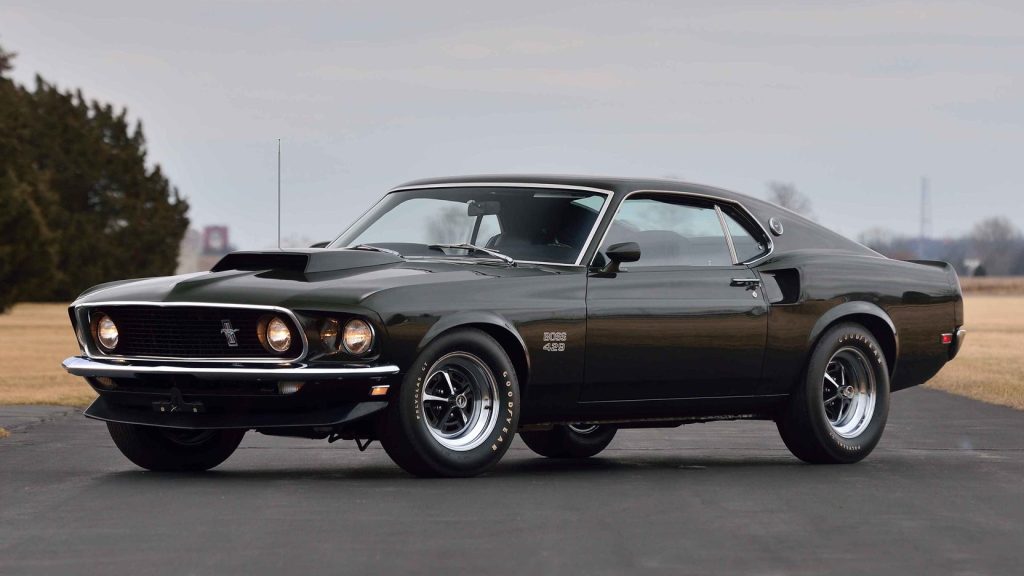
The Boss 429 existed for one reason: to homologate Ford’s new racing engine for NASCAR. To comply with regulations, Ford had to produce 500 street cars equipped with the same engine, producing one of the most extreme Mustangs ever.
The 429-cubic-inch V8 barely fit under the hood, prompting a Kar Kraft-engineered front-end redesign. The hand-built result produced 375 horsepower, though it was capable of far more. Functionality was secondary; the Boss 429 was all about racing dominance and raw, street-ready power.
While its legendary status is unquestioned, the Mustang Boss 429 in stock form didn’t quite deliver the level of raw performance or real-world dominance that many Ford enthusiasts and collectors today often associate with it.
The golden era of muscle cars began in the early to mid-1960s and came to an abrupt halt by the early 1970s, driven largely by skyrocketing insurance rates and increasingly strict safety and emissions regulations.
Though it lasted less than a decade, that period was remarkable in every sense of the word. It produced a host of incredible performance cars that continue to command respect and desirability more than fifty years later.
Yet, even among these iconic machines, some have arguably been overrated, and the 1969–1970 Mustang Boss 429 is a prime example.
Before continuing, it’s important to note that this perspective comes from a devoted Mustang enthusiast who holds nothing but admiration for the model.
Still, there is an abundance of articles that focus solely on glorifying the Boss Nine, often overlooking its limitations. Here, I aim to give a fairer assessment, highlighting the criticisms that are relevant when evaluating the stock, showroom-condition Boss 429 against its contemporaries in the muscle car era.
1970 Buick GSX Stage 1
Buick was not expected to enter the muscle car arena, yet the GSX Stage 1 made it impossible to ignore. Beneath the hood, a 455-cubic-inch V8 officially produced 360 horsepower, a figure intentionally conservative. With 510 lb-ft of torque, it could challenge cars built solely for drag racing. Period testing confirms a quarter-mile in just 13.38 seconds.
Picture the following scene: it’s 1970, and you’re behind the wheel of the single most intimidating four-letter word Detroit has ever unleashed.
This is the original four-letter word paired with a three-digit piece of magic. If you’re thinking of anything other than ‘426’ and ‘Hemi,’ then we might have problems. I’m kidding, we’re fine.
Now, imagine piloting any 426 Hemi machine on a gorgeous 1970 afternoon, the season, setting, and reason are entirely yours to choose. Suddenly, a chill runs through you, accompanied by the deep, unfamiliar growl of something unheard of at the time.
A moment later, the impossible occurs, your Hemi is suddenly tailgated by the new monarch of the streets. After a few stunned glances, you realize that’s not a Chevelle 454 LS6 but its bigger, meaner, more elegant sibling. No, not a Pontiac GTO 455, the other brother.
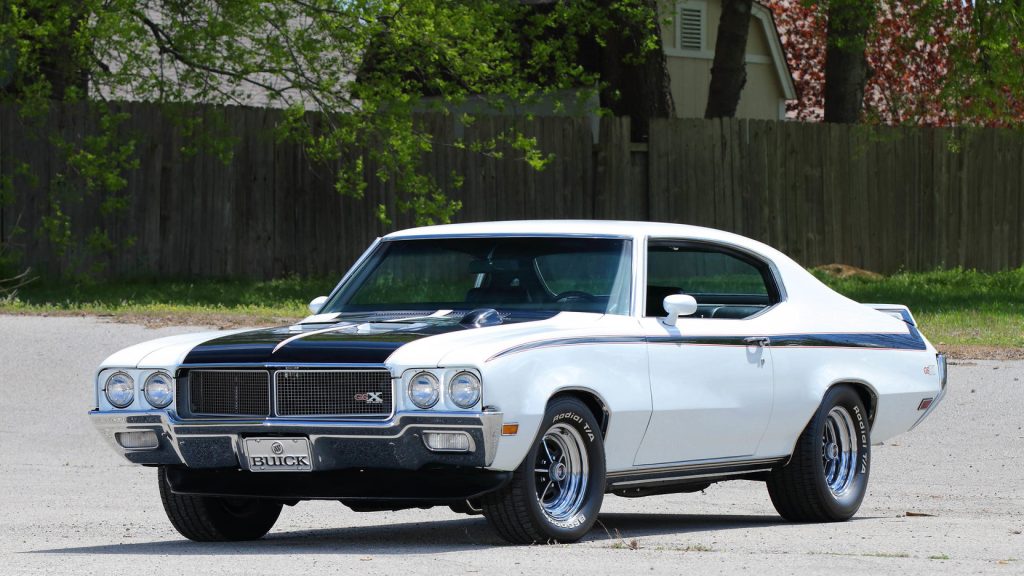
The scenario above might never have been possible if GM hadn’t made a pivotal decision to free all its intermediate models from the previous 400-cubic-inch displacement cap. In 1970, just as muscle cars were mounting their final all-out charge in the horsepower wars, General Motors sounded the call to arms and unleashed every division into battle.
Chevrolet, Pontiac, and Oldsmobile responded eagerly, finally getting the chance to level the playing field after enduring years of big-block embarrassment courtesy of Chrysler and FoMoCo. Buick, meanwhile, traditionally had little stake in the muscle car fight, yet it joined the fray anyway. And when it did, the results were staggering.
With 510 lb-ft of torque, the Buick 455 V8 became the undisputed champion of the torque arena. That 692 Nm of twisting force is precisely why, as mentioned at the beginning of this story, an insatiable Buick collector found himself confronted with some unbelievable, and unforgettable, surprises.
1970 Chevrolet Chevelle SS 454 LS6
The Chevelle SS 454 LS6 debuted as regulations began to threaten the horsepower wars. Chevrolet responded by installing the largest, most powerful engine ever in a production car: the LS6 big-block, generating 450 horsepower and 500 lb-ft of torque. It dominated the 1970 scene and became the muscle car era’s ultimate big-block reference.
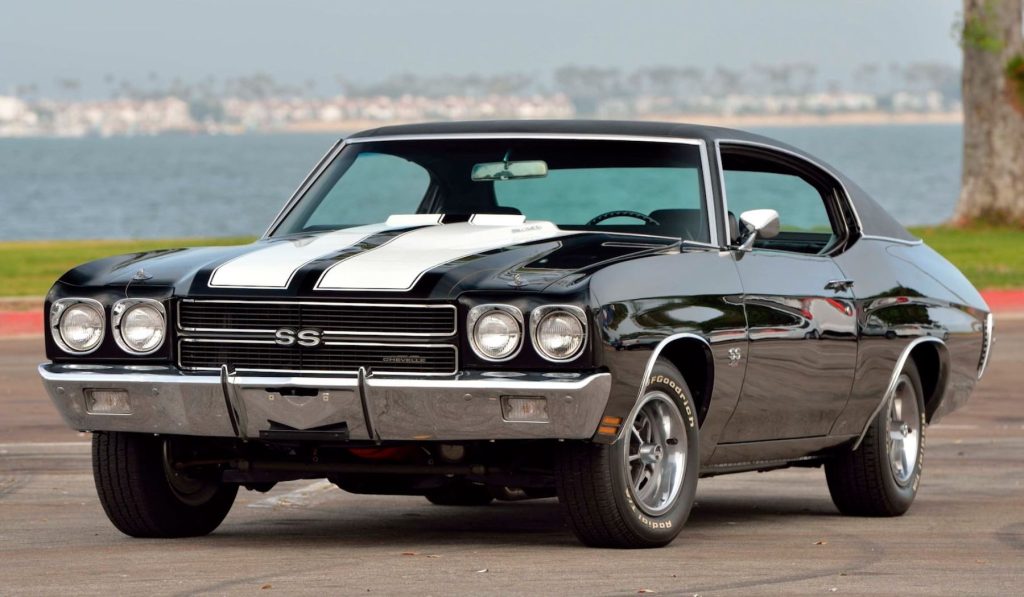
0-60 mph in about six seconds, quarter-mile in the mid-thirteens, the LS6 was the closest a factory car could come to a drag strip weapon. It embodied the muscle car spirit: unrestrained power with no compromise. Decades later, the LS6 remains the benchmark for big-block Chevys.
1969 Chevrolet Yenko Nova S/C 427
Don Yenko refused to accept factory limitations, and the 1969 Yenko Nova S/C 427 proved it. He took the small Chevy Nova and installed a 427-cubic-inch, 425-horsepower engine intended for larger cars. The result was a lightweight rocket with breathtaking acceleration and effortless burnouts.
Only 37 were made, partly due to its extreme nature. Its outrageous power-to-weight ratio challenged even veteran drivers, making it a legendary embodiment of the fearless, audacious muscle car era.
Except, Chevrolet wouldn’t sell a Camaro with a 427 from the factory. But with Yenko’s established dealer network already moving his modified cars, why not create a 427 Yenko Camaro?
The 427 engines were shipped directly to Canonsburg from the Tonawanda Chevy engine plant. The factory 396 was removed, the 427 installed, and just like that, the Yenko Super Camaro, complete with factory warranty, was born.
By 1968, the process became more refined. Yenko began using a COPO code to have non-SS Camaros built with special speedometers, upgraded suspension components, and the 427 carburetor pre-installed on the standard 396 engine.
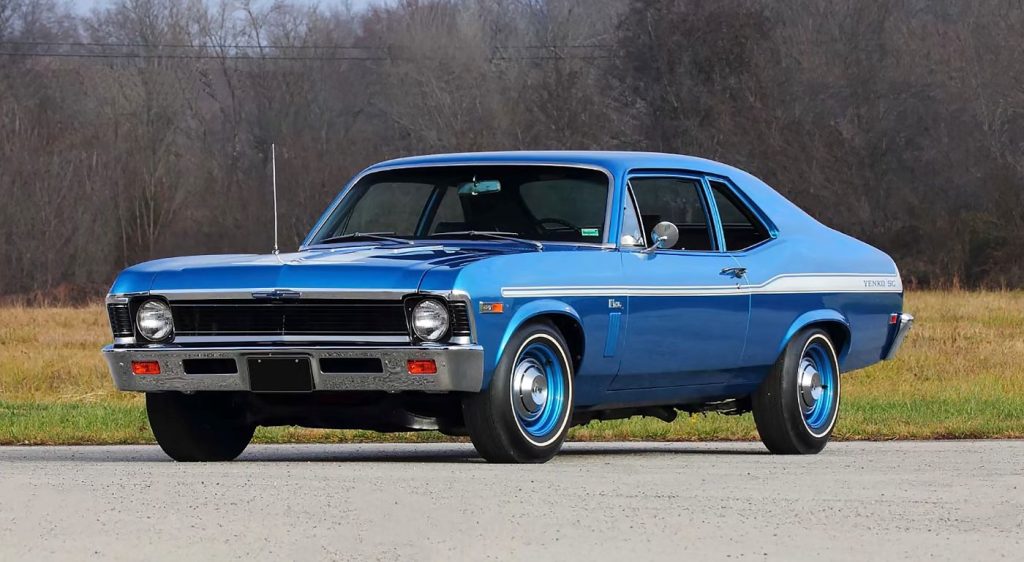
Once the cars arrived in Pennsylvania, Yenko’s team removed the engine and swapped the 396 components onto a new 427 “short block”. It was still a labor-intensive process. On top of that, the cars received unique Yenko emblems and wheels, ensuring that anyone who saw them knew they were genuine Yenko creations.
1977 Pontiac Firebird Trans Am
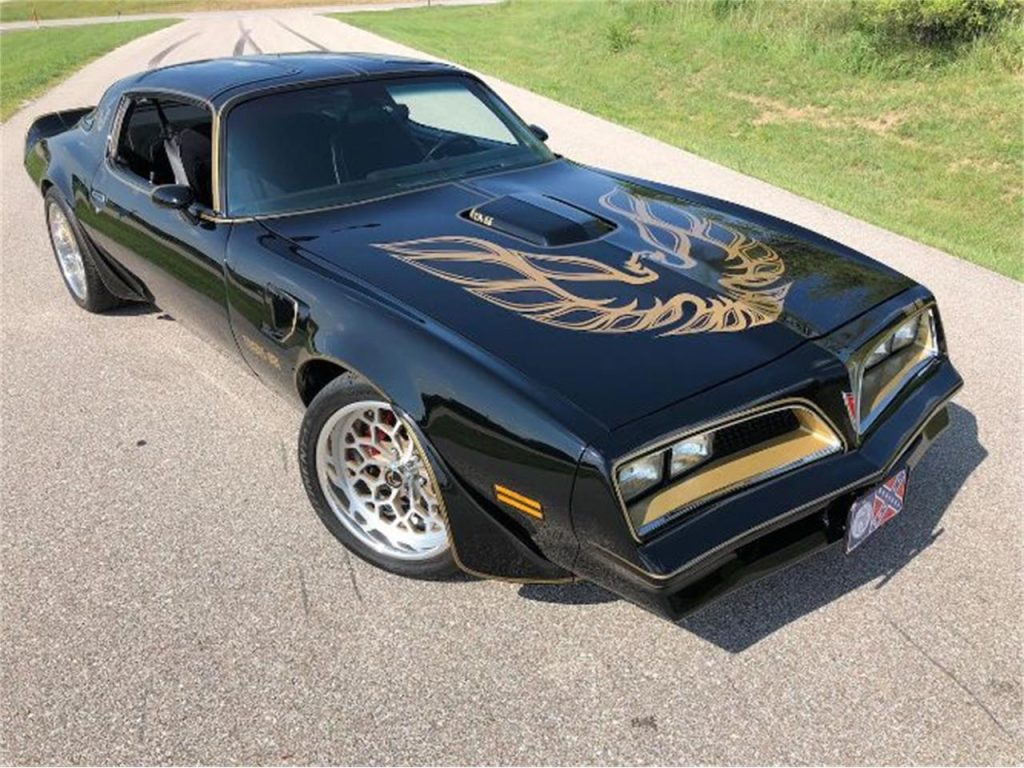
As the muscle car’s popularity waned, the 1977 Pontiac Trans Am revived interest through pop culture. Its starring role in Smokey and the Bandit, combined with black-and-gold paint, T-tops, and the screaming chicken decal, cemented its image as a symbol of rebellion and freedom.
Beneath its flashy exterior, the Pontiac 400 V8 offered real torque, and handling remained balanced for the era. The Trans Am’s spirit and identity were as influential as its performance, proving that attitude could be just as powerful as numbers.
The 1977 Pontiac Firebird Trans Am remains one of the most recognizable muscle cars among automotive enthusiasts.
Reynolds’ Bandit character hurled the iconic black-and-gold Trans Am Special Edition through outrageous stunts, blasting past cops while navigating terrain no car should reasonably handle, and somehow making it look effortless.
For a car with such legendary status, the Pontiac Trans Am is surprisingly attainable in 2024. The Trans Am variant of the V8-powered Firebird was available in two versions that year: the base model and the T/A.
While both used a 400 cubic-inch V8, the standard model came with a 185-hp Oldsmobile-sourced engine, while the T/A received a stronger 200-hp unit. It also ranks among the more reliable Trans Ams produced.
Not surprisingly, the more powerful version commands higher values today. Hagerty notes that a Concours-quality car can bring in around $60,600, with prices slipping to about $45,000 for an Excellent example. Cars showing more age are far more budget-friendly, with Good and Fair models valued at roughly $24,000 and $15,000.
The site also reveals that values have declined noticeably over the past year, with each condition category dropping by roughly 4%. For buyers, that means a Concours-level Trans Am now costs about $3,000 less than it did 12 months ago. Anyone patient enough to wait may find even better deals as the trend continues.
The 185-hp base V8 model remains notably cheaper than the T/A at the upper end of the spectrum, with Concours examples estimated at around $51,000. The gap narrows further down the grading scale, as Excellent base cars run about $7,000 less than an equivalent T/A.
Good and Fair models sit at around $20,000 and $13,000, with the latter being only about $2,000 cheaper than a comparable T/A.
For mechanically savvy enthusiasts, a well-priced, rougher T/A could be the smarter buy, a relatively modest investment could yield a sizable return once restored. Like its T/A counterpart, the base model has also experienced a roughly 4% decrease in value over the past year.
The final muscle car era produced an unlikely hero: the 1987 Buick GNX. It transformed the Grand National into a technological marvel, with a turbocharged 3.8-liter V6 tuned by McLaren Performance Technologies, far exceeding its 276-horsepower rating.
With sub-five-second 0-60 times, it could outpace most V8 sports cars of the day. The GNX demonstrated that muscle no longer required massive displacement; innovation could deliver equal or greater performance. Dark, understated, and blisteringly fast, it closed the classic muscle chapter on its own terms.
Ultimately, every car on this list was born of defiance. Together, they represent the boldest, most fearless moments in automotive history. Each reminded the world that bending the rules a little, and embracing a touch of rebellion, can produce greatness, and we remain endlessly grateful for that spirit.
