
For most Americans, a trunk lid is something you barely think about until the moment you accidentally get too close and feel that sudden slam of sheet metal shutting faster than expected.
Trunk-lid injuries may not be the most common vehicle hazard, but they do happen, especially when kids are involved or when loading groceries, strollers, or sports gear.
Automakers have quietly worked over the past decade to reduce the risk of fingers getting caught, smoothing out hinge designs, adding pinch sensors, and slowing down powered liftgates.
In an era where high-tech safety is often associated with lane-keeping and automatic braking, basic everyday usability still matters. And that’s where this list comes in.
These 12 vehicles stand out because their trunk or tailgate systems are engineered to protect fingers not just with power liftgates, but with smart hinge geometry, soft-close motors, anti-pinch sensors, and thoughtful design touches that show manufacturers actually considered real-world family use.
Whether you’re shopping for a family SUV, a commuter sedan, or something a bit more premium, these models excel at keeping hands and fingers out of harm’s way.
1. 2025 Toyota Camry
The latest-generation Camry doesn’t just update styling and hybrid power Toyota also redesigned the trunk hinges. Gone are the bulky “gooseneck” hinges that could intrude into cargo spaces and pinch fingers if you weren’t careful.
The new Camry uses a low-force hinge system with wide clearance and a soft detent that prevents the lid from suddenly falling shut when you’re leaning inside to unload groceries.
Toyota’s electric trunk assist option also includes slow-close technology with auto-reverse, which stops and backs up the lid if it detects resistance useful if a child reaches in at the wrong moment.
We tested the Camry XSE equipped with front-wheel drive. Acceleration is smooth and effortless, with ample power available when needed for passing, merging, and other maneuvers.
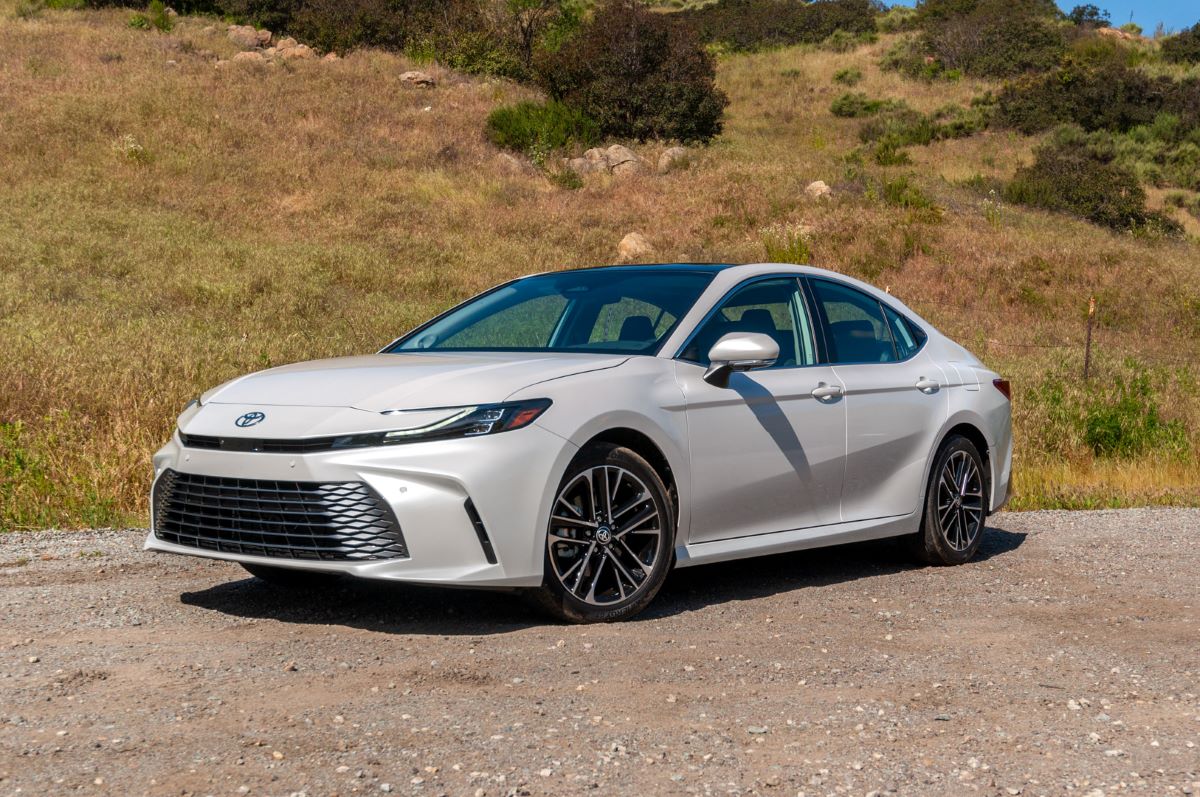
In our testing, the Camry reached 60 mph in 7.8 seconds, making it slightly quicker than competing Honda Accord and Hyundai Sonata hybrids. The brakes are also strong and provide smooth stopping power.
The Camry XSE’s sport-tuned suspension and responsive steering result in impressive handling, though even the base Camry feels secure and composed through turns.
This XSE version feels well connected to the road, avoiding the vague, floaty sensation of older models, while still effectively absorbing bumps and dips. Compared with its competitors, the Camry’s upright seating position creates a more elevated driving perspective, offering a clear view over the hood and directly behind.
This Camry also comes equipped with Toyota’s most advanced and nearly flawless safety technology. The system can now detect vehicles moving in and out of lanes and adjust speed accordingly. With the optional Traffic Jam Assist, drivers can even remove their hands from the wheel at speeds up to 25 mph when conditions allow.
2. 2025 Honda Accord
Honda’s revamped Accord adopts a power-assisted trunk with one of the smoothest soft-close systems in its class. Unlike some sedans where the lid accelerates downward, the Accord’s closing action slows for the last few inches.
Even when using the manual pull-down strap, the hinge geometry prevents it from slamming hard. Families who frequently load strollers or sports equipment will appreciate how forgiving it is.
The trunk-mounted button is also positioned to avoid accidental presses while someone’s hand is still inside.
Every time we slide behind the wheel of an Accord, we’re reminded exactly why it’s such a standout. The cabin is roomy, well equipped, and highly practical. Handling is a notch above, approaching sports-sedan levels of agility. A pair of fuel-efficient powertrains, one of them a hybrid, deliver lively forward thrust.
That all of this comes together in a high-value family sedan is impressive, and it may leave you wondering: Where’s the catch? To be honest, there isn’t one. Sure, a manual transmission would be nice, and we miss the previous-generation car’s punchy 2.0-liter turbo four, but what’s here works perfectly.
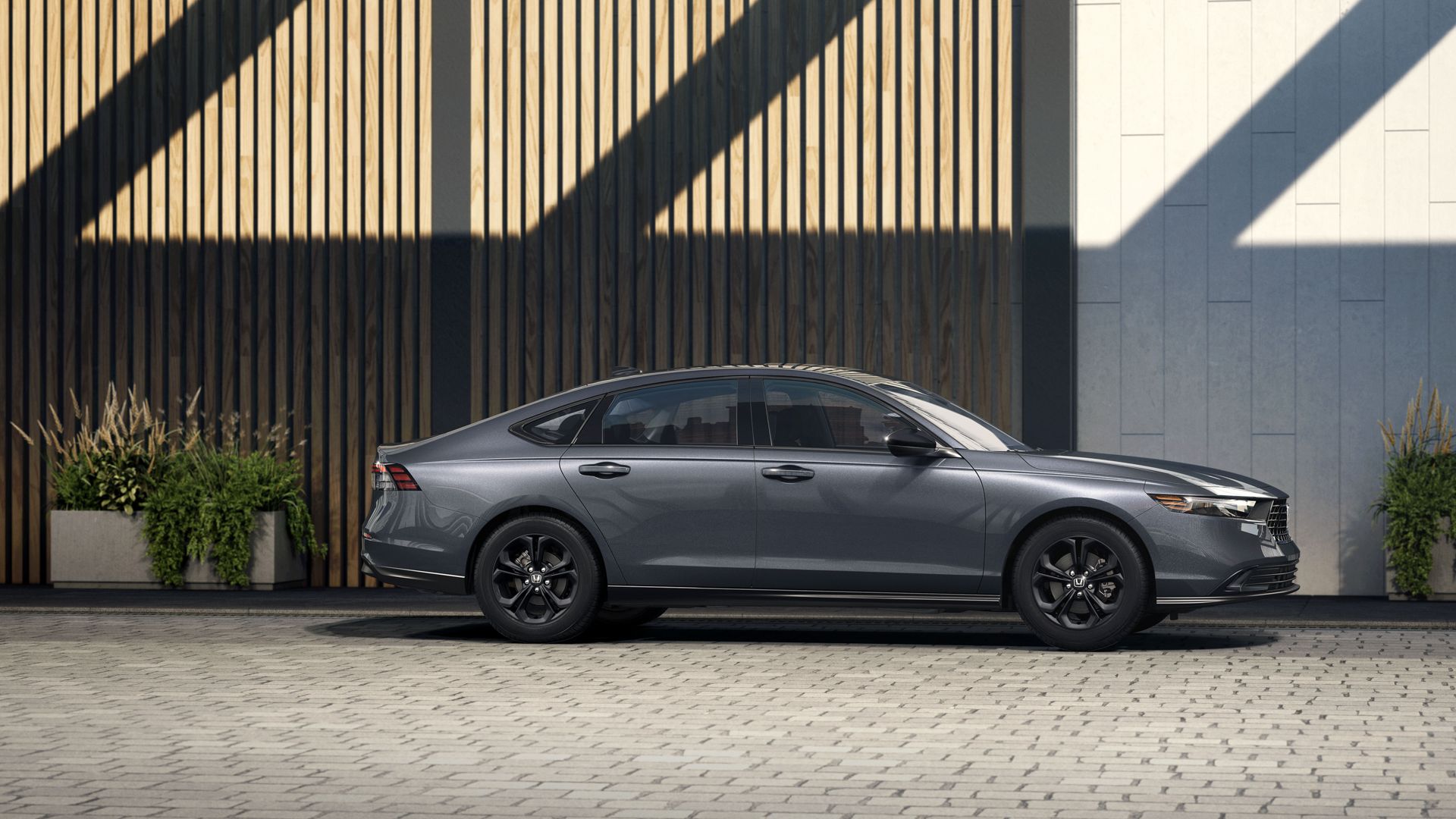
The 2025 Honda Accord is a rare vehicle whose total package exceeds the sum of its parts, elevating it from the ordinary dealer lot to true icon status.
The Accord’s LX and SE trims are equipped with a turbocharged 1.5-liter four-cylinder engine producing 192 horsepower, sending power to the front wheels through a CVT. As with past generations, all-wheel drive isn’t offered.
The hybrid powertrain takes on a more prominent role within the lineup. It pairs a 2.0-liter four-cylinder engine with two electric motors for a combined 204 horsepower, and it’s the sole powertrain for the Sport, EX-L, Sport-L, and Touring trims.
The Accord is smooth, quiet, and composed, remaining as refined and enjoyable to drive as ever. Its handling inspires confidence, with precise steering, controlled body motions, and a compliant ride, a blend that drivers will appreciate just as much as our editors do.
Also Read: Top 10 Used Manual-Transmission Cars Still Worth the Hunt
3. 2025 Subaru Outback
Since it’s usually sold to adventure-minded families, Subaru engineered the Outback’s power liftgate to be extremely kid-safe.
The liftgate has both top and side anti-pinch sensors not just at the lower latch area so if a hand, backpack strap, or even a dangling jacket gets caught, the gate reverses instantly.
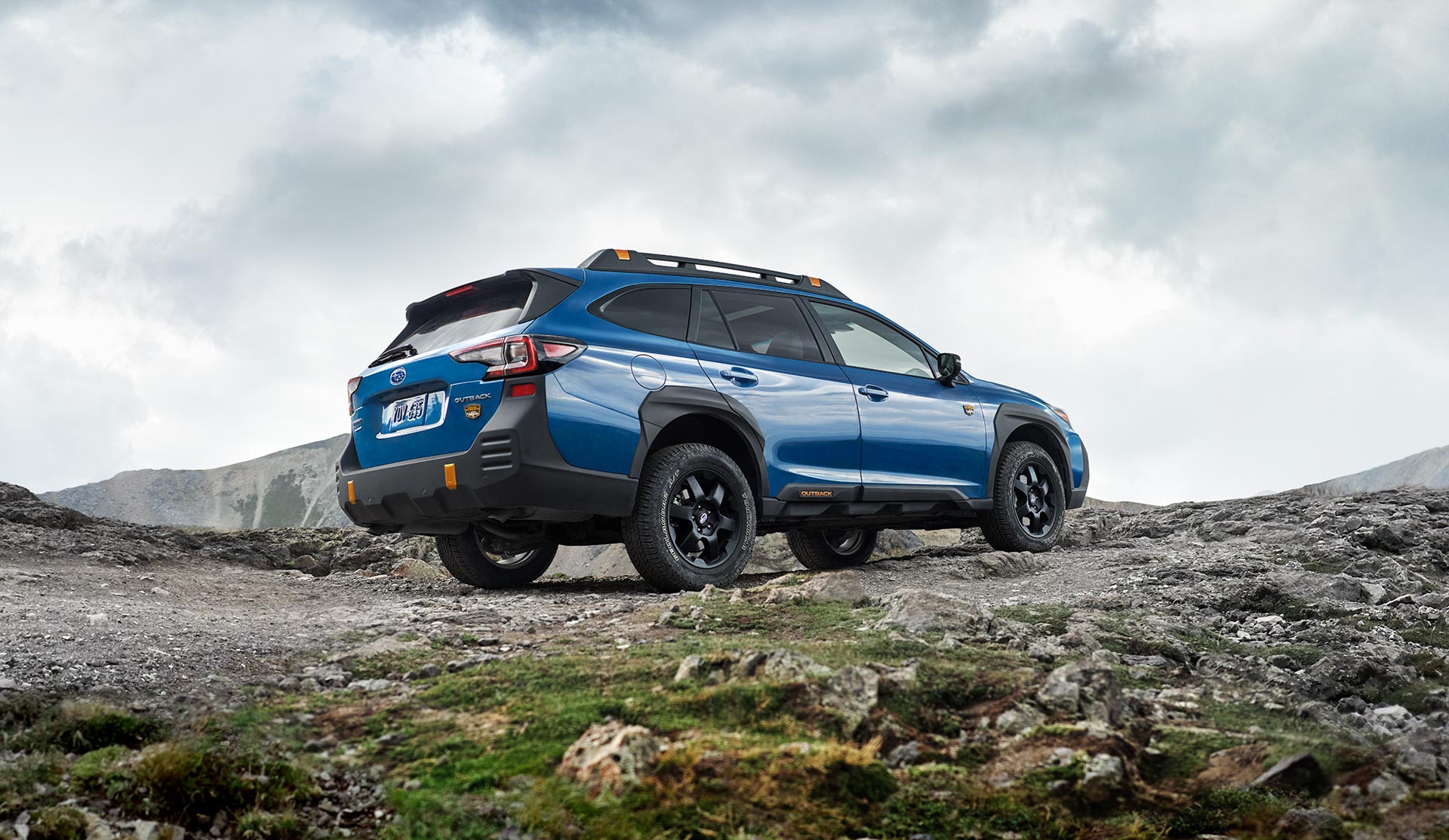
The Outback also avoids side-hinged tailgate struts that can pinch fingers when folding down. Its slow and predictable closing motion gives users plenty of time to react, especially helpful when loading bulky camping gear.
4. 2025 Toyota RAV4
Even late into its model cycle, the RAV4 remains one of the safest mainstream SUVs when it comes to liftgate operation.
Toyota’s power liftgate includes a multi-sensor system at the edges of the tailgate and internal motor controls that detect resistance early meaning a hand or arm doesn’t need to be fully caught before the gate reverses.
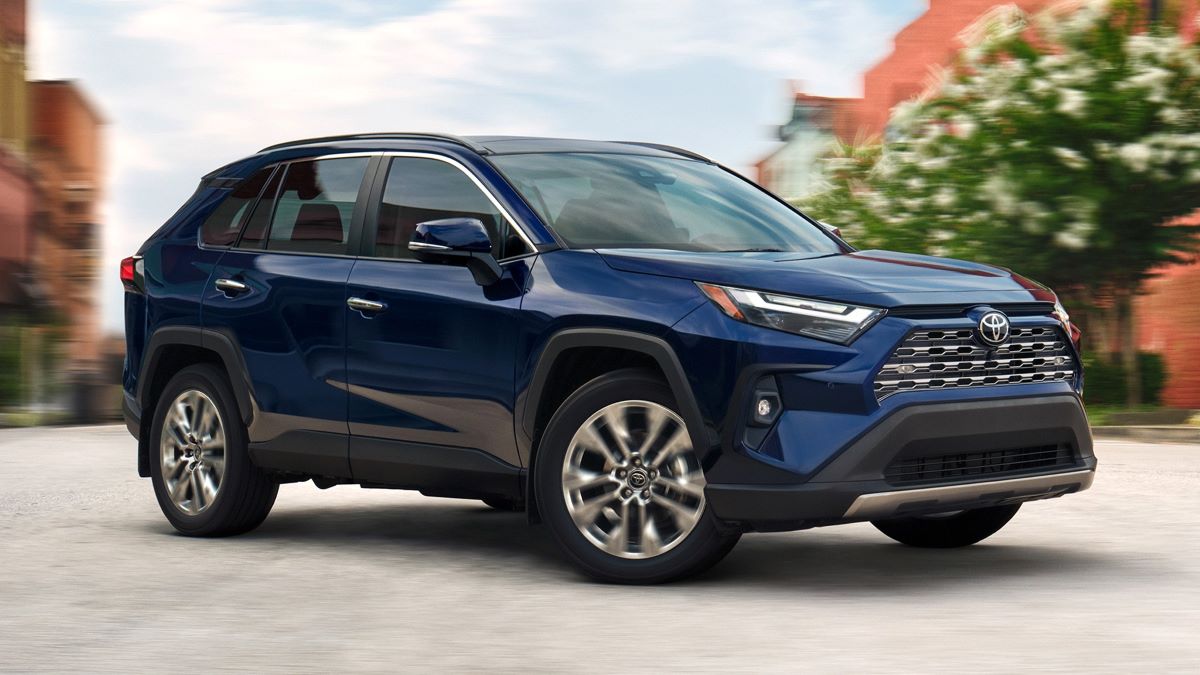
The manual close is also designed with controlled damping, so even if someone pulls the gate harder than intended, it won’t slam shut.
The RAV4 delivers a surprisingly comfortable ride, is enjoyable to drive, and provides good outward visibility. Unfortunately, it falls short in other areas. The engine performs adequately around town, making passing and merging effortless.
However, if you’re in a hurry, you may notice that its power output is ultimately modest. Another drawback is the steering, which feels vague around the center and lacks sufficient feedback and weight, making it easier to misjudge how much input is needed.
On the upside, the RAV4’s upgraded all-wheel-drive system, features rear-axle torque vectoring and hill descent control. Together with decent ground clearance, these systems give the RAV4 Limited above-average off-road capability for a small SUV.
Regarding driver assistance, the RAV4 comes standard with adaptive cruise control, lane-keeping assistance, and automatic emergency braking, with additional features offered on higher trims. They all perform adequately, though rivals provide a more extensive list of standard and optional systems.
The RAV4’s interior is well-constructed, featuring layered materials and seamless joins that are hidden within the styling. Tactile details like rubberized grips on the interior door pulls and the radio and climate knobs enhance the feel.
XLE Premium and Limited trims offer synthetic leather upholstery that is soft and pliable, with neat stitching. Toyota’s warranty coverage is standard for the segment, but the RAV4 also includes a generous two years/25,000 miles of complimentary scheduled maintenance.
5. 2025 Hyundai Tucson
Hyundai’s modern SUVs put a surprising amount of engineering into day-to-day usability. The Tucson’s smart power liftgate is a standout because it uses torque monitoring rather than just edge sensors.
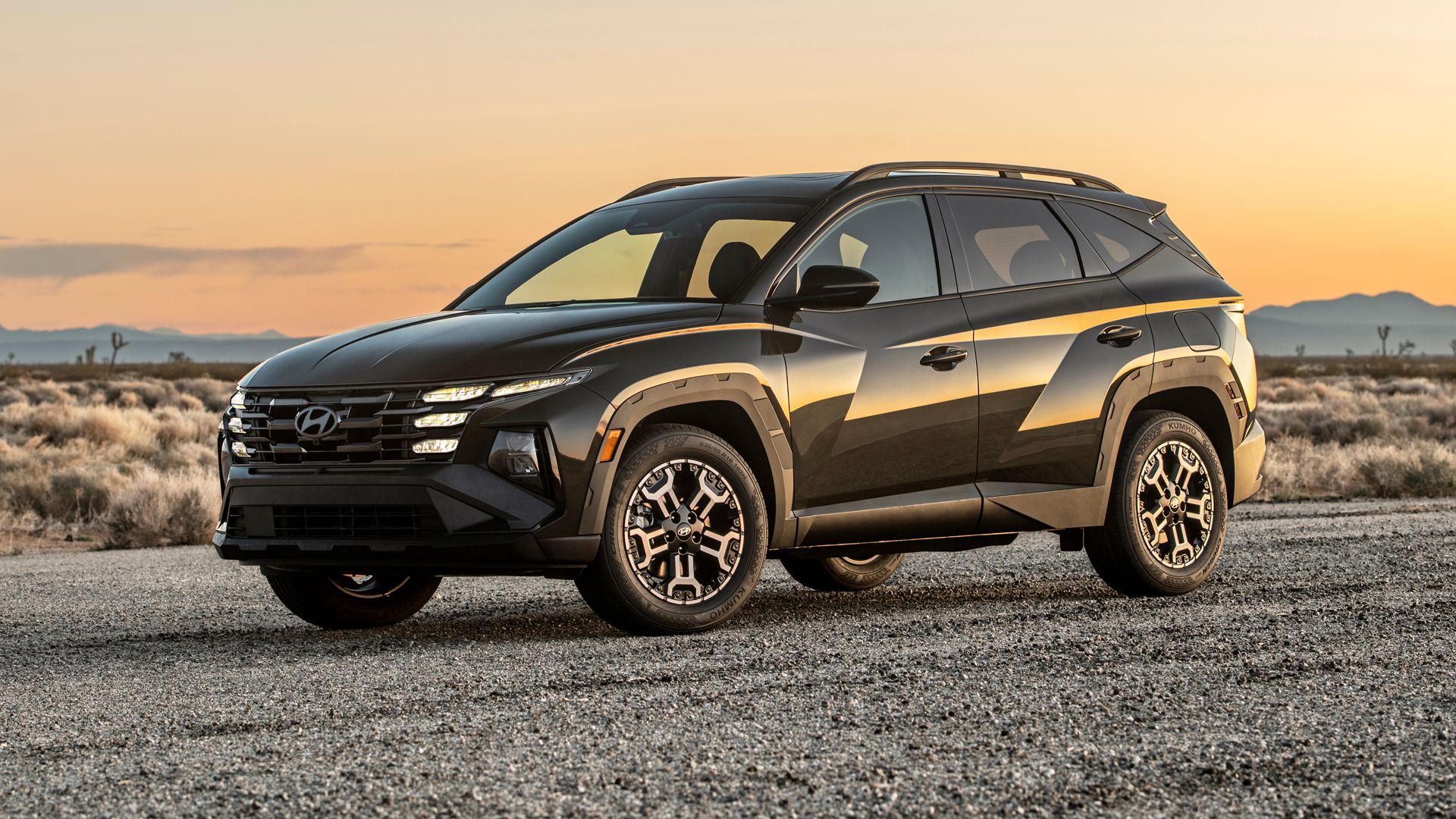
If the motor detects unexpected resistance, even small resistance, it reverses immediately. That prevents the sudden “push through” force that can happen on cheaper power liftgates.
Parents who regularly deal with squirming toddlers near the back of the car will appreciate how the Tucson prioritizes safety over speed.
The Tucson isn’t designed for drivers in a hurry. The standard gas engine lacks authority, taking 10.2 seconds to reach 60 mph, which makes it one of the slowest crossovers we’ve tested. It performs adequately in city and highway driving, but the sluggish acceleration becomes noticeable when a quick burst of speed is required.
That said, we appreciate the Tucson’s responsive and direct steering, along with its composure through corners. The supple suspension provides an excellent ride, easily smoothing out bumps and cracks in the road, ranking it among the best in its class.
A large windshield and slim roof pillars contribute to excellent visibility. We also value the Tucson’s suite of driver assistance features.
The blind-spot warning system is effective, and the adaptive cruise control performs well in stop-and-go traffic. Front and rear parking sensors help prevent minor collisions, though their persistent beeping can become somewhat fatiguing.
Also Read: 10 Crossovers That Actually Deserve Their Popularity
6. 2025 Ford Explorer
Ford’s long-running family SUV includes a power liftgate with dual anti-pinch systems: the traditional pressure sensor at the bottom latch and an upper sensor along the top edge.
This is especially helpful when closing the gate from the side something common in crowded parking garages where you may not be standing directly behind the vehicle.
The Explorer’s hydraulic struts are also tuned to slow down during the final 20% of closure, reducing the risk of fingers getting trapped.
The 2025 Ford Explorer SUV continues to serve as a practical suburban family vehicle, now with minor cosmetic updates and some new tech to keep the lineup current. The range has been reduced, with the Base, Limited, King Ranch, and Timberline trims discontinued.
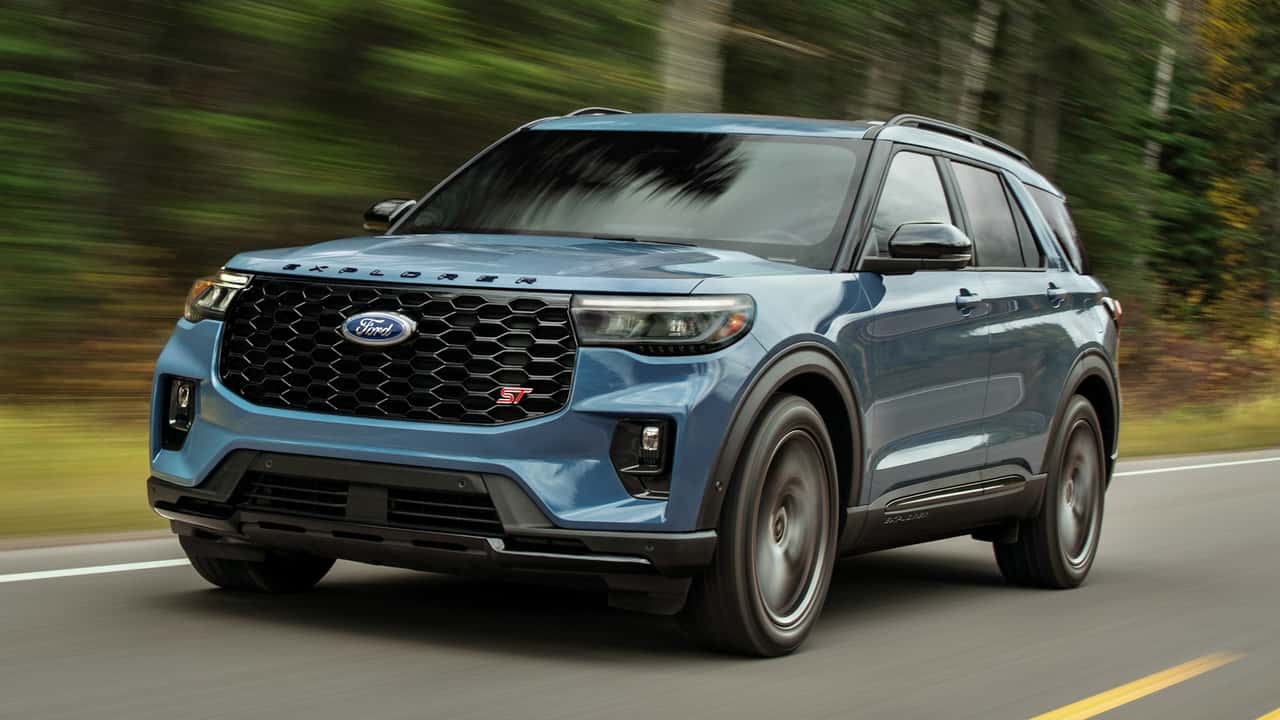
Both of the Explorer’s powertrains, a turbocharged four-cylinder and a twin-turbo V-6, each paired with a 10-speed automatic transmission, remain, along with the choice of rear- or all-wheel drive.
The Explorer’s standout feature is its family-oriented interior and third-row functionality. While that back row isn’t as comfortable as some competitors, having it available when needed provides peace of mind. Fold it down, and it opens up a reasonable amount of cargo space.
The base Active, ST-Line, and Platinum trims come equipped with a turbocharged 2.3-liter four-cylinder engine rated at 300 horsepower and 310 pound-feet of torque. The ST features a turbocharged 3.0-liter V-6 producing 400 horsepower and 415 pound-feet, which is also optional on the Platinum trim.
A 10-speed automatic transmission and rear-wheel drive are standard, with all-wheel drive available as an option. During our test drive, the 2025 Explorer’s driving dynamics felt nearly identical to the previous model. Ride and handling are composed and predictable, and the Explorer ST’s extra power makes it genuinely quick.
Also Read: Top 10 Used Manual-Transmission Cars Still Worth the Hunt
7. 2025 Kia Telluride
The Telluride remains a benchmark for family-friendly design, and the liftgate system plays a big part in that reputation. Kia uses a high-sensitivity edge sensor that detects even minor obstructions.
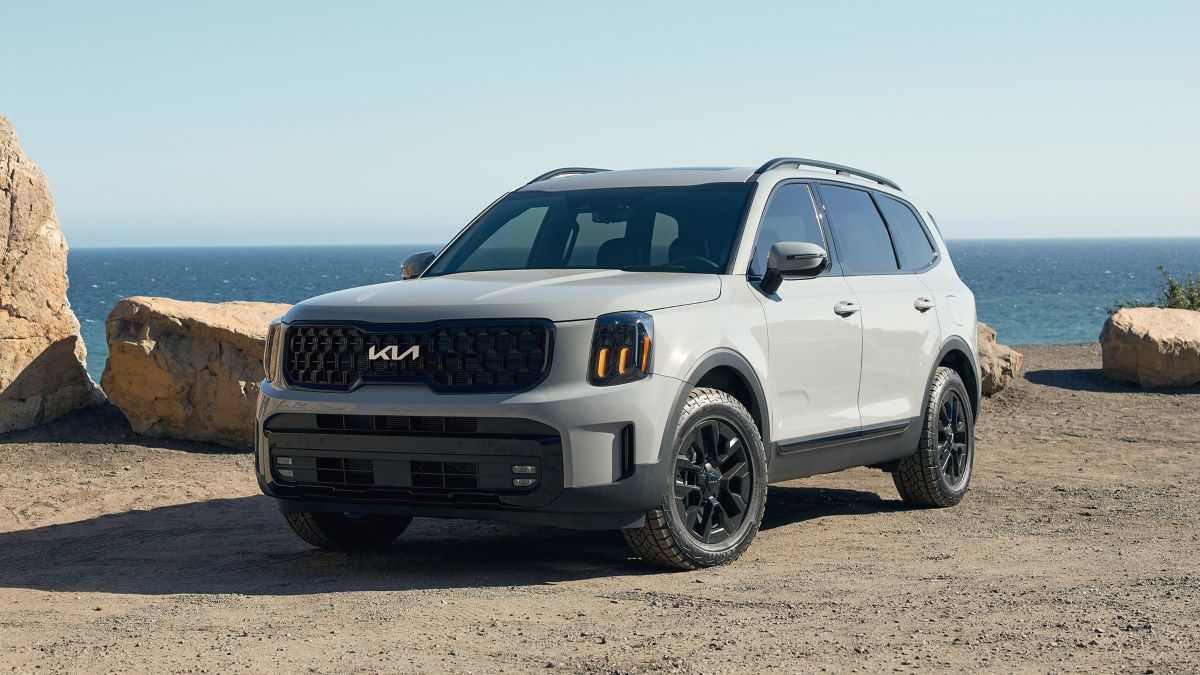
Unlike older liftgates that rely on force to “notice” something is stuck, the Telluride’s sensor trip is fast enough to prevent fingers from ever being compressed. The soft-close operation is among the slowest and safest in the class, prioritizing gentle movement over speed.
That’s an uncommon achievement, particularly with so many new competitors entering the segment. It not only delivers expected passenger space but surpasses it, offering adult-sized seating in all three rows. Interior quality also impresses, with materials and design rivaling those of some entry-level luxury SUVs.
Every Telluride is powered by a naturally aspirated V-6 producing 291 horsepower and 262 pound-feet of torque. This engine is mated to an eight-speed automatic transmission that drives the front wheels, though all-wheel drive is available on all trims.
The Telluride rides on the firmer side, and rough pavement can occasionally unsettle the three-row SUV. A self-leveling rear air suspension is also offered. Braking performance is excellent, and the steering feels precise with a satisfying weight. For off-road use, the Telluride provides up to 8.4 inches of ground clearance.
8. 2025 Volvo XC60
Volvo has long been associated with safety, and that extends to its cargo area. The XC60 has one of the smartest liftgate systems on the market, using capacitive sensors (similar to smartphone touch technology) along the lower gate edge.
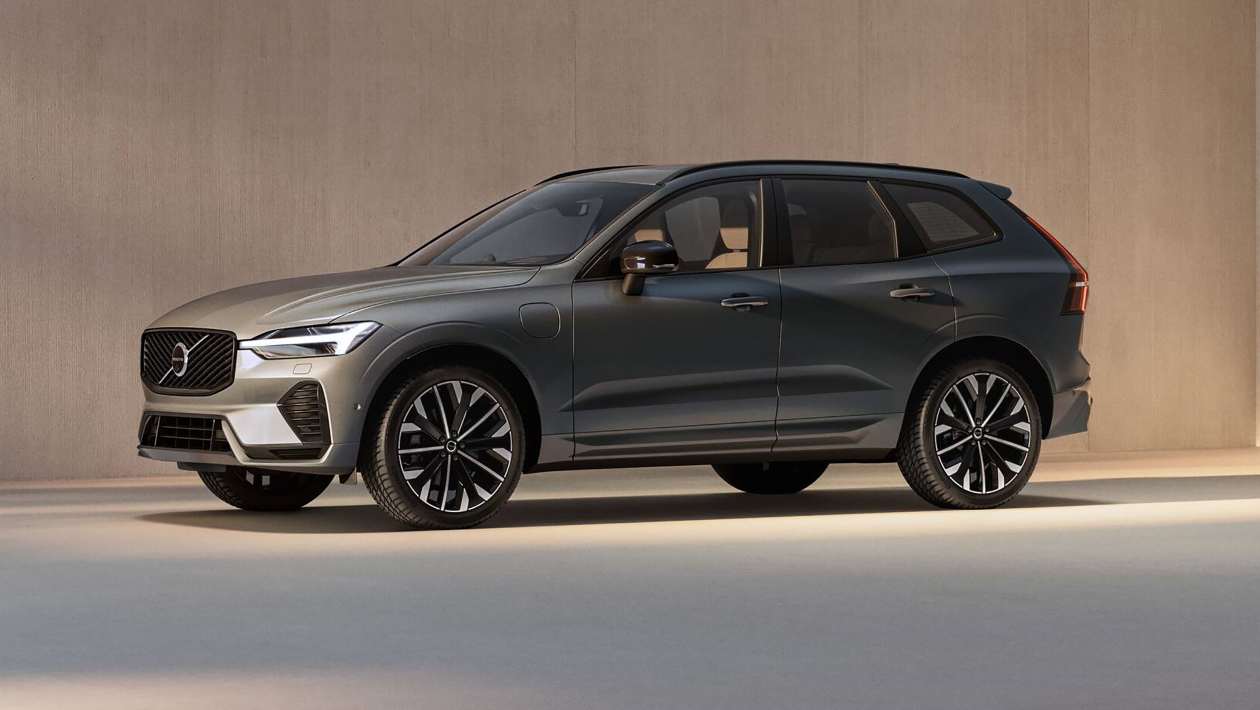
The moment something interrupts the gate’s contour even a light touch it reverses direction. The motor uses a low-torque soft start and soft stop profile, making it virtually impossible for the gate to slam shut with force.
For families who regularly travel with kids or pets, this is a meaningful design advantage.
We tested the XC60 T8, the plug-in hybrid variant, and few PHEVs can move like this XC60 in hybrid mode. Its 455 horses unleashed at our test track produced a 4.7-second sprint to 60 mph and an eye-catching quarter-mile speed of 107.6 mph.
That aligns with the real-world experience, which offers seemingly endless thrust from a standstill until you decide to let up.
Zero to 60 mph takes 11.6 seconds, which isn’t thrilling, but there’s enough power to keep pace with city traffic. A regenerative braking mode allows one-pedal driving similar to a full EV. If extra power is needed, a significant boost, flooring the accelerator through the kickdown switch brings the full system into play.
When cruising around town in hybrid mode, the electric assist is typically ready with instant, silent part-throttle torque, making the XC60 feel extremely responsive, though every so often you might notice it lagging slightly.
9. 2025 BMW X3
BMW’s X3 offers a power tailgate with a “gentle close” feature borrowed from its larger SUVs. When closing, it slows down progressively, making it safer to operate in tight garage spaces.
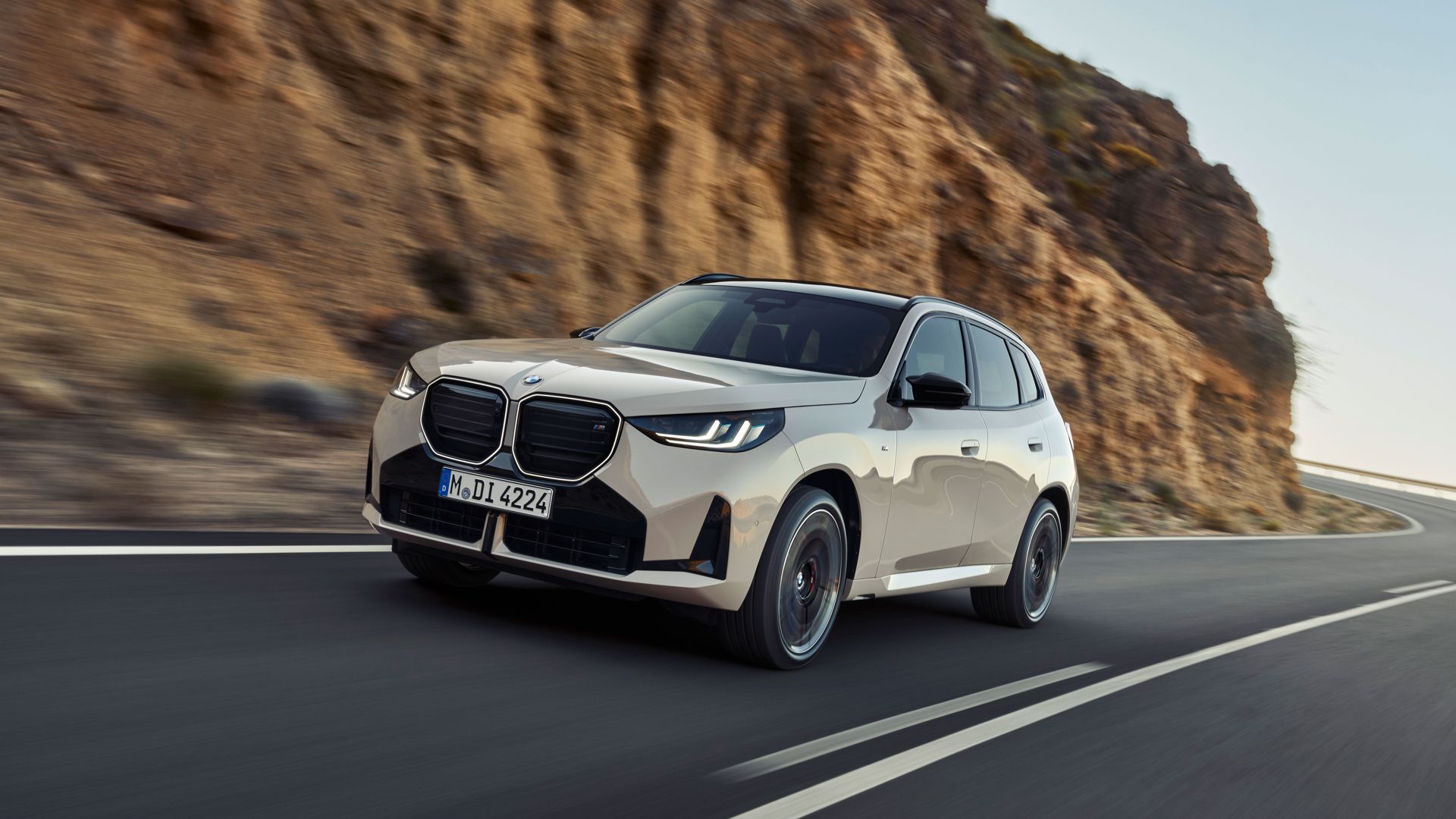
The trunk area features spring-loaded hinges set deeper into the frame, reducing the chance of pinched fingers when adjusting cargo.
Even with hands-free foot-activated opening and closing, the system waits for a clear space behind the vehicle before initiating movement to avoid accidental activation when someone is still loading items.
10. 2025 Mercedes-Benz GLC
Mercedes’ reputation for soft-close mechanisms shows up in the GLC’s tailgate system as well. The motorized closing motion is exceptionally smooth, and the anti-pinch detection is calibrated to trip at very low resistance.
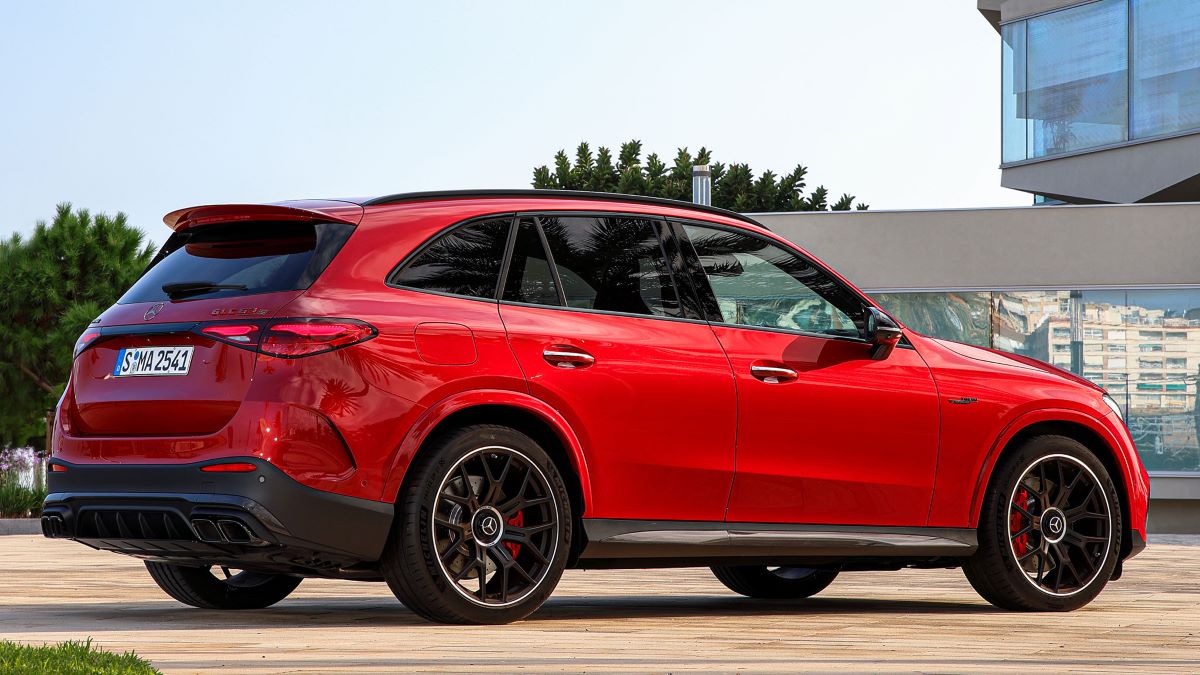
This is one of the few luxury SUVs where the auto-reverse kicks in with just a gentle tap from a hand or object.
Mercedes also ensures that the inner grab handle is positioned to avoid accidental slamming a common issue on vehicles where the handle encourages awkward pulling angles.
We tested the GLC 300, which pairs a four-cylinder engine with a mild hybrid system. Acceleration is impressively smooth, and the automatic transmission shifts quickly and responsively.
The optional summer tires on our test GLC contributed significantly to its impressive braking and cornering grip. Even without that extra traction, however, the GLC is a well-balanced vehicle that handles corners with natural composure and athleticism.
Ride quality meets expectations for a luxury SUV. While it isn’t the plushest in its class, it never feels overly harsh. Visibility is generally good due to largely unobstructed windows, though the chunky front pillars can occasionally be a minor hindrance.
Thankfully, the 360-degree camera system and advanced driver-assistance features make maneuvering this compact SUV straightforward.
One of the appealing aspects of Mercedes’ newer small models is that they don’t feel like stripped-down versions. Instead, you get a smaller iteration of the brand’s flagship vehicles.
This is certainly true for the GLC, which feels refined and solid throughout. Of course, that solid construction and luxury experience come at a price. The GLC is among the more expensive models in its class, so shoppers focused on value might find better options elsewhere.
Mercedes’ warranty remains behind many competitors. Basic and powertrain coverage lasts four years/50,000 miles, with roadside assistance included for the same period. No complimentary scheduled maintenance is provided.
11. 2025 Lexus RX
The RX takes a conservative approach to liftgate speed, ensuring that family users never feel surprised by sudden downward motion.
Lexus engineered the gas struts and electric motor to apply minimal clamp force when the gate latches, so even if a small hand is near the lower edge, the system reverses quickly.
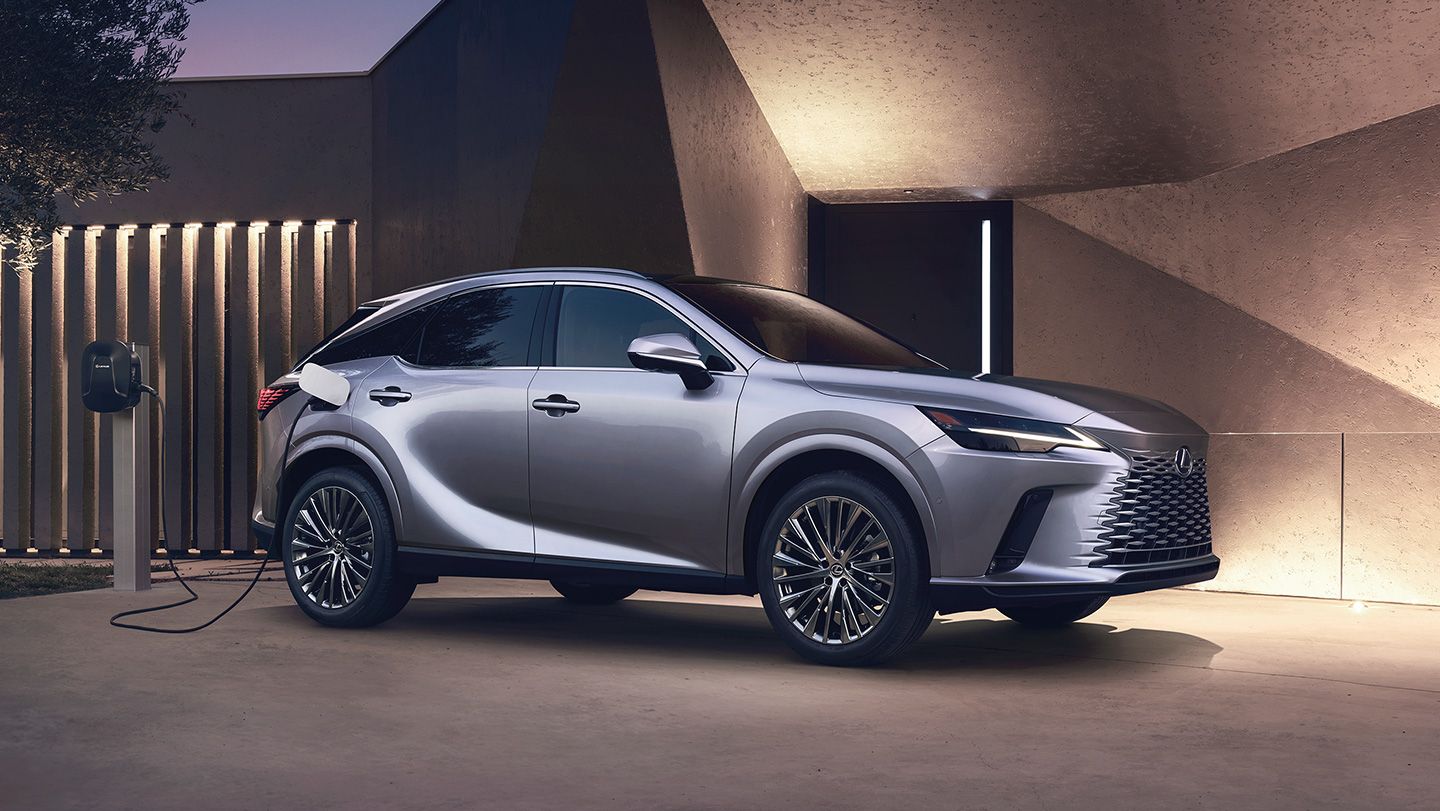
The RX’s tailgate bottom edge is rounded and padded compared to most SUVs, further minimizing injury risk. It also includes a hands-free sensor that won’t activate if anything is detected too close to the bumper.
For five generations, Lexus has cemented the RX’s reputation as a dependable five-passenger compact luxury SUV, offering a smooth, velvety ride, solid build quality, and comfortable seats.
Available as either a gas-only or hybrid model, the base 2025 Lexus RX350 is powered by a turbocharged four-cylinder engine producing 275 horsepower and 317 pound-feet of torque. That output is sufficient for those who appreciate a calm and composed driving experience.
If you’re seeking something sportier, and more expensive, rivals like the Porsche Macan or Maserati Grecale may be more appealing.
On the luxury front, the RX excels at providing comfort and convenience throughout, though the 2025 Genesis GV70 feels more modern and refined. Loyal Lexus buyers, however, are unlikely to be disappointed with the newest iteration of this consistently reliable SUV.
The 2025 RX350 comes standard with a 275-hp turbocharged 2.5-liter four-cylinder engine, an eight-speed automatic transmission, and front-wheel drive, with all-wheel drive available as an option.
When the RX was redesigned two years ago, Lexus had the chance to redefine its driving dynamics, but the chassis engineers opted not to enhance cornering confidence. The latest RX350 remains as softly sprung and comfort-focused as the previous generation, which will satisfy long-time buyers but is unlikely to excite driving enthusiasts.
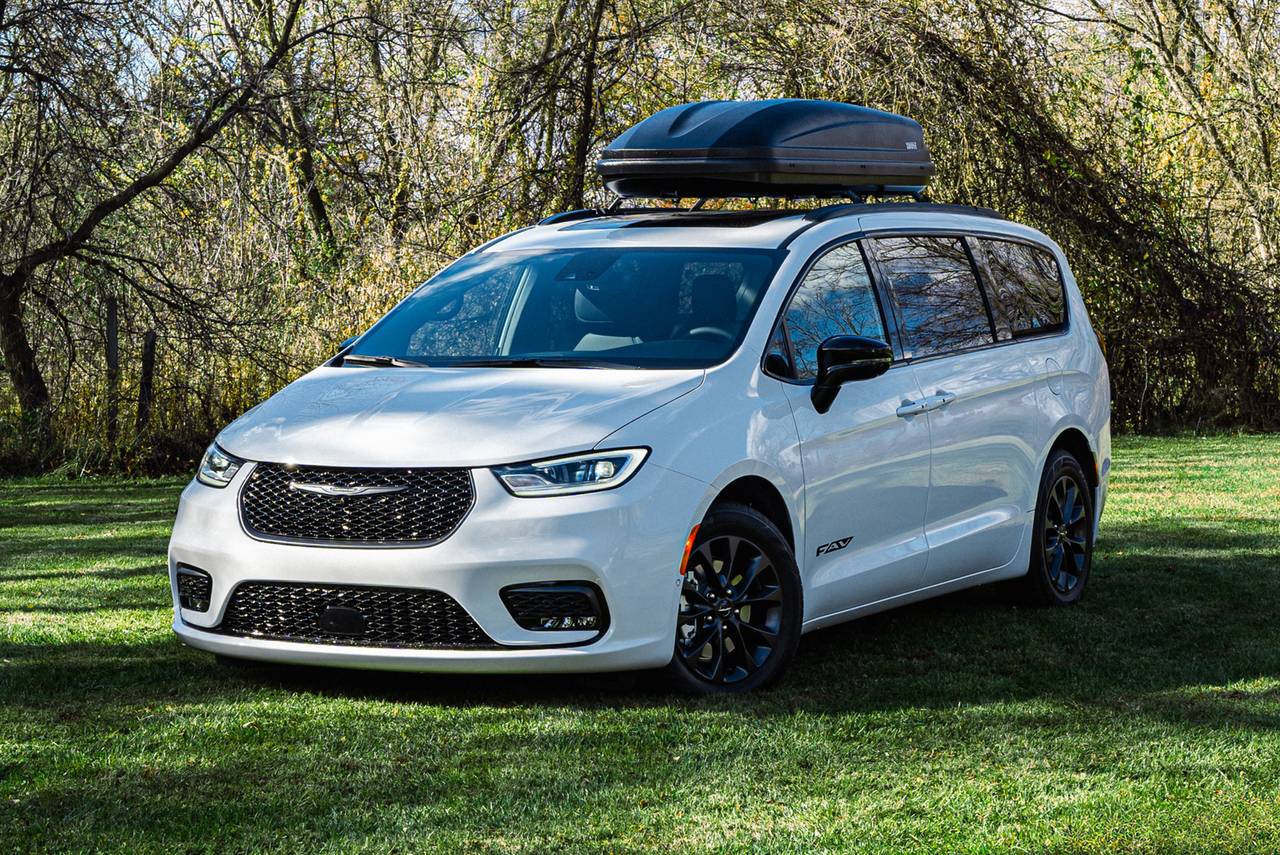
12. 2025 Chrysler Pacifica
Minivans are built around family safety, and the Pacifica excels in liftgate protection. The power tailgate features multiple pinch sensors distributed across the gate’s side edges an important advantage, since kids often grab the sides rather than the bottom.
The system also uses ultrasonic detection to sense motion near the gate, preventing it from closing at all until the area is clear. For parents juggling kids, backpacks, and grocery bags, this is arguably the safest liftgate design on the American market.
Trunk lids and liftgates aren’t the flashiest part of car safety, but they’re part of everyday life. When you’re loading luggage for vacation, grabbing bags from a grocery run, or letting kids help with the family car, the way a trunk closes matters.
The vehicles on this list incorporate thoughtful engineering soft hinges, smart sensors, and slow-close motors that help reduce the risk of pinched fingers. And in the real world, small design choices like these add up.
Whether you want peace of mind for a young family or simply prefer a vehicle that’s easy and forgiving to use, these 12 cars deliver everyday safety where it counts.
