As summer temperatures rise across the United States, a vehicle’s air conditioning system becomes more than a convenience it’s essential for comfort, safety, and overall driving enjoyment.
Whether you’re navigating stop-and-go traffic in Phoenix, commuting on humid days in the Southeast, or heading out for long road trips in the Midwest, a strong A/C system can make all the difference.
Poor cooling can leave you uncomfortable, fatigued, and even impact concentration while driving.
Because of this, understanding which vehicles excel at keeping their cabins cool and which struggle is crucial, especially for buyers living in hotter regions.
Air conditioning performance isn’t just about getting cold air. It’s also about speed, consistency, and how the system ages over time.
Cars with robust, well-designed systems will cool the cabin quickly even after years of use, while others may struggle to maintain comfort, especially under high heat or heavy sun exposure.
Below, we explore five cars praised for their strong, summer-proof A/C systems and five that tend to cool slowly or inconsistently.
Cars With Summer-Proof, Strong A/C
When the temperatures climb and the sun beats down, a strong, reliable air-conditioning system can make all the difference between a miserable commute and a comfortable drive. Some vehicles are built to deliver icy-cold airflow even in the hottest conditions, keeping drivers and passengers refreshed no matter how scorching it gets outside.
In this guide, we highlight cars with summer-proof, high-performing A/C systems that stand up to heatwaves, traffic jams, and long road trips, so you can stay cool and comfortable all season long.
1. Toyota Corolla
The Toyota Corolla has long been praised for reliability, and its A/C system is no exception. From the 2009–2019 models onward, the Corolla’s air conditioning is known for cooling the cabin quickly, even on hot days.
Its straightforward, durable design allows the compressor and refrigerant system to perform consistently over many years.
Owners report that both short trips in city traffic and longer highway drives are comfortable thanks to fast, effective cooling.
The Corolla’s cabin is compact, which also helps the A/C work efficiently, ensuring that rear-seat passengers remain comfortable as well. For daily commuters or anyone living in a hot climate, the Corolla provides dependable summer comfort.
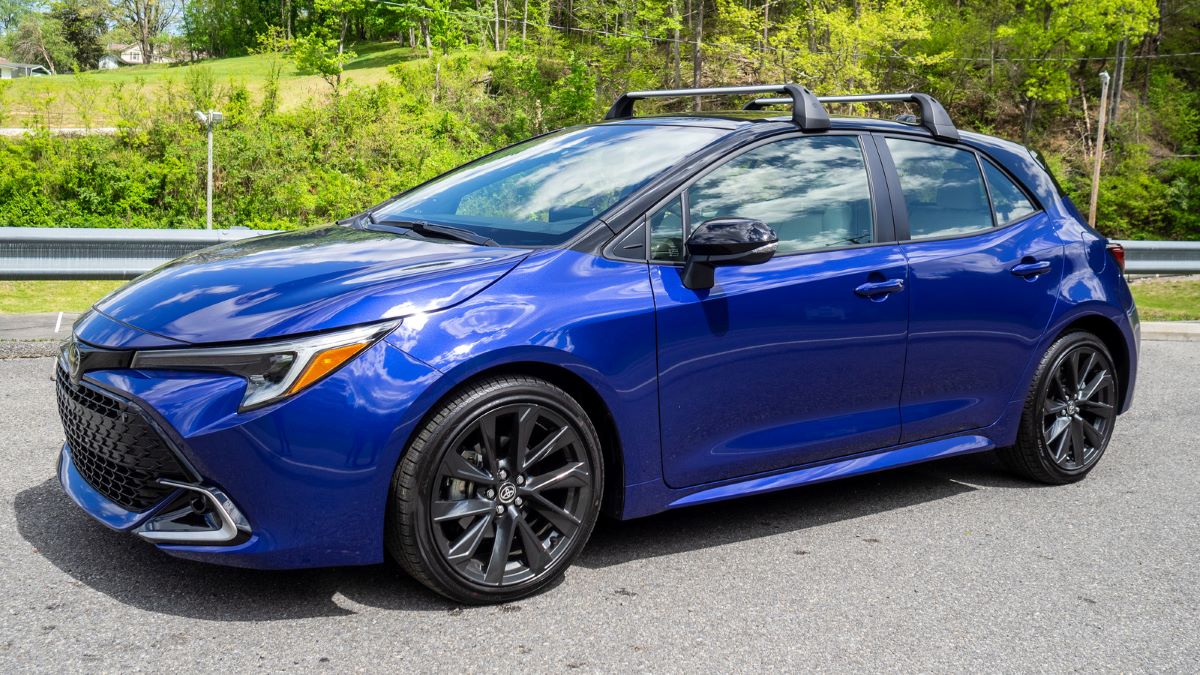
The 2022 Toyota Corolla stands out as an affordable and appealing compact car equipped with a full suite of standard active safety features. While competitors like the Honda Civic and Mazda 3 may offer a more engaging driving experience, the Corolla delivers a comfortable ride and even offers sporty variants of its own.
Like many vehicles in the compact segment, the Corolla is available in both sedan and hatchback forms. Each body style has its own distinct design, though unusually, the hatchback features a smaller rear seat and less cargo space compared with the sedan.
Select models can be equipped with a manual transmission, and the sedan boasts an exceptionally fuel-efficient hybrid powertrain. One drawback, however, is that every engine option produces a somewhat coarse sound. Despite this, the 2022 Corolla remains a popular choice, particularly among buyers who value style and safety.
Also Read: 5 Cars With Stellar Brakes vs 5 With Long Stopping Distances
2. Honda Accord
The Honda Accord, particularly the 2008–2017 generation, is another midsize sedan with exceptional A/C performance.
Its system combines robust components with thoughtful design, allowing the cabin to cool rapidly and maintain a consistent temperature.
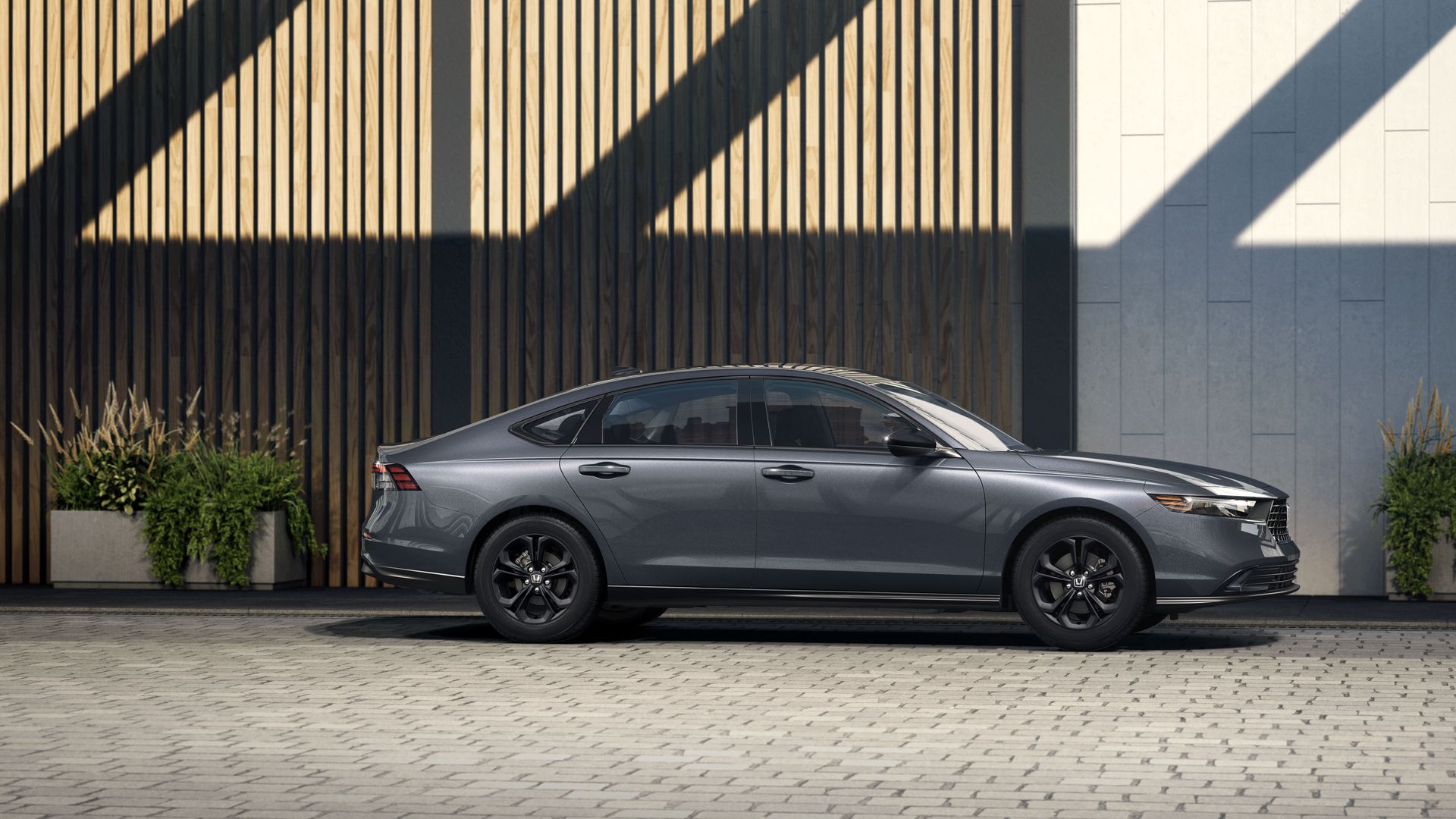
Many owners appreciate that even after years of use, the air conditioning continues to perform reliably.
The Accord’s climate control is easy to operate, and the airflow is generally even throughout the cabin, making it a solid choice for families or drivers who spend long hours on the road during summer months.
3. Lexus RX 350
For SUV buyers, the Lexus RX 350 offers both luxury and powerful A/C performance.
Its multi-zone climate control system lets occupants set individual temperatures, while the cooling hardware including high-quality compressors and well-designed vents ensures effective airflow throughout the cabin.
The RX 350’s A/C remains effective even under sustained high temperatures, which is particularly beneficial for drivers in southern states or humid climates. Families and passengers alike benefit from reliable cooling in every corner of the vehicle.
For five generations, the Lexus RX has built a reputation as a solid five-passenger compact luxury SUV, offering a smooth, velvety ride, excellent build quality, and plush seating.
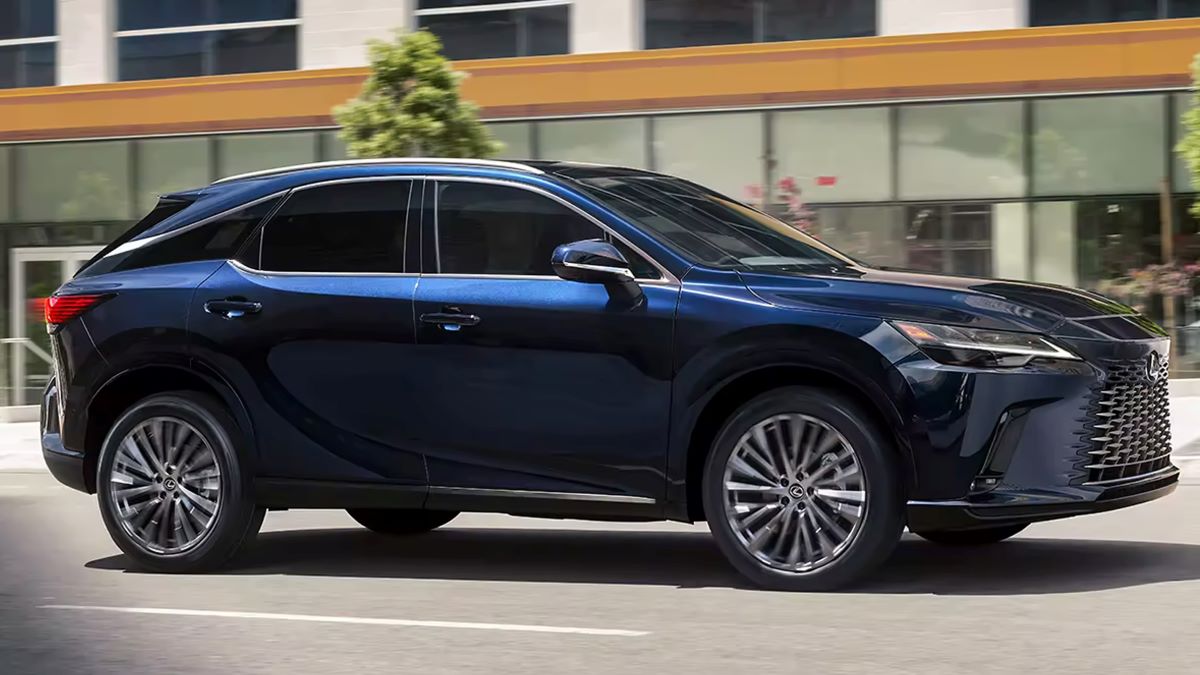
Available in gas-only or hybrid form, the base 2025 Lexus RX350 is powered by a turbocharged four-cylinder engine producing 275 horsepower and 317 pound-feet of torque. That output is sufficient for those who prefer a calm and composed driving experience.
If you’re seeking something sportier, and willing to spend more, you might look to rivals such as the Porsche Macan or Maserati Grecale.
On the luxury front, the RX excels at providing comfort and amenities across the board, though the 2025 Genesis GV70 feels more modern and refined. Still, loyal Lexus buyers won’t be disappointed with the latest iteration of this reliable SUV.
The 2025 RX350 comes standard with a 275-hp turbocharged 2.5-liter four-cylinder engine, paired with an eight-speed automatic transmission and front-wheel drive; all-wheel drive is optional.
When Lexus redesigned the RX two years ago, engineers had a chance to sharpen its driving dynamics, but the chassis remained tuned for comfort rather than cornering confidence. The latest RX350 is as softly sprung and luxury-focused as its predecessor, which will delight faithful buyers but is unlikely to lure driving enthusiasts.
4. Ford F-150
The Ford F-150, one of America’s most popular pickup trucks, combines utility with strong air conditioning performance.
Recent generations feature well-distributed vents and capable compressors, ensuring the cabin cools quickly, even after being parked in the sun for extended periods.
This makes the F-150 a practical choice for work, road trips, or daily commuting in hot climates. Drivers appreciate that the system remains effective under heavy loads and long drives, contributing to overall comfort and productivity.
Blasting over dunes at high speeds demands a specialized vehicle, and the Ford F-150 Raptor makes it look effortless. Built on the same platform as the bestselling F-150 full-size pickup, the Raptor has been strengthened and tuned for extreme performance.
Its wider stance, prominent fender flares, massive 35-inch all-terrain tires, and aggressive front end give it a commanding presence, while a standard 450-hp twin-turbo 3.5-liter V-6 provides substantial power. The Raptor R takes things even further, roaring past the competition with a 720-hp supercharged V-8.
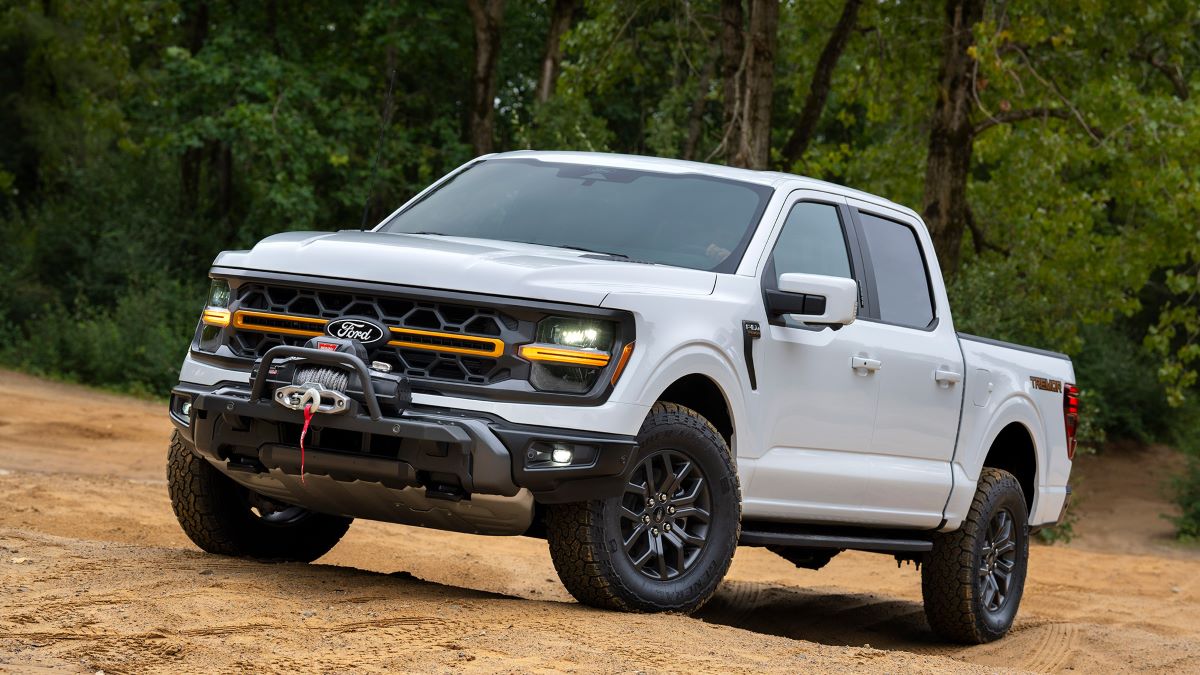
Equipped with optional Fox Dual Live Valve dampers and long-travel suspension, the Raptor practically invites drivers to launch off dirt mounds. Yet when it’s not tearing up ORV trails, the Raptor surprisingly tempers its aggressive character, cruising down the Interstate with smoothness that belies its rowdy nature.
At present, the turbocharged six-cylinder Ram 1500 RHO is the only truck capable of challenging the Raptor both on and off road, though the return of the supercharged V-8 Ram TRX could change that.
Under the hood, the standard F-150 Raptor features Ford’s high-output 450-hp twin-turbo 3.5-liter V-6, paired with a 10-speed automatic transmission that sends power to all four wheels via a standard four-wheel-drive system. The Raptor R, however, is an even more formidable predator.
It uses the supercharged 5.2-liter V-8 from the Shelby GT500, tuned to 720 horsepower and 640 pound-feet of torque. Along with other chassis enhancements, a choice of 17-inch rims, and standard 35-inch tires, the Raptor is also available with 37-inch BFGoodrich All-Terrain T/A K02 tires, which improve approach, departure, and breakover angles.
The Raptor R comes standard with the 37-inch tires, which raise ground clearance by 1.1 inches, putting the truck’s belly 13.0 inches off the ground. Every Raptor rides on a sophisticated suspension setup that includes Fox internal-bypass dampers and a five-link rear coil-spring system.
Only models equipped with 37-inch tires feature Fox Dual Live Valve shocks with continuously variable rebound control. Tuned by Ford Performance, these dampers deliver a smarter, smoother ride. During our test drive, the updated Raptor impressed us off-road with remarkable traction and ride quality, even on the most challenging terrain.
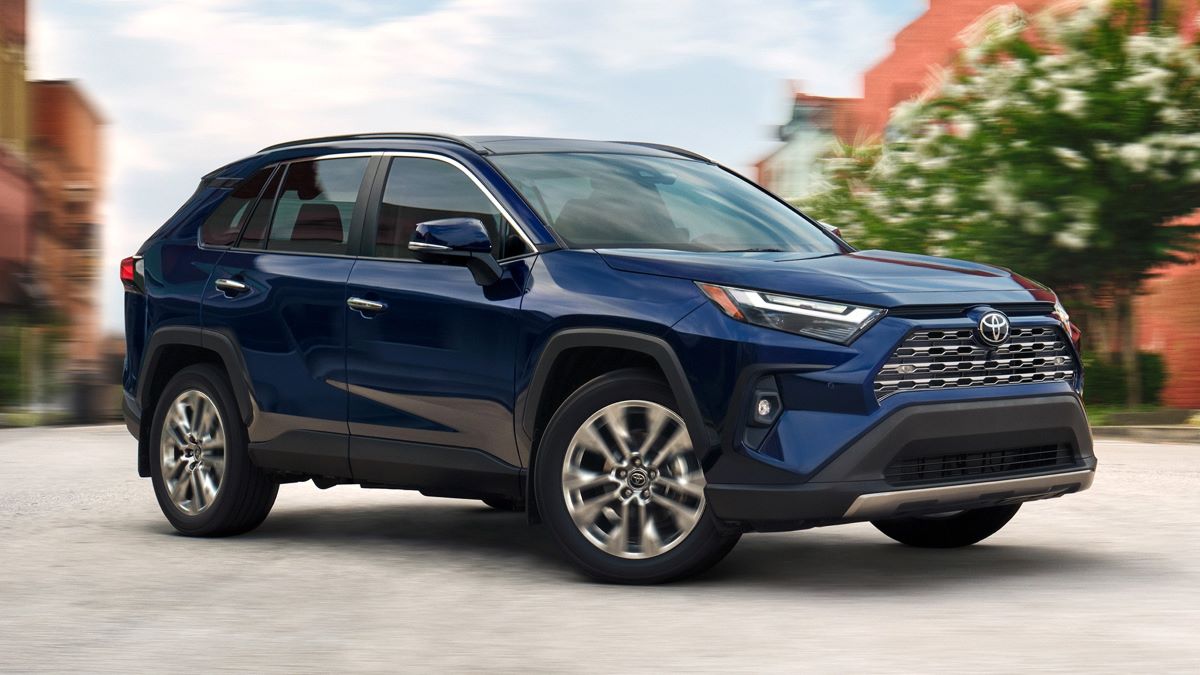
5. Toyota RAV4
The Toyota RAV4 is another SUV that excels in summer heat. Its A/C system is strong, efficient, and well-balanced for its cabin size.
The combination of a capable compressor, thoughtful vent layout, and reliable components ensures that the interior cools quickly and maintains a steady temperature.
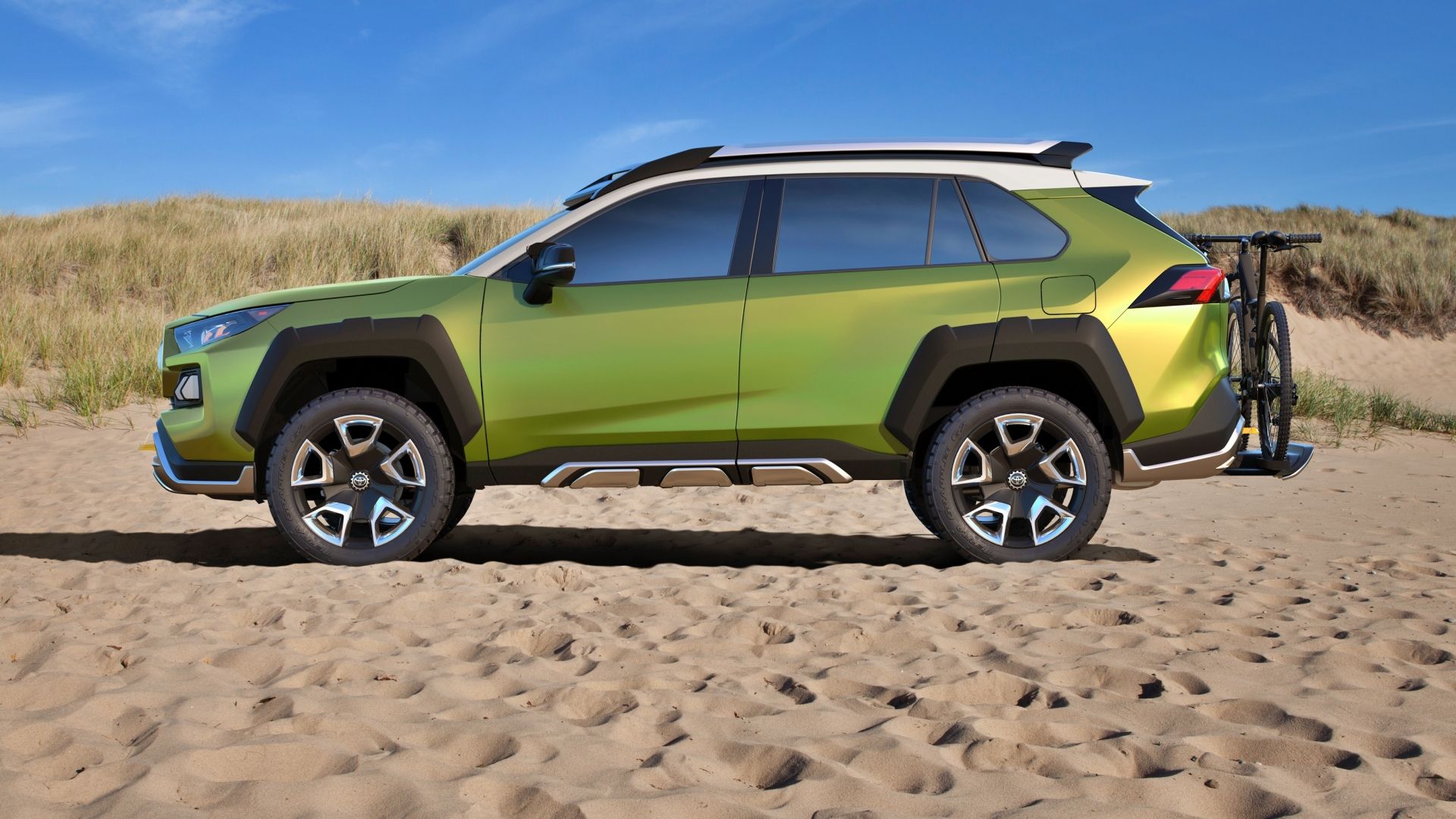
This makes the RAV4 a versatile choice for suburban families, commuters, or anyone who frequently drives in hot weather.
Its performance-oriented climate system, paired with solid fuel efficiency and interior space, gives it an edge over many competitors.
Also Read: 5 Jeeps That Neighbors Compliment vs 5 Forgettable Faces
Cars That Cool Slowly or Struggle in Hot Weather
Not all vehicles are created equal when it comes to beating the heat. Some cars struggle to keep cabin temperatures comfortable on scorching days, leaving drivers and passengers sweltering despite running the A/C at full blast.
In this section, we highlight models that are less effective in hot weather, helping you avoid a sweaty, uncomfortable ride during summer months.
1. Mini Cooper
While the Mini Cooper is stylish and fun to drive, it is notorious for weak A/C performance, particularly in hotter climates.
The system often struggles to cool the cabin quickly, leaving passengers uncomfortable during summer drives.
Its compact design doesn’t compensate for an underpowered compressor, and airflow can feel uneven, especially for rear-seat occupants.
Drivers in regions with consistently high temperatures often report needing additional solutions, such as supplemental fans or extended waiting periods before the cabin reaches a comfortable temperature.
Mini’s most recognizable models, the compact Cooper hatchback and convertible, receive a stylish new design for 2025 as part of a comprehensive makeover that modernizes both the car’s aesthetics and features. The Cooper Electric debuted first, confirming that the Cooper remains unmistakably Mini.
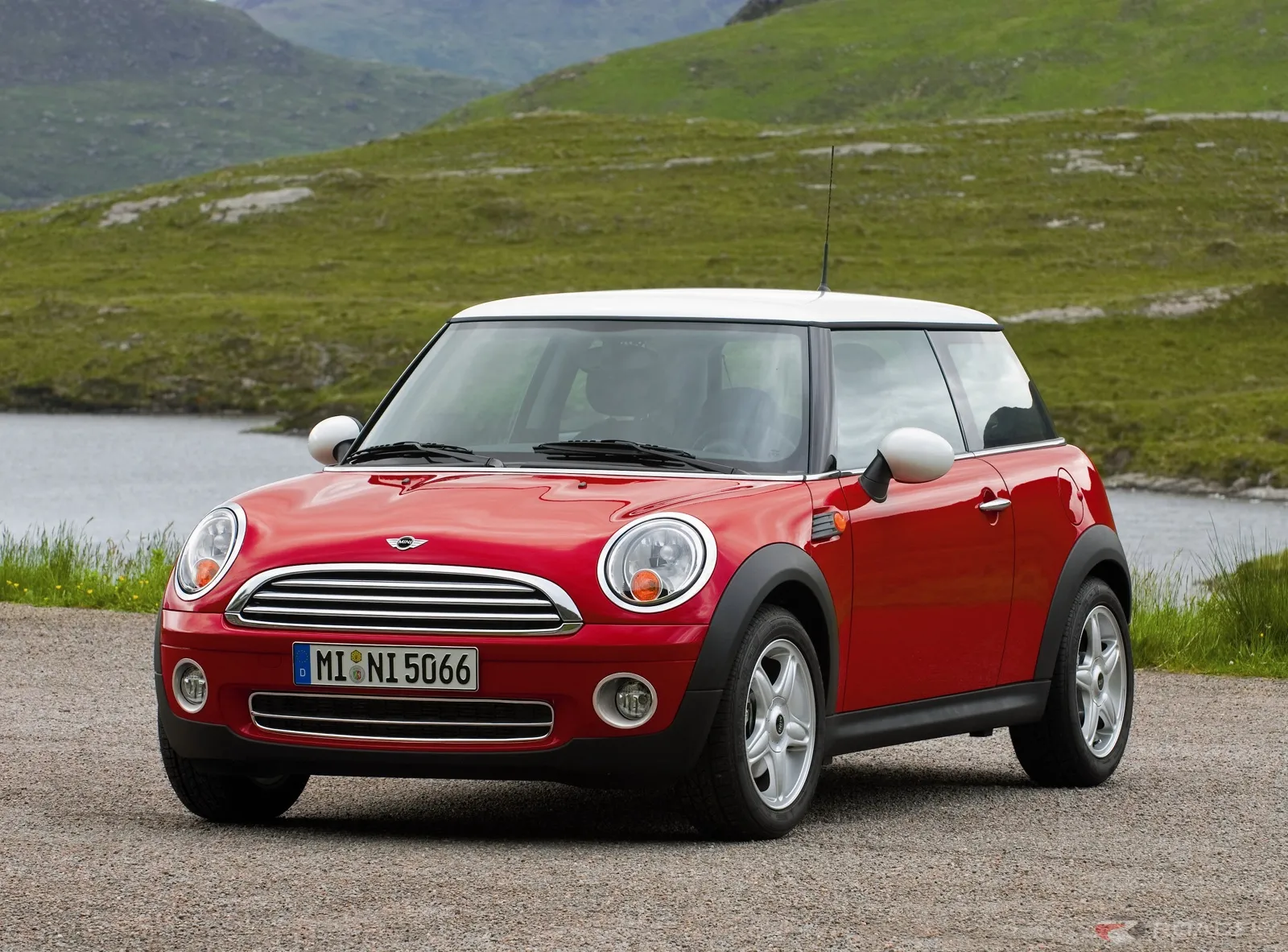
The gasoline-powered versions covered here look very similar and continue to offer a sportier S trim. Every model comes with a turbocharged four-cylinder engine paired with a seven-speed dual-clutch automatic transmission.
The base Cooper produces 161 horsepower, while the S trim increases output to 201 horsepower. Though the Cooper remains a small car, updates to the cabin create a more open and airy feel, and upgraded interior materials give the 2025 Cooper a more premium atmosphere.
During our drive of the Cooper S, we enjoyed the torquey engine and its characterful exhaust note. Handling remains sharp and agile, with the same lively cornering feel, while the driving experience is quieter and more refined than previous Minis. We also drove the convertible and found it equally enjoyable, if not more so, thanks to the added sunshine.
2. Chevrolet Cruze
The Chevrolet Cruze, especially the 2011–2016 models, has been criticized for slow or inconsistent cooling. Owners commonly note weak airflow, uneven temperatures, and refrigerant issues that worsen in extreme heat.
Rear passengers frequently experience less cooling than those in front seats, making longer drives uncomfortable. While the Cruze may be economical and reliable in other areas, its A/C system is less suited for sustained hot-weather performance.
The Cruze’s base powertrain is an energetic 153-hp turbocharged four-cylinder paired with a six-speed manual transmission. While we typically favor manual gearboxes, this one misses the mark. In our testing, the manual proved unenjoyable due to an overly light clutch pedal and long, imprecise shifter throws.
Equipped with the optional six-speed automatic, however, the Cruze accelerates with eagerness. The available diesel variant features a turbocharged four-cylinder paired with a nine-speed automatic. Although the diesel engine is louder and rougher than its gasoline counterpart, it is quiet enough at highway speeds to pass for a gas engine.
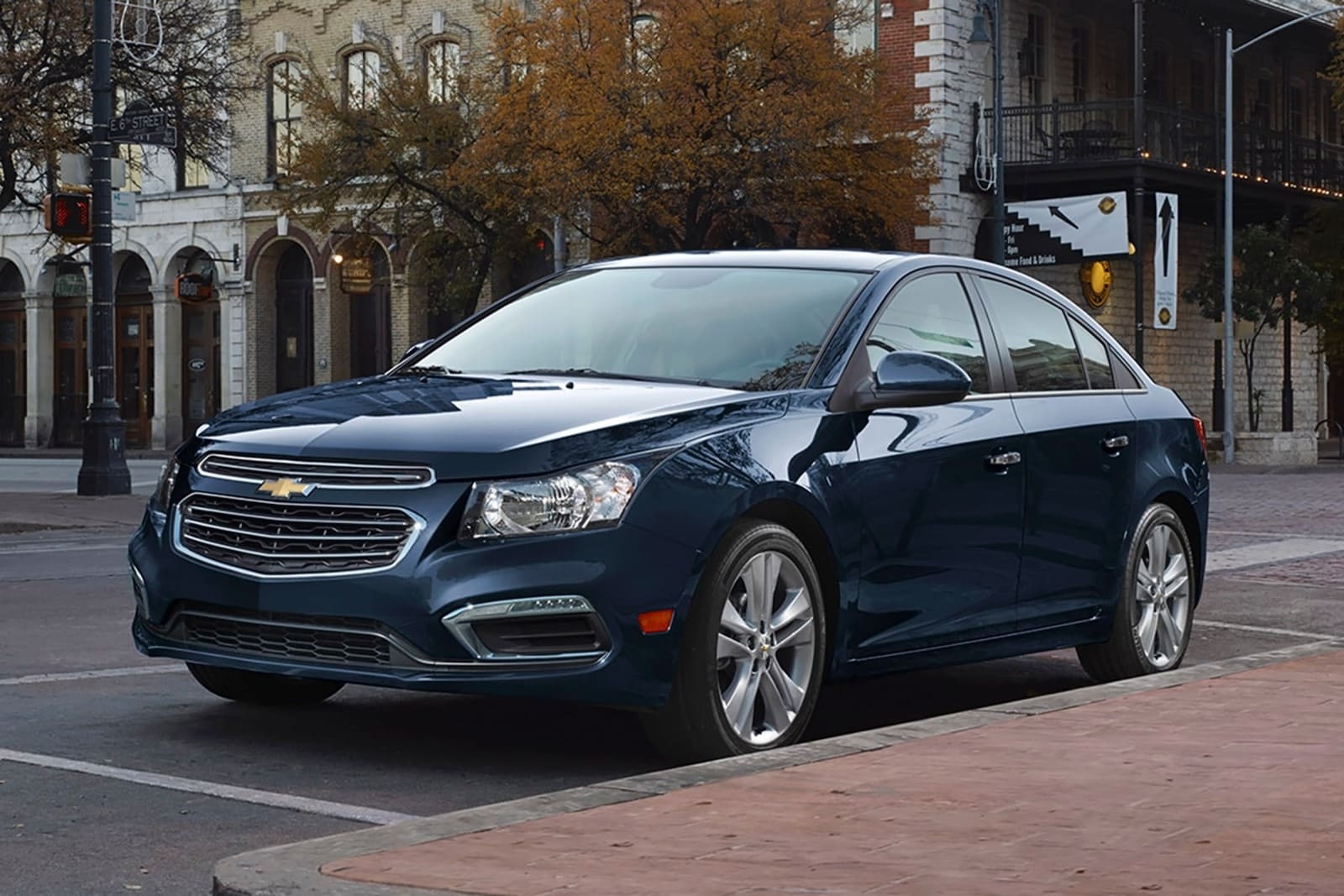
On the road, the Cruze feels substantial, larger and more stable than its compact dimensions might suggest. Steering is pleasantly weighted, and the car tracks straight while responding willingly to driver inputs.
The soft suspension makes the Cruze feel somewhat imprecise during aggressive cornering, but the trade-off is a smooth and comfortable ride over bumps and potholes.
3. Jeep Grand Cherokee
Older Jeep Grand Cherokee models, particularly 2011–2015, are known for A/C problems that can make summer drives uncomfortable. Reports of compressor failures, refrigerant leaks, and malfunctioning climate-control modules are common.

Even when the system works, the cabin can take a long time to cool, and airflow may be uneven. For buyers living in hot climates who want an SUV with consistent summer comfort, the Grand Cherokee’s early-generation models may not be the best choice.
4. Dodge Caliber
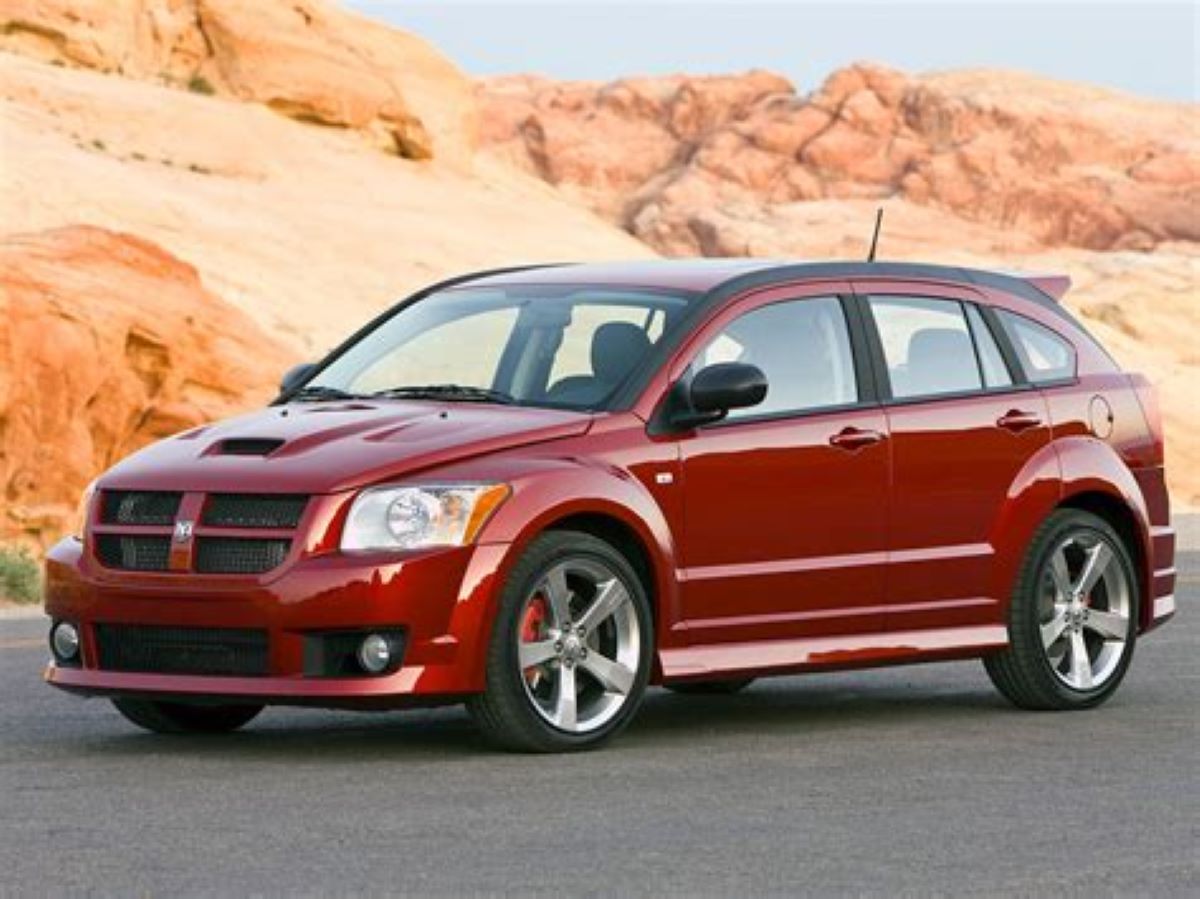
The Dodge Caliber, produced from 2007–2012, often struggles with slow or weak cooling. The system is undersized for the cabin and prone to refrigerant leaks or electrical issues, resulting in delayed or inconsistent A/C performance.
While the Caliber’s compact crossover design may appeal to budget-conscious buyers, its air conditioning limitations make it less suitable for regions with high summer temperatures.
Sharing its platform with the Jeep Patriot and Jeep Compass, the Dodge Caliber marked a bold entry by Chrysler into the compact crossover segment.
In 2006, Daimler and Chrysler were still under the same corporate roof, but their partnership was troubled. Chrysler’s sales were falling sharply, and the company needed a quick solution, which didn’t sit well with its German partner.
As a result, Chrysler used the platform it had co-developed with Mitsubishi in 2004, the same one underpinning the Jeep Patriot and Compass, to create the Caliber.
This approach allowed the automaker to bring the vehicle to market quickly. To boost sales, Dodge also kept the price relatively low, introducing the model in 2006 as a 2007 model year.
The Caliber’s styling immediately stood out, particularly at the front, where the crosshair grille was flat and vertical. The retro-inspired design included a taller hood than the fenders, echoing elements from the Durango and the first-generation Ram.
Round fog lamps were positioned below the bumper, depending on the trim. The model lineup included the SE, SXT, and R/T, while the high-performance SRT4 was regarded as a completely different beast compared to its siblings.
The Caliber replaced both the Dodge Neon and the Chrysler PT Cruiser. While it carried over some ideas from the PT Cruiser, it enhanced them enough to appeal to buyers.
The fenders were less pronounced than before but retained a muscular look, and the ascending beltline added a dynamic stance.
Despite the car’s angular shapes, the greenhouse featured an arched line sloping behind the C-pillars and included a third row of windows behind the rear doors. Standard alloy wheels were included across all grades, further boosting its appeal.
Inside, the Caliber’s design was practical and clever. The high-mounted seats and binocular-style instrument panel integrated the dials into individual clusters.
The center stack housed the stereo and HVAC controls, while the gear stick and a pair of cup holders sat on the center console. An adjustable armrest concealed additional storage between the front seats.
The rear offered room for three adults. However, the interior materials were a weak point, with hard plastics and upholstery that lagged behind the industry average.
Under the hood, Dodge offered a variety of gasoline engines. In Europe, the Caliber was available with a Volkswagen-supplied turbo-diesel engine. In the U.S., the SXT grade included a CVT, which was functional but noisy and generally unpleasant to drive.
Despite these issues, Dodge sold over 400,000 units worldwide, including markets in Japan and Australia, though the model came too late to rescue the troubled Daimler-Chrysler partnership.
5. Chrysler PT Cruiser
The Chrysler PT Cruiser, despite its unique retro styling, frequently disappoints in summer heat. Its A/C system is prone to weak performance due to underpowered compressors and poor airflow distribution.
Refrigerant leaks and early failures are common, leaving drivers waiting longer for the cabin to cool. While the PT Cruiser may work in mild climates, drivers in hotter states often find it inadequate for regular summer use.
For U.S. buyers in hot climates, A/C performance should be a priority alongside fuel efficiency, reliability, and safety. Sedans like the Toyota Corolla and Honda Accord provide consistent, fast cooling at a reasonable price point.
When it debuted in 2001, the PT Cruiser was a must-have on many buyers’ shopping lists, with customers often paying thousands of dollars over sticker price to secure one. By 2006, that level of demand had waned, prompting Chrysler to introduce a mid-cycle refresh.
The PT Cruiser’s main appeal was its retro-modern styling. Its tall greenhouse and rounded hood echoed designs from the 1950s, while the dashboard suggested an old family van with round analog dials. Modern touches were incorporated as well, including LED matrix displays reminiscent of early computer screens.
For 2006, the exterior received several updates. The headlights were reshaped, and the styling was smoothed overall. Both the front and rear fascias were redesigned, along with new wheel designs, though the vehicle retained the same distinctive look that had drawn crowds to dealerships in 2001.
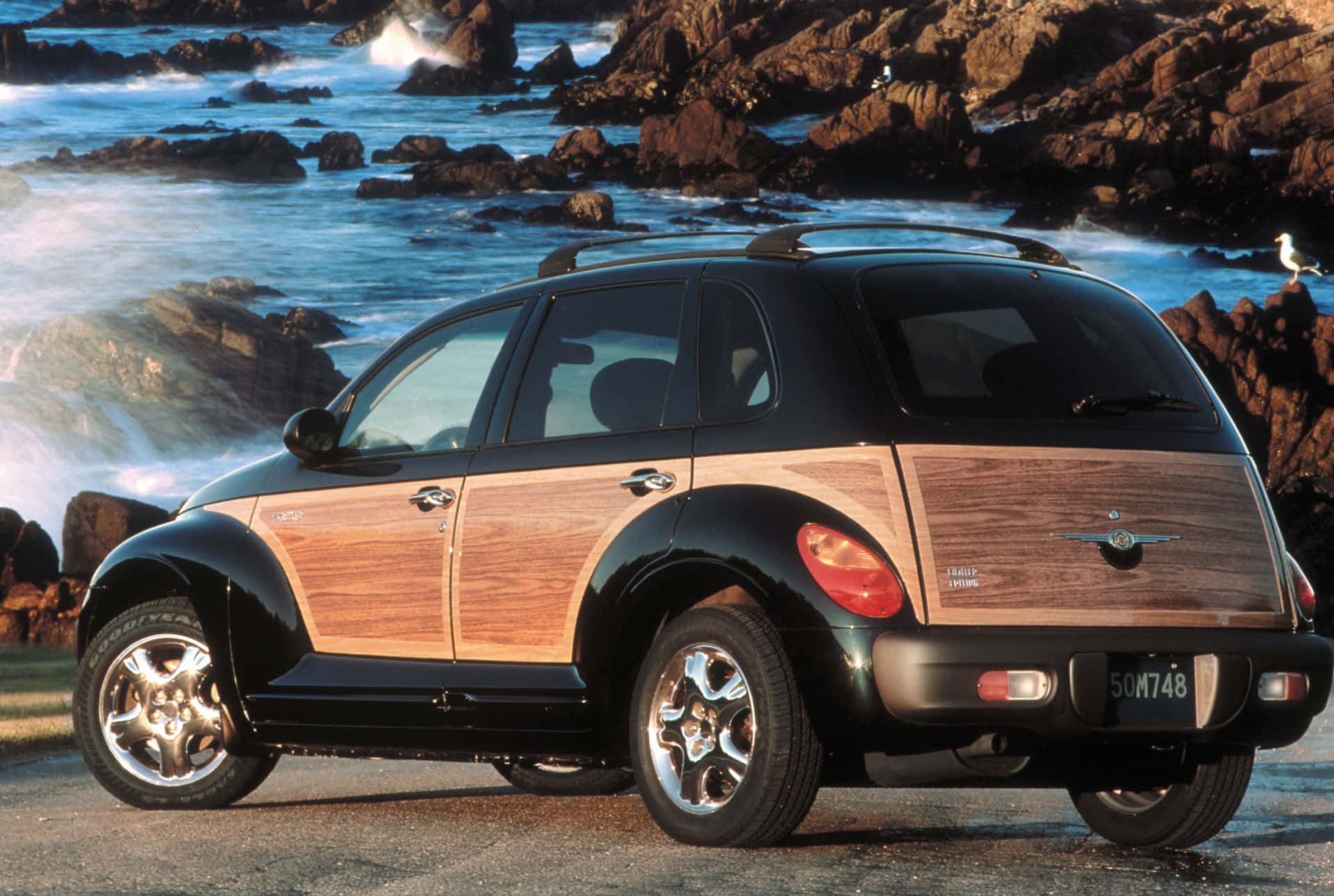
Inside, the refresh brought a new instrument cluster and updated door panels. The Limited and GT trims now feature a six-way power driver’s seat, and all models benefit from improved sound insulation. The audio systems across all trims were upgraded, and a 368-watt Boston Acoustics premium audio setup was offered as an option.
The drivetrain also saw notable improvements, particularly for the turbocharged version. While the 2001 model produced 180 hp, the 2006 turbo gained an extra 50 horsepower.
Standard ABS was not offered across the lineup, however, remaining available only on the GT and Limited trims. Another drawback was the rear suspension: despite being front-wheel drive, the PT Cruiser retained a steel beam rear axle, a design carryover from the 1950s inspiration.
SUVs like the Lexus RX 350 and Toyota RAV4 offer strong summer comfort with ample interior space, while trucks like the Ford F-150 combine utility with dependable A/C performance.
Conversely, cars like the Mini Cooper, Chevrolet Cruze, Dodge Caliber, Chrysler PT Cruiser, and older Jeep Grand Cherokee often struggle to deliver reliable cooling, potentially making hot-weather drives uncomfortable.
Prioritizing a strong, summer-proof A/C system ensures daily commutes, family trips, and long drives remain comfortable even during extreme heat.
For drivers who experience high temperatures regularly, investing in a car with a reliable climate system can improve overall satisfaction and prevent the frustration of slow-cooling or failing A/C systems.