
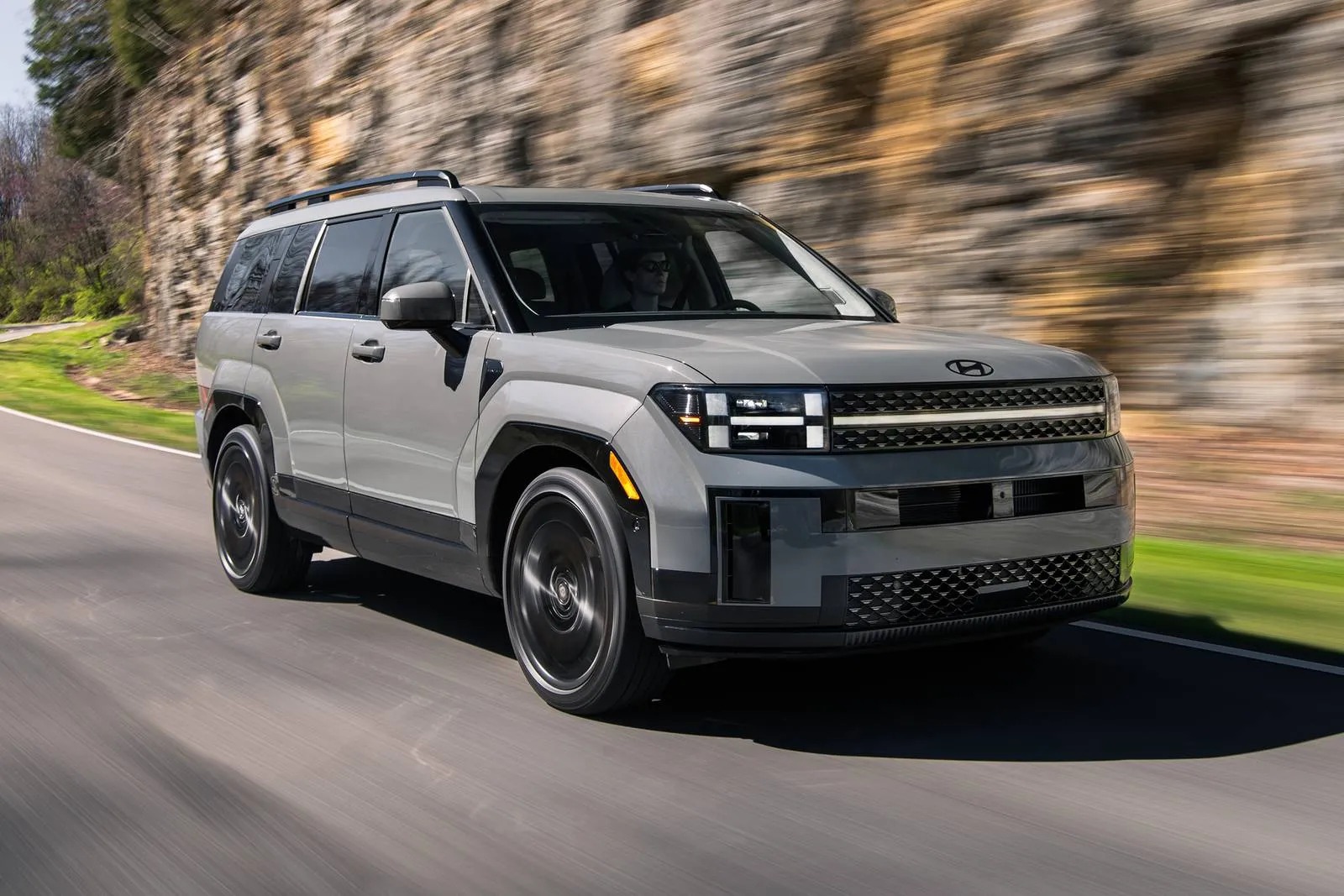
Most drivers want fuel economy figures they can rely on without feeling misled by glossy adverts or laboratory conditions that do not match common driving habits. People who use small SUVs often move between city errands, school runs, light commuting, and weekend outings, so honesty in fuel ratings becomes extremely helpful.
When a vehicle’s EPA numbers align with actual use, owners gain confidence in their purchase because they can budget fuel expenses with fewer surprises.
Not everyone cares for flashy horsepower claims. Some simply need a small SUV that performs as promised, saves money steadily, and behaves predictably during long-term ownership.
Plenty of new models now boast realistic efficiency results because manufacturers have begun tuning engines and transmissions to work smoothly in real scenarios.
Whether it is slow city movement, brief idling during traffic lights, or relaxed highway cruising, some SUVs show consistent behaviour that matches the advertised EPA figures. This type of dependability encourages drivers to plan long journeys with peace of mind because they know what to expect from their fuel tank.
A friendly thing about small SUVs is how they blend practicality with comfort while still delivering honesty in fuel usage. Buyers who value dependable ratings will appreciate vehicles that stay reasonably close to their EPA claims, even when roads and driving habits vary.
Each of the SUVs highlighted here has built a reputation for providing believable fuel numbers. They represent a mixed group of compact options that give drivers confidence that their fuel spending will not produce unexpected shocks. These models step forward as trustworthy choices for people who enjoy simplicity and truthful performance.

1. Toyota Corolla Cross LE
Drivers who appreciate steady performance with minimal surprises often find the Toyota Corolla Cross LE appealing because its EPA numbers remain dependable. A major advantage involves its modest 2.0-litre engine, which behaves consistently during city and highway movement.
Many owners report that their daily fuel usage aligns closely with published ratings, even when dealing with stop-and-go traffic. This predictability encourages confidence among drivers who simply desire honest mileage without needing complicated adjustments to their driving style.
Engine response feels calm and controlled, which helps the SUV remain efficient even when carrying extra weight from passengers or shopping bags. Another helpful element is its transmission programming.
Gear movements come smoothly and avoid unnecessary revving, which assists the Corolla Cross LE in maintaining realistic fuel results. Service technicians also appreciate how this model rarely struggles to maintain its economy as it ages, provided routine care is done on schedule.
Interior practicality supports the experience further. Because the cabin is laid out clearly, drivers remain relaxed rather than distracted, helping fuel consumption stay steady.
Cruise control behaves gently on long highway stretches, preventing sudden acceleration that could waste fuel. In city settings, the vehicle responds with measured power that suits its role as a comfortable and efficient daily companion.
Plenty of small SUVs exaggerate their numbers, yet this model continues to earn praise because what is printed on paper often appears on the driver’s trip computer with surprising accuracy.
Families, commuters, and first-time SUV users appreciate this honesty, making the Corolla Cross LE a friendly option for anyone who wants fuel figures that match expectations in real use.
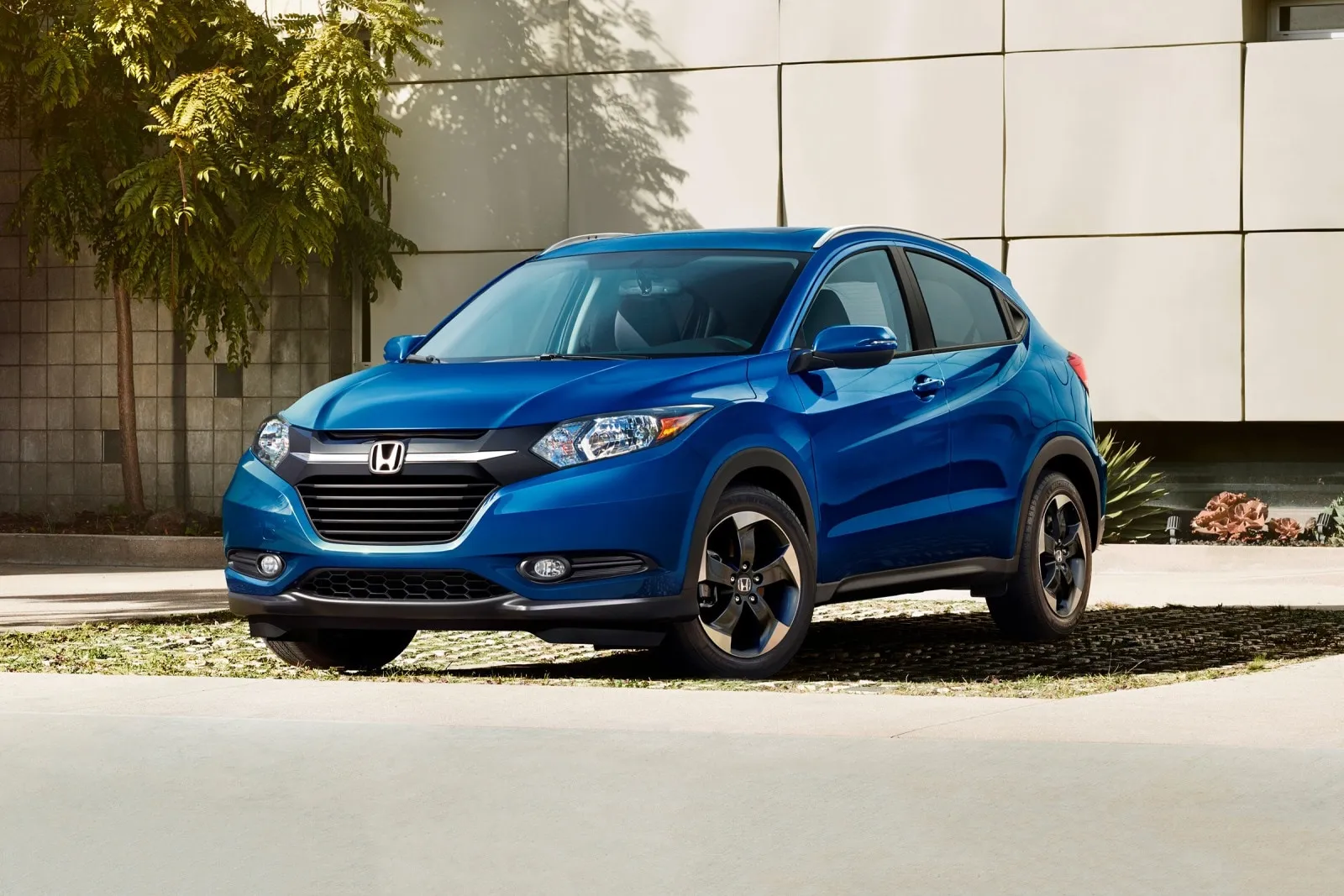
2. Honda HR-V EX
A different pattern appears with the Honda HR-V EX, where efficiency blends with smooth handling to produce believable EPA results. Many drivers explain that this model rarely strays far from its published ratings, especially when used for regular commutes.
The engine works with a gentle rhythm that supports steady driving without sudden bursts of fuel consumption. This stability has helped the HR-V EX build a reputation for honest day-to-day figures. Another strong point comes from the SUV’s aerodynamic shape.
Air passes around the body with ease, allowing the vehicle to keep fuel usage low at moderate highway speeds. Because of this lean shape, drivers also find that their fuel numbers stay consistent even when conditions shift slightly, such as crosswinds or light inclines.
Honda’s engineers designed the powertrain to maintain calm behaviour, which helps fuel usage stay faithful to expectations.
Inside the cabin, controls remain simple and inviting. Drivers rarely need to make constant adjustments, which contributes to smooth driving patterns that consume less fuel.
Many owners mention that the HR-V EX thrives when driven gently and rewards consistent habits with mileage that mirrors EPA claims. Those who perform frequent errands or commute across mixed conditions often find the numbers stay within a comfortable range.
Another advantage worth acknowledging lies in how the HR-V maintains its efficiency across long service life. Whether the trip involves urban movement or suburban stretches, the SUV shows reliable behaviour without huge swings in fuel consumption.
People searching for a small SUV that behaves honestly during real-life use will appreciate the HR-V EX for its predictable nature and calm personality.
Also Read: 10 Compact SUVs That Glide Over Speed Bumps

3. Mazda CX-30 Premium
Fuel honesty appears again in the Mazda CX-30 Premium, which pairs refined driving manners with EPA numbers that typically match owner experiences. Many drivers praise this model for giving them accurate expectations from the start.
Because the CX-30 Premium runs with a well-tuned 2.5-litre engine, it balances spirited movement with responsible fuel usage. Mazda engineers focus heavily on throttle sensitivity, ensuring the engine responds smoothly rather than aggressively, which helps the SUV retain realistic mileage.
A unique characteristic of this model comes from its cabin comfort. When passengers relax, and driving remains steady, fuel consumption stays consistently close to official ratings.
The supportive seats and quiet interior encourage calm behaviour, which prevents unnecessary acceleration. That directly contributes to believable fuel results during city traffic and longer highway journeys.
Its transmission moves with a measured rhythm, reducing strain on the engine. Many owners highlight how the CX-30 Premium avoids excessive gear hunting, especially in hilly areas. Because of this stability, users frequently see EPA numbers reflected accurately on their long-term average readings.
Practical design features also assist the model in delivering dependable results. Weight distribution feels balanced, and the chassis provides composed handling, allowing drivers to maintain smooth movement. Even when fully loaded with luggage or passengers, the SUV remains controlled enough to avoid sudden spikes in fuel consumption.
Mazda’s attention to engineering precision helps the CX-30 Premium stay honest about its fuel economy. Drivers wanting a small SUV that offers refined comfort without inflating mileage expectations often choose this model for its combination of accurate numbers, pleasant drive feel, and strong real-world performance.
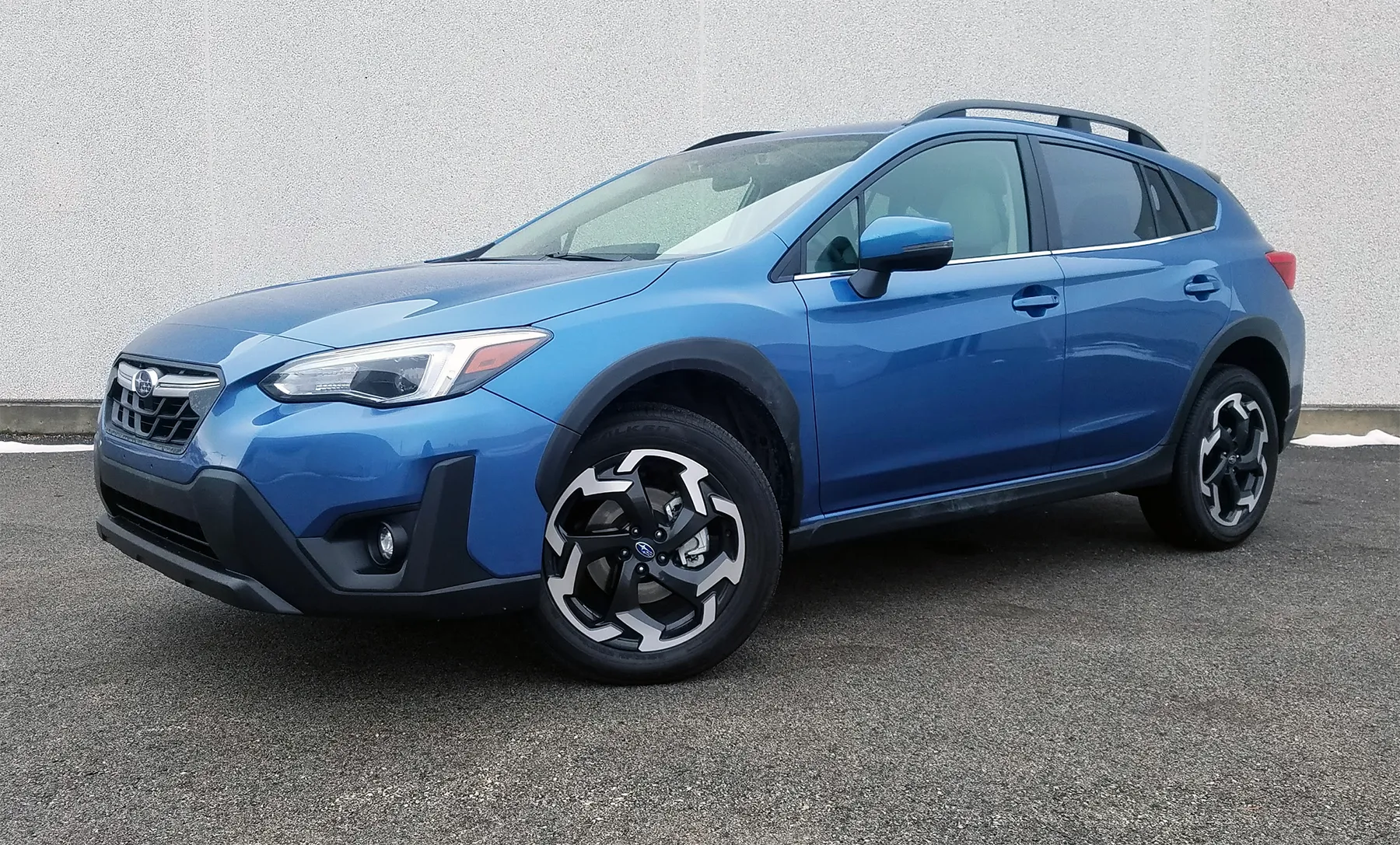
4. Subaru Crosstrek Premium
Some drivers prefer a model that stays consistent across different driving conditions, and the Subaru Crosstrek Premium fits that requirement well. This small SUV has earned a reputation for EPA numbers that match daily experiences with minimal deviation.
Its efficient boxer engine delivers power gently and rarely wastes fuel through unnecessary revving. Because of this balanced design, many users report that their fuel logs align closely with EPA figures, whether they drive through neighbourhood streets or longer suburban stretches.
Another helpful factor rests in its symmetrical power distribution system. Unlike some vehicles that burn extra fuel due to uneven energy transfer, the Crosstrek Premium maintains steady delivery without extra strain.
Drivers often appreciate how it encourages calm movement, keeping fuel consumption within expected boundaries. This stability helps even new drivers achieve realistic results without difficulty.
Interior practicality strengthens the experience further. Clear visibility encourages relaxed driving habits that naturally conserve fuel. Seats support long trips without fatigue, which again assists in maintaining predictable mileage. The cabin layout prevents distractions, ensuring drivers stay focused and steady as they move.
Owners who track fuel consumption across many months often mention how the Crosstrek Premium remains loyal to its EPA claims even during seasonal temperature changes.
Snow or rain may affect traction, yet fuel use rarely jumps drastically. That level of consistency appeals strongly to drivers who value transparent fuel expectations and long-term dependability.
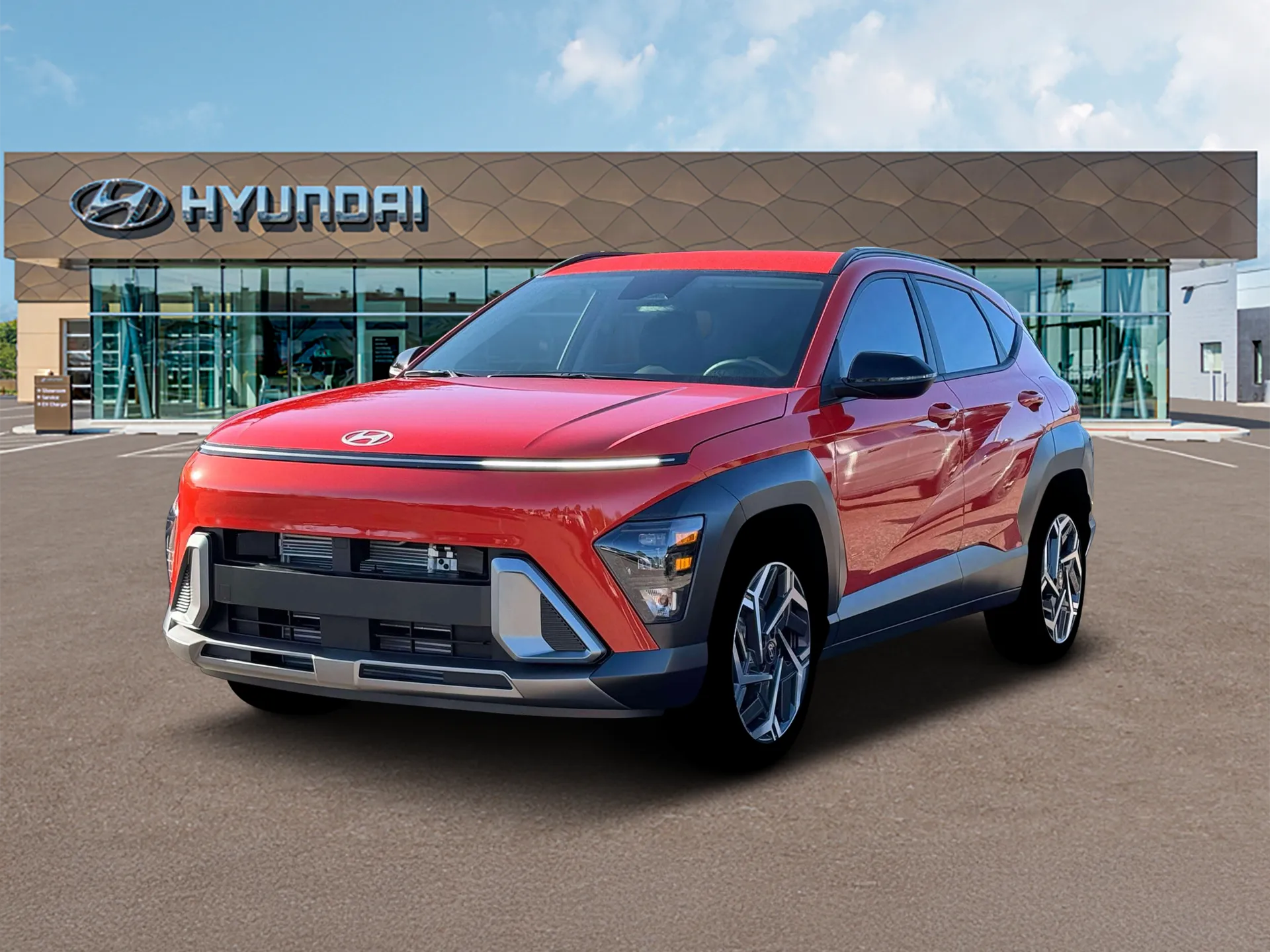
5. Hyundai Kona SEL
Drivers who enjoy compact SUVs that present true-to-life fuel numbers often praise the Hyundai Kona SEL because it behaves reliably in different traffic scenarios.
Many SUV buyers have come to appreciate the Kona SEL for its combination of responsiveness and honesty in fuel usage. Its engine delivers power without being aggressive, which helps it keep fuel consumption aligned with EPA ratings across many months of ownership.
A remarkable aspect of this model lies in its drivetrain tuning. Gear changes happen smoothly and avoid high-rev situations that waste fuel.
Because the transmission works in such a measured manner, the vehicle maintains calm behaviour even when roads involve frequent stops or slight inclines. This consistency supports the Kona SEL’s reputation for realistic mileage.
Cabin comfort encourages efficient driving habits as well. Clear instrumentation gives owners direct feedback, helping them adjust gently rather than harshly.
The seating position also encourages a relaxed posture, which influences driving style. Many owners discover that their actual consumption figures stay impressively close to the advertised ratings when they maintain steady habits.
Weight balance assists fuel performance further. The Kona SEL feels light on its wheels yet stable enough to avoid constant correction from the driver. Practical features such as cruise control assist highway efficiency by holding speed with minimal fluctuation.
Those searching for a small SUV that delivers dependable fuel readings throughout daily use will find the Kona SEL appealing. Drivers gain confidence knowing that their fuel budget will not be disrupted by unexpected surprises.

6. Kia Seltos S
Kia presents another honest performer with the Seltos S, which often receives praise for fuel ratings that genuinely reflect common driving patterns.
Many owners mention that their long-term averages stay close to EPA estimates, even when driving in busy city corridors. The Seltos S uses its four-cylinder engine in a balanced way, delivering just enough strength without wasting energy. This balance helps it maintain believable numbers.
Design choices contribute to its steady behaviour. Its body shape supports airflow in a manner that reduces resistance, keeping fuel usage low at stable speeds.
That aerodynamic advantage helps the Seltos S remain accurate in its fuel claims, especially during extended highway trips where some vehicles begin to deviate from EPA expectations.
Inside the cabin, a welcoming layout encourages simple and calm driving. The controls are arranged in a pattern that reduces distraction, helping the driver maintain smooth motion. Smooth driving naturally improves fuel economy, making it easier for owners to meet or stay near EPA estimates.
Transmission programming also increases credibility in the Seltos S. Gear transitions happen without abrupt movement, giving the engine room to operate efficiently.
Because of this careful balance, drivers who record their mileage across months often share how consistent the SUV remains. Even light loads, full loads, and varied weather seldom throw off the numbers drastically.
People drawn to simple, reliable, and efficient transportation appreciate this model for its honesty. It behaves predictably in most driving conditions, offering a trustworthy companion with transparent fuel performance.
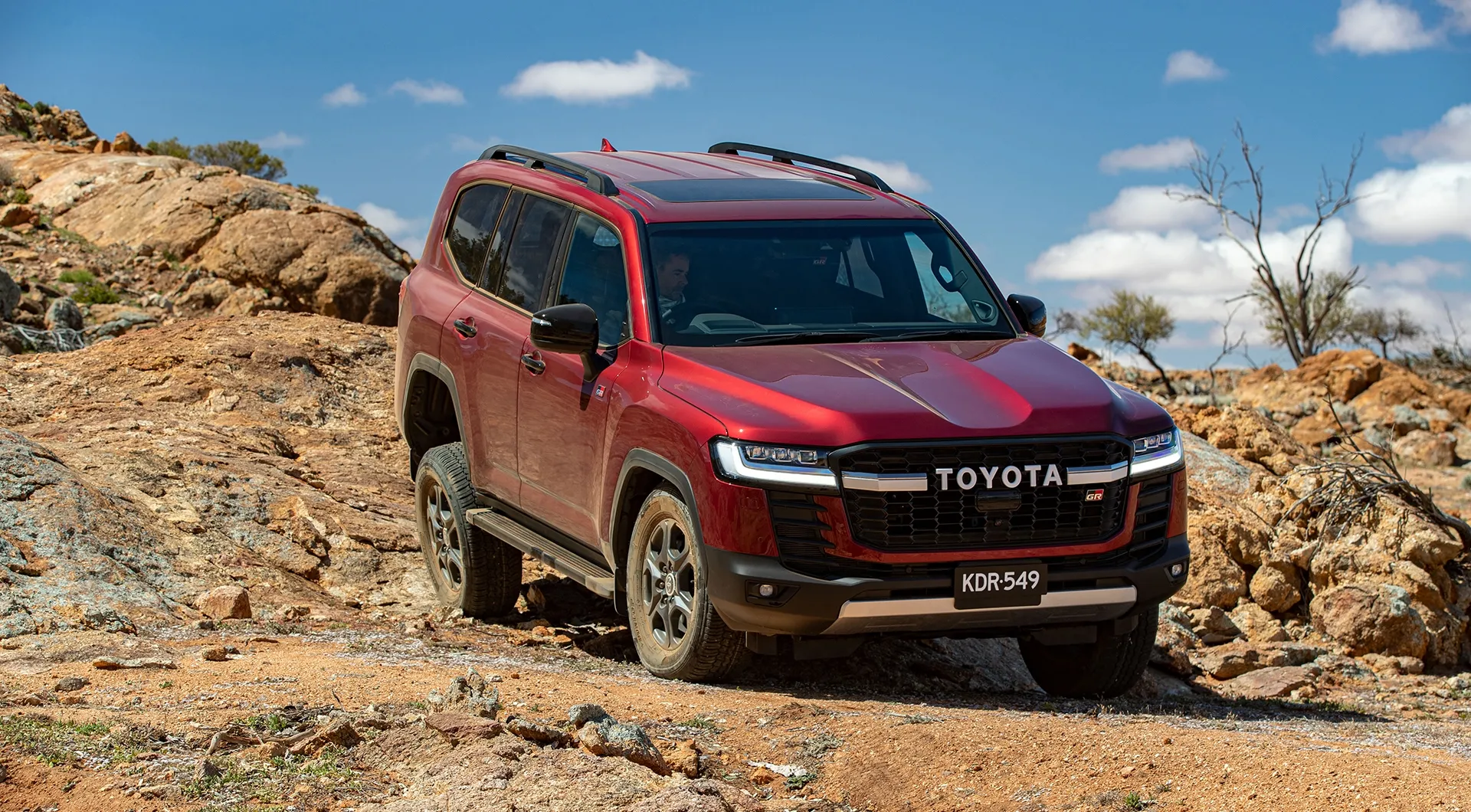
7. Toyota Land Cruiser 300
The Toyota Land Cruiser 300 remains one of the most respected large SUVs on the global market, and its cooling system is a central reason for this reputation. Toyota engineered the F33A-FTV twin-turbo diesel engine with a focus on strong heat management, allowing the vehicle to perform in extremely demanding environments.
The cooling unit features a high-capacity aluminium radiator with a large surface area, developed to optimise airflow and heat transfer even during prolonged operation under load.
This is particularly important for drivers who frequently travel across regions with high temperatures, dusty plains, or steep elevation changes. The twin-turbo configuration naturally generates significant heat, so Toyota equipped the model with a dedicated intercooler that ensures compressed air temperatures remain stable.
This contributes to more efficient combustion and supports consistent performance when towing or climbing. The electric cooling fan incorporates intelligent speed regulation to match the vehicle’s thermal demand, ensuring steady cooling without unnecessary energy consumption.
During extended off-road sessions, the Land Cruiser’s underbody airflow channels direct heat away from key components, including the transmission and differential housings.
This multipoint cooling approach prevents thermal buildup that could compromise performance during long journeys through remote or rugged environments. The system also employs robust coolant pathways designed to minimise blockages from dust or mud, maintaining reliable circulation.
In regions where fuel quality and ambient temperatures vary significantly, the F33A-FTV engine benefits from Toyota’s specially formulated coolant that resists boiling, corrosion, and early degradation.
This ensures long service intervals and reduces the risk of unexpected overheating. Altogether, the Land Cruiser 300’s cooling system reinforces its status as a dependable SUV that performs reliably in harsh terrains while offering confidence to drivers who require long-term durability.

8. Lexus LX 600
The Lexus LX 600 delivers a combination of refinement and rugged capability, and its carefully engineered cooling system contributes to its strong performance in hot climates.
The V35A-FTS twin-turbo V6 operates at high pressure and requires precise thermal management, so Lexus incorporated several layers of heat control to ensure the engine remains stable under all driving conditions.
The main radiator features a multi-fin design that increases cooling efficiency, supported by a high-output electric fan that adjusts its speed in response to engine temperature and load.
Because turbochargers generate intense heat during acceleration and towing, Lexus added a large intercooler to maintain cooler air intake temperatures.
This promotes consistent power delivery and helps protect the turbos from excessive thermal stress. The intercooler works in combination with the vehicle’s intelligent thermal-flow routing, which channels airflow across the engine bay to reduce hotspots that could affect electronics or auxiliary components.
The LX 600 also features a transmission oil cooler designed for steep climbs, stop-and-go traffic, or slow off-road movement, where gearbox temperatures typically rise. This improves long-term durability and ensures smoother gear transitions even under load.
Another major element is the electronically controlled thermostat that manages coolant flow with higher precision than traditional mechanical units, enabling faster warm-up and more efficient temperature regulation.
Under heavy towing or during long-distance travel across warm regions, the cooling system adjusts automatically without reducing cabin comfort. Lexus designed the climate control and engine cooling systems to operate independently, ensuring that passenger comfort is not compromised during high thermal demand.
These features make the LX 600 a dependable luxury SUV capable of handling demanding African environments while maintaining the smoothness expected from the Lexus brand.
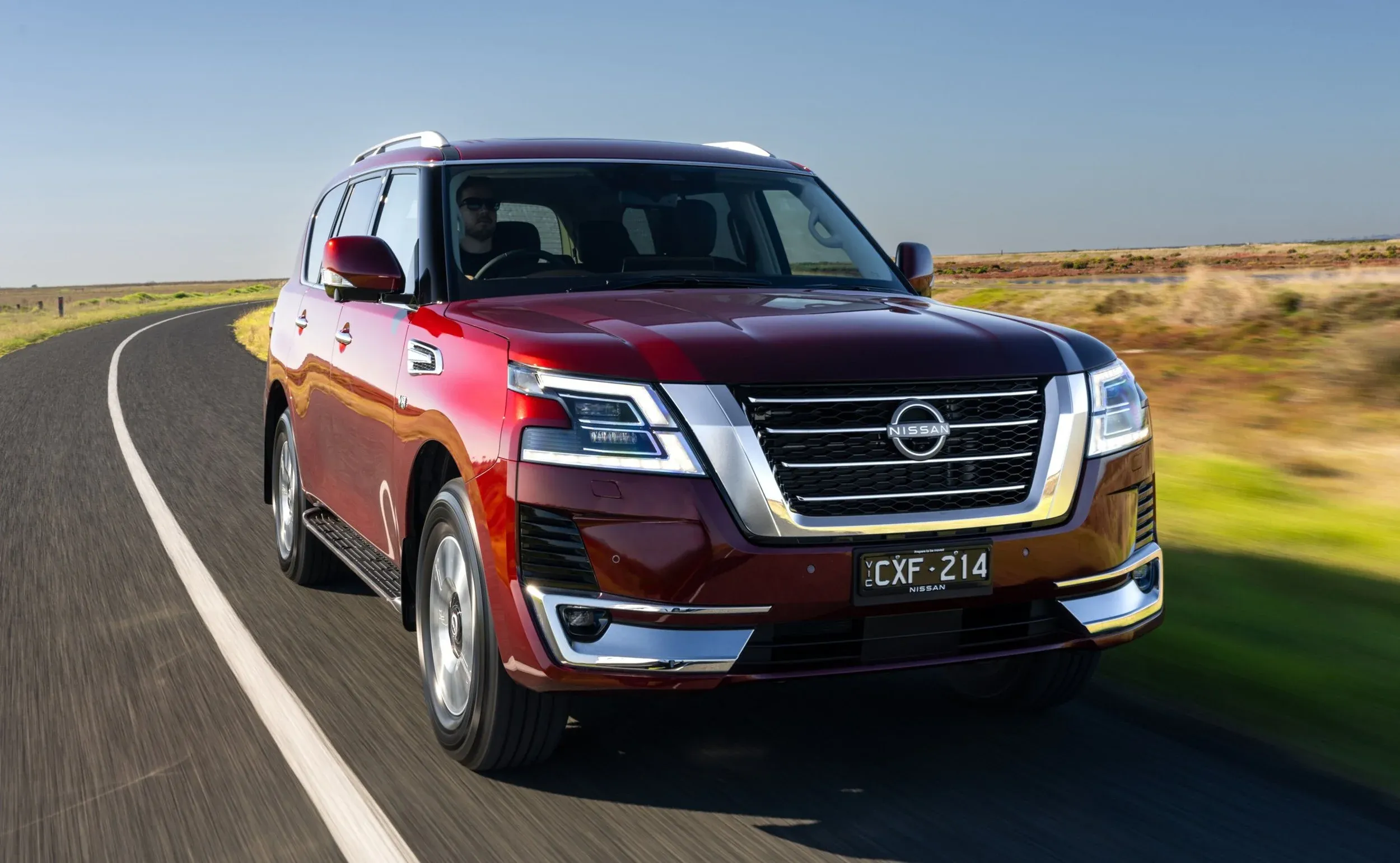
9. Nissan Patrol Y62
The Nissan Patrol Y62 is widely regarded for its ability to perform reliably in high-temperature environments, and its extensive cooling system plays a major role in its durability.
The VK56VD 5.6-litre V8 engine produces substantial heat due to its high displacement, so Nissan equipped the Patrol with a heavy-duty radiator featuring a wide-core design that improves coolant circulation and heat dissipation.
This design supports long highway drives, off-road expeditions, and situations that require prolonged idling, such as low-speed dune or forest navigation.
The cooling system includes a powerful electronically controlled fan that increases speed when the vehicle is subjected to intense load or high ambient temperature. This ensures constant airflow across the radiator even when the vehicle is moving slowly or climbing, where natural airflow may be insufficient.
Additionally, the Patrol incorporates a transmission oil cooler that stabilises gearbox temperatures when towing, climbing steep slopes, or carrying reasonable passenger and cargo weight.
The VK56VD engine also benefits from an effective oil-cooling mechanism that ensures lubricant stability, improving engine longevity.
Nissan engineered the cooling passages within the block and heads to handle thick oil at high temperatures, reducing the risk of thermal thinning. This is particularly important for drivers who travel across regions where daytime temperatures can rise very well.
In dusty or sandy environments, airflow obstruction is a major concern, so the Patrol features a grille and air-duct design that minimises particle buildup. This allows the radiator to remain efficient even after extended exposure to harsh conditions.
Combined with strong sealing and corrosion-resistant materials, the system ensures long-term reliability. The Patrol’s cooling framework reinforces its reputation as a durable SUV suitable for remote travel, family use, and professional applications in warm climates.
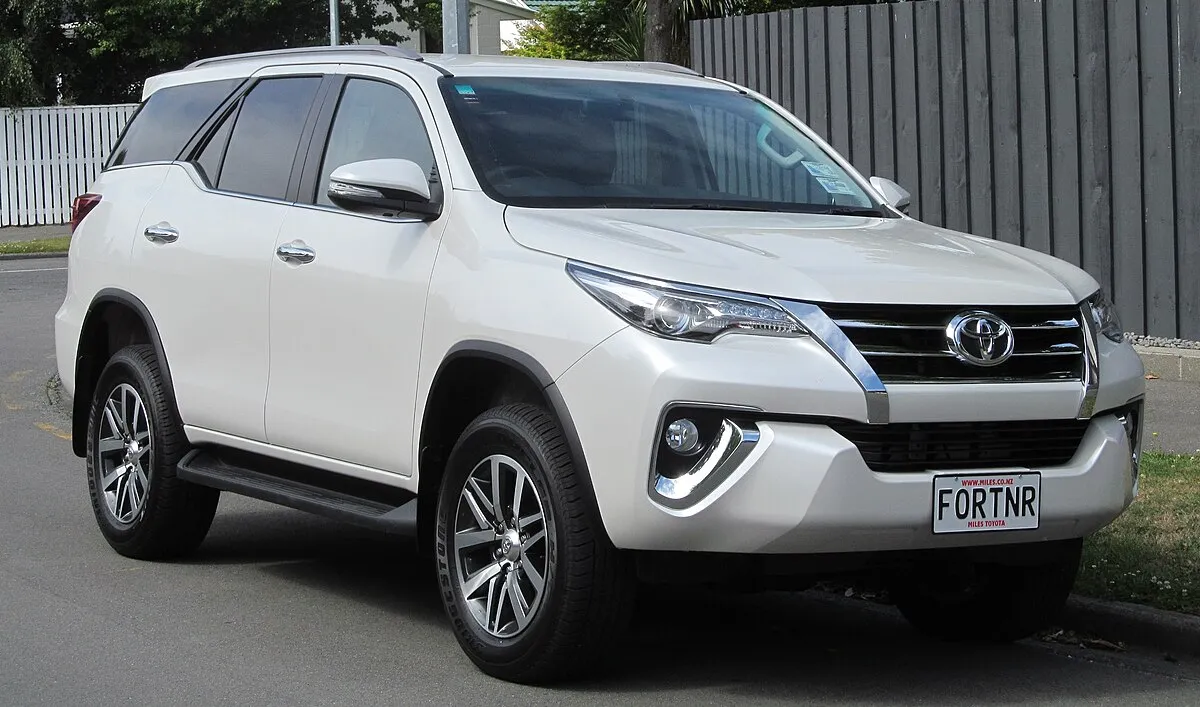
10. Toyota Fortuner
The Toyota Fortuner is widely recognised for its balanced performance and practicality, supported by a cooling system that ensures dependable operation across diverse driving environments.
The 1GD-FTV turbo-diesel engine is engineered for efficiency and durability, and its cooling components contribute to stable engine temperatures during routine commuting, long-distance journeys, and off-road activity.
The radiator is designed with wide-flow channels to promote strong coolant movement, while the aluminium construction enhances heat transfer efficiency.
The turbocharger relies on a well-positioned intercooler that moderates intake air temperature, ensuring the engine maintains strong performance without overheating.
This is particularly beneficial during overtaking, climbing, or heavy-load travel, where the turbo is engaged more aggressively. Toyota’s electronically regulated thermostat allows precise management of engine temperature, improving fuel combustion and reducing thermal strain during extended use.
A key advantage of the Fortuner is the widespread availability of its cooling components across the African market, which simplifies long-term maintenance and ensures that replacement parts are easy to access even in remote areas.
The coolant used in the 1GD-FTV engine is formulated for high-temperature resistance and corrosion protection, supporting extended service intervals.
When travelling across rough or dusty environments, the Fortuner’s airflow channels help prevent debris accumulation on the radiator surface.
The fan shroud and grille design guide air efficiently into the cooling system, improving thermal performance during low-speed off-road driving. Additionally, the transmission cooling function supports smooth gear operation during towing or steep hill climbing, reducing the risk of overheating under load.
The Toyota Fortuner’s cooling system is structured to ensure reliability, affordability, and strong performance regardless of driving conditions. These characteristics contribute to its popularity among families, fleet operators, and outdoor enthusiasts who require a dependable SUV suited to African roads and climates.
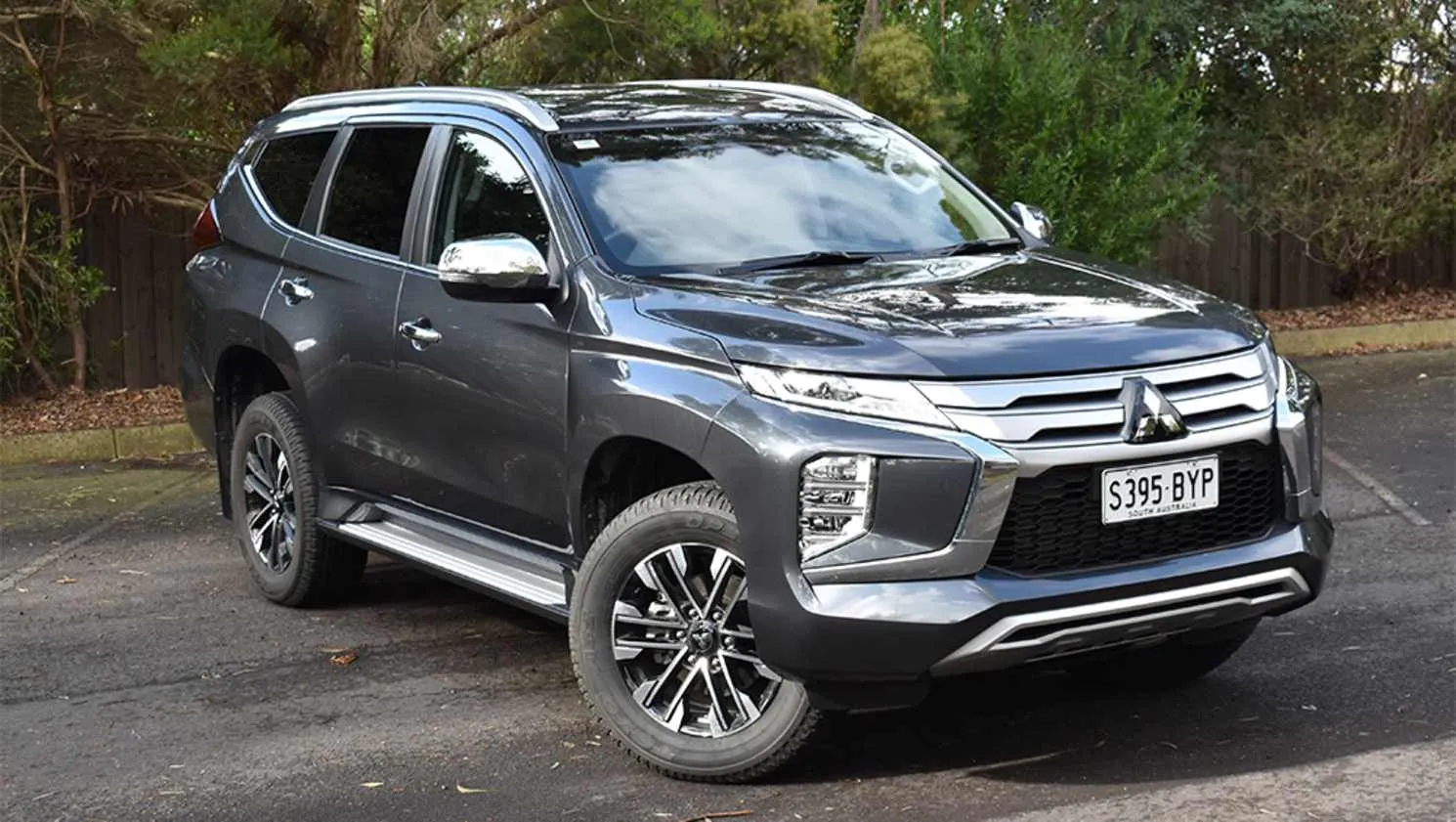
11. Mitsubishi Pajero Sport
The Mitsubishi Pajero Sport continues to stand out due to its efficient cooling system that enhances both performance and durability. The 4N15 MIVEC turbo-diesel engine is engineered with lightweight aluminium construction, which naturally dissipates heat more effectively than traditional cast-iron designs.
This contributes to a more stable thermal profile even when the vehicle is subjected to demanding usage. The Pajero Sport features a high-capacity radiator enhanced by a wide-fin configuration that increases airflow and coolant circulation.
The intercooler plays a role in maintaining optimal performance by ensuring that the compressed air entering the combustion chamber remains sufficiently cool. This stabilises engine efficiency during acceleration, towing, or long-distance travel.
Mitsubishi also incorporated a responsive thermostat system that regulates coolant flow based on engine temperature, ensuring faster warm-up and reliable heat management during heavy usage.
During off-road driving, where the vehicle may move at slower speeds, the Pajero Sport benefits from a strong electric fan that compensates for reduced natural airflow.
This helps the cooling system maintain stability during hill climbs, rocky trails, or sandy roads where load increases and temperatures rise. The transmission is also supported by a dedicated cooling channel that helps protect the gearbox during extended towing or going through steep gradients.
The cooling hoses, seals, and pathways are reinforced to withstand high heat, vibration, and long-term stress. This resilience makes the Pajero Sport suitable for regions where temperature fluctuations and rough-road exposure are common. Mitsubishi designed the coolant mixture to resist corrosion and scale buildup, ensuring a longer lifespan for the entire system.
These combined features allow the Pajero Sport to deliver consistent performance while reducing the likelihood of overheating. Its engineering provides a dependable platform for drivers who require an SUV capable of handling challenging road conditions and heavy workloads across warm climates.
Also Read: 10 SUVs That Clean Up Fast After Beach Trips
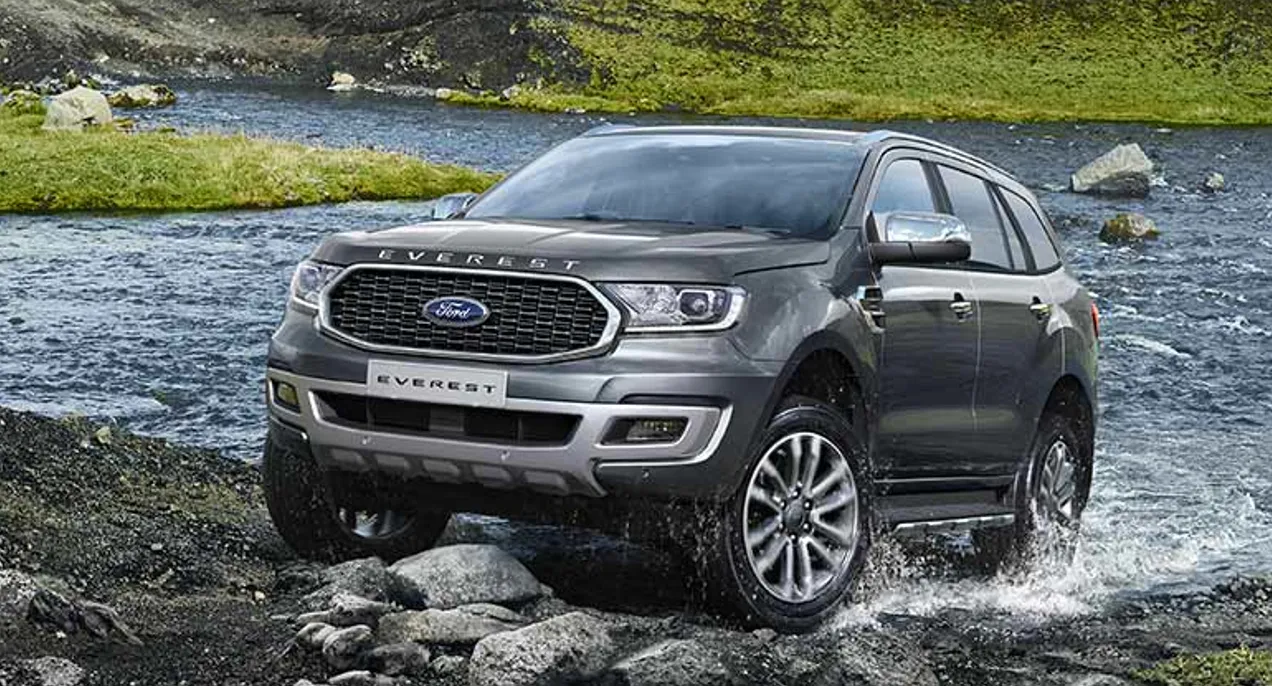
12. Ford Everest
This Ford Everest’s 2.0-litre Bi-Turbo EcoBlue engine is supported by a sophisticated cooling system designed to maintain efficiency, reliability, and engine health during diverse driving situations.
The cooling configuration uses a large dual-core radiator engineered to increase heat dissipation while retaining compact packaging suitable for modern SUVs.
The radiator works alongside an electronically controlled cooling fan that responds quickly to temperature changes, ensuring stable performance even during heavy towing or off-road navigation.
The engine features a twin-turbo setup that requires careful thermal management due to the heat produced by each turbocharger. Ford addresses this by integrating a high-capacity intercooler that lowers intake air temperature, improving combustion efficiency and sustaining power delivery during challenging driving sessions.
The EcoBlue engine architecture also includes dedicated cooling channels within the cylinder head and block, which help distribute heat evenly and reduce the formation of hot spots that could compromise engine durability.
The Everest uses a smart thermostat system that adjusts coolant flow according to conditions, supporting faster engine warm-up and reduced fuel consumption.
During off-road use, the cooling system compensates for reduced airflow with its high-output fan, making it reliable during slow-speed trails or steep climbs. For towing or carrying heavy loads, the transmission cooler plays an essential role in maintaining gearbox stability and preventing temperature-related wear.
Ford also considered the environmental challenges common in African markets, such as dust, heat, and humidity. The airflow pathways are shaped to limit dust accumulation on the radiator, maintaining optimal cooling efficiency over long distances.
The coolant mixture is formulated to handle wide temperature ranges, minimise corrosion, and extend service life. These elements combine to give the Ford Everest a balanced and dependable cooling architecture.
Its system supports comfortable daily driving while remaining strong enough for extended travel across demanding roads, making it suitable for families, explorers, and professionals who need a capable and thermally stable SUV.
