
In an era where technology dominates every aspect of our vehicles, the nighttime driving experience has become increasingly compromised by an overwhelming barrage of bright screens, glowing indicators, and distracting ambient lighting.
For many drivers, the constant illumination from infotainment systems, digital clusters, and poorly designed interior lighting creates eye strain, fatigue, and a less relaxing driving environment.
However, a select group of automotive manufacturers have recognized this growing concern and developed vehicles that prioritize a serene, properly dimmed cabin atmosphere after dark.
These thoughtfully designed cars understand that nighttime driving should be calming rather than stimulating. They feature carefully calibrated ambient lighting systems, easily dimmable displays, and intuitive controls that allow drivers to create the perfect low-light environment.
From luxury sedans to practical family vehicles, these automobiles prove that advanced technology and peaceful nighttime ambiance can coexist harmoniously.
The vehicles on this list have been specifically engineered with human-centric lighting design, offering customizable brightness levels, warm color temperatures, and the ability to minimize visual distractions without sacrificing functionality or safety.
Whether you’re commuting home after a long day or embarking on a peaceful evening drive, these cars transform the nighttime cabin into a sanctuary of calm, helping drivers arrive at their destinations feeling relaxed rather than overwhelmed by sensory overload.
1. Mercedes-Benz S-Class
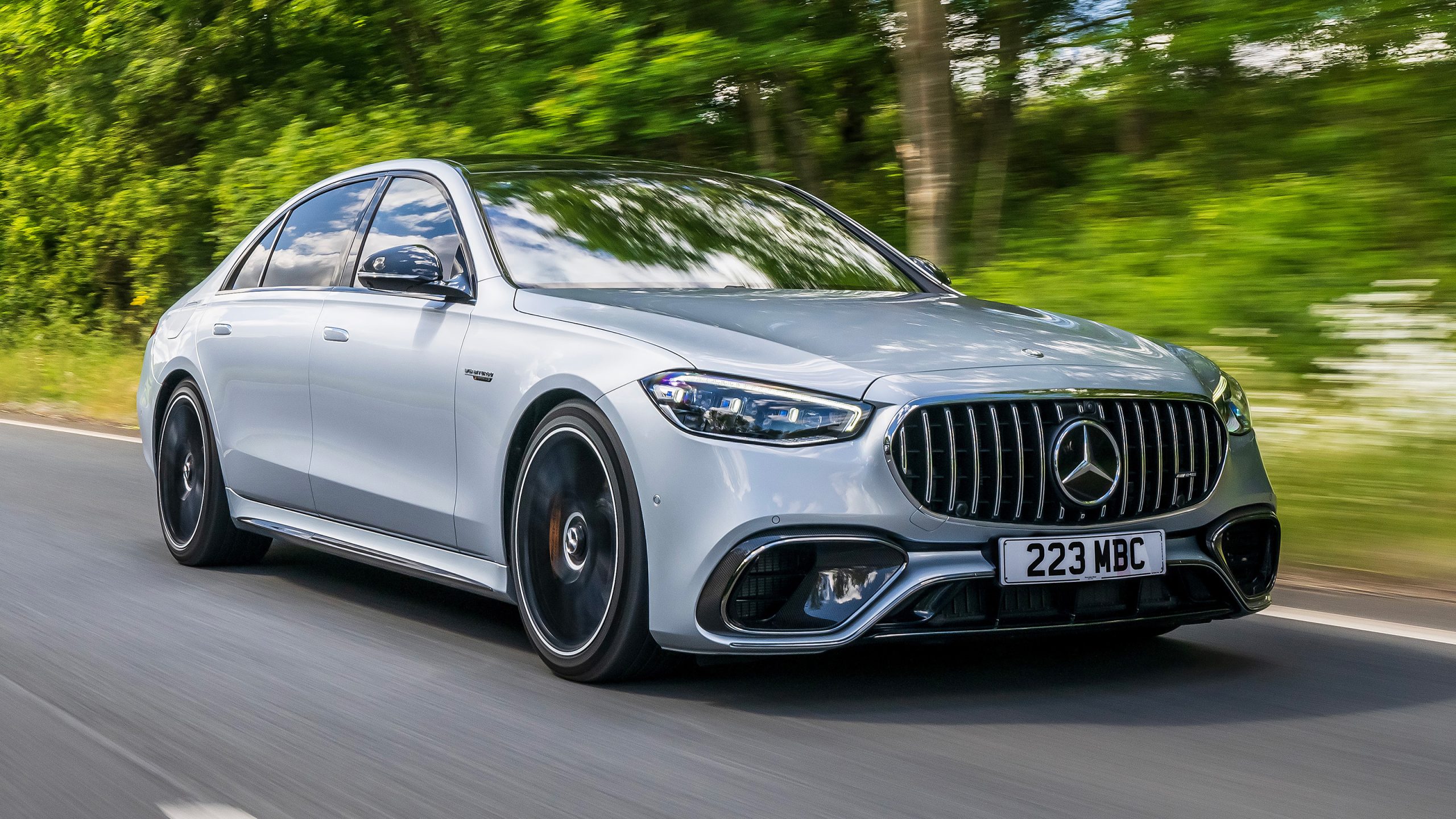
The Mercedes-Benz S-Class has long been the benchmark for automotive luxury, and its approach to nighttime cabin ambiance sets the standard for the entire industry.
Mercedes understands that true luxury isn’t just about having technology it’s about having control over that technology, especially when darkness falls.
The S-Class features one of the most sophisticated ambient lighting systems available, with 64-color customization and brightness levels that can be adjusted to near invisibility.
The real genius lies in the integration: every screen, gauge, and display can be dimmed independently, allowing drivers to create their perfect low-light environment.
The digital instrument cluster features a special night mode that reduces brightness while maintaining excellent readability, using carefully chosen color schemes that minimize eye strain.
What truly distinguishes the S-Class is its attention to detail. The central infotainment screen can be dimmed to the point where it’s barely perceptible in peripheral vision, yet remains perfectly legible when you look directly at it.
The head-up display adjusts automatically to ambient conditions, never overwhelming your field of vision. Even the door panel lighting and footwell illumination can be fine-tuned or completely disabled.
The cabin materials themselves contribute to the serene atmosphere. Mercedes uses matte finishes on most surfaces to prevent unwanted reflections from any lighting source.
The leather, wood, and metal trim are selected not just for their tactile qualities but for how they interact with low light. Nothing shines, glares, or distracts everything serves the goal of creating a peaceful environment.
The S-Class also features intelligent lighting management that responds to driving conditions. On well-lit highways, the system can automatically reduce interior brightness, knowing that external lighting provides adequate visibility.
The thoughtful programming extends to convenience features: opening the door at night triggers only minimal lighting, preserving your night vision while providing just enough illumination for safety.
2. Volvo XC90
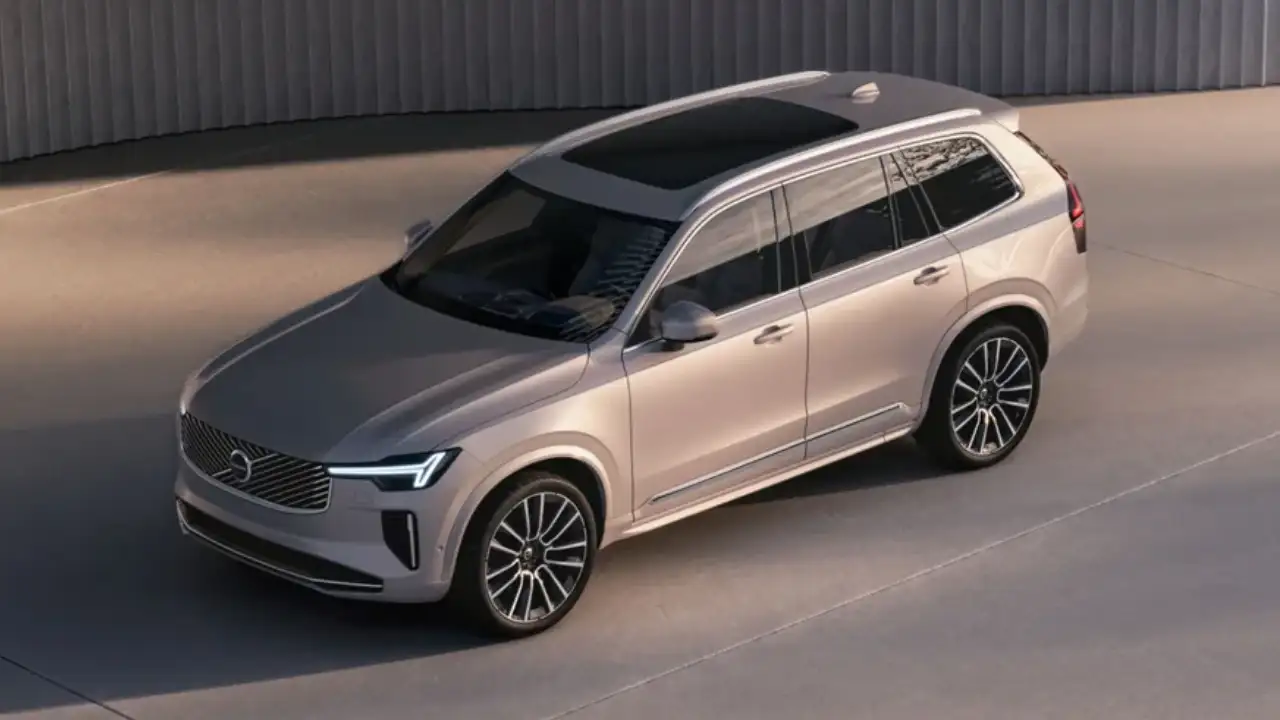
Volvo’s Scandinavian design philosophy emphasizes simplicity, functionality, and human wellbeing, making the XC90 an excellent choice for those who value a calm nighttime cabin.
The Swedish automaker’s approach to interior lighting reflects the Nordic appreciation for cozy, subdued environments a concept known as “hygge” that translates beautifully to automotive design.
The XC90’s vertical touchscreen infotainment system includes an exceptionally effective night mode that dramatically reduces brightness while maintaining clarity.
Unlike many competitors who simply dim their displays, Volvo redesigns the interface for nighttime use, employing darker backgrounds and reducing unnecessary visual elements.
The digital instrument cluster follows the same philosophy, presenting only essential information in a clean, uncluttered format that’s easy on the eyes. Volvo’s ambient lighting system is understated compared to some competitors, which is precisely the point.
Rather than offering dozens of colors, the XC90 focuses on a carefully curated selection of warm, calming tones that enhance the cabin’s tranquil atmosphere without becoming a distraction.
The lighting is strategically placed to provide subtle guidance and depth without creating hotspots or harsh contrasts. The materials throughout the XC90 cabin are chosen for their natural, matte appearance.
The leather upholstery, wood trim, and textile surfaces absorb rather than reflect light, contributing to the sense of calm. The panoramic sunroof features an integrated shade that completely blocks light when desired, transforming the cabin into a cocoon-like environment perfect for peaceful night driving.
Volvo also demonstrates exceptional restraint with warning lights and indicators. The XC90 doesn’t assault drivers with unnecessary notifications or brightly colored alerts unless truly warranted.
This thoughtful approach means that when a light does illuminate, it carries genuine importance rather than being lost in a sea of constant visual noise.
3. Audi A8
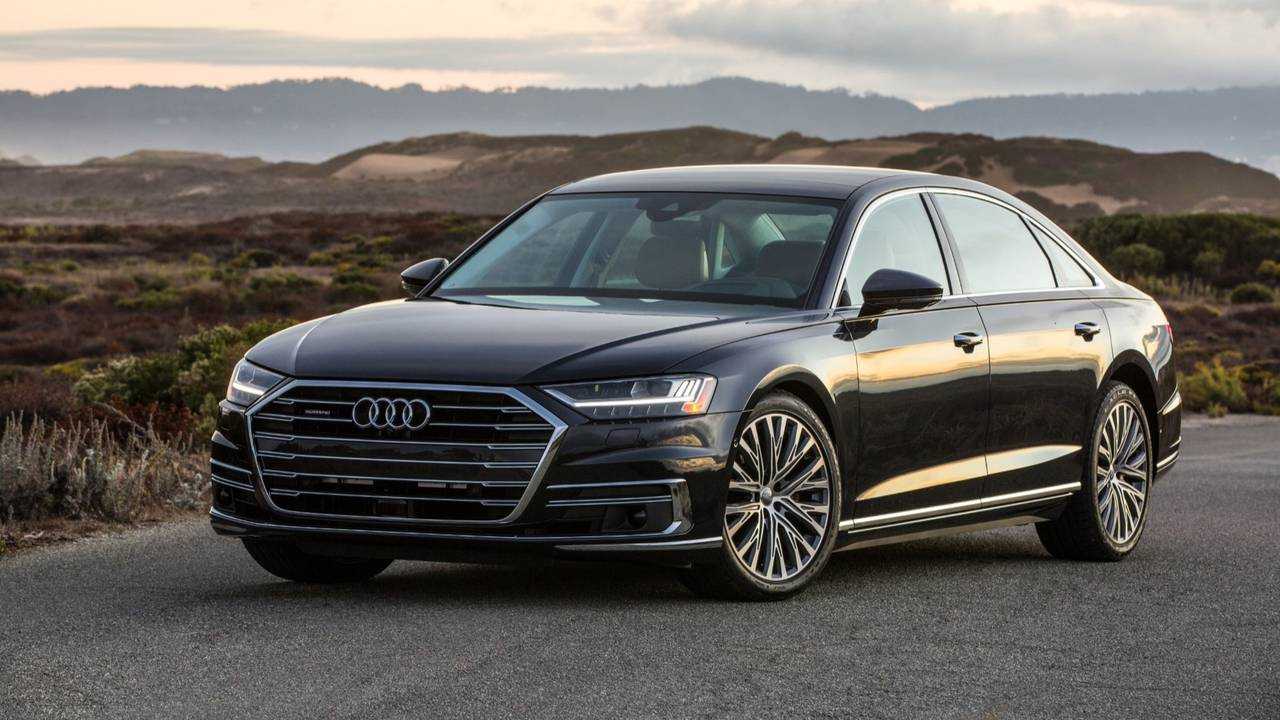
Audi’s flagship sedan represents German engineering at its finest, and the company’s approach to nighttime cabin ambiance demonstrates meticulous attention to user experience.
The A8 features what Audi calls “contour lighting,” an advanced system that provides sophisticated illumination control while maintaining the brand’s signature technological sophistication.
The A8’s dual-screen MMI touch response system includes comprehensive dimming capabilities that extend beyond simple brightness adjustment.
The system can switch to a dark theme that minimizes bright pixels while maintaining excellent contrast and readability. The upper screen handles infotainment and navigation, while the lower screen manages climate and vehicle settings, and both can be independently adjusted to suit personal preferences.
Audi’s virtual cockpit in the A8 offers multiple display modes, including a particularly effective “reduced” mode for nighttime driving.
This mode strips away unnecessary information, presenting only the speedometer and selected navigation or media information in a clean, minimalist layout. The graphics are rendered in muted colors with careful attention to preventing glare or eye strain.
The ambient lighting package in the A8 offers 30 colors across multiple zones, but more importantly, it provides granular control over intensity.
Drivers can reduce the lighting to a barely perceptible glow or turn it off entirely while maintaining functionality. The lighting strips are positioned to create depth and space without causing distracting reflections on the windows or displays. One particularly thoughtful feature is the A8’s ability to remember lighting preferences for different times of day.
The system can automatically switch to your preferred nighttime settings based on the time or when you activate the headlights, eliminating the need to manually adjust settings every evening. This level of intelligent automation enhances the driving experience without adding complexity or requiring constant attention.
4. Lexus LS
The Lexus LS embodies the Japanese concept of “omotenashi” anticipating needs before they’re expressed and this philosophy extends beautifully to the vehicle’s nighttime cabin environment.
Lexus has crafted an interior that prioritizes serenity and contemplation, making it ideal for drivers who seek refuge from the visual chaos of modern life.
The LS features a 12.3-inch infotainment display that, while large, can be dimmed extensively and features an excellent night mode with dark backgrounds and reduced color saturation.
The instrument cluster uses a combination of analog gauges and digital displays, with the digital portions offering deep blacks and carefully calibrated brightness that never feels harsh.
The analog elements provide a timeless aesthetic that many drivers find less fatiguing than fully digital alternatives. Lexus’s ambient lighting system takes inspiration from traditional Japanese design principles, using indirect lighting to create a sense of calm and space.
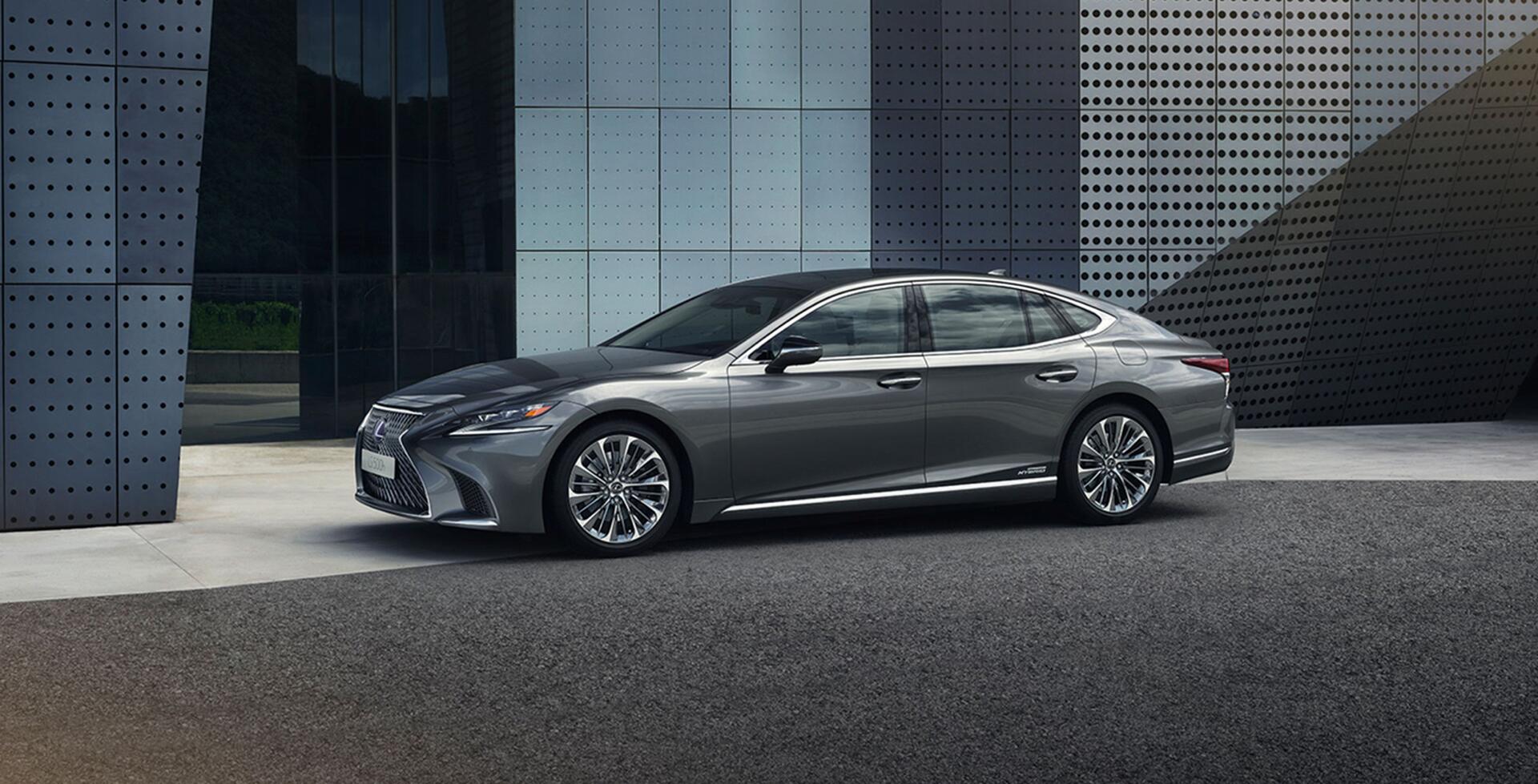
The system offers multiple colors, but the default warm white setting is carefully calibrated to evoke the gentle glow of paper lanterns.
The intensity can be reduced to an incredibly subtle level, providing just enough illumination to define spaces without creating distraction.
The materials in the LS cabin are selected for their tactile qualities and visual subtlety. The available Kiriko glass trim, inspired by traditional Japanese cut glass, catches and diffuses light in beautiful ways without creating harsh reflections.
The leather, wood, and metal surfaces all feature matte or satin finishes that maintain their sophistication in low light without generating unwanted glare. Lexus also demonstrates exceptional restraint with technology presentation.
The head-up display projects information at an optimal brightness that adjusts seamlessly to conditions, and the system prioritizes essential data over visual complexity, ensuring that drivers remain focused on the road ahead rather than being distracted by excessive information.
Also Read: 12 Cars That Keep Fog Off the Windshield With a Full Crew
5. BMW 7 Series
BMW’s flagship sedan represents the perfect marriage of driving dynamics and luxury comfort, and the 7 Series approach to nighttime ambiance reflects the brand’s commitment to driver-focused design.
BMW understands that a calm cabin environment contributes to both comfort and safety, especially during extended night drives. The 7 Series features BMW’s latest iDrive system with a large curved display that integrates both instrument cluster and infotainment functions.
While some might worry that such a prominent screen would dominate the nighttime cabin, BMW has implemented sophisticated brightness control and dark mode options that minimize light output while maintaining excellent clarity.
The OLED technology allows for true blacks and precise dimming of individual screen areas. BMW’s ambient lighting system in the 7 Series offers six preset themes and individual color customization across 15 zones. However, the system’s true strength lies in its ability to create subtle, refined lighting environments.
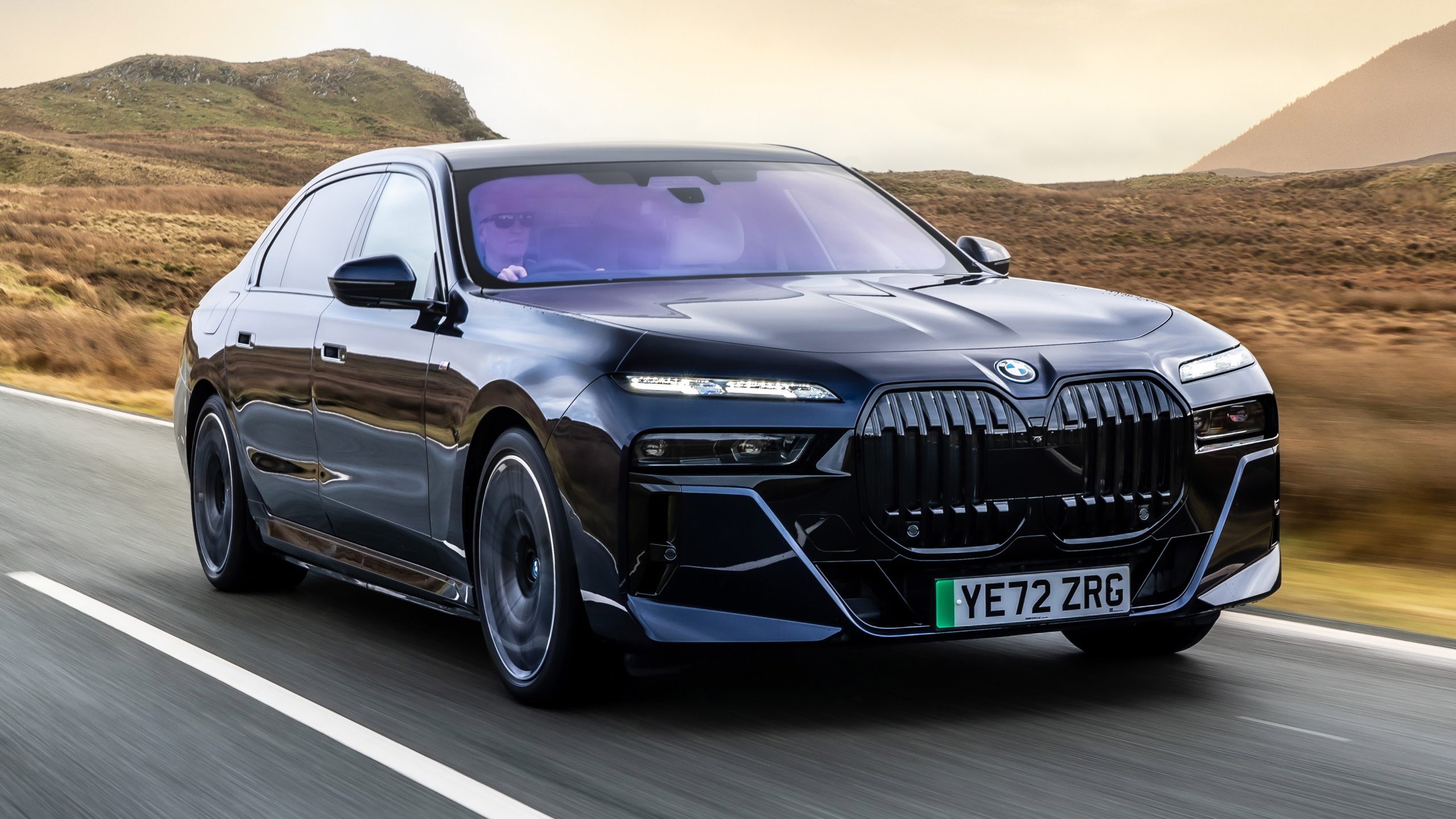
The “Classic” theme uses warm amber tones reminiscent of traditional luxury car lighting, while custom settings allow drivers to reduce illumination to barely perceptible levels throughout the cabin. The materials throughout the 7 Series cabin are carefully selected to avoid unwanted reflections.
The available glass controls with illuminated symbols are calibrated to provide just enough light for identification without creating bright spots, while the leather, wood, and metal trim all feature finishes that remain elegant in low light without reflecting dashboard illumination onto the windscreen.
One particularly thoughtful feature is the 7 Series’ “Relax” mode, which can be activated when parked or as a passenger feature in motion.
This mode dims all lighting to minimal levels, reclines the seat, and activates gentle massage functions, creating an environment specifically designed for unwinding. The attention to creating genuinely restful spaces within the vehicle demonstrates BMW’s holistic approach to occupant wellbeing.
6. Genesis GV80
The Genesis GV80 represents the Korean luxury brand’s commitment to creating vehicles that prioritize occupant comfort and wellbeing.
Genesis has approached cabin lighting with fresh thinking, unburdened by established conventions, resulting in one of the most thoughtfully designed nighttime environments available in any modern SUV.
The GV80 features dual 14.5-inch displays that run seamlessly together, creating an impressive visual statement. Despite their size, these screens include exceptional dimming capabilities and a dark mode that reduces brightness significantly while maintaining crystal-clear readability.
The system intelligently adjusts contrast and color temperature based on ambient conditions, ensuring optimal visibility without causing eye strain or distraction.
Genesis’s ambient lighting system offers 64-color customization, but the brand demonstrates admirable restraint in its default settings.
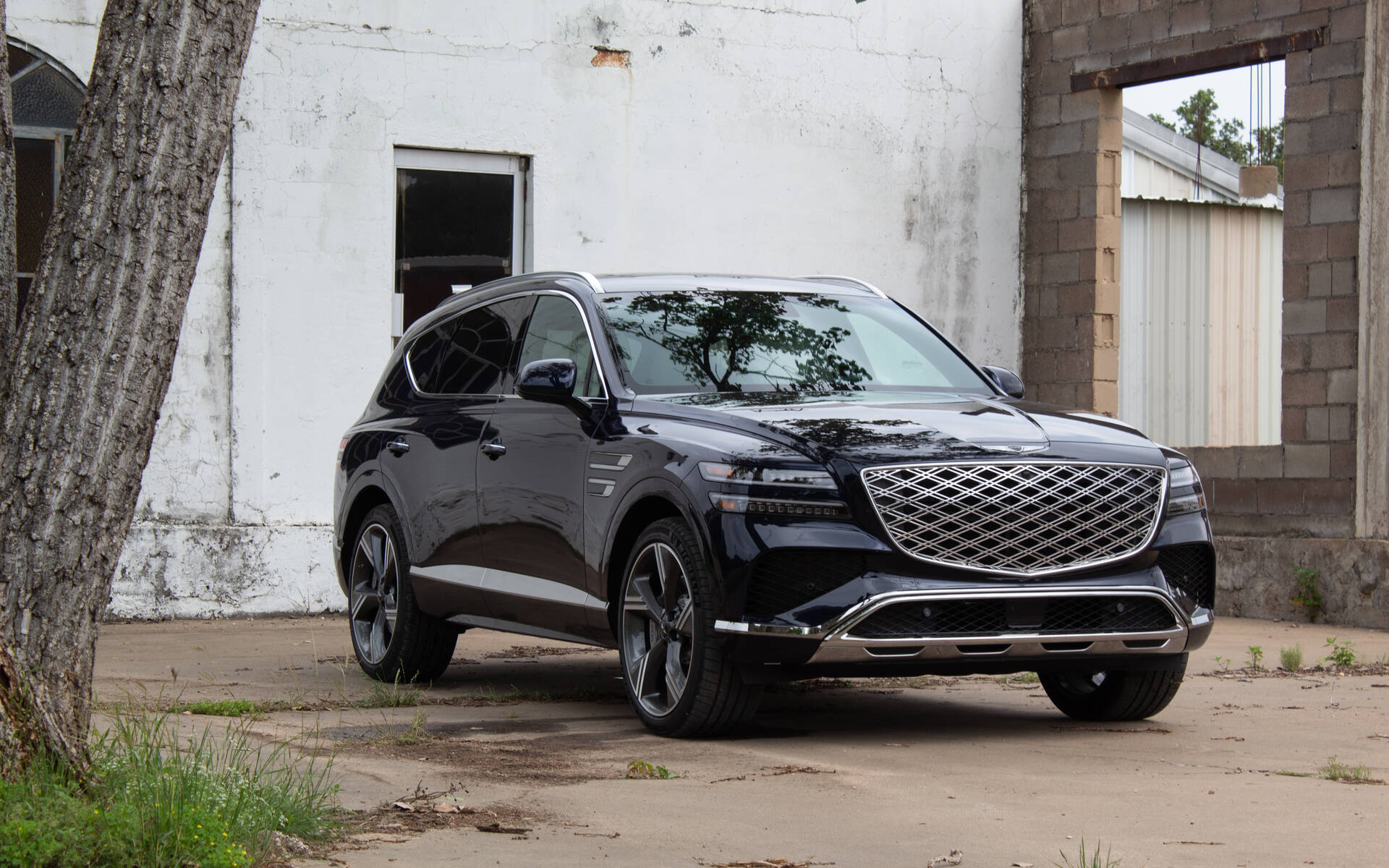
The system can illuminate 10 different zones throughout the cabin, yet the intensity controls allow for extremely subtle application. The lighting can be programmed to gradually dim as darkness falls, creating a smooth transition rather than abrupt changes that might prove jarring.
The interior materials in the GV80 showcase Genesis’s attention to sensory harmony. The available open-pore wood trim has a matte finish that absorbs light rather than reflecting it, while the quilted leather seats and suede-like surfaces throughout the cabin create a tactile and visual warmth that complements reduced lighting beautifully.
Even the metal trim uses brushed or matte finishes rather than glossy chrome. Genesis also offers a “Quiet” mode that goes beyond traditional comfort settings.
When activated at night, this mode minimizes all unnecessary visual alerts, reduces ambient lighting to a calming level, and ensures that only critical information appears on the displays.
This holistic approach to reducing sensory input demonstrates Genesis’s understanding that luxury isn’t about overwhelming occupants with features it’s about providing exactly what’s needed and nothing more.
7. Porsche Taycan
The Porsche Taycan might seem an unlikely candidate for a calm nighttime cabin, given its performance-focused mission, but the electric sport sedan demonstrates that driving excitement and interior tranquility aren’t mutually exclusive.
Porsche has designed the Taycan’s cabin to allow drivers to choose between engaged, information-rich displays and pared-down, minimalist presentations perfect for relaxed evening driving.
The Taycan features a fully digital cockpit with up to four displays, including the instrument cluster, central touchscreen, passenger display, and optional center console screen.
While this might sound overwhelming, Porsche provides exceptional control over each screen’s brightness and content. The instrument cluster offers multiple view modes, including a minimalist option that presents only essential information against a black background.
The central infotainment display and optional passenger screen can be dimmed independently, allowing the driver to reduce their visual workload while passengers enjoy full brightness if desired.
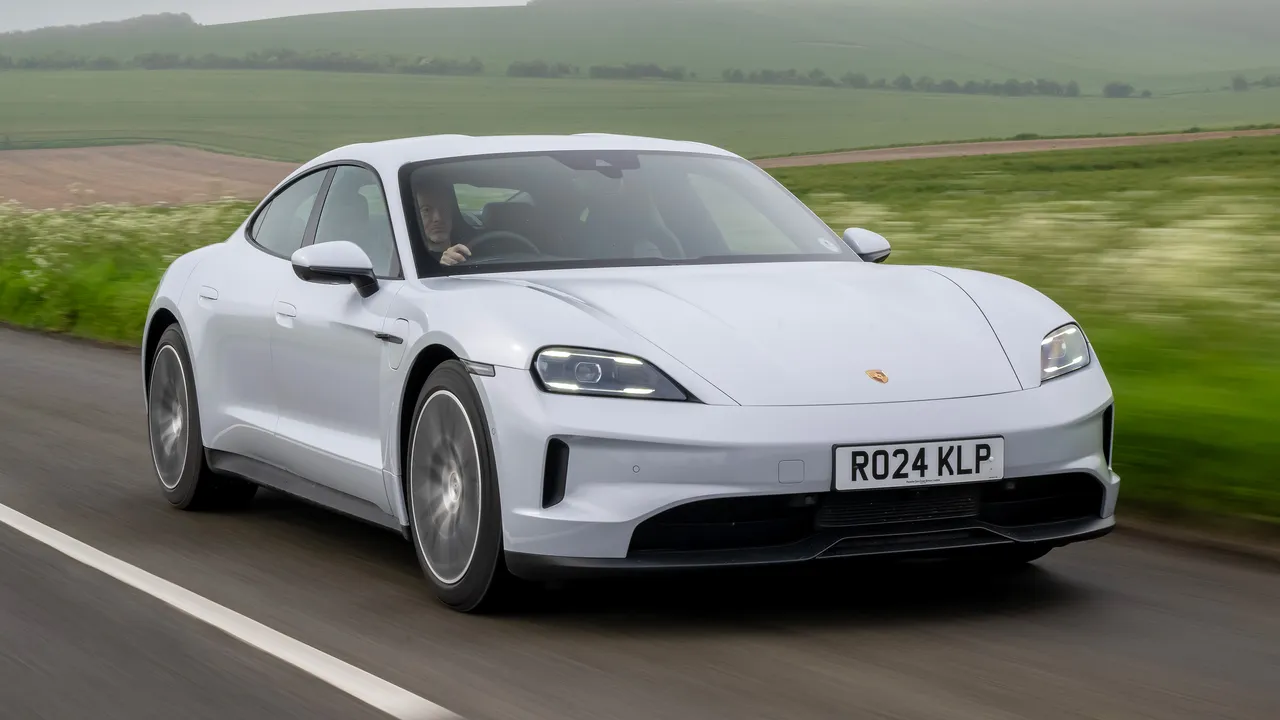
The dark mode implementation across all screens is particularly effective, using deep blacks enabled by OLED technology and carefully chosen accent colors that provide necessary contrast without harsh brightness.
Porsche’s ambient lighting in the Taycan is subtle and sophisticated, with illuminated strips that can be customized in color and intensity.
The default white setting provides a clean, modern aesthetic, while the ability to dim the lighting to barely visible levels ensures that drivers can create whatever atmosphere they prefer.
The lighting design emphasizes the Taycan’s horizontal cabin architecture without overwhelming the space. The materials throughout the Taycan’s interior reflect Porsche’s racing heritage updated for modern luxury.
Alcantara, leather, and carbon fiber surfaces are all finished to minimize reflections, while the minimalist design philosophy means there are fewer surfaces to catch and scatter light. The result is a cabin that feels focused and purposeful rather than cluttered, even with the extensive technology onboard.
8. Land Rover Range Rover
The Land Rover Range Rover represents British luxury at its finest, combining off-road capability with exceptional refinement. The latest generation Range Rover features a completely redesigned interior that places particular emphasis on creating a serene cabin environment, making it ideal for both urban evening commutes and peaceful countryside night drives.
The Range Rover features the Pivi Pro infotainment system displayed on a curved 13.7-inch touchscreen that seems to float above the dashboard.
Despite its prominent position, the screen includes comprehensive brightness controls and an effective dark mode that reduces light emission while maintaining the system’s intuitive functionality.
The 13.7-inch digital instrument cluster offers multiple customizable displays, including minimalist options perfect for nighttime driving.
Land Rover’s ambient lighting system in the Range Rover offers 30 colors across 16 zones, providing extensive customization options.
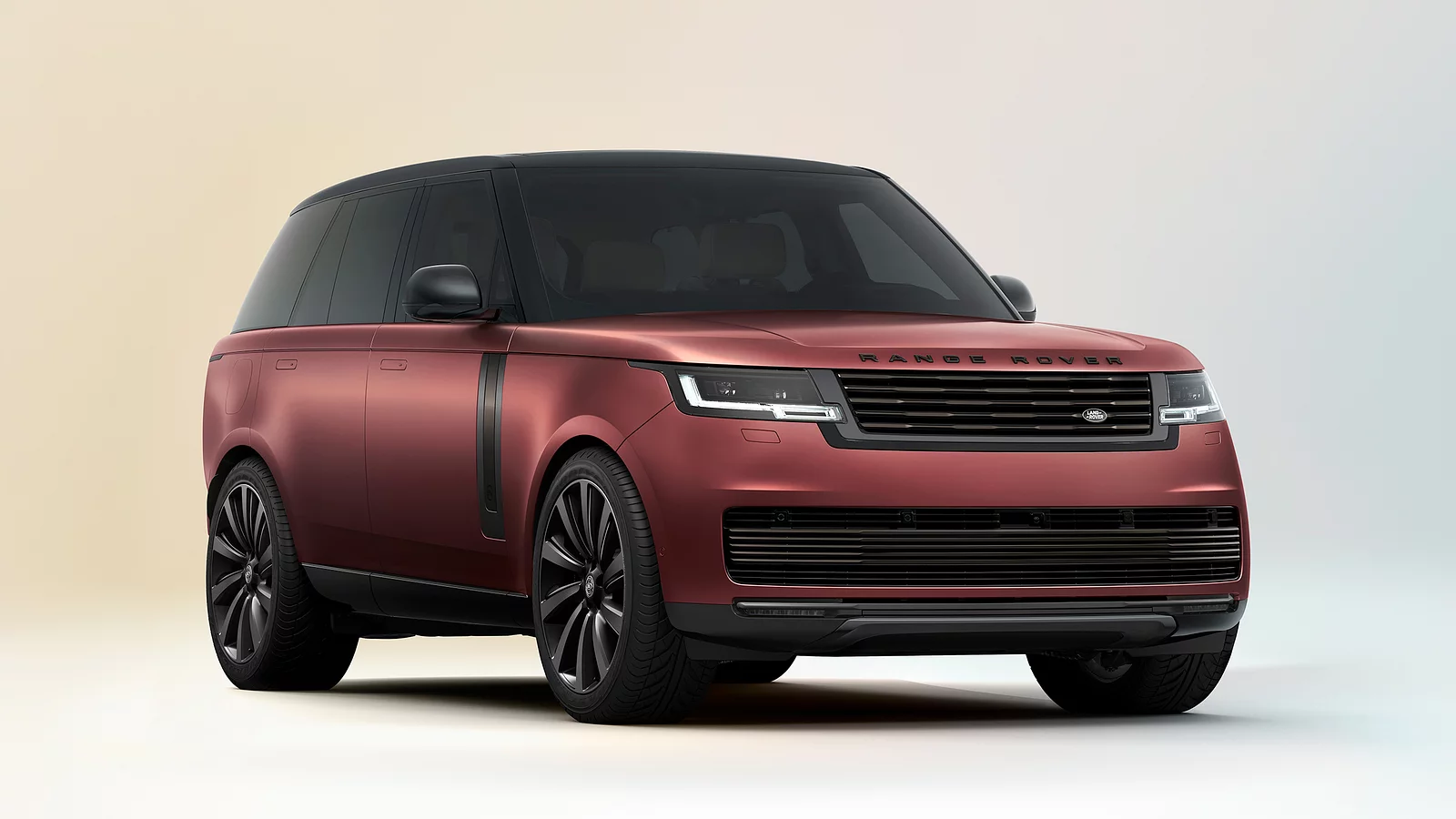
However, the system’s real strength lies in its nuanced intensity control and the quality of the lighting itself. The LEDs are carefully diffused to prevent hotspots, creating even, gentle illumination throughout the cabin.
The system can reduce to an almost imperceptible glow while maintaining enough light to define the cabin’s architecture. The interior materials showcase Range Rover’s commitment to natural, sustainable luxury.
The available leather alternatives, sustainably sourced wood trim, and wool-blend textiles all feature matte or low-sheen finishes that look and feel luxurious while avoiding unwanted reflections.
The expansive glass roof includes an electrochromic shade that can be adjusted to any level of opacity, allowing occupants to control exactly how much external light enters the cabin. Range Rover also demonstrates thoughtful integration of necessary technology.
The head-up display projects essential information at an optimal brightness that automatically adjusts based on ambient conditions, while the climate control vents feature subtle illumination that helps with visibility without creating distraction. Every element feels carefully considered rather than simply added because the technology exists.
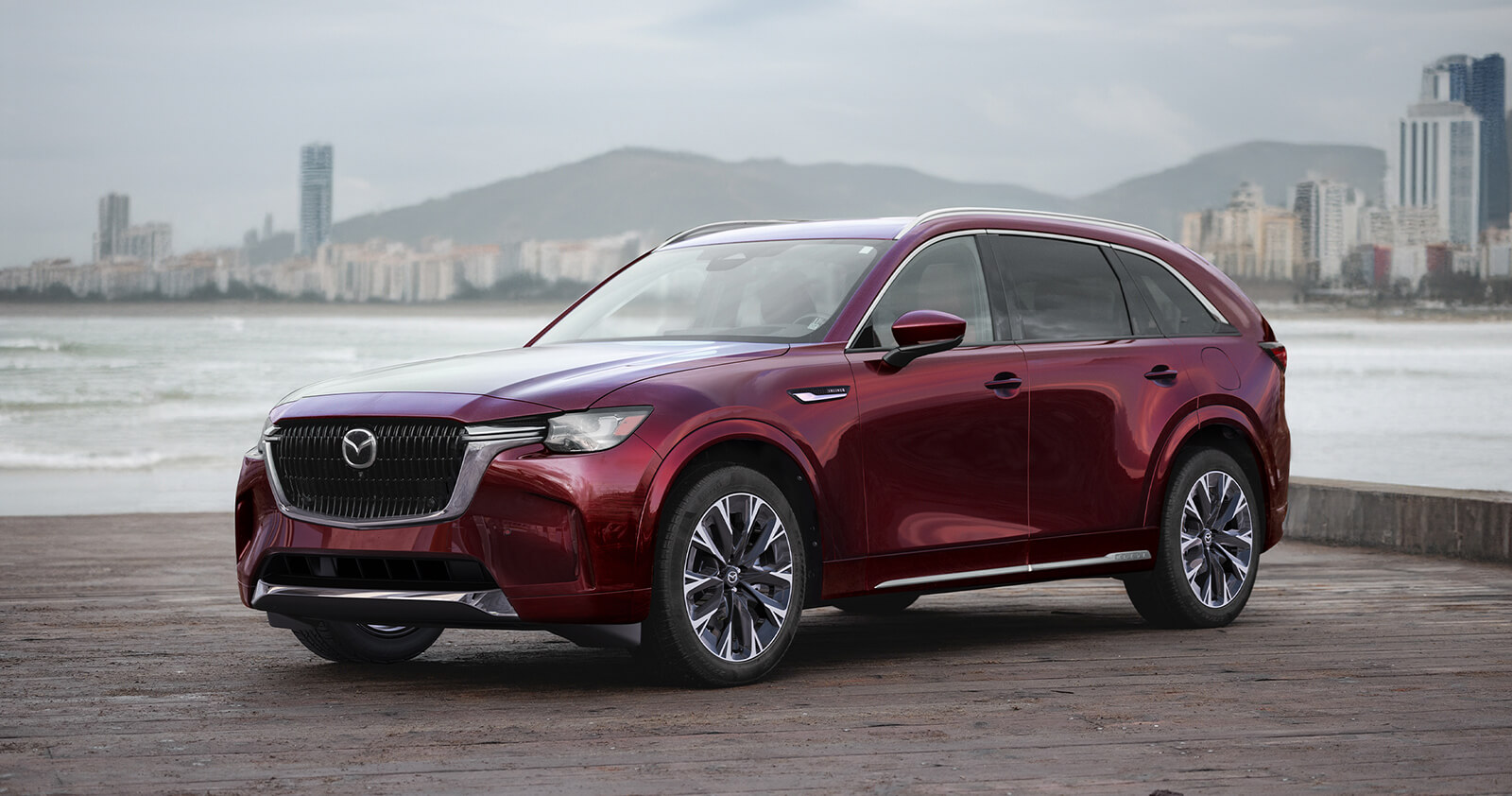
9. Mazda CX-90
Mazda’s flagship three-row SUV demonstrates that thoughtful cabin design doesn’t require a six-figure price tag. The CX-90 embodies Mazda’s “Jinba Ittai” philosophy the unity between car and driver extended to include the complete sensory environment.
Mazda has crafted a cabin that feels upscale and serene, with particular attention to nighttime ambiance. The CX-90 features a 12.3-inch infotainment display positioned high on the dashboard for easy visibility.
The screen includes effective brightness controls and a dark mode that significantly reduces light output while maintaining excellent readability.
Mazda’s interface design is refreshingly straightforward, presenting information clearly without unnecessary visual complexity that might prove distracting in low light.
The digital instrument cluster in the CX-90 uses a combination of analog-style gauges and digital information displays, creating a familiar yet modern presentation.
The graphics are rendered with careful attention to nighttime visibility, using white text and graphics against dark backgrounds with just enough contrast to ensure clarity without harsh brightness.
The simplicity of the display design means there’s less visual clutter to process, reducing cognitive load during evening drives. Mazda’s ambient lighting system is understated compared to luxury competitors, which proves entirely appropriate for the vehicle’s character.
The system offers multiple colors but emphasizes warm, welcoming tones rather than dramatic lighting effects. The intensity can be adjusted from subtle accent lighting to barely perceptible, allowing drivers to create an atmosphere that matches their preferences and driving conditions.
The CX-90’s interior materials reflect Mazda’s commitment to “premium craftsmanship.” The available Santos rosewood trim features an open-grain finish that looks beautiful without creating reflections, while the Nappa leather upholstery and suede-like surfaces throughout the cabin create warmth and visual softness.
Mazda demonstrates that thoughtful material selection can create a luxurious feeling without requiring elaborate lighting systems or technological complexity.
10. Lincoln Nautilus
The redesigned Lincoln Nautilus showcases American luxury with a distinctly modern interpretation, and the vehicle’s approach to cabin ambiance reflects Lincoln’s “quiet flight” design philosophy.
The Nautilus creates an environment specifically designed to provide respite from the outside world, with nighttime lighting that emphasizes tranquility and relaxation.
The Nautilus features a 48-inch panoramic display that spans the entire dashboard, integrating instrument cluster and infotainment functions in one continuous screen.
While this massive display might seem antithetical to a calm nighttime cabin, Lincoln has implemented sophisticated brightness management and content organization that prevents the screen from dominating the environment.
The dark mode reduces brightness significantly while the interface design places information where it’s needed without filling empty space with unnecessary content.
Lincoln’s ambient lighting system in the Nautilus offers an impressive array of customization options, with particular attention to creating calming environments.

The system includes pre-programmed themes designed by lighting specialists, with options specifically optimized for evening relaxation.
The “Twilight” theme uses deep blues and purples at low intensity, creating an atmosphere reminiscent of dusk, while custom settings allow for complete personalization.
The materials throughout the Nautilus cabin demonstrate Lincoln’s commitment to sensory harmony. The available leather upholstery features a soft, low-sheen finish that looks elegant without creating harsh reflections, while the available open-pore wood trim and metal accents all use matte or brushed finishes.
The extensive use of soft-touch materials throughout the cabin creates visual warmth that complements reduced lighting beautifully.
Lincoln also includes thoughtful features like a head-up display with automatic brightness adjustment and a “Calm” mode for the entire vehicle that coordinates lighting, climate control, and even suspension settings to create the most relaxing environment possible.
This holistic approach to occupant wellbeing demonstrates that Lincoln understands luxury as an experience rather than simply a collection of features.
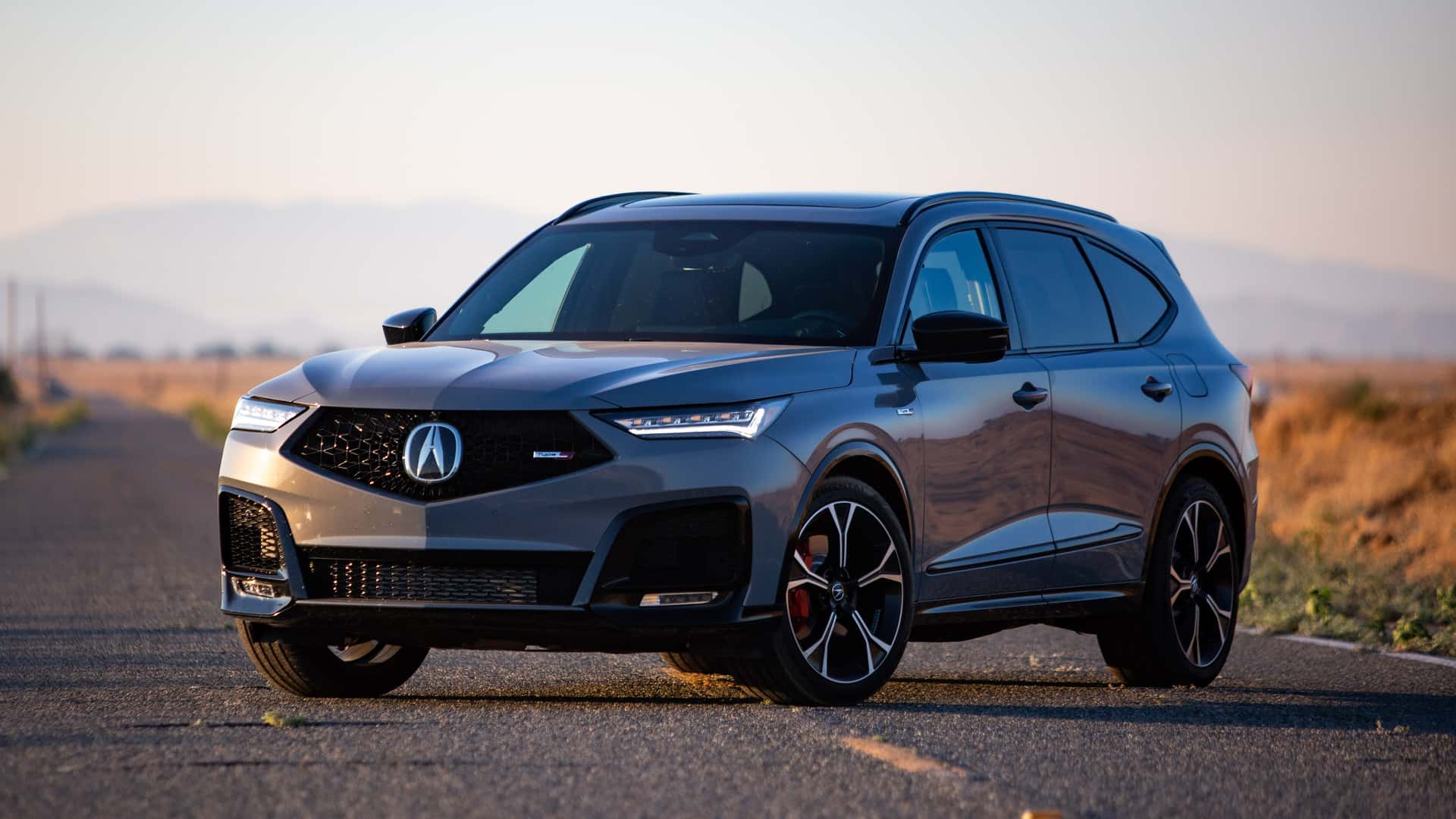
11. Acura MDX
The Acura MDX represents Honda’s premium brand approach to three-row SUV design, and while Acura is known for performance and value, the latest MDX demonstrates impressive sophistication in its cabin lighting design.
Acura has created an interior that feels both high-tech and welcoming, with particular success in managing nighttime ambiance. The MDX features a 12.3-inch digital instrument cluster and 12.3-inch center touchscreen, both offering comprehensive brightness controls and effective dark modes.
Acura’s True Touchpad Interface for the infotainment system is unique in the industry, using an absolute positioning touchpad rather than a traditional rotating controller.
This system includes thoughtful lighting for nighttime use, with the touchpad itself illuminated just enough for visibility without becoming a distraction.
The ambient lighting system in the MDX offers 27 different colors and can be adjusted across multiple intensity levels. While some might consider this excessive, the granular control allows drivers to find exactly the right level of illumination for their preferences.
The lighting is positioned along the doors and dashboard, creating depth and highlighting the cabin architecture without overwhelming the space. Acura’s material selection for the MDX emphasizes quality and thoughtful design rather than ostentation.
The available open-pore wood trim has a natural, matte appearance, while the leather surfaces feature a soft finish that absorbs rather than reflects light.
Even the plastic and synthetic materials throughout the cabin are carefully textured to avoid creating glare or harsh reflections from dashboard lighting.
The MDX also includes Acura’s Precision Cockpit design, which positions controls and displays with careful attention to ergonomics and visibility.
The result is a cabin where everything feels intuitively placed, reducing the need to search for controls or strain to see information an important consideration for nighttime driving when any distraction or difficulty can contribute to fatigue.
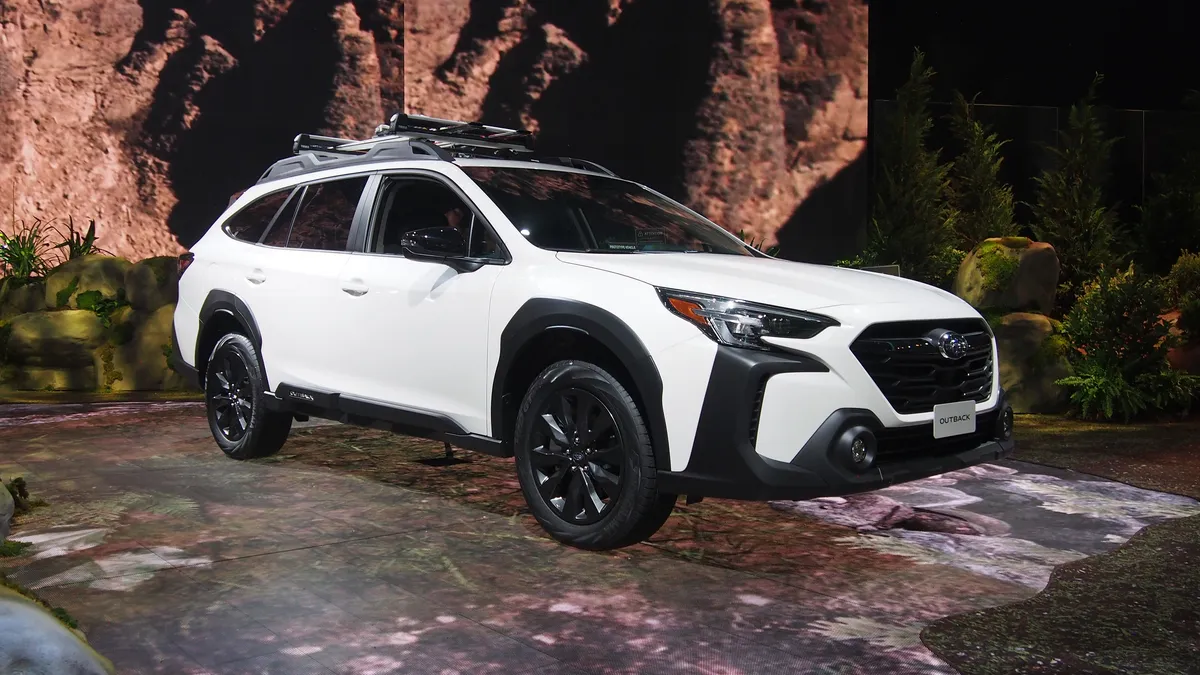
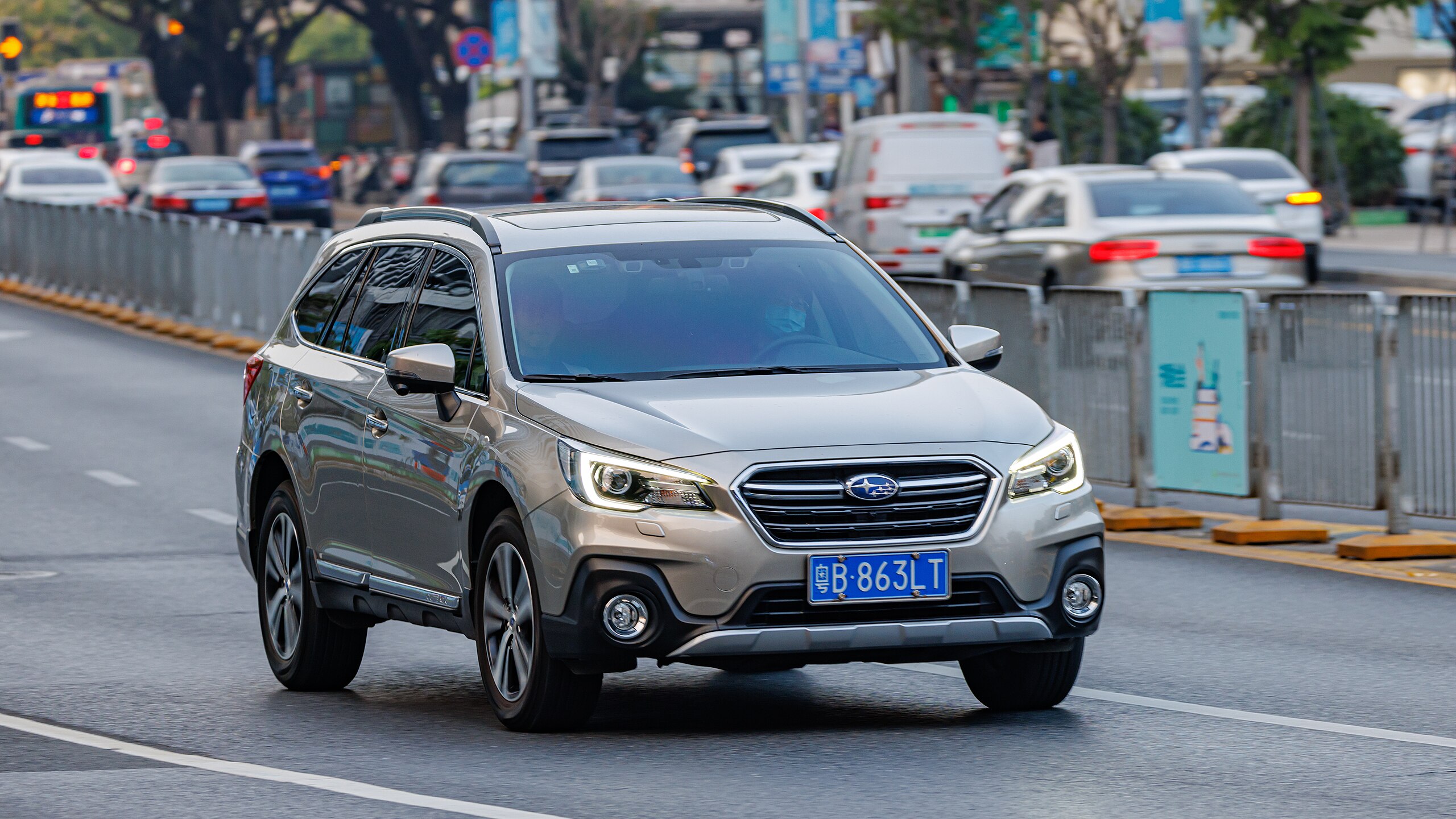
12. Subaru Outback
The Subaru Outback might surprise some readers on this list, as it’s considerably less expensive than most other vehicles mentioned.
However, Subaru’s flagship wagon demonstrates that thoughtful design and attention to occupant comfort don’t require a luxury badge or premium pricing.
The Outback creates a welcoming, functional cabin environment with particularly effective nighttime lighting management. The Outback features an 11.6-inch vertical touchscreen infotainment display that includes comprehensive brightness controls and a dark mode specifically designed for nighttime use.
The vertical orientation provides excellent visibility for navigation maps while minimizing the screen’s visual footprint in peripheral vision.
The system can be dimmed significantly while maintaining good contrast and readability, and the dark backgrounds reduce the amount of light projected into the cabin.
The instrument cluster in the Outback uses a combination of analog gauges and a central digital display, creating a familiar layout that many drivers find less fatiguing than fully digital alternatives.
The digital display portion offers multiple information screens, all designed with clear graphics and appropriate brightness for nighttime viewing. The white-on-black color scheme provides excellent contrast without harsh glare.
Subaru’s ambient lighting in the Outback is understated a single color with limited zones but this simplicity proves entirely adequate and arguably preferable to more complex systems.
The warm white illumination provides just enough light to see controls and define the cabin space without creating distraction. The ability to turn the lighting off completely gives drivers full control over their environment.
The materials throughout the Outback cabin emphasize durability and functionality, but Subaru hasn’t neglected aesthetics or user experience.
The available leather upholstery, water-resistant surfaces, and straightforward design all contribute to a no-nonsense interior that functions well in all conditions, including nighttime driving.
The lack of unnecessary chrome trim or glossy surfaces means there are fewer elements to catch and scatter light, contributing to the calm atmosphere.
Also Read: 10 Family Cars That Don’t Turn Into Crumb Factories
