
Sports cars have a reputation for being thrilling, stylish, and rewarding to drive but also notoriously inconvenient when it comes to real-world obstacles like steep driveways, angled parking lots, and abrupt speed bumps.
In the U.S., where suburban homes often sit atop sharp ramps and commercial plazas love extra-tall curbs, a car’s approach angle and ride height can matter almost as much as horsepower.
Scraping may be a badge of honor for some enthusiasts, but most drivers prefer keeping their front bumper intact without resorting to planks or diagonally creeping into their own garage.
Thankfully, not all sporty cars ride like they’re welded to the pavement. Some deliver athletic performance without the dreaded crunch of plastic meeting concrete.
Others, however, seem almost engineered to make driveway entries an anxiety-inducing exercise.
Below, we break down five sporty cars that avoid scraping thanks to smart engineering and real-world usability and five that are far more scrape-prone, especially on typical American driveways.
Sporty Cars That Won’t Scrape Driveways
Sporty cars are thrilling to drive, with low-slung bodies, aggressive styling, and a performance-focused design.
But that low stance often comes with a frustrating downside: scraped front bumpers, cracked spoilers, and nerve-wracking trips over steep driveways or speed bumps.
Fortunately, not every sporty car comes with this headache. Some models strike the perfect balance, delivering sleek, fun-to-drive performance while maintaining enough ground clearance to handle everyday roads and driveways without damage.
In this article, we’ll highlight sporty cars that combine excitement with practicality, so you can enjoy speed and style without the constant worry of scraping.
1. Mazda MX-5 Miata
The Miata may sit low, but its front overhang is short, its bumper angle is friendly, and its suspension has enough compliance to avoid nose-diving into every incline.
Because the MX-5 is engineered around minimalism light weight, simple geometry, and no unnecessary aero pieces it’s surprisingly forgiving when approaching a sloped driveway.
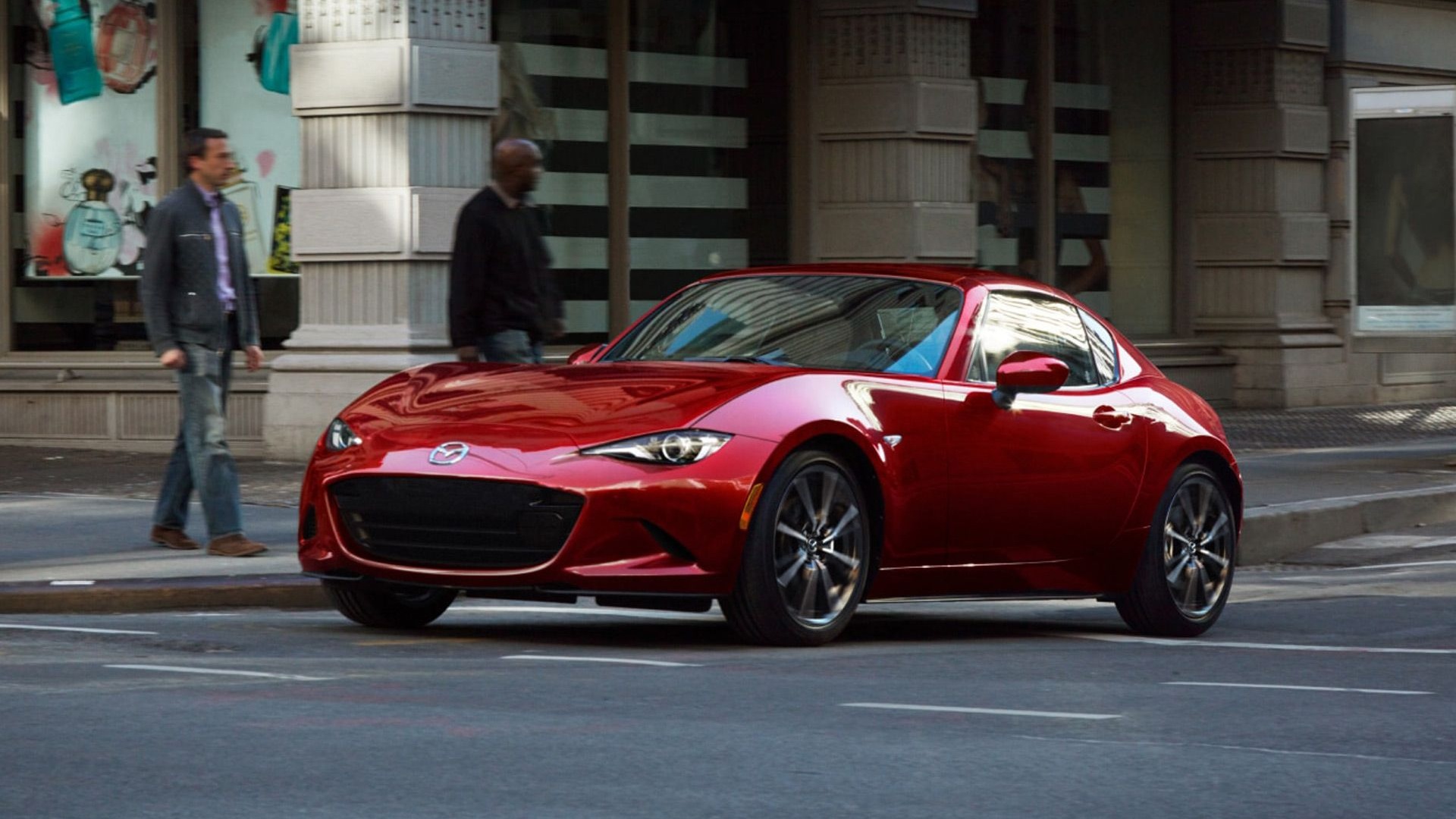
Many owners daily-drive their Miatas in suburban neighborhoods without ever encountering front-lip trauma.
It strikes a rare balance: a genuinely low sports car that also respects the realities of parking lots, grocery store entrances, and uneven residential streets.
2. Ford Mustang GT (Non-Performance Pack)
Mustangs with extreme splitters can cause trouble, but the standard Mustang GT offers decent ground clearance and an approach angle that doesn’t make every curb a threat.
Ford tuned the suspension with real-world drivability in mind, and the long hood doesn’t mean a long, dragging front end.
As a result, most American driveways especially the taller, slanted ones seen across sunbelt states pose little issue. Drivers who want V8 muscle without babying the front lip will find this a stress-free daily performance car.
Variety is still central to its appeal, with the lineup spanning everything from a 315-horsepower turbocharged four-cylinder to a 480-hp 5.0-liter V-8, plus the more aggressive 500-hp Mustang Dark Horse.
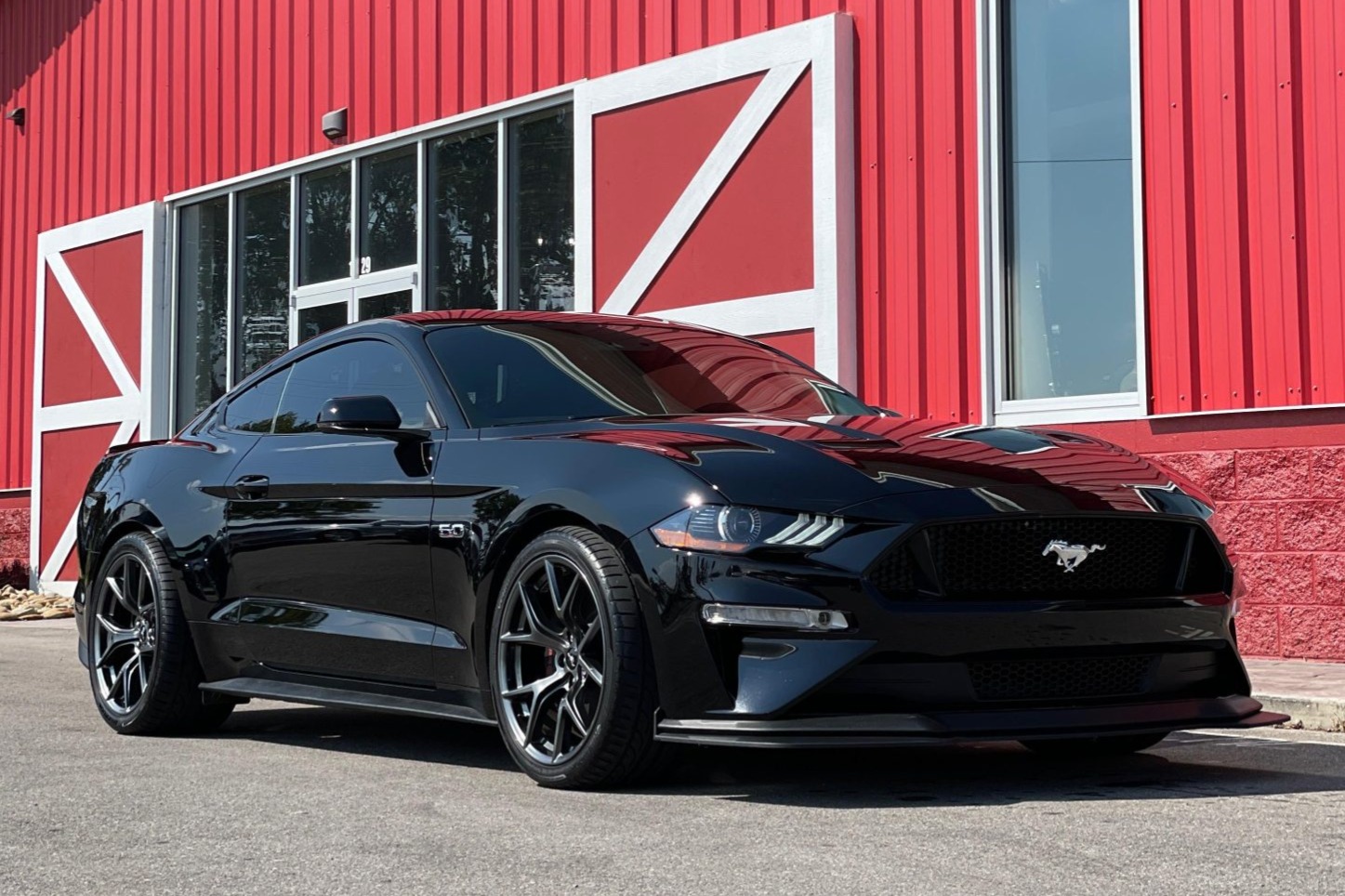
The V-8 models can be equipped with a six-speed manual transmission as an alternative to the standard 10-speed automatic, while the turbo four remains automatic-only.
Both the familiar fastback coupe and the soft-top convertible body styles return for 2025, and the Mustang continues its long tradition of commemorative versions.
The newest addition is the 2025 60th Anniversary Edition, limited to 1,965 units as a nod to the model year of its debut, even though the Mustang first hit dealerships in April 1964 as a 1965 model.
Despite that bit of historical trivia, the Mustang’s free-spirited nature stays intact, delivering stylish, confidence-inspiring transportation for two, or three or four passengers, provided they’re willing to squeeze into the small rear seats.
With the Chevrolet Camaro discontinued and the Dodge Challenger reimagined with only inline-six or electric power, the Mustang now stands as the last domestic pony car still available with a V-8 engine.
Also Read: 10 Hybrids That Feel Natural in Stop-and-Go
3. Subaru WRX
While it’s not a pure two-door sports car, the WRX belongs on any “sporty” list because of its rally-bred dynamics, turbocharged punch, and enthusiast reputation.
And unlike many low-slung performance machines, the WRX has enough ride height and bumper clearance to handle aggressive driveway transitions with confidence.
Subaru’s engineering roots in rough, uneven rally terrain help here: the car simply doesn’t nose-dive easily.
For buyers who want speed but also live in areas with steep driveways California hills, Colorado suburbs, or Northeast homes with elevated garages the WRX is a perfect no-scrape performer.
It’s been more than three decades since the World Rally Championship last held an event in the United States, and as a result, road cars inspired by this fast, gritty motorsport have become increasingly rare.
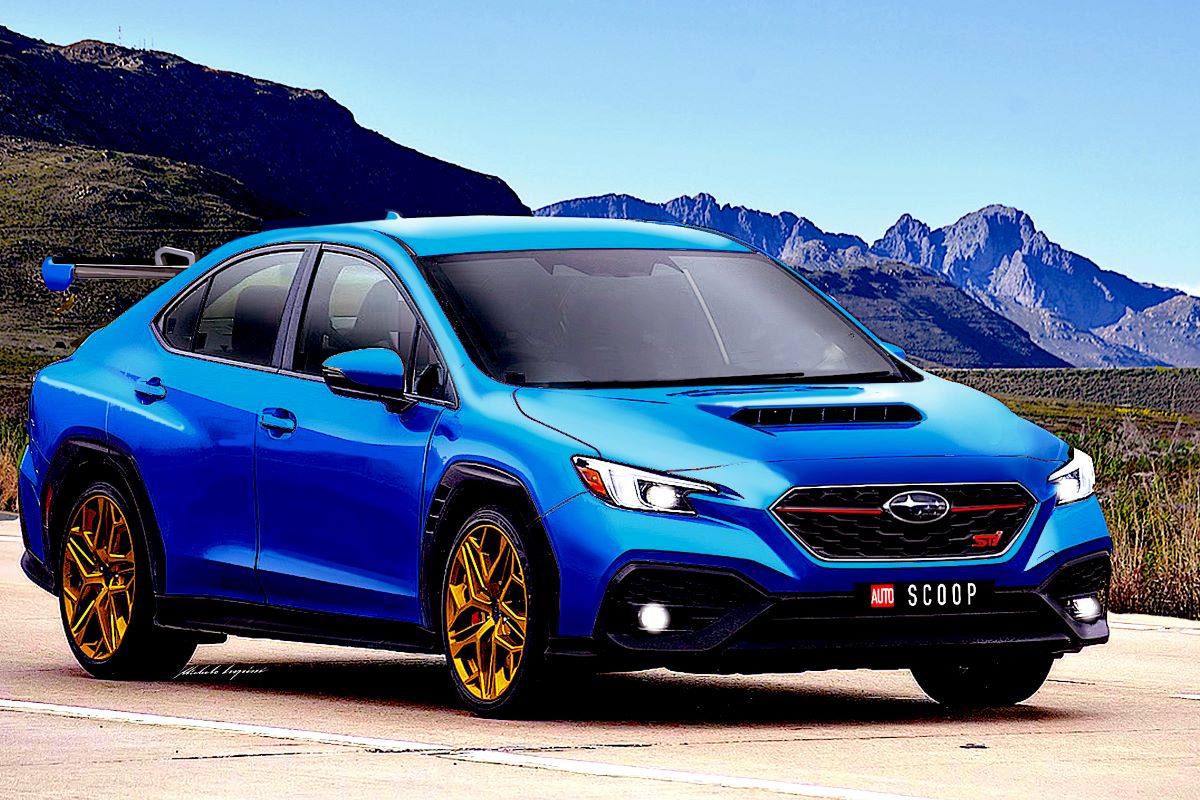
While 2015 marked the end of the rowdy Mitsubishi Evolution’s run, its iconic pro-rally rival, the Subaru WRX, continues on, albeit in a more restrained form compared to the former STI variant.
Offered solely as a four-door sedan, the WRX uses a 271-horsepower turbocharged flat-four engine paired with either a six-speed manual transmission or a continuously variable automatic transmission.
The CVT may be a hard concession for devoted WRX purists, but it does deliver the quickest 0–60 mph times.
Unlike front-drive-based competitors such as the Hyundai Elantra N and Volkswagen GTI, the WRX remains true to its heritage with standard all-wheel drive. Even though it’s more conservative to drive than earlier versions, it hasn’t completely abandoned its rally-bred spirit.
Its chassis delivers predictable, confident handling and provides something closer to compliance over bumps rather than the rigid, race-car-like ride it once embraced.
Still, without the high-performance STI edition to satisfy American rally enthusiasts, the Toyota GR Corolla now carries the loudest brap on the block.
4. BMW M340i
The M340i blends sports-sedan athleticism with real-world practicality, making it one of the most driveway-friendly performance cars sold today.
It’s quick, refined, and powerful, yet the sedan body shape naturally provides a better bumper angle than low two-doors.
BMW also avoids adding low, rigid aero extensions on this model, so drivers don’t have to worry about tearing off a splitter at the Applebee’s parking lot entrance.
If you want a near-M-car experience without the ground-clearance penalties of something like an M2, the M340i is one of the safest bets.
We tested an all-wheel-drive 330i, and its turbocharged four-cylinder proves both strong and responsive. You don’t have to push the revs very high before it starts delivering impressive power.
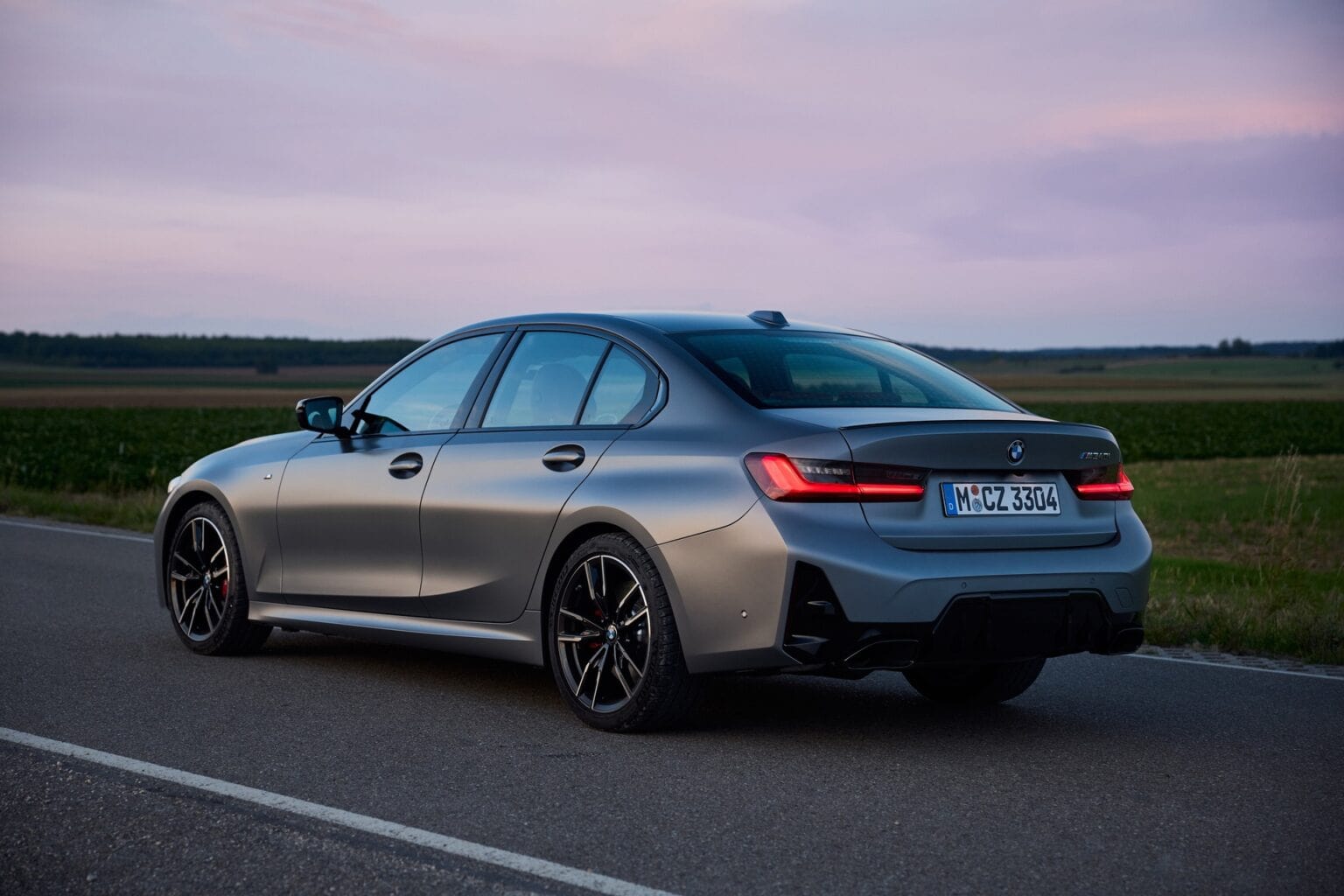
In our testing, the 330i hit 60 mph in 5.6 seconds, a notably quick result for a small luxury sedan equipped with a base engine. The transmission complements the engine well, shifting rapidly and taking full advantage of the powerplant’s flexibility.
Braking performance is another standout attribute of the 330i. The pedal feel is smooth and easy to modulate in everyday driving, yet it remains firm, composed and reassuring during more demanding stops. We also appreciate the car’s agility when carving through corners.
Equipped with the M Sport package, the 330i keeps body motions tightly in check. While seasoned drivers might wish for a bit more playful character, this luxury sedan still delivers confident speed and precision.
The 3 Series continues to offer all the features expected in a modern luxury vehicle, but the fully digital “curved display” dashboard marks a major evolution.
In the past, we criticized certain aspects of the 3 Series’ iDrive infotainment system and even listed its complexity as a drawback. That’s no longer the case.
The large central touchscreen is visually striking, and its interface is intuitive enough to make the traditional iDrive controller near the shifter feel almost unnecessary. If you prefer using your smartphone, Apple CarPlay integrates seamlessly.
Meanwhile, the digital instrument cluster, styled with a video-game aesthetic, may bother BMW traditionalists who miss classic circular gauges, but BMW clearly recognizes it’s operating in a tech-first landscape.
As for driver aids and active safety systems, BMW charges a modest additional fee for features such as adaptive cruise control and lane keeping assistance.
While we’ve noticed that the adaptive cruise control system’s braking can sometimes feel abrupt, these technologies generally function smoothly and without distracting the driver.
Also Read: 10 Hybrids That Feel Natural in Stop-and-Go
5. Toyota GR86 (Stock Trim)
The GR86 sits low, but Toyota and Subaru designed it with enough approach clearance to make it usable every day.
Its nose isn’t overly long, and the standard aero is modest, unlike the track-focused aftermarket look many people associate with tuner coupes.
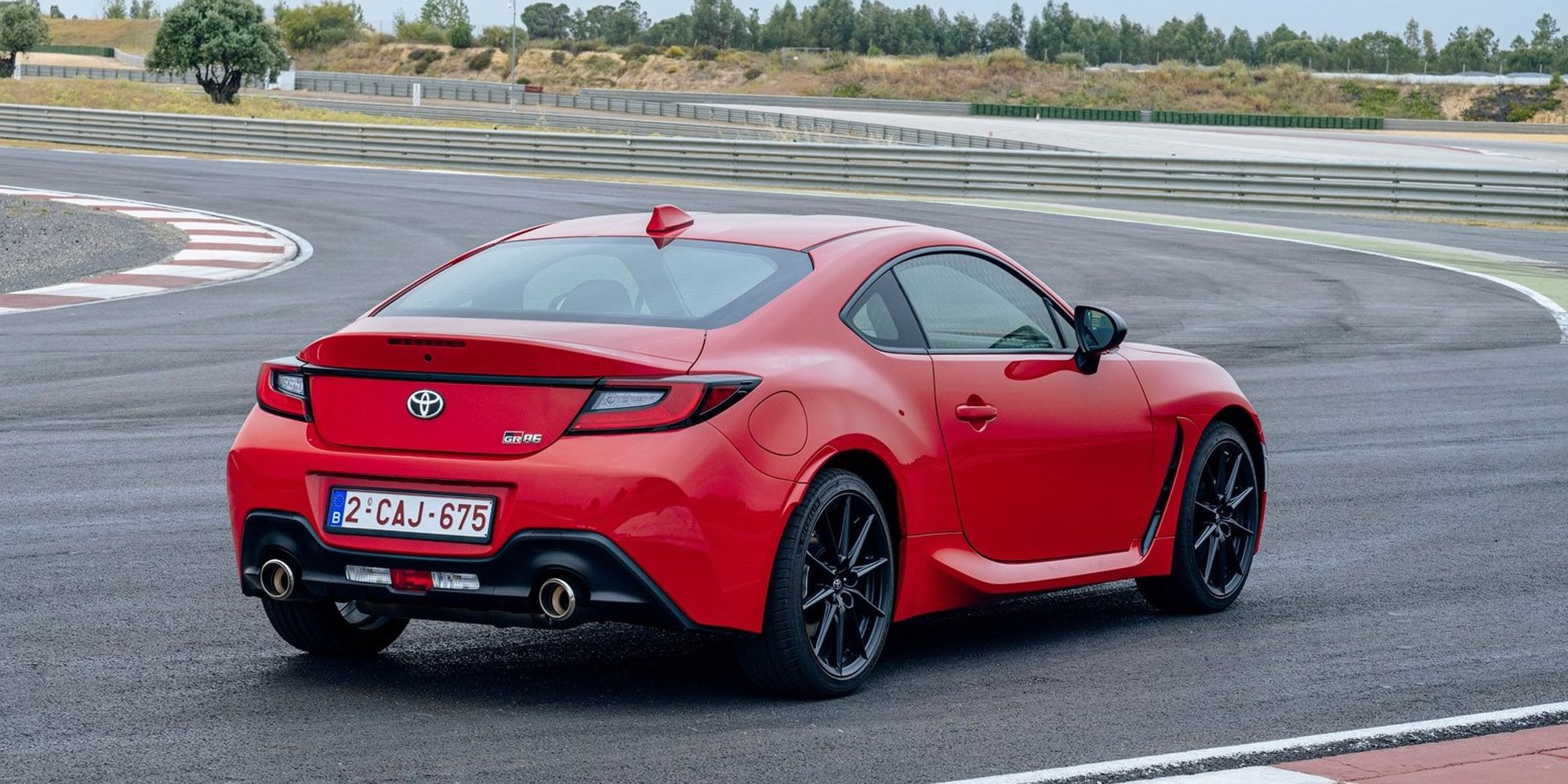
In stock form, GR86 owners across the U.S. routinely report that their cars handle speed bumps and suburban driveways better than expected.
The firm suspension does compress on steep entries, but not to the point where scraping becomes inevitable. For buyers wanting a balanced sports coupe at a reasonable price and one that doesn’t require driveway gymnastics the GR86 stands out.
Sporty Cars That Do Scrape Driveways
There’s something undeniably thrilling about driving a low, sporty car, the way it hugs corners, the growl of the engine, the head-turning design. But that low stance comes with a price: scraped bumpers, cracked spoilers, and the dread of tackling even the gentlest driveway.
For owners of certain performance-focused models, scraping isn’t a rare mishap, it’s almost inevitable. In this article, we’ll dive into sporty cars that live on the edge of clearance, highlighting the models that look incredible but demand extra care when leaving the driveway.
1. Chevrolet Camaro SS / ZL1
The Camaro is undeniably fun and aggressively styled, but that styling comes at a cost. The sharply angled front bumper combined with a long, low splitter on performance variants makes the Camaro one of the most scrape-prone American sports cars.
Even standard trims have a reputation for making contact with parking blocks, tall curbs, and steep residential entrances.
In many parts of the U.S., owners find themselves approaching driveways diagonally or even avoiding certain businesses altogether. It’s an incredible performer but not friendly to the average suburban parking scenario.
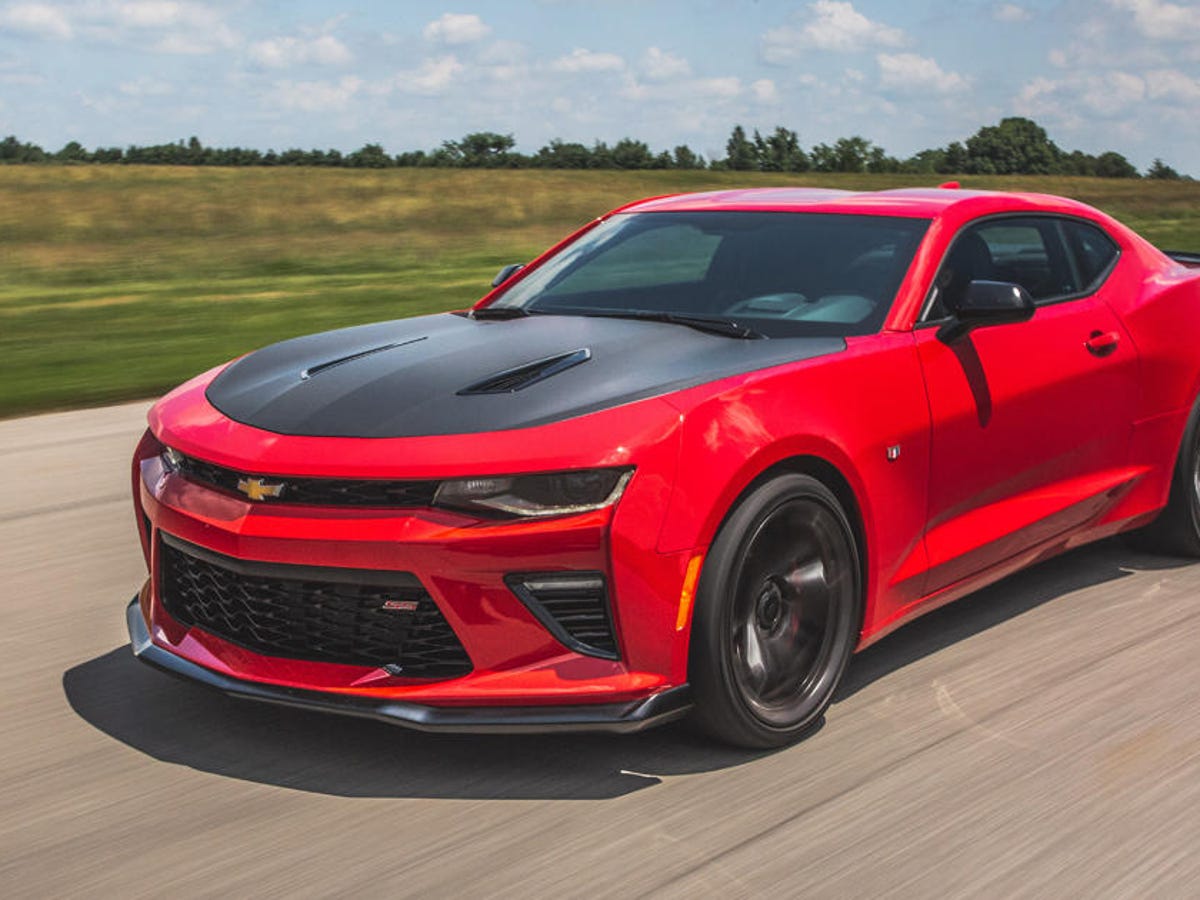
The 2022 Chevrolet Camaro, offered as both a coupe and a convertible, is built around one core idea: the pure, unfiltered fun of driving.
Yes, outward visibility is limited and the back seats are tight, but those drawbacks fade once you experience the Camaro’s sharp handling, its rewarding manual transmission, and a ride quality that’s far smoother than you’d expect from a muscle-oriented coupe.
The standard engine is a 275-hp turbocharged four-cylinder, but stepping up to the 335-hp V-6 or the more muscular 455-hp V-8 brings livelier acceleration and richer exhaust notes.
Inside, the Camaro mixes comfortable, supportive front seats with an infotainment interface that’s impressively intuitive, even if the overall cabin design includes some hard plastics and can feel a bit closed-in.
As daily transportation, the Ford Mustang and Dodge Challenger each offer more practicality, but add Chevy’s optional 1LE package and the Camaro instantly becomes the most capable track performer of the trio.
For shoppers who want serious performance without an eye-watering price tag, the 2022 Camaro delivers outstanding value. It’s one of the most thrill-focused mainstream performance cars you can buy.
2. Dodge Challenger Scat Pack
The Challenger is massive, heavy, and rides surprisingly low for such a large car. Its long nose and muscle-car proportions look fantastic but create a vulnerability when entering pitched surfaces.
The Scat Pack models, which sit slightly lower and often feature more aggressive front lips, scrape far more often than owners expect.
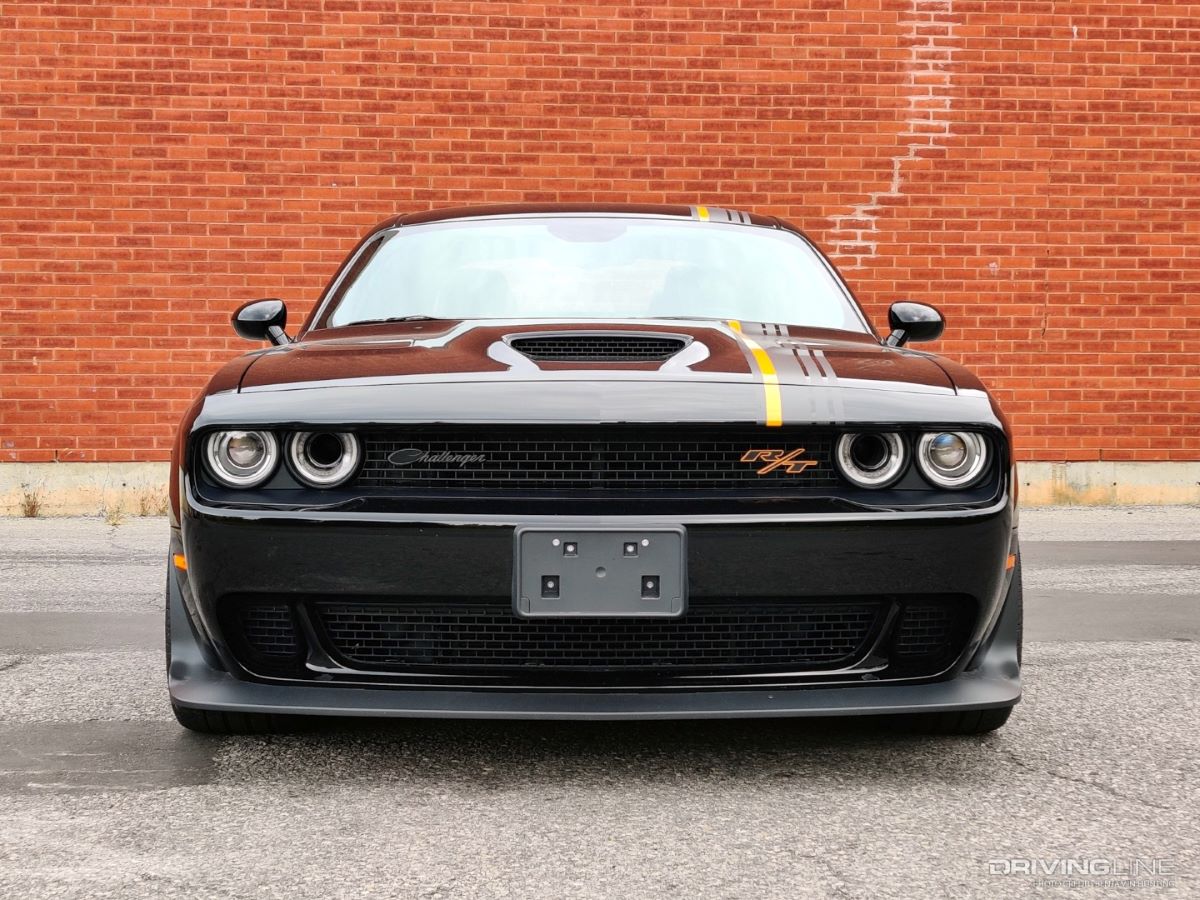
States with sloped driveways California, Washington, many Midwest suburbs make this an especially common issue.
Add in the Challenger’s length and weight, and you get a car that tends to compress its front suspension significantly when approaching an incline, making scraping a frequent occurrence.
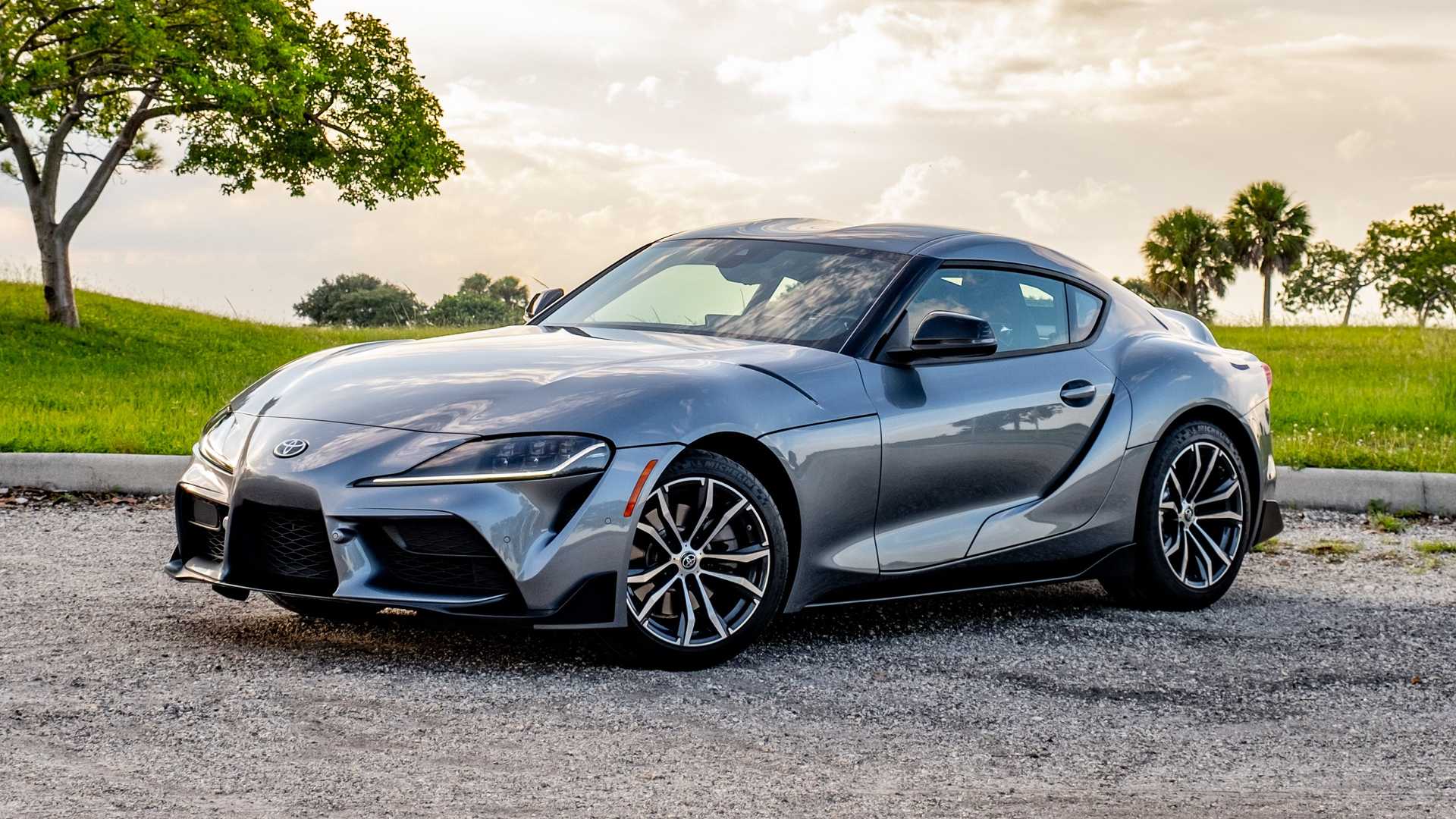
3. Toyota Supra
The Supra’s sleek nose, long bumper overhang, and low sitting position give it a striking silhouette but also make it one of the biggest driveway offenders.
Even modest driveways can cause the front lip to kiss the pavement, particularly when the suspension compresses under braking.
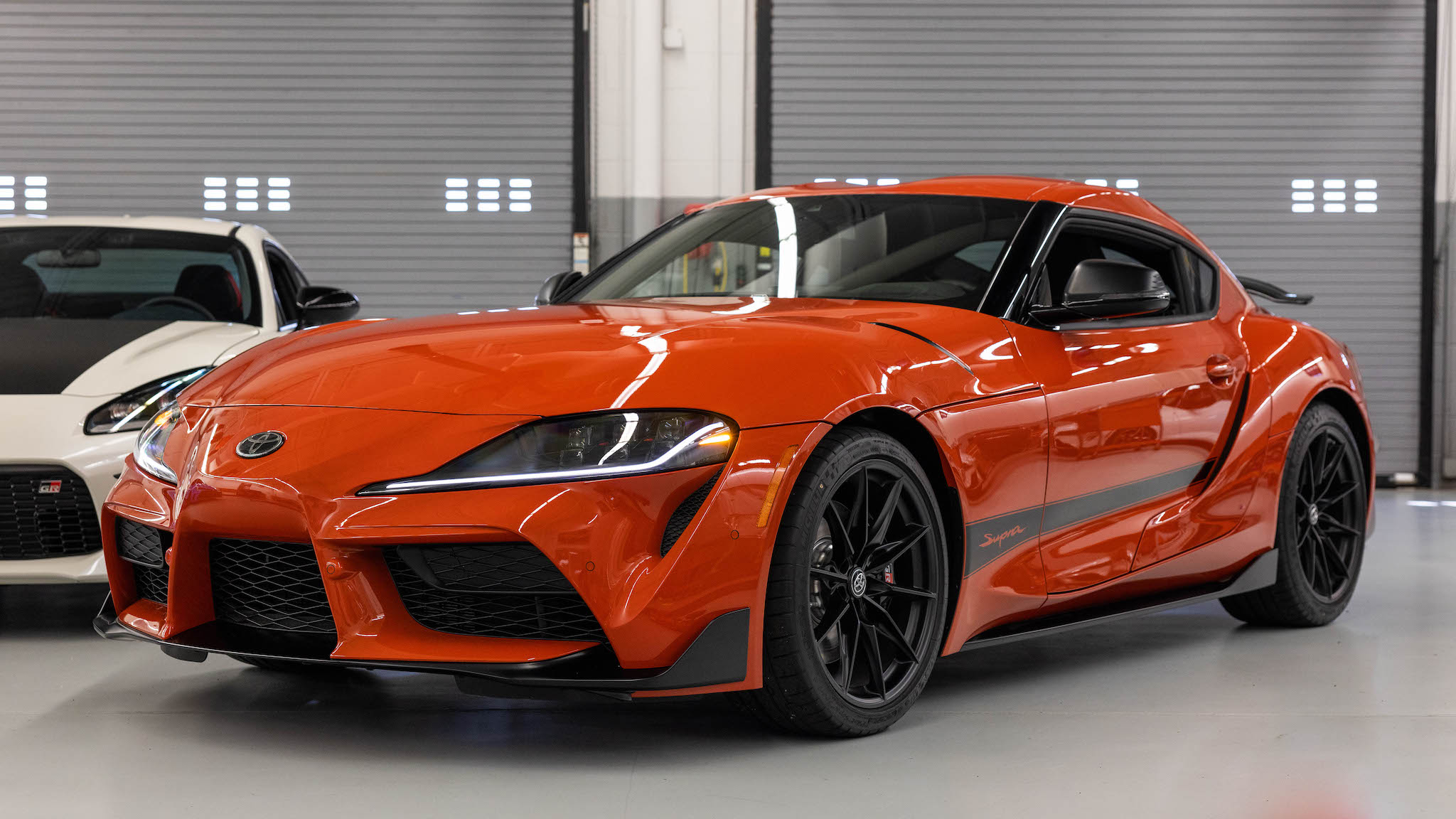
Supra owners in hilly or suburban neighborhoods often develop elaborate entry angles just to avoid scraping. The car is a masterpiece dynamically, but Toyota clearly prioritized aerodynamics and visual drama over suburban practicality.
The Supras of earlier generations built their reputation on straight-line muscle more than finesse, but the latest model finally nails both sides of the performance equation.
The power increase added for 2021 makes hooking up off the line a bit trickier, yet it noticeably strengthens the Supra’s pull at higher speeds, giving it a more forceful top-end character.
Through corners, the Supra feels far more dialed-in than its predecessors. The steering relays a healthy amount of feedback from the front tires, and the updated calibration helps it respond with a more natural rhythm.
Revised suspension tuning also works in its favor: grip is improved without sacrificing liveliness, resulting in sharper cornering and less of the old Supra’s eagerness to oversteer.
With big brakes and sticky tires, the car can shed speed from 60 mph in just 105 feet, though serious track enthusiasts will likely want upgraded pads for repeated high-heat stops. Still, this isn’t a sports car that demands to be reserved for weekends. The Supra is surprisingly easy to drive every day.
Inside, the cabin leans heavily on BMW design language, yet it remains an inviting space with a genuinely upscale feel.
Every six-cylinder Supra comes with carbon-fiber interior trim that adds a touch of exclusivity and helps the cockpit feel more special than a typical compact coupe.
Even in the four-cylinder base model, buyers still get a strong value proposition given the level of performance and refinement on offer.
Toyota’s warranty coverage is a mixed bag compared with rival sports cars. The bumper-to-bumper term is shorter, but the powertrain coverage lasts longer, and Toyota includes two years of scheduled maintenance—an advantage many competitors don’t match.
4. Porsche 911 (Carrera Without Nose Lift)
The Porsche 911 is iconic, but its approach angle is notoriously shallow even without a carbon front lip or track package.
Because the front axle sits so close to the bumper and the suspension is firmly tuned, Carreras without the optional front-axle lift system scrape easily on steep driveways.
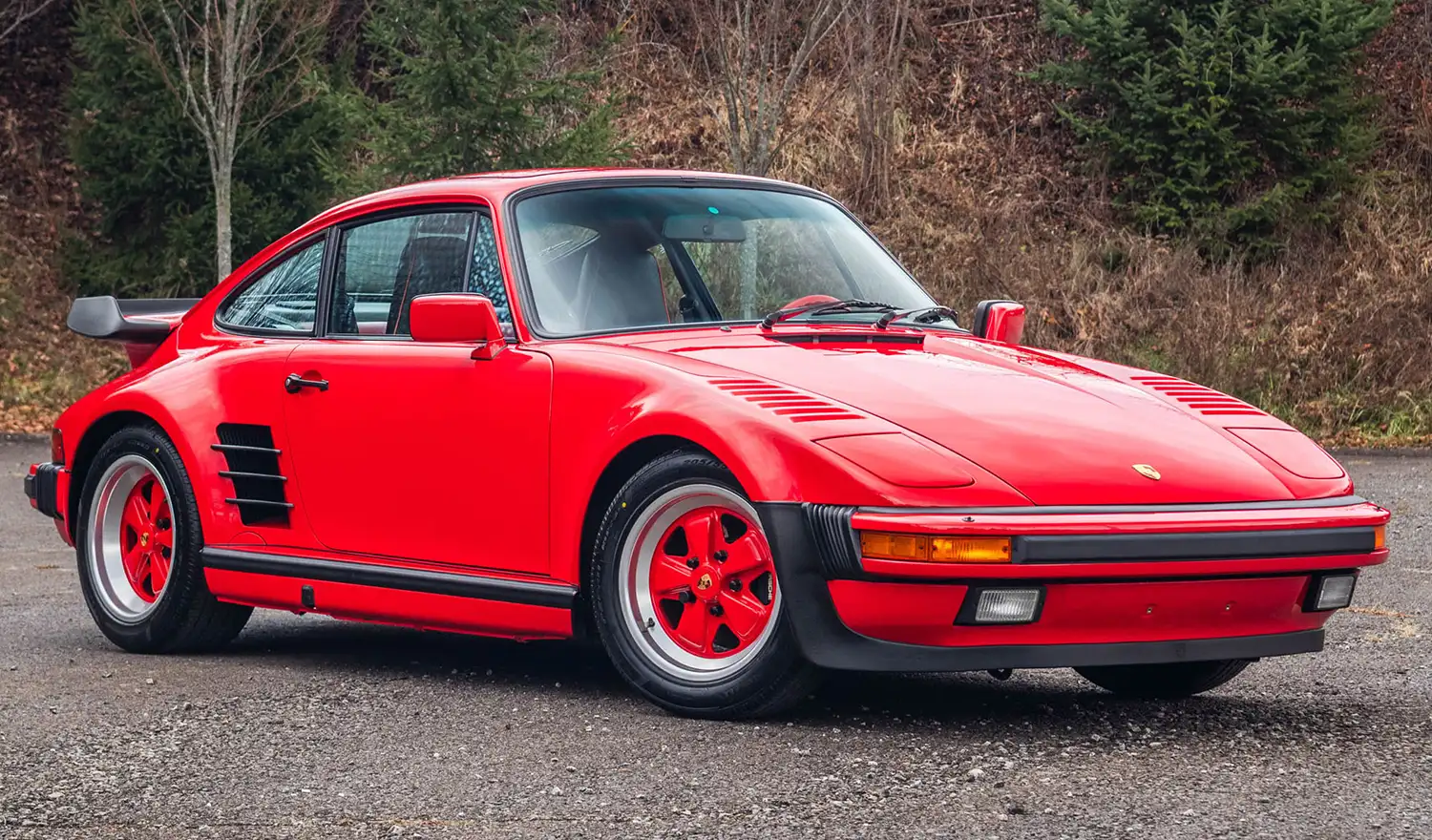
In cities like Los Angeles and San Francisco, the nose-lift button becomes less of a luxury and more of a necessity. Performance-wise, the 911 is nearly perfect; driveway-wise, it can be surprisingly delicate.
Porsche’s secret has always been evolution, not reinvention, refining the 911’s core formula just enough with each generation to keep it timeless. The 2024 911 still carries a turbocharged flat-six hung behind the rear axle, just as the first model did in 1964.
The difference today is that this configuration can produce as much as 473 horsepower. And if that’s not enough, Porsche will gladly sell you something even more extreme, Turbo and GT3 variants, but those are reviewed separately.
The standard 911 strikes a careful balance: part sports car, part grand tourer, fully capable of delivering weekend thrills without sacrificing everyday comfort.
The coupe retains classic lines that echo its heritage, while the Cabriolet and Targa open things up with fresh air and a broader sense of freedom.
Porsche has also added a native Spotify app, meaning you can stream music without relying on your smartphone at all. Beyond those tech updates, the 911 lineup carries forward unchanged.
Based on extensive seat time with multiple trims, the Carrera S coupe stands out as the sweet spot.
Its extra 64 horsepower over the base Carrera delivers a noticeably stronger punch, and it’s one of the few models available with a true seven-speed manual alongside the lightning-quick eight-speed automatic.
Options worth adding include the Sport Chrono package for its launch control and extra drive modes, the Sport Seats Plus for firmer front support, and the Sport package for its lowered suspension and throatier exhaust.
These upgrades add significantly to the price, but like most Porsche options, they’re both tempting and transformative.
All models come standard with a brilliantly calibrated eight-speed automatic transmission, though the S and GTS can be optioned with a seven-speed manual for purists.
Coupes and convertibles send power to the rear wheels by default, with all-wheel drive optional; Targas are AWD-only.
Testing proves the range’s breadth and capability. We’ve driven everything from the base Carrera to the more potent Carrera S variants, all of which showcased exceptional stability and remarkable traction even in poor weather.
With launch control engaged, acceleration is startling: the GTS equipped with the automatic hit 60 mph in 2.8 seconds, while the manual version was only slightly behind at 3.2 seconds.
The Dakar slotted between them at 2.9 seconds, despite its off-road focus. Porsche’s optional sport exhaust system further heightens the sensation by delivering a richer, more evocative soundtrack.
Perhaps the most impressive element is how seamlessly the 911 blends comfort with capability. Its ride quality remains surprisingly supple, absorbing rough pavement better than many dedicated luxury cars, yet its body control is razor sharp.
The steering remains one of the most communicative systems in the industry, brilliantly direct and brimming with feedback. The result is a machine equally willing to cruise casually or carve corners with near-telepathic precision.
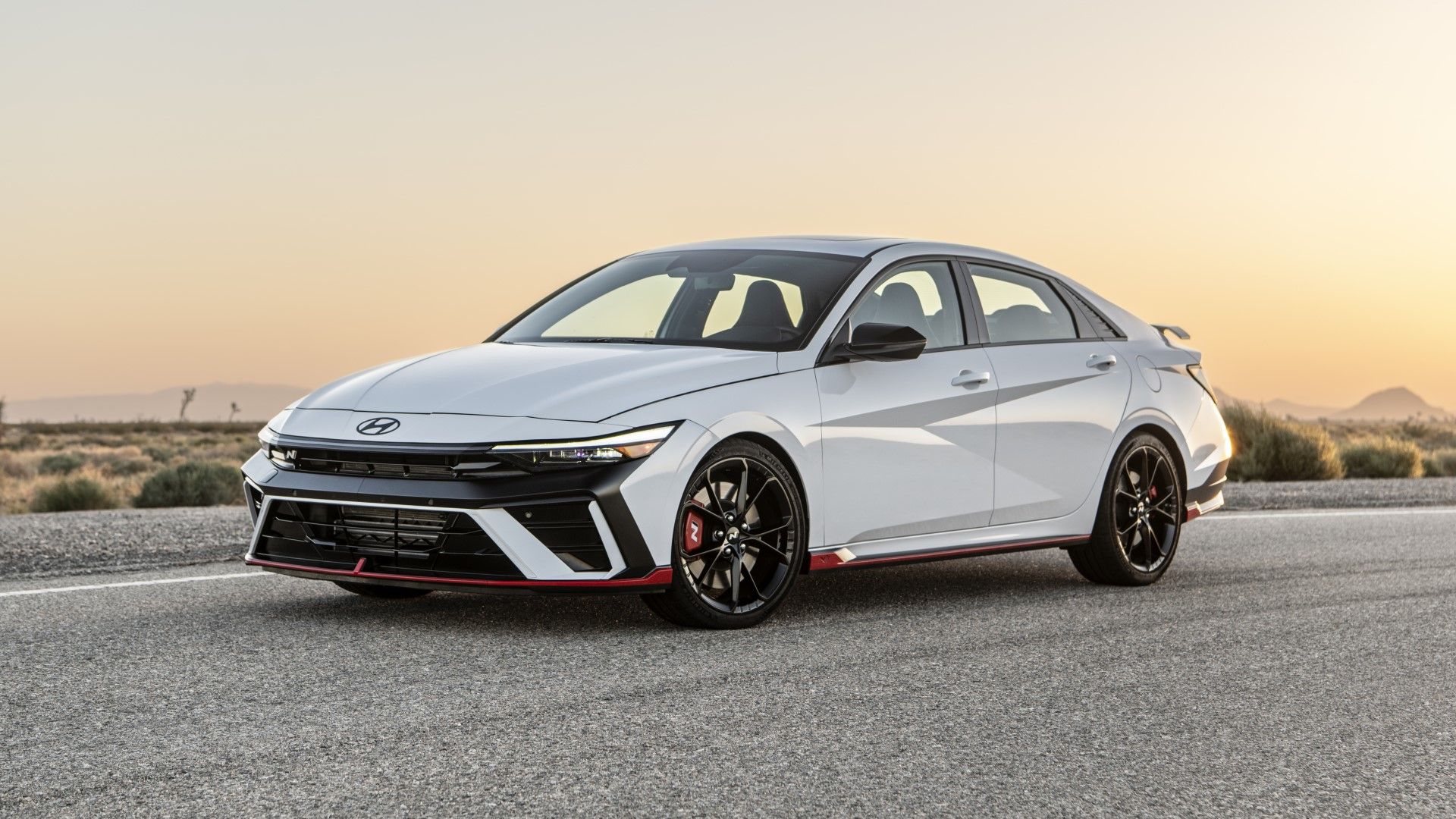
5. Hyundai Elantra N
The Elantra N is a front-wheel-drive riot and one of the most entertaining affordable performance cars on sale.
But its aggressive front bumper, sharp aero extensions, and stiff suspension make it scrape more than drivers expect especially compared with tame commuter Elantras.
The car sits lower than it appears, and because the front lip protrudes forward for aerodynamic benefit, angled driveways and shopping-center entrances become hazards.
For all its brilliance on open roads, the Elantra N requires patience and careful maneuvering in everyday suburban environments.
Sports cars don’t have to be painful to live with, but many still are especially in the U.S. where suburban architecture mixes tall driveways, uneven pavement, and sharply angled parking-lot entrances that practically dare a low bumper to survive.
The good news is that plenty of sporty cars combine performance with practicality, offering owners the excitement of a weekend toy without the daily dread of scraping.
Models like the Mazda Miata, Mustang GT, WRX, M340i, and GR86 show that fun cars can be thoughtfully engineered for the real world, not just the track.
Meanwhile, vehicles like the Camaro, Challenger, Supra, 911 without lift, and Elantra N prove that low, aggressive designs often come with compromises.
For shoppers, the key is simple: If your driveway has a steep transition or if your daily routes include raised entrances, approach angle matters just as much as horsepower.
Choosing a sporty car that stays intact and doesn’t make you wince at every incline can make performance driving more enjoyable every single day.
