
For years, car buyers in the United States could count on one simple expectation: a spare tire tucked in the trunk or under the cargo floor.
But as automakers chase better fuel economy, expand battery packs, and free up space for hybrid hardware, the traditional spare tire has quietly disappeared.
In its place, many brands now include a small tire inflator kit usually a 12-volt compressor and a can of sealant. While these kits save weight and cost, they can leave drivers stranded when facing anything more significant than a minor puncture.
In rural states, where cell coverage is spotty and towing can take hours, the lack of a spare can become a real inconvenience.
Meanwhile, some automakers have held the line, keeping real spare tires either compact “donut” spares or full-size wheels available on certain models.
Below, we break down five cars that still come with proper spare tires in 2025 worth knowing if you prioritize self-sufficiency and five that rely only on inflator kits, better suited for urban drivers or those comfortable waiting for roadside assistance.
This comparison helps buyers understand what they’re actually getting in a world where spare tires have become optional instead of expected.
Cars With Real Spare Tires in 2025
or years, automakers have been quietly phasing out real spare tires in favor of patch kits, run-flats, and weight-saving strategies that don’t do drivers many favors when trouble strikes. But in 2025, a handful of brands still recognize the value of a proper spare, the kind you can actually bolt on and drive without calling roadside assistance.
From rugged SUVs to practical sedans, these vehicles stand out for offering genuine peace of mind in an era where full-size and even compact spares are becoming rare. Here are the cars that still come with a real spare tire in 2025.
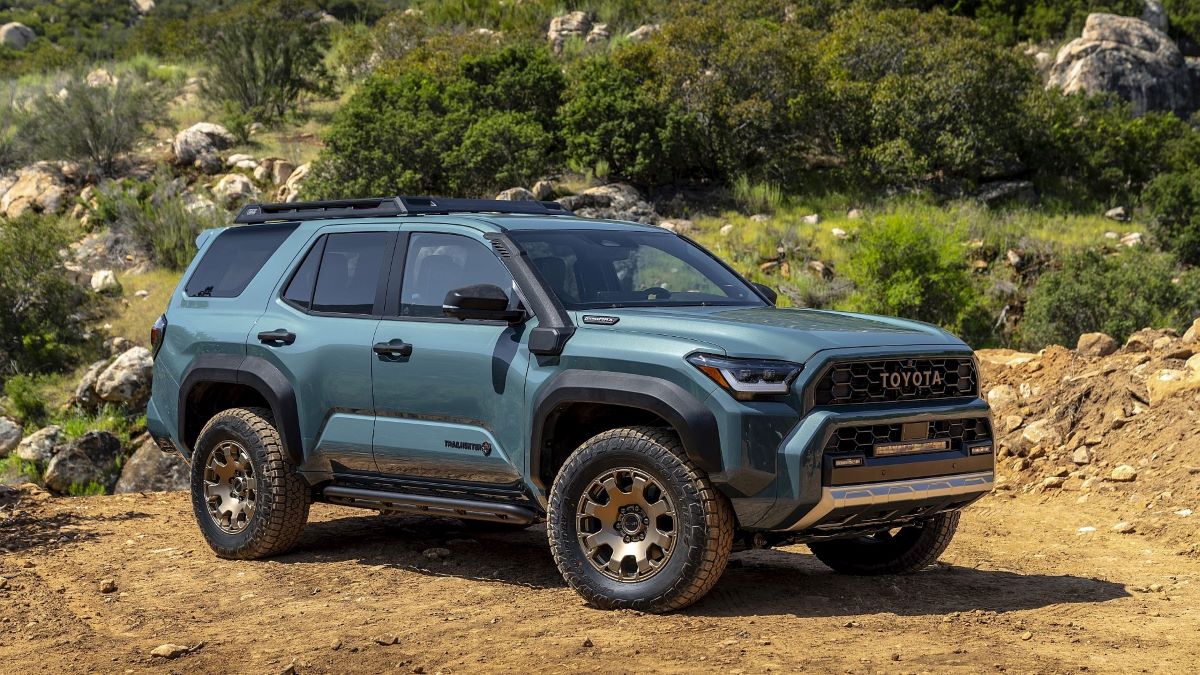
1. Toyota 4Runner (2025)
The new-generation 2025 Toyota 4Runner continues its tradition of including a real, physical spare tire specifically a full-size unit mounted underneath the rear of the vehicle.
Toyota knows its core 4Runner audience: outdoor enthusiasts, national-park visitors, off-road drivers, and families in rural areas who want a tough SUV that doesn’t rely on electronics and roadside services.
A full-size spare remains essential for off-road recovery and long-distance overlanding. The 2025 redesign adds more modern tech and hybrid options, but Toyota didn’t budge on fundamentals.
If you’re traveling across Appalachia, the Rockies, or long stretches of desert, having a real spare is non-negotiable and Toyota gets that.
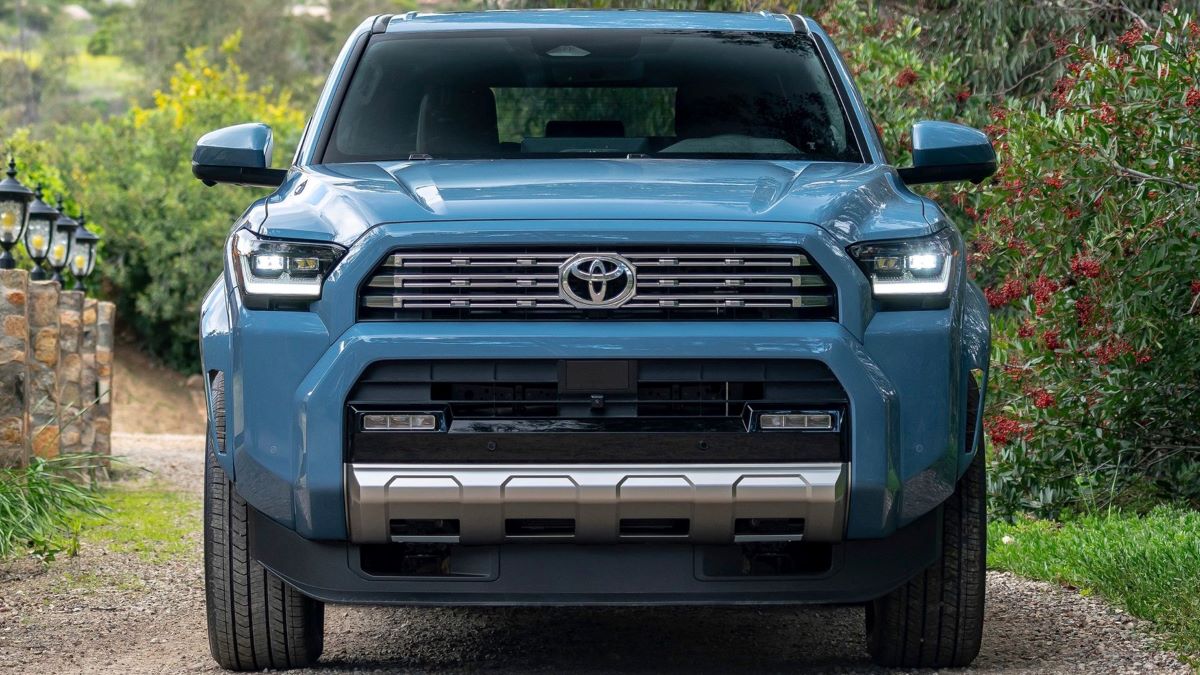
Toyota’s lineup of trucks and off-road vehicles is more current than ever after a busy two years of new releases, and the 4Runner has finally undergone the long-awaited modernization. The 2025 4Runner rides on the same platform as the Tacoma pickup and comes standard with the turbocharged four-cylinder engine that produces 278 horsepower.
A hybrid variant with 326 horsepower is also available, though we cover that model separately. Toyota has kept the traditional roll-down rear window, and the new 4Runner’s exterior remains rugged, handsome, and square-jawed.
Every 4Runner comes with a 278-hp turbocharged 2.4-liter four-cylinder paired with an eight-speed automatic transmission. Rear-wheel drive is standard, while a full-time four-wheel-drive system is optional and features a two-speed transfer case with both high and low ranges.
A range of off-road equipment is available, including optional disconnecting stabilizer bars, a locking rear differential, and an off-road cruise control system. The hybrid variants add even more off-road features, such as manually adjustable dampers.
During our on- and off-road testing, we found the new 4Runner shows noticeably improved road manners compared with the previous generation, though it remains clumsy and substantial enough to remind you that it’s a truck-based SUV. It’s especially enjoyable off-road, offering good visibility and responsive steering in dirt and rough terrain.
Also Read: 5 Hybrids That Save Money Fast vs. 5 That Take Too Long to Pay Off
2. Subaru Outback
The 2025 Subaru Outback continues to buck the industry trend by including a compact spare tire across most trims.
Subaru understands its customers drive through snow states, gravel forest roads, and rural highways where a nail, screw, or rock puncture is common.
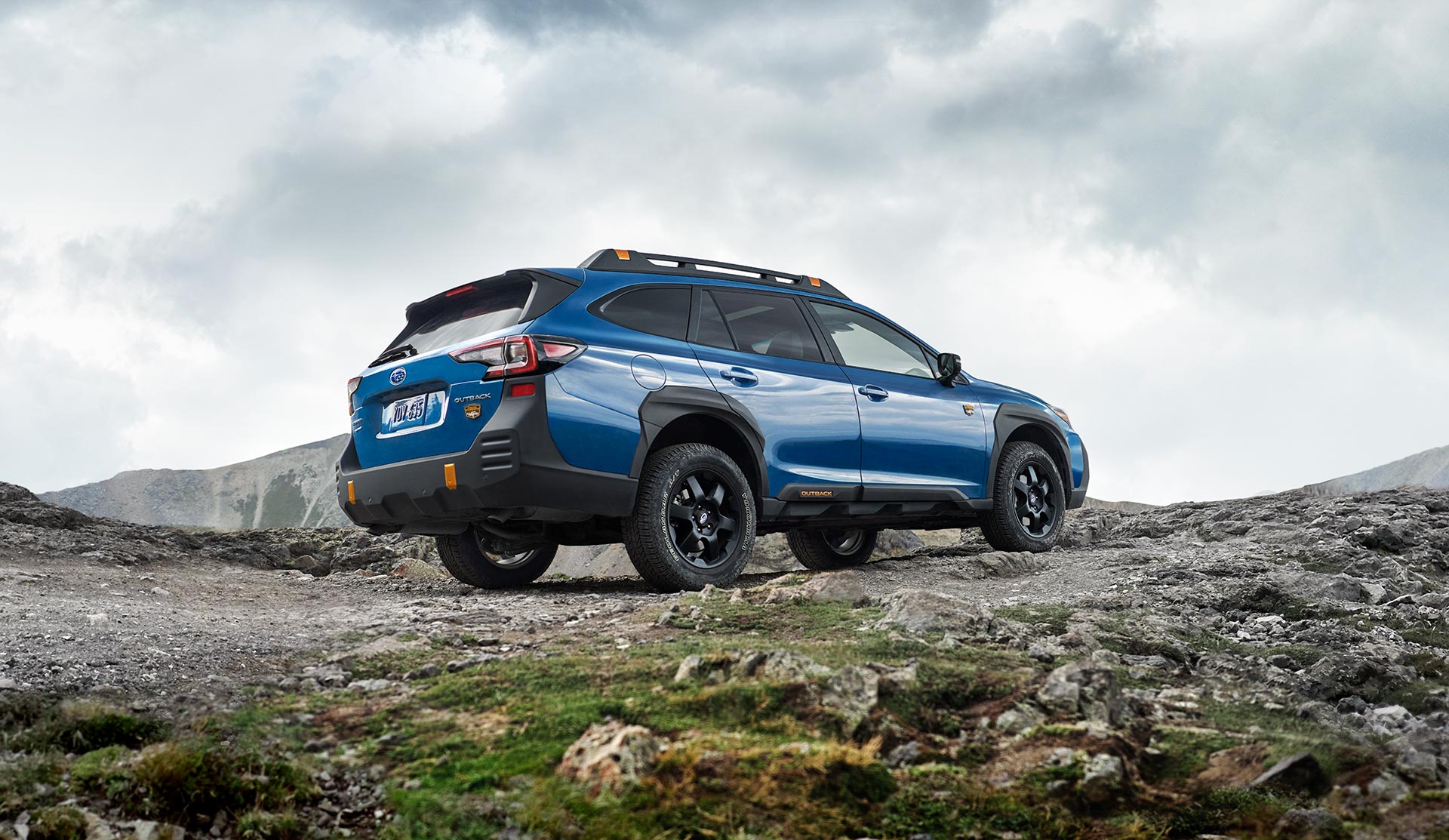
The Outback’s cargo area remains spacious even with the included spare, and there’s enough room to store road-trip essentials or camping gear without compromise.
For families in states like Colorado, Montana, or Vermont where road shoulders can be soft and cellphone reception unreliable Subaru’s commitment to spare tires is a huge practical advantage.
3. Toyota Camry (2025)
While many midsize sedans have ditched spare tires entirely, the 2025 Toyota Camry still offers a compact spare on most trims.
This makes the Camry one of the few mainstream sedans where you can still change your own flat in minutes rather than waiting around for tow services.
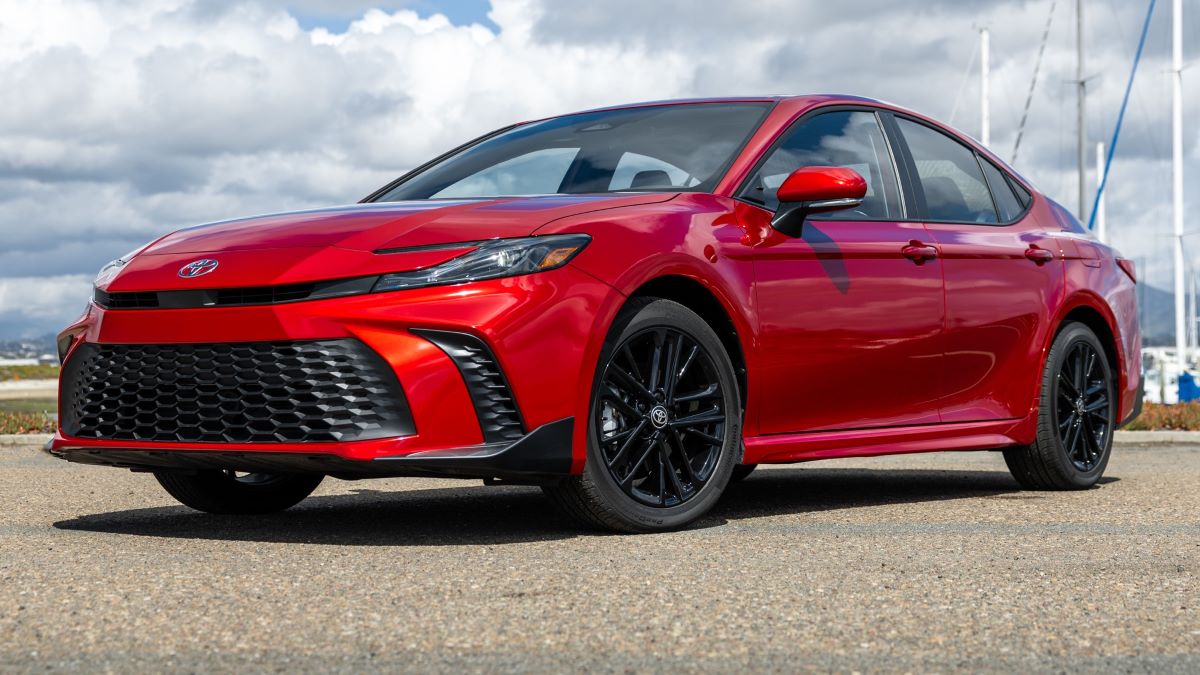
Toyota’s reasoning is simple: the Camry sells heavily in suburban and rural America, where owners expect long-term reliability and self-service practicality.
With the 2025 Camry going hybrid-only, the presence of a spare is even more impressive considering battery packaging challenges. It’s a smart pick if you want sedan comfort without giving up emergency preparedness.
We tested the Camry XSE equipped with front-wheel drive. Acceleration is smooth and effortless, providing sufficient power for passing, merging, and other driving maneuvers.
The Camry XSE’s sport-tuned suspension and precise steering deliver impressive handling, though even the base-trim Camry feels secure and stable when pushed through corners.
This model maintains a solid connection to the road, avoiding the vague, floaty sensation of older generations, while still absorbing bumps and dips comfortably. Compared with its competitors, the Camry’s upright seating position offers a more elevated perspective, with a clear view over the hood and behind the vehicle.
This Camry also comes with Toyota’s most advanced and nearly flawless safety technology. The system can now detect vehicles entering and leaving lanes and adjust speed accordingly. With the optional Traffic Jam Assist, drivers can even remove their hands from the wheel at speeds up to 25 mph when conditions allow.
4. Honda Pilot
The 2025 Honda Pilot keeps its spare tire because it’s built on a platform geared toward adventure families and cross-country travelers.
Even AWD trims retain a compact spare under the rear floor something many crossovers in this class have removed.
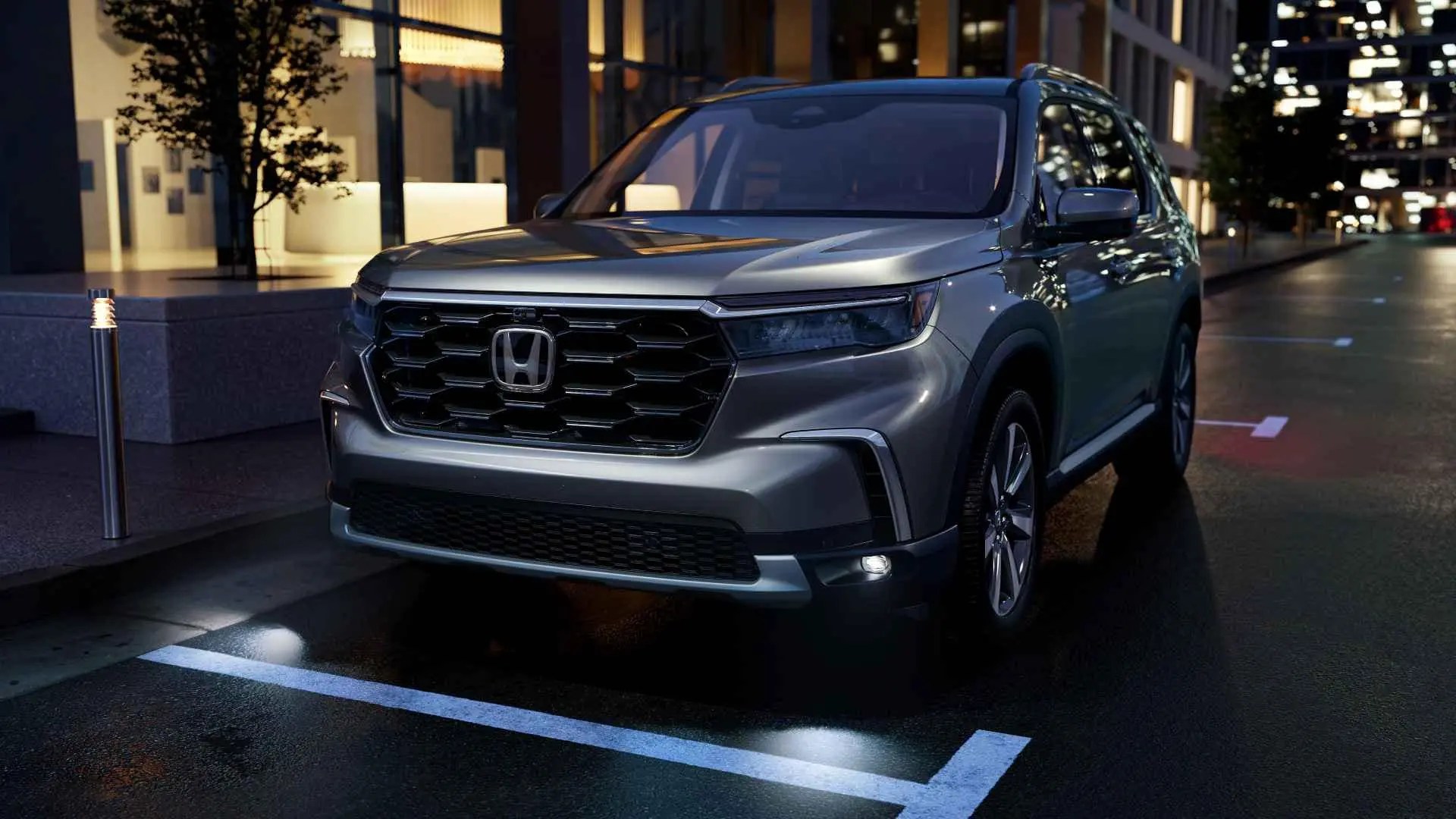
Honda understands that SUV drivers often carry kids, drive long distances, and take road trips where a blowout can’t always be solved with sealant.
The Pilot’s spare works well for families that want a do-it-yourself safety margin, especially in regions with poorly maintained roads or unexpected construction debris.
5. Jeep Wrangler
The iconic Jeep Wrangler is one of the last vehicles in America that not only includes a spare tire but proudly displays it on the rear swing gate.
The 2025 model’s full-size spare matches the aggressive off-road tires that Wranglers typically run. When climbing rocks in Utah or mud tracks in Georgia, a sealant kit won’t save you if you slice a sidewall which is exactly why the Wrangler remains committed to real spares.
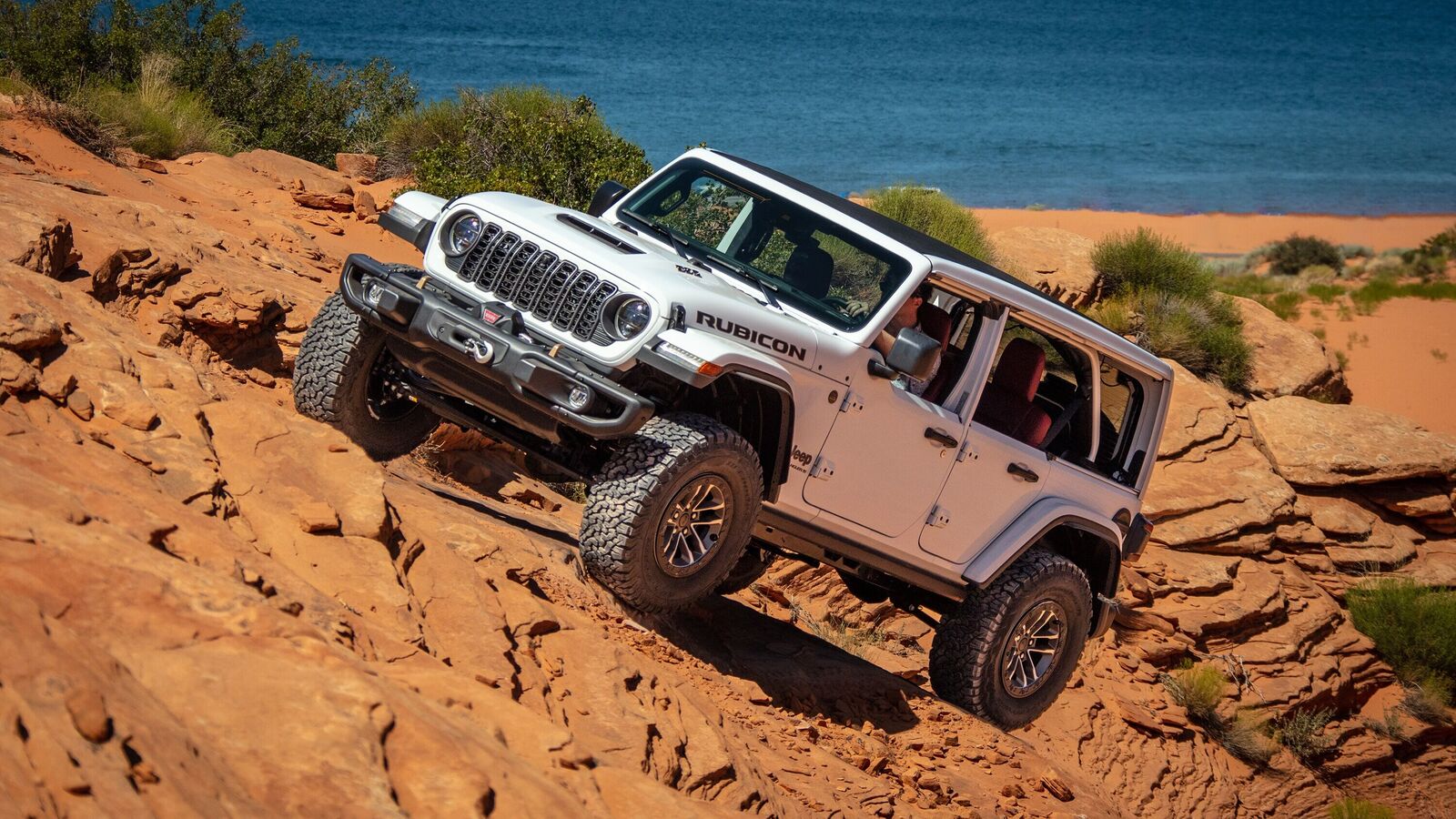
Its enthusiast base expects full recovery capability, and Jeep delivers. Whether you’re using the Wrangler as a daily driver or weekend trail machine, that visible spare is more than a design statement; it’s a promise that you won’t get stranded deep off-pavement.
Cars That Come With Inflator Kits Only
Over the past decade, automakers have steadily moved away from supplying real spare tires, replacing them with lightweight inflator kits designed to save space, improve fuel economy, and cut manufacturing costs.
While these kits can handle minor punctures, they’re no match for a blowout, or anything more serious, leaving many drivers surprised and stranded when the sealant won’t do the job.
In 2025, a growing number of cars ship with nothing more than an inflator kit in the trunk. Here’s a look at the models that rely solely on these compact repair kits, and what that means for everyday drivers.
Also Read: Top 8 Crossovers That Still Feel Tight at 100,000 Miles
1. Tesla Model 3
Like most EVs, the 2025 Tesla Model 3 does not include a spare tire only an inflator kit. Tesla’s priority is maximizing battery range and trunk space, so the brand opts for weight savings over traditional roadside tools.
While the inflator kit can handle small, low-speed punctures, it’s useless for blowouts, sidewall damage, or pothole impacts, which are common in states with rough winters.
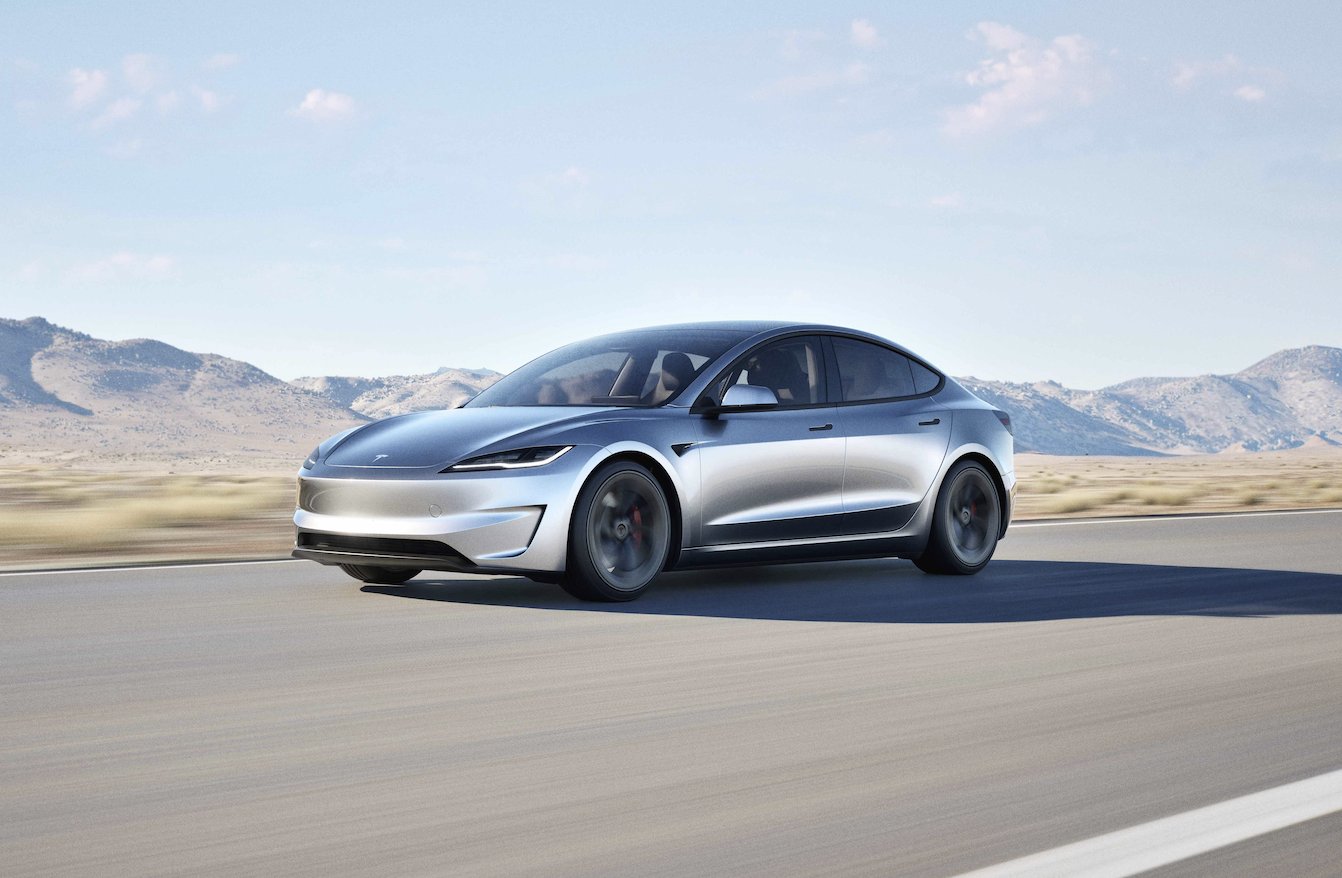
Most Tesla owners rely on mobile service or roadside assistance, but drivers in rural states may find themselves waiting significantly longer for help.
It’s fine for city and suburban commuting, but not ideal for long-distance road-warriors.
With an almost perfect balance of performance, driving range, and accessible pricing, the 2022 Tesla Model 3 is an electric vehicle that lives up to the hype. It’s fast, particularly the Performance trim, and remarkably agile, making the Model 3 an EV that driving enthusiasts can genuinely enjoy.
It even earned a spot on our 2022 Editors’ Choice list. The driving range is impressive, with the mid-level Long Range trim offering 358 miles per charge, so daily charging isn’t a necessity.
Its attractive starting price, however, doesn’t unlock the Model 3’s full capabilities, and its fit and finish fall slightly short compared with rivals like the Chevy Bolt and Ford Mustang Mach-E. Still, there’s no more affordable way to get one of Tesla’s groundbreaking EVs in your driveway.
Like most electric vehicles, the Model 3 delivers power smoothly and nearly silently, with strong acceleration from a standstill. And it’s fast, extremely so in certain trims.
The rear-wheel-drive Long Range model we tested went from zero to 60 mph in 5.1 seconds, while the Model 3 Performance sprints to 60 mph in just 3.5 seconds, half a second quicker than our long-term Model 3 Long Range. As with all Teslas, the battery sits beneath the floor, giving the car a low center of gravity.
This layout allows the Model 3 to change direction crisply and remain stable and planted in corners. The steering is precise and well-weighted, with three adjustable settings for steering effort. The ride feels firm without being harsh, though in the absence of a gas-powered engine, cabin noise from tires rolling over pavement imperfections is more noticeable.
2. Kia EV6
Another EV following the same industry logic, the Kia EV6 ships only with a tire mobility kit. Because EV batteries add hundreds of pounds, automakers look to cut weight wherever possible.
The result is that EV6 owners must depend on roadside help if something beyond a puncture occurs.
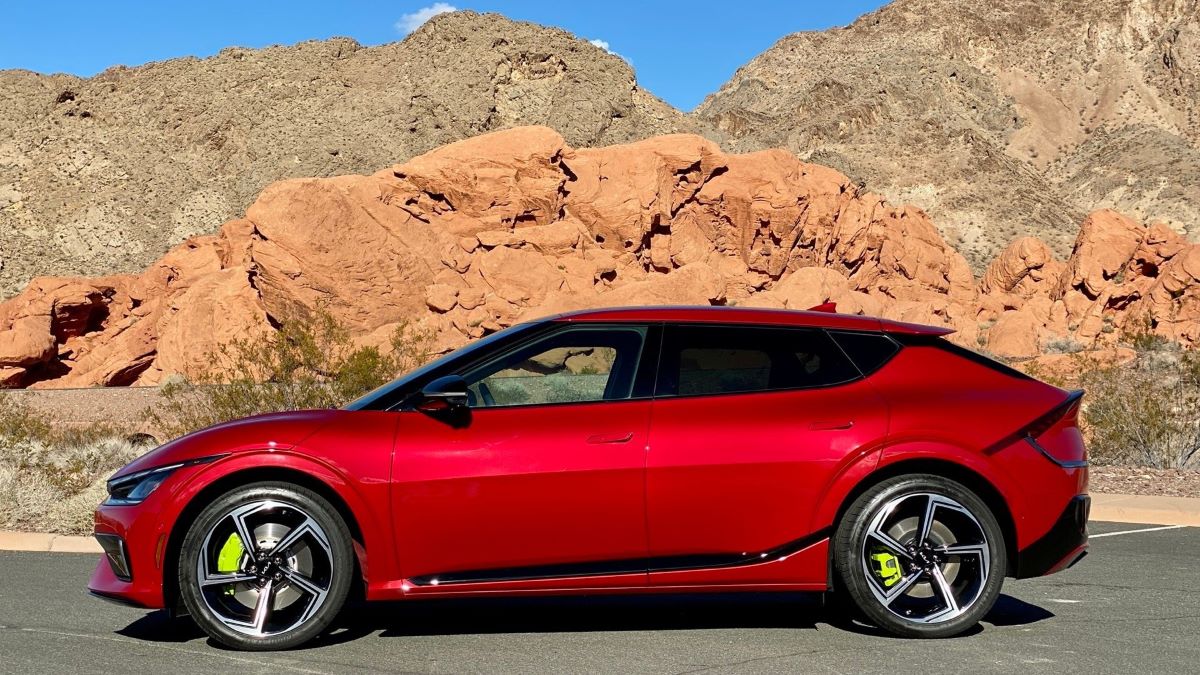
The low-profile tires on the sportier trims also increase the risk of damage from potholes, making the lack of a spare more frustrating.
For city-living EV drivers with reliable towing service nearby, it’s manageable. For those in multi-state road-trip territory, it’s a compromise worth noting.
Rear-wheel drive comes standard, while all-wheel-drive models offer more punch and can be equipped with a larger battery pack delivering up to 310 miles of driving range. The EV6 handles eagerly, especially for an SUV, making it enjoyable on winding back roads.
For performance enthusiasts, this year’s new GT model is the standout, boasting 576 horsepower, enough to make Stinger owners envious as it effortlessly overtakes them.
Meanwhile, the cabin remains quiet and spacious, comfortably competing with SUV rivals such as the Ford Mustang Mach-E, the Ioniq 5, and the Volkswagen ID.4. The EV6 earns a spot among our favorite SUVs because it combines practicality, fun-to-drive dynamics, and strong value in a well-rounded electric package.
The EV6 can be had with a single rear-mounted electric motor for rear-wheel drive or dual motors for all-wheel drive. All-wheel-drive models come with a larger battery pack and output options of either 320 or 576 total horsepower, while the base rear-drive version produces 225 horsepower.
We drove a GT-Line AWD in Europe and appreciated its satisfying acceleration, nimble handling, and adjustable regenerative braking. At our test track, the 320-hp GT-Line managed an impressive 4.5-second zero-to-60-mph sprint. The rear-wheel-drive model offers greater range but took 6.7 seconds to reach 60 mph in our testing.
For those chasing maximum straight-line performance, the 576-hp GT delivers, hitting 60 mph in just 3.2 seconds. The GT sits at the top of the lineup and comes equipped with enhancements such as an electronic limited-slip differential, firmer chassis tuning, adaptive suspension, and more robust brakes.
3. BMW X3 (2025)
Luxury brands like BMW shifted to inflator kits years ago to increase cargo room and reduce weight, and the 2025 BMW X3 continues this trend.
The vehicle relies on run-flat tires or sealant kits depending on the trim, but neither option offers the long-term reliability that many American drivers prefer.
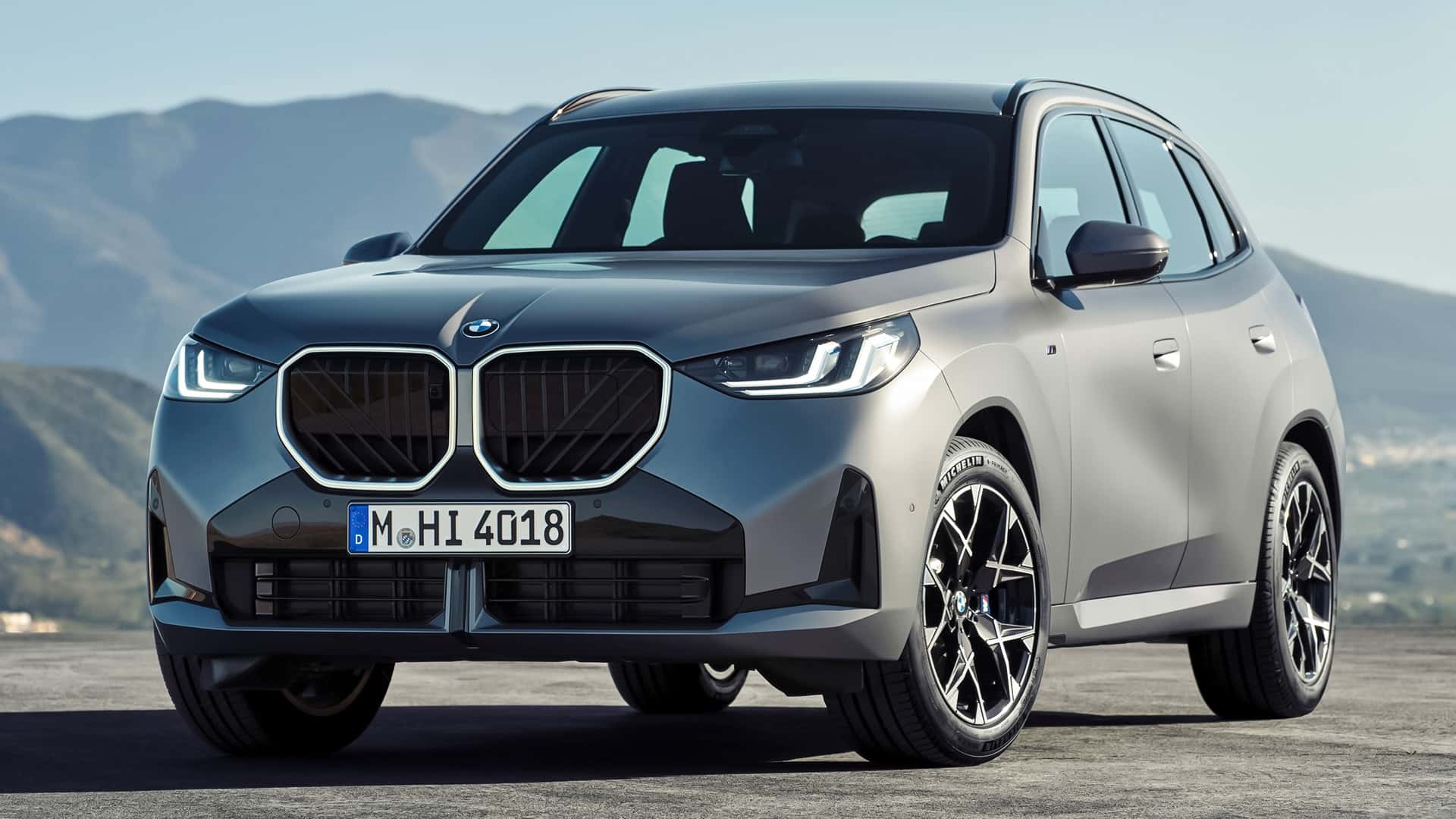
Run-flats often provide only about 50 miles of range once punctured, and they ride harsher than conventional tires.
The X3 appeals to drivers who prioritize luxury and performance, and BMW assumes its customers will use 24/7 roadside support instead of performing their own repairs making the inflator kit a “good enough” choice for its market.
4. Hyundai Tucson Hybrid
While some non-hybrid Tucsons may still offer a spare, the 2025 Tucson Hybrid eliminates it due to battery placement. Instead, Hyundai includes a tire mobility kit.
This is becoming standard across hybrid crossovers, where packaging constraints limit trunk-floor space.
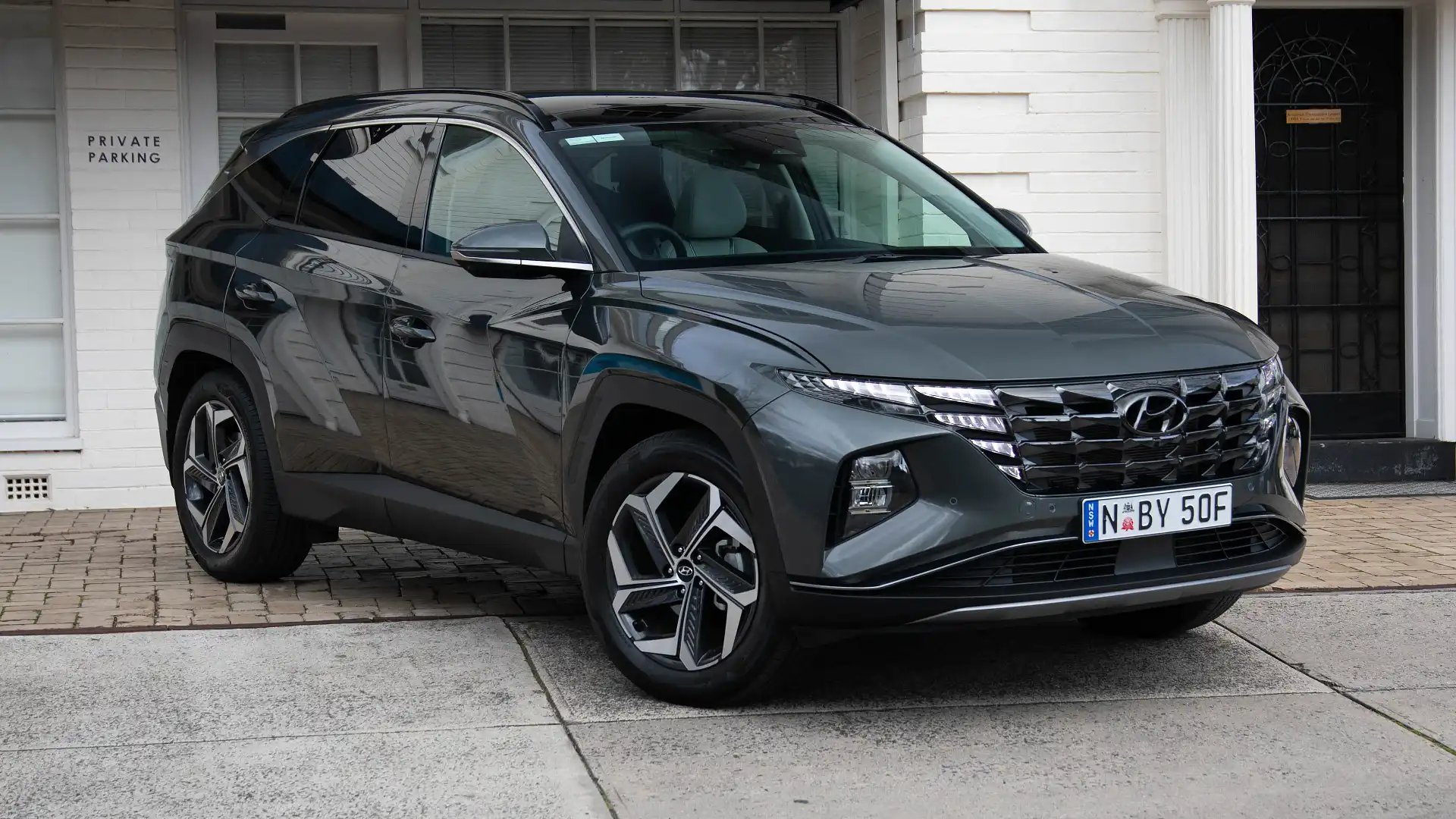
The hybrid’s low-speed puncture solution works for small leaks but won’t help if you run over debris on a construction-heavy interstate or hit a pothole that tears the sidewall.
Many buyers don’t realize the hybrid costs them a spare, making this important information for 2025 shoppers comparing powertrains.
The Tucson Hybrid and its plug-in PHEV sibling occupy the middle ground of modern propulsion, not fully electric, yet not entirely dependent on gasoline. Both models come standard with all-wheel drive, drawing power from a combination of a front motor and a 1.6-liter turbocharged gasoline engine.
Total output is 226 horsepower for the Hybrid and 261 hp for the PHEV, giving them an edge over the 187-hp gas-only Tucson. The Tucson Hybrid also offers more standard features and is exceptionally quiet at highway speeds.
It uses a six-speed automatic transmission, sidestepping the groan-inducing CVT, and can tow up to 2,000 pounds when properly equipped. Visually, it impresses as well: with part of its daytime running lights integrated into the grille, the Tucson Hybrid is strikingly attractive and remains one of the most affordable PHEVs available today.
The performance boost of the hybrid Tucson over its gas-only counterpart is noteworthy. A turbocharged 1.6-liter inline-four engine paired with a front motor delivers 226 hp for the hybrid and 261 hp for the plug-in hybrid; all-wheel drive comes standard with these electrified powertrains, and both use a six-speed automatic transmission.
That said, don’t expect the same thrilling acceleration as the 302-hp Toyota RAV4 Prime. On our test track, a fully loaded Limited hybrid ran from zero to 60 mph in 7.1 seconds.
While the Tucson is no sports car, its handling is confident, steering solid, and ride comfortable. Perhaps the most enjoyable aspect of the Tucson experience is its quiet highway cruising, which creates a surprisingly refined feel in an otherwise affordable SUV segment.
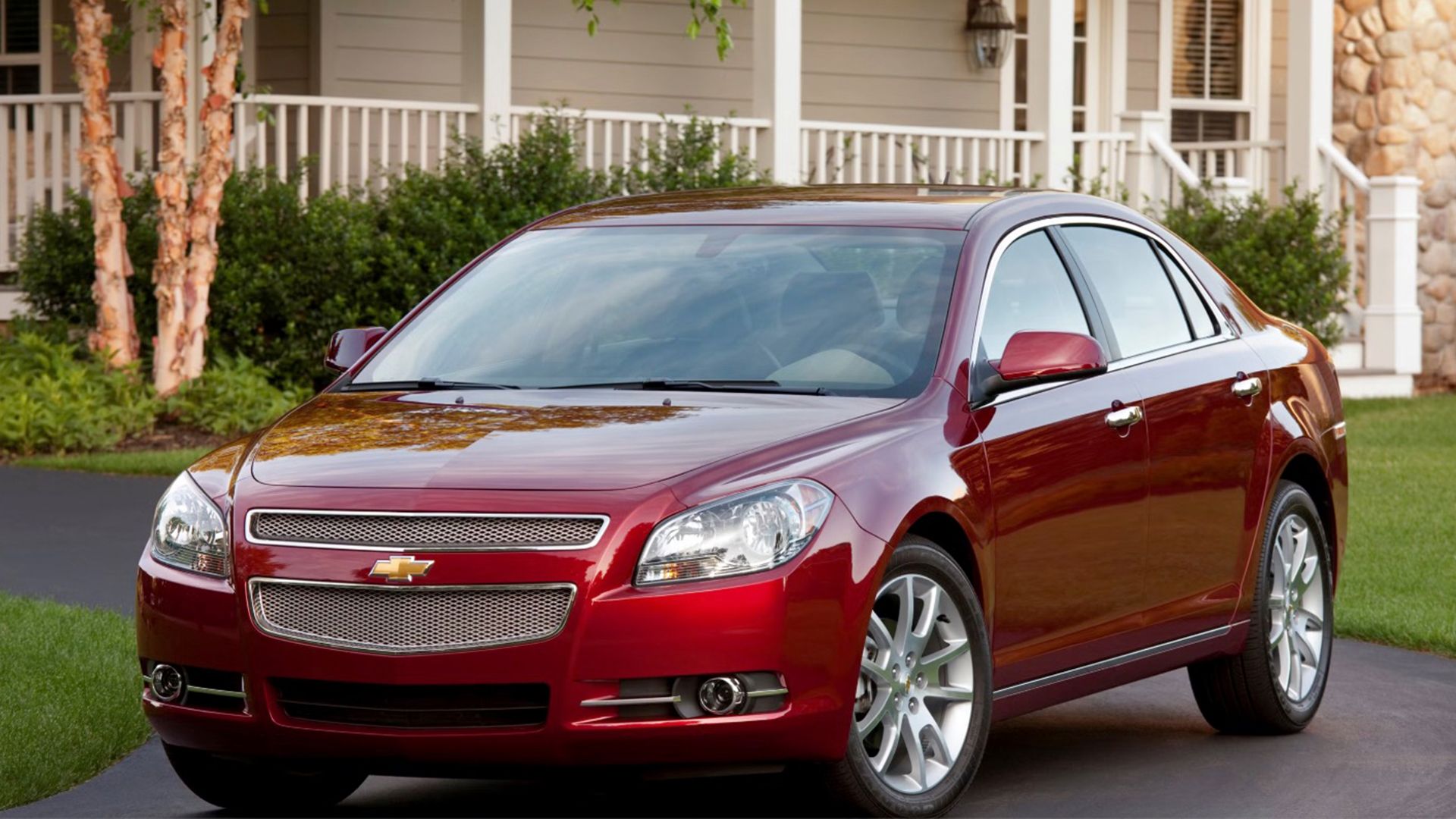
5. Chevrolet Malibu (Final Model Year)
As the last model year of the long-running Chevy Malibu winds down, the car no longer includes a spare tire on many trims, instead offering an inflator kit. Like other sedans fighting to stay competitive, Chevy emphasizes weight savings and fuel economy.
But this means Malibu owners must rely on towing if they get a serious flat. For city commutes, it’s workable but for families who drive interstates across states like Texas, Kansas, or Nevada, the lack of a spare can feel limiting. As sedans phase out, the spare tire is disappearing with them.
The gap between cars that still include spare tires and those that rely solely on inflator kits reflects a major shift in the auto industry. As efficiency, electrification, and packaging demands increase, automakers see spares as expendable.
Chevrolet’s Malibu has long been a solid choice for midsize sedan buyers. However, the Malibu will be discontinued after the 2025 model year. The current generation hasn’t been redesigned since 2016, and it struggles to remain competitive.
While the Malibu has its merits, rival sedans offer far more. Its touchscreen interface is easy to operate, but that’s partly because the system is dated and lacks the features of more modern infotainment setups.
It’s not just the infotainment, competing sedans also provide more advanced driver-assistance systems, enhanced safety features, and extra convenience options. Many competitors are available with hybrid powertrains for better fuel efficiency or more powerful engines for sportier performance, neither of which the Malibu offers.
We recommend checking out the Toyota Camry and Honda Accord. While they come with a higher upfront price, they’re worth the investment. The stylish and feature-rich Kia K5 and Hyundai Sonata are also strong alternatives. For a more budget-friendly option, consider the Honda Civic or Hyundai Elantra, which provide comparable passenger and cargo space to the Malibu at a lower cost.
The 2025 Malibu is offered in LS, RS, LT, and 2LT trims. All are powered by a turbocharged 1.5-liter four-cylinder engine (163 horsepower, 184 lb-ft of torque) paired with a continuously variable automatic transmission (CVT) driving the front wheels. Key highlights of each trim are outlined below.
The LT trim is our pick. It strikes a balance between affordability and comfort, adding desirable features like heated front seats, dual-zone automatic climate control, and rear air vents.
But for US drivers traveling long distances, living in rural areas, or facing harsh seasonal road conditions, the presence of a real spare can determine whether a minor hassle becomes a major ordeal.
If you’re the kind of driver who values independence and road-trip readiness, the five vehicles that still come with spare tires offer peace of mind.
But if you mostly drive in the city or you don’t mind waiting for roadside support, the inflator-kit-only models can still serve you well.
