
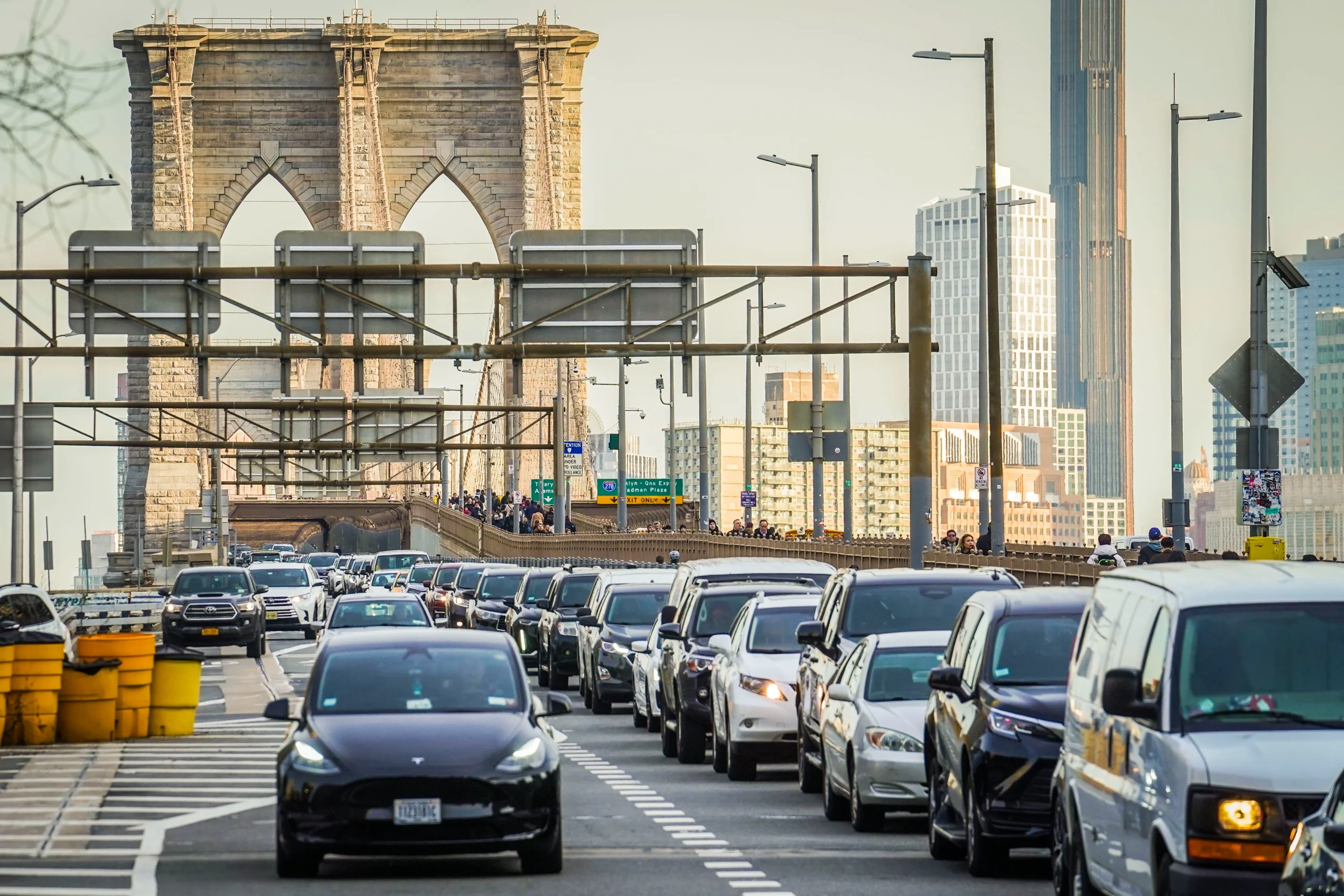
City driving in a place as busy as New York brings a kind of pressure that can test both the driver and the machine. Life there moves quickly, and traffic behaves like its own personality with a mix of impatience, sudden stops, honking, tight corners, and short gaps that force quick decisions.
Anyone planning to drive frequently within those streets needs a car that handles stress without creating extra trouble. That is why a thoughtful selection makes your daily movement smoother, less tiring, and far cheaper in the long run.
A good city car should not only be small enough to slip through crowded lanes, but it should also offer quick control response, steady reliability, and easy parking. Every block demands confidence from both the steering and brakes, so choosing wrongly can drain your energy before the day even begins.
Apart from the traffic pattern, the general structure of the city pushes some vehicles to work harder than they should. Heavy vehicles struggle to breathe on tight roads, long cars fight during parallel parking, and thirsty engines can punish your wallet.
Small potholes, constant braking, and repeated short trips also test how tough a car truly is. For that reason, drivers who want stress-free movement need an option that does not feel like a burden. A compact design, strong fuel economy, and dependable handling bring peace of mind on those narrow Manhattan streets and packed Brooklyn avenues.
Selecting a car for such an environment becomes more enjoyable when you understand how each model behaves under pressure. This guide brings a clear comparison between five cars that suit New York traffic beautifully and five that only make your movement harder.
5 Cars Perfect For New York City Traffic
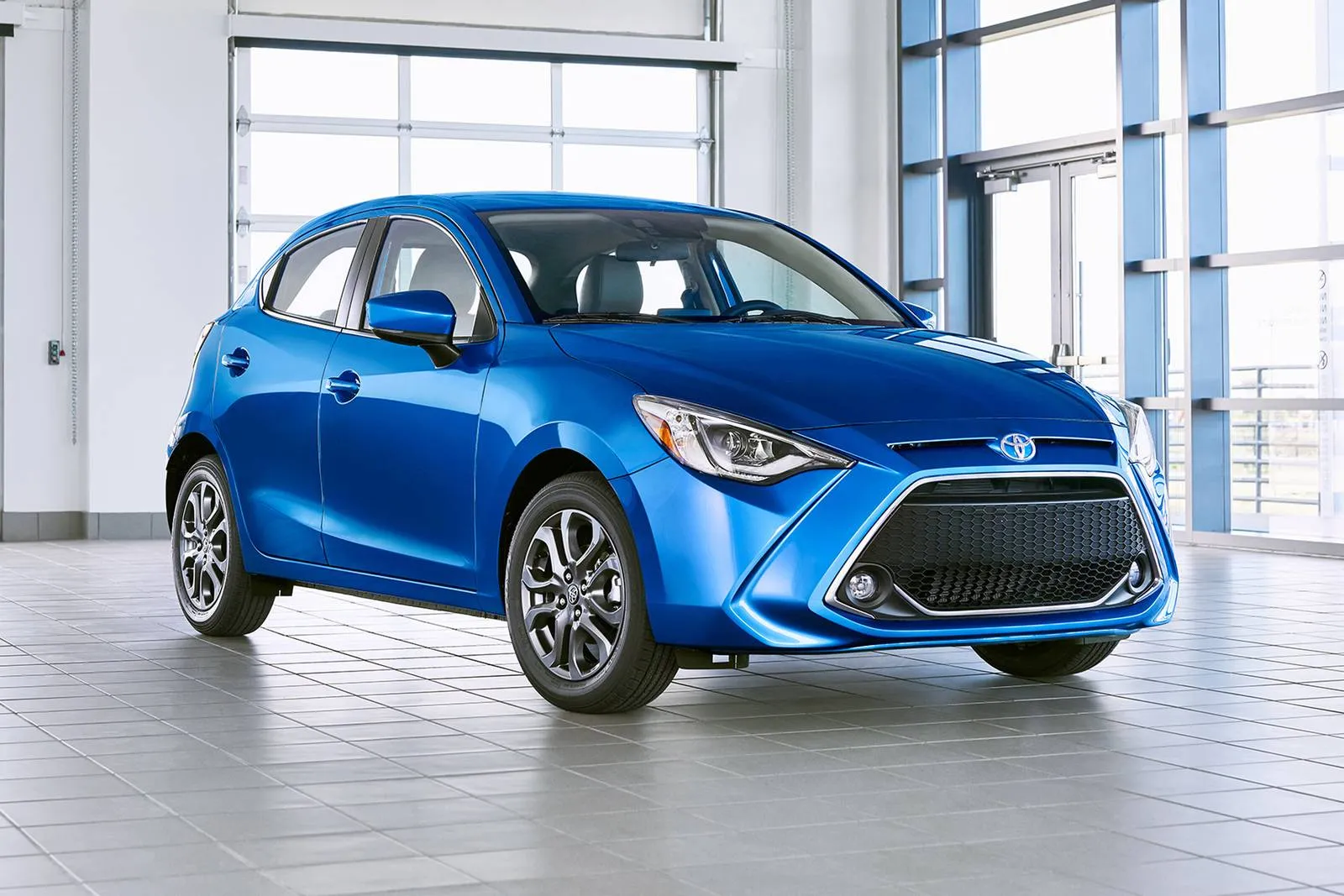
1. Toyota Yaris LE
A smooth experience with city mobility often starts with a compact vehicle that knows how to respond quickly, and the Toyota Yaris LE does that with ease. Its small size makes it simple to slip into tight parking spaces without sweating, while its steering feels light enough for rapid turns during busy hours.
Drivers who face bumper-to-bumper congestion frequently will appreciate how effortlessly it squeezes through lanes where bigger cars hesitate.
The car’s gentle acceleration suits short bursts between red lights, and the fuel consumption remains friendly whether the movement is slow or steady. New York traffic demands patience, so a car that behaves calmly in stressful conditions naturally earns respect.
While moving with constant starts and stops, comfort becomes a bigger deal than people usually admit. The Yaris LE protects occupants from most unpleasant bumps, and the seats feel supportive even during extended periods behind the wheel.
Visibility is strong, helping you judge pedestrians, bicycles, delivery carts, and the frequent taxis that appear at every corner. Anyone who cares about maintenance savings will appreciate how Toyota builds the Yaris with long-lasting parts. Its predictable performance builds trust for city drivers who cannot afford sudden mechanical trouble.
Another impressive aspect is the car’s excellent turning radius. This capability saves your day when a quick U-turn becomes necessary or when you must reposition during parallel parking.
The Yaris LE continues to shine because it blends simplicity with endurance, making life easier inside a city where space behaves like gold. Every trip feels manageable, and the stress level reduces dramatically once you spend time using it regularly.
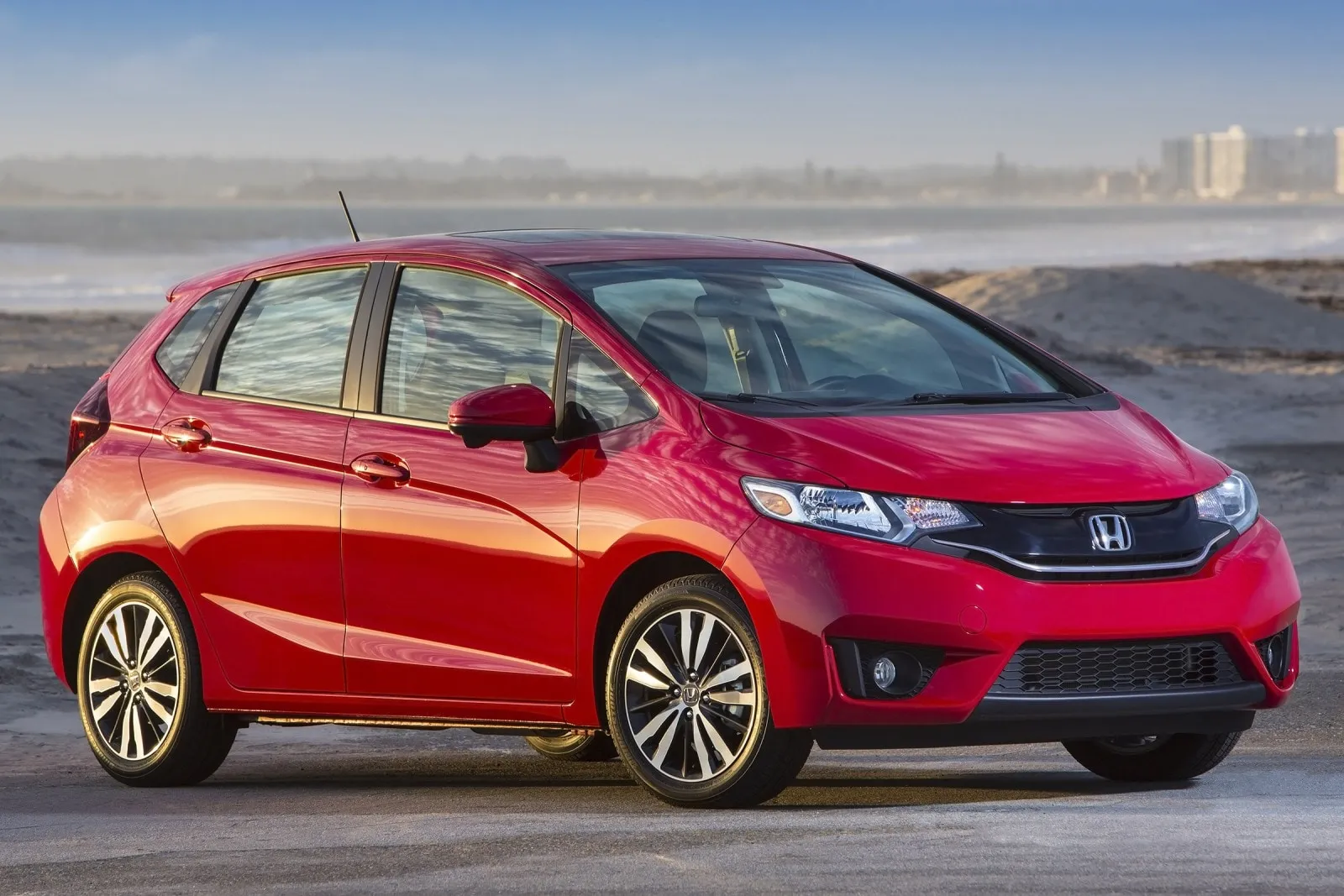
2. Honda Fit EX
An entirely different vibe comes in when discussing the Honda Fit EX because it introduces a flexible cabin that feels bigger than its appearance suggests. Anyone familiar with the city knows how unpredictable luggage needs can be, especially when picking up groceries, handling shopping bags, or occasionally transporting personal items across town.
This is where the Fit EX shines with its Magic Seat configuration that allows various folding combinations. New York streets may be packed, but once parked, the interior arrangement provides more practicality than some larger vehicles.
A sharp benefit lies in the way the Fit EX uses its fuel. The engine conserves energy excellently without losing the liveliness needed for sudden lane changes or quick merges into flowing traffic.
That kind of responsiveness gives the driver assurance that the vehicle will not hesitate during crucial moments. People who dread tight spots will love how the Fit EX rotates neatly around corners, making it easier to beat the constant dance of taxis, buses, and delivery vans dominating every borough.
Its upright seating position strengthens visibility, especially when watching pedestrians who can appear from any direction. The braking system stays smooth and doesn’t surprise you with unnecessary jerks.
Importantly, the Fit EX maintains durability in harsh stop-and-go situations that usually wear out other small cars faster. Because of its long reputation for reliability, it gives comfort to drivers who rely on their vehicle daily. In crowded zones, a car that remains consistent without strange issues brings peace that money alone cannot buy.
Also Read: 10 Cars With the Most Maintenance After 4 Years
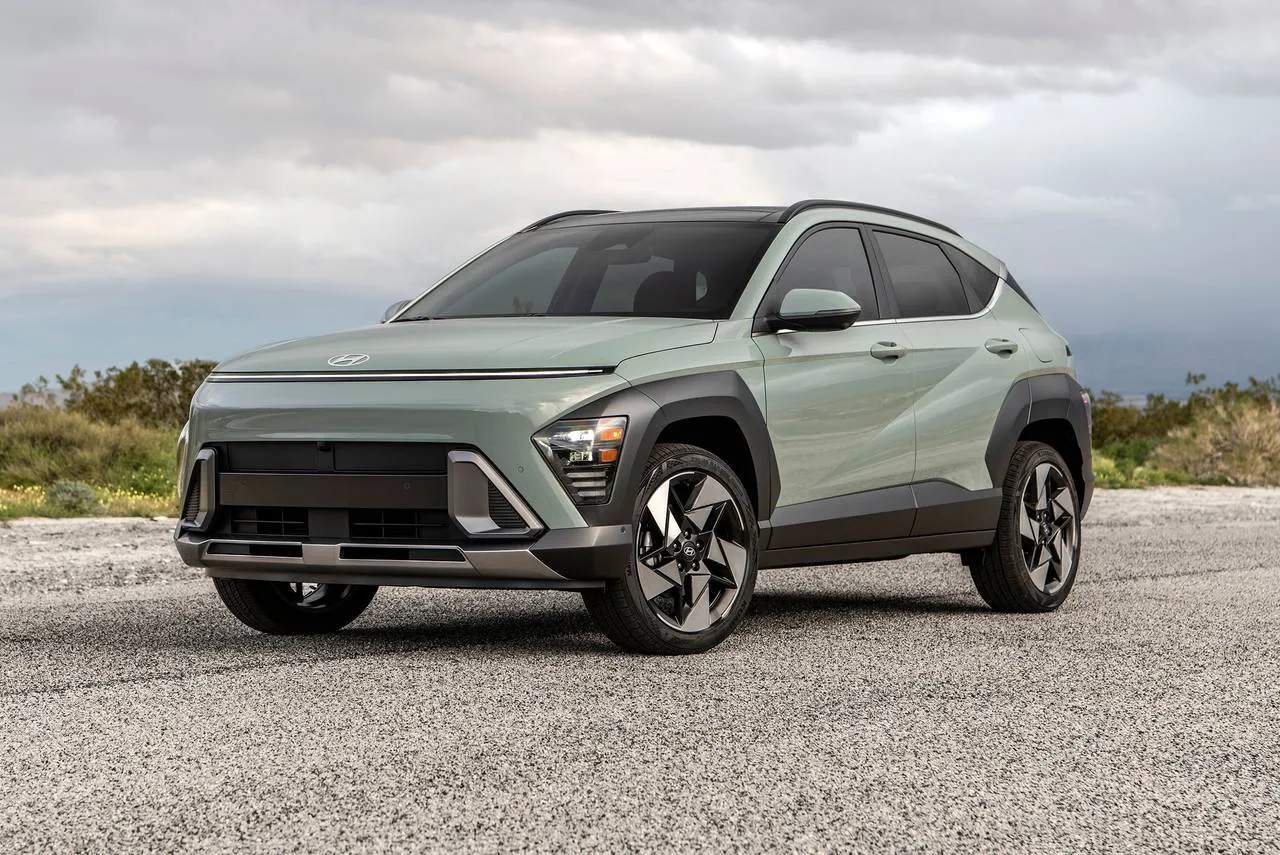
3. Hyundai Kona SEL
A fresh feeling surrounds the Hyundai Kona SEL due to its youthful design and energetic driving character. Even though compact SUVs sometimes struggle in tight city areas, this particular model behaves differently because it holds a small footprint.
That reduced size means it keeps the advantages of an SUV without suffering from the bulkiness that usually troubles bigger versions. People who prefer sitting a bit higher will enjoy the Kona SEL since the seat height provides a confident view of traffic situations ahead.
New York roads can test stability, but the Kona SEL remains composed when meeting uneven surfaces or quick road changes. Its suspension holds firmness without producing too much harshness, thereby giving comfort even when crossing short potholes or construction sections.
Movement through lanes feels straightforward and precise, with the steering offering just enough weight for accurate control. For drivers who often carry friends or colleagues, the interior gives a pleasing blend of comfort and stylish appeal.
Fuel efficiency stays reasonably strong for a subcompact SUV, making it easy on your pocket despite unpredictable traffic jams. Parking also becomes less stressful because the rear visibility and compact length allow quicker alignment between vehicles on the street.
Many city drivers enjoy the Kona SEL for combining the toughness of an SUV with the agility of a small car. It adapts well to repeated low-speed driving and never appears tired from short trip patterns common in city life. Because of its balanced nature, it earns praise from drivers looking for something slightly bigger without sacrificing convenience.
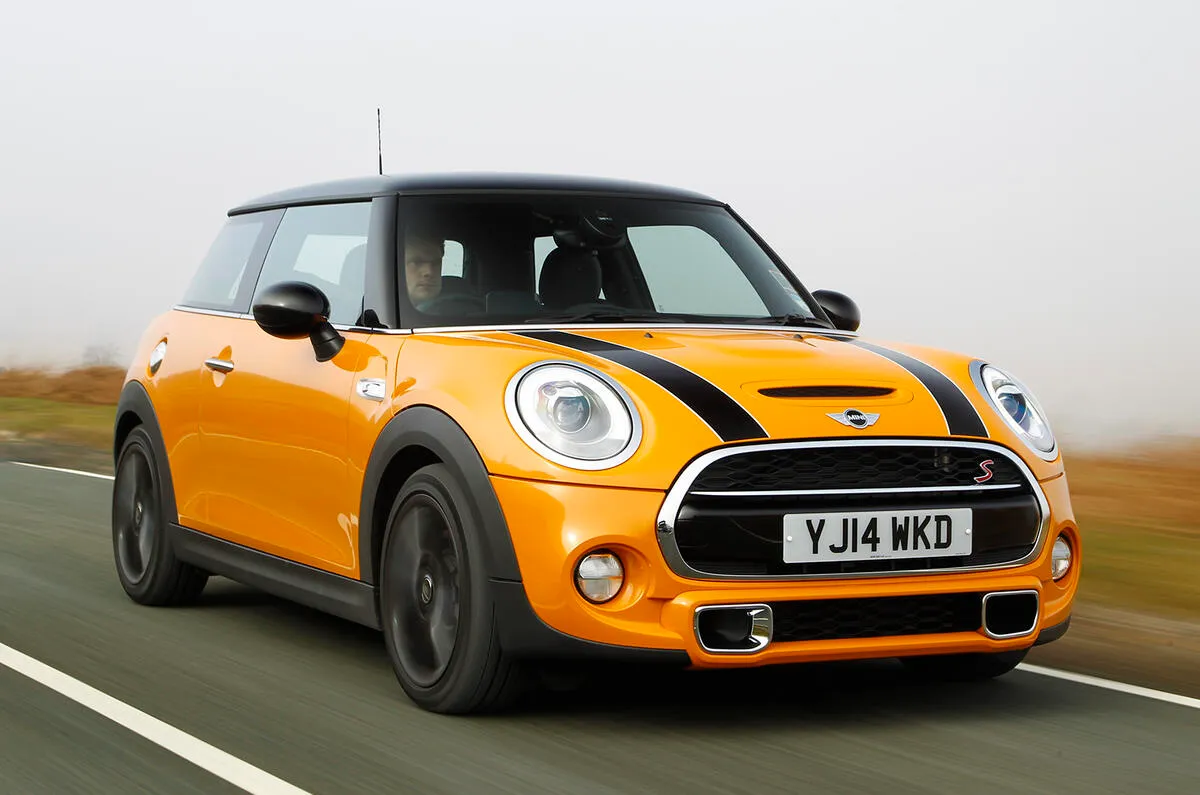
4. MINI Cooper S 3 Door
Talking about a car that connects with city life effortlessly brings the MINI Cooper S 3 Door into focus. Its playful structure suits busy traffic moments, where small size and sharp moves are essential.
Drivers who enjoy energetic handling will love how the Cooper S 3 Door grabs corners with confidence while maintaining steady control in dense traffic flows. This car responds quickly to steering commands, which helps when dodging sudden obstacles or slotting into tiny spaces that other vehicles cannot attempt.
Inside the cabin, the atmosphere feels lively and comfortable enough for everyday trips through neighborhoods like Harlem, SoHo, or Midtown. The design embraces a modern appeal while retaining the classic MINI charm.
The driving experience feels almost sporty, giving passengers a sense of involvement even during slow-speed moments. Compact dimensions make parallel parking far simpler, reducing the anxiety that sometimes comes with city life.
Fuel consumption stays decent for a performance-oriented small car, and the turbocharged engine handles quick throttle requests without complaint. Because of the solid build quality, the MINI Cooper S holds up nicely under frequent stop-and-start cycles. It remains steady even when road conditions change suddenly.
A car like this suits anyone who wants personality, fun, and practicality packed inside one machine. It may be small, but it delivers great enjoyment when placed against New York’s busy lifestyle.
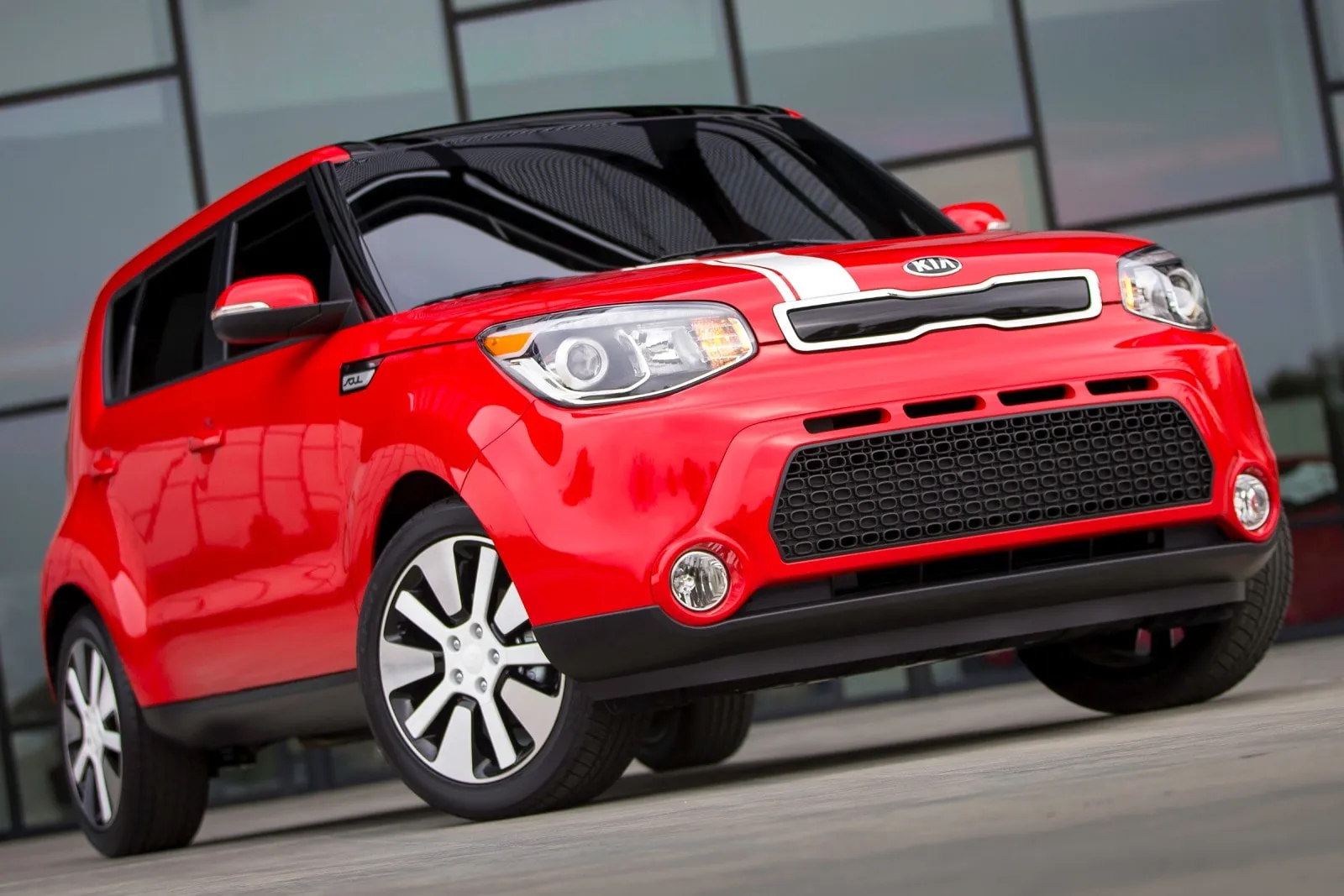
5. Kia Soul EX
A different style enters the conversation with the Kia Soul EX because its box-like shape gives it a presence that stands out on the street. The shape may look unusual to some, yet this very design creates an interior space that feels generous.
Tall passengers will appreciate the headroom, and drivers who carry equipment or shopping items will value the boxy cargo area. Moving through New York traffic with the Soul EX feels surprisingly easy considering its large look, because the footprint remains compact enough to manoeuvre without stress.
Drivers trying it for the first time may admire the clear sightlines offered by the upright design. You can judge road edges easily, and tight corners suddenly feel simpler to manage.
The engine performs with enough liveliness for inner city use, and the transmission delivers its power gently, preventing unnecessary jerks during repeated braking. Even though the Soul EX sits slightly higher than small hatchbacks, it remains balanced during quick directional changes.
Street parking becomes less dramatic because the shape helps you read your surroundings clearly. You get better awareness of where the car ends, reducing the fear of scraping curbs or misjudging space. Fuel efficiency stays reasonable, saving you from constant filling that bigger cars suffer in heavy city movement.
Because the Soul EX has a reputation for affordability and durability, it suits those who want a combination of personality, practicality, and stress-free operation. It performs reliably even under daily pressure, making it a strong choice for New York drivers wanting comfort without unnecessary extravagance.
5 Cars to Avoid for New York City Traffic
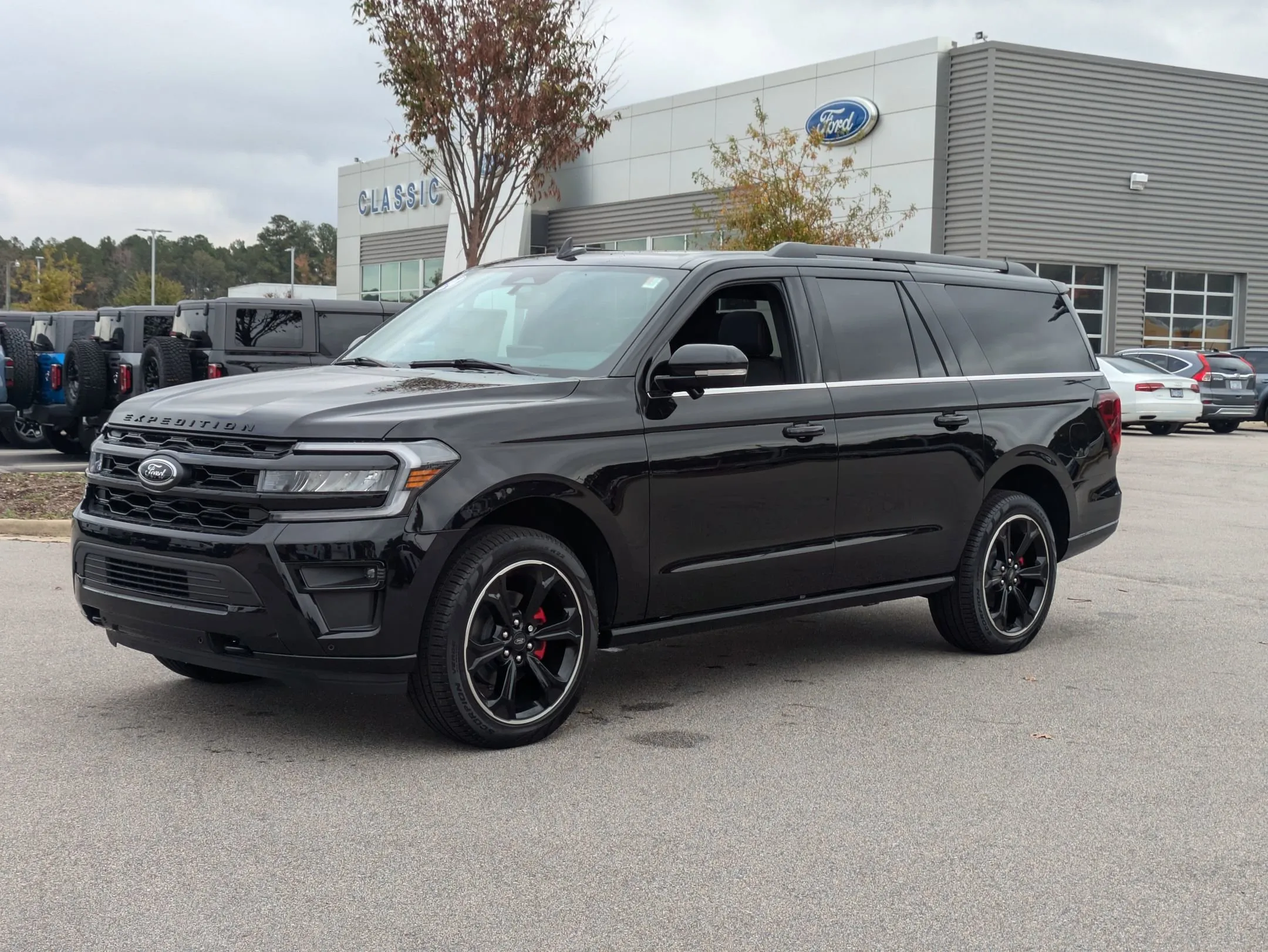
1. Ford Expedition Max Limited
Choosing a car that fits New York’s narrow lanes requires serious thinking, and the Ford Expedition Max Limited brings a size that easily overwhelms the streets. Its length creates trouble whenever tight parking becomes necessary, especially in places where space is a luxury.
Drivers who try to fit it between two closely parked vehicles often find themselves struggling to judge angles. Suburban settings may handle such a giant SUV with ease, but Manhattan blocks quickly reveal its limits.
A vehicle of this magnitude carries weight that places pressure on fuel consumption, making every trip costlier than expected. Short inner city drives rarely allow a large engine to warm up properly, so the engine burns extra fuel every time movement stops and starts frequently.
While the seating comfort remains good, the excessive body size removes the freedom needed to flow smoothly through busy roads. Those who attempt a U-turn or sudden turn will notice how wide the turning circle feels, causing discomfort in situations that demand precise moves.
Visibility in front remains acceptable, yet the rear portion stretches so far that judging corners becomes difficult. Delivery trucks, taxis, cyclists, and pedestrians constantly surround the streets, so a slow-reacting big SUV can raise tension instead of offering peace.
Driving such a structure through busy boroughs ends up feeling exhausting because unexpected moments require quicker reactions than the Expedition Max Limited allows. Anyone considering daily city movement will notice how quickly stress rises when steering something not designed for tight spots.
A car that large deserves wide open areas, and New York provides the total opposite. Choosing it for constant traffic pushes drivers into unnecessary discomfort.
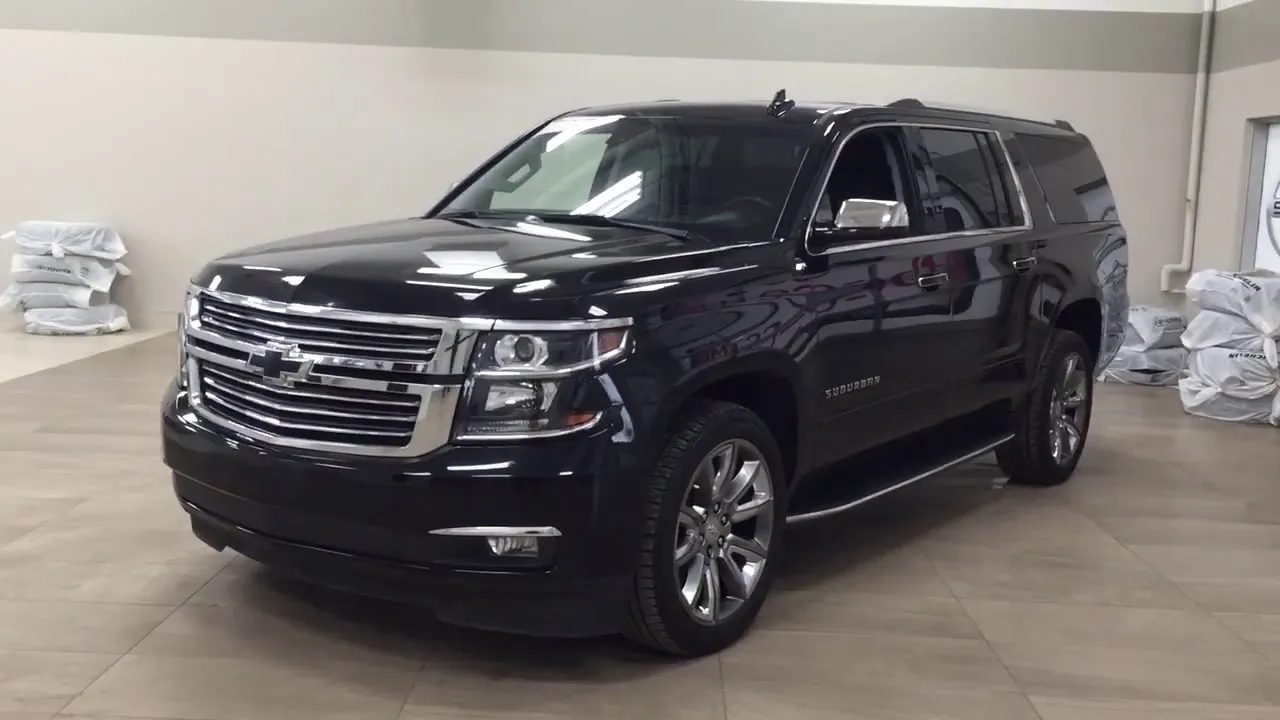
2. Chevrolet Suburban Premier
Another giant contender enters the discussion with the Chevrolet Suburban Premier, a vehicle that thrives on wide highways but suffers heavily inside cramped city grids. Its physically demanding size brings challenges that become obvious the moment you approach a packed avenue.
Drivers may admire its comfort and strong engine, yet once inside areas with cars packed tightly on both sides, movement quickly becomes a burden. New York’s flow rewards nimble vehicles, and this SUV sits far outside that category.
Fuel thirst becomes an immediate concern when using such a heavy machine for short trips. Repeated braking and constant idling push fuel consumption even higher, which leads to frequent stops at filling stations.
Parking garages in the city often impose strict size limits, and this model occasionally exceeds those allowances. Crowded street parking also tests patience because the Suburban Premier stretches longer than available slots. Drivers may circle blocks repeatedly without success, wasting time that smaller cars would not waste.
Turning corners in older neighborhoods requires wide swing room, and the vehicle’s long wheelbase removes any chance of sharp movement. Cyclists, walkers, and delivery scooters move unpredictably, so a heavy SUV struggles to react quickly without putting pressure on the driver.
Riding comfort may be excellent, but comfort becomes nearly meaningless when the body feels oversized for the space around it. Operating such a massive structure among impatient taxis and honking cars feels draining, turning every journey into a task rather than an enjoyable experience.
This SUV serves families well outside city limits, yet for New York life, it becomes more trouble than support. Anyone wishing for seamless daily commuting would gain nothing from moving such a large body through spaces that demand compact efficiency.
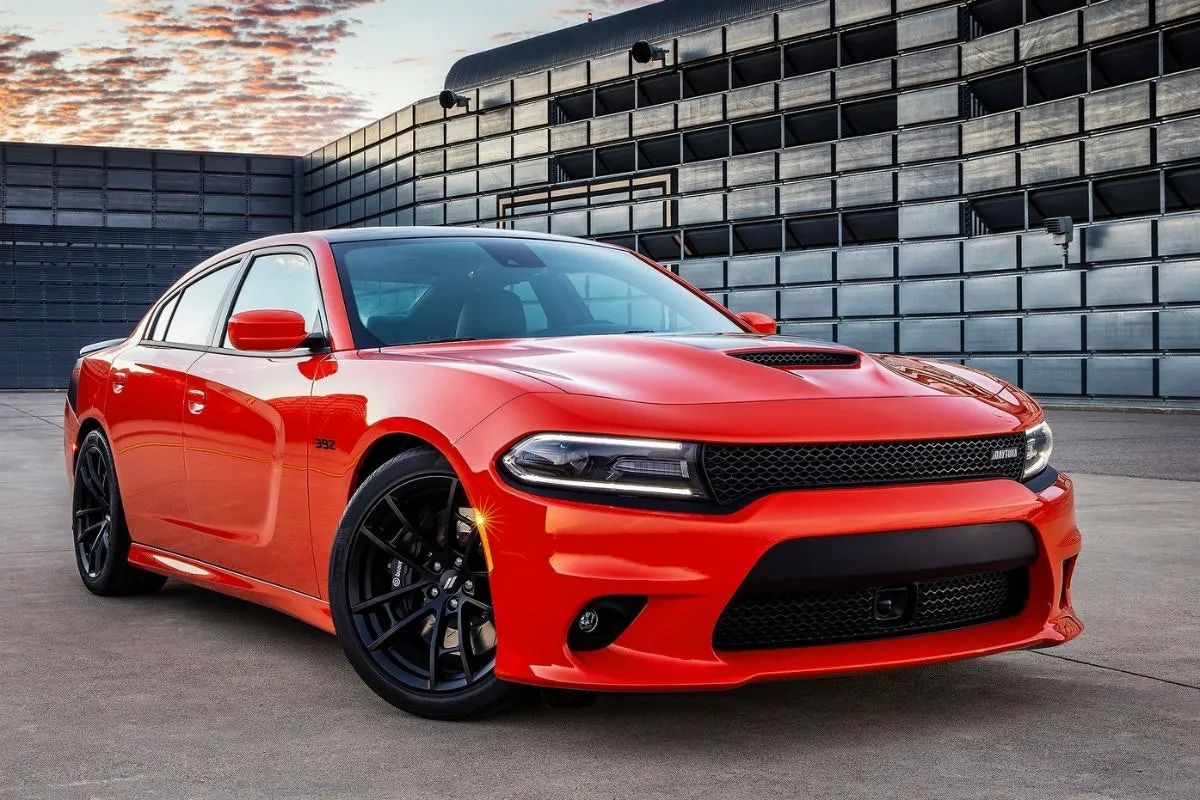
3. Dodge Charger GT
Switching from giant SUVs to a sporty sedan brings a new kind of problem with the Dodge Charger GT. Its design favors speed, wide lanes, and strong acceleration, but those characteristics become less useful inside the packed grid of New York.
A driver may enjoy their power on open roads, yet city streets rarely give enough space to stretch their legs. Fast acceleration becomes unnecessary during stoplights that sit a few feet apart, making the heavy engine feel wasted.
A sporty suspension can create discomfort during frequent bumps and sudden stops. City potholes and manhole covers send sharp reactions through the cabin, causing frustration during long traffic periods. Riders who want a calm, quiet drive may find themselves tired from constant road feedback.
Drivers often experience difficulty squeezing the Charger GT into tight parking spaces because the body sits wider than many standard sedans. Tight corners require careful judging, slowing down manoeuvres that should feel quick.
Fuel use also brings concern since performance-tuned engines drink more during slow-speed conditions. Constant braking places pressure on the brake pads, increasing maintenance costs. The long hood reduces front visibility when trying to judge tiny spaces during parallel parking. The rear windows also limit visibility when backing out in crowded zones.
New York demands caution, quick corrections, and flexible steering, which does not match the Charger GT’s personality. It performs excellently on broader roads or suburban drives, but it becomes an unnecessary burden in a place where agility rules.
Drivers seeking smoothness, economy, and compactness will quickly discover that this sporty sedan creates challenges they do not need while performing daily city routines.

4. Jeep Grand Cherokee Summit Reserve
Bringing a premium experience, the Jeep Grand Cherokee Summit Reserve gives a strong sense of luxury, yet its structure remains too bulky for a tightly packed city. During rush hour traffic, the size complicates lane merges, rapid stops, and small openings between cars.
Even though comfort inside reaches impressive levels, the weight and length transform simple tasks into tiring work. Drivers often discover how stressful it feels to judge distances while surrounded by yellow taxis and buses that leave little breathing room.
Fuel consumption rises sharply when a large SUV spends most of its time crawling rather than cruising. City movement rarely allows long stretches for the engine to operate smoothly, causing the car to consume more fuel than expected.
Parking becomes an expensive affair because some lots charge extra for larger vehicles. Street parking requires precision, and the Grand Cherokee’s bulkiness increases the risk of misjudging tight spots.
Height can be an advantage in certain environments, yet inside New York’s busy roads, a taller vehicle sometimes loses sight of cyclists riding close to the body. Turning radius also suffers, forcing drivers to slow down dramatically whenever sharp turns appear. This slows down the flow and affects confidence while driving through older neighbourhoods where streets feel narrow and unpredictable.
While the Summit Reserve brings luxury, technology, and strength, those qualities match better with long drives or relaxed suburban settings. Once placed within New York’s packed system, the vehicle demands too much space, too much fuel, and too much patience.
Drivers searching for comfort and class will achieve a better mix with smaller options that give convenience without the burden of excessive size.
Also Read: 10 Best Overlooked Performance Cars From the 2000s
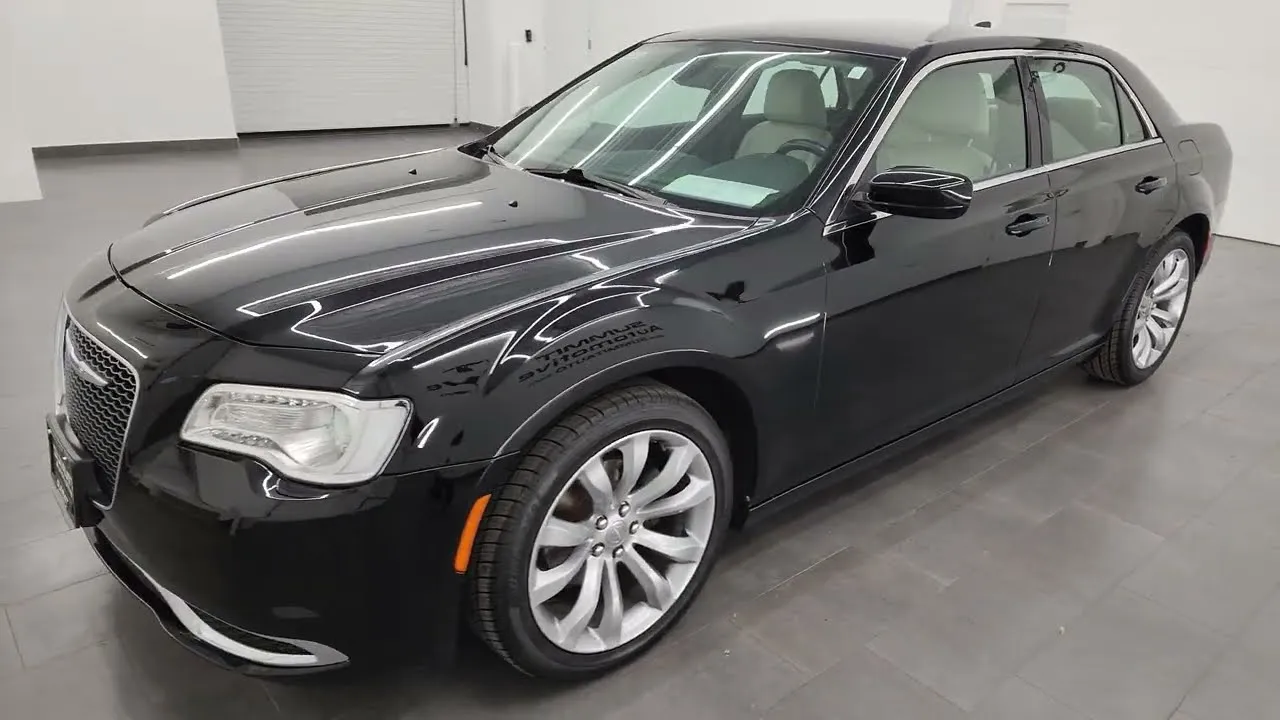
5. Chrysler 300 Touring L
Rounding off the list is the Chrysler 300 Touring L, a large sedan that carries elegance, yet its design creates difficulty when used daily in New York traffic. It features a wide body that reduces the ease of slipping into narrow street lanes or compact spaces.
Drivers may admire its smooth ride on open roads, but inside a busy city grid, the length and width create constant challenges. Tight parking becomes an uncomfortable routine because the vehicle demands more room than the city regularly provides.
A long hood stretches forward, lowering the driver’s ability to see exactly where the front ends during slow movement. Pedestrians and cyclists often appear suddenly, and a car shaped like the 300 Touring L does not provide the nimbleness needed for instant reactions.
Turning the car around in older neighbourhoods with short blocks also becomes awkward as the turning radius lacks the sharpness required for tight manoeuvres. Fuel consumption sits on the higher side due to the strong engine designed for smoother, more relaxed drives.
City congestion forces the engine to operate inefficiently, burning more fuel than necessary. Constant braking wears components faster, increasing service costs in the long run. Drivers who use parking garages may face difficulties since the car’s length edges close to the limits of smaller parking spots.
Its comfort level remains admirable, and the interior styling gives a pleasing sense of quality. Yet inside New York’s day-to-day reality, comfort alone cannot overcome its handling struggles. Drivers eventually feel weighed down by the car’s size whenever urgent corrections are needed.
A sedan like this fits best in spacious conditions where movement flows freely. For dense city use, it becomes a demanding partner that adds stress instead of reducing it.
City traffic in New York presents unique pressure, irregular movement, and tight spaces that reward compact efficiency, quick steering, and strong visibility. The first half of this article highlighted vehicles that make city movement easier, while the second half explained those that bring difficulty.
Anyone planning to drive through these streets daily should consider how each model performs under pressure. Picking the right car reduces stress, saves money, and creates a smoother daily experience.
