
Life in Los Angeles brings traffic patterns that can wear down both drivers and their cars, especially during those long hours spent crawling between lights.
Anyone who has faced evening congestion along major routes like Santa Monica Boulevard or Wilshire understands how stressful slow movement can be when using a car not built for constant starts and stops.
Even a short trip can turn into a long waiting game, so choosing a vehicle that handles those conditions makes your routine far less draining. A car that behaves smoothly at low speeds takes pressure off your mind, while a poorly matched option multiplies your frustrations in ways you may not expect.
Choosing wisely becomes easier when you understand how certain models respond to continuous braking, heat buildup, and frequent gear changes. Some vehicles stay calm and steady during slow movement, giving the driver a comfortable, predictable experience.
Others struggle because their engines dislike short bursts, their transmissions heat up quickly, or their components wear down faster than expected. A driver who wants peaceful daily movement must think about reliability, fuel use, comfort, and how the car behaves when crawling through packed routes.
A good vehicle choice not only saves money, but it also protects your energy every single day. Cars suited for stop-and-go movement should handle stress gently without turning every journey into a tiring exercise.
With the right fit, even heavy traffic can feel manageable. This guide presents five cars that handle Los Angeles stop-and-go patterns with grace, followed by five that fail under those demands. Everything is written to help you approach daily driving with confidence and clarity.
5 Cars That Handle Los Angeles Stop-and-Go
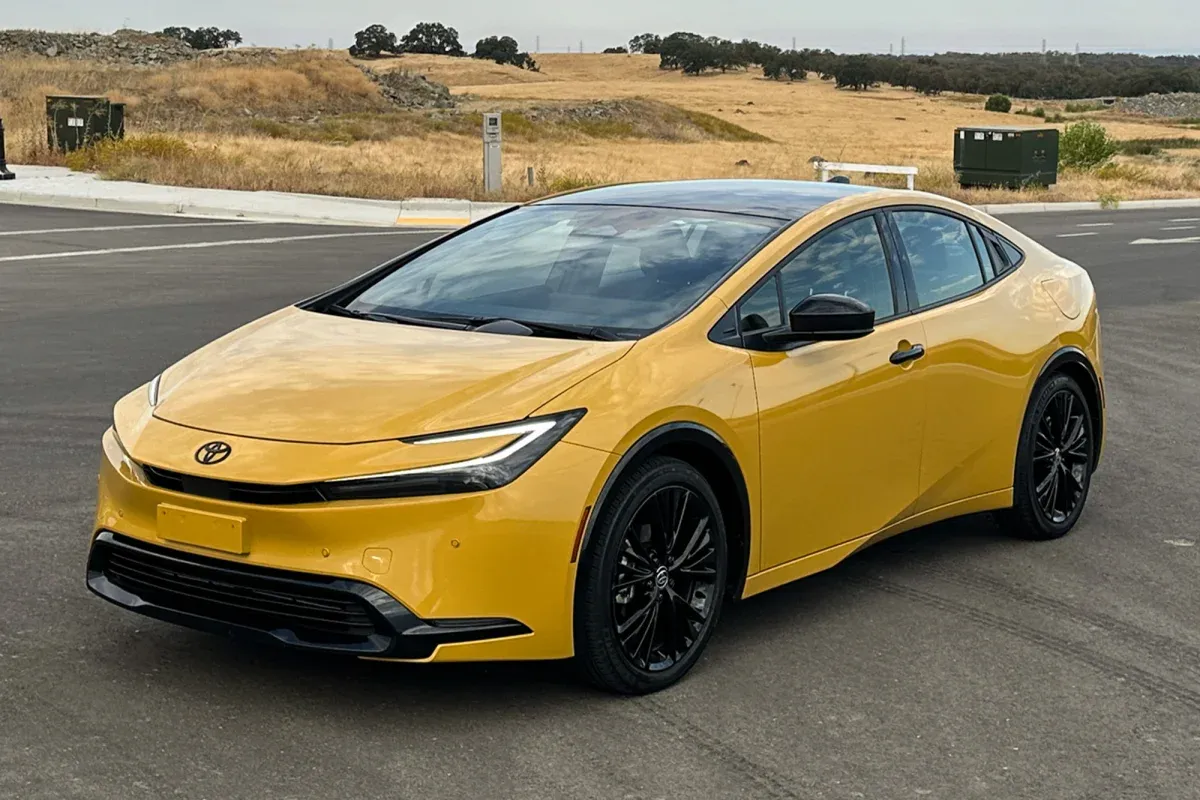
1. Toyota Prius XLE Hybrid
Starting with a dependable hybrid brings a sense of relief for any driver tired of fuel waste during slow movement, and the Toyota Prius XLE Hybrid fits that need perfectly. Its hybrid system shines brightest in stop-and-go traffic, where electric power handles low-speed crawling without stressing the engine.
This means you spend less on fuel and your engine enjoys a longer life since it avoids unnecessary strain. Drivers who follow packed freeways daily appreciate this calm, quiet behaviour because it reduces fatigue during long commutes.
A clear advantage of the Prius XLE Hybrid comes from its smooth transitions between electric mode and engine mode. These movements feel gentle, preventing the jerky sensations some cars produce in difficult traffic.
Cabin comfort remains pleasant, assisted by supportive seats that protect your back during extended delays. Visibility also stays strong due to the carefully angled windows, helping you judge space when dealing with sudden lane merges or cyclists passing beside you.
Parking becomes stress-free because the body shape stays compact enough to fit into areas where larger cars struggle. Anyone who has circled Los Angeles neighbourhoods searching for space will find this model incredibly helpful.
Overheating rarely troubles the hybrid system, a benefit that matters when hot weather and long queues push many cars to their limits. Even when temperatures rise sharply, the Prius XLE Hybrid keeps its systems cool and steady.
Drivers looking for reliability over long years find comfort in Toyota’s reputation for durable hybrid components. This model rarely disappoints when used heavily for city movements, and that level of trust reduces unexpected interruptions to your routine. A well-chosen city car should bring peace, and the Prius XLE Hybrid consistently offers exactly that during daily Los Angeles traffic.
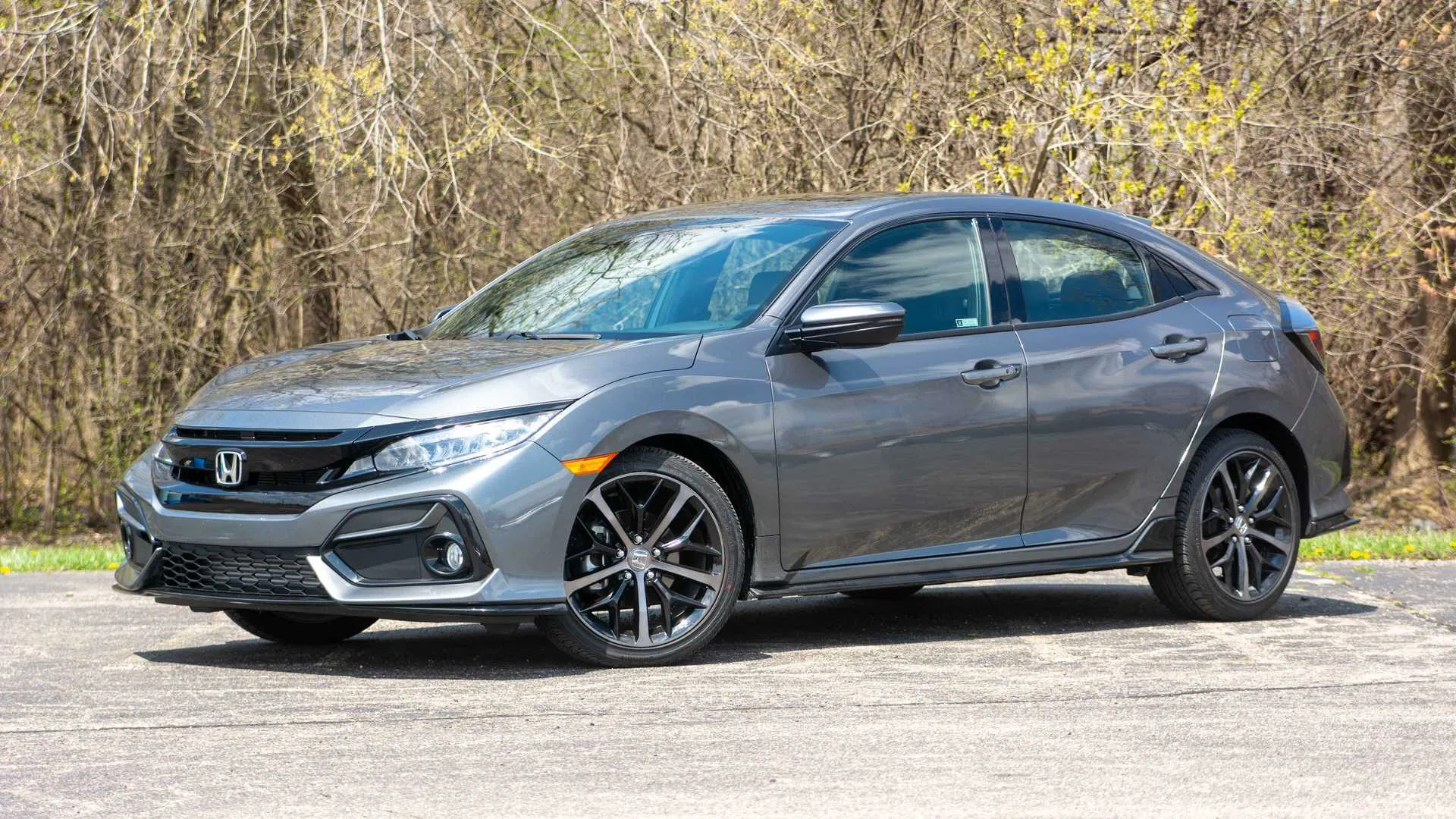
2. Honda Civic Sport Touring Hatchback
A completely different kind of confidence enters the discussion when considering the Honda Civic Sport Touring Hatchback. It responds swiftly when needed, yet behaves gently enough during steady crawling.
This balance allows drivers to breathe easily even when trapped in long queues stretching across major streets. The turbocharged engine performs with discipline by delivering steady, controlled power without feeling excessive for inner city conditions.
Interior comfort stands out as one of the Civic’s strongest qualities. Seats shaped with thoughtful support help you remain relaxed during slow movement that often lasts longer than expected.
Good visibility and responsive steering give an immediate sense of control, making lane changes less tense even in packed corridors. Its infotainment system works smoothly with minimal distraction, helping drivers maintain a calm mood through tiring periods.
Fuel economy remains pleasant for a turbocharged car because Honda tuned the engine to behave efficiently during gentle driving. Stop-and-go situations usually raise fuel consumption for many vehicles, yet this model manages to keep fuel use moderate.
The compact shape also eases parking in crowded districts where every corner feels tight. Reversing into narrow spots becomes far less stressful due to well-placed mirrors and the helpful camera system.
Durability is reflected strongly through dependable engine construction and a sturdy transmission that handles repeated gear changes without immediate wear.
Vehicles that survive Los Angeles traffic gracefully tend to combine comfort with strength, and the Civic Sport Touring Hatchback achieves that balance effortlessly. Drivers who need a daily partner that offers both fun and reliability will appreciate how versatile it feels across different traffic states.
Also Read: 5 Cars With Simple Screens Anyone Can Use Vs 5 Menu Mazes
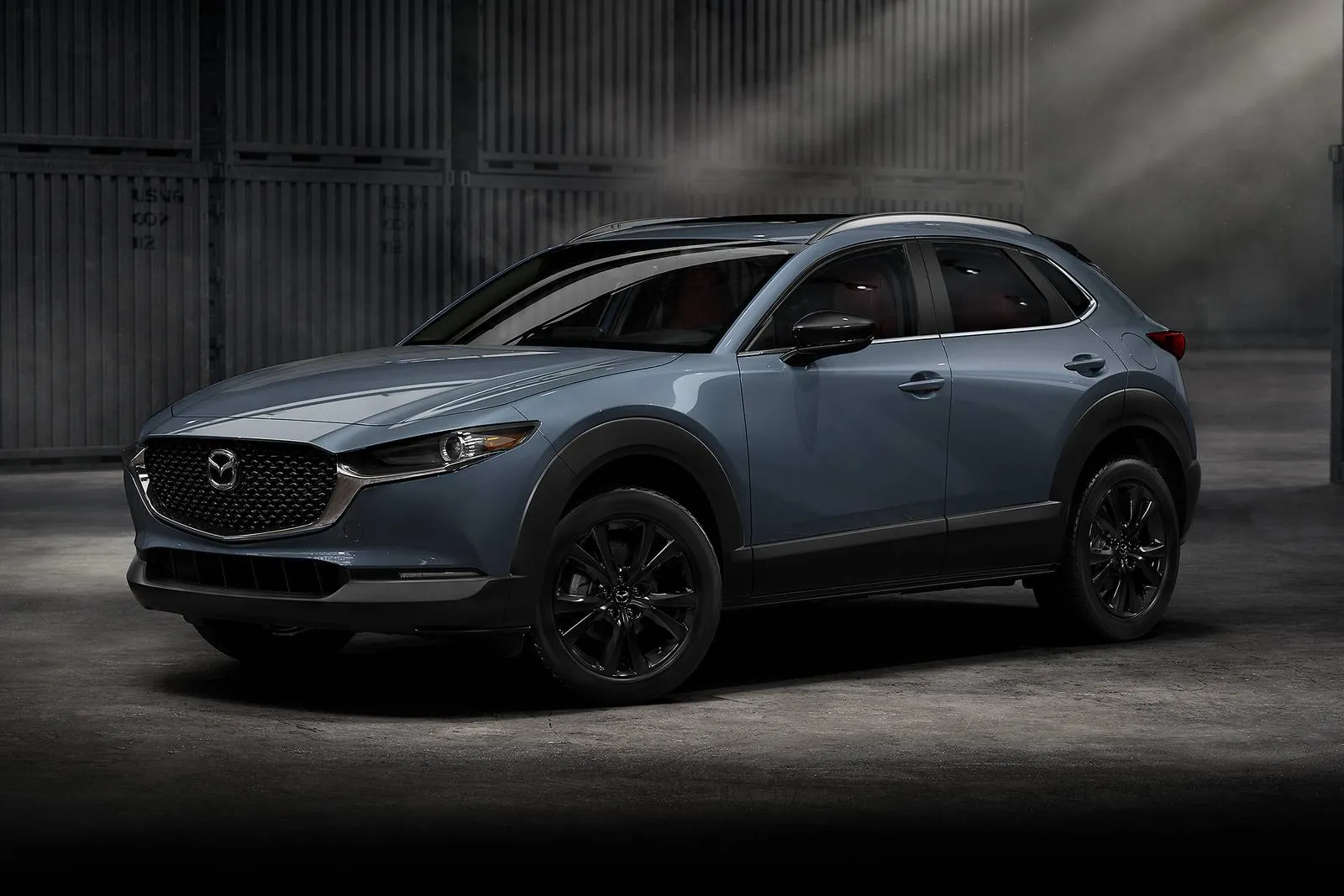
3. Mazda CX-30 Preferred
Shifting focus to a subcompact crossover brings the Mazda CX-30 Preferred into view. This model brings a lively driving feel while still holding the calmness required for slow movement.
throttle response remains measured, offering just enough push when gaps appear in traffic without jolting passengers unnecessarily. Such controlled behaviour helps reduce fatigue during stressful driving hours, common in Los Angeles.
Interior design stands proudly among Mazda’s strengths. Soft materials, cushioned seats, and a clean cabin layout allow drivers to feel settled even when movement slows to a crawl. Noise insulation performs impressively for a small crossover, cutting down external sounds that often disturb drivers during congested movement.
When surrounded by honking vehicles, motorcycles weaving through lanes, and frequent engine noise from other cars, this quiet cabin becomes a welcome shield. Parking convenience improves further because the CX-30’s size keeps it compact enough to manoeuvre through narrow neighbourhoods.
Many drivers enjoy the raised seating height, which offers a slightly enhanced view without the bulk of larger crossovers. This also assists during low-speed movement, where spotting gaps early becomes vital for safe merging.
Durability shines through Mazda’s careful engine tuning that resists strain during heat and slow movement. Los Angeles weather often puts pressure on vehicles used daily, yet the CX-30 Preferred holds itself well when exposed to prolonged heat on busy roads.
Its suspension absorbs rough surfaces smoothly, turning unpleasant bumps into gentle motions that reduce bodily stress. Any driver searching for a small crossover that blends performance with calm behaviour during city congestion will find great comfort with this Mazda.
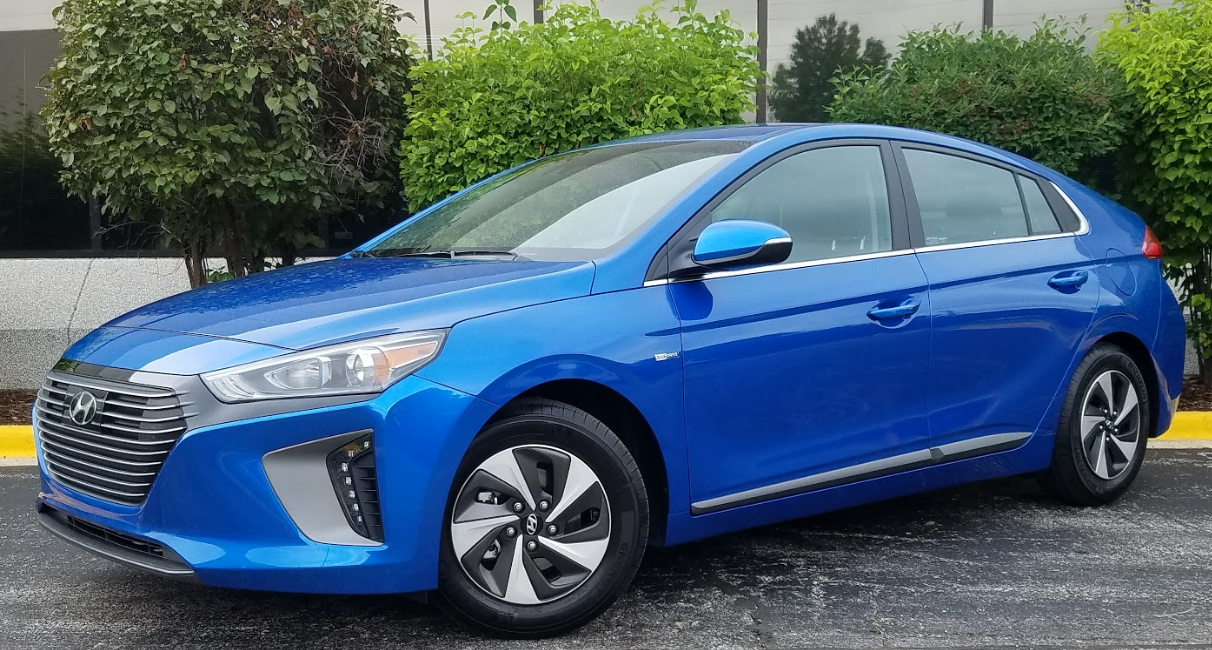
4. Hyundai Ioniq Hybrid Blue
Another impressive hybrid appears through the Hyundai Ioniq Hybrid Blue, a model built to save fuel and reduce mechanical stress during constant braking. Its electric motor helps take over at low speeds, preventing the engine from working harder than necessary.
This feature becomes valuable in areas where cars barely move for several minutes at a time. Drivers feel relief instantly when they notice the soft, quiet operation during traffic jams. An important strength lies in the Ioniq’s predictable behaviour.
There are no sudden jerks, no unnecessary surges, and no loud engine reactions. This steady movement brings comfort during long commutes. Seats provide support without feeling stiff, and the layout inside the car remains clean and simple, allowing drivers to remain focused on their surroundings.
Since comfort matters heavily during traffic that drains patience, this calm cabin plays an important role. Fuel conservation marks another shining advantage. Hybrids naturally shine in slow traffic, and the Ioniq Hybrid Blue sets an impressive example by using electricity whenever possible.
Drivers save money while reducing wear on engine components. Because slow traffic reduces airflow under the hood, cars often overheat during prolonged waits. This model avoids such issues due to efficient cooling systems that suit warm regions and heavy congestion.
Size plays a major role in daily convenience. The Ioniq Hybrid Blue fits comfortably in tight parking spots found near shopping centres and residential blocks. Reversing feels smooth because visibility remains wide and uncluttered.
Anyone seeking a reliable hybrid with gentle movement and strong endurance for Los Angeles driving conditions will appreciate how consistently this model performs during difficult traffic.
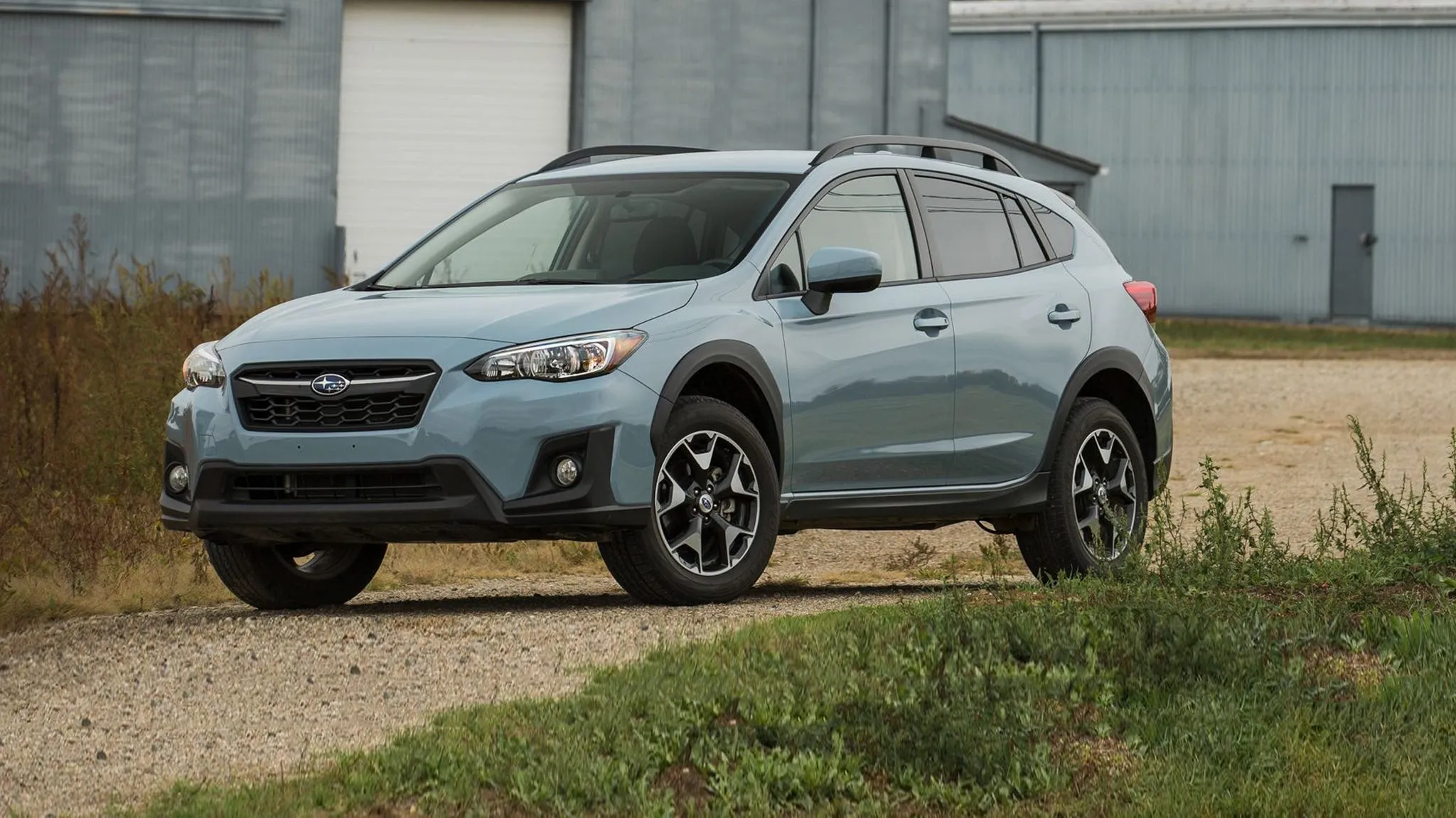
5. Subaru Crosstrek Premium
Rounding off the list of strong performers brings us to the Subaru Crosstrek Premium. It handles slow movement with noticeable steadiness, helped by its balanced engine response and comfortable cabin.
Drivers who want something rugged yet manageable within the city feel drawn to it because it mixes ground clearance with gentle manners. Los Angeles roads vary in condition, and this model handles imperfect surfaces without shaking occupants unnecessarily.
A strong appeal comes from the Crosstrek’s symmetrical All Wheel Drive system, which provides stable traction even when movement becomes unpredictable. Though traffic rarely tests traction in heavy ways, drivers benefit from stability during sudden stops or unexpected manoeuvres.
Steering feels composed, offering reassurance when switching lanes in slow traffic. Seats offer supportive cushioning suited for long delays, helping reduce body fatigue. Fuel use stays moderate, helped by Subaru’s tuned engine that maintains efficiency without losing necessary power for merging into moving lanes.
Its suspension softens road imperfections nicely, creating a more peaceful drive even during stressful congestion. People who enjoy a slightly elevated seating position will find comfort because it grants a clearer forward view without the intimidating size of larger SUVs.
Parking convenience also plays an important role for daily commuters. The Crosstrek’s compact footprint fits easily into tight city spaces, and its camera assists help guide the vehicle smoothly into smaller slots.
Los Angeles requires constant awareness, and this model makes awareness easier by offering strong outward visibility. Drivers seeking a crossover that handles stop-and-go conditions without strain will find this model dependable, comfortable, and patient under pressure.
5 Cars That Break Down Fast

1. Jeep Cherokee 2.4L (2019 Model)
Traffic in Los Angeles can expose weaknesses a car owner may not notice during ordinary use. With the 2019 Jeep Cherokee 2.4L, several issues tend to show up quickly once the vehicle is kept in slow, congested movement every day.
This particular model often struggles with heat build-up, and drivers who sit through long delays observe that the temperature gauge climbs faster than expected. When a car keeps operating in tight spaces with little airflow, fragile cooling systems start showing their true colours, and this Jeep falls into that category.
At the same time, owners sometimes mention how the 2.4L engine behaves reluctantly in heavy traffic. The throttle response becomes hesitant when the vehicle crawls for extended periods, creating a stressful experience for anyone who needs predictable movement. Los Angeles roads demand a car that can move gently and consistently without surprising the driver, so this drawback becomes a serious worry.
Gearbox performance also receives criticism. Once the automatic transmission has been exposed to repeated low-speed operation, some units begin to move harshly or produce light jerking motions.
Even though such symptoms may seem small at first, they tend to grow worse when the car is forced to repeat the same fight through traffic every weekday. Add this to electronic glitches that appear on some dashboards, and the Cherokee becomes a poor match for long hours in bumper-to-bumper movement.
Repair costs can also rise faster than expected. Sensors, coils, and cooling components often need early attention when stressed by tight-space driving, and owners who rely on the car daily may easily find themselves visiting workshops more often than they planned.
Los Angeles roads demand patience already, so a car that increases the burden through breakdowns becomes difficult to tolerate. For these reasons, the 2019 Jeep Cherokee 2.4L remains a weak choice for anyone facing long spells of slow movement.
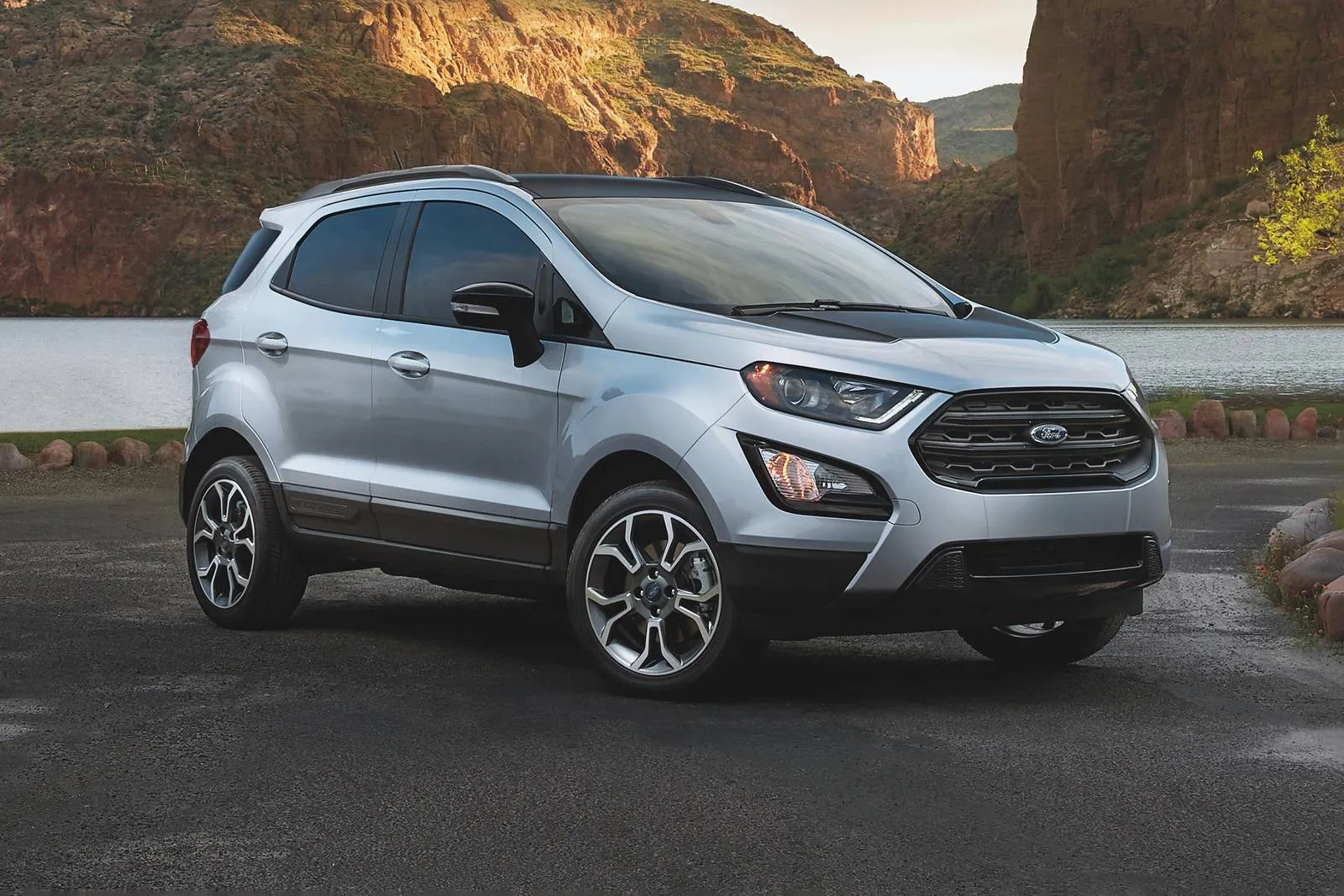
2. Ford EcoSport 1.0L EcoBoost (2020 Model)
City commuters often assume a small SUV will always cope well with traffic, but the 2020 Ford EcoSport 1.0L EcoBoost does not always meet that expectation.
The tiny turbocharged engine delivers decent energy during normal driving, yet once placed in continuous stop-and-go situations, the motor can heat up and strain itself. Turbo systems love smooth airflow, and when the car barely moves, the pressure and temperature inside the small engine become difficult to manage.
Drivers commonly comment on vibration issues. Prolonged crawling can trigger rough idling, especially when the air conditioning is active. This combination produces uncomfortable shaking, which makes the EcoSport feel worn even when it is still fairly new. Such behaviour drains confidence from drivers who expect calmness in thick Los Angeles congestion.
The automatic transmission has its share of complaints as well. Harsh engagement during low-speed manoeuvres can make the car lurch unexpectedly, especially when the driver tries to inch forward gently. When a car behaves like this, long traffic periods turn into tiring battles rather than smooth journeys.
Electrical components also seem to give trouble quickly than expected. Reports of early battery strain, malfunctioning parking sensors, and intermittent warning lights appear frequently among owners who face heavy traffic daily. These small faults combine to create headaches, and repair bills do not stay friendly for long.
Interior durability also seems questionable once the car is used heavily in urban movement. Fading plastics, loose trim pieces, and rattles start appearing even before high mileage is reached, which frustrates drivers who need a car that can stand up to daily stress. When all these factors merge, the EcoSport 1.0L EcoBoost of 2020 becomes a risky pick for Los Angeles stop-and-go routes.
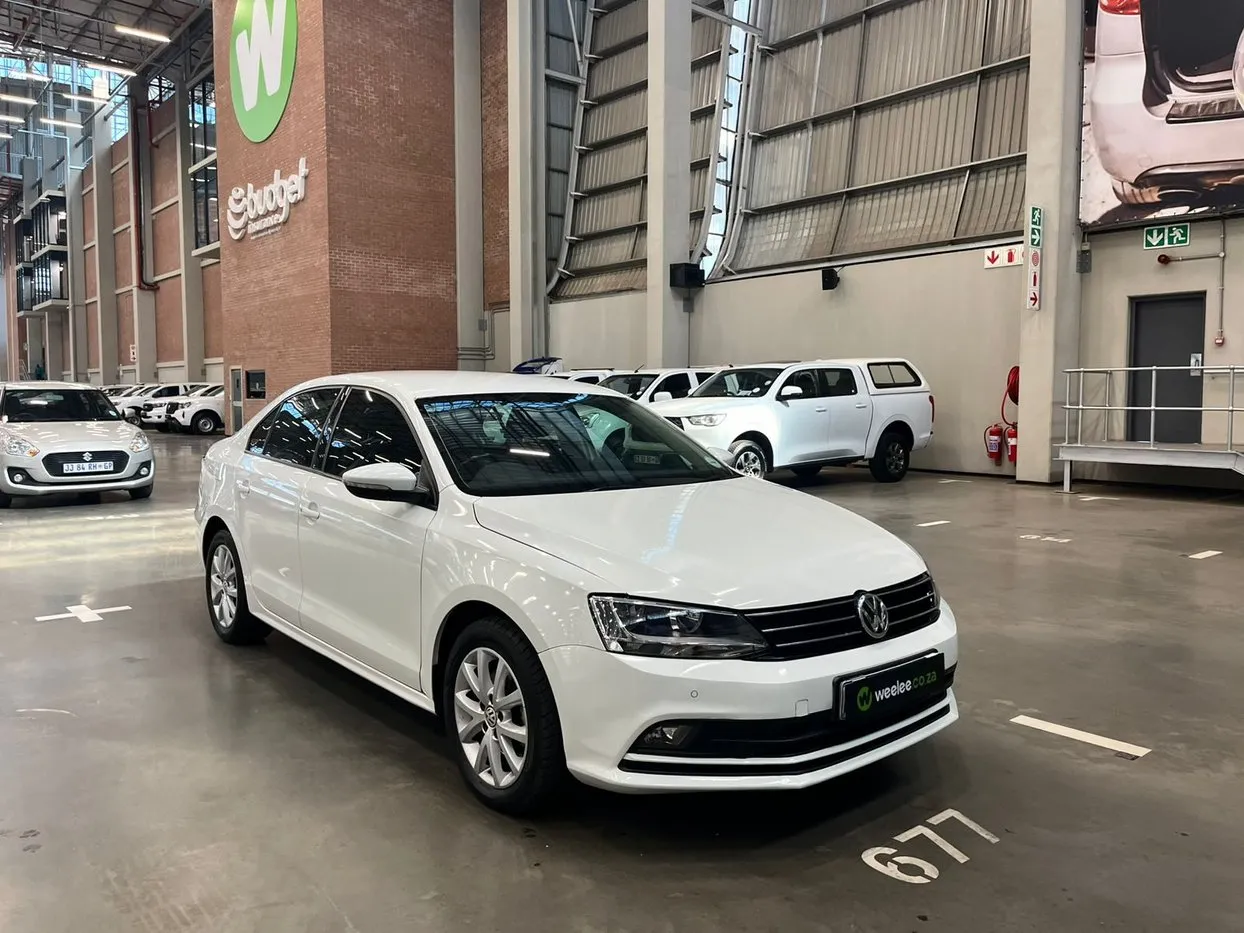
3. Volkswagen Jetta 1.4 TSI (2018 Model)
Some cars look dependable at first glance, yet struggle when exposed to slow-paced, heat-intensive movement. The 2018 Volkswagen Jetta 1.4 TSI fits that description for several Los Angeles residents. Once trapped in long traffic delays, the car begins to reveal challenges that do not always surface during highway driving.
Start-stop movement highlights weaknesses in the dual-clutch transmission found in many Jetta trims. The transmission tends to shudder or hesitate under repeated low-speed demands.
When such behaviour continues daily, drivers lose patience and may worry about early failure. Replacing or repairing this gearbox requires deep pockets, making the issue even more painful.
The turbocharged 1.4 TSI engine also shows signs of strain in tight movement. Frequent idling encourages carbon build-up around valves and injectors, which reduces performance and affects fuel economy.
Drivers often complain about rumbling vibrations or sluggish acceleration after long hours of crawling through traffic lights. Such symptoms may appear gradually, but once they settle in, the repair process becomes expensive.
Air conditioning performance can also dip under these conditions. When the car keeps moving slowly without strong airflow across the condenser, cabin cooling becomes weaker. Los Angeles heat punishes vehicles that struggle with this, and passengers begin to feel discomfort long before reaching their destination.
Suspension components tend to wear faster as well. Urban roads filled with potholes, speed bumps, and sudden stops apply continuous pressure on bushings and joints. The Jetta sometimes responds with clunky noises after months of such use, leaving owners frustrated with maintenance frequency.
Taken together, these weaknesses make the 2018 Volkswagen Jetta 1.4 TSI a poor match for heavy LA commuting, even though the car performs nicely on open roads.
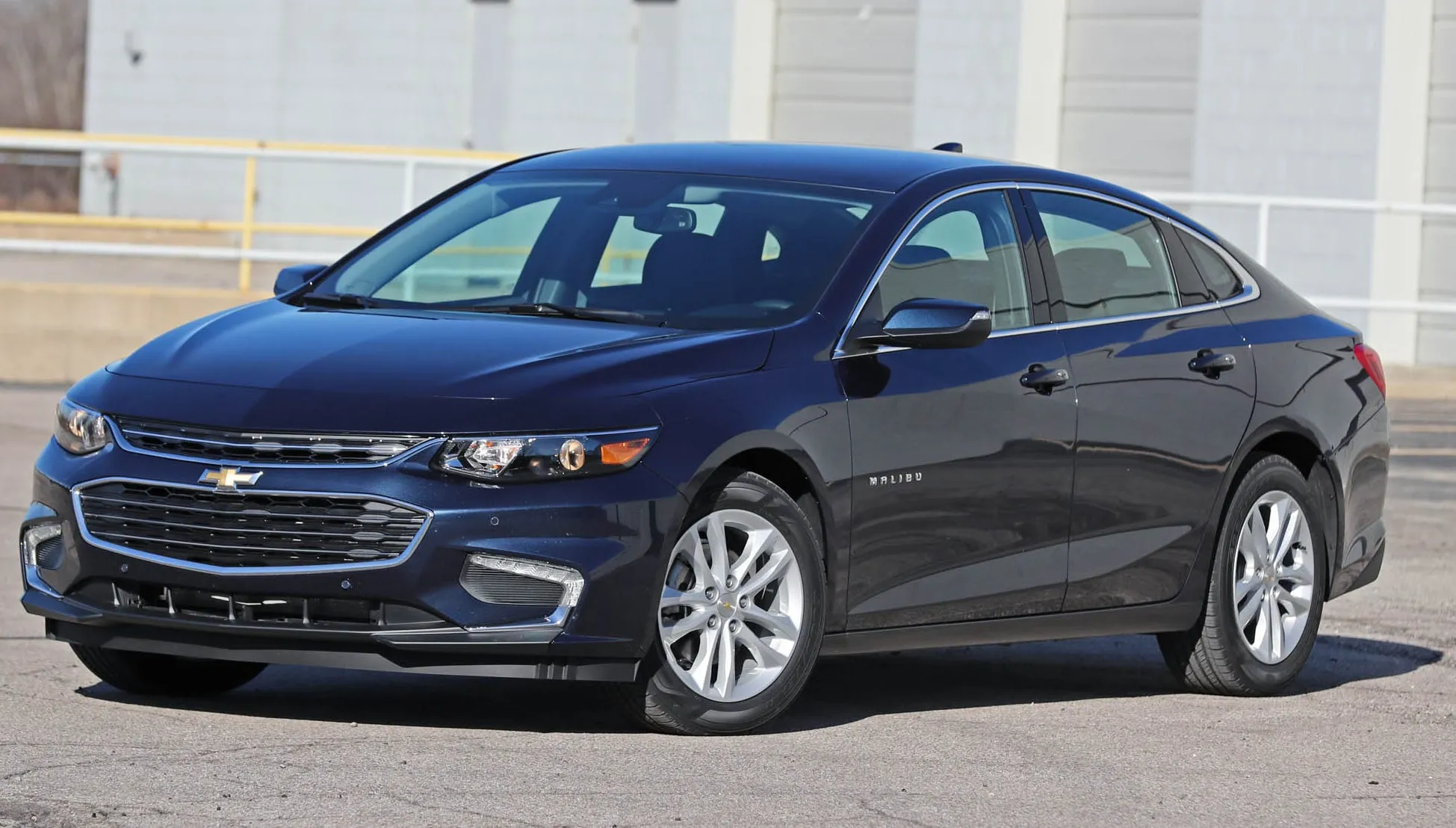
4. Chevrolet Malibu 1.5L Turbo (2017 Model)
Placing the 2017 Chevrolet Malibu 1.5L Turbo inside Los Angeles gridlock exposes several weak areas that many drivers wish they had known earlier.
The small turbo engine tries its best, yet repeated stopping encourages internal strain, and heat retention becomes a common issue. If the cooling system is not in perfect condition, temperature fluctuations happen easily, and frequent workshop checks become necessary.
Urban drivers also complain about transmission behaviour. The Malibu uses a CVT in some configurations, and this unit occasionally develops whining noises or an inconsistent response when pushed through long hours of creeping forward. Such symptoms gradually reduce driving confidence and often hint at early wear inside the belt mechanism.
Electrical faults also appear from time to time. Touchscreen outages, sensor errors, and sudden electronic resets affect many users who rely on the car for daily commuting. When such glitches happen in thick traffic, the experience becomes stressful because a driver needs stability, not surprises.
Interior quality also seems to degrade quickly under daily stop-and-go movement. Door panels, seat bolsters, and dashboard trim pieces sometimes loosen or squeak before high mileage is reached. These issues may appear small at first, but once everything begins vibrating in heavy traffic, the car feels older than it truly is.
Brake components also tend to require early replacement. Continuous low-speed braking wears pads faster than highway cruising, and some Malibu owners find themselves returning to mechanics sooner than they expected. While this is normal for city cars to some degree, the Malibu’s parts wear down at a faster pace than many competitors.
Such challenges make the 2017 Chevrolet Malibu 1.5L Turbo a worrying fit for Los Angeles stop-and-go driving, especially for people seeking long-term dependability.
Also Read: 5 Cars Easy To Tow Behind RVs VS 5 Complicated Setups
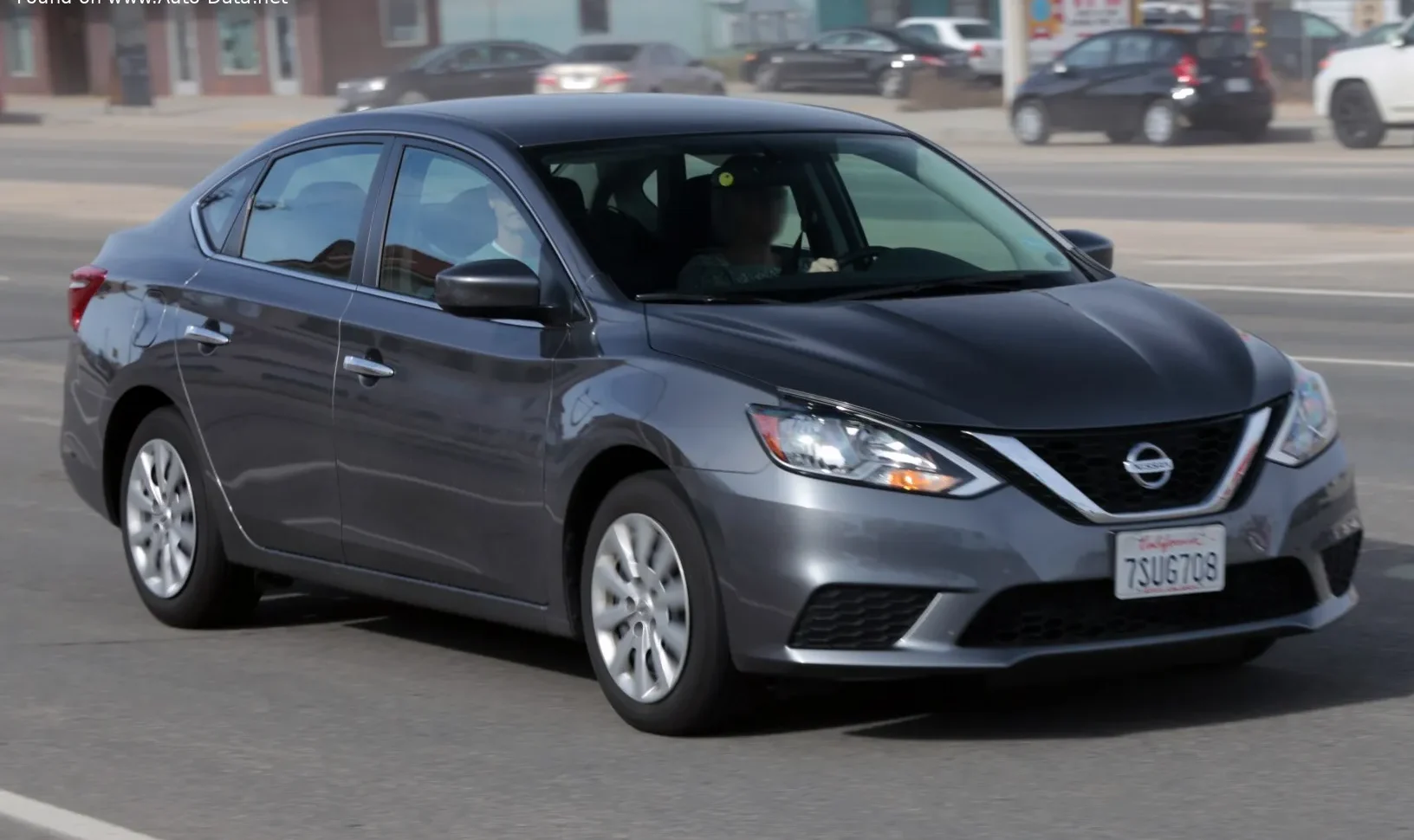
5. Nissan Sentra 1.8 (2016 Model)
Even though the 2016 Nissan Sentra 1.8 remains popular due to its fuel economy, Los Angeles traffic exposes weak points that many drivers find difficult to ignore. Its CVT transmission performs nicely during gentle cruising, but prolonged slow movement can cause it to heat up and misbehave. Some units begin producing droning noises, delays, or rubbery hesitation once trapped in continuous congestion.
Engine performance also reduces when exposed to repeated idling. The Sentra’s 1.8 engine does not handle heat spikes very well, especially when the radiator fan has to work continuously during heavy traffic. Owners sometimes observe temperature swings or early component wear because of these strain cycles.
Suspension parts can develop issues earlier than expected. Bushings, mounts, and joints sometimes make knocking or squeaking sounds after long periods of city driving. While these parts are not the most expensive to repair, the frequency of visits to workshops drains both time and patience.
Interior materials also show early fatigue when used heavily. Traffic scenes involve constant braking, sitting, and adjusting seats, so cabin materials must endure daily stress without wearing out quickly. In the Sentra’s case, some trims begin to loosen or rattle, which reduces comfort for passengers.
Electrical components also frustrate certain owners. Faulty window regulators, sensor warnings, and audio glitches become common once the car has been pushed through months of stop-and-go commuting. These issues steal confidence from drivers who rely on the Sentra for daily movement.
Because Los Angeles traffic punishes any mechanical weakness, the 2016 Nissan Sentra 1.8 struggles more than many drivers expect. While it serves well for light commuting, demanding urban conditions reveal its limits clearly.
This article, split across two parts, has highlighted vehicles that shine inside heavy congestion and others that struggle when exposed to long hours of slow movement on Los Angeles roads. Drivers who understand how traffic stress affects engines, transmissions, cooling systems, and electronics are better prepared to choose wisely.
A reliable car can save a person from needless frustration, while a weak match for the environment can drain money and patience quickly. Making a well-informed choice ensures smoother movement and fewer unexpected workshop visits.
