
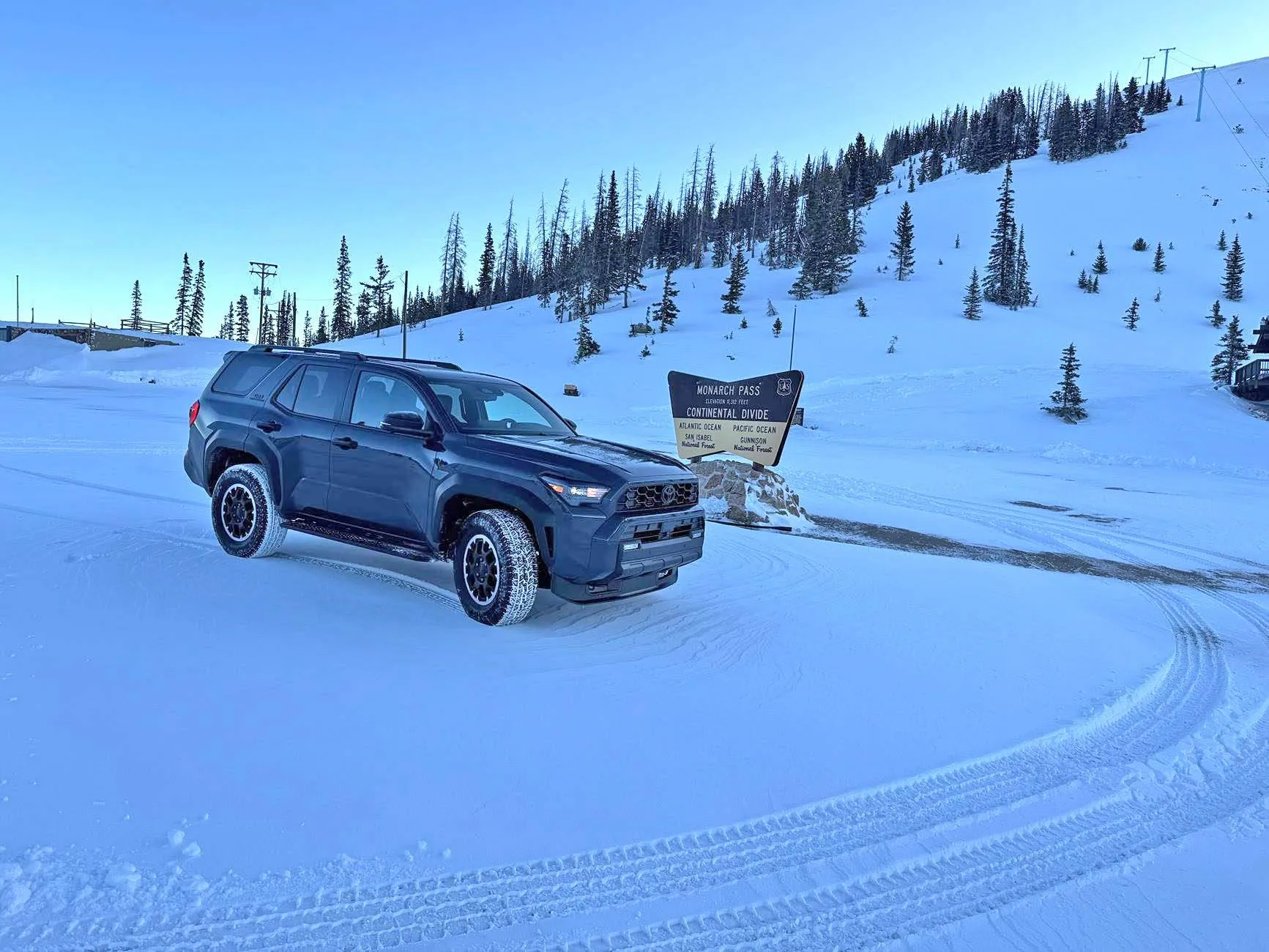
Cold mornings in Denver can surprise even a strong vehicle, and long climbs toward higher points surrounding the city can test engineering in ways that flatter some cars while exposing others.
Drivers moving through these conditions appreciate machines that respond well, whether the weather brings freezing air, slushy streets, or thin oxygen levels as the road gains height.
A smooth experience during those moments depends on a car that starts without hesitation, produces stable power despite thinner air, and supports the driver with traction that feels trustworthy when roads begin to harden with snow. This is why choosing a suitable vehicle for Denver goes far beyond checking performance numbers on paper.
Something is reassuring about a car that behaves calmly during early morning drives while still offering confidence during weekend journeys that lead upward into steeper areas. People who commute across the city often face situations where the wind becomes sharp, and the temperature swings through uncomfortable ranges.
Cars that are sensitive to altitude changes begin to lose firmness in acceleration, and those built without strong heating systems leave the cabin too cold. It becomes important for drivers to know which models handle these challenges gracefully so the weekly routine does not become stressful.
This guide brings together a thoughtful selection of vehicles shaped for Denver’s seasonal tests. Each one chosen for the first five brings steady energy, good winter manners, and dependable performance when the air grows thin. Right away, let’s look at machines that stand strong when winter and altitude test them without mercy.
5 Cars for Denver’s Altitude & Winters
1. Subaru Outback 2.5i Premium
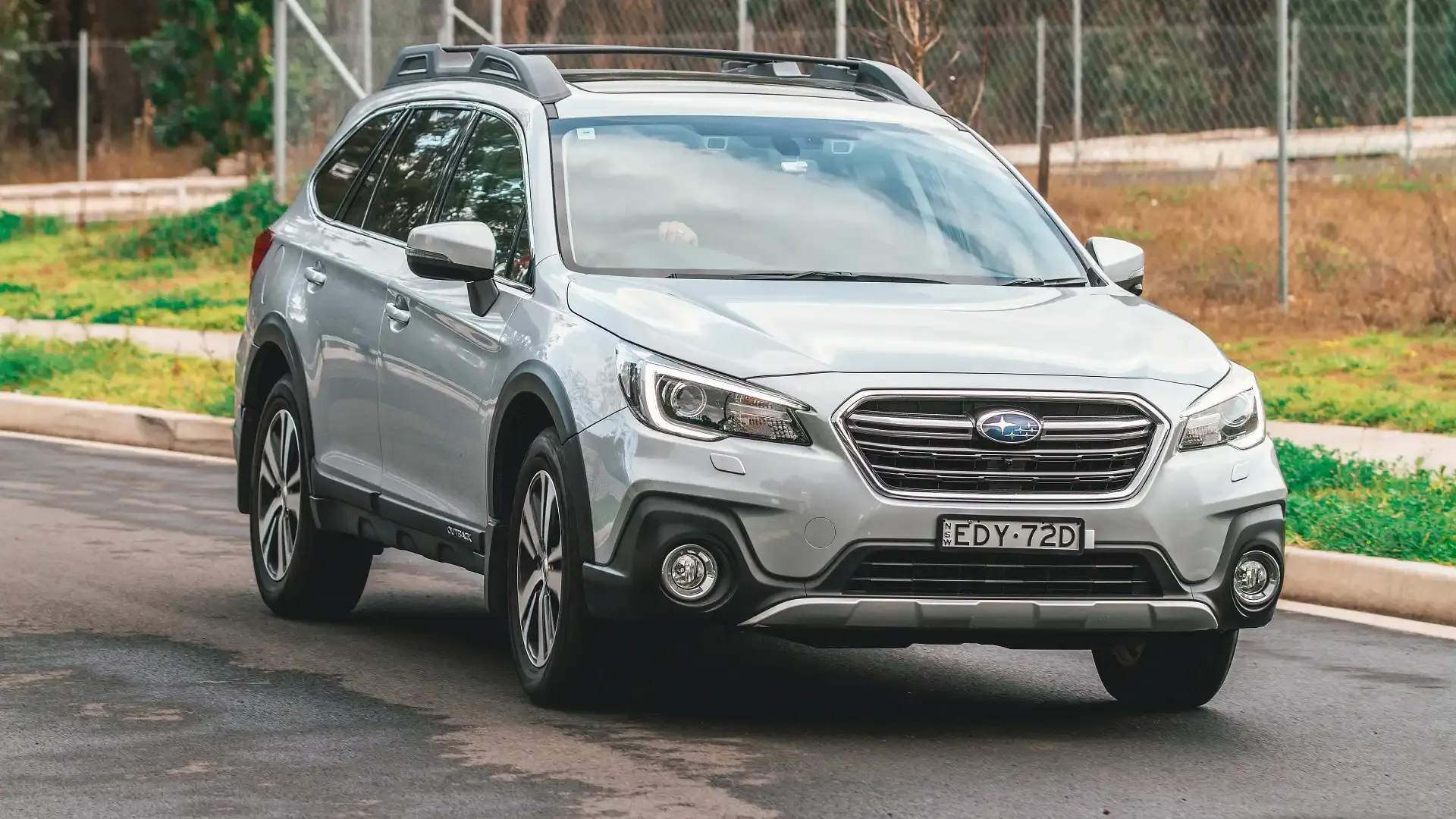
Snowfall often pushes drivers to rely on machinery that behaves steadily instead of reacting nervously, and the Subaru Outback 2.5i Premium fits that mindset with ease. Its balanced height, wide stance, and All Wheel Drive system work together to create a reassuring feeling on icy streets.
This model does not rush to impress with dramatic figures. Instead, it offers composure that appears exactly when the road becomes unpredictable. During heavy winter stretches in Denver, that calmness can make every trip feel less demanding for both new and experienced drivers.
Another advantage comes from its naturally aspirated engine. Cars without turbochargers do not lose power sharply at high elevations, and the Outback benefits from that trait. Acceleration stays consistent even when heading toward areas where oxygen levels fall.
This gives the driver steady confidence when joining traffic or climbing hills after fresh snow. Instead of feeling sluggish or hesitant, the car maintains a dependable rhythm that suits the frequent elevation changes around Denver.
Cabin comfort also plays a role in making it suitable for chilly days. Heating elements respond quickly, and the airflow system spreads warm air throughout the interior without delay.
Cold mornings often require a car that can bring comfort before the driver begins the real journey, and the Outback handles this part quietly and effectively. Noise control inside the cabin is also respectable, helping the ride feel peaceful even when tires roll across rougher surfaces covered in salt or slush.
Durability matters inside a region where roads can move from smooth to harsh within minutes. The Outback protects its underbody more effectively than softer sedans, reducing concerns about damage from ice chunks or hardened snow.
Drivers appreciate this strength because winter’s unpredictable texture does not mercifully skip over low parts of the vehicle. The Subaru Outback 2.5i Premium earns its place among Denver’s best winter companions through composure, stability, and altitude-friendly performance.
2. Toyota RAV4 Adventure
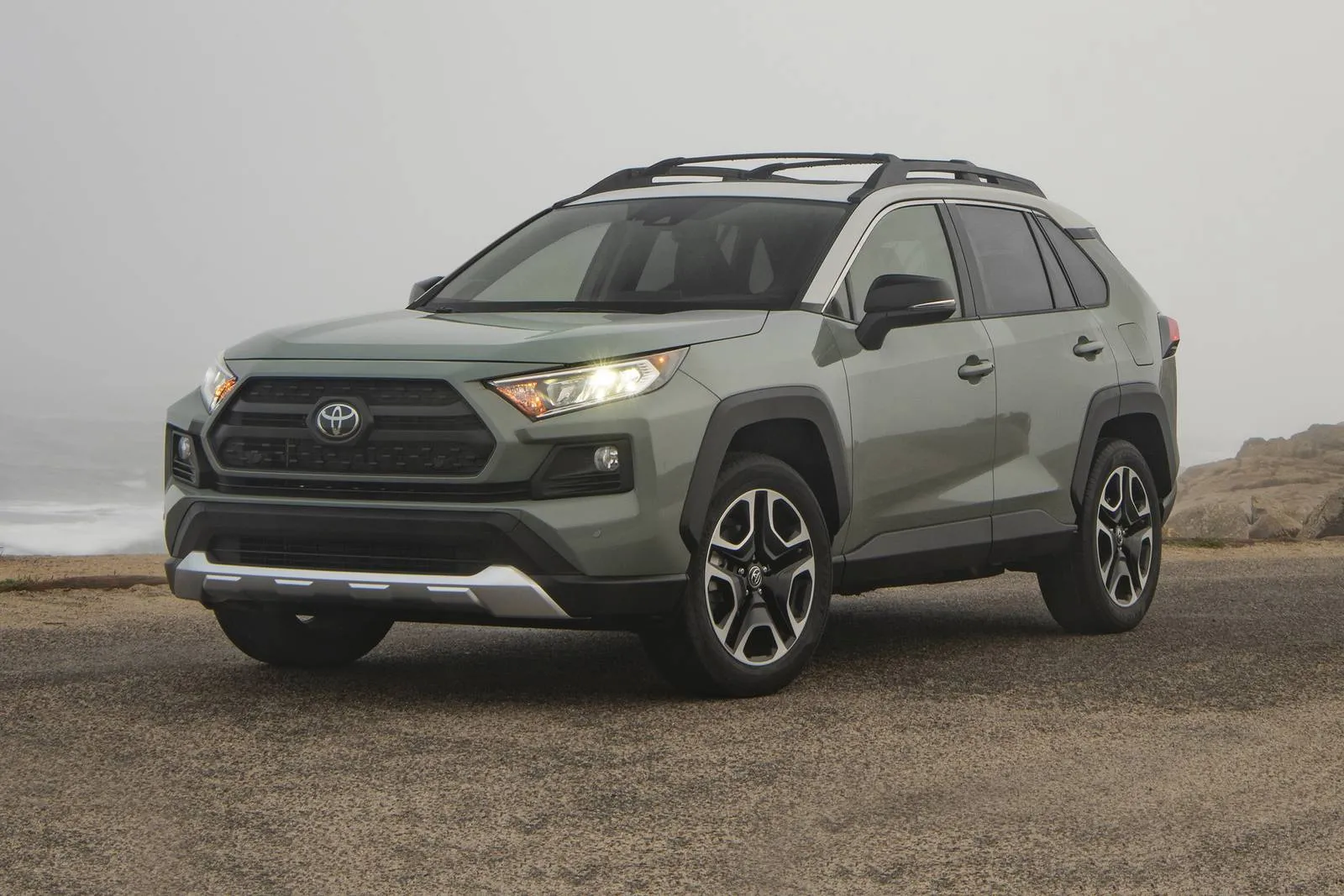
People who enjoy a more spirited feel during winter travel often turn toward the Toyota RAV4 Adventure. It carries a firm attitude that balances comfort and readiness, giving drivers confidence whether they are cruising through a clear morning or pushing through freshly fallen snow.
Its suspension design absorbs rough sections of road with ease, which becomes useful during winter when street surfaces change quickly. Those uneven patches that appear near intersections or driveways rarely unsettle the RAV4 Adventure.
Power delivery from its engine responds cleanly even as the car climbs into areas where oxygen becomes scarce. Drivers who rely on steady acceleration appreciate that this model does not fade under pressure.
Throttle response remains sharp enough to handle merging situations, and the All Wheel Drive system works with thoughtful coordination when traction becomes uncertain. Steering weight stays balanced, which helps drivers maintain control when icy roads demand small, careful corrections. Comfort inside the cabin shows another layer of its winter-friendly behavior.
Heat spreads evenly, and the seats keep occupants warm during long stretches of cold weather. Lighting inside and outside the vehicle gives clear visibility without feeling harsh. These features matter greatly when dawn arrives later and sunsets come earlier during Denver’s winter period.
Its body structure also strengthens its reputation. The RAV4 Adventure possesses good clearance, saving drivers from scraping against accumulated snow or frozen ridges left after plowing. This feature often goes unappreciated until someone drives through a poorly cleared street.
Combined with strong reliability and practical fuel economy, this model consistently handles winter challenges without creating unnecessary stress. It becomes easy to understand why it fits seamlessly into Denver’s seasonal demands.
Also Read: 10 Manual Sports Cars From the 2000s That Are Now Incredible Deals
3. Honda CR V Hybrid EX
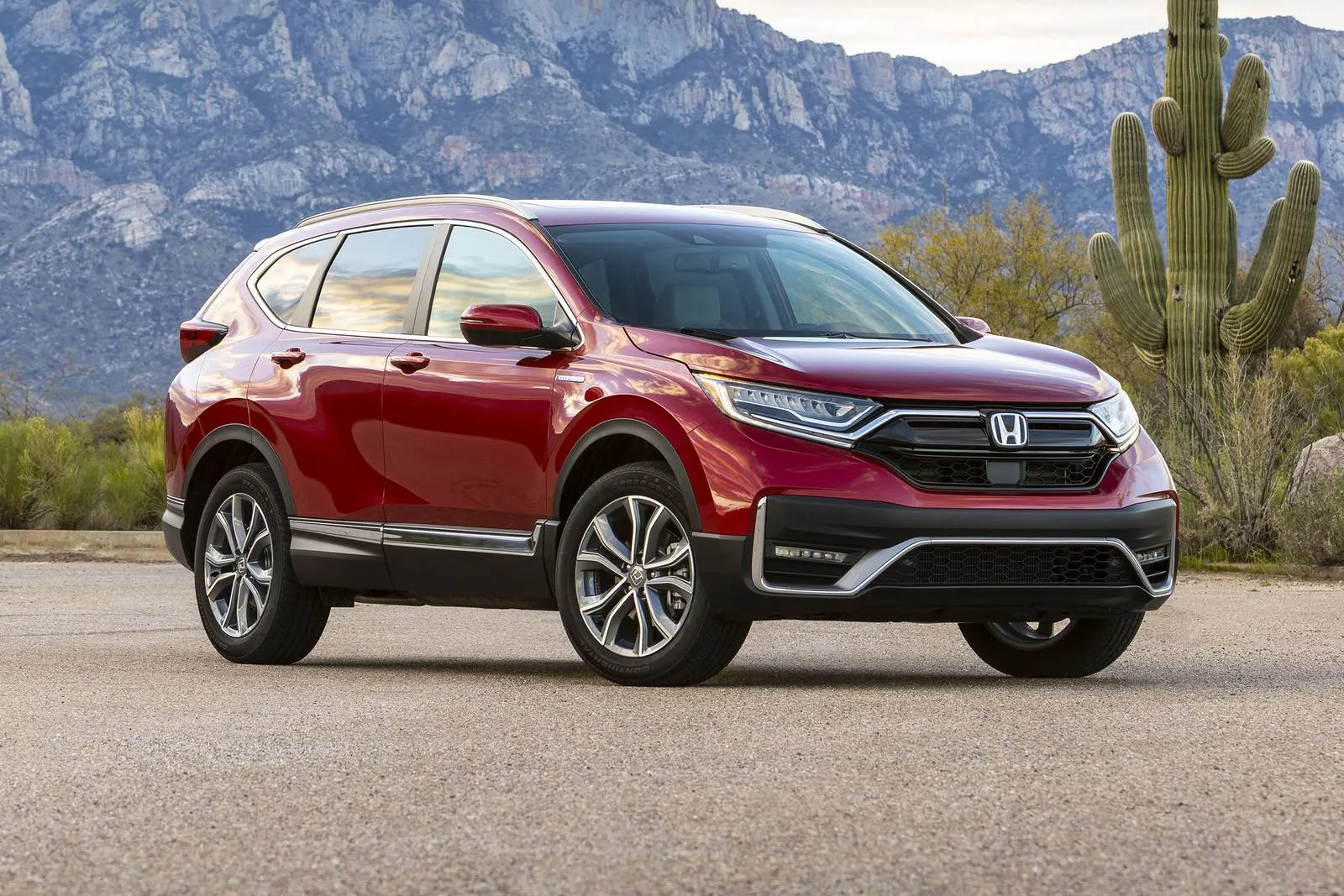
Cold air sometimes exposes weak engineering, yet the Honda CR V Hybrid EX responds with calm authority. Its hybrid system keeps efficiency stable even when temperatures drop, and the electric support helps maintain power when climbing through thinner air.
Drivers in Denver benefit from a vehicle that does not gasp during steep rises or lose smoothness once the weather turns harsh. This model demonstrates a graceful blend of electric torque and gasoline reliability.
Traction matters when streets turn icy, and the CR V Hybrid EX performs with steady discipline. The All Wheel Drive setup reacts quickly without slipping into panic or sluggishness. Drivers feel supported when turning through snowy corners or pulling away from intersections layered with frozen patches.
Steering remains predictable, and the car does not surprise the driver with sudden changes in behavior. Winter driving demands this kind of reliability because the road surface changes from hour to hour.
Interior comfort also stands out. The cabin design traps heat well, allowing warmth to fill the space efficiently. Passengers often appreciate how quiet the ride feels, even when the road beneath becomes coarse with winter residue.
Hybrid power contributes to this quietness since it reduces engine noise at lower speeds. This gentle atmosphere inside the car helps reduce fatigue during long commutes between neighborhoods or work zones.
Durability plays a role, too, because winter mixes moisture, salt, and dirt in ways that challenge any vehicle. The CR V Hybrid EX uses materials that resist wear, and its suspension remains composed under rough conditions.
Drivers do not have to fear sudden vibrations or harsh feedback when winter roads become uneven. All these characteristics work together, making the Honda CR V Hybrid EX a confident companion for Denver’s altitude and freezing months.
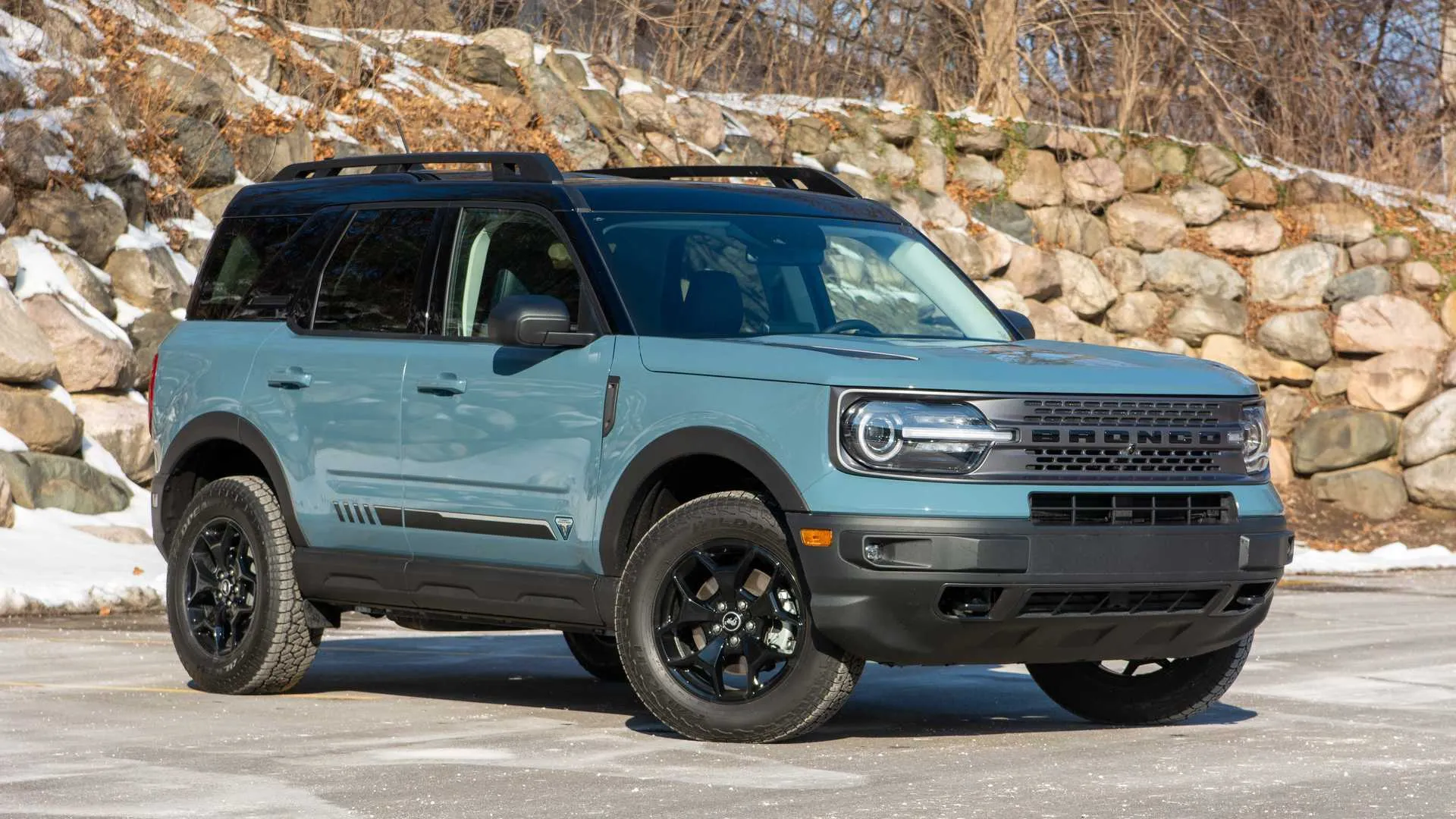
4. Ford Bronco Sport Badlands
Drivers who enjoy adventure often look for a machine that blends playful energy with winter toughness. The Ford Bronco Sport Badlands offers exactly that combination.
It carries a spirited personality that remains controlled during snowy conditions, making it suitable for Denver’s winter challenges. Its design focuses on capability in ways that feel natural rather than exaggerated, giving confidence when traction becomes scarce.
Part of its strength comes from its turbocharged engine. While turbo engines can sometimes struggle at high elevations, this particular setup maintains good responsiveness. Ford engineered it to compensate for thinner air, and drivers feel that support when traveling through mountainous routes.
Acceleration remains lively, and the car does not fall into sluggish behavior on steep climbs. This keeps drivers comfortable even when changing lanes or joining fast-moving traffic. Handling on January mornings becomes easier with the Badlands trim.
Its All Wheel Drive system brings advanced traction distribution, allowing the vehicle to maintain balance when roads freeze. Snow-packed intersections, slushy downtown lanes, and icy parking lots do not intimidate this model. Drivers sense firm control through the steering wheel, and braking feels dependable without abrupt skidding.
Inside the cabin, warmth spreads quickly, making cold starts less uncomfortable. The interior materials stand up well to winter clothing, boots, and moisture. Families appreciate this sturdiness because winter brings messy conditions that challenge interior surfaces. The Bronco Sport Badlands handles this gracefully, resisting wear and maintaining cleanliness more easily than softer interior designs.
Ground clearance completes its winter-friendly personality. This extra height reduces the likelihood of scraping through snow piles or frozen ridges. For residents who frequently travel near mountainous areas or take weekend trips into snowy trails, the Bronco Sport Badlands delivers both enjoyment and practical strength.
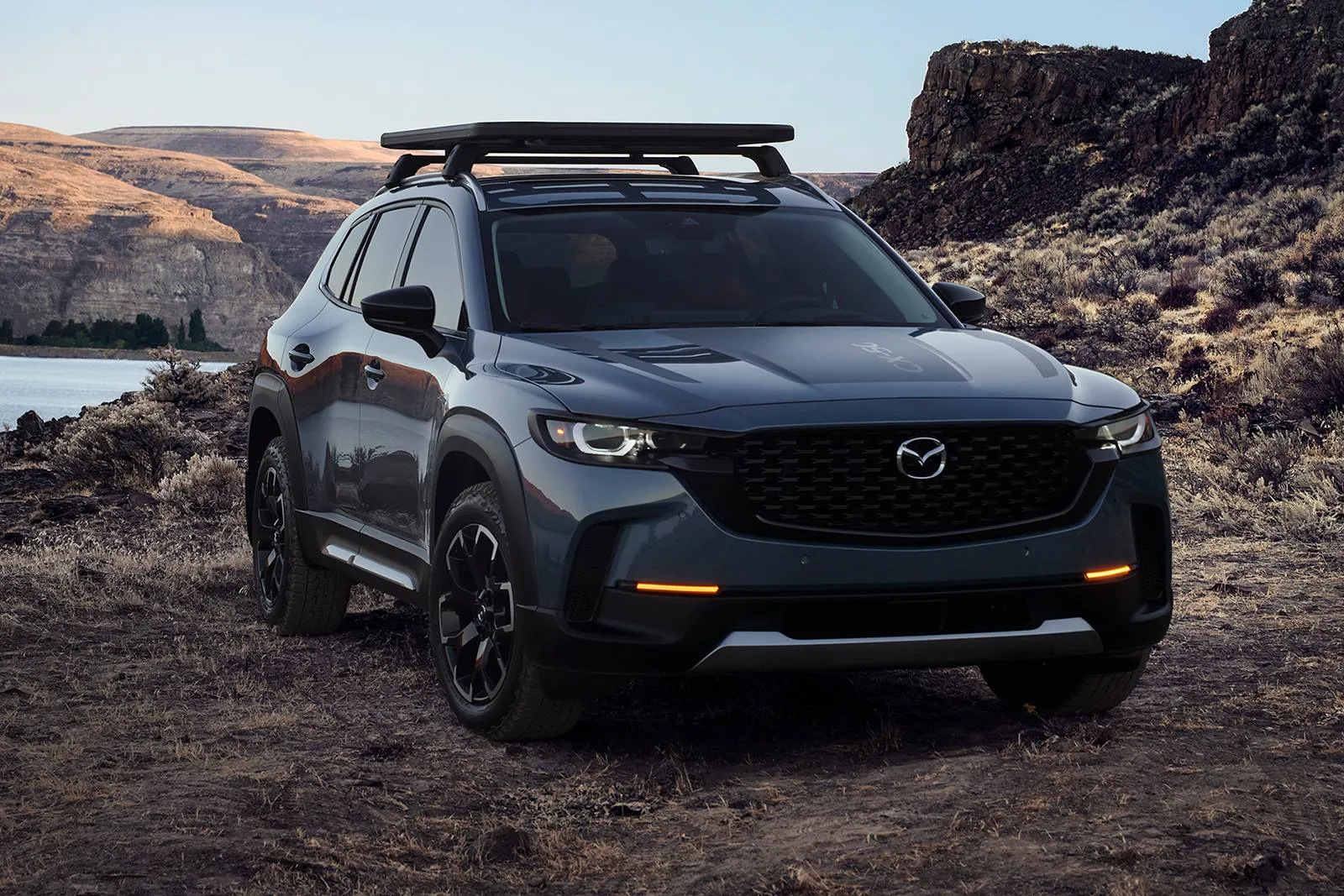
5. Mazda CX 50 2.5 Turbo Preferred Plus
Drivers who appreciate refined handling with winter-ready attributes often find satisfaction in the Mazda CX 50 2.5 Turbo Preferred Plus. Its suspension tuning creates a controlled feel on icy roads, avoiding excessive stiffness while still absorbing winter imperfections.
The steering carries a precise character, helping the driver sense what the tires are doing even during slippery moments. This connection becomes important when controlling a vehicle through snowy avenues or climbing into regions where the elevation rises quickly.
Its turbocharged powertrain performs impressively at Denver altitudes because Mazda engineered this engine to maintain strong output with thinner air.
Acceleration stays lively and consistent, giving drivers enough energy to merge onto highways or climb long slopes without stress. Turbo lag remains minimal, keeping the response smooth even on cold mornings.
Interior comfort also shapes the CX 50’s appeal. Heating elements react quickly, and insulation inside the doors and floors helps retain warmth. Once the cabin becomes warm, it stays that way without requiring excessive adjustment.
Occupants enjoy a peaceful setting because road noise remains low, even when driving over winter roughness. This quiet feel reduces driving fatigue, especially during early morning commutes when the temperature sits far below freezing.
Another advantage comes from its All Wheel Drive system. Mazda tuned this system carefully, allowing smooth distribution of power to each wheel. Drivers feel supported when turning through snowy roundabouts or going through wet, icy patches. This sense of control helps reduce stress during heavy winter conditions.
Tire options add another layer of confidence. Mazda equips this trim with rubber that grips securely during winter, supporting the vehicle’s stability. All these qualities place the Mazda CX 50 2.5 Turbo Preferred Plus among the strongest winter-friendly choices for Denver drivers seeking a blend of smoothness, power, and secure handling.
5 Cars That Give Trouble
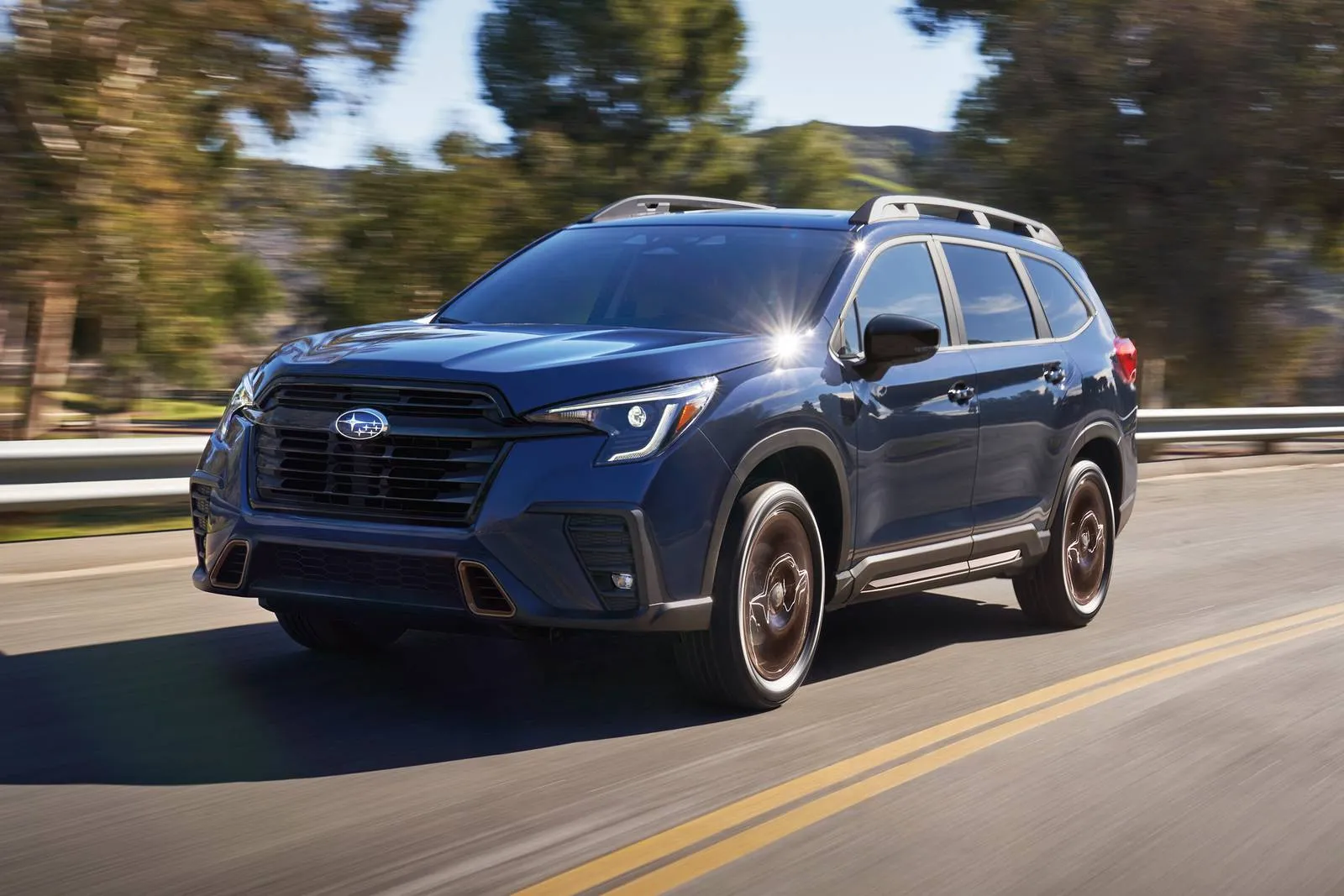
1. Subaru Ascent Premium 2020
Plenty of shoppers assume the Subaru Ascent Premium 2020 should shine in Denver because Subaru vehicles usually handle snow with confidence. Even though it performs well at first glance, the ownership experience later introduces concerns that slowly drain patience.
A common frustration comes from repeated engine stalling reports. Some owners describe moments where the engine loses power at low speeds, especially when temperatures drop sharply. This creates anxiety in rush hour traffic, and Denver’s winter nights make such incidents even more uncomfortable.
The turbocharged engine also shows sensitivity to high-altitude driving. Boost levels do not always remain stable, which leads to sluggish acceleration when climbing hills around Lakewood, Golden, or other surrounding areas.
Drivers often notice that the engine revs louder than expected before gaining serious strength. The strain becomes more pronounced once snow begins to accumulate because the engine works extra hard to maintain momentum.
Another concern rests with the CVT transmission. Sudden surging or unexpected hesitation occurs for some owners, which becomes troublesome on icy roads where smooth responses matter. Cold seasons intensify the CVT’s weaknesses, and people end up making service trips at inconvenient times.
Inside the cabin, rattling noises appear earlier than they should. Denver’s freeze and thaw cycles tend to expose minor build flaws, and these small irritations grow louder with regular winter driving. Some report touchscreen lag, Bluetooth failure, and random safety alerts that disappear after restarting the car.
Fuel use also rises more than expected during the winter months. Drivers see a quick drop in efficiency once the temperature falls below freezing, adding cost to long commutes.
When combined with high service bills and concerns around long-term reliability, the Subaru Ascent Premium 2020 becomes a difficult companion for residents who need dependability during the coldest periods.
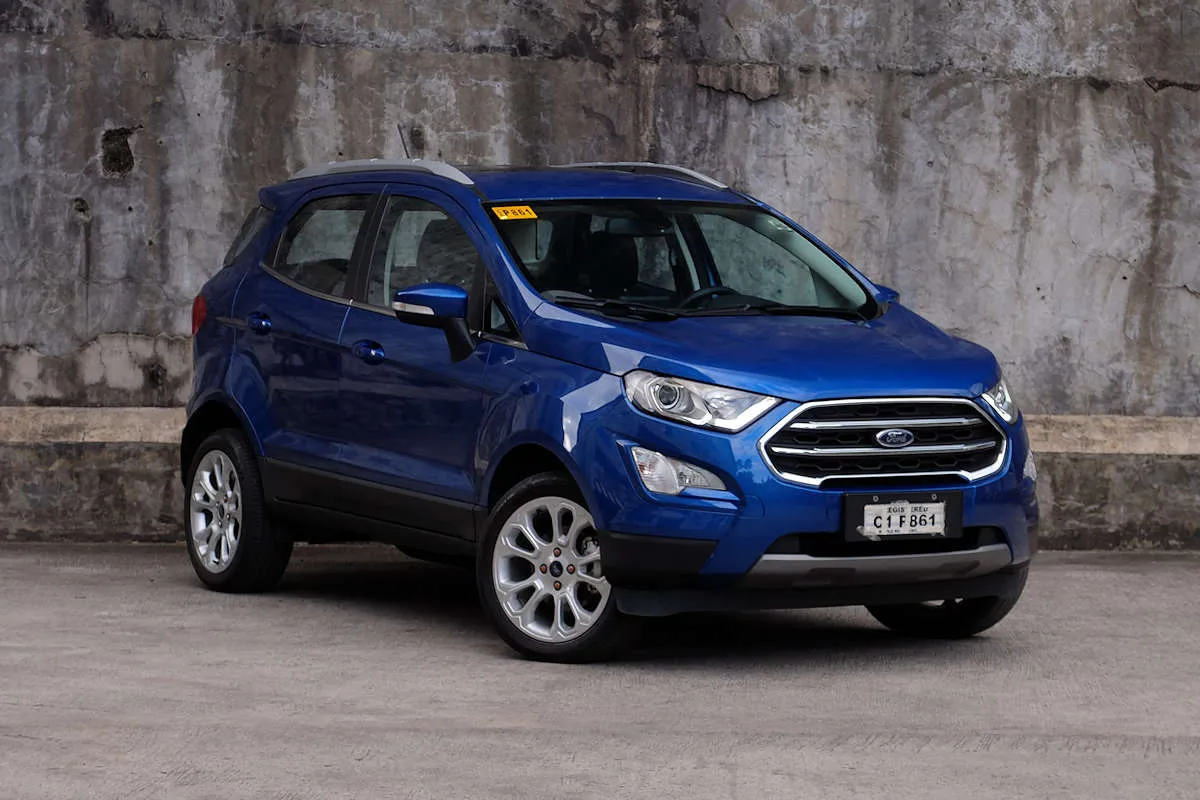
2. Ford EcoSport Titanium 2019
A compact SUV like the Ford EcoSport Titanium 2019 may appear perfect for city driving, yet this specific model struggles once Colorado’s winter takes over. Its small engine becomes easily stressed at high altitude.
Power delivery weakens on steep inclines, and many owners mention that highway merging turns into a slow and noisy experience. Cold air further limits the engine’s already modest output, making winter trips more tiring than expected.
Another weakness lies within the automatic transmission. Jerky movements and delayed responses become common as the miles increase, and Denver’s icy mornings make the problem worse.
Drivers often describe an uncomfortable vibration when stepping on the accelerator gently. This issue catches people by surprise because the vehicle appears modern and stylish on the outside.
Cabin heating efficiency is another area where the EcoSport loses points. Some owners notice slow warm-up time in freezing temperatures, leaving them shivering during early morning drives. Electrical glitches also surface at inconvenient moments. Reports range from malfunctioning rear sensors to unexpected dashboard alerts that require costly diagnostics.
Suspension behavior also raises eyebrows. The EcoSport Titanium tends to feel stiff on rough winter roads, and small bumps turn into sharp hits once the ground freezes. After some time, this leads to minor rattles inside the doors and dashboard panels. Denver’s winter potholes add extra pressure, pushing the need for repairs earlier than expected.
Fuel consumption becomes another downside. Even though it is a small SUV, the EcoSport often burns more fuel than other vehicles in its class once winter arrives. People who purchased it, hoping for economical driving, find themselves spending more on fuel and maintenance combined.
For those who want a compact crossover with low upkeep, the Ford EcoSport Titanium 2019 brings too many compromises. Harsh winters and high altitude reveal its weaknesses quickly.
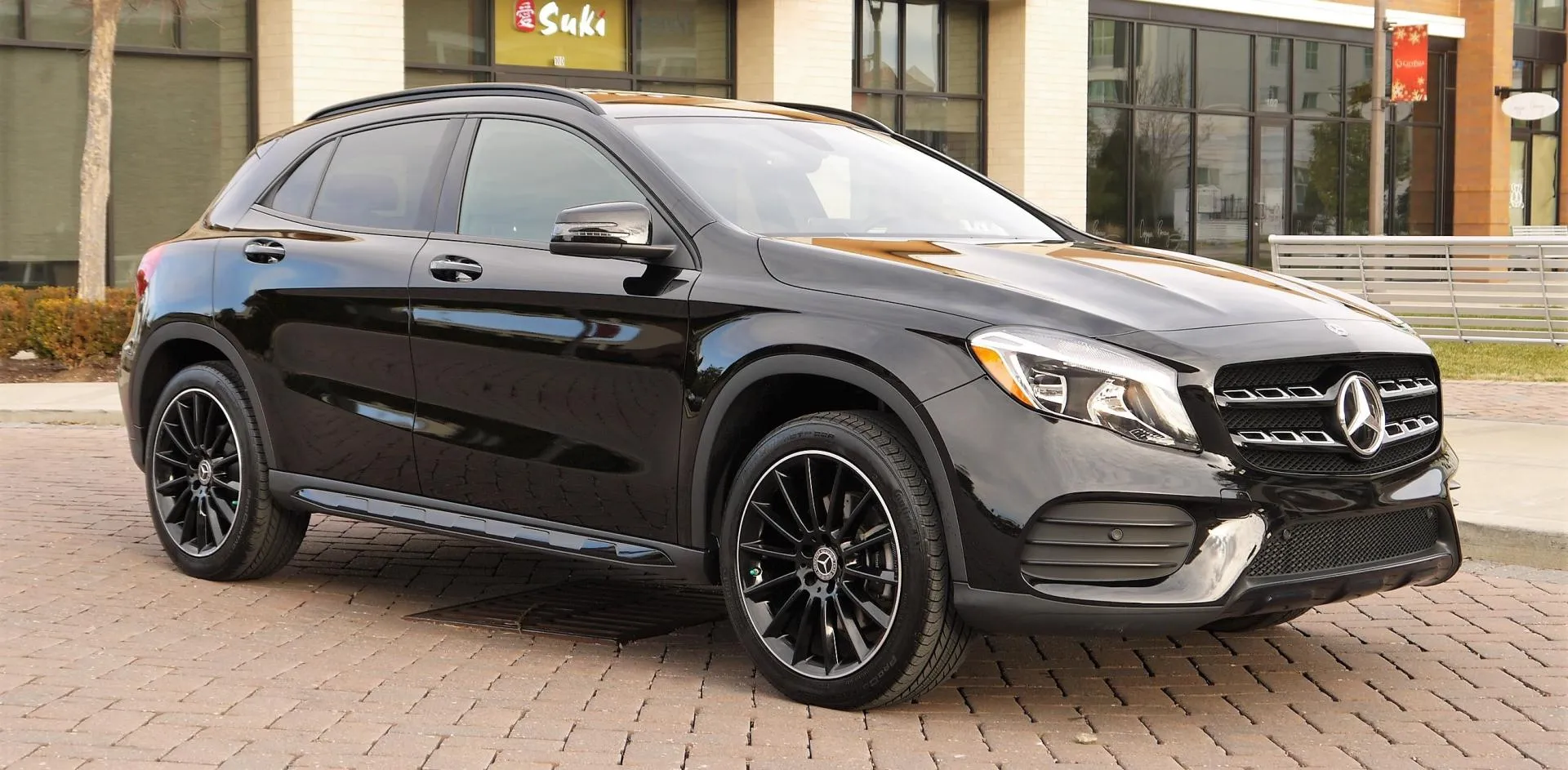
3. Mercedes-Benz GLA250 2018
Luxury design attracts plenty of buyers to the Mercedes-Benz GLA250 2018, but Denver’s climate exposes weaknesses that do not appear right away. The small turbocharged engine struggles with altitude, making uphill acceleration less lively than buyers expect from a premium vehicle.
Once winter hits, turbo lag becomes quite noticeable. Owners sometimes experience hesitation when leaving stoplights, which becomes even more concerning on icy surfaces where quick decisions are necessary.
Another trouble point appears in the suspension system. While the GLA250 feels sporty on dry roads, winter conditions highlight its stiffness. Potholes hidden beneath snow cause sharp impacts, and repeated exposure leads to early wear on bushings and links. Some drivers hear knocking sounds after two or three cold seasons, signaling the need for repair work.
The electrical system presents its own surprises. Random dashboard warnings, temporary sensor failures, and sudden touchscreen freezes occur more often than a luxury car buyer expects.
People in Denver complain that the cold weather seems to accelerate these issues. Repair costs can be discouraging because replacement parts for Mercedes vehicles rarely come cheaply.
Interior comfort also drops in cold seasons. Owners mention slow seat heating performance and uneven blower strength when adjusting the cabin temperature. These shortcomings become frustrating when snow falls heavily, and a comfortable cabin is needed to remain focused.
The GLA250’s low ground clearance adds another challenge on snowy days. It scrapes packed snow more easily than larger SUVs, sometimes getting stuck during neighborhood commutes. Drivers often feel forced to buy premium snow tires just to achieve acceptable winter performance.
Insurance costs and regular service fees combine with these mechanical and electrical issues, making the GLA250 2018 a demanding option for residents who face Denver winters each year.
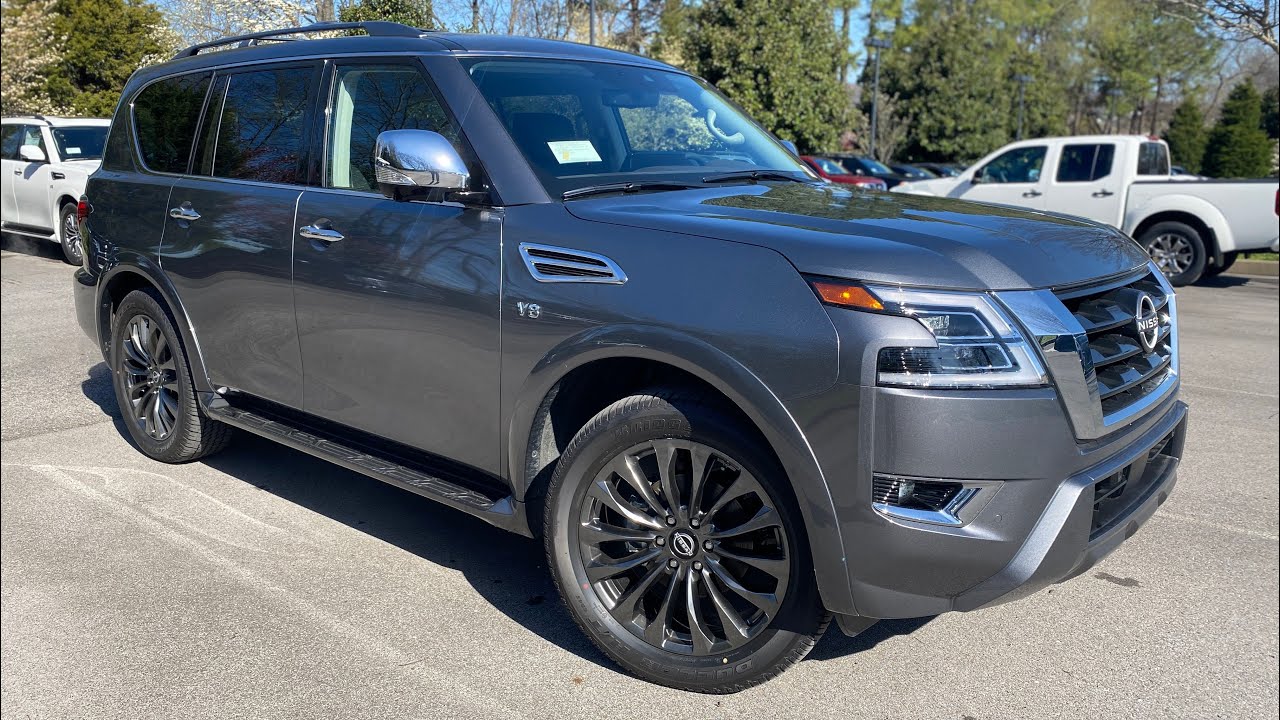
4. Nissan Armada Platinum 2021
A large SUV like the Nissan Armada Platinum 2021 looks ready for tough seasons, yet owners often discover that size alone does not guarantee winter confidence. The massive V8 engine consumes heavy fuel at high altitude, especially when cold weather thickens the air.
Drivers report a noticeable reduction in power when climbing mountain roads. This forces the engine to rev aggressively, raising fuel bills beyond what families consider comfortable. Another common concern lies in the braking system.
Some owners complain about soft pedal feedback during winter, which becomes unsettling when icy intersections require strong stopping power. Brake wear also appears quicker than expected for a full-size SUV, and Denver’s steep roads contribute to this faster decline.
The Armada’s steering tends to feel heavy in cold seasons. People who park outside overnight describe a stiff sensation during the first ten minutes of driving, making early morning commutes less enjoyable. Suspension components also experience strain. Once the temperature drops, the large body amplifies road imperfections, leading to vibrations that eventually affect ride comfort.
Technology inside the Armada does not escape complaints. Lagging infotainment screens, audio interruptions and occasional camera glitches show up often in owner feedback. Winter mornings bring extra trouble because electronics take longer to warm up.
Fuel economy becomes a bigger issue once winter idling increases. Owners who try to warm the SUV before driving see a huge increase in fuel use. Combined with expensive service parts and high repair labor costs, the Armada Platinum 2021 becomes a heavy burden during cold months.
Families searching for dependable winter performance often expect the Armada to deliver without trouble, yet the growing list of cold-weather concerns makes ownership more stressful than expected.
Also Read: 10 Fast Turbocharged Cars You Can Get For Less Than $15,000
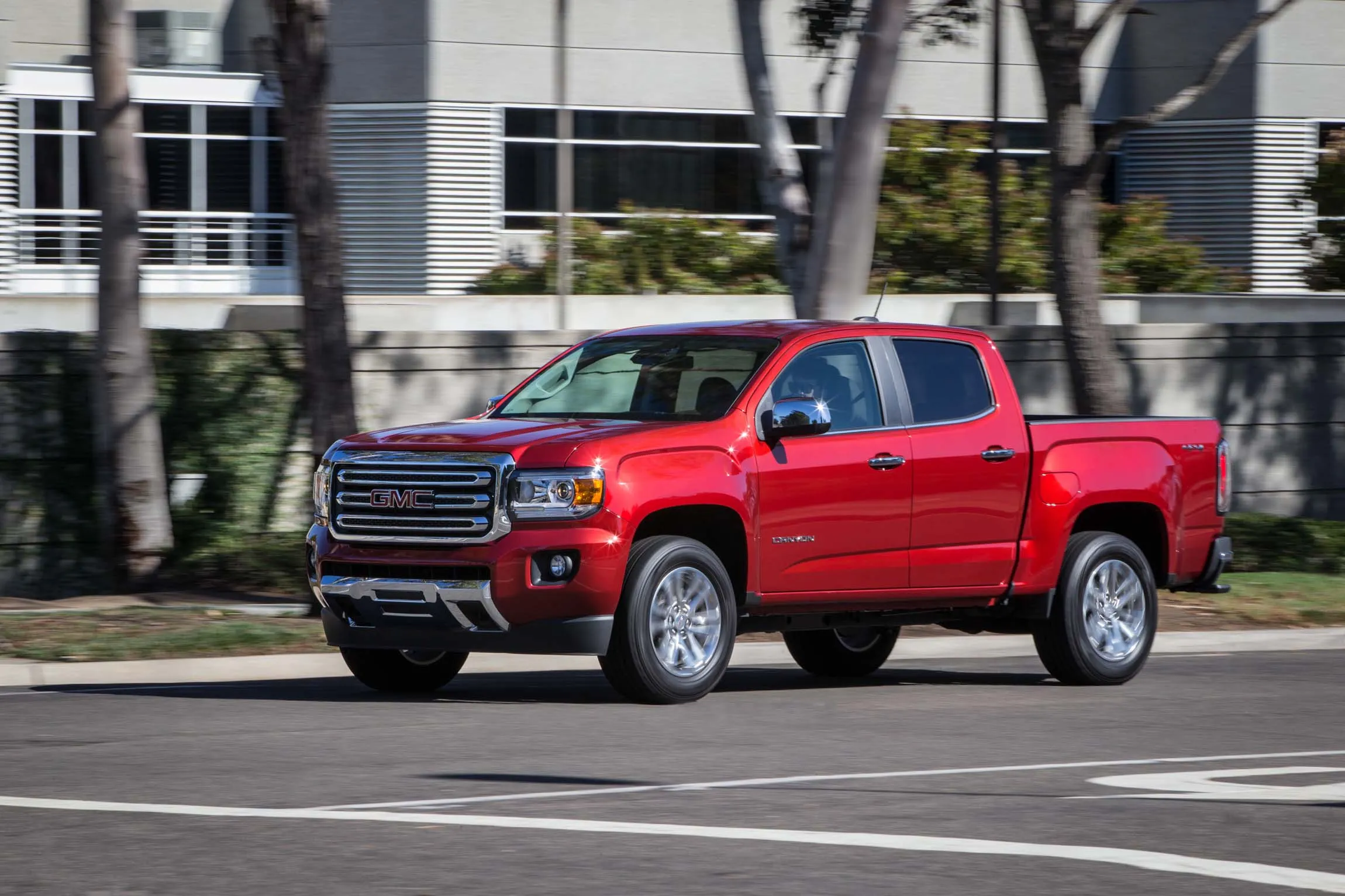
5. GMC Canyon SLE 2020
Mid-size trucks usually perform well in challenging climates, yet the GMC Canyon SLE 2020 presents issues that many Denver residents notice quickly. Its 3.6-liter engine handles light work with ease, but altitude reduces its responsiveness when pulling loads uphill.
People who drive through mountainous routes often comment that the truck feels winded before completing steep climbs. Cold air magnifies this weakness, making acceleration slower during winter. Another frustration involves the transmission.
Some owners experience rough downshifts and delayed responses when the transmission oil thickens in freezing weather. This creates jerky motions that make icy road driving uncomfortable. Early transmission service becomes necessary for some units, adding cost and inconvenience.
Interior heating performance also raises questions. Warm air takes longer to circulate inside the cabin compared with rival trucks. On extremely cold mornings, drivers remain bundled in jackets for longer than they expect.
Electrical issues add a second layer of discomfort. Glitches affecting the backup camera, radio unit and dashboard warning lights appear occasionally, often requiring a dealer visit.
Suspension durability becomes another talking point. Cold seasons expose stiffness in the rear end of the truck, creating a bouncing effect when driving over frozen road patches. After some time, this leads to early wear on shocks and leaf springs.
Fuel usage increases massively once winter begins. Even short commutes require extra fuel, especially when using remote start. Drivers seeking economical truck performance feel disappointed, and rising maintenance bills add to the frustration.
While the GMC Canyon SLE 2020 offers appealing features during warmer months, Denver residents who face long winters and high-altitude driving find more trouble than comfort when relying on this model daily.
