
Finding a car that can handle steep hills, narrow parking slots, sharp inclines, and tight spaces around San Francisco demands more thought than people assume. Life in such an environment means a driver must trust that the car will not roll backward carelessly, lose power halfway up a slope, or leave them feeling stuck during parallel parking.
Those who understand how tiring hill starts can usually want a machine that feels obedient and strong, even when gravity feels like an enemy. Choosing the wrong one can leave someone frustrated long before they have even settled into a routine.
Anyone spending time around steep neighbourhoods soon discovers how different driving becomes. Moving uphill requires steady power delivery, a predictable gearbox response, and brakes that do not fade easily.
Parking on slopes tests a car’s weight balance, steering accuracy, and grip in ways flat-ground drivers rarely notice. Because of these conditions, selecting a car becomes more than checking fuel consumption or cabin gadgets. A good match can save time, protect confidence, and keep life simple.
Drivers planning to live or move around these steep routes often look for machines that combine gentle low-speed control with firm climbing strength. Some cars manage this task with surprising calmness.
Others react poorly, heat up quickly, roll too easily, or lose their braking strength when pushed too frequently on steep streets. This page presents a clear breakdown of cars that shine in those conditions before moving into models that frustrate their owners.
Whether someone is new to the city or has lived there long enough to understand its unique demands, these comparisons bring clarity that helps with decision-making. You will find fresh and varied vehicles on both sides of the list.
5 Cars for San Francisco Hills & Parking
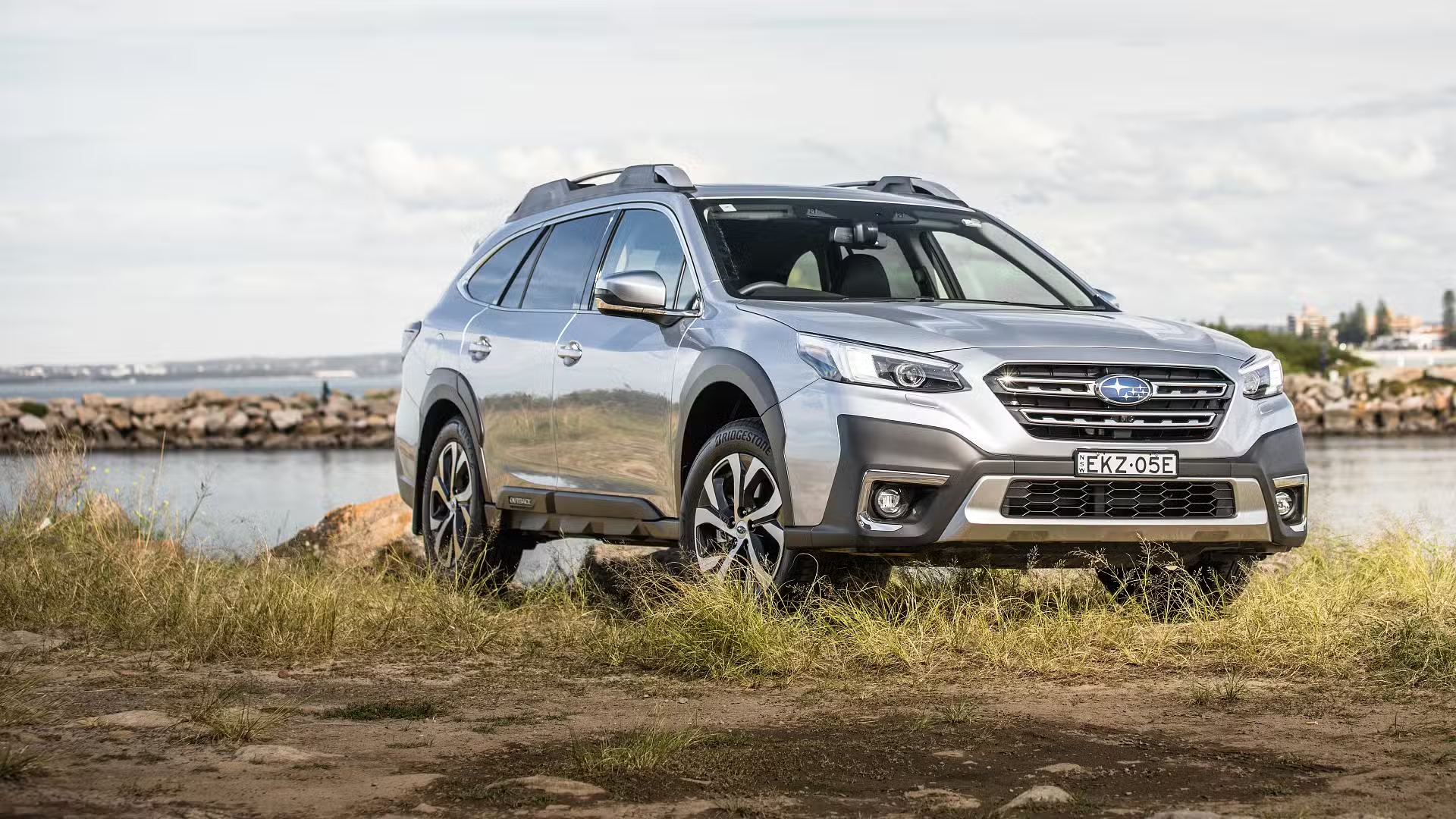
1. Subaru Outback 2.5 Premium (2021 Model)
Driving up steep roads becomes far less stressful when a vehicle feels stable and eager. Subaru Outback 2.5 Premium from 2021 has earned respect among hill-area drivers because of its strong low-end response and its dependable grip.
Even during slow hill starts, there is a reassuring firmness in how the car moves forward once the accelerator is pressed. This sense of controlled strength helps anyone dealing with tight neighbourhood lanes or uneven residential slopes.
Plenty of drivers appreciate how its all-wheel drive system keeps the tyres planted even on uneven ground. Since San Francisco’s roads often involve rough patches that appear without warning, this steady traction gives comfort during everyday movement.
Hill Hold Assist steps in quietly to prevent backward movement when a driver lifts their foot from the brake while starting uphill. Because of this smooth behaviour, many people feel less anxious during peak-hour movements.
Parking on steep angles can be intimidating for inexperienced city drivers. Outback’s steering has a light but confident feel that helps a driver place the vehicle neatly into a tight spot.
Long body shape might appear challenging initially, yet visibility is supported by generous mirrors and a rear camera that functions well even in dim areas. With a well-tuned suspension that does not bounce excessively, parking manoeuvres feel controlled instead of chaotic.
Service experiences for this model remain reasonable. Replacement parts rarely fail abruptly when used in hill-filled zones, and the cooling system usually stays stable even in repeated uphill crawling.
Cabin comfort during climbs is another plus, with minimal rocking and a firm road stance. Because of these strengths, the 2021 Subaru Outback 2.5 Premium remains a dependable companion for anyone dealing with steep slopes daily.
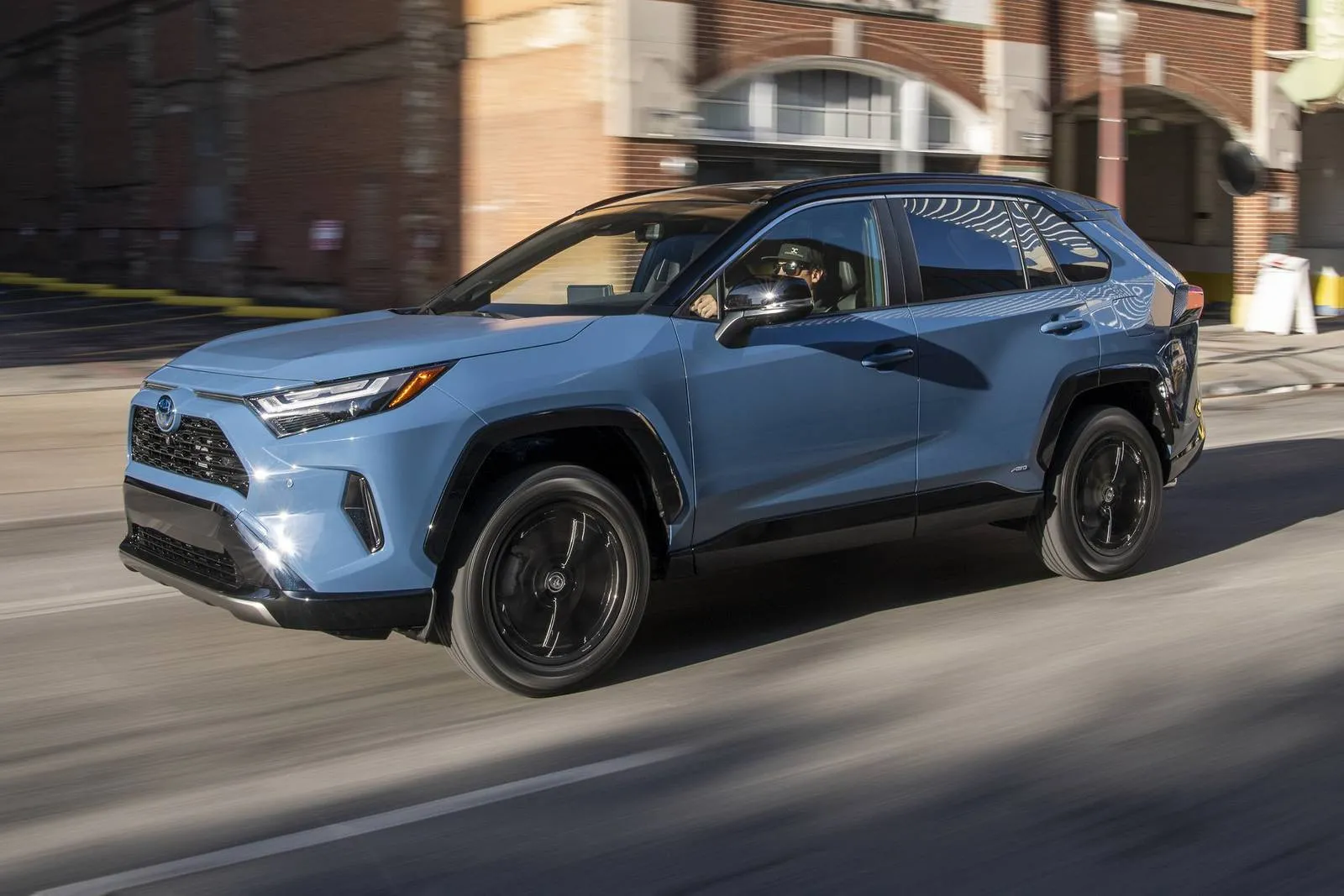
2. Toyota RAV4 Hybrid XSE (2022 Model)
Owning a car that delivers steady power uphill without straining the engine becomes a relief in a hilly environment. The Toyota RAV4 Hybrid XSE from 2022 stands out here because its electric motor assists the petrol engine smoothly during steep climbs.
This combination provides instant torque, which means fewer worries about sluggish hill starts. Drivers often comment on how calming the car feels when moving through multi-level parking structures.
Steering accuracy also contributes to its suitability. This particular model delivers a firm but responsive turning feel, helping drivers guide the car through tight lanes without constant correction. Because San Francisco’s narrow roads and short parking spaces often leave little margin for mistakes, such predictable control becomes useful.
Traction remains steady because of Toyota’s all-wheel drive system that engages intelligently during slip-prone moments. Anyone who has attempted to stop on a partially wet incline knows the fear of rolling backward. This RAV4 manages that situation gracefully. Hill Start Control adds another layer of support by holding the car firmly as the driver prepares to move again.
Parking sensors and camera clarity add convenience during daily routines. When a driver tries to reverse uphill into an awkward slot, visibility matters. The hybrid system provides sharp images that reduce guesswork. Suspension balance also helps the car stay steady when parked at an angle, so doors do not swing too aggressively.
Fuel efficiency remains impressive despite the steep routes. Electric assistance reduces strain on the petrol engine, making long commutes easier on both the wallet and the mechanical components.
Because hybrid systems run quieter, cabin comfort improves too, especially during slow uphill movements. This combination makes the 2022 Toyota RAV4 Hybrid XSE one of the more reassuring vehicles to use in challenging hilly regions.
Also Read: 5 Cars With Sunroofs That Remain Functional VS 5 Squeak And Rattle
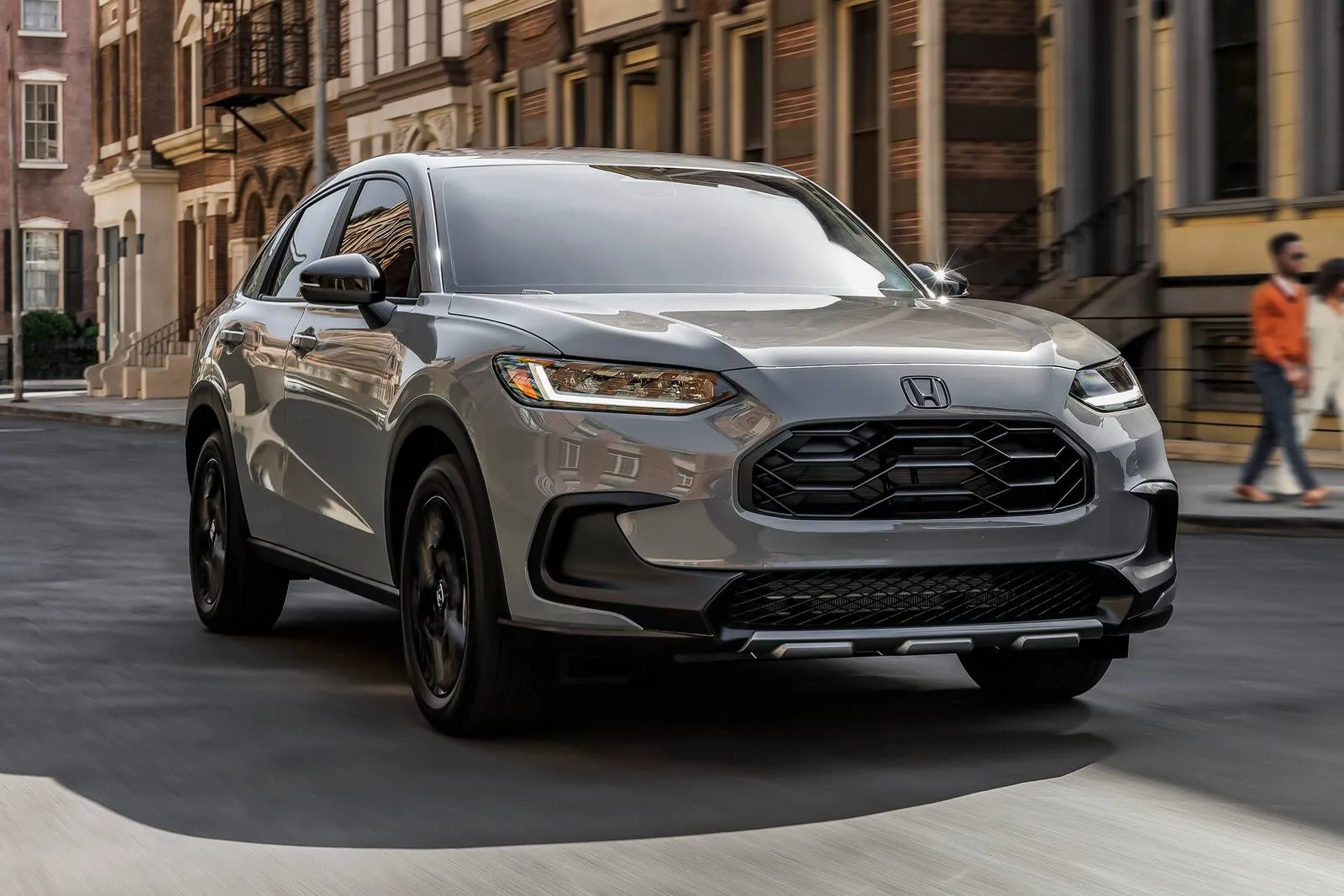
3. Honda HR-V EX-L (2023 Model)
Finding a compact SUV that does not panic under steep pressure becomes a blessing for residents facing daily climbs. Honda HR-V EX-L 2023 delivers a balanced mix of size, manoeuvrability, and hill performance that suits these conditions perfectly.
Instead of fighting the slope, the engine responds quickly enough to keep the car moving without unnecessary revving. This kind of polite power delivery helps during uphill traffic jams. Cabin layout gives the driver a commanding view, which becomes useful when trying to judge distances while parking on slanted ground.
Because mirror angles are broad and the rear visibility remains clear, parallel parking on narrow streets becomes less frustrating. Rear camera quality also provides enough clarity to prevent guessing while reversing uphill.
Gearbox reaction in this model supports steady momentum. The CVT maintains a smooth stream of power that avoids sudden drop-offs, which can frighten inexperienced drivers on steep surfaces.
When starting from a near standstill on a slope, the HR-V rarely hesitates. Hill braking support tightens the experience by making sure the car does not roll backward while the driver rearranges their feet.
Suspension comfort stays impressive even on poorly maintained uphill streets. Bumps do not throw the car off balance easily, and steering remains predictable at low speeds. This consistency helps when lining up the vehicle into a compact parking spot that rests at an angle.
Fuel economy remains decent, which matters for people who drive long distances through hill-heavy zones. Instead of burning through petrol during slow climbs, the engine remains efficient because it is tuned to handle gentle, steady pressure without unnecessary strain.
Because of this combination of strengths, the 2023 Honda HR-V EX-L fits effortlessly into the lifestyle of someone living around steep city roads.

4. Volvo XC40 T5 AWD R-Design (2020 Model)
Comfort around steep city roads improves when a car feels powerful yet composed. Volvo XC40 T5 AWD R-Design from 2020 brings a reassuring balance that gives confidence during daily climbs.
Turbocharged engine response stays strong at low speeds, meaning a driver will not experience heart-stopping pauses during uphill merges. Because the engine produces enough torque even at gentle throttle input, movement remains consistent.
Traction stands out clearly on this model. The AWD system grips predictably even in slightly slippery conditions, which is helpful for those dealing with early morning fog or wet slopes. Hill Start Assist works reliably and holds firm whenever the car pauses on an incline. Drivers who often stop halfway up narrow streets benefit greatly from this steady behaviour.
Parking in tight or awkward slopes becomes easier because of the XC40’s park assist package. Sensors feel accurate without being overly sensitive, so drivers receive helpful alerts without constant false alarms.
Rear camera precision helps when a narrow driveway requires careful reversing uphill. Steering weight feels well-tuned, supporting precise movement without feeling heavy. Cabin comfort enhances daily driving.
Seating position gives a strong command of the road, and visibility remains clear from all angles. When approaching a downhill curve or attempting to slot into a busy street from an uphill driveway, this clarity helps avoid sudden surprises.
Durability on steep routes remains one of its strong qualities. The braking system handles repeated slope activity without fading quickly. Engine cooling also remains stable during long climbing periods, which prevents stressful temperature spikes.
General performance during city movement makes the 2020 Volvo XC40 T5 AWD R-Design a solid choice for drivers who want power, grip, and comfort during their hill-heavy routines.
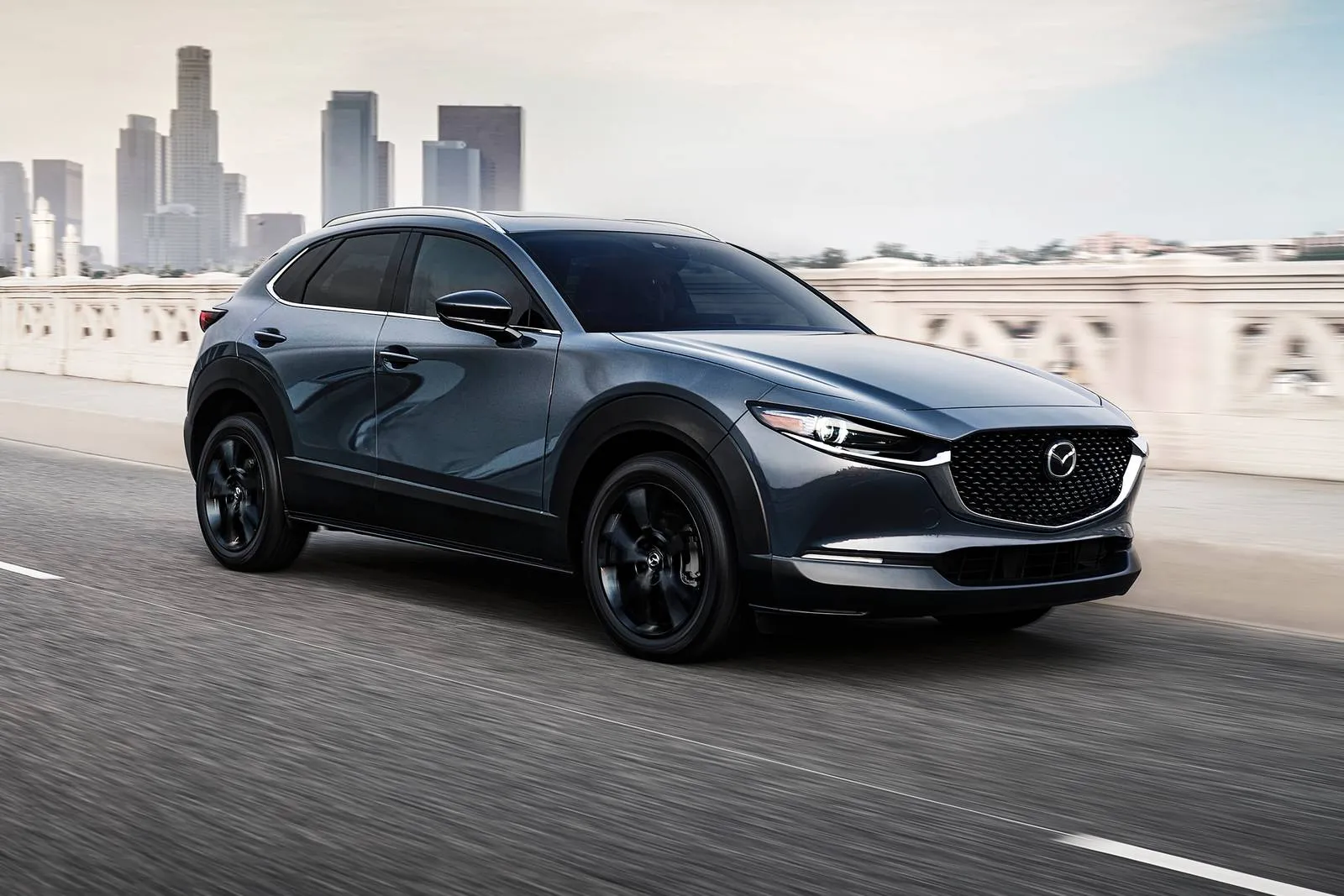
5. Mazda CX-30 Premium AWD (2021 Model)
Confidence grows for a driver when a car handles inclines without drama. Mazda CX-30 Premium AWD 2021 brings a light, athletic feel that suits San Francisco’s steep routes comfortably. SkyActiv engine tuning supports brisk torque delivery even during mild acceleration, which helps the car move up hills smoothly.
Instead of lagging before climbing, the CX-30 engages quickly while maintaining a pleasant engine tone. Steering precision gives it an agile personality. Tight parking slots feel less intimidating because the car responds quickly to small steering inputs.
A driver attempting to reverse into a tight uphill position will appreciate how predictable this car feels. The shape is compact enough to fit in challenging spots, yet the cabin still feels roomy.
Suspension behaviour helps on uneven surfaces. Slight dips or sudden bumps do not upset the car easily, which becomes helpful in older neighbourhoods with rough road surfaces. Stability remains firm whether the car is moving uphill, downhill, or parked on a steep slope.
Hill Launch Assist contributes to stress-free starts. Instead of rolling backward, the system offers a gentle hold while the driver transitions from brake to accelerator. This alone provides confidence for those who struggle with manual timing during incline starts.
Interior experience stays pleasant during continuous climbing. Engine noise remains controlled, vibrations stay minimal, and the seating position offers good road awareness. Even during tight downhill manoeuvres, visibility stays clear enough to judge corners precisely.
Fuel economy remains impressive despite the area’s steep nature. Mazda’s tuning manages to avoid unnecessary revving during climbs. Because of its blend of control, comfort, and spirited movement, the 2021 Mazda CX-30 Premium AWD fits perfectly into the lives of drivers dealing with steep city environments.
5 Cars That Struggle

1. Ford Explorer (Cyclone V6 Platform)
The Ford Explorer models equipped with the Cyclone-based V6 engines tend to experience timing cover concerns as mileage rises, especially when subjected to heavy city driving or extended idling cycles.
Many owners report the first signs as faint coolant residue or subtle oil dampness near the front of the engine block. The complication of the cover arrangement, combined with the presence of multiple sealing points and coolant passages behind the cover, increases the chance of deterioration after some time.
One major challenge is that the timing cover on this platform sits deep within the assembly, making access difficult. Therefore, what begins as a minor seep can gradually escalate into a more visible leakage pattern if overlooked.
This often leads to complaints about odors, low coolant alerts, or small oil drops beneath the vehicle after overnight parking. Repair work typically involves labour hours, which turns even a simple reseal into a fairly demanding procedure for technicians.
Drivers in humid or dusty environments tend to notice the problem earlier, as contaminants cling to the damp areas and make the issue more visible. In regions with hotter climates, thermal cycling accelerates gasket wear and causes the rubber components within the timing system to stiffen faster than expected.
Routine inspections around the 90,000-120,000-km range help catch deterioration early. While the engine itself delivers steady performance and good longevity, the need for a reseal remains one of the most recurrent maintenance points.
When addressed promptly, the engine continues to run reliably for many more years, but ignoring it can lead to gradual coolant loss or accelerated wear of surrounding components.
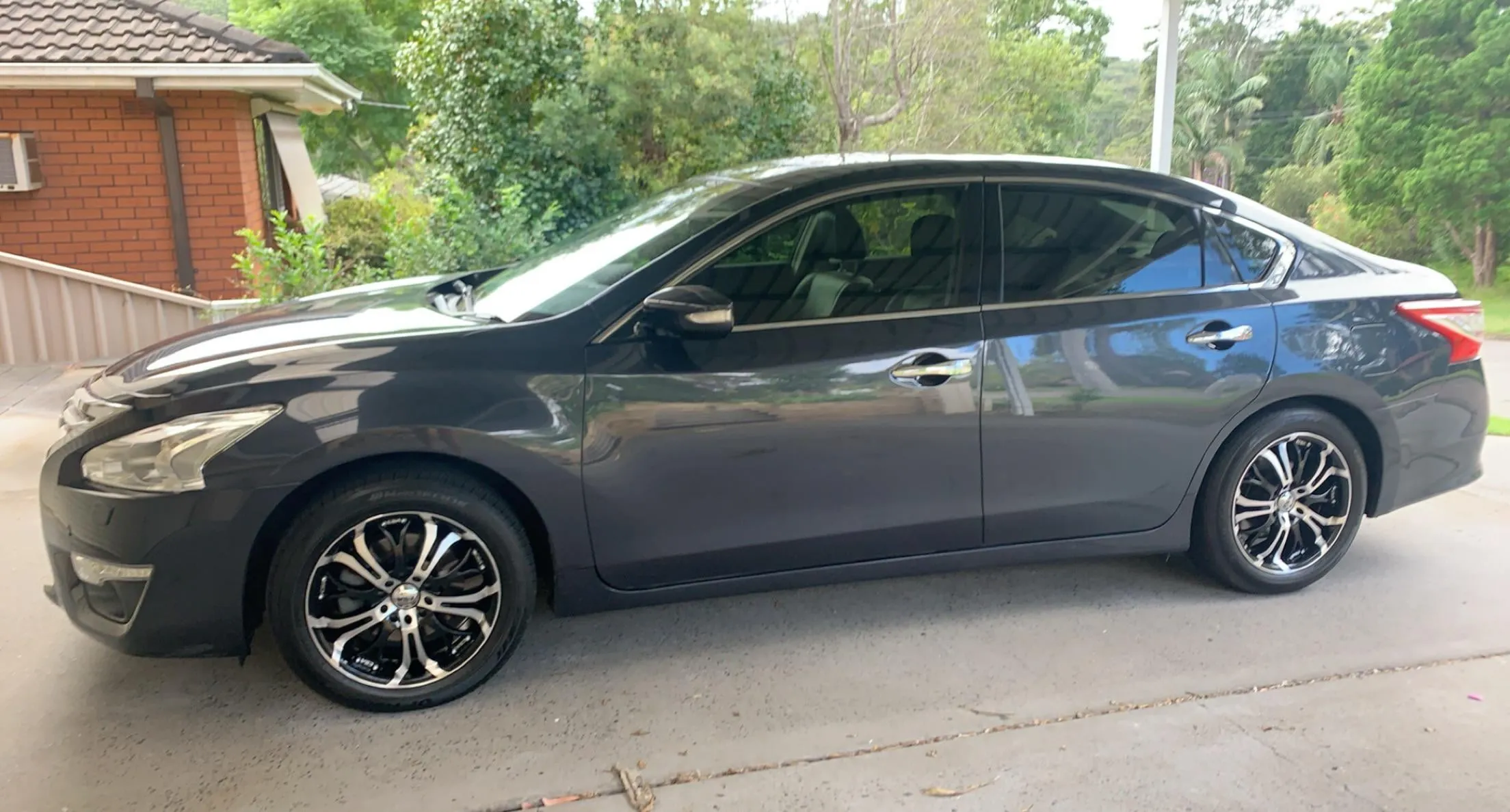
2. Nissan Altima (QR25DE)
The Nissan Altima equipped with the long-running QR25DE four-cylinder engine is respected for its efficient fuel behaviour, but owners are often familiar with timing cover-related seepage as the car accumulates mileage.
One reason is the design of the front cover, which integrates several oil passages and depends heavily on the quality of the sealing bead during factory assembly. With time, heat cycles cause the original sealing compound to shrink or lose adhesion, leading to thin lines of oil appearing around the cover.
Although this issue rarely leads to sudden major loss, the slow nature of the seep makes it easy for owners to delay repairs. Unfortunately, the QR25DE responds poorly to long-term low-oil conditions.
Even minor losses over extended periods can increase internal friction and raise operating temperatures. For this reason, consistent monitoring is essential, especially once the odometer crosses 150,000 km.
Repair procedures involve cleaning the mating surfaces carefully and applying a fresh layer of sealant with precision to avoid future seepage points. The labour is often higher than expected because accessories, mounts, and the upper portion of the front assembly must be removed for clearance.
Despite the inconvenience, a properly executed reseal usually restores the engine to stable operation with little chance of an early recurrence. Environmental factors also influence how quickly the problem develops. Stop-and-go driving in hot regions stresses the material more quickly, while highway-focused drivers report slower deterioration.
Many enthusiasts recommend pairing the reseal with other maintenance steps, such as replacing worn motor mounts or servicing the serpentine system, since everything is already accessible. When maintained responsibly, the engine continues to prove durable beyond 250,000 km, though the timing cover remains one of the few recurring weak spots.
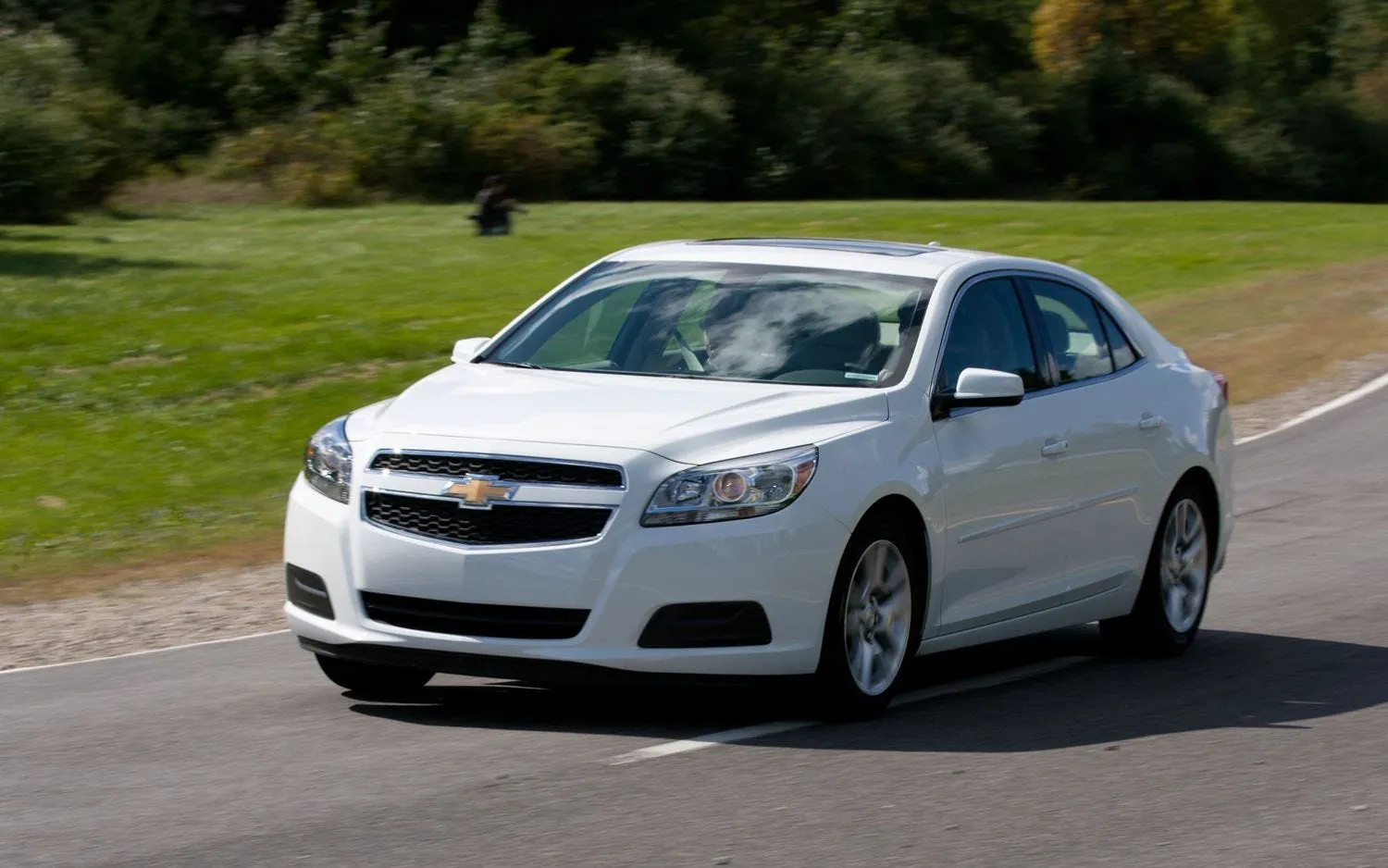
3. Chevrolet Malibu (2.5L Ecotec)
The 2.5-litre Ecotec engine used in the Chevrolet Malibu delivers smooth power, yet several owners identify timing cover seepage as one of the more recurrent long-term maintenance issues. The front cover relies on sealant rather than a traditional gasket, and as heat and pressure build over thousands of operating hours, the sealant tends to lose flexibility.
Once it begins to harden, micro-cracks form, permitting oil vapour or small droplets to migrate outward. Early signs show up as darkened dust patches along the cover or faint oil streaks down the side of the block.
While the engine does not typically suffer catastrophic loss, ignoring these early warnings can lead to worsening leaks. Once the seep reaches the accessory belt area, contamination can speed up belt wear or create unwanted noise. These concerns make it essential for Malibu drivers to inspect the area around every major service interval.
One contributing factor is the compact design of the engine bay. High heat density accelerates the chemical breakdown of the factory sealant. Owners in warmer climates detect the issue earlier, whereas those in moderate regions see slower progression.
Some technicians recommend resealing at the first clear sign of seepage, as waiting too long leads to more labour-intensive cleaning and higher repair bills. Though the reseal process demands careful surface preparation and accurate application of modern sealants, the engine responds well once the work is done.
Reliability returns to normal, fuel efficiency remains unaffected, and long-term ownership stays positive. Despite this strength, timing cover seepage remains an important maintenance consideration for any used-Malibu buyer evaluating high-mileage examples.
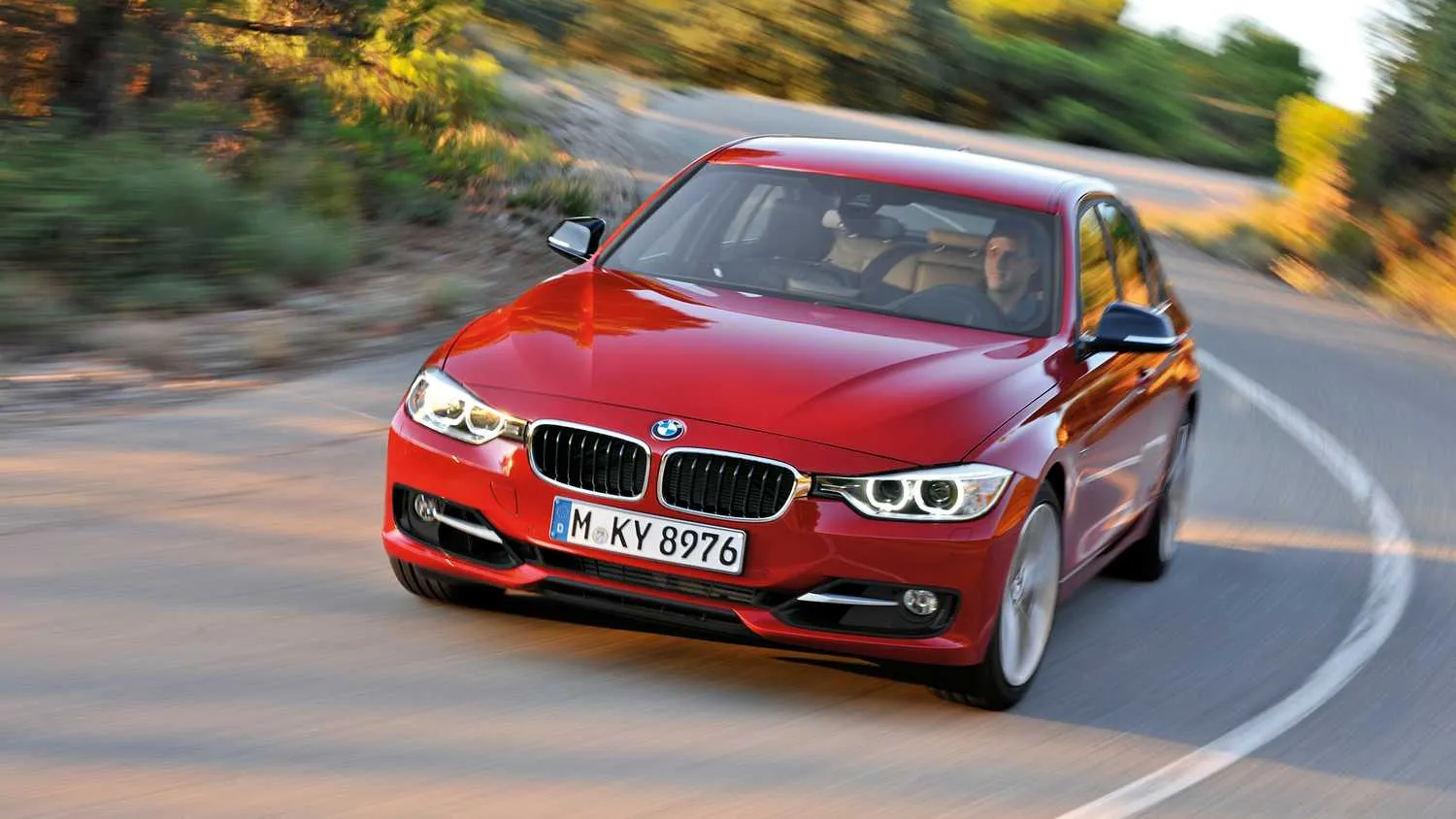
4. BMW 3 Series (N20 Engine)
BMW’s N20 turbocharged four-cylinder is known for refined performance, but the engine’s architecture places the timing cover in a tightly packed area surrounded by multiple sensors, coolant channels, and oil circulation paths.
As the engine ages, the sealing surface between the timing cover and the block becomes more vulnerable to wear, causing small but progressive leaks. Many owners describe noticing the first signs in the form of a faint burning smell when oil contacts hot surfaces. The complication of the layout is a major reason this issue ranks high on the list of struggles.
To access the timing cover properly, technicians must remove several interconnected components, which expands labour costs considerably. Additionally, the N20 uses both mechanical and thermal stress points near the mating surfaces, meaning heat fluctuations accelerate the decline of the older sealant.
Although this problem is well-documented, it rarely threatens the structural stability of the engine when handled early. The real inconvenience lies in the repair duration, as misalignment or poor cleaning can lead to repeated seepage.
Many independent specialists advise combining this repair with other jobs, such as oil filter housing reseals or coolant line updates, since these areas are also known for ageing-related failures.
Regular servicing with high-quality oil helps delay deterioration, as fresh lubrication keeps temperatures more stable. Drivers who make frequent short trips may experience earlier wear, since the engine often stays in heat-cycling mode rather than running at steady long-distance temperatures.
When properly resealed, the N20 continues to offer smooth output and dependable performance, though its timing cover configuration is recognised as a demanding maintenance area.
Also Read: 5 Cars With Friendly Storage Layout VS 5 Elbow Battles
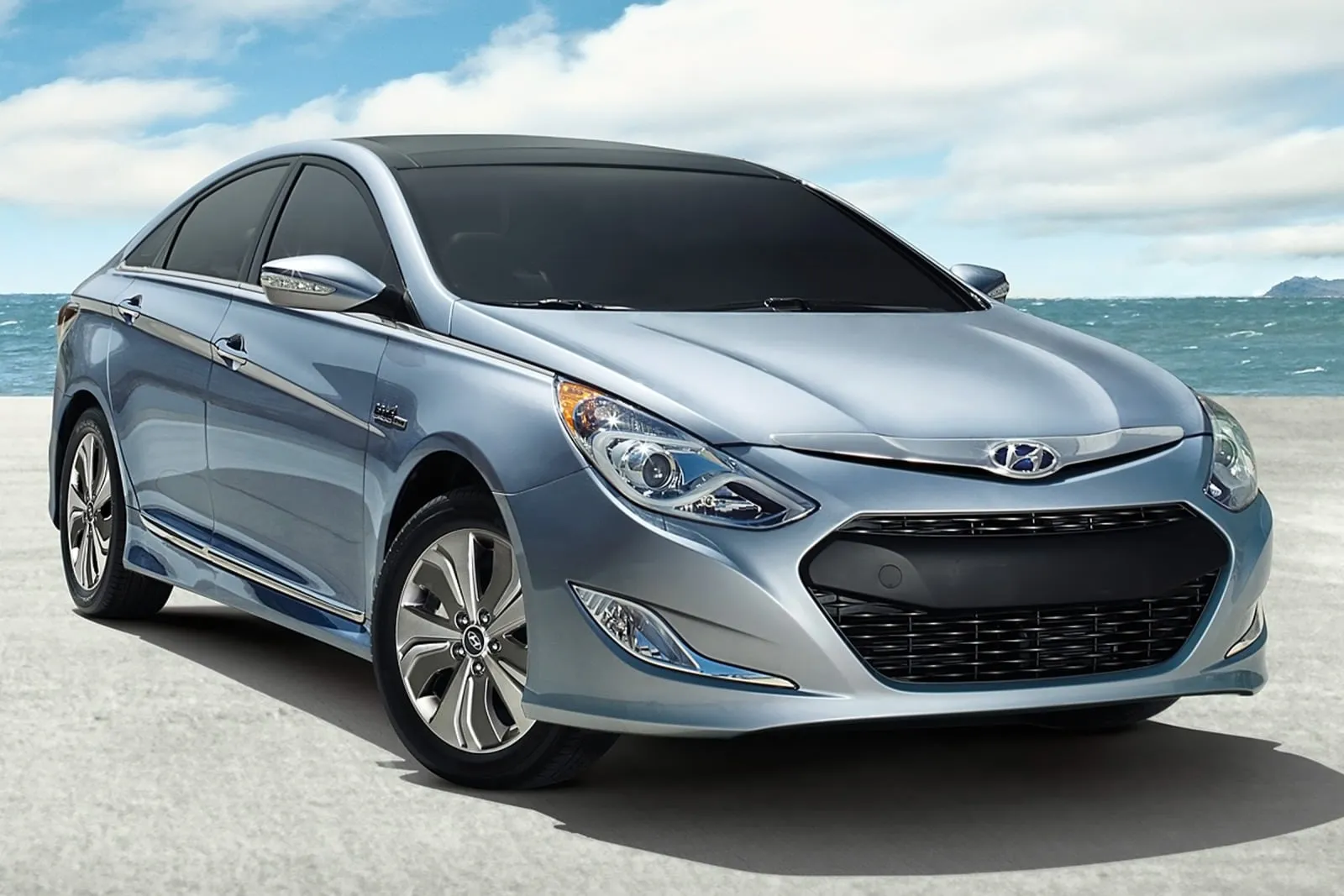
5. Hyundai Sonata (2.4L Theta II)
The 2.4-litre Theta II engine found in several Hyundai Sonata generations provides strong everyday performance, yet owners routinely observe timing cover concerns once the vehicle surpasses medium to high mileage.
One factor is the massive heat generated during extended urban driving. As temperatures climb, the original gasket material gradually loses elasticity and becomes prone to seepage. Once hardening begins, oil can escape through the weakest points of the sealing channel.
Dust then accumulates, creating visible patches on the lower portion of the engine. Although the leakage often starts mildly, it can slowly intensify if drivers overlook it. Since the Theta II relies on consistent lubrication for its chain-driven system, any long-term reduction in oil levels increases internal component stress.
Resealing the timing cover requires careful alignment and thorough cleaning, as sealant residue from previous repairs can prevent a perfect bond. The work also involves removing several accessories, meaning labour time increases if corrosion or tight-fitting bolts complicate disassembly. Many technicians advise owners to address this issue before long trips to prevent further deterioration.
Despite this maintenance concern, the engine performs well when serviced responsibly. Smooth acceleration, fuel efficiency, and long-term durability remain achievable for owners who keep up with inspections.
The timing cover challenge is, therefore, more of a practical maintenance expectation rather than a flaw that compromises the entire platform.
