
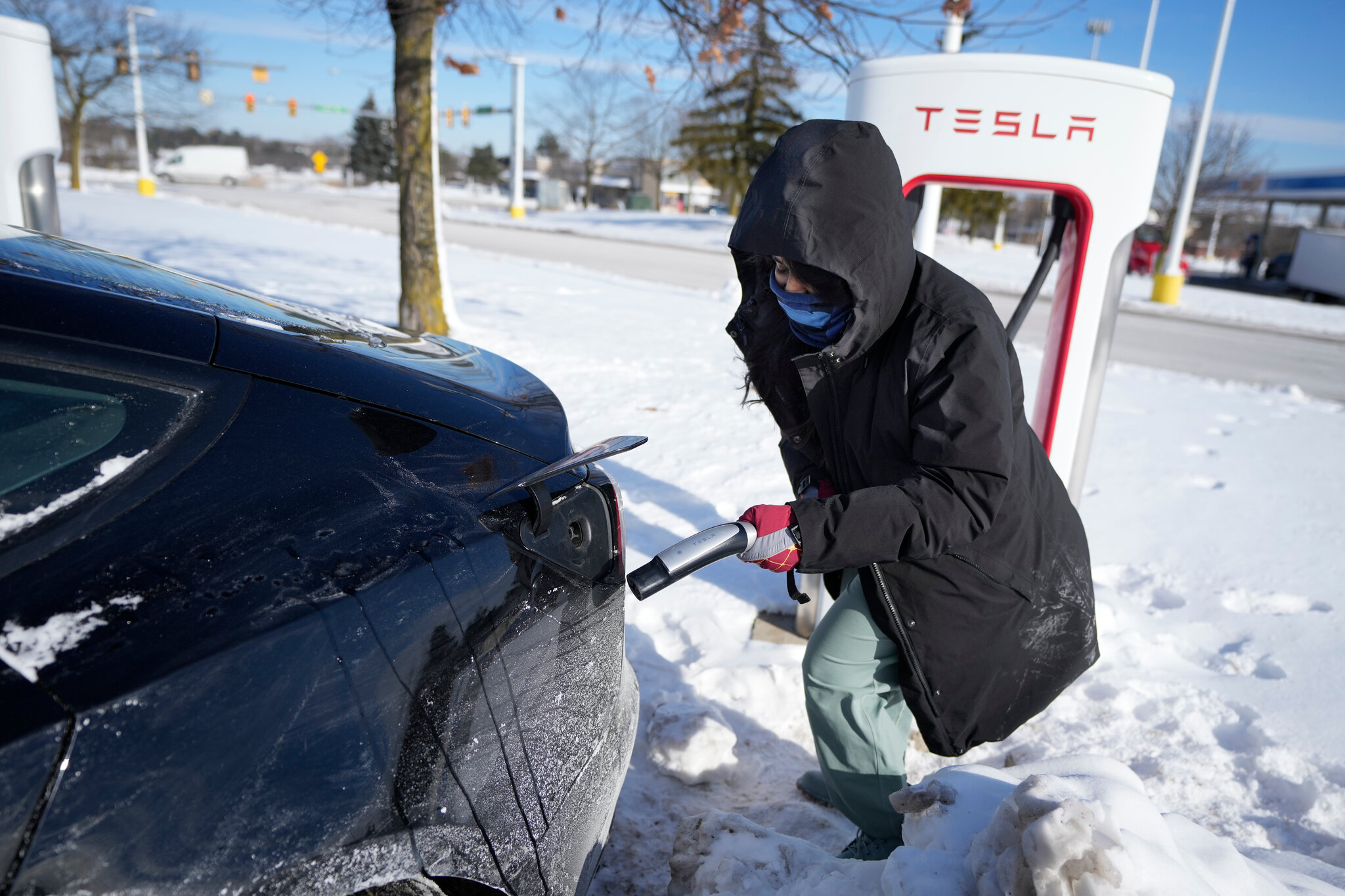
Cold seasons in Chicago create a special kind of challenge that goes beyond ordinary driving demands. Streets can freeze without warning, strong winds can push vehicles sideways, and deep snow can reduce visibility while affecting braking ability.
Drivers who move around in these conditions always discover that some vehicles cope with the harsh environment with surprising confidence, while others lose stability once the roads turn icy. This makes winter choice an important part of daily comfort and personal safety.
Car shoppers usually talk about horsepower or technology features, yet winter performance has its own story. A vehicle that handles heavy slush with ease gives drivers peace of mind, especially in a city where temperature changes quickly, and salt-covered roads remain wet for hours.
Chicago weather does not forgive weak traction or slow response times, so any winter-ready vehicle must combine strong build quality, dependable AWD or 4WD systems, and stable ground clearance.
Several models stand out because they offer solid balance even when the cold becomes unfriendly. These winter champions maintain grip, respond quickly, and remain stable during tight turns. Their engineering gives them the ability to handle heavy snowfall while keeping drivers relaxed behind the wheel.
On the other side are vehicles that look stylish and drive nicely in normal conditions, but struggle once the roads turn white. Their weaknesses appear clearly when icy patches become common or when snow piles up during daily commuting.
This guide takes a close look at five vehicles that shine during Chicago winters and five others that often face difficulty when conditions turn severe.
5 Cars Built for Chicago Winters
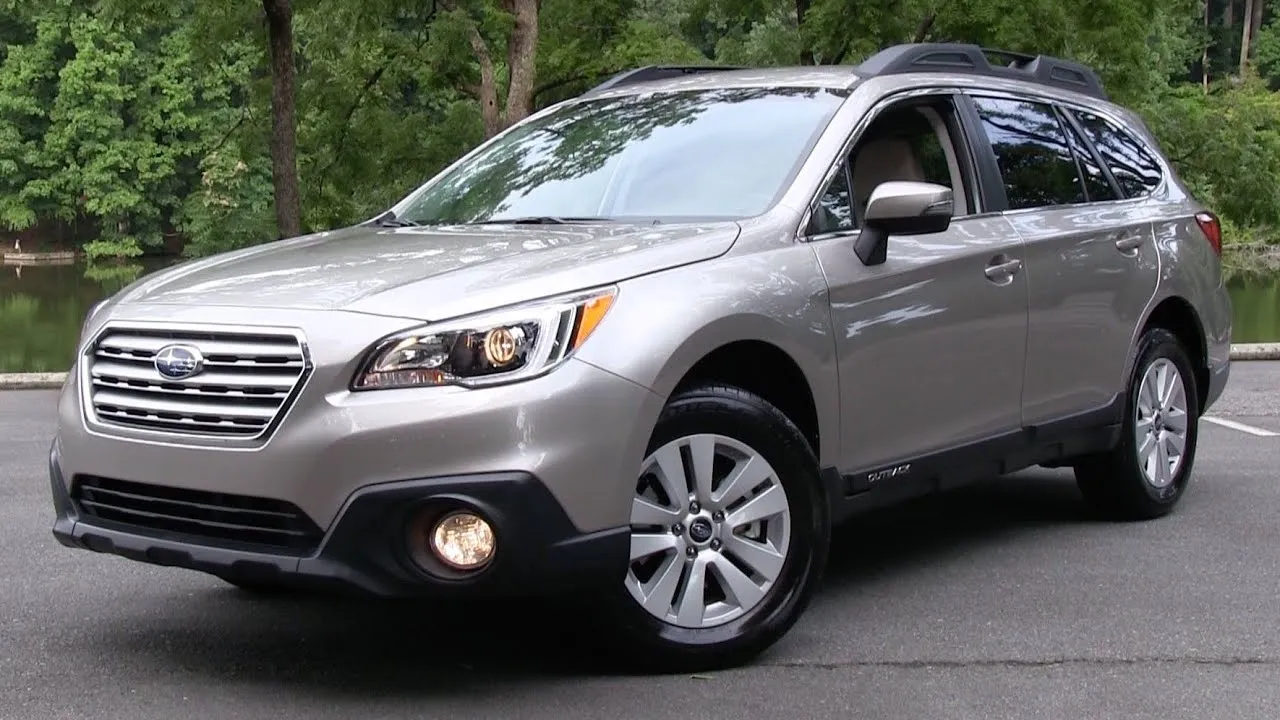
1. Subaru Outback 2.5i Premium
A look at Chicago’s cold season immediately highlights the value of a strong grip and responsive handling. Subaru Outback 2.5i Premium offers both with a consistency that gives confidence on slippery roads.
Its symmetrical AWD system distributes power in a balanced manner, allowing each wheel to maintain contact even when the surface becomes unpredictable. Drivers often discover that this setup reduces sliding and helps the vehicle hold its line confidently during turns.
Driving across slush or packed snow becomes less stressful because the Outback’s ground clearance creates enough space to pass over winter build-up without scraping. Chicago often receives wet, heavy snow that compacts easily, and this clearance level reduces the feeling of dragging the underside across frozen ridges.
The Outback’s suspension design also handles winter bumps with a smooth, controlled feel. Another advantage of this model becomes clear when braking on icy surfaces. The stability control and traction systems react quickly without feeling too aggressive.
Some vehicles cut power abruptly when traction drops, but the Outback keeps movement steady while still protecting against wheel spin. This behaviour helps drivers maintain control rather than lose momentum in critical moments.
Inside the cabin, visibility plays a big role during snowstorms. The wide windows and raised seating position support better awareness even when snow sits on the roadsides. Sharp windshields and effective wipers help keep vision clear. Comfort features like seat warmers and quick-defrost mirrors add convenience, though they are not the main reasons people trust this car in winter.
Subaru Outback 2.5i Premium continues to earn love during cold months simply because it behaves predictably. Chicago drivers want a vehicle that does not fight them when conditions get rough, and this model consistently offers that calm, reliable feel.
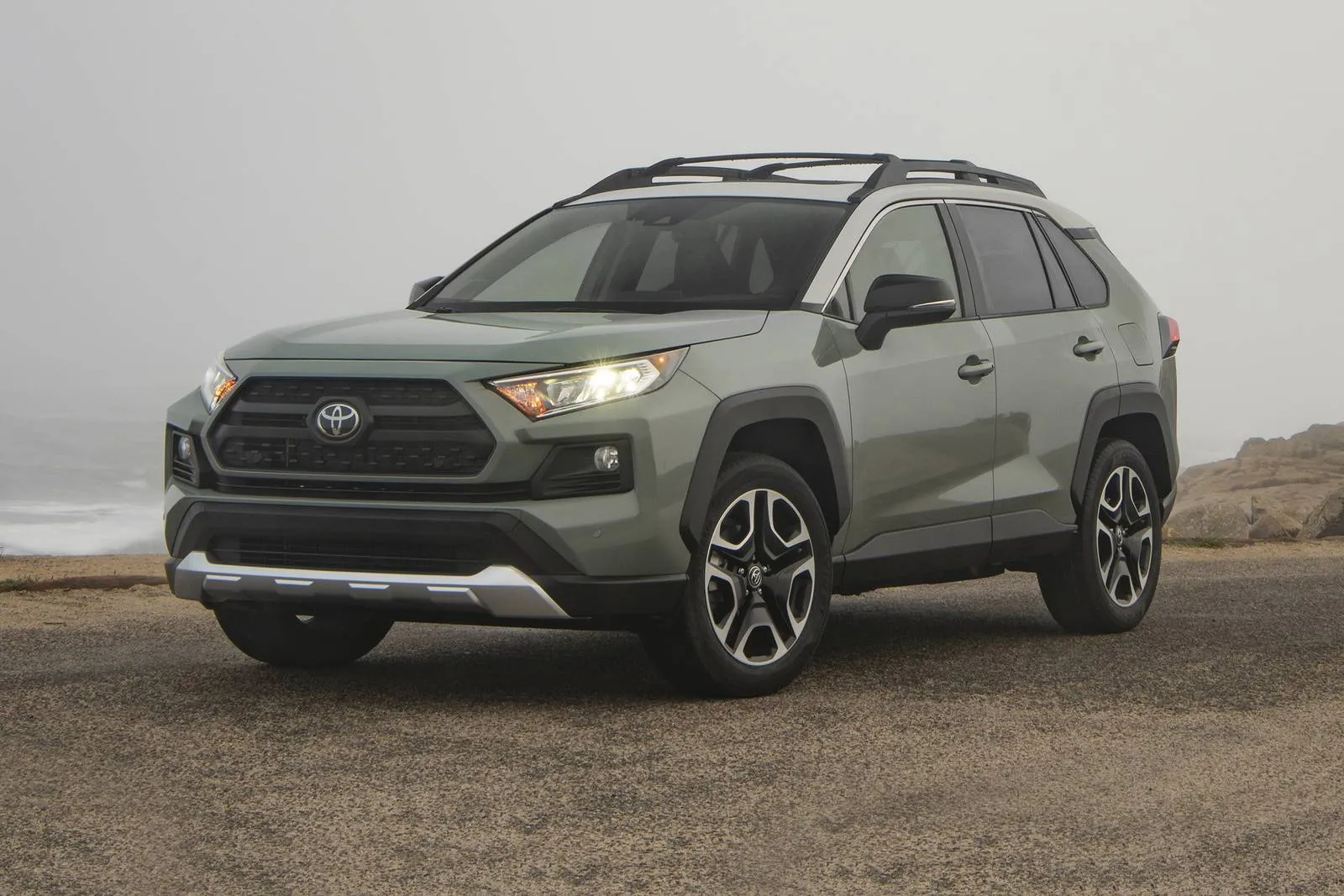
2. Toyota RAV4 Adventure AWD
City streets during winter storms can quickly reduce confidence for drivers who rely on Front Wheel Drive alone. Toyota RAV4 Adventure AWD addresses this by combining an intelligent AWD setup with a tough exterior design that feels ready for unpredictable weather.
The system sends power to the rear wheels whenever the front wheels begin losing grip, helping the vehicle maintain direction even when black ice appears without warning. Drivers appreciate how this model handles sudden snow piles on smaller roads around Chicago neighbourhoods.
Its higher stance gives enough clearance to move through half-ploughed paths while keeping the underbody away from icy chunks. A firm but comfortable suspension keeps the vehicle stable when slush collects under the tyres.
RAV4 Adventure AWD also provides helpful drive modes that improve traction when the road surface becomes messy. These assistive settings adjust throttle response and wheel behaviour so that drivers can keep the vehicle moving smoothly even when the snow becomes heavy. City traffic can be unpredictable during winter, and these features help keep the vehicle steady while braking and accelerating frequently.
Cold mornings in Chicago make frosted windows a daily issue, and the RAV4’s strong ventilation and heating system clears visibility quickly. This helps when drivers need to get moving early without waiting long for defrosting.
Toyota’s reliability reputation remains a major reason people trust this model, but winter reliability goes beyond engine durability. What makes the RAV4 Adventure AWD stand out is its ability to maintain steady movement when other cars start losing traction. A blend of practicality, stability, and dependable AWD performance allows it to shine throughout Chicago’s long winter season.
Also Read: 10 Cars With the Most Maintenance After 4 Years
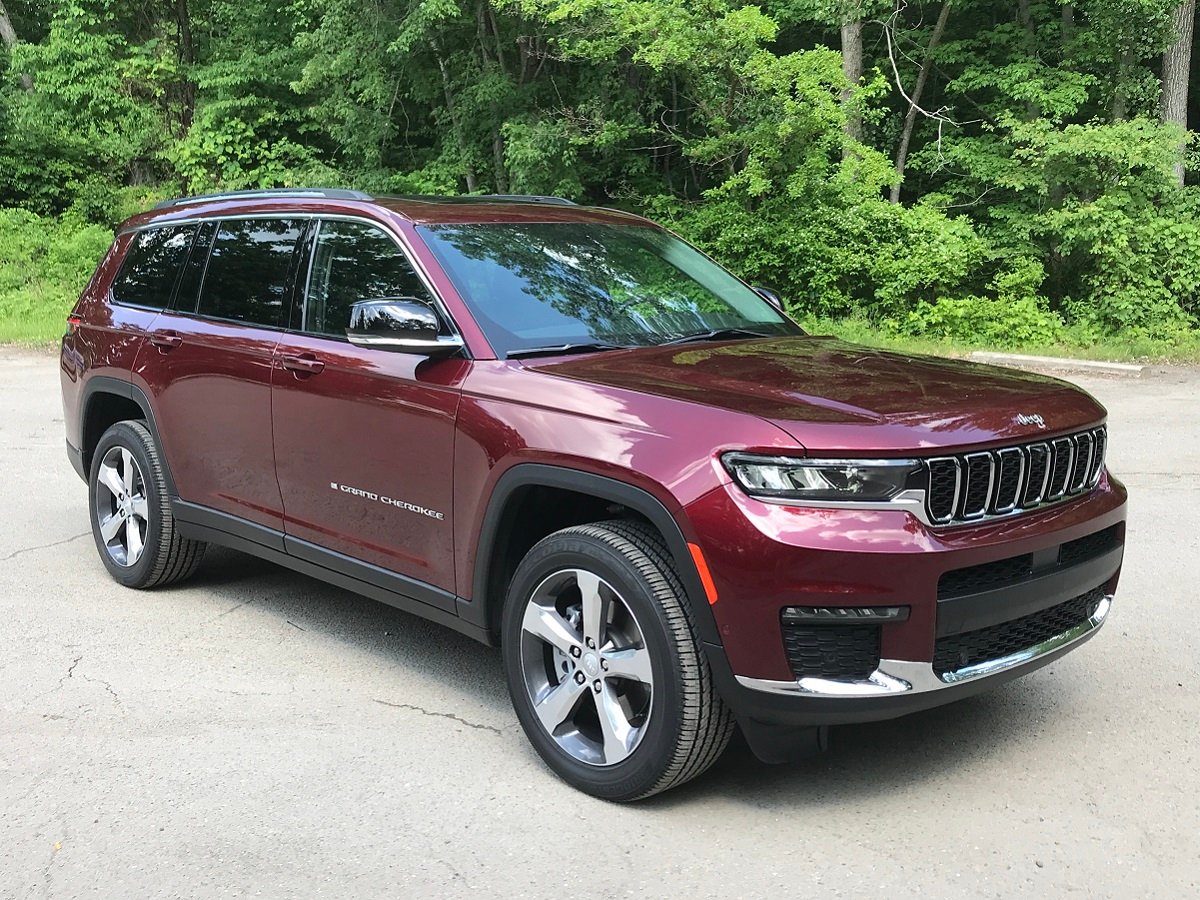
3. Jeep Grand Cherokee L Limited 4×4
Chicago winters demand vehicles that can handle snow-covered expressways and icy residential lanes with equal confidence. Jeep Grand Cherokee L Limited 4×4 earns its respect through a rugged design paired with an advanced 4×4 system that grips the road firmly even when conditions become harsh. The system automatically adjusts torque delivery to keep the wheels from slipping, which helps drivers stay in control while climbing icy bridges or descending ramps coated with thin frost.
The extended body of the Grand Cherokee L gives it a stable stance that remains composed while winter winds push against the side of the vehicle. This wide footprint helps keep the SUV planted firmly on the road, especially during high-speed drives on open highways.
Chicago’s deep winter nights often come with frozen patches that appear unexpectedly, and the Jeep’s traction control responds quickly to prevent sudden sideways movement. Inside the cabin, comfort levels remain impressive during cold months.
Heated seats, well-insulated interior materials, and strong climate control keep passengers warm even when the outside temperature drops sharply. The high seating position also helps drivers see over snowbanks that build up along the streets, improving their awareness of other vehicles and pedestrians.
Another strength of the Grand Cherokee L is its strong braking performance on slippery surfaces. The wide tyres and coordinated braking system maintain balance during emergency stops, reducing the risk of skidding. Chicago roads can get extremely uneven during winter storms, and the suspension absorbs these imperfections without unsettling the vehicle.
Jeep Grand Cherokee L Limited 4×4 continues to stand out each cold season because it combines toughness with composed handling. It offers a sense of security that helps drivers face difficult winter conditions with a calmer mindset.
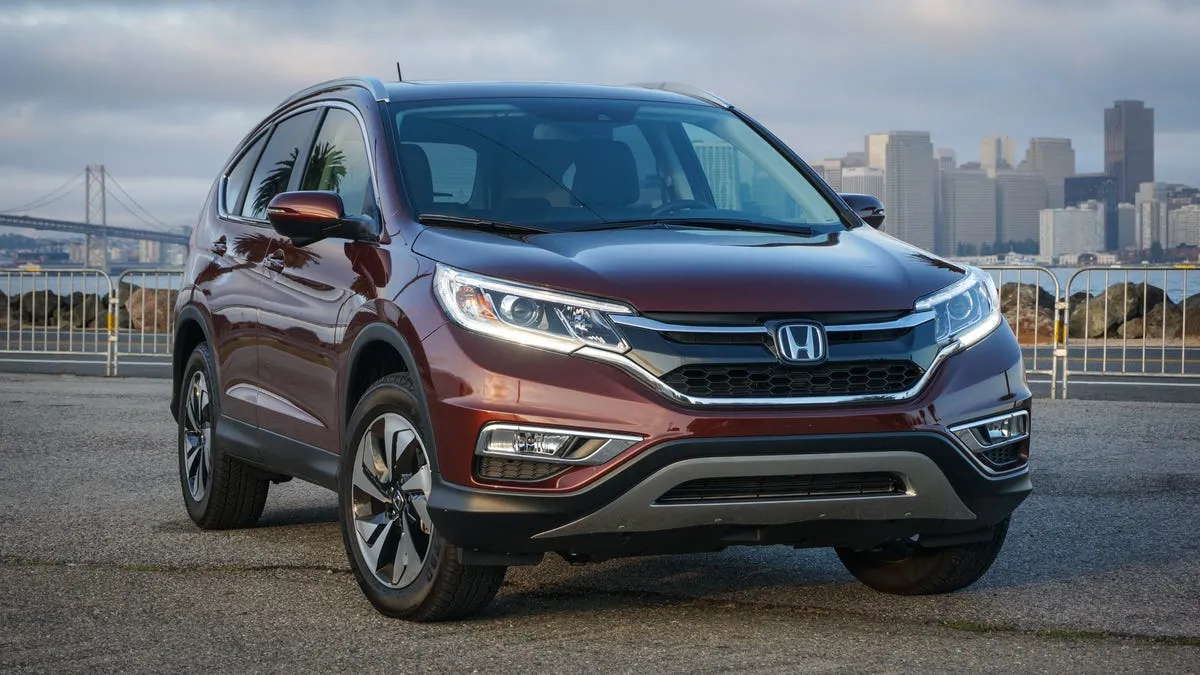
4. Honda CR V Touring AWD
Drivers who need a dependable companion for frozen roads often find the Honda CR V Touring AWD appealing because of its balanced behaviour and gentle driving feel. Rather than relying on raw power alone, this SUV emphasises steady traction and smooth ride quality, which helps reduce the tension many drivers feel when snow, ice, or slush begins affecting the road.
Its predictable handling makes every turn feel safer, especially during Chicago’s frequent winter storms, where icy patches appear without warning. The CR V’s AWD system is subtle but highly effective. It constantly monitors wheel grip and redistributes power where it is most needed, allowing the vehicle to maintain its intended path without harsh interventions.
This becomes especially useful in mixed conditions, where a road may combine light powdery snow with compacted slush. Drivers notice how the SUV does not fight them but instead moves confidently while remaining controllable, which reduces fatigue during longer drives or congested commutes.
Ground clearance offers another advantage for winter use. Snow that piles along unploughed streets does not threaten the underside, and the suspension’s tuned compliance absorbs bumps and minor ice ridges. This helps keep the cabin comfortable while also improving stability.
Inside, visibility is a priority. Wide windows, sharp headlamps, and efficient defrosters keep lines of sight clear during heavy snowfall. Heated mirrors and quick cabin heating ensure that morning departures, school runs, or work commutes begin without delay. The CR V’s interior comfort also complements its driving stability, allowing drivers to stay relaxed in conditions that might otherwise create anxiety.
Long-term durability remains a Honda hallmark, and the CR V Touring AWD upholds that reputation. With consistent maintenance, it continues to provide calm, steady performance season after season. For Chicago residents, this SUV is more than just reliable; it offers confidence and reassurance that winter roads, no matter how challenging, can be faced without compromise to control or comfort.
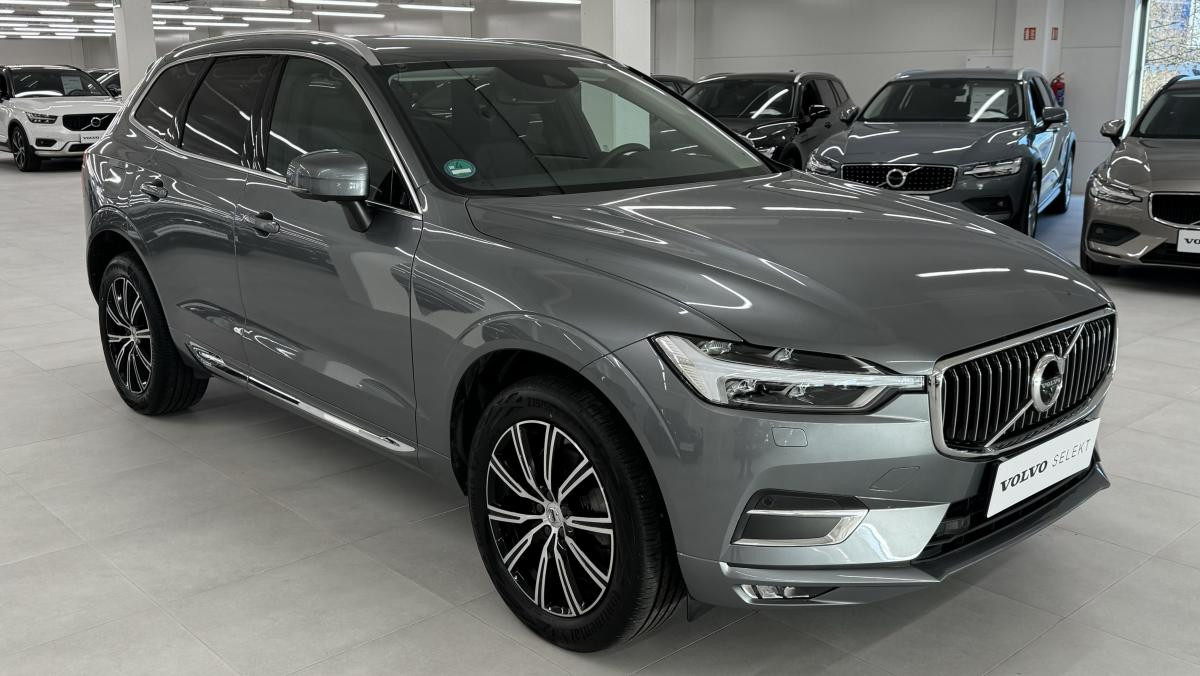
5. Volvo XC60 B5 AWD Inscription
Every winter-ready vehicle needs a solid combination of control, safety technology, and traction, and the Volvo XC60 B5 AWD Inscription delivers all three with a calm and sophisticated presence on snow-covered streets.
It’s AWD system continuously monitors wheel performance and power distribution, responding instantly to ensure grip remains consistent. Even during tight turns or when slush covers the pavement, the XC60 maintains composure, giving drivers a sense of confidence that is rare among mid-size SUVs.
Volvo places particular emphasis on stability, and this is evident when driving through Chicago streets after a heavy snowfall. Lane changes, cornering, and braking remain predictable and steady, with minimal risk of sudden skidding.
The vehicle’s weight distribution and well-engineered chassis allow it to handle mixed road conditions, from lightly dusted intersections to deeper slushy stretches, with a smooth and controlled ride that enhances safety.
Cabin design enhances winter comfort. Heated seats, clear and wide windows, and an effective defrosting system combine to make visibility excellent even during snowstorms. The strong headlights and windshield coverage reduce glare and maintain a clear path ahead, allowing drivers to respond to unexpected hazards.
Passengers also enjoy warmth and protection from harsh winds, adding to the whole confidence the SUV inspires. Braking in icy conditions demonstrates Volvo’s careful engineering. The XC60 does not feel abrupt or jumpy; instead, it slows down steadily without excessive wheel lock or instability.
Drivers find this behaviour reassuring, especially in urban traffic where sudden stops on slick surfaces are common. The SUV’s balance and safety systems complement each other, creating an environment where control feels natural rather than forced.
What makes the Volvo XC60 B5 AWD Inscription stand out is its ability to pair refined driving with reliable winter performance. It responds to Chicago’s unpredictable winter roads with quiet confidence, handling snow, ice, and slush with ease.
Drivers know that with this SUV, comfort and control are not sacrificed, and even heavy winter conditions become manageable without stress or uncertainty.
5 Cars That Struggle in Snow
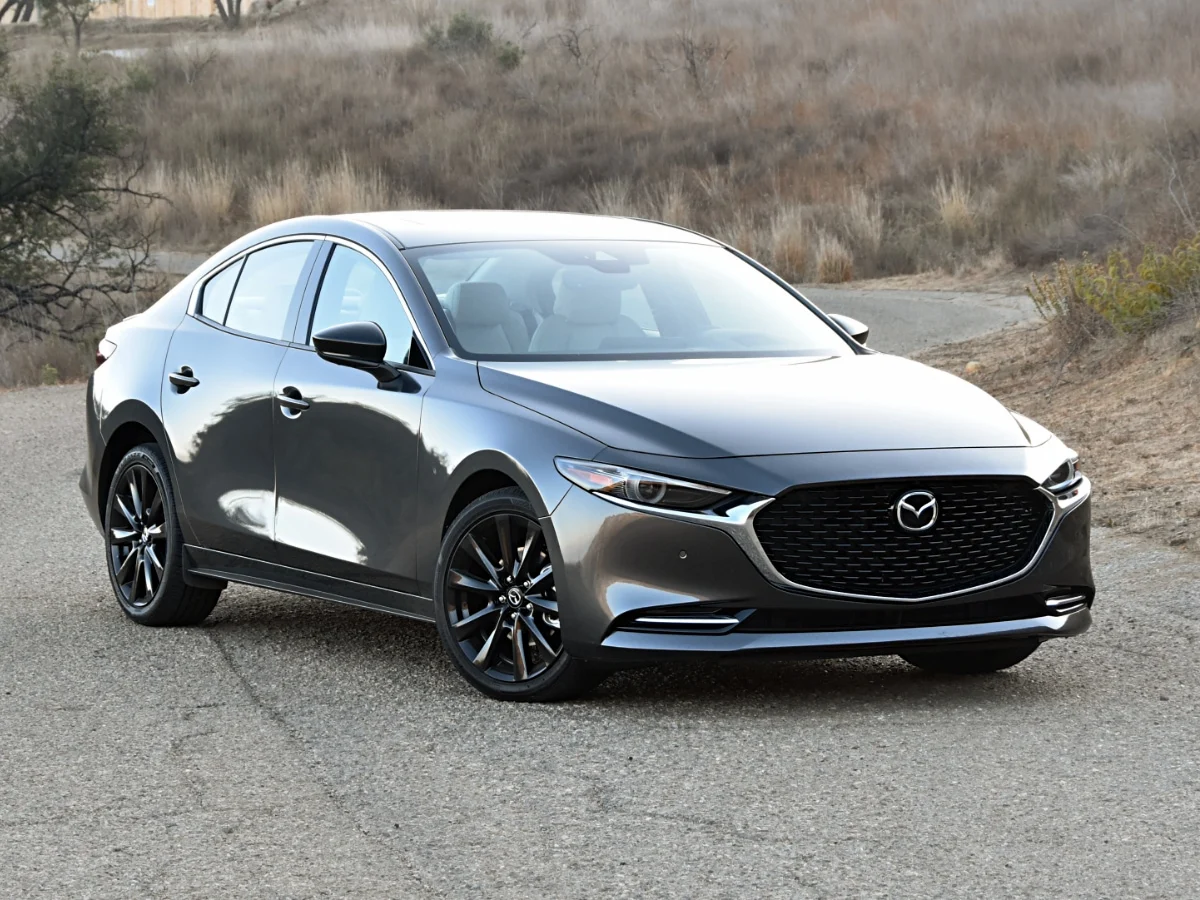
1. Mazda3 Sedan 2.5 Turbo
Mazda3 Sedan 2.5 Turbo looks attractive on city streets but often reveals its weaknesses when snow begins to pile up. Its front-wheel-drive layout struggles to maintain traction during slippery conditions, particularly when acceleration is required on inclined surfaces. Even with traction control engaged, drivers may feel wheel spin on light snow, causing sudden loss of momentum or sideways drift on corners.
The vehicle’s low ground clearance further complicates winter driving. Snow accumulation on unploughed streets can cause scraping underneath, and compact tires have difficulty gripping in deeper snow patches. Drivers report that stopping distances increase noticeably, as ABS systems struggle to compensate fully on icy roads.
Another challenge comes from the turbocharged engine itself. While it delivers strong acceleration on dry surfaces, its sudden torque can unsettle the vehicle during low-traction conditions. Applying too much throttle while climbing small inclines often results in loss of grip, forcing drivers to carefully feather the pedal to avoid spinning out.
Cabin comfort remains good, with heated seats and defrosters, but these features cannot compensate for the lack of control outside. Snowy parking lots present another difficulty, as the Mazda3 can slide while maneuvering into tight spots.
This model may perform adequately with winter tires, but stock setups leave it vulnerable during Chicago’s harshest winter days. Drivers looking for reliability and stability in snow tend to prefer AWD options over the Mazda3 Sedan 2.5 Turbo.
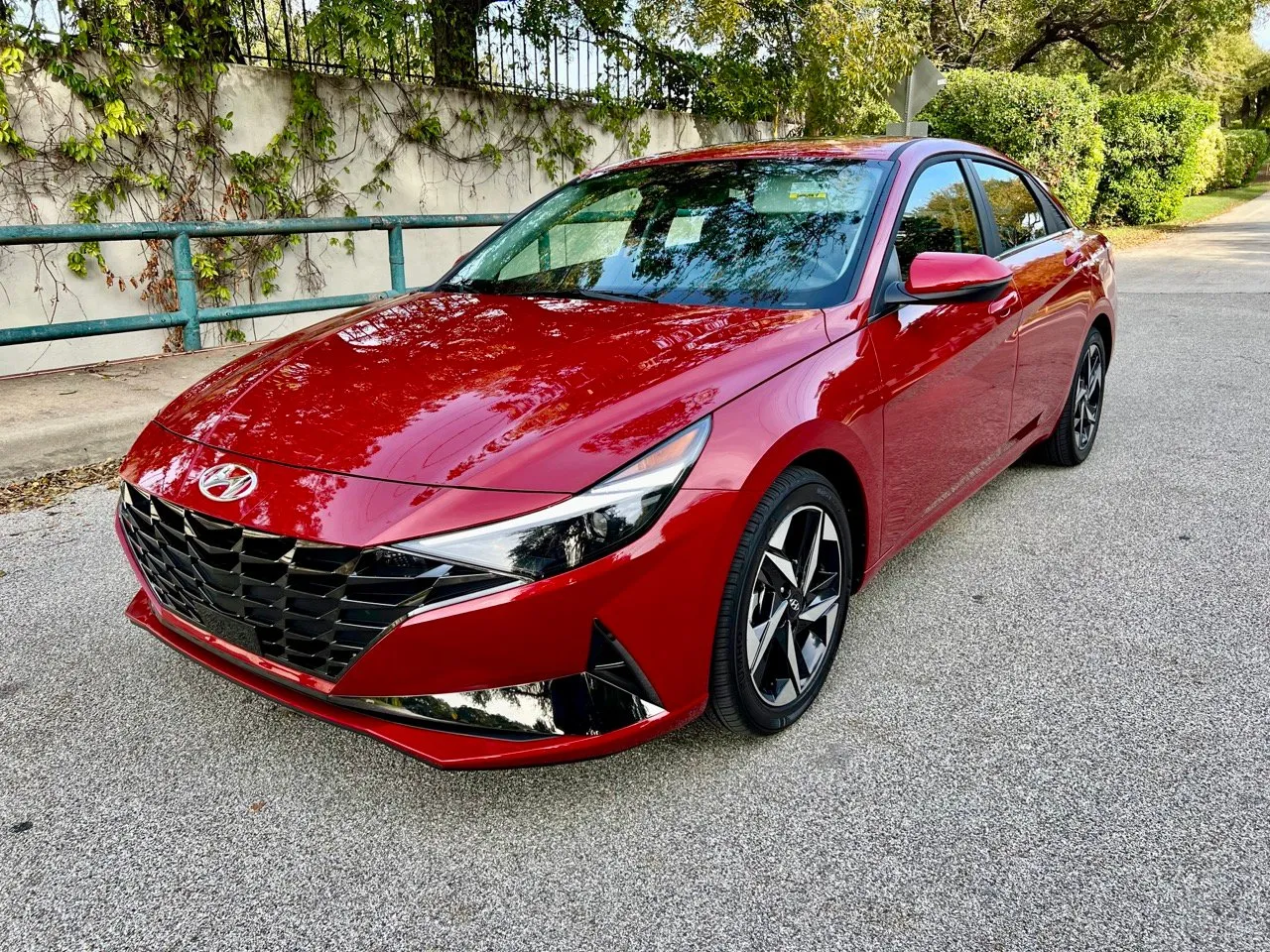
2. Hyundai Elantra Limited 2.0
Hyundai Elantra Limited 2.0 combines efficiency and comfort, yet struggles on snow-covered roads due to its front-wheel-drive design and modest ground clearance. Slippery conditions reveal that this compact sedan lacks the traction necessary to confidently handle icy patches. Drivers may experience unexpected wheel spin when accelerating from stoplights or climbing short hills.
Stopping on snow and ice can be challenging. Despite modern braking systems, the car’s light weight makes it prone to sliding when encountering packed snow or slush. Cold temperatures also reduce tire grip, further limiting confidence during sudden stops or turns.
Steering response, which feels precise in dry conditions, becomes sensitive in winter. Small corrections often translate to exaggerated vehicle movements, forcing drivers to compensate repeatedly. Parking on inclined snowy lots can feel risky, as the car may drift backward before traction is regained.
Winter visibility aids like heated mirrors, defrosters, and seat warmers provide comfort, but the car’s exterior design does not protect against slippery roads. Drivers report that they must drive slower than usual to maintain control, which can be frustrating in heavy traffic.
For Chicago winters, the Elantra Limited 2.0 may serve short, flat trips, but longer commutes with hills or poorly cleared roads expose its limitations. Owners often consider switching to an AWD model or adding high-quality winter tires to improve safety and mobility during heavy snowfall.
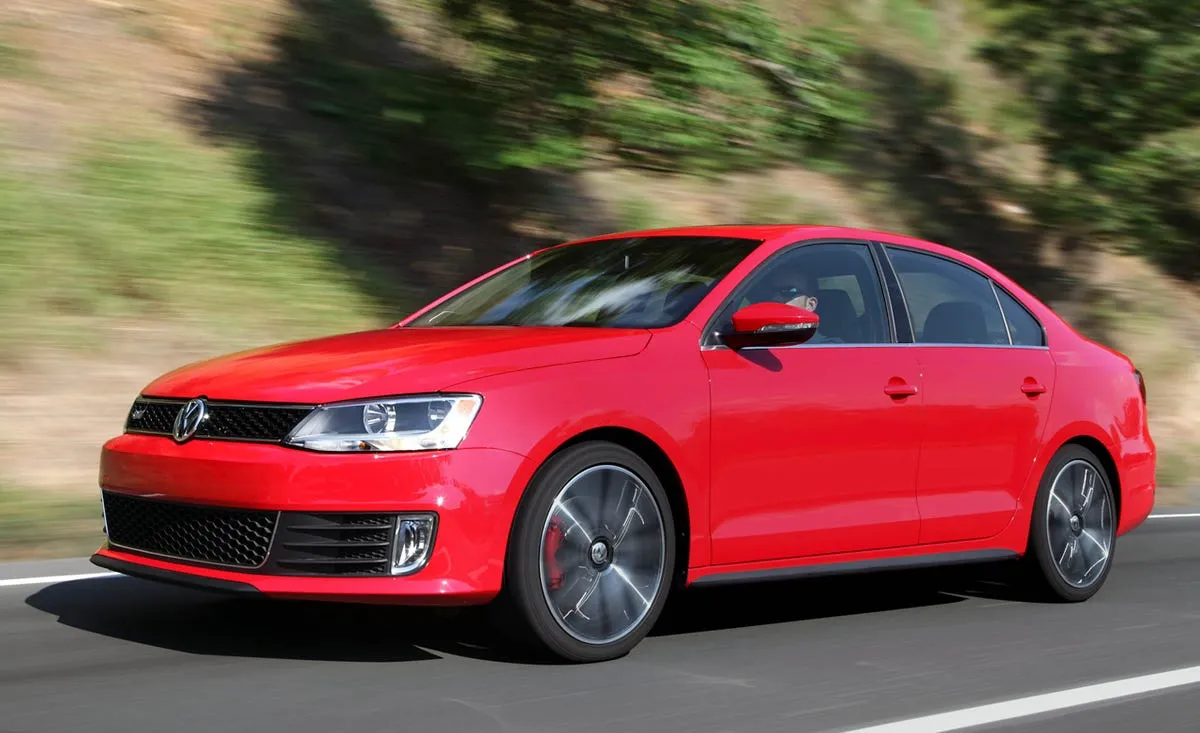
3. Volkswagen Jetta GLI 2.0T
Volkswagen Jetta GLI 2.0T offers sporty handling and turbocharged performance, yet its winter behaviour can be problematic. The combination of rear-biased weight distribution and front-wheel-drive layout contributes to oversteer on icy corners. Drivers may feel instability when attempting tight maneuvers, and the risk of spinning increases in slippery conditions.
The Jetta GLI’s low ride height is another concern. Snow accumulation around parking lots and urban streets can catch the underbody, reducing traction and potentially damaging components. Even light drifts may cause hesitation when moving forward, requiring delicate throttle control to regain momentum.
Brake sensitivity, although effective on dry pavement, often results in longer stopping distances on ice or packed snow. ABS systems are helpful, yet they cannot completely offset the lack of weight and tire surface contact. Sudden acceleration from a stop can cause front tires to break loose, creating dangerous situations on hills or intersections.
Inside the cabin, heated seats and mirrors improve comfort but cannot aid with traction or stability. Drivers often report feeling a lack of confidence compared to AWD or taller vehicles in snow-heavy conditions. Chicago winters, with fluctuating temperatures and icy streets, exacerbate these shortcomings.
For winter reliability, the Volkswagen Jetta GLI 2.0T may require winter tires or careful driving strategies to manage effectively. Without these adjustments, it is prone to loss of control and slower response during snowy commutes.
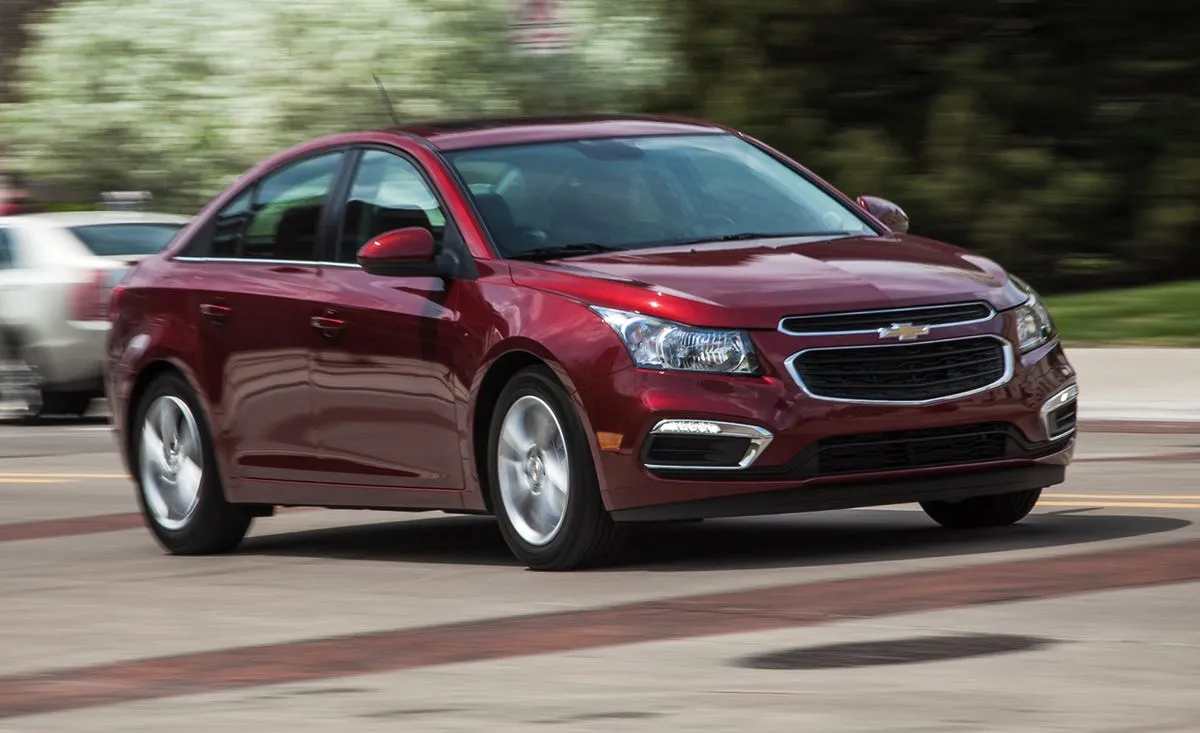
4. Chevrolet Cruze LT 1.4T
Chevrolet Cruze LT 1.4T provides economical fuel consumption and smooth handling in dry conditions, yet snow exposes its vulnerabilities. Its front-wheel-drive system has difficulty maintaining traction on icy or slushy surfaces, making starts and hill climbs particularly challenging. Drivers often find themselves struggling to gain momentum, and sudden stops may lead to sliding.
Low clearance adds to the challenge, as snow accumulation can scrape the undercarriage and interfere with suspension operation. Winter tires improve the situation, but cannot fully compensate for the vehicle’s compact design. Steering feels lighter than expected in snow, requiring constant adjustments to avoid veering.
Cold weather also impacts braking confidence. The Cruze’s weight and compact size can cause the front end to lift slightly during braking on ice, reducing the whole stability. Parking in snow-covered lots demands patience and careful pedal control to avoid creeping forward or backward unintentionally.
The interior, with heated options and good visibility, offers comfort but does not solve traction issues outside. City drivers in Chicago report needing to reduce speed during storms, which may be inconvenient in tight schedules or on busy highways.
For owners seeking winter resilience, the Chevrolet Cruze LT 1.4T falls short unless additional safety measures, such as chains or high-quality winter tires, are applied. Its performance in snowy conditions highlights the limits of front-wheel-drive sedans in heavy winter climates.
Also Read: Top 10 High-Performance Diesel Cars That Fly Under the Radar
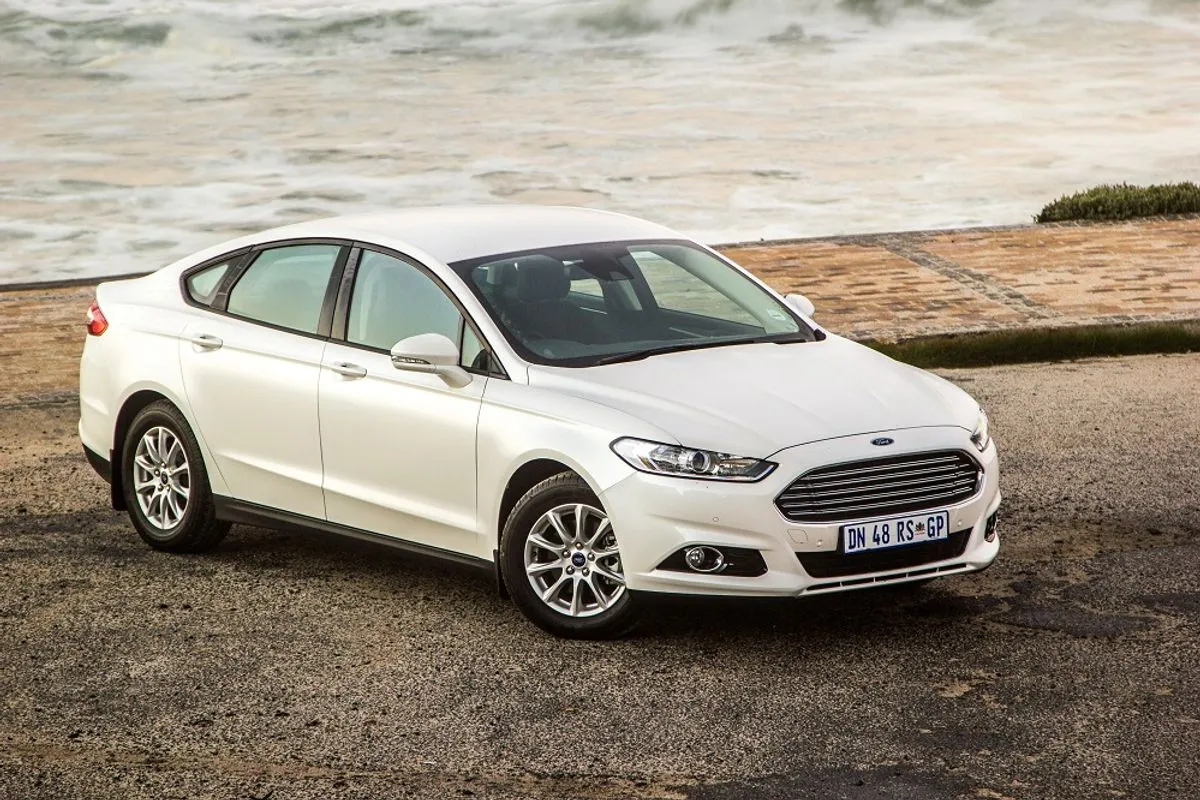
5. Ford Fusion SE 1.5L EcoBoost
Ford Fusion SE 1.5L EcoBoost delivers smooth highway performance, yet snow reveals shortcomings in traction and stability. Front-wheel drive and modest ground clearance make this sedan prone to wheel spin when roads are icy or covered in slush. Acceleration from stops can feel unpredictable, and slight inclines may challenge the vehicle’s ability to move without slipping.
Braking in snow can be worrisome. While electronic systems help, the Fusion’s lighter front end tends to lose grip, causing longer stopping distances and a sense of instability. Cornering on ice requires very careful handling, as overcorrection can lead to unsteady movement.
Parking in snowy lots also presents difficulties. Low ride height and narrow tire contact surfaces make the vehicle susceptible to sliding when maneuvering. Heated seats and mirrors provide warmth and comfort, but the real challenge lies in maintaining control outside.
Drivers report needing to adopt a slower, more deliberate driving style, which may feel frustrating during regular commutes or urban errands. EcoBoost power, designed for spirited acceleration, can actually worsen traction problems if applied too aggressively.
Chicago winters expose the Fusion SE 1.5L EcoBoost’s limitations. Those living in snowy areas often supplement their vehicles with winter tires or opt for AWD alternatives to ensure safer, more confident driving during harsh winter months.
Chicago winters test every vehicle with icy roads, heavy snow, and fluctuating temperatures. Cars built for winter provide confidence, steady traction, and predictable behaviour, while others reveal the limits of front-wheel drive, low ground clearance, or sporty tuning under slippery conditions.
Drivers who plan, choose AWD or 4WD vehicles, and use high-quality winter tires experience far fewer surprises and maintain safer commutes. Snow and ice highlight the differences between vehicles designed for harsh winter climates and those optimised for dry or mild weather.
Features like stability control, hill start assist, sufficient clearance, and smart power distribution make a visible difference in performance and confidence behind the wheel. For those living in or visiting Chicago, understanding these strengths and weaknesses becomes crucial for safety and comfort during the long winter months.
This guide provides clarity for people seeking reliable winter performance while highlighting cars that may require extra care or modification. With the right vehicle choice and careful attention to conditions, drivers can move through snow, slush, and ice with reduced stress and improved safety.
