
Houston summers bring an entirely different challenge to drivers. With temperatures frequently climbing into the high 90s and humidity levels that leave the air thick and sticky, vehicles are put under constant strain.
While some cars thrive under this relentless heat, offering smooth performance and reliable air conditioning, others begin showing signs of stress with rising engine temperatures, sluggish responses, or frequent cooling issues. Choosing the right vehicle for such conditions is not just about comfort; it can prevent expensive repairs and ensure safer travel in demanding weather.
Heat affects engines, tyres, and electrical systems. Vehicles with robust cooling mechanisms, quality engine materials, and smart airflow management have a clear advantage. Air conditioning is another vital factor, as cabin comfort plays a key role in keeping drivers alert and passengers relaxed.
On the contrary, cars with underpowered cooling systems or engines prone to overheating can turn a short commute into a stressful ordeal. This guide highlights five vehicles designed to handle Houston’s extreme summer heat with ease.
Each of these models provides a combination of reliability, cooling efficiency, and driver-friendly features. After showcasing these dependable performers, we will examine five cars that often struggle under similar conditions, highlighting why they require caution or extra care during the hottest months.
Whether you commute through downtown traffic or cruise along suburban roads, understanding which cars can handle extreme temperatures helps make informed choices. Houston heat does not forgive mechanical weaknesses, and selecting a vehicle with proper heat resilience can save time, money, and avoid unpleasant surprises.
5 Cars Suited to Houston Heat
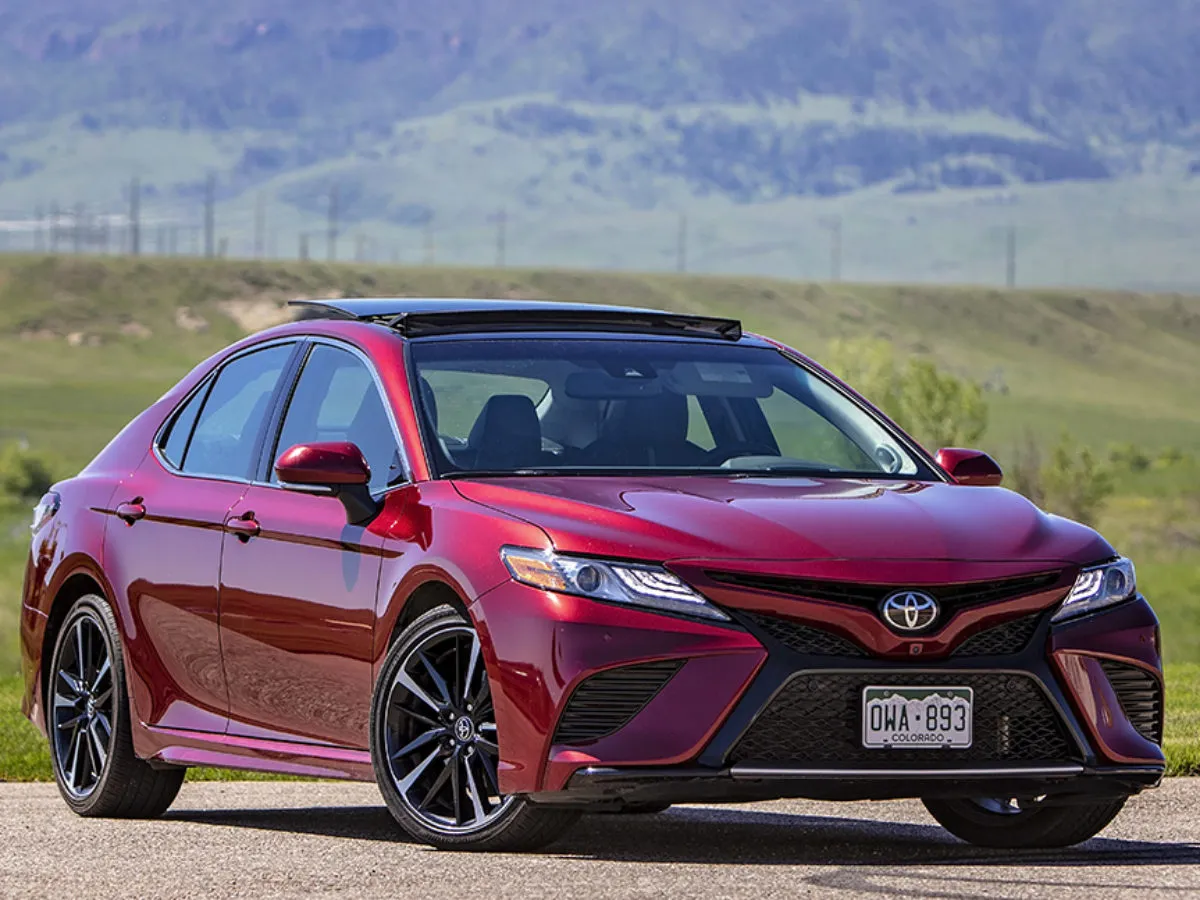
1. Toyota Camry XSE V6
The Toyota Camry XSE V6 impresses in hot climates thanks to its carefully engineered engine cooling system and efficient airflow design. Even when temperatures soar above 95 degrees, this sedan maintains stable engine temperatures, preventing the kind of overheating that can cause breakdowns or unexpected stops.
Its 3.5-litre V6 produces reliable power while keeping thermal stress low, allowing drivers to enjoy smooth acceleration without worrying about engine strain. Cabin comfort remains a strong point for this model.
The Camry XSE’s dual-zone climate control works effectively even in sweltering conditions, rapidly cooling the interior for driver and passengers. Vent placement ensures air circulates evenly throughout the cabin, and seat cooling options improve comfort on long drives during the height of summer.
Fuel efficiency is another factor that adds to its appeal. Even under heavy traffic, the Camry XSE maintains respectable consumption rates, which reduces heat stress on engine components. Tires remain stable under hot pavement due to precise weight distribution, and the suspension absorbs bumps, keeping the ride controlled while maintaining traction.
Engine and transmission cooling systems work in harmony to handle stop-and-go city traffic or long highway stretches. The Camry XSE avoids the sudden temperature spikes that cause engine shutdowns in less heat-tolerant vehicles. Safety systems, including responsive brakes and stability control, continue functioning well even when external temperatures push the vehicle to its limits.
For Houston drivers, the Toyota Camry XSE V6 offers a combination of comfort, performance, and reliability. It is a vehicle that does not let extreme heat interfere with daily routines, making it a solid choice for urban commutes or weekend trips in high-temperature conditions.
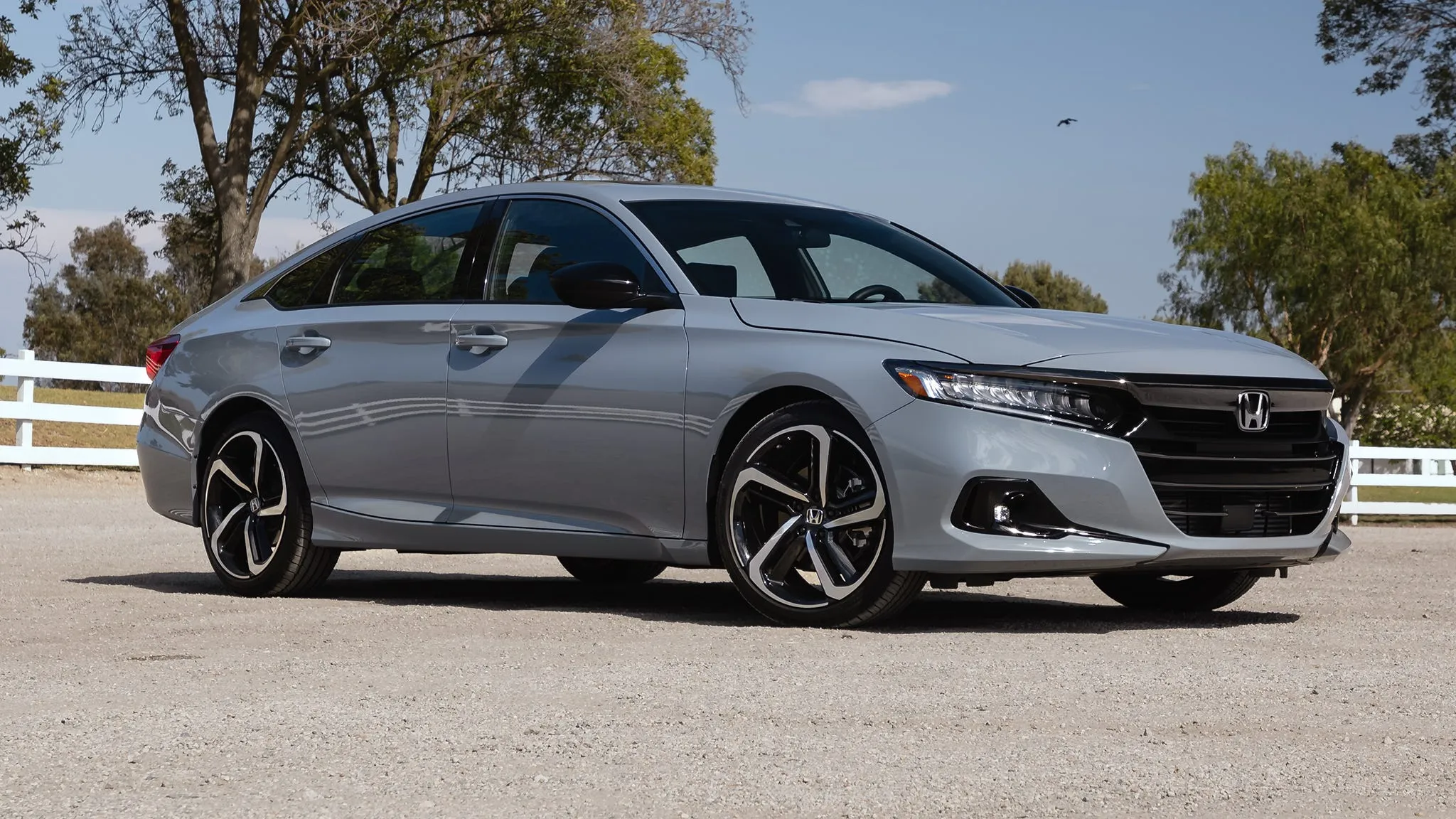
2. Honda Accord Sport 2.0T
Honda Accord Sport 2.0T remains reliable under hot and humid conditions, largely due to its well-designed turbocharged engine and effective cooling components. Its 2.0-litre turbo engine delivers lively performance without overheating, even during extended periods in heavy traffic or under direct sunlight.
Drivers notice consistent power delivery and minimal engine temperature fluctuation, which is crucial for avoiding mid-day breakdowns in Houston. Interior systems contribute to the car’s suitability in extreme heat.
The dual-zone automatic climate control keeps the cabin comfortable quickly, and vents are strategically positioned for uniform airflow. Seat heaters and cooling options enhance passenger comfort, while sunshades or tinted windows help reduce heat buildup.
The Accord Sport’s aerodynamics also play a role in keeping the engine cool. Efficient airflow over the hood and under the chassis improves engine bay ventilation, reducing strain on the cooling system. Tires designed for hot pavement maintain grip while allowing for smooth handling and braking.
High-speed drives or long-distance travel in summer heat do not stress this sedan. Transmission and engine components remain stable even under extended load, and the car’s electronic monitoring systems alert drivers to any unusual temperature increases before problems arise.
Safety and handling remain unaffected by heat, as suspension, braking, and steering systems are designed to perform reliably in high temperatures. For Houston drivers seeking a combination of style, performance, and heat tolerance, the Honda Accord Sport 2.0T provides peace of mind and a comfortable driving experience under the most challenging summer conditions.
Also Read: 5 Sporty Cars That Won’t Scrape Driveways Vs 5 That Do
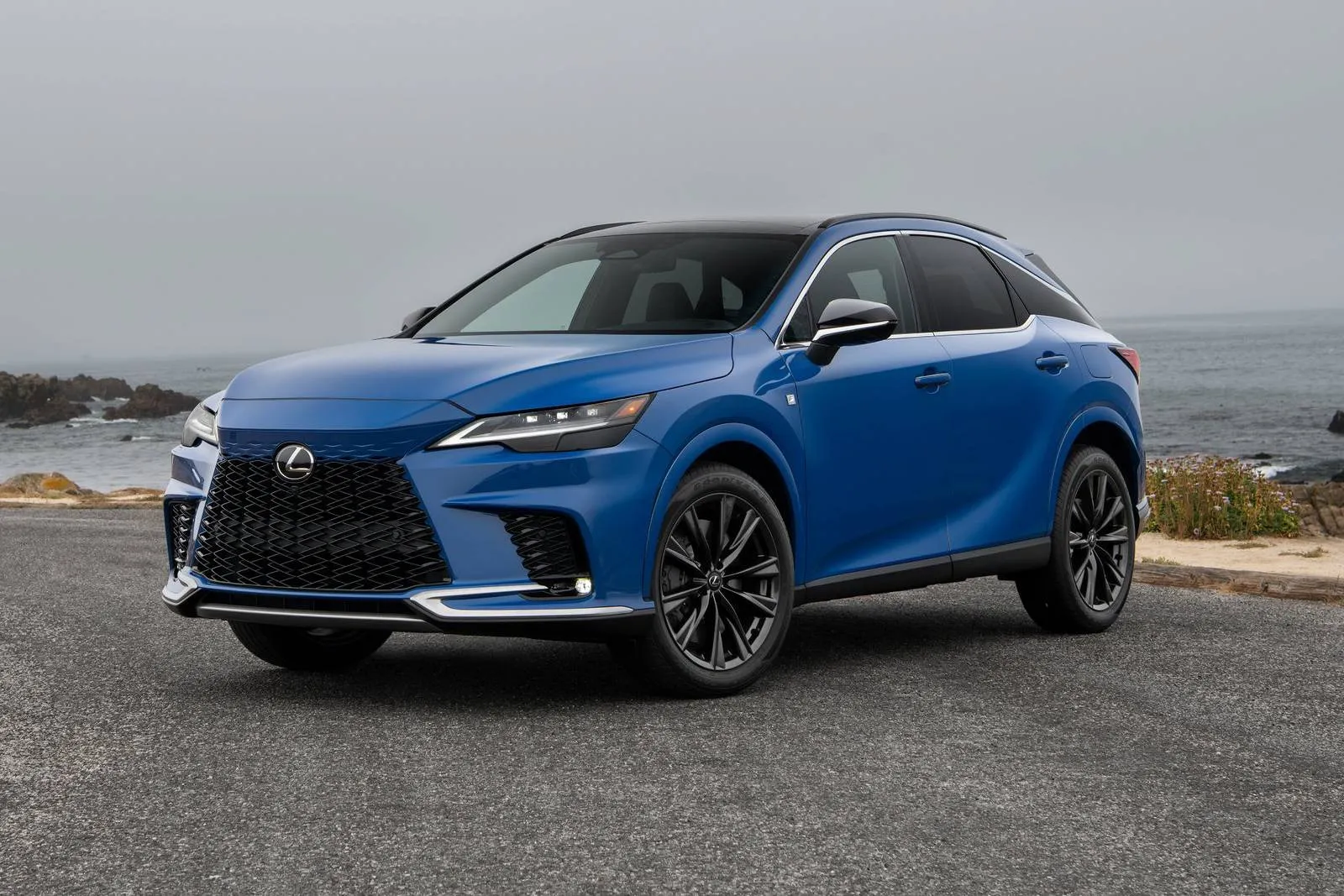
3. Lexus RX 350 AWD
Lexus RX 350 AWD handles hot climates gracefully thanks to its combination of engine reliability, advanced cooling systems, and smooth all-wheel drive capabilities. Its 3.5-litre V6 engine maintains a consistent temperature even on long drives across Houston highways, preventing overheating that could otherwise occur during stop-and-go traffic in extreme heat.
Air conditioning in the RX 350 is particularly effective. Cabin temperature drops quickly, and dual-zone climate control allows personalised comfort for front and rear passengers. Vent placement ensures consistent cooling, while the vehicle’s insulation reduces heat intrusion from sunlight.
This luxury SUV’s suspension design helps the vehicle remain stable on sun-baked pavement. Tires withstand high temperatures without excessive wear or traction loss, making driving more predictable. AWD ensures power is evenly distributed, which helps reduce strain on the engine during uphill climbs or quick acceleration on hot roads.
Lexus also integrates engine monitoring and thermal management systems that detect heat spikes before they become dangerous. Fans, radiators, and airflow channels operate efficiently to avoid unnecessary stress on engine components. Even in Houston’s peak summer heat, drivers can expect consistent acceleration, smooth transmission moves, and minimal risk of overheating.
Comfort, reliability, and safety converge in the RX 350. Drivers benefit from responsive brakes, advanced traction control, and predictable handling. For commuters and families going through Houston’s hot streets, this SUV provides reassurance that both engine and passengers remain protected from the extremes of summer heat.

4. Chevrolet Tahoe Z71
Chevrolet Tahoe Z71 excels in high temperatures due to its strong V8 engine, robust cooling system, and rugged construction. While full-size SUVs often suffer in extreme heat, the Tahoe’s 5.3-litre V8 remains stable, absorbing hot conditions with minimal effect on performance.
Engine fans and radiator efficiency ensure that temperatures remain within safe levels even during stop-and-go traffic or long-distance highway driving. Cabin cooling is a critical feature for this model.
Multi-zone climate control and effective ventilation keep passengers comfortable, while seat cooling and high-performance A/C systems help cope with Houston’s humidity. Large windows and heat-reflective glass reduce interior temperature build-up, allowing longer drives without discomfort.
Driving on hot roads does not affect the suspension or braking systems. Tires are heat-resistant, maintaining traction and preventing blowouts, while electronic stability systems help control the vehicle during sudden maneuvers. Steering remains precise, even when the asphalt radiates heat.
Additional features such as engine monitoring and automatic fan speed adjustment make the Tahoe resilient in extreme conditions. Drivers can climb hills, haul cargo, or go through congested streets with minimal risk of overheating. Combined with AWD, this SUV provides a reliable driving experience that withstands both heat and heavy usage.
For those who require a spacious, powerful vehicle in Houston summers, the Chevrolet Tahoe Z71 blends performance, safety, and comfort, ensuring that both passengers and the engine stay cool during demanding conditions.
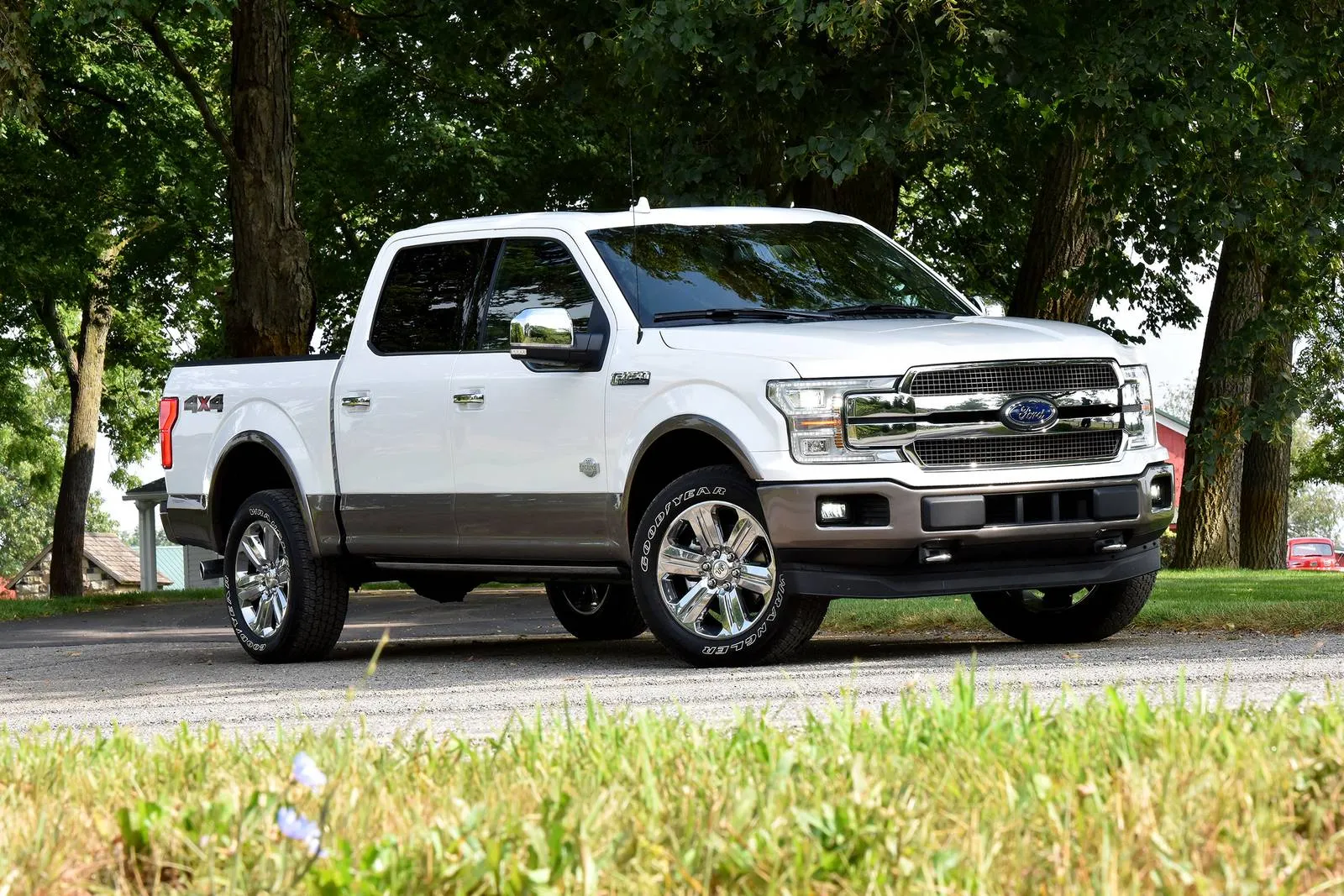
5. Ford F-150 Lariat 3.5L EcoBoost
Ford F-150 Lariat 3.5L EcoBoost offers a pickup that performs admirably under Houston’s summer heat. Its turbocharged 3.5-litre V6 engine balances power with heat management, reducing the chance of overheating even during heavy traffic or hauling loads. The cooling system is designed to manage high thermal stress, maintaining engine efficiency while preventing failures caused by rising temperatures.
Cabin comfort is equally impressive. Dual-zone climate control, air vents, and high-capacity air conditioning rapidly cool the interior, even when outside temperatures soar. Seats with cooling options and effective sun protection further improve passenger comfort, while sound insulation reduces heat perception inside the cabin.
The F-150’s suspension and tires are engineered for hot pavement, offering stable handling and strong traction. Braking systems remain responsive, and the truck’s weight helps maintain consistent contact with the road without excessive heat-induced wear.
Electronic monitoring and thermal management ensure that engine and transmission temperatures remain steady. Fans, radiators, and airflow channels are optimised for high heat, allowing the F-150 to operate without risk during long city commutes or highway stretches.
For Houston residents, the Ford F-150 Lariat 3.5L EcoBoost represents reliability, power, and comfort in one package. It handles extreme summer conditions with minimal stress on mechanical components, making it an ideal choice for drivers who require durability and performance under hot, challenging weather.
5 Cars That Overheat Often in Houston Heat
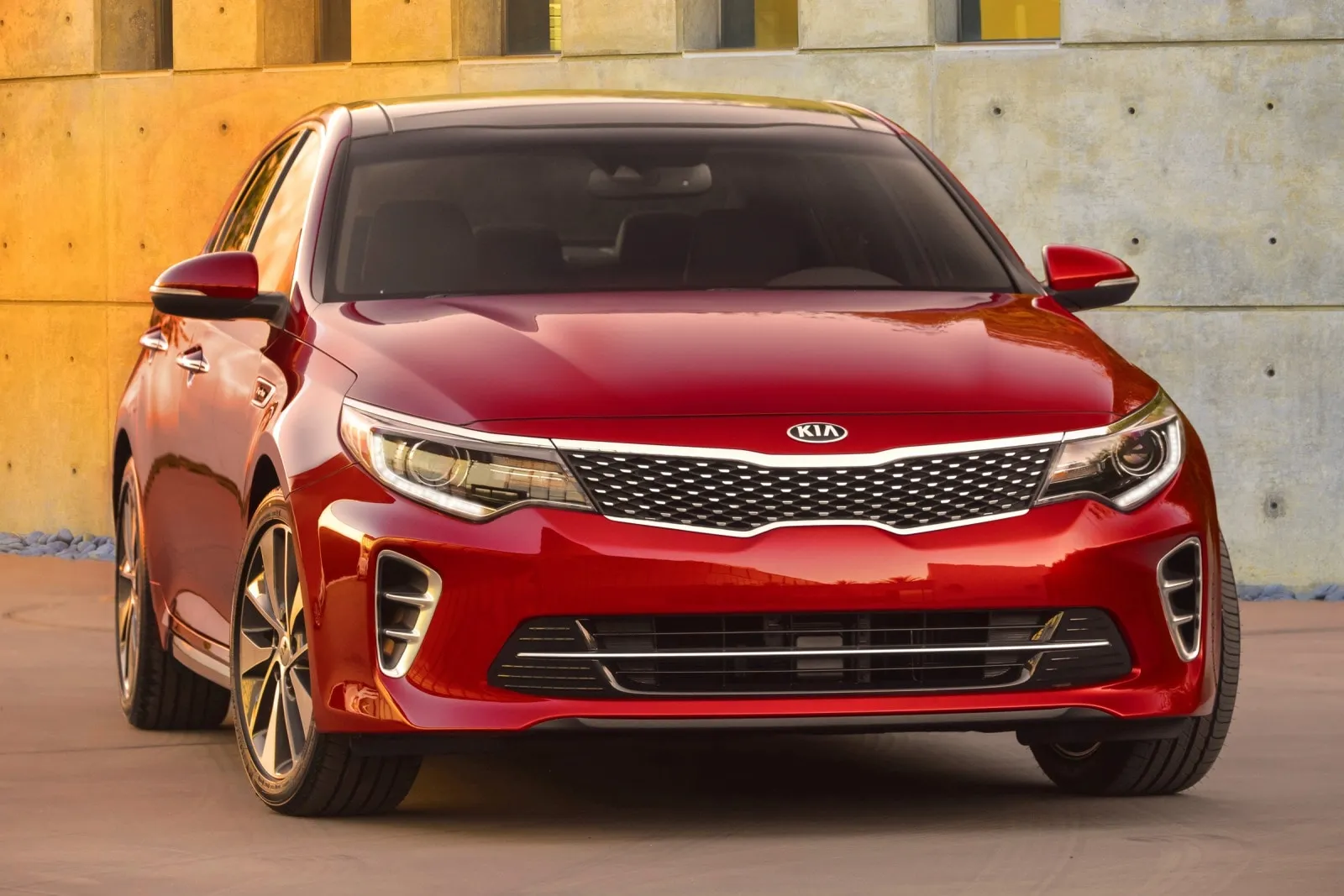
1. Kia Optima 2.4L EX
Kia Optima 2.4L EX tends to show clear signs of stress when operated in extremely hot conditions. Drivers who rely on this sedan during intense summer periods often notice rising temperature gauges, especially during long traffic delays or when idling for extended moments.
Its 2.4-litre naturally aspirated engine does not disperse heat as efficiently as some competitors, which becomes more obvious when the temperature outside crosses above 95 degrees. This leads many owners to remain cautious during midday drives.
One issue that frequently appears with this model is the cooling fan’s response time. When the heat builds up inside the engine bay, the fan sometimes fails to spin at the level required to reduce the mounting heat fast enough.
That slow reaction creates an uncomfortable rise in the engine temperature, especially when the Optima is stuck in bumper-to-bumper traffic or climbing uphill on hot asphalt. Several owners also complain that the radiator begins to show signs of strain earlier than expected, demanding attention after years of intense exposure to harsh heat.
Inside the cabin, the air conditioning system works, but it requires more effort compared to stronger cooling systems found in newer models. When the interior becomes too warm, the A/C takes longer to stabilise the temperature, and drivers may feel the system struggling during afternoon heat waves.
This situation becomes challenging during city drives that involve constant stops, as the airflow remains inconsistent when the car is not moving at higher speeds. Tyres on this model also react quickly to heated road surfaces.
They tend to soften, which can reduce fuel efficiency and affect handling. Brake performance remains stable, but the overall behaviour of the car during extreme heat does not inspire confidence.
Kia Optima 2.4L EX can serve drivers well for short errands, but extended use in Houston’s harsh summer heat often exposes weaknesses in its cooling performance. Drivers who use this model regularly in hot conditions may find themselves dealing with repeated temperature spikes and the need for more frequent cooling system checks.
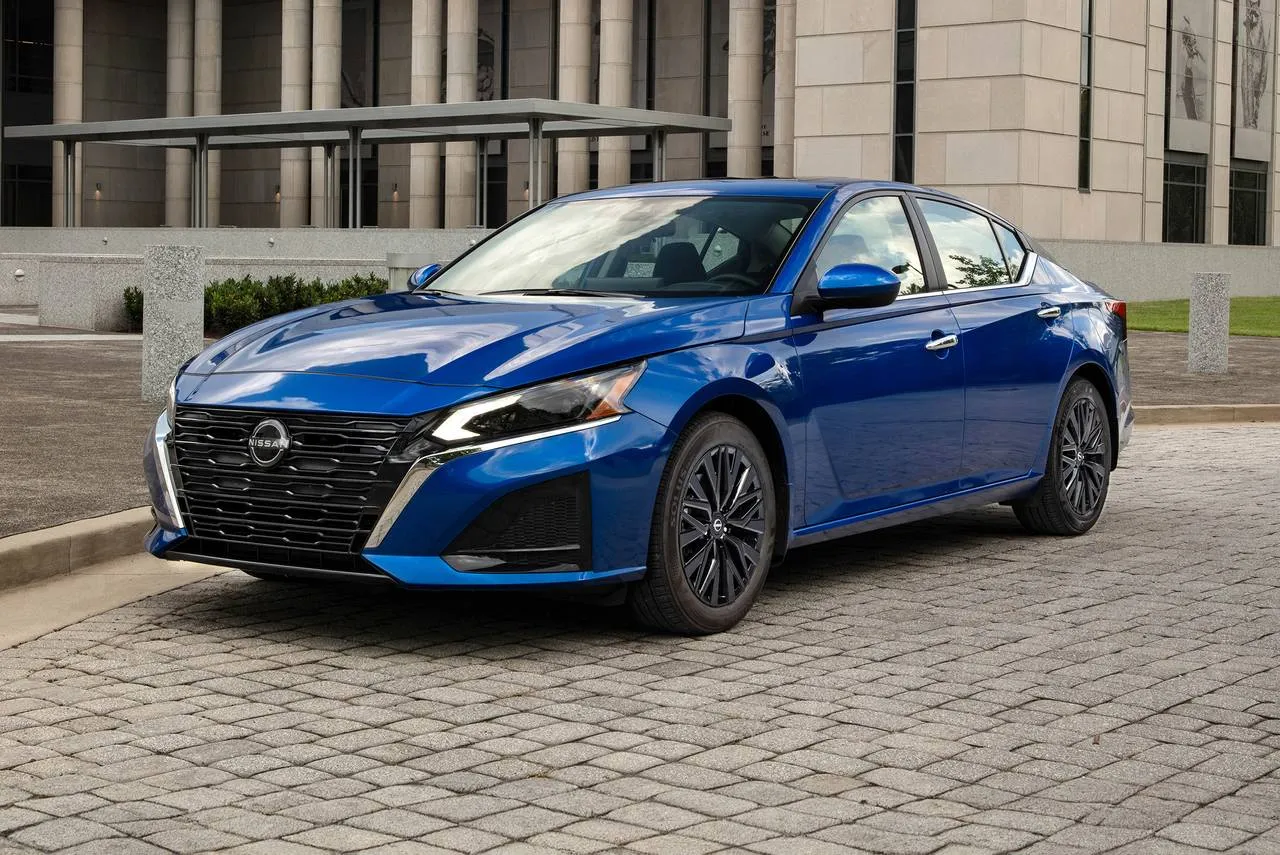
2. Nissan Altima 2.5 S
Nissan Altima 2.5 S shows a tendency to overheat when pushed hard in high temperatures. Its 2.5-litre engine performs well during moderate weather, but once outside temperatures rise, the cooling system struggles to keep up.
Owners frequently mention that the temperature gauge begins creeping upward when the vehicle faces heavy traffic or long climbs. This behaviour can cause stressful drives during peak summer hours.
A major reason for this issue comes from the radiator’s limited heat dispersion ability. After extended use under harsh sunlight, the cooling system begins losing efficiency. This becomes worse if the vehicle moves slowly or encounters repeated stop-and-go driving. Once airflow decreases, the radiator cannot cool the engine fluid rapidly, leading to sudden spikes in engine temperature.
Cabin comfort also becomes inconsistent during extreme heat. The Altima’s A/C system cools sufficiently in mild conditions, but it loses strength when outside heat rises sharply. Passengers sometimes feel warm air lingering around the seats even when the system is working at full speed. This challenge becomes especially visible when the sun shines directly through the windows for prolonged periods.
The continuously variable transmission (CVT) used in this model contributes to the problem as well. CVTs generate heat during long drives, and if not cooled properly, they begin to operate less efficiently. As the transmission warms, the engine must work harder, which increases the entire heat produced and creates a cycle that places even more stress on the cooling system.
Tyre performance stays stable, but handling loses sharpness as the car becomes heat-soaked. Drivers notice reduced responsiveness and a heavier feel during steering. Although the Altima remains comfortable in city driving, consistent exposure to Houston’s heat reveals its limitations.
Nissan Altima 2.5 S remains a convenient sedan for everyday use, but those who regularly drive during high-temperature hours may have to watch the cooling system closely. Its tendency to overheat during intense weather makes it one of the less dependable options for hot-climate driving.
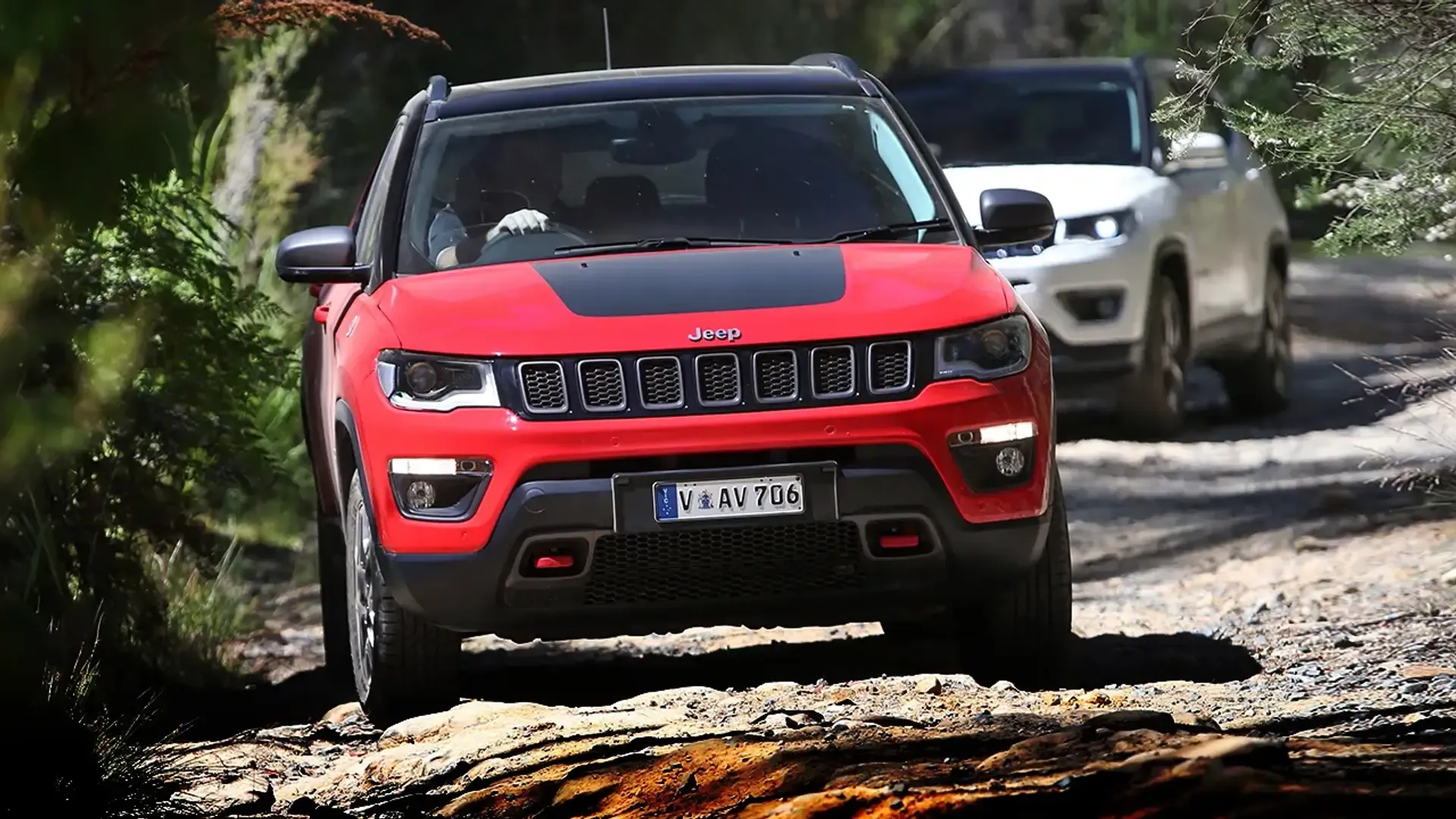
3. Jeep Compass Latitude 2.4L
Jeep Compass Latitude 2.4L often faces heat-related challenges in cities where summer temperatures remain high for several months. Though marketed as a small SUV designed for varied conditions, this model struggles to regulate engine heat effectively once the weather becomes extreme.
Its 2.4-litre engine needs steady airflow to maintain stable temperatures, yet Houston traffic rarely provides such conditions. As a result, many owners frequently encounter rising temperature readings during slow drives.
Cooling system limitations appear most clearly when the Compass spends long periods idling. The radiator and cooling fans do not extract heat at the pace demanded by the climate. This becomes even more noticeable when the air conditioning system operates at full strength, because both the engine and A/C compete for cooling resources.
When heat builds up inside the engine bay, the vehicle may hesitate during acceleration or produce a heavy, strained sound. The air conditioning system performs acceptably during mild weather, but in extreme heat, the A/C becomes less consistent.
Drivers often complain that the interior temperature never reaches a fully cool level unless the car remains in motion for a long time. Once traffic slows down or the vehicle stops at lights, the cool air begins fading, leaving the cabin feeling warm again.
Suspension behaviour also changes when the car becomes heat-soaked. It starts to produce a softer feel, especially when the tyres warm excessively on hot roads. Steering becomes less precise, and braking distances sometimes increase slightly due to elevated heat influencing brake components.
Electronics inside the Compass begin showing small irregularities during prolonged heat exposure as well. Infotainment systems freeze occasionally, and dashboard readings flicker. These small disruptions add to driver frustration during long summer drives.
Jeep Compass Latitude 2.4L functions well during cooler seasons, but its tendency to overheat in harsh heat limits its reliability during Houston summers. Drivers who need consistent performance in high temperatures may find themselves checking the coolant level frequently or adjusting their driving habits to avoid heat-related issues.
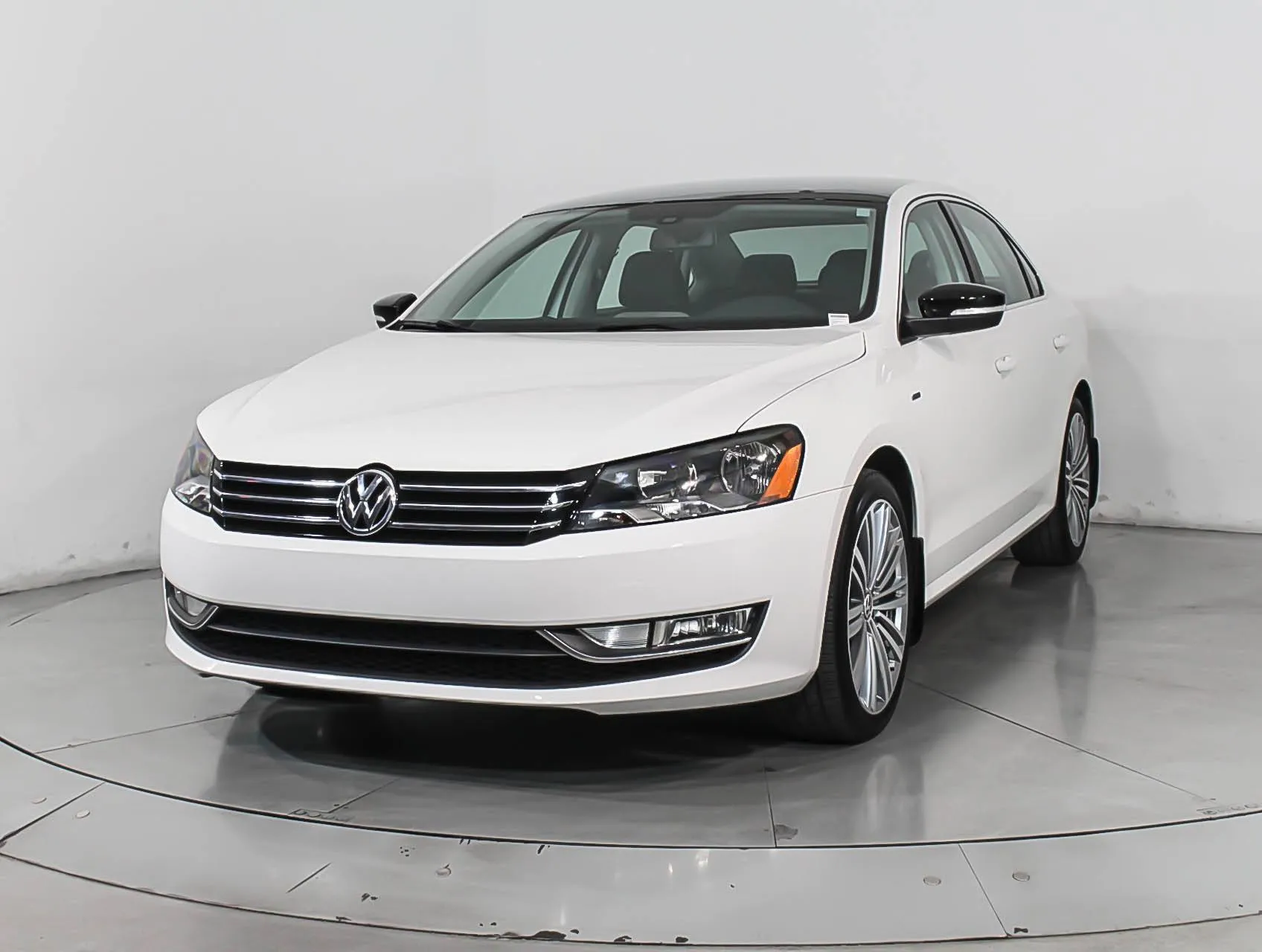
4. Volkswagen Passat 1.8T SE
Volkswagen Passat 1.8T SE faces difficulties handling intense heat due to the nature of its turbocharged engine and the cooling system that demands constant airflow to remain effective.
When pushed during high-temperature conditions, the 1.8-litre turbo engine begins to show signs of strain, especially if the vehicle remains stationary or moves slowly through crowded routes. Once temperature levels inside the engine bay rise, performance starts to drop, and drivers may notice slower acceleration.
Turbocharged engines generate additional heat naturally, and during Houston’s humid summers, this extra heat becomes hard to manage. The Passat’s radiator and cooling fans work continuously, yet they do not consistently maintain the desired engine temperature when the vehicle is stopped or climbing flyovers.
Traffic jams cause the engine fan to cycle rapidly, sometimes producing loud noises as it attempts to keep up with the growing heat. The air conditioning system remains effective initially, but as the car becomes heat-soaked, the cool air gradually weakens.
A/C vents sometimes produce warm air briefly before stabilising again, creating discomfort for passengers. When the sun beams directly on the windscreen, the interior becomes increasingly difficult to cool, even when the system runs at maximum strength.
Handling stays steady during mild temperatures, but during extreme heat, the tyres soften on hot roads, leading to reduced precision. Drivers may notice slight vibrations or decreased traction. Brake performance stays adequate, though long or steep drives during extreme heat may require extra caution.
Volkswagen Passat 1.8T SE remains a comfortable sedan for average conditions, but harsh summer heat exposes its cooling system challenges. Its tendency to overheat during prolonged idling or heavy traffic places it among vehicles that demand extra care during peak heat months.
Also Read: 5 Cars With Bright Headlights For Country Roads Vs 5 Dim Setups
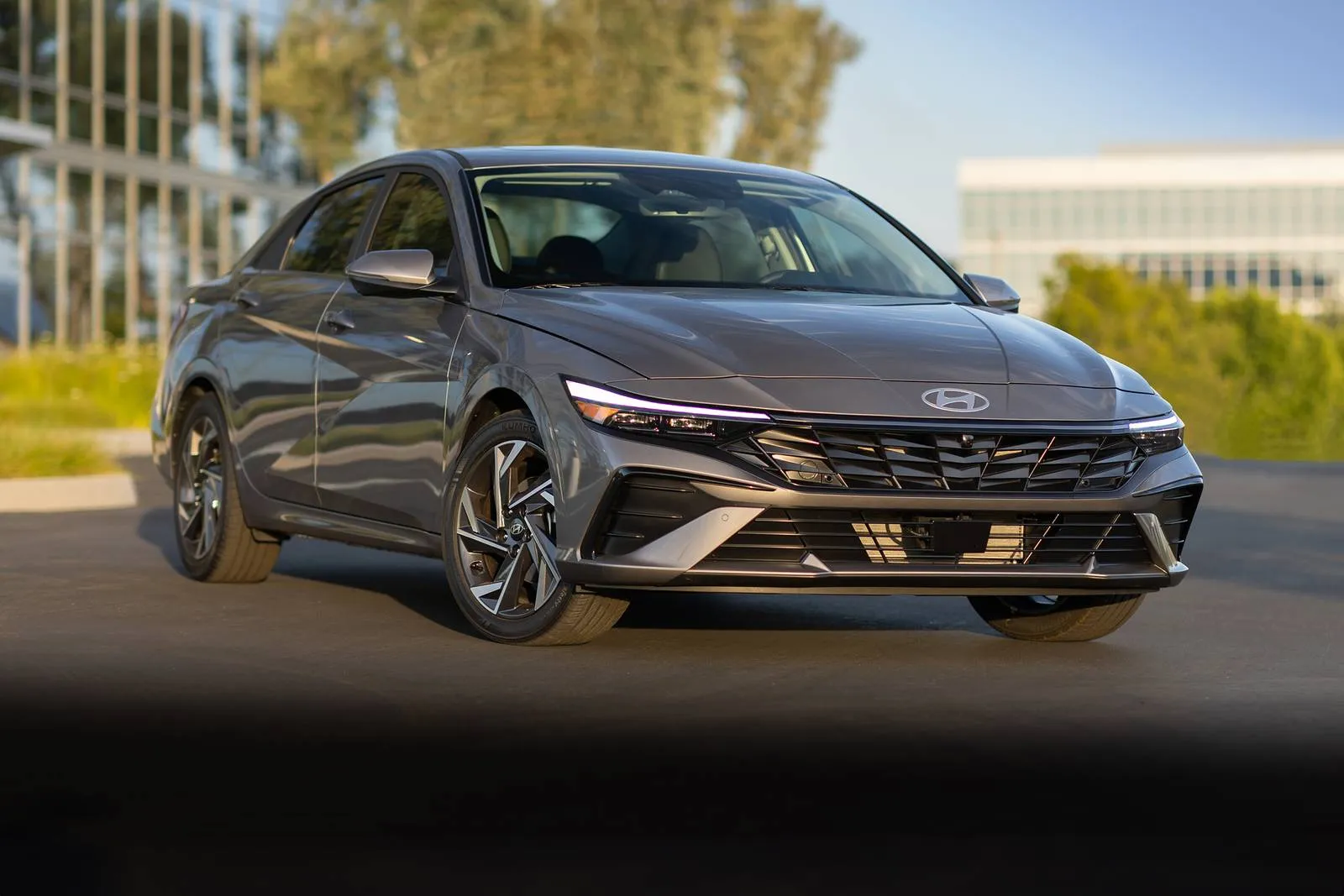
5. Hyundai Elantra 1.6L GLS
Hyundai Elantra 1.6L GLS struggles with heat buildup when exposed to intense hot-weather conditions for long periods. Its 1.6-litre engine performs efficiently in moderate weather, but once temperatures rise above 95 degrees, the cooling system begins to lose effectiveness.
Drivers often notice the temperature gauge rising earlier than expected, especially during heavy traffic where airflow remains limited. The radiator on this model operates adequately at highway speeds, but at slower speeds it struggles to disperse heat. This becomes worse when the air conditioning system works at full strength.
Since both the engine and A/C rely heavily on the cooling system, the strain leads to quicker overheating during mid-afternoon traffic. The coolant reservoir may also drop faster during harsh summer months, requiring regular checks.
Cabin cooling becomes inconsistent when the car stays in direct sunlight. While the A/C system cools reasonably well when the vehicle is in motion, the cool air fades when the Elantra slows down.
Drivers often describe a sudden rise in cabin warmth during stops at red lights. This inconsistency creates discomfort during long journeys, especially when carrying several passengers.
Tyres react to heat quickly, softening and losing some grip. As the vehicle becomes heat-soaked, steering precision weakens and braking response becomes less immediate. Long drives during high-temperature periods amplify these issues further.
Engine performance begins to drop once heat accumulates. Acceleration becomes slower, and the engine may feel strained. The Elantra manages short trips adequately, but extended commutes under harsh heat reveal its weaknesses.
Hyundai Elantra 1.6L GLS demands regular monitoring during peak summer periods. While it remains a budget-friendly sedan, its tendency to overheat during intense heat makes it a less suitable option for drivers who spend long hours on Houston roads.
