Speed bumps are a fact of life in the United States whether you’re navigating the parking lot outside a Target, creeping through a school zone, or trying to exit a suburban neighborhood that was built with traffic-calming measures in mind.
Yet not all crossovers handle these obstacles with the same level of grace. Some glide over them with quiet suspension tuning and long-travel dampers that soak up the hit, while others send a dull thump through the cabin that nobody appreciates.
For families, commuters, and everyday drivers, this difference can significantly shape how comfortable a vehicle feels in real-world use.
This list explores five crossovers that handle speed bumps smoothly and five that deliver a harsh, jarring response, giving shoppers a nuanced understanding that goes far beyond typical marketing claims.
The goal here is to highlight real ride-quality characteristics, suspension designs, wheel setups, and overall tuning philosophies, so readers can make a more informed choice.
Crossovers That Glide Over Speed Bumps
Not all crossovers are created equal when it comes to smoothing out the bumps in your daily drive. Some models seem to float effortlessly over rough pavement, potholes, and speed bumps, delivering a ride that feels composed, cushioned, and confident.
In this roundup, we highlight the crossovers that excel at keeping passengers comfortable, no matter what the road throws their way.
1. Toyota Highlander (Hybrid or Gas)
The Toyota Highlander has long been praised for its serene ride quality, and that calm extends to how it manages speed bumps. Toyota uses a well-tuned multi-link rear suspension that allows for more vertical wheel travel than many rivals.
When drivers roll over a bump at neighborhood speeds, the Highlander’s suspension compresses smoothly, rounds off the impact, and avoids sending shock through the cabin.
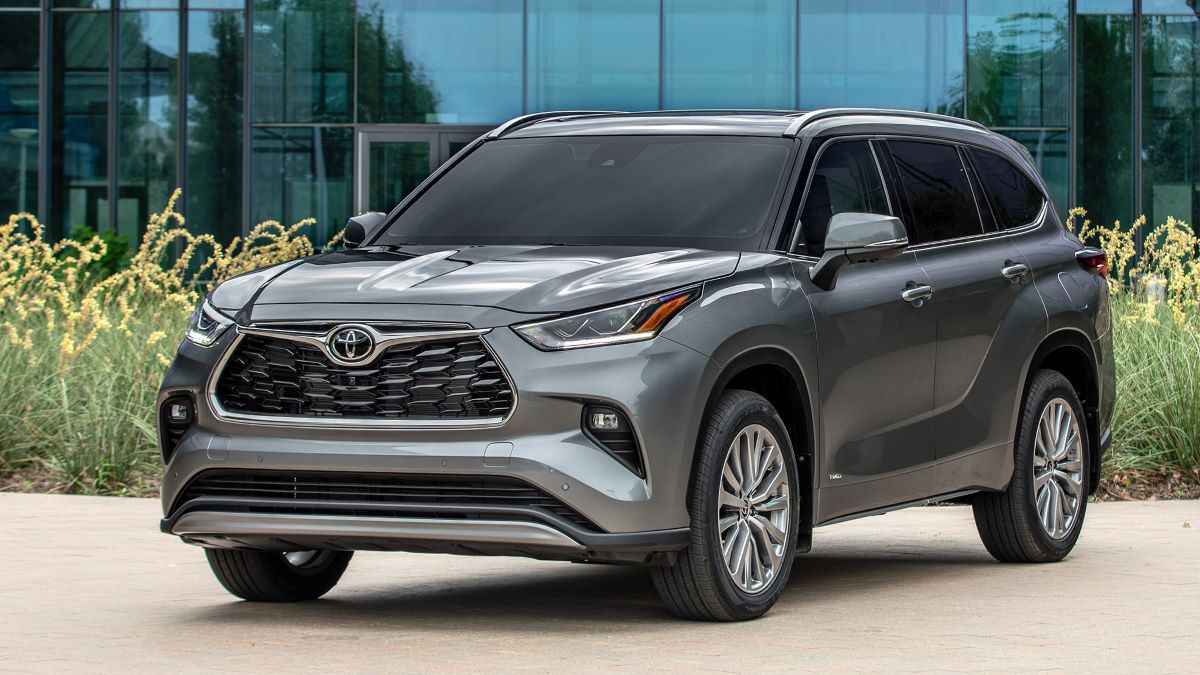
The hybrid version actually performs slightly better, thanks to the extra weight of the battery pack adding more planted, controlled movement over abrupt elevation changes.
Even with 20-inch wheels on higher trims, the Highlander remains impressively composed for everyday suburban driving.
2. Subaru Forester
The Forester is known for its airy cabin and excellent visibility, but what many buyers appreciate often without knowing why is its ability to take speed bumps gently.
Subaru’s soft spring rates and long-travel dampers are designed to prioritize compliance over sportiness. That’s why even older Foresters feel supple over uneven terrain.
The current generation uses Subaru’s Global Platform, which greatly improved ride refinement by reducing body flex and improving suspension geometry.
As a result, speed bumps barely register unless you hit them too fast, and the cabin avoids secondary oscillations that some competitors struggle with.
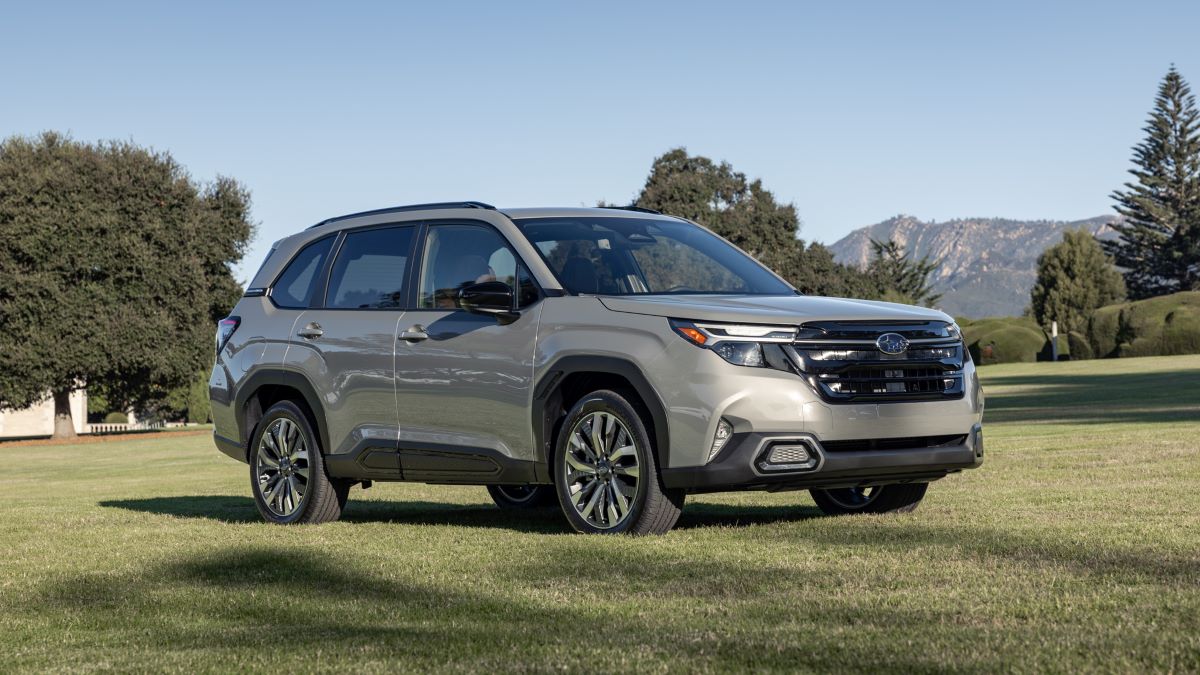
The 2025 Subaru Forester emerges as an all-new, sixth-generation compact SUV, bringing significant updates—at least on paper. This two-row, five-passenger Forester offers increased passenger space and a quieter ride compared with its predecessor.
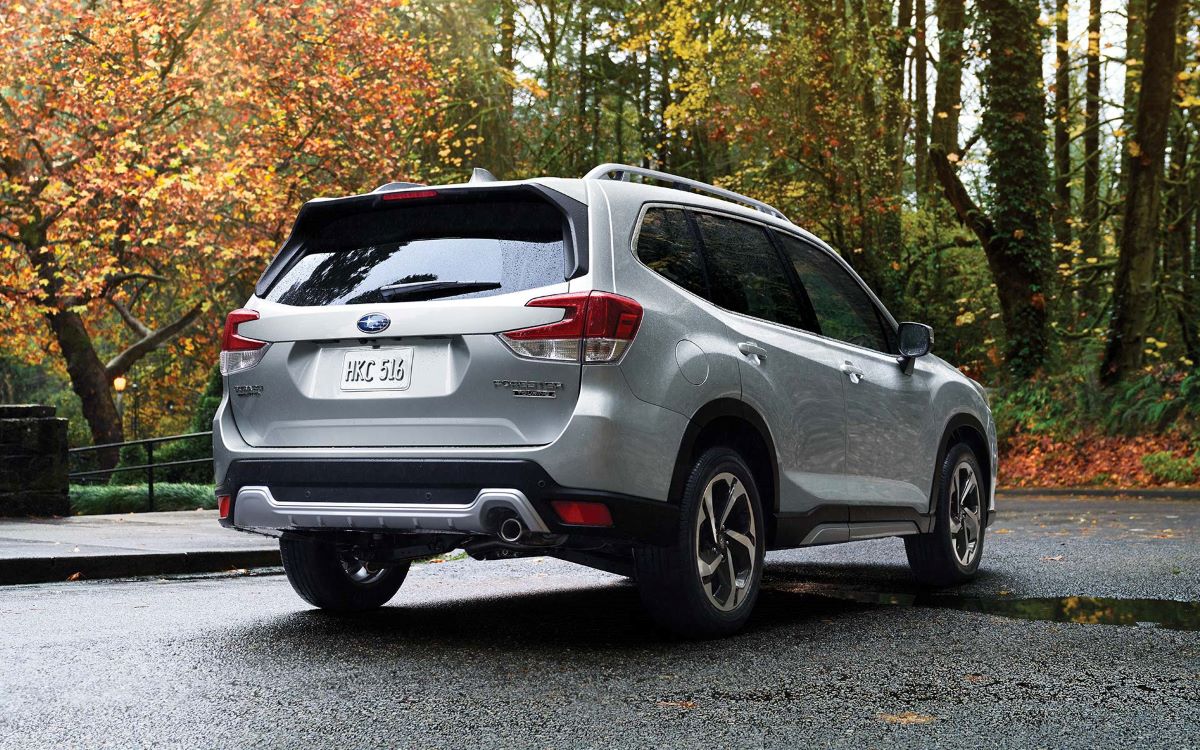
While its styling has been modernized, it remains unmistakably a Forester, preserving the formula that has contributed to its long-term success. Every model comes standard with a flat-four engine, all-wheel drive, a continuously variable transmission, and sufficient ground clearance for moderate off-road excursions.
Its compact footprint makes it easier to maneuver in urban settings and fit into tighter parking spaces than larger three-row SUVs, including Subaru’s own Ascent. Despite meaningful improvements in several areas, the 2025 Forester still misses the enhancement we value most: driving enjoyment.
Subaru has added a new electric power-steering rack, sharing some components with the WRX performance sedan, and a foot-activated hands-free power tailgate is now available. The new Forester goes on sale in spring 2024.
Pricing for the 2025 Forester ranges from $31,415 to $43,015, depending on trim and options. Standard features include remote keyless entry, LED headlights, and “welcome lighting,” which illuminates the exterior front door handles at night. We recommend the Sport trim, which balances equipment, styling, and price.
The Sport trim adds exclusive bronze accents, unique wheels, heated front seats, and an 11.6-inch infotainment touchscreen. Interestingly, the 2024 Forester Wilderness remains available alongside the new 2025 models for the time being, with plans to transition the Wilderness trim to the new generation in 2026.
Powering the Forester is a 2.5-liter flat-four engine paired with a continuously variable transmission and all-wheel drive, producing 180 horsepower and 178 pound-feet of torque. While the SUV borrows a dual-pinion electronic power-steering rack similar to the WRX sports sedan, the driving experience is far more sedate.
Steering feedback is minimal, and the suspension prioritizes comfort above all else. Take the Forester into a corner at speed, and a subtle wiggle in the rear can feel unnerving for a moment before settling. For drivers seeking a relaxed, plush ride, however, the Forester delivers exactly that.
Also Read: Top 8 Crossovers That Still Feel Tight at 100,000 Miles
3. Hyundai Santa Fe (2024+ New Model)
Hyundai overhauled the Santa Fe for its latest generation, and the improvements are most noticeable in chassis refinement.
The new Santa Fe soaks up speed bumps with a confidently damped rebound that prevents the jostling sensation common in mid-size crossovers.
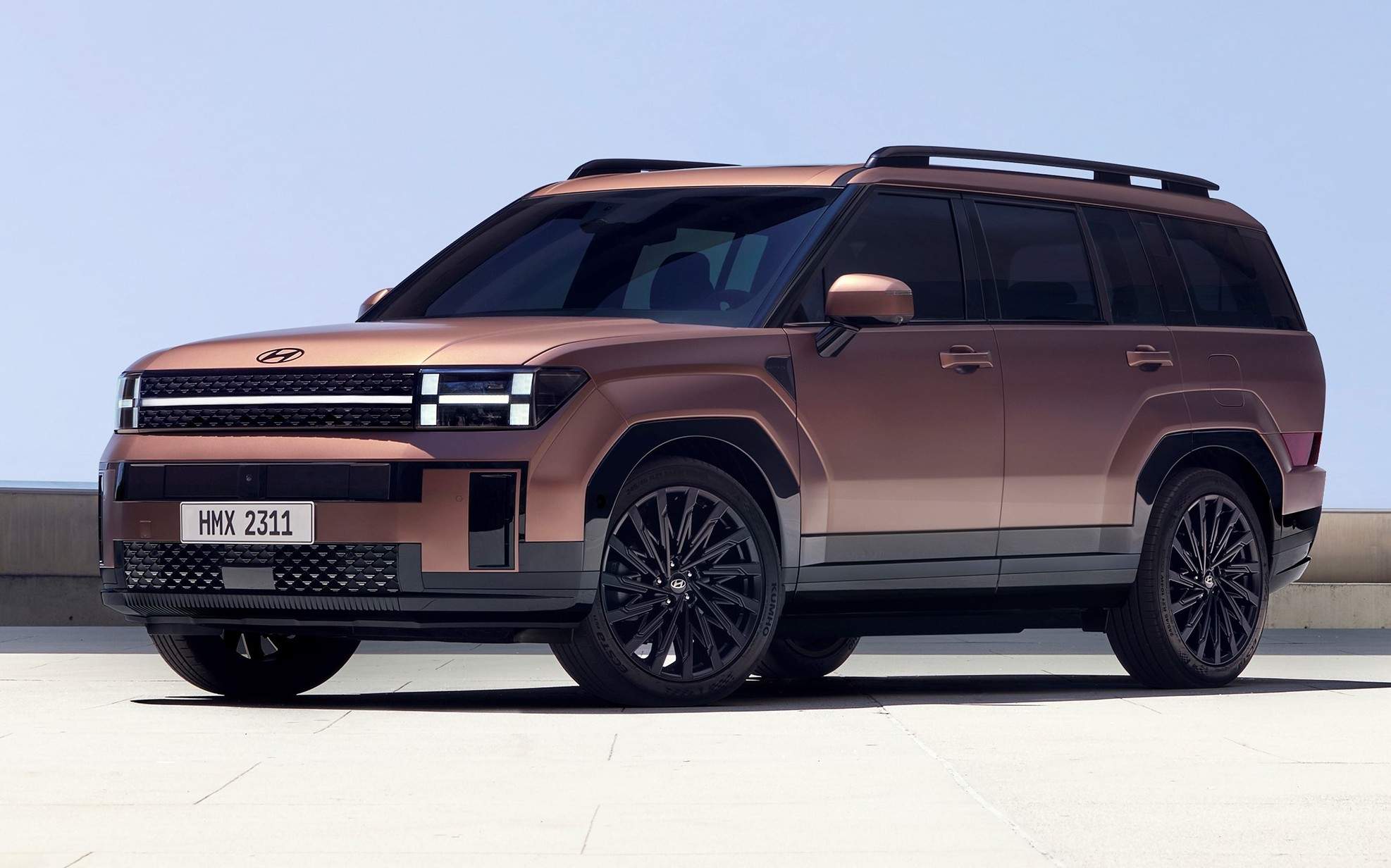
The upgraded shock absorbers deliver smoother initial impact absorption, while the vehicle’s increased structural stiffness ensures the suspension does the work rather than the body.
We tested the Hyundai Santa Fe equipped with the 277-horsepower turbocharged engine, and it proved to be quite potent. Our test vehicle accelerated from 0 to 60 mph in just 6.6 seconds, faster than most small and midsize SUVs.
That said, the power delivery can feel inconsistent and slightly unrefined when you’re not pushing for maximum speed. Hyundai appears to have tuned the eight-speed automatic transmission to reach its higher gears as quickly as possible, which can feel a bit abrupt at times.
The Santa Fe leans noticeably in corners, so it doesn’t feel as planted as a Mazda CX-5. This SUV is better suited for relaxed highway cruising than sporty driving. Still, the steering is well-tuned, making low-speed maneuvering easy while providing adequate stability on the highway.
Inside, our test model featured the optional 10.25-inch infotainment screen. While visually impressive in size, it occasionally responded slowly to inputs, and its graphics weren’t especially striking.
The premium audio system delivers accurate sound and plenty of volume, though it lacks the fully immersive experience some competitors offer. Apple CarPlay and Android Auto are standard, although CarPlay only uses about two-thirds of the available screen space.
The wireless charging slot is cleverly designed to save space, but small objects like coins could easily get stuck inside. The cabin also offers an abundance of power and USB ports for convenience.
Hyundai’s suite of advanced driver aids ranks among the best in the segment. Adaptive cruise control and lane-keeping assist operate smoothly, making stop-and-go traffic less stressful. Blind-spot monitoring and forward-collision mitigation are also effective, though some drivers may find them overly sensitive.
When it comes to value, the Santa Fe excels. Material quality and interior design stand out, even if small details like thinly padded door armrests could be improved. Even at the top-of-the-line Calligraphy trim, the Santa Fe undercuts similarly equipped competitors while offering a powertrain that is both faster and more efficient.
The ride quality feels more premium than expected, rivaling some luxury crossovers costing thousands more. If you routinely commute through apartment complexes or parks loaded with bumps, the Santa Fe provides a refined and controlled experience.
4. Buick Envision
Buick’s brand identity centers on quietness and softness, and the Envision is a perfect example of how suspension tuning can make a vehicle feel more upscale than its price suggests.
GM engineers biased the damping toward comfort, especially at low speeds exactly where speed bumps tend to become annoying.
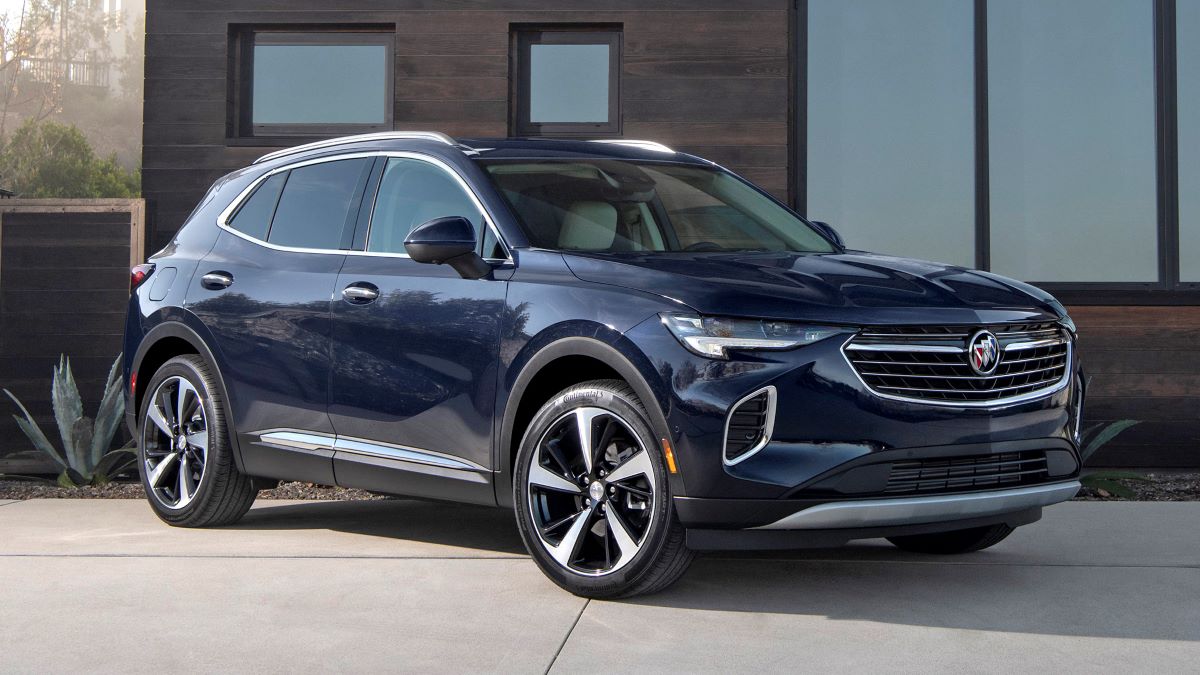
The Envision cushions the front axle impact nicely, and the rear follows with a gentle, controlled motion. Because the Envision often rides on smaller wheels (17–19 inches instead of the 20+ seen in many competitors), there’s also more sidewall to absorb sharp hits.
Owners consistently report that the Envision feels smoother over speed bumps than most crossovers in its class.
The Buick Envision delivers respectable performance for a small SUV, accelerating to 60 mph in 7.7 seconds. From behind the wheel, it doesn’t feel particularly rapid, which may appeal to drivers who value quiet confidence over showy speed.
The throttle is immediately responsive, and handling is competent despite some noticeable body roll. Braking performance also ranks above average for the segment.
Ride quality stands out thanks to a soft suspension setup that smooths over road imperfections that other SUVs transmit more harshly. Combined with insulation and active noise cancellation, the cabin remains impressively quiet, keeping wind and road noise at bay.
Sensibly sized roof pillars contribute to excellent outward visibility, while an available surround-view camera system aids in parking and navigating tight spaces.
While the Envision’s suite of driver-assistance features isn’t extensive, what’s included works effectively. Adaptive cruise control and lane-keeping assistance are both well-tuned, operating smoothly without false alarms.
5. Honda CR-V
Honda dialed in a remarkably balanced ride for the latest CR-V. Even though the brand is known for sportier chassis tuning, Honda avoided going overly firm with this model.
The CR-V’s well-engineered multilink rear suspension and soft-initial-compression shocks help it flow over speed bumps without the harshness found in older Honda models.
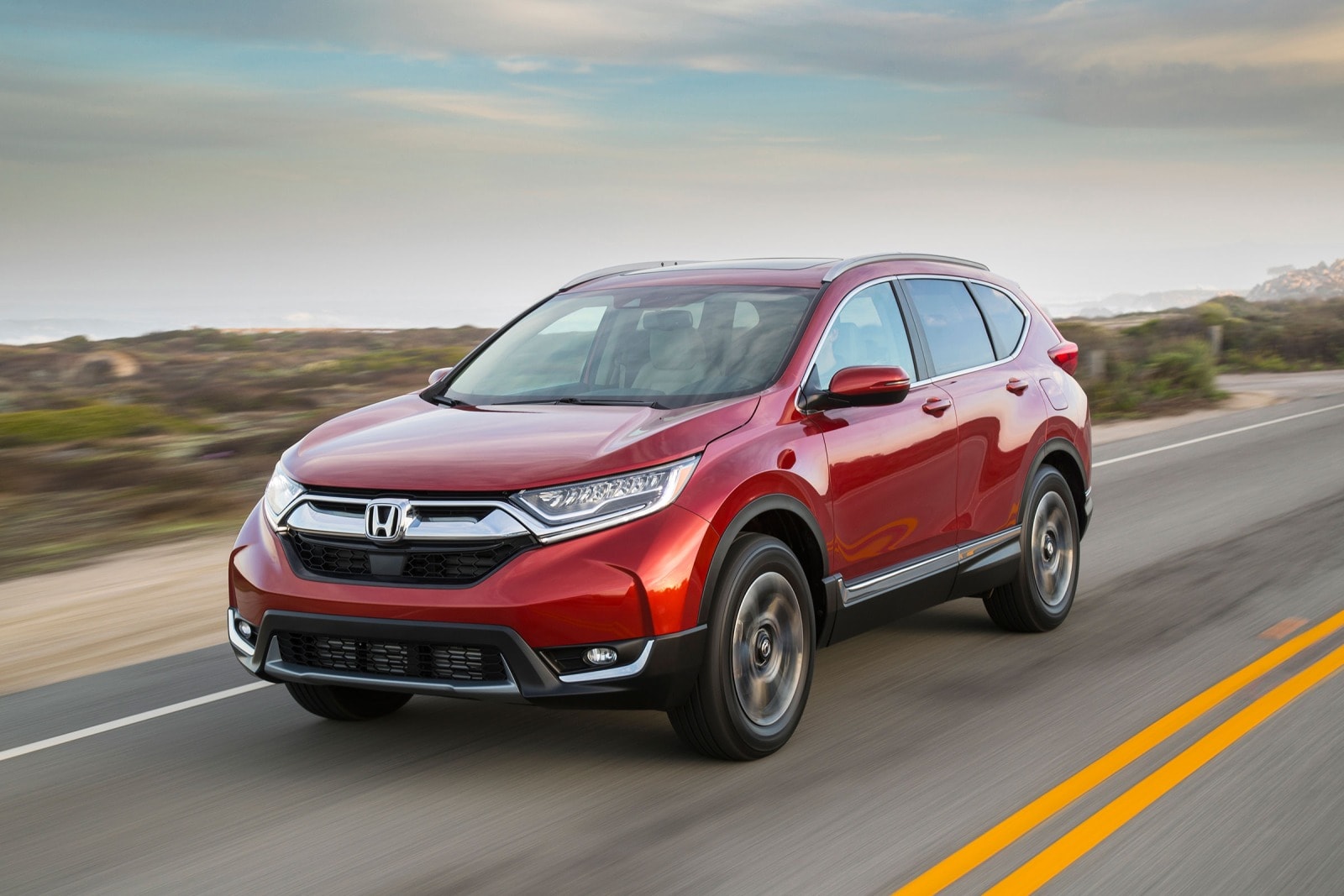
The hybrid version feels even more settled due to its added weight distribution, giving the rear suspension more authority on rebound.
For suburban families, this calm ride over low-speed obstacles is a major advantage and one of the reasons the CR-V has such broad appeal.
Also Read: 10 Manual Sports Cars From the 2000s That Are Now Incredible Deals
Crossovers That Thump Hard Over Speed Bumps
Some crossovers have a ride that feels anything but smooth. Instead of gliding over bumps and rough pavement, they deliver a harsh, jarring thump that can rattle passengers and leave you wishing for better suspension tuning. In this roundup, we highlight the crossovers that struggle to absorb the road’s imperfections, so you know which models might make every speed bump feel like a mini shock event.
1. Mazda CX-5
The Mazda CX-5 is one of the best-driving small crossovers on the road, but that precision comes with a cost: firmness. Mazda engineers tune suspension for sharp steering and tight body control, which means stiffer shocks and quicker rebound settings.
Over speed bumps, the CX-5 transmits a noticeable thump paired with a secondary bounce if the bump is tall or sharply angled. Low-profile tires on higher trims only amplify the harshness.
While driving enthusiasts may appreciate its sporty character on winding roads, the ride loses some composure in low-speed urban environments where softness matters most.
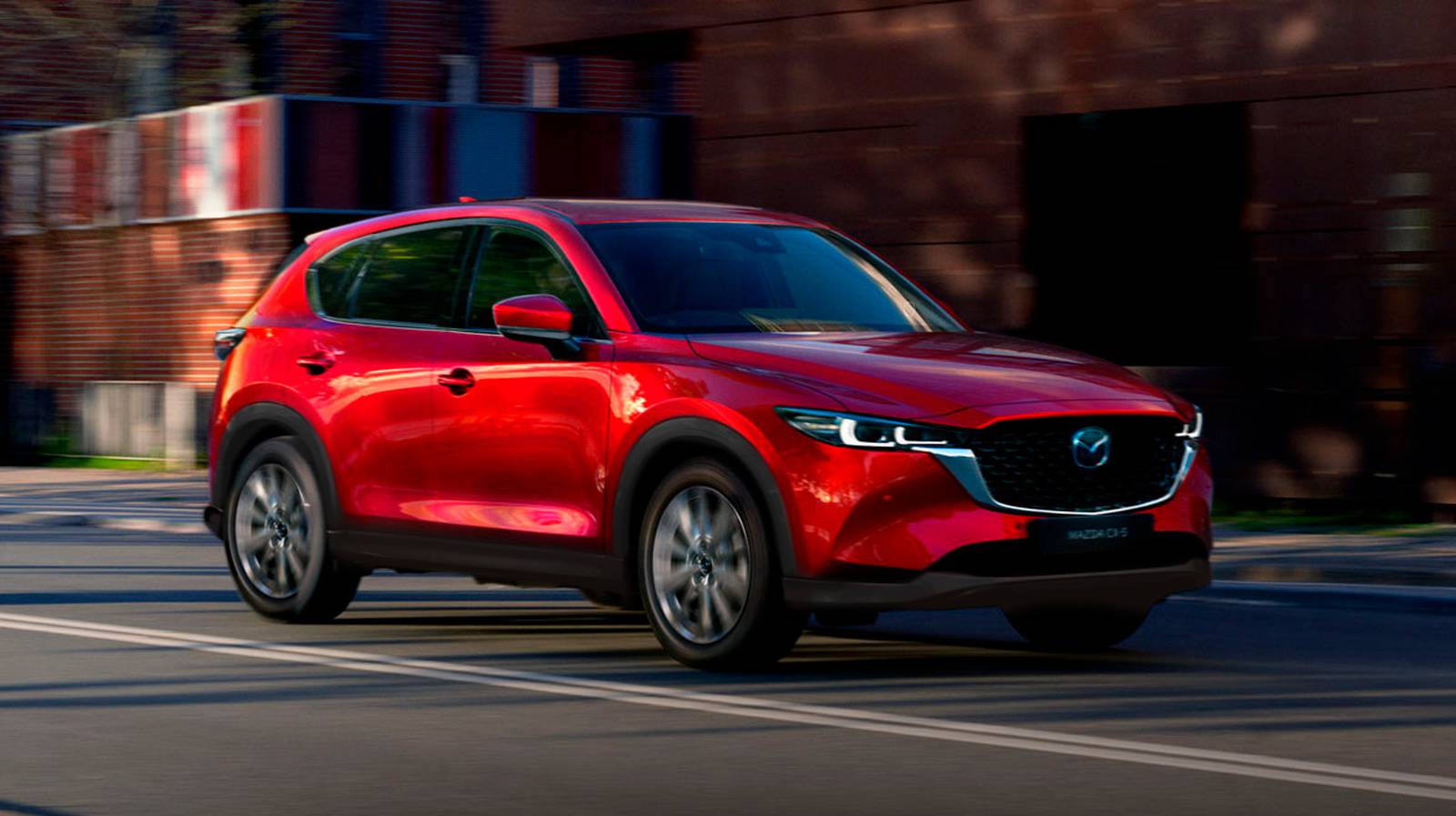
The base engine of the Mazda CX-5 delivers modest acceleration while underway, making highway passing require some foresight. It performs slightly better from a standstill, our 0-60 mph test recorded 8.7 seconds, which is in line with other small crossovers equipped with their standard engines. Opting for the available turbocharged engine significantly improves performance, propelling the CX-5 to 60 mph in just 6.6 seconds.
Where the CX-5 truly shines is in handling. Its sharp and communicative steering allows drivers to tackle corners at higher speeds than most rivals without squealing tires or feeling unsettled. Quick left-to-right transitions are handled with ease, making it the best-handling small crossover on the market.
Inside, there isn’t a single trim piece that feels cheap. Materials throughout, from available leather upholstery to every button and control, exude quality.
The only minor gripe is the soft side bolsters, which can rub against the center console during spirited cornering. Otherwise, the interior feels refined and premium. Fully loaded, the CX-5 remains a bit less expensive than many top-trim competitors. Warranty coverage is average for the segment, and like most rivals, there’s no complimentary maintenance included.
2. Ford Bronco Sport
Although marketed as an adventurous crossover, the Bronco Sport’s off-road-ready firmness doesn’t help when dealing with speed bumps.
The suspension is built to handle trail ruts and fast off-road hits rather than smooth parking-lot obstacles.
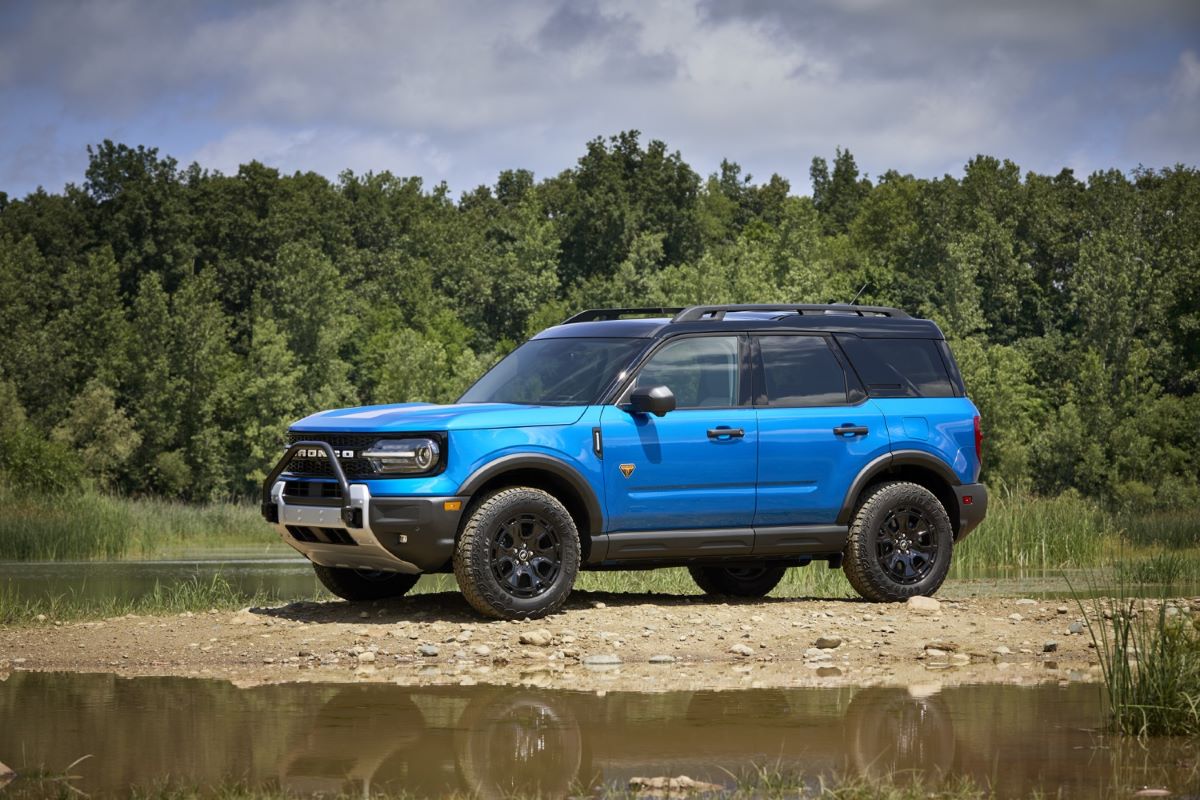
The result is a sharp, abrupt thud when rolling over a bump, followed by a stiff rebound that causes a quick vertical jolt. The tall ride height and rugged tires give the appearance of comfort, but the reality is the Bronco Sport is tuned for control, not plushness.
Buyers attracted to its outdoorsy personality should know it won’t glide through tight suburban complexes quietly.
3. Toyota RAV4
The RAV4 is a reliable and wildly popular seller, but its ride quality can be surprisingly firm, especially in XLE Premium, Adventure, and TRD Off-Road trims.
Toyota intentionally keeps the suspension taut to reduce body roll and improve handling confidence, but it makes speed bumps more noticeable.
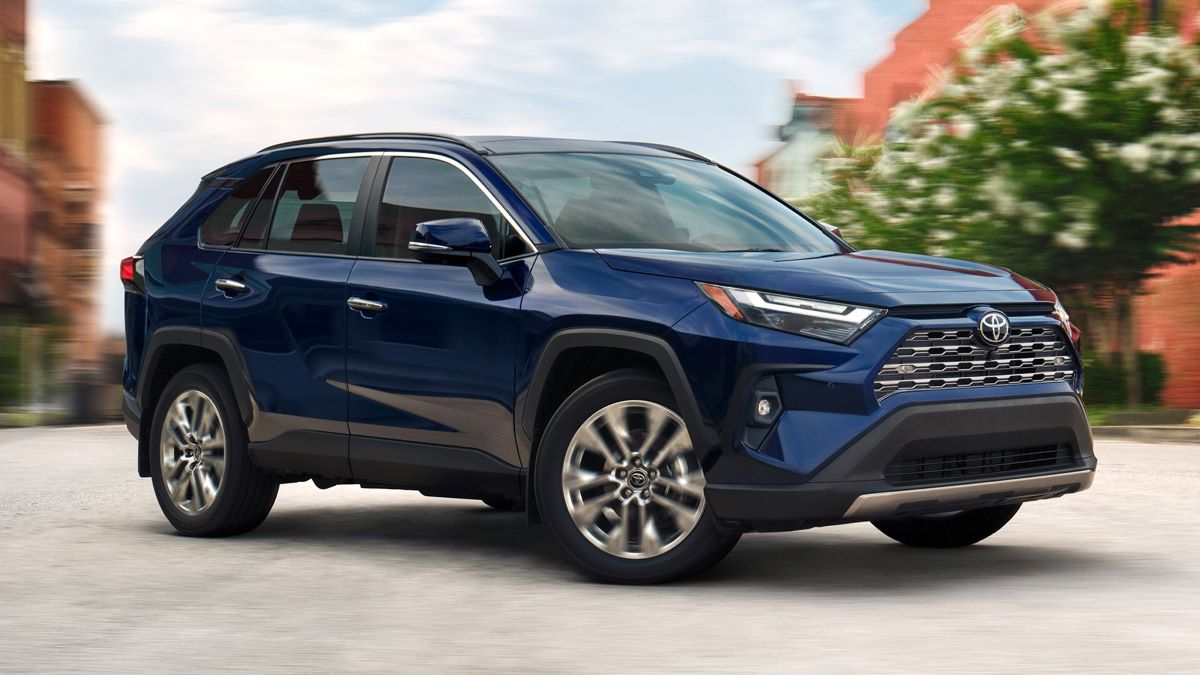
The initial impact is sharp, and taller bumps result in a pronounced cabin thump that many owners mention in reviews.
The hybrid’s added weight helps somewhat, yet the RAV4 still can’t match the Highlander or CR-V for low-speed comfort. If your daily commute includes speed bumps, it’s something to consider.
The Toyota RAV4 delivers a comfortable ride, is easy to drive, and offers good outward visibility, making it a pleasant companion on daily commutes. However, it falls short in a few key areas.
The standard engine is adequate for city driving, and passing or merging is manageable, but the powertrain feels modest when you need brisk acceleration.
Our RAV4 took 9.1 seconds to sprint from 0 to 60 mph, which is slower than the class average. Steering also leaves something to be desired, it feels vague around the center and lacks the weight and feedback needed to accurately gauge input.
On the positive side, the Limited trim’s upgraded all-wheel-drive system adds rear-axle torque vectoring and hill descent control. These enhancements, combined with decent ground clearance, give the RAV4 Limited stronger-than-average off-road capability for a small SUV.
The RAV4 includes a solid set of driver-assistance features, with adaptive cruise control, lane-keeping assistance, and automatic emergency braking standard. Higher trims offer additional safety tech, which works well, though some competitors provide more features as standard or optional.
4. Chevrolet Equinox
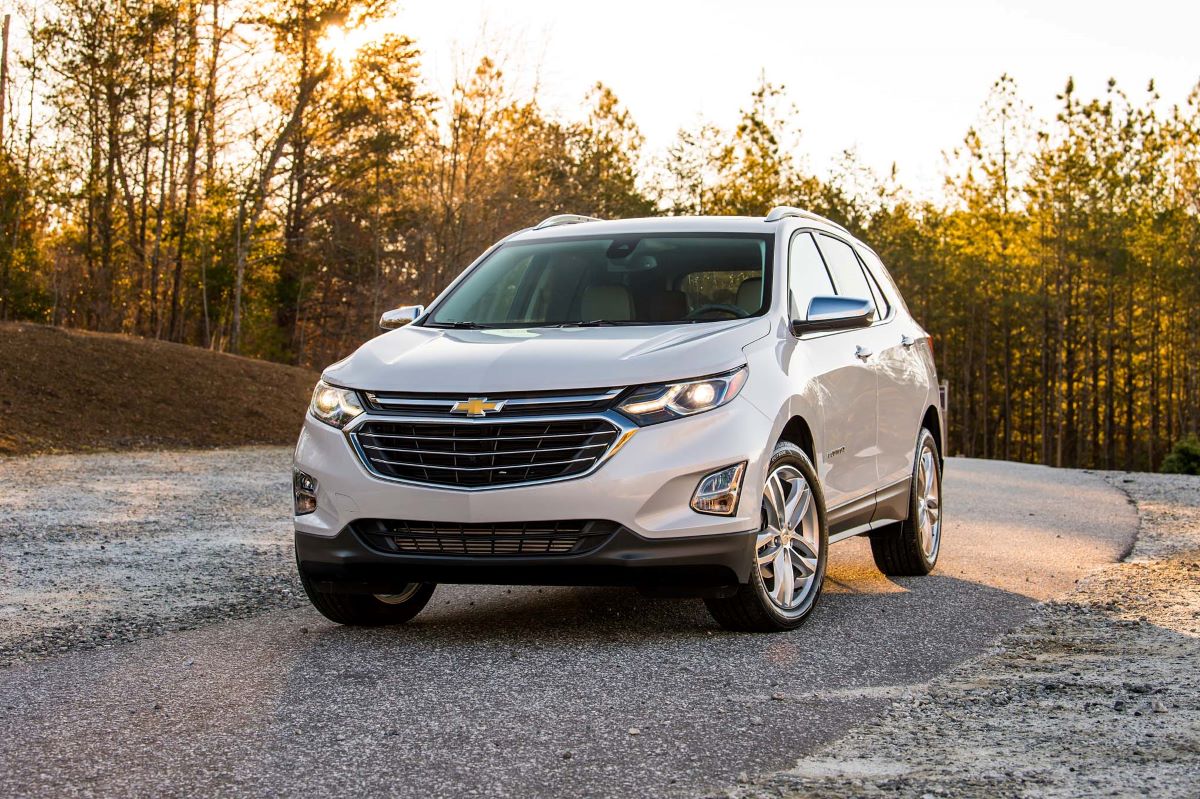
Chevy has improved the Equinox’s ride steadily over the years, but certain trims and especially certain wheel sizes still create harshness over sudden elevation changes like speed bumps.
The suspension tuning prioritizes stability and steering response at higher speeds, meaning slower-speed bumps can feel jarring.
This is particularly true with 19-inch wheels that reduce the tire sidewall cushion. The Equinox doesn’t crash over bumps as dramatically as the Bronco Sport, but it definitely lacks the smooth, controlled absorption found in the Santa Fe or CR-V.
The 2025 Chevrolet Equinox marks a bold redesign for Chevy’s compact SUV, giving it a more rugged appearance reminiscent of a scaled-down Traverse. Inside, the cabin has undergone a dramatic transformation with a redesigned center console and a boldly styled dashboard, highlighted by two large round air vents.
Digital technology takes center stage with an 11.0-inch gauge display behind the steering wheel and an 11.3-inch touchscreen for the Google-based infotainment system.
Power comes from an updated version of the outgoing turbocharged 1.5-liter four-cylinder engine. Front-wheel-drive models use a continuously variable transmission (CVT), while all-wheel-drive versions swap in a traditional eight-speed automatic.
Launching soon, the new Equinox is positioned to compete with top-tier compact SUVs like the 10Best award-winning Honda CR-V, the stylish Mazda CX-50, and the redesigned Volkswagen Tiguan.
The 2025 Equinox lineup offers three trims: LT, RS, and Activ. We recommend choosing either the RS or the Activ, both starting at the same price. Your choice comes down to style preference, the Activ delivers a rugged look, while the RS leans toward a street-friendly appearance. Both trims provide more equipment, unique wheels, and the option for a two-tone exterior.
Driving the Equinox reveals a smooth, comfortable ride and easy-going handling. The turbocharged 1.5-liter engine produces 175 horsepower and delivers adequate acceleration for daily driving, though it’s not designed for sporty performance.
Steering is precise but slightly heavy, and while the Equinox feels composed on paved roads, off-road adventures and high-performance driving aren’t part of its skill set.
5. Jeep Compass
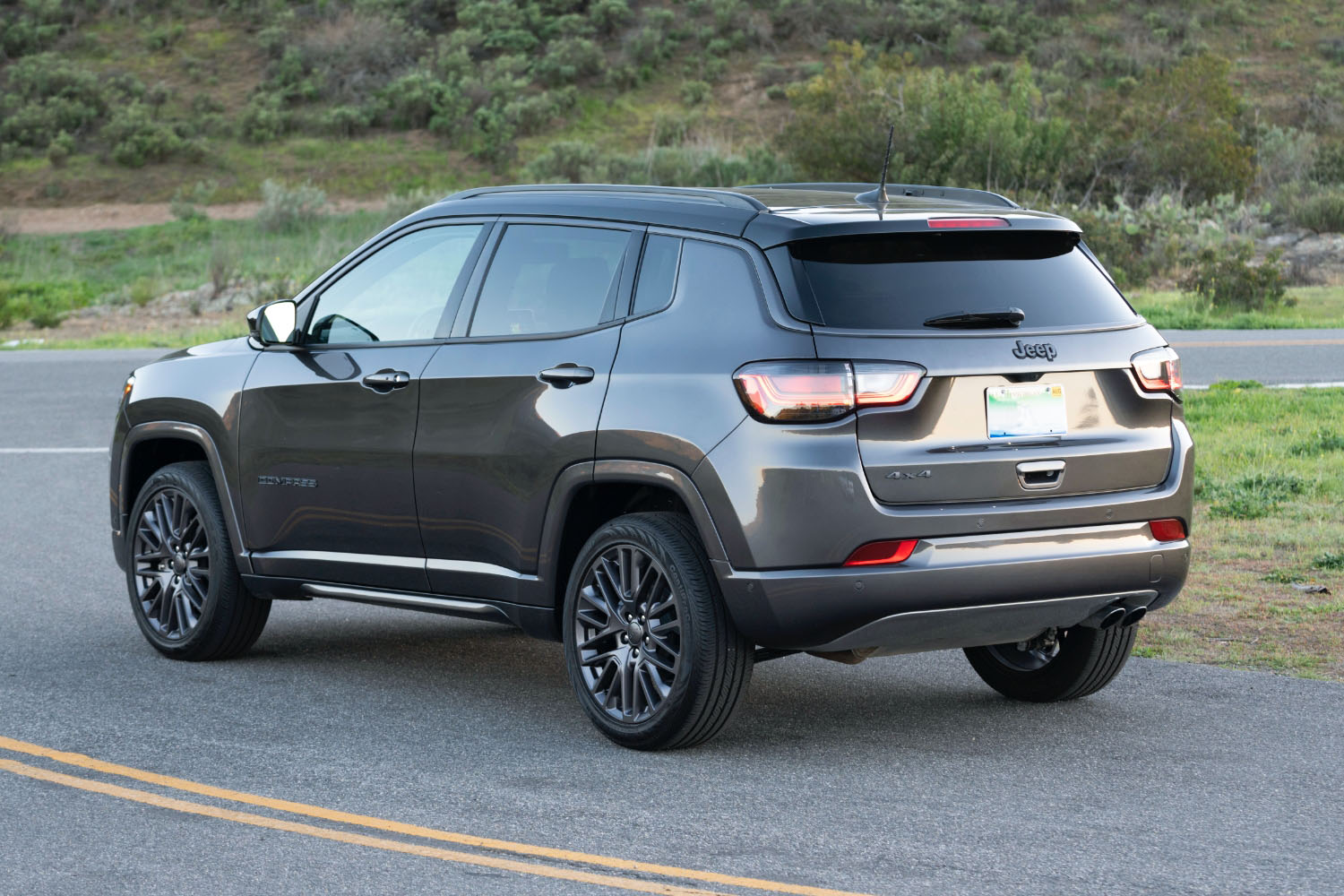
The Jeep Compass often tries to deliver rugged Jeep character within a compact crossover footprint, resulting in a suspension that feels more rigid than many buyers expect.
Over speed bumps, the Compass transmits a clear, hollow thump through the cabin partly due to the firm suspension tuning, and partly due to limited suspension travel compared with its larger Jeep siblings.
Even at low speeds, the bump absorption feels abrupt, and the rebound can be choppy. If you frequently navigate residential areas or school zones, the Compass will feel busier and less refined than smoother alternatives.
Real-world comfort isn’t defined only by ride quality at 70 mph on the highway. Most U.S. drivers deal with low-speed obstacles every week, and speed bumps magnify the fundamental suspension philosophy behind each crossover.
The 2023 Jeep Compass positions itself as the Goldilocks of Jeep’s SUV lineup: larger and more practical than the Renegade, yet more manageable and affordable than the Grand Cherokee. This five-seat compact SUV moves slightly upmarket, addressing some longstanding criticisms while aiming to deliver a more well-rounded package.
Previously, the Compass struggled to find its footing: it wasn’t capable enough off-road to compete with the Ford Bronco Sport, nor practical enough to stand out in the crowded compact SUV segment. For 2023, Jeep has recalibrated the Compass, addressing two major complaints: its sluggish nine-speed automatic and lackluster acceleration.
The new 2.0-liter turbocharged engine, paired with the eight-speed automatic and standard AWD, delivers 200 hp and 221 lb-ft of torque, giving the Compass class-competitive acceleration. Our testing recorded a 0-60 mph sprint in 7.9 seconds, a marked improvement over previous models.
The suspension has also been retuned, softening the ride compared with earlier firm setups, while interior and tech updates improve comfort and convenience in the cabin, which remains notably quiet for the segment.
The upgraded engine not only improves acceleration but also enhances fuel efficiency. With standard 4WD and engine stop-start technology, the 2023 Compass achieves an estimated 24/32 mpg city/highway, up from the 22/30–31 mpg of the 2022 model.
Combined with the improved powertrain, this translates to a total driving range of roughly 365 miles, compared with 338 miles previously, making the Compass more capable, efficient, and competitive in its class.
Whether a model glides gracefully or thumps harshly often comes down to tuning decisions, wheel size, tire sidewall depth, and how much vertical travel engineers allow in the suspension geometry.
For shoppers prioritizing day-to-day comfort, the Highlander, Forester, Santa Fe, Envision, and CR-V offer some of the most refined bump absorption in their respective segments.
Those who prefer a sportier or more rugged feel may still gravitate toward the CX-5, Bronco Sport, RAV4, Equinox, or Compass but should expect more feedback over speed bumps.
Choosing the right crossover becomes easier once you understand these differences, helping you select a vehicle that fits the streets, parking lots, and neighborhoods you navigate every day.