
The discovery of ultra-rare supercars hidden away in barns or garages has long fascinated car enthusiasts, collectors, and the general public alike.
These vehicles, often thought to be lost or forgotten, can suddenly emerge decades after being built, revealing hidden stories of automotive history, design, and engineering prowess.
The appeal of such discoveries lies not only in their rarity but also in the mystery surrounding their preservation. Many of these cars were produced in extremely limited numbers, making them highly sought after in collector circles.
Sometimes, the owners themselves were unaware of the significance of what they possessed, treating these incredible machines as mere transportation rather than valuable pieces of engineering art.
The contrast between the humble environments in which these cars were stored and their astonishing value on the market is striking.
A supercar that could cost millions at auction may have spent years under a dusty tarp, quietly aging in a corner of a barn, while the world remained oblivious to its existence.
The thrill of unearthing such treasures lies in both the surprise of the find and the journey that follows, from restoration efforts to the appraisal of their historical importance.
Additionally, these discoveries often shed light on the automotive industry itself, revealing production methods, design philosophies, and the ambitions of automakers from different eras.
Beyond the financial aspect, these cars carry stories of human passion, whether they were purchased by enthusiastic collectors, driven briefly before being stored, or forgotten in family estates.
Each barn find becomes a time capsule, offering a glimpse into a bygone era and serving as a reminder that the pursuit of automotive perfection has always been intertwined with human curiosity and the unpredictability of fate.
The excitement generated by these finds continues to fuel auctions, documentaries, and media coverage, inspiring both seasoned collectors and casual admirers alike.
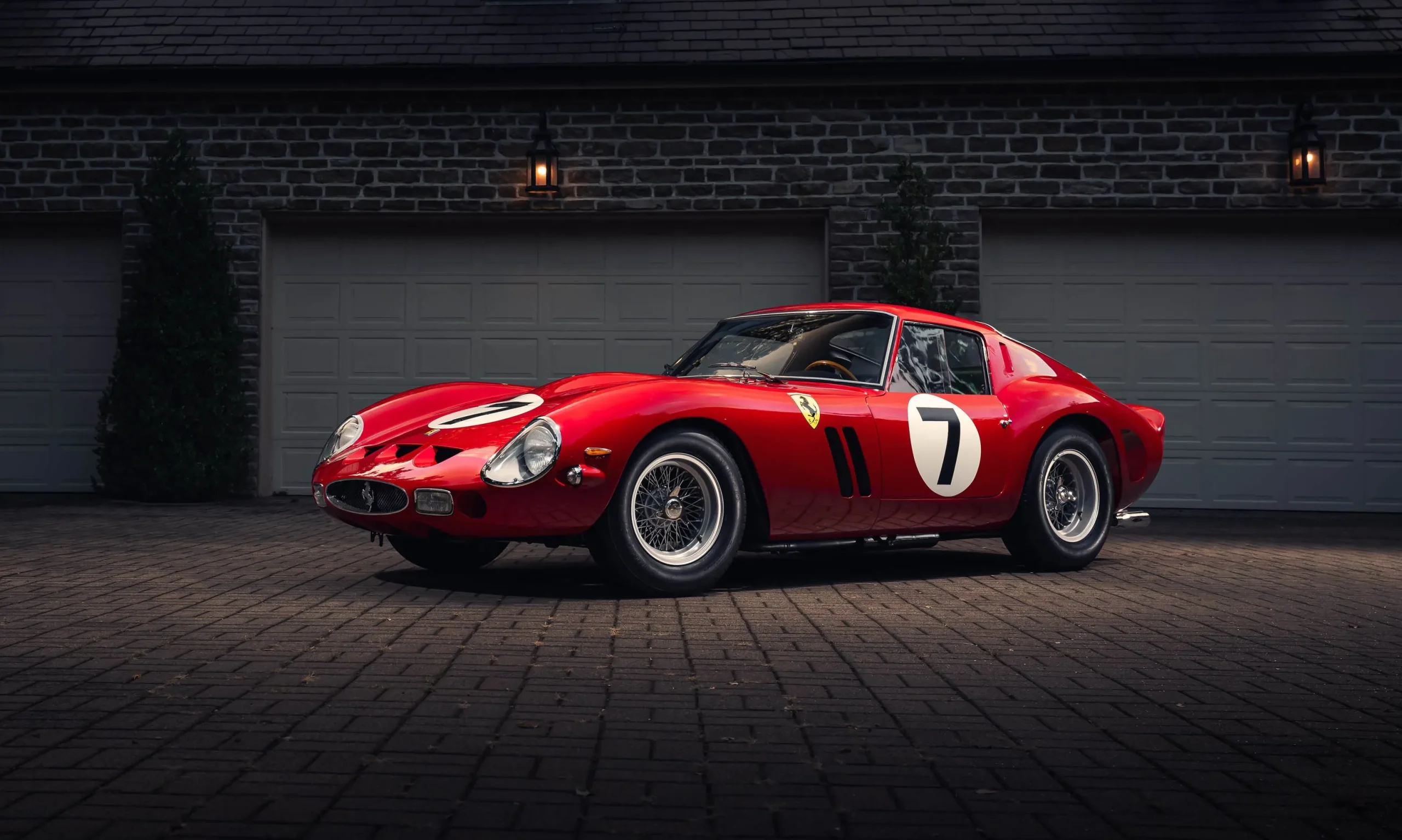
1. Ferrari 250 GTO
The Ferrari 250 GTO is widely regarded as one of the most coveted classic cars in the world, with only 36 units produced between 1962 and 1964. Each car represents an extraordinary combination of engineering precision, aerodynamic design, and competitive racing pedigree.
Finding one tucked away in a barn is almost unheard of, yet several instances have surprised the automotive community.
Typically, these cars were initially purchased by wealthy enthusiasts or professional drivers, and some eventually ended up in storage as tastes and priorities changed.
The rarity of the 250 GTO contributes to its immense value, with individual cars reaching tens of millions of dollars at auction.
The appeal lies not only in its monetary worth but also in its performance history, including victories in prestigious races like the Tour de France Automobile and the 24 Hours of Le Mans.
For collectors, discovering a GTO in a barn is like uncovering a forgotten treasure with deep historical significance. In addition to its racing legacy, the design of the 250 GTO is iconic, featuring sleek lines, a long bonnet, and curves that perfectly blend aesthetics with aerodynamics.
A barn-stored GTO often requires careful restoration to preserve its original features, and even minor details, such as the type of stitching in the interior or the exact hue of its paint, can dramatically affect its value.
The excitement surrounding a barn-found Ferrari 250 GTO extends beyond the vehicle itself, representing a link to a storied era of motorsport and a reminder of the passion that once drove automotive innovation.
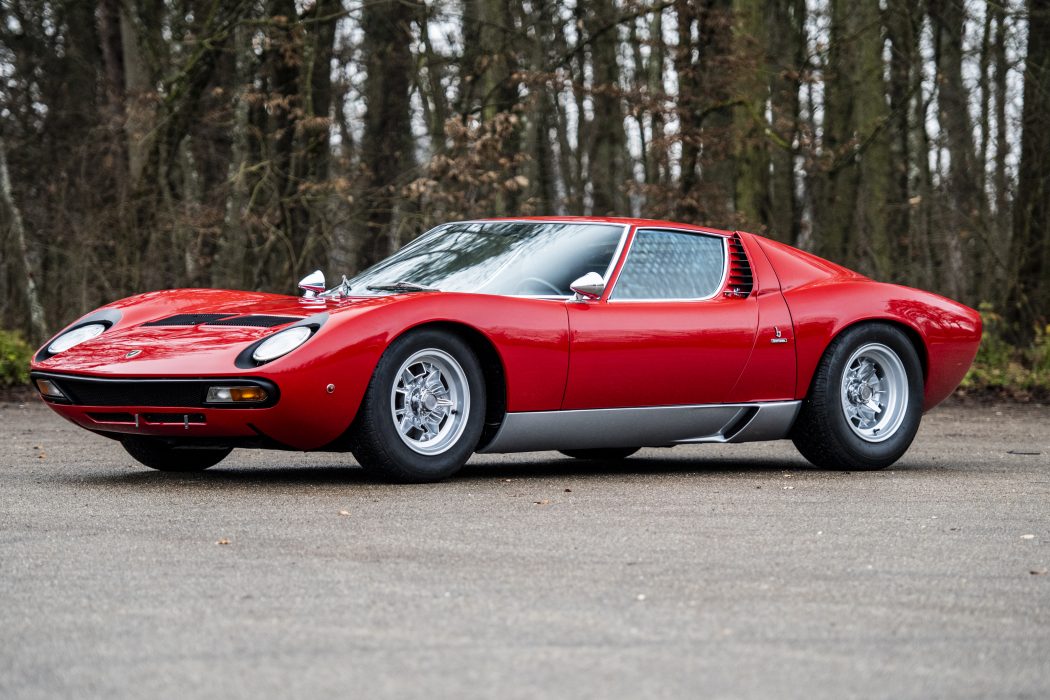
2. Lamborghini Miura P400
The Lamborghini Miura P400 is often credited with establishing the mid-engine layout as the standard for high-performance sports cars. Introduced in the late 1960s, it shocked the automotive world with its radical design, produced by the talented Marcello Gandini at Bertone.
Discovering a Miura in a neglected barn is especially remarkable due to its combination of rarity and fragility.
Many of these vehicles were sold to enthusiasts who enjoyed driving them, meaning most were either maintained or quickly restored, making untouched examples exceedingly rare.
The Miura’s V12 engine delivers exhilarating performance, but the delicate mechanicals mean that long-term storage in a poor environment could be disastrous without proper care.
Despite this, barn finds occasionally reveal vehicles that have survived decades with surprisingly little damage, providing an incredible starting point for restoration projects.
The cultural impact of the Miura cannot be overstated, as it became an instant symbol of wealth, speed, and automotive artistry. Finding one hidden away often rekindles stories from its early days, such as its presence in films, celebrity garages, or exotic car shows.
Restoring a Miura from barn conditions requires meticulous attention, as original components, paint colors, and interior details are critical to retaining authenticity.
The discovery of such a car is both a technical challenge and a historical triumph, allowing enthusiasts to reconnect with an era when automakers dared to push boundaries in design and engineering.
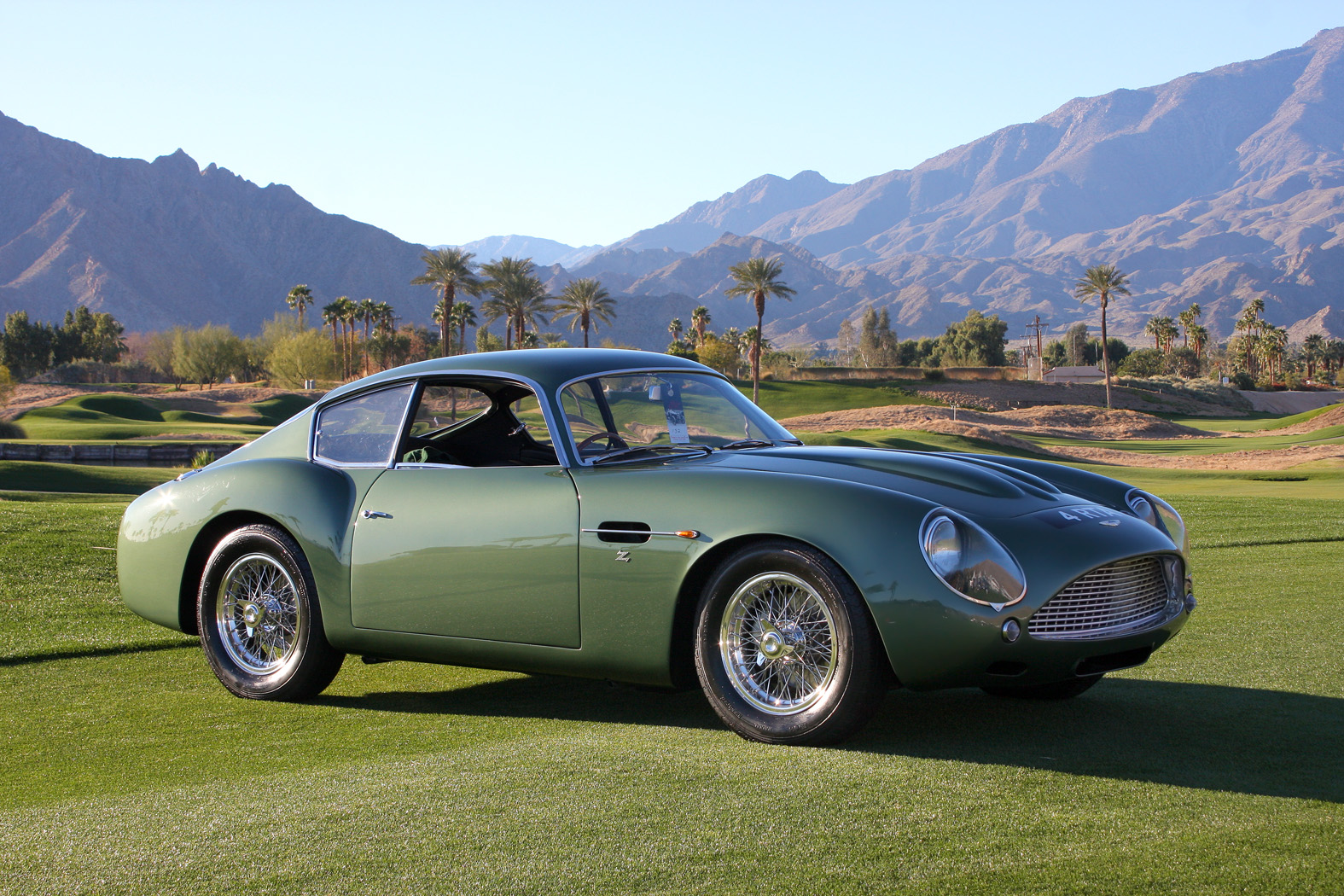
3. Aston Martin DB4 GT Zagato
The Aston Martin DB4 GT Zagato represents one of the most celebrated collaborations between British engineering and Italian design. Produced in extremely limited numbers in the early 1960s, each car reflects a perfect balance of performance, elegance, and exclusivity.
Many DB4 GT Zagatos were initially commissioned by collectors who had a taste for racing, yet over the decades, some have been relegated to storage, their significance unrecognized. Discovering one in a barn is akin to finding a rare artifact from a bygone era of hand-crafted automotive excellence.
The car features lightweight construction, a high-performance engine, and aerodynamic styling that made it competitive in races such as the Tour de France Automobile.
For modern collectors, the DB4 GT Zagato’s value is driven not only by its rarity but also by its provenance, original features, and historical documentation.
Barn finds often provide insights into a vehicle’s history that would otherwise be lost, including modifications, mileage, and ownership stories. Restoring a barn-found DB4 GT Zagato demands precision and patience, as sourcing original parts can be extraordinarily difficult.
Each discovery is celebrated not just as a financial asset but as a testament to the craftsmanship and dedication of the era.
The aesthetic appeal of the Zagato bodywork, combined with Aston Martin’s engineering excellence, ensures that these cars remain a pinnacle of automotive design, and any barn find instantly becomes a centerpiece for collectors and enthusiasts alike.
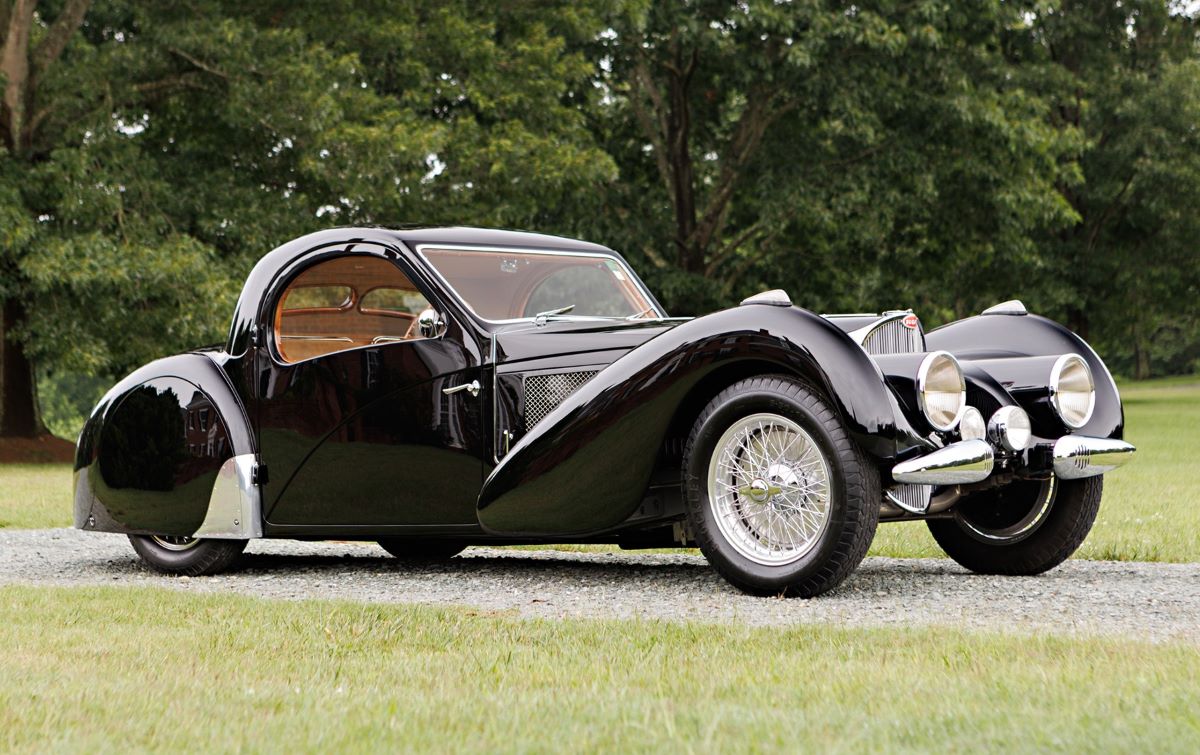
4. Bugatti Type 57SC Atalante
The Bugatti Type 57SC Atalante is a masterpiece of pre-war automotive engineering, combining elegance, speed, and the meticulous craftsmanship of the Bugatti brand. Produced in the 1930s, the Type 57SC Atalante is one of the rarest Bugattis ever made, with only a handful surviving today.
Finding one in a barn is exceedingly rare, as most of these vehicles were either meticulously maintained or lost to time through neglect and wartime circumstances. A barn discovery often presents a car in a time-warp state, with original details and finishes that have remained untouched for decades.
The Type 57SC Atalante’s supercharged engine provided impressive performance for its era, while its aerodynamic bodywork and luxurious interior set it apart from contemporaries.
For collectors, such a find is the realization of a dream, offering the opportunity to restore an automotive icon to its former glory.
Beyond technical restoration, the car’s provenance plays a critical role in determining its value, and barn finds can often yield surprising historical details.
Owning a Bugatti Type 57SC Atalante is not just about possession; it is about preserving a piece of automotive artistry that embodies the fusion of engineering precision and design elegance.
Each discovery reinforces the enduring legacy of Bugatti as a maker of some of the most beautiful and technically advanced cars ever produced.

5. McLaren F1
The McLaren F1, introduced in the early 1990s, redefined the concept of a supercar by combining raw speed, innovative engineering, and a driver-focused experience.
With a naturally aspirated V12 engine designed by BMW, the car achieved record-breaking performance for its time, including a top speed that remained unbeaten for years.
Discovering a McLaren F1 in a barn is almost unthinkable given its extreme value and desirability, yet a few stories have emerged where these extraordinary machines sat hidden, largely forgotten, for decades.
Many owners who acquired these vehicles treated them with great care, but circumstances such as inheritance, relocation, or personal disinterest occasionally led to long-term storage in less-than-ideal conditions.
The barn-find McLaren F1 lies not only in its rarity, with only 106 units ever produced, but also in the intricate details that make each car unique.
From the gold foil heat shielding in the engine bay to the central driving position, the F1 represents a level of craftsmanship that is rarely seen in modern vehicles.
A barn-stored F1 may present challenges such as deteriorated upholstery, seized components, or mechanical wear, but it also offers the thrilling opportunity to bring an untouched example back to life.
Collectors and enthusiasts are drawn to the car’s combination of engineering brilliance and historical importance, often valuing original condition over restored perfection.
The discovery of an F1 in a forgotten barn highlights the unpredictability of automotive treasures and underscores the passion and dedication required to maintain such an iconic car.
Beyond its mechanical and aesthetic appeal, the McLaren F1 embodies a philosophy of performance purity, emphasizing driver engagement and technological innovation, which makes any hidden example an object of both admiration and reverence.
A barn find of this caliber ignites excitement within the automotive community and often becomes a focal point at high-profile auctions or private collections.
Restoration of a barn-found F1 is a complex process, requiring specialized knowledge and access to rare components. Unlike modern supercars, which rely heavily on computerized diagnostics, the F1’s mechanical systems demand hands-on expertise.
Experts meticulously inspect every subsystem, from the carbon-fiber monocoque chassis to the bespoke BMW V12 engine, ensuring that the vehicle maintains authenticity and historical accuracy.
Often, even minor deviations in materials, finishes, or paint codes can dramatically affect the car’s value, making attention to detail paramount.
The restoration process is not merely about functionality; it is about preserving a legacy that reflects the ambitions of McLaren and the vision of Gordon Murray, the car’s designer.
For many collectors, the journey from discovery to restoration is as significant as the acquisition itself, offering insight into the meticulous processes that define high-end automotive preservation.
Finally, the story behind a barn-stored F1 often carries as much weight as the car itself. Many examples end up forgotten due to inheritance complications, changes in personal interest, or logistical challenges of maintaining such a sophisticated machine.
When these cars are rediscovered, they bring with them a wealth of history, from the original sales paperwork to the unique specifications ordered by the first owner. Each detail contributes to the car’s provenance, enhancing its narrative and reinforcing the significance of the find.
In this way, the McLaren F1 barn finds not only deliver a thrilling restoration challenge but also preserve an irreplaceable chapter in automotive heritage, reminding collectors and enthusiasts alike of the importance of passion, patience, and historical stewardship.
6. Porsche 917
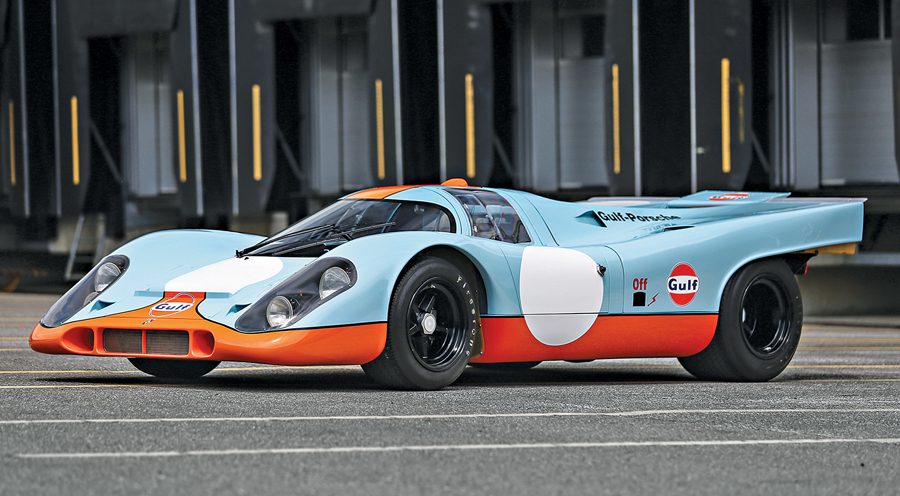
The Porsche 917 is legendary for its dominance in endurance racing, particularly the 24 Hours of Le Mans, and it remains one of the most iconic race cars of all time.
With a flat-12 engine producing extreme power and a lightweight chassis optimized for speed, the 917 was a technological marvel of the late 1960s and early 1970s.
Discovering a 917 in a barn is extraordinarily rare due to the limited number produced and their intensive racing history. These cars were designed for competition, and most were either preserved by museums or dismantled after their racing careers ended.
The allure of a barn find lies in uncovering an untouched piece of motorsport history, often in a condition that offers insight into the original engineering choices. Even if a vehicle shows decades of neglect, it provides an invaluable opportunity to restore a living piece of racing heritage.
Beyond mechanical performance, the 917’s design was revolutionary, balancing aerodynamic efficiency with chassis rigidity.
A barn-stored 917 may present significant restoration challenges, including engine rebuilding, bodywork repairs, and sourcing original components, but its historical value far exceeds the difficulties of restoration.
Collectors and museums prize these vehicles for their direct connection to one of the golden eras of endurance racing.
The cultural significance of the Porsche 917 extends beyond its engineering. Its victories at Le Mans and other international circuits helped establish Porsche as a dominant force in motorsport.
Each barn find carries the narrative of its racing past, which may include unique liveries, documented victories, or modifications made for specific events.
This provenance elevates the car’s status, transforming it from a mechanical marvel into a storytelling vehicle that connects enthusiasts to decades of racing heritage.
Restoration efforts aim to preserve these stories while returning the car to functional glory, often requiring collaboration between historians, engineers, and craftsmen familiar with Porsche’s legacy.
The rarity of a barn-stored 917 ensures that each find is treated with immense care and reverence, acknowledging both its historical and mechanical importance.
Finally, the rediscovery of a Porsche 917 in a barn often sparks renewed interest in the car’s historical achievements.
It allows collectors, enthusiasts, and historians to examine an unaltered example, offering insights into Porsche’s design philosophy and racing strategy.
These barn finds also remind the automotive community that even the most legendary vehicles can be forgotten in storage, waiting decades to be appreciated once again.
The excitement surrounding such a discovery underscores the enduring fascination with rare supercars and the lengths collectors will go to preserve automotive history.
7. Jaguar XJ13
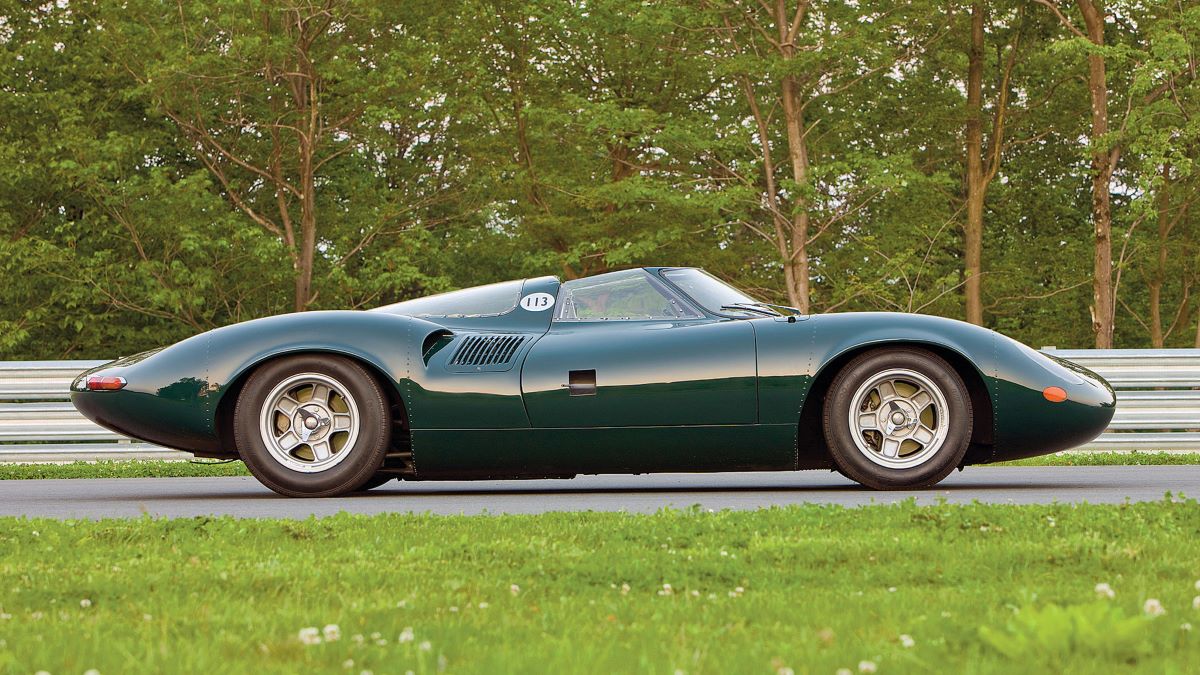
The Jaguar XJ13 is an extraordinary example of British engineering that never fully saw competitive racing, making it one of the most mysterious and revered cars of its era.
Built in the 1960s, the XJ13 featured a mid-mounted V12 engine and a sleek aerodynamic body, designed specifically for Le Mans.
Only one prototype was ever completed, giving it unparalleled rarity and historical significance. Discovering this car in a barn would be almost unthinkable, yet stories of barn finds remind us that even the most valuable vehicles can occasionally disappear from public view.
For automotive historians, the XJ13 represents a blend of technical ambition and aesthetic elegance, embodying Jaguar’s vision of what a perfect racing prototype should be.
Despite being a prototype, the car demonstrated exceptional engineering, including lightweight aluminum construction, sophisticated suspension systems, and advanced aerodynamics for the 1960s.
A barn-stored XJ13 would likely require extensive restoration, but its value as a historical artifact would far outweigh the technical challenges.
The very act of rediscovery allows collectors to connect with a piece of automotive history that had been lost to time, highlighting the unpredictability of supercar preservation.
The rarity of the XJ13 also emphasizes the emotional impact of barn finds. Unlike mass-produced supercars, this prototype embodies a singular vision, making its rediscovery not only a technical achievement but also an almost poetic moment for collectors.
Owning an XJ13 is not simply about having a car; it is about safeguarding a unique piece of automotive heritage, one that represents the pinnacle of Jaguar’s engineering creativity.
Such vehicles become conversation pieces, sources of fascination, and symbols of automotive ambition realized in metal and machinery. For enthusiasts, the knowledge that an XJ13 sat hidden for decades enhances its mystique and storytelling value.
Finally, the Jaguar XJ13 barn find underscores the broader importance of preserving rare vehicles. These discoveries act as time capsules, offering insights into design trends, technological experimentation, and the competitive pressures that shaped the automotive world.
The XJ13, with its mid-engine V12 and unfulfilled racing potential, serves as a reminder that even in the highest echelons of automotive engineering, some masterpieces can slip quietly into obscurity.
Rediscovery allows not just restoration but also the opportunity to celebrate a visionary creation that might otherwise have been forgotten. A barn-stored XJ13 is a testament to the intersection of ambition, rarity, and fate in the world of supercars.
8. Ford GT40 Mk II
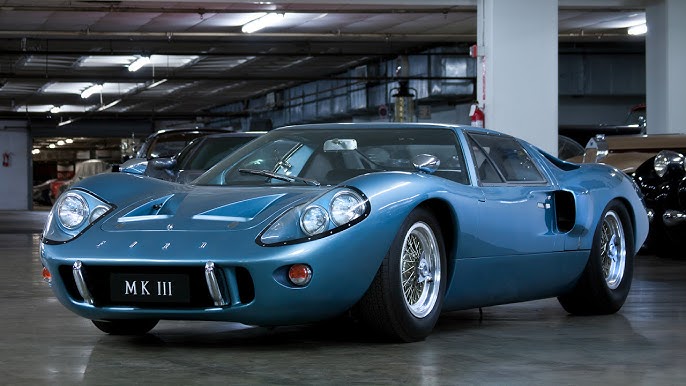
The Ford GT40 Mk II achieved legendary status through its historic victories at the 24 Hours of Le Mans in the 1960s, famously defeating Ferrari in a defining moment of motorsport history.
With a robust V8 engine, aerodynamic body, and race-focused engineering, the GT40 Mk II was a benchmark for endurance racing excellence.
Finding one of these machines in a barn is extraordinary because most surviving examples were either retained by collectors or preserved in museums due to their racing significance.
However, stories of barn finds reveal that even such celebrated cars can be forgotten in storage, waiting decades to resurface.
A barn-stored GT40 Mk II may present mechanical challenges, including engine wear, corrosion, or damaged suspension components, but the thrill of restoring an original racing legend often outweighs the difficulties.
Collectors and historians prize these cars for their combination of performance, heritage, and historical narrative, which makes a rediscovered example a unique opportunity to preserve an iconic chapter in automotive history.
The GT40 Mk II also represents a technological milestone in racing. Its mid-engine layout, lightweight construction, and aerodynamic refinements contributed to its dominance on the track.
Barn finds often reveal the vehicle in a near-original state, preserving details such as racing liveries, period-correct instrumentation, and unique mechanical modifications.
For enthusiasts, this provides a rare chance to study the car as it existed in its original form, offering insights that may be lost in cars that underwent extensive modifications or restorations over the decades.
Restoration projects often involve meticulous attention to these details, as authenticity significantly impacts both historical and financial value.
Each component, from the engine block to the brake calipers, must be assessed carefully to maintain the integrity of the car as a genuine racing artifact.
Finally, barn-stored GT40 Mk IIs underscore the fragility and unpredictability of automotive preservation. Many of these vehicles were initially race cars rather than collector items, making their survival remarkable.
The rediscovery process often involves careful investigation of provenance, mechanical assessment, and historical documentation.
The result is more than just a restored supercar; it is the revival of a narrative that connects engineering, culture, and competition.
A barn-stored Ford GT40 Mk II is a rare and irreplaceable gem, reminding the world that even the most celebrated automotive icons can sometimes be lost and then found, waiting patiently to reclaim their place in history.

9. Mercedes-Benz 300SL Gullwing
The Mercedes-Benz 300SL Gullwing, introduced in the 1950s, is instantly recognizable for its distinctive upward-opening doors and elegant aerodynamic form. Originally designed as a racing car, it was adapted for the road with remarkable attention to engineering and style.
Barn finds of the 300SL are especially rare, given the car’s value and the careful preservation by early owners, yet occasionally examples emerge after decades of being forgotten.
A barn-stored 300SL may show signs of neglect, such as rusted body panels, deteriorated interior materials, or a seized engine, but the opportunity to restore a car of such historical importance is invaluable.
Each rediscovered Gullwing is a testament to the blend of engineering excellence, visual design, and racing heritage that made Mercedes-Benz an international symbol of innovation.
Culturally, the 300SL Gullwing represents post-war optimism, European craftsmanship, and the emergence of the sports car as a status symbol.
Rediscovering a barn-stored example allows collectors and enthusiasts to experience the car as it was initially conceived, offering a tangible connection to the social and cultural environment of the 1950s.
The car’s elegance, combined with its mechanical sophistication, makes it a symbol of timeless design that continues to captivate admirers decades later.
Finally, the story of a barn-find 300SL highlights the unpredictability of automotive history. Despite its iconic status, some cars were forgotten in storage, their value recognized only decades later.
Each rediscovery contributes to the broader narrative of automotive preservation, demonstrating how the passage of time can both conceal and reveal extraordinary treasures.
The Gullwing’s legacy, coupled with the thrill of rediscovery, ensures that each barn-stored example becomes a celebrated addition to any collection, a bridge between history, engineering, and timeless beauty.

10. Bugatti EB110 Super Sport
The Bugatti EB110 Super Sport, produced in the early 1990s, represents the revival of the Bugatti brand with cutting-edge technology and extreme performance.
Equipped with a quad-turbocharged V12 engine, all-wheel drive, and an innovative carbon-fiber monocoque, the EB110 SS pushed the boundaries of supercar engineering at the time.
Barn finds of this car are exceedingly rare due to its limited production and the dedicated care most owners provided. Nevertheless, some examples have emerged after years of obscurity, surprising collectors and enthusiasts with their untouched originality.
A barn-stored EB110 presents significant restoration challenges, including servicing the complex engine, repairing delicate carbon-fiber components, and sourcing scarce mechanical and electrical parts.
Yet the reward lies in reviving one of the most technologically advanced supercars of its era, offering both historical significance and extreme performance in a single package.
The EB110 SS also holds cultural and historical importance. It marked a bold attempt to resurrect the Bugatti brand after decades of dormancy, and its performance benchmarks rivaled the fastest cars of the early 1990s.
Rediscovered examples often retain original specifications, paint, and interior details, providing valuable insight into the ambitions of the manufacturer.
Restoring a barn-stored EB110 is both a technical and historical exercise, requiring expert knowledge of early carbon-fiber construction, turbocharged engine dynamics, and precision assembly techniques.
Each completed restoration becomes not only a functional supercar but a preserved piece of automotive heritage that reflects Bugatti’s vision and ambition during its rebirth.
Finally, the Bugatti EB110 SS barn find serves as a bridge between generations of supercar engineering.
It connects the pioneering innovations of the 20th century with modern technological advancements, highlighting Bugatti’s ongoing commitment to performance, luxury, and exclusivity.
Each rediscovered EB110 contributes to the collective understanding of automotive evolution and the extraordinary risks, ambitions, and craftsmanship involved in creating vehicles that define their era.
These barn finds remain among the most thrilling and historically significant moments in the supercar world, proving that even modern legends can disappear into obscurity and return with a story worth telling.