
Columbus winters test vehicles in ways that mild climates never do. Temperatures drop below freezing for months, snow piles up on roads faster than plows can clear it, and ice forms in places you’d never expect.
Road salt eats away at metal components, creating rust that spreads if you’re not careful. Cold mornings reveal which cars start reliably and which leave you stranded in your driveway, late for work, and frustrated beyond measure.
You’ve probably experienced that sinking feeling when your car won’t start on a frigid January morning. Or maybe you’ve dealt with a check engine light that appears every winter, disappears in spring, and returns like clockwork when temperatures drop again.
Some vehicles handle these conditions effortlessly, starting reliably, maintaining traction, and continuing to function as if the weather didn’t exist. Others develop problems that drain your wallet and patience, requiring constant repairs that never quite solve the underlying issues.
Choosing the right vehicle for Columbus winters makes a massive difference in your daily life. You need something that starts when temperatures plummet, handles snow-covered roads confidently, and doesn’t develop expensive problems every season.
Some manufacturers engineer their vehicles specifically for harsh climates, using materials and designs that resist corrosion, cold-weather failures, and the constant stress that winter driving inflicts. Others cut corners or use components that simply can’t handle extended exposure to freezing temperatures and road salt.
On this page, we will examine ten vehicles, split into two groups. First, we’ll look at five cars that excel during Columbus winters, proving themselves reliable through years of cold-weather testing.
Then we’ll discuss five vehicles that struggle, developing recurring issues that frustrate owners and mechanics alike. Understanding both sides helps you make informed decisions when selecting your next vehicle.
5 Cars That Survive Columbus Winters
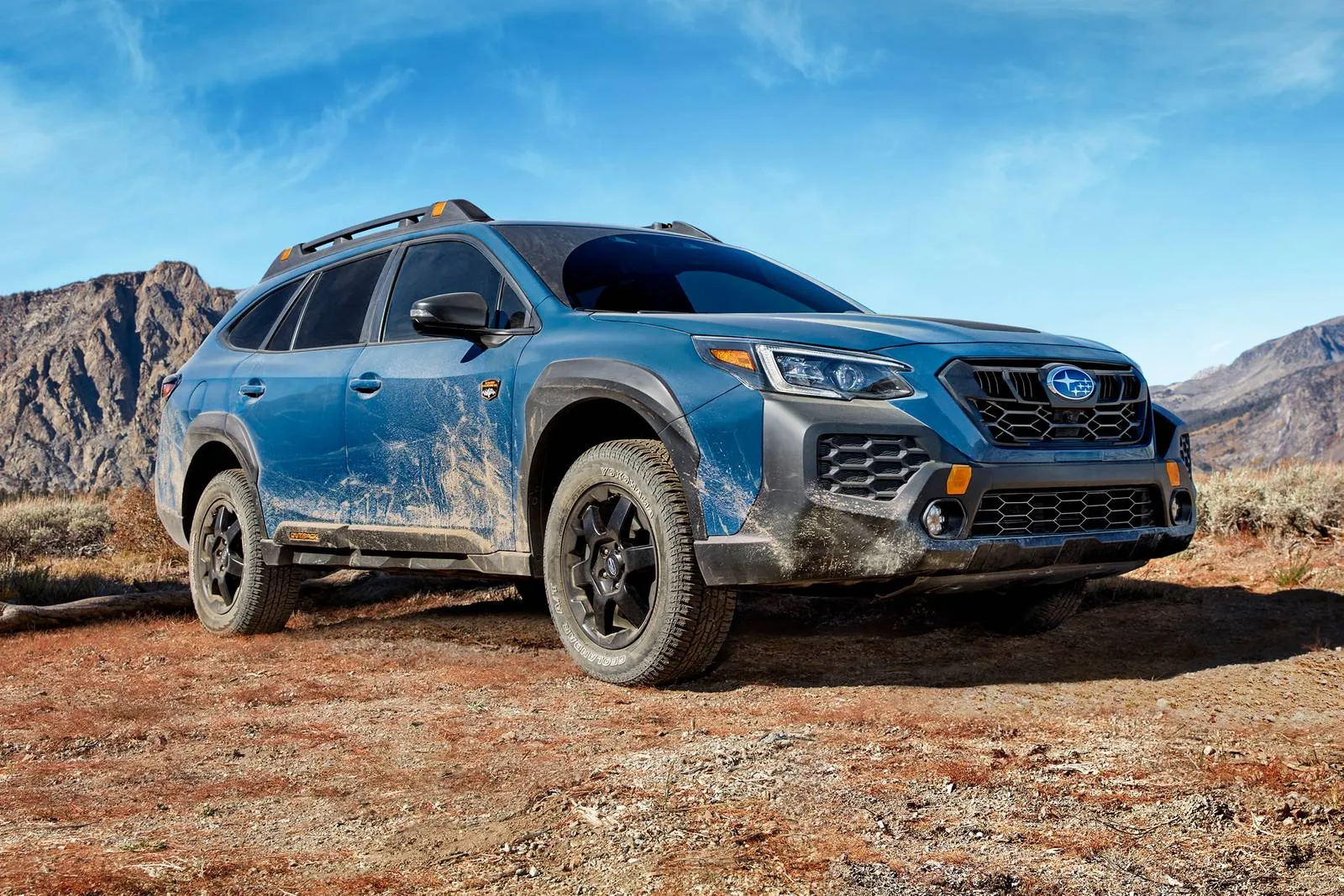
1. 2024 Subaru Outback Wilderness
Winter driving becomes dramatically easier when your vehicle comes standard with all-wheel drive designed specifically for harsh conditions. Subaru built the 2024 Outback Wilderness with symmetrical all-wheel drive that sends power to all four wheels continuously rather than waiting for slip to occur.
This proactive approach provides better traction on snow-covered roads, icy patches, and slushy conditions that define Columbus winters. You feel the difference immediately when accelerating from stops on slippery surfaces or maintaining control through corners where other vehicles slide.
Ground clearance matters tremendously when snow accumulates faster than plows can clear it. This Wilderness trim sits higher than standard Outbacks, providing 9.5 inches of clearance that helps you push through deeper snow without getting stuck.
You’re not nervously watching snow depth or avoiding unplowed side streets because you fear bottoming out. Approach and departure angles accommodate steep driveways covered in packed snow, situations that trap lower vehicles.
Subaru engineers this vehicle, understanding that owners will face extreme temperatures. Battery systems include cold-weather protection that maintains reliable starting even when thermometers show single digits or below zero.
Remote start warms the engine and cabin before you leave the house, defrosting windows and warming seats so you’re not scraping ice or sitting in a freezing car. Heated seats, a heated steering wheel, and a heated windshield wiper de-icer come standard, addressing common winter frustrations.
Rust resistance receives serious attention through extensive undercoating and corrosion-resistant materials. Columbus road salt is brutal on vehicles, but Subaru applies protective coatings to vulnerable areas and uses materials that resist oxidation better than cheaper alternatives.
Owners report Outbacks maintaining structural integrity years longer than competitors that rust prematurely in salt-heavy environments. All-weather tires or dedicated winter tires mounted on this platform create a winter-capable combination that handles Columbus conditions confidently.
X-Mode enhances traction control during challenging conditions, optimizing power delivery and braking to maintain control when roads turn treacherous.
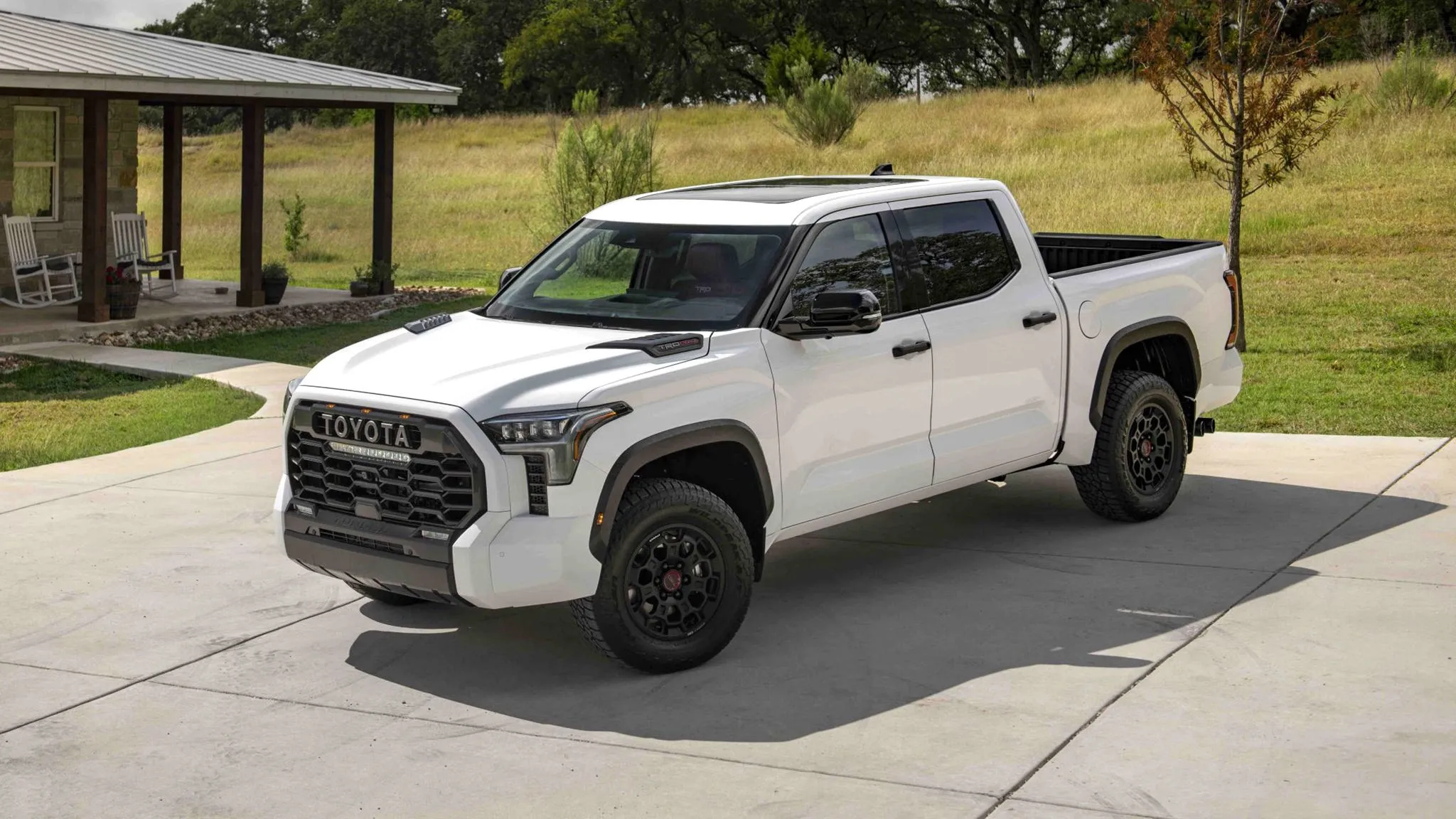
2. 2024 Toyota Tundra TRD Pro
Pickup trucks face unique winter challenges, but the 2024 Toyota Tundra TRD Pro handles them with characteristic Toyota reliability. Four-wheel drive with low-range gearing provides traction for pulling vehicles stuck in snow, pushing through unplowed parking lots, or maintaining control on ice-covered hills.
You’re not worried about getting stuck because you have mechanical capability and ground clearance to handle whatever Columbus winter throws at you. Cold-weather reliability defines Toyota’s reputation, and this Tundra continues that tradition.
Twin-turbo V6 engine starts consistently regardless of temperature, firing up smoothly even after sitting outside overnight in sub-zero conditions. Battery capacity and starter motor sizing account for cold-weather demands, providing adequate cranking power when oil thickens and engines resist turning.
Owners report years of reliable winter starts without needing jump-starts or battery replacements beyond normal service intervals. Bed utility becomes more valuable during winter when you need to transport snow blowers, bags of salt, firewood, or help neighbors move furniture in any weather.
Spray-in bedliners resist cracking in cold temperatures, maintaining protective qualities year-round. Integrated tie-downs secure loads that might slide around during winter driving. Payload capacity handles heavy loads of winter supplies without affecting handling or safety.
TRD Pro suspension tuning provides compliance over rough surfaces created by freeze-thaw cycles that destroy pavement. Potholes appear constantly during Columbus winters, but this truck’s suspension absorbs impacts without transferring harsh jolts to passengers or damaging components. Skid plates protect vulnerable underbody components from snow banks, ice chunks, and hidden obstacles buried under snow.
Toyota’s rust-proofing has improved dramatically in recent years, with extensive undercoating and cavity wax treatments protecting vulnerable areas. Frame construction uses thicker metal in critical areas, resisting perforation longer than competitors.
Electrical connections receive weatherproof coatings that prevent corrosion-related failures: heated mirrors, heated seats, and remote start address daily comfort needs.
Also Read: 5 Cars for Colorado Springs Mountain Roads vs 5 That Struggle Uphill
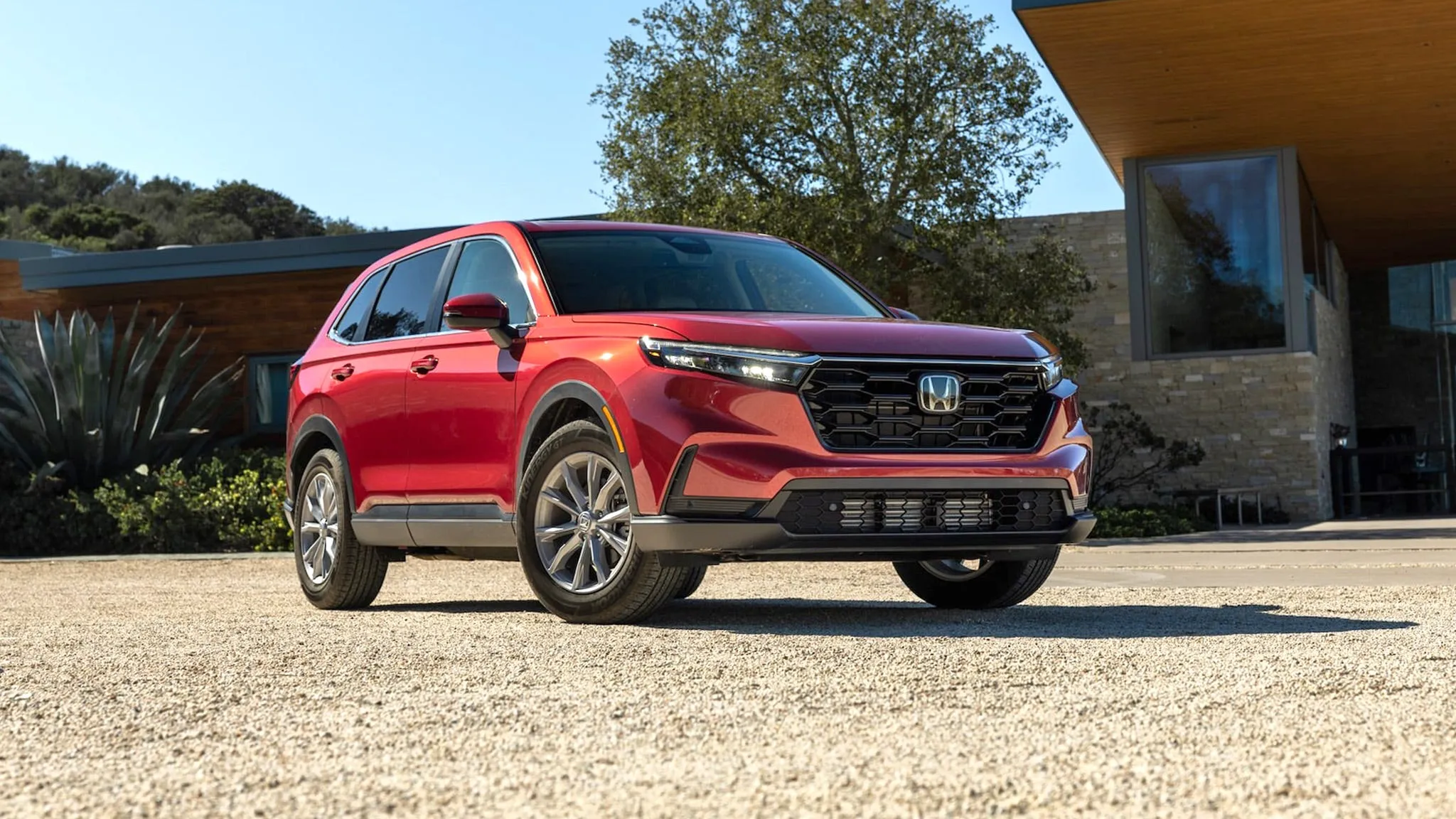
3. 2024 Honda CR-V EX-L
Compact crossovers need to balance efficiency with capability, and the 2024 Honda CR-V EX-L achieves this balance while maintaining Honda’s legendary reliability. All-wheel drive system responds quickly when front wheels lose traction, sending power rearward to maintain forward motion.
This system works unobtrusively in the background, activating only when needed to preserve fuel efficiency during dry-road driving while providing confident winter traction when conditions deteriorate.
Honda’s cold-weather engineering ensures reliable operation during extended freezing periods. Engine block heaters are available as accessories to pre-warm engines for easier starting and reduced wear during cold starts. Remote start activates cabin heating and defrosting, preparing the vehicle for immediate departure.
Heated seats and a heated steering wheel make morning commutes more comfortable. Windshield wiper de-icer melts ice that would otherwise prevent blades from functioning properly. Visibility remains crucial during winter when snow, slush, and darkness reduce sightlines.
Large windows and slim pillars provide better outward visibility than many competitors, helping drivers spot icy patches, pedestrians wearing dark clothing, or vehicles approaching from obscured angles. Heated mirrors clear ice and snow quickly, maintaining side visibility. Automatic headlights and LED technology provide better illumination during gloomy winter days.
Honda builds vehicles with corrosion resistance that keeps them looking and functioning properly for years. Body panels resist rust better than many competitors, maintaining structural integrity even when exposed to constant road salt spray.
Exhaust systems use stainless steel components that don’t rust through prematurely. Brake lines and fuel lines receive protective coatings. Door hinges and latches continue operating smoothly rather than seizing from corrosion.
Fuel efficiency during winter remains reasonable because Honda optimizes cold-weather operation. Engine warms quickly to operating temperature, reducing the period of high fuel consumption that occurs during warm-up. Transmission shifting remains smooth in cold weather rather than developing harsh engagement that plagues some competitors.
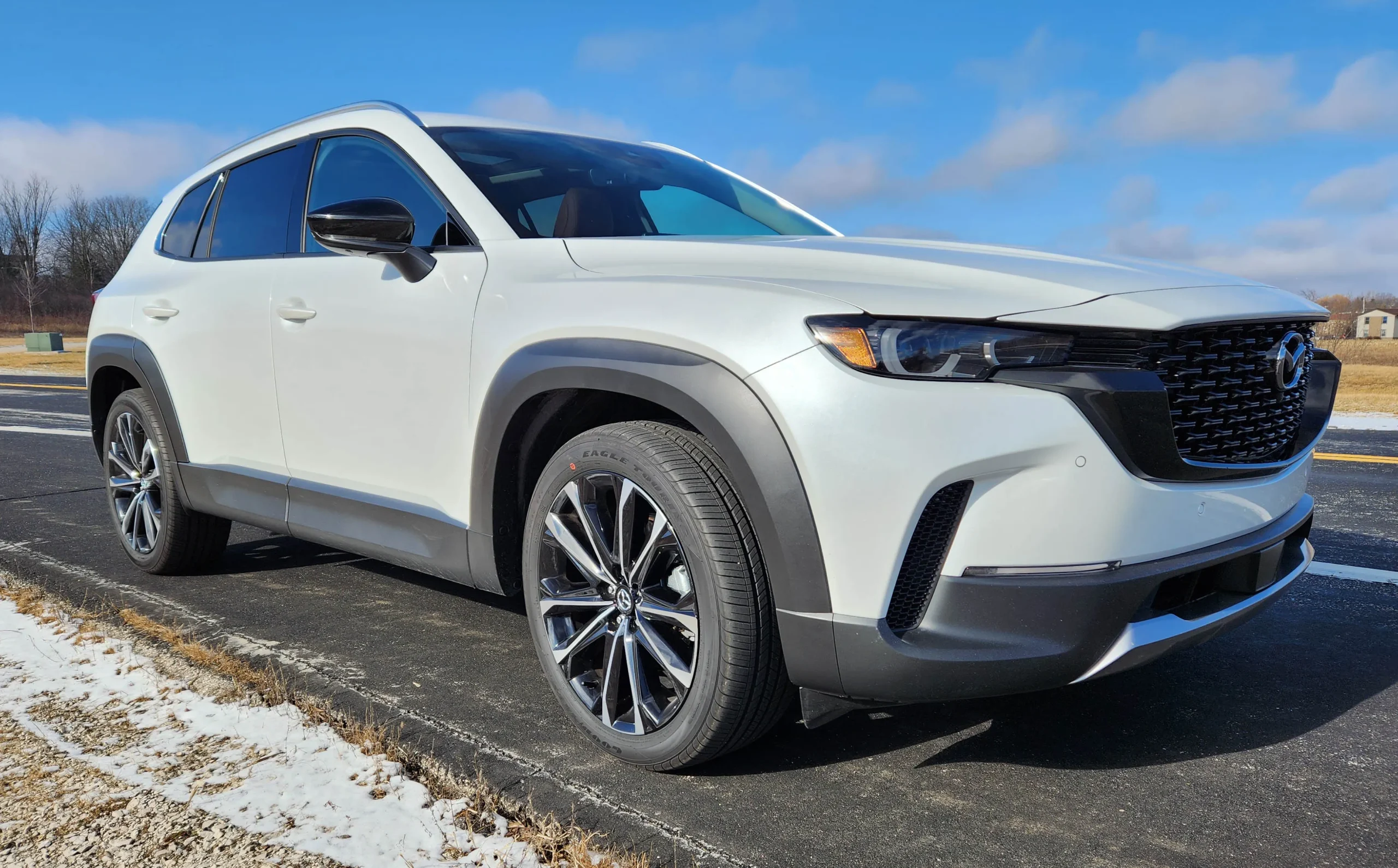
4. 2024 Mazda CX-50 Turbo Premium Plus
Driving enjoyment doesn’t need to disappear during winter, and the 2024 Mazda CX-50 Turbo Premium Plus proves this emphatically. All-wheel drive provides confident traction, but Mazda tuned this system to maintain some driving engagement rather than creating a completely disconnected feel.
You still sense what the tires are doing, which helps you drive smoothly rather than simply relying on electronics to save you from poor technique. The turbocharged engine provides strong acceleration even in cold, dense air. You’re not struggling to merge onto highways or climb snow-covered hills because power delivery remains robust regardless of temperature.
Engine starts reliably in freezing conditions, with battery and starter systems sized adequately for cold-weather demands. Oil formulation recommendations from Mazda ensure proper flow during cold starts, protecting engine components from excessive wear.
Mazda prioritizes rust prevention through extensive undercoating and corrosion-resistant materials. Body construction uses treated steel that resists oxidation better than untreated alternatives.
Wheel wells receive protective coatings that shield vulnerable areas from constant salt spray. Owners report CX-50 models maintaining clean undercarriages years after purchase, unlike competitors, who show visible rust within months of winter exposure.
Heated and ventilated front seats, heated rear seats, and a heated steering wheel address comfort across temperature ranges. Dual-zone climate control allows the driver and passenger to set different temperatures, ending arguments about cabin temperature.
Windshield wiper de-icer prevents ice buildup that reduces clearing effectiveness. Rain-sensing wipers activate automatically when snow or slush hits the windshield. Premium Plus trim includes adaptive LED headlights that adjust beam patterns based on steering angle and oncoming traffic, improving visibility during dark winter evenings.
Head-up display projects information onto the windshield, reducing time spent looking down at instruments. This CX-50 demonstrates that winter-capable vehicles can maintain driving pleasure while handling harsh conditions reliably.
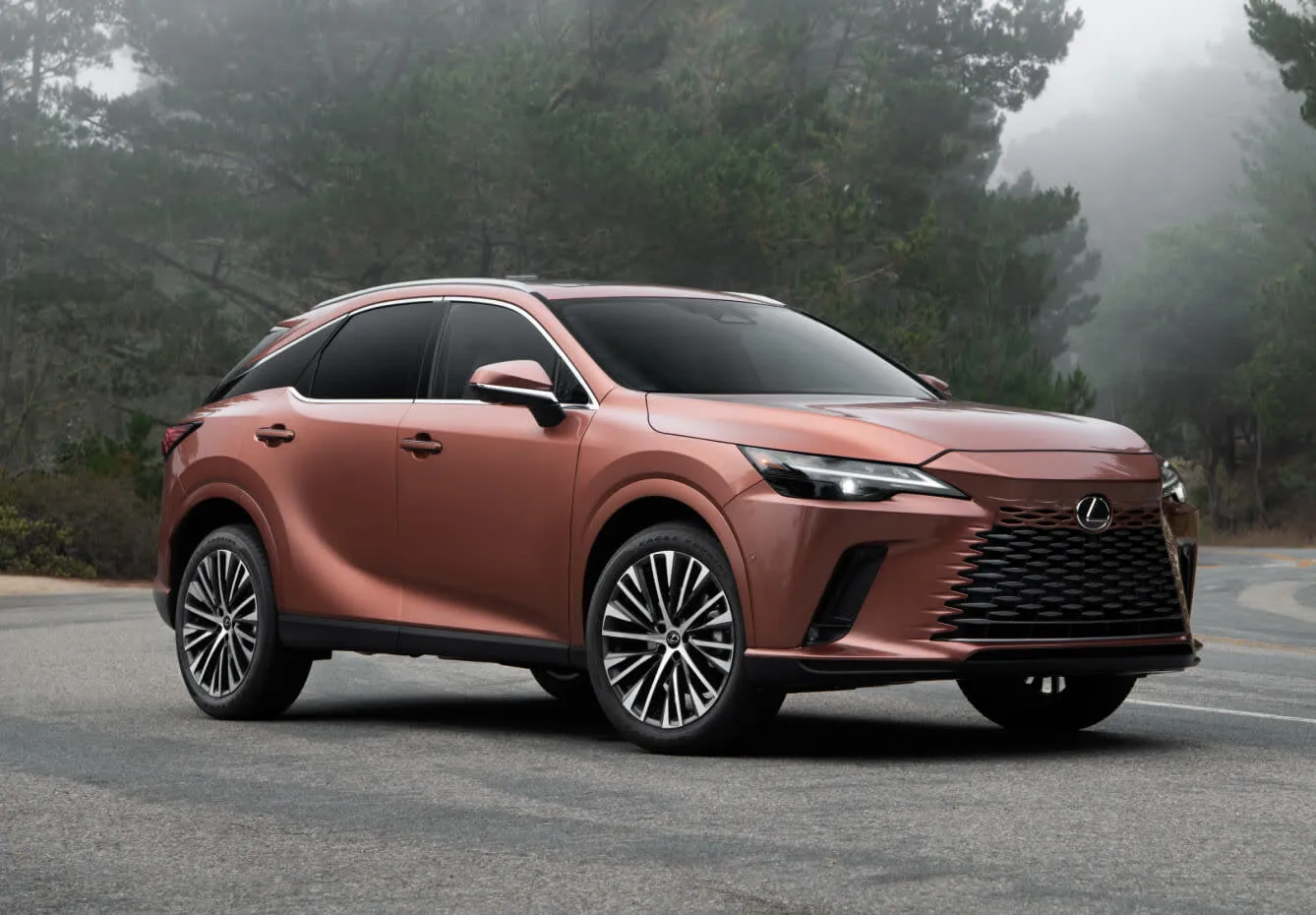
5. 2024 Lexus RX 350h AWD
Luxury and winter capability combine seamlessly in the 2024 Lexus RX 350h AWD, creating a vehicle that handles Columbus winters while maintaining refined comfort. A hybrid powertrain provides instant torque from electric motors, helpful when accelerating on slippery surfaces, where smooth power delivery prevents wheel spin. All-wheel drive distributes power between front and rear axles intelligently, maintaining traction without driver intervention.
Lexus builds vehicles to last, and cold-weather reliability reflects this commitment. Hybrid battery systems include thermal management that maintains optimal operating temperature regardless of ambient conditions.
You’re not experiencing reduced electric range or sluggish performance just because temperatures dropped. The engine starts reliably even after sitting in the airport parking during extended cold snaps. Premium battery and electrical components resist cold-weather failures that plague lesser vehicles.
Cabin insulation provides exceptional quiet, even during harsh weather. Wind noise remains minimal despite winter storms. Road noise from tire impacts on frozen pavement stays well-controlled.
Engine noise filters into the cabin only faintly, creating a peaceful environment that reduces stress during difficult driving conditions. This refinement makes winter commutes less exhausting mentally and physically.
Lexus applies extensive rust prevention treatments during manufacturing. Body panels and structural components resist corrosion despite constant salt exposure. Stainless steel exhaust components don’t rust through prematurely.
Aluminum suspension components resist oxidation. Paint application includes multiple layers of protection that resist chipping from salt and gravel impacts better than cheaper paint jobs.
5 Cars With Recurring Issues
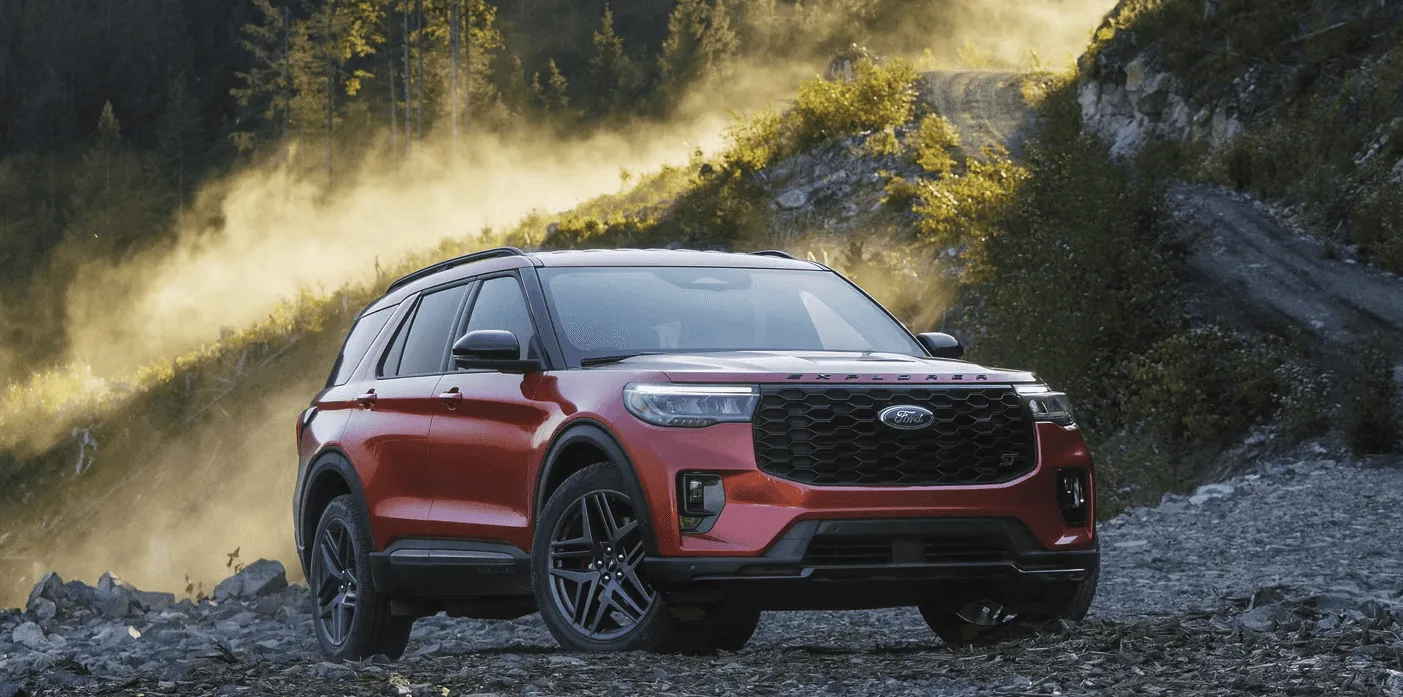
1. 2024 Ford Explorer ST
Performance-oriented crossovers face unique challenges during Columbus winters, and the 2024 Ford Explorer ST demonstrates several recurring problems that frustrate owners. Twin-turbo V6 engine produces impressive power during warm weather, but cold temperatures expose weaknesses in engine management systems.
Check engine lights illuminate frequently during the winter months, often related to turbocharger issues or sensor failures that occur when temperatures drop below freezing. Turbocharger systems require precise oil flow and temperature management, conditions that become difficult to maintain during cold starts.
Owners report sluggish turbo response during the first several minutes of operation, creating flat acceleration until everything warms up. Some experience a turbo wastegate rattle that appears in cold weather and disappears when temperatures rise, indicating thermal expansion issues that Ford hasn’t adequately addressed through redesigns.
Electrical gremlins plague this Explorer during the winter months. Infotainment system freezes or restarts randomly, often when temperatures are coldest. Backup camera displays fail to activate or show distorted images covered in salt spray that washing doesn’t fully remove.
Parking sensors trigger false warnings or fail to detect obstacles properly. These electronic failures stem from components not adequately protected against moisture intrusion and temperature extremes.
Rust appears surprisingly quickly on undercarriage components despite Ford’s claims about improved corrosion protection. Exhaust systems show surface rust within the first winter, progressing to structural corrosion by the third or fourth year.
Brake lines develop surface oxidation faster than expected. Rear subframe mounting points show rust penetration earlier than competing vehicles, raising concerns about long-term structural integrity.
Starting issues occur with frustrating regularity during cold snaps. Battery capacity seems inadequate for the electrical demands of this vehicle, particularly when equipped with remote start and all the electronic accessories.
Owners report needing jump-starts or premature battery replacements despite using quality replacement batteries. Starter motors show signs of strain, developing grinding noises or slow cranking that indicate approaching failure.
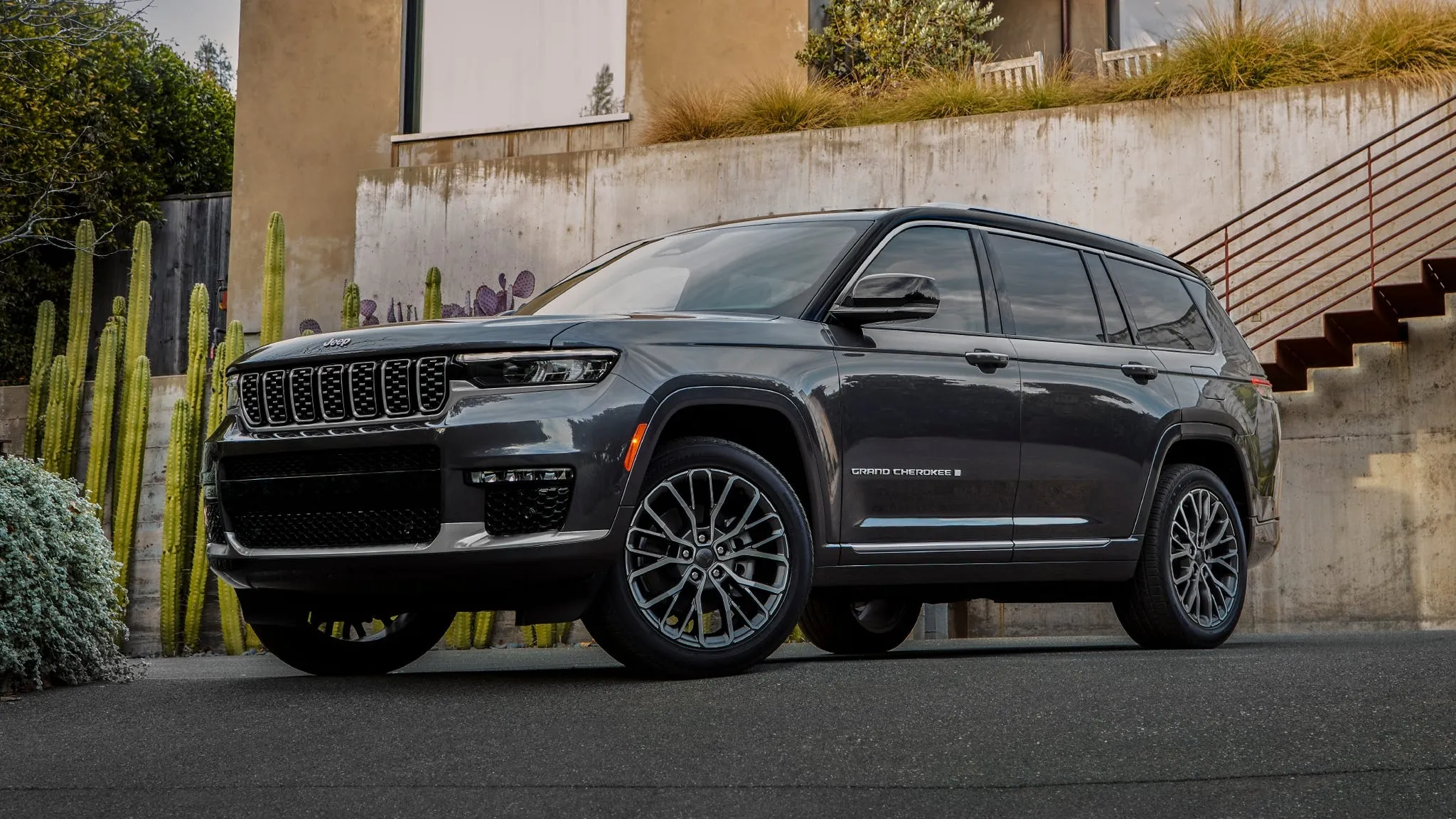
2. 2024 Jeep Grand Cherokee L Limited
Three-row SUVs should provide reliable family transportation, but the 2024 Jeep Grand Cherokee L Limited develops winter-related issues that leave families stranded or facing expensive repairs.
Pentastar V6 engine shows cold-start problems that manifest as rough idling, misfires, or complete failure to start when temperatures drop below 10 degrees Fahrenheit. These issues often relate to fuel injector performance or ignition system weaknesses that cold weather exposes.
Owners report excessive oil consumption during winter months, requiring top-ups between scheduled changes. This problem appears related to piston ring design or cylinder wall finishes that allow oil past rings when metal contracts in cold temperatures.
Oil consumption rates vary between vehicles, suggesting manufacturing quality control issues rather than universal design flaws, but affected owners face potential engine damage if they don’t monitor levels carefully.
Electrical system problems multiply during Columbus winters. Battery drains occur even when the vehicle sits unused for just a few days, indicating parasitic draws that engineers haven’t identified or corrected.
Alternators fail prematurely, often showing signs of bearing wear or voltage regulation problems before complete failure. Owners report dimming lights, flickering dashboard displays, and electrical accessories that work intermittently.
Water leaks develop around doors and the rear hatch, allowing moisture into the cabin that freezes overnight. Door seals harden in cold weather, losing flexibility and creating gaps where wind and water penetrate.
Condensation forms inside headlight and taillight assemblies, creating a foggy appearance and potentially corroding electrical connections. Drainage channels for the sunroof become blocked with debris and freeze, causing water to back up and leak into the headliner.
Rust appears aggressively on brake components, exhaust hangers, and suspension mounting points. Brake rotors develop deep rust pitting that causes vibration and reduced braking effectiveness.
Caliper slide pins seize from corrosion, causing uneven pad wear and pulling during braking. Infotainment system suffers from software glitches that worsen in cold weather, with touchscreen responsiveness degrading and system reboots occurring randomly.
Third-row power folding seats fail to operate when cold, leaving owners manually wrestling seats into position. This Grand Cherokee L Limited demonstrates how poor execution of good ideas creates vehicles that disappoint owners repeatedly, particularly during demanding winter conditions.
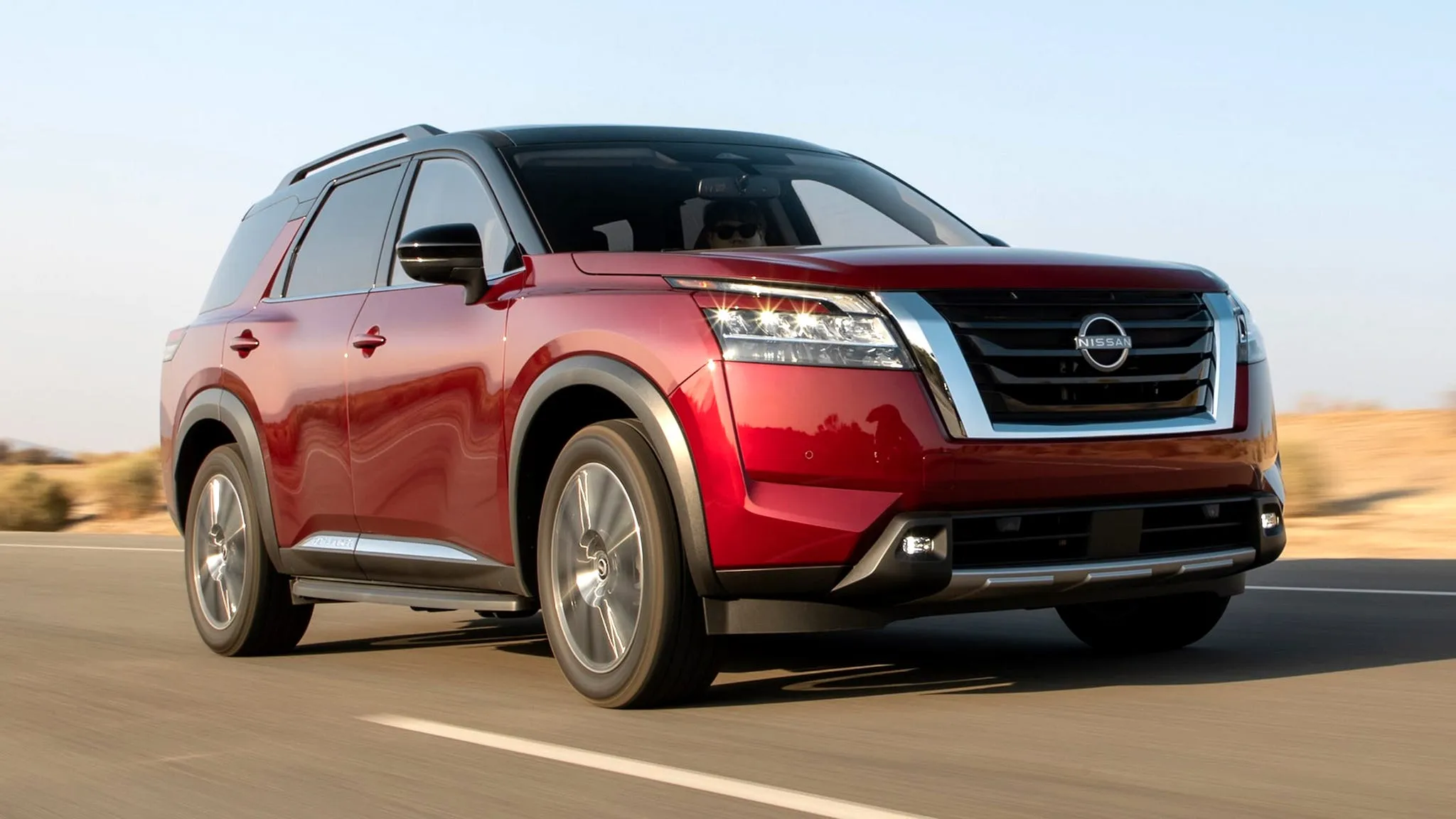
3. 2024 Nissan Pathfinder Platinum
Mid-size SUVs attract families seeking space and capability, but the 2024 Nissan Pathfinder Platinum develops cold-weather issues that undermine reliability. Continuously variable transmission exhibits problems that intensify during the winter months.
Cold-start shuddering occurs regularly, with vibrations felt throughout the vehicle during the first several minutes of operation. Transmission fluid apparently takes longer to reach proper operating temperature, creating harsh engagement and jerky acceleration.
Some owners report transmission entering limp mode during extremely cold weather, limiting speed and power until the vehicle warms completely. This safety feature protects transmission components from damage, but it leaves drivers stranded or moving slowly in traffic, creating dangerous situations. Nissan has issued software updates attempting to address these problems, but many owners report continued issues despite multiple dealer visits.
Engine performance degrades noticeably in cold weather. V6 power output feels diminished during cold starts, with sluggish acceleration and hesitation during throttle application. Fuel economy drops dramatically during winter, often 20 to 30 percent below warm-weather figures, suggesting engine management systems that don’t adapt well to cold, dense air and extended warm-up periods.
Rust develops rapidly on exhaust systems and suspension components. Mufflers and catalytic converters show perforation within three to four years of Columbus winter exposure. Rear differential housing develops surface rust that progresses to structural concerns. Brake components corrode aggressively, with calipers seizing and requiring complete replacement rather than simple pad changes.
Electrical problems appear with frustrating frequency. Battery failures occur prematurely, often within the first two winters, despite Nissan’s warranty coverage.
Alternator performance degrades, showing voltage fluctuations that cause dashboard warning lights and electronic accessory malfunctions. Wiring harnesses develop corrosion at connection points, creating intermittent electrical gremlins that mechanics struggle to diagnose and repair permanently.
Interior materials deteriorate faster than expected when exposed to cold weather cycling. Leather seats develop cracks along seating surfaces and bolsters. Dashboard plastics become brittle, developing squeaks and rattles. Door panel trim pieces loosen, creating annoying sounds during cold-weather driving.
These quality issues combine with mechanical problems to create ownership experiences that fall short of expectations, leaving Pathfinder Platinum owners questioning their purchase decisions and facing recurring repair expenses throughout the winter months.
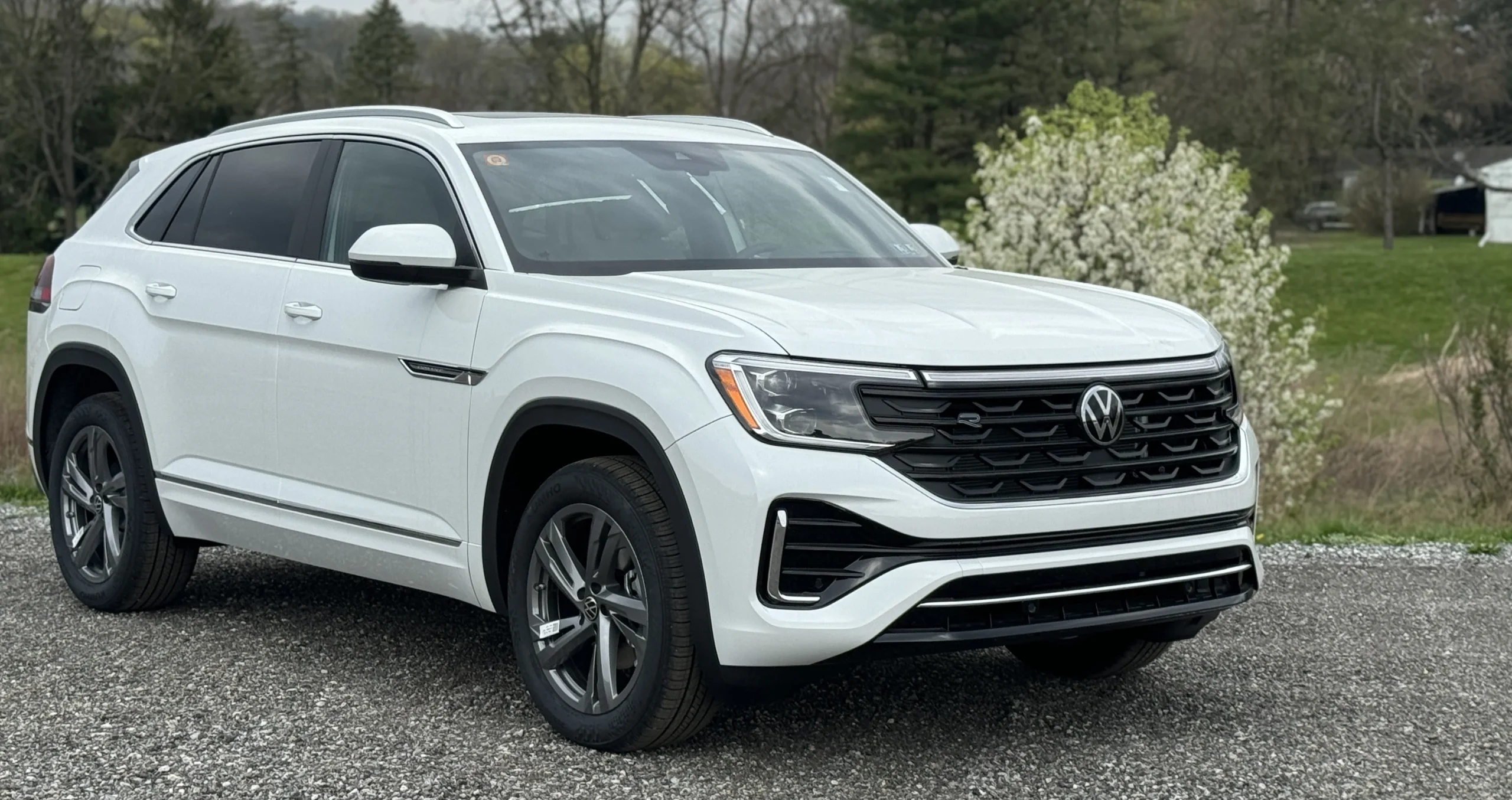
4. 2024 Volkswagen Atlas Cross Sport SEL Premium R-Line
German engineering reputation doesn’t always translate to cold-weather reliability, as the 2024 Volkswagen Atlas Cross Sport demonstrates through recurring winter problems. Turbocharged four-cylinder engine develops issues related to direct fuel injection systems that struggle in freezing temperatures.
Carbon buildup on intake valves worsens during winter when engines run richer and reach operating temperature more slowly, creating rough idle and hesitation that progressively worsen.
Turbocharger systems show premature wear when subjected to cold-start cycles. Oil flow to turbo bearings during cold starts remains inadequate, accelerating bearing wear and eventually causing turbo failure.
Wastegate actuators develop sticking problems in cold weather, triggering check engine lights and limiting boost pressure. These repairs cost thousands of dollars and often occur just outside warranty periods.
Dual-clutch transmission exhibits problems that intensify during Columbus winters. Clutch engagement becomes jerky during cold weather, creating lurching movements during low-speed maneuvering.
Some owners report complete transmission failures requiring replacement, often attributed to moisture intrusion into mechatronic units that aren’t adequately sealed against winter conditions. Software updates attempt to mask symptoms rather than address underlying hardware weaknesses.
Water leaks develop around panoramic sunroof drains that freeze and cause backups. Moisture intrudes into the cabin, soaking carpets and the headliner. Frozen drain tubes burst, requiring expensive repairs that insurance often doesn’t cover. Door seals shrink in cold weather, allowing wind noise and water penetration that creates musty odors and potential electrical problems.
Rust appears faster than expected on components throughout the vehicle. Exhaust systems develop holes within three years. Suspension components show surface rust that progresses to structural corrosion.
Brake components corrode aggressively, requiring frequent replacement. Body panels develop rust around wheel arches and door edges, indicating inadequate corrosion protection during manufacturing.
Also Read: 5 Cars Perfect for New York City Traffic vs 5 to Avoid
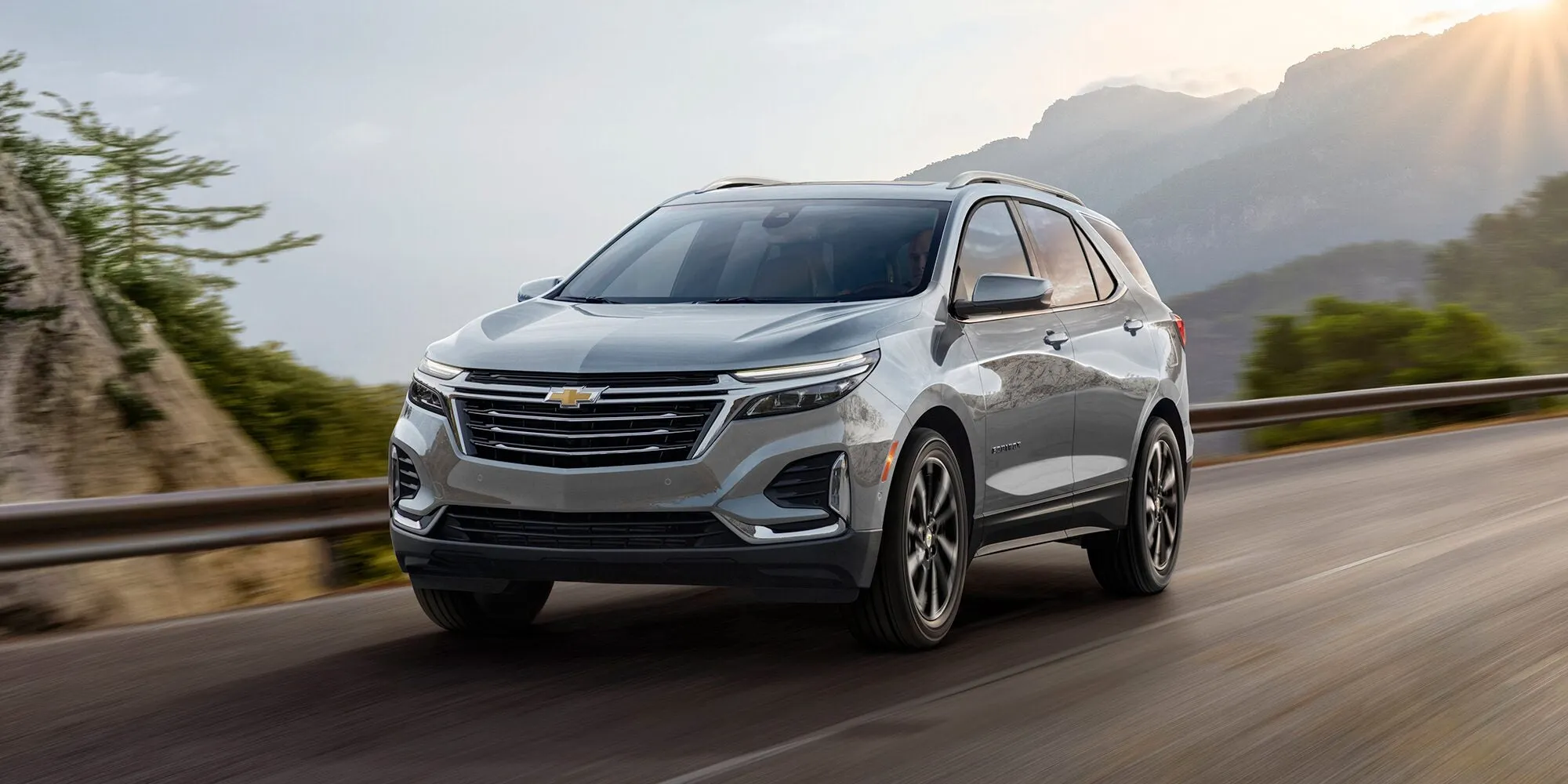
5. 2024 Chevrolet Equinox Premier
Compact crossovers should provide affordable, reliable transportation, but the 2024 Chevrolet Equinox Premier develops winter issues that betray its value proposition. Turbocharged 1.5-liter engine shows cold-start problems, including rough idle, hesitation, and occasional failure to start when temperatures remain below freezing for extended periods. These issues often relate to fuel system components or ignition coils that don’t tolerate cold weather well.
Oil consumption becomes excessive during winter months, with some owners reporting the need to add oil every 1,000 miles. This problem appears related to piston ring design that allows oil past the rings when cold weather causes metal contraction.
Check engine lights illuminate for emissions-related issues that mechanics struggle to diagnose and repair permanently, often resorting to clearing codes without addressing root causes.
Transmission problems plague this Equinox, particularly nine-speed automatic versions. Harsh shifting occurs regularly during cold weather, with transmission hunting between gears and delivering jerky power delivery.
Some transmissions enter reduced power mode during extreme cold, limiting the vehicle’s speed until the components warm. Fluid leaks develop from transmission cooler lines that crack in cold weather, creating expensive repairs and potential transmission damage if not caught early.
Electrical gremlins multiply when temperatures drop. Battery failures occur frequently, often within the first two years, despite warranty coverage. Owners report needing jump-starts regularly or discovering dead batteries after overnight parking. Alternator failures often occur prematurely, typically due to bearing wear or voltage regulator issues.
Rust develops aggressively throughout the vehicle despite Chevrolet’s claims about corrosion protection. Exhaust systems show perforation within four years. Brake components corrode rapidly, with rotors developing deep pitting and calipers seizing.
Suspension mounting points rust, creating structural concerns. Body panels develop rust around wheel openings and along rocker panels, visible evidence of inadequate rustproofing.
