
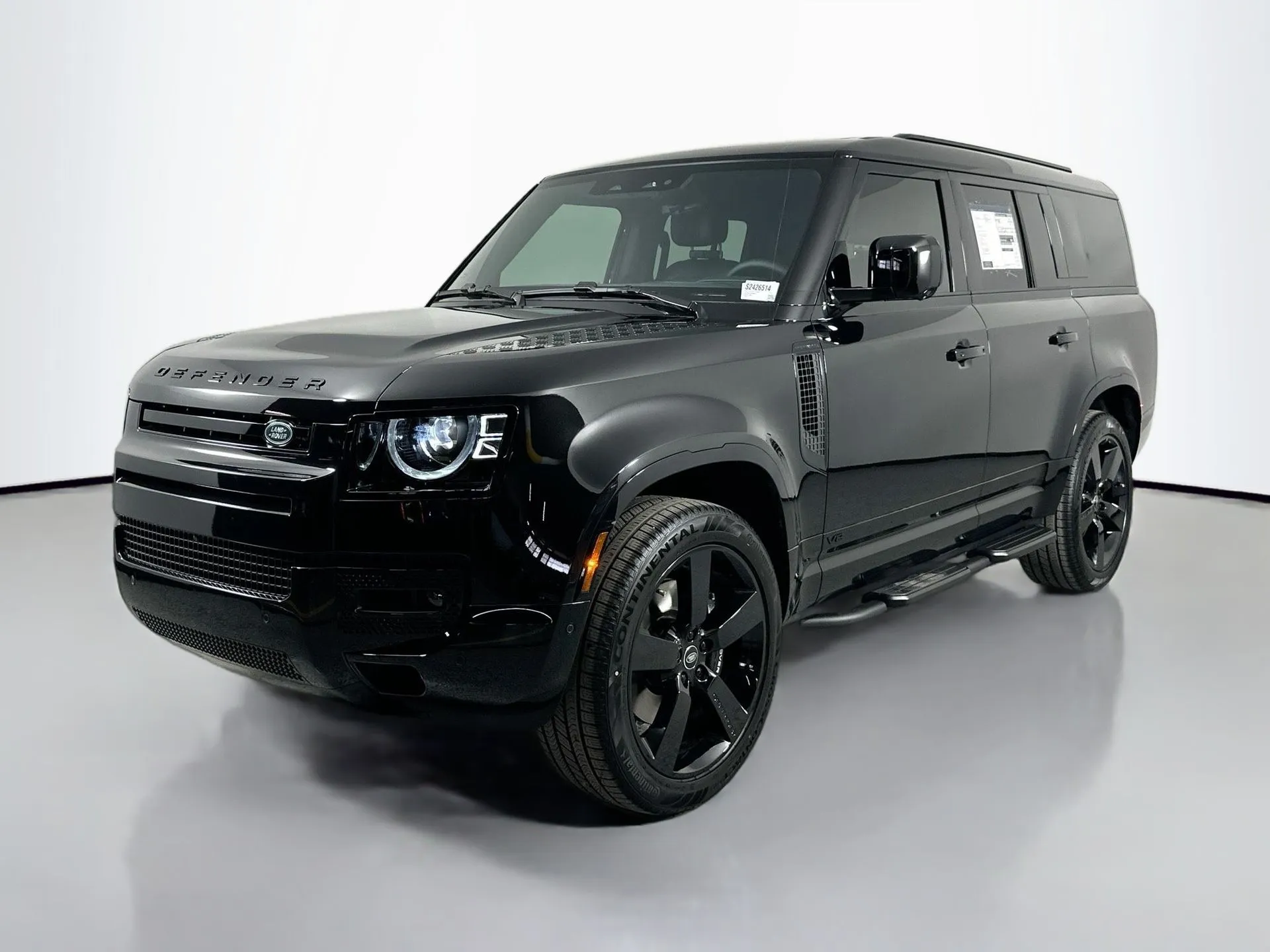
Fort Worth’s working culture demands vehicles that can truly earn their keep, handling everything from construction site visits to ranch work without breaking down or draining your wallet through constant repairs. Texas heat, dusty conditions, and heavy loads create harsh environments that expose weak vehicles quickly.
You need something built to last, designed with real work in mind rather than just looking tough in showroom lighting. Choosing the wrong vehicle means constant breakdowns, expensive repairs, and lost income while your truck sits in the shop instead of earning money.
Work trucks and vehicles face brutal conditions that reveal their true character fast. Hauling equipment to job sites, towing trailers loaded with materials, and driving unpaved roads all day long separate genuinely capable vehicles from pretenders.
Some brands build their reputations on toughness earned through decades of abuse by working folks who depend on their vehicles for their livelihoods. Others focus on luxury features and technology that impress buyers initially but fail when faced with actual work demands.
Smart workers research reliability and durability before buying, understanding that a cheaper purchase price means nothing if repair bills pile up constantly. Fort Worth’s skilled tradespeople, contractors, and ranchers know which vehicles keep working and which ones spend more time broken than running.
Local mechanics develop strong opinions based on what they see rolling into their bays repeatedly versus what stays on the road reliably. This guide examines ten vehicles through the practical lens of Fort Worth work requirements and maintenance realities.
Five models that handle serious workloads while staying dependable come first, followed by five that create constant headaches through high-maintenance demands and frequent failures.
5 Cars That Handle Fort Worth Work Loads
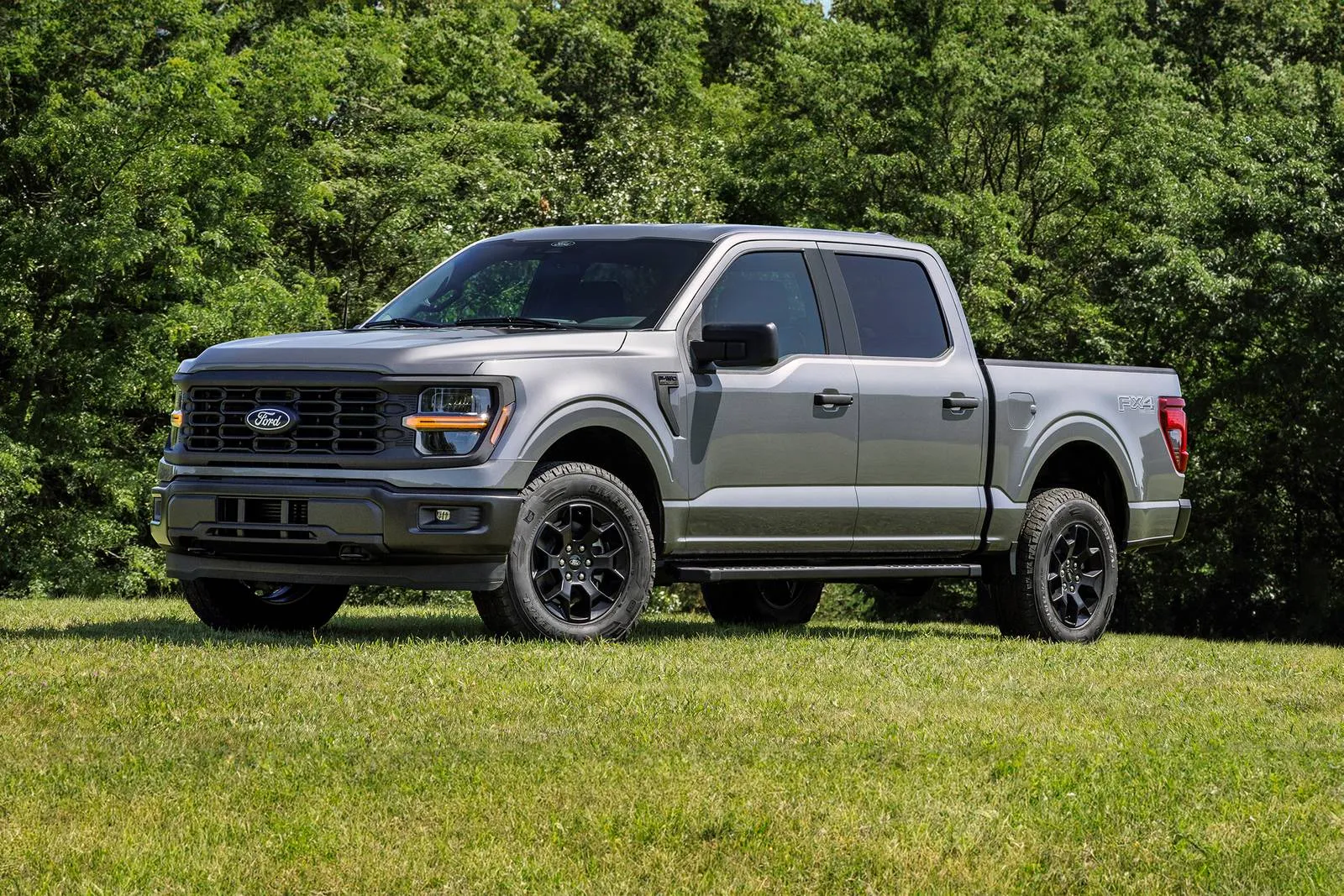
1. Ford F-150 XL SuperCrew 2024
American work truck heritage runs deep in the Ford F-150 XL SuperCrew 2024, where decades of refinement create a vehicle that truly understands what working people need. This truck handles construction sites, ranch duties, and heavy towing without complaint, day after day, year after year.
Payload capacity exceeds what most jobs require, while towing ability handles trailers loaded with equipment or livestock. You won’t wonder if your truck can handle the load because the F-150 was literally designed for exactly these situations.
Durability shows itself through simple, proven mechanical systems that prioritize function over fancy technology. Base engine options provide reliable power without unnecessary electronics that fail in dusty, hot conditions. Steel bed construction resists denting and damage from dropped tools or heavy materials better than aluminum alternatives.
Suspension components handle rough roads and heavy loads without constant replacement, saving money and downtime. Fort Worth mechanics report these trucks lasting well past 200,000 miles when owners perform basic maintenance consistently.
Parts availability throughout Fort Worth means repairs happen quickly without expensive delays. Every auto parts store stocks common F-150 components, while salvage yards overflow with used parts for older models. You won’t wait days for special orders or pay premium prices for rare components.
Independent mechanics understand these trucks completely, offering competitive labour rates well below dealership charges. This widespread knowledge and parts availability keep repair costs reasonable even when problems do occur.
Service intervals stretch longer than competitors’, reducing how often you lose productive time visiting mechanics. Oil changes happen every 7,500 miles rather than every 3,000, while other fluids and filters last similarly long periods.
This means more time working and less time in service bays, directly impacting your income. Simple design allows capable owners to perform many maintenance tasks themselves, saving labour costs while ensuring work gets done correctly.
You can change your own oil, filters, and spark plugs without special tools or computer diagnostics, putting more money in your pocket rather than mechanics’ cash registers.
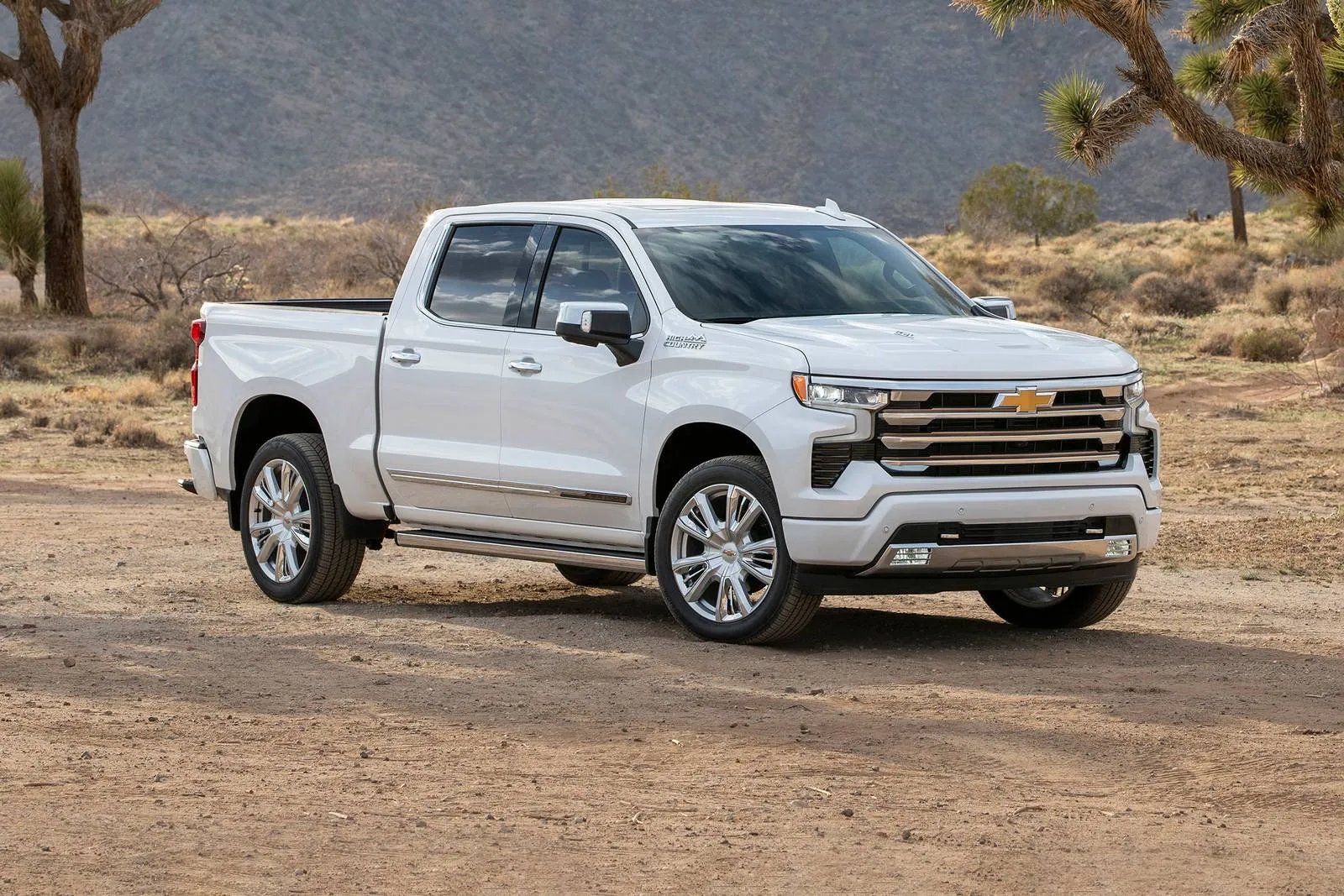
2. Chevrolet Silverado 1500 Work Truck 2024
Genuine work truck credentials define the Chevrolet Silverado 1500 Work Truck 2024, where no-nonsense design prioritizes capability over comfort. This truck strips away unnecessary features that add cost and create maintenance headaches, focusing instead on core functionality that working people actually need.
Bed construction uses thick steel that resists damage from dropped materials, dragged equipment, and years of abuse. You won’t worry about scratching pristine paint because this truck expects rough treatment. Spray-in bedliners protect against rust and corrosion from moisture, chemicals, and fertilizers that working trucks encounter regularly.
Tie-down points position themselves throughout the bed, providing secure anchor locations for ratchet straps holding loads. These practical features matter more than leather seats or fancy sound systems when your livelihood depends on your vehicle.
V8 engine options provide old-school reliability without the turbochargers and direct injection systems that cause expensive problems. Simple port fuel injection has been refined for decades, creating bullet-proof reliability that keeps trucks running when newer technology fails. You can work this engine hard all day without worrying about overheating or breakdowns.
Cost of ownership remains low because GM dealers and independent shops throughout Fort Worth service these trucks routinely. Labour rates stay competitive since every mechanic has learned on Chevrolet products. Parts prices remain reasonable due to high production volumes and widespread availability.
You can find used parts easily if budget constraints require saving money on repairs. Resale values hold strong because used truck buyers recognize Silverado reliability, recovering more of your initial investment when upgrading to newer models. This combination of capability, durability, and affordability makes the Silverado ideal for Fort Worth working folks.
Also Read: 5 Cars for Boston’s Tight Streets vs 5 That Aren’t City-Friendly
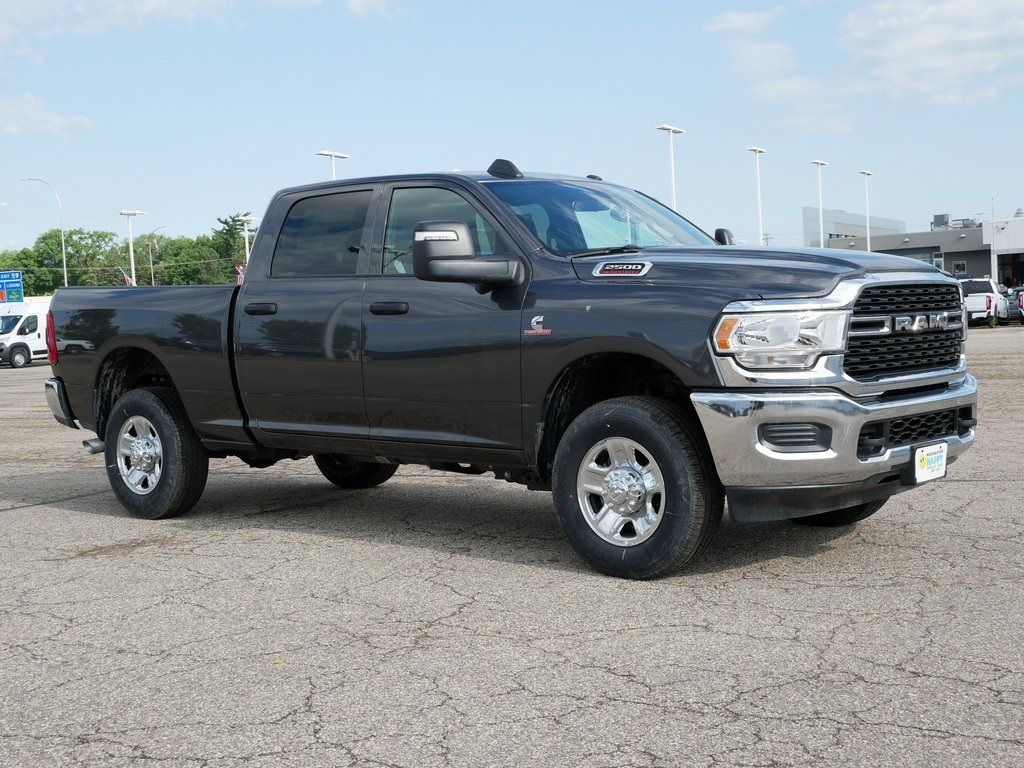
3. Ram 2500 Tradesman Crew Cab 2024
Heavy-duty capability meets working-class values in the Ram 2500 Tradesman Crew Cab 2024, delivering genuine commercial-grade toughness. This three-quarter-ton truck handles loads and towing that would overwhelm half-ton competitors, providing extra capacity when your work demands it.
Diesel engine option delivers massive torque for pulling loaded trailers up hills or through mud without strain. You’ll have power reserves available when situations get difficult, preventing that sickening feeling of an engine struggling against its limits.
Frame construction uses thicker materials than light-duty trucks, creating structural rigidity that prevents twisting under heavy loads. Suspension components scale up proportionally, with heavier springs and larger shock absorbers controlling weight without sagging.
You can load this truck to its rated capacity repeatedly without causing premature wear or damage. Fort Worth contractors report these heavy-duty Rams lasting 300,000 miles or more in commercial service, justifying their higher initial cost through extended service life.
Tradesman trim strips away luxury pretensions, focusing the budget on mechanical durability rather than interior amenities. Vinyl seats clean easily after dirty workdays, while rubber floor mats handle muddy boots without staining. Simple manual climate controls work reliably without the electronic systems that fail and cost hundreds to repair.
You get what matters for work without paying for things that don’t contribute to getting jobs done. This honest approach to truck building resonates with people who value function over fashion. Diesel engine’s reputation for longevity makes these trucks popular with high-mileage users.
Properly maintained Cummins diesels routinely exceed 400,000 miles, providing service that spans decades rather than just years. Fuel economy during highway driving offsets diesel’s higher cost, while torque output reduces transmission strain during towing.
You can pull heavy trailers at highway speeds without downshifting constantly or worrying about overheating. This capability transforms difficult jobs into manageable tasks, reducing stress while improving productivity. Strong frames also make these trucks popular for custom upfits, accepting utility bodies, dump beds, or specialized equipment that lighter trucks cannot support safely.
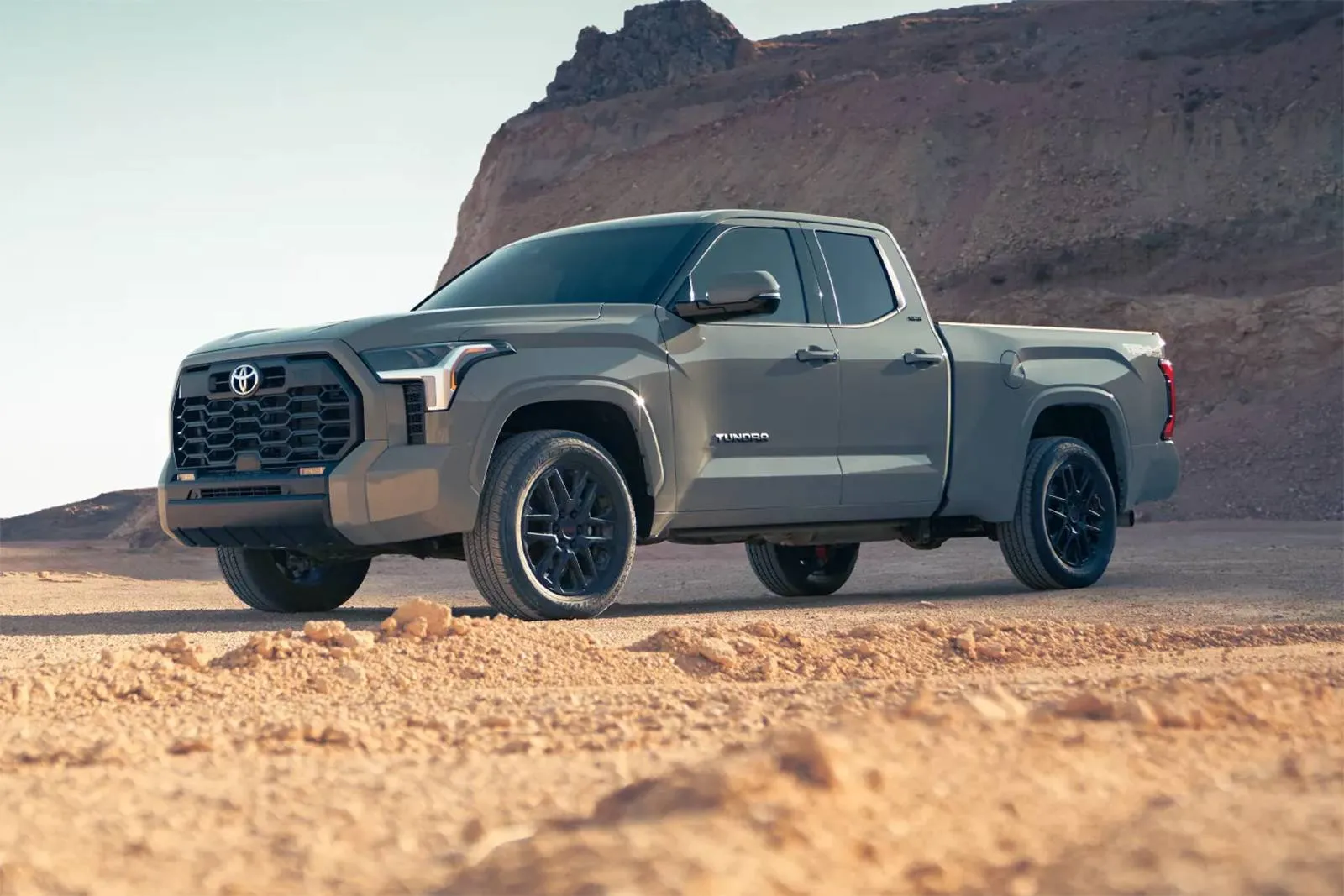
4. Toyota Tundra SR 2024
Japanese reliability engineering produces the Toyota Tundra SR 2024, where proven durability meets full-size truck capability. This truck approaches work differently than domestic competitors, emphasizing long-term dependability over maximum towing numbers.
You get adequate capability for most jobs, combined with Toyota’s legendary reputation for going hundreds of thousands of miles without major repairs. Fort Worth owners report minimal unscheduled service visits, with most maintenance involving routine items rather than unexpected failures.
V6 hybrid powertrain delivers surprising capability while improving fuel economy substantially. Electric motor assistance provides instant torque for launching with loads or climbing hills, while regenerative braking recovers energy during deceleration.
Combined output exceeds 430 horsepower, matching or exceeding V8 competitors while consuming less fuel. You’ll spend less on gas during daily use while maintaining adequate power for serious work. Battery warranty coverage extends confidence during early ownership years, protecting against expensive hybrid system repairs.
Build quality exceeds domestic competitors in fit and finish, though not necessarily in raw capability. Panels align precisely, paint applies evenly without thin spots, and interior components feel solid rather than flimsy. This attention to assembly quality translates to fewer rattles and squeaks developing as the truck ages.
You’ll still have tight-feeling doors and a quiet cabin after 100,000 miles rather than dealing with wind noise and loose trim pieces. This maintained quality preserves resale value since used buyers can see the truck was built properly from the start.
Oil changes cost slightly more due to larger oil capacity, but intervals stretch to 10,000 miles rather than 5,000. Brake life is extended dramatically thanks to regenerative braking, reducing friction brakes. You might get 100,000 miles from brake pads that would last 40,000 miles in conventional trucks.
These reduced maintenance needs offset Toyota’s higher purchase prices over long ownership periods, making the total cost of ownership competitive with cheaper alternatives.
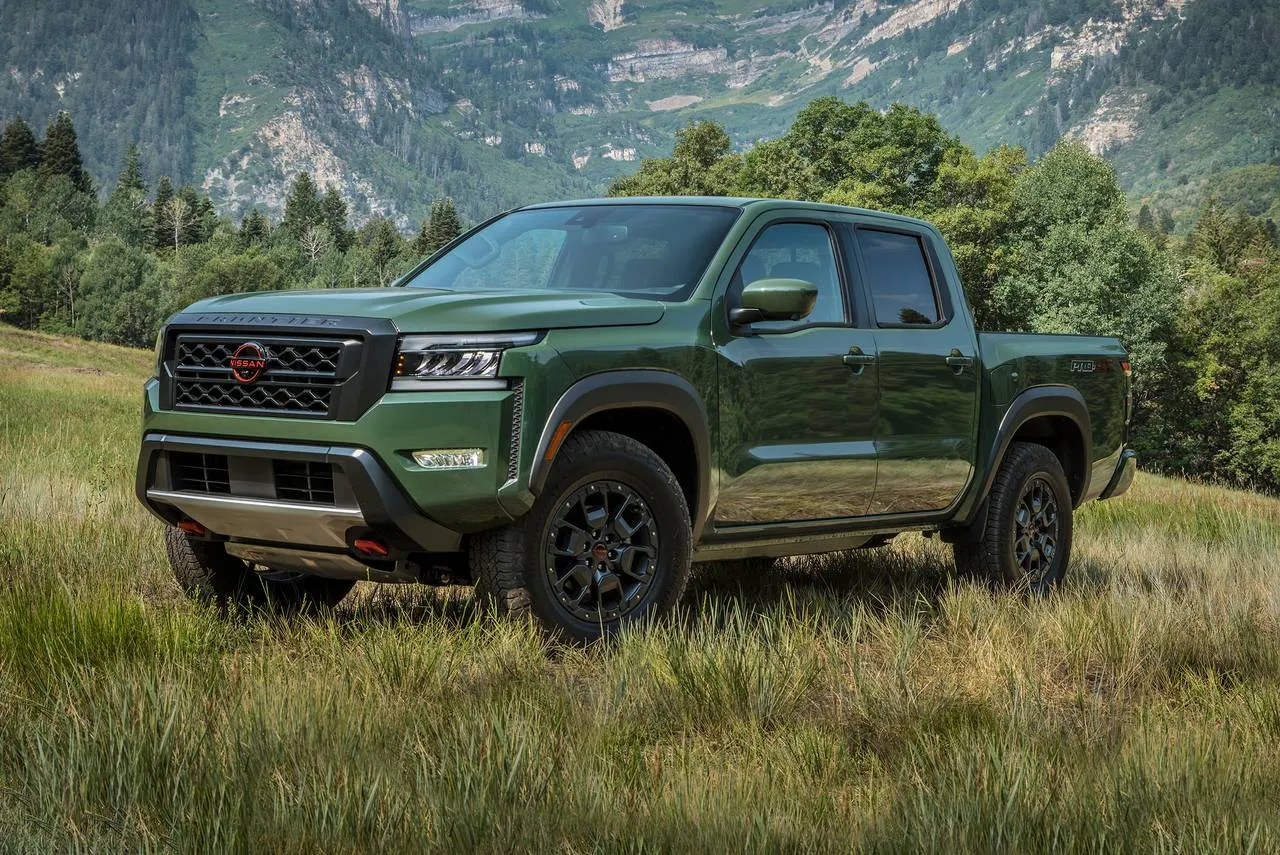
5. Nissan Frontier S King Cab 2024
Compact truck practicality defines the Nissan Frontier S King Cab 2024, offering adequate capability for lighter work at prices well below full-size competitors. This truck handles landscaping duties, light construction work, and ranch chores without the fuel consumption or purchase cost of larger models.
You get enough truck for real work without the excess that wastes money when you don’t need maximum capability. Fort Worth small business owners appreciate this right-sized approach that matches vehicle to actual requirements rather than buying more truck than necessary.
V6 engine provides adequate power for typical workloads while delivering better fuel economy than full-size truck V8s. You’ll average several MPG higher, which adds up to substantial savings during years of ownership.
Towing capacity handles smaller trailers carrying equipment or materials, though you won’t pull heavy fifth-wheel trailers. Payload allows reasonable loads in the bed without overloading the suspension. Most jobs don’t require maximum capability, making the Frontier’s adequate ratings perfectly suitable for daily work.
Simple mechanical design prioritizes reliability over advanced features. You won’t find cylinder deactivation, turbochargers, or complicated transmissions that create expensive problems. Proven naturally aspirated V6 has been refined through years of production, eliminating weak points that plagued earlier versions. This simplicity keeps repair costs low when problems do occur, as mechanics don’t need specialized training or expensive diagnostic equipment.
Smaller size makes manoeuvrability easier in tight work sites or crowded Fort Worth streets. This agility saves time during daily work while reducing stress from constantly struggling with an oversized vehicle. Shorter wheelbase also improves ride quality on rough roads, preventing the harsh bouncing that empty full-size trucks exhibit.
You’ll arrive at job sites less fatigued, improving productivity throughout long workdays. Compact dimensions also mean lower insurance costs and cheaper registration fees in Texas, keeping total ownership expenses manageable for budget-conscious workers.
5 High-Maintenance Cars

1. Land Rover Range Rover Sport HSE 2024
British luxury engineering creates expensive ownership headaches with the Land Rover Range Rover Sport HSE 2024, where premium features hide reliability problems that devastate budgets. This SUV might look impressive parked at job sites, but its reputation for frequent breakdowns makes it a terrible choice for anyone depending on their vehicle for work.
Electronic systems fail regularly, leaving you stranded or facing expensive diagnostic bills. Fort Worth mechanics familiar with these vehicles shake their heads when owners bring them in, knowing repair costs will shock customers unused to luxury vehicle maintenance expenses.
Air suspension systems require constant attention, failing far more frequently than conventional coil springs and shock absorbers. When air springs leak or compressors fail, repair bills easily exceed $2,000 for parts and labour. You’ll face these repairs multiple times during ownership rather than once in a vehicle’s lifetime.
Electronic ride height adjustment adds another failure point, with sensors and control modules failing and requiring replacement at dealer-only prices. Working people who need reliable transportation cannot afford weeks of downtime waiting for parts or saving money for repairs.
Electrical problems plague these Range Rovers, from failed window switches to malfunctioning infotainment systems. Diagnosing electrical gremlins requires expensive diagnostic time at dealers, as independent shops often lack the specialized equipment needed. Parts must be ordered from limited suppliers, creating delays that leave you without transportation during critical work periods.
Battery drain issues occur frequently, leaving you with dead batteries that require jump starts or replacements. These intermittent problems prove difficult to diagnose, resulting in multiple service visits that waste time and money without solving underlying issues.
Engine options include turbocharged and supercharged variations that sound impressive but fail frequently. Turbocharger failures cost thousands to repair, while timing chain problems require engine removal and complete teardowns.
Oil consumption becomes excessive as engines age, requiring constant monitoring and top-ups between changes. Coolant leaks develop from plastic components that become brittle in Texas heat, causing overheating that damages expensive engine internals.
Transmission issues appear regularly, with rough shifting or complete failures requiring rebuilds costing $5,000 or more. You cannot work effectively when your vehicle spends more time broken than running, making the Range Rover unsuitable for Fort Worth work requirements despite its capable appearance.
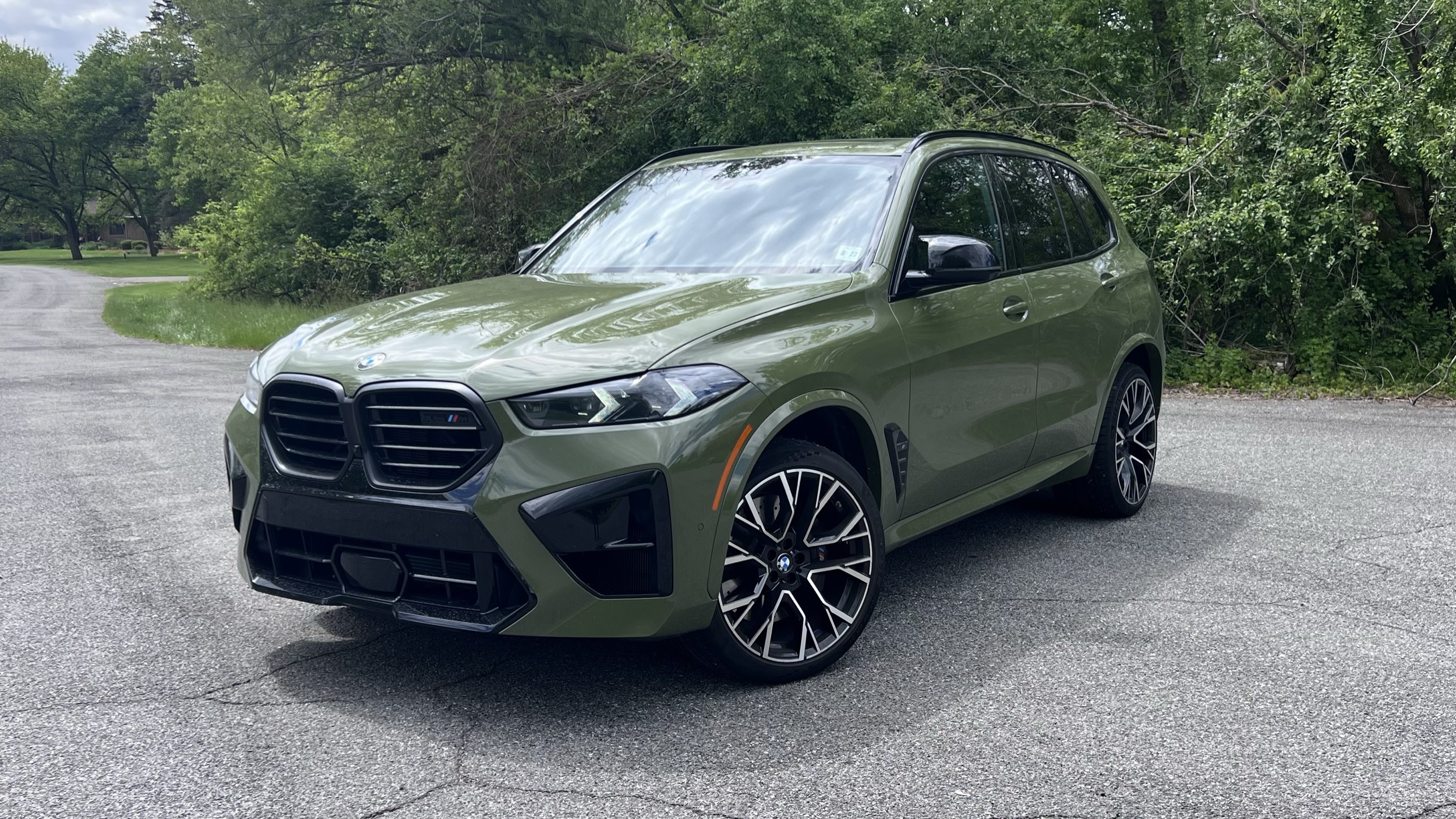
2. BMW X5 M50i 2024
German performance luxury translates to maintenance nightmares in the BMW X5 M50i 2024, where advanced technology creates constant repair needs. Twin-turbocharged V8 engine delivers impressive power but requires meticulous maintenance that costs far more than working people can afford.
Oil changes alone exceed $200 at dealers, using expensive synthetic oil in quantities that shock first-time owners. Spark plugs cost over $30 each, with eight required plus expensive labour for replacement. These routine maintenance items occur frequently, draining budgets before addressing actual repairs.
Turbocharger systems fail prematurely, particularly when vehicles see hard use or dusty conditions common around Fort Worth work sites. Replacing failed turbos costs $3,000 to $5,000 per side, with both often failing around the same mileage.
High-pressure fuel pumps fail regularly, causing no-start conditions that require towing and dealer diagnosis. These pumps cost over $1,000 plus labour, turning what should be simple fuel system maintenance into major expenses. Carbon buildup on intake valves requires walnut blasting services costing $500 or more every 30,000 miles, adding another recurring expense.
Electronic systems control everything from suspension to steering assist, creating multiple failure points that require dealer-level diagnostics. When stability control modules fail, repairs can exceed $2,000 for parts alone.
Active steering systems require expensive replacements when they malfunction, with bills approaching $3,000. Parking assist cameras and sensors fail frequently, each costing hundreds to replace. Fort Worth’s heat accelerates electronic component failures, creating problems that northern climate owners might not experience as quickly.
Brake systems use expensive performance components that wear rapidly. Rotors and pads for all four corners can cost $2,000 or more, with replacement intervals around 30,000 miles. Brake fluid requires more frequent changes than conventional vehicles, adding another recurring expense.
Tyres wear quickly due to aggressive alignment settings and a powerful engine, requiring replacement sets costing $1,200 or more every 20,000 miles. These consumable expenses accumulate relentlessly, making the X5 financially impractical for working people who need reliable, affordable transportation.
Depreciation compounds financial pain, as used buyers recognize reliability problems and demand steep discounts, leaving you unable to recover your investment when selling.
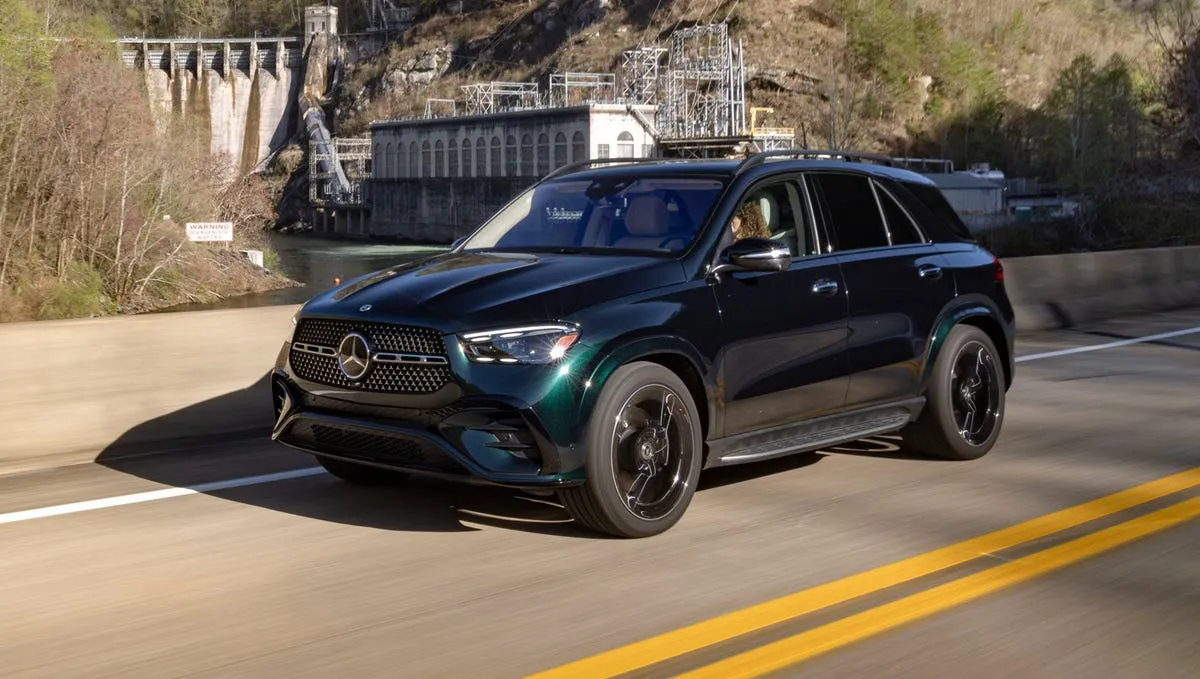
3. Mercedes-Benz GLE 450 4MATIC 2024
Luxury German engineering creates expensive ownership through the Mercedes-Benz GLE 450 4MATIC 2024, where sophisticated systems require constant dealer attention. A mild hybrid system adds electrical components that fail regularly, creating diagnostic challenges that independent shops cannot address.
Battery management systems malfunction, requiring dealer-only software updates and component replacements. You’ll spend hours at dealerships while technicians troubleshoot problems using proprietary diagnostic equipment unavailable elsewhere. This dependency on dealer service means paying premium labour rates with no competitive alternatives.
Air suspension equipped on this model requires frequent repairs costing thousands each time. Struts fail around 60,000 miles, with replacement costs exceeding $1,000 per corner. Compressor failures add another $1,500 to $2,000 to your repair bills.
When air springs leak, the vehicle lowers to the ground overnight, potentially damaging other components. You’ll discover these failures when attempting to drive to work, forcing you to arrange alternative transportation while repairs happen. Such unreliability proves incompatible with work demands that require dependable daily transportation.
Inline-six engine with a turbocharger and mild hybrid system sounds advanced, but it creates maintenance headaches. Oil consumption becomes excessive as mileage increases, requiring constant monitoring and expensive top-ups using Mercedes-specified synthetic oil costing $15 per quart.
Timing chain issues develop around 100,000 miles, requiring engine removal and complete teardowns costing $5,000 to $8,000. Water pumps fail prematurely, causing overheating that can warp cylinder heads if not caught immediately. These major repairs exceed what working trucks cost entirely, making economic sense impossible to justify.
Electronic driver assistance systems fail regularly, from blind-spot monitors to adaptive cruise control. Each system requires expensive module replacements and calibrations that only dealers can perform. When cameras get dirty from Fort Worth’s dusty conditions, systems malfunction and display constant warning messages.
Cleaning helps temporarily, but sensors themselves fail and require replacement, costing hundreds each. Interior electronics, including infotainment systems, freeze or crash regularly, requiring dealer visits to reset or replace components.
Climate control systems develop expensive failures in actuators and control modules, leaving you without functioning air conditioning during Texas summers. Such problems make this Mercedes unsuitable for anyone needing reliable work transportation.
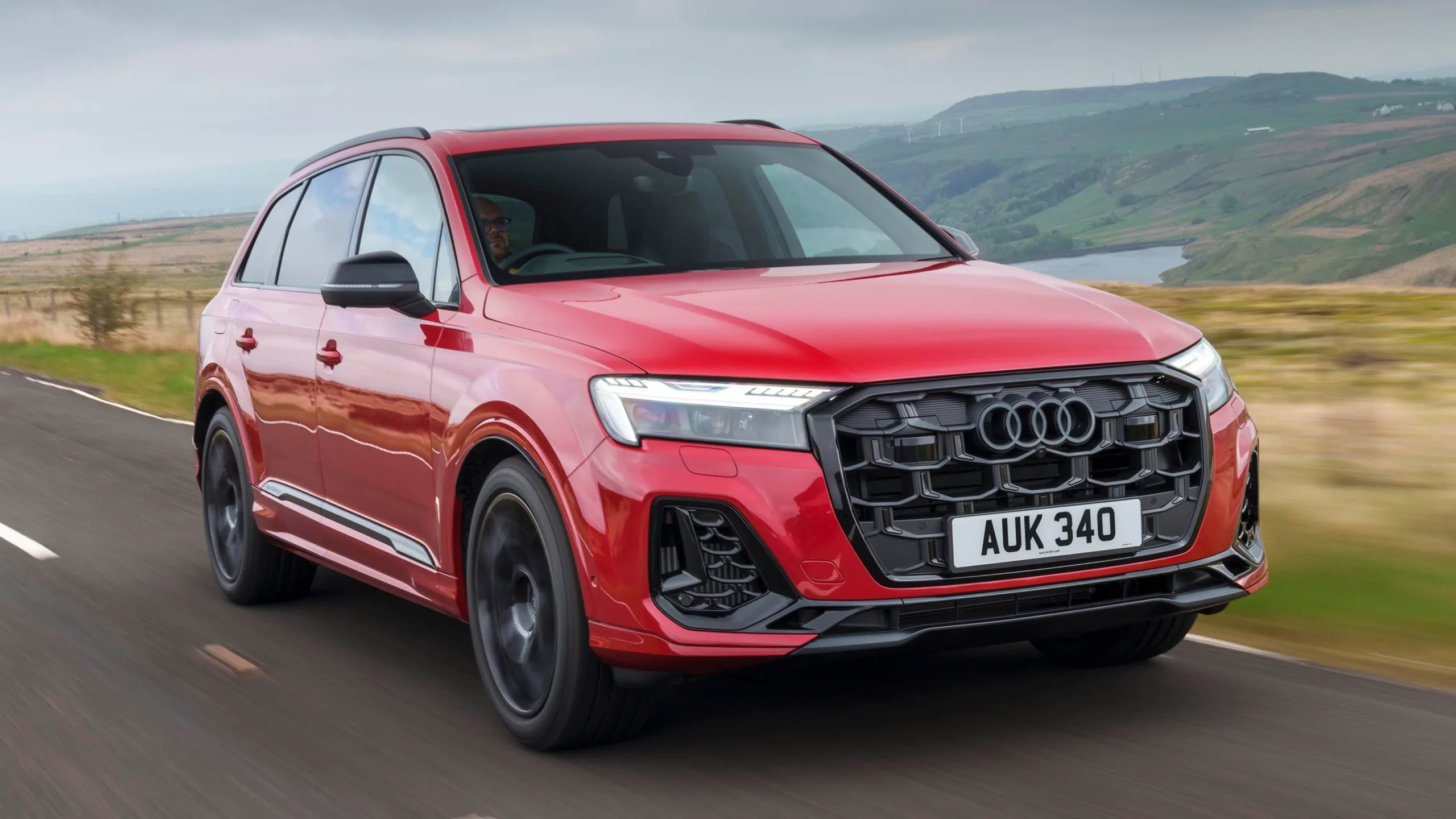
4. Audi Q7 Premium Plus 2024
German luxury creates financial burdens through the Audi Q7 Premium Plus 2024, where advanced technology generates constant repair needs. Quattro all-wheel-drive system sounds impressive, but adds mechanical elements that fail and cost thousands to repair.
Transfer case failures require complete replacements costing $3,000 or more. Differential problems develop from hard use, with repairs approaching $2,000. These drivetrain failures leave you immobile, forcing expensive towing and rental cars while repairs happen. Working people cannot afford such unreliability and expense.
Supercharged V6 engine produces adequate power but requires meticulous maintenance using expensive parts. Supercharger systems require periodic service, including oil changes that dealers charge $300 to perform. When superchargers fail, replacement costs exceed $4,000, including labour.
Water pumps fail regularly around 60,000 miles, causing overheating that can destroy engines if not addressed immediately. Thermostat housings crack, leaking coolant that creates expensive messes and potential engine damage. Fort Worth’s heat accelerates these cooling system failures, making problems more frequent than in moderate climates.
Electrical system problems plague these Audis, from battery drain issues to failed control modules throughout the vehicle. Diagnosing electrical problems requires dealer-level diagnostic equipment that independent shops lack. You’ll pay premium diagnostic fees just to identify problems before addressing actual repairs.
Module replacements often exceed $1,000 per unit, with multiple modules failing throughout ownership. Software glitches require dealer updates that cost hundreds despite involving no physical parts. Such dependency on dealer service eliminates competitive repair options that keep costs reasonable.
Transmission problems develop frequently, with rough shifting or complete failures occurring prematurely. Eight-speed automatic transmissions used in these Audis have poor reliability records, requiring rebuilds or replacements costing $5,000 to $7,000. Mechatronic units fail, causing erratic shifting and transmission malfunctions.
These failures happen without warning, leaving you stranded and facing towing charges. Replacement intervals for transmission fluid occur more frequently than competitors, adding recurring expenses every 40,000 miles. Turbocharger failures add another expensive problem, with replacement costs approaching $3,000 per turbo.
Carbon buildup requires periodic cleaning costing $500 or more, creating another recurring maintenance expense. Such relentless repair needs make the Q7 financially untenable for working people depending on vehicles for their livelihoods.
Also Read: 5 Cars Easy To Tow Behind RVs VS 5 Complicated Setups
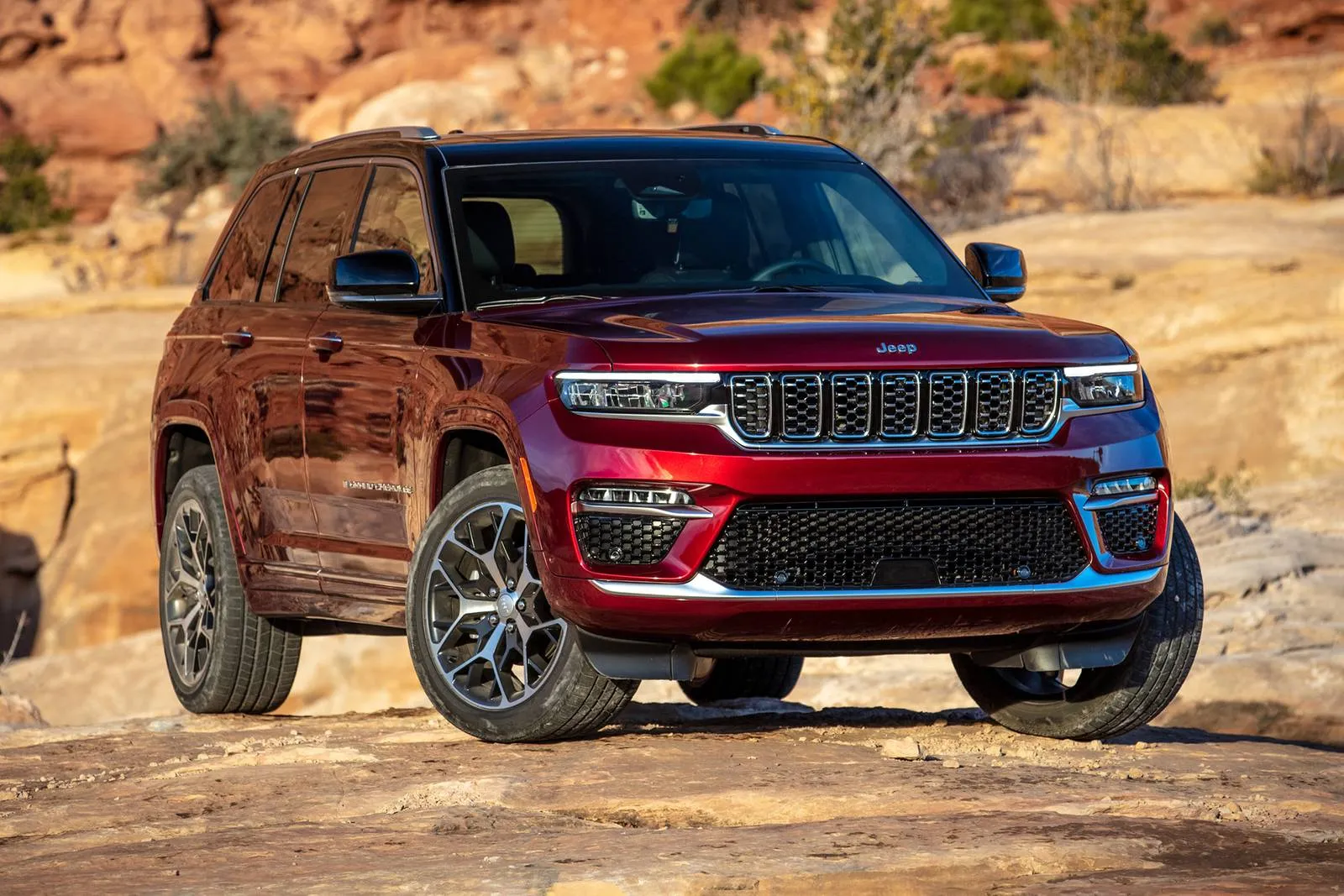
5. Jeep Grand Cherokee L Summit Reserve 2024
American luxury pretensions create reliability nightmares in the Jeep Grand Cherokee L Summit Reserve 2024, where premium features hide poor build quality. Three-row seating and upscale materials might impress initially, but frequent breakdowns reveal why luxury Jeeps make terrible work vehicles.
Electronic systems fail constantly, from malfunctioning infotainment screens to failed climate controls. You’ll visit dealers repeatedly for warranty repairs, wasting productive time while technicians address problems that shouldn’t exist in new vehicles.
V8 engine option sounds powerful, but it suffers from numerous reliability problems. Lifter failures occur frequently, causing ticking noises and eventual engine damage requiring complete replacements. These failures happen under warranty sometimes, but many occur just after coverage expires, leaving owners with $8,000 repair bills.
Oil consumption becomes excessive as engines age, requiring constant monitoring and expensive top-ups. Cooling system problems develop from cheap plastic components that crack in Texas heat, causing overheating and potential engine damage.
Transmission issues plague these Grand Cherokees, with eight-speed automatics exhibiting rough shifting, hesitation, and complete failures. Software updates attempt to address problems but rarely solve underlying mechanical issues.
When transmissions fail, replacement costs exceed $6,000, creating financial disasters for owners who cannot afford such expenses. You’ll lose work time while transmissions get rebuilt or replaced, missing income opportunities while paying for repairs simultaneously.
Electrical problems extend beyond infotainment to include critical systems like power steering and brake assist. When electronic power steering fails, vehicles become nearly impossible to control, creating dangerous situations.
Module replacements cost over $1,500, with failures occurring prematurely on vehicles still under warranty. Brake system electronics malfunction, displaying constant warning messages and requiring dealer diagnosis. Air suspension equipped on higher trims fails frequently, with repairs costing thousands per corner.
Such pervasive unreliability makes this Grand Cherokee unsuitable for anyone depending on their vehicle for work, as constant breakdowns prevent earning income while creating unsustainable repair expenses that destroy budgets.
