Pickup trucks remain some of the most popular vehicles in the United States, but the modern full-size truck has grown so large that maneuvering one in tight neighborhoods or crowded parking decks can feel like threading a needle with boxing gloves on.
For used-truck shoppers, this creates a very real dilemma: finding a model that still delivers towing confidence and everyday capability without becoming a constant headache in urban environments.
Not all used trucks are created equal in this regard. Some manage to shrink around their drivers, offering surprising agility, excellent visibility, and smart packaging that makes errands and city commutes surprisingly calm.
Others while undeniably capable feel like you’re piloting a half-ton battleship every time you navigate a Starbucks drive-thru.
This list breaks down five used trucks that remain pleasant and maneuverable in town, followed by five used trucks that tend to feel oversized, clumsy, or frustrating in tight spaces.
This is geared toward today’s US buyer who may need a pickup for work, towing, or weekend projects but spends most weekdays threading through traffic, parking garages, and neighborhood streets.
Prices vary by region, condition, and mileage, but the driving impressions remain consistent across model years.
Used Trucks That Don’t Feel Clumsy in Town
Many shoppers want the utility of a pickup without the bulk that makes navigating tight streets, parking garages, and crowded shopping centers a chore. Fortunately, not all used trucks feel oversized or unwieldy in daily urban driving.
Some models strike a rare balance, delivering real towing and hauling capability while remaining surprisingly maneuverable, easy to park, and comfortable at low speeds. Whether you’re buying for weekend projects or everyday commuting, these used trucks stand out for offering practical capability without the clumsy, heavy feel of full-size workhorses. Here are the ones to look for.
1. Toyota Tacoma (2016–2022)
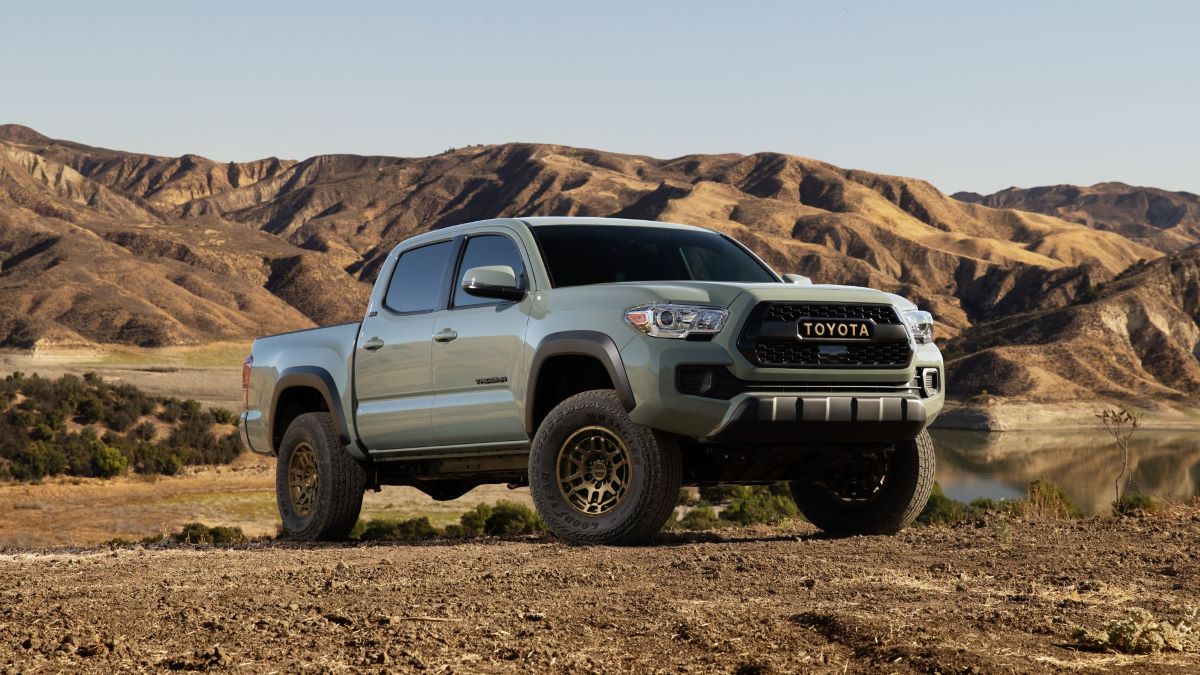
Despite being one of America’s favorite mid-size pickups, the Tacoma drives with a surprisingly compact feel.
The steering is light at low speeds, the turning circle is reasonably tight for a truck, and the driving position offers a clear view over the hood an advantage many full-size trucks simply don’t provide.
While its cabin ergonomics aren’t perfect and the V6 can feel sluggish, the Tacoma behaves predictably in city environments. It shrinks around the driver, and the narrower body makes parallel parking or squeezing past delivery vans much easier than in a full-size model.
For buyers who want long-term reliability and an approachable size, the Tacoma remains a standout.
Ever a dominant force in the midsize truck segment, the Toyota Tacoma thrives on the brand’s well-earned reputation for crafting compact trucks that excel off the beaten path while remaining ruggedly reliable.
Far more than just a hauler for trips to the home improvement store, though it handles that task admirably, the Tacoma projects a true off-road lifestyle persona that it can genuinely back up with performance.
You can see it in the truck’s stance, its high ground clearance, and the shape of its front bumper. The impression continues when you climb into the cab, which balances functionality with style, though the driving position may feel a bit unusual due to the need for maximum underbody clearance.
While the V6 engine’s responsiveness can feel muted at times and its drivability slightly awkward, much of this stems from the six-speed automatic’s shift programming, designed primarily to maximize fuel efficiency. Still, the engine performs its duties adequately, and once the terrain turns to dirt, the suspension, tires, and traction management systems take center stage.
Among the six available Tacoma models, two stand out for their serious off-road equipment. The TRD Off-Road model comes with knobby tires, specialized shocks, and advanced traction aids, including a locking rear differential, crawl control, and a multimode off-road traction control system.
The reintroduced TRD Pro for 2017 builds on this foundation with increased suspension travel, a taller and wider stance, and sophisticated Fox internal bypass shocks. These enhancements allow it to absorb high-speed impacts with ease while still maintaining a composed ride on paved roads.
With the 2017 Tacoma introducing the TRD Pro trim, the truck’s generation remains unchanged, meaning the same practical observations and hands-on experience continue to apply.
Also Read: 5 Cars That Stay Popular for Years vs 5 That Fade Quickly
2. Ford Ranger (2019–2023)
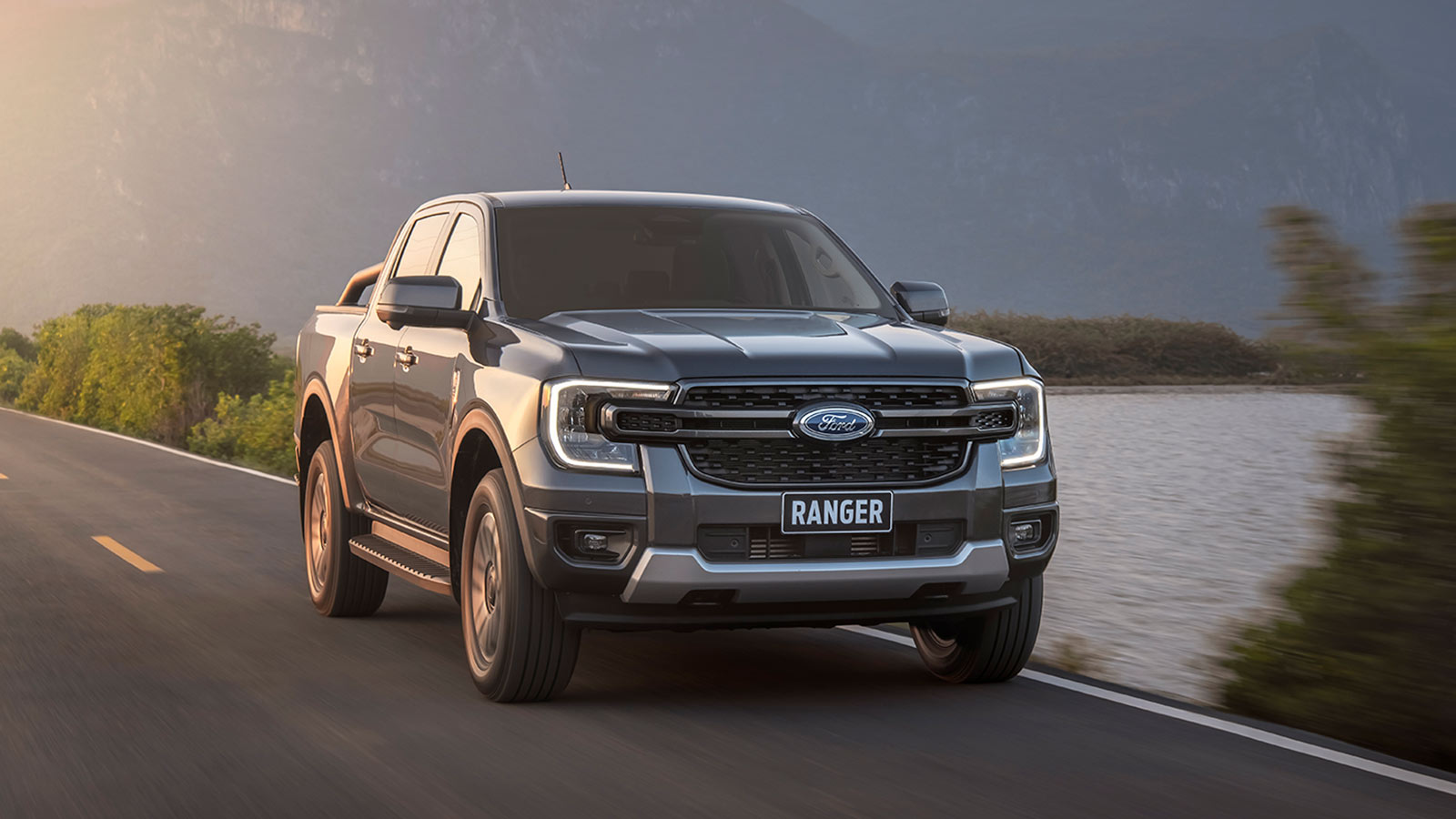
The revived Ranger brought a very modern feel to the mid-size class. Its electric-assisted steering is especially helpful at low speeds, offering smooth, predictable control when maneuvering through apartment complexes or navigating multi-story parking garages.
The Ranger’s front-end visibility is excellent, and the truck’s turbocharged four-cylinder engine gives it snappier around-town response than many naturally aspirated V6 competitors.
The ride can be stiff over rough pavement, but as a city-friendly used truck, the Ranger earns high marks for maneuverability without sacrificing capability.
It’s been nearly a decade since a new Ford Ranger hit U.S. dealerships, and in that time, midsize pickups have grown significantly in size, capability, and technology. Today’s buyers expect trucks that offer more towing and hauling capacity, greater passenger comfort, and modern in-cabin tech. Enter the 2019 Ford Ranger, a model that carries high expectations for its return to the American market.
Technically, the 2019 Ranger isn’t entirely new. Although Ford pulled the Ranger from the U.S. in 2011, production continued overseas, where the midsize truck was reimagined by Ford Australia.
That global-market Ranger received a facelift in 2015, and it serves as the foundation for the 2019 U.S. model. Familiarity is a theme inside the cabin, where Sync 3 infotainment technology joins available features such as smartphone connectivity, blind-spot monitoring, and in-car Wi-Fi.
The Ranger also offers a suite of advanced safety systems, including forward collision mitigation and lane-keeping assist, reflecting Ford’s effort to modernize the truck for today’s buyers.
Under the hood, the 2019 Ranger comes with a single powertrain: a turbocharged 2.3-liter four-cylinder producing 270 horsepower. While a broader engine lineup would have been ideal, this mill delivers commendable performance, offering both brisk acceleration and a strong 7,500-pound maximum towing capacity.
That said, the Ranger does show its age in some areas. The chassis and interior design feel like carryovers rather than bespoke solutions tailored to the U.S. midsize-truck market, which can make it seem less fresh compared with competitors.
Ultimately, the 2019 Ford Ranger lands in the middle of the midsize-pickup pack. Its strong standard engine and modern safety features make it worth a look, but shoppers seeking a more fully realized package may find the Chevrolet Colorado, Honda Ridgeline, or Toyota Tacoma to be more complete offerings.
3. Honda Ridgeline (2017–2023)
The Ridgeline isn’t a body-on-frame truck, and that’s exactly why it’s such a pleasure in town. Built on a unibody platform shared with the Honda Pilot, the Ridgeline drives more like a crossover than a pickup.
Light steering, a smooth ride, and sedan-like handling make errands and city commutes feel effortless.
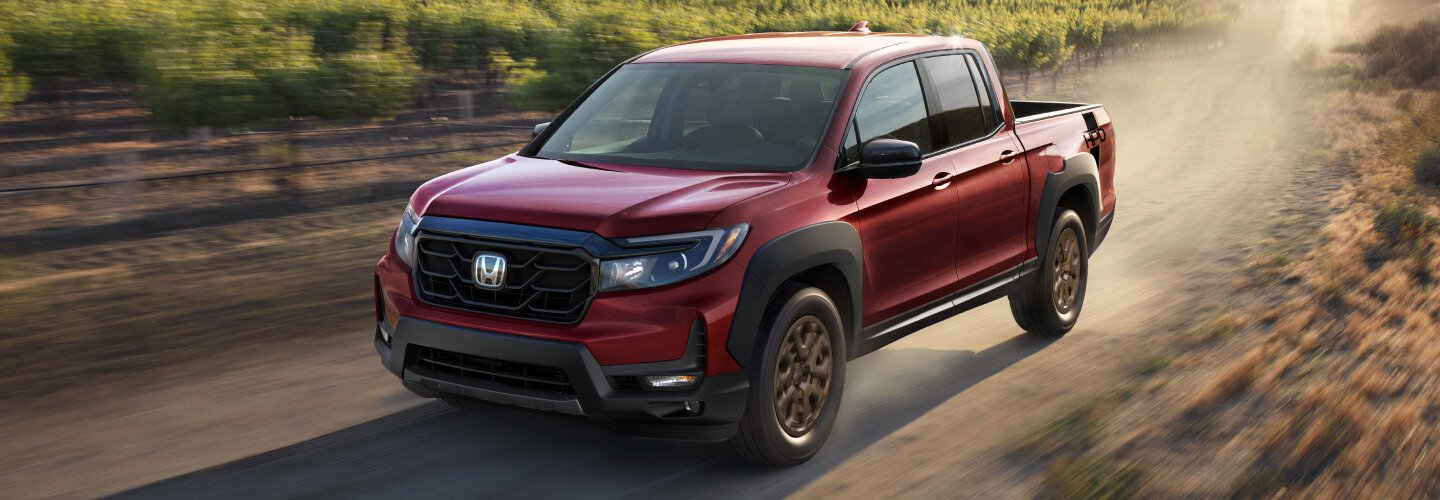
Its bed is still highly usable, especially with the clever in-bed trunk, and the cabin provides excellent visibility.
While traditional truck buyers sometimes dismiss the Ridgeline for not being “truck enough,” those who want genuinely easy daily driving won’t find a more city-friendly option on the used market.
4. Chevrolet Colorado / GMC Canyon (2016–2022)
The Colorado and its sibling, the Canyon, brought a right-sized approach back to the US truck market.
These mid-size models feel substantially smaller than a Silverado or Sierra yet still deliver strong towing capability and optional off-road trims.
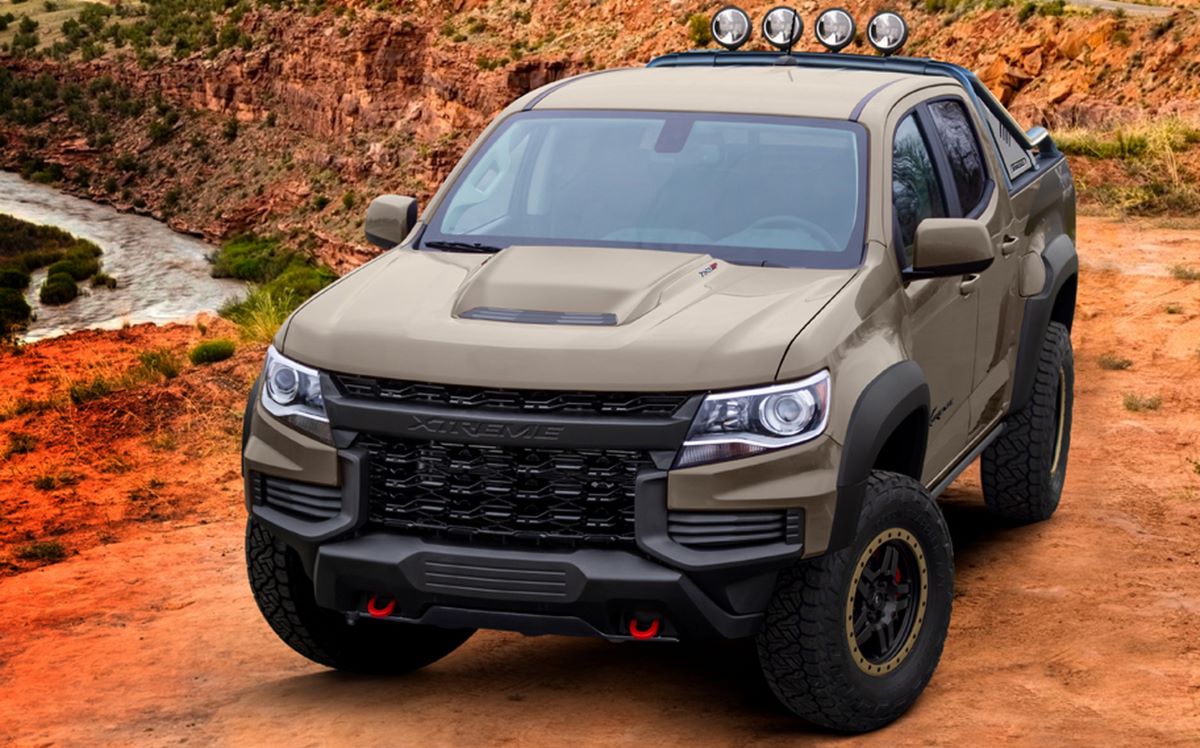
The steering weight strikes a good balance light enough for parking maneuvers but firm enough for a confidence-inspiring highway feel.
Their proportions help drivers place the truck easily in tight spots, and the cabin sits low enough to avoid the “towering hood” problem common in full-size models. As used buys, they offer a smart compromise between capability and daily usability.
Also Read: 10 Sedans With Trunks That Fit Full-Size Luggage
5. Nissan Frontier (2022–2023 used market)
The third-generation Frontier, even as a lightly used option, has quietly become one of the most maneuverable mid-size trucks around.
Its steering is well-tuned, the hood is shorter than many rivals, and the overall footprint avoids the bloat seen in recent full-size models.
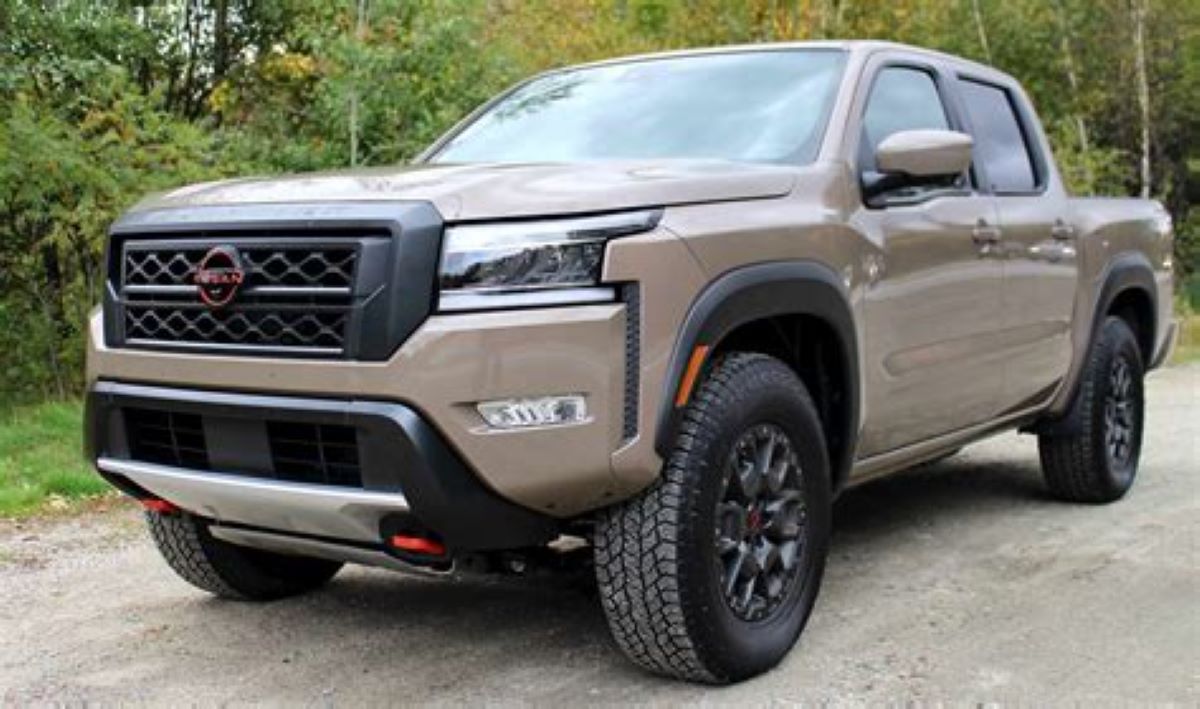
The newer Frontier also benefits from upgraded cameras and driver aids, which drastically reduce parking anxiety.
While some older Frontiers (pre-2022) feel dated, the latest generation brings city-friendly refinement while retaining a strong V6 engine and solid towing ability.
he Nissan Frontier may not be the fastest truck in the midsize segment, but it proves capable where it counts. Our Frontier Pro-4X test vehicle accelerated from 0 to 60 mph in 7.8 seconds, a middling figure for the class, yet the engine excels in everyday driving.
Midrange power is ample, and the transmission delivers smooth shifts even under full-throttle acceleration. The brakes are equally reassuring, offering effortless operation in city traffic while providing sufficient stopping power when needed.
Handling is another area where the Frontier impresses. The truck feels composed through turns, even with the Pro-4X’s off-road-focused tires. That said, the steering is exceptionally heavy, requiring significant effort to maneuver the truck at low speeds, whether in a parking lot or over rugged terrain.
The Pro-4X trim enhances the Frontier’s off-road capabilities with robust skid plates, specialized shocks, and off-road tires. It also boasts 9.8 inches of ground clearance and an electronically locking rear differential for added traction.
While it doesn’t have the extreme off-road technology or hardware found on the Toyota Tacoma TRD Pro or Jeep Gladiator Rubicon, the Frontier remains a competent choice for tackling a variety of rugged landscapes.
Used Trucks That Become Parking Pains
Navigating city streets and tight parking lots in a full-size truck can quickly turn from a fun drive into a frustrating chore. While trucks are built for hauling and towing, not all used pickups are suited for urban environments.
Some older or larger models have wide turning radii, bulky blind spots, and cumbersome dimensions that make parallel parking, garage entry, and narrow street maneuvering a headache. Even features that modern trucks offer, like rearview cameras, parking sensors, or advanced driver-assistance systems, can’t fully compensate for sheer size in a crowded city.
For used-truck buyers who split their time between work sites and suburban neighborhoods, understanding which models handle tight spaces gracefully versus those that become parking pains is essential to avoid daily stress behind the wheel.
1. Ford F-150 (2015–2020)
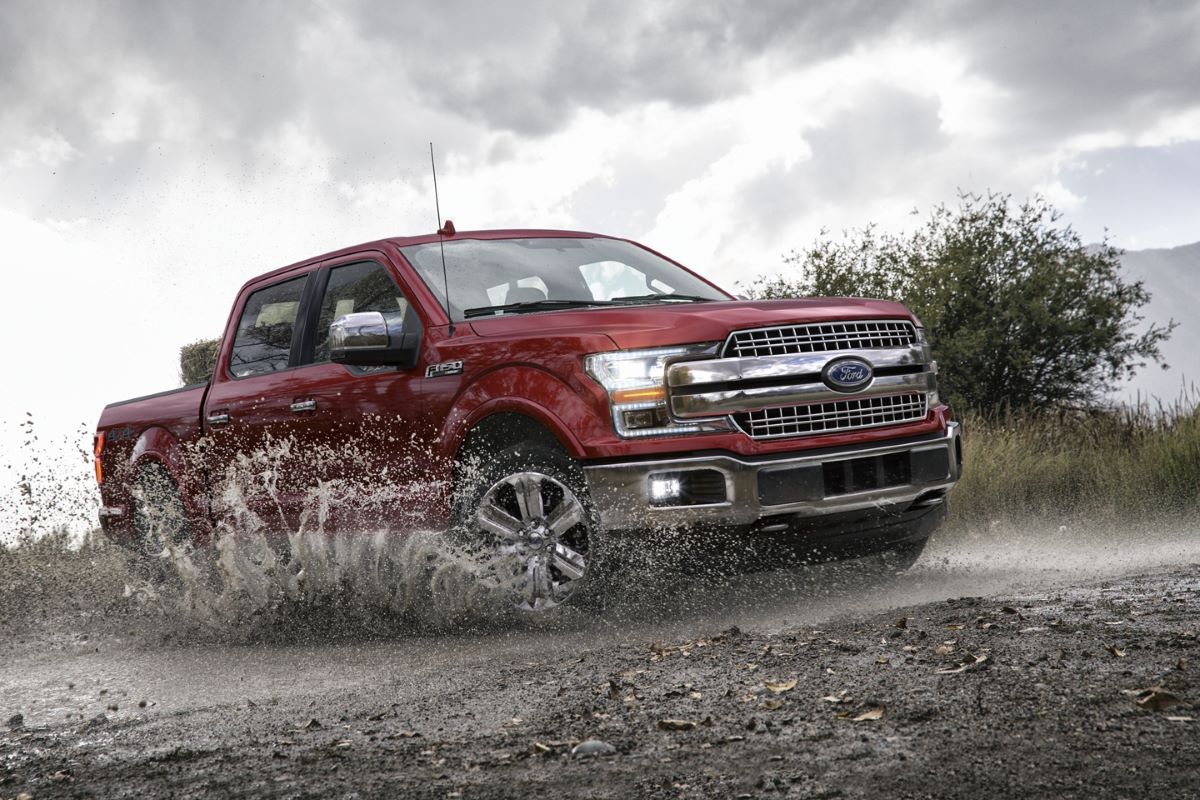
The F-150 is America’s best-selling vehicle, but even lightly used examples can feel enormous in town. The wide body, long hood, and tall ride height make it more challenging to see the truck’s corners, and some trims without 360-degree cameras can feel downright intimidating in tight spots.
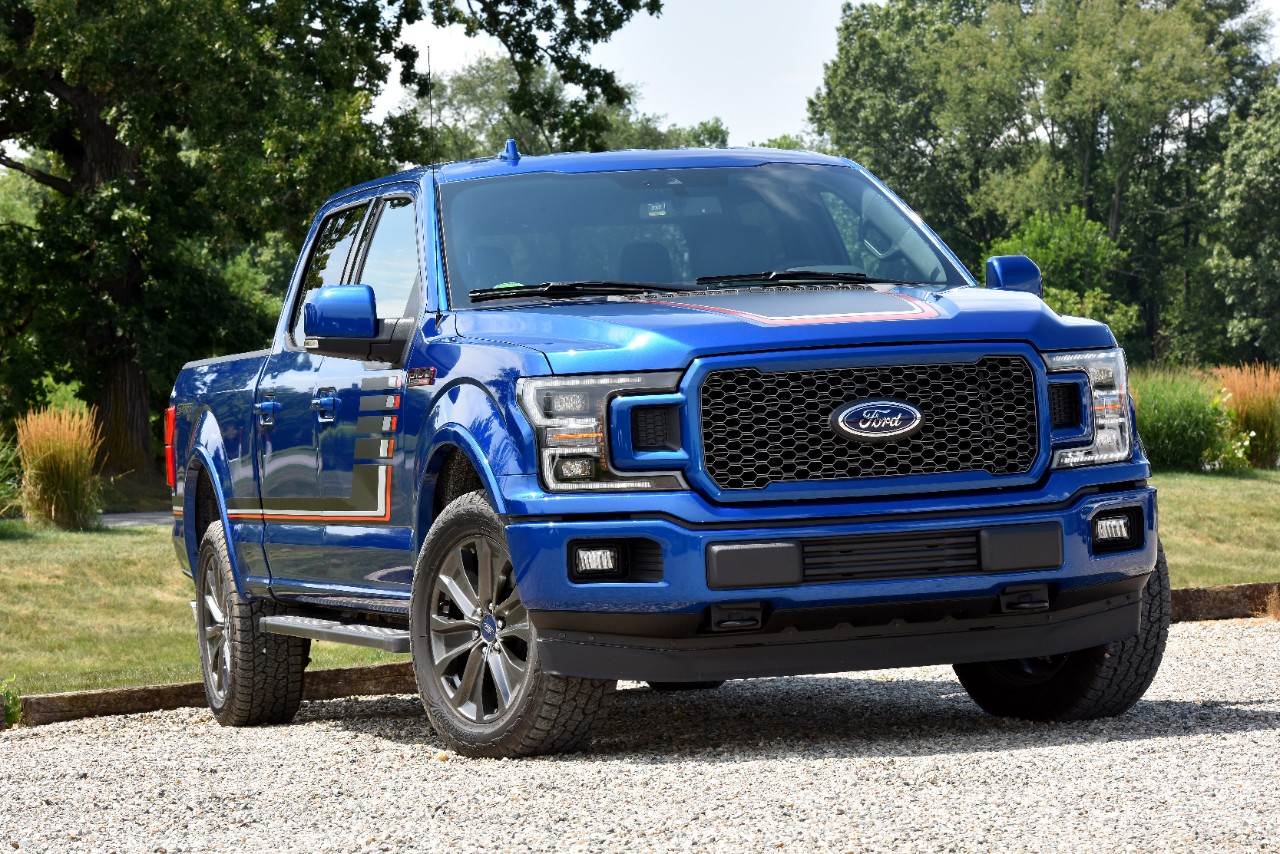
The turning radius on popular SuperCrew models is noticeably worse than mid-size trucks, and navigating a narrow supermarket parking lot can quickly turn into a multi-point ordeal.
The Ford F-150 has long held its crown as America’s best-selling vehicle, yet in recent years it has lagged behind competitors when it comes to refinement and driving dynamics.
With the 2015 redesign, Ford set out to improve the fundamentals of its iconic pickup while embracing advanced materials like aluminum extrusions, structural adhesives, and, yes, 2,700 rivets. The question was whether these engineering feats would translate into a truck that not only excels in utility but also feels modern and composed on the road.
The 2015 F-150 had an unusually long development period, beginning in 2009, which allowed engineers to craft a new frame and body, retool factories for aluminum construction, and train thousands of body shops in the nuances of aluminum repair.
Despite this extended timeline, the truck’s exterior styling is subtle, resembling more of a mid-cycle refresh than a ground-up redesign. Changes include a slightly more rounded grille, and upper trims are distinguished by LED headlights and taillights.
Functional updates are quietly clever: deeper indentations behind the door handles make entry easier with gloves, optional side-mounted loading ramps add utility, and the tailgate step is larger for easier access to the bed.
Inside, Ford has taken an evolutionary, function-first approach. Gone are the futuristic capacitive controls Ford has teased for years; instead, the cabin features logically placed, oversized buttons and knobs. The center-console shifter remains the familiar large lever, thoughtfully positioned to support your arm while interacting with the touchscreen.
Even the new electronic parking brake, located to the left of the steering wheel, is designed to minimize disruption for long-time F-150 drivers. While practical, the interior design and materials lag behind competitors like the Ram 1500, leaving room for improvement in aesthetic appeal.
On the road, the EcoBoost engines showcase the F-150’s modern performance. We spent time driving variants equipped with the 325-hp, 2.7-liter twin-turbo V-6. This EcoBoost engine delivers strong, responsive performance with minimal turbo lag and ample passing power at higher RPMs.
It remains composed and never feels strained, even climbing the steep grades of Texas Hill Country. The carryover six-speed automatic transmission complements the engine well, shifting smoothly without hesitation or hunting for gears, making the 2015 F-150 a refined and capable truck that blends modern technology with proven practicality.
2. Chevrolet Silverado 1500 (2014–2018)
This generation of Silverado is known for its durability and strong V8 options, but it also comes with bulk that city drivers will constantly feel.
The boxy front end sits high, limiting forward visibility, while the truck’s sheer width makes parallel parking feel like a sport in itself.
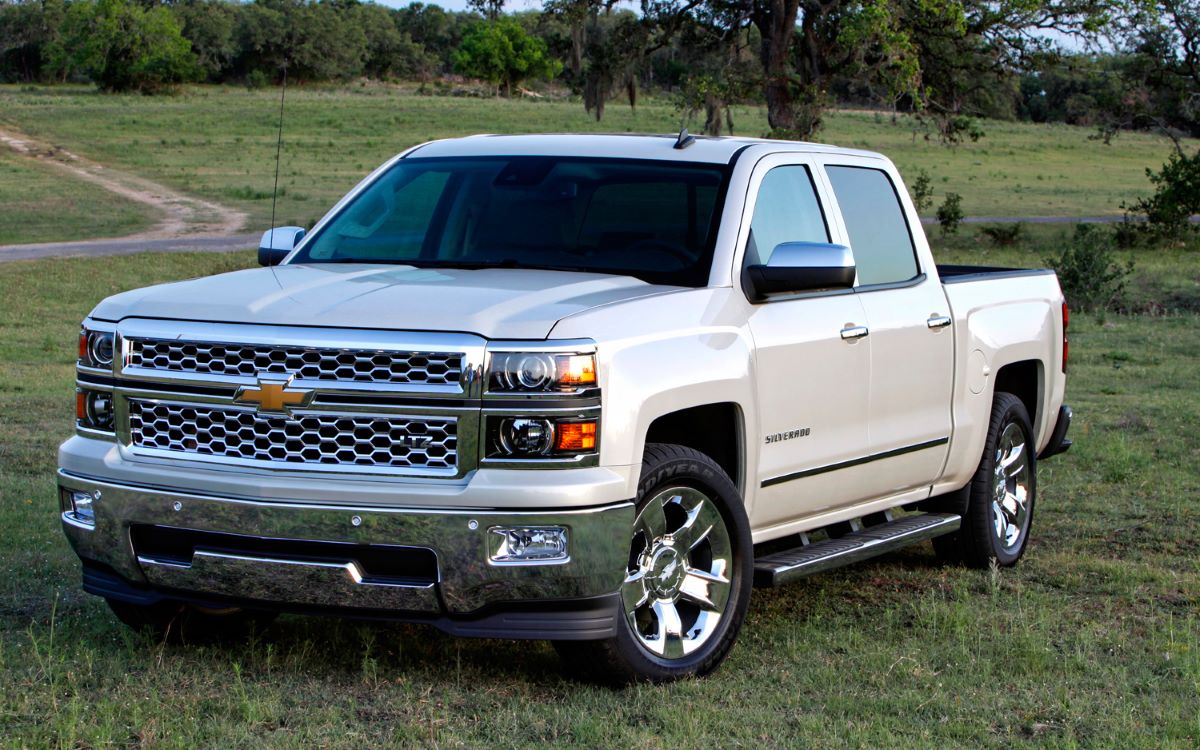
Even with parking sensors, it’s easy to misjudge the rear corners, especially in older trims with smaller backup screens. For buyers who live in rural or suburban areas, the size is manageable. For those who spend weekdays downtown, it can quickly grow tiresome.
3. Ram 1500 (2013–2018)
The Ram 1500 delivers one of the smoothest rides in the full-size class thanks to its coil-spring rear suspension, but that comfort doesn’t change its substantial road presence.
The big hood bulges, wide stance, and extended wheelbase on popular crew-cab models make navigating parking decks tricky.
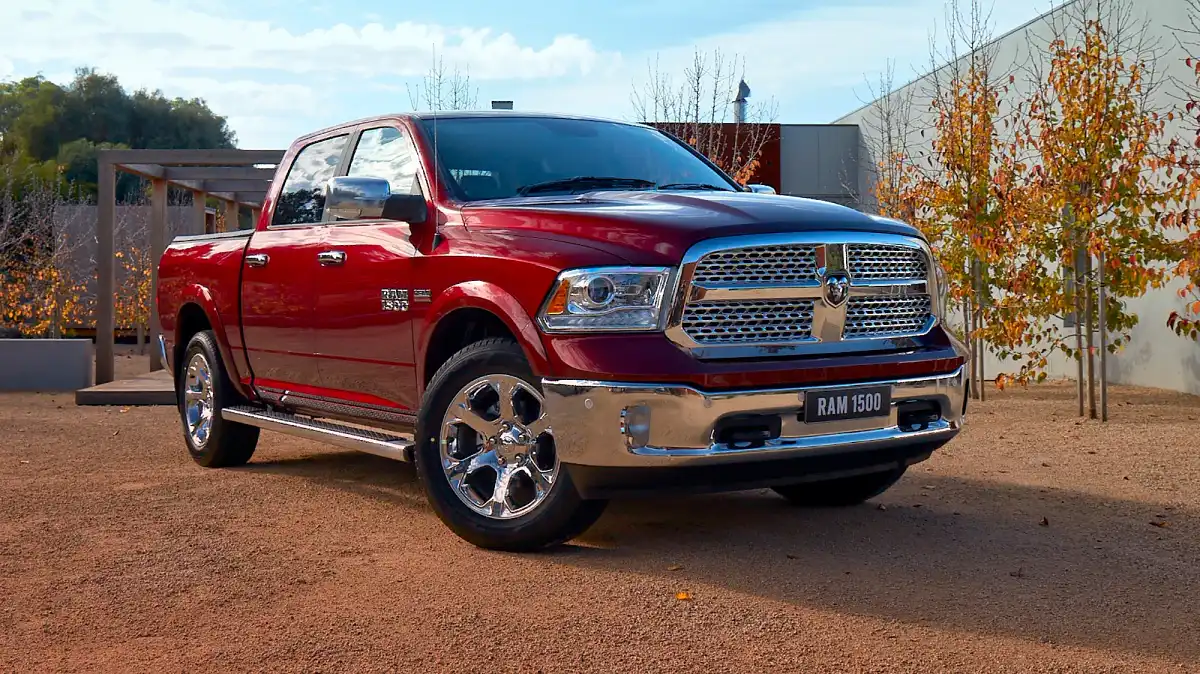
While newer Rams with camera options improve things significantly, many used examples especially lower trims lack the tech that urban drivers rely on today. Add in the Ram’s luxurious interior, and you feel even more pressure not to scrape anything.
For 2013, the Ram 1500 introduced a new V6 engine paired with an eight-speed automatic transmission, earning praise from test drivers for its lively acceleration and responsive performance. In addition to the V6, there are two available V8 options.
While some reviewers noted that the smaller V8 offers little advantage over the V6, most agreed that the larger V8 delivers a distinctly powerful driving experience. An automatic transmission is standard across all models. With the V6, the Ram 1500 achieves an impressive EPA-estimated 17/25 mpg city/highway, which stands out in the full-size truck segment.
The truck’s rear suspension employs coil springs, a rarity among pickups, and an adjustable air suspension is also available. Regardless of the setup, reviewers consistently highlighted the Ram 1500’s smooth ride and composed handling. Properly equipped, the 2013 Ram 1500 can tow up to 10,450 pounds, making it a highly capable workhorse.
Inside, the 2013 Ram 1500 cabin earned acclaim for its attractive styling and high-quality materials. Regular cab models accommodate up to three passengers, while Quad and Crew Cab versions can seat as many as six. Front seats were widely praised for their comfort and support, and the Crew Cab’s rear seating provides generous space.
Standard equipment includes a USB port, automatic headlights, and a locking tailgate. Available features expand the truck’s comfort and convenience with offerings such as a 10-speaker audio system, navigation, a rearview camera, rear parking sensors, power windows and door locks, leather upholstery, heated and ventilated front seats, a heated steering wheel, and heated rear seats.
4. Toyota Tundra (2014–2021)
Known for reliability and ruggedness, the Tundra also ranks among the most difficult full-size pickups to manage in town.
The driving position is high, visibility is compromised by thick pillars, and the front end stretches out far enough to feel unwieldy at every tight intersection.
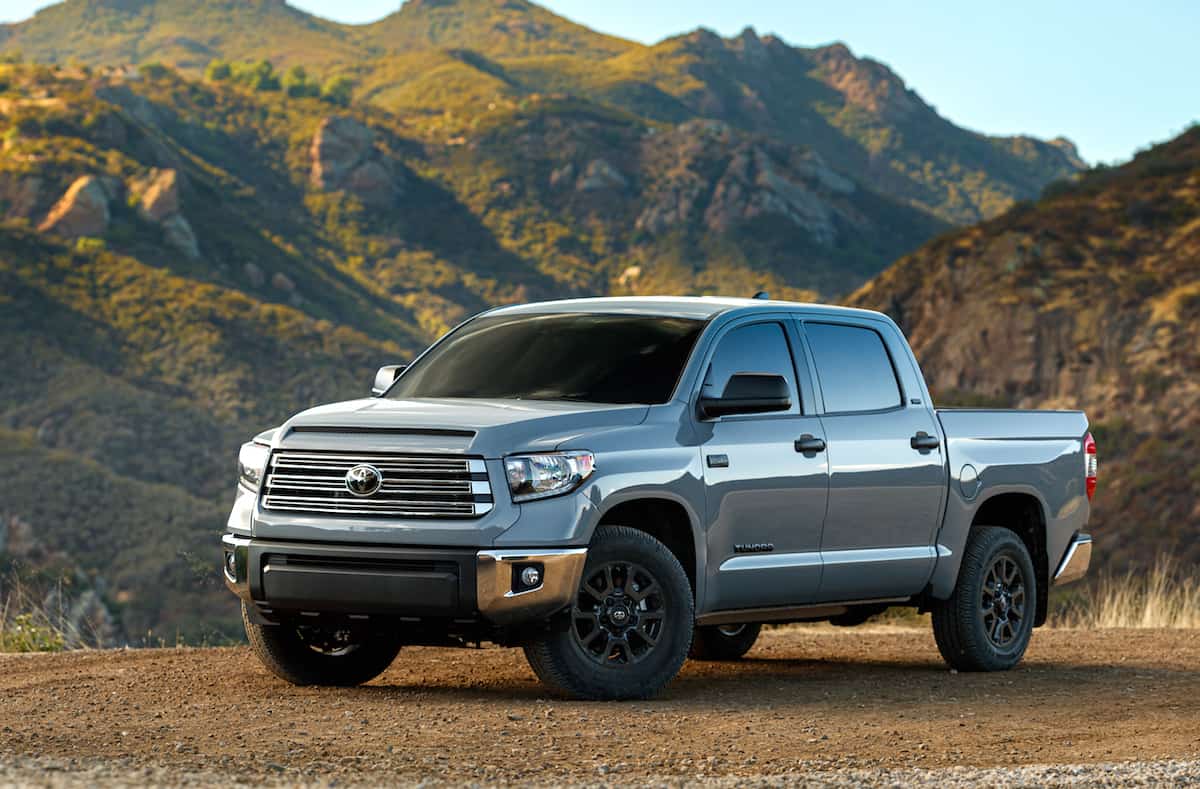
Its turning radius is also one of the worst in the segment, especially on popular CrewMax models. Mechanically, it’s a fantastic long-term truck.
When Toyota overhauled its full-size Tundra pickup for 2022 after fourteen years of largely unchanged design, the automaker chose evolution over revolution. The redesign maintains the Tundra’s full-size pickup identity while diverging from the typical domestic pickup formula in key ways. Notably, it is the only half-ton full-size truck without an optional V-8 engine.
Instead, the Tundra is powered exclusively by a twin-turbocharged V-6, with the base version producing either 348 or 379 horsepower depending on the model.
All Tundras are equipped with a 10-speed automatic transmission and can be had with rear- or four-wheel drive, though unlike many domestic competitors, there is no automatic four-wheel-drive system.
The Tundra is available in extended- or crew-cab configurations and offers bed lengths of 5.5, 6.5, or 8.1 feet depending on cab size and trim level. Toyota provides seven trim tiers designed to serve a wide range of buyers, from worksite and business use to off-road adventures and suburban lifestyles that call for a more upscale interior.
Reflecting its Texas roots, the Tundra offers a massive optional infotainment screen measuring 14 inches wide. Among the significant updates in the 2022 redesign is a new coil-spring rear suspension, which enhances ride comfort compared with traditional leaf-spring setups that tend to bounce and jiggle more over rough surfaces.
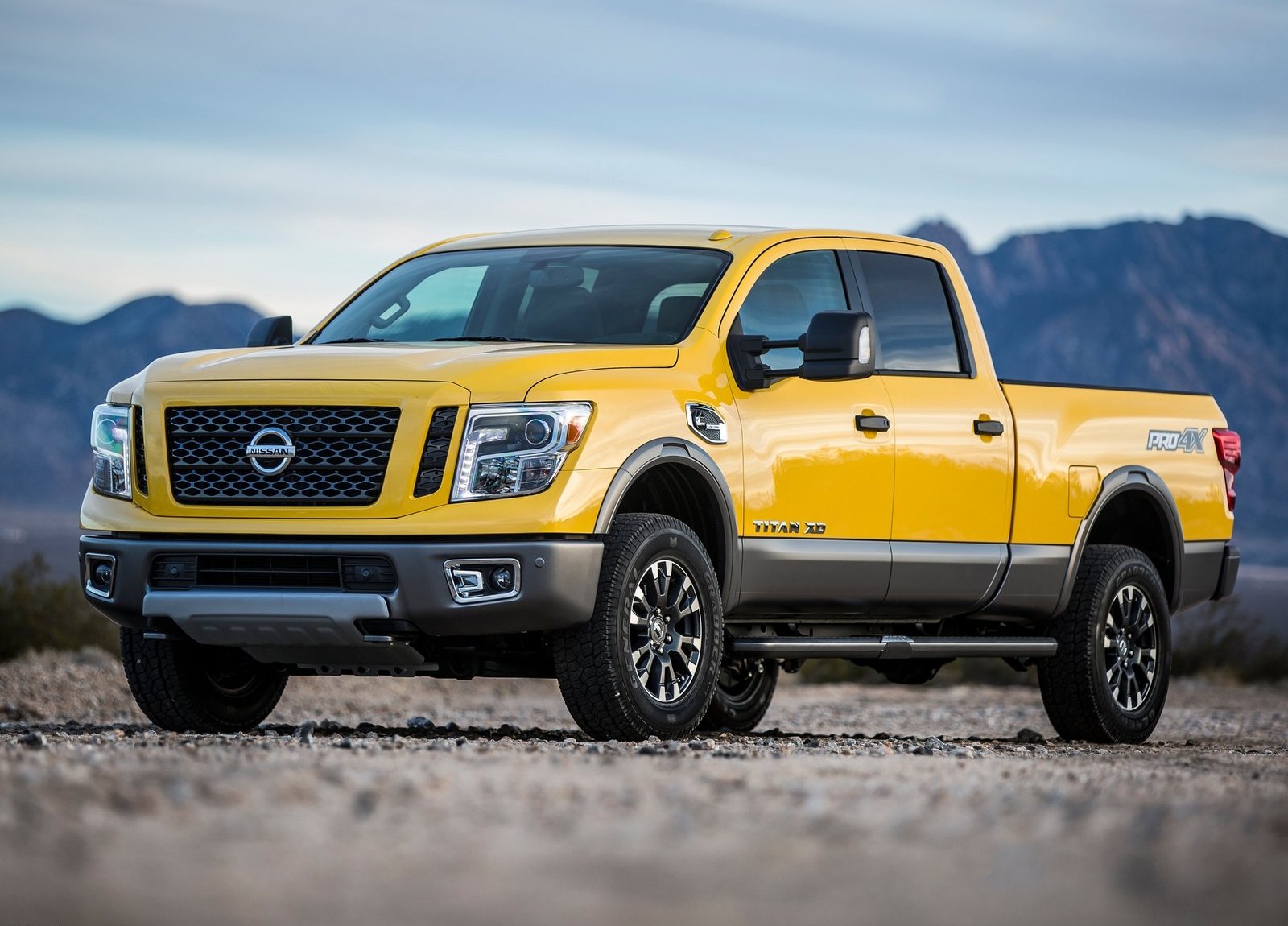
5. Nissan Titan (2016–2020)
The Titan never reached the popularity of its rivals, but its size issues mirror the biggest trucks in the segment. The hood is tall and square, visibility is average at best, and the steering requires more effort than many competitors.
Even with optional cameras, the truck feels bulky during low-speed maneuvers, particularly in parking lots.
While the Titan XD is the true giant of the family, even the standard Titan feels like it wasn’t designed with urban practicality in mind. For pure capability, it’s respectable. For town driving, it’s tiring.
As the used-truck market continues to heat up in the US, more buyers are seeking pickups that can handle both the demands of work and the realities of daily commuting.
While full-size trucks still dominate sales, mid-size models have become the smarter choice for those who spend time in cities or crowded suburbs. Models like the Tacoma, Ranger, Ridgeline, Canyon, and Frontier prove that you don’t need jumbo dimensions to enjoy real truck capability.
On the other hand, capable giants like the F-150, Silverado, Ram 1500, Tundra, and Titan remain excellent workhorses but they ask for more patience in tight spaces, more time when parking, and more awareness in every narrow lane.