
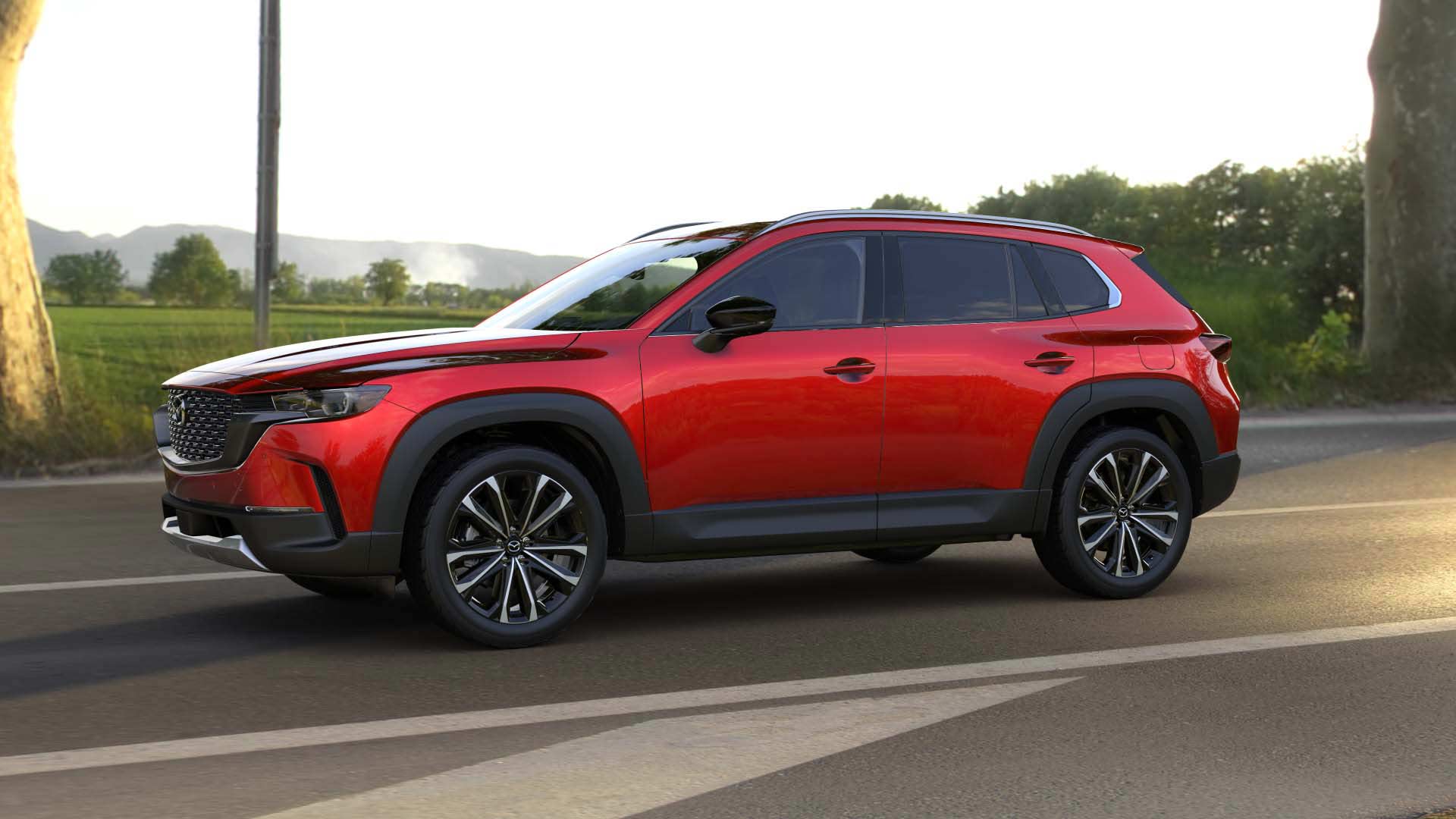
Weekend road trips are a cherished part of American driving culture. Whether it’s a spur-of-the-moment coastal run, a mountain escape, or a visit to a neighboring state, the vehicle you take will shape the entire experience.
A true weekend “cruiser” isn’t defined by horsepower or luxury badges it’s a car that keeps you comfortable mile after mile, offers enough space for luggage or adventure gear, maintains a smooth ride on long stretches of highway, and returns decent fuel economy so the trip stays affordable.
From budget-friendly compact crossovers to premium three-row SUVs, today’s market offers road-trip-ready cruisers at every price point. Below are the best options you can buy in 2025.
1. Honda CR-V
The Honda CR-V continues to be one of the strongest choices for drivers who want comfort and practicality without spending too much.
With plush, supportive seats and a relaxed driving posture, the CR-V makes long hours behind the wheel easy.
Its quiet cabin keeps wind and road noise to a minimum, and the wide cargo area is perfect for travelers packing multiple bags, camping equipment, or even a weekend’s worth of groceries.
Hybrid models push fuel economy even higher, allowing road-trippers to cover more miles between stops. For budget-conscious buyers, the CR-V offers the right mix of comfort, efficiency, and interior space.
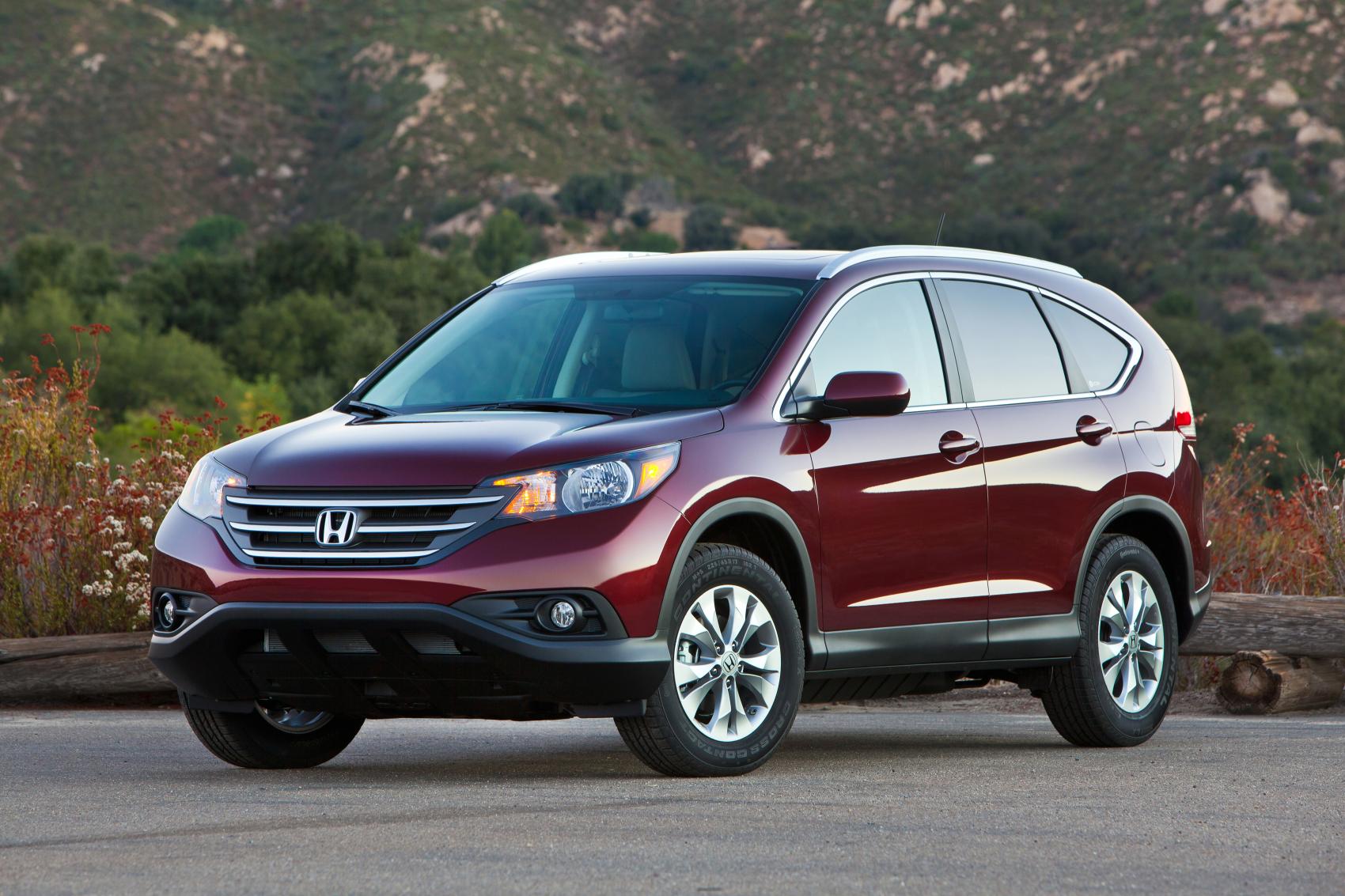
At first glance, the 2026 Honda CR-V and CR-V Hybrid look much like their predecessors, and there’s a clear reason for that. With a record 402,791 CR-Vs sold in 2024 and sales continuing to climb in 2025, Honda had little incentive to drastically change a winning formula. Instead, the 2026 refresh focuses on meaningful improvements without overhauling the design.
The nonhybrid CR-V now comes standard with the previously optional 9-inch infotainment touchscreen, along with wireless Apple CarPlay and Android Auto. Additional safety features have been added, and the all-wheel-drive system has been refined for better performance.
While the visual changes are modest, the most significant updates are reserved for the CR-V Hybrid, which is reviewed separately. The hybrid variant delivers more power, better fuel efficiency, and a richer feature set, though it comes at a higher price point. These updates ensure that both versions of the CR-V remain competitive and appealing in the ever-crowded compact SUV market.
2. Nissan Rogue
The Nissan Rogue has become one of the most comfortable compact crossovers on the road, offering an upscale ride feel at a budget-friendly price.
Nissan’s Zero Gravity seats are specifically designed to support your back during long drives, reducing the fatigue that often builds up during multi-hour trips.
The cabin is surprisingly premium for its segment, with soft-touch surfaces, a smooth ride, and a quiet interior that helps set the tone for relaxing weekend travel.
Its efficient engine and practical cargo area make the Rogue a smart choice for road-trip beginners and young families alike.
The Nissan Rogue struggles to impress behind the wheel. Its lackluster performance and uninspired driving dynamics are partially balanced by a comfortable cabin, generous cargo space, and a fuel-efficient gas engine.
It stands out in its class by offering an optional third row and a hybrid model, the only other competitor to do both is the Toyota RAV4. Yet, despite these perks, the Rogue falls short in refinement, performance, and value, leaving it as a middling choice for those seeking the best bang for their buck. For buyers prioritizing driving engagement and responsiveness, there are stronger alternatives.
For 2017, the Rogue received updated styling and introduced its first-ever hybrid powertrain. Inside, the cabin saw improvements such as upgraded materials, a flat-bottomed steering wheel, and a refreshed center console.
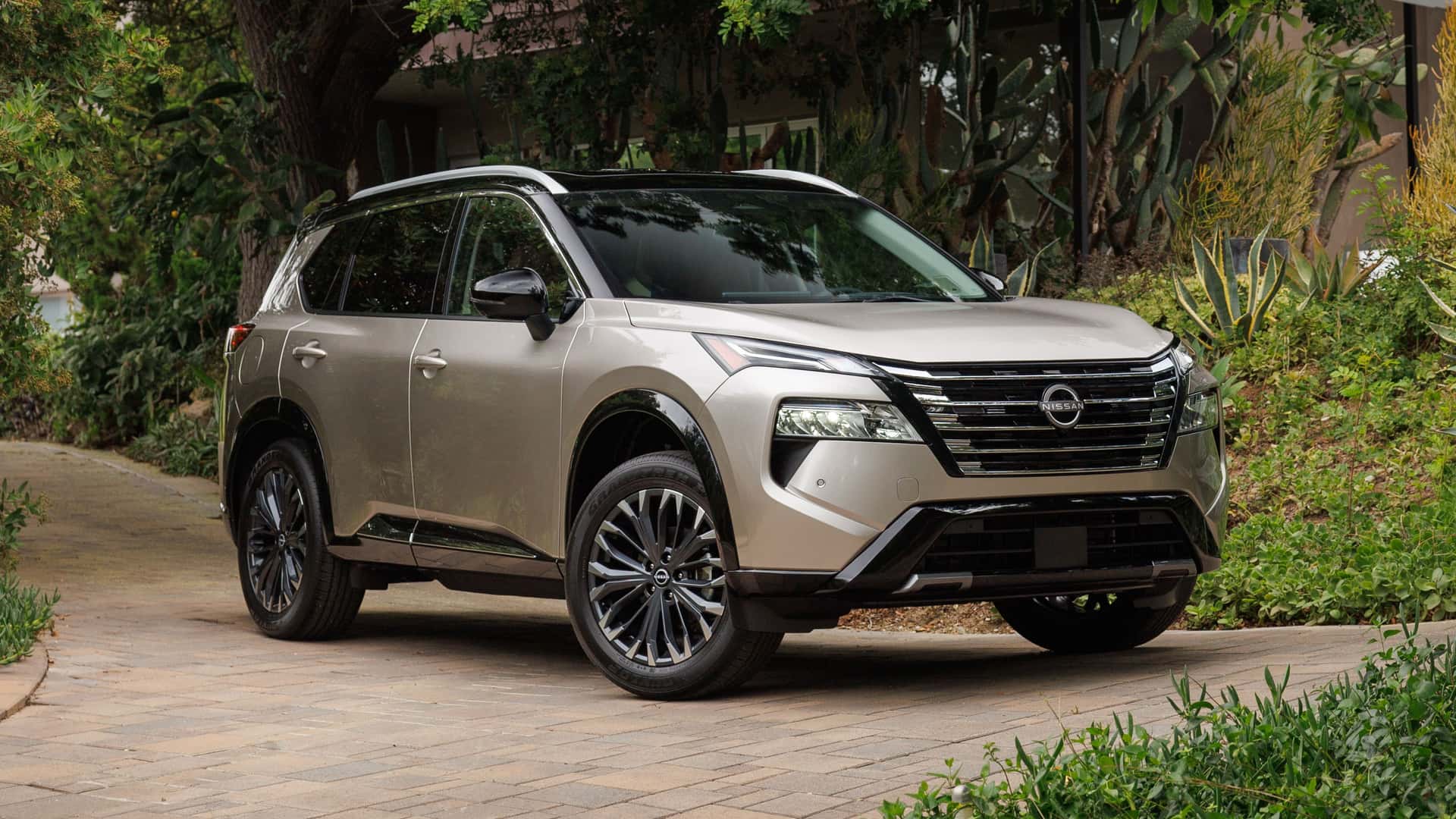
Active-safety features like adaptive cruise control and automated emergency braking became standard, while optional amenities expanded to include remote start, a heated steering wheel, memory mirrors and driver’s seat, and the Platinum Reserve interior package, which adds tan leather-appointed seats with quilted inserts.
Under the hood, the standard Rogue features a 170-hp 2.5-liter four-cylinder paired with a continuously variable automatic transmission (CVT). The CVT’s sluggish response and syrupy power delivery result in engine strain under heavy throttle, making the crossover feel sluggish in everyday driving.
The hybrid version combines a 2.0-liter four-cylinder with an electric motor for a total of 176 horsepower, still routed through the same CVT. Both powertrains offer front- or all-wheel drive.
Acceleration is clearly behind class leaders, and the Rogue’s soft suspension, while providing a relaxed ride, compromises control. It tends to bob and heave around corners at even moderate speeds and lacks stability when cruising on the highway.
Also Read: Top 10 Cars With Rear Seats That Fold From the Trunk
3. Mazda CX-50
For drivers who want something more stylish and refined, the Mazda CX-50 blends comfort, upscale materials, and a confident highway ride. While still affordable, the CX-50’s cabin feels premium, offering supportive seats and excellent insulation from exterior noise.
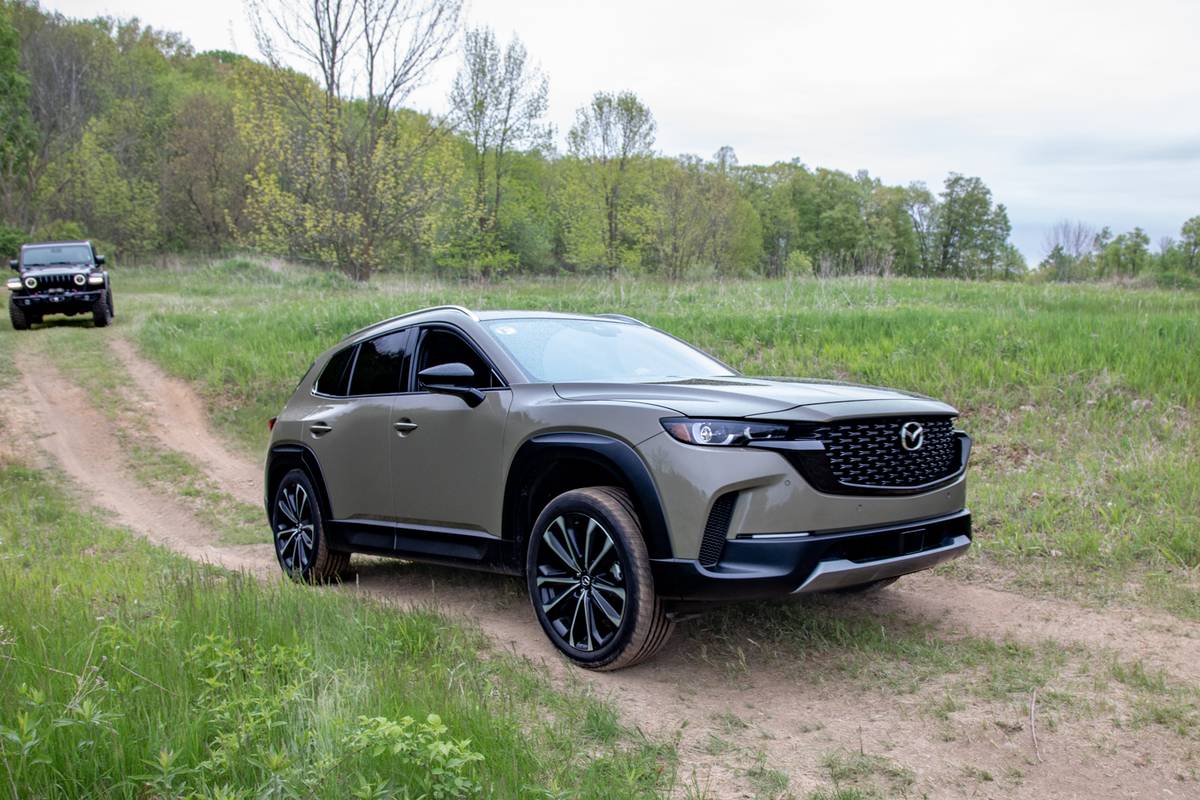
Mazda tuned this crossover for stability, which pays off during long stretches of winding highway or backroads common in US weekend destinations.
With enough cargo room for outdoor gear and a balanced suspension that soaks up rough pavement, the CX-50 is ideal for travelers who want comfort with a touch of sportiness.
4. Subaru Outback
The Subaru Outback remains one of the most iconic weekend cruisers in America. Its combination of roomy wagon design and SUV capability gives travelers the flexibility to handle both highways and unpaved trails.
Standard all-wheel drive provides confidence in rain, snow, and steep rural roads, making the Outback a smart choice for adventurous destinations.
Inside, the cabin is wide and comfortable, offering excellent legroom, a spacious cargo area, and supportive seats suited for marathon drives.
The ride is smooth and settled, helping passengers feel refreshed even after long hours on the road. For many families, the Outback is the ultimate budget-friendly alternative to a larger SUV.
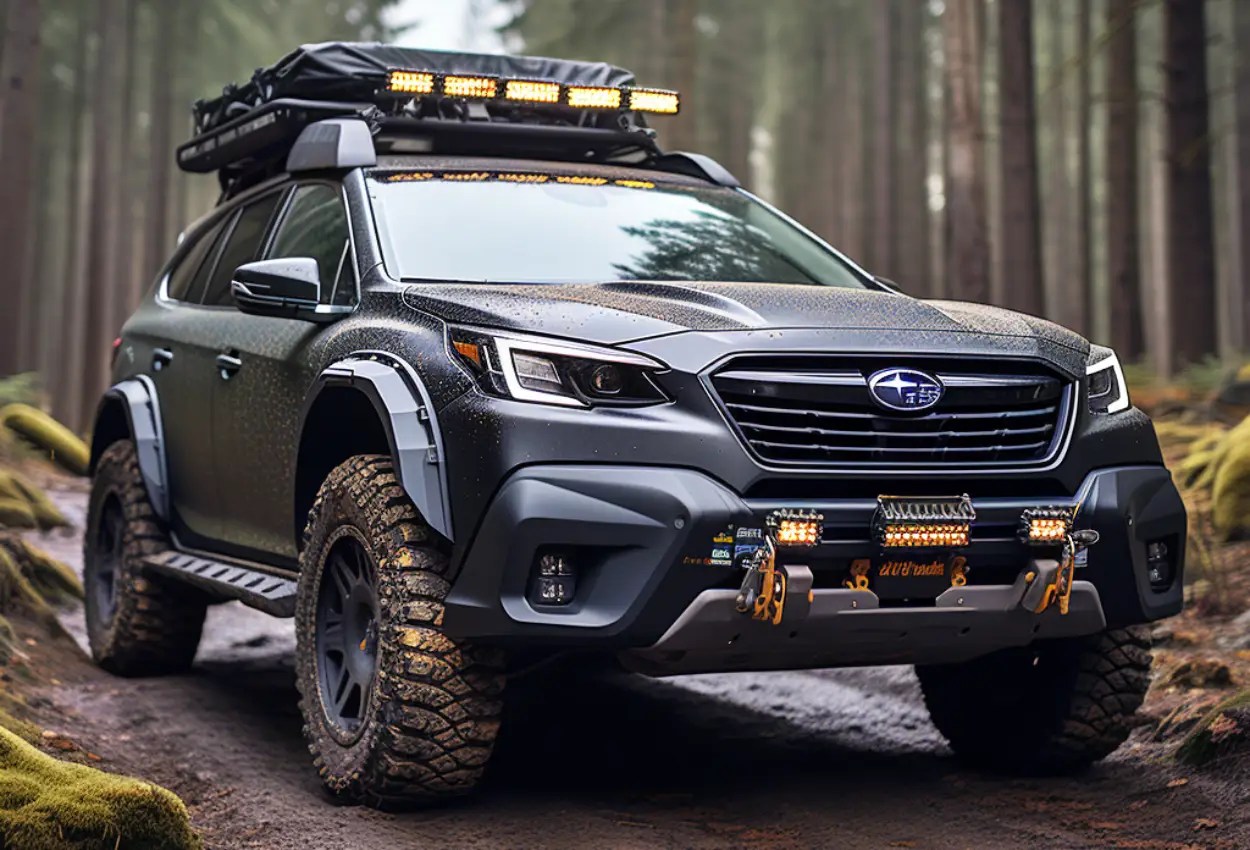
The Subaru Outback is the automotive equivalent of a trusty mid-weight hiking boot: unpretentious, comfortable, and ready to handle moderately challenging terrain when the occasion calls for it.
While many crossovers offer similar capabilities, the Outback’s roots as a station wagon give it a distinct personality, cool, approachable, and practical, a reputation it has carefully cultivated for more than thirty years. Its wagon architecture delivers a car-like ride and agile handling, while providing generous cargo space and seating for up to five passengers.
Under the hood, the Outback comes standard with a 182-horsepower four-cylinder engine mated to a continuously variable automatic transmission (CVT) and all-wheel drive. For those seeking more power, a 260-horsepower turbocharged four-cylinder is available. Inside, the cabin layout is thoughtfully designed, materials are above average, and higher trims verge on true luxury.
Throughout it all, the Outback maintains its friendly and mellow character, though buyers accustomed to the refinement and pricing of luxury brands may want to consider competitors such as the Audi A4 Allroad or the Volvo V60 Cross Country.
5. Toyota RAV4 Hybrid
The Toyota RAV4 Hybrid is a standout for drivers who prioritize fuel efficiency during road trips. Its hybrid powertrain delivers excellent real-world MPG, reducing the number of gas-station stops during weekend travel.
The tall driving position helps drivers see farther ahead on unfamiliar rural routes, while the cabin remains quiet enough for easy conversation.
The seats are comfortable for long drives, and the hybrid system provides smooth, uninterrupted power delivery ideal for long, steady highway cruising.
With enough cargo space for bags or gear and Toyota’s long-term reliability, the RAV4 Hybrid is a dependable weekend companion.
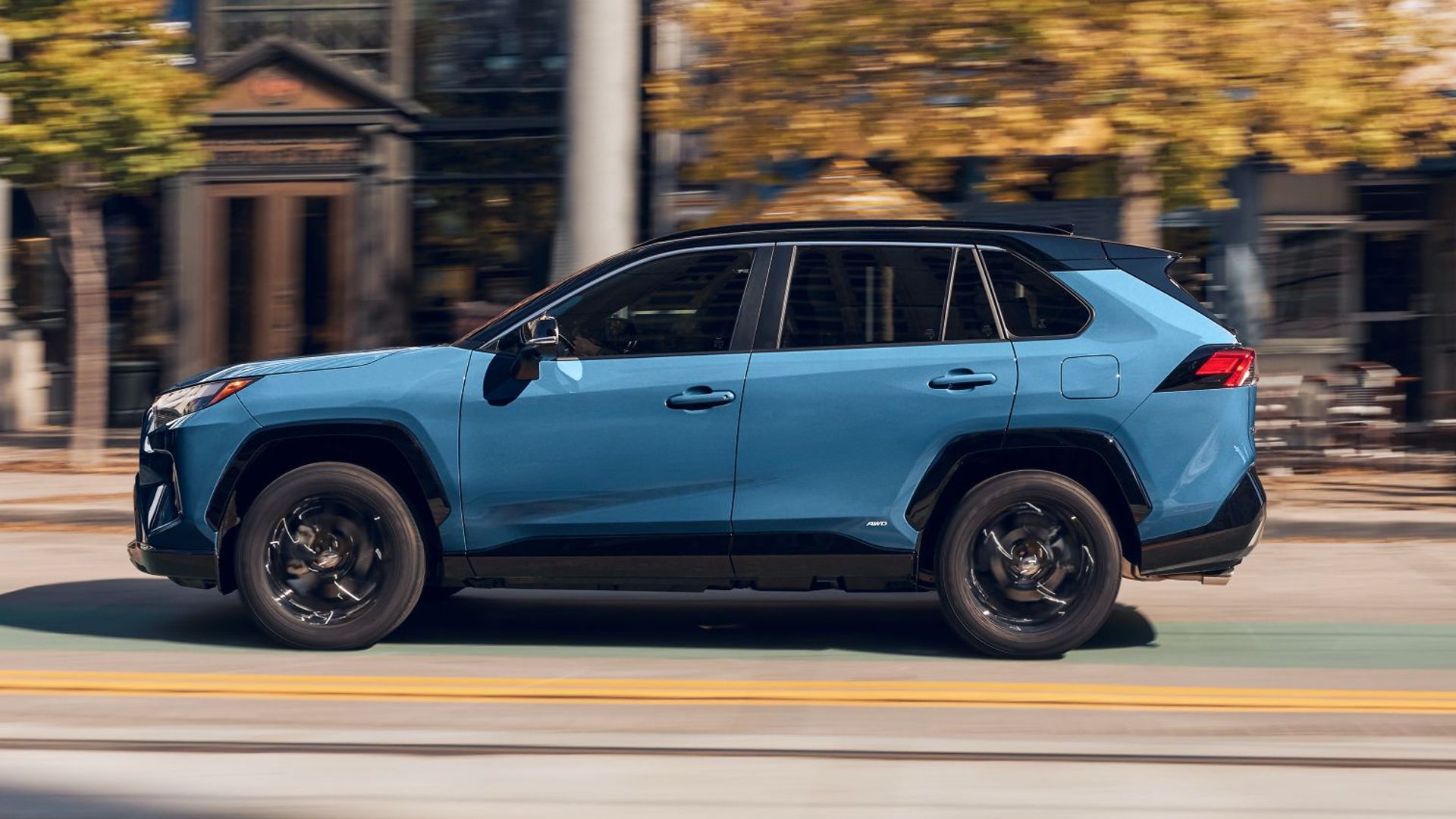
The RAV4 Hybrid combines a 2.5-liter four-cylinder engine with three electric motors to deliver a total of 219 horsepower. Standard all-wheel drive comes courtesy of one motor driving the rear wheels while the others work with the gasoline engine up front, and power is routed through a continuously variable automatic transmission (CVT).
Compared with the gas-only model, the hybrid is not only more fuel-efficient but also quicker: our test of the Woodland Edition recorded a 7.3-second sprint to 60 mph, compared with 8.0 seconds for the standard RAV4. Around town, the electric motors provide instant torque for brisk takeoffs, making city driving feel lively.
For even stronger performance, the RAV4 Prime impresses with a 60-mph time of just 5.6 seconds. While both the hybrid and Prime maintain the standard RAV4’s comfortable ride and capable handling, neither is a cornering specialist, these crossovers excel more in versatility and efficiency than in sporty dynamics.
Also Read: 10 Small SUVs Perfect for First-Time Owners
6. Hyundai Tucson Hybrid
The Hyundai Tucson Hybrid offers the luxury feel of a higher-priced SUV while staying within the mid-budget range.
Inside, the Tucson’s cabin is modern and upscale, with clean layouts and soft materials that give a premium vibe. Its hybrid system provides both power and efficiency, making it well-suited for high-mileage weekend trips.
Drivers often praise its quiet ride and excellent seat comfort, especially during multi-hour journeys. With a spacious interior and strong fuel economy, the Tucson Hybrid is perfect for families or couples planning regular weekend escapes.
The Tucson’s engine, unfortunately, doesn’t deliver much punch, leaving the SUV feeling underpowered when you need quick acceleration. In everyday city and highway driving, it’s acceptable, but the sluggishness becomes obvious when urgency is required.
During our testing, the Tucson took 10.2 seconds to sprint from 0 to 60 mph, placing it among the slower crossovers we’ve measured in recent years.
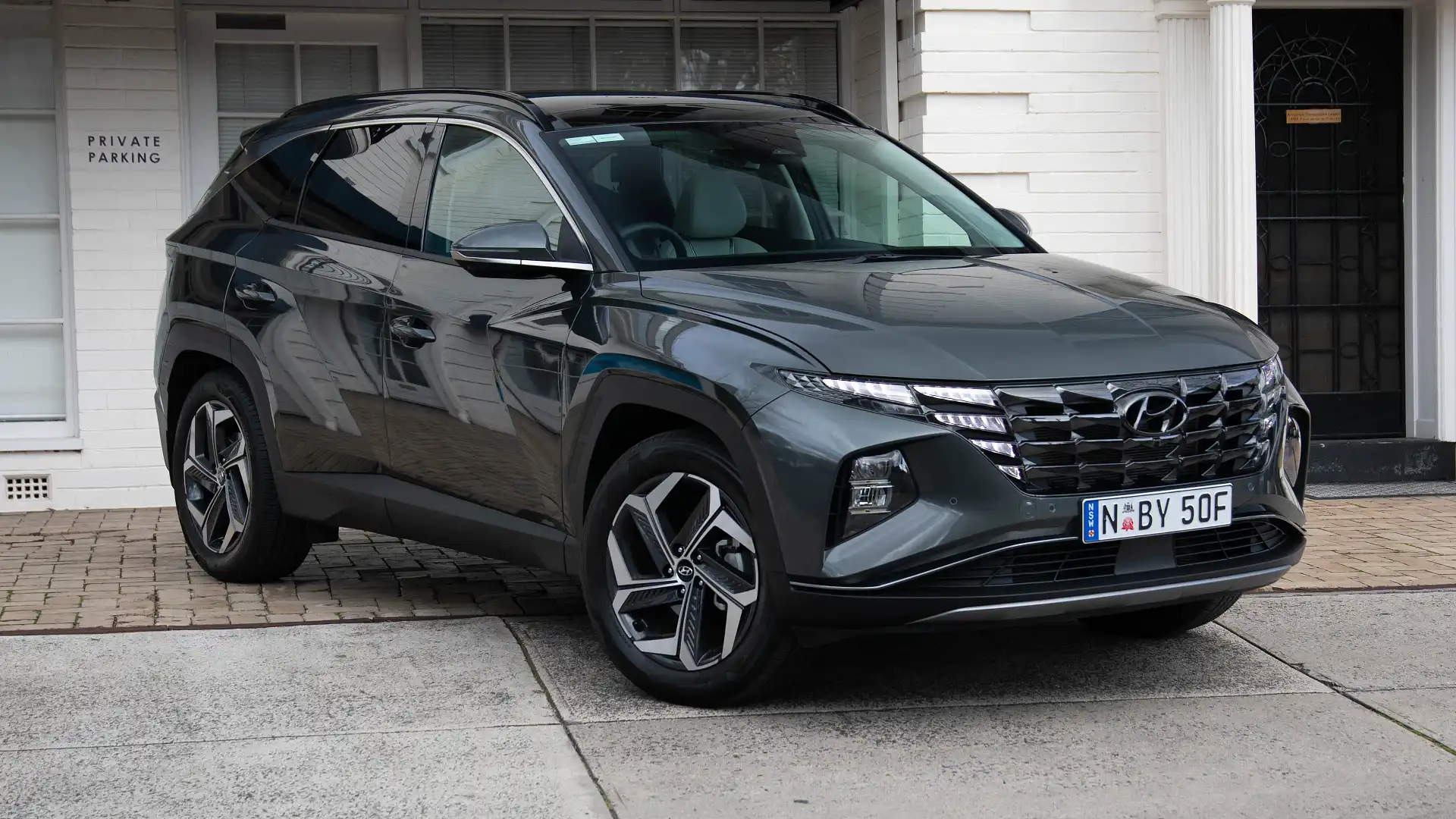
Beyond straight-line performance, the Tucson’s driving dynamics are largely competent. Steering is direct and easy, and the SUV stays composed through corners. The transmission shifts smoothly when upshifting, though downshifts can feel abrupt and coarse when you press the accelerator aggressively.
Where the Tucson truly shines is in its technology offerings. Apple CarPlay and Android Auto come standard, and both display clearly on the available 10.25-inch touchscreen. Hyundai’s native navigation system is intuitive, with clear directions and a vivid map. Voice commands are also a strong suit, recognizing inputs without requiring rigid phrasing, a convenience that some competitors lack.
The Tucson also scores well on safety and driver-assistance features. Blind-spot warnings are useful, and the adaptive cruise control performs admirably in stop-and-go traffic. Front and rear parking sensors are handy for tight spots, though their persistent beeping can become a minor annoyance over time.
7. Kia Telluride
The Kia Telluride has earned its reputation as one of the best road-trip SUVs in America. Its cabin is nearly luxury-grade, offering plush seats, massive passenger space, and outstanding ride comfort.
Whether you’re loading up kids, adults, pets, or luggage, the Telluride handles it with ease.
The suspension absorbs bumps gracefully, even on older highways or mountain roads, and the quiet interior makes long trips significantly more relaxing.
With a strong V6 engine and thoughtful interior features like ventilated seats and wide rear doors, the Telluride is built for comfortable, stress-free travel.
The 2025 Kia Telluride continues to make shopping for a three-row midsize SUV effortless, thanks to its well-rounded package and track record of excellence. Its spacious interior accommodates adults comfortably across all three rows, while the cabin design and materials rival those of some entry-level luxury SUVs.
Beyond comfort, the Telluride is versatile enough for adventures and practical tasks alike. The X-Pro trims can handle moderate off-road terrain, and towing capacity reaches up to 5,500 pounds, making it capable for trailers and small campers. Editors consistently praise its quiet cabin, smooth ride, and intuitive driving experience.
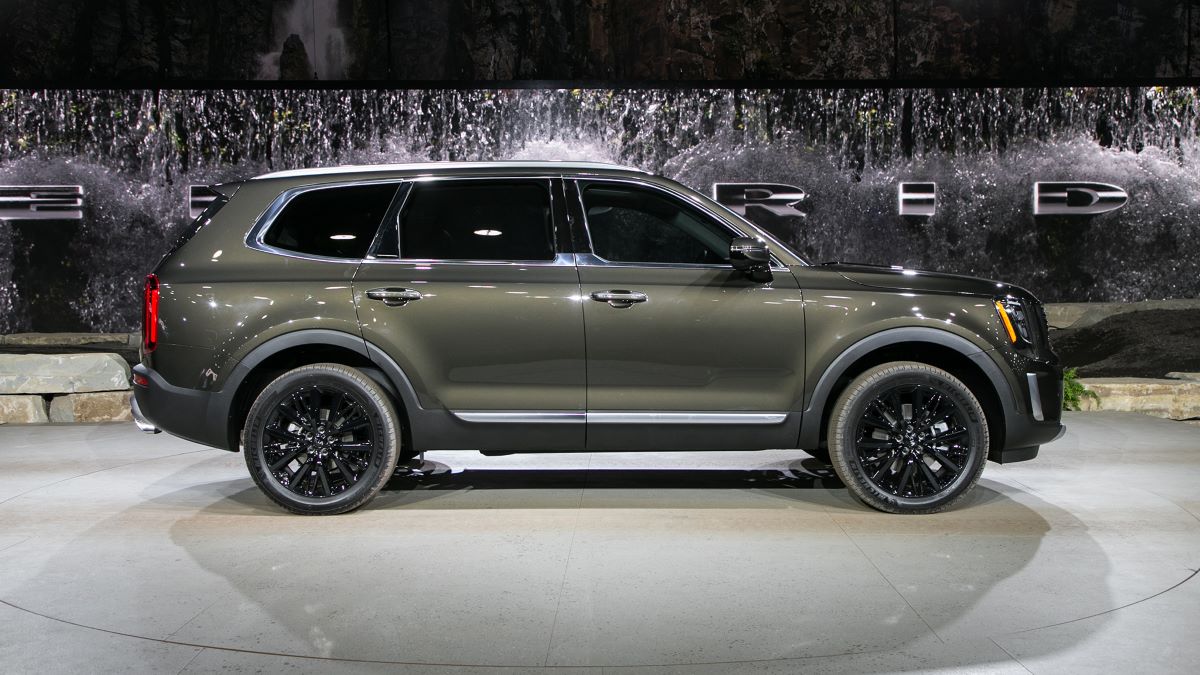
Starting at $37,885 and climbing to $55,180 for fully loaded SX Prestige X-Pro models, the Telluride offers a wide range of trims to suit various needs and budgets. For most buyers, the SX trim strikes the ideal balance, delivering near-luxury features such as 20-inch black-painted wheels, a Harman/Kardon audio system, dual sunroofs, second-row captain’s chairs, and a 10-way power-adjustable driver’s seat, with all-wheel drive available for an additional $2,000.
Under the hood, every Telluride is powered by a naturally aspirated V-6 producing 291 horsepower and 262 lb-ft of torque, paired with an eight-speed automatic transmission. Front-wheel drive is standard, with all-wheel drive offered across the lineup. The SUV feels firm yet composed on pavement, while an optional self-leveling rear air suspension smooths out rougher surfaces.
Steering is precise, braking strong, and the Telluride offers up to 8.4 inches of ground clearance for off-road excursions. In our testing, an X-Line accelerated from 0 to 60 mph in 6.8 seconds, competitive with most midsize three-row SUVs, though turbocharged rivals such as the Toyota Grand Highlander Hybrid Max and Mazda CX-90 in higher trims can feel quicker off the line.
The Telluride’s interior impresses with upscale materials, thoughtful storage, and comfortable seating for up to eight passengers (seven with optional captain’s chairs). Top trims feature driver’s seat memory, a head-up display, heated and ventilated rear seats, premium Nappa leather, and a rich headliner.
Cargo space is generous, fitting four carry-on suitcases behind the third row and a total of 35 carry-ons with both rear rows folded flat. Fuel economy is respectable for its size, with front-wheel-drive models rated at 20/26 mpg city/highway and all-wheel-drive versions at 18/24 mpg. On a 75-mph highway test, our AWD Telluride returned 26 mpg, surpassing EPA estimates.
For families and buyers seeking a capable, comfortable, and refined three-row SUV, the 2025 Kia Telluride remains one of the segment’s standout choices, balancing practicality, performance, and premium touches without straying into luxury pricing.
8. Ford Explorer Hybrid
For drivers who want something powerful, spacious, and efficient, the Ford Explorer Hybrid is one of the best cruisers in the premium space.
Its hybrid system increases fuel economy without compromising on power, making it ideal for long interstate hauls or cross-state trips.
The seats are comfortable for both driver and passengers, and the cabin offers enough room to keep everyone relaxed during extended travel.
With strong acceleration and confident handling, the Explorer Hybrid performs well in both city and highway conditions, while still offering the cargo space road-trippers depend on.
The Ford Explorer has long been a mainstay in Ford’s SUV lineup, carrying families across three rows since 1990. The current, sixth-generation model, introduced for 2020, is built on a rear-wheel-drive-based platform shared with the Lincoln Aviator, giving it improved driving dynamics over its predecessors.
Positioned between the two-row Edge and the full-size Expedition, the Explorer competes with other three-row SUVs such as the Kia Telluride, Subaru Ascent, and Chevrolet Traverse. For 2023, the Explorer carries over unchanged, offering the same equipment and features as the 2022 model.
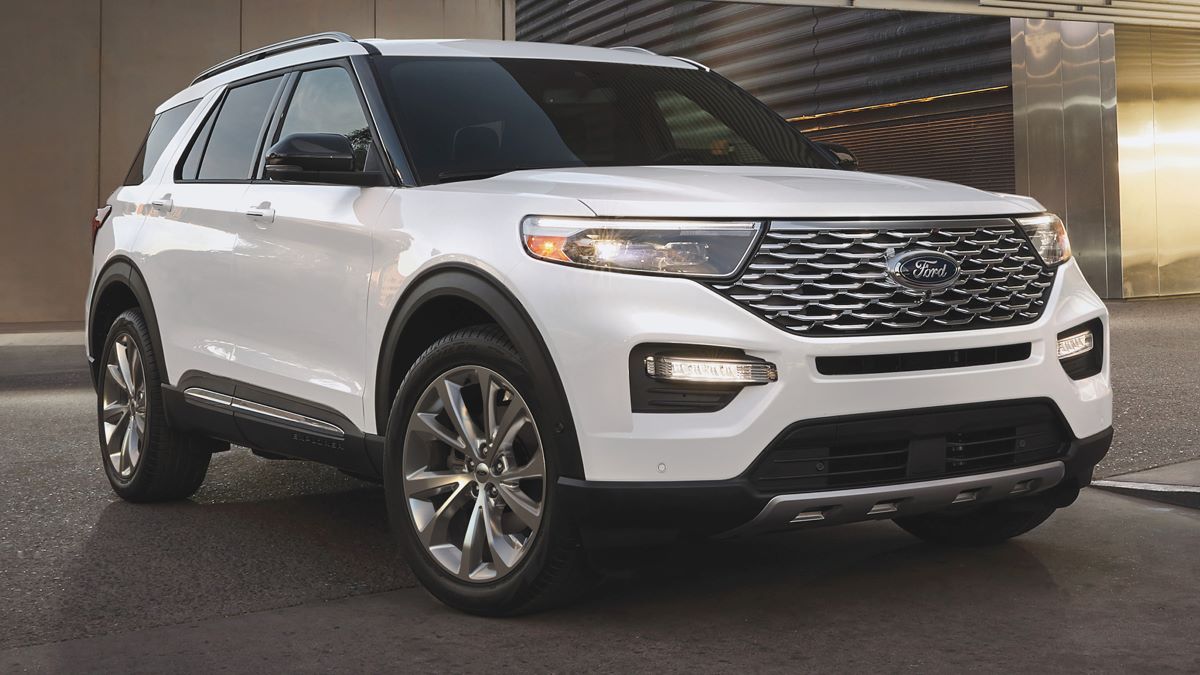
In our assessment, the Explorer delivers a mid-tier performance among three-row SUVs. When evaluated for SUV of the Year in 2020, the handling improvements brought by the RWD-based platform, particularly in the 400-hp Explorer ST, were praised, as was the hybrid version for offering strong fuel economy without sacrificing towing capacity or overall performance.
However, the interior remains a weak point. Despite the Explorer’s relatively high price, material quality and build feel subpar compared not only with segment rivals but even with its predecessor. Fuel economy, technology, and interior design all fall short, and in a recent seven-vehicle comparison of three-row SUVs, the Explorer finished last.
Every Explorer comes paired with a 10-speed automatic transmission. Base trims and most non-hybrid versions are rear-wheel drive, with all-wheel drive either standard or optional depending on the trim.
Powertrain options include a 2.3-liter turbocharged four-cylinder making 300 hp and 310 lb-ft of torque, delivering 20-21/27-28 mpg (city/highway) and a 0–60 mph time of 6.8 seconds for the Base, XLT, ST-Line, Timberline, and Limited trims.
The Limited Hybrid and Platinum Hybrid models use a 3.3-liter V-6 producing 318 hp and 322 lb-ft, with 23-27/24-28 mpg and a 0–60 mph time of 7.7 seconds. The ST and Platinum trims feature a 3.0-liter twin-turbo V-6, generating 365 hp and 380 lb-ft in the Platinum or 400 hp and 415 lb-ft in the ST, achieving 18/24-26 mpg and a 0–60 mph time of 5.3 seconds.
Overall, the Explorer offers a variety of engines and trims to suit different needs, from efficient hybrid commuting to performance-oriented driving in the ST. Yet, despite its capable powertrains, the interior shortcomings and lackluster tech features keep it from standing out among three-row SUV competitors.
9. Subaru Ascent
The Subaru Ascent delivers comfort, safety, and all-weather capability in one well-rounded package. Standard all-wheel drive makes it ready for all types of weekend adventures, especially in snowy or mountainous regions of the US.
Inside, the Ascent offers supportive seats and a cabin designed to minimize outside noise. The third row is more usable than many rivals, and the flexible cargo space suits families who often travel with gear.
For comfort-focused buyers who want peace of mind in all conditions, the Ascent stands out as a reliable, capable cruiser.
From budget-friendly compact crossovers to spacious premium SUVs, the US market is full of comfortable cruisers ready to turn any weekend into a memorable adventure.
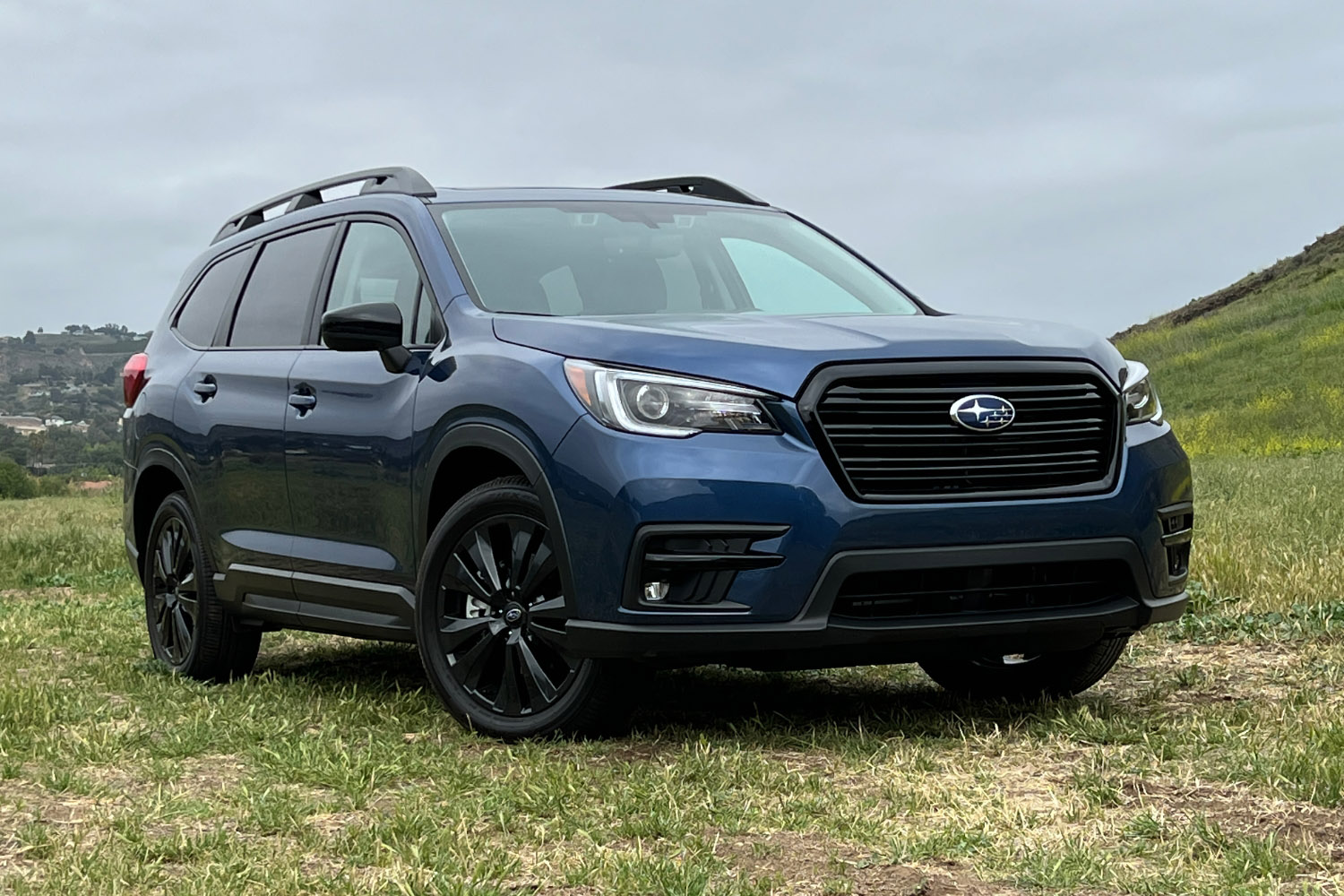
The Subaru Ascent is currently the largest SUV in the brand’s lineup, offering three rows of seating and standard all-wheel drive to accommodate up to eight passengers.
Power comes from a turbocharged 260-hp flat-four engine paired with a continuously variable automatic transmission (CVT), delivering 28 mpg on our 75-mph highway test route, surpassing recent segment rivals such as the Mazda CX-9 and Kia Telluride.
The Ascent impresses with a comfortable ride, a large infotainment touchscreen, and an extensive suite of standard safety features. However, significant road noise and a cramped third row prevent it from ranking at the very top of the midsize three-row SUV segment.
For 2023, Subaru refreshed the Ascent with a new grille, updated lighting elements, and upgraded standard equipment. The previous 6.5- and 8.0-inch infotainment screens have been replaced by a vertically oriented 11.6-inch touchscreen, while wireless Apple CarPlay and Android Auto are now standard across the lineup.
Performance-wise, the Ascent’s all-wheel-drive system and 260-hp turbocharged 2.4-liter engine make it capable for family road trips and towing a camper or speedboat, though acceleration is middling with a 0–60 mph time of 6.8 seconds.
The CVT can be noisy under heavy load, and throttle response is sometimes abrupt at low speeds. Paddle shifters offer more control over gear selection when desired.
Despite its shortcomings, including noticeable wind and road noise, the Ascent delivers a comfortable ride with composed handling, light and accurate steering, and a generally relaxed driving experience, making it a practical choice for three-row SUV buyers.
Whether your ideal getaway involves mountain passes, ocean highways, desert routes, or cozy small towns, there’s a vehicle perfectly matched to your needs and budget. If you’d like, I can now create a ranked list, a comparison chart, or individual write-ups for each model for your website.
